
Jamie Levy
President, CEO & Director at Generation Mining
25 years in the financing and management of Canadian mining companies. Was CEO of Pine Point Mining which was acquired by Osisko Metals. Formerly Vice President of Pinetree Capital.
Replay available
Join us for a great event!

On 6ix: 6ix.com/event/the-doctor-is-in
Automated transcript · Written by software from the replay's audio. It can mishear names and figures; the replay is the record.
0:08 Ladies and gentlemen, welcome to the 6th webinar, The Doctor is In. Everybody loves Dr. Copper, wants to love Dr. Copper, and we're glad to see copper prices rebounding in recent weeks, months. A little bit alarming with the global economic situation. I've got a handful of copper experts here, guys whose business it is to know. Of course, They're talking their books, but that's OK. They need to know their business. The big question, I've got a bunch of questions for these guys. But before I get to them, the big one, of course, where's copper going? We'll talk about that. But let's let them give their bona fides.
0:43 Gentlemen, I'll just go in the order that you are on screen with me. So Jamie of Generation Mining, why don't you give us a quick overview of who you are, what your company does, elevator speech, because we're really here to talk about Dr. Kopp. Thanks Lobo, thanks 6 for this panel. Looking forward to some tough questions from you, Lobo. You asked some tough ones. Anyways, happy New Year to all. Just for those of you that don't know, quick elevator pitch on Generation Mining. We own the Marathon Palladium Copper Project, which is on the northern shores Lake Superior which is just outside of the town of Marathon Ontario Canada. For many developers were we're blessed with very good infrastructure. It's carbon-free nuclear from the the North Shores of Lake Ontario.
1:32 We do have roads, we do have a supportive town of Marathon. We got power lines, we got the Trans-Canada Highway and rail lines going through our property. So again, very happy about that situation. Since the 42 months since we've acquired this project from Savanee Stillwater in 2019. We've completed resource reports, a feasibility study, but most importantly, we completed our environmental assessment.
1:58 We got approval from the province of Ontario and Canada in November of 2022, so we can begin our permitting process. We have negotiated an agreement with Biktigon Nishnawbeg, which is our partners just to the south of us, which is an accomplishment with the EEA to get that. We've also
2:20 announced a stream with wheat and precious metals of $240 million on project. We've already drawn down on 40 million of that. We also have indicative interest from $400 million US from European banks and, or sorry, commercial banks and Export Development Corporation of Canada. So we're well on the way there to be the next critical metal project developed in Canada, probably North America, maybe the world. So we're looking forward to 2023 this year where we could hopefully begin construction pending receiving final permits and project financing. So thanks again, 6. Just to get quick background, we are a palladium copper project. So we're not just strictly copper. So I think the majority of the guys here are copper, but we do have over 1 billion pounds of copper and our resource in just over 500 million pounds or just under 500 million pounds in reserves from our feasibility study. Lots of exploration upside, but looking forward to hearing elevator pitch from the rest of them. Thank you. That was a long elevator ride, but okay.
3:23 John, are you wearing the Aldebaran or Regulus or both hats?
3:27 Yes, I am wearing both hats today for Aldebaran and Regulus Resources. I'm John Black. I'm the CEO of both of those companies. And Aldebaran and Regulus are actually the 2nd and 3rd company that we've had under our same management team. Our management team, our first company was called Antares Minerals, and we had the good fortune to discover a major porphyry in southern Peru, which we drilled out and sold the 1st quantum in 2010. The last time we were in one of these really big super cycles in copper. And we're very pleased right now with both of our companies to have our hands on assets that have all the earmarks of projects that will be of interest to a major mining company. Our strategy as a company is to leverage off of our knowledge of the South American Cordillera and the projects that are there to capture projects that have the potential to be very large copper or copper gold deposits, to drill those deposits out and de-risk them through approximately pre-feasibility stage and then ideally monetize them at that stage by selling them to a major mining company. The strategy is to get the benefit of that great value add from discovery up to about pre-feasibility stage. We're not miners, we pass the projects on to groups who would specialize in mining.
4:34 So the 2 projects we have right now with Regulus, we have our hands on a great project called Anta Cori in northern Peru. It's a large copper gold system, it's immediately adjacent to an operating mine that shares part of the large sulfide deposit underneath. That operating mine is mining the oxide cap over the top of their portion of the deposit and exposing the large copper gold sulfide. So there's an excellent brownfields opportunity to make a transition into a much larger mine that would
5:00 have to involve our resource on that project. So it's very important to note that that project is already in a mining district or in a setting that mining can occur, and that mine runs out of ore quite soon. So there's a lot of incentive to move that project to the next stage. And then with Aldebaran, we have an option to earn up to an 80% interest in the Altar Copper Gold Project in the province of San Juan, which is perhaps one of the most active copper exploration areas in the world right now. There are a number of major deposits being drilled out by ourselves and competitors there.
5:32 And I think that's a project you'll wanna stay tuned. We already have a large resource in hand over 1.4 billion tons of mineralization with potential for it to grow significantly with a lot of interest from major mining companies. We're quite fortunate with both companies to have major supporters. In Regulus, we've recently announced an agreement with the Rio Tinto Newton division to provide us funding and support to advance the project. We have a Cisco Gold Royalties as a major supporter there. And in Argentina, similarly, we've recently announced a strategic alliance with South32. So, we have, I think those are good endorsements for our projects and indications that these are projects that are in the sights of the majors. Okay, thank you very much. All right, the screen changed on me. So, we'll go to Ali, if you want to introduce, sorry, please pronounce the name of the company again. I don't want to mangle it for you. It's Aranjin Resources. So you had it right during the intro. And thank you, Lobo. Thank you for everybody
6:29 that is participating today. Of course, between Jamie and John, you guys are a fair bit more advanced than we are in Mongolia. Ranjin Resources today controls 3 assets in Mongolia. One is Sharga. It's an early exploration play with about 2,000 meters drilled on that. We have Bayon Under, about 57,000 meters drilled on that as well. And then an interest in Baba Ayol at the Victory deposit, which is a Gabroik-style deposit on surface based on the copper-nickel numbers we're seeing today. Rather interesting, of course, resides within the same trend of Oyu Tolgoi, the third largest copper-gold mine anywhere on the planet. And Rio Tinto
7:06 has sort of doubled down on their investment in Mongolia through the acquisition of Turquoise Hill shares. The team consists of a number of individuals, including myself, of course, but our chairman, Matthew Wood, was one of the founding directors of Ivanko Resources in Brazil that ultimately sold Oz Minerals in 2018. So a team that understands copper, but a team that's also built a producing gold mine in Mongolia. So a jurisdiction that we rather well understand. We're sort of just getting our story out there and it's a pleasure to be here. Okay, thank you very much. Denis, you're next. Tell us about Highland, please.
7:48 Oh, there you are. There we go. Okay, yeah, Denny, I've been with Hi Lynn for 5 years plus, arrived in 2017. Hi Lynn is a company operating in the state of Michigan. We sort of transformed in 2021 when we sold all of our exploration assets to decide going forward on the development of the 2 projects that we have. We had just completed the acquisition of White Pine at the time. We raised 25 million to get into engineering and really focus on development as we felt it was a shorter term value creation than exploration. The 2 projects combined have 8.5 billion pounds of copper in the ground, of which you have 60% in the M&I category.
8:41 Copper wood, the smaller of the 2 is feasibility level, permitted for construction already, could produce 30,000 ton of copper a year. White Pine, larger operation, PEA level, could produce 45,000 ton a year of copper for 20 plus years. White Pine has been a past producer, so at site you do have a lot of the infrastructures
9:11 in place from water to railroad, gas and electricity, and we're currently looking at mining the 2 deposits at the same time and sending ore to White Pine in 1 central processing facility, making it a larger project that could produce 75,000 tonne of copper a year for 20 plus years. So strong shareholders with Orion, Greenstone, Condeyer and Osisko Gold Royalties. Great jurisdiction, well supported by communities and we're really looking forward to developing those projects in this coming cycle. Okay, well, thank you very much. All interesting stories, and they make me want to ask 1 million questions about your companies, but we're here to talk about copper. I like that we have really diversity of geographical orientations here, or locations, foci.
10:08 We have different experiences. Some of you are geologists, some of you are finance. Maybe that makes it a little bit unfair to start out with the first question, but we got to start out with the economic setting here.
10:19 I've seen a slew of headlines over the last week about the China reopening and how great this is for copper. Copper prices are back. The doctor is in, right? Granted you're not economists. This is your business. You need to understand the business, and you have to have a projection. Help me as a potential shareholder, and by the way, I don't own any of your stocks, so I am a potential shareholder. Help me understand, how do I have confidence in this China reopening story versus the global economic recession that everybody except central bankers seems to see, if not already a present reality, then right knocking on the door?
11:01 How does China sell more stuff to a world going into reverse? How does that affect copper?
11:08 We started with you, Jamie, I think, so if you don't mind, help me out here as a potential shareholder. I mean, don't get me wrong, I like copper. I see it as a multi-decade
11:21 bull market. I get the structural supply constraints, but why do I want to deploy money now? Help me out. DANNY MOSES, MD, PhD So I'm first again? Okay, that's not fair, but I'll be short. I'll leave some time for the other guys. But from the research that I've done, China buys about 40% or 50% of the newly mined copper in the world. If they've been shut down for a while, obviously, they got to start repurchasing some copper sooner than later. It's not just a China story. Obviously, we were reading in the news that India is going to surpass China for population growth, I think sometime in 2023, I think April or May, you know, I think about 40 million, 30 million people are without electricity.
12:07 So there is gonna be some inelastic demand than other than just the recession that we need to upgrade the power lines, update the grid. So It's not just an EV story as well for recession for cars. I think there's other need for copper other than just the EVs. I don't know. I'll just try to leave some time for the other guys. On the other side too is copper. From the research I've done too, I think copper seems to move pretty well with West Texas, with the oil. Oil's had a nice little move as well. I don't know if that's going down anytime soon with the crisis in Ukraine, but I don't think copper's had quite the same move yet
12:45 as oil has. I'll pass it off to the other guys. I'm not too worried about the price of copper. Just go back in our feasibility study, we had a price of $3.20 with a lower Canadian dollar. So at today's prices, it's a win for us as well. That's a good answer. Okay, John, I think you're next. Great. I think Jamie hit on some of the real, real important points there. I don't think people fully appreciate the emergence of India on this. I think that's going to be 1 to really watch on. But I'd also kind of like to point out that we often get caught in short-term cycles, what's happening this month or is this a copper breakout right now? The way we approach this business is to develop or demonstrate a project that'll be of interest to a major miner to build and put into production. And that takes a period of time. The timeframes that the major miners are looking at are 5 or 10 years from now, really. And they can see that demand for copper. So there is a concern about a recession in the short term, but most of the major miners are beginning to look through that. And I would argue even that the copper price is beginning to look through that a little bit right now. It's if sometimes we, we think of copper as being
13:57 immediately tagged to the economy, it can be a leading indicator. So if copper price firms up over the next few months and continues to be on the pathway it is, I think that's a sign that perhaps a recession will be more of a soft landing going forward. But regardless of that, the story is strong for copper in the medium to long term. And it's a great time for those of us to have assets to put our hands on those and get those ready. It takes time. We'll be delivering those into a very attractive environment for copper prices in the next few years.
14:27 Okay, thank you. I think Ali, you're next. Yeah, no, John, Jamie, I agree with your statements and sentiments. I think, you know, things take time. Mining's never 1 that is sort of a quick sort of startup that we flip on to somebody else to make a quick profit. There's a long-term sort of story here that includes a life of mine. Jamie, you mentioned India and I think that's a very relevant thing to state. With respect to the timelines, initially it was April. As of, I believe, yesterday, India is now the most populous nation on the planet with 1.42 billion people. So China has had this opportunity to sort of,
15:05 opportunity disadvantage, whichever way you look at it, but they've had a bit of a lockdown status. And if you look at the economies beyond that, so the Western part of the world, Europe, et cetera, we opened up earlier. And folks were sitting locked up for a fair bit of time, and they managed to accumulate a fair bit of capital, which ultimately led in consumer spending increasing. We also have a massive shift for immigration. So as Jamie
15:31 alluded to, we're not just looking at EV. We're looking at housing. We're looking at electrical sort of grids. And that's another demand for copper. So I think with respect to what we're seeing currently, the economy or the general sentiment of everybody that's following the capital markets, we tend to lag. Recessions may have already occurred, and it is, we're probably in this sort of period where we're on the cusp of recovery, and China opening up may help us sort of accelerate that. So I'll leave it there for Denis. Denis, apologies. Okay, all right.
16:04 Denis, you get your 2 cents here. Au revoir, deux centimes. Look, quickly, I like the fundamental of copper, really. China is going to remain a large consumer. I like India in the background, but it may not be in the short, short term. What's also important to do all copper stories really, mines are getting older, they struggle to keep up to the same production level. You don't have that many that are being built to really increase the supply side. And as we see copper prices go up, The potential for disruption will only increase as government and communities will likely want a bigger share of the price.
16:54 And that discussion on ESG that started is not going away.
16:59 So solar, Wind, electrification, it's going to get bigger and bigger. The younger generation is really buying into that. I like the fundamental for copper. OK. Well, thank you very much. All good points. I've got to say, nobody really gave me a reason for why I should go and contact my broker today. But that's okay. I was hoping that somebody would be able to tell me, well, look, if global GDP turns to minus 1 for 2023, but China itself is plus 10, that that will overcome and drive copper prices this year. But OK, we don't have that math. Let me ask a slightly different version of this question. And yes, I understand that Dr. Copper was called that long before Elon Musk popularized electric cars. They graduated from golf cart status.
17:49 That is a big part of the story now. I have to wonder, if there is a recession this year, and people pull back on luxuries, which EVs are generally regarded as, what does that do to the outlook for copper in the near term? I got that all of you have projects that probably don't even mature this year, Or
18:17 your company is not going to get whack. But again, as a potential shareholder, I'm looking at why I want to buy this stock. Is there anything that you can contribute on this question about what happens if the EV market goes into reverse this year
18:32 with a vengeance? What does that do to Dr. Copper? So I'd be happy to take that one. You've got a second to think about it. So if you don't mind, but that- Starting back with Jamie? Oh, please. Yeah, go ahead. No, no, Ali, you can go first. I mean, you wanted to go first. I'll let you go first. I heard you talk. Yeah, apologies. I just had a couple of thoughts on that. No, go ahead. The first thing that I would consider in terms of EVs, we look at Tesla, Polestar, Lucid. These are brands that we've seen in the Western hemisphere
19:02 for perhaps the last 5 or 10 years as being very prolific luxury items that perhaps only the few that are few that can afford. Whereas if you look at Hyundai, you look at NIO, you look at BYD, You look at the various brands that exist in Asia. They're not luxury items. Hyundai today, the IONIQ brand of the vehicle, is selling more electric vehicles than Tesla Model 3. And it's significantly cheaper. So EVs, I don't see them as luxury goods anymore. I think it's something that we have to move towards for these ESG mandates to actually take shape. Beyond that, I think we have to recognize that,
19:39 again, with my previous statement, in the Americas, we found that a lot of folks that were sitting at home, they were locked up during the pandemic, ultimately wanted space outside of their cities. So people that lived in Toronto perhaps moved north, bought a place that's significantly larger for the square footage in the countryside, but they accumulated wealth that allowed them to push property prices to where they are today. And if you look at the Asian market, China in particular, having them locked up for a significant period of time and having infiltration in the EV space already, I believe there's significant capital that will be deployed there that will ultimately increase the demand for copper in country and beyond. So that's just my quick view. Apologies for cutting in front of you, Jamie. That's fine. No worries. Okay. That gave you a few moments to collect your thoughts, Jamie.
20:30 No, I'm sorry. I mean, that was very helpful. And You can punt if you don't want to weigh in on it. No, no, no. We all know that there's mandates from the Canadian government, the US government, European, the role of electric cars or battery electric cars or hybrid cars, whatever they might be, have to occur by 2025, 2030, 2035. Those timetables, I don't believe are realistic just because there's just not enough metal in the ground. But let's assume that they are. I mean, there's going to be a demand for copper and the rest of the critical metals that are needed for that. And just to go back to your point that you're mentioning about potential recession, I think for all of us that aren't producers right now, and none of us are producers right now, we might welcome this sort of recessionary pressure right now, so some of these costs will come down that have been incurred over the past couple of years. So if there is a recession, it's not the
21:20 end of the world for any of us that aren't producers right now. So I don't welcome a recession. I agree with Ali that I think the recession that we're talking about in 18 months could have already occurred in the market. So from the stock market's side point, but needless to say, if it is a recession, it's not really going to hurt any of us that aren't producers right now. So that's actually a really good point. Sorry to jump in, but if you have a recession and you've been worried about escalating prices of long lead time items,
21:50 that could be a blessing in disguise. Okay, all right. John, you wanna weigh in on the EV question? Thanks, throw a couple more thoughts into this. To me, I think the genie's really out of the bottle on this one. It's very difficult to go backwards from where we're moving towards electrification in many parts of society. And we focus on the electrical vehicles and Ali made a great point that that's been viewed as a luxury item in parts of the world where many of us are from, but certainly not in the rest of the world. And I think it's changing here in North America as well. But keep in mind, there's now
22:25 an increased focus on ESG matters for all industry. In our mining industry, we're seeing electrification of mines now. So we're seeing mines move in that direction. And once that started, that's the trend that's very difficult to reverse. So I think we'll continue along those trends. And then in the event that there are headlines that suggest that EV sales are dropping off, it's not taking off as much as it would. I would just point out that for investors that are thinking slightly longer term on it, that could just create a heck of an opportunity. If there's a pullback in copper prices this year and there's a reaction in the market that causes share prices of company like ours to drop. Pay attention to that. That may be one more last opportunity to load up before what's going to happen over the next couple of years.
23:16 Very good. Okay, Denis, your 2 cents. Yep, I fully agree with John. I don't think there's a goal. And going back to less electric vehicle, yeah, there are a few that are really luxury item, but small and mid-size electric car are more and more popular. And important to that is the fact that the younger generation, like they've done for craft beer, happy to pay 50% more for a beer, They'll do that for electric car because they feel it's what's right for the planet, and they continue to push for
23:56 better ESG performance at all level. MAX WIETHE, MD, MPH That's a very interesting point. To take it sideways, I mean, The whole meme stock phenomenon, it's not just about making money, squeezing these hedge funds, it's also about beating the man. There are young people willing to throw money at a bankrupt company just to beat them out. They don't care if they make money. They want to hurt Wall Street. It's a financial form of Occupy Wall Street.
24:25 Interesting variables here. It's funny to me, I'm sorry, I don't mean to surprise anybody, but Since I sent that question, I actually looked, and I found that in the GFC in 2008, luxury cars actually sold off less than cars in general. It seems to be a dynamic where the recession hurt everybody, and a lot of people put off car buying decisions. But the richer people, it didn't really affect them that much. They just kept buying the cars. Or at least your BMWs and Mercedes and so on, they saw fewer declines than your General Motors and Fords and so on. So it might actually be the opposite. I'm giving you a freebie here. My tough questions, I'm giving you a freebie. It might actually be, look it up. Check out the research for auto sales declines in the crisis of 2008.
25:15 And it might actually be that the luxury brands do better, including the EVs. And I absolutely get that the ESG drive is not going away. Come back to me. I'll weigh in again, Lobo. Sorry, very quickly. I think during the pandemic, A lot of us were forced to our homes. Who is looking at travel? Who's looking to buy a car? And China is sort of in the same state today. So that's a quick way in. All right. So ESG is not going away. We're going to need a lot more copper. Even if you guys are 100% successful with all your stuff, great, it's not going to be enough. So there's a lot of talk about where's the copper coming from? On the other hand, we all know that there are these large land bank plays that have been there on the sidelines. Seems like every cycle, somebody dusts them off, and the stock goes up, and then copper goes down, and the project goes back in the icebox.
26:08 Is this time different? Can 0.3 be the new 0.5? Are there some of the, is there enough additional demand going forward? And this is, I know, something all of you looked at, do you think that we're going to be seeing lower grade, big lower grade copper mines come online as a result of this? But if I have been starting with Jamie before, I don't know if you want to weigh in on that or? I'll go last this time or I'll let someone else go first. Okay. John, why don't you give us your thoughts? I know that you've got experience with lots of bulk tonnage projects. Has it changed your marching orders? Are you in your conversations with the majors? Are they even willing to consider lower grade deposits?
26:54 They're certainly willing to consider lower grade deposits. And I think in a little farther along in the panel, we'll talk about some technology that might be moving things into those directions as well. But to me there are 2 factors here. One is that we'll probably see projects that are lower grade that have been known for some time emerge. A higher price makes boats float like that right now. But there are fewer and fewer projects. Many of us that work in the space that we work in have benefited from our knowledge of projects that have been out there for a while. A lot of the projects you'll see a junior like ourselves put our hands on and flesh out and sell, has been a project that was discovered 20 years ago and in some form or another. And those are becoming increasingly scarce. Quite frankly, we've done a pretty good job of clearing the cupboards of those. And so I think we'll have to see some of these lower grade things come into the queue. But when major miners are looking to acquire things, they're always going to go for the best projects. So we would argue you still focus on the higher grade deposits or the more profitable deposits. It's not simply grade. It's grade and strip and location and a number of other factors.
28:04 But I wouldn't be surprised to see the emergence of some projects that have been around for a while that were viewed as too low grade. And keep in mind, I think it was Deni that touched on this, that the average grade of mine production has been dropping notably. So we're seeing the grade of production from the major mines slowly move down. So it's logical that they'll become interested in projects that are lower grade. Fundamentally, it's all about whether the project is economically viable. And when you have higher prices and the scarcity of projects, those lower grade deposits will become more attractive. But there'll be a hesitancy for major companies to pay up for those because you always wanna be in a higher position for profitability on your projects, you wanna kind of stay away. So they may appear, they may be visible as companies, they may not be acquired in production.
28:58 Okay, all right. Ali, do you wanna weigh in on that? John, I think you hit everything on the mark there. Economic viability is something that is always considered. You look at various sort of, let's talk EVs, which we've chatted about a fair bit here. Lithium clays that have never once gone into production, that are slowly going towards that path, purely because the lithium price is significantly higher than it was perhaps pre-pandemic. You have tier 1s and tier 2s with the 0.5 plus in the copper space that have already been acquired or in control that would ultimately flip onto the majors. 0.3 and below is sort of that non-conventional area. And as the price continues to run, technology will sort of catch up. And we've seen that in different elements, different battery metals or any such sort of metals in the industry.
29:49 And so long as you have the price support, technology will back that up. So yes, 0.3 is sort of not what we would have looked at historically, but it's something that we're now sort of leaning towards, because tier 1 and 2 are, for the most part, gone. So we have to focus on everything else that's out there and make it economically viable. So it's a good point, John and Denis. Okay, all right. Let me refine the question a little bit for our remaining 2, if you wanna chip in or not. And It's okay to say, I agree with everything, let's move on. My issue with this is that there's a lot of, I'm sorry, but the technical term for this is crappy projects that have been in there forever. Every cycle, they woo a bunch of investors who get wiped out because it's a crappy project.
30:41 The issue with that is a rising price, the spot price goes up, and suddenly, it doesn't look so crappy. At the end of the day, costs go up too. If Dr. Copper is rising because of industrial activity, well, that's going to make your steel inputs, your energy inputs, everything else go up. Over the life, these are big deposits, they're big, huge, low grade deposits, we're talking about multi-decade mine life, 30, 40 year mine life. Over 30 or 40 years, if it was a crappy project in the aught aughts, if it was a crappy project in the 90s, it was a crappy project in the 1970s. Can we really have confidence that it won't be a crappy project in the 2020s or 2030s? Denis or Ali, do you want to? Ali, well, whatever, or Jamie, Either one of you, thoughts on that, reassurance on that, or just stay away from the crap, what do you think? Yeah, look, I'll go on this one.
31:42 I think crappy project as you're presenting it, they'll have their day in the sun if that gap between supply and demand continue to increase. How long will it be? I don't know. It's going to be for me highly linked to not just the project per se, but also some of the impacts these projects are coming with. And it might be much tougher on a large low-grade project to get your license to operate in a number of regions. I wouldn't be surprised to see some of the smaller projects, many large companies have been pretty fussy about size. It might be an opportunity for mid-sized company to get into smaller projects and accumulate a few of them, which would have better grade, but we're just discounted because of size.
32:37 And the larger project will come with a big CapEx number, may not be that easy to finance either. But I think if there's a lot of pressure, a big gap between supply and demand, we'll take all we can and this project may have a go. All right, Jamie. I'm just laughing in my head here. If it smells like, I'm just, thank God you didn't use that analogy there. But needless to say, is 0.3 the new 0.5? I don't have an answer to that, but let the investors take a look at it. But one of the stats I had in front of me here, over the past 3 decades, mining output for copper grew far more slowly than most other metals, rising just 123%.
33:24 Over the same period, aluminum production grew by 256% and Iron ore rose by 257%. Since 2013, copper mining output has grown slowly at just 1.7 per year. There's been, obviously production isn't there, but I think it comes down to guys like Ali and John doing some exploration, and we have a big exploration package here as well that is not, maybe you can shelve the projects that are crappy as you like to call them, that might be economic today, they might not be economic, but let's get the drill bit going and try to find some new higher grade ore that can withstand a 320 copper or obviously a higher price copper, but the expiration hasn't happened as we all know over the past 10 years, and at least in the Canadian junior market.
34:10 So let's hopefully get some investors will start supporting expiration again, and then let John, the smart geos get out there and find some high grade feeder zones or some new open pits that have never been discovered before. So I think that exploration could be, should start to happen again so we could find some newer 1% copper versus 0.2, 0.3. Excellent points. You get to go last more often. I appreciate you throwing some numbers in there. Sure, John. Yeah, just one more point that occurred to me on this is I think what you might see happen in this scenario is you might see existing mines that have already paid for their capital structure, start to mine lower grade and extend their mine life. So I think you'll see production increase come from that by basically mines surviving longer than they would have if they didn't have higher prices on this.
35:03 But it's much more of an impediment to invest that big capex to put a new low-grade mine in. So I think it will have an impact on the industry, but it'll be probably more pronounced in the existing mines. And as Denis said, good luck getting the permits for those. If you're an existing big hole in the ground, and you make it a little bit bigger, that's a much easier ask than we're going to make a new giant big hole in the ground. Especially if we're talking about the lower grade. The lower the grade, the bigger the project has to be to work out generally. Sorry. I just have one more thing to add. And then just to go back, I think John's got some copper gold porphyries. So it's always nice to have that creditor, some sort of byproducts as well. So if it just points to copper, if you do have, you know, we're blessed with some palladium, platinum and gold and silver as well. But maybe just don't look at the straight copper alone. If there is a recession, then you might get the upside on the other metals as well.
35:56 Maybe look for some more polymetallic than just the straight copper potentially, or other. OK, the segue here into the next question, and these are related, is that, I mean, from all of you, you have your doubts, your questions, but it looks like the demand is that much greater and the new supply has failed to keep up that much longer, that probably we are going to see lower grade, big lower grade projects come online. Well, that's lower grade. But if the margin is there, that's a lot of copper. And at the same time, there are reports about new processing technologies. In particular, there was 1 I saw in mining.com about some process for more economically getting really low grade, like 0.1 to 0.2 sulfide copper out, which basically is leverite today.
36:47 So If that happens, well, A, I don't tend to bet on science projects. It would be great if it works, but the pioneers take the most arrows is one of the things my mentor Doug Casey taught me. I'm not rushing to jump in on that, and certainly not telling the audience to run out and buy these science experiments. If that comes through, at some point, progress happens. If you've got these big bulk tonnage projects that are known out there, and you've got new technologies for processing lower grades more economically, is it possible that we could end up with a copper surplus? Not right away. It will take years. I get it. But could high prices be the cure for high prices here in a rather surprising way.
37:32 Anybody want to shoot that one down? Ali, you're nodding your head. Yeah, I'm nodding my head, but go ahead, John. Okay, I can step in a little bit on this, and it's kind of relevant to one of our companies. With Regulus, we've recently entered into an agreement with Rio Tinto Newton. And that's a division of Rio Tinto that is developing the ability to leach primary copper sulfides as a possibility to open up lower grade deposits or just to have a deposit that's environmentally more friendly moving forward. It's not a process that'll work everywhere. Most of the major copper companies have been exploring this for decades now, and Rio Tinto views that they're at a point where they can commercialize this and move forward and explore it as a technique. And I'll show my age a little bit, but this isn't the first time we've gone through something like this.
38:24 In the late 60s and into the 70s, we had the emergence of SXCW or leaching of secondary copper ores. And everybody predicted that that's going to just totally change the market and we'll have a flood of all this copper coming on. It did result in a number of lower grade deposits or metallurgically challenged projects being able to be put into production at that time. And it helped fill up the copper supply, but it didn't fundamentally cause a lowering of the copper price. It's a response to higher prices and allowing that technology and those projects to come on and fill in the gap on it. And I think that what we're seeing, what I'm aware of out there right now for new technology, will simply allow mines to be processed that may perhaps weren't processed, weren't in line to be processed before, could be processed more economically now with new technology on it, but I don't think it's going to threaten that we're going to have a tremendous oversupply of copper.
39:22 And interesting, Robert Freeland's been pointing out some stuff in some of his talks recently that next, according to his data, the next 22 years we'll use as much copper as we used in all of history up to this point. So this looming supply-demand gap will almost require new technology to help us fill it, or we're going to see an extreme shortage of copper. So I'm not too fussed about it. I think It offers the opportunities for new projects to come online. And it offers the opportunity for us as an industry to perhaps mine projects in a more environmentally sensitive manner as well. Some of these new technologies gets around some of the challenges that we have with conventional smelting of ores. Okay, Jamie. I don't have much to add other than- Oh, sorry, it was Ali who raised his hand. Okay, no, no, but- I was just rubbing my beard, but Jamie, go ahead and then I'll chime in. No, no, I was just gonna mention, these are development technologies.
40:15 I mean, they're experimental. I mean, I think they're getting used. I think I read that report, someone I have based out of Colorado, they might be using it down in Chile. I don't know much about it. I'm not a metalurgist, but if you actually believed in these lower grade, maybe it's best to buy the technology company themselves versus the mining companies to see if it works. But I don't have much to add on that. But I hope it works out. It'd be nice to see. But it's way too early to say, to tell, I think. Okay, you're not going to lose sleep over that. Ali? Just quickly to chime in, commercial viability is fantastic when the prices start to run, but that may run, you know, it runs its course eventually when the prices start to settle. And I think that's evident in various different other elements that we're looking at in the market today, specifically with EV in mind.
41:02 But one must consider the ESG mandate as well. You might have the opportunity to throw a bunch of power at something and make it commercially viable and actually produce copper, but what are you doing for the environment? How much power are you using? What's the social impact? These are questions that we have to ask ourselves. The short-term profit sort of offset long-term losses in terms of the environment and the social license that we're looking to operate in. Okay, good points. Denis, last word? Yeah, I'll just quickly say that although not really familiar with all that technology, I think any breakthrough in the processing side would be welcome. I don't think it will impact that much the overall copper price. We've seen that year after year as we continue to be more efficient at mining and we've gotten to lower grain material.
41:55 And I'd say we need to be more efficient on the new technology side as an industry overall to meet the expectation of the general population when they're talking ESG and minimizing impacts. As an industry, I think we need to do still better. Yeah, It's a funny thing about this ESG stuff. It's a new buzzword, but being a good corporate citizen, that's not a new idea. Mining, I've only been doing this for about 20 years, but in my experience, It's nothing like the battle days of hydraulic mining destroying the entire countryside or the iron guys in Utah dumping the tailings right into the lake.
42:42 It's just not like that anymore. This actually segues into the next question, which is, we have the ESG, the green agenda, clearly, we're going to need a lot more copper and other metals for this. The awareness is starting to percolate out there that The entire agenda hinges on mining. You just can't have this wonderful utopic future that everybody's looking for without mining. At the same time, the not in my backyard thinking hasn't gone away. This is something that Denis brought up earlier. The permitting might be the key to all this. Forget the technology, forget what marginally pays, doesn't matter if you can't get it permitted. How does the investor manage this? Okay, it's easier to get things permitted in Africa, but you've got coup d'etats and Ebola and all this stuff.
43:34 Lots of fantastic known deposits in South America, no offense to John, but the moral high ground being given to locals there is making permitting for these big projects increasingly difficult. Are we going to be looking at more high grade underground? How do you even find that? How do you manage the, what's the sweet spot? Or is there a balance here for permitting? John, I picked on you, so I don't know if you want to go first and answer that. Sure, I'll throw some observations on it. And as you mentioned, it's not something new. It's something that we have all been conscious of, particularly with the major miners. But that trickles down to those. Many of us have started our careers with the major mining companies. We're trained, we know what they wanna see, that we know how they wanna work. And for us to be successful in our business model, we need to not just find a deposit. I think when we first started out as geos, we were focused on that. Let's find great grades and get great intercepts. But increasingly, it's very evident that you need to have a deposit that's acceptable to all stakeholders in the area to move forward. So a lot of our time is put into working with the communities in the area we're at, making sure that they're comfortable with it, they see the opportunities, and it's never black and white on this.
44:54 There are a lot of different voices and audiences that we speak to on this, but we focus on doing that. We also try to select projects that are in an area, for example, our Regulus project is effectively a brownfield situation. So we have an opportunity to make a transformation from 2 operating mines nearby to us that have short mine lives and are about to run out of their ore, which will produce unemployment in the areas, but to replace that with an alternative for a much longer mine life, it's a multi-generational mine, it's 1 that'll last for 40 or 50 years, and provides sustainable benefits to the area. So I believe it's a great case to put forward, but we have to work with the communities to show that. The other thing is to pick countries and jurisdictions that welcome mining and it's an increasingly difficult challenge for us throughout the world, but there are pockets in the world where they've either traditionally embraced mining, like where many of the people on this panel are working right now, or also there's some emerging areas that are realizing that mining could be an important economic driver in their countries going forward. I would point out Argentina in our example. Argentina is a country that is geologically blessed, but has very few major copper or gold mines just from under exploration and not being a particularly attractive area for foreign investment. That's actively changing right now. And I think you'll see a lot of news coming out of Argentina as they try to, running industry as a
46:26 way to help them get out of some of the economic turmoil they have. So pick your places wisely, pick your places where you have a good chance to develop a project in to move forward, whether you plan to be the miner or not. It's very important that you're choosing carefully. So Denis and Jamie, before we rotate over to you, I want to add something I forgot for the question, and that is, obviously, Canada, the US, you feel much more rule of law safe in places like that. But that's where the not in my backyard thinking is strongest, even in Canada, which is mining friendly. It's no slam dunk. So- I mean, but Lobo, I think I'm gonna prove you wrong here because we just got our environmental assessment approval a couple months ago. So it took some patience, but we got it done. We got the social license from the government. We got the social license from the government. We got the social license from the First Nation group, our partner Bidigan-Ishnaweg.
47:22 So the sustainability team at Generation worked hard to make sure that happened. So we are an open pit. We are within 15 kilometers of the town of Marathon. The town is supported above it. So I think there is definitely some potential issues, but not in our projects. And I'm patting ourselves on the back here that we found a good area. But I think that with the support that we're getting from the provincial government in Ontario, and I'm giving them lots of credit here, and even the federal government in Canada right now, they are supporting critical metals and they're figuring out what they could do to help out the mining companies right now by shortening the permitting period and helping us out with the First Nations and indigenous communities.
48:08 So there is lots of support coming from the politicians that want to not rely on Russia and China for the critical metals. We want to get it ourselves. So hopefully they could help us out. But just to go back, big open pits are permittable, or we did get our EA, and I think we're going to get our permits within the timing of 2023, so to begin construction. So it is possible. Sorry, Denny. You can go ahead. No, no, that's fine. And Denny's just south of us. We're a couple of drivers away down from Lake Superior. So maybe a little bit further than that, but downwind, we might be able to get there, Denny. Yeah, yeah, look, for me, it's gonna remain challenging, although we like where we are in the US and I think Canada as well, they're stable jurisdiction.
48:54 The potential for possible disruption is a bit different from when you go in Africa or South America. They want to see sort of more benefits. I mentioned earlier a bigger share of the pie, but in our region, we're getting great support from the surrounding communities. But if we were to go 500 miles away and ask the fishermen coming 2 weeks during the summer or the guys that are looking at retiring in the country. Those are the guys that would put pressure because they're done with their career, they have their money, they want to retire quietly. The benefits to the region, the support to the infrastructure development, all that is sort of irrelevant and you have more and more of that and I see that pressure will continue to be there. I think the need for a better education and what we do, how we do it, what are the benefits from the industry will just get bigger, not unlike a number of other industries with the younger generation be for cattle raiser or whatever.
50:05 It's going to be there. It's going to evolve slowly and be a bit different, but continue to be a point of focus, I'm sure. All right. We're down to about 10 minutes here. So Ali, I had more questions, but if you wanna give a whack to this one, I do wanna give some of these audience questions I see here a chance. So, Mongolia is a little bit different. It's permitting isn't really the fear there so much as other risks, but we don't have to talk about Mongolia specifically. We won't talk about risk in terms of Mongolia, I think, has had a bit of a bad sort of history with respect to how it's been perceived in the capital markets. But of course, Friedland was there. We've heard about him from John and a few others here. Rio Tinto having doubled down on Oyutolgo, about an $8 billion investment back into the country.
50:53 Our experience in country, of course, has included not only one exit, but now we're producing gold mine, and each of which have had 99% Mongolian staff. And I think that when I say ESG, I use that as something that summarizes environmental, social, and governance, not so much using a buzzword, because that's the way we've done business since inception, so to speak. So I think ensuring you have local employment, social license, and what have you, is very important for your success. With our historical efforts in-country and having 99% Mongolian staff with 1% expats, be it 1 or 2 per project, I think that really allows you to move forward. So continue to work with the community, ensure you have a community liaison officer well before you even sort of stake the land, right? And make sure you're educating the younger generation, which I think we've heard of a fair bit here. And just to touch on the younger generation, I think it'd be important that us as a mining community Spend the necessary time to educate people and say, hey, listen, if it's not grown, it's mined.
51:50 So get involved. Try to figure out a way to play a part in the mining industry, because this is why you have a laptop. This is why you have a cell phone. This is why you're sitting in an office that's painted with aluminum windows. So this is an education piece that ultimately brings in individuals to be a part of this mining community and allow us to move forward in a more sort of progressive manner. So with that, that's the end of my soapbox. Lobo, over to you. Question Q&A. We have a question here from the audience about, who are the likely takeovers? Who would buy each of your companies if that were to happen. But let me add something to it. The takeaway that I'm getting from all these questions that we've gone through in your input, a lot of interesting stuff there, is mostly the bigger picture. Dr. Copper is not going away. The investment thesis going forward is very solid, and structural supply deficit for potentially decades to come is the way I summarize it. Great.
52:46 Do you have enough cash in the bank to not just survive this year, but maybe 2 years to get to where if the recession, EVs, whatever happens or doesn't happen, the worst comes to worst, you don't want to have to raise money in a market that's circling the circular drain down there. Questions are partly from me, partly from the audience, for each of you, short version, do you have enough cash to go forward and advance whatever it is you're doing for the next 2 years? If you did get taken over, if you're not disclosing anything in an NDA, but just who do you think would be the most likely purchaser for your company or a project like your flagship? John, do you want to go first? Okay, I'll try to go quickly to leave time for everyone. In terms of cash, we're fortunate with both of our companies that we've recently had large injections of cash from strategic partners coming in on the project. So we've just announced the financing with Rio Tinto Newton for Regulus to a little over 20 million Canadian in coffers now, which puts us in a good spot. And South32 came in in a similar fashion to Aldebaran. So we're in good shape for this year and moving forward and importantly have good shareholders and partners on the books now that we believe will continue to support us moving forward. So that's in a good shape.
54:04 It's difficult for us to name out specific companies in both companies right now, but given the large resources we have in each company, we have quite a number of companies under confidentiality agreement evaluating us. And it's always interesting. Our first kick around the can on this when we sold our Antares company, we had 26 companies under CA at that time, of which maybe a third were serious. And it was a surprise when 1st quantum appeared as the one to move forward. We had 2 other companies that were pushing more and for various reasons, they got spooked and decided they needed to buy us at that time. So I'm not gonna name specific companies for either 1, But what I would point out is we have projects that are predominantly copper deposits, but they have a significant gold content to them as well. And so it's logical that the major and virtually every major copper miner is monitoring what we're doing on this. But because of that precious metal content, and I think Jamie was the one that mentioned this as being important, it also now attracts the gold companies. The large gold companies are realizing to maintain the size of the company they have, they have to go over larger acquisitions and a small gold mine doesn't do that for them. A large porphyry copper deposit with significant gold credits does. And they also, I think, want to hedge their bets by moving into copper. Most of the copper companies have telegraphed this in the last few years. So we're pleasantly surprised now that we're seeing the emergence of the gold companies as
55:35 potential interested acquirers. And we like that. They're well known for being perhaps a little more generous than copper miners when they acquire things. All right. Jamie, I guess none of you guys can say what's under a CA. I want to ask, is there any chance that Stillwater might change their mind? You've got the palladium side too, or who else might buy a company like yours? My key question, though, is Do you have enough cash? If copper gets whacked this year because of the recession, are you going to have to raise money or are you okay? Then any quick thoughts on takeover potential? KEN TAYLOR-JOHNSON So I'll answer the easier question first. Just to go back with John, we can't discuss what's in the data room, but I would think that to go back to John's point or the earlier point, I think the gold companies would be interested in acquiring some copper. As you mentioned, ESG is a flavor of the day, and if they just have gold, I think their shareholders might not be very happy with that. I think some of the gold companies that do trade at a higher multiple than the base metal companies historically, they could use that multiple to get into the base metal space, copper, or whatever you want to call it to leverage their balance sheet. So I think there would be a demand for gold companies to start getting into what Barrick did years ago when they purchased, was it Equinox or whatever they purchased down in Africa years ago.
56:59 That didn't fare very well for Mr. Regent over there. But needless to say, I think there'll be that opportunity that the gold companies will start looking at. For us, we have cash in the bank, I think around $16 million last time I checked. We do not have enough money. We could go and care maintenance, but that's not what we're doing. We're building a mine right now, so we have project financing, hopefully getting it arranged sometime this year, earlier this year, as mentioned with the weed money that hasn't been drawn down yet, with the bank debt that hasn't been term sheet hasn't been arranged yet, but we're working on everything. No, we don't have enough money, but we do have enough money to sustain the storm if we shut it down, but that's not what we're looking to do. We're trying to raise X amount of money to build this project. So we're going ahead. Ali? Yeah, no, I'll be the sort of disruptor to that conversation. We do not have enough money in the bank. But that said, we have a long vision as explorers. We've always built companies that we believe will show value.
57:55 A ranging today was a pivot from a diamond company in Brazil. So we pivoted when diamonds went out of favor. We found copper in Mongolia to satisfy our shareholders, of which 50% is held by management and insiders. We currently trade on demand, so not many people know about us, and thank you, Srik and the rest of this platform for giving us a sort of a pedestal to speak upon. And we will be doing a capital raise. And that capital raise will be focused primarily in about 14,000 meters worth of drilling this year at the sort of market cap that we're trading at today, vast discount relative to our peers, given the land packages and historical drilling. So Lobo, short answer, we can put it on, we can continue to trade, but we won't get any work done until we raise capital. Okay. All right, Denis? Yeah, for us, look, we're trying to usually keep 12 to 18 months of runaway at the level of activity that we're doing, where we're still doing a lot of studies and de-risking the project.
58:53 But that said, our focus is on developing them. So we will need money to increase the amount of activities at the 2 sites for sure. The timing of it will be highly dictated by the market as a non-cash flow generator, that's our fate. We have a number of strategic that could be interested in taking a position. At this point for us, it's really focused on de-risking and making it to full design that will support all operation and development. And yeah, likely to raise, not project financing at this stage, enough to bring it to project financing.
59:45 And then the value creation for investors over the remaining 18 months or 24 months before you're in full construction should be very interesting looking at where we are. Okay, well, thank you very much. There are some other questions here. I'm sorry, dear audience, there's no way I can get all 4 of these gentlemen to chime in on everything. But I think we covered a lot of ground here. I appreciate your time and your knowledge from all around the world, different stages of development. Good luck to you all. I do hope, as a copper bull, that the doctor stays in. Have a good day and thank you very much. Thank you. Thank you very much. Thank you, guys.
Follow Generation Mining Limited into a list and get an email when it puts out news.
Follow Aldebaran Resources Inc into a list and get an email when it puts out news.
Follow Highland Copper Co., Inc. into a list and get an email when it puts out news.
Follow The Independent Speculator into a list and get an email when it puts out news.
Follow Regulus Resources Inc into a list and get an email when it puts out news.
Follow Aranjin Resources into a list and get an email when it puts out news.
President, CEO & Director at Generation Mining
25 years in the financing and management of Canadian mining companies. Was CEO of Pine Point Mining which was acquired by Osisko Metals. Formerly Vice President of Pinetree Capital.

Director, President & CEO at Highland Copper
Denis Miville-Deschênes has been President and CEO of the Company since February 2017. Prior to that, he served as Senior Vice President at IAMGOLD, responsible for project development and construction from 2006 to 2014. He is a mining engineer with over 30 years of experience in the design, development and construction of mines. Mr. Miville-Deschênes has a bachelor’s degree in mining engineering from Laval University in Quebec.
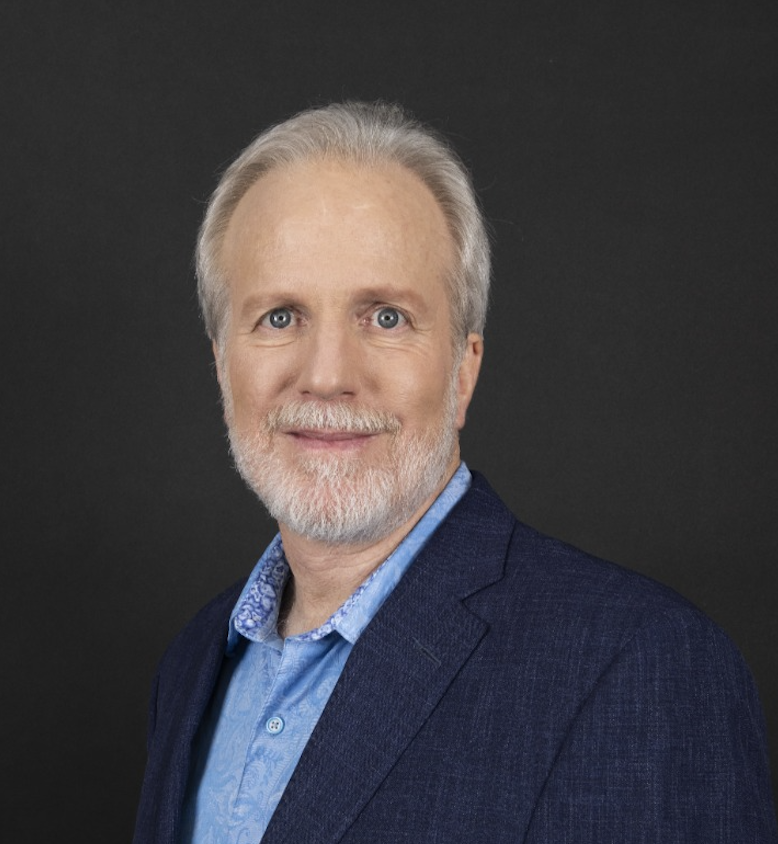
Chief Executive Officer at Aldebaran Resources
John Black is an economic geologist with more than 30 years of exploration experience in the Americas, Central Asia, the SW Pacific, and Eastern Europe/Western Asia. He first worked in South America in 1993 and has been actively involved in mineral exploration throughout the continent for several companies since that time. His professional credentials include a B.Sc. degree in Geology from Stanford University in 1983 and an M.S. degree in Geology – Ore Deposits Exploration from the same University in 1988. John was the founding President of Antares Minerals Inc. and was instrumental in acquiring the Haquira project in Peru for Antares. He was the key driver in negotiating the sale of Antares to First Quantum Minerals for C$650 million. John’s early career included work with Bear Creek Mining Company, Kennecott Minerals Corporation, Rio Tinto and Western Mining Corporation and he currently serves as the CEO and director of Regulus Resources Inc.
Founder & CEO at Louis James
Lobo Tiggre is a diligent researcher and experienced speculator. He researched and recommended speculative opportunities in Casey Research publications from 2004 to 2018, writing under his pen name, Louis James.