Transcript
Automated transcript · Written by software from the replay's audio. It can mishear names and figures; the replay is the record.
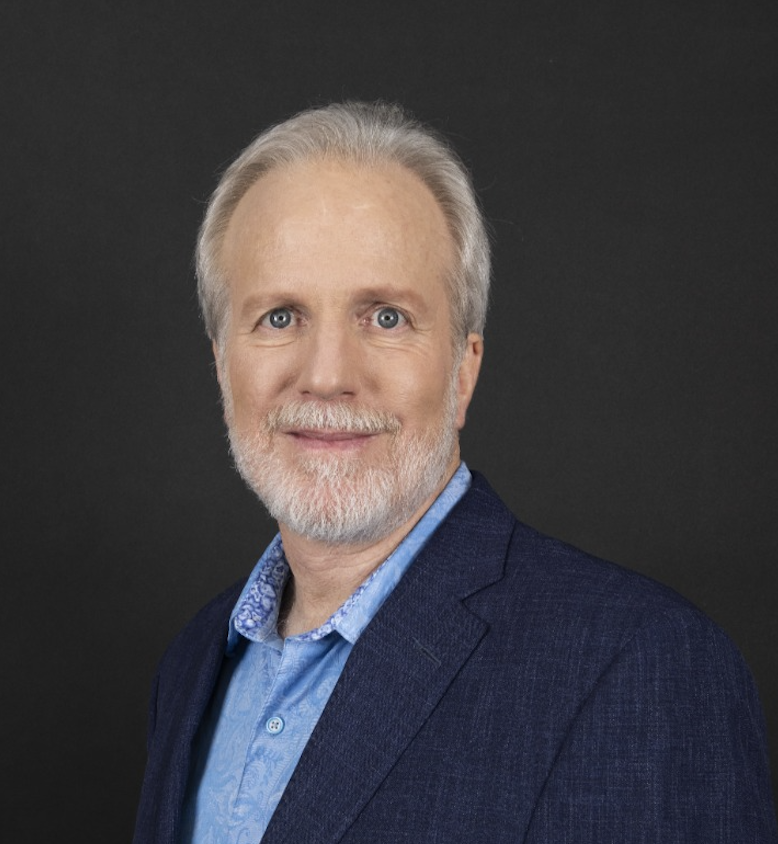
0:07 I'll say good morning, good afternoon, or good evening, depending on where you're signing in from today. I noticed we're all the way from California through to Asia today, so a pretty international audience. Appreciate you joining us. Really pleased today to have on John Black, Aldebaran's CEO, and Adam Greening, the company's SVP of Corporate Development. Gentlemen, how you doing today? Doing great. Good to see you, Rob. Yeah, good to see you. So here's how today's gonna work. First, John's gonna have a little chat, context about news, then Adam's gonna walk you through a presentation with a bit of extra context for this week's news release. Then there's going to be a number of questions from me and then questions from you, the live audience. So the chat button on the bottom right of your screen, You can ask questions to the Aldebaran team at any point during today's presentation. If we don't get to your question today or it's just outside of the purview of today's conversation, we'll still make sure that the Aldebaran team gets those questions via email and can get back to you as soon as possible. But we'll get to as many questions as we can today that fit with today's conversation.
1:03 As a final note, I'll say today's event is being recorded and will be available as a replay probably in just a couple hours. It should pop right into your inbox. But enough out of me, I'll throw it to John first to lead off today's event.
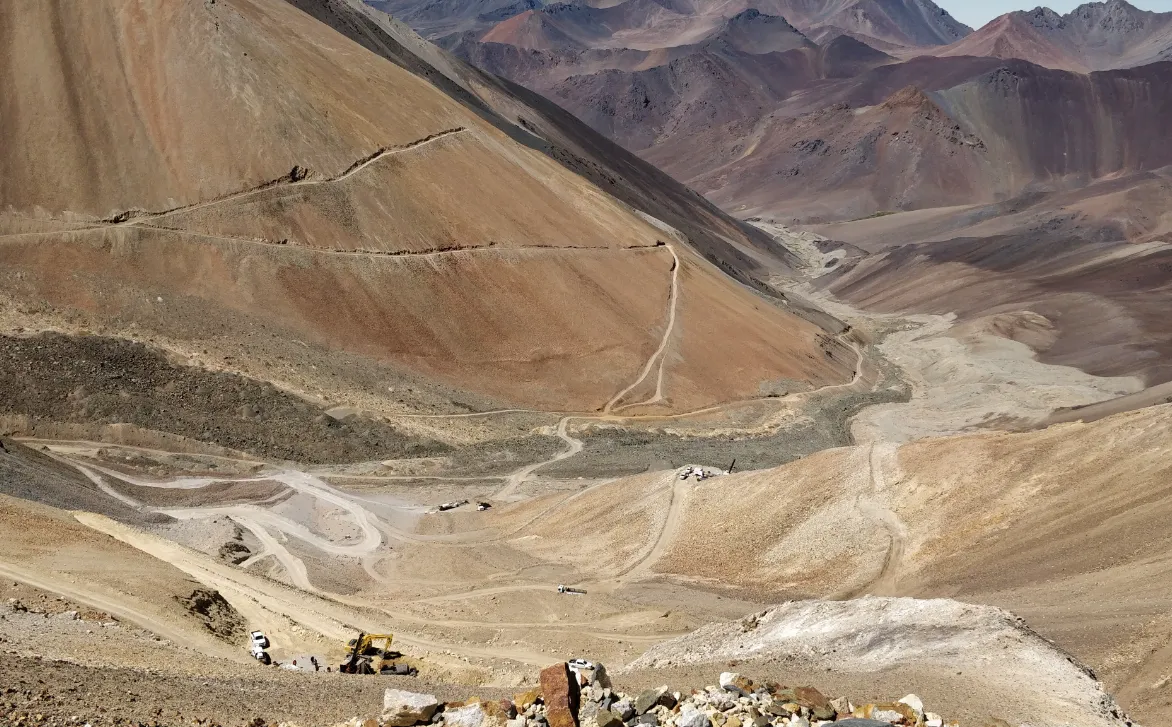
1:15 Okay, well, great. Thanks, Romeo. And like always, I'd like to open by thanking Romeo and his team for providing this platform for us. It's something we've become accustomed to as we put out particularly more significant news for the company to be able to present it in this format, which allows us to dig into it a little bit deeper and field questions from it. And as Romeo emphasized, we may not be able to get to all questions today. Please feel free to contact us. There are many avenues that you can reach to us as we go forward. So today we have some really exciting news regarding our Altar Porphyry Copper Project in San Juan and probably more specifically how we finance a very aggressive field season that we're just kicking off right now. I think as many of you who follow us are aware, over the past year we've been drilling out the new Altar United discovery, a third porphyry center that unites the previously 2 known centers of mineralization that formed our resource base for the Altar project.
2:17 Altar United because it unites the Altar Central and Altar East zones. Those results have been very exciting, and we've been building up to a new mineral resource estimate, which I think was probably what many of you thought was pinging on the screen when the news was announced this week. That is still well underway, and we fully anticipate that that mineral resource estimate will be out by the end of the month. So this is going to be a very busy month for us as we move forward. But as we've been working on this and the project is making a shift to more of a feasibility level activity on the project, it's quite clear we have a large deposit. It'll become even more clear when we can talk about the full size in a few weeks. It's obviously necessary that we have funding to move the project forward. So we've been watching closely how the markets are going, the best way that we can raise additional funding to move forward.
3:13 And we had a development that resulted in, I think, what's a fairly creative way for us to move this forward that minimises the dilution for our existing shareholders and maximises the velocity at which we can move the project forward, which is really important. We're in an incredibly exciting environment right now for Copper in general, and particularly in San Juan in Argentina, with all the changes that are happening at the national level and the provincial level in San Juan. It's an incredibly exciting place and it's in everyone's benefit that we take a large, exciting project like Altar
3:48 and move it forward as quickly as possible, but it's important that we have the resources to do so. We're quite fortunate in that we have very great partners on this project. Route 1, our principal shareholder, has backed us strongly throughout this whole process. We're earning in from Sabani Stillwater who've been very supportive on it. And South 32 has helped us a lot on the project. Rio Tindo has been working with us on the project in the background, investigating some of their technology and that relationship resulted into the news that we'll be able to put out today. So important to acknowledge that we have a strong base of supporters and what we consider strategic partners to move the project forward. We also have very good support from the San Juan provincial government, the national government in Argentina and the governor's office in Argentina, which is very important.
4:40 We feel fortunate that the entire San Juan community, extending to people in all the communities around the project and that are affected by the project, are very supportive and very curious about what mining can do to improve everyone's lifestyles there. And that's a very healthy, productive environment for us to be in. And we'd like to make sure that we acknowledge all of that support. And it's our responsibility to move the project along so that the potential it has can be realized for everybody's benefit. And today's news helps us unlock that and move things forward. Also very important to note that Adam and I will be presenting this today, but it's really the result of our team's work. And we have a very strong multidimensional team that supports us on this. Kevin Heather manages all of our technical aspects of the project.
5:27 He's on his way to to Europe right now to participate in shareholder meetings next week related to Altar. We have Mark Wayne as our CFO, Meg Cameron-Jones as our corporate secretary, all have been working hard to put an agreement like this together and to keep things running in general. Javier Roberto runs our entire operation in Argentina and is supported by a very strong team there to keep this type of a project moving forward. So there are a lot of people behind us. We get the pleasure of being able to talk about the project and announce the results, but it's really, we're really representing a large team that's doing that. Those relationships that I mentioned on the Streejee base allowed us to have conversations that resulted in the news that we'll put out today. So today's news is not something that just came up. It's something that's based on long term relationships and good creative kicking ideas back and forth between us. And the real architect of the financing agreement that we were announcing today is Adam Greening, who's our Senior VP of Corporate Dev.
6:36 So I'll turn it over to Adam to walk us through the deal and give us the highlights of this. We won't be able to get all the details on it, but I think we can get the fundamental parts of it transmitted pretty quickly. And then we'll open it up for questions and look forward to people's ideas on where we're taking this project. So Adam, why don't you jump in and walk us through what the news from yesterday means. Okay, thanks, John. Let me just share my screen here.
7:11 Bear with me. Can you see that, John? That's good. Yes. Perfect. Well, good morning, everyone. I'm really excited to walk you through the details of the transaction we announced yesterday. I really feel it is a game changer for Aldebaran and ultimately the Altar project. Before we begin though, I do need to remind everyone that we are a publicly listed company and we will be making forward-looking statements today. So the highlights of the transaction are Aldebaran has granted Newton, a Rio Tinto venture, an option whereby Newton can acquire a 20% interest in the Altar project. To acquire that interest, Newton has to make total cash payments of US $250 million over the next, call it, 2, 2 and a half years.
8:04 The payments are structured such that $10 million was paid upon signing. $20 million will be paid upon the delivery of an updated mineral resource. $30 million will be paid upon the delivery of a PEA. And then $190 million will be paid upon delivery of a pre-feasibility study. If Newton makes all of these payments, the option is triggered and they will have acquired a 20% interest. If at any point Newton elects not to make one of these payments, the deal is terminated, they acquire no interest in Altar and Aldebaran retains any cash paid to them to that point. As well as part of this agreement, we've agreed that in the upcoming PEA and pre-feasibility study, we'll be including a Newton sulfide leaching scenario. And so our intention is in the PEA and pre-phys is to really show a case 1A in that it's most likely a traditional concentrator scenario and 1B in that's a Newton sulfide leaching scenario. And what we want to demonstrate in these studies is that Altar is already a robust project via traditional processing methods, but it could have value uplift by integrating Newton sulfide leaching.
9:17 So the milestones of this transaction are, John just said, and we said this in our press release yesterday, that by the end of this month, we'll be putting out the updated mineral resource on the project. At that point in time, Newton will have an option to make a $20 million payment and continue on in the transaction. In the second quarter of 2025, we'll be putting out the first ever PEA on the project. And again, at that point in time, Newton will have the option to make a $30 million payment and continue on in the transaction. And then in the second half of 2026, we'll be publishing a pre-feasibility study on Altair. And at that point in time, Newton will have the option to make a final $190 million payment. As I already said, once that $190 million payment is made, the option is triggered and Newton will acquire a 20% interest in the project.
10:11 So I wanna spend a minute to just discuss the flow of funds and how the payments are structured. However, I first thought it'd be helpful to just explain the current joint venture structure we have at Altar. Altar is actually held by a subsidiary company called Peregrine Metals. Aldebaran and Sabanier both own shares of Peregrine. For all intents and purposes, Aldebaran has an 80% interest, while Sabanyeh has a 20% interest. Moving forward, Sabanyeh will have to participate and fund their portion
10:46 of expenditures on the Altair project or face dilution. So keeping math very simple, for every $8 that Aldebaran spends on the Altair project moving forward, Sabanier will have to spend 2. The payments coming from Newton are structured such that 10% goes directly to Aldebaran, while the remaining 90% goes to Peregrine. Now I have to highlight that the cash payments are 100% owned by Aldebaran, whether they're sitting in Aldebaran or in Peregrin. The cash payments going directly into Peregrin represent cash contributions by Aldebaran.
11:27 So again, using that simple math, For every $8 that Newton puts into Peregrine on Aldebaran's behalf, Sabanier will have to contribute 2. Now you may be wondering why would we structure the transaction this way? And the answer is quite simple, it's tax. This was the best structure from a tax perspective to advance this deal.
11:55 So assuming Newton makes all of the payments and triggers their option, The pro forma ownership structure of Altar would be Aldebaran would have a 60% interest in the project and would remain the operator. Sabanier would have a 20% interest and Newton would also have a 20% interest.
12:15 I do want to highlight though that if this ownership structure comes to fruition, it would mean that the Altar project is already at the pre-feasibility level. As well, Aldebaran would have $190 million on its balance sheet to fund its portion of expenditures moving forward. That would mean that Aldebaran would essentially be fully funded through feasibility,
12:39 potentially into detailed engineering, potentially even into the early stages of construction. And so that's one of the reasons that this transaction was so attractive to us. It not only funds us through a pre-feasibility stage, it funds us well into the future and beyond that. And so we think that's a great setup for Aldebaran and its shareholders and frankly, any third party that may want to come in and acquire our position and move this project forward. Being at the pre-feasibility level and having $190 million
13:10 in the bank is a very attractive setup for a third party to move this project forward. So that's the Kohl's notes of the details of the transaction. With that said, I'll pass it back to John now who will walk you through a little bit as to the why we pursued this style of deal. John.
13:32 You're on mute there, John, sorry. Sorry about that. There we go. Thanks, Adam. What we thought we'd do also is just remind people what the capital structure of the company looks like. What Adam has laid out is really the ownership or participation in the joint venture. So, direct interest in the project or potential direct interest in the project if the agreement goes all the way to fruition. But just as a reminder for everyone, this is our current capital structure. It's a very tightly held company
14:03 with some clear strategic partners as equity shareholders in the company moving forward. Group 1, as I mentioned, the fund that supports us as we move these types of projects forward and is fully aligned with us that these types of large Copper projects are increasingly difficult to identify and capture and will be increasingly sought after. And so that's why they back us so well to chase these down and then show the full size and de-risk the projects as we move forward.
14:37 We're earning in from Sabani Stillwater, so they have just a little less than a 15% equity interest, as well as their 20% interest directly in the project. And we've been very fortunate that South32 has been supporting us over the last 2 years, both in terms of participating in financings that provide us with the funds to move forward, but also helping significantly
14:58 with interaction on technical ideas and even moving into this stage now of de-risking the project and looking forward to how would you build a project. So great relationship that we fully appreciate there. It results in a relatively tight public float in the company. But when we're onto a project like this, it's great to have the project, But these type of projects typically requires to spend 20, 25, $30 million a year to advance the projects,
15:30 particularly in the drillout stage when we're showing the full size of it. But even as we move now beyond the drill out stage and resource definition stage into more of the pre-feasibility and engineering stage, there's still a lot of work that needs to go forward on the project. 1 challenge we have is how do we fund the project to move forward, but avoid diluting and issuing so many shares that the end game is not attractive to our initial shareholders moving forward. So that's what the real beauty of this deal is, is that it
16:00 allows us to source funds to move the project forward and maintain a relatively static share count. You can see we have about 170 million shares out. We do not have warrants on the book right now, just due to the way that we've been able to finance the project moving forward. We have a small number of employee incentive options that make up the difference between issued and fully diluted. So our current market cap as of close yesterday was about 300 million Canadian or about 220 million US. And as we can see the option that Rio Tinto has to acquire a 20% interest in the project is for more than our current market cap for the entire company. So that shows the potential that they see in the project moving forward.
16:48 And we're very pleased that one challenge we commonly have in our space is that when we're on these large projects, we often have a market cap that's detached from what we feel the true value of the project is. And so I think this was a nice way to demonstrate a potential bridge between those 2. It allows us to essentially finance the project
17:10 at something closer to what we think is a realistic value for the project moving forward. We're very pleased that we have analyst coverage. We've had some analysts like Paradigm and Desjardins who've been following us for some time. More recently, Coremark and Red Cloud have put out notes on us, and that's an easy place for people to go to find out additional information on us. So
17:33 very, very pleased with the supporters that we have that allow us to move this project forward. And I think it's pretty evident that we're doing our best to take care of our shareholders by managing that dilution and advancing the project, adding value to the project, but not in a way that results in a bigger project and a higher market cap, but doesn't particularly change your share price. So this, we're quite pleased on how this is set up. So Adam, can we move to the next slide?
18:03 So, just a few more words on the Newton sulfide leach technology. And we've addressed this in previous webinars that we've done, and there are many sources you can look at it. Adam mentioned a very important part about this. The Altar project, it's a very large porphyry copper deposit. It's a sulfide deposit. The conventional approach to a project like this would be by building a mill, a concentrator, producing a concentrate and selling that concentrate to a smelter.
18:33 Tried and true pathway for a project like this to go forward. And this project supports that and would be an attractive project pursuing that pathway. But Rio Tinto Newton has recently patented and commercialized a series of technologies that they've been developing for decades now, frankly, that would allow the possibility to heap leach primary Copper sulfides. In a large Copper system, there are 2 fundamental ways that you can process material. You can do what I mentioned was the concentration, flotation and smelting route, or you can heap leach material in sitches. You put material out in large pads, crushed lightly to the consistency of approximately gravel.
19:21 And then you leach that on site and you produce pure copper cathode on site. So it has a number of clear financial benefits And this is why Rio Tinto and many other copper companies have been pursuing this technology for a long time.
19:37 The heap leaching currently has worked on the upper portions of large porphyry coppers, the weathered portions, what we call the secondary mineralization, whether it's oxide or sulfide, but it hasn't been applicable to the primary unweathered copper sulfides at depth. And this is the change. Rio Tinto Newton believes they've discovered ways to modify SXCW technology and make it work on the unweathered primary mineralization.
20:08 If that works as well as they and ourselves believe it will, it results in a tremendous reduction in CapEx on the project, which has immediate clear financial benefits to a project moving forward. It also unlocks lower-grade mineralization and it produces Copper metal on site, which is a tremendous value add to the country that we're working in and very attractive for a project moving forward. So those were the fundamental drivers for exploring this type of technology. But as this has matured, I think all of us in the industry are excitingly watching this for some additional benefits that are more on the ESG side. This type of a technology would result in significantly
20:49 less usage of water. It would also result in significantly less usage of energy to produce a unit of copper. So it's fantastic now that Copper is viewed as a green metal, a fundamental metal to pursue reduction of carbon emission in the world. But mining of copper is carbon intensive. And so any time that we can develop a mine that has a lower energy uses, that's helping the situation tremendously on this. And that's lower energy uses because you're removing the necessity to mill the material. You don't have all the transport of your products to faraway smelters
21:31 and things like that. You also don't have conventional tailings. And conventional tailings are a challenge for major mining companies, particularly in more mountainous terrain and seismically active terrain like we have in the Andes. It's manageable, but it comes at a tremendous cost to engineer the facilities to store those type of tailings. You would not have that tailings consideration in this operation. So this has potential to take a project that's already pretty exciting and turn it into a much more economically and socially attractive and socially responsible mine moving forward. So we're pretty excited to pursue this and move it forward. We think this would be to the benefit of all of our stakeholders if this works as well as we do. And
22:19 we're glad that we've arranged this type of a financing package which allows us to move the project forward, evaluating both conventional and new technology options to move the project forward and putting us in a position to determine which is the best way to go forward in the future. So, very excited to embrace this and be part of this. I think this has potential to be a very critical change in the copper mining industry as we move forward. Next slide.
22:48 So, Just as a final wrap up on this and we will happily jump into questions on this, just the rationale for this transaction, as I mentioned, is non-diluted financing. That's very critical to maintaining overall return to our shareholders that finance the project moving forward. The valuation of this indicates more the end game on this, that Altar is worth substantially more than Aldebaran's current market cap.
23:18 That helps us demonstrate that marker to the market on it moving forward. The new sulfide leaching technology could unlock substantially more value to the project, which makes it even more interesting for us moving forward. And it's always very nice to establish a partnership with a group like Newton Rio Tino is an industry leader in both operational expertise,
23:42 also financial capability and also socially responsible mining. So that brings another partner in where we're quite pleased to have South 32 also working with us on this is that we're attracting the type of large responsible companies that are capable of moving a very large project like this forward in a responsible manner. And then critical to us is this structure allows us to remain as the operator
24:06 during the completion of the PEA, pre-fees, and even to feasibility level on the project. So that allows us to move the pace of the project and the tone of the project moving forward and keeps us in the driver's seat moving forward. So those are the highlights of the rationale for the transaction. I think at this time we'd be more than happy to turn it over to questions.
24:31 Awesome. Thanks so much, John-Adam, for walking through the presentation. I see there's a number of great questions in the chat. Thank you so much. We'll continue to ask them. I have a couple of quick questions first that I'll just go through and then we'll jump into those audience questions. So First 1, and I guess I can throw this to either of you, but John, I imagine you might take the first crack at it, is how is this price determined with Rio Tintin in this deal? It's complex. Basically, they're monitoring what we're doing like most major mining companies are and our information is public that's out there on our drill results and everything there. They have a pretty good idea of the potential of the project moving forward. There are a number of transactions of similar projects, including recently with projects right in San Juan next door to us. And so those help to establish markers
25:24 on the projects moving forward. We have a large project in Los Azules immediately to the north of us, where Rio Tinto is an equity participant in a private company developing a project. And so a private company sometimes has a valuation that's closer to representing the potential valuation of the project. So, so they see through comps of projects. Fundamentally, it's based on their perception
25:49 of potential economics of the project moving forward. So, just like we would do in a PEA or pre-feas when we get there, we'll be predicting conditions at which a project could be developed and that'll establish what the net present value of the project could be moving forward. They would have their internal appreciation of what that might be. And that's clearly based on this transaction potentially much greater than what our current market cap is. I appreciate that. One question, I know Adam touched on this just for a bit more details. In terms of what you can do with the $190 US final payment if Rio completes the option agreement, can this be used for
26:28 acquisitions, other activities, or Does it have to be used for project development as part of the agreement? No, this agreement would be this would be for project development of the Altar project. Great. There's a small amount the way that deal is structured with a 90-10 split that allows us to cover our overhead within country. And we do have some other early stage projects in country. So it allows us to do a little bit of that. But the fundamental purpose for this is to drive the Altar project forward. Oh, great. Appreciate that.
26:56 One question, and this is just really your perspective, and I know you touched on it, but Considering the high valuation of the deal and the de-risking it represents, there's an argument, obviously, now that you're cheaper than when you're trading under a dollar. So I'm curious if you think there's something the market's missing or what generally is your perspective on that? Boy, that's a big question on it. We're quite appreciative that
27:19 with the results we've been putting out and I think it was quite clear to many investors that the deposit will be much larger than what's currently reported. We've been very pleased that our share prices responded well over the last, say, 6-months as people increasingly begin to realise what we really have on this project and the potential moving forward.
27:44 We're moving in the right direction. We'd always like to have a higher value. But keep in mind, even if ourselves in a major mining company were fully aligned in agreement on a net present value, there is risk on a project still. So it's rare that you would rise to full valuation on it. We're just happy that we're coming from a total disconnect into people realizing more about what we have and we're moving in the right direction. And we're, we're always, it's always easier for our job when we, We have a company that's been performing well for initial investors, but there's still room for new investors to come in with quite a bit of leverage on the upside. If we were fully valued, that would change my job a little bit because I'd be just saying, hold on to the end and it's not going to change. So I like the position we're in right now with increased recognition of the project, increased size on the project.
28:37 And a lot of times in our business, once you get momentum, you tend to draw more people in and things start to take off and work well. Awesome.
28:47 One more question from me, and then I'll jump into the quite good audience questions keep coming in. And that's, is there a standstill agreement on Rio making a takeover bid on Aldebaran?
28:58 Adam, why don't I turn that over to you? You know more, more the details of how to, of the inner workings of the standstills and it might be good to touch on all of them. Yeah, sure. I mean, the simple answer is no. This transaction is entirely at the asset level and has nothing to do with any equity component or any change of controls down the road.
29:24 Great. Thanks, Simple. Thank you. Now I'll jump into audience questions. Like I said, Hope we'll get to all of them today, but there might be some that we can't. The first from TB, he asks, how long does this mean Aldebaran can go on without further dilution? Potentially, as Adam pointed out, we could go through the completion of feasibility and even into the early stage of engineering and early production on this. We'd be fully financed to maintain our portion of that. That's the beauty of this deal. Great. Terrence from the chat asks, If there's any political risk in San Juan, I'll just add maybe compared to other parts of Argentina or elsewhere in Latin America. There's always political risk anywhere in the world, but we tend to judge more on which direction political risk is moving.
30:16 And Argentina and San Juan have made tremendous strides under the new Malay government and it even started before that. He made the fundamental changes that were really necessary for this to move forward. So it's a very good environment for us to be working. We can work quickly
30:34 and with good support at all levels of government and community on it. But there is always risk. The changes that Malay is instituting in Argentina are incredibly well received by those of us from outside as foreign investors, looking at conditions changing to make it much more attractive for foreign investment to come into the country. But they still have a ways to go to result in an improved situation for the average Argentinian citizen. And there's a lag in there. He's attracting the investments. He's attracting the commitments to the investments. But the conditions necessary to attract those foreign investments have come with a lot of serious steps that have resulted in financial hardship for the average Argentinian citizen.
31:25 Your utility bills have jumped dramatically. There's a lot less employment at government levels in particular. And the idea is that those changes are necessary to establish the conditions to attract the foreign investment to provide more jobs in the future. And there is that lag right now. And so that's an important one for us to watch. And one of the reasons that this type of a deal is great for us is because it lets us move the project quickly. It lets us employ more people. It lets us provide more benefits. It lets us paint the picture of where the economy is going in there. And so and that's intentional on the government to make it so attractive for these foreign investments to come in that it's doing. So to me, it's one of the better places on the earth right now to encourage investment in the type of project we have moving forward, and we're pleased with that. Recognizing that there are plenty of things that can happen down the road that might complicate that a little bit, but it's by far and away one of the better areas that we work right now.
32:25 I appreciate that thorough answer. Mark from the chat, thanks for joining us, Mark asks, Is there a grace period for Newton between the delivery of the PFS and the final 190 million payment? Yeah, so After the delivery and this is the case for the mineral resource payment the PEA payment and the pre fees payment they effectively have 20 business days after the final, or after publication of a report. At that point in time, they have 20 business days to make a decision whether or not they want to move forward and make that payment. Great. Thanks. If you need any other clarifications, let me know in the chat. Mill asks a kind of broad macro question to you, John, so I'm curious your perspective. He says, given the early stage of the project, the implied value of the agreement suggests a very high implied value of the project.
33:16 This guy wants to know if, John, you can give your thoughts on this new trend of valuation for projects of this nature. I don't know that it's a new trend, particularly on that. The valuations on these large projects, a big porphyry Copper deposit like this requires a lot of capital. It's a pretty thin margin to get a good return off a project. It's very different than a high-grade Gold deposit where you can have tremendous returns and relatively low capital investments. And so the valuations over the last 20 or 30 years I've been more intimately involved in this business have been remarkably similar over that period of time. One thing I can note is that when we are, we don't have a PEA on the project.
34:06 There are no, they're not yet project economics wrapped around the project. So it's hard to see a potential NPV or profitability of the mine. And so then a lot of times the valuation of the project simply based on how much metal's in the ground, modified by grade or other factors that are there. It's a really rough way to value things. And So it's not totally illogical that we don't feel we have a full valuation at that point because there's risk. They're just unknowns. You could have an extremely large Copper deposit that's not that economically viable, or you could have a smaller one that's worth a lot more. So that oftentimes we'll have valuation like that. And then you begin to realize, move closer to what we think is a more realistic valuation for the project when you deliver that PEA, when you deliver that pre-fees, particularly when you get to a feasibility level, it becomes quite clear what the value of the project is. So the challenge we have is how do you, you know, how do we feed the beast and move it forward when we're earlier stages and logically don't realize that full valuation on the project. And that's what I really thought was creative on the deal that Adam and Rio Tinto put together on this is that we're bridging forward.
35:26 We're effectively funding the project, assuming that we'll be at a higher valuation on an optional basis. It, Rio Tinto has the ability to decide they don't want to go forward on this, but they're agreeing with us what the potential value for the project is moving forward. It bridges us to that stage where you typically attract a higher valuation on the project. I thought it was a rather creative way to bridge that. Yeah, no, right on. SJ asks from the chat, can you share the details of this year's field season in terms of quantity of drilling, etc.? We will very soon on that. We were in a situation where we had, we drew our treasury pretty low on this, coming into this. We had confidence that we would be able to finance in any of a number of different pathways. This turned out to be the best way by far for us to do it. But so we're just finalizing details on it. And it'd be, I think it'd be a little inappropriate for me to announce some of that until we have contracts signed. I can say that we are in our camp, we actually have drill rigs showing up on site right now.
36:35 And I can also help people understand a little bit that we'll be moving from resource definition and drilling out more. We will have a shortage of mineralization when we announce the mineral resource soon. But now we're moving to the stage of obtaining the information necessary for how to go forward and develop the mine. So the drilling will shift, it'll probably be a similar amount of drilling, but it will shift to more metallurgical drilling, more geotechnical drilling to determine slope angles and pits, drilling determining how our water situation is both for dewatering and sourcing water for moving the project forward, more site location, more feasibility level activities. So the expenditure will be similar, but the nature of our activities will change.
37:23 And we'll be laying that out very shortly. We'll put out a separate note that will announce what we're doing on that. So quite a bit of news flow coming up. As I indicated, we still have that mineral resource estimation coming up soon, by the end of the month, and we'll be, as we've initiated the program, we'll be announcing the DOT as well as the program going forward. So there'll be a lot more to digest. I think we'll be seeing each other a few more times before the end of the year here. It's good. You'll get sick of me, John. It's fun. J-Mac from the chat asks, can you elaborate a bit on the bioleach aspect of Newton technology and the extent to which that changes the reliance on chemicals in the leaching process? OK, I'm not sure I fully captured. What I can describe is what the leach technology is.
38:11 As I mentioned, the conventional approach is to crush the material up to the consistency of flour and run it through a process called flotation concentration, which separates and concentrates the sulfides which carry the copper minerals. That's a chemical physical process that allows you to do that. And then your concentrate, you ship somewhere. The difference with with bio leach technology, Rio Tinto Newton leach technology, is that it's much more similar to what we call SXCW leaching technology. So in this case, what we do is we take copper ores, which to this date have been the ones that have been amenable to this type of technology have been what we call secondary ores. So they're oxides or they're secondary sulfides.
38:58 You crush them to about the consistency of gravel and you put them on big leach pads. Those leach pads can go up to a hundred meters tall in series of stacks on them. And then you irrigate those with a sulfuric acid solution that contains bacteria that eats and destroys copper sulfides. And in the process of doing that, that liberates the metals out of them. And then it makes it possible for that sulfuric acid solution absorb the copper into solution. You collect the solution and you electroplate pure copper cathodes out of that. So it's a it's it costs less to prepare the material, costs less to process it. It is still a chemical process that that does it. But it's 1 that's on site and produces copper cathode on site Without going into the details, some of which we know, some of which are proprietary technology, basically the Rio Tinto and others who are investigating this type of technology are modifying effectively the currently existing SXCW technology to make it work on the primary sulfides.
40:08 So it's changing the nature of the solutions and the conditions of the leaching and making it so that the copper sulfides become soluble, not simply the secondary copper sulphides or oxides. So it's very, sometimes it's thought of as new technology. In my mind, it's really a modification of existing technology that has been producing copper for decades now. Perfect. There's one question from Paolo in the chat. If a sale takeover of Aldebaran were to occur between PEA and PFS, would Newton be left with nothing, given they're required to pay the final $190 million only after the PFS is finished. Do you want to describe that, Adam? Yeah, so if a change of control occurs, the agreement would still exist.
40:58 And so Newton would retain that right to acquire a 20% interest after a pre-feasibility study is completed. I do want to highlight, though, that there is a clause in there that in the event of a change of control, Newton can terminate the agreement if they so choose. It's not necessarily meant to be prohibitive for other third parties to come in. It's more so if we were acquired by a company in a jurisdiction that Rio Tinto did not view as favorable, they want some wiggle room to effectively walk away from the transaction if they so choose. Great, makes sense. And Romeo, that's an important point. On an agreement like this, it takes a lot of work to structure these properly, because our business is to deliver a project to a suite of potential suitors and obtain the best value we can for our shareholders on that. So when we enter into agreements with strategic partners like this, we structure those very carefully so that we're not trapped on this, nor are they trapped into a situation that might be unfavorable. So it often takes months of careful discussions and viewing it from different angles to construct an agreement like this. And this one particularly had quite a lot of careful time put into it to make sure that it protects everyone in every direction on it and maintains flexibility for us to execute our plan well
42:28 for our shareholders, but is also fair to the strategic partners that we have. Great, thank you. Raziel asks from the chat, he says you're now in Malaysia, Argentina, where the tax laws have changed. I know we've already kind of gotten into this, but could you just comment on the impact of the tax law changes on Aldebaran? Sure, Without going into all the details, there are other areas and we can provide those details for people that want to see them. But the biggest changes are, for example, corporate tax rate went from 35% to 25%. Perhaps even more important is they've relaxed all sorts of controls we had on import and export of materials and particularly funds moving. You can now repatriate your profits, which were impossible before. So there was no incentive to make a large capital investment in Argentina if you couldn't take your profit out of the country as an international company.
43:25 That's been removed. Then a whole series of other portions to it that result in it being highly competitive. It's not by far and away the best place to invest by any means right now. I think a better way to take a look at it is as these changes make it competitive with other mining countries that know how to attract foreign investment. And that's pretty important because if they if they went to an extreme where they were suddenly so much better than any place else, we would probably expect it to revert back to the norm on this. I think they consulted with, including the Canadian government, a lot of other major mining companies, how to construct this in a way that worked best. And there was quite a lot of thought put into it, which I think is pretty important.
44:11 So that results in, and The key thing is that major mining companies now feel comfortable making large investments to come in. And the results have been almost immediate. As soon as the Rigi package of changes were announced, we saw the Filo announcement. We saw Petronas come in with a $30B commitment into liquid gas in the South. We've even seen Rio Tinto come in with Arcadis, which is partially related to Lithium deposits in the North, come in on this. There have been major investments announced immediately upon this. That's good. The companies that we try to attract to eventually acquire our project from us are clearly comfortable making large investments into the country, which is very critical to our business strategy on it. It's not without its effects on the other direction.
45:09 Oh, we lost John. He'll probably write back with us. I think he's just took a hiccup. Yeah, he's supposed to get a couple of feet of snow. That's all I got to do. All this weather related. Exactly. Yeah, you're right. You're very bad at it. Yeah, we're getting a pretty good snowstorm out here. So it's not without its consequences on this. We're seeing increased costs in country that are fully in line with what the average Argentinian is seeing as well on that. And we view that as in some ways doing our part to produce an environment that is better for foreign investment overall. So We will see our drill costs go up, not unreasonably. It had been remarkably cheap for us to work in Argentina. Now we're kind of coming back to normal situation.
45:56 There you go. Roberto from the chat says to him, the sulfide leaching technology is the most exciting. He's curious how soon you think you'll have it functioning and applicable to projects other than in Argentina. I'll give just some general highlights on this and probably defer some of this more to looking at or talking directly to Rio Tinto Newton and how they're moving forward. We're not the only group that Rio Tinto Newton is exploring the application of this technology. They have agreements with a wide range of companies at different stages of projects. And so we're all monitoring what's happening on all the other projects. There are some projects like the Excelsior project in Arizona that are much farther along than we are. And so we're watching how. But the technology works differently on each different project. So it's important to test it on a demonstration that works on 1 project doesn't necessarily mean it works on another project or vice versa. So we're we're watching that closely.
46:54 Where we're at on this project is we we have many columns up and running on the project now. So we're already obtaining the information. We'll need to know what parameters we can assume to go forward with the PEA mid next year and And we'll be immediately embarking on collecting large diameter core for tall columns to go forward Looking to get gather the information we need for the pre-fee study. And when you evaluate this type of technology, it's not just you do it and you get one answer, a yes or no. You're continually evaluating, scaling it up and tweaking it to maximize, to optimize the applicability of it. So even when you begin constructing the mine, there'll still be leaching and tweaking and things going on with it.
47:42 But probably the best thing is to watch for on the PEA and what we can say publicly on the PEA when it comes out about mid next year. Perfect, thank you. Question from the chat, Raziel asks, are there any glacier issues at Altar? There are, and as there are in most projects in the central and Southern Andes in Argentina. We have no white glaciers, we have no glacier related features that affect the water balance by any means at all in the project area. We do have some features that need further characterization, but it's very similar to say Pachon, which is the Glencore's large project, just 25 kilometers south of us, where they've collected the information to demonstrate that they have no significant impact on water balance and they've had them removed from a registry.
48:37 So there's a clear pathway on how you evaluate features like what we have and determine whether they affect projects or not in the trend is being able, if you can scientifically demonstrate that they're not of any importance to the water balance, you can have those removed going forward. So there's a pathway for us to clarify those. The reason that these become an issue in many of the Andes is because it's a, the glacial resolution or law in Argentina is written in a very general sense and the details of how it's applied and how you determine whether features are affected by it or not, haven't been implemented yet. And so part of this process of RIGI and the general move towards facilitating the development of projects like this is working with various government entities to clarify the process moving forward. So we don't think it'll be an impediment for development of the project.
49:35 Great. One last question. This one's actually for me. Feel free to answer just to the best of your abilities. I'm curious if you could put yourself in Rio's perspective. What do you think their interest is in a deal like this, if you could get to their mindset? Well, once again, it's probably best to ask Ryu this question, but what I can point out some things that we understand from discussions with them and just general observations. We interact with a lot of major mining companies right now. It's our business to produce projects or products that they would be interested in. So we hear a lot about where they view the world's going and the shortage of copper and The challenges that the major mining companies have to identify projects that can be developed and put in stream. They're universally seeking additional copper projects.
50:29 A group like Rio has their second largest mining company in the world. They're probably number 9 or 10 in copper production. And so they clearly would like to have more copper production. They state that in many different forums going forward. They're actively investing in other projects for copper like this. So I think that they want to be monitoring all projects that are out there, keeping their chips on the ones that they think will be best, most likely move forward and be in a position to acquire projects that would help them increase their Copper production moving forward. It's clearly one of their business drivers. And they're not alone. There are company after company that are announcing that right now. Some large companies have assets in hand that they can develop their own projects.
51:18 Most do not, most are open to acquiring projects. It's just a change. When I started in the industry, companies had dedicated exploration teams that found their own projects and developed them going forward. The way the world works right now is that oftentimes major mining companies source projects from groups like ourselves that are moving projects forward. It's just the dynamic of the industry now. And so We're in a position that we have an asset that companies like Rio Tinto are interested in. And this allows them to work with us. And it's based on comfort of how we work together. Our relationship with Rio Tinto goes way back. And it's not just this project, They've monitored what our team has done in the Andes for quite some time. And so we have a lot of interaction there and I think they're comfortable with how we work. We're comfortable with how they work and what they could provide for us. And So that allows kind of a natural alliance to form there moving forward.
52:19 And, but it's clear to us that the major companies and it's not just copper companies, the gold companies are increasingly looking for large copper deposits as well. And so it's, We snicker sometimes when copper price drops 20 cents and the market gets all weirded out that this copper is off or something. The big guys are seeing right through that. Their perspective is 5 or 10 years out on the projects they need to be in production at that time to fill a looming gap. They have the ability to take that longer view. John, Adam, thank you so much for today's presentation and chat and for running through the gauntlet of questions. Always appreciate it. And obviously for everybody in the audience, appreciate your time as well. Replay will be available pretty soon. If you have any additional questions, please reach out and we'll get to you soon. But John, Adam, I'll throw it to you for last word before we jump. Adam, do you have anything that we missed on the deal that you wanted to go over?
53:11 No, just again, wanted to reiterate, you know, a big thank you to everyone on our team who helped push this through. The one person that I think you missed, John, would be Ben Charrington, our manager of investor relations, who probably wasn't overly involved in the actual execution of the transaction, But once it is public knowledge, he's got a lot of work in front of him. So, you know, Ben did a great job communicating with shareholders over the last 24 hours. And then just a big thank you to the Newton team as well. You know, this was this was There's a lot of work that went into getting this transaction across the line, and I think both parties are very happy with how it ended up and looking forward to moving forward. Great. I completely echo your thoughts on that, and we're incredibly appreciative of the support we've had from all fronts on this.
54:05 And Ben is one of the critical ways to gain contact with us. We've been at a number of investor shows over the last year As we've realized what we have with Altar, we've been trying to get the word out on that. We'll continue to be presenting in a number of forums over the next few months as well. But we welcome shareholders or interested parties to contact us. And so You can find information via 6 or via our website or any of our press releases. Ben is by far and away the best conduit to get to us, but we're more than happy to hear ideas and feedback and provide additional information for the project going forward. This is a pretty exciting project. It's been going fast for us now. It's going to really accelerate now moving forward. We look forward to reporting again in the very, very near future on the size of the deposit with the new mineral resource estimate, what the new program will be looking like going forward. And we're not that far away from that BEA mid next year as well.
55:07 So it'll be a pretty newsworthy year coming up for us in a very hot copper market right now. Awesome. Well, with that, I'll close off today. I hope everybody has a wonderful day. And John Adams, see you guys soon. Thanks, Romeo.