Transcript
Automated transcript · Written by software from the replay's audio. It can mishear names and figures; the replay is the record.
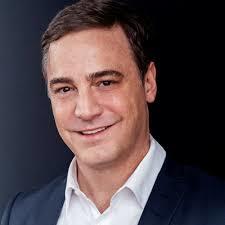
0:16 Welcome to today's panel discussion on ESG for exploration. My name is Anthony Vocaro. I'm the group publisher for the Northern Miner and managing director for Glacier's Resource Innovation Group. Today, we'll be turning to our panelists to give us some greater context around some key themes that are attached to ESG thinking. Themes such as relations between the industry and the 11 self-governing First Nations in the Yukon. Key takeaways from the new Yukon mineral development strategy, as well as the strong connection mining has to the heritage in the Yukon and how this may factor in to social relations. Now we are all hearing about the growing importance of ESG thinking to the future health and growth of the mining and exploration industry.
1:07 But let's get into some real numbers about what sort of impact ESG is having and is going to have on corporate thinking going forward. Let's start with the E, environmental. It was headline grabbing news last week that Larry Fink of BlackRock recently said companies that have not achieved net 0 emissions by 2050 will be dumped from BlackRock's portfolio. And for some context there, BlackRock has 8.7 trillion assets under management. And it isn't just BlackRock that's getting serious. A group of 30 of the world's largest asset managers, including Fidelity, Legal and General Investment Management, Schroeders, UBS, M&G, Wellington Management announced in December that they were also committed to cutting emissions linked to the portfolios to net 0 also by 2050.
1:58 So there's the stick, but what about the carrot? Well, the Northern Miner recently published an article on ESG that quoted survey of 55 private equity investment professionals. And that survey found that asset under management for ESG funds is now north of $1 trillion. So 35% increase over the last 3 years. And 50% of respondents said ESG credentials were a factor in winning deals. Since the last survey in 2016, there's been a threefold increase in the perception of ESG as a positive contribution towards winning deals. And importantly, concluded that companies with strong ESG credentials will increasingly attract a premium in the market. So now let's find out more about our expert panelists and what they have to say on all of this.
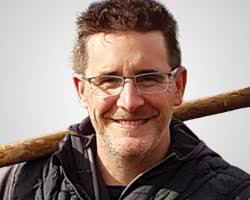
2:48 We're honored to be joined by Tara Christie, President and CEO of Banyan Gold. Tara has over 20 years of experience in the exploration and mining business. Prior to coming to Banyan in 2016, She was a president of privately owned Gimlex Gold Mines, one of the Yukon's largest placer mining operations, and was involved in consulting for exploration, mining, environmental assessment, government, community, and First Nations relations, including working with the First Nations Development Corporations. She's currently on the board of Constantine Metal Resources, Klondike Gold, and Western Copper and Gold. Tara has been a board member of the PDAC, AMEBC, and other industry associations, but was a founding board member of the Yukon Environmental and Social Economic Assessment Board. Welcome Tara. We're also joined by Brandon McDonald, who's the CEO and Director of Fireweed Zinc. Brandon's a professional geologist with exploration geology experience, as well as investment banking experience.
3:53 So while in recent years he has been on the exploration and development side as a principal of and consultant to various junior mining companies, in the past he's worked on structuring financings and risk management for Macquarie Bank in London. Brandon has a long history of mining exploration work in the Yukon, including zinc projects, and originally hails from Ross River near the Macmillan Pass Project, which we'll hear more of today. So welcome to you, Brandon. Thank you. And finally, we have Matt Turner, who is the President and CEO of Rock Haven Resources. Matt obtained a Bachelor of Science degree in Earth and Ocean Science with a specialization in Geology from the University of British Columbia in 2002. He has managed and participated in numerous exploration projects throughout Western Canada, focusing mainly on precious metal vein, IOCG and diamond deposits, and has been Rock Haven CEO since 2008 and was appointed president in 2015.
4:56 Welcome to you, Matt. Thank you, Anthony. Nice to be here. Well, it's great to have such a fantastic panel with 3 leaders of companies that have boots on the ground and are making a real impact in the Yukon and helping to unlock some of that wealth and at the same time ensuring that all stakeholders around those projects are part of it. Now we've made the introduction, so let's learn a little bit more about each of those projects. We're just gonna quickly go around the horn here, if you can give us a
5:28 couple of minute introductions to what each of you are up to. Tara, why don't we start with you and the Armak property.
5:37 Sits about 350 kilometers north of Whitehorse. Why don't you tell us what Banyan is up to? Great, thank you very much. So yeah, Banyan is very focused on our ORMAC project right near Mayo in the Yukon, next to Yukon's 2 newest mines, Victoria Gold Eagle and Alexco Resources, high-grade silver. 2020, We put out an initial resource on that of 900,000 ounces. We then drilled 10,000 meters in 2020, which we're still getting results back
6:10 now and expect for the next month or so. And we plan to get drilling again in Q1 of 2021 here, as soon as it warms up just a little bit for at least a 15,000 meter program this year. So exciting times for us. We know we can both build great and ounces there and our results that came back from last year are very exciting. You know, we think this is another near surface, open pit, mineable project, very similar to Victoria Gold Eagle. Our major shareholders include our neighbors, Alexco, Victoria and Victoria and Cisco Development.
6:45 So and a significant insider shareholdings. And we think it's gonna be a great year in 2021 for Banyan. And we're really pleased to be talking about ESG. It's something we've taken seriously and continue to take seriously and look forward to these conversations with the exploration industry about how we change the industry to meet all of ESMG.
7:07 Excellent, thank you Tara. It is so critical. Now over to you Brandon to tell us about Macmillan Pass and what you're up to in your part of the Yukon. Yeah, so Macmillan Pass is about 200 kilometers northeast of Ross River, or 350 kilometers northeast of Whitehorse, right on the Northwest Territories border there on the Canal Road. So it's been an exciting project for us. We launched in 2017 and are still going strong. 2020, but a bit of an exciting year for everyone. What looked to be a nothing year very quickly turned into a very momentous year for us with not just expansion of the known resource, but a discovery of a whole new zone in the western part of our property. And so for me, this is an exciting opportunity.
7:53 First off, as you know, in this industry, you don't often get your chance to work on a project this big and with so much potential, but then also in the backyard of what is my hometown. So when you think about the impacts of economic development, obviously it's very meaningful and near and dear to my heart to see potential opportunities for the community of Ross River. Fantastic. And To wrap it up, Matt, can you tell us a bit more about Rockhaven Resources with your Plaza project? Yes, you bet, Anthony.
8:26 Rockhaven owns the Plaza project. It's about a three-hour drive northwest of Whitehorse. So It's a nice and accessible project. It actually sits in an old mining district, so I think this ties back in the ESG theme. We went into an area that hadn't seen any work or development since the late 90s. And we went in and I think most people kind of thought we were going into an area that had been kind of picked over, but kind of going into a new part of the belt and kind of applying, I guess a lot of the stuff we had learned working in the Kino district actually applying that we were able to delineate a pretty nice resource. Now we're sitting at collectively about 1.6Moz Gold equivalent at about 5g Gold equivalent. So with about 60% of that in the indicated category. So it's moved along quite well over the last, say, 10 years now.
9:24 We wrapped economics around it about 6-months ago and it shows really well at $14.50 Gold and $17 Silver.
9:31 And yeah, we actually went out this year, it was kind of a funny year, well, on a lot of fronts this year, obviously, but we decided to look outside of the main deposit area to see if there were any potential areas that would change the scope of the production profile. We went out and made a number of new discoveries. So it's going to be exciting to move that forward. So yeah, it's been a fun last decade working at Klaas and in the future now we're eyeing up pre-fees. So that's going to be pretty exciting, getting into that this year. So I think a lot of big, and that's again coming back to ESG, it's going to be huge for us to again make sure that everybody understands what's going on at CLAS and what we hope to accomplish and making sure everyone's on side for all those things.
10:23 Excellent, excellent. Well, listen, if it was 10 years ago, we would just be focusing on the perspectiveness of your respective properties, each of which does have serious perspectiveness. And part of the reason why you are here, obviously, is because you have wonderful projects that you're working on. But it's not 10 years ago. And the ESG element to building projects and to making sure investors are on board has just become so prominent. For viewers that want even more on this, the Northern Miner is doing its global mining symposium on February 23rd and 24th. We'll be also exploring these themes. I encourage everyone to tune in for that. But focusing here on the key issues of the day, it seems to me that there's 2 really critical aspects to wrapping our minds around what ESG means for the mineral sector.
11:17 The first one being the fragmentation around ESG standards. There's a multitude of different standards out there. We're not at the point now where we have a cohesive agreed upon standard that everyone is following. That's 1. I want to dive into that. The other critical 1 is the lack of a clear framework for non-producers in the junior sector. So even though we don't have universal standards, if you're a producer, there's much more, many more places you can go to to get a framework. If you're a junior, maybe not so much. This can make it difficult for CEOs
11:55 in your position. So Tara, let's start with you. And let's maybe start with that idea of fragmentation of ESG standards and the confusion that that can cause. What's the impact of that issue on Banyan and do you see things improving on that front in the near term? So you know that's a really good example for Banyan because you know last year we were a 5 million market cap company and our ability to execute on all the different components within the ESG world was very much limited compared to where we are now. And so, you know, even seeing for my own company going from there, where, you know, we were probably focusing on environmental and social being limited to community relations
12:41 and really making sure we had a presence. But now, you know, our social is expanded to include all the other aspects of it, you know, as well as, you know, safety has always been important, but, you know, continued diversity, hiring locally. So it is challenging because each of those segments has different aspects, which depending on the size of your company, you can either address or not. When we only had 3 geologists, it's really hard to get additional diversity. Now that we're growing and we're able to hire
13:17 more people, it actually enables us to make sure we're thinking about diversity in our hiring. And we really have. And quite frankly, in the Yukon, it's very challenging to hire right now because of all of the demand between Victoria and Alexco. For the rest of us, it is definitely more difficult. So that's also one reason why going to diversity is gonna help us out, because we can look for new people to train and new people who will enter the business. So it is challenging. And certainly, as we continue to grow, we'll be able to address more of that fracture, the various categories within that. And, you know, ESMG just, you know, each one has 5 or 6, or, you know, you can expand it to many more than that within each category.
14:03 And so when you're limited in numbers of people, you have to pick a few that are the most important for your project, your
14:09 region, and your market. So it's quite a complex problem. You know, it depends on your size, your abilities of the people that are in it. And certainly we can take the lead from the larger companies, but we're not able to do all the things that the larger mining companies do. That's some great points there, a lot to unpack. Interestingly as well, I liked that you really hit on that social, because what we saw last year as well was an increased focus on the S part of ESG on the social. Whereas it felt like in the beginning, it was a lot of environmental stuff. And I started this segment by quoting BlackRock around carbon emissions. But with the social unrest that we saw throughout the world, but largely in the States last year and with COVID, the social aspect of this is becoming,
14:54 in some ways, the most important aspect of those 3 letters, at least right now. So very interesting to hear your thoughts on how Banyan's meeting that challenge. Brandon, why don't we take it over to you and maybe pivot just a little bit on that aspect of the lack of framework for juniors. How does a junior executive
15:13 manage and cope given that reality? Yeah, you know, you talked about the carrot and the stick that comes with being ESG certified or ESG reporting or failing to meet the criteria of this reporting. I think that it's tough for a junior because without a clear indication of what it means, or with multiple standards, it's just, it is an incredible burden to try to comply to most when you maybe
15:45 only have a handful of employees. Everyone's working very hard and there's not anyone with just the spare time to dive into something like that. So I think for a junior company right now, I think you have to take rather than the bottom-up approach to ESG which is says, you know, what are the standards? What boxes do I have to tick? Let's make sure we tick those boxes. I think you have to build a top-down approach, which is like, let's build a corporate philosophy around ESG. Let's make sure that's core to who we are and how we execute and maybe leave the reporting for later. Perhaps even when it's forced upon us. Now I think if you're if you're truly doing top down ESG, I think the reporting shouldn't be a shock to you when when eventually there's either a single standard which makes it easy to adopt or when something gets forced on us.
16:42 So for now, you know, we we make sure that it guides what we do, that engagement guides our plans, rather than engagement is a box-ticking exercise. Same with, you know, environment and governance, too. You know, get a whole, get ahead of governance issues, rather than wait until a fund says, I'm gonna divest unless you, you know, have more independent board members or whatever. So
17:12 it's, I think right now for most juniors, certainly for us, It's like I said, try to develop a top-down strategy and philosophy and then sort out the details in the reporting later. That's a good point. When you start from the top down, it kind of becomes part of the social fabric of the company. I guess it gets ingrained in the DNA. Matt, what are your thoughts on that? Do you agree with Brandon that top-down is the way to go given constrained resources that a lot of junior mining companies have? Yes, I definitely agree with him.
17:42 It's funny too though, for me, And again, if I was to give any recommendations to juniors out there is, let's start off by doing the right thing. And so, you mentioned Anthony 10 years ago, we wouldn't have been probably talking about this, you're right, but with our project, we right off day 1, even before we set foot on the property, we met with First Nations, we met with the local land use inspectors and we said, this is our plan. We don't know what's out there, but this is our plan to go out and do this first round of exploration. This is what we know going into the site. There was lots of old garbage around, lots of open trenches, erosion from it.
18:29 We started off with the plan of going in and cleaning up all this mess. That was literally the first meeting before even stepping foot on the ground. I think it really helped us to start doing the right thing right off the bat.
18:46 It wasn't like we went in and saw that this was a significant project and then started doing that. We started right off the get-go. I think that really helped with laying the foundation. It took about 5-years until we actually got an exploration benefits agreement signed. But that was, you know, just again, that was, that's almost the process it takes and the relationship building that it takes, right? So it's, you know, it obviously takes time. And, you know, You've got to prove to First Nations, to local communities that you're there trying to do the best possible work and
19:26 doing the best thing possible. So it's been quite a learning process. Again, it's really cool to have a perspective of over a decade on 1 project and to see what it takes. But again, if you start off by trying your best to do the right thing, then everything, I think kind of helps fall into place.
19:49 Excellent. Well, That sets us up well. Thank you for that, Matt. Let's continue down that vein. Tara, you are obviously very well steeped in the Yukon, in mining activities and First Nations relations, but also understanding the heritage there. I've had the privilege and the honour to be able to go out to the Yukon and to travel around and see some projects. It is a very interesting and unique environment. Part of that is the long, long mining history there. Can you speak a little bit to that?
20:21 It's not like when a junior mining company enters the Yukon, they're not starting from scratch. It's not explaining to a lot of these local communities what mining is. There's a working knowledge there. Can you talk a little bit about how that factors in and maybe how relations in the Yukon might be a little bit different than in other parts of the country and other parts of the world?
20:45 That's a great topic. Having lived and worked in the Yukon, I have a home still in the Yukon and spend time in communities and know what it's like to live in that community. We're really fortunate that there's a long history with mining and that helps us with the workforce, but it also provides an understanding. There's been numerous mines in the Yukon, some of which were very successful, like Viceroy's Brewery Creek, which was successfully reclaimed.
21:16 Gold prices weren't great, but it shows that modern day environmentally responsible mining can happen. And now we've got 3 operating mines in the Yukon that are all operating to very high standards and showing the communities that you can operate mines. There are significant benefits to communities and really setting the stage for us of what we need to be doing and talking about, you know, as we set expectations and move forward.
21:45 You know, the other really fabulous thing about the Yukon is what you mentioned when we first did your intro, and that is the self-government agreement of our First Nations. And you know, that first was signed in 92, and then individual First Nations have had time to grow and mature and build capacity. So you're having very meaningful conversations and you know you can, as long as you're getting information,
22:11 you know there's a lot of discussion about, it's easier to have those discussions because everybody has had time to get capacity and understand some of the major issues and get knowledge, particularly from our existing mines like cyanide, heap leach mining.
22:30 The fact that that was able to be permitted in the Yukon in a modern day shows that we've really got a level of understanding of mining processes and where the risks are. That's so important having the conversation is to have that knowledge that everybody has a common starting point. So that's a real unique part of the UConn. Yeah, that's excellent insight. And Tara, for people in our audience that might not be as familiar, can you give a little more detail on the 11 self-governing First Nations?
23:04 Does it mean that each one has its own unique
23:08 set of criteria or is there consistency across all 11? How does that work? Sure, so 92 there was the umbrella final agreement. We provided a general framework for all of the self-governing agreements, and then each one has some specific and unique things, but it does mean that each community has their own
23:30 council and their own government set up. They know which lands they have, there's settlement lands, which are type A and type B, A being where, you know, both surface and mineral rights and B being mineral rights. So there is, And I guess the most important thing is, is there are maps which show us boundaries. So we know who to talk to. There are governments which are responsive and where you have people that you know who you need to communicate with and they have many have different communication. And that's quite unique. It really gives us a window in to know what the roadmap is when dealing with Yukon First Nations. And that's so important. You know, when you've been living there a long time, you know those people, but when you're coming from outside, you know, that's new.
24:18 And so It's nice to have that establishment now. Okay. Brandon, let's further this because there was an important development at the end of last year with the first draft of the Yukon Mineral development strategy being published. Can you give us the context of why that was important and what key pieces are coming out of that that are relevant to junior miners in the area? Yeah, I think the mineral development strategy panel was created under
24:51 the auspices of, well, let's take a look at the industry in Yukon and figure out what is working, what is not working, who has concerns, and what these concerns are, and what we can put forward as a, as reasonably cohesive as possible as a strategy for the industry going forward. I think in terms of the explorers and developers, you know, this addresses, you know, the recommendations
25:20 really touch a lot on regulation, duplications in permitting, touches a lot on community concerns about the permitting process and what have you. So, and also the impacts of mining that perhaps fall outside of the permitting process and how we address those. So it's interesting. I think the recommendations have stimulated, the draft recommendations have stimulated a lot of discussion.
25:47 And I think it'll be interesting to see how that discussion now plays into a final set of recommendations and eventually the implementation of it. It could be everything. You know, it touches on permitting, it touches on claim staking, it touches on work and loyalties and communities. So
26:04 it's comprehensive and daunting to look at the sheer volume of recommendations. But the hope is that when it's put together as a final product, it really reflects what we want the Yukon mining industry to be, which is the best in the world, and what we need to do to get there. Fantastic. And Matt, what are your 2 cents on that? Has the mineral development strategy been helpful from where you sit? Are there key things that have come out of that that have helped define your strategy on First Nation relations?
26:45 Just so it's clear, one of the panelists is one of our largest shareholders. So before I comment, if anyone says, oh yeah, well, it's just a biased answer. So Doug Eaton was one of the 3 panelists, right? And I've worked with Doug now for what, 16 years. And it was really kind of neat actually kind of being in the same office, seeing how much work not only Doug, but the other panelists put in. And then you factor in all the people that, you know, took their time to meet with them. And,
27:20 you know, The amount of input that was put in was fantastic. It was such a great initiative too, to look at what people think, what's working, what's not.
27:38 I think for a grander view, and Brandon touched on it, but legislation reform, We're dealing with, in some cases, century-old legislation when it comes to mining and exploration. We're really taking a close look at that. And then, I think just as equal a point, I guess, would be how better can
28:06 local governments, citizens of the Yukon, how can they better get more out of the mining operation that are going on around them.
28:22 I think it was a very interesting initiative and it's awesome to just see and hear the comments that are coming out of it. Excellent. And thank you for that disclosure up front. Yeah. I think, you know, to your point, it actually gives you a little bit more of an interesting perspective on it, seeing firsthand on what it actually took to get something of this magnitude off the ground. So it sounds like a very crucial initiative for the entire territory. Tara, let's bring it back to you. And let's say on the social aspect and the key part, I do think it's, you know, I mentioned that the, in the investment community is increasingly focusing on the social, but of course also it's in some ways the trickiest one. I mean there are, you know, firm numbers we can get on the environmental side. We can calculate carbon emissions and water usage. On the social one it's a bit more nebulous And so we rely more on the expertise of leaders such as yourself and experiences
29:20 in the field as to what's working and what's not. I think these kinds of panels are crucial to have a knowledge share around that. So with that lens on, are there any unique perspectives or experience? You've had so much time in the Yukon, you live there.
29:36 So yeah, unique experience maybe that you've found, especially within the Banyan context that have helped to foster very successful relations with First Nations and communities. Great, well, thanks. My passion has been for the last 25 years is education and training and working, you know, I was on the original Yukon mining training trust fund long before it had its various iterations and now went over into the university.
30:08 And working directly with youth and kids and training really I think is partly, it's where my passion for the social side of it comes from, because I just see so much opportunity in the Yukon, in the mining space and elsewhere. And I think that's kind of where it starts too, is engaging, providing opportunities. We need to make sure that people have the skills to take those opportunities. And I think that's something that the industry overall has done really well in the Yukon with setting up some institutions now, which will teach safety and courses, which will then long-term. And we have to think long-term. It's not just my project here, it's the longer term for the communities, the people and all the mining companies. And when you take that bigger picture perspective, which is certainly 1 that First Nations often take, is that we're setting this up for future generations and for the kids and their kids and that's part of leaving a positive legacy as well, which the industry in the Yukon really has been doing well.
31:16 The other part of the social side, which, you know, kind of ties into the MDS in your previous question about First Nations self-government is our unique YASA process, the Yukon Environmental and Socioeconomic Assessment Act, which is relatively new. You know, it's been about 15 years now. I was actually one of the first board members and remember when we were writing the rules about how challenging it was to write the rules around the social, because as you said, you know, the environmental is easy.
31:45 There's guidelines, there's best practices, and same with the economic. There's numbers, you can crunch numbers. We still don't necessarily assess them the best, but we're making progress. And that's something that's unique about the Yukon and an opportunity moving forward is that there is already a bit of an assessment of that. And it's different than the rest of Canada.
32:07 And really, you know, I think we've seen so much progress in the Yukon and, you know, looking at self-governing First Nations and the health of those communities overall with self-government has changed so much just in my career. And you see this progression in the Yukon and it's something that I know with mining industry and my fellow panelists have all contributed to that and we continue to. So MDS is another step, which is helping to improve some of the tools we already have. And that will help everybody. And because we're small, we need to be able to take advantage of some of those bigger picture things as part of our ESG long-term, because that's
32:49 more long-term and feasible. Every single company can't take on the training, just for example. There's lots of ways that we can be unique in how Yukon tackles ESG.
33:03 Tara, being close to Victoria's Eagle Gold Mine, has that been a galvanizing factor for communities in the area in terms of, it's one thing when you're a junior and exploring and you have your drills, but it's not a massive employment opportunity. But to actually see a mind come into production, to see the economic impact and the jobs that come with that, does that make everyone's here, and maybe I'll open that to everyone, does that make everyone's job share a little bit easier? Is this something you can point to and say this is where we want to get to? It's real and tangible?
33:37 I think it does and Minto did before as well, like look at Selkirk First Nation and the benefits with Minto. So yeah, Over to you, Matt. Well, I was going to say that when I started working up in the Yukon around 2005, I've never seen such a thriving economy than what I've seen over the last couple of years. And I'm sure it's directly attributable to
34:04 the Eagle Gold mine, both the construction and now being in production. So John and team have done a phenomenal job. And again, you just see it everywhere you look in the Yukon. And Yes, I think it definitely does make our job as CEOs and presidents of junior exploration companies a lot easier.
34:30 When basically everyone is doing better, but so many more people are thriving in this economy right after the start of the construction of Eagle. Yeah, and it's worth noting as well that prior to the modern era of mining, the example of mining in Yukon mostly was Faroe, which unfortunately left a very terrible legacy. So when that's your only example, it's very hard to convince communities that there can be a positive social benefit without that negative environmental impact. So to have this next generation doing it the right way kind of frees us from that starting 2 steps back, starting at negative 2, because you're dealing with this legacy, a problematic legacy of mining.
35:30 So more positive examples will absolutely help. What a salient point. Brandon, let's stay with you. A similar question to Tara, unique experiences, anything you've been doing with Fireweed that you could use this platform as a chance to kind of to share with other executives and investors as to what's been working on the social front and community engagement. Yeah, I think what's been good at Fireweed is trying to think a couple steps ahead. Things don't happen exactly when you want them to. And this this can mean starting the engagement you need for your next phase during this phase.
36:17 This can mean in terms of capacity building. If you would like an indigenous partner in the next phase of your development, whether it's building the mine or operating the mine, and they don't have that capacity now, now is the right time to think about how they achieve that capacity by that time. Because there can be a long lead time on these things. So the difference between a forward-looking junior and a non-forward-looking junior on ESG matters may not be obvious to the average investor. In fact, that the forward-looking one is probably spending more money on these matters and may seem less efficient. But this is certainly not the case. It's only efficient or inefficient if you view the end game to be the drill results.
37:06 If the end game is truly a profitable and viable and great mine that contributes to the community without creating environmental risk, then these are things you need to invest in. And this is something I think that investors will eventually wake up to and certainly something that we're taking very seriously. You know, that awareness that even if it's not fireweed that builds the mine, we need to set the stage for the people who do. And we need to make sure that there's a positive feeling around the project and the community when someone comes in. A progressive way to think about it for posterity. Excellent. Matt, why don't we bring it back to you? If we parse out the E, the S and the G over the past year, over 2020, which one of those 3 letters, the environmental, the social or the governance, do you feel that Rockhaven made the most progress towards? And can you give us a specific example?
38:06 I guess this kind of ties into both social and governance. If we're looking at kind of the health and safety aspect, again, tying in with COVID as well. So an example from this year, again, we were all in kind of a tough situation, you know, right when COVID hit North America, and what we were planning on doing out in the field. And again, there were so many unknowns when it came to COVID. When we, you know, normally we start up around May and we had the money in place to start up around May, but I got in touch with the local First Nation, Little Sam and Carmax First Nation, And they said, look, we don't know enough about this virus. We don't know how to properly manage our camp and everything.
38:53 So we're just going to kind of wait and see what happens. And we waited until probably around, I think, sometime in July, I got back in touch with, actually it was a bit earlier in June, because we had a few people hired that we wanted to get out there. One was actually a local, from Little Salmon CarMax First Nation, a Geo student, so We had him out there with our project manager. They were out there all July. I touched base again with Little Salmon later on in July and I said, look, if you guys are fine with it, we'd love to at least get 1 drill turning and just see how it goes. Again, we've got a better handle on protocols and procedures. The end hope is to get 2 drills turning eventually, but let's just see how the first drill goes. They were fine with that. The first drill starts up, no problem.
39:49 Tons of protocols in place, super strict, but again it was successful. We got the second drill turning in the middle of September and it drilled until around the middle or late into October, I think around Halloween is when we stopped. I think that's a really good example of just kind of working, working with with the local community and First Nations and making sure everyone was on side and having the proper protocols in place. Excellent, great story. And Taro, unfortunately we're coming to the conclusion of our time here. This is the type of topic that we could spend a lot more time diving into, 3 people of your ilk. But Tara, why don't we bring it over to you as we kind of bring it to a conclusion.
40:36 A specific example to mention, or if you wanted to kind of hit upon where Banyan's thinking is gonna be if we along these same lines, parsing out the E, the S and the G, where do you expect to make the most traction this coming year? Well, you know, the social part, we expect to make the most traction in that area because it's health and safety, it's diversity, it's local communities and similar to Matt, you know, We had lots of communication to have our drill program starting in June and we went all the way through to December 15th and we're talking about starting again now. But I think because we've made such a significant growth in this last year, governance is going to become more important.
41:24 And you know, environmental, different issues. So again, it's the difference between growing up effectively, where your obligations and what you can do in all of these areas has increased. And so we will be ramping up on all 3, probably focusing on the social. One of the things I always have to give a plug for is the charity that I'm the president of, because we just announced that we're giving out $150,000 this last week to, and it's not just to the community which we're working, it's for every community across the Yukon First Nations school councils. You know, it's about building our workforce of the future and trying to be very forth-looking, similar to what Brandon says, you know, there's some really good points about that. And we'll be looking to what he was saying as well, building the capacity for our needs within the Deforestation Development Corps so that when we get there, 1, they know what we need, and 2, they're set up to be able to provide services, you know, whatever those next steps are.
42:24 So it's going to be a big year for us on the front of ESB. Those are the types of initiatives we'd love to hear about. That's fantastic. Brandon, you get the final word. What do we have to look forward to from Fireweed Zinc this coming year for the rest of 2021? Yeah, I think there's obviously a lot of uncertainty for all companies around still, are we going to be able to execute the program we want in 2021? I think we have policies and procedures in place for COVID now that maybe we were only developing last year, But I expect it to be a big year for us. I think it's going to be a big year in terms of work for a lot of companies in the Yukon. And so I know a lot of us are behind the scenes trying to scramble to get employees for the rest of us. Everyone else in the industry can.
43:17 But I think it's ideally a year where we're taking the next step and saying, look, we're very serious about this project, not that we haven't been. And it's time to formalize relationships. It's time to commence baseline. It's time to do all those things that are the key to the transition into being a developer. For us, it all starts with good governance. I think juniors are notoriously shocking at governance for the most part. And at some point they get big enough and realize they have to do it. And I think if you pay attention to which companies have the good governance, you know, the good G, they tend to also eventually develop the good E and S, whereas ones that are a little bit fly-by-night, less so.
44:05 We want to be leaders in that and I think Yukon broadly is. Excellent. Well, a lot of positive things to take out of this conversation for all of our audience. We're heading into a year where it feels that the market wins are at the junior mining sectors back. We know that public perception has to change because a low-carbon economy involves more metals. It's a good story to tell. And we've seen from this conversation with these 3 leaders that ESG thinking is getting ingrained. As Brandon said earlier, from the top down, it's becoming a really prominent way of strategic thinking for all junior mining companies. So I thank each and every one of you for spending some time with us here today. Your insights were fantastic and you really gave us a clear picture on what's really going on in the Yukon.
44:56 I wish you all continued success for 2021 and let's hope we can get this virus, get some traction on the virus and move past that but hope you all have a healthy rest of the year. All right Well, hello, everybody. Thank you for joining or tuning in. Hopefully enjoying the conversation that we had with my most welcome panelists here, Tara, Brandon and Matt. Now we're into the Q&A section. I apologize for any confusion. Obviously, I'm seeing things with a bit of a lag here today, but that shouldn't stop any of the questions from coming at us.
45:48 So to all of our audience, if you have, now is your time. You have fantastic access to 3 leading acolytes in the exploration game in Yukon. So fire away, you know, and your roles as CEOs, you're obviously in close contact with your shareholders, your investors, your partners. What sort of feedback are each of you hearing from your shareholders on the ESG funds? Have you noticed, maybe we'll frame it this way. Have you noticed that it's more front of mind for your specific shareholders now than it was 2 or a couple of years ago? Tara, why don't we start with you and then move around.
46:33 Thanks, Anthony. Yeah, definitely. You know, we have a slide or slides depending on who the audience is on ESG in our slide deck, and it's really noticeable how many people are looking for that specific slide and want to know what you're doing. I think that's the recognition of how important ESG is from a shareholder's perspective. And it's also important from the perspective of whether the property can be permitted, whether 1 day it could become a mine, which is important for an exploration project. You know, I probably see 20% or more who say that they definitely are looking for ESG as a key metric in their investment.
47:20 Excellent. Thank you Tara. Matt, how about you? What are your shareholders saying? Yeah, kind of like what Tara was saying. Now it's really coming up in every meeting we have. Whereas even up going back a couple of years ago, it was maybe 1 in 10 meetings it was touched on. So yeah, effectively every meeting now, which is great. Excellent. Brandon, over to you. Yeah, you know, it's interesting. I think when you're dealing with the average retail investor, I don't think there may be that interested in ESG. I think they should be, but when you're talking to the big private equity funds and you're looking at a, you know, perhaps a check that's 10 million dollars plus, they will have an ESG mandate almost certainly. You know, they will need things from you.
48:05 So as a junior minor, if philosophically you feel aligned with the imperatives of ESG, then you might as well like codify it within your organization and do it properly and report it properly. Because otherwise you're turning away dollars, you're turning away investment for really no good reason. So I think that's, you know, I think the carrot of ESG is there and that we want to do things right. And we want our communities to know we're doing things right. We want those good relationships so that it facilitates the advancement of our project. But the stick is there as well, that you're going to lose investment if you don't. I mean, I guess you could also reverse the carrot and the stick there, but either way, it's absolutely necessary now.
48:54 No, I think that's perfectly framed. We're seeing it already. I know Robert Friedland's behind this exchange that they're looking at starting up in Singapore that's about using blockchain to verify the source of the metal and if it meets high ESG criteria that there's a premium attached. So the premium is the carrot and the stick is getting dumped on a portfolio. So you put it in perfect terms. Brandon, this is the first one for you. It specifically says Brandon. Brandon, how does dealing with non-settled First Nation groups change things with ESG? Yeah, I don't think it changes anything in terms of the philosophical approach to it. You know, I think you're still seeking partnerships and you're still, you know, seeking ways to work with the community and make sure they understand your project.
49:44 It's different for permitting, you know, and certainly in our relationship with the 2 non-settled First Nations that we deal with, Cross River Dene Council and the Art First Nation, in terms of everything from class 1 notifications to our class 4 submissions, they're working through the YESA process, even though they're not signatories to the umbrella final agreement. But as we get to the big permits, there's an expectation there might be a parallel process with them if they're not comfortable with how YESAB might do that. So it's different. It introduces certainly a little bit more uncertainty, but we're, you know, happy with the state of relations with these First Nations and don't feel that they are, you know, dogmatically opposed to stuff. So it's definitely different, but it just means you have to, you can't, perhaps it keeps you sharp. You can't really rely on Yesub to take care of things for you, which you shouldn't do anyways.
50:41 Great, thank you, Brandon. 1 here specifically for Matt. Matt, What is your annual exploration target, budget and expectations? I didn't touch on that in the main portion of this. This year, it's funny because we've got the deposit up on the hill and then we've got these new discoveries kind of within about 2 or 3km from the deposit. So I think we're going to be kind of tackling both by de-risking the main deposit. So converting as many of the inferred ounces into indicated that are currently not in the indicated category, which is about 40% of our deposit is in inferred still.
51:27 And then the other kind of prong of the program is going to be looking at these new discoveries we made this year, some of which we announced this morning, actually, and seeing what kind of legs those have and see if they've got economic potential and we can convert those into eventually indicated ounces. So it's gonna be a fun year. We haven't announced the scale of the program, but it should be a pretty big year for Rockhaven. Excellent. And Tara, unless you're feeling a bit left out, We do have a specific one for you as well. Tara, how do you set your, and this is nice because it ties that exploration to the ESG piece. How do you set your exploration budget in relation to ESG considerations?
52:13 You know, the first thing is the scale of your budget. Previously we were a pretty small exploration budget, so a lot of our ESG was pure sweat equity and time and less actual cash going towards that. But that is a very significant part is how much time. Now as we get larger, it'll be probably similar if not more time as well as you know looking for different business opportunities. You know we set our budget for the exploration target and then we really look for opportunities to engage with the self-government or the First Nations development corps, higher people training and that all increases as our budget goes up.
52:59 With COVID, of course, the opportunities to engage in the community specifically have been more challenging and we've had to be more creative. So, you know, some of the things that you would traditionally do have not been able to do. So it's not only the setting the exploration budget, it's also finding the opportunities, knowing what the development core community has to offer. And then, you know, often it's working directly on something specific and with the First Nation to say, okay, here's an opportunity for you and this is kind of what I would expect. You know, can you help us in this specific area, you know, in this business opportunity? So yeah, it's, you know, we don't set a hard and fast number but we certainly put increased effort with every, and as the opportunities come up, we're always looking for opportunities.
53:54 Okay, thank you. Someone, this question comes from someone who seems well acquainted with government and First Nation relations, and I'll open it up to the entire panel. What is your take on the MDS division of powers between the Yukon government and Yukon First Nation governments, where the Yukon government alone has been delegated administrative responsibility for the Yukon's mineral resources by Canada on behalf of all people in the Yukon. Who would like to jump into that one? That's a difficult question. I assume they're talking about devolution and the, you know, YASA, the act, which, you know, created YASA, the board and that process.
54:45 Yeah, you know, I think whether the Yukon government is the sole decision-maker, I don't think really reflects the intent nor the workings of the process. Strictly speaking, the First Nation governments are decision bodies within that. But look, it's an evolution, right? I think it's, to my mind, the devolution was the right move and it puts, you know, it puts decision-making within the hands of UConn rather than the government from Ottawa deciding what's best for us, which quite honestly can feel a little paternal, you know. So yeah, I'm not sure what were the question, you know, whether they're, you know, thinking concerns about whether or not, you know, Indigenous groups have enough say in the process or what, but you know, it's difficult to get too deep into it, but I think it's, it works reasonably well to my mind.
55:51 It's imperfect and it's evolving and I think the MDS does touch on that, I think, in some of the ways that, you know, in the recommendations in a way that it does need to evolve. Tara, Matt, yeah, and Brandon, that's my reading as well. I think the question is trying to get at has it struck the right balance between how much authority is being given to the Yukon government as opposed to the 11 self-governing First Nations. That's my reading of it as well. Tara, Matt, any comments on the balance that's been struck so far? You know, those agreements between the 3 levels of government were difficult to negotiate and took lots of years. And we have a system now that's still pretty young and lots of opportunity to continue to improve it. So, you know, it's hard for me as a lay person to have a comment on those agreements which were negotiated between First Nations, federal government, territorial government.
56:49 And so I think that's why the MDS has raised that as a question for debate and an issue which we need to continue to work on. And I think that the Yukon is a great example where we're seeing self-governments really start to come into their own and what is that relationship now between self-governments and the Yukon government? And, you know, again, with Brandon's point, it's good that that primary decision-making is in the Yukon and now we're gonna continue to see how the relationship and the actual on the ground working with Yukon First Nations and the Yukon government and the Yukon public works. And, you know, it's, I don't think anything is set in stone yet, but we've got a better framework than many places. And I'm a very optimistic person.
57:36 When I joined the YESA board, it was like, how do we make this work? So it works for everybody in the Yukon reading what was written. For me, that's always the first step. This is what we have right now. Let's make this work. And if we need a vision to get to something else, let's get a clear vision on that before we jump into anything. So I know that's maybe not the right answer, but I'm not gonna take a position on that. I'm really vested in the Yukon as it is now and being a positive contribution towards making the process work. Well, it's a process driven response, which I think is a responsible one. We have one here on broader and I'll bring this one over to you, Matt. Broader kind of picks up on our theme that we discussed at the top of our discussion around fragmentation around ESG guidelines. Could there ever be a one-size-fits-all framework for ESG? I would think, it goes on to say, I would think that each company is only able to do what it can within its own context.
58:32 Maybe what is needed is a more of a guideline with an expectation that each company should try to do its best in its own specific context. Thoughts? Over to you Matt. Yeah I know it's a I think it's a really good 0.1 size fits all. Again, I kind of go back to what I was saying. If you kind of start with doing the right thing and making sure everybody's aware of what you're doing and what you hope to do and listen to everyone's concerns. That's I think the best place to start. And yeah, just I guess do as much as possible because it's, for me anyway, it's really enjoyable work to be able to get in front of people and tell them what the plans are and hear their concerns and hear how they want to contribute, whether it's through work or just coming out onto the site and paying a visit and telling us their connection to the property.
59:36 So yeah, I think, I guess, cause every project is different, that's the, and every community, I guess, and First Nation is somewhat different. But again, I think if you start with what is the right thing to do and as much communication as possible, I think that's the best start anyway. Great. Brandon or Tara, anything to add to that? Yeah, I don't think there is a 1 size fits all like Matt was saying, but I think that guidelines, you know, I think that the Yukon Chamber of Mines published a good guideline on engagement, you know, which is a good start of the S part of the ESG. You know, the environmental side, our permits should keep us somewhat in line. Now, the idea is to exceed all the guidelines, right? And I think that maybe for some companies it needs to be a little clearer and a little more spelled out.
1:00:35 But the rest of us, I think, are perhaps trying to stay 1 step ahead of what the minimum threshold is. So We don't really look to explicit, you know, de minimis frameworks. You know, we look to philosophically what we want to achieve. OK, we have time for one more. More specifics around First Nations relations and connecting it through to ESG. How much is reconciliation specifically with indigenous communities a factor in ESG issues? Tara, did you wanna take a crack at that? That's a tough question. Cause you know, reconciliation is something that Canada as a whole is working on. And of course, we got all kinds of the whole list of recommendations which were made.
1:01:27 And for exploration companies, you know, again, There's a limited number of things which we can individually do, but certainly, you know, can take many of them into consideration, you know, hiring, equity, training, making sure that we're, you know, and my focus on reconciliation again has been engaging with the youth and kids and getting that this next generation. And certainly there's a lot of work to do on the reconciliation front. And it's not only an exploration industry or mining industries issue, it's a Canadian issue and community issue. So it's one that we can be part of and try to be part of it at the extent that we can.
1:02:19 But I don't think I don't have any illusions that we're gonna be able to solve that. We can put our little bit in. Yeah, and I would think that, You know, there's formal reconciliation, which is really between the governments and industry's role in that as to lobby for it to be done right, both for, you know, because we want to see reconciliation done right and because it helps our business. And there's kind of informal reconciliation, which is just, you know, as a settler running a company working in an indigenous territory, how do you be part of the solution? You know, rather than ignoring it, like rather than passing the buck and saying, well, this is about you and the Feds.
1:03:09 It's not me. I think every company can both lobby for it to be done properly and then work to ways to do their part to the informal reconciliation between communities, right? Which is both the settler and the indigenous communities. So I think it has to be part of your thinking there, you know, that you're part of a system and you can't just you can't opt out of that as much as you might think it's not your problem. Excellent, thank you for that. Thank you to all 3 of you once again. We are unfortunately out of time. I apologize if you had a question in the queue, we are up against it. But please join me in thanking our 3 excellent CEO guests. Thank you for all your thoughts, your insights, your honesty, your forthrightness.
1:04:01 Made for very good and engaging conversations. Thank you so much. ♪♪ Thanks for watching!