Matthew Mickleborough
Founder, Writer & Analyst at Junior Resource Investing
Replay available
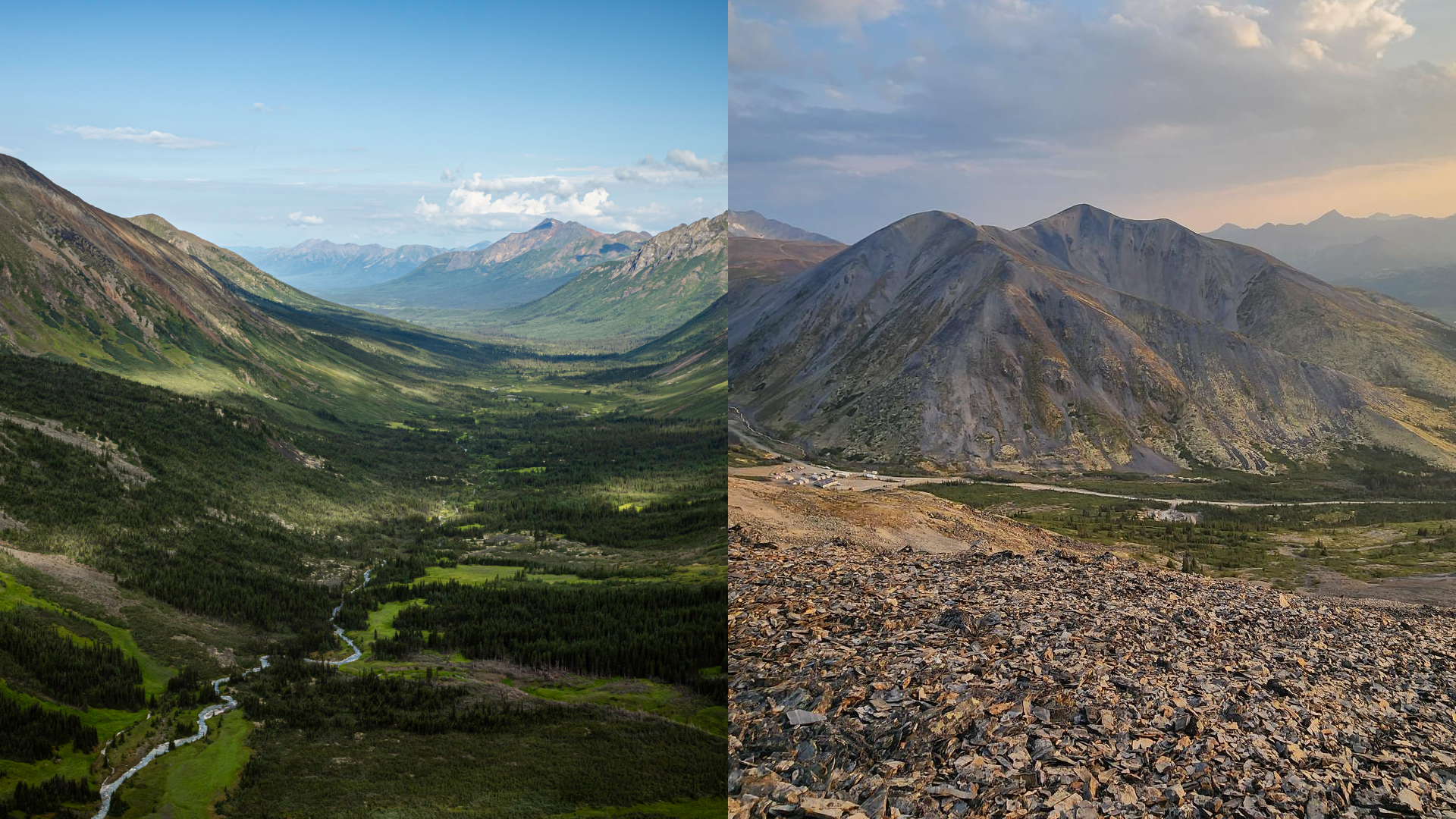
Join Brandon Macdonald, CEO of Fireweed Metals, and Scott Berdahl, CEO of Snowline Gold, as they delve into their unique journeys from growing up in Yukon, Canada, to leading major mining projects there. This event promises a blend of personal anecdotes, family histories and insights into the mining world right from their childhood backyards.
On 6ix: 6ix.com/event/born-into-mining-yukon-roots-to-mining-boots-1
Automated transcript · Written by software from the replay's audio. It can mishear names and figures; the replay is the record.
0:07 If you're tuning in, you're tuning into the Born Into Mining panel. I'll be your host today. My name is Matthew McLeboro. I host the JRI Junior Resource Investing podcast and newsletter. Just so we're all aware, just some typical housekeeping items. There will be a question and answer period at the end of this. So please, if you have any questions, enter them into the chat and I'll do my best. I'll do my level best to get them in, you know, kind of time permitting, so to speak. Otherwise, this is being recorded, okay? So if you're in this room, please be aware that you kind of consent to being recorded. And otherwise, all standard disclaimers apply, all right, Blue Sky conversations potentially, not financial advice, et cetera, et cetera. And I see our numbers are just starting to tick up here. So I'll do the first one again here, just so we can get that off so that people can hear. I do encourage a Q&A.
0:55 I do encourage listener questions. If you can, I'll do my best to get them in. Otherwise, I'm excited. This is gonna be an interesting one. It's probably more of a reflective topic versus your more sort of typical company promo. And I'm excited because these are 2 fairly honest and articulate gentlemen here joining me. 2 Yukon boys, they're gonna reflect on what it's like growing up in a mining family in Yukon and hopefully share some anecdotes and insights into those personal histories. We've got 2 Kitco Mining CEO of the Year nominees here. We've got Brandon McDonald, who is the nominee, and
1:31 Scott Berdahl of Snowline Gold, who is the winner. So Brandon, if you've got any grievances, you have to settle with that one. I'll ask you to keep that for the parking lot after we're done here today. Okay, but anyway, gentlemen, thanks for joining me today. How are you guys doing? They're doing well. Having a good day. Yeah, good. So yeah, like I say, we're gonna just delve into your personal histories and just how you think that impacts your own career and your own past, present and future in this industry. I mean, so yeah, no place to start like the beginning. And Brandon, I'll ask this question to both of you guys and both of you have an opportunity to ask these questions. I'll rotate back and forth. Brandon, I'll start with you. Do you just want to maybe establish your family connection for us? I mean, what were your, you know, your father's, parents, extended family's, industry jobs that made it have a sort of familial personal connection for you from the get-go?
2:17 Yeah, interestingly my father was the first in the family to get involved in mining and specifically exploration. It was a bit of an accident. He was studying commerce at SFU and got a summer job managing a lab in Whitehorse. And that led to the next summer, which led to, you know, subsequent years and then actually moving up there and getting into expediting and exploration.
2:51 That's how he met my mother up there, who was also a bit of a transplant to Yukon. And they created that business, the expediting and exploration business that brought our family from Whitehorse to Ross River. Awesome, and Scott over to you. Yeah, I think it's funny how there's so many kind of small world things that happen in Yukon, maybe just small territory and therefore more likely. But with Brandon's project at Macmillan Pass there, you know, starting at the very beginning, my parents actually met at Macmillan Pass. So I owe a lot to mining and exploration and to, you know, to fire weeds, to the Tom and Jason and Macatong anyway.
3:39 And yeah, my father, like Brandon, my father is the first in mining. He came to the Yukon, really adventurous outdoorsy, and despite having studied biology in university, took it upon himself to learn rocks and got talking to prospectors and became 1 himself and launched out like that full time. And on the other side of my family, my mom did well in surveying at McMillan Pass and a whole bunch of different jobs, working with the software company, working with the Yukon government, and I think it was also a key part, obviously, of my upbringing and I think brought more than just the prospector's grit and resolve
4:28 to the approach to things. So definitely a benefit from both sides of the coin. So maybe I'll ask you, you both are in the same boat where you're second generation Yukon or second generation mining family yourselves. Growing up, and this is again, like I say, a reflective exercise, but talk around the dinner table sort of style things right here. What was normal to you growing up in an undermining family that maybe looking back you think would be unique to someone growing up in your own setting like that? And Scott, I'll let you take this one first.
5:02 Yeah, I think I had a pretty unique upbringing and not just being from the Yukon, but even within that context. Yeah, prospecting is not necessarily the most lucrative profession at all times. And so, yeah, it was really kind of a distinct lifestyle choice too. And so, you know, I grew up in a small cabin, single room, no power or running water. You know, we're chopping through the ice to get a bucket of water and then bring it home to the big bucket all winter long and all summer long too for that matter. And so, yeah, you know, falling asleep to the sound of kerosene lanterns going out and, you know, I have very visceral memories of those sounds and smells and probably highly romanticized. I'm sure it was very stressful for my father trying to make ends meet with, you know, on the inconsistent income from prospecting.
6:00 But it was really a neat way to grow up. And then at the same time in the summer times, we would go out and spend long stretches of times in pretty remote wilderness back when,
6:09 we didn't have GPS, we didn't have sat phones and we just get dropped off. You just look for a lake that's big enough to land a float plane that's kind of near where you want to go prospecting and and you get dropped off there with a whole bunch of supplies you set up a base camp and then you know the plane's going to come back in 3 weeks on a certain date and so on that date you're just sitting there at the lake just kind of listening for a plane and I was amazed when I was little at how good my dad was at listening for planes. He was having bad hearing. He would hear it, you know, like a full 2 minutes before anyone else, but very reliably. And I think I've developed a little bit of that, but I don't think I've spent quite as many afternoons and long days sitting at lakes waiting for a plane as he has. Quite the skill. And Brandon, what about you? Yeah, it's interesting that the sound of planes, allegedly, I have lost this talent. But allegedly, as a small child, 3 or 4 years old, I could tell what type of plane it was by sound.
7:03 Because we're so often in camp, even as a child, that you'd learn like, oh, that's the beaver, or that's the otter, or something like that. And that's probably one of the differences when you're raised in a family like this, is that even as a young child, you're involved. I was in expiration camps very, very early. And some of my first memories are in these camps and you're not productive
7:38 at that age, needless to say, but you're there. And that's, you know, so you're in a household where sometimes your parents are away or you're certainly your father is away for an extended period of time on a trip or sometimes you're going away with them, right? And so it gives you a different view of their occupation than if they have a standard, now if your parent does a standard office job or warehouse job or something like that, other than maybe an occasional take your kid to work day, you tend not to get much exposure to it. But I think when you're involved in a family that does grassroots
8:15 level exploration and these field camps, at least you used to, it's harder nowadays to get away with having someone under 18 in a camp. And I understand, you know, why, you know, the safety rules are how they are, but it feels like a bit of a missed opportunity because so many of us had that exposure when we were young. I mean, I had my first, like a joke, I had my first on-the-job discipline at 3 years old because I woke up in the middle of the night to leave the camp, or leave our tent, to poop right outside the front of the tent because it was too cold to get to the outhouse. So I just quickly dropped trow and powered it out and went back to my sleeping bag. My dad was not terribly impressed when he found that in the morning.
9:01 It's different, right? I did not grow up in a log cabin. I was allegedly conceived in a log cabin. I did not grow up in a log cabin. We had a house in Ross River, it's still there, that was built by the prospector Al Coulan who discovered the Ferro, what now became the Ferro Mine. And it was a carbon copy of their house in West Van because he wanted his family to spend more time in Ross River, so he built the exact same house there, which is the kind of eccentricity you expect from people in this industry. So it's still there, it's owned by the government now. But it's definitely a different lifestyle than a standard go to school.
9:51 What your parents do is mysterious, right? Like you don't really know. I think it's very valuable for kids. Well, I'm already gonna go off script here, guys. I hope that doesn't kinda get you nervous. But I think that the comments you both made in Scott particularly you but I think Brandon there's daylight here for you to answer This too, but I mean that you know Scott you talk about I mean a single room log cabin I mean that's classic, you know, Yukon Canadian a history and you know the hiss of the kerosene lamp I mean And now you're the CEO of almost a billion dollar company.
10:22 Are there perspectives or lessons that you still bring with you? Is there an approach to how you live your life even that you kind of carry with you from those things that helped maintain perspective for you? Yeah, I think first I should clarify that it wasn't a log cabin. I don't want to overly romanticize it. It was, you know, timber frame, shack basically, but, yeah, nice little place. And, but I think, and maybe to get your question, maybe some of it is that romanticization even that I have for that time that has led to sort of
10:59 a willingness to take on risk because I see failure as, okay, if I have to fall back on things, worst case scenario, go and live like that. You can get by on a pretty tight budget.
11:15 I have only fond memories of my childhood in that sense. And yeah, and so, you know, I think that, like I said earlier, it would be a lot harder being the adult in that situation versus being the child in that situation. But nonetheless, that misunderstanding anyway has led me to jump in and take on risks that I otherwise might not have. And I think Brandon's point on just having a different perspective shown to you as a child also helps where you don't just see, yeah, the cookie cutter, that you go in and this is what work is and you do it for these hours and they've done your work and you can be, you know, X, Y or Z in terms of your profession, but kind of getting a better sense of like right from the start of just kind of how you might go about building a business and how you generate revenue from nothing
12:07 and how you work through the discovery process and industry specific things, but also just general looking at how the modern world works. I think when you get that outsider's perspective, you you see some things that you might not get if you're just kind of going into the machine of, you know, go to college, go to get your job from there and retire at X and, you know, have your 2 and a half kids and so on. Over to you, Brandon. Yeah, I think, yeah, I remember those feasts and famine, you know, the cyclicality of the industry as well. And I think perhaps it gives you some confidence now both Scott and I are parents that I can recall the famine bits being more stressful right on my parents But I don't it didn't feel less happy as a kid right so, you know, it's it's perhaps a lesson for parents that You know your kids if you're going through a tough time, you know, if you're not, you know, projecting that stress onto them too much, they're still going to be happy, right? And, you know, those risks can be okay.
13:20 You know, I think that learning as well that I think a big lesson that you take as a kid, particularly when you're in field camps or even as an adolescent, is that, particularly the old days, it's a little different now, but when you got dropped off for a week or 10 days and you may have had like those radios where you had to like connect and make the operator dial the phone number for you, Scott, if you had line of sight, you know, to a repeater.
13:51 But there's a huge amount of self-reliance, right? If something goes wrong, you can't just be like, well, this thing's gone wrong, I better call someone to fix it. It's like, no, you fix it. If you're not familiar with how to fix that thing, you better start figuring it out. This is before, you know, internet and, you know, no star links. You're not looking things up. So I think being in those styles of camps where everyone chips in and you have to solve problems together. Like I think
14:19 this industry weeds out people who are uncomfortable with uncertainty and can't become comfortable with uncertainty. Because as we can tell you, running a drill program, you plan it, and then the actual drill program happens and it's radically different and things always go wrong. Every drill program, something goes wrong, and you pivot and adapt and fix and what have you. And so I think early on, getting exposed to that is really, really valuable. You know, we risk sort of coddling our children or even junior employees and not exposing them to kind of a manageable chaos, which I think builds great managers and people.
15:08 I find it immediately interesting how you're talking about very rural Yukon origins and you can still kind of universalize that into lived experiences and lessons for people that have no idea what it's like up there, right? So that's quite interesting. Why don't I ask this one, and Brandon, I'll let you take this one away first. I think it's actually a decent segue based on what the conversation where we're at right now. Was your future career right now obvious, right? I mean kind of wait how I have a phrase were you born with a rock pick and a hand lens in hand or you know Did rebel against the family trade before and then make your way back to it or how did that kind of come? How did that come about? You know, it was interesting. I had an aptitude for science, right? So sciences, right? You know, I was strong in math and physics and chemistry and that sort of stuff through high school. And
15:56 it seemed like that was the path was going to be a science. You know, I flirted with potentially doing medicine. And in fact, starting off in first and second year was more of a combined chemistry, biochemistry, which I was thinking about research or medicine. But I was still doing all my summer work through my father and exploration. And it actually took, geez, it was an organic chemistry lab or inorganic chemistry lab where my neighbor 3 times, one time she got mercury on me. The next time she spilled concentrated nitric acid on me. And the third time there was like a plug in her, you know, like this, the pressure system. So it was like building up this expanding tube, but there's going to explode and shatter glass everywhere. And I had to fix that as well. And I just realized I don't want to be in a lab. This is like, seems to me like the field is like no more dangerous and a hell of a lot more fun.
16:55 So at the end of my second year, halfway through my second year, I took geology 100 and then pivoted to geology. I think my dad was happy. I think my mother was freaking out because she saw the cyclicality that my father had lived through. But it's worked out okay. It certainly was never preordained. I really struggled to understand what I should do with myself through most of my youth. Maybe as a quick follow-up, and then I'll hand it over to Scott, but was there a moment you said second year at Geo, but was there a moment you can look back on where you just know that's it, that's the moment where it was crystallized or clarified for you finally?
17:36 Yeah, I think I took, you know, I was uncertain at the end of the second year. I was wrapping up, you know, second year chemistry and biochem and biology courses. And I took this geology 100 course just kind of on a lark because I just didn't, this didn't feel like what I wanted to do. I didn't feel like I wanted to be in the lab.
17:59 And honestly, medicine is extremely tough to get into and I did not have the work ethic for it at that point in time. I developed my work ethic maybe a little later than some. You know, we boys mature a little slower. So it really took till Every year in university I had better grades than the year before, including almost flunking out first year despite being on full scholarship. So I just really felt lost. I was thinking about dropping out because it was the dot-com boom. And I was like, oh, I'm gonna like, you know, go do something and that. And took a geology course and We said a lot of fun with it and I was thinking about that and the fun I'd had working, you know up up near Finlayson Lake and you con
18:45 The summer for and I was like, yeah, maybe I'll do this. And so I did that and registered for second year geology courses for the year after and the rest is history. So the kind of platonic ideal of university being that area where you actually can figure out what you want to be worked out for, yay. Yeah, well, look, I have a lot of thoughts on that maybe the Canadian system sets up people who are a little bit directionless to fail, right? So I would have benefited from a gap year, which is common in Australia and the UK and stuff like that. But in Canada, you take a gap year, you lose all your scholarships, right? So that rushed me into university really without any direction. Fair point. Scott, yourself, was it always obvious you were going to, you could follow your father's footsteps or what were your ideas on that?
19:32 No, I wouldn't say that it was. I think he, well, actively encouraging, my participation on prospecting trips and so on, at least verbally discouraged me from going into the industry just because it is so uncertain.
19:52 And it takes a certain type of individual, I think, to come into the industry in the first place. But I can definitely identify with a lot of what Brandon was saying there. And for me, I had this burning passion, like millions of other children, to go to space and to become an astronaut. And, you know, I did well enough in high school that it wasn't like that was necessarily extinguished too early and, you know, was pushing hard on a bunch of different fronts, got a pilot's license,
20:23 and was kind of going down that path. And I started out in aerospace engineering and did 2 years of that. And I'd also, well, actually, I had the, I guess, in this context, it's a benefit, but I didn't have scholarships, or at least not a, you know, not a full ticket sort of the thing. And so I was free to take a gap year, and go further into debt.
20:49 And I did that. And I'd like to say it was some transformative experience and that sort of a thing. But actually when I came back, I think when I left, I was thinking, I'm gonna switch to something else. I had taken an introductory geology course And it just so happened that the professor was, you know, very sharp guy. But like, he ended up leading the Curiosity rover, the science team, his name's John Grotzinger. And we connected because he'd done some of his graduate work in the Yukon and I'd spent, you know, my childhood out there prospecting in some of the same rocks. And so, you know, that definitely got me thinking about geology more seriously. But when I came back from my gap year, I was like, no, no, I'll finish this. And I did 1 week of aerospace and I was like, that's when all the pieces kind of, reality kind of came back to roost.
21:39 And I quickly looked up what I needed to do the geology degree. And with the rationale, maybe there's a bit of laziness there because the aerospace was super demanding compared to geology, but the geology program was fantastic and took a lot too.
21:53 And I saw that I was able to kind of condense it into like if I really worked at it, could do it in 2 years. And so I did that, But it was still with that space focus. My thesis was on a rare type of very primitive meteorite. I had the pleasure of working with a really sharp scientist there as well. And ultimately, when I got my first job out of school,
22:15 it was at an exploration camp in the Yukon. But I basically just had to read what a mineral deposit was because I'd been so focused on all these sciences as they apply to planetary formation and everything like that. And it's still relevant. It's still physics, it's still chemistry and that sort of thing, but pretty much had to start from scratch and start learning about various deposit models and that sort of thing, just from getting out there. But even then, I think that
22:45 there was some, yeah, I probably didn't know it until we hit hole 7 with Snowline. I was like, okay, this makes sense. This is a good thing to be doing. Part of it's been just having these projects that I've worked on with my father for so long and not wanting to see them die and just trying to push them ahead a little bit of a golden handcuffs. But now, you know, I've built
23:08 this huge foundation of experience through a lifetime in the industry and doing different roles in the industry and so on. So, you know, it makes a lot of sense for me to be here. Interesting how hindsight provides clarity. I mean, both of you gentlemen are talking about how you almost kind of backed into this job, not backed into, but had to close other doors before you went through this door, right? And now it seems, now we can, from this perspective, say it's such a natural fit for both of you, but it took that sort of, yeah, that formative transformative experience in your early 20s to understand what didn't work for you before you kind of headed back to old territory, right? Just a comment from Nate here for you, Snowline there, Scott, he says, my seven-year-old holds Snowline in his RESP and
23:46 he's thanking you for the fact he's got a free ride through university now. So there you go. We'll see, maybe by the time the 7 turns into 17, we'll have a triple the price here of university. We'll see what we get. Well, good luck anyway, congratulations there. Maybe natural followup. I mean, so what degrees do you hold? I mean, I think this is such an interesting question that maybe it's simple, but because it is such a niche industry and it requires a very specific set of knowledges and skills, but still find that sometimes the backgrounds, you know, I think you guys kind of touched on this, You don't necessarily have to start there to end there. Do you guys just want to touch on maybe what degrees you guys hold? And then I'll have a more in-depth question to follow that up with after.
24:25 Yeah, I guess I'll start. Yeah, it was the Bachelor of Science in geology from UBC.
24:33 Then, you know, like it's an MBA after that, but it got a little weird in the middle because, you know, in 2000, when I graduated, was a very, very tough time for, you know, geology grads. Very, very, very tough. I think like 3 of us maybe got work. And, you know, so I was trying to do that on the side, but I was contracting,
24:58 that was the tail end of the dot-com boom. So I did catch it a little bit, so I was doing some programming. That ended up being a five-year break from geology doing programming. And weirdly, my last gig for 3 years was kind of building the trading system, the back end of a trading system for sports betting, which I think has actually gave me a tremendous insight to the psychology of people who invest in junior mining. But
25:26 I didn't, again, that was like I accidentally ended up there and, you know, so you're putting your head down, you're doing this and 1 day you kind of wake up and like, what am I doing? Like this was not what I studied, this is not what I wanted to do. So I was trying to think of a way, you know, how do I do something different? You know, I wasn't even thinking it's like getting back into mining,
25:49 but I applied for a few different MBA programs while I was living in England and got accepted at Oxford and decided to study there. So that, and then I ended up, you know, out of there, really a bit of an accident.
26:08 Again, did a summer program with Macquarie Bank, really unrelated to mining and metals. And well, it wasn't unrelated to mining, but unrelated to metals and got hired into their metals team, right? So then I was back in the mining industry, right? So it's
26:25 certainly what I would tell people, is that success is rarely linear and it's very, you don't know exactly, you can plan out what you want and then things actually happen, like the drill program. Right, And you have to be nimble and have to know when to stay the course or when to make a quick pivot. So it could have all easily gone wrong for me. I think we get a lot of, you get the people who do these sort of panels and people listen to us. There's a survivorship bias here. We're the ones who are not the smartest, but the ones whose quick decisions, whose pivots or whatever, ended up turning out good.
27:11 Sometimes because we did the research and sometimes because we just got lucky, right? So anyways, that was a long-winded way of saying I did geology undergrad or an MBA.
27:22 Oh, good. Thank you. I appreciate chasing rabbits like that. But Scott, what about you? What's your formal academic background? Yeah, no, I did a geology undergrad as well, obviously sort of compressed at the end there, as I mentioned, so it's sort of an informal minor in engineering. And then, yeah, I jumped right into the industry from that, but then I did a quick pivot a year later and did a one-year tack on a master's degree in science writing, which was, I'd done a concentration in writing as an undergrad and loved writing. And, you know, at one point even considered that as something to push towards. And yeah, so went back and just had that opportunity to do that and that was great. But then this basically gold boom of 2010 broke out while I was doing that and I was spending all my evenings doing a bunch of remote geology work and supporting field crews and that sort of thing before going back to classes and to an internship and that kind of thing.
28:25 And yeah, and then it was just full out. I was actually looking at, I think I did get kind of caught on that machine. And I think that I see it so much where people in their undergrad, you know, you're surrounded by academia and you're surrounded by these professors who have done incredible things within academia and they're very bright people. And so that kind of just becomes the model. I think out of my undergrad, like maybe 100 percent minus, you know, excluding myself, went on to do PhDs. Like it was just like that's what you do and there's this kind of track set there and I think I definitely would have done that if I hadn't been, had a little bit of uncertainty just from my background
29:06 and then, you know, had some tough choices. And yeah, I had applied to a couple of PhD programs and was trying to decide which one to go to and that kind of a thing. And I just got pulled away because of this exploration boom. And then suddenly it was, you know, I was several years out. And before I even thought about going back to school again, I ended up going for a, I want to do something totally different and ended up doing a degree at a new university that they just built in Saudi Arabia called the Cal State University of Science and Technology. A really incredible place and very bright minds that they poached for their faculty from around the world. And yeah, really, it was a special experience. And on the back of that, I tacked on, and this was the doldrums of 2014 and so on.
29:53 And so there really wasn't much going on. I decided to go back to school after a year of working just as hard as I did in 2010 and 2011, but without generating a cent of income. I was kind of like, okay, what am I doing here? So, you know, went back to school and at least got a small stipend as a grad student, at least for the research related degree. And then, like Brandon, went for an MBA following that up. And so, yeah, that was a great experience. And, you know, I think that I learned that very quickly in going full out in as a prospector that, you know, you've got to know the business end of things. You go and find something, that's just the first step and then the rest of it is business. So the MBA made a whole lot of sense. I didn't necessarily have this trajectory in mind at the time, but I just wanted a better understanding of where these projects are going and how you position them when you find them and that kind of a thing.
30:46 Interesting. So I think that Scott, you particularly kind of were touching on this future and this next question here. You know, I think that the work experience versus academic experience, you know, it's the combination of the 2 that provide for me, in my opinion anyway, the sort of strongest sort of work, they work together and are most effective together when they're together and there are deficiencies in both when they're separate, right? But I guess maybe if I'm going to ask you both and Scott I'll let you lead this one off, you know, how would you compare that formal academic setting, advantages and disadvantages of both strengths or weaknesses, etc. And then comparing that to your more informal, you know, lived and work experience growing up and prior to your decision to return to that industry. I mean, how would you compare what you learned or didn't learn or had to learn, et cetera, et cetera, from each of those?
31:34 Yeah, I mean, I think you make a really good point there in terms of them both complementing the other. And, you know, I guess you could go down either path exclusively And certainly, you know, school is not a necessary prerequisite to success in business, whether it's in mining or any other industry. And you see, you know, some of the best examples are people who even dropped out of high school and went on to form transformative companies that changed the world. But at the same time, there's a lot you can learn at school. I mean, that's why it's there and it helps. And you can contribute a lot solely through those academic careers. I mean, some of the greatest advancements we've made as a species are coming from people who just put their head down and they're just obsessed or very interested in some problem, whether it's physics or geology or philosophy, and come up with these revelations that move us forward. But anyway, to kind of bring it back into the realm of what's reasonable in a conversation on mining.
32:37 I think that both have been really helpful. There were times that my background, as I mentioned, it kind of steered me away from that purely academic track. And, you know, I would see projects where, and that was one thing when I was when I was considering going for a PhD, some of the projects on the on the table just didn't really appeal to me that much. You know, when you just are just digging down into a problem that's so specific to like, you know, 1 sort of client and you can't really see how it relates to the bigger picture. How does this advance the understanding besides just kind of being an academic question around this particular isotope or something like that, that, you know, that wasn't really getting my blood flowing and understanding the amount of work that you need to, or at least having some idea of the amount of work that would go into a PhD like that, you've really got to want it.
33:28 And so, yes, kind of seeing the bigger picture and the excitement of what you can do with this knowledge led me in the other direction. And then, but still having that background and, you know, pursuing a whole bunch of different topics in a whole bunch of different fields, I think has put me in a very good position now that I'm in the industry. And you know, I definitely fall back even on my writing. You know, it was a scientific writing degree, like the kind of writing you'd see for general public consumption, where you're trying to, you go to talk to the scientist on one side and you go and write for the magazine on the other side. And so, you know, as a, someone writing news releases and that kind of thing, that suddenly, you know, I didn't plan that, but it comes in handy. And so, yeah, just, you know, everything that you pursue, I think can find some kind of application. So I'm all for going out there, learning what you can, taking it in and then trying to find ways to apply it.
34:24 And Brandon, over to you, that sort of advantages or disadvantages to both or lessons learned or unlearned sort of thing from both? Yeah, look, I think the intensity of work can and generally is a lot higher than academia. And I'm not to say that academia is easy, right? But I mean, There's the amount of time you have in experience, but also the intensity of that experience. The challenge with the professional world is you probably have less control over what you're doing. Do you get the job you want? And is the job you want even what you think it was going to be? Like maybe you study mining engineering and you go work, you wanna work for tech at Red Dog or something like that.
35:09 And you find that you spend 5 years doing the same repetitive minutiae task and you don't learn a lot. You learn something, but you're not getting exposed enough. Or you might find that you get, it's maybe not the ideal job, but actually you get thrown into a whole bunch of stuff and you're just like, it's like a fire hose of learning. It's not easy to predict how that works out in the professional world. The advantage of the academic world is, although there is still definitely uncertainty, is your supervisor or whatever, what you thought they were gonna be, do they give you the support? Is your thesis leading to something that you thought it would. But it is more predictable, right? So I think there's an advantage to each. I definitely think a strong educational foundation, at least your undergrad, I certainly would not encourage people to drop out to get started, right? You're really, the people that succeed in that situation are the outliers of the outliers and it's probably more to do with luck. I mean, certainly their abilities have to be there, right?
36:15 But I think a strong educational foundation and whether you go on to a master's or certainly whether you go on to a PhD is increasingly questionable. I think Scott, you put it well. I think what's the expression of like, you know, as you advance further and further in academia because you're getting more specialized, You know more and more about less and less until you know everything about nothing. I think is how the expression goes. So I think that's the challenge of picking between the 2. It's going to be a bit of uncertainty. I think the right job opportunity trumps a normal education, but the wrong job opportunity can pretty quickly become a waste of your time. So we're going to switch gears here guys.
37:00 Thanks for those answers. I'm having to start to cull here a bit because yeah, I mean, strong answers take time. But it is 1 that I'm going to insist that we answer this one because this is 1 that I am personally interested in and you'll see why in a second. But you know, I'm a stubble jumper, Saskatchewan boy, prairie boy, And I've lived, you know, born in the 80s, and I, through my life, I mean, my, I'm the second-rate, I'm the first generation not born on the farm. And I've seen this transition from agriculture to agribusiness, right, this sort of corporatization, industrialization of what was once a very intense family business. And you can see the parallels I'm trying to draw here to you guys, right, in this kind of slow-motion death of this through mass consolidation through, I mean, the economies of scale. And it makes, on a certain degree, it makes sense, or there is logic to it, right. And so I guess the question I have, and you can probably infer from here, right, is how much, you know, that grizzled old prospector, right, I mean, you know, kissing the toes up in Dawson, right, from a guy who lost some kind of thing, you know, how much, is that disappearing? Has it been corporatized or industrialized?
37:59 And Is that lifestyle still viable? The world that you were born into from your father's, right? Is that lifestyle viable long term? Or do you think it's falling prey to similar pressures as my agriculture to agribusiness sort of approach? I guess, Brandon, I'll let you start off. I don't think exploration lends itself well to economies of scale. I think the proof in this is that most majors do very little, sometimes no exploration. They generally rely on juniors as their farm team, so to speak. I think that you need to crack the nut on a project. You need someone who's passionate about that project, right? And who it's their, you know, that the ticket to their success, right? And I think that it's tough to scale that up massively.
38:50 Now whether new technologies change that, I don't know, but I don't feel the junior business model and by extension the prospecting business model is at risk of being sort of phased out or evolved out just yet. I do still think we need those passionate people on the ground. And I don't think that massive, you know, data sets from, you know, satellites or aerial surveys or regional surveys combined with AI or anything like that is gonna radically change the way we do things. I'm open to being proven wrong, but I don't think it's gonna change. Scott, thoughts from you? Yeah, I think those are some really good points, but I think that we are on a pretty steep downward slope, not because of the lack of business sense for functionality of the role.
39:50 I agree with Brennan completely there, but I think that just the level of regulation and so on that the prospectors face now, I think that Every year you see more and there are hurdles that can be overcome by junior mining companies and then bigger mining companies and that kind of a thing, but they're being applied kind of across the board without necessarily recognition of the value of the prospector and the value that we get from that early stage work. And like Brennan says, it's difficult to replicate. You need people out there who are passionate about things, who know that you should walk up a creek instead of down a creek, just little things. And yeah, I think that we're losing that, you know, when we come up and you see that just, you know, across the corporate world, you see a government that comes in with a new policy because, you know, because they want to tax Apple, say, and then it catches all these other corporations in the dragnet who didn't mean to target, but, you know, it makes their life difficult at the, you know, At the extreme low end of that drag net are prospectors and they're getting tossed around by all these things that aren't necessarily meant to apply to them, or they are, but they kind of misunderstand what the potential impacts are. And I think that's been a factor in the very low levels of exploration we've seen. Of course, the markets have been really tough.
41:09 As a prospect, over the past decade, a big part of the reason Snowline exists is that we couldn't sell the projects. And obviously, they were pretty good projects. And so we had to start a company in order to buy these things. And so that weighs on it too. And I think that those are completely separate problems from each other. But I think that what society as a whole, intentionally or not, is doing to the prospecting profession is detrimental not just to our industry, but to society as a whole in terms of sourcing the resources we need for future generations. That's interesting, right? If you had more thoughts there, please finish it off. Oh, no, sorry. Yeah, that's it. Yeah, I mean, informed governance requires It has to be informed to make informed decisions. Right. And then those niche industries, like you say, I think, can get get lost, maybe with the bathwater sort of risk is what happens when you have broad sweeping legislative sort of evolutions that don't take into account niche industries like the prospector right. I guess maybe maybe a follow-up question that does make sense from here though is and Scott I apologize I don't know your personal family life.
42:16 I know Brandon does, but do you want your kids to work in this industry? I mean, do you want them? Yes, no. I mean, if you're hypothetical otherwise, Scott, maybe I'll just let you kind of. Yeah, I mean, I'd like to think that, I would encourage my kids to go down whatever path they want to go down. You know, like I said, I wasn't really steered into this industry. I just kind of found my way to it. But that said, my oldest son is 2. And right now he wants to be an alligator. And so I do have to, I don't know if that's the most viable path. And so if he continues on that, it could get problematic later, but for now, just letting it slide. Yeah, it's off. Yeah, my four-year-old wants to be a villain, right? So he's been watching too much Despicable Me.
43:02 Keep asking, sure you don't want to be here. He's like, no, villain. It Looks like a lot of fun to him. Which, you know, depending on what part, you know, if you become a promoter, you can certainly be a villain, right? There's certainly aspects of our industry that a lot of people would qualify. I don't know if that's where I'd want them to end up. But I think, yeah, I think a key thing is you hope that through success, you're able to empower your kids to do what they want to do. If they're excited by what I'm doing and they want to get involved, And I'm actually, I think in a month or so is that my younger boy, the four-year-old's preschool, it's a duty day, so I'm doing the duty day. So I'll be there with him for the morning and I'm presenting on mining and I'm gonna have rocks and stuff like that. And there's one question there about how do we get this started?
43:51 How young is too young or too old is too old? I wanna talk to them about that age, right? And if some kids get passionate about it, that's great. If my kids wanna do it, yeah, that's great. And I think that having a parent that's gone through that industry, even putting aside nepotism, right, which, you know, is my dad giving me a summer job nepotism? Yeah, I mean, I didn't get like, you know, I wasn't made VP or anything like that. I was, you know, digging soil samples, but you know, you get additional access to experience. You get the counsel of your parents who understand, right? Like if my kids wanted to be, I don't know, like Scott Aerospace Engineers or something like that, I'd be like, okay, well, look, I have no clue about that industry or how to help you.
44:43 I have a general sense, but I wouldn't have any specific advice for them. Right, so it can be nice when your parents can give you very specific advice. Because that's 1 less mentor that you have to find and I think mentors are essential in your industry. I guess I have to follow up my two-year-old son wants to be a bulldozer right now. So maybe he does have a mining career ahead of him. That's there's hope right? So let's transition here though. Let's start talking about maybe the Yukon in general or Yukon in general. We got 15 minutes left here. So I'll try to be efficient. And so I think that you know a big part of mining as you know to understand is community buy-in, right? And so I guess maybe how much do you feel that being local leaders, as you gentlemen are, helps with that, right? I mean, like I say, I've lived in Yukon a couple of times myself, we were talking before we got on air, right, and I understand just I have a sense rather than how small and tight-knit and local that community can be, right? And so I guess how much does being there, how important is that in terms of getting buy-in from people that you speak to?
45:48 And Brandon, I'll let you start there. Yeah, I don't know that, you know, we left UConn when I was 5 and although I was back frequently visiting and working and stuff like that, you know, I think that there's not like I have a huge contact, I mean I do have a huge contact base there, but not from my time living there as a child, right? So I don't think, I think if you have a bad plan and are doing a bad job, I don't think being from Yukon is going to help you at all. But it does give you a bit, at least in terms of reputation, it gives you a bit of a starting point, right? A bit. Not a lot, but a bit. I think far more valuable is, you know, when you've spent a lot of time somewhere, working somewhere, the contact base and maybe the trust you might have with the community or the government, et cetera, right? And service providers, I think that goes a long way.
46:49 Scott? Yeah, no, I think I'd agree with that. And you know, it's certainly a bit of advantage and it can be pressed to make it more of an advantage. You know, Like Brennan says, if you could have a local CEO who's not talking to the right people, not going to the communities, not doing the things that he or she needs to do and not getting that advantage versus someone who's, in the case of Yukon, just flying up from Vancouver every couple of weeks and putting in that face time. But part of the intrinsic advantage too is just the chance encounters, the familiarity, the long history, even having run like staking and soils crews and stuff like that. It's not too much for me to pick up the phone and talk to people and see if they wanna come out and know that they're good people and that sort of a thing. And so, yeah, there are a lot of little advantages but it all depends on how you use them.
47:49 I would just start interrupt. I would say that, you know, I've kind of felt that my history in the community of Ross River and broadly my family's history there has not given me any sort of free pass or anything like that. In fact, I think it's elevated expectations. But the counterbalance to that elevated expectations is a more open dialogue. And I think that when everyone is able to speak their mind and have more truthful and open conversations, as opposed to a little bit more standoffish and formal, it's a better path to getting things done. And I think when someone comes up there and they're from wherever, England or Australia or South Africa or some other mining country, and they maybe don't know the lay of the land, you might see that the community is perhaps a little more unsure about how to handle that in a relationship.
48:50 And so I think I might actually, this is almost just asking the same question, but kind of on the other side of the coin, how much do you, how much does it resonate with you that you, you know, you've got Yukon blood and you're now on a Yukon project, right? You want to call it local pride or just that kind of buying into that, building and investing proverbially and literally, right, in Yukon yourself. I mean, I guess, how community-minded are you? And then I guess maybe to try to drive home what my question is here, if you were leading a project in Timmins or in the Andes, would you be approaching it differently, even on an emotional level? And Brandon, I'll let you take that one first. Well, you'd hope that you'd have the same duty of care regardless of where you are. And I'd like to think I would, this is my first time in the big chair, so to speak.
49:40 So I can only really talk about how I treat these projects as a CEO when it's a project in the backyard of what used to be my hometown. But I think I do feel a very strong duty of care to that community, and both in terms of making sure I don't screw things up, but also I think this project could be transformative in terms of benefits and positive impact. So I take that extremely seriously. And it would be unconscionable to me to just screw it up in terms of leaving a mess or something like that, right? That's not, I wouldn't do that anywhere, but never more of what I not do it, you know, like in the backyard of my old hometown, right? So it's, I think it definitely changes it, right? Now you have to balance as CEO that you maybe don't overcompensate to that effect right and and you know it's it's these are your partners but also your counterparties right So you have to not surrender all your negotiating leverage if there's a negotiation because of an emotional attachment as well, right?
50:56 So I think there's, you have to manage that and you have to be not dispassionate, but cognizant of where your biases lie. Well said. Scott, what about you? Yeah, I mean, I live in the Yukon by choice and explore here kind of through circumstance. Yeah, so I have a very strong connection to the territory, very strong sense of pride here and yeah, that leads to similar, to a similar sentiment. Like I don't think that if I were exploring in Tunis or Peru that I would be doing things particularly differently but when it is, you know, you're living in the place that you work And yeah, it's hard to escape that connection.
51:47 And it leads to the same sentiments that, you know, that Brennan's talking about where, yeah, it would be unconscionable to intentionally go about things the wrong way. And it really gives the incentive to, you know, You see problems that could be solved through economic resilience and through primary production coming from the territory, and you see that benefit. You see at the same time, you see this incredible wilderness with 30,000 people in it, almost the size of France. And you know, that itself is a pretty special asset this day and age. And so, yeah, I think you get just a really thorough sense of what's there. And it ultimately makes me want to press harder because you could, I think, push too hard if you're just considering the first side of that coin and pull back too much if you're pushing or if you're just looking at the second side of that coin. But I think there's a balance there and living here certainly gives me the motivation to want to push and find that balance to the benefit of really essentially everybody in the territory.
52:55 Well said. And this next question almost feels like a logical extension or conclusion of the previous question, just in terms of, this is almost kind of tiptoeing into a more traditional sort of conversation around jurisdictional advantages or disadvantages of individual projects, but relationships with local First Nations, right? So I guess I would ask you to reflect on your own history. Do you see, and this is maybe a twofold question here, I'm trying to be cognizant of the time myself, but do you see changes from your youth to now, like I say, part A is in terms of how First Nations are approached in terms of duty to consult, And then part B is the actual approach of First Nations themselves to mining. Do you see an evolution in your own life cycle and your own lifespan from that?
53:40 And Scott, I'll let you go first. Definitely. Although, you know, with the caveat that I can't say I was super tuned in on first nation issues when I was 4 years old. But yeah, there has been a sea change. I mean, actually, my father, in some of the odd jobs in supplementing a prospecting career, worked with the Tahnequah John Council in the territory and learned a lot that way. Worked alongside, at least in a physical sense, not hierarchical, but with Elijah Smith when the Yukon was doing a lot of things in terms of its land claims agreements and that sort of a thing. And so definitely some level of familiarity with there, but really they're Yukon First Nations and really across the country, I think are growing into roles as, not just a not a box to tick, but really a very important voice in the conversation, you know, as gatekeepers and guardians.
54:43 And yeah, you know, I see a genuine concern for potential effects of industrial development on traditional land uses but at the same time see there's a history of benefits that have come through that too. And a growing recognition that economic independence or economic resilience is a key foundation in terms of actually building towards something like reconciliation. Like, you know, if you're just, yeah. And so that's really been, I think, bubbling below the surface and seeing that awareness grow is really interesting.
55:28 Where, you know, I think that's where the ticket to true self-governance, greater opportunities, and ultimately greater community wellbeing opportunities for just a stronger base from which to do land guardianship comes from a stable economy. And I'm seeing that recognition. I'm seeing a push into development corporations who want to own or be involved with primary productive assets, things like energy, things like mining. And so I think that's a huge step in the right direction for the North as a whole, Canada as a whole. Excellent. And Branton, an evolution in terms of that attitude to and from mining and First Nations? Yeah, no, I think absolutely.
56:15 Like Scott, I didn't have a strong sense of it when I was young and even as a teenager working in the industry. We always had First Nations working with us and that always seemed unexceptional or the norm, right? But there's definitely been through both legal and cultural changes, a high velocity of change in expectations. And I would probably say the last 12 to 15 years, the gradual change before that, but it's really taken off since then. I think it was overdue. And I think that before I would say, I described it as the maybe before there was an uneasy equilibrium and wasn't a fair equilibrium because I don't think the rights and title of Indigenous groups were respected.
57:11 But it was an equilibrium because they understood they had very little power to stop things they didn't like. Now it's changing, and I think there's maybe not an equilibrium right now. That doesn't mean that things are not possible, but this is in every jurisdiction with every different nation in Canada is gonna reach that equilibrium at a different point in time. But I think there's great progress there. I think that when I was exploring in the Kaska territory with my father in the 90s, Feral was still running. Wolverine had not yet been built and I think Ketza was being built shortly thereafter that. So, and those are 3 operations that failed in the subsequent decade or 2 decades.
58:05 And, you know, Feral left behind probably the biggest mine cleanup in Canada, which I'm gathering is going to be multi-billions of dollars. So you might see how their perception of mining has changed. That's all in 1 traditional territory. We had a very interesting meeting with the Lands Office of one of the Kaska First Nations and they said, look, I don't want to ever be accused of talking in bad faith because we've had 5 mining operations in our traditional territory and 4 have failed and left behind messes. So, despite whatever, you can say whatever you want, but our perception is that you're an 80% likely to leave behind a mess if you permit and build this operation. So, it's their lived experience, And then we can say the regulations have changed, we're operating differently now.
58:52 You know, Faro was built at a time when Whitehorse was dumping garbage into the river as a means of getting rid of garbage, right? So there's a different time, but we still have to manage those lived real experiences, right? The massive mess left behind and the legacy and what that means for us. So it's a big change, right? I think companies that have some empathy for what they've experienced there, some empathy for the tangential stuff to our industry, that sometimes what comes with that economic opportunity is mostly good, but it's not all good. And it can be disruptive, and people can be comfortable with the way things are. So I think you come at it with that sort of mindset and appreciate that you have to operate differently, and you have to be at the bleeding edge, and you have to have those open dialogues I think you can get stuff done.
59:51 Excellent, well done. I don't want to cut it short because I think this is a strong conversation like I said from the start I was looking forward to this one. Intelligent and honest answers from both of you. I appreciate that and thoroughly enjoyed it, but I think we should probably call here on the hour and we can pretend like we were actually on time for this. And so yeah, Brandon Fireweed and Scott from Snowline, thank you guys both. And I appreciated your time and your answers and we'll talk again soon, Hopefully.
Follow Fireweed Metals Corp. into a list and get an email when it puts out news.
Follow Junior Resource Investing into a list and get an email when it puts out news.
Follow Snowline Gold Corp. into a list and get an email when it puts out news.
Founder, Writer & Analyst at Junior Resource Investing
CEO & Director at Fireweed Metals
Brandon is a registered Professional Geologist with diverse experience focusing primarily on international exploration geology and investment banking in the metals and mining sector. Brandon began his career working in structuring financings and risk management at Macquarie Bank in London, England. After graduating from his MBA (with Distinction) at Oxford University, Brandon returned to the mining sector and for the last 10 years has focused his efforts on exploration and development working as a Director, Chief Financial Officer and/or Consultant to various junior mining companies in Canada. In 2016, he was appointed as CEO and Director of Fireweed Zinc Ltd. where his long history of mining exploration work, specifically focused on zinc projects in the Yukon, is advantageous to the projects. Brandon originally hails from Ross River, YT, near the Macmillan Pass Project site. Brandon holds a Bachelor of Science in Geology from University of British Columbia, and a Master of Business Administration with Distinction from Oxford University.
CEO, Director & Co-Founder at Snowline Gold
Scott is a professional geologist with over 15 years’ industry experience. Born and raised in Canada’s Yukon Territory and based in Whitehorse, he brings a strong technical grounding to discovery-stage exploration alongside in-depth local knowledge. He has business development experience with several private and listed exploration companies focused on gold and base metals. He studied at the Massachusetts Institute of Technology, earning two degrees including a BSc in Geology, and he went on to gain his MSc in Earth Science & Engineering from KAUST in Saudi Arabia and an MBA from INSEAD in France and Singapore.