Transcript
Automated transcript · Written by software from the replay's audio. It can mishear names and figures; the replay is the record.
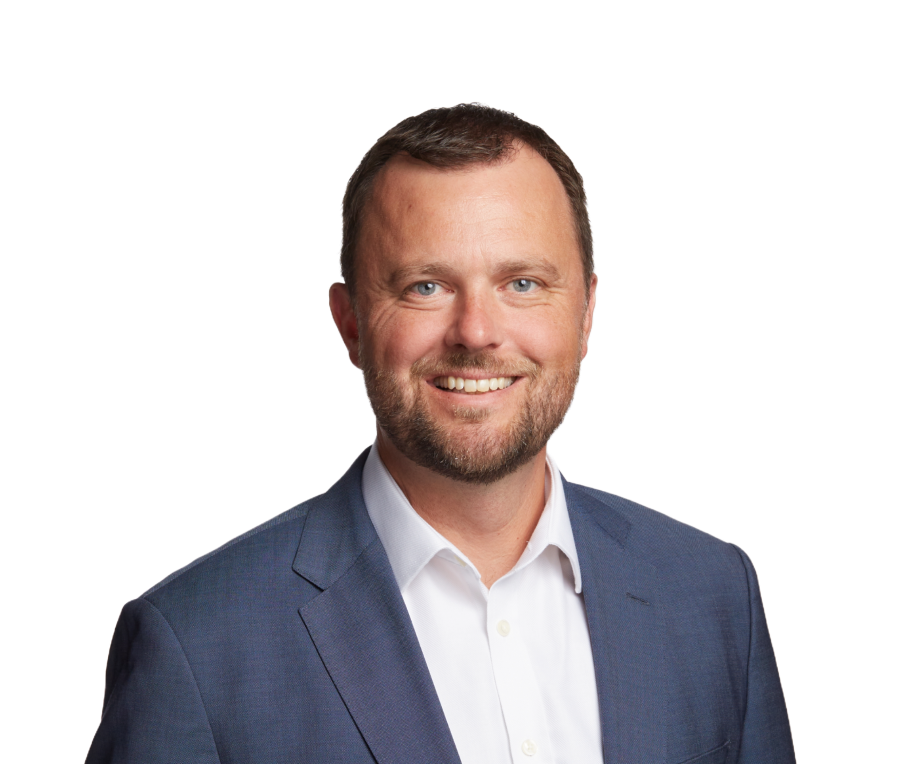
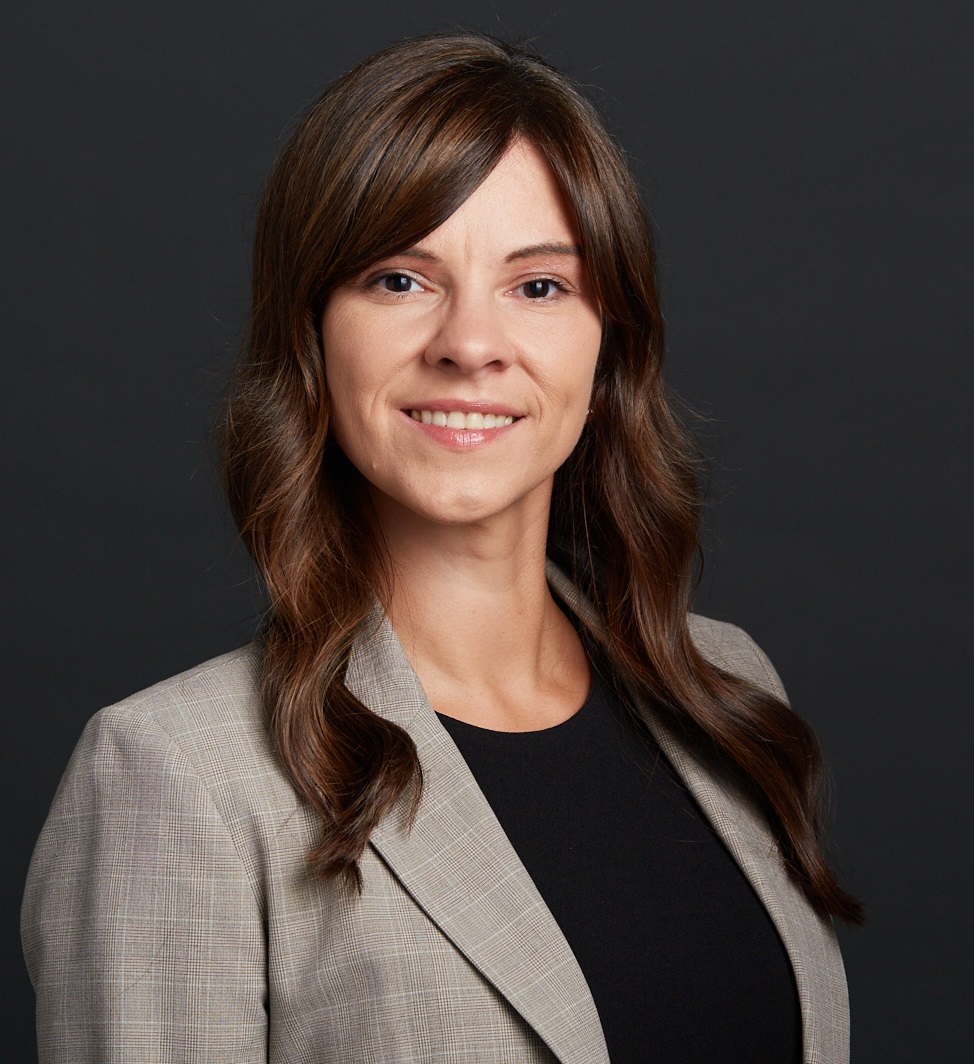
0:11 Hi, everyone. Thanks for joining us today to learn more about Nucor Gold. For those of you who have not already met me, my name is Mal Karwoska and I'm the Vice President of Corporate Development and Investor Relations. I joined about 3 months ago and just high level my background is in investment banking, private equity and on the corporate side. Before we get started, I just want to highlight that we will be making some forward-looking statements today, so I do encourage all of you to visit our website so that you can read through the full disclosure and cautionary language there. As well, we highly encourage questions. Know that There are 2 functions on the right of your screen, both chat and Q&A. So please do use the Q&A function and submit those questions. And with that, I'm gonna pass it over to Luke Alexander, Nucor's president and CEO, who's gonna walk through our investor presentation, after which we'll jump over to those questions. So Go ahead, Luke.
1:02 Thanks a lot, Mal. And thanks, everyone, for for joining us today.
1:06 I'll just get started here on on probably on slide, slide 3, I think is probably the best place. This really highlights in 8 bullet points, I think, kind of the key differentiators for Nucor and some of the things that get us most excited about the company. I mean, first of all, I think one of the things that you find with Nucor, and it's pretty rare for a company of our size, is to have such a strong board and management team backing the company, and we'll get into that in a couple of slides. We're also very well supported from an institutional perspective. We've got about 25 institutions who currently hold the stock representing about 35% ownership in the business. Another thing I would highlight is that ultimately management and insiders are very well aligned with shareholders through our 32% interest in the business. And what I always like to highlight here is I mean this isn't a company where we gave ourselves a bunch of stock at a penny a share and then expected other investors come in at 70, 80, 90 cents. We ultimately have put hard dollars into the company. A number of our founders have done so alongside other investors for years. And when I joined, I wrote a big check into the company as well.
2:11 Ghana is a great jurisdiction to be operating in. We view it as a tier 1 Gold jurisdiction. It is Africa's largest Gold producer and along with that comes a huge amount of benefits for us and our shareholders. We've got a really good resource to be building off of 1.2Moz currently, primarily in the Oxide category. We've got a 58,000m program underway. We're about 10,000m into that. We've put out 3 drill press releases so far and we'll be very active over the next 6 weeks releasing those results in batches. Really good tight capital structure, 99 million shares outstanding. And one of the things I always like to highlight is no warrants. And I think that speaks to the quality of the asset and the team that we never had to issue warrants to ultimately attract capital. And we view gold as a great place to be investing at the moment and think that Nucor is a great way to get exposure to the gold market.
3:08 In terms of the team and our board of directors, our board, a number of these individuals are individuals who I've worked with for a number of years. Doug Forrester, he's our chairman. He was the CEO of New Market Gold, which is arguably one of the most successful stories in the past 5 years. Went from a $10 million company to $1.2 billion sale to Kirkland Lake 14 months later. A number of our board members are co-founders of Calibre and involved in that company. It's created about $600 million of shareholder value and counting. Greg Smith, he was previous CEO of Calibre. He's our VP exploration, came and joined us when Calibre became a producing company. Many of you will probably know George Salamis and Doug Hurst as well and the successes that they've had. My background, I've spent 15 years on the capital market side of the business, 12 years in London, covering the big global natural resource funds over there and advising mining companies on capital raises and other deals over the years. And that's where I got to know a lot of the team here and work closely with a lot of these companies that you see on the list.
4:15 I mentioned Greg Smith, he's our VP Exploration. Greg's got over 30 years of exploration experience. He's worked on our Enchi project on and off for the past 10 years. Prior to that, he's worked in a number of other Greenstone hosted deposits around the world. He's run 100,000 meter plus programs of 200 people reporting to him. So very experienced geologist and he's great to have on our team. Mal introduced herself earlier. She joined us about 3 months ago and we're very blessed to have had her join us and she's been a phenomenal addition to the team. In terms of Dan Wilson, he's our country manager. We always like to highlight Dan. At the end of the day, no matter where you're operating in the world, you have to have good social license. Dan's worked on our Enchi project on and off for the past
5:06 20 years, and he's been with us for the past 10 years. Where we really saw the value of Dan shine was when we kicked off our initial drill program. Within a week, he had bridges being upgraded, roads being built, and pads being laid, as well as deals done with the local farmers and chiefs. So he's a great part of our team. Just moving to the next slide here. ESG is something that's very important to us at Nucor. It's also very important to a lot of our institutional shareholders. And as an exploration company in Ghana, we are looking to meet as many of the UN sustainable development goals as possible. Some of the things that we've done in the past and then we're doing at the moment, donating computers to local schools. We've upgraded and installed a number of wells as part of our drill programs, fixing bridges so local farmers can get product more easily to market is Another thing that we do is along with a number of other initiatives.
6:04 With COVID, Ghana has fared a lot better than a lot of parts of the world, and specifically where our project is in Western Ghana. COVID hasn't been as bad there, but ultimately, we want to make sure that our employees as well as our contractors are safe. So as a result we've got a number of policies and procedures in place including daily temperature checks, hand washing stations, as well as PPE and other procedures for all of our employees. Looking now in a little more detail at the capital structure and the support that we've got from the market. I've touched on a little bit of this already, but just under 99 million shares outstanding, true shareholder alignment through our 32% ownership in the business. Institutionally very well backed, 35% ownership at the moment across about 25 different institutional investors.
6:56 And these are a few of the investors down in the bottom left here. These are investors that when I was joining as CEO and Doug was stepping up as chairman and Greg was coming back as full-time VP exploration, they were quite keen to get involved in the company. These are groups that I've worked with for 15 plus years and needless to say, to have the support of deep-pocketed, long-term focused institutional investors is very helpful for a company of our size so that we can execute on our vision. As well as having the support from institutional investors, it's great to have the support from the street as well. About a month and a half into the relaunch of New Corp beginning of August, We had 5 tier 1 investment banks out of Toronto covering us from a research perspective. So really great to have that support and looking forward to continue to work with them going forward to create significant shareholder value.
7:43 We did relaunch the company at the beginning of August. We kicked off our initial 8,000 metre program mid-August and we ultimately put out an updated resource. Middle of September, we put out our first set of drill results. At the end of September on Boeing, we've put out 2 additional set of drill results over the last month or so. We announced and closed the financing, that financing closed at the beginning of November, and we announced an additional 50,000 meters of drilling, taking our total program to 58,000 meters, which as I've mentioned is the largest ever program on this project. I'm actually just back from Ghana and Greg Smith and I were over there and I'm quarantining at the moment, but Ghana is a great country to be operating in.
8:28 It's globally the seventh largest gold producer and it's Africa's largest gold producer producing about 5 million ounces per year. With that, you've got a hugely aligned government. It's important for the economy. It's important for the tax base as well as important for labor in the country. And With that, we've got a huge amount of skilled labour that we can ultimately draw on at our project. Ultimately, that's a real benefit for us. The other thing is, with that 5Moz of production comes a huge amount of mining services in-country. For example, our drilling company that we're currently working with is a 4 hour drive from us. They've got a full maintenance warehouse there. And if we ever have any issues with our drilling equipment, within A0A day, they can have people on site changing drill bits or compressors or tracks or fixing any issues there could be.
9:19 On top of that, our assay lab is about a 3 hour drive away. They've been turning our assays around in 2 or 3 weeks. Greg and I went and visited them on our way back to Accra. We spoke about the additional 50,000 meters of drilling that we're doing at the moment, and they reassured us that it won't be a problem to continue getting those assays back so quickly. I know that's been a big issue for a lot of the North American companies at the moment, and the Aussies looking at 10, 12 plus week wait times. And again, I think that speaks to the quality of Ghana as a jurisdiction to be operating in and we're ultimately very, very fortunate from that perspective. Where we're actually located in Ghana, you can see down here, we're located in the southwest corner. If we zoom in and have a little bit closer look at that, there's 2 prolific belts that run through Ghana. We sit on one of them which is the Sefwi Bibiani belt.
10:13 We've got very good neighbors in country. So to the north of us about 50 kilometres, you've got Kinross's Toronto mine that produces about 200,000 ounces per year, 5.5 million ounce endowment there and growing if you follow some of the exploration that they've been putting out recently. Bibiani to the north of that at 6.5Moz. And then you've got one of Newmont's 2 producing mines in-country, the Ahafo mine, sitting at about 15.5Moz. So very good neighbours in-country. To the South of us, we actually butt up, if you look closely here, to the Cote d'Ivoire border. Directly on the other side of the border from us, you've got Teranga's Afima asset. And if you've been following Teranga at all, you'll see that they've been putting out very positive exploration updates on Afima.
11:03 And it was even mentioned as one of the assets in the press release that Endeavor and Trianga released as part of their merger announcement. So great to see that our neighbors who share some of the similar geology to the south of us are also equally excited about the exploration opportunity. Looking at our assets specifically in a little bit more detail, you can see here it's 216 square kilometers. So a very big land package from the northern end to the southern end, you're looking at about 40 kilometers in length. So true district scale opportunity for us. And ultimately, we've identified 25 targets or anomalies across the overall property, 2 of which we've only drilled 6 of them to date, and 3 of them host our current resource. So lots for us to go after. Looking at that current resource, it's 1.22 million ounces. One of the things I always like to highlight is if you look at all the historical diamond and RC drilling that's been done to ultimately feed that 1.22 million ounce resource. You'll see that it adds up to about 49 or 50,000 ounces.
12:10 So needless to say, the 58,000 meter program that we're doing at the moment is very significant and it's the largest ever exploration program on the on the Enchi property. Another thing I'll just highlight is this chart here on the right. You can see here in total we've done about 88 kilometers of work or there's been 88 kilometers of work done across the project over a number of years. All of that work ultimately feeds Greg and his team's geological understanding of the project and we ultimately like to think that that de-risks the overall project. I sometimes joke that as and when we grow this to a 4-5Moz resource, It'll be a 15-20yr overnight success story. But that historical data that we've got, needless to say, really helps us from that perspective.
12:55 Looking at the 58,000m of RC and drilling that we're doing at the moment, You'll see that a bunch of it is focused on our existing resource area. So Boeing, Sium and Niamb. If we look at the map here on the right hand side, you'll see that Boeing holds about 530,000oz, Sium about 535,000 and Niamb about 155,000oz. Other areas that we're going to be drilling and we've recently drilled would include Cogina Hill and Quack Rum. Cogina Hill has had some good historical drill results, 68 meters at 1.14 grams, 0.9 over 29 grams, quack ROM 0.9 over 22, good historical results from both of those areas.
13:42 We've also been able to drill both those areas as part of our 2020 drilling, and we'll have results out from that in the next couple of weeks. The last area where there's been historical drilling is Arati. It's all the way at the northern end of our property. Historical results, we've done about 10 holes up there and 1.15 over 10 metres. We will look to get back there in early 2021, have a dedicated rig up there and do a bunch of follow-up drilling on the past drilling that's been done. Outside of that, we do have a number of other targets that we will be drilling in early 2021 where there's been no previous drilling and ultimately looking to make some additional discoveries at those areas.
14:25 Looking here at this slide, a couple of things that work very well across our project from an exploration perspective. Airborne geophysics as well as soil sampling works very well on the project. You can see here looking at this airborne map on the left-hand side, if you look at those anomalies that kind of stand out on this map, You can see how they line up very well with the soil sampling that we've done. We have done tens of thousands of soil
14:52 samples across the project and that's back to my point about all the historical work that's been done, how that feeds our geological understanding of the project and the advantage that gives us. 1 anomaly I might highlight while we're here is Sioum South. It's at the southern end of our project. And as you can see, it's a very large anomaly. It's actually our largest anomaly sitting at about 3.5 by 2.5 kilometers. We are trenching down there at the moment. So we're putting about a kilometer and A02 kilometers of trenches in with the plan to ultimately drill it for the first time ever in Q1 of next year. So that's one of the new targets that we're very excited about and looking forward to getting the first holes into it. If I leave you with 1 slide and 1 slide only, I think this is the one I'd like to burn into your memory.
15:40 This is the one that ultimately we think really highlights our district scale potential. And If you look here at the map on the right-hand side, you'll ultimately see
15:51 that coming down to the west of us, you've got the main Bibiani shear and where the mineralization sits within our project as well as other projects along the Bibiani shear. It's the 2nd and 3rd order shears or splays that come off of that main Bibiani shear. So if you look here closely, you can see we've identified 3 of them. We've got the Niam shear running on the east side of our project, the Sioum shear running right down the middle of
16:18 our project, and then the Boeing shear on the west side of our project. If you add up the total strike length of all that shearing going through our project, you've got 100 kilometers of strike length. We've identified 25 targets, as I've mentioned, of which we've only drilled on 6 to date. So true district scale opportunity and something that we're extremely excited about. One other thing I'll highlight while we're looking at this map on the right-hand side is often people think of Africa as being in the middle of nowhere and, you know, infrastructure constrained and some of the issues around that. I mean, that couldn't be further from the truth with our project, with our ENCHI project. That road, which I just highlighted there in blue, you can drive 100 kilometres along that road.
17:03 I might suggest you slow down every 5 kilometers for the speed bumps, but needless to say, really good access to our property. There's a power line which
17:12 runs right alongside that road as well. And it leads to the town of Enchi, which has about 15,000 people. So all the kind of supporting services that we could want in the town of Enchi for our employees on the ground there. Then throughout the rest of the project, we've either got dirt or gravel roads which take us to our various deposits or targets. Very good infrastructure from that perspective. As I highlighted, our drill company is a 4-hour drive away and our assay lab is 3-hours away. Very fortunate to have that kind
17:45 of infrastructure and one of the reasons we like Ghana so much. Looking at this pyramid on the left-hand side, this is our attempt at showing you how we're systematically de-risking the exploration on our project and ultimately looking to make discoveries and add resource to our overall 1.2M current resource. At the top of the pyramid here as I've talked about we've got our 3 resource areas, Boeing, Sium and NIAM. They make up the 1.2
18:14 million ounces of inferred resource that we currently have. Below that we have drill tested, previously drill tested areas like Cojina Hill, QuackRom and Arati. We will have, as I mentioned, results coming out from Cojina Hill and QuackRom in the next couple of weeks. We will get up to Arati and back to both Kojina and Kwak'Wrom early in 2021 with the ultimate goal of moving them from the drill tested category up the pyramid and into that deposit category and ultimately adding additional resource. Below that, we've got areas like Nkwanta,
18:48 Sium South, which I've talked about, our largest anomaly on the project, Tokasea. These are areas where we've done a lot of work from a mapping perspective, soil sampling, trenching, and we've moved them to a point where we're ready to drill them. So we will ultimately drill them, move them into that drill tested category with the ultimate goal of moving them up the pyramid and into that deposit category and adding ounces.
19:15 Below that, we've got another, call it 15 odd different targets that we've identified across the property where we've done varying levels of work on, and we'll ultimately go back to all of these areas, do follow up work, whether it's mapping, soil sampling, trenching, with the ultimate goal of prioritizing which ones we want to move next up into that advanced target stage and over time ultimately move them to the top of that pyramid. So if we're sitting here and I'm doing the same presentation in 2 or 3 years
19:45 from now I'd like to think that this pyramid has been flipped upside down. And we've got we've added significantly to the number of deposits across the top of the across the top of the pyramid, and continue to de-risk it all the way down. Looking here now at at our 3
20:02 resource areas, which I've talked about and we'll highlight in a little bit more detail. So Boeing, Seahum and NIAM. If we look at all 3 of them, you can see here that they are open along strike in both directions. That's highlighted by these yellow arrows that you can see on the different deposits. So we will continue to step out along strike and look to ultimately lengthen the overall size of the pits that we've got and continue to add resource. Looking at the, specifically at Boeing and Sium,
20:37 you can see that there's these gaps in the drilling highlighted by the blue arrows. Those are areas that just haven't had any historical drilling. The anomalies run right through them. The soil sampling runs right through them, and actually at the moment with our one of our 2 rigs which is drilling, we're actually drilling out this gap area right here. We'll do the same over at Sium and ultimately look to increase the overall size of the pits and add to
21:05 the resource. In terms of 1 other area that we're focusing some of our drilling, I'll just try to highlight it here in red and you might need to squint a little more than you have on some of the other slides. We've got about 400,000oz of mineralized material which currently sits outside of the pits. I highlighted some of it there at Boeing as well as a little bit at Sium. We're actually doing some follow-up drilling on those areas as well to put additional holes in to ultimately hopefully widen and deepen the size of the pits and capture some of that material. We like to think of that as a little bit lower risk exploration in terms of we know the materials there and it's just a matter of ultimately capturing it.
21:51 And then one of the things that we're ultimately most excited about and the reason I think we've had such strong support from the market and institutions is the opportunity at depth.
22:03 This project to date, if you look at it, the average vertical depth of the drilling has been down to only 50m and that's been quite deliberate. It's been drilling which has really been focused on those oxides and as you can see when you look at our 1.22Moz resource, 75% of it currently sits in the oxides, 20% in the transitional and about 5% in the sulphides. The focus of the drilling to date has really been on those oxides with a maximum vertical depth of only 175m.
22:35 We've really only scratched the surface from a drilling perspective and all of these deposits are open at depth and that's one of the things that for the first time ever we're going to be drilling. If we look here at this slide here and look at a longitudinal section
22:53 of our Enchi project and compare that to the Toronto mine, which again is 50km to the north of us, Where you typically see these greenstone hosted deposits really double, triple and quadruple in size is when you start drilling deeper and getting into those sulfides. If you look at Toronto, they've now drilled down to about 1.2, 1.3km here at Aquaba. They're producing down to 500m there. At Pavo A.C. If you squint again and look closely, you can see underground workings all the way down to 750m with drilling down to about 1km. The initial discovery hole that they made at depth at Toronto was at about
23:36 250m. It was 15m at about 14g. That's one of the things that we're really excited about. It's for the first time ever to put some deeper holes into this project and look to ultimately prove up this same geological model where when we get into the sulphides and get deeper, we ultimately start to find higher grade. And when I talk about deeper holes, I'm talking about call it 250 to 350m. We'll target those initial holes at Boeing, Sium and Niamb. Those 3 areas, given all the drilling that we've done and the fact that our deposits sit there, we've got the best geological understanding of the structures, so We'll put some deeper holes in there and hopefully make some discoveries at depth. We do have a diamond rig showing up any day, so we'll
24:24 get drilling on that pretty soon. But ultimately, we won't lose focus of what a huge opportunity there is for us to ultimately continue to expand resource at surface as well. So we'll continue to step out along strike at areas like Boeing, Sium and Niam. We'll fill in those gap areas
24:44 at those areas as well. We'll try to capture some of that mineralized material that's sitting outside of the pits that I've talked about. We'll go back to Quack-Rom, Cojina Hill and Arati. We'll do follow-up drilling at all of those areas, look to bring them into the resource category. And then we'll look to make new discoveries closer to surface at Sium, Naquanta, as well as Tokisea, which isn't even sitting on this map. So that's kind of our approach. It's a bit of a two-pronged approach. Continue to expand resource at a number of our known areas, as well as areas where we've had previous drilling done, and then make new discoveries near surface at additional areas and then make some discoveries at depth as well. So high-level, that's kind of the new core story. The other thing I would just mention is as well is we are going to look to put out a PEA in Q1 of next year, probably towards the end of Q1.
25:40 If you look at our historical PEA, which was put out in 2015, it had about 712,000oz
25:47 of in-pit resource. We've increased that to 1.22 million ounces of resource. So we think we'll create a further underpinning of value by putting out an updated resource and wrapping a PEA around that. And ultimately, that we think will create value for our shareholders. But the main message here is where we think we're going to create the most value is by drilling and hopefully growing this to a 4-5 million ounce plus resource. So maybe just to recap, at a high level, I mean, you've got a top tier management and board who are behind Nucor. We're all very well aligned
26:24 from our ownership perspective through our 32% ownership in the business and ultimately think as shareholders first. Very strong capital structure with our under 99 million shares outstanding and extremely well backed from investment banks as well as institutional investors and it's great to have that support. And then a district scale exploration opportunity which hopefully as I ran through this presentation you were able to see that the opportunity that we've got ahead of us from that perspective. With that, I think Mal is, potentially got some questions from people. And then I'd also just highlight, please follow us on social media as well as visit us on our website, newcoregold.com.
27:15 And we're always very, very keen to engage with our shareholders and prospective shareholders. So any questions, please send them through. Thanks, Luke. Very comprehensive, as always. Let's just kick things off with providing a bit more detail on your decision to join as CEO and kind of hop over to this side of the fence of the business and what ultimately was the determining factor?
27:37 Yeah, absolutely. So I think it's 2 things. I mean, team and asset. And ultimately, the Enchi project, when I was doing my due diligence on it. It's a great asset. It's got a lot of work that's been done on it that ultimately we're able to leverage off of for the benefit of incoming shareholders. And we're ultimately able to now put a significant amount of capital into the ground to create value. And then the team, I mean, the team, the team behind Nucor, it's a team that I've worked with for years, and I've always held in extremely high regard.
28:10 And I think team and assets are generally the key things. And I think that, you know, that's a big part of the reason why we've had such strong support from the capital markets and ultimately looking to create value through that. Team's a big reason why I wanted to join.
28:27 Mal, as I always say, you've been a phenomenal addition to the team and I often wonder how we would have pulled off the last few months without you. So yeah, I know we were blessed to have you come join us. Thanks. It's been a fun, busy 3 months. You mentioned that you've just been to Ghana. You and Greg were there for 2 weeks. Can you elaborate a bit more on that, provide some highlights of the trip and maybe what surprised you the most about your trip over there? Yeah, absolutely. I mean, there's a number of things about Ghana that were great. You know, 1 is security. I was joking with Greg about 10 days into the trip or 8 days, whatever it was, that we hadn't once talked about security and hadn't even thought about it. I mean, you can walk around the streets in Ghana the way you can walk around anywhere. So I think first and foremost, security
29:16 is great. And then our team on the ground in Ghana, we've got a phenomenal team over there. They're really hardworking, they're motivated, they're keen, and they really want to be part of building something significant. I think that was great to see. And then the mining services in country, I mean, we visited our drill, the drill company that we're working with and they've got a great operation there, again, within a 4 hour drive of us. We visit our assay lab, a lot of young guys there who are driving that business forward. And it speaks to the fact that we're getting our results back every
29:53 2 or 3 weeks. So skilled labor and infrastructure, I think would probably be the 2 biggest things that were reiterated as part of this overall visit, as well as, you know, the sheer size and scale of our ENCHI project and how much opportunity there is there for us to explore and create significant value for our
30:13 shareholders. It's probably nice to get some sun too. Yeah, that didn't hurt either. Yeah, you're driving back to a craw, you got to drive along the ocean for about 7 hours. So that, yeah, it was nice to kind of look out at it. So 1 kind of follow on question of that would be the political risk. Can you comment on the political risk of operating inside the Ivory Coast?
30:38 In terms of political risk, you know, there is an election upcoming and that was a big on the eighth and that was a big topic of discussion while we were over there. But historically, the elections have gone very well in in Ghana and that hasn't been been a major issue from from that perspective historically.
30:59 And as a result, you know, we're very comfortable with the risk around the elections. So yeah, I mean, that's not something that keeps me up at night by any means. And historically, that's ultimately been the case. And I think to Follow on to that, one of the common questions we get is around Ghana and generally Africa being painted with the same brush. Can you provide a bit more detail around that and why Ghana is a great jurisdiction to be in? Yeah, absolutely. I mean, you highlighted it. I mean, people think of Africa and they think of 1 country, but it couldn't be any further from the truth. I mean, Ghana's got 1000 plus year history of gold mining. And with that, I mean, you've got a huge amount of skilled labor and expertise in country and familiarity with the mining space.
31:48 As well, you've got a government that's very well aligned. I mean, 5 million ounces of production in country. You've got multiple major companies operating there. Newmont producing over 1 million ounces, Kinross, Anglo Gold with multiple mines, Goldfields
32:03 with multiple mines. And maybe one of the things that I'd highlight is, you know, don't, don't listen to what I'm saying, but look at what's happening with Cardinal at the moment. You've got 3 companies now ultimately bidding for that company, Shandong, Nord Gold, as well as a local company, E&P. And I think that potentially speaks to the desire to get into Ghana and what a great place it is to operate. Combine that with all the major companies that are operating there at the moment. So it's a great place to be and we absolutely will argue if anyone that it's a tier 1 jurisdiction and a place that we're really comfortable with.
32:41 That leads nicely actually into a question we have around other mines that are on trend. So has there been a direct correlation between abundant surface oxide gold and more significant discoveries at depth? Yeah, absolutely. Again, if we look at Toronto to the north of us, which is our closest neighbor in country, because obviously we butt up against a FEMA on the Côte d'Ivoire, but it's not a producing mine yet. If we look at Toronto, they started with 13 open pits and then ultimately
33:16 started to produce at depth as well and underground. If you look at that slide that I suggested, I hope you remember, you can see how we've got a very similar geological setting unfolding in terms of we've got 3 current resource areas which have deposits, we've got a number of other areas where we've made some good discoveries and we're going to do follow-up drilling and, you know, we'll continue to do that and look to add resource areas. So very
33:46 similar from that perspective in terms of how the Toronto mine ultimately evolved from a resource and exploration perspective. And to follow on that actually with all the activity that's been happening of late in West Africa generally, Do you have any comments or anything you want to add around Endeavor and Taranga given Taranga's asset is on the border right across the border from Enchi? Yeah, absolutely. I mean, I think, you know, a lot of people in the market have been talking about it for years that we need to see consolidation in West Africa. I think other parts of the world consolidation makes sense. One of the things that with Taranga specifically, if you follow it closely and you look mid-September, they put out a specific exploration update on a FEMA and talked about how excited they are about the exploration that they've been doing there and how it's going to be a bigger part of their focus on a go forward basis.
34:41 So needless to say for us, they share some of the same geology and it's nice to have our neighbors equally excited from an exploration perspective. And then 1 step further, when I read through the Endeavour-Taranga press release announcing the merger, which is
34:58 a $6Bn merger, you'll see that within that, one of the bullet points actually talked about a FEMA. So I think that's, again, speaks to how excited they are and it kind of highlights as well that we're extremely excited about our ENTJI project and nice to have our neighbors equally excited. Yep, agreed. It was nice to see that in the news release. We have a question around Kinross' decision to dispose of their 17% interest in June 2020. Can you dive into a bit more detail around that specifically? Yeah, Absolutely. So we did a $3 million private placement early, mid-May. And we had a number of institutional investors groups who I've worked with for 15 odd years who were very keen to get involved in Pinecrest at the time, Nucor, and basically back us. So we were able to get them a little bit of that private placement, but given the amount of demand that there was, it was tough to get any sort of meaningful position.
36:02 So we worked closely with those institutions to then go and bid Kinross for their block of stock. As a lot of you may have seen, if you follow Kinross at all, you'll see that they've been divesting of a lot of their non-core positions over the last number of months, including their entire royalty portfolio, which they sold to Mavericks. So we took advantage of the fact that they were divesting of non-core positions, worked with these institutional investors, and ultimately we were able to clear that overhang out from our stock at 36 cents a share. So that's the background on it. And it was great to have that additional institutional support with long-term focused investors come in and back the company. Yeah, thanks to something that You mentioned quite a bit, Luke, is that capital de-risking that happened once you joined. And I think that was one of those key elements and then building out that institutional base.
36:53 So following a bit onto that, can you just high level go over the cap structure again, whether everything is post financing and then layer onto that to ownership of management and if there's any breakdown you can provide on that specifically? Yeah, absolutely. So current cap structure, we're sitting at just under 99 million shares outstanding and no warrants. I think I've highlighted that at the start that, you know, we never had to issue warrants to attract capital. In terms of the recent financing that we did, $15 million, we had an additional 15 odd institutional investors participate in that. So that took our total institutional investors to somewhere around 25 and they now represent from what we can best calculate about 35% ownership in Nucor.
37:43 Management owns about 32%, management and insiders own about 32% of the business. I wrote a big check when I joined, I followed on with an investment as part of that recent placement that was done along with a number of other board members and management team. So that's kind of the rough capital structure as it sits today. And to add to that, just to answer the question that had come in, that 32% is management and the board of directors. And I'd say there's strong alignment between the 2. Doug Forrester and Blaine Johnson are founders of the company. So we kind of see all of ourselves as a team all together. Let's let's go back to a bit more detail around the asset specifically. So, you know, with the asset turnaround time, you mentioned A lot of countries are seeing this, you know, sort of 3 month-ish delays to actually get their results back. What is our turnaround time expected and how does that play into potential news flow?
38:42 Yeah, absolutely. So I mean, I've been speaking to, you know, Aussie companies and North American companies, and, you know, we're here in about 10, 12 week plus assay turnaround times at the moment. We're very fortunate again, and I think it speaks to what a great country Ghana is to operate in. We're seeing 2, 3 week assay turnaround times at the moment. Greg and I stopped in at our assay lab or the assay lab that we're using on our way back to Accra last week. We spoke with them in detail about the upcoming additional 50,000 meters that we're currently drilling. And they reassured us that they'd be able to handle that and continue to get those assays turned around in a 2 or 3 week period. So just to follow up on that, so we've currently got 2 RC rigs turning on site. We had a great month of November from a drilling perspective.
39:35 We've got a third rig showing up, a diamond rig showing up any day now. So we are gonna be getting a lot of results out to the lab and then ultimately out to the market. So I think we'd expect to be getting news releases out every kind of 3, 4 weeks in batches of results. And over the next 6 months, it's gonna be extremely busy from that perspective. And You know, on grade, grade is another, it's another area we do tend to get a lot of questions about. So I think it'd be a good one to comment on in terms of current grade versus potential grade and how that plays into the exploration plans. Yeah, Absolutely. If you look at the focus of the drilling that's been done to date, it's really been focused on the oxides.
40:23 And as most of you probably know, that's a much more economic or cheaper, less expensive way of mining by having heap leach mining. So that's been the focus and that's highlighted by the fact that we've only drilled down to about 50m on average. So we've got a very robust economic project with our oxides. And if you look at the 2015 PEA, you can find a bunch of the numbers in there and we will get that updated in Q1 of next year. So robust project in terms of the current resource that we've got. And ultimately, as we drill deeper, as I highlighted there, looking at that cross set or longitudinal section of Toronto and comparing that to us and how these Greenstone hosted deposits typically evolve is when you start drilling deeper, getting into those Sulphides, you start to find higher grade. We've started to see a little bit of that with some of the slightly deeper holes that we've been drilling from an RC perspective. And if you look at our recent results from NIAM, you'll see as we got deeper into the sulfides, we actually hit 6.25 grams over 6 meters. And that's one of the things, and one of the reasons why we're so excited about the diamond drilling that we're going to be doing over the next few months is to kind of start getting down to 250,350 meters vertical, and hopefully starting to really prove up that geological concept that at depth we're going to see
41:53 higher grades. So economic with the oxides, but ultimately as we get deeper, we'll look to improve the grades. That leads perfectly into another question around deep drilling. So how deep are you planning to drill and when is that drilling anticipated to start? So the first diamond rig is showing up in the next few days. So that will start to drill the first deep holes. Those initial deep holes will be focused at Boeing and they'll be down to kind of 250 to 350 meters is the initial focus of those deeper holes. So again, in the grand scheme of things, that's not deep, but relative to all the drilling that's been done on our project, for us, that is deep.
42:40 So we have a question around kind of further strategy, longer term development to production potential strategy. How many areas are we looking to prove up prior to moving to a production decision? I think, I mean, what we're ultimately looking to do and where we think we'll create the most shareholder value is ultimately by drilling and growing the overall size of the resource. The reason you've probably heard me say it multiple times on this call, on this presentation and heard me potentially say it in the past is, you know, 4 or 5 million ounces is where we're looking to kind of grow the resource to and then at that stage really start to make some decisions around what makes the most sense from a mining perspective.
43:26 Part of the reason I often talk about 4Moz or 5Moz is that's where you're all of a sudden producing 200,000oz a year over 20 years or 250,000oz over a 25-year mine life. At that stage, you're attracted to mid-caps, majors, you've got a much larger audience of potential interested companies. And then also at that stage, we're going to have a much better understanding of what the sulfides are, as well as which deposits are the largest, the best grade. So at that point, we think we'll start to make some decisions around production and whether we push it forward and build it or whether someone else decides they wanna come and build it for us. But we think that's the sweet, sweet spot in terms of overall size of resource. And globally, that becomes a significant resource as well.
44:16 And hopefully you've seen it through this presentation that you know the district scale potential we have gives us a real chance and opportunity to get to that kind of kind of resource. And look I think it'd be helpful to elaborate on that just a little bit in terms of that strategy I mean obviously you know management's aligned with shareholders in terms of their ownership and ultimately belief is that, you know, we're gonna do what's best for shareholders as shareholders and being aligned. But does that come down to producing it eventually and going to construction? Would you need to change the team out? You know, how are we positioned for 2 different scenarios potentially? So what we'll continue to do as we grow the resource and we update the resource, and that's kind of what we're doing right now with the PEA that we're going to get updated for Q1 of next year is we will continue to update the economic studies as we go, because we think that creates a real underpinning of value for our shareholders.
45:14 And as we're updating those economic studies, we'll ultimately look at them and make decisions based on what makes the most sense for our shareholders. And if there's a scenario where, us bringing a heap leach project into production to fund exploration, that makes sense. And that's what's gonna create the most value for our shareholders, then that's something that we'll ultimately contemplate and look at at the time. So, we won't put a pin in on this is definitively what we're doing. We can adjust along the way if something makes more sense. But the real focus for the moment is growing this to a 4 or 5 million ounce type resource. And we think that's what will create the most value. Yeah, and I think to add to Luke's point too, just given who's behind the company, You know, they've been able to take assets into production.
46:05 So I think that we're very well positioned, whether it's through exploration and then into production, if that is the right scenario at that time. So, You know, like you've been at the company now 7 months. Do you have any key takeaways or kind of a key learning through that period of time? Yeah, I mean, yeah, moving from the kind of sell side of the business and the investment banking side to the corporate side. It's been a great transition. And I think a few of the key things would be, 1 is team. I mean, been very blessed to have such a great team to work with here in Vancouver, a great board to be able to get advice from as a first-time CEO, to have Mal and Greg and Christian as part of the management team, to have such a great team on the ground at our Enchi project in Ghana.
47:00 That's been a real key for me and I think for Nucor and ultimately for our shareholders. And then ultimately the asset. I mean, it's rare that you find an asset like this that's had so much work done on it that's got true district scale potential. And now we've got the ability to put significant capital in the ground to ultimately push that forward. So, you know, team and asset, I think would be the 2 key things. So, you know, as we wrap this up now, I want to leave with one question for you. So we've talked about why Ghana, We've talked about why Nucor. Let's explain why now. Why now? I mean, I think it's the right time in the market. I think, you know, anyone who's still still on this call is obviously very keen on gold as we are. We think we've got a very, we're going to have a very strong gold market for a number of years to come. And ultimately, we've got a project that we think can create a significant amount of shareholder value.
47:58 We're very well backed from the street as well as institutional investors to be able to execute on our exploration plans. And ultimately think that we'll be able to grow the overall size of the resource and create a lot of value for shareholders through all that. It's exciting to be doing the largest drill program ever on this project. So it'll keep us busy on Newsflow. Absolutely. So that's it. I don't see any more questions. So I kind of want to thank everybody for joining us today. If you do have any follow-up questions, Oh, there's one more. How much of your decision-making process is investor-driven? It's a combination of, you know, of investor-driven as well as, you know, what makes the most sense and what's responsible.
48:47 So there's a lot of factors that play into it. I think when we're making decisions, we take all stakeholders into account. You know, on the ground, obviously we consider everyone, you know, in the local communities from a government perspective, But then, you know, overlaying all of that is our shareholders. And, you know, as significant shareholders of the business, we're here to create value, but we're here to do that responsibly, taking all stakeholders into account. So, yes, it plays a big part, but I think to be successful, you have to have all stakeholders engaged. And as a result, we take everyone into account when we're making decisions. And it's a great last question. So thank you for asking it. So on that note we are gonna wrap things up now. If you guys have any follow-on questions please reach out. You can reach out directly to myself at the info at NewCorpGold.com email address. Visit our website, there's lots of information and as Luke had mentioned before we are very active on social media.
49:49 So please follow us. If you want to stay up to speed and see some videos of Luke from site, we'll have some more content rolled out from the 2 week trip. So we've got Twitter, Facebook, and LinkedIn. And I hope everyone has a great day. Stay healthy and safe out there. And Thank you.