Transcript
Automated transcript · Written by software from the replay's audio. It can mishear names and figures; the replay is the record.
0:08 Hello everyone. I want to acknowledge that I'm here today on the traditional territories of the Kwantlen Dun First Nation and the Tonkwetchin Council. Welcome to the 2021 Yukon Mining Alliance Virtual Exploration Investment Summit. This four-day virtual summit is an excellent opportunity to discuss and learn about the Yukon's mining industry and what makes our territory a great place for exploration and investment. Within the Yukon's modern history, mining has held an iconic place in industry and our rich geology and exploration potential continues to attract investment and interest from around the world. The mining industry continues to be a driving force in our economy, contributing over 270 million to the Yukon's economy in 2020 and accounting for over 12% of GDP. Yukon currently boasts several high-profile mining operations and active exploration companies.
0:58 Most recently Rio Tinto announced a $25.6 million investment in Western Copper and Gold Corporation's Casino Project. Throughout the Yukon's history, the way we explore and extract minerals has changed significantly. Advancements in technology, renewable energy, and climate science have helped our government and industry tap into the region's mineral potential while adhering to environmental practices and keeping communities safe. The Yukon has become recognized worldwide as a responsible mining jurisdiction with reliable environmental, social and governance systems in place. Even as the pandemic threatened to halt the industry across the globe, mining operations here worked alongside with the government of Yukon to find creative ways to continue exploration and mining operations safely. Keeping communities healthy and secure was a priority for our mineral exploration industry and I thank them for their commitment to protecting Yukoners during these difficult times. Like many other parts of the world, we have shifted our collective focus towards recovery and getting back to business.
1:58 Change and new opportunities are plentiful and it is truly a fantastic time to get involved in the Yukon's mining industry. The Yukon has an abundance of minerals, many of which have been deemed critical to the new green economy. The Yukon Geological Survey is currently working to document the Yukon's inventory of critical minerals, which will give locals and investors a great sense of our territory's exploration potential. While we have historically been known as a gold mining jurisdiction, we are also home to many critical minerals that are expected to play an increasingly important role in Canada's economy. These include copper, tungsten, libidium, antimony, cobalt, tin, nickel and many others. Demand for these minerals is driven by global focus on green practices and rapid developments in communications and electronics.
2:51 Border closures and geopolitical uncertainties have impacted supply chains for many critical minerals, which has led governments to seek solutions. Countries all over the world are looking to secure access to these minerals to prevent supply disruptions.
3:06 The increasing importance of these minerals has put an even greater focus on exploration tactics and innovation. The introduction of new technology has greatly improved how exploration companies navigate the region. Some of these companies, such as Granite Creek Copper, have implemented cutting-edge artificial intelligence algorithms to significantly increase the efficiency and success rate of mineral exploration. It is very impressive how they have demonstrated the potential to expand resources and make new discoveries using this advanced analytical technology. As these new technologies emerge, the Yukon is ready to adapt and stay modernized. Another area where the Yukon exploration companies have demonstrated leadership is in the area of environmental, social and governance excellence.
3:56 From continued engagement with First Nations and key stakeholders to green energy projects, the industry continues to demonstrate its commitment to ESG values.
4:06 Both industry and government remain steadfast in ensuring that these values are consistent across mining and exploration activities. In 2020, Yukon Mineral Exploration Program recipients invested over $8 million in their projects and raised an extra 22 million for expiration in 2021.
4:25 Our government has invested 1.4 million in the Yukon Mineral Expiration Program this fiscal year, and we've had a total of 76 applications that were received for the 2021 expiration program. Uptake for the program has been significant and demonstrates the high level of support that our government has for expiration and it is important to UConners that we support the mining industry to meet our economic goals while staying committed to environmental sustainability. I am grateful to see the industry take so many steps and to witness how responsible mining has benefited the Yukon's communities and people. In closing, I hope you all take this opportunity to learn about what makes the Yukon a world-class mining jurisdiction and a fantastic investment. Have an excellent 2021 Yukon Mining Alliance Investment Summit.
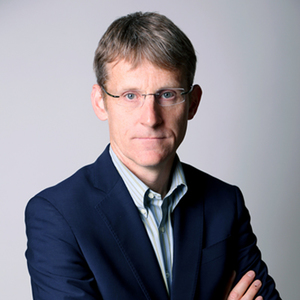
5:14 Thank you, Ranj Palai, Minister of Economic Development, for your opening remarks. Welcome to the 2021 Yukon Exploration Investment Summit. My name is Michael McRae, Mining Audience Manager at Kitco and moderator for the summit Kitco, your leading source for precious metal news. Exploration companies are vital to our industry, but we need new discoveries. But is the industry being supported? After a nice start in 2021, Ornick noted that financings are reverting to the norm. Later stage development companies are getting more financings. Still, there's a dearth of big projects. We
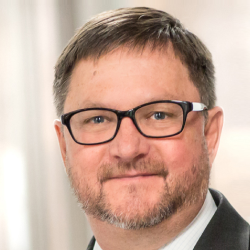
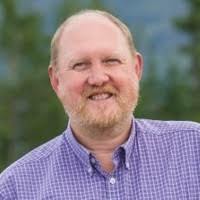
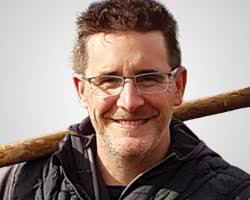
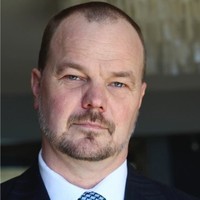
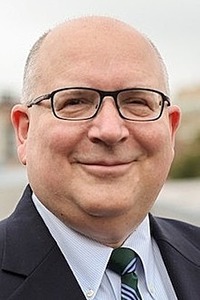
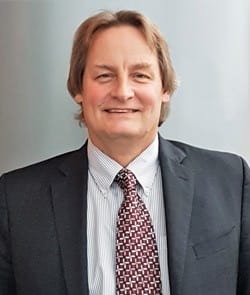
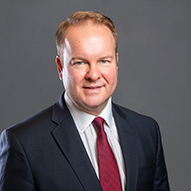
5:46 need more copper and gold. And as was mentioned by the minister, ESG may actually be a benefit to exploration companies in the Yukon. Our panelists for the talk, John McConnell, President and CEO of Victoria Gold, Kevin Weston, CEO and Director of Whitehorse Gold, and Brian May, Chief Geoscientist at Triumph Gold. Just a reminder, this is an interactive session. Please ask questions using the video software and we'll be happy to pass your questions on to the panelists. I think we should start with introductions. John, I'm going to start with you. Can you tell us
6:17 about Victoria Gold? Yeah, Victoria is a publicly traded company on the TSX. I think what separates us from most exploration companies is that we've taken a project from through exploration, permitting, financing, construction and we're now in operations producing 200,000 ounces of gold per year.
6:46 Kevin Weston, how about White Horse Gold? White Horse Gold is a newly formed company. Late last year, we went public on the TSX Venture. We have the Skookum Gold Project, which sits on the Carcass Tagus First Nation traditional territory and is only located about 55 kilometers south of Whitehorse. We're in a unique situation with our location because we're so close. We can access it by all weather road year round. You can get on a plane in Vancouver and be on site in 3.5 hours. It's that close. We have a historic producer. It produced 79,000 ounces back in the 1980s from about 233,000 tons of mill feed, 90% recovery. And we still have all that infrastructure. We have 300 ton per day plant on site with all the related infrastructure.
7:43 We have 6 kilometers of underground development on our various deposits,
7:49 5 portals, and we have a tremendous opportunity with not just our high-grade gold assets, but we also have some other interesting minerals on our site, which we'll talk about later. And Brian, I'm going to let you finish with the introduction. So why is Triumph Gold focused on the Free Gold Mountain Project?
8:09 Thanks, Michael. First, I'd like to recognize that I'm speaking today from the traditional ancestral and unceded territory of the Siox Okanagan people at the Kelowna office. What Triumph Gold Corp has to offer is a large package in the Dawson Range, comprising approximately 30,000 hectares, 20,000 of which are on the Freegold Mountain property, which has 3 defined mineral resources, nucleus, revenue, and potential health. There's lots of opportunity for exploration throughout the district. We have multiple styles of mineralization including epithermal,
8:42 porphyry, scarn, and polymetallic, road accessible, and we have a good relationship with the Little Salmon CarMax First Nations. And everything is, there's lots of opportunities throughout the district. Let's get into the questions. Exploration is a high risk and high reward business. Now we're going to get into the challenges right ahead, but there is an upside if you find the right project. I'm going to start with you, John.
9:10 Sure. You know, I think the reward for, you know, shareholders of Victoria is that at one time we were market cap of 14 million dollars. I think that was the low point in 2009
9:29 and here today we're plus or minus 1 billion so that's where the opportunity is. I would say for us it was not so much about finding the gold, it was more about convincing people that there was more to a deposit than just grade. You have to look at the metallurgy, you have to look at strip ratio. All of those factors are just as important as grade. And once we're mining a 0.6g deposit using heat bleach, in the early days, there were a lot of skeptics that we could make money at that. But, you know, we've proven that you can do that even in the Arctic.
10:19 Kevin, what draws you to the business? Well, I've been in it for 40 years. It's in my blood now, for me personally. I've been around almost as long as John. It's the challenge. It's a challenge of you know, finding the right deposit putting that deposit into production We and and right now You know things have changed in the 40 years. I've been in the business for sure The focus has changed, you know being the best technical guy is important but you also have to you know understand
10:53 the the social side of the business, you have to develop those relationships, you have to first and foremost deal with bring your communities on board, make sure that they are accepting an understanding of the project you're bringing forward. And when you do that, you can keep it a technical discussion and that's what we focused on at Whitehorse Gold since the new management team was put in place. We reached out to the Caracas-Tagus First Nations. We talked to them about our plans before we ever talked to the Yukon government. And it's been very rewarding as a result. We've done very well on our permits, and we're looking forward to moving our project forward. And Brian, I'll finish with you on this topic. What are the rewards with the right project?
11:44 Thanks, Michael. Well, I haven't been in the business quite as long as the rest of the panel, but having been in it about 15 years, I've had the opportunity to work on projects from the grassroots prospecting stage through to underground operations and open pit heap leach operations throughout BC, Yukon, California, Nevada, and Arizona.
12:02 I think the draw for me is applying a scientific method and trying to prove that scientific method in a way that creates economic value for a company while building relationships through government, environmental, and social. I think the draw as sort of a prospector at heart is still the big find, still having that big hit, but being able to take something from a seed and watch it grow into a tree.
12:28 We know the benefits. We know how well you can have an outsized return if you're betting on the right expiration company, as John mentioned at his talk. You also started that conversation, Kevin. I wanted to talk about there's all of the challenges and there's always been the traditional challenges in terms of investing in the expiration sector. And Kevin, you mentioned some of the new ones where we have ESG coming to the fore. John, I'm gonna start with you on this question. What are the current challenges that the exploration sector is facing? Well, I think it's always the same for an exploration company, it's money. You can do everything absolutely right as an exploration company, but if the capital markets don't cooperate, you're not going to be able to raise money to
13:20 move things forward. I think we'll get more from Kevin and Brian on that, but have you noticed changes in the capital markets yourself? I know you're in a certainly different circumstance right now, John, than it was, you know, a couple of years ago, but maybe your own reflections on raising money at say about 10 years ago and say about now.
13:42 Yeah it's pretty rough out there these days again but you know you have to look for those windows of opportunity and be ready to go out and raise money. We raised the capital to build the mine in 2018, it was good timing for us, but we went out to try and do it in 2016
14:06 and no one was interested. So it added 2 years to our timeline. Kevin, talking about financing challenges and any other challenges that you feel for the exploration sector? Well, to add to what John said, the capital market challenges are always there and that's going to be commodity pricing driven and obviously your jurisdiction and the quality of your deposit. But once you get past those 3, the biggest challenge is timing of permits. And that really does influence your capital market as well. There's no certainty
14:45 in when you're going to get your permits. We have the best permitting processes in the world in Canada. Trouble is, and they force us, the operators, to really think our projects, bring sustainable projects forward using the best technologies on the environmental side. But at the same time, when we sit down and we talk with regulators, we don't know when the process is gonna end. We come in with the best technical processes. And that's partly because they're understaffed, they don't have the technical
15:17 expertise in house, and it takes longer than we would like. We, you know, it would be a lot better if we could have fixed deadlines, less duplication between provincial, territorial, and federal, and be able to predict better when we can bring a project to production. Brian, last on the topic, challenges faced currently in the exploration sector. Well, I totally agree with John and Kevin on the points they've brought up recently. Some of my own personal experiences in dealing with challenges are delays and permitting definitely become a huge issue. Cost as a junior, you have so many funds to allocate to certain things you want to allocate, you want to explore, you want to show value for your shareholders, but you also want to do the right thing and ensure your ESG standards are up to par, that you continue to advance them.
16:06 But getting that capital to be able to do all that is pretty intensive and timing is huge and yeah, you just have to hope that everything aligns and that Crystal Ball just is working in your favor. I've heard from anecdotally from several exploration companies that also kind of getting people into the field or getting new geologists interested in field work can be a challenge. Maybe I'll start with you, Brian, since you said you're kind of the newest at this. Sure, yeah, there's challenges getting a geologist out into the field. Nowadays you can do a lot more digitally, where you don't always have to be in the field, but you really don't understand a property until you get out there and smash a few rocks, get your hand lines out and take a look to see what's inside.
16:53 You have to get a scope of what you're dealing with in terms of size, in terms of logistics, the ESG again, you'll get a better sense of that once you're on the ground. And bringing geologists into the field,
17:02 it's tough because it's a very cyclical market and you just have to be prepared that you're going to have potentially downturns in the cycle as well as upticks. So you have to be able to manage your time and your skills correctly. And new geologists, I think you excite them by the passion of the find. And then geologists that have been in the business for a while, you try to give them other opportunities beyond maybe just exploration. Maybe they're in charge of permitting, in charge of funds, in charge of really dictating the scope of the project, and in charge of mentoring. I think as we continue to mentor, that's really going to attract more geologists in the business. Brian, thank you. I'm just going to get Kevin and John's thoughts on this topic, but I just want to remind the people watching, take advantage.
17:41 You have these people that are talking about exploration. They're experts in this area. Feel free to ask questions. We would be happy to pass it on to the panelists. Kevin, what is it like getting people to work in the field? Certainly changed a lot again, over the time we've been in the industry, we used to relish our summer work going out in the field, going up to places like Red Lake or Labrador City, certainly remote places. It's a lot tougher to get people to do that today. We just went through our first exploration program and a lot of the geologists that came to our projects, some new graduates, it was the first time they'd been on
18:26 an actual exploration program. So, yeah, the industry has changed. We have to really be innovative to get people out, get people out in the field to remote locations, remote mining camps, remote exploration camps. And the bodies aren't there. The bodies aren't there. Mining is not something that attracts a lot of people. So, I see, I'm not looking right now because we're fully staffed, but I do see on CareerMine, there's an awful lot of job openings out there. People are continually searching for bodies. So it's tough out there. And others can probably talk more to that than I can right now, because we are staffed right now.
19:11 I'll let John follow up on that talk, because obviously you've been doing a bit of hiring there, John, but although you're looking for operations people. But Kevin, before John runs with it, can you think reasonably why the reasons might be difficult to get more people to work in the field than in the past? The remoteness of it. The traditional belief that mining is a low-tech industry, which we're not. We're a very high-tech industry. You look at the recent trends in mining, we're going to electric trucks, we're going to remote mining, we've got a lot of very, even in exploration, the GIS tools that we use today, very high tech. I think it's just because of
20:01 our historic reputation of being a low-tech industry, which we're not. We definitely are not. John?
20:07 You know, a lot's been said over the last few years about Millennials and just generally getting them to work, but and you know we've certainly experienced the typical millennial that has a hard time getting out of bed in the morning, but we probably have 20 geologists, engineers in our technical group that are all Millennials and they work their butts off. So, you know, you can find the right ones. But you know, in terms of difficulty, I mean, one of the challenges for us is that, you know, our federal government right now is paying people to stay home. So, you know, we made job offers to 4 third-year geology students.
20:56 They all accepted.
20:58 And the week before they were due to come, 3 of them called and said, oh, I've decided to take the summer off because I can collect unemployment insurance and it'll probably be the last summer I can take off. So we need some changes federally in terms of unemployment and CERB and all of these programs that have been put in place to ensure people that they have an income, but certainly we don't want to impact their ability to go to work.
21:36 Now I mentioned at the top that ESG may be advantage for tier 1 mining jurisdictions like Canada. The minister did mention at the top of his talks there is a look, you know you have investors now that are doing ESG investing because they're demanding greater transparency and they're demanding higher regulatory standards. You know, obviously that's a double-head store. You know, you're going to be doing all that work for your greater transparency and your higher regulatory standards. Kevin, you have been doing work in this field. I'd like to start with you. How do you practice ESG when you're an exploration company?
22:10 Well, first off, it's community, community, community. You need to develop those relationships. And, you know, early and earlier, it becomes important. It is important. You can't expect to do anything in the field anymore without having your communities involved, interested, accepting and helping you move the project forward.
22:38 Working in Canada is great because we have some of the highest standards in the world and as a result we already work to those standards here in Canada that the investors are looking for when they're looking at ASG. What we haven't been very good at probably in the past is reporting on that and that's what we're getting better at is the actual ASG reporting and saying, hey look at the stuff we're doing here. We are the world leaders in community relations.
23:04 We hear that over and over again. And we're getting, and those of us that are in the field, we understand that. Like I said, the first thing we did was we reached out to Carcass, Tagus First Nations and brought them into our plans and we made sure that they were comfortable with them before we ever showed them to the Yukon government because there's no point there's no point going in to see the Yukon government or any provincial government if your First Nations aren't if your First Nation partners aren't there with you, they just will not, they'll just spend years going around in circles without accomplishing anything. You know, and you know, the other advantage we have here in Canada, I would say, is our technology. We are leaders in mining technology.
23:53 We have great camps. For me, it's the underground. And we have great camps in this country like Sudbury and Val d'Or where we develop a lot of technology in this country that is now being That's now being used underground regularly, and we're looking at those things ourselves already. You know we we have We're still exploration, but we we see potential production scenario in front of us. So we're
24:21 already looking at ways we can implement those technologies. The nice thing is we don't have to go far. We can reach out here internally within Canada, talk to suppliers, get their ideas and integrate them in part of our long-term strategy as we look further out and how we're going to
24:40 develop a low-carbon mine, keep our carbon footprint down. Even today in exploration, we're already doing things to reduce our carbon footprint by putting in, we recently signed an agreement with our car crash taggers, First Nation partner company for solar panels for our camp, which you wouldn't have asked me that 10 years ago, we probably wouldn't have been talking about it, but it's important today. And it also saves us money. So it's a double win. John, you had the recent investment by a core in your operations at Victoria. Is there an ESG premium right now for Canada? Does it have some advantages?
25:23 Oh, I think there's definite advantages. I mean, you know, we're in a position where we're looking at other opportunities and the only place we're looking is in Canada and the US. You know, we're pretty much unilingual so, you know, we want to stick through. And you know, it's so important to understand the culture where you're working and, you know, I've spent my whole career in Canada's north. So I'm not going to Bolivia or going to Kyrgyzstan. I just don't understand those working environments.
26:03 Brian. Right, ESG again is huge for us. We invest locally in the communities of Carmax and Whitehorse. Most of our suppliers are from those areas. We have over 50% of our working force, Little Salmon CarMax First Nation. We've communicated with EVER at Yukon Geothermal about geothermal opportunities on the property. And I think, again, it's just building those relationships, being transparent, and keeping things communicative. You want to just be transparent with who you're dealing with and transparent about what your goals are and what their goals are. There must be a real challenge though, Brian, because I would think with exploration companies, I mean, this is where you notice a real difference between the minors and the juniors because everything at John's mine, you know, is going to be a standard operating procedure down to the T which kind of lends itself very well to doing your documentation and then sending out your ESG reports. Whereas when you're doing something at a junior, it's very fluid.
27:07 You're going from the opportunities and then you're just building something from scratch. So applying ESG practices must be much more difficult than finding standards or benchmarks must be harder at a junior company. I'll start, Brian, your thoughts.
27:24 100 percent, Michael. I agree with that totally. Having come back from just working with relatively large companies in the United States to a junior explorer in the Yukon. You have to have, you look towards other companies and what they're doing, right? And you sort of follow that template, and then you build upon what you know, and you try to bring in experts and build on those relationships you may have had with past groups, including consultancy firms, environmental firms, to really help enhance your ESG portfolio and your ESG principles. But you have to be willing to be able to change on a dime's notice. Now John, you're a little bit different because you have an operating mine right now and then you've got a recent operating mine, so you have everything that has been brought up to the standards, but you're also running an exploration program as well. So applying ESG to your mine and then also planning ESG to your exploration program.
28:16 Yeah, I think ESG is one of the most misunderstood terms out there these days. I don't know if there's a standard definition to it. And you know, I think it's all about maintaining your social license. And, you know, Kevin and Brian have talked about that. It's working with the community
28:39 whose traditional territory you're on. And keeping them apprised of what you're doing and doing things like, you know, putting solar panels. I don't think solar panels are economic yet, but, you know, people forget that they use a lot of the metals themselves. But, yeah, you know, I think mining industry in general does a great job of it, environmental and social. The governance side, not so good. But we'll get better. Otherwise, we won't get a license to operate.
29:23 What are the shortcomings that you see on governance, John? Well you tell me, What is governance under ESG?
29:33 I know what investors are looking for, you know, they want to make sure that there's equality on boards and in senior management, but nobody ever defines what governance is.
29:49 I'll throw that Kevin, Brian. Well going to take John's theme. Yeah, certainly at an expiration stage, it's a lot more fluid, but you can start to develop processes for ESG, particularly in the community relations earlier on now with expiration agreements. It's one of the things that we're working on right now with the CTFN is how we're gonna conduct ourselves going forward and what level of involvement do we want or do we expect the CTFN to have in our environmental studies, our wildlife studies, our water quality modeling as we move the project forward.
30:39 But at the same time, it comes down to doing the right things right. If you're not managing the environment, if you don't have people out in the field making sure that your drillers are doing the right things and managing safety, then you're not doing the right things right and that's just going to be a, you know, you're not going to check the box on the ESG. So ESG encompasses a whole bunch of things and especially at the expiration phase it gets fluid but at the same time, you know, it's just doing the right things right all the time. John, there was one question I forgot to follow up on. You did mention solar panels. The one is how is the suppliers doing right now and the equipment providers doing for meeting a minor and ESG?
31:30 Well, I think Kevin mentioned that, you know, people are moving to electric, you know, and in the Yukon it's truly electric, you know, there's not a coal plant that's producing the electricity, which, you know, there are in lots of jurisdictions. But you know I think the next generations of generation of trucks and eagles will be electric and probably unmanned. But we're not quite there yet. I mean we have a very low carbon footprint because we are tied into Yukon Energy's power grid. So, you know, the only real fuel we use is for the truck haulage and light vehicles.
32:16 Otherwise, we're using hydroelectric energy.
32:22 I had a question here from Mishka and this one's for Kevin. Kevin, you mentioned you're currently exploring but also discussed a production scenario. Is there a lot of infrastructure still on site that you could use for production? Definitely, yeah. Of course, our largest deposit is the Skookum Creek deposit. We have already 250,000 ounces indicated and over 100,000 ounces inferred. And it's developed down to what I would likely see as the first production level down to 75 metres below the portal. So we've got all that internal development in the mine, which is worth tens of millions of dollars. We still have the 300 ton per day concentrator.
33:09 So that footprint is already there. Some of the equipment we could reuse, some of the equipment we wouldn't, but it does give us a footprint. So yes, we have a lot of infrastructure already in place. And of course,
33:22 that shortens our timeline, less equipment needed to get things going. So again, it affects the, certainly a lower carbon footprint for someone who's starting out without that and has to go in and do that, you know, the 2.5 kilometers of development that we already have. So yeah, there's certain advantages, definitely advantages to having a site like ours. I'd like to go through the panelists. I mean, a really a big story that has been coming into 2020 and into 2021 is just that the senior and intermediate companies are just cashed up from these great commodity prices. And then you see that there's been some interesting developments into the Yukon. I think about Western Copper and Gold receiving a strategic investment from Rio Tinto. And then also, John, you had that investment by Coor.
34:15 Let's start with you, John.
34:17 A better environment, certainly for miners, because they do have the cash. Well, I should clarify, you know, Coor did not make an investment in Victoria. They bought 17.8% of Victoria from Orion Mine Finance. Thanks for clarifying. So it wasn't an investment into Victoria. Yeah. That said, they're an experienced miner with lots of experience at Heat Bleach in North America, so we've had a number of good discussions with them and they're there to help us be successful. Kevin, are we seeing more of these types of strategic investments? Yes, I think so. We're seeing it all around, certainly with rising commodity prices and as you mentioned earlier tighter supply on a lot of the commodities, we are seeing consolidation.
35:17 So yeah, we are very early stage, so we are not talking to anybody right now but we certainly would be open to it at some point because it is always good to diversify. And Brian? I wanted to talk first about quickly about the social governance question earlier. I just wanted to mention another factor as well that's really affecting social and governance and kind of blurring the lines and that's social media and how big social media has had an impact on the mining industry and on life in general. Nowadays it's easy to take a photo, throw it up on TikTok, Snapchat, Facebook, what have you, and provide information to the general public. So it's one thing that has to be considered in the future is how those 2 affect social and governance and the ESG principles.
36:07 Thank you very much. And yeah, talking about, you know, having cashed up senior minors. Yep. And with that in mind, we're lucky to have Zijin, Newmont and other institutional firms behind us and they believe in what we're doing and we're showing what we're doing through our technical advancements. We have a larger technical office now in Kelowna with a bigger team And we are looking at things like utilizing artificial intelligence to help advance our property and increase discovery. And with those principles in mind and applying layers and using a scientific method towards discovery, I think the investor, the general large companies will look to invest in juniors that are using some of the new technologies, but still applying basic science principles to expand their portfolio and discoveries.
36:55 Now, Mark asked a great question, but unfortunately, Mark, I just want to tease that because I think that's going to be a great way. And then the question was around some of the presenters top Yukon exploration picks, if you want to go into that. But let's get to that just towards the end because I think that'll be a way to close it. But let's go to Robert's question. We've been hearing stories of mining companies and other Canadian jurisdictions that drilling rigs are in short supply. What has been the experience in the Yukon? And I'll start with you, Kevin. Same. The same. We saw this coming last year. Last year was a busy year with a significant rise in the gold price, and we anticipated that. So we locked up our drilling contractor last fall after we finished our inaugural drill program.
37:43 So It's the same here all over. He's getting pressure on his drillers to go jump ship and go for another 50 cents an hour somewhere else or 50 cents a foot somewhere else. So same thing, definitely. How's it like getting results? And then just here in Whitehorse, and I'm in Whitehorse right now, I was just told there's a five-week delay just getting your sample prepped. Then it has to go down to Vancouver to be assayed. So that is all adding to delays and getting results back and of course it affects decision making in the field etc. So yeah, it's all through the industry right now, it's all through the exploration side right now.
38:31 John? Yeah, getting drills isn't a problem, it's getting people to run them that's the problem for us. I think we're up to 6 drill rigs but 2 of those drills are only running on day shift because The contractor can't find drillers and helpers. And Brian? We've been lucky to be able to lock up Kluane drilling the last few years for our drill program, but again, a limited time frame for when they've been able to drill. And as well, finding the right crew members and enough people to actually man the drills has been a challenge, and we had them for a couple of months. There's a criteria that you go through when you're looking at an exploration company. So you're gonna be looking at the project, you're gonna be looking at the management, you're going to look at the jurisdiction, you're going to be looking at the infrastructure.
39:21 Brian, we have a question for you. We'll just follow on this. It says, how is the field and drilling season going? Any exploration updates and when do you expect results? And that's from Jesse Geary. So we've been hearing the same sort of sentiment about 5 weeks for preparation. And then depending on what methods you're doing, it's going to take longer beyond that. We've decided to do a more rigorous approach to our analytical methods this year, including things like taking cyanide assays for gold results to see what we can get for recoveries basically, and doing other things like testing out even some potential for PGMs. So we expect the results to be a couple of months away. In terms of what we've done thus far, we were able to keep our drilling program on schedule, and we expect to at least have an updated press release at some point outlining what we completed this year and what we continue to complete for the rest of the year. What would be some of the criteria that you would use now if you're deciding on a type of exploration company that you would want to back. I'll put that through to you, John.
40:22 Yeah, you know, we were talking about majors coming into the Yukon and, you know, a little bit for us, the shoe is on the other foot now, in that, you know, we're looking at opportunities. And, you know, recently we, you know, and I'm very conflicted on this one, but we made a large investment in Banyan Gold. I think it's the best new discovery I've seen in Western Canada so far in the last 2 years. And so we now, Victoria now owns just over 10% of Banyan. And I think it's probably, depending on permitting, the next large mine development in the Yukon.
41:11 Thank you for the pick. Stepping back though, what would be some criteria that you would put emphasis on now for backing any type of exploration company compared to something that you say would have done about 5 years ago? Well, I have 3 rules investing and I have a very diverse PA myself. The 3 rules are, 1, it has to be in a safe jurisdiction. I talked a little bit about that earlier. 2, I have to know someone in the management or on the board so that I have a feel for the type of company they are. And 3, I don't deal with assholes. And there's lots of assholes in this business, so. Could you define a safe jurisdiction, John?
42:03 You know, I think it's getting to be that the only safe jurisdiction is North America. You know, we saw what happened with Centura in Kyrgyzstan, you know, And I think as we come out of this pandemic, every government in the world is bankrupt. And where are they gonna get money from? They're gonna nationalize mining. So I don't see that happening in the Yukon. So I think the 3 of us are all in good shape. Kevin, I'll turn it to you. Maybe you could help us with a pick and then also, what's the type of criteria that you're putting more emphasis on now as opposed to years in the past? Okay. Well, my pick is White Horse Gold, of course. I think we've got a great little deposit. I think we've got a great- You're more conflicted than John. Yeah, I am even more conflicted than John, but I think we've got a great project.
42:58 We've got a great story. But what are the criteria? It is management, but I'm looking at the management's track record in community relations, community relationship building, because we all know how important, we've talked about it here today, how important it is for moving a project forward, for getting permits, is the acceptance of the company, not the property, the company, by the local communities. And if you've got a track record of building that relationship, then you've got a better chance of getting your permits in a timely fashion and moving your project forward. And again, that's taking account all of the regular stuff, the commodity and the jurisdiction. Brian.
43:45 Yeah, when I'm looking for juniors, I'm looking to Triumph Gold, TIG. That would be my first pick as well. But I'm also looking at management directors, what's their track record? What's their goal? What's their mission? What's their vision? Are they continually looking not just at the property they have, but also looking at generative opportunities? We're a gold company, but we're also always looking at potential other opportunities and copper is another focus that we'd like to put some energy into. And I want to make sure that they have done the right things in the past, that they're using new technologies but they're being socially responsible and they've shown that with their track record. John, there was a follow-on by Bud Rich that wanted the same question regarding drilling updates for the season. Has that been answered yet, John, by you? Probably not, no. I mean, we continue to drill. I think, you know, we're focused on 3 targets.
44:37 We have 3 drills going to 4 on our Raven target. We have 1 drill at Lynx and we have 1 drill at Rex Peso where we're actually drilling a silver target. So full steam ahead, we just need people. Kevin, what's your drilling program and what are results? Okay, Our drilling program for this year is 15 to 18,000 meters of drilling across the property, across our 3 main deposits, Goodell, Skookum Creek and Mount Skookum with the focus being on Skookum Creek, which I said earlier is our largest. Today We have 2 drills on Skookum Creek and 1 over at Mount Skookum, Mount Skookum being the past producer. You know, we've managed to hold onto our drillers.
45:23 Again, we locked them all up last year and we're probably paying for that, but just the same, we're gonna get our results out and that'll be worth it. So everything's going along fine. This is a question from Marty Henning for John. John, do you see further participation by Coor mining into Victoria gold? You know, I don't have a crystal ball. I do not know what Coors intentions are, but I would suspect, you know, at a certain point they would like to own 100% of Victoria. And we're doing our best to, you know, unearth the value through the exploration drill bit so that our shareholders are paid handsomely should Coor decide to make an offer for the balance of the shares of the company.
46:23 Can you help me with Outlook by the way, what are you producing this year and what are you building to John? Our guidance is for between 180 and 200,000 ounces this year. Now that we're halfway through the year, I think we'll be at the lower end of that guidance, but we do have a project we call 250K and that's making some changes in the plant next year that would take us up to 250,000 ounces per year by 2023. We're just working through the details of that, looking at the economics, but we think it's very doable to get up to 250,000 ounces per year by 2023.
47:12 I think you said in another interview that your exploration program is important in terms of the value for Victoria, you know, as you have discussions with, as you have discussions, let's put it that way, John. Let's go back. Let's talk about trends right now. I mentioned at the top there's ESG advantages for companies in tier 1 jurisdictions like Canada. We have also seen that there's this rise in battery materials. We've also seen the move towards, as John was talking about, there seems to be a preference currently right now to North America. What are the opportunities for an exploration company right now that was starting. One thing I forgot to mention regarding AI and what we are doing with logistics.
48:10 If you are advising somebody that was starting in the field, where would you see the greatest opportunities being? Brian, I will start with you. As a traditional geologist and prospector, I'd like them to go out on the field and actually hit a few rocks and walk the ground, potentially do a recon flyover of the area or a drive-through if it's road accessible, like Pregold Mountain, Triumph Gold, I see that as the first opportunity is get your boots on the ground. At the same time, you can take the data that's available. There's tons of wonderful, great data on government sites. There's data available on other areas as well that you can accumulate. We have our own GIS software that has links to other data so we're able to take all this information and come up with a big picture story and if you're starting on the ground you want to start with your magnifying glass out, zoom in, and zoom back out again and do that multiple times to really see what you want to target in on there.
49:09 Kevin, to yourself, exploration company is about to start out, what are the opportunities or trends, where would you position yourself? Well, obviously, commodity is key. Copper, gold and any of these new battery minerals, lithium, antimony, etc. Yeah, And to Brian's point, there's a lot of exciting things to be done with the new technologies. We've used a number of them this year with alteration minerals, helping us understand the alteration minerals associated with our known deposits. We have dozens, literally dozens of other showings across our district scale project and we're following up on those. In fact, our geologists came back from one of their field programs with a grab sample of massive stibnite.
50:09 We have an antimony project, their deposit on our project which was discovered in, believe it or not, 1898, the year of Klondike. I guess it was some prospector heading out to the Klondike, decided to take a detour up the Wheaton River, ended up at Becker Cochran, and discovered an antimony deposit, so, which has some development on it. So, all very exciting. So, it's, yeah, it's commodity, commodity, commodity, and then, you know, understanding and getting the right people because, you know, to, who understand these new technologies, who understand the alteration minerals, know how to use geophysics as an exploration tool, a grassroots exploration tool to define future targets. And that's what we have. We have a very, very talented team who is doing just that.
50:59 And we hope that that's going to lead to even more deposits on our property. John, we're hearing a technology theme right now for somebody that was starting out in the exploration space. Yeah, I would take a little different approach. I think the Yukon in general is extremely under explored. You know, our Raven target is a brand new discovery made by, you know, our geological team on the ground prospecting. You know, Banyans, Ormac is a new discovery. So, you know, I think the Yukon's a great place to set up shop if you're a junior because the entire territory is very under explored and there's lots of gold to be found yet.
51:56 John, it doesn't seem though that you will have certain regions that will suddenly become hot or that certainly that will catch investors' interests? Well I think the Mayo Mining District, a lot of focus has been on the Dawson Mining District the last few years, but I think with all the new discoveries in the Mayo area and going further to the west, you know, with ATAC and that area in general is going to receive a lot more attention in the coming years. I see 7 more minutes coming up before the top of the hour, but I would just remind people that you're watching, getting your running out of time, so if you have any questions to ask the panelists, please send them in. I have this again from Jesse. Brian, can you give a high level strategy for this for the drill seasons?
52:54 Last year, focused on shallow gold targets, verifying your model. Can you give us some color on this year? Sure, totally. The last year we were focused on the Kirsten area as well as doing some drilling over near Irene Gold Star area, looking at oxide gold potential. And when we say oxide gold potential, it's been more of a qualitative approach thus far, looking at areas that are strongly oxidized. We did some preliminary blight samples. I think there's been about 400 samples that have been collected thus far on the property. But this year, the focus is more on really defining what oxide gold means at Nucleus, which is when you have a certain grade cutoff, taking those fire assay values and get them out on getting them analyzed by cyanide so that we can take with with what is right now basically a qualitative redox model where oxide sulfide boundary is and make that more of a quantitative exercise.
53:43 We want to be able to de-risk these these areas we have and Nucleus is a big prime example of where we're seeing oxide right at surface, and we want to de-risk it to essentially 2 deposits, an oxide deposit and then a deposit that may be mined by more traditional milling-type methods. We've mentioned during this conversation that there's certainly issues regarding, would you say, jurisdictional risk. You mentioned it, John, just requiring that, how would you say that there might be some taxation that would be coming at miners or, you know, even say at a nationalization and see what unfortunately happened at Sintere. That's certainly on the harder side of this, but let's just talking about home right now.
54:29 What would be, you know, if you're on the government side, what would you think would be some of the major – how would you say – what would be some of the changes or some of the support that could be offered to the mining industry to kind of make it stronger? I'll start with you, Kevin, on that. As I mentioned earlier, it's the duplication, duplication and permitting, duplication between provincial, territorial and federal. It's just if they could consolidate into one evaluating body so that it's clear for the proponents going forward on how they deal with people, how they deal with the regulators and secondly timelines.
55:15 I think the Yukon is a great jurisdiction for doing business and I think we have the best regulatory regime in the world here in Canada. As a result, we have all of our projects going forward today are very responsible, very sustainable operations. It would be better for everyone if we had clear timelines and people adhere to them so that our investors know that when we say we're going into production in 2 or 3 years that those timelines are achievable as opposed to open-ended and not being able to define that. So those would be my recommendations. Brian, recommendations for government around how much support you would like?
56:04 Infrastructure is huge, expansion is huge, making sure that the what they say they're going to do, they're going to do. The Freegold road needs to be upgraded and expanded where we currently have our property. It's good right now, the property is road accessible, but we'd like to see an advancement to see that road continue to be developed. And expansion in terms of expanding the power grid, giving, maybe tying into BC's power grid, because I believe it's not at this point, but being able to connect those 2 together and really bring more power to the Yukon, bring more access to the Yukon, key factors. John, what would the support you would like to see from a government or institutional bodies for making mining stronger in Canada? Well, it's probably what Kevin said around permitting is, you know, we went through the Yukon permitting process and there was no federal involvement now.
56:57 Yet, you know, more recently BMC got through the process and the territory and the Feds stuck their head up and said, oh, we want Arce and, you know, they're still struggling. So you know, and I know Premier is on it and Rancho Palay, who talked earlier, is on it, but they need to really get focused on keeping the Feds out of our backyard. It's not even federal bureaucrats that live in the Yukon, they're trying to address it from a yellow knife of all places. So, you know, under the umbrella agreement, I think, you know, the territory has good processes in place, they can be improved, but there's no need for the Feds to duplicate processes in the Yukon.
57:58 John, you get the last word. Thanks for attending 2021 Yukon Expiration Investment Summit. I've been with John McConnell, President and CEO of Victoria Gold, Kevin Weston, CEO and Director of Whitehorse Gold, and Brian May, Chief Geoscientist at Triumph Gold. There was a few more questions in the Q&A, but I feel free that you can certainly reach out or you can certainly Google any of those names and you know those questions can get answered for you. My name is Michael McCray. I want to thank the people that made this event possible. I'm the mining audiences manager at Kitco. Have a pleasant afternoon.