Transcript
Automated transcript · Written by software from the replay's audio. It can mishear names and figures; the replay is the record.
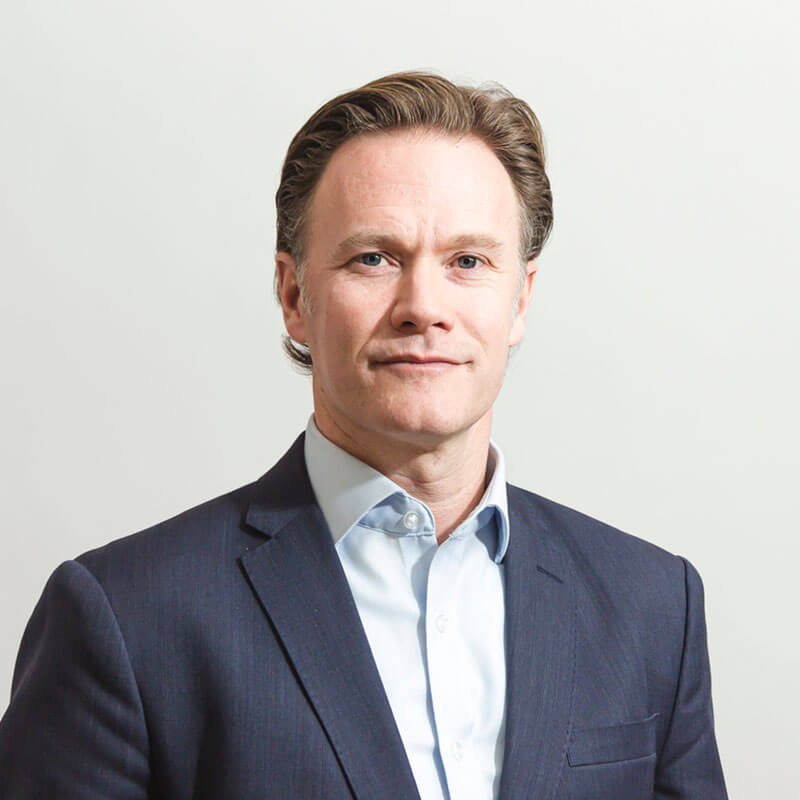
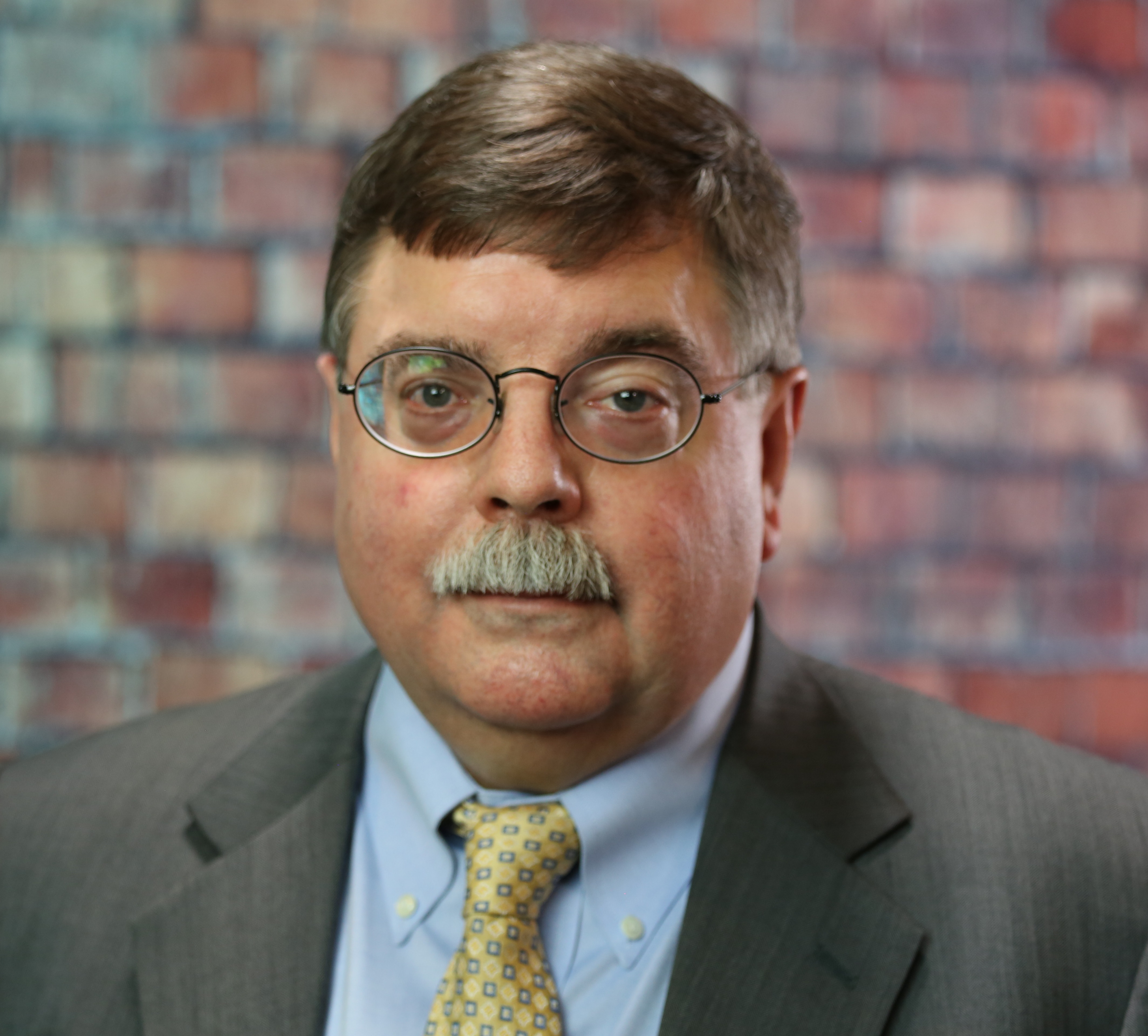
0:04 Good morning, good afternoon, good evening, depending on where in the world you're signing in from today. I am very excited today to be able to talk to mining executives working from exploration to production in the United States of America. I've got with me today by means of introduction, Rick Van Nuenhuysen, Contango Ores CEO, Steven Renschler, Nevada Lithium CEO, Barry O'Shea, Highland Copper CEO, and a bit of a personnel change for today's event, Edward Carr, the founder of US Gold. Gentlemen, great to have you with me today. Thank you. Good to be here. Awesome. So let me tell you how today's gonna work just for the folks in the room. I've got some questions for the speakers and I'm gonna give them an opportunity to pitch their stock followed by questions from the live audience. Now, one thing you should know is I'm gonna be avoiding questions about any of the specific securities on today's call, kind of individual minutia of the speakers on the line, but don't let that dissuade you from asking questions. I'm just gonna send them to the relevant teams afterwards and they'll get back to you as soon as possible. But questions that are relevant to today's discussion, I'm gonna try to get to as many as I can, either blend them into the discussion or kind of tackle them at the end. But a final piece of housekeeping, today's event is being recorded and will be available for replay later this afternoon, Eastern Time. I'd love to get into the protein. So Ed, I'm going to start with you here and I am going to ask about politics right away to stress out your boards.
1:13 I would love to know, with the Trump administration getting settled in, as well as changes to governor's mansion, state senates. I do wanna get straight into the business with talking about politics. Do you think the future looks bright or challenging for mining in the United States, especially compared to the last period? Yeah, thanks, Romeo. Great question. Probably on top of the pops on everyone's lips today, wondering, you know, how's this political scene shake up and great to be here with with companies that have great projects in America. Look I'll tell you my own personal opinion is my opinion is that this administration
1:44 is going to be the most mining friendly natural resource friendly administration we have ever had in the White House. Ever. I think Trump 100% wants to make America great again, and he also wants to make American mining great again. Mining is the backbone of the economy, of everything that we need to onshore and we need to make. We need metals that go into it. And I think the Trump administration understands this extremely well. I also like, Romeo, that you pointed out, look, this is not just about Washington D.C. That's a big one. But we're looking at states, you know, at the governor level, we are looking at a red wave that came over both the Senate and the Congress. I think it is so refreshing that we are cutting administration. We are letting entrepreneurship flourish in the United States of America. And you are gonna see the mining companies, the mining projects, you know, finally, in my opinion, get off the ground. What's been killing this industry is red tape. It is over-regulation.
2:46 It is taking too much time to get these projects into production. And it is just such a breath of fresh air for all of us in the industry to have this administration. And I think the support we're gonna see over the next 4 years. I appreciate that very much. Love starting strong. Barry, I'll throw it to you. What do you think about the next 4 years or the next 2 years of mining in the United States? Well, I think Ed is right in all those points, but I'd also point out that domestic supply of critical minerals is really one of the very few non-bipartisan
3:17 priorities in the US. It was the same under Biden, and it's only going to flourish, I'd say, as we continue under Trump. So against the backdrop of emerging trade wars and tariffs, and really the biggest issue, which is Chinese export controls, The national conversation around critical minerals is really intensifying. And so simply like the US just needs domestic production. And that's front and center in policy that we're seeing with Trump, declaration of an energy emergency, you know, domestically sourced minerals and really removing kind of time intensive roadblocks that Ed was mentioning. So one of the biggest things that I see is just that mining, it won't be a bad word in the next number of years. You know, natural resources will become investable again. I think they're undervalued and due to a real inflow of capital.
4:03 You know, Minerals are critical. I think miners also have been better users of capital over the last period of time and have a stronger environmental record. There's a lot of reason to be very positive about mining in the next few years in the US. No, I like that perspective, Barry. Steve, I want to get you in on critical minerals. So just give us your take on the next couple of years in the United States, particularly in Nevada. Yeah, I'd be happy to go with sort of a variation on Winston Churchill in that it's the beginning of the beginning in the US.
4:31 We already saw some of the headway started to be made, I would say, you know, 8 years ago, during the last Trump administration. And I think we're going to see sort of the unleashing finally of the green shoots coming back into the US as consequence of the regulation going down. Obviously the bifurcation in the world of so many, you know, pricing regimes, the China versus non-China, and a real, just a real, a real attention being thrown back on the necessity of getting your source material from a place that you can count on. It's obviously been lost to investors, I would argue, for decades. But in the U.S., there's another interesting thing that's going on, which is, obviously, you can read the news and you see sort of the in the very recent news,
5:19 the acknowledgement that a lot of the money has been wasted or misdirected in terms of what's good for the US. I think that's really going to open people's eyes. And as we move forward, I honestly think that there's going to be a big trickle down to the states. We're going to see even more governorships, local legislations being flipped, voter registrations. There seems to be a very strong trend going over towards the Republicans. And that, I think, is a lot of where the holdup can be. We all expect that at the federal level, there's going to be talk of, you know, getting the BLM to move faster, things like that, but it's going to take time to work out. But if we can get the underlying current going
5:56 well down more towards the state and the local levels, I think we're going to be off to the races. So I'm very, very optimistic about going forward. Oh, great. And Rick, I wanna get you in here on this too, just for your take on the near future. Yeah, I mean, I think a lot of good points have been made by everybody. I'll just add 2 things, 1 specific to Alaska. And there's definitely been a shift in our recognition that we need medals and critical medals of that terminology is really kind of taken off. So that's good, and it is bipartisan. But certainly us in Alaska under the Biden administration didn't feel any of that. We felt that we had 87 specific executive orders that limited what we could do in Alaska. I think it was more than Iran had. So
6:42 that shift is absolutely resounding very loudly in the market. Trump had several executive orders specific to unleashing energy and minerals in Alaska. So that's very, very positive for our projects, of course, and specifically
7:03 our Johnson Track project, which is a base metal and gold project. So we're certainly paying attention to that. I think the other thing I'd say is, as Ed pointed out, there's definitely been a shift overall politically to the right And I think permitting reform is probably the area at the federal level, and it does trickle down to the state level as well, that if we want these metals, that we need to actually permit mines, because that's where it all starts. We also need refinery capacity in this country.
7:36 In the 80s, when they passed the Clean Water and Clean Air Act, which were obviously good things to clean our water and air up, but it also shut down most of the smelting capacity of this country. So we can produce concentrates, but if we still got to send them to Japan or Korea or China to process them, we haven't done a whole lot in terms of their critical supply chain. So just a few comments. I appreciate that. And Cody from the chat notes, Don't forget that Vice President Elon is pushing for local production. So some things out there too. Now, Rick, I do want to start with you on this next one. I'm going to use the T word to provoke nightmares from academics and economists and talk about tariffs. Now, Trump has given Canada and Mexico a seemingly 1 month reprieve on across the board 25% tariffs. But I'm curious for your perspective on if you think this threat and potential execution of tariffs will impact supply chains for mining or ultimately the sale of what you're producing.
8:28 Yeah, Trump's a master at negotiation
8:34 And he comes out strong, he comes out in your face and Mexico and Canada folded.
8:48 I think we're basically in store for a lot of volatility that are going to come out as a result of, are there terrorists, are there not terrorists? But bottom line, We all know the tariffs, if they're implemented around the world, are going to be inflationary. There's no, there's no, you know, the math works only in that direction. So that's a possibility. And I think Europe's the next big target. China's always got a big target on it. That'll be a negotiation and a long drawn out 1. So they're not going away. It's going to be
9:24 a tool in the toolbox to get people to get countries and regions to kind of get in line with how Trump sees what's best for America. I think people got to get used to the new style of negotiation. There's a new sheriff in town. Ed, I'll shoot it to you on tariffs and what your perspective is on where they're going to end up.
9:45 Yeah, look, I'll tell you, Romeo, the one thing Trump is making great again is volatility. So volatility is there, volatility is here to stay. And you get some planes in the air to Columbia, he threatens 25% tariffs because they're not going to take the planes. And all of a sudden in flight, boom, they roll over and take the planes. The markets tend to like stability. The markets tend to like things that are normal and calm, and that is just not Trump's management style. So we're going to have to get used to a little greater volatility than we had. And ultimately, we've seen so far, just in the last couple of weeks, he's using these as negotiating tools. So will it really be reality? I don't know. We just have to watch this every day. I do think
10:33 making the United States independent in its own supply chain, and as Rick rightly pointed out, that includes the whole smelting, refining cycle, but we gotta get the mines, we gotta get the permits. We've got the metals. Between domestic United States and Alaska, we are so well endowed.
10:54 And we've got to now just get the government behind us, open up the capital markets, let the entrepreneurs go, and we will make mining great again. So I'm not overly worried on the tariffs. I do think that there's a huge opportunity for the next 4 years in the United States. And look at the overall US capital markets compared to Europe. You know, where do you want to be an investor these days? My money's on the USA.
11:20 No, makes sense. There's 1 patriotic Canadian in the chat, Rick, who says Canada didn't fold, get your facts straight. So I'll let you guys fight it out afterwards. But Steve, I wanted to get any last words from you on your input on tariffs and how you think they might affect your business? Yeah, I think I look at it a little bit different
11:37 in that I do agree that I think it's gonna be over relatively quickly. You know, specific to Nevada lithium, of course, we're interested in lithium, which I would argue is overwhelmingly dependent upon electric vehicles, which is then overwhelmingly dependent upon, in my opinion, the Chinese auto industry, because they are clearly the ones who are able to produce these cars that are not available in other areas of the world, but cars that are necessarily advancing by leaps and bounds, you know, through technology, different manufacturing processes, et cetera. There's already a 100% tariff on Chinese cars in the US by virtue of the Biden administration putting them on. But I think what the Trump administration really wants is jobs. And I think there's going to be a reconciliation, some sort of agreement that's going to be made here that is going to come between US auto manufacturers and Chinese manufacturers to bring all of these new jobs to the US.
12:33 And in that context, lithium, I would think domestically sourced lithium is going to do very well. So it is, in my opinion, clearly posturing. We've seen this before with regards to the tariffs,
12:45 leveling the playing fields. I don't pretend to know exactly what's leveled out there. There's so much this information flying around. But I think this is just typical of sort of a shock and awe. You get everything moving. Clearly U.S. Wants to have a domestic supply either literally within the continental or the 50 United States, we're very, very close friends to make sure that at least from
13:07 the very beginning, the metals, the oil and gas is available. Certainly we haven't built a new smelter, I don't think, or a new refinery in the US here in decades. And these are things that must be overcome. But if anybody could do it right now, I do believe, as I said, we're at the beginning of the beginning. And I believe that this administration is, at the very least, going to get us a long way towards that overall solution. I appreciate that. I do want to get in a bit to individual company strategy, if you guys don't mind. And Barry, I'll start with you here. I know Highland Copper's got 2 projects to tend to, you know, in various different ownership forms. I'm curious how you approach capital allocation. So in balancing exploration, development, returning capital, and curious how you look at M&A generally. Well, to be honest, I think at this point it's crunch time. So we're firmly focused on building new mines. Having permits in hand is critical for that, and we have those.
14:01 But you know, there's a recent infographic going around, I think a lot of people have seen it that says from a copper perspective, 61 new mines are needed up to 2030 just to meet the supply demand imbalance as it stands. That's a global view. If you look at it specific to the US, that imbalance is even more pronounced.
14:19 There's another piece of information floating around the markets that if you're at early exploration today through to the full cycle, it's 15 to 20 years. So arguably, you're behind the game, certainly in terms of your ability to impact supply in the near term. So that's where we're very firmly focused, taking advantage of where we're at, stepping into production in the near term. That, of course, is a good food for investors as well, thinking about movements to cash flow multiples, as opposed to early price net asset value multiples.
14:49 From an M&A perspective, listen, it's something that management, I think, should always keep in mind. There's a time and a place for an accretive transaction, but really the best way to attract investors, and that's across the board from retail to institutions to corporates, is to have a solid internal plan and execute on it. You know, you have to develop your own project. If it's valuable to you, it's valuable to others.
15:10 Awesome, thanks. Now, Rick, I know you, Contango acquired Highgold last year, so I think to some degree, your strategy speaks for itself, but curious for your view on how you do capital allocation between projects. Yeah, I think the point Barry made is a very good one for a company to grow. You're going to do the grassroots exploration route. You better plan on a very long time. And I don't think investors, that's not really in the investors and our shareholders best interest. So, yeah, we definitely have an M&A strategy. I think we've executed it already in acquiring LuckyShock and acquiring JohnsonTrack. I think, you know, the next steps are, to me from an M&A standpoint is acquiring assets that are synergistic with those 2, 2 assets. And that means acquiring a mill and or doing a joint venture and partnering with someone who has a mill. So that's how we kind of see the world.
16:06 I also would say that I don't think the market loves single asset companies.
16:12 So I think that's another sort of way of approaching things is to, you know, how do we grow in a truly creative way, not just to slam things together that don't make any sense. Bigger companies, bigger market cap companies definitely attract a different level of shareholding. So I think you've just got to kind of keep all that in mind. And then, you know, where do you want to grow? Do you want to remain domestic? Or, you know, would we go find something in Australia that we really like? Well, Australia is a long ways away. And it's not easy, you know, communicating between 12 time zones. So for our growth pattern, we're seeing focusing here in the US and Canada.
16:57 And we think there's plenty of opportunities there for a good and creative M&A strategy. Awesome. Appreciate that. Ed, I know with 3 projects that capital, or sorry, written in 3 jurisdictions in the States, capital allocation is obviously a complicated topic, but I'd love to hear your perspective on it. Yeah, it certainly can be, Romeo, and we're very fortunate that we have 3 projects and 3 great Western United States mining states. Our flagship is in Wyoming called the CK Gold Project, formerly known as Copper King, just outside of Cheyenne, you know, a fantastic gold copper project. We have a big exploration
17:33 project in Nevada called Keystone on the Cortez Trend, and then an exploration project in Idaho. So 3 great Western friendly mining states. And really right now, Romeo, we are laser focused on our Wyoming project. That's our flagship. It is fully permitted. So it's very unique because it's on all state of Wyoming ground. So we had a very fast regulatory and permitting process because we only dealt with the state of Wyoming regulatory authorities. It was deemed non-jurisdictional from the US federal government agencies, which is a blessing. We love that. The less regulation, the better. Wyoming is a fantastic state. I just give a shout out to Wyoming. They really understand natural resources. It's a deep red state. They're only 500,000 people. They get most of their revenues through coal, oil and gas, uranium, trona. And we are the first permitted hard rock mine in 100 years.
18:28 So we have a pre-feasibility study on the project. We are our CEO, his name is George B. George is a 45 year mining industry veteran, spent 17 years with Barrick Gold building some, some of their biggest projects around the planet. So George knows how to build a mine.
18:45 And we are going to put out an updated pre-feasibility study here in the very near future. We'll look at that CapEx number, then that'll lead probably to a full bankable feasibility. We raise the money and we want to build a mine. We really want to get this built. We've got a fantastic partner in the state. We're going to produce great gold copper concentrate, Wyoming jobs, American gold with a flagship American project in Wyoming.
19:12 Thanks, Ed. Steve, I know a little different version of this question for you, but I'm curious, what is your strategy for capital allocation at Bonnie Clare? Where are your heads at right now as an exec team? Well, right now we're in the process of updating the PEA, and I'll tell you that capital allocation to me is sort of like dancing on a high wire. And particularly when you take into account that the ability for juniors to raise capital is very, very difficult. I had read that I think last year, basically juniors and intermediates had been able to raise around $10 billion or something, down 12%. And this is not something that's just a single year phenomenon. I don't think we've raised more money than we did going right into COVID since COVID. And when you contrast that to what other countries are doing in other areas, because clearly in the US, it's not like we're getting help at the junior level.
20:05 There might be construction loan guarantees that were made under the now abolished Inflation Reduction Act. But China allegedly put almost $60 billion over a 20-year period to control critical minerals. Now,
20:18 we're in Nevada. We think we're in the centerpiece of what's going to be the emerging lithium industry in the U.S. And you know a couple of things. We have we are a single asset company. Bonnie Claire. But we're perfectly happy with that because we think we've got a tiger by the tail with arguably one of the world's largest lithium resources. In a perfect world, if we were to have unlimited capital, we would just throw everything at advancing as quickly as we can to get up to preliminary feasibility study because to me that's the natural inflection point where OEMs, strategics, you know, other very big
20:53 pocketed potential partners, they really like to take a look at what's going on. But we don't live in a perfect world. And I'll give you an example too is how things can change. Previous to our current resource, which is so large, we already had a very large resource, but we were ending in mineralization. Every time we went down very deep holes, 2000 feet in the US, which is very deep in Nevada, looking for lithium. And although we were ending in say 2,000 ppm material, and I'm just making this up for the argument's sake, but the relative expectations here are true, we would keep going down farther. And as we progress farther, we find 3,000, 4,000, 5,000 ppm material. The point being is that if we had just simply gone ahead and kept drilling to our 2,000 foot overall depth in our Desire to do the infill drilling necessary to get to PFS. We would have sterilized this tremendous asset to a great extent So there's a balancing act between should we look at things again? Are we sure we're done looking at things? What do investors need to hear? We have a very, very strong strategic set. In fact, 3 sets of shareholders who understand long-term value and understand that, you know, you can't necessarily go with blinders on in one direction.
22:06 So, you know, as I said, I'm very happy that we have 1 project. It's a massive project, and I think there's going to be tremendous value there. With regards to M&A, What I always tell people is M&A is always on the table. The question is, is when do you want to really, you know, basically turn the cards over? Whenever you're asked about, you know, unlocking shareholder value, you know,
22:26 you say, well, we could always build this, you know, and you'll have a PFS or a feasibility study or something that will obviously show you a net present value and you say well this should accrete to net present value. And frankly a lot of companies over time they go past the net present value. And that's on the one hand. But that's after you get through construction all the necessary permitting and things like that. The shorter time frame, do you definitely want to be talking to off takers or to perhaps the very big mining companies who have expertise in-house to help you assemble teams, etc. It's obviously something that you always want to be looking at so that you can basically if you want to have an exit strategy at a much earlier point in time or continue to go along at a reduced ownership. All of these are different things that we look at as ways to increase value for shareholders.
23:13 So it's you know I know M&A certainly looks like it's very active again in the mining industry. I anticipate it will remain that way for a while. And we definitely are looking at it. Well, thanks, Steven. Things do change pretty quickly. Rick, I'm gonna start with you on the next one. I know we talked about the T word earlier. I wanna talk about the I word as well and get into inflation.
23:32 Now in the current inflationary environment, mining companies are, you know, you see it in the news, facing rising input costs. So I'm curious how Contango is managing operational costs and what measures are you taking to maintain or improve margins? And what do you think will happen broadly with inflation over the next couple of years?
23:50 Yeah, we all love the gold price to go up, but usually the gold price is going up in at least in part as a response to inflationary pressures. So it is a double edged sword. And The objective is to stay ahead of it in terms of your mining operation.
24:09 As a company, for us, the asset that's in production is our Moncho project, which is a joint venture with Kinross. They're the operator. We feel that we're in very good hands because Ken Ross has aligned with us in terms of wanting to make a profit out of this thing and maximizing the value of, and reducing the margin to as tightly as they can,
24:35 so that you've got your costs are under control. So I think from us as a junior company, and I think Steven touched on this, it takes a lot of expertise to run a mine. And for us, obviously, we reduced our capital costs, which I think is an important thing in this environment for junior companies to stay focused on that and looking at ways. And sometimes that involves an M&A strategy, as I think Stephen was alluding to. So
25:04 having an operation that is well run really helps. Having higher grade really helps. Moncho is an 8g per ton deposit. The new Gold price And when you look at the new gold price and its impact on cutoff grade, then our average grade is now 7 grams per ton. Oops, we lost a gram just because of a reduction in cutoff grade. So that's the key thing to me is having high quality for us as a junior companies to continue to focus on quality. That's why we like our Lucky Shot and Johnson Track projects. They're good grade, they're simple ore bodies. But I think in terms of managing inflation, we don't get that luxury. We have to deal with the consequences of inflation And we definitely still have them. And as we pointed out before, I think tariffs, you know, to bring back the T word, tariffs will be inflationary if they're actually implemented and not just used as a blunt instrument negotiating tactic.
26:17 That makes total sense. Barry, I'll get you in there on inflation. What's Highland doing to tackle it? And where do you think it's going? Well, certainly it was mentioned, great is important as a starting point. You know, we have 3.7 billion pounds defined in Michigan at a 1.5 percent grade. So that's a very good starting point. But you're right, there are inflationary pressures. We've also advanced our projects to full feasibility study, G-mining completed in mid-2023. And actually, you know, looking at our costs, there are some interesting things to look at. But those costs were put together post-COVID. And there was actually a fair amount of input costs that were particularly high looking at reagent costs, steel and most specifically transportation costs. So as we're now stepping into detailed engineering, we're actually seeing some instances where we're being able to bring our costs down, but naturally certain things like labor and other input costs, we're seeing increases on. So on those ones, you know, most specifically, you need to just take a better look at your project from a technical perspective and see how you can improve it.
27:13 And again, as part of our detailed engineering, We're taking it as an opportunity naturally to advance our percent engineered, but really also take a look at any possible optimisations that we might have missed. For us, probably the biggest one is looking at ultra-fine flotation technology, which has really matured over the last 5 to 10-years and has the capacity to improve our greater recovery curve. And you'll know, you know, aside from commodity price,
27:36 grade and recovery are the 2 things that drive a mine, mine economics. So that's an area that we're looking at. We're actually drilling at the moment to run a solid net program alongside our detailed engineering. Awesome, Appreciate that. Steve, I'll get you in your own inflation. Yeah, honestly, I'm not sure that the tariffs ultimately will be inflationary. I think everything else clearly is going up in the world, though, certainly in the mining world. Just as professionals age, you know, obviously energy costs, though I'm optimistic that those will be coming down over time, particularly in an era of Trump energy. You know, what we do specifically at Nevada Lithium, as one of the earlier stages and companies and going through sort of our development again at the updated PEA level, is we try to be very, very careful about making sure that the scope of the work that we ask to be done by basically our external QPs, consultants, et cetera, is as precise as we can be, right? Because obviously I'm sure all of my colleagues have been through this where you think you're almost done and then there's a scope change and then your costs are blowing up, all that kind of stuff. And these are complicated subjects, right? I mean, I'm not saying that anybody could perfectly do this, but we pay particular attention to that. When
28:54 we're out in the field drilling, we try to be, you know, get as early as we can with potential drilling contractors, try to sort of go off cycle with them. And we can do this because, again, we have a very, very strong set of shareholders who understand the benefits of doing that kind of thing. So, you know, maybe we can lock up multiple rigs, maybe, or multiple wells, get discounts, try to reduce the number of mobilizations, demobilizations, those kinds of things. And then I think finally, one of the things, at least again for an earlier stage company, who has basically redone their resource and is now essentially redoing their, let's just call it their project in terms of how much tonnage are we looking at and things like that. What we're cognizant in the model of lithium is that inflation will certainly be reflected through the capex that's required to bring these projects on.
29:45 You know, I remember decades ago when mining companies would love it when you had you know 345 billion dollar projects because it would give them the ability to reinvest their own capital at an acceptable or high IRR and obviously that was good for them but the world certainly changed and I think certainly investors as well as potential strategic shareholders don't look as kindly on basically the mega projects. So if you have the ability to scale down and perhaps give up on some of the optimization at the very beginning just in an effort to get the initial cap X. Down. That's a way also by think reducing the inflationary impact right off the bat since it's sort of a different way. I think to think about it. I'm not saying there's any right way to do any of this. I do think that as much as possible you want to be trying to look ahead. I ask all our teams to try to sort of stay ahead of the curve. We're not trying to look at what's going on in the next month or 2 but if possible the next 6 or 8.
30:45 And I think it pays off dividends to do that but it's a very very tough world out there and to me again in the end it reflects as essentially an underlying pressure or an upper pressure on prices of all
30:58 these commodities just because you really can escape the you know the increasing cost structures to produce this and to find all of this stuff. So that's sort of the way we look at it. No, I appreciate that perspective a lot. And Ed, I'll throw it to you on inflation, and then we'll jump right into a question from the chat about NIPA ESA permitting. But let's start with inflation, your take on it. Yeah, inflation. Wow. The killer, absolute killer of everything, you know, killer of your currency, killer of your purchasing power. And in my opinion, it's been one of the major reasons why the mining industry equities have not performed well. People are out there and I talk to retail investors all the time and they think, oh, gold is scraping up to almost 3000. We're like almost $2,900 today. These equities should be flying.
31:45 But when your input costs rise more than what you're selling, your margins get contracted. And I tell you, Romeo, on our project in Wyoming, we put out a PFS in December of 2021. We are updating that right now. Well, what's happened since December 21 and February 25? We had the COVID inflationary spike. Inflation went up to 9%. Okay, it's come back down. But when you look at the price of steel, you look at the price of cement, you look at the price of labor, you look at the price of a crusher, you look at the price of electricity, of energy, etc. They've all gone up more than the relative rise of gold, copper, silver. And so our margins in this industry have been compressed. In my opinion, these metal prices need to go significantly higher. And they will. It'll only be a matter of time. I can't tell you when, but they are going to go significantly higher. There will be a period where this industry starts gushing off cash flow and really turns to profitability. We're not quite there yet.
32:51 We're still in this inflationary environment. Okay, the Federal Reserve and Bureau of Labor Statistics tell me inflation's running 3, 3 and a half percent a year. My inflation's not, Romeo. My daughter goes to school. Look at her education budget. Look at my health care budget. Look at transport. Look at food. You bought eggs recently. You bought coffee. You've been to Starbucks. $12 for a coffee. I mean, come on. The Fed has no idea what the real inflation that's hitting us. So I think these metal prices are gonna go a lot higher. Obviously all of us in this industry need maximum cost control. So we can try and control those input prices as much as possible and have the best profitability. But I see blue skies ahead. I really do. I mean, none of us are gonna be crying when we see 4 or $5,000 gold, $50 silver and $10 a pound copper, and it's gonna come. It just, in my opinion, it will be here.
33:48 I appreciate that. Matt from the chat, he starts with, I agree with the optimism, but he's curious and I want to get into this. He says, 1 sticky wicket is how can the administration address the NEPA ESA permitting issues that tie up projects regardless of who's in the White House. And Ed, I can start right back with you if you don't mind. Yeah, look, permitting issues are key. And this is massive. I told you about our project in Wyoming, which is very unique because we're on Wyoming state ground. But we also have a project in Nevada, we have a project in Idaho. And just take for instance our Idaho project. We deal with this alphabet soup of U.S. Government regulatory agencies. So we have to deal with the BLM, the Bureau of Land Management, a division of the Department of the Interior. You know, we just swore in a new Secretary of the Interior, Secretary Bergman, who's from the great state of North Dakota. He is a natural resource, you know, friendly guy.
34:41 He wants to be out there on energy. So let's get the BLM to be a little more friendly towards the junior mining industry. Then guess what? Our claims, Romeo, are also on US Forest Service ground. Whoa, then you gotta deal with the US Forest Service. Then you gotta deal with the EPA. Then you gotta deal with the US Army Corps of Engineers on waterways of the United States. So the amount of paperwork, the only one that makes out is the lawyers. You know, the permitting lawyers and the permitting consultants, they're the guys that are cleaning up. Why? Because Washington DC, the federal government of the United States is broken. Now, finally, we've got administration and a bunch of advisors that understand that. You know, the economy in the United States grows at night, because that's when the government's closed. That's when the entrepreneurs can finally get to work, you know, at night. During the day, the bureaucracy does nothing. And I'm really happy that a lot of these guys are gonna be furloughed and out the door. I hope a lot of those furloughs go to the mining industry, you know, regulatory departments, and they bring in some people that are pro-industry.
35:42 If you've got a good project in a good jurisdiction and you follow the rules, there is no reason it should take years to get a permit. Not in a country like the United States of America. We are efficient. We are a capitalistic country. Get some people in there that can move these permit applications through in a statutory time frame. What makes sense? 6 months? I don't know, a year? But as a businessman, give us a real statutory timeframe that we know we can get a permit, then we can raise the capital, we're moving these projects forward. It cannot be permitting purgatory where we wait 10, 12, 15, sometimes 20 years, have to raise hundreds of millions of dollars in capital, keep doing these ridiculous engineering and environmental studies to satisfy a bunch of liberal snowflakes.
36:30 Sorry, it just doesn't work that way. If you want materials and all these millennials want new iPhones, you need metals. And it might as well be US metals on good projects where we follow the rules, we respect the environment, but it's time to giddy up and let's go. And I really believe the current administrations, this whole change in philosophy, you know, why is mining the bad guys or business in general, we are the entrepreneurs that create jobs, these projects employ people, those people have good wages, those people pay taxes, It's a fantastic, positive feedback loop. But we need the support, we need the permits, we need the capital to make it all happen. Appreciate that. And every time I see permitting consultant game, I'm like, I'm in the wrong business. Those guys do well. That's a decent gig. Barry, I'll throw it to you for Nipah.
37:20 What do you think about the non-Oval Office level permitting? Yeah, so listen, I've been involved in permitting on both the federal side and the state side. Listen, we have the good fortune of operating on private land in Michigan. I will say, quite honestly, Michigan understands natural resources. They have a proud mining history. And their division, it's called EGLE, is actually quite prescriptive and quite timely. So we've actually had good success. I think it's a good model around which the federal government can look at permitting timelines. But I mentioned earlier, and Ed referred to it as well, projects take 15 to 20 years from first discovery through to development otherwise. So there's a need for action, and I think that will be under this federal government. Great. Thanks, Perry. And Steve, I'll throw it to you for NEPA permitting issues and where you think the future lies for that. Yeah, first I'd like to say I want to know where Ed is playing on Thursday night because I want to go see him again.
38:13 I absolutely concur with everything he said. Yeah, Bonnie Clare, our project is on federal land. Of course, I think 85% in Nevada and Arizona is on federal land. We've had very good interface with the BLM. There's no doubt about it. The local offices have been very receptive to us and get back to us in a timely manner, all that sort of thing. But I think we all know it's really about the bureaucracy above. It's just all of these additional regulations that have come in over time. Of course, this is one area, I don't believe that President Trump can just simply eliminate, because that was an act of Congress that created NEPA. But what I do think that can happen is all the different offices, if it's the Interior, if it's Fish and wildlife, all of these things, I think you're gonna see basically a streamlining of the regulations. I think we're starting to see it right now as they look at different entities and basically try to reduce the regulation, try to make things more coherent, not think about things in the traditional way, I think that the courts are going to play a large part in this. But in this particular case, I think that it's going to be something that's proactive from the Trump administration to basically use the Chevron outcome in the U.S. Where so many of these agencies were creating additional rules.
39:35 And of course that by the Supreme Court in the U. S. Last year rule that that was you know illegal to do it so I think we're going to see. A use of that to to basically reign in all of these agencies And then the other thing I would say is, I believe that there is going to be a recognition by the Trump administration that there are in fact parts of the government that need additional funding. You know, COVID definitely messed a lot of things up. You know, whether people are still working at home or not, et cetera, to me is a little less important than the fact that whether or not is the BLM in fact understaffed? Is the state of Nevada in fact understaffed with geologists? Yeah, I mean, just sort of all of those kinds of things. And I think as a businessman, President Trump would be receptive to those types of arguments for actually additional funding.
40:20 So, you know, I'm not sure that we're going to be able to get the NEPA process. You know, I always tell people, well, really, the NEPA process for us will start, you know, probably from pre-feasibility going through feasibility, you know. But the reality is, you know, in terms of our expanding our footprint, you know, so we have a POO that's coming along right now for a much expanded ability to work on our project. It's essentially NEPA, you know, looking at the wildlife, looking, you know, what other studies must you do at this point in time. So it's very deep. It's intertwined very deeply into the entire development process. I think what continues to be the hardest thing is the starvation and capital issue, which is that, you know, up until the point of the elimination of the Inflation Reduction Act, you know, sort of the government couldn't figure out where's the best place to put this money. I mean, construction loan guarantees are great if you're at that jumping off point. Or the ability to build a recycling plant. Okay, yeah, I get that, et cetera, because according to their, basically, their methodology, their mode of thinking, well, that's something that can be monetized fairly quickly and we can mitigate the impact on US taxpayers.
41:30 But really, if in fact the issue is here to secure supply, the money should be coming from the federal government to the juniors and the developers. And I'm not saying for the entire bill, but whether it's tax credits or whatever it might be, some sort of relief to try to get us past the point where investors don't care about the industry anymore. I think a time will come. I think again, Ed, sort of nailed it on the head, which is that there will be time when the cash flows are gushing, But prices have to be significantly higher. And I mean significantly. And I mean, look, I'm a big copper and gold bull. But to me, copper is still nowhere near, needs to be at $4.50 a pound, that kind of thing. And these things that those of us in the industry have talked about for decades, Are we at the cusp of seeing, you know, sort of like all of the, you know, all the junior developers starting to take on sort of like a uranium rise? You'll see that every so often, you know, et cetera. I hope so. I mean, you don't have to look too far back. It's the beginning of 2021. It looked like maybe it was starting. But I do think that we've got a tailwind here. I think if any of the basically positive input that's being promised by the new administration comes to fruition, everything from permitting to financing to just general how can we help is gonna help. So I'm looking forward to it.
42:46 Awesome. Rick, I'll throw it to you finally on, on permitting. And as Ed said, the alphabet soup of, folks, you got to get there. Yeah. I mean, look, Trump's definitely making changes, but you can't just snap his fingers and fix NEPA. So permitting reforms, is definitely something that has to happen, but it's not just a regulatory problem, it's also a legal problem. Because yes, you spend 5 years getting your permit, and then guess what happens? The agency that issued the permit gets sued. So that's a broader topic, but I don't wanna sort of beat up too much on lawyers, but that is another aspect of the permitting issue. It's more than just getting your permit.
43:33 I often joke with people when they say, oh, you're in the permitting process and you're gonna get your permit. It's like, no, the permitting process just allows you to get the permit. So Those are all reasons why I haven't worked on federal land for 20 years, because it is just too big a pain in the butt. So we work on state land, we work on native corporation land or tribal lands in Alaska. And that's definitely has been recently weighted because of the onslaught of executive orders of the Biden administration focused on shutting down mineral and energy development in Alaska. So we're definitely partly reactionary to that. So I think that goes away.
44:18 I'm still not going to run out and stake a bunch of claims on federal land tomorrow. We're focused on the kind of projects that we have on purposely on state and Native corporation land that does simplify the permitting process, specifically in Alaska. And Alaska Native corporations and tribes are great partners. So that's, we're going to stay focused on that. We're going to be advocating and pushing for NEPA reform and hopefully some kind of legal reform. And maybe it's part of NEPA where when you actually get your permit, you don't have to face an onslaught of lawsuits for the next 10 years. So Yeah, it's definitely an interesting topic that I'm sure will be...
45:05 It's good to see the focus of both parties, the Democrats and Republicans, focused on the supply chain issue because it's a fundamental part of it. And I think a number of people have pointed out today that, you know, it's great to finance a recycling plant, but what are you recycling? Where did that come from? Oh, yeah, fair enough. And I know we've gone through a lot of the, you know, the challenges, things to be improved, what the outlook looks like. I do wanna drape ourselves in the stars and stripes for a couple of seconds and compare it to other jurisdictions in the world. Because I know all of you have worked in, or at least aware of what it's like working in mining in other jurisdictions. And Rick, I'll start with you. Just a minute or 2 on horror stories elsewhere and what the comparative advantage is to working in the United States. I mean, look, I mean, I've had a long career of exploration in Africa and Asia and great people to work with, had a lot of great experiences, but then when I asked myself, would I invest a nickel of my own money there?
46:07 Hell no. I've worked a lot in what used to be called the FSU, the former Soviet Union. It's just hard. It's just not easy. I always used to, when I first started working over there, and then people said, oh, you know, there's no rule of law over there. And I was like, well, there is. The problem is not that they don't have any laws. The problem is that they have too many damn laws. And then it's up to the government to decide when to enforce them. That's the lack of rule of law. So I felt very much like we were getting that way here in this country over the last 5 years, that every time you turn around, there was a new law that you didn't know about, or somebody decided to bring it out of the garbage bag underneath their desk.
46:56 But I'm glad to see where we are today and seeing the change that's taking place. But it is not easy working in a lot of jurisdictions in Africa. I mean, just take a look at what's going on there now. It ain't pretty. Certainly some new issues, at least. Ed, I'll throw it to you for what comparatively, and you've worked elsewhere, got experience elsewhere, what's comparatively great about the US? Yeah, one comment, Romeo, before I get in. I mean, I tell you, it saddens me when I hear a great American experienced mining executive patriot like Rick saying he has not been on US federal government ground in 20 years. That system is broken. We need to fix that. Hopefully President Trump or someone in his administration sees this webinar. They really do. And they can start addressing these issues because we've got great capacity, we've got great executives, we've got money, we've got capital.
47:54 I think Romeo, the United States right now is by far the best jurisdiction on the planet. I don't really think the US federal government is going to come and nationalize our mine in Wyoming. Good luck. Everyone in Wyoming's armed. So good luck on that. It's just not going to happen. A lot of jurisdictions around the world, you get a great deposit, they will. Or maybe we've got this fantastic deposit in Africa. Guess what? We got to go out and we got to hire Blackwater as security to try and get our minerals out, you know, because some local gang or warlord is going to steal it. Or maybe I'm down in Mexico and all of a sudden they decide to change the rules of the game on VAT and they hold back all my VAT payments and now I'm not profitable anymore. You know, at least in America, we have rule of law, we have courts at work, we have a Supreme Court that I think is gonna be in our favor for the next 4 plus years, maybe 8 years in this industry.
48:49 And it is just a fantastic industry. It's where you want to be. The United States as a jurisdiction is one of the top on the planet. We've got great deposits. We've got great geology. You know, we can really make mining great again in America with just a little bit of help from this administration, which I believe we're gonna get. Awesome. Steve, I'll throw it to you for just generally what you observed elsewhere and why it's great to work in the States. Yeah, I've never been involved with the actual development of a project other than in the US. But in a past lifetime, I did evaluate literally thousands of projects from around the world and traveled to a great number of them. And I can tell you that it strikes me that there are 2 essentially problematic issues. First is clearly the rule of law as been described by my colleagues and what it means literally trying to operate in some of these countries not knowing what could happen next, not to least of which is mining, do you actually have a good title to the land that you supposedly own, is your lease is valid, all of this stuff which can be changed essentially at whim.
49:54 Then there's the valuation perspective, whereas as an investor, I would always basically take a cut to what I perceive to be the value of a given project based upon the uncertainty associated with the mining jurisdiction. Now, we're in Nevada. Nevada's arguably one of the top 3 year after year after year, according to the Fraser Institute. I also don't believe that the US government would ever be stupid enough to go and expropriate something. We've seen some dumb things with recent mining projects in terms of what's going on in Alaska, etc., and other places in the continental U.S., which I certainly hope that the government understands that if they would ever go too far with those kinds of objections, reversals of permits, those kinds of things, all it does is just make investors equate us with a second tier mining jurisdiction, which would have all sorts of negative ramifications.
50:49 In terms of Nevada, again, not only is the ability to feel secure about what you have behind you in terms of law and possession, correct leasing rights, all these sorts of things, it's just infrastructure. Highways and power, all these things everywhere, which just make it so much easier to develop a project. And obviously, in the matter of lithium, we're the benefit of that. Awesome. And Barry, I'll throw it to you last for, so what you've observed, what's better about working in the States? Well, I mean, I think we're at a real inflection point for the US, but candidly, it has been challenging. I mean, Rick's story is a testament to that. I've worked in federal US jurisdictions and the red tape makes it particularly difficult, but I think that's due to change. You know, when you go to the state level and certainly the places that we're operating, Alaska and Wyoming, Nevada, Michigan, these are states that have a deep history in mining and understanding and a really proud heritage of it and a very strong knowledge.
51:43 So when you couple that now kind of with this federal push on critical minerals and then understanding that those minerals are needed. I think we are at this inflection point and it's going to become increasingly good to work in the US. Great. Barry, I've got one question specific to you. I know Highland Copper's got a unique strategy of selling copper right back exclusively to Michigan from your projects. I'm curious if you could just elaborate on the Highlands position in the Upper Peninsula and what projects are going to mean for the state. Well, as you can understand, operating in Michigan, if we draw a radius, 500 mile radius around our project, You had Ford and GM and Stellantis and really the who's who across the auto industry, not to mention energy providers. So from our perspective, it's just a beautiful story of Michigan copper into Michigan cars and Michigan industry. And you understand, of course, it's just commercially logical to sell your products to the nearest geographical area. We happen to be in a state that will quite desperately need copper in the coming decades. And I think it does distinguish ourselves as well, even just from the ESG perspective, you know, keep the copper tight, keep it in country and supply the industry that needs it.
52:52 Awesome. And while I've got you, actually, just to kind of wrap up for Highland today, there's a few hundred people in the room. I just want to give you 30 seconds just to tell them why now is a good time to think about Highland? Yeah, absolutely. I mean, the US needs Copper mines built now, so you need to be advanced in the cycle and that's where we are. We have one of very few fully permitted Copper projects held in the US at incredible leverage to Copper price, I'd say peer leading, 25% increase in Copper price from $4 to $5, give rise to a 3 times net asset value increase. And we operate in the support of the jurisdiction. So what it tells you is there's just incredible optionality, certainly from valuations in our company, both in terms of copper price movement and net asset valuations. But also, you'll understand stepping into development to production gives you multiples that you don't enjoy necessarily in the exploration development side. So we're just well placed at the exact right time. Critical metal discussion is intensifying in the US. Copper mines need to be built now and we have one.
53:54 Awesome. Thanks, Barry. Rick, obviously you're an Alaskan mining expert with a currently producing project in the state at all time high gold prices, which is always nice. I'm curious, how's working there changed over the years and what are you excited about for the future in the state? I think Alaska is a great jurisdiction and it always has been. I think what's changed is the federal oversight. Our overlords in DC like mining and want more mining. So I think that's very, very, very positive and certainly a pleasant shift from the last 4 years. So, you know, wherever we're, as you say, we're in production, we're generating cashflow. Obviously the higher and higher gold price is a benefit because it generates more cashflow and we can advance our other projects.
54:40 Using that same model of not worrying about permitting a mill in a tailings facility because 1, they're expensive and 2, they take a long time to permit. So a DSO mine, a direct shipping ore mine that is simply just getting a permit to develop an open pit or an underground mine is a lot easier. Our Lucky Shot project is fully permitted. We're in the process of permitting our Johnson Track project. They're good grade, they're simple ore bodies. So we see the potential to grow our production profile and our cash flows. So that's what we're gonna stay focused on. And I think we're, as Ed said, there's been a shift in DC and I think it's a very positive wind at our backs. Awesome, and I will give you a chance to be totally shameless and just pitch Contango to the folks in the room for 30 seconds.
55:30 Yeah, so our Montreal mine is in production, Zeroing Venture with Kinross. They've been operating in Alaska for over 25 years, so they know the regulatory process. They do things right. They do things well. So we don't have to worry very much about about Moncho. And so we stay focused on advancing our other projects. And the higher the gold price goes, the more money we make. So I think we're in a very good position. We only have 12 million shares outstanding, so you're very well levered to the gold price. And we're a US listed company, and we are looking at M&A opportunities. So that's where we're gonna stay focused. Awesome.
56:16 Ed, I'm gonna get you in here. I know the CK Gold Project in Wyoming is, as we talked about today, superseded all the permit requisites. What I'm curious is, with this current experience working in 3 states, I'd love if you could just compare and contrast for us between Idaho, Nevada, and Wyoming. What do you like? What do you think is a challenge between those 3 states? Yeah, I can't say enough good things, Romeo, about Wyoming. The experience that we've had from the state, from the regulators, from the local stakeholders and the ranchers, Everyone is very friendly. Everyone is extremely supportive. I pointed out earlier, Wyoming is a natural resource state, so they understand natural resources. They have a long, proud history of mining. A lot of the coal industry mines have come down because of environmental considerations.
57:04 And so the state actually has a royalty on our project. They have a 2.1% NSR, and those monies, Romeo, are going to the K-12 educational school budget. So I'll just tell you about Wyoming. Right now, they're running an $800 million budget deficit because of the decline in the coal industry. And we had met with Governor Mark Gordon, and he told us, he said, hey guys, we really want this mine to go in production. As you guys put CK into production, we'll be getting the teachers and kids of Wyoming new iPads. You know, how cool is that? How cool is that? Plus this project is gonna create about 1,500 jobs during construction period, you know, 350 jobs over life of mine. We're gonna produce under our PFS that we're updating right now 110,000 ounce a year gold equivalent over 10 year life of mine which is expandable.
57:56 We've got a lot of upsides to the project and the state regulators were extremely knowledgeable on the whole process that we went through, extremely friendly. It was like dealing with a real partner. Now, our team, our president, as I mentioned, George B., extremely experienced, our vice president, Kevin Francis, they've done all the hard yards. You know, there was no shortcut to get the permitting done in Wyoming. So we had to do everything, the environmental, the baseline studies, the bees and the bunnies and fish and wildlife, all that. So it's all done, but in Wyoming, there's a clear process. And we got through it and we got the permit approved. So that's fantastic. That is business in motion. And so now the pathway forward for us now is get this to a final bankable feasibility study, raise the capital, go build a mine. We're going to create jobs and we're going to produce American gold and much needed American copper. So it's been really, really wonderful jurisdiction to work in. Awesome. Appreciate it. And in 30 seconds, be as shameless as possible, pitch the stock to the folks in the room. Look, U.S.
59:04 Gold Corp, I think we're at this inflection point with a fully permitted project in Wyoming, very similar to Rick and Contango. We have a very tight share structure, about 12.3 million shares out. We're listed on NASDAQ, the symbols USAU, so U.S. Gold, Pretty easy to remember. No debt in the company, solid cash balance. Moving forward, once we get our Wyoming project into production, we believe this can be built quite quickly. Then with those revenues and cashflow, we're gonna go after our big exploration projects. And so we see a really, really bright upside. Appreciate that. Steve, I got one for you. I'd love if you could explain just how North America's critical mineral strategy is going to impact Bonnie Clare and in return how the project's going to impact Nevada and the U.S. Really, what's the role of lithium in America's future?
59:56 Well, I believe, first of all, lithium is already on the critical minerals list for the U.S. We also have boron at Bonnie Clare. And there's been a lot of talk about trying to get that onto the list as well. In my opinion, we're going to see that the centerpiece of the US lithium industry is going to be Nevada. These are just expansive projects relative to other lithium projects in the world, lower grades. But we see this in other industries as well. So it's not like a gold vein type of an operation versus something that's spread out over tremendous billions of tons at a tenth of a gram, things like that. I believe because the state of Nevada so desperately wants to extract as much value from the entire lithium chain as possible, that you're going to see a welcoming environment that's going to continue over time.
1:00:45 There's a lot of infrastructure already in Nevada with regards to alternative energy supplies. We've got the Hoover Dam, we have solar being installed. There's all sorts of great, basically, infrastructure with regards to highways, et cetera. Railroads now are talked about being upgraded. It's just, it's a wonderful environment if you want to have basically the heart of the mining industry, at least for what I consider to be critical materials, and maybe it would be a combination of that and Arizona, but it's somewhere down in there. And I think the state recognizes it. I think the federal government, if it doesn't, will also soon recognize that. And I think, honestly, there's going to be quite a bit of positive impact coming on because of the way the states, which some of them are battleground states, the federal government is going to understand that if we want to nurture an environment of mining, the state of Nevada is certainly going to be a place to do it.
1:01:43 If you don't mind, I'll steal the 30 seconds right now and just go into it. You know, our project, our lithium boron project is Bonnie Clare and she is a beast. You know, we're 2 hours northwest of Las Vegas. We're all by ourselves. 20 miles to the west is Death Valley, 20 miles to the east is Area 51. We have arguably one of the largest clay-hosted lithium deposits in the world, second to Thacker in Nevada at this point in time. And while we could enter sort of a nuclear arms race and keep drilling to increase that, there really is no need. We have the tonnage and our grades are considerably higher than anybody else's. The way I would ask people to think about the lithium industry in general is that first of all, despite the death of the Inflation Reduction Act, lithium is not dead. I believe that simple demand because of the quality of the EVs that are being produced around the world, specifically China, those EVs will certainly permeate ultimately over into the second largest car market, which is the US, as well as I think throughout Europe and other areas.
1:02:44 In that context, there's never been a commodity that has needed to basically grow from say a million, a million and a half tons last year to in the next 5 years, 6 years, 2 and a half million, 3 million tons. This is essentially the conventional way of thinking. The compounded annual growth rate to do that is just too much. If you look at a mature industry I always use copper. You know can grow a GDP plus a couple of percent but then the stresses on the system just become too much. Can't do it. Just these are very complex systems. And lithium is essentially starting from nothing with a bunch of weird bifurcations due to the China 9 China status and who's doing the processing let alone where the resources are. We have a 70 million dollar market cap. We have 3 sets of very very strong shareholders who have a long term vision for this.
1:03:30 We're updating our P.A. To reflect those increased resources, the higher grade, higher cutoff values, etc. Bonnie Claire's the size of basically Manhattan Island, and we're only in basically Midtown Manhattan. We got a lot more to look at here. We're just starting to tell the story. Our symbol is NVLH. We just upgraded to the Venture Exchange in Toronto. We're on the OTC at NVLHF as well as Frankfurt and we'd love to have you shareholders. Awesome, gentlemen. Thank you so much for a really fun discussion. Made me feel patriotic as a citizen of the 51st state. It was really good to have you with us today. And everybody who joined us in the chat, if we didn't get your questions, I know I didn't get to a lot of them. I'm gonna send them to the relevant parties and make sure they get in touch with you as soon as possible. And those who requested meetings, I'll make sure you get to the right people as well. But everyone, thank you so much. I think this was great.
1:04:17 I hope you all have a lovely afternoon.