Transcript
Automated transcript · Written by software from the replay's audio. It can mishear names and figures; the replay is the record.
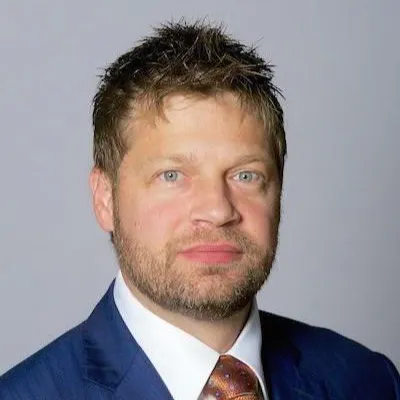
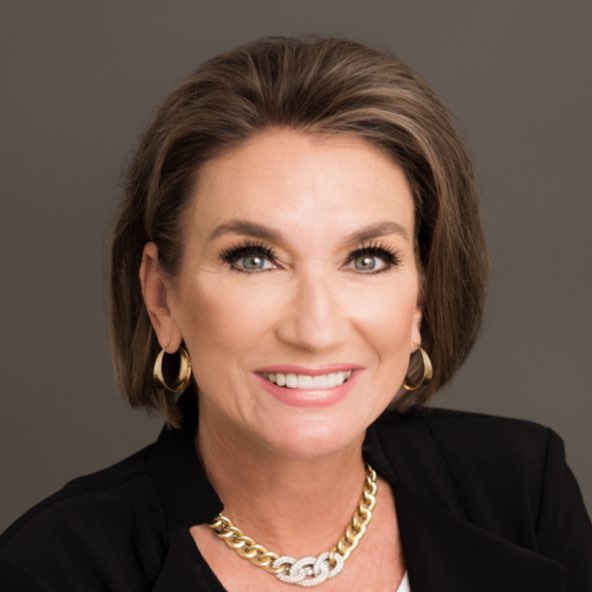
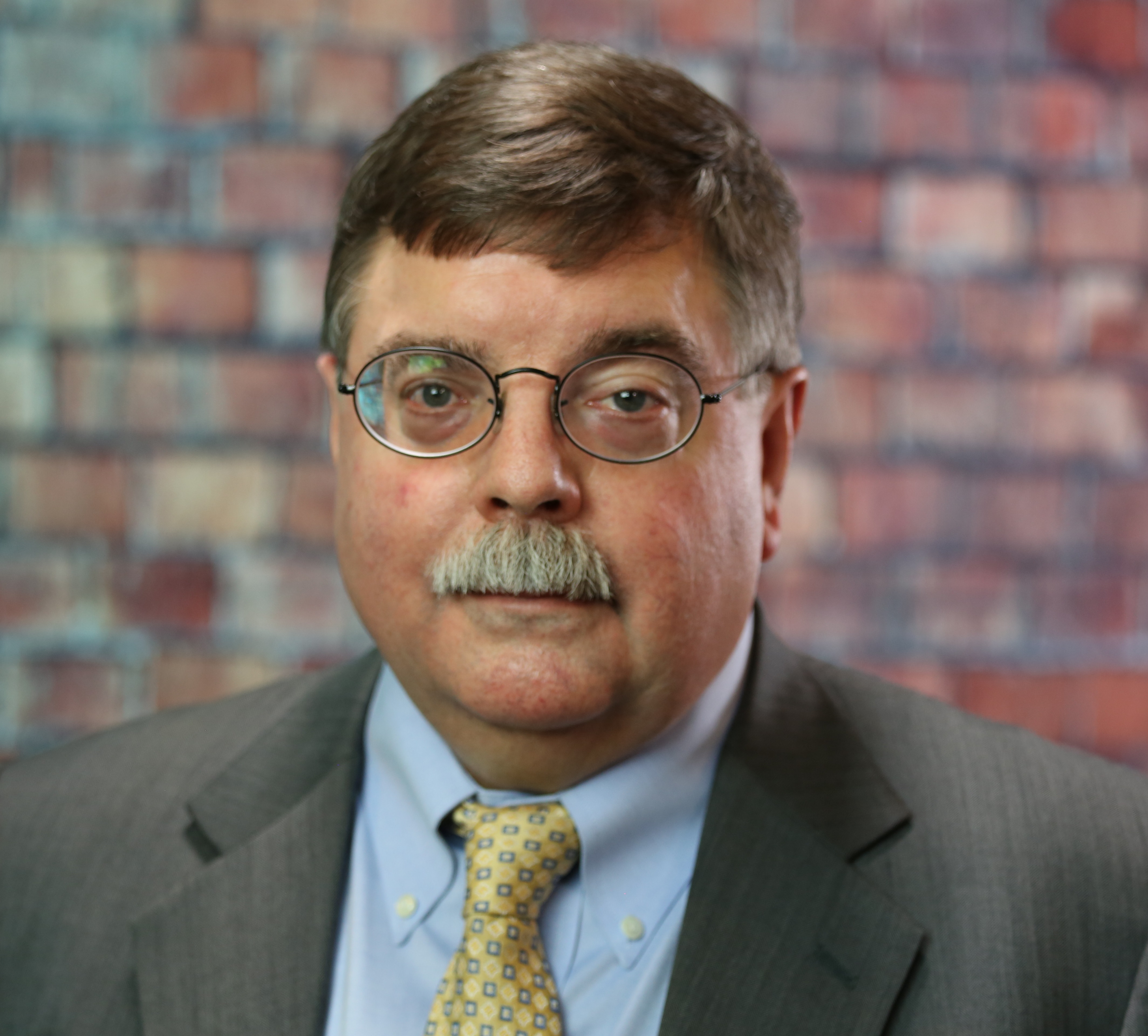
0:03 Good morning, good afternoon or good evening, depending on where in the world you're signing in from today. I believe we have representation from every continent except Antarctica today, so I always like when I have those. I'm lucky enough to have with me today JT Starzycki, Chairman at Guardian Metal Resources, Steve Renschler, CEO of Nevada Lithium Resources, and Diane Garrett, President and CEO at Highcroft Mining, along with John Sklodnik, CEO of Nevada King. Everybody, how are you doing today? All right. How are you doing? Good. So what we're talking about at the top of conversation today is the great state of Nevada. Here's how today's going to work for the folks in the room. This is absolutely an interactive event. There's a chat button on the bottom and a corner of your screen. For those not familiar with the platform, I'll put in a little note as soon as I stop talking. That's where you can ask questions during today's event. If they're on topic, I'll weave them right into the conversation.
0:50 One thing is if it's very specific to an individual's security, I will not probably discuss it today unless it, for whatever reason, seems super relevant. But still, feel free to write it. I'll make sure that the respective teams get those questions afterwards. So you can still write them in. I'll just make sure to deliver them to the necessary groups right afterwards. The only other piece of housekeeping before we get into the good stuff is this is being recorded and will be available for replay probably about 5 PM Eastern tonight. But it'll come in the exact same link, but also be on Six's YouTube channel. Let me get right into it. I know Nevada consistently ranks at or near the top of the Fraser Institute survey for mining investment attractiveness,
1:27 but some say rankings don't always reflect day-to-day reality, So I'm lucky enough to have 4 people here to give me the goods on what's real. So from your direct experience working with the BLM, State Division of Minerals, local agencies, what does the process actually look like for exploration or development company operating here in Nevada? I know we have companies at varying stages and sizes, so I really want everybody's perspective, but I'll start with yours, Diane. Okay, well, we can't speak really on behalf of other companies in the region, and we're somewhat in a unique situation given that we have a full EIS and we're permitted for both heap bleach and milling operations. However, as everybody knows, you're always modifying permits throughout the operation. One of the things we do is we stick strictly to our adherence of principles of responsible mining practices.
2:19 We develop an open and transparent relationship with all the regulators, even though they come out periodically because we have reporting, monitoring, reclamation obligations. We invite them out other times as well and we're at their offices. We have found through our history with other projects that engaging with them, not surprising them and having that open, collaborative and transparent relationship works extremely well. So that, with The Nevada Department of Environmental Protection,
2:48 you know, the community, the governments, you know, all of the regulatory agencies and stakeholder groups has been, you know, we spend a lot of time engaging with them. And, you know, I think when you operate your mine and you've got one of the best safety records in the industry for the last 3 years trailing, it also lets the regulators know how we're going to be when we get into full operations again. And seeing how we deal with things at this level, you know, gives them comfort that will be compliant later. And we bring a lot of things to their attention that, you know, are not necessarily required. But again, it's just part of that spirit of working together. And that's been our experience. Awesome. Thanks, Diane. JT, I know you've got a lot of experience in the state. I'll throw it to you.
3:35 So, yeah, I would say we're in a very unique scenario in that we're at the beginning stages of everything that we're doing from a permitting perspective. So we have our exploration plan of operations that's been filed with the state of Nevada. We're working towards then obviously getting into the actual production mine plan of operations, which we will do after we complete the PFS. We've taken a very grassroots approach to it. So, you know, there's a lot of opportunities out there for certain organizations to either become part of the federal Fast 41 program
4:11 or other more expedited programs. We've taken a bit of a very conservative approach and said, look, we want to make sure that if and when the trade winds ever change that all of our permits pass the muster, right? So they're not just in place temporarily, but can be in place for the long term. I think Diane brings up a great point and it's something that, and one of the minds I worked on in California is we spent a lot of times making sure that the permits were up to date and were within good standing. So we have the traditional path forward. So we've got the Nevada, essentially the NEPA program in Nevada. We happen to have one of our projects on BLM land, so we've built what we think is a really, really strong beginning relationship with the Bureau of land management, U.S. Forest Service.
5:03 We've also, and even though we're in the PFS stage of the Pilot Mountain Project, and of course we've got our second project, the Tempe Ute, that sits outside of Nevada, is we've taken a very active engagement with consulting with local tribes and tribal councils and tribal land. We don't have any of our projects within a 50 mile radius, but it speaks to the proactive nature that us at Guardian has decided to take. So, you know, As part of the NEPA program, you've got to make sure that you consult with all of the tribes in a particular area, even though our projects don't intersect with it. We've taken a very proactive approach. We've
5:41 been briefing at the county level, county commissioner level, all the way up through Governor Lombardo's office. So it's a very active work stream, something you have to be proactive with. You've got to be transparent, you've got to be upfront. If there are challenges, you come at it from a position of partnership rather than adversarial. And you step through each one of the pieces in the process and with a little bit of luck and a lot of determination you'll come out on the right side of it. So we're in the early stages but we're off to a great start. Awesome, thanks JT. Steve, I'll throw it to you. Sure. So to add what everybody else is saying, I just want to say that not many people understand that a lot in Nevada, a lot of Arizona is actually owned by the federal government.
6:27 So you're going to be dealing with the BLM pretty much all the time.
6:32 And when you see sort of the Fraser Institute, the way I think about it and you know the surveys that show that the mining jurisdiction in Nevada is currently in the top 3, often in the top 1. A simple way to think about it is that you know you're taking this story, tradition, this history that Nevada has as a silver and a gold and copper producer and they understand the sequence of things, the processes that need to take place to develop these assets, right? And this works very well. Obviously, we have the rule of law, We have
7:02 an infrastructure in Nevada that is tremendous to start with and is able in my opinion to be expanded relatively easily. And I think another thing to think about is that many of the projects in Nevada, at least with regards to lithium, which is what my company deals with, these are going to be big projects. They were going to be part of getting into the NEPA process, whether or not they were in state land, pardon me, private land or federal land. So Nevada is well acquainted with what's going on. Our experience as an early stage exploration slash developer has been similar to JT's and I think Diane's in that we get very, very good response from the federal authorities to our needs. We've been working on an exploration permit for a while working our way up to making it bigger. Having have to modify it go back and forth with these people
7:53 and even during the government shutdowns and things like that. They have been tremendously responsive to us. You know in my opinion if you want to basically develop an asset you can ask for a better place. Than about to do it and I and I think that there as we segregate again in the lithium space into sort of a China. Versus a non China world and let's just say all critical minerals not just- lithium. I think that the value of that mining jurisdiction is going to become even more apparent to not just the people who are developing the assets, but to the government itself and to investors. So all in all, great experience working with the government in Nevada for us. Great. I appreciate that, Steve. John, I'll let you close it off with just your kind of on the ground experience working in the state. Yeah, it's been a really great experience. And I was in equity research for about 11 years and always took the Fraser Institute rankings with a bit of a grain of salt. You know, we see some surprises there, but Nevada, you know, always in the top 3 as it should be. And then, you know, that really aligns with our experience.
8:54 We just deal with the BLM, strong working relationship with the local office. They're very supportive and, you know, they're mining people as well. So it's not like you're dealing with kind of an environmental agency that is trying to put up headwinds. They're supportive. The area where we're in, they could use a little bit more of an economic boost, I think, and everyone wants that to move forward.
9:19 So for an earlier exploration stage company, we've got a resource, but we're trying to always increase that plan of operations area. We do it methodically with different modifications. We're working on our fifth right now and it's always been a fairly seamless process just working with the BLM. So yeah, can't say enough good things about working with Nevada and the local BLM office and it really is kind of that local office that you deal with. So yeah, I would echo the sentiments of the other CEOs in the line. Awesome. John, I'm going to start with you on this one, because I know one thing that's traditionally set Nevada apart from other jurisdictions is everything that's already there. The existing infrastructure, roads, power, water, and skilled labor, which I know in a lot of jurisdictions is not the easiest thing to find. And I'm just curious, your personal experience is how has access to that infrastructure shaped your project economics or timeline? And are there any remaining gaps even still that you're looking to address?
10:18 Sorry, with, yeah, the infrastructure was huge for us and our company and for me feeling comfortable to move over to Nevada King. We've got everything that you'd want. If you could put a Gold deposit anywhere, I'd put it right here. We're about 3.5 hours north of Las Vegas. There are some benefits for site tours as well. We always have fairly strong attendance, try to have that end on a weekend,
10:47 have fairly robust attendance for a group our size. But it's a past producing asset. So we've got water on site, power lines there. We've got significant infrastructure and buildings. So the biggest tangible benefit for us is the cost per metre drilling. For us, we can drill for about US$80 a metre. It's RC, of course, but we can have the drilling team stay at site and because there's power and infrastructure there, we don't really need to pay that per diem, which can increase the cost for drilling. So it's been hugely advantageous, both for access to get investors to site, to get people doing due diligence, get them to site. In terms of potentially upgrading a power line, it's much easier having the infrastructure already there. 1 day we expect we'll need to do that to get into the production stage.
11:38 And having water as well. So we've got everything that we need for exploration, really couldn't ask for anything more. Awesome, John. JT, I'll throw it to you for how infrastructure has just affected Guardians projects in the state. Appreciate that. It's an interesting question for us in the sense that we have 2 assets. So we're just south of Reno for our Pilot Mountain Project, which is our Department of War-funded feasibility study project. And about this time last year, we acquired rights to a project called Temp-I-Ute, which is just north of Las Vegas by about 2 hours. I'm going to start with the latter first. So the Temp-I-Ute project, partially why we acquired it, outside of the fantastic asset and the deposit itself. It was the last producing tungsten asset in the United States.
12:25 Sorry, it was the largest producing tungsten asset in the United States at one point in time. But part of the reason we acquired it is it had a 3000 kilowatt power station already built and still active. It had a water pipeline already built because the mine was in use at one point in time. It had a mill facility where the footings and the building itself are all in place. So from an infrastructure perspective you couldn't ask for a more turnkey project.
12:51 It's there, we're upgrading the resource right now so we've got rigs on site, we're doing that work. That then becomes a really interesting opportunity for us, for our stakeholders is that is probably one of the assets that can be the quick or it is an asset that theoretically could be quicker to production than our original asset which was Pilot Mountain. Pilot Mountain also an old brownfield site We spent 2 years updating the resource.
13:19 We have great road access. Where it sits is actually it sits well from a landscape perspective. So actually putting in the footing, putting in a mill facility and other pieces of infrastructure, that's great. Our 1 gating item, though, however, is connectivity to the grid, right? So we've already started that process now in working with the Nevada Department of Energy. Because we're a Department of war funded project, they essentially have the slot for grid connectivity and based on how you're funded and what your other partners are can actually allow you to slot into a current reserve space. So again, this nature of proactivity, knowing that we've got to be 3 or 4 moves ahead, already making those moves right now to try and ensure that once where everything is in place, and once we've launched and completed construction, that we actually have the power.
14:17 We have an LNG solution already worked out and it's very cost effective. It works in the short and the medium term, but long term, sure, we need to have connectivity into the grid. But that is an infrastructure challenge that we are taking on right now, that's probably our biggest gating item. And then when you shift down to the south for our Tempehue project, it is as turnkey as it gets when it comes to infrastructure.
14:42 Awesome. Great. Steve, I'll turn it to you for how is infrastructure affected, Bonnie Clare. Yeah, I'd echo first JT's sentiments about the proactive nature of the construction and planning that's taking place for the infrastructure in Nevada. And frankly, I think it started under the previous administration for different reasons. I would say that the Biden administration the old inflation reduction act was. Actually more focused on stealing all of the fleeing industry from California that it could. All the high tech manufacturing everything and the I.
15:16 Was on the ball at that time. To basically make it easier for those companies to sort of move across the corner I think that we've now turned the corner with regards to mining assets in a different way- and that people sort of understand. That to develop again in in with regards to lithium which is what what we are we have in our Bonnie Clare asset. Is That you're going to be basically moving tremendous amounts of material In my opinion up and down at the quarter basically from the northern to the southern borders and the rail lines across Nevada. Where we're situated, which is about 2 and a half hours northwest of Las Vegas, we're 50 meters off of State Route 95. McAdam Road, 4 lanes, high tension voltage going right over us, et cetera, I've got basically area 51, about 30 miles to my east, who knows what's going on over there. 25 miles to my west, I've got Death Valley, no neighbors, nothing to bother us. This is what a lot of Nevada is like. If you've ever driven the roads of Nevada in the middle of the night, you can't tell how far away a car is that's coming at you in many places. It could be 300 yards away or it could be 8 miles away because of how flat it is. That's the kind of thing that we're talking about in Nevada. So, you know, when you start off from that perspective, infrastructure doesn't get much better.
16:38 You're not helicoptering it into places like this. So we're very blessed at Bonnie Clare. Obviously the infrastructure isn't gonna be constrained on us.
16:48 What I will say is though for the development of the lithium industry I think that the North South railways are going to have to be developed. Right now you've got I think the UP going across the north and across the south of Nevada And that's simply going to be a function of that almost all of the big clay deposits, big lithium clay deposits, will be using sulfuric acid as well as other reagents. And the tonnages that are going to be necessary to process these materials is going to be very large. I think it's going to easily outstrip the abilities to truck all of this. So I think that's one thing that's already being talked about and I think you will see it in addition to obviously just continuing to add to the grid and to the amount of power that is going to be needed there as well as not just for the natural resource development, but for the AI centers and the manufacturing.
17:37 But Nevada's got a handle on it. I'm not saying it's all going to get done as quickly as we would like, but they're clearly cognizant of the potential choke points of the development, and they don't want to fall prey to it. So I think again, if you want to be anywhere, being in Nevada from a, from a, an infrastructure standpoint is clearly the place to be. Awesome. Diane, I'll let you close it off for infrastructure with the high craft mine. Sure. Well, I, I agree with everything my fellow panelists have said here. It's clearly the best place to be from all sorts of perspectives, but you know, mining is second only to gaming in the state of Nevada. And so it's an industry that is so well known. Most of the small towns, you know, Winnemucca, Battle Mountain, Elko, a lot of these towns were built on the back of mining because
18:24 the miners were there in that area. So it's something that it's everybody's familiar with, everybody understands, and it's provided, you know, jobs and security for, you know, generations of families. So that, you know, that's where it essentially all starts, I believe. I was just at the mine last week. We're about 3 hours northwest of Reno. And as I was driving from Reno out in the wee hours one morning, I couldn't believe the amount of traffic that was headed northwest. And we've got these AI centers that we were just talking about and all these massive distribution centers that are now coming into Nevada and they're going to need an awful lot for their
19:11 employees and contractors and all sorts of things. We mentioned sulfuric acid that's needed for the lithium industry. We're gonna be a very meaningful producer of sulfuric acid. We have rail line right at our property, Union Pacific, as you mentioned, and we'll be able to concentrate, we'll be able to ship our acid, bring in our reagents. So those are benefits that you just don't get a lot of other places that you're mining. Also, for those who are going to be using the highways for haul trucks
19:45 and trucking materials in and out, if you don't have rail access, well in Nevada people are used to seeing these trucks. It's not a state where people say, oh my gosh, I don't want to see those big trucks. I mean, the highways and the roads are built for this because this is what's been going on in the state for many, many, many decades.
20:05 As a prior producer, we have all the essential infrastructure. So we have power, we have water, we've got the rail line right at our front gate. We'll pull a couple of spurs off of it. We, you know, we've got other things. We've got a fully operational lab. We have admin buildings, truck shop, maintenance shop, brand new leach pad, ready to go. Merrill Crowe plants, 3 stages of crushing, all of that that will support the next phase of operation. We will be building our milling component, but we'll be working to enhance that infrastructure to support the next phase for the future. But the infrastructure that we were blessed with having received when we stepped in as management of this company from the prior operation and it's been it's not that old and it's been well maintained and we maintain it but also just the the infrastructure that comes with having a brownfields property and and so it's it's just the ideal place to be you I know we've said it 1 million times, but you can ask for a better place to operate with a community, with a regulatory body that understands our industry.
21:09 My last company, we were in South Carolina where they hadn't permitted a mine in 25 years, and none of the regulators that were active knew anything about hard rock mining and that was a big challenge. But here, and it's not that they don't want you to mine, it's just they have very, very good rules and regulations and it's very prescriptive. If you follow the rules and you do what you need to do and your applications, and you've checked all the box on your baseline studies and everything else, you will get your permits. So it's not that they don't want you there, but they do make you follow the rules as they should. Appreciate that very much. I Love everybody's perspective on different ways infrastructure has affected them. But this is my favorite part where I get to scare your IR teams and talk about politics for a second. Everybody's favorite section of these. Because politics have changed. Obviously we've seen a wave of executive orders policy initiatives all aimed at boosting domestic critical minerals production.
22:02 Really mining in general with silver becoming a critical mineral as well. So how are these federal policy shifts translating into real tangible benefits for your company? And what do you think you still need to see from Washington? And JT, I'll throw this one to you first. Great. I happen to spend a lot of time in Capitol Hill and in DC on a monthly basis. So this is a very passionate item for me.
22:27 Initially, I would say this, we have moved, I think, to a point in our country where this is no longer a Democrat or a Republican issue. This is a national security issue, right? This is we have recognized as a country that there are other less favorable nations that will take things like critical minerals and will weaponize them against us, Regardless of what the mineral is and how it's utilized, the fact that you control not only deposits, but then the downstream processing has obviously caused a massive issue for us as a country. And I think we are making this fundamental shift. Yes, it was spearheaded by the current administration, but let's also not forget about the previous administration. So if you take Guardian for an example, the Department of War grant that we received in end of July this last year, was actually approved under the Biden administration. So you started to see a fundamental policy shift in the previous
23:21 administration where there was a need for alternative energy sources is kind of how it started, but then it also went all the way kind of upstream to a point where people realize that it's not just the end product, but it's actually the securitization of those critical minerals. And that's really kind of what has been the springboard for everything. So, you know, the way we look at it is, we obviously, we've publicly talked about our fast track to production. We have openly stated that we believe very wholeheartedly that we can get one, if not both of our projects into production before the current administration ends.
23:59 I actually think at the end of the first year of his presidency, I think that that date is something that we're very realistic in targeting. But if it does go into the next administration, I do feel like our country, that our country has ultimately made a shift and realized that for us to be secure on a global scale, we have to secure not only the critical minerals, but the processing components of said critical minerals. So we've seen it with Rare Earths as a perfect example, yes, they're mined here via MP materials, they still had to go over to China for processing, right? And so we're a little bit of a unique unicorn with tungsten in the fact that we've got a lot of actual downstream processing of tungsten in the United States, but we have no mine supply.
24:48 So as a country, we're trying to find that balance between having enough supply and processing versus processing and supply. So I do think
24:56 fundamentally as a country, we've made a shift. We've realized that there are other countries that are weaponizing things like critical minerals and processing against us. And I think, you know, we finally learned our lesson once and for all. That's my pie in the sky belief anyway. I appreciate that, JT. Painfully so, but yes, we've learned our lesson. Not all lessons come without bruises. I think this might be one of them, unfortunately, but there you go. John, I'll throw it to you for how any changes politically affected Nevada King. Yeah, I'd kind of echo what JT said. We haven't really been particularly affected by administrative change. We really just deal with the local BLM office. We're not lobbying in Washington and not looking for any significant changes. Love the positive sentiment around US mining and feel it's been generally helpful for US-based companies. So, I'm thrilled with that. But yeah, we haven't really noticed a big change from the Biden administration to the Trump administration from the local BLM office and don't expect that to change moving forward. We're at a stage where, you know, we're not in the full construction stage yet. We're still, you know, exploring, looking to build up the resource.
26:10 You know, ideally, yeah, we'd love to be moving ahead and applying for permits with this administration, but you know, that's not the case And really, we haven't really been impact changing administration at this point. I appreciate that. Diane, I'll turn it to you with a little addition of somebody in the chat asked, what are the chances Highcroft will be approached by the Trump administration for a government backing similar to the MP Materials deal?
26:39 Very good chance. So we can't talk about a lot of the conversations that we have, but we do have contacts in the government. And with silver being named a critical mineral and us having one of the world's largest resources and the largest silver resource in North America. You know, it's a it's a great place to be looking to stockpile commodities and getting investment from the government. So some more news to come on that.
27:06 I agree with what everybody said. You know, the administration, this administration is not you know, they've been very favorable to mining, but but not in the sense of we have to cut corners, we still have to do everything by the book and comply with all the rules and submit our permit applications and amendments and modifications, you know, as we always would have. But I think one of the most important things that's come out of this administration is cutting the bureaucratic red tape and saying when the company has complied and they have done all of this work, then you cannot sit on the application, you know, for years and years at a time. Now, some of that falls on the company because there are gaps or whatever in their application and the work that they did. And so they have to go back and do additional tests, whatever it may be, or studies.
27:56 But that's one of the benefits, I think, from this administration that we've seen is really to encourage us to get through the process in a more efficient manner. So that's been great. I think one of the challenges we find though, and I don't think this is administration specific, but really probably a fallout of COVID. And we see it everywhere. You go to a restaurant and half the tables are empty, but yet you've got to wait 45 minutes to sit down, right? It's not because they don't have tables, it's because they don't have people to serve those tables.
28:28 And we're seeing it in Nevada as well. The regulators have said, look, we're just short-staffed. You know, we've had a couple of key regulators leave EndEp recently, and they've retired. And so I think it's just hard to get people to want to move, to not work from home. And I think we're all feeling a bit of that. It's tough. Engineering firms are tied on staffing. We have the same thing with the assay labs. It's taking longer for turnaround time. Well, everybody's doing a lot of drilling in these commodity environments as well. But also with the regulatory agencies, they're telling us that there's just so many hours in the day and they've got a lot to get through. So that's one thing I think we all face, but again, you work with them and they'll work with you and, you know, may take a little longer than any of us had hoped, hopefully not for all of us here, but we see good things coming with this administration.
29:29 Awesome. Steve, I'll let you wrap this one up. Sure. I, you know, when I look forward, I think now all basically all roads lead to Rome, right? It's going to be good no matter what happens. And I think it's a consequence of basically having a change in administration from the Biden era into the Trump era. And the reason I say that is because you know I know that this is a blanket statement but realistically a lot of the money was allocated under the inflation reduction act. Was for things that had to do with technology recycling insert there was very little out of all of that was actually being
30:06 allocated. To the actual development of the mines. I have many discussions with- you know with folks in the government about this and one of the overriding. Sort of comments or or theories or themes was that they were you're trying very hard to protect the taxpayer dollars right. We want to get something that's near production so that we can you know we can start generating revenue and- and therefore the investments been deemed safe. And never made any sense to me
30:30 because to me the primary concern is always been. About the security of supply I mean that's what everybody says this is all about it. I'm probably older than anybody else here and I remember when the U. S. Liquidated all of their risk resources right. Of basically critical minerals I forget if it was in the late eighties early nineties was ridiculous so this is all. All full circle. Well now we have the Trump administration coming in a lot of the stuff- that was put in place by buying has not been undone. I think that we're watching basically the birth of the sovereign wealth fund- You see it taken many different forms and it's all part of this. How do we get it away from this you know China versus non China world or how do we deal with it. In lithium it's very apparent again very few people really still understand that, you know, you have to you have to process lithium. It's like it's like oil refining.
31:21 Right. You can't take crude oil and put it in your car. You've got to have a refinery. It's the same sort of principle as it is in almost all of these other
31:30 elements. But the point is, do we realistically think let's just say that Democrats come back in the US into power? Are they now going to unwind all of this progress that's been put into developing the actual assets when everybody could clearly see what the benefits of the country into the nation is. Now, I think what you'll simply see is even more money thrown at this in very in other forms, which of course is going to be inflationary and all commodities is good. So you know, to me, it's now just the opening almost the Pandora's box. If we
32:05 have yet another change of administration or a different course, I don't see us going back. I really don't. I think that from the political standpoint, the US, things are going to be very, very good for commodity developers going forward. Awesome. Yeah, go for it, Diane. Well, I was going to say, I really hope so. We've just had such a long history where it's just okay to be reliant, dependent on foreign sources, right? And so it's nice to see that there's a cost to that for the country. And we've got in on our stockpiles are so antiquated and out of date. I mean, even some of the materials that are in there are not suitable to be used in an emergency straight away. So I think that, you know, I hope that this is resonating with people and people are understanding that these things are important.
32:56 And, you know, I find it often interesting because when you go to the gas station, you know, where we had the oil crisis
33:05 back in the 80s, you know, you go to the gas pump, there's long lines, the gas prices are high, it sucks air, they're out of gas, you know there's a problem somewhere. But for a lot of people, you know, it's an education because people aren't aware that for your, you can't have an iPhone if you don't have gold in it. Every electrical contact in your car, doesn't matter if it's combustion engine or if it's electric, has silver coating. That's what you need. And so it's I think it's also our duty to in this environment where there's so many eyes and attention on commodities right now, whether it be lithium or rare earth or critical minerals or even gold and silver. Look at the lines at Costco to buy gold and silver bars. When have we ever seen that in our history? We haven't. And I was recently in Europe in the lines at Sharps Pixley, you know, trying to get, we've just never seen anything like that by Goldbar. Same thing in Sydney, Australia. And so I think it's starting to resonate with people. And I think our responsibility too is to make sure that in our presentations and decks and all of our social media work that we're making people aware of how important they are, not just, you know, as a critical and strategic mineral, but just part of our everyday lives as well. And so I really do hope we don't go back and that resource development in the United States won't take decades and that we will become self-sufficient in that. Doesn't mean we can't still do business with other countries but we need to be self-sufficient on our own as well.
34:34 Sure. Somebody's waded in a Costco line clutching an ounce like it's a life preserver on the Titanic. I certainly appreciate that. I do want to talk about something that you mentioned earlier, actually, Diane, about the labor market in Nevada. Because with Nevada's long mining heritage, labor markets have tightened across pretty much all industries around now. And I'm curious how each company is approaching workforce development and community engagement in your respective regions of the state. And does operating Nevada give you advantages on the people side you might not get elsewhere? John, I can start with you there. Yeah, I mean, it's huge having the experience of people who have operated in the Great Basin, in these geological structures before. So, our kind of exploration has 40 years of experience working with these rocks. So it's hugely advantageous.
35:23 I mean, I'm sure you're alluding to the capital pool certainly reduces the risk of, you know, if there is a departure, we've got a fairly lean team. But you know, there's so many people with experience kicking these rocks. So, yes, it's obviously hugely beneficial. And with that, the overall risk of investing in an exploration-stage gold company, it can be significant. And so it's nice to be able to reduce the risk from that exploration standpoint with the experience that we can have with the team at site. Of course, we've already mentioned that the permitting risk, the jurisdictional risk, all of that is massively reduced being in Nevada, and so does that expertise they can bring in.
36:09 Awesome, appreciate that. Steve, I'll throw it to you for just on the people side, talk about the Nevada mining industry. Yeah, I mean, we're another lean and mean company at this stage of our development, but you have to acknowledge certain things about the mining industry in general, which is that a lot of us who've been around there, we're getting old, you know? And there aren't a whole lot of people, frankly, who are coming up to, don't laugh, Diane, who are coming up. This is going to be a young person's game going into the future. And I mean, these are going to be well paying, I believe, highly sought after jobs. As long as we basically get the kids engaged early on, I think it's going to be a radically different kind of a thing. You know I mean clearly you're going to still have people going underground doing certain things but automation we can't get around the fact right that they're going to be parts of what we know traditionally is mining that just simply aren't going to be looked at it in the same way. From the perspective in my opinion of the you know the lithium industry there's going to be a lot of chemical processing.
37:08 In our particular case, we'll mine it, I think using oil and gas rigs, using borehole mining to excavate it. So that'll be different. Maybe we can repurpose the U.S. Land rig doing that. But in the end, this stuff's all going to go through pipes into big buildings where there are going to be chemical processes taking place, and people are going to have to know what they're doing. You know, in my dealings with sort of the state, you know, they're very concerned about where workers are going to be housed and things like that. And they're all valid concerns. However, I think what's perhaps a little bit more important right now is making sure that capital gets to the industry to make sure that these projects get advanced and built. Otherwise, it's all for naught. So, you know, workers are something that's definitely going to have to be addressed. But we know that, you know, when you look and see what's going on in Vegas, right, the cyclicality of the gaming industry, they're going to want to diversify, continue to diversify away from that. And the mining jobs are, less statistics I saw, I think they're worth twice what the gaming industry is. That's, I mean, it's incredible what the difference is.
38:09 And so, you know, it is gonna be something that people wanna do, but do we have enough people to do it now? And maybe we're just getting away with it. But if I were very close to production, I'd be a lot more worried about it than where I am as sort of a younger developer, let's put it that way. No, appreciate that perspective. Diana, I'll throw it to you with a reminder that some of your staff are usually in the room here watching these, so. Okay. Mind your Ps and Qs, talking about the staff. Hello everybody. Okay, thank you. Thanks for the warning, Romeo. Look, I do want to make a comment that JT mentioned. You know, we go to these conferences and we give talks and we have meetings with institutional investors and retail investors. And I look around the room and it's, we're the same people that have been doing this for 40 years, right? We need the young people coming in.
38:58 And I think I was reading not long ago that in Canada, they said it's the least number of enrollees in mining and geologic sciences disciplines that they've had in like 20 years. So I don't know what's going on with that. I think that's another responsibility we have to try to attract people to the space. But look, we're fortunate because we're in Nevada, it's an active mining region, and there's impressive talent. I mean, when we operated in South Carolina, we had to train every single person. Nobody had been in mining, And that's a tall order. But we got that built-in talent here in Nevada. But you're right, they're getting older and people are tired and they want to retire. Don't worry, team, I'm not going anywhere.
39:43 I know you were getting hopeful for a minute there. But given our very strong culture within the company, we invest in our team, we do generous benefit programs, and we operate every day as a team with being very mindful that we want to send our people home safely every night to their families. And we treat each other with professional respect and collaboration. And, you know, it's meant that there's a lot of people that we want to ensure that people want to work for a company like ours. We also cross-train our team and we give them opportunities to learn new things and attend conferences, to learn more about new technology, what's happening in broader markets. These are things that, you know, if you work for a large company, you don't get the opportunity. I mean, I was very surprised. My senior geology team came from the majors. I won't say any more than that. And they were never allowed to go to PDAC. I mean, how does that happen? I send them out, they need to see CORE, they need to see what other people are doing and listen to those talks. I mean, there's life out there beyond Highcroft and all of our companies.
40:47 So we give them those opportunities. We can't compete with giving them college educations to all their kids like the big boys can do, but we can give them that cross-training. We do leadership training. Everybody has the opportunity to move up in the organization. Everybody has a say. Every single person on site can shut the mind down in all activities, one person, if they see anything that is unsafe or has the potential to become unsafe. So we empower them with this kind of information. And we hope that, you know, we will be able to attract, you know, really good people that want to be part of an organization like that. And I think that's one of the things we have to do. It's not just the job and the responsibility and the tasks that they're applying for, but do they, you know, we're all competing for talent and listen, my team's getting calls, you're absolutely right. I think it was Steven that said this, that, you know, companies are on the cusp of production.
41:47 They're having, you know, they're calling everybody trying to get people in that have experience doing that. And so we've been hiring younger people and people out of school and we've spent a lot of time training them up, because they are the next leaders. They are the ones that are going to have to take over and do these things going forward for the next several generations. So anyway, labor's tight. It's tight in a lot of different areas, but I think you have to go that extra mile, as you want to do anyway, to develop a culture and make it a place that people want to come work. Awesome, appreciate that very much, Diane. And JT, I'll throw it to you to wrap up this question on staff in Nevada. You've got the experience now for quite some time. Yeah, I mean, it's certainly, it's an interesting challenge that everybody in the United States in the mining sector is facing right now, right? There's not enough schools turning out mining engineers.
42:42 There's not enough schools turning out chemical engineers. We have a little bit of a benefit being in Nevada that, you know, you've got the ability to do some recruiting from Arizona and from parts of Southern California. But, you know, we, again, we're all, we're all pitching the same people. We've been pretty fortunate in, and we're kind of in, we're kind of, when I look at my fellow panelists, you know, we're not early stage exploration, but you know, we still got a few years to production, yet we have 2 full project teams. We've been pretty successful in hiring a lot of mine builders that have built mines in the state of Nevada. And so through that network, we've been able to get a lot of experience skills. But then also, we've got a handful of PhDs and recent grads that are in the geo space that are kind of coming up through learning as we go.
43:34 You know, we start to lean more on our story too as well. I think that there's a recruiting advantage to, you know, in our case, a story like a Tungsten, which, you know, we have sort of the clue where the first mover advantage. So there's something to be said for coming to work for a company that will be the first producer of tungsten in a number of decades. But, you know, you still have to be competitive. You still have to have the right benefits package. Diane hits on a very key point, which is empowering your people to make sure that they feel heard, to make sure that they feel like they're a part of the solution, that, you know, they've got something to say when it comes to problem solving. So, you know, all of that does certainly come into play.
44:20 And, you know, it's a challenge that we're not going to overcome in the next few years. It becomes sort of a revolving door. But look, it's something that we face. It's something that we all recognize. We're all, you know, we're working together as a collective community. I think back to last year's Better in Our Own Backyard winter dinner and the keynote speaker was a recruiting firm to talk about the shortage of labor. I think maybe the last point I'd probably make is it doesn't just stop with what I'll call on the ground skill sets. It doesn't just stop with, you know, engineers and chemical engineers and geos and drillers. It actually extends into the corporate sector, right? So for us right now, we've, through our news releases, this is public information, we've announced an intention to move over to a listing here in the capital market, so a US-based listing.
45:15 And we are in the process of looking for a mining specific US-based CFO. That is actually now proven to be a bit of a challenge. Now, mind you, again, because we're in a little bit of a stage where we're not early stage exploration, but we're not production, that window sort of tightens up. But when we look at internal skill sets, skill sets that have expertise in mining, whether that's IR, whether that's finance, whether that is outside and extends beyond just in the field, it's a challenge across the board. And you want people with the right amount of experience, but you also want people that have the right amount of their career in front of them too as well. Nobody wants to be the last stop on the train or nobody wants to bring people in at the last stop on the train, but you need that experience. So for us, you know, we've started to look at what are some of the other solutions we can do and utilize because the talent crunch extends just beyond the field and the mining facilities.
46:17 Awesome. Appreciate it. What I've got next is a question just specific to each of you, so this will just be 1 each for the speakers in the room, a bit more specific to your projects than the broader story we've gone over today. John, I'm going to start with you. I know your company more than doubled the measured indicated resource of Atlanta to over 1 million ounces at 1.4 grams per ton in June. And since then, new discoveries at Silver Park, Western Rim that aren't even in that resource yet. With the phase 3 program now expanded, deposits will open in multiple directions. How are you thinking about the balance between continuing to grow the resource versus moving towards a PEA? Yeah, thanks, Romeo. And timely question, just put out a press release this morning announcing our Phase 4 program. So, you know, it's just kind of nomenclature. We're just still drilling.
47:04 Really, the difference is now we're focused on infilling Silver Park and see that as the next stage of resource growth and really just using all the information that we've gained from the phase 3 at Western Rim, Atlanta South and Atlanta North, just to continue to hone in on some higher grades. Obviously, we've set a pretty high bar for grades at 1.14g per tonne and really hoping to hone in on some of these cross-cutting structures, which is where we find those Bonanza grades. In terms of how we're looking at approaching development, we do have a lot of conversations with larger companies, with producing companies. I think there's a general sentiment of getting to this critical mass of 1.5Moz. I would expect that to change at some point.
47:51 1Moz today at over US$4,000 Gold should be more than sufficient. A pretty robust free cash flow profile just from that. But that is the messaging that we've been hearing, the feedback that we've gotten from groups that we have CAs with and are in conversations with. So that's what we're looking to do. So the next step will be infilling Silver Park and really just kind of figuring out what this pipeline looks like after Silver Park. Hopefully, Atlanta South, Atlanta North or Western Rim becomes that next target area, the next satellite oxide deposit that we can then infill and pull into a resource. That said, we do have strong economics. We've done internal work on what just the 1.1Moz looks like and we like how that looks. That's something that we'd consider for the second half of 2026, once we've got a good handle on the Silver Park East area and so could potentially bring that in. And then we look to do a PEA, but all the while continuing our exploration efforts.
48:55 So we want to continue to be an exploration stage gold company and build ounces that way. Great, thank you, John. Steve, I'll go to you next. Because Bonnie Claire, the Flagship Project, stands out not just for its scale, over 30 million tons of lithium carbonate equivalent across both zones, but also for the significant boron credit that material improves the unit economics. PEA shows operating costs net of Bork acid credits at around $6,800 per ton. Can you explain, just to the investors in the room who might never have heard of the story, how the dual commodity nature of the deposit differentiates you from other lithium plays in Nevada, and how the borehole mining method factors into your permitting pathway? Sure. Yes, for those who aren't familiar, so we have a massive lithium project in Nevada. It's second only in resource size to Thacker Pass from everything that we can see, right? Far more than we would frankly ever need over a mine life.
49:48 What we found as we were drilling, we continued to hit very high-grade lithium mineralization and then boron came along. So now you're looking at the potential for what we call byproduct or co-product revenue. It's just a way of saying that basically you're going to have another revenue stream that you can use in an accounting way to offset costs or declare, you know, dual revenue streams, whatever you want to do, but it's a reduction in costs. You know, these can be great things to have, alternative revenue streams, as long as you can obviously process them efficiently, as long as you don't mess something up with your primary revenue stream. So what we found, and we finished a PEA about, oh, I don't know, 4 or 5 months ago, And for those who aren't too familiar, PEA, Preliminary Economic Assessment, sort of the first swipe under Canadian reporting standards of economics going in.
50:40 And, you know, we had tremendous results in there that are primarily, you know, 80, 85 percent coming from the lithium, but another 15 percent from the boron. And what that does is it puts us in the in the say that the upper second quartile right getting very close to the first quartile in terms of production costs. Now the way I think people should sort of think about what's going on in Nevada with lithium is that these are never going to compete with the salars, right? Basically the traditional South American brines, which is I would argue where it all started, then it's transitioned into the pegmatites, that's the hard rocks in Australia and Quebec. Things like that and of course all of this is coming to fruition because of the electric vehicles right this is all based on the demand.
51:26 Primarily from the electric vehicles and then it'll be from the data centers that we're seeing that are it is now starting to accelerate. But the point is is that if you know I think which going to find- in Nevada and this is just because of geology. Is that there will be multiple revenue streams for many of these companies in particular. With the expansion of the- critical minerals list. There's gonna be more more focus on not only the rare earths right which are critical minerals but not all critical minerals are rare earths. But other critical minerals in our particular case it'll be we think cesium rubidium maybe potassium And these will be in different compounds, different forms. All of this is going to continue to make, in my opinion, you know, our costs become more and more attractive. One of the big things that's going on in the lithium industry right now is a spot price that is hysterically low. You can attribute to either Chinese tampering with the prices, which I think a congressional committee came out and said it was. You can talk about it because it's the fact that basically the lithium industry is a nascent industry, even though there's been the need for lithium for a long time. It's the advent of the EVs that's changed anything. So you get basically small discrepancies between supply and demand that give tremendous, tremendous changes in prices and therefore sentiment follows it. But the more of these other materials that you have coming in, as I said, now I'm starting to think of our, you know, Bonnie Clare project as a critical mineral suite of production rather than just 1 or 2. We may be up to 4 or 5. These are the kinds that you want to look at, the kind
52:57 of things that you want to look at for economics, because frankly, it should all be positive. The impact should be felt not only in the NPVs, the IRRs and everything, but the paybacks of the mines, which is a big measurement of how people look at this. How quickly do I get my capital back? So, I don't think we're gonna be the only one, honestly, Romeo in Nevada, who ends up looking at this and finding ways to get value out of these other materials. But from my perspective, the more the merrier. We know it certainly works in our favor. Awesome. Thank you. JT, I'll throw it to you because I know Guardian secured, I don't know if it was mentioned already in this panel today, but a $6.2 million DPA Title III award from the Department of War in July, which is significant validation, I think, for Pilot Mountain. With tungsten prices, again, more than doubling since China's export restrictions took effect in February, and the Department of War now really actively building strategic stockpiles, not soon but now. Can you walk us through how the current macro environments accelerating your development timeline and what milestones should investors be watching for as you get towards PFS?
54:00 Yeah, so look, I think the tipping point for at least the tungsten space came on the 4th of February 2025 when China announced a complete ban on anything tungsten-related, particularly military-grade tungsten products and derivatives. We had taken a contrarian view on the tungsten market a few years ago. We've had the pilot mountain asset for almost, you know, for 4 or 5 years now. So we've been focused on that, on tungsten for quite some time. We figured it was gonna go the way of rare earths, gallium, germanium, which you saw export restrictions happening in late 2023, 2024. Originally, it was the tungsten asset, but also given sort of all of the exploratory work that we've done, we've got a copper concentrate that'll come out, we've got a silver zinc concentrate.
54:54 Where our story gets even more interesting is the industrial grade of gallium that we have that we've located in specifically in our stockpiles on the Tempaiute project. So we become a really an interesting story when you're starting to provide multiple critical minerals out of 1 project, right? And there's all my fellow panelists have the same opportunity. The key for us all will be, do we get the flow sheet right? Are we able to extract all of those other minerals in a cost-effective way that actually helps the balance sheet? You know, the way that we process tungsten or at least the shelite deposit that we have, the technology is very well understood. It's been used for decades upon decades. It's a flotation circuit, right?
55:40 80% to 85% of our revenue is going to come from tungsten. But if we can find a way to extract value out of those other concentrates and then we can also find a way to attract that gallium. Our story becomes extremely intriguing outside of the fact that there is no tungsten development here in the United States. We are the fastest to production and the likes of all the rest of our investment proposition. So what the Department of War grant did was it certainly put its stamp of approval, its government stamp of approval on our projects, the validity and the need for what we were doing. We were able to leverage that and we've become a little bit of a case study in the eyes of the Department of War.
56:25 At a recent briefing I did at the Pentagon, we spent a lot of time talking about how that Department of War Award allowed us to then go into the capital markets and raise a really significant amount of equity. And we did it at market prices with no discount, no warrants. And that is really, at least in the early days, that's how these awards were somewhat designed. So it gave a stamp of approval, it gave the investment community, some confidence in what the company was doing, had a lot of validity to it. We then went out and we executed on that. So we've been able to put together some briefings, Those have made their way up through the chain. And it's really become a bit of a case study. So that government stamp of approval, our ability to extract additional critical minerals, all of that plays into the value of the Guardian Metal story.
57:17 Awesome, appreciate that so much. Diane, I got one for you. Obviously, Highcroft has had a big year. You raised over $230 million, eliminated all debt, sit with roughly 175 million in cash, and just as of today, flirting with and then jumping over being worth 1 billion dollars. So dramatic turnaround from where the company was a couple of years ago. Same time hitting record silver grades at Brimstone. So with the balance sheet now cleaned up, technical studies advancing. What is the path from here to a production decision? You're on mute, Diane. You know, Romeo, I was in the chat room there talking to my shareholder. It happens. It happens. I can't help myself. You know that.
58:04 So our path to production, we are about to get the technical report out. You're also gonna see an updated resource. You know, we also are looking at restarting the heap leach operation, which we can do in a very quick time frame and for just minimal capital, we have the money to do it. And we're finishing up our work on that. That decision will be made early in the new year. And that would be nice to start up the heap leach so we'll have a nice mine life leading up to the sulfide milling operation. And we'll still be heap leaching when we're in milling for about the first 10 years. That's typical of these types of systems in Nevada. So we have a lot of news flow coming up and I just ask everybody to pay attention because once we have that, you know, engineering study out and show all the details of it, then that's going to be the first step for us to be able to transition into the next phase of operations. And you're right.
58:58 I mean, the other thing we have to think about is, you know, these enormous high-grade silver discoveries that we've had. We don't believe they're confined to just brimstone and vortex. We're starting to see other opportunities and we'll talk about that soon as well. But We are very optimistic. We're drilling with 2 rigs. We're gonna bring 2 more drill rigs in next year. And it's interesting with all the gold that we have, one of the world's largest resources, we are on 2 silver indices and we're trading as a silver company because it's a staggering amount of silver and when we look at other companies that compare their resources to each other, they leave high cropped off. So we're going to start putting hard news out there and we're going to have an updated resource as well. But it's a it's an exciting time as you say, and we're glad to clear the balance sheet.
59:48 And that's what really launched the first re-rating. And then silver prices have been phenomenal and we don't see any end to that escalating even further, just given the structural deficit that we see in silver in general. So another big year for us. Awesome. What I'd love to wrap with today, I know we've only got less than a minute left. I love everybody just for 30 seconds each. There's a whole bunch of people in the room. I'd love if you could just pitch the stock, tell people why they should get interested in it. Try to stick to 30 seconds each. John, I'll start with you. Yeah, I guess just quickly, it's high-grade oxide in Nevada, everything that you want in a gold project. We've got a severely undervalued resource of that 1.1 million ounces. So you're getting those ounces at a discount, you know, better than the 2% cash back at Costco.
1:00:36 And then you're also getting a free kicker here with our exploration program, which is fully funded for phase 4. Awesome. Thank you, John. Diane, just pitch to the folks in the room for 30 seconds. Yeah, I first have to give a huge shout out to Eric Sprott, who is pushing on 40% of the company. He continues to buy stock. He is the quintessential precious metals investor and probably the biggest silver bull out there. And then a Shout out to all the apes that are here and will listen to this on replay. You're an awesome, amazing, powerful and loyal audience and we love and appreciate you so much with all your support. For Highcroft, look, it's one of the largest undeveloped natural resources in the world. And we are sitting in the best jurisdiction ever, as we all on this call know and have talked about for the last hour.
1:01:25 Lots of more drilling news coming out, now creating the path to production. So all of the years of hard work, that necessary work are now gonna come to fruition. So we're all excited for our shareholders, lots of news flow. Our story is far from over and it's starting to resonate with now 80, you know, all these massive institutions from around the world taking very chunky ownership positions. So that's an exciting time for us and for our shareholders. Awesome, thank you, Diane. JT, go ahead and pitch. 2 past producing tungsten assets in the state of Nevada, the very mining friendly state of Nevada. What is thought to be some of the largest, if not the largest tungsten deposits on American soil.
1:02:11 Shovel ready essentially on one of the projects after we upgrade the resource with all the infrastructure that is already in place. So we look at ourselves as the nearest term to production in the Tungsten space. If you're looking at a reason to invest in the company, we've got Duquesne Family Offices that has about 15% of our company. For those that don't know that family office, that's the family office of Stanley Drunkenmiller. So he has gotten behind our project. Well-known international investor, loves the Tungsten story, loves the Guardian story, Shovel-ready, mining-friendly state, solid shareholder base, ready to produce. There you go. Thank you, JT. And Steve, I'll let you wrap it up with the final pitch to the crowd we've got in the room. Obviously I'm going to start with lithium is the next silver, so please come aboard.
1:03:01 Look, we're a totally unknown company, a market cap of about $30-$40 million Canadians, sitting with a net present value on a preliminary economic assessment of $7 billion. It stacks up against any of the big lithium deposits that you see in Nevada in terms of mine life, talking over 60 years, 60,000 tons of lithium carbon in a year, 120,000 tons of boric acid a year, plus the unknowns of cesium, rubidium, and as I said, maybe potassium, maybe there'll be fertilizer when it's all said and done. We're sitting in the best part of the US. I think it's gonna be the centerpiece of the lithium industry going forward. If you believe in electric vehicles and AI centers, lithium is a part of it. It is just, you cannot get rid of it. So, you know, coming out of the wilderness, Sooner or later, market sentiment will change on lithium prices.
1:03:49 People will start to recognize what we have. And I think we represent a great investment proposition for everybody. Awesome. JT, Steve, Diane, John, and everybody who joined us. It's quite a big crowd. I thank you for all having fun in the comments and behaving yourselves. Always appreciate it when it's a big audience. But thanks for joining everyone. If you have any additional questions, let me know. Make sure the correct teams get them, including the ones that we didn't address in the chat today. But speakers, thank you so much. This was so fun. Have a great day good afternoon. Thank you very much. Thank you, Emilio. Appreciate it.