Transcript
Automated transcript · Written by software from the replay's audio. It can mishear names and figures; the replay is the record.
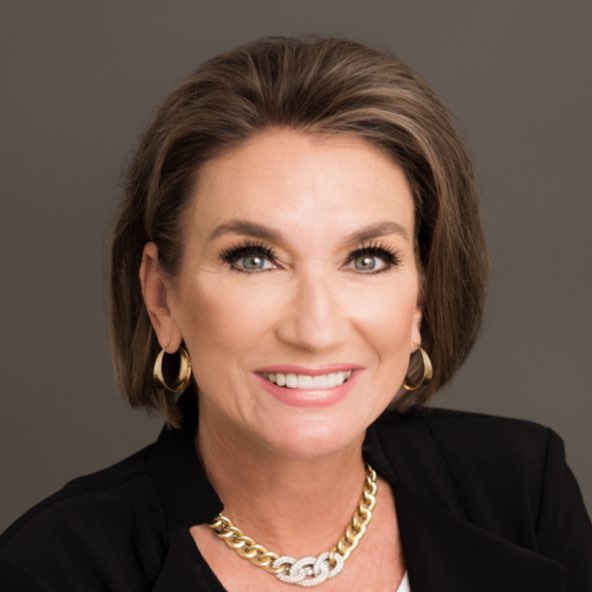
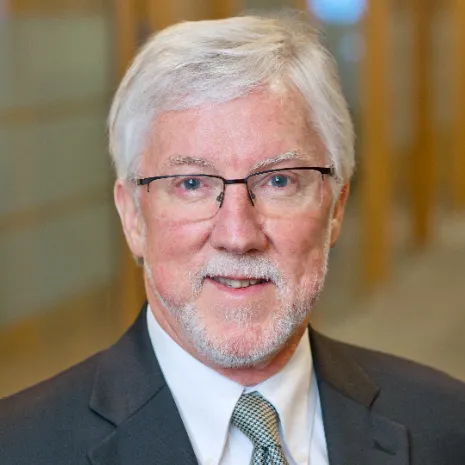
0:04 I'll say good morning, good afternoon, good evening, depending on where in the world you're sending in from today. Very, very international audience going, I believe, from Alaska to Singapore. So thanks, everybody, for joining us for discussion today on mayhem and securities markets and the price of metals. I'm very eager to get started today, so I'm going to keep intros as short as possible. But I am joined today by Brian Lennon of the Gold Newsletter and New Orleans Investment Conference Fame, Rick Van Nuynizen, the CEO of Contango Ore, Bob Archer, CEO of Pinnacle Silver and Gold, Diane Garrett, CEO of Highcroft Mining, and my very own patron, Daniel Berengan, the CEO of 6. I'm going to jump right into first questions today. And Brian, I'm going to start with you, because I remember it was your conference last year, November. There were 3 speakers in a row that were predicting 3,400 gold by April. They were actually very close with it currently at the time of writing my notes sitting at $34.27 U.S.
0:51 This combined with securities markets falling nearly every single day seems like many are seeing bears everywhere they look. So what I'm curious is, do you think we'll see a formal recession this year?
1:01 Yeah, I think We will. I think that's the great fear and now it's transitioned into the great expectation at this point. And I think gold's partly reacting to that. You know, we've seen just an incredible move in gold, and I don't think anyone really knows, other than probably literally a few people in the entire world, knows what's going on. And I think it's, broadly speaking, a combination of things. I think the idea of a recession, the uncertainty around tariffs, the issue with the Fed facing about $7-9 trillion of Treasuries that have to roll over this year with rates going in the opposite direction from which they hoped and planned and strategized.
1:52 I think there's a lot of reasons to buy gold and there are a lot of reasons why people are buying gold. What's interesting about this is that it doesn't appear to be driven by Western speculators or retail investors or really anybody in the West. It seems to be driven from Asian investors, most likely central banks. Most of the price action is during Asian trading hours and it is of such overwhelming force that it beats back the typical bear attacks in the Western markets
2:29 in New York trading. So that points to central banks and I think that's part of the general America name where you see treasuries being sold. Treasury yields rising the dollar falling while gold is going up. So you're 3 traditional safe havens out of those 3, 2 are not working and gold seems to be the only option left for anyone
2:54 looking to preserve their wealth and or be a part of the South America trade. I appreciate that And I did see China putting in vending machines where you can weigh your gold and it just transfers money directly to your account. I thought that was neat. So this week. The other thing that happened is not only is Trump declaring a tariff war with China, but I think he's declaring a gold war with China. He tweeted, I don't know what you do on True Social, but post on True Social that, remember the golden rule, he put the gold rules, and the US has over 8,000 tons of gold, and China's got somewhere between 2 and 4. So that's 1 fourth or 1 1 half. And they're the sixth largest owner of gold in terms of central bank holding. So has the tariff war turned into a gold war?
3:46 Interesting. And then also on China, you know, the Chinese ETFs are really performing very strong right now. So we're seeing a lot of retail in the Chinese market coming into gold quite significantly recently. So if gold wants to double their gold reserves, do they just do what the United States did in the 40s
4:11 and make it illegal to own gold and capture all that privately held gold? There's a move there. There's a move there.
4:21 Bob, I'll get you in here. Do you think recession is incoming? What do you think it means for gold?
4:27 I think Certainly in Canada anyways, I think we're likely to head into recession probably sooner than the US, but I think the US will likely follow as well. And that's just playing off the gold-silver theme a little bit as well. You know, in economic downturns, silver tends to act more like an industrial metal and often follows copper more than gold. And so you've got a couple of themes sort of playing off each other and on the silver market right now,
5:09 it's not acting so much as a monetary metal, the way it often does following gold. And it's more or less, I wouldn't say flatlining, but it's not rising as quickly and because of the uncertainty over recessions and economic downturns. So, you know, I could see silver staying
5:30 or rather underperforming compared to Gold for a little while and perhaps until we get out of this fear of recession and then you can see Silver start to move. And once Silver does move, it can go very quickly and go off in parabolic, but then it will come back quickly as well, but often only about, it will retrace about 50% to where it started the parabolic move and then it'll consolidate for a period of time then do the same thing again. So it tends to trade in a kind of a hockey stick pattern. And I think that's one of the reasons we need a bit of a divergence in gold and silver prices. And the other, just to build on what the other folks are saying,
6:17 central banks don't buy silver. And the, you know, if the price of gold is going up largely because of central bank buying, then silver is getting left behind. And it'll take a while for it to for it to catch up. So that's something to keep in mind as well. No, for sure. And we will get back to silver later. Diane, go for it. I'm sorry. No, I agree with everything you just said, Bob. And another consideration is that, you know, as gold becomes loftier, I mean, you're right because silver has that industrial application and it's known as a monetary metal than that. But as gold becomes loftier in its prices and people get priced out of owning gold, then they can tend to go into silver and at least hold that as some kind of a Quasi safe haven although not to the extent that gold is as well Certainly, I think one of the really interesting things about this market right now is that a lot of the fundamentals and price action is coming from Asia.
7:19 And meanwhile, here in American markets, there's a tremendous amount of firepower on the sidelines. If you recall during the COVID era crisis, money printers printed a tremendous amount of trillions of dollars into existence, and a lot of that money still exists. Similarly, a lot of the funds that raised during COVID still have access to that capital. If you look at portfolios like Warren Buffett's, you can see the amount of cash that's there. Many corporates only have tremendous amounts of cash. And so I think the big question is if there is a recession and right now, betting markets are putting it at about a 56% likelihood of a US recession right now, which is down about 10% from where it was at the start of April. But if there is a US recession,
8:02 where does that capital rotate into? And is it sufficient enough to even create a bull market in the context of that recession? If we see buying, for instance, into gold in American markets, that could be really significant on the price action side, especially for assets like silver, gold, platinum, and so forth. I appreciate that. And there's one comment that just came into the chat from Nira. What's the framework to think about how high the gold price can go? That actually leads really well into my next question, which is, Look, I know the top callers for gold have looked very silly over the last years. You know, as people have been calling the top for a long time now, but I'm asking you guys to look silly for me here today. Bob, I'll start with you. Do we think a temporary top is here for gold?
8:43 What do we think about the trajectory of this run?
8:47 Well, you know, I'm looking at $3,500 as a bit of a psychological barrier here. And we sort of powered through 3,300, 3,400. And this is something that Brian and I have spoken about in the past where whenever you do get a major psychological barrier for gold, it often can take about 3 runs on average before it actually powers through and stays there. So the fact that, you know, overnight it got to like $34.99 and 70 cents. So within 30 cents of that barrier, and then it backed off, and we're sitting here now about $75 back from that.
9:28 We could see that same sort of thing again, where it'll try several times before it actually breaks through and that can take a little while, you know, it can take days, weeks, maybe even a few months. So that's one thing where it might take a little while, so we might get a bit of a temporary
9:46 correction here. Another thing to consider is that, as we head into May here and into the summer, we're getting into a little bit of seasonality, where precious metals tend to dip off during the summer as well. So that's also something to take into consideration. So we might see a little bit of that. So yeah, we could see a little bit of a temporary setback, but over the longer term, I think it'll continue to move higher. Awesome. Rick, I'll throw it to you next. Look silly if you'd like and try to call it Top for Gold. Yeah. So just thinking about what I said earlier about this gold war, tariff war to gold war that's developing with China. Who has the gold?
10:31 The last time that took place in earnest was pre-World War II. Things were gearing up and the world was in a very unstable place. Terror wars were going on. A lot of similarities to that period. And President Roosevelt at the time repriced gold in a very blatant fashion.
10:58 And That's when the US didn't have $36 trillion of debt. It had billions of dollars of debt. It knew it needed to finance the war that was going to cost billions of dollars. Things don't cost billions of dollars today. Things cost trillions of dollars. That's a thousand times. That's 3 more zeros. So,
11:23 do we add 3 zeros to the gold price? I don't think that's crazy. And now it's not going to happen overnight. I think we talked about recession. I think I think we're in a period of stagflation. I think we've had a recession going on for a while. If you take out the government jobs that Biden created. So
11:44 stagflation doesn't fix itself overnight. The Fed can do 1 of 2 things. It can improve employment or it can cut interest rates, but it can't do both at the same time. So this thing plays out over 10 years, just like it did in the 80s. And we don't have stagflation because of an oil. Oil prices have gone up. You know, the oil crisis that occurred in the 70s and 80s.
12:14 We got low oil prices. So we're worried about deflation now. So yeah, we're in a pickle. And this thing plays out over time. And why not have rotation from overvalued tech stocks? Why are they the king of the crop? Maybe it's time for commodities to be the king of the king of the pile. And so things like silver, gold and copper, people rotate into that. And that's certainly consistent with Trump's theme. So, you know, they'll be building in America and it takes it's taking metals to build stuff. So I don't know. That's kind of what I see playing out over the next 10 years.
12:59 Yeah, just to add on to Rick's point, historically, gold has accounted for about 30 percent of global wealth in terms of the value of all of the gold combined against the value of everything else. Right now we're in the single digit percent. And so to your point, I think that right now we're in the anomaly phase where gold historically is worth so little on aggregate. And I think we just start returning back to historical means, which historically have been in that 30 to 50 percent range. You see much more.
13:27 You see much different gold prices than today. And so the 5 figures of price action that you're referencing, Rick, as well within the realm of possibility. Brian, I'll throw it to you. I know you follow and write on the day-to-day gold price more than most people I know. Do you think we're close to a temporary top? Think that psychological barrier is serious? Yeah, I think it is. You know, and Bob did a good job of reciting back some of the rules of the game in what we've seen in previous bull markets. And if you look at, if you apply the rules of technical trading, what we've learned in the past against this, you would have to argue, at least on this move, we're nearer the end than the beginning.
14:09 But, you know, it just seems like the typical rules aren't applying here. You know, when you look at markets getting overextended and overbought, That assumes you're dealing with typical investors who get overenthusiastic and you've run out of new buyers and the enthusiasm wanes and the buyers vacate and the price plummets and you go through those stages of emotions in a typical trading environment. But what we're seeing right now is steady, strong,
14:39 unemotional buying that really does point to central banks, points to Asian central banks, and points to China. And I don't think these are buyers that are going to be exhausted, or this is buying that will be exhausted at any point in time. So it's hard to really gauge this. You know, it really depends on the whim of the Politburo and the People's Bank of China. At this point, there is generally a selling America theme that's broader than China, And that we see in the Treasury yields, and we see that in the dollar index.
15:19 And gold is a part of that trade that I think is broadly global. But a lot of this, I think, points to China. And Rick mentioned, what is China's level of gold holdings? I think it's closer to 5000 tons in literal literally. I think they are buying now hundreds of tons a month
15:44 and secretively And we don't know where that's going to go. If you look at the longer sweep of history, these big gold markets in gold, which I count 3, the early 70s, the late 70s, and the 2000s, they typically gone up off the base between 5.6 and 8.2 times, which would lead us to a $7,000-$8,
16:07 000 gold price at the end of this cycle, whenever that may be. I hope it's 5 years down the road and not 5 months at this rate, but I'm thinking it's more for 5 years. Now if you look at the 70s as 1 monolithic gold market, then you get a gold price that went up over 20x, and that gets you into a new monetary regime of gold as a central part of it, where currencies are the dollars backed by gold, and you're looking at a gold price above 20 to $25,000 an ounce. We don't know. We really don't know. I just know that if you lock gold on all of our urgings over the past few years, you're happy right now and you probably need to own more going into the future. But yeah, I think we're close to the end of this rally, but I don't think we're near the end of this bull market. Again, that's applying the old rules of thumb, which may not apply this time.
17:07 I appreciate that. I think I saw this week gold is a better bet than the S&P 500 and Berkshire Hathaway over the last 25 years. So interesting to see. Diane, I'll throw it to you for any last comments on calling it top before I move on to something from the chat. You know, I think a lot of it, I think it's triggered by a couple of things and Brian mentioned, mentioned it is, you know, there's a lot of the central bank buying clearly that is pushing gold up and keeping it at these levels. And I agree that that's going to continue to happen, that buying. But I also think that there's, you know,
17:41 and how much of a percentage is allocated to the concern over the tariffs. And I do think that the tariffs is something that is going to come to an end and probably not last through the rest of this year because I don't think the administration can afford that. I think there's got to be some resolution on it and parties are at the table and I think the question then becomes When that does happen, whatever that looks like, will it put a bit of a damper on gold buying, not from the Chinese per se, but because people will feel like, okay, well, that thread is gone now, and We'll see what the ultimate tariff structure turns out to be. But I could see it not continuing at the pace that it's continuing, but at a slower pace going up. So I don't know that I feel like it's at the top yet. I think there's still some more room to go.
18:34 And but you know, I can't argue with anything that that Brian has said. And I think that, you know, could we ultimately have a 10x and a 20x as Brian and Rick are talking about? Sure. That's definitely possible. No, appreciate that. Just keep in mind, Mr. I think just to put it out there, you know, that doesn't mean that gold companies are infinitely profitable because that's happening because of inflation. So just. Oh, exactly. Yeah. I mean, we're getting a benefit from higher gold prices and then probably lower oil prices, too. Right now we're seeing. But inflation overall is still catching up with them because cost rising at a similar rate. And that may not slow. There's one interesting question from Tate Sullivan in the chat. It's 2 part. 1, is the price action in gold recently related to what we've seen in foreign currency changes, or is it truly a separate phenomenon? And then a fact-based question I'm just curious if anybody knows, does China buy its gold in US dollars or in other currencies as well? We'll throw it to anybody who's got an answer on that, actually.
19:39 Well, gold is priced in dollars globally, so it really is meaningless. It's just an exchange rate, you know, they'll buy the dollar, buy the gold, you know, and there you go. And whoever ends up with the dollars may go back in their own currency. So I think that's largely irrelevant. I think The relation to the currency moves is because of that selling America thing. I think
20:06 central banks and I think China are buying gold as part of a greater strategy to sell the dollar and sell or simply not buy treasuries. I appreciate that. Go for it. Yeah, look, if you need to take care of $36 trillion of debt,
20:26 you want a cheaper dollar, and that's consistent with Trump's theme of inviting people to invest in America. It's easier to do that when the dollar is low and not when the dollar is high. So I think these themes are starting to come together.
20:44 And again, I think we're not in the stagnation thing is going to be stuck here. We're stuck with this for a while. It's not it's not going away anytime soon. And Rick, I do want to start with start with you on this next one, because I do think in the last several years, We've seen a lot of the speculative money obviously go into tech stocks and cryptocurrency and within crypto from the reasonable like Bitcoin to ones called unicorn fart dust and, you know, all the crazy stuff that made it to a billion dollars in 2 seconds. But I'm curious, when in this poll do you think that money rotates back into commodities?
21:19 I think we're starting to see it. I think you're finally starting to see ETF investments in ETF, gold ETF specifically. We just focus it on gold. And that's sort of the start, I'd say. People don't know what specifically to invest in, but they're investing in a pool of gold related investments. So
21:45 I think we are seeing the start of it. You're seeing the S&P go down. You're seeing the tech stocks come off quite a bit. So I think as what's happening mostly now is the money sitting on the sideline. I think a number of people have mentioned that.
22:03 Warren Buffett sitting on billions of dollars. So that money will come into play. And I guess they're trying to figure out what's gonna happen with tech. Is this just a plateau or are we along for the ride? They've pumped the hell out of AI. And I think we all know, I believe, that AI is fantastic. It's got a lot of military uses. But I don't know that Johnny doesn't do his homework anymore because he's got AI to answer all the teachers' questions is really a good thing for a use of AI.
22:42 So AI is useful for military because if you don't do it, you're screwed. And you got to keep on top of what's real and what's fake. And but that sounds like government stuff to me. And yeah, so I think I think the shine is coming off the tech stocks. I think people are going to recognize that, you know, Facebook is just an advertising
23:06 company and, you know, just should really be worth as much as it's worth. I don't think so. And so I'd love to see the commodities be the beneficiaries. And I think we're starting to see that. I think so too, because they have been the competing asset classes for our sector for quite a while now. AI, you know, technology, And we're starting to see generalists. They're starting to become more engaged, and that's what we need to really, really blow up. And they're starting, there are some that are starting to dip their toe in. So when you have the performance that we've seen in silver, and particularly gold, then
23:50 I think people are rolling out of some of those other asset classes into commodities now. I think there's more of a focus now too on mining in general, more than I think I've ever seen in my career, you know, just from the general public. It's partly because of the whole climate change thing and folks looking at critical minerals and all the things that are required for
24:18 electric vehicles and all the rest of it, whether you believe it or not. We're seeing all these deals now, say with the US and Ukraine, for example, that the minerals deal there, governments being more supportive of mining projects in Canada and the US and elsewhere. And it's bringing mining more to the forefront. And you're seeing that in
24:52 just in the regular media now that you never used to see that. And you know, if there was ever any mention of mining in the in the regular media, it was usually something bad. Some disaster somewhere or how mining's bad for the environment and so on and so on. But that's all starting to shift now and it's becoming more of a positive narrative. And that's something I don't ever recall seeing before. I think ultimately that will be good because I don't think most people
25:32 really understand the mining industry or know how to invest in it. And to Diane's point about the journalists starting to come into this now, and they're looking at it and say, okay, there's all this focus on mining, we need mining, governments are supporting it and so on and so on, but where do we go? How do we invest in it? And so I think it's gonna take a little bit of time, but I think that focus is there and I think it's gonna continue to increase which ultimately will be good for the sector. Yeah, Bob, I think you make a lot of good points.
26:06 And we do have a US government, US administration now that does proactively support mining. I don't remember the last time we really had that. Yeah, exactly. It was, it wasn't even in the Reagan time period, because that was all about oil. But yeah, so definitely seeing that, and you're seeing it on both sides of the aisle. You're seeing Democrats and Republicans finally connect the dots. We all been connecting the dots a long time ago when you talk about climate change and electrifying the transportation and energy grid. It's like, yeah, you need metals for that. Well, it's taken 20 years literally for the media and the politicians to actually connect the dots, but they are finally connecting the dots.
26:56 I'm glad you said that, Rick, because that was the best kept secret that you could go to all this green energy and electric vehicles, but we're not gonna do any more mining, right? So that was the best kept secret that you actually need these metals. And I think that's, you're exactly right. I mean, that's what this administration is doing and is connecting the dots between, they're supporting mining because we have to have it and reducing some of these
27:20 burdensome regulations so that we can have the metals that we can then transition into green energy. So I think people are starting to recognize that. And I think it's part and parcel of that. What we're seeing is kind of a deglobalization effort.
27:38 It's not just selling America, but countries pulling out and looking inward and making sure that they have the resources. And we're in this relatively small mining sector, and we really don't appreciate the kind, the kinds of money and capital that are out there. I mean, we look at Doge finding a billion dollars wasted here and a billion dollars wasted there. If the US government, for example, becomes more nationalistic on developing resources, a billion dollars will not only buy up every junior company in any particular area of play on the globe for copper, gold or any critical metals, but it will develop the damn projects and who cares about the economics? It's just going to get done. So there's a lot of money out there. If it gets focused on bringing these resources to market, it's going to happen. And we're gonna be amazed at how quickly it happens and the kinds of capital that will be deployed in that very intelligently, which for people invested in junior mining sector, we don't necessarily want it to be deployed intelligently.
28:50 We want it to go buy up all of the companies in our individual portfolios, the dogs as well as the good ones.
28:59 And you know, and that, If there's 1 truism, one thing that happens in every cycle, that happens, that money does not get deployed smartly and that rising tide lifts all boats. I think that's what we're going to see now with metals prices, at least the gold price now, it's eventually going to pull Western speculators into the sector and also perhaps national governments.
29:26 Just one other comment on this U.S.-China thing. We in the West didn't connect the dots, but China did. And China did 20 years ago, at least 20 years ago. So there we've got a lot of catching up to do. And I think the Trump administration is the first administration in a long time to recognize that we are actually behind and we need to catch up. So I think all this is good for commodities and specifically for gold. I think one of the drivers over the last 30 years has been investment into bits rather than atoms. And that's why so much money has gone into software companies, in large part because the attraction is that the next marginal unit of product that you sell is essentially at a zero-cost base. What we've seen really in the last 10 years or so has been a movement into hardware-based companies, with companies like Tesla or SpaceX or others, proving out that physical atoms are actually investable.
30:25 With data centers and AI, that becomes even more significant. The thing that fundamentally, in my view, as someone on the technology space and in the mining space that separates these 2 markets is how few dedicated resource funds exist in today's market relative to the number of dedicated funds that exist in the technology space. All that really needs to happen for us to see a bull market in the metals and mining space that is profound, where you're looking at 10x or 20x or 50x type valuations,
30:54 or for dedicated funds in mining to emerge again, to start investing again, to make money again, and for that nascent investment industry to grow the same way that we've seen it grow in the technology industry. And so that's really all that's been missing. And I think that the catalyst we've been waiting for, which is that the thing we get out of the ground needs to be valuable, i.e. The gold price, the silver price, the plating price, whatever it may be, that's finally here and will continue to be here. And so I think that for any investors that are watching, really what you should be paying attention to are the emergence of dedicated resource funds and the amount of capital that's coming with that.
31:34 Appreciate that, Daniel. There's a lot of people in the chat who are dying for us to focus in on silver for a second. So, Bob, I'll throw 1 to you that's from the chat. I've already talked with the silver gold ratio a bit, but Beechurch asks when the Fed does lower rates, he wonders if silver will catch a wave and just jam higher. What do you believe crystal ball gazing wise is the trajectory for silver in the next couple of years? Well, I mean, the silver price is really driven by investment demand. Most of the use is in industrial, but the price itself is driven by investment. And So, as I mentioned earlier, right now we have a bit of a tug of war going because people are being uncertain about the economy since that's holding the silver price back.
32:27 But at some point it is going to want to catch up to gold as more of a monetary metal and as Diane alluded, silver is kind of like the little sister of gold and as gold gets maybe too expensive for the average person, they'll start to turn to silver And so a lot of it's more retail driven and silver is a much smaller market. And that's one of the reasons why when it does go, it goes very, very quickly because people pile into it and
33:03 it just takes off from there. So I don't know that it's necessarily gonna be tied to interest rates. It's difficult to say what the actual catalyst might be to trigger that drive,
33:19 but when it does go, it will go quickly. And so, I think now that we're in this sort of a period of consolidation, this is the time when you want to be buying, you wanna be owning silver and getting ready for that rise because when it does rise it goes very very quickly and That's not the time you want to be chasing it upwards That's that's the time when you want to be figuring out You know where where you exit that particular run and you know if you're lucky enough to catch it at a peak, then that's great.
33:52 And then you wait for it to drop back a little bit and then it'll consolidate again and get ready for the next one. So this is really the time to be buying silver, I think. I appreciate that. Anybody else have notes on silver before we jump on? I know lots of people in the chat wanna talk about silver for a bit. Yeah, I'll just mention that silver is acting more like a base metal in the world today.
34:20 And usually when the price spike that Bob's referring to happens, that's usually a top in the precious metals space. When that ratio of gold to silver, we're at about 100 here now. And when it goes, you know, goes the other direction and gets down into the 50 territory,
34:41 that's usually, that's usually historically has been a top. So it's, you know, is it to bring up points that Brian has made several times, you know, do the old rules apply? I don't know.
34:57 Gold's being used more and more in AI because it's so such a dependable electronic connected connection. If you need things to happen, you know, when you want your airbag deployed in your car, it's a gold connection that makes that happen. Not a copper connection, not aluminum connection, not a silver connection. It's a gold connection. So these metals are definitely becoming more industrial
35:22 Gold is not acting like an industrial metal at all right now Silver still is does it you know, is it does it become poor man's gold? Does poor man have any money to invest in silver? Do they invest in crypto instead? We didn't have those things before. We didn't have the last time in the 80s when the gold price went, or sorry, the silver price went crazy. We didn't have crypto. So I don't know. Is it different now? Don't know. It's definitely is different. Is it different enough to make the old rules not apply? I don't know. I don't know. But it's more complex today. A lot more factors. Yeah, it's hardly the 80s anymore, for sure, in a lot of ways. I do want to briefly scare the crap out of everybody in the audience and talk about worst-case scenarios for the US economy and for the US dollar. I know Rick's already referenced stagflation, a famously impossible quandary from Argentina to the US to try and figure out how to deal with it. There's also the risk of a huge money printing episode in these kind of worst case scenarios. What do we think gold does then? We think it continues its rise. Do we think miners continue to rise or do we think they drop alongside everybody else? I'll throw it to anybody who's got a hot take there.
36:38 Rob, I'll take that. I think what we're seeing right now is not so much a prediction of a worst case scenario as a recognition of where we are. I don't know that I would term a money printing episode as a worst case scenario. I think it's what's going to happen. I think it's what has to happen from purely a mathematical standpoint. We have a tremendous debt load after 45 years of ever easier monetary policies and ever greater debt accumulation. And The Fed in particular right now is in a debt trap and the dollar is the world's global reserve currency, must be printed in a money printing episode as you put it.
37:29 Dramatically It has to be devalued to address those debts, but it's not just a dollar story. It's fiat currencies in general have to be depreciated to handle the debt loads that are existing now around the world. So I think it's going to happen. And that's why I don't think that whatever happens in this particular rally in gold, I don't think it's the end. I think we're looking at gold prices over the longer term. And I hope it's the longer term that are going to be much, much higher than they are today as this monetary regime gets reordered or reset in some way. And I think that's going to involve gold in some form or fashion. Yeah, can you spell QE?
38:16 Which I'm not sure which one we're on, but I mean, the Fed's between a rock and a hard spot. What do they do when they're between a rock and a hard spot? They print money. And possibly quite a bit of money. Daniel, I'll throw it to you for any doom and gloom you've got about the state of the US economy. Yeah, certainly. So one of the things I'm paying quite close attention to is seeing what's happening globally. And I'm a bit surprised to not see so many sovereign debt crises or general currency crises internationally beyond what we currently see. And so I think whereas in the 2008 recession, what we saw was US fell first, other markets fell second, what I'm anticipating largely is the opposite. I think as other markets try to basically get out of this trap and the situation that the US has basically put the world in, I think we're gonna see significant decline there first. And so that's largely what I'm paying attention to.
39:09 Appreciate that. Bob, Diana, you have any additional thoughts? I'll throw it to you guys. Not really. I don't think I have much to add to what folks have already said on that one. Yeah, no, fair enough. I do know there's a lot of stackers in the audience today based on the questions that I received in advance. I'm curious, I know we won't get into the specifics of investment advice on the panel today, obviously. But I'm curious, when gold's on a tear like this, what are the pros and cons to buying physical versus securities versus ETFs? It's a question we get a lot at 6. Anybody who's got an instinctive answer, but Rick, I might throw it to you first, actually. Well, you should invest in gold producing companies. You get the best leverage there, certainly from just a leverage standpoint.
40:00 You buy a gold bar, it's nice to look at. I always found it very funny with gold that you spend so much time and effort digging it out of the ground and refining it and polishing it up so it's nice and shiny and then we stick it back in the ground. It's always struck me as a very interesting business from that perspective. But no, I think we talked about before the rotation, I think the rotation is underway. It goes into ETFs because people don't know what to invest in, but they think they need to be exposed to gold. So I think ETFs fills that role. But ETFs kind of like buying gold, especially the ETFs that are backed by gold.
40:45 The other ones are a promise to deliver gold, but they're not actually delivering gold. So I would be very, if you're an investor in an ETF, I'd be very specific about what kind of ETF you're investing into. But I think the gold producers provide you the best leverage. Appreciate that. Bob, I'll throw it to you there for, what are the pros and cons of each piece? I think it really comes down to an individual investor's risk tolerance, because you're buying bullion, there's really very little risk there. And then you move through ETFs and into securities and you move along that channel and your risk increases somewhat, but then so does, you know, the leverage that Rick's talking about and the reward that goes with that. So it really comes down to an individual's preferences to, you know, what you want to achieve, you know, with an investment.
41:50 And, you know, A lot of people will say that bullion isn't really an investment because it doesn't pay interest or anything, it's more of an insurance. But you can also use bullion as collateral in order to invest in something else. So there are different ways to look at it. But generally speaking, as you move up that chain from bullion to ETFs to securities, It really comes down to an individual's risk tolerance and what you hope to achieve. Yeah, completely agree with Bob's comments. Yeah, I'm more a fan of direct investment and equities versus ETFs. I think that's where you get your, because people require a lot of commitment and a lot of homework and a lot of diligence on the investor's part. But I think that's where you can really gain some of your most significant leverage.
42:42 Yeah, you can be a bit more thoughtless, I guess, with ETFs, You gotta really do your homework with individual securities if you wanna beat the crew. Brian, I'll get you in there. I know you've done a lot of thinking on this. For just talking to investors, what do you think is the right move in a bull market like this? Yeah, I don't think it's either or. I think it's both. You know, There are 2 reasons to buy gold and silver. One is as insurance, and that just means you're taking whatever portion of your wealth that you're putting into bullion and you're insuring it, protecting it against something you know is going to happen. That's going to be the devaluation of your currency, the drop in the purchasing power of your currency. And I think we can all feel pretty confident that that's going to happen to a greater and greater extent over the next few years in virtually any currency out there. So it's insurance, And I tell people to always buy physical metals, get that component of your portfolio set and look at it as insurance and don't look at it as something you want to sell or bet on the price.
43:48 Now that said, there is an investment angle to all of this, and that's when you recognize that the macro picture is arguing for higher metals prices vis-a-vis your currency. And you can invest on that trend, on that theme in a number of ways. The way that we focus on in gold newsletters through the junior mining sector. And the beauty of that sector is that it's extremely inefficient, what Diane just alluded to, that you have to do your homework in that sector. But if you do your homework and you subscribe to the best newsletters out there, go to the conferences, go online to conferences like this and hear about companies and do your homework on them. You can find many instances where the market temporarily leaves behind or creates undervalued companies and you can take advantage of that.
44:45 And there's very few sectors out there that can be as rewarding as this. But it can be risky. You know, the risk comes with the reward, except, I might add, in situations like this, where we already have half of the equation done. We have record high rising gold prices. And we have mining companies that are still near long-term lows. Your risk is mitigated greatly in that kind of an environment. And it's very rarely that we see this kind of a situation. I would venture to say if you combine all of the aspects of the market we're in right now, it is literally unprecedented.
45:31 And you don't get handed opportunities like this by the market on a silver platter like this, rarely, if at all. Well said. Generally, in my view, I can usually think about investment opportunities as 1 of 2 categories. Either you make a little bit of money over time, or you make a lot of money all at once. I think this current market presents you the best of both worlds. And so when you're constructing a portfolio, you want to be segmenting it based on your appetite. And to that end, I think that there's a lot of good options. Appreciate that. I got some individual questions for you guys now real quick. Rick, I'll start with you. I know you talked already about how Trump is the first president in a long time to put an actual positive focus on mining. But it's also true in the micro sense of seems to be the first president in a long time to put a positive focus on Alaska as a state and letting business actually happen in the state.
46:28 I'm curious what that means for you And just if you could go over some of the things Trump's done for Alaska or noted for Alaska so far. Yeah, I mean, certainly Trump's been good for changing the mining sentiment in general, but also, as you say, specific to Alaska. He definitely has a soft spot in his heart for Alaska. I think it was his great grandfather who was part of the Klondike Gold Rush. So, and he just likes the place. It's obviously a red state and the state likes him. So, you know, people, he's put directives out specific to Alaska. I think under the Biden administration, we had something like 80 specific executive orders that were negative on developing business in Alaska. So the first thing Trump did was undo a bunch of those.
47:21 So, yeah, it's been very positive. I think you're seeing, you know, one of the things that's been recently, one of the executive orders to focus on advancing critical metals quickly through the permitting process. So that's something that we're hoping to see come to realization. We have our Johnson track project that is in the permitting process now. So we're hoping to see that move along quickly. I think there's a few other projects in the state that can be at that stage as well. But I think in general, it's a good thing for the country. If we're going to tackle the critical metals issues that we have as a country, which is that we're 20 years behind China in this regard, we need to see refining and not just production because we need to actually produce the metal, not the concentrates that produce the metals, because the Asian market has that captured right now.
48:21 It's Japan, Korea, China, Indonesia, and China. Sorry, India. So we want more metals produced in this country. We need more refining. And I think you're going to see more, more talk about that as the politicians connect the dots. I appreciate that. I think that's really helpful context. Bob, switching topic here. I know you've got a new project in Mexico. I'm curious if you could just share with the investors in the room. How is the Scheinbaum government treating mining? Is it different than the previous government? Yeah, it's much more positive. Mexico went through a difficult period under AMLO for about 6 years. It's no secret that he wasn't really a friend of the mining industry and he's very much a populist president, would sort of pander to his voter base and There was a lot of rhetoric and talk about banning open pit mining and that sort of thing which scared a lot of investors away And and was frustrating for companies already there with permits in process but President Scheinbaum is Much more pragmatic. I would say she's a very smart lady She's surrounded herself with some very smart people in her cabinet, and she's listening. You know, she's listening to what her ministers are saying. She's listening to what industry is saying.
49:46 And, you know, I think all of this business with tariffs and so on and the potential impact on the economies of Mexico as well as Canada and other countries is gonna be a net positive for the mining industry, because mining is something that, you know, unless you're full on in construction mode where you're having to import a lot of machinery and steel and so on, that may be impacted to some degree by tariffs. It's, you know, the investment, particularly in the early stages, exploration and development, is something that's not really affected by tariffs at all. You know, but it does bring in a lot of foreign investment, provides jobs and, you know, and benefits to the overall economy.
50:36 And so now with economies being hit, I think President Scheinbaum's gonna be looking at ways that you can build up the economy and to help offset, you know, where it's being hit elsewhere. And I think it's something like 80% of Mexico's exports go to the US. So there will be a major impact on their economy there with the tariffs, however they play out. And so I think there is a renewed focus on mining. But having said all that, because Amlo was sort of a mentor for her, she does belong to the same party, she can't just come straight out and say, oh no, we're not going to do that anymore and throw out everything that he said and say, well, we're going to go in the opposite direction.
51:32 So, you know, that's that's not that's not going to happen either. But I think, you know, she will take advantage of this current situation to start gradually shifting the government's view and support of of mining in Mexico. And there is no more talk of banning open pits and in fact they're starting to permit projects that have been sitting there waiting for a while. So I think we'll start to see more projects getting permitted over the next little while. But as I said, it's not gonna happen overnight because one of the things that happened through the AMLO period was that he laid off a lot of people within the government agencies that approved these permits and so when a company would make an application it would just sit on somebody's desk for years and nobody would be looking at it.
52:32 And so now that they're starting to look at these permits again, it's sort of having to dust them off and almost start from scratch. And so that's going to take a little bit of time for these things to work through the system. But it is happening and we're hearing a lot of positive feedback. So I think overall, it's a positive time for Mexico and I think it's a great time to be investing there because I think Mexico will come on strong in the next few years. Awesome. Appreciate that. Brian, I'm going to throw it to you next. I know this has been a pretty interesting year. And as an avid follower of you on X, I know that to some degree you think it's a unique period in time. But I am curious, just historically, what time periods or parallels can investors look to for any kind of clues to what happens next?
53:19 Yeah, great question, Romeo. You know, you look at gold and despite the fact that it's been money for, you know, for 5000 years and is the oldest asset on the face of the planet. It is really the young one of the youngest investable assets out there and it's only been really an investment since 1971 there abouts and really in the US 1975. So actually I have seen every cycle in the history of gold as an investable asset. Although I was only a teenager in the 1970s, so I think it's safe to say I was interested in other things at the time. But I've studied the 70s, I've lived through every other cycle that we've been through with gold.
54:09 And you mentioned it in your preface, I think this one is unique. When you look at the spectrum of characteristics for this market, I don't think we've seen anything like this before. I think at some point it's going to fall back into the kind of situation where we can apply the typical rules of the game, as it were. I think we're starting to see, and what's interesting is, despite the tremendous run in gold so far this year, the mining stocks have broadly leveraged that gain. Gold was up about 15-16% in the first quarter, and mining stocks, as measured by the major indices, were up about double that.
54:59 So they have, by and large, leveraged this market. And what we're seeing right now is that funds, hedge funds, investors, institutions that look at the first quarter report card, and either they were in the sector or they were not. And I don't think they can go a second quarter. We're showing that they're not in this sector. So we're starting to see a lot of money come into metals and miners, but they're looking at gold and thinking, well, we missed that move. How can we play this game? How can we play at the sector? And you look at the mining stocks again, still near long-term lows by many valuation methods. And they're looking at that as the way to play it. So they're starting to come into the sector. And it's a very small sector.
55:47 So just a small shift in allocations is and will have a really outsized reaction in the sector. So yeah it's unique, It's starting to play out according to plan in the mining stocks at least. And I think that's why this window of opportunity remains open at least for now for investors who want to get positioned. I appreciate that very much. Daniel, I know you're invested in a lot of mining companies and were when a lot of people were in tech stocks. 2 kind of questions for you. What do you look for in a mining company to make your bets? And also where do you do your research? Certainly. So generally I look for asymmetrical opportunities. I tend to prefer companies at the earliest stage of life cycle and I've been fortunate enough to be involved in 2 of them where they've gone from millions to billions in market cap. And so really the thing I isolate on is the individuals behind it. I found that more than anything it's not about grades or ounces on the ground, it's a business about people. And the very best people will figure out a way to make the company successful.
56:52 Some of my best investments have changed the type of asset that they had, they've changed the jurisdiction, they've changed everything about them except the people And that's how they're able to go and achieve these disproportionate successes. And so that's where I start. And so to evaluate people, what I look at is obviously their history, their backgrounds. But the most important question I ask myself is, would I leave what I'm doing now to work full time for them? And if the answer is yes, that's usually a very good sign that it's an investable opportunity. And that's really been the philosophy I've had that sealed the highest returns for my portfolio. And where do you do your research, Daniel? I love platforms, obviously like 6. I'm a huge fan of CEO.ca, big fan of TradingView, many other platforms. I find that often looking at the company's website, picking up the phone and calling the CEO directly. I think this is one of those undervalued things in this sector which I truly love about it, which is that if you pick up the phone or if you go to an event like 6, you can submit a question and actually get a response. And so a huge part of my process is through those direct conversations.
57:56 Appreciate that. And Diane, I'm going to throw 1 at you. I know You've managed mining companies through different stages of life. I'm really curious, when do bulls like we're seeing now reach explorers and developers? Because I know there is typically a lag. What do you think the trajectory for those companies is from here? Okay, great. I'd also like to say, Daniel, I really appreciated all your comments that you just made there. I think you're spot on. Well, when do they do it? I know how they do it. They do it slowly, unfortunately, by the time they invest in the producers. Because with commodity prices high, I mean, they're going to go to producers because that's where the reality of that higher commodity price is hitting the bottom line in real time. But I completely agree with a couple of comments that were made about, you know, we're in this market now where people sometimes feel like, okay, well, maybe I've missed the gold run. They're going to say the same thing again when it gets to be $3,700 and $4,000 and $4,200.
58:55 But if they're looking now at a way to get in and this big disparity between the physical metal and the equities, that is your opportunity to get in. And we are seeing it, we are starting to see that with the performance of some of these developers. So it takes, there is a lag, you're absolutely right. I think the last time we've seen lags like this, It was somewhere on the order of 9 or 10 months. We can argue that the disparity between the physical mill and the equities has been in existence for a lot longer than 9 months. But with this recent run up in commodity prices, I think we probably still have a few more months to go. I think the producers are consuming those investment dollars. And then it's going to go to the near-term developers that are close to construction. And then the last, of course, is the exploration. But you'll start to see those institutions going down the chain. And to, I guess it was either Rick or Brian's point is that this is a very small industry. And when money comes in, particularly from the generalist, it needs to get deployed and all boats will rise with the twine. So we could see a convergence of explorers and developers also moving up. But I'd also comment that the producers are now also starting to look around.
1:00:17 There was a time when they were looking for just cash flowing assets. Well, those are few and far between. And those that may have been available are not available. I am aware of assets that were put on the market for sale that are now not being put on the market for sale because of these higher commodity environments. So where are you going to go to grow in this commodity environment as a very large senior producer, mid-tier producer, and you're going to have to start picking up the developers and then building that pipeline for your growth. So we're starting to see a lot of activity in that sector too. So whether it's attention from on the M&A side or from the investors, I think we're coming into that environment over the next 6 months. Appreciate that very much. Now I know we are at the end of the hour, but I didn't want to give everybody 15 seconds to pitch something I always like to end with that. I think it's a good way to wrap up So Brian, I'll throw it to you for as shameless a pitch as you're able Okay, I'll try to be as shameless as I can be Gold Newsletter is one of the things I do. It's goldnewsletter.com.
1:01:19 It is the oldest investment advisory in the metals and mining sector. I believe it's the oldest investment advisory or newsletter in the world. So go to goldnewsletter.com to learn about that. The annual New Orleans Investment Conference is the longest running investment event in the world. I think everyone who's on this call will vouch for the value. And if you don't think it's worth every cent you pay to register or attend, we will refund your registration fee. That's how confident we are. Great speakers, the elite of investment intelligence every year. This year it's November 2nd to 5th and you can find out about that at neworlandconference.com. And if you want our free report on the investors guide to gold and silver just go to either one of those websites and click on the link.
1:02:13 Awesome thank you Rick I'll throw it to you for a shameless pitch. Yeah, sure. As we were talking about, if you think you've missed buying a gold bar, you should look at buying gold producers. Contango, CTGO, NYSE, New York Stock Exchange listed company, producing in Alaska. We're on schedule for producing 60,000oz of Gold. We only have 12 million shares outstanding. So if you want as a shareholder leverage to Gold and Gold production and rising Gold prices, I don't think you'll find a better leveraged company on a share basis. We're producing 60,000oz. We have a portfolio of assets that can get us up to 200,000oz of production over the next 5 years.
1:03:00 That's our five-year plan. So check out Contango Ore, CTGO and the NYSE American. Thank you. Bob, I'll throw it to you. Okay, so Pinnacle Silver and Gold is a relatively new company. Just picked up our key project literally 2 months ago. But we're focused on a business model that I deployed successfully with Great Panther Silver over a period of 13 years where we take a past producing asset and bring it back into production very quickly and then try to grow the company out of cash flow rather than dilutive financings and we've literally gone back into the same area of the Sierra Madre trend in Mexico where we're only 13 kilometers away from the first mine that we acquired with Great Panther at Topia.
1:03:51 And so we have a high-grade gold silver asset that was in production in the 1980s, and it's our intent to try and get that back into production within the next 2 years and then build the company from there. So it's earlier stage, but a huge upsides and a lot of leverage there. And so chance to get in basically on the ground floor with a potential producer. Thanks, Bob. Diane, they're already gassing up in the chat and doing a lot of the work for you, but I'll throw it to you to give any information about Highcroft that you'd like. Yeah, and I've been multitasking and communicating with our shareholders on the chat room and shout out to all of our apes. I love you so much and really appreciate all your support.
1:04:41 It's gonna be a very big pivotal year for Highcroft. You know, we're culminating on the technical studies with the economics and we're real excited to get that out. The final bit of work will be completed this summer and then we'll start off with the mine plan. So that'll be some great news to watch and just wanna thank everybody for their support. It was a pleasure being with all of you today. Thank you. And finally, I'll throw it to my patron to pitch the very platform that we're already on. Go for it, Daniel. Pleasure. Thank you, everyone, for attending the event and being on the platform. We've been rolling out a lot of really exciting updates quietly in the background. We have a lot more coming this quarter. In particular, we're transitioning from being primarily about investor events to full wholesome investor communities. This means that now you can go to each of these company pages on SIX.com and continue talking away. We've launched chat forums. We've also put AI chat so you can actually engage with different Cat GPT models and have up-to-date information about these various companies and you can interact with them. We're adding charts and many other features. So stay tuned and if you have any great feedback, please send me an email at daniel.six.com.
1:05:46 Happy to take that feedback and build it into the platform. Everyone, thank you so much. This is a great discussion. I appreciate everyone who's in the room, both speaking and in the chat and folks who are watching on replay. Thank you all for joining us. Everybody, thank you very much. Have a great rest of your day. Thanks everyone. Take care.