Transcript
Automated transcript · Written by software from the replay's audio. It can mishear names and figures; the replay is the record.
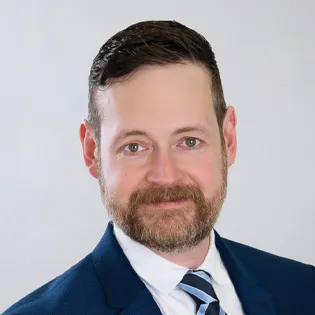
0:04 Okay, as folks are filtering in, they're coming in pretty quick. I'll say good morning, good afternoon, or good evening, depending on where in the world you are signing in from. Thank you so much for joining us for an end of year event. I've got with me today, David Stein, President, CEO, and director at Kuya Silver. David, how are you today?
0:17 I'm good, how are you, Romeo?
0:19 Good, good, well, thank you. And I know this is an end of year event, so I've got some questions, that's how today's gonna work. I'm gonna run through just some, self summarizing the year at Kuya, but also looking forward to what investors have to be excited about next year as well. And this is an interactive event though, so there's a chat button in the bottom right of your screen. I know some of you have sent in questions in advance. Hopefully we'll cover most of that content. But if you do have something that isn't covered, please do ask in that chat button at the bottom right of your screen. We're going to try to get to as much as we can today. You expect about a 30 to 45 minute event. So if that helps you time your questions, please, please feel free to do so. Only other housekeeping is this event is being recorded and will be available for replay. I'm going to say about an hour after it ends. We'll probably pop in live, encourage you to share it. It'll also be on Six's YouTube channel. But enough housekeeping out of me, the boring stuff's over. Let's get into looking back at 2025.
1:07 I know Kuya went from 528 tons mined in all of 2024 to achieving a single day record of 102.5 tons in November, 2025. So looking back retrospectively, what are the kind of key turning points that enabled that dramatic production acceleration that we've been talking about? Great question. Before I answer it, though, I've got some housekeeping for Kuya on the Kuya side. Please do.
1:32 We, you know, I might make forward-looking statements in the process of answering these questions, which I have no idea what they're gonna be. The, but in all seriousness, we have a great website, Kuyasilver.com. From there you can download our corporate presentation. On page 2 you have all of our disclaimers. So I would encourage everybody to look at that. We're not going to look at the presentation today, so go to the website, check it out, and you know all the forward looking stuff and also the technical reports that we have filed. I may refer to those in my answers. And while you're there, you know, you can sign up for our email list, and then we can keep in touch.
2:24 So the answer, so getting back to your question, really just walking through, I think, what a ramp up really looks like for an underground mine. Okay, because I don't think what Kouya experienced is really different from other similar mines out there. You know, in 2024, we had, as you rightly pointed out, relatively little production on the tonnage side. There's a number of reasons for that. Number 1 is that we
3:00 when we started we didn't have we didn't have we didn't have our explosives storage fully ready and so we couldn't buy explosives and so that delayed things we did we did how we did experiment with a novel way to produce without explosives, but it didn't produce very much. And so that means that even that 528 was probably very very very back-end weighted to the last few months of the year and whereas, you know, the the previous months we we produce very little. Also when you're starting especially early on the ramp up there's a lot of start and stop on the mining side where you might go through an area where you can mine a little bit of mineralized material and then you might go weeks where you're doing development with no economic material, just waste essentially.
3:55 And so that also happens. And that happens, that becomes less and less as you as you sort of ramp 2 things are happening 1 is you're you're ramping up production so your daily production is going up number 2 is the development is now largely you know the a lot of the early development is done so while yes you do have to develop into waste forever, as long as you're operating the mine, there's gonna be some of that, but it becomes less and less a part of the overall production. So that's kind of how things move from very little production in 22nd half of 2024 to where we are today. You know, we we you're right. We point it you pointed out that we had 100 over 100 tons per day, single day record that was early November.
4:47 We've matched that a number of times since in November and December, so that's good.
4:53 It's still up and down as I think we would expect at this stage, but we're moving in the right direction to where production is going to become more consistent in Q1 and beyond, and the average daily rate will also be continued to increase. You'll see It has increased in Q4 when we put out our operation update in January,
5:22 but it will continue to increase, I'm very confident, in Q1, Q2, and into the second half of next year. Awesome. No, I really appreciate that because it was just a dramatic acceleration. So I just want to get your perspective on it as we close off the year. But I want to talk about the surface exploration program this year too, because I know you discovered that new Milkocha zone and expanded mineral is mineralized strike length by 41% to approximately 7 kilometers as I understand it. So what does this exploration success mean really for the long-term potential of Bethania?
5:54 Well, just to clarify, the 41% increase is over all the targets, all the veins that we've discovered at surface, not just Miyakocha. So Miyakocha was one of those and it's, you know, probably of the, so we have 6
6:13 past producing mine slash satellite targets that we have in our inventory of exploration projects or targets, prospects, whatever term you want to use. And then we've got the Bethania mine itself, which is also a big exploration target, probably the biggest, but it's also the producing mine. So if you add them all together, you've got 7 different areas where we will be exploring in the coming years. And we expect to be adding resources at probably all of them. Some of them might end up being bigger than others. Bethania still looks like it's probably the biggest system, but you know, but Miyakoch is looking pretty good and some of the other ones are looking pretty good as well. Miyakoch was particularly interesting because first of all, you know, newly discovered this year, pretty intense mineralization in terms of the density of the individual veins that we found at surface.
7:13 So they're quite close together, There's quite a lot of them. You know, it reminds you of Bethania in the early days, you know, in terms of that parallel veins that are stacked together.
7:28 The grades also Miyakocho were particularly high in silver with, you know, several over 2,000 grams per ton. So not to say that we don't like the other targets as well. We do and we will. We are in the process of prioritizing them so that as we move forward into next year, especially mid to second half of next year, we do want to start expanding the exploration, start doing more regional exploration
8:00 while we continue to make Bethania bigger, mostly with underground drilling, which we're starting right now. Great, no, I appreciate that very much. I also wanna talk about the infrastructure upgrades throughout 2025, because you guys got new compressors, generators, 11 and a half kilometers of road maintenance, camp improvements. What does that really mean to the company? How critical are these investments to achieving the production levels that you've got right now?
8:29 They're essential, every single thing in that list. And you know, look, if we were, you know, a bigger company, we'd probably, people probably wouldn't care about that stuff. But, you know, because we're in the ramp-up stage,
8:49 we have tried to be very open and detailed about all the different processes and jobs and things that we need to do to ramp up. And so, you know, all of those things were pretty critical to get us to where we are right now and continue. You know, we're in a really good financial position now. So we're now in the position where we can essentially replace equipment and really start to plan for the longer term. Instead of, I would say in the first 9 months of 2025, everything was almost more like band-aids. And now we can, you know, we have, you know, we have a really strong balance sheet, strong working capital position.
9:42 So we can start to, you know, make those little investments that really set the company up for better success in the future, less downtime,
9:54 fewer problems related to old equipment, used equipment, whatever, maintenance. So we're in the process of making improvements on all these, all those fronts right now. And I think it's really going to pay off in 2026 and beyond. Awesome. Yeah. And speaking of, I actually wanted to get into the details of your financial position because Like production, that's another pretty dramatic transformation this year, from working capital deficit in the last year to 6.6 million cash, 6.3 million positive working capital by Q3.
10:26 You just touched on it, but just put it simply for the folks in the room, how significant is this turnaround in enabling operational progress? I mean, is this gonna make the next year that much easier? Yeah, well, first of all, we have in Q4 had a few, not major, not huge, but kind of extraordinary expenses as we've as we've been starting up some of those special projects that we we mentioned earlier including you know including drilling
11:01 etc so even with that I I believe we're gonna end the year with an even bigger cash position. And that's because
11:13 we've somewhere in the neighborhood of 12 million warrants exercised between the end of Q3 and now and there could be another few million between now and the end of December. So those have kicked in and have essentially more than offset
11:43 the negative cash flow that we would have seen and we would have expected in Q4 just based on some of the extra projects we're doing. And the fact we're still ramping up the mine, it's not quite break-even yet. So we would have been expected to lose money and actually have less cash, but I'm telling you it's going to be the opposite. We're going to have more cash because of these warrants. So that's great. That's really, you know, really puts us in a strong position again going into 2026.
12:16 And yeah, look, I think I've alluded to it before, but, you know, like we've certainly been a participant, good and bad in the market conditions that we've seen for the precious metals over the last few years. You know, and I mean, at our lowest, we probably had a market cap of like less than 20 million. And today, it's over 100. And,
12:47 you know, and so we just couldn't, you know, there were times, you know, and I'm going back to like 2022, 2023 here, where we just couldn't do much, not because we needed permits or any kind of weird, you know, risks, risk factors, but just because of market conditions, you know, we weren't in a position to go out and double our shares outstanding by, you know, raising 15 or 20 million dollars. So we had to do things more kind of incrementally. It was a little bit slow and painful, but we got it done this year. We were able to really sort of cap that off with a bigger financing in the summer.
13:33 And then that plus, lowering, reducing our burn rate as we're getting more and more revenue from the mine, plus the warrants, that all equals, you know, financial strength going into 2026. Awesome. One interesting thing I wanted to ask is, I know Met Recovery improves steadily through 2025, with recovery reaching 91.6 and even 94.2
13:55 processing that I saw. Which of those improvements?
14:01 Well, first of all, I'm going to say that they will probably Q4 are going to be lower because we have been producing some oxidized. We have been processing some oxidized material,
14:15 which you just you always get lower recoveries on that when you float when you do float. But again, it's it's we you know, we talked about this in our last press release, but we decided that, you know, we can make money on it. The silver price is high enough. And and so it's a good thing to do. But when we look at our sort of our fresh material from underground, you're right, we have been improving the recoveries quarter over quarter on those. And especially, you know, Q2 over Q3, I would say, you know, it's just, it's learning, you know, the ins and outs of the plant that we're using, the Camilla plant.
15:01 Also, we figured out that there's sort of an optimal grade to deliver, at least the way the plant's set up currently. Because remember, the plant's not set up exclusively for Kuya's ore material.
15:17 And they do have other clients, and other clients with a range of metals, lead, zinc, even copper. So and of course, gold and silver. So so we're kind of using more of a generic plant And and and so we've we've kind of figure out how to what kind of mix of grades to deliver to maximize the silver recovery, which is the most important thing to us. You know, we do get more than 80% of our revenue from silver and probably even pushing higher than that, given the silver prices. So, you know, we're probably one of the most not probably we are one of the most silvery silver companies out there. You know, if you are really bullish on silver and you like the silver market, you know We give investors a lot more silver exposure than the vast majority of our peers You know just because someone has silver in their company name does not mean they produce a lot of silver
16:16 So just you know, just be aware of that for the investors out there. But no, we're maximizing and we're optimizing for silver recovery.
16:29 And we feel going into next year again that we can continue to improve on that. Awesome. And let's jump out, actually, while we're on this topic and talk about silvery silver, because I do want to get into the macro for a second. As a major, older physical silver myself, It excites me. I was talking to Keith Neumeyer this week. He was giving a really aggressive price targets. I'd love to know 1 your position on the macro for silver where you think it'll go from here if you don't mind crystal ball gazing. But also with a silver price that's seemingly sustainably so high. Does that change Coups development as well as finance speedier development? What does What does it change? So on the macro and then how it affects Kuya. Is that reindeer behind you made of silver? I wish. I would be stealing it from this Airbnb if it was. Airbnb if it was. Okay.
17:20 So, you know, I'm a big believer of the relationship between gold and silver and watching that closely
17:34 because, you know, in the analysis that I've done myself, going back many decades, basically to the early 70s, when the gold price was allowed to trade freely. There's been a very, very strong correlation between gold and silver. The ratio just changes, but they tend to go up at the same time and down at the same time. Broadly speaking again, when you look at it over decades, we're clearly, you know, in a precious metals bull market gold had a had a lot much longer time as the leader
18:10 than most of the other cycles that we've seen over the last 40 years Now that probably means that this cycle is going to be longer. You know, so, you know, there there there, for example, there there are times where, let's say, gold would lead for a year, then silver would lead for, you know, maybe 8 or 9 months and then boom the rally is done right this one gold you know broke out to all-time highs the first the first time around to into 2020 after covid And then it kind of consolidated for a few years and then it went up again and you know, silver underperformed,
18:57 you know, during those post covid years And then now only recently it started to outperform gold. Just I would say in the last few months. So what we do know is that if if if precious metals go up, they they both go up. OK, so silver is not going to go to $80 if gold's not going going out. I mean it might but You know chances are gold and silver are both gonna go up. So what's gold gonna do? It's gonna probably You know head towards $5,000, which is not percentage wise that much. We're not we're not far from there already on percentage terms. And that's the way you have to think about it. And then if gold goes to 5000 what would be your sort of target for silver.
19:45 You know I would say it should be at least, you know, you should we should be heading towards at least 50 to 1 and probably less than that in a in a peak scenario. So because that's we've, you know, we've we've peaked at 30 and 20, you know, every time before that. So 50 is kind of conservative and at 50 you'd be 100 dollar silver. So, you know, so my price target would be, you know, in the like next next year or so would be gold 5000 silver 100 you know something like that.
20:23 But you know I let's see what happens with the macro you know US lowering interest rates. That's that's the big shoe that hasn't dropped yet is lower US dollar. You know, when I go back to the last big precious metals bull market and earlier in my career, which was from 2001 to 2011, so 10 year bull market, the US dollar started to really weaken against, you know, against the Canadian dollar and a lot of the resource currencies like Brazilian real, Australian dollar, etc. We haven't really seen that yet, you know, so I think that's still going to happen And that will that will be happening, you know, as gold heads to 5000 and silver heads towards 100. Awesome.
21:09 And so how does I appreciate your willingness to crystal ballgaze here with me. But how does that new environment for Silver after this run affect KUYA? Does this help you fund speedier development from here? What does it allow KUYA to do? Yeah, look, I think it allows us to make business decisions with a lot more confidence, which will lead to things going faster. And yeah, and so I think that's it's really it's obviously very good. I mean, and the fact that we're a producer You know is it makes a massive difference because you know, you could have the biggest hundreds of millions of silver resource ounces in the world, but you never know when you're gonna get those permits, right and You know the bigger the project the more controversial they tend to be and etc. Etc.
22:06 So. You know, you might be waiting for silver to go to 100 and then back down to 50 and you still won't have your permits. Whereas we will be producing silver the entire time and making money, making more money as the silver price goes up. And so and you know that I think, you know, not I expect that will get reflected in our share price at some point. So it's very, very good for us. Look, there's inflation in the world and our costs may creep up from versus where we had forecast them to be in the PDA, which was now, you know, more than 3 years ago. But the silver price has gone up by, in our PEA we priced it at 25, it's like 65 now, so it's gone up by $40.
23:09 So that's kind of the leverage that Eric Sprott talks about, right?
23:15 That's what we have. Awesome. I appreciate that very much. Now, I want to jump into one thing. I know the $3 million modernization program you guys are undergoing to transition from rail to trackless haulage, you announced it in September. What's the timeline to completion there and how does this enable that ramp to 350 tons per day that we're looking for in 26? Well, first of all, I always like to mention when we talk about the new ramp project that based on our design, our mind design that we did in the PEA, we don't need this ramp. However,
23:55 in the intervening years between 2022 and 2025, I think our technical team, our operations team in Peru have done a great job in designing and planning this project. And it looks like it's going to be a big game changer for us. It's going to make the ramp up easier, faster, but less risky is probably the biggest thing. So, and you know, it gives a lot more ventilation underground, which means, you know, we don't have to do as many little small ventilation projects and stuff because we've got this, we're gonna have this very big opening that's gonna, you know, have fresh air going into the mine all the time.
24:44 So that's, so it solves a number of potential bottlenecks that, again, if everything went right, we didn't need. But we this this makes a lot of sense. It's not a big cost for us. You know, we've estimated the cost at about 1000001 half, basically to get down to the level where we'll be mining towards the end of next year. And then, you know, probably another million or so dollars per year to keep deepening in it because we'll keep spiraling down so that we can keep accessing lower and lower levels obviously as we drill and confirm that the veins continue at depth So that's
25:33 the other the other thing I want to mention on the ramp project is that it actually allows for production more than 350 tons per day. Significantly more than 350 per day perhaps as much as 750 tons per day. Obviously we don't have the resources to justify that yet but we are you know, we are drilling and the plan is to get those resources in the on the on the books and
25:59 That way when we're when we're ready You know, we can make Bethania, you know a major producer within the Bethania district that we control, but we can push that production up quite, we should be able to push that production up quite a bit. Awesome, And speaking of a drilling program, I know you're commencing a 5,000 meter drill program at Santa Elena. Just folks in the room might not be aware, what are the objectives for this program and how could results impact 2026 planning?
26:31 So first of all, you know, the 5,000 meters that we mentioned and we've, you know, we've sort of approved and we're just starting now is just the beginning. You know, I think we, you know, investors should expect us just to keep drilling.
26:49 And maybe we'll end up doing more than 5,000 meters per, but we're gonna do something every quarter going forward, starting in Q1, we'll start getting results from this program and that'll just continue over the rest of the year. So in addition to our sort of our regular production results that we kind of have been doing twice a quarter. So we do it, you know, 15 days or 2 weeks after the quarter end operational update. And then we do another one that comes out with our financials about a month or so later
27:22 then we're also gonna have draw results on top of that so you know which is which is similar to some of our much much larger peers that are able to basically keep drilling all the time. And it seems to add quite a bit of value to the overall story because the market knows that you're continuing to add to and increase your resources as you mine them. In terms of what this specific program is, we're basically drilling a strip of holes about 50 meters underneath our lowest mine level. That is going to do a few things. Number 1 is it allows us to because now we're getting more more data in that strip in that slab essentially it should allow us to Convert some inferred into indicated it should allow us to add inferred essentially below where we don't have any modeled resources at the moment.
28:21 And then it also allows the mine planners to start incorporating that and possibly, you know, it may possibly affect, you know, which stopes we mine when, etc. Especially in the second half of next year, you know, obviously things are planned probably for the next few months. They're not likely to change because of this. But, you know, things can change and they can change. You know, we can they can be modified pretty quickly in an underground mine scenario like we have. So yeah, it's going to be extremely valuable. I think
28:54 bigger picture, you know, let's face it, we haven't drilled in years at Bethania and we've been kind of stuck with the same resource and same story, exploration story. So I really think this is going to shock the market awake in terms of realizing that we do have these vertical dipping veins that go who knows how deep
29:18 and if we can just incrementally keep proving that they're deeper and adding the resources you know that correspond to each slab of 50 or 100 meters you know we should have some pretty meaningful additions to a resource at some point, you know, perhaps, you know, towards the end of next year. Awesome. I appreciate that. I want to question from the chat. What's the approximate break even point in tons per day given let's say today's silver price or so present mid 60s it's it's it's somewhere between 100 and hundred and 50 tons per day you know so
29:58 live you know it's not that simple there's some you know things depending on you know on the on the the fixed costs that that might change here and there, but it's about that. We're getting close to that, and
30:15 we should hit that in Q1. Awesome. And speaking of, you know, now we talked to the infrastructures in place, you're already a consistent, call it 90 tons per day production achieved with some of those breakout days. What's the roadmap from here to that phase 1 target of 350 tons per day next year?
30:35 You know, I think we should have somewhat of a smooth ramp up in 2026. You know, obviously, the ramp project will, you know, will improve things and that will be a little bit more back and weighted. We have to get the ramp sort of deep enough so that we can actually start using it. And so the first maybe 6 months, it's just going to be development into waste. We're not going to, you know, there's not going to be much to do other than just keep working on it. But then it will come to a point where it's deep enough we can start using it for essentially to access the veins. And then, and then, you know, we'll start using it for production, as well as we'll continue to deepen it. So, I mean, I think that's probably the best guidance we can give.
31:30 One thing we've been addressing in q4 here has been the you know the staffing which you know in q3 I would say we addressed a lot of the equipment and development issues
31:47 that were you know causing you know bottlenecks and in you know in the case of the compressor is actually downtime full downtime at the mine but then So we addressed those and we fixed those problems. Then the bottleneck was people, because
32:06 you need a certain amount of miners and staff and all the other supporting staff to produce 100 and eventually 350 tons per day. And it has been more competitive in Peru. The gold and silver price is up for not just us, it's up for everybody. So there's more competition for the skilled labor, which Peru has a lot of, but they also have a lot of mines. So you just have to deal with that. We've made a lot of progress in the last few weeks. I think we've increased our headcount at the mine by 25 percent in the last 3 weeks or so since late November.
32:53 So we've we've had a big jump recently. And again you know carry that momentum into 2026.
33:00 Great. Now beyond the current ramp up that we've talked about a bunch today, I know you and I, and obviously you have elsewhere, discussed the longer term vision referred to as the 100-100 plan. I'd love to know if you could outline just for folks in the audience who might not know what the plan represents, but then how Bethania fits in, what execution of the strategy could mean for Korea over the next several years?
33:22 Yeah, so it's meant to be kind of a longer term vision for specifically the Bethania project. And, you know, it might be a way that we look at other new projects in the future. But, you know, it's the way we're looking at Bethania, which is, and the whole project, not just the mine, but the whole district. And so the 100-100 plan stands for 100 million ounces of silver resources and 100 million year of free cash flow and those are minimums and their targets obviously we're a long way from both at the moment but but we do have you know we don't need to acquire anything. We have the assets, we have the targets, the projects, we have the mine. So we've got most of what we need already.
34:13 You know, the only thing We do, so first of all, just on the ongoing stuff, we need to keep drilling, adding to our resources. We know they're there. We've got a lot we can do just with the Bethania mine itself. And then we also will methodically go to those 6 other You know past producing silver mines and drill those off because we know they're they're all very Surfacial hardly anything was mine, but we know the veins are there We've mapped them sampled them done all modern exploration there and we're very confident that all of them are going to end up giving us something in the way of resources and potentially mines as well. And by the way, there could be other mines on our huge land package. We now have, you know, 4,500 hectares, actually more than that. I think we're still adding to it.
35:10 And our resources cover only 15 hectares of that, 1 5. And of course, it's still open at depth. So we could double our resources or more without even going beyond that current 15 hectares that we're on right now, that we're mining. And then we've got 100 times that, essentially, for 4,500. So, sorry, 300 times that. So we've got a lot of area, and there definitely could be other silver deposits on our properties, and maybe even other metals too. Those ones we might have to do more, you know, high-tech stuff, geophysics, fencing, AI kind of stuff.
35:58 We'll get there in the future, not a priority right now, but just, you know, we have all those targets to drill and we are going to start, you know, I'm very confident we'll be able to start moving some of those forward in 2026. I forgot where I was going with that. I might have digressed too much. Perfect, because I've got the perfect question to wrap us up with then, which is looking forward to 2026. I know there are folks in the room, there are a lot of people new to the Kuya story. What are the 2, 3 most critical milestones investors should watch for. And what is what is being successful next year mean for Korea as a silver producer? I remember now we're talking about the 100 100 plan. And so Anyway, there's obviously a lot to do with the drilling and we do so far have a really, really amazing discovery rate, which is 20 cents per ounce is our historical discovery cost.
37:03 And so if we can continue to do that and you know spend 5 to 7 million on exploration every year, we'll hit that hundred million by in 3 years. Years. Okay. Obviously there's no guarantees in life. Okay. This is just past past success. And if you extrapolate that. But that's what we'd be looking at doing. And you know who knows what these silver prices and you know the money that we should be making at the mine, especially later this later in 2026, maybe we can do it even faster than that now. And then on the EBITDA cash flow side, we just need you know, we just need to keep growing production, You know, get to 350 and then go something higher than that.
37:50 The main things now to answer your question about, you know, what should we look for in 2026? Look, I think 1 is incremental production increases every single quarter as we get towards as we get towards, you know, 350 tons per day. I don't need to make cash flow a separate thing because they're really the same thing. You know, if we get the tons, we're gonna get the cash flow. So that's one thing and that's probably the biggest thing because, you know, a company that makes money and the miner that makes money versus the one that isn't, they get valued very, very differently.
38:36 You know, companies that are our peers, that, you know, they basically have very similar projects to Bethania, they started making a little bit of money and boom, their market caps went from 100 to 1 billion, right? And I'm not exaggerating. And, you know, so that is obviously that's gotta be a big, big focus for us. Number 2 is exploration. We, at the same time that we're ramping up production. We want to demonstrate that Bethania is getting bigger There's a lot more there. We've been arm-waving for years about how big it's gonna be now We're gonna prove it Now we start proving it in again Q1 first results we should have and we should just keep giving you results every quarter forever.
39:28 And then third thing is going to be on the processing side. We've had some, have quite a lot of positive movement on a plant and so that we can move away from toll milling and into owner-operated processing, which would just again de-risk that aspect of our operations and allow us to make more margin. So those are all 3 things which we should be able to deliver to you, I would say early in 2026.
40:15 Awesome. Here's what I'll leave with, because I know we said we make this a 30-40 minute event. People who talked to you at the end of last year at this exact same time, I've had a good year, obviously investing in Kuya. What would you say to folks just looking at the story right now or folks who have been long-term Kuya investors, just to close us out for today as we end the year. Yeah, that's a great one. And, you know, like sitting at 70 cents Canadian or, you know, 55 cents U.S. It doesn't seem like it's too bad, obviously, given where we were a year ago. That's a pretty nice return. However, I'd say, you know, a lot of that has to be just attributed just to the uplift in the silver space in general and not necessarily, you know, not necessarily what's been happening with with Kuya I think You know, although there's a lot of positive stuff to talk about I Still think we are you know, we're not really valued like a producer yet. And when we do, you know, the valuation jumps from, you know, kind of around 100 million where it is today, talking about Canadian dollars right now, to maybe a few hundred million. And then again, pushing, you know, then you start pushing 1 billion when you start to get, you know, when you start to think about the growth potential and the 100-100 plan. Right.
41:44 So and I think we can do that, you know, without issuing, you know, any more shares. Obviously, we have warrants outstanding and those will probably get exercised, etc. And there might be some stuff here and there, small things here and there, it happens, options, whatever. But we're now in the phase where we're sort of towards the tail end of having to do big equity issuances and diluting shareholders. Know, if you can take that, you know, several hundred million and say you divide it by 200 million shares, if all of our warrants get exercised over the next 3 years, then you're looking at something that is significantly more than 70 cents today.
42:41 It's probably into the 2, 3 dollars and again, heading even higher than that if you know if and when we execute on the 100-100 plan. So that is so I so I still think there's a lot of upside. I think we haven't seen the re-rate on Kuya yet, which is still if you buy the stock today, even paying 70 cents a share, you still get that re-rate when we start producing cashflow in 2026. And then if the silver price goes up, bonus, right? But we don't need it, which is great. Awesome. Yeah. Hey, good news. Well, David, thank you so much for running through the last year with me and looking forward to next year. I know there are more than 100 people in the room and I appreciate all of your time today as we get towards the holidays. If you think of the perfect question to ask right after the event ends as I sometimes do. Please do still send it in. I'll make sure it gets to the Kuya team and they can get back to you. But David, thanks so much and I hope You