Transcript
Automated transcript · Written by software from the replay's audio. It can mishear names and figures; the replay is the record.
0:08 Good afternoon, good morning, or good evening, depending on where in the world you're signing in from tonight. And thanks for joining us for the webinar, Can You Communicate Too Much? If you're not bored of us by the end of the hour, I guess you'll have a hint towards that answer. I'll get some quick housekeeping before we get started. Today's event will be recorded and the replay will be available tonight. You'll get it in your email inbox. But you can also interact with the panelists during the event. The chat button on the bottom right of your screen. If you click on it, you can pose questions that we'll try to tackle after the discussion. That being said, if you have company specific questions,
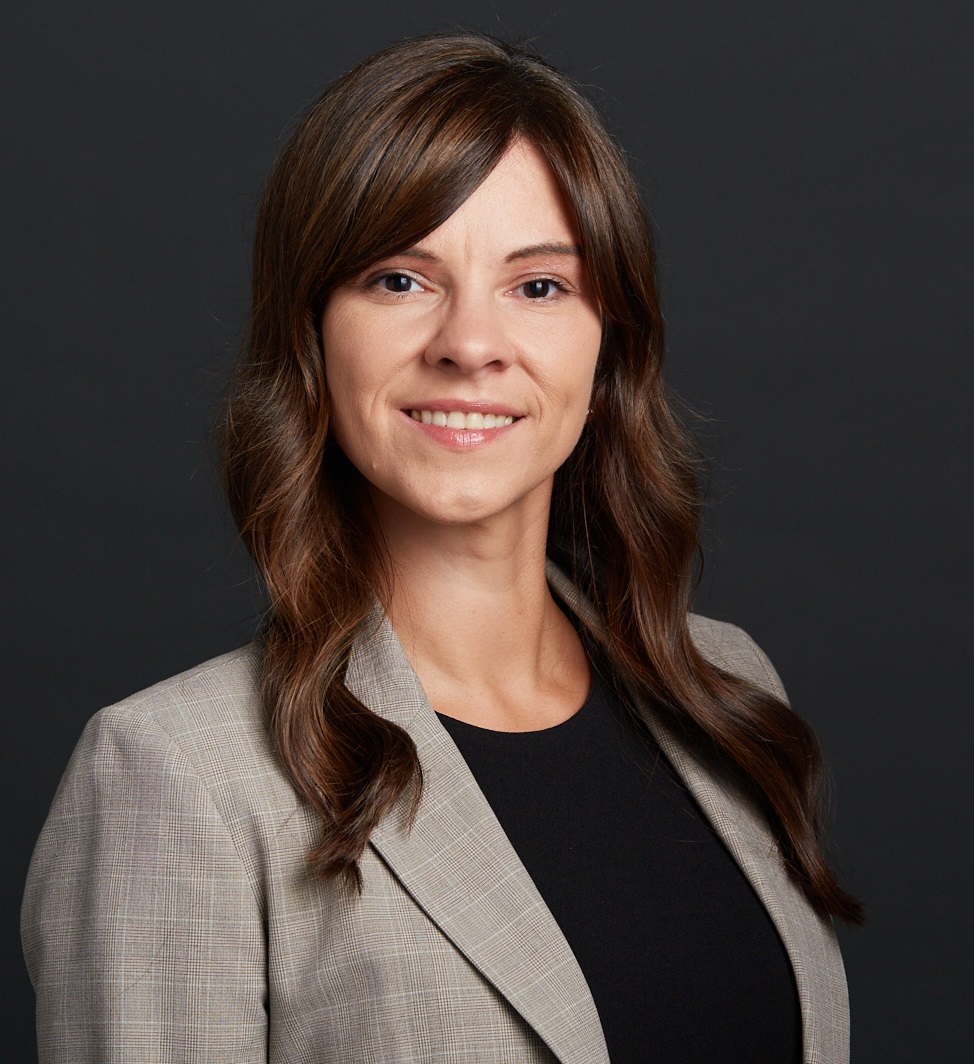
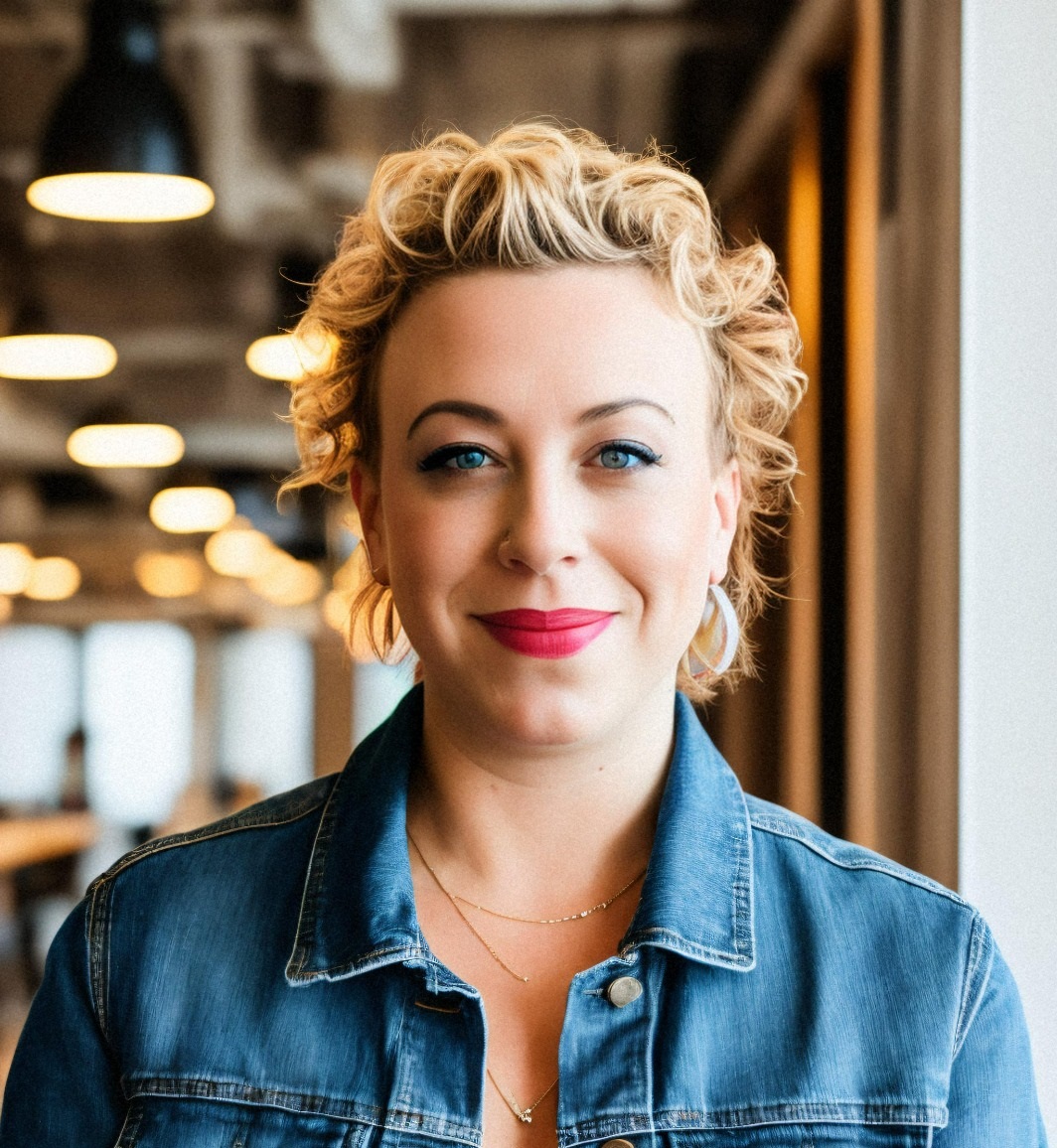
0:39 the pin message in the chat has everyone's email contact info. So please do reach out to them and they'll get back to you as soon as possible. But I'm not who you're here to hear from, so I'm gonna throw it to the speakers to introduce themselves before we get started. I'll throw it to Terri-Ann first. Great, I'm Terri-Ann Willike, VP of Communications for Barksdale Resources.
1:00 And we have assets in Arizona and northern Mexico. And our flagship is the Sunny Side project adjacent to South32's Taylor Hermosa. Thanks, I'll throw it to Mal. Mal Katbowska, I'm the VP of Corporate Development and IR for Nucor Gold and we are advancing the Enchi Gold project in Ghana. It's a development stage project with economics showcasing the potential for an open pit heat bleach mine.
1:31 Thanks Mal, I'll throw it to Vanessa. Hi I'm Vanessa Pickering and I manage investor relations for Orzone Gold Corporation. We are operating the Bombori Oxide Gold Mine in Burkina Faso And we've just put out a study that will see us build a hard rock expansion plant.
1:52 And finally, Bianca. Awesome. My name is Bianca Pachola. I'm the chief revenue officer and a co-founder of 6, which is the platform we're on today. I also have the unique pleasure of being able to work with these lovely ladies and we connect investors and issuers together using software tools like the one you're on today. All right, awesome, Let's get started. So it's a common refrain that we hear from retail investors. They feel like they're in the dark about mining companies. This is especially true of explorers, where I hear it the most often, but you certainly do hear it across the board. So my first question to you guys is, how do you make sure that your audience, particularly shareholders, but also your prospective investors, are kept up to date between press releases?
2:38 And do you think what you're doing is enough? I'll shoot it through to Vanessa first. I think that at different stages, so you were talking about exploration and mining, it's a bit different, you are sometimes, what you can say is very limited. So
3:02 If you can keep your investors aware through social media, that's great. If you can find content from the project, that's great. But that's one way of in between news releases of really keeping your audience engaged?
3:20 I'll jump in. Another forum, too, is the podcasts and interviews that we all participate in or our CEOs do. It's a good way of elaborating on a news release, but then also in quieter periods, reminding those audiences and providing some insight into a management team or the project between news release and news flow.
3:41 I'll echo that, Mal. I think we're really fortunate to have these forums, at 6 in particular, that gives investors the opportunity to get to know the individuals behind the companies themselves. And then I think also educating people in the sector that we're working in, whether it be gold or copper or base metals, precious metals, or the whole electrification movement, it's not only what we're taking out of the ground or intend to take out of the ground, but it's like, What is the sector in general doing? And is that gonna affect, you know, economics moving forward? So really kind of touching on everything, educating them across the board about who we are, who, what the project is about, but also the sector too is, it tends to be helpful.
4:33 And I think too, given this platform, Bianca, you're probably well positioned to speak to it, but with digital media, especially COVID and onwards, it has provided a real ability to communicate with investors that didn't exist to the same extent before?
4:49 Yeah, no, definitely. And I liked what you said earlier about reminding people because I think that's often a misunderstood part of the investor relations process. Obviously, being able to work with our professionals as often as we get to do. I think that sometimes there's a tendency to want to come to the market with big catalyst news and then go back again, then come back out again. And I've heard the sentiment that it feels
5:20 like a lot to communicate in between press releases. But I think for some of the folks I've spoken to the past, it just feels like a lot because you're in the unique position where you see 100% of the content that your company puts out, whereas every investor that's following you, even if they're following you across every single platform, social, email, what have you, they're only seeing a fraction of it.
5:42 And we know that's true because I'm sure some of the calls that you folks get could be easily answered in the first few sentences of the latest press release, but people miss it. They have a lot going on. You know, an email can get buried. And so I think that having these tools to keep up with people, to remind them, to reinforce messaging is just as important as coming out with these big catalyst announcements.
6:07 Yeah, that really, I think, is the flip side of wanting to keep people updated is there's a feeling of course, wanting to avoid spamming your community. Often I'll throw a bunch of ideas at a client and they'll worry that it's spamming their audience a bit too much. So I'll go with sort of a facile question here, so take it where you'd like. But as a general rule, how much do you think is too much for investor communications? Have you ever had an investor kind of annoyed at how much you're communicating? I'll start this one with Terri-Ann.
6:36 Terri-Ann DeParle Well, if you have the pleasure to know a really incredible woman called Laura Stein in our business, Some might say, I mean, I've had the pleasure to really get to know her and she's a force to reckon with in this business and she's raised more money and awareness for junior mining companies that I know of.
7:01 Some people might say she over communicates. If you have the luxury of being on one of her lists, you get a lot of content. And I've gotten so many investor ideas from the content that she does send. And it's every day, multiple times a day, but it tends to be well-received.
7:24 So I think there's a balance. I know as the representative of Barksdale, I don't put out that much content, but I do, I'm not annoyed by it. So I take lessons from the greats in the business and she certainly is 1.
7:45 Yeah, I'd kind of say that for Orzone as well. I think that it is certainly since becoming a producer, the level of engagement through press releases has certainly diminished, but I still have a presence on social media, et cetera, but it's changed what we can put out and what we can talk about during production, during quarterlies. And that's been a learning experience for me too. And the candid nature I had when we were in construction or development has definitely I've had to temper, you know, what I say in my voice, to communicate and to keep people engaged. It's been really eye opening for me.
8:40 I think to Terri-Ann's point too, you know, there are individuals that can over communicate in a good way because they've got the quality content and the ability to do so. But it really comes down to, you know, stage of company you're at. Vanessa, as you mentioned, right? As an explorer developer, we might not have as much to share on a regular basis, you know, and then potentially as a someone who is providing, you know, investors with ideas, they might have a lot more to share. So it comes down to, you know, different aspects requiring different levels of communication,
9:14 but also quality. Because I think if you all of a sudden were emailing somebody every single day, but it's all garbage to a certain extent, that's gonna end up in the spam filter and no one is even gonna look at it. So I'm a believer in quality over quantity, But I think it's definitely, there is no 1 specific answer. And, you know, every single investor is going to operate a bit differently as well in terms of they want to be engaged with once a week. Some want to be engaged with once a month, once every 3 months. So it's tailoring to your audience to a certain extent as well.
9:49 And also back to that education part that Terri-Ann was talking about earlier is
9:54 there are blackouts. And what's the first rule of a blackout? You can't talk about a blackout, right? And those happen and, you know, it doesn't, there's a lot of time, it just it doesn't end up in forward facing news of any sort, but there's times when you can't. If you're in a prospectus offering, you can't communicate. I've had to drop out of conferences during those that you had already signed up for. If you're a seasonal project, there's going to be dead time. And the last thing you want to do is, as Mal was saying, is to over communicate just little things. You know, when I worked with 6, what I really liked was the roundup, you know, and I could say, and I would do it quarterly, usually.
10:42 Maxim is probably laughing off screen. He's like, it's like pulling teeth to get you to do those. But I really liked the roundup of the videos, the news releases, the events, what was coming up. And then there, there you go. There's the snapshot.
11:00 And it's just refreshing what's already there. And just to touch on that a bit, like, sorry, sorry, Bianca. We have to recognize there are so many thousands of companies on on the exchanges, right? There's a lot of competition for eyeballs out there. So staying relevant on all of the platforms is important, whether it's newsworthy or just content about the sector in general, but keeping your brand front and center, I think is very important. And I, we should really recognize that there there's,
11:42 there's companies that do it very, very well, and some companies that kind of pull back. But if you need, if you want the eyeballs and you want, you know, your volume to increase, you really need to get out there and make sure that your brand is front and center. Equinox is doing that really well. These days, I've noticed they've really upped their content, which is amazing.
12:06 Yeah, you know, and I think that that's sort of the key, we've circled around ideas about, you know, quality of the content and the timeliness and all that stuff. And I think that's all important. For me, the thing that sticks out to me is if you're putting out a lot of content but you're also not making the time to either engage with investors, answer their questions,
12:28 that's when I've seen they start to get more upset about the quality of the content. But then in that point, I wouldn't necessarily call it communicating or because there's no conversation to be had. I feel like it's sort of like the the IR equivalent of bringing a megaphone to a party that might elicit some angry reactions. But I don't think it falls under the category of communications. But that's the only time when I've seen that sort of response from investors in terms of it being too much. And to build on that, actually, Bianca, I think that's an interesting point, because I think the communication piece is putting all the different pieces of the puzzle together. So there's, you know, the here I'm going to feed you some content so you feel like you know the team really well, you understand what's happening, but how are you then engaging, right? So conferences are a great way to, you know, tell people, oh, I'm going to be at this booth, come meet me in person, and come chat with me and engage with me.
13:22 Or phone calls, that is still tried and tested and still works and still
13:26 exists, even though a lot of us do more on email and social media these days. But I think it's using all the pieces to leverage the best out of each of them and they all sort of marry together so it's not just taking 1 view of I'm just gonna do social media, it's you know putting the pieces together of the puzzle. And I would say on that Mal, but also
13:53 use the platform that gets your voice across the best. Don't try every, you know, don't use every platform and only use a few of them well or a couple of them well and the rest are just like meh. Just so that you're broadcasting over loads of places.
14:12 For instance, I don't believe in having a company Instagram. That's just me. Why? Because for a long time, it was like pulling teeth to get pictures. Now I get pictures weekly, and then I was putting out too many pictures during construction. So Pick your platforms that really highlight your voice, for 1, and showcase your company well. Like why would, for instance, if you had a poor speaking CEO, would you just sign them up for interview after interview after interview, what content is that getting you?
14:52 That's all I'm saying, just you know, make sure your platform fits what you have. And there's little tools that we can use as far as like press releases. I always put my contact information, for better or for worse, my cell phone number is on there and my email's on there. And on the website, when you go to the Barksdale site, you'll see a little video pop up and it's me teaching you how to go to the contact page and book a one-on-one Zoom meeting or phone call with me. And again, for better or for worse, I have to make myself available and people can go in there and it's synced with my calendar so it'll only show the times that I'm available and you can go on there and book a meeting and I think that little tools like that tend to be very helpful and ease of access for investors
15:46 to get to you. I Appreciate that. I do want to talk about different media platforms. I've already gotten into it a bit, but it's always been perception, I think, of a lot of people in the industry and me personally, that social media, for whatever reason, as a whole, so all social media platforms, feel a bit less intrusive than email. Email feels like people are, I don't know, getting you in your house. So I'm curious on what your viewpoint is on volume difference between social and email. Mal, I'll start with you, because I know Nucor is much more communicative on social than other companies in the industry? Yeah, so my view is you can definitely do more on social because your audience or your investor base has that ability to jump in and out at their discretion versus email, you really are trying to get front and centre.
16:32 You know, Personally, if I get too many emails, I end up unsubscribing or deleting because it kind of adds to my work list, versus socials on there like, oh, OK, maybe I want to get an update, want to see what's going on. I can scroll through. It's a little bit easier to digest. So my view is there are 2 very different tools that are complementary, but for social I
16:50 am a believer that, you know, and I work obviously with you guys on this, but also the algorithms and trying to actually make sure these posts end up in the feed means you do need to have more rather than less, but still I'm always a fan of quality. So it's not just putting things up for the sake of putting things up there, but trying to make sure that we're maintaining that communication and that content for our, for our investors.
17:19 Yeah, you know, it's funny, I think that it definitely does feel that way, that social is not as intrusive, because you're competing with a bunch of different posts in a centralized fee, whereas email, it's going directly to the inbox. And I definitely share Mal, your view that if I got a bunch of emails from someone, I would definitely want to unsubscribe. But I think it is a little bit more similar than it appears only because you think about what is a good open rate on an email, it's like 20% depending on the industry. That means 80% of the people didn't even open it, much less click anything in it. And so in that way, I think we are still competing
17:54 similarly in the inbox as we are on social. That said, I do think there's a bit of a different role with social, or rather maybe a different opportunity with social, because with email, you know, with all the anti-spam laws, you know, you can only email the people who have opted in and who already know about you and are following you. Whereas social, you're doing a bit of that too, because you're creating posts for your followers, certainly, but you're also, you have the opportunity, especially on certain platforms like X or or even
18:21 LinkedIn to an extent where it's putting content in front of you that you hadn't subscribed to. So there's a discoverability there. So you're creating content for your audience who's following you, investors who have been with you this whole way, potentially a new audience of investors who haven't heard the story before. So I think that requires a bit of nuance from platform to platform. I'd have to agree there. I do send or put more content out on social than I do on email just for that fact. It's less intrusive. But that said, it's almost like you have to really kind of understand the psychology of the investor on the day, right? Because we're all human beings and they might receive the same message in a different way on a different day.
19:10 So, rinse and repeating, I think is very necessary, even though it might feel a little bit intrusive while you're doing it, I think it'll land, the same message may land different on the same, on various days with the same person. Oh, I can make that very much personal to my job, what Terry was just saying. So last year when Orzone became a producer and I realized, okay, my communication style now has to change, et cetera, I decided I was going to do a video series. So I did this video series, Vanessa Visits Bombori, and then I started to release into what was a very declining market with some news, some little fantastical news that came out of the region at the time and it ended up backfiring as in a now people are questioning why are you putting out these puff pieces in a way while this is going on? The market's bad, this is happening and everything like that and something that had started out very altruistically in an effort to show people, you know,
20:24 what's going on on the site, what's going on at the mine, you know, you had to, I had to pivot on that one and just slow it down. I did like those though. Me too. I love those. I thought that was a great way to interact with investors. But it's such a great point. I mean, even in our personal lives, you know, 1 day I'll read an email one way, the next I'll read it completely different depending on what I've got going on or my mood. So it's good to sort of put yourself in, you know, other people's shoes as to how your content might be perceived. Yeah. Like if there's a selling event of the century, do you want to be putting out stuff that reminds people about you? Timing, timing for sure does matter.
21:11 I do want to get back to something. I think Mal was mentioning it earlier. I'm talking about using, you know, how the phone is still kind of central to what you guys do. But I know that has changed over time. I think COVID was a big change. People used to, in investor relations, talk about calls as really all they did. Like that was the heart of their work for the most part. But as COVID and digital communications evolved, do you still think one-on-one phone calls with investors are the heart of what you do? Or do you ever feel like digital
21:38 communications are taking over as the primary communications method with the market? I know, Bianca, we talked about this actually this morning, So I'll throw it to you first. Yeah, you know, it's funny. I think the phone still plays a really critical role. I think the investor relations process has expanded a bit. And I think that the pandemic played an interesting role in that, which I know, Mal, you were mentioning earlier. But what I think it did, in addition to expanding the investor relations toolkit to include these digital tools, I think what it also did, unfortunately, is it created sort of a false dichotomy that existed, where you couldn't get on a plane, you couldn't go to a conference, you had to just do digital. And then when everything opened up again, and we were able to do these conferences, it became this, well, I'm either going to do digital or I'm going to do in person, but I'm not going to do both.
22:28 Whereas I think it actually works best hand in hand. I think personally that all digital communications ultimately should be helping people, helping investors go through their due diligence process and ultimately guiding them to either a phone call or an in-person meeting or a buying decision, whatever their journey may be. And we're seeing that now, actually, that was a big part of why we made a bunch of different updates to our platform to include a request a meeting button with companies because we were getting that directed to us into our email to say I want to meet with this company, I want to meet with this company. And so we're realizing now that it's just a part of the process. It's not an either or. I mean,
23:11 I think that's naturally how investors are trying to use these tools. And I think issuers use them slightly differently. And I think over the next few years, we're going to see a little bit more of that relationship between digital leading to real life relationships, change and shift. And that's something that we're tracking too. I mean, I was looking at it this morning. So far, from what I can see, we've had, it looks like 2,497
23:37 investors request meetings. It actually might be more now after this event. And so I think that's clearly what investors are looking to get out of these digital tools. And I think that that's what we're going to see in the next little bit.
23:52 I'm old school. I'm real old school. I started my career in technology back in the day, and It was the days where you had to press to send a text message or SMS, I think it was called at the time. You had to press the letter 3 times.
24:10 I love the one-on-ones, face-to-face meetings. I like phone calls. That to me is kind of like, it's rooted inside me. You know, the capital event management events are probably my favorite because you get to meet so many investors face to face, do your quick pitch and then get to network with them and get to know them outside of those meetings. I think those are really, really important, especially after the pandemic.
24:42 People really want to connect again. They want to have those face-to-face meetings. These are fantastic. I think you have to have a solid hybrid between, you know, if you have this much money to spend, I think half should go to the in-person and half should go to online because the online platforms, not everybody can travel. People have been financially hit aggressively during those lockdowns. And this is probably the best platform to meet with them online. Yeah, and I think if we're starting to look at the demographics of investors and maybe perhaps getting younger than say the initial kind of mining investors, they are finding their information digitally.
25:31 They don't necessarily, at times, they don't necessarily want to talk one-on-one, but digitally is different. And having that avenue for them is also good. Certainly I love, I've really liked the ability to take a half an hour digital meeting, video meeting, for somebody like across Canada at any point in time. That's really opened up investors and they get to see me and get to trust, you know, the visual kind of check and see that you're there, you actually have a company, et cetera. I really enjoyed that, but nothing, like Terry said, nothing beats the one-on-one, really getting out there, meeting people, building relationships.
26:22 I still like that that's offline, but I think that you can, it can compliment the digital as well. Yeah, I think compliment, Vanessa, That's the perfect word because ultimately, you know, digital has allowed us to have a broader reach, reach different demographics. But, you know, on the back of a lot of in-person, it's so much easier now to set up a Zoom because an investor's met you, they've kind of got the feel for you, they've chatted with you informally in person and then you know whenever they want an update they still can see you virtually and it's pretty quick and I just think the platforms really complement each other. Calling and in person is not going to go away, I think Terri, and to your point, after COVID the sense that I got as soon as we started meeting in person again is it was needed, it was required. People really want to get to meet the management team face to face, but I think it all complements each other ultimately.
27:17 Oh, it makes sense. Let's shift the conversation a little bit. We kind of touched on it, but I want to talk about 2 very sad words in a row, which are bad markets. And I know that markets have changed communication styles for a lot of companies. I'm curious for everybody's perspective on the panel, if you think it's an appropriate strategy to dial down communication with investors when things aren't going so well, or is that the time to turn it up? Curious your thoughts, I'll start with Vanessa this time. I guess it depends on your return on investment. I can't be spending money to not get anything back. That's what gets me out of a job. But I think you have to be able to be flexible and pivot. And I don't, I'm not a proponent of saying that you stop all marketing, but you have to really look at what level of company you are, you know, what's your market cap? What is your spend? You know, could that, does this look like a protracted long bad market?
28:21 Is that money going to be better used at some other point in time? Are you using this opportunity? Are you doing this huge blast of marketing that just becomes a selling event for your company. I think there's, I think it's so specific to each company, but I'll never forget when I first started in the industry, I had an analyst say to me after, you know, a long silent period from my company. He goes, Vanessa, there's a reason that ostriches are going extinct. It's because they put their head in the sand. So I always remember that and made sure that, you know, I was available and didn't ever just stop marketing, but certainly I have shifted my, I've shifted my marketing plans depending on the market.
29:11 You know, I can't afford to, I don't, not that we can't afford to, but I don't want to afford a $14,000 US conference somewhere else in the world. Just to talk to the same people that I've already met that aren't buying? I don't think that's a good use of my company's funds. I think that was all very well put, Vanessa. I think ultimately marketing is so important for every company and there is a right flow of information at all times, but in any market, good or bad, your marketing is going to fluctuate dictating on the interest and appeal of that sector to the market. And is there investor appetite? To your point, Vanessa, too, I mean, are we seeing the same investors, you know, if we go to every conference every month, if we're just meeting the same people, while at some point, your ROI is diminishing, and it's not an effective use of money. So yeah, I think you definitely need to ebb and flow with the markets.
30:11 But there always obviously needs to be communication and a steady flow of communication, but it can, it should match what the appetite out there is. And to touch on that, I think you in bad markets, you have to get super creative. If you have no marketing dollars, How can you market? And I think with that is you know building relationships over the years with third parties and the new up-and-coming guys and ladies that in the business that are launching different platforms whether they be podcasts or YouTube channels or whatnot, building those relationships so that you can get exposure with limited funds. And you know, Vanessa Mallon, myself, like we're blessed to work with real companies with real solid, exciting assets.
31:06 Not all companies have that luxury. We have assets that will stand the test of time and they will stand the test of time of bad markets. So keeping that in mind, getting creative to make sure that our brands and our information is still front and center with limited funds during bad markets is really, really key. Again, we're competing against thousands of other companies for eyeballs. And you know, some companies will will throw money into marketing in a bad market just to kind of get that stock spike. Well, we all know what happens on the back of that, right? But when you're really relevant and have solid assets, using those down times or down markets to get creative.
31:57 Yeah, no, I'm with you on the getting creative side. I think the one thing I would want to highlight is I think that there is a difference between communication and marketing a promotion. And I think that sometimes they get conflated. For me, at least, Communication is ultimately just letting investors know what's going on with the story. Just keeping them informed beyond just the issuing of press releases. But I think there's a really big difference between launching a really expensive ad campaign just to see your logo pop up a bunch of places or doing an event like this where you're answering investor questions and going over a press release with them. Because 1 gives you some more brand awareness, the other could be the difference ultimately between them panic selling or sticking in the story even when the market's bad. And so I think if you have a reason to promote, you should promote, but I don't think there's a reason to stop communicating even in a bad market.
32:56 That's one of the perspectives from the chat. Sean writes that resounding yes in all caps, should you draw attention to your company markets are down. He says when he's portfolio trimming, he sells the ones that he can't remember. So perspective from the chat. I wanted to, I got a couple of questions individually for each of you. I'll start, Vanessa, I'm going to embarrass you slightly, so bear with me here. But you are, to some degree, iconic when it comes to your activity with engaging people through social media, using your personal account. And I'm curious how that impacts your strategy when it comes to Aurazone broadly, and if you think IR reps and VPIRs ought to be using their personal accounts to communicate and engage like that. If they don't get banned, I think they should. I think that it is goes back to, is that something that you're good at? And you have a good voice, and it's a platform that works for you? If it doesn't, then it's nothing.
33:55 It's all in how you use it. It's worked for me. So I continue to use it. It has backfired for me as well because, and I don't mind telling everyone, I became too candid and it was with a friend and I made an innocuous comment that I would tell him in person and it got me banned for hate speech. So you have to be careful as well that, you know, that's a lot of my personality coming out. And, but that's also what has drawn, I think, drawn an audience. And from that audience that went back to Orzone. I don't think it came from Orzone or necessarily me, you know, it was kind of a symbiotic one.
34:44 So, It's a good tool if it works for you. You know, Facebook doesn't work for me. Facebook works for our site team and for our community teams. Social media works for me. LinkedIn somewhat works for me. Choosing your platform is dependent on what you can get out of it. And how I guess how well you do it. Did I answer that question? I feel Oh, yeah. No, but make sure the weeds. Now that's true. It's like across my client base. Facebook is mostly used for community groups for whatever reason. That seems to be where that gets the most traction. So that's just something interesting to notice. I don't know, just before we go on, does anybody have any additional comments on using their personal brand on social versus the company brand or just any differences between using them or how to communicate? Just before we jump into the next question. I think for myself, I'm best working a room.
35:44 Right? I, you know, Facebook, no thank you. Instagram, I can't. Like, I just, you know, I just, no, yeah, no. I'm right on. I just thought Vanessa's point on, you know, focusing on what works for you resonated because it's so true. I mean, putting yourself out there on social media personally can be a lot. And I don't think it works for everybody, especially if we're looking for a little bit of separation from work and personal life. I mean the 2 overlap a lot, but sometimes we do need a little bit of, you know, separation. So, yeah. Yeah, and I mean, Vanessa, you've, I think why, in part, I mean, obviously the stuff you post is iconic and so right, but I think part of why you've done so well is everything you post and your persona online is so genuine.
36:41 And I think it's because you are genuine, this is who you are, you're really, really good at it. And I think I've seen in other industries people try to mimic that type of behavior when it's not them and who they are. I think it reads on social media if you're playing a role or alternatively if you're using your personal account as sort of like a secondary company account that also reads. And so I think that as social media changes, the landscape changes, the algorithms change, I think the genuineness I think is still going to be a part of the puzzle that people will be looking to when they look to who to follow and who they like and who they look forward to seeing their messages and their feed. And I've always looked forward to seeing your posts.
37:28 I think that that's something that you can't always teach, but it's very obvious when people are reading it. Yeah, I should see your workaroom. It feels like forever since I've done it, but I guess we'll be doing it at PDAC soon enough. But I've had some friends ask me if I wanted to, you know, do some work on the side with social media. And I'm like, I can't. For me, it's so tied to the company I am working with. It's so I'm a 1 company kind of person. I really commend all my friends who work for groups of companies and can keep stories straight. I just really like meshing myself into one.
38:14 So I don't, I just don't, when they ask me, can you do my social media? No, I don't know your voice. I can't do it. Yeah, I think voice is a big part of it. And I think what resonated most is just do the ones that work for you. Some voices work better for different platforms, so stick to what's most effective. I want to ask Terri-Anne a question. It's, you know, obviously even just from your answers today that you're a big proponent of being very available and maintaining a high level of kind of one-on-one communication with investors. Curious if you think that's just inherent to your personality or if that's hard one experience. What made you go down that path as an IR person? I think it's just my forte, right? It's my style.
39:00 Everybody has their own and I actually fall in love with my investors. Like I love them. Like it sounds really cheesy, but I wouldn't be here without them. And the company wouldn't be here without them. And so their investment is important. I want them to win. You know, I'm an investor in all the companies that I've ever worked with. So first and foremost, I'm aligned with them. And so when I'm rooting for them, I'm actually rooting for myself as well, selfishly. But getting to know them and having them get to know us at the company, I think is really important. And I'm super empathetic. And sometimes that's a blessing and a curse in our business.
39:51 When you deeply care and you care maybe too much sometimes, but it is my style and it is who I am and I think it works for me. Building those relationships are very important to me and I think they're well received with the investment community. And access to me and to the people I work with, I think is important and making sure just those little tactics, right? Like putting your cell phone number and your email on the press releases and giving them access to actually go in and book that meeting with you directly on their time. They can choose whatever works for them and there's not this back and forth over email or you miss their call, you didn't get back to them because you have 17 other calls to get back to.
40:41 I think it's, again, it's my style. No, that makes sense. I've got one question for Mal. It's a bit inside baseball, but I think for the industry audience it will be particularly interesting. People in the room, I know there's a bunch of you, but also on replay. That's that you've got one of the highest open rates for an email list that I've really ever seen, and not to be too specific, but it's a very big list that you maintain a very, very high open rate on. So curious as to really your perspective on how you built such a strong list and how you maintain it to communication-wise. Yeah, so I think first of all, I'm fortunate to work for a group that has a really strong following because of the successes of the group. So the founders were behind Newmarket, more recently Caliber. So we were able to start with a really strong list.
41:31 And you know, Terri-Ann, your point on that alignment, I'm such a believer in alignment between your management board and your shareholders and investors, because ultimately, everybody needs to have success. So I think that's drawn a specific audience base for us that is probably stickier you know, they're following the journey that we're all along and we're You know, we're trying to make sure that they stay informed along the way But you know and then in terms of maintaining that list I'm a big believer in quality over quantity, which I think has led to quantity, but it has led to a better quantity in terms of that engagement. And you know, it's also making sure anybody we meet with ends up on our list that we have done some lead gen as well as you know, making sure that our social media you know, that we're engaging with people to know, hey, if you wanna follow on with the story, make sure that you're on our list. But then I am a big believer in not sending too many emails. So news releases are obviously a must, but then Vanessa, I know you mentioned the media roundup. That's something we do. I think it's a way to continue to provide investors and our followers with information and the story and continue to have them follow along on the journey because we're all on essentially a journey for us trying to ultimately end up building or selling our asset or seeing it go into production.
42:50 So you know, I think that we do that by making sure that there's a quality content that's going on to our investor list and not you know, they're not getting something every week, but they're getting things that we think are actually adding value to their understanding of what we're doing at Nucor. Awesome. Before I jump into a question for Bianca, if anybody has any other comments about building and maintaining an email list while we're on the topic, happy to go through that. Otherwise, we'll just jump into my last question. Perfect. So Bianca, I left you the last word because you're my boss. I'm a shrewd person. I felt like that made the most sense. We did talk about it already, so I don't want to rehash, but I want to get into your perspective on obviously we're in the investor communications business, all of us here, but you and I in a kind of a different way. I'm curious if you think digital communications is an end unto itself, Or if it's always just a method to bring in an audience for more intimate one-on-one communications and an investment decision. Do you see it as a funnel or do you see it as sometimes an end unto itself?
43:57 I really do see it as a funnel. You know, ultimately digital if done well should be a tool that improves both the quality but also the quantity of meetings you have with investors. And I know there's a lot of great digital content that goes out there as standalone pieces of content, But if we look at why we do that and the ROI we're trying to get out of it, I really do think that's the funnel. I think it's to make it easier when you walk into a room with an investor for them to already know the basics of your company's story and who you are. Funnily enough, I remember this was maybe in 2019. I was at a conference and I was having a conversation with someone and their story was really niche. It was a jurisdiction that wasn't common. They were exploring for things that weren't common. It wasn't a really easily understood story.
44:53 And he was telling me that, he's like in a 30 minute investor meeting, I'll spend like 25 minutes explaining why we're looking for this, why it matters, how it's used, what this jurisdiction is about, and then I get 5 minutes talking about the specifics to my story, and it's not enough. And so I think that with digital tools like this and one-to-many communication, you can have higher quality interactions with investors. And similarly, it's now become a tool for investors to do their own due diligence as part of that process for them. So I think building real relationships through digital is the opportunity, not as just an end onto itself. I think that we can go beyond that. And I think we're seeing that. Well, appreciate that. Just before we wrap today, I want to give everybody a really quick opportunity just to say what they're up to.
45:40 If they're going to be a PDAC where people can meet you, where they can learn more about your company, feel free to pitch the security to. But I wanted to throw it to you guys just to kind of wrap up today. So I'll start with Terri-Ann and then work my way left. Well, thank you guys for allowing us to share our stories and our opinions on this global platform. And I wanna emphasize global because that's the reach that we are afforded in this opportunity. But we will be at PDAC. We don't have a booth. You know, being an exploration company, we manage our dollars very tightly. But I will be there. I have put my schedule on the website. You can go in there. Book a meeting with me. I'll plug in.
46:26 It'll it'll give you the choice to either book a zoom or phone call, but I'll go in there and just change. The address and we can meet in person, have a coffee or a cocktail, depending on the time of day. But yes, we will be there. I will be banging the Barksdale drum quite loudly and available to meet at any time during PDAC. Go for it, Vanessa. Oh, yes, OreZone will be at PDAC. I will be there along with some of my other management. We will be exhibiting for 4 days at booth 2519. And I should be at the booth every day. So you can come by, stop by, hear about Bumboray and our expansion plans and see how it's going.
47:19 And you can always reach me on obviously X or email, cell phone, I always answer. So please feel free to get in touch. I'll talk about what I can talk about. We will also, Nucor will be at PDAC as well, so please come meet the team. There will be either myself or Greg Smith, our VP Exploration, or Luke Alexander, our CEO, will be at the booth. It's booth number 3025. Contact info for email is obviously in the chat as well, but come learn more about us. We're advancing our N2Gold project in Ghana. It's a phenomenal jurisdiction to be developing a gold asset that is underpinned by a resource as well as economics, but has a district-scale exploration opportunity.
48:12 And thank you, CYX, for hosting us and for hosting us. Thank you. It's our pleasure. We will also be at PDAC. I have no excuse, I could walk there, but definitely, definitely going to be there. And if you're going to be a ground up, we're going to be raffling off $1,000 worth of credits to use on our platform. And if you would like to communicate with investors, you can do so starting now on this event platform that you're on right this second. You can host an event for free without even talking to either one of myself or Romeo. But I'm just really grateful. I want to echo what Mel said. I'm grateful to be on a panel with each of you all, and I've really enjoyed this conversation. I think we're really lucky that we get a chance to do this, and it's just an honor for me to be able to sit alongside you guys because you're all rock stars at what you do.
49:05 And I've had a lot of fun. Thanks everyone. Thank you so much for joining us today. This goes to the audience and the panelists. If you think of the perfect question to ask just after the event, like I usually do, all their contact information is pinned. Please feel free to ask any question you'd like. But otherwise, thanks so much guys for a great conversation and I hope you have a great afternoon. ♪♪