
Jamie Levy
President, CEO & Director at Generation Mining
25 years in financing and management of Canadian mining companies. Was CEO of Pine Point Mining which was acquired by Osisko Metals. Formerly Vice President of Pinetree Capital.
Replay available
This virtual panel brings together leaders from four companies looking to bridge the massive supply gap forming in North America. Generation Mining is advancing the Marathon project, a major palladium-copper deposit poised to produce millions of pounds of copper over its lifespan, in Ontario, Canda. Barksdale Resources is focused on the Sunnyside copper-zinc-lead-silver project in Patagonia mining district, an area known for its rich mineral deposits, in Arizona, United States. Cascade Copper is actively exploring multiple properties in British Columbia, Canada, including the Rogers Creek copper-gold project and the Fire Mountain copper-gold project. IC Capitalight is working on the Blue Lake Copper-Nickel-PGM project in Northern Quebec, Canada, and targeting critical metals mineralization in a historically significant area. Explore these projects and their potential to shape copper mining's future.

Automated transcript · Written by software from the replay's audio. It can mishear names and figures; the replay is the record.
0:07 Good morning, good afternoon, good evening, depending on where in the world you're tuning in from. I am happy to be able to sit down with executives in the Copper space to discuss the industry, a couple of hot topics, and ultimately explore the companies they're representing. So good afternoon, everyone. Good afternoon. Before I get into some housekeeping, I'd love if we just do a quick round of introductions. So if you could just share who you are, what company you're representing and your role there. And we'll start with you, Brian. So thanks very much, Romeo, for putting this on. My name is Brian Boss. I'm the CEO of Capitalite.
0:42 We have a copper nickel exploration in Quebec and We're very excited about it. Awesome, throw it to Jamie next. Thank you, Romeo6 for the invite. I am Jamie Levy, president and CEO of Generation Mining. We are developing the Marathon Copper Palladium Project in Northern Ontario.
1:04 Thanks and Terri-Ann. I'm Terri-Ann Willike, VP of Communications for Barksdale Resources. We have assets in the Patagonia District of Arizona, adjacent to South 32's Taylor. And finally, Jeff. Yeah, thanks, Romil. Nice to be here. I'm Jeff Ackert, President and CEO of Cascade Copper. We're an exploration company focused on copper in Canada with extra focus on British Columbia and a project in Ontario.
1:35 Awesome, thank you. Now, just before we get into the protein of today's discussion, I do have a bit of housekeeping, so bear with me. I'll say today's event is being recorded and will likely be available this afternoon. It'll show up right in your inbox. And it's also an interactive event. If you have any questions for the speakers, there's a chat box on the bottom right of the screen. Please feel free to ask questions at any time. If they're really on topic, we'll try to get to them throughout the conversation. Otherwise, we'll try and tackle some at the end. If there are questions that are just really specific to an individual's security and we don't have time to get to them today. I'll make sure the appropriate team gets them, and I'll get back to you as soon as possible.
2:08 But enough out of me. Let's get into the meat of today's discussion. So I wanted to start with a macro question. They say Copper's got a PhD in economics because of its ability to sort of predict general economic flows. So I'm curious for everyone on the panel's perspective on what the downturn in copper price from May tells us about the global economy more broadly. And then what's the next move from here? Brian, I can start with you there.
2:32 Yeah, thanks. I've actually got 3 points. I'll try to make them as quick as I can to leave time for everyone else. But from May until now, it's not a really big deal. For example, the kinds of things I look for are a five-year chart, a ten-year chart, and in copper, it's showing my favorite situation, which is it's bullish because it's making continually higher highs and continually higher lows. So it's just moving up. And what we've seen since May, sure it's down a little bit, but it only brings us back to where we were in March of this year and then again, where we were throughout all of 2021. So to me, the down move since May hasn't demonstrated itself as meaningful yet.
3:19 The second thing I'd say about prices, and I'm sure everyone here would agree, there's really 2 prices that a developer or an explorer cares about. One is the spot price, sure, but If we're really going to have all the supply come online that we're going to need, what is what I call the inducement price? What's the price that's going to make investors be willing to back these projects for CapEx? And I don't think that's anywhere near $4. I think it's way higher than here. So I'm certainly not worried about a little downtick today or this quarter. And then finally, there's with the Inflation Reduction Act and everything going on in the EU and China and the Department of Defense in the U.S. Funding projects, you're really going to break up the global price into hemisphere prices.
4:08 So,
4:11 if it's $4.15 on the Copper future now, Is that the China price? Is it the price that the GM is going to pay to somebody who's making material in Ontario? Those are different answers. So I'm not terribly worried about it at all. I appreciate that, Brian. Jamie, I'll get you in there on this. What do you think Price Copper today says about the economy and where do you think it's going?
4:40 To go to Brian's point, I'm not looking at short-term fluctuations. Our mining plan, we're 13, 15 years, 5 years down the road, whatever it might be. We know it's going higher. We did a webinar with this individual named Adam Simon. He put a report out, I think it was International Energy Forum. I forget the name of the other professor. He's at the University of Michigan. And basically, just to hit baseline Copper demand without the hybrid vehicles, without the Copper, without the net 0, just the baseline, we need 1 new mine a year. And 1 new mine a year is 1 tier 1 mine. And we're talking about half a million tons of Copper. And there's none of those in the pipeline. There's only been, I think, 3 projects that came on production over the past couple of years, and those aren't tier 1 projects. So where's the Copper coming from? So just simple supply demand, Even at the baseline, there's not enough Copper out there by 2050. If we want to get to this net 0, which I don't believe can happen by 2050, we're going to need 6
5:42 tier 1 mines per year built. We all know the timeline between permitting or expiration to actual development. So it's just not going to happen. So the price of Copper will have to go up. I think Brian used the word inducement. I look at incentive pricing and it could be upwards of the low $5 a pound needed to get some of these mines up and going. And there's just none in the pipeline.
6:06 No, appreciate that. Jeff, I'll get you in there to talk about the macro and copper. Yeah, I mean, as an explorer, you don't really care about what the spot price is at any particular time. But I think the fluctuations we've seen in the last 6 months or so, are, you know, they're geopolitical, they're sort of daily news, weekly news, and it's just a knee-jerk reaction, I think, in the market that drives some of these price fluctuations. But, you know, echoing what Brian and Jamie said, the macro is that the demand is there. You know, I just came back from Africa trip, and you wouldn't believe the amount of housing that's being built there, affordable housing, not just here in Canada, but lots of places around the world. So that kind of demand worldwide is just gonna drive the demand for copper.
6:57 And as Jamie says, there's nothing there to replace it in the short term. So I think we're all in good position where we are in the copper market. I appreciate that. And Terri-Ann, I'll throw it to you to wrap this question up. You bet. To Jeff's point, we're exploration as well. And our neighbor is clearly building a mine. But, and to Jamie's point, you know, the rate of urbanization in First World is growing. And when we're building here, we're building, you know, all these places need, you know, infrastructure and appliances and whatnot. And then the rate of urbanization
7:35 in emerging markets is growing rapidly, to Jeff's point, in Africa or India.
7:41 Where's all this supply coming from? Chile and Peru are coming in with less production as of recently. So we need to see more come online and rapidly if we want to meet the demands. So I'm not concerned with the price. I appreciate that. And I'll stick with you for the next question. I encourage all of you to take this in whatever direction you'd like if you want to take it in geology and permitting and funding, etc. But relative to the exploration of other metals, What are some unique challenges of copper exploration and development that you notice in the industry? Well, I think it's just the sheer scale
8:24 Copper projects are Generally quite large they take you know on the exploration side. It takes years and sometimes decades of drilling
8:35 and an incredible amount of dollars have to go into these things to figure out what they look like. Are they economical? And then to bring them online, It's a lot of time. It's a lot of money. And I think that's where you're going to see a massive bottleneck moving forward. Appreciate that. Jamie Al-Tertif, what's different about copper compared to gold exploration or others?
9:03 I'm going to take it, kind of pivot the question, be a little politician here. I think the interest in copper has only recently arised from the investor community. Those in the mining business were all not
9:20 not. We do other metals as well, or we've been with other metals. And the major investors or the majority of the investors are in gold and probably other precious metals like silver So copper is only starting to get to be the flavor of the day. So a lot of these mining funds, whether it's the GDXJ or whatever you want to call it, some of the bigger indexes, they're investing in gold and silver projects and they haven't quite come into copper. So I'd say the investor demand isn't quite at the same level as the precious metals like gold and silver. And I think that will change soon,
9:54 obviously because we know the demand and the need for copper but I think right now the investor demand still isn't there. There's been a few successful copper projects that have come online, but still there's a lot of gold and silver companies right now and very few copper companies. So I think it's going to change a little bit. I appreciate that. Brian, again, take this wherever you'd like. Feel free to be as pivoty as Jamie. But what do you think is different about copper versus other metals, exploration permitting, etc.? Yeah, the pivot I'm going to take here is the
10:29 the French oaring concept that's happening in the West. As I mentioned before, the Inflation Reduction Act and all the other things that are starting to happen in capitals, Ottawa, Washington, Brussels, where people in power are Realizing that if you're going to compete with China, you might as well do it fairly. And right now they've taken so much of the means of smelting and refining and raw material production out of the ore and moved it offshore to China. So that means you're shipping material from wherever in the world over the ocean to China they're gonna process it once twice 3 times turn it into something and send it back out and
11:12 as Trade theory that's great But if it begins to impede the industrial base and have a permanent problem on the economies of the West, as we've now seen, governments are starting to react to that. So here's what's different about copper. Governments can put enough friendship and rules in place to have a success with copper, but you're probably not going to have a success with lithium. Graphite, for example, 93% of all graphite is either mined or processed in China. But copper, the number I think is about 55. So you can get that down to 35 and declare success. So when the rules are going to be updated for French oaring, copper is going to be the big winner.
11:58 Gold isn't seen as an uptick. Vehicle metal, silver maybe.
12:02 The others are too small to make a difference. And copper is obvious in the mind of the general public. Everyone knows what it is. Everyone knows it's related to electricity. So that's going to have the best supports.
12:15 I appreciate that. And Jeff, I'll throw it to you for any pivot you want to take on what makes copper a different kind of game. Yeah, well, I think I'm going to bring it back down to sort of the on-the-ground geology discovery. A lot of the best copper mines in the world, the high grade copper mines have been found, whether it's the Congo or down the Cordilleran in South America. So our challenge, I think, in the copper space is to be looking in non-traditional places or inaccessible places. And when I mean inaccessible, it's sort of, you know, below surface stuff that's maybe buried. It's not visible
12:53 on the ground. So the challenge is really, you know, using as much technology as using as much historic data, thinking a little bit out of the box and trying to figure out, where could copper be found that it hasn't been found before and we've got the benefit now that we can go a little lower in our average grades
13:16 just because of the copper price is higher, There's innovations in mining that allows us to do large tonnage block caving, for instance, at depth. You see companies like Newcrest out of Australia going down and going into SolGold's project and saying, okay, we can mine, you know, a kilometer below the surface, you know, so those are the things that are a bit of a challenge, but I think, you know, our philosophy at Cascade is to look maybe a little bit out of the box, look in non-traditional areas and use a lot of science. And I think we can be successful that way.
13:52 I appreciate that. Next question, I'm going to kind of divide between Jamie and everybody else, if you guys don't mind. So, Jamie, I know Gen M is, you know, it's the most advanced story on the call today. I'm curious how Gen M is approaching sustainability in copper mining, and what are you planning to implement to minimize environmental impact while maintaining operational efficiency?
14:15 I must have missed that question. So you're asking what kind of technologies we could use?
14:28 You know, there is certain technologies we're looking at. I mean, as of right now, we're looking at traditional technologies, with some kind of minor tweaking going ahead. We looked at, say for our open pit, we're looking at a trolley assist, but you need to have the ramp stand before you have those trolleys built. We're looking at battery electric haul trucks, but the CAT 993s aren't fully developed yet. So we'd be using the diesel engine to start, and then we would look to replace them once they become, you know, call it more efficient or more productive. I mean, the last thing you want to do is build a mine and have stuff not working. So unfortunately the technology is happening. It's not happening probably in our timing if we're getting the start in the next couple of years. But if things do develop faster, we would certainly look to pivot as fast as we can. We know a lot of the underground miners could use electric equipment.
15:27 Our equipment, whether it's a shovels could be electric, but the big haul trucks still need to be a diesel or hybrid right now. I appreciate that. And looking to the explorers on the call, what are you guys doing early in stage to make sure you're set up for sustainability in the future? Tarian, I can start with you there.
15:44 Thank you. We have the luxury of being beside a world-class company called South32 that's really doing essentially all of the heavy lifting. You know, they're a world-class company doing world-class things all around the world. They know this business
16:03 exceptionally well. They've implemented, they're doing an incredible job in the district at advancing the project in a sustainable way, working with the communities intimately and getting things across the line. For us, we're really lucky to be able to piggyback off of their tremendous efforts in the community. And I'm sure they're using
16:31 every bullet they have in their arsenal to make sure that, you know, they are doing things properly and sustainably and making sure that that community rallies behind them. And they're really doing a great job. I appreciate that. Jeff, I'll throw it to you for the same question. Oh, you're on mute.
16:54 Yeah, sorry about that. Yeah, sustainability at the exploration stage is something you need to think about right off the bat is how you're doing your exploration, how you're treating the environment, your cooperation with the local governments and that kind of thing. So we're taking the steps at this point to just, I think at this point, it's more of a communications level, making sure that everybody understands what you're up to, what you're doing and working with the communities to make sure that the impact that you're making at this point is extremely low.
17:29 You know, Sustainability for us is more like trying to keep the project going and sustain the project through success and funding. So, that's where we're at really at this point. No, appreciate that. Brian, I'll throw it to you before closing this one off. Yeah, thanks, Jamie. The gist point is a good one that
17:50 whenever we're going out to the fields well in advance, we get in touch with the local communities and say, we're going to be there, here's what we're going to be doing, and you're welcome to join us. Come on out, we'll give you a tour or if you've got, and this happens a lot in Sheffield, if you've got vendors that you co-own or part-own as a community, we'll use those. But there's one other thing that, and this is a technology answer to your question.
18:21 A lot of exploration is done by helicopter because you're in remote places and you can't really move around, especially in the summertime when the lakes are not frozen over. And so we do that in the summertime, but in the winter, we're working on a technology that's been brought to us by a company called Arctic Trucks. And they make, in our case, what we'd be interested in, Ford 350s, so that's the super duty dually. But they retrofit the whole thing to be Designed to go over ice with heavy loads so they make their tires inflatable and deflatable from inside the truck Okay. So now once you get to that point you can carry heavy loads across the ice and that gets us to the point where let's say we get the drilling in the wintertime which is an expectation
19:11 we can do it without helicopter we can take the drill apart into 5 pieces drag it out across the ice in the Ford. And when we're going over ice, we lower the pressure in the tires so that we can carry more weight over the same footprint. And we think that's going to be a huge advantage for us in terms of emissions, because helicopters are a mess for emissions. And we think it's going to make a big savings for us, too. So there's 2 ideas. I
19:39 appreciate that. There's a couple of political questions in the chat, so I'm going to try to get you guys canceled really quickly. Looks like Jamie's going to be able to answer that. Hey, Romeo, can you just ask that question again? Because I think I just wanted to add one thing onto my answer, sorry. I think I, sound kind of went out of your question. Can you go ahead? No problem at all. Just noted that, because Gen M is kind of the most advanced story on the call today, Curious how you guys are approaching sustainability in mining and what's going to be implemented to minimize enviro impact while keeping operational efficiency you've talked about. Okay, so if I could just answer that question because I really didn't
20:11 answer that question before. So if you don't mind me going back. Please, go for it. So, you know, we do have a sustainability team, led by Ruben Wallin and my CEO, Drew Anwalt. And they've worked at larger companies like Detour and Barracks and Plasters back in the day, Victor. So they've worked at developing projects. They've had this kind of culture of doing it right. And by doing it right, we have a few other acronyms like GSD and certain stuff like that. But the culture
20:46 of doing it right. And again, it's not just for copper companies, it's all mining companies. I think we all under the same umbrella there. So I know you asked the question about copper companies, but all mining companies are united in their
21:02 sort of sustainability of the environment. You know, we wanna make sure that, as Brian has suggested, the local communities, or maybe it was Jeff, that we have the agreements that the consent from the First Nations, you know, with respect to environment, obviously, you know, as far along as we are, we did get our environmental assessment and getting the permit. So there's lots of eyeballs on this to make sure that what the First Nations are requesting, and we work with them and the government to make sure that if their demand
21:32 is that the water quality remains at the same level we will work with them on that. So to have these positive relationships not just with the First Nations but also with the government, the local communities. We go to the town all the time at the Town of marathon, big supporters, the job creation, the financial
21:51 money they'll get back from these communities, the job opportunities and the taxation. It's great for the North. So it's all working everybody together. But the most important thing is not just the, you know, the S, it's also the E and the G in there as well. And we work with all these groups together to make sure that it's done. I mean, just as a quick aside, the first time I went to a site visit up in Marathon when we were looking to purchase from Sabanay,
22:16 it was all about health and safety. And getting in and out of the helicopter, to use a bright analogy, or to make sure you wear the steel toe shoes, like these people are professionals in what they do. And fatalities should never happen in mining. I know it happens once in a while, but health and safety is the first culture principle that I find is so important in mining. And as everybody works together on that, everyone has
22:41 each other's back, then the ESG part comes around too. So I think they're all intertwined. And I think it's very important to have that team that's professional and that will make sure that everybody is protected from the individuals on site, from as Brian said, the consultants or the investors that come for site visits, but obviously for the employees and all the First Nations and then protecting the environment, which is to me the most important thing. Sorry for getting babbling there. No, no, I appreciate it. And actually that's a good springboard. I'd love if everybody could talk really right now actually about how the companies they're representing engage with the local communities and stakeholders.
23:16 How do you operate in that regard? What strategies are in place to ensure you've got a positive impact? Jeff, I'll throw it to you first. Sure. Thanks, Romeo. Yeah, I mean, we feel that before you even swing a hammer on the ground, you've got to get in and you've got to talk to the local governments, and that includes First Nations governments as well. So our philosophy is really before any permitting is done, even before you go and start trenching or sampling or geophysics,
23:45 You go in and you see who the local players are. And we've done that and we've done it with success. At our Rogers Creek and Fire Mountain, we actually hired a First Nations consultant. He put us in touch and got us the right language really. And that's part of the education as an explorer to go into a different areas, to understand the language that people speak when they talk. I mean, not other than English, but it's sort of what do they wanna hear? What are they expecting? That kind of thing. So we were successful in that regards. We sat down with the chiefs in a few different areas up in your Pemberton.
24:26 We called up, we have another project near Princeton and called them up and said, look, I'd like to come in and say hello and just introduce myself. So I drove out there and met them in their office and had a great chat and understood them what they really wanted to do and how they wanted to mitigate
24:46 environmental issues and cultural issues and that kind of thing. And so it was a good meeting. And at the end of the meeting, they said, you know what, after all the companies we've talked to, you're the only one that came in to see us, you know, in the front door kind of thing. So I think that's really important for us is to make those relationships right off, manage expectations right from the start, and then you can go forward with your exploration with confidence that everybody's on board. So that's what we do. No, appreciate that. Terri-Ann, I'll throw it to you for engaging local communities.
25:19 For sure. Again, we have the luxury of being besides South 32 and their footprint is going to be obviously larger than ours considering we're exploration. Our footprint is quite tiny. But we started off by really educating the community on what exactly we're going to, we're doing, what will be impacted. We put a lot of visuals
25:44 together for them that kind of map out the mining cycle from exploration all the way to development and production, answered all of the questions they've had. We had open houses. We have an open door policy at our office in Patagonia, Arizona. So the locals can come and we can address any concerns that they may have or, but the community has been really quite cooperative. And and but I think transparency and leveraging, you know, there's companies or groups out there, Better in Our Backyard is putting out an incredible amount of content that really educate,
26:27 you know, all stakeholders and communities around the world on how mining has changed and has evolved throughout the years. And I think if for those listening, check out Better in Our Backyard, because in North America we have some of the most stringent laws and regulations around, you know,
26:50 mining and exploration. You know, at the end of the day, permitting is basically, you know, the, regulates what we can and cannot do throughout that process. And it's really the foundation of protecting the environment. And we just abide by those rules. Otherwise, you're not going to get your permit. So, but yeah, check out Better in Your Backyard. Appreciate that. We will actually get back to permitting right after from a chat question, but I'll throw it to Brian, you first on your projects in Quebec, how you engage with local stakeholders. Sure, I'll begin by saying that we think Quebec is a fantastic jurisdiction.
27:36 There's a lot of mining that happens in Quebec. There's a lot of exploration. There's a lot of new mines getting built over the last several years, in the next few years. And then within Quebec, we think we're lucky enough to be in the most pro-mining town, which is, the nearest town site to us is Shefferville. And Shefferville was built out of nothing in the 1950s by the Iron Ore Company of Canada. And there are still open pit iron ore mines operating in the region. The infrastructure is great, there's a railhead, there are hotels, there's an airport. And when we talk to people there, either just people you meet in the restaurant or even the mining liaison officer, the community message so far has been, we're certainly not against mining. That's why we're here.
28:28 That's why the town is here. But as a community, you know, what happened in the 1950s was the mines got built and if you weren't working at the mine, you didn't benefit. So what we don't want is to be left behind, but we definitely want mines to be here because those are our jobs. So What are we doing? Like I said earlier, we're talking with them in advance every time we talk with them, every time we're there, invite them to come and see what we're doing. And when you get to the eventual question of positive social and economic impact, which I think was one of the key phrases of your question. That's a definition that'll get worked out between the First Nation communities, the town, the province, and ourselves. We'll figure out what that is as a group, and we'll deliver that. Because as Terri-Ann said, if you can't deliver for everyone, you're not going to be able to deliver at all.
29:22 That's a good point. I do want to get a permit. There's a great question from the chat that wanted to compare and contrast the Canadian and American permitting landscape. But of course, this is really a tale of more like 4 jurisdictions than 2. So eager to have you guys all give a perspective on what permitting is like in your specific jurisdiction and how it might compare to others. Terri-Anne, I'll throw it to you first. Yes. So in the, we're based in Arizona in the US and more specifically in the forest. So we not only have to permit, we basically have to permit through the feds and through the Forest Service. It can be very grueling. The regulatory bodies are very rigorous.
30:08 It took a long time to get through that permitting process. But the permitting process is in place again to protect the environment, to make sure that we're doing things in a sustainable way, in a safe way. There's studies all from air quality and bugs and bunnies and water and noise. It's very rigorous, very different from let's say permitting through, BLM is a little bit faster. And when you're on private ground, like our neighbor, they have the luxury of just permitting through the state. So it's much, much quicker for them. They also have federal support. They've qualified for the FAST-41. So they're in very good shape next door.
30:54 And we did get our permit, but it did take quite a lengthy time because we are permitting through the feds and through the federal service. That's one of the unique distinctions. Sometimes even in the States, you got to go through the feds. Jamie, I'll throw it to you for your experience with Ontario permitting. It's painful, the fair work. It was quite the experience. I mean, We did in November of 2022, we did get our environmental assessment approved, our EIS. So that was a huge milestone for us. This process actually began in 2014, not by us but by a previous operator. The fellow that we actually engaged, one of the lawyers to help us out, by the end of it, we stacked up all the paper, which we like to support the pulp and paper industry. Anyways, we put all the papers together and the binders were as tall as this fellow was. He wasn't the tallest of people, but it was still, you know, almost 6 feet tall. But needless to say is there's lots of work that needed to get done to get that EA complete.
31:57 You know, the consent of the First Nations is certainly needed for an EA, but then even after you get your EA, there's still a lot of permits that are needed. And, you know, we've got our earlier works permits, our closure plans, our species of risk permit, our permit to remove trees. Now we're working on the water. We got our air permits. We did receive all of our federal permits, which is the DFO fisheries offset, which is a huge milestone for us. And we did receive our schedule 2 from the feds as well. So we got 3 more provincial permits, which we anticipate hopefully to get by fall time, early winter by the end of this year. But it's, you know, the other P word is patience. And I don't have much patience. But you do need patience. And you know, you do need to get the good professionals, like my staff has been beyond professional and the people that they bring on, as Terry mentioned, air, water, all these baseline testings. We had caribou experts. There's no caribou in our area, but the federal government had mandated that we have to protect the caribou when they do come back, the bats and everything else. We need the WSPs, the STANTECs, all of these large corporations, the Northern Bioscience. I give all these shout outs, all these expenses I pay every month, but they're needed because they're the ones that go deal with the peer group at the government. And the government is big, and I know the Ford government is trying to streamline it, but there's just a lot of people in the government. So it's patients trying to figure out who's the right person to talk to and how we can work
33:27 together to protect the environment, because we're all on the same page. It's just how do we get there so they can, as Terry mentioned earlier, how does it get regulated through the permits? So we got to sit down with them and work towards that regulation, how we could all be on the same side, sorry. But needless to say is It's painful, but when you can see the end zone and we're ready to cross it, it's going to be a huge celebration once we get it all done. But it's not only permits, there's also conditions that we have to do as well. So there's lots of work that needs to get done, but we're going to get it done. You can see the champagne at least at this point. It's visible. It's only baby duck right now, Romeo. I can't tell you guys how good. We're still on, Prosecco.
34:13 Jeff, I'll throw it to you for BC. Sure, yeah. Permitting is a necessity, obviously, and I think what's happened is, for us anyway, it's taken quite a while, but I think it's probably a product of the success of the discoveries and the new deposits in BC. I think the government was basically overwhelmed with new applications for permits at the exploration stage and development stage. So when we put in our application for a drilling permit, an exploration permit, It was almost a year ago. And we're just on the cusp of actually getting it now. We're basically got all the approvals done, all the modules, all the caribous and spotted owls and goats, mountain goats and all that kind of stuff.
35:04 It's all ticked the boxes. Now it's just a matter of putting in a remediation bond, which is a reasonable amount at about 20,000. And which is kind of interesting. In the past, you would hand that money over to the government. In this case now, what they do is they have a safekeeping agreement with your bank or your financial institution. So you put the money aside, sort of in a GIC, you sign an agreement that's shared with the government in case it's needed, then it goes to for remediation. So it's pretty well laid out, you know, what the steps are, but in our case, it seemed to be, oh, we're almost there, and then something else popped out. So, you know, it was kind of a shoot from the hip kind of thing for most of the way, but I'm happy to say that it's probably a week away now from us having it in our hands, so that's good.
35:58 That's great. Congrats. Thanks. That's great. Good for you, Jess. Brian, I'll throw it to you to wrap up permitting. I know you briefly touched on it, just talk about Quebec's process. Sure, I'll speak about exploration permitting because that's where we're at. In May of 2024, Quebec brought in, well, it was the effective date for new legislation about legislation permitting in Quebec. There's a new system called ATI. And what we love about it is it's very clear. It's a list of things you can do without a permit. And then there's a list of things you can do that you need a permit for. So geophysics and hand sampling and light channeling, something like that, no permit. But of course we want to tell everyone in advance. So it's not a surprise.
36:44 If you're going to drill or do something else, you require a permit. The application process is very clear. You put out your maps, here's what we're gonna drill, here's what we're looking for. And it's got a built-in community consultation. And you're required to talk to the community, make a record that you talk to the community. If they have any concerns that you can't answer, you hand those over to the government, and the government as a middleman, so to speak, will bring everyone together. But that underscores for me that it's a very pro-mining jurisdiction because they want those permits issued, and they want to have a record that everyone's been talking before it gets to, before it all starts turning. So we're super happy with that. There's a clear delineation of who's got to do what, what needs a permit, what doesn't, and we think they've done an excellent job of striking a balance in Quebec.
37:35 Awesome, thank you. Thanks for jumping into that question from chat. I've got another question from chat actually. It's the most liked question, so I'd be remiss not to ask it. It comes up a lot, and I'm just curious everybody's perspective. Raziel from the chat asked, how does the event, they use the word debacle, but I'll use the word event, at Victoria Gold impact permitting and interactions with local communities? What lessons can be learned? Obviously a big event in the news, just curious everyone's perspective on what taught them about their projects. I can throw it to Jeff first, actually. Yeah, well, certainly it's a scar on the mining industry and especially in Yukon to have something like that fail. I don't know what the details are and who's to blame if anyone. So it's unfortunate certainly for everyone that that has happened.
38:25 How does it affect us? Well, I think we've gotta be, sharpen our pencils and make sure that we do everything that's necessary to make sure the environment is protected along the way, whether you're doing a drilling program or you're putting in a tailings dam or whatever. So I think it's really important and it drives home the fact that you get the right people to do the right job, as Jamie says, hire the experts, pay the money. I think it was Peter Monk's, I don't know if any of you read it, but his biography, it was basically touting the same thing. Get the best guy you can as your consultant and you won't regret it. So I think that's the bottom line. That makes sense. Not the place to cheap out. Jamie, I'll throw it to you for what we've learned from Victoria and how you think it's impacted the industry.
39:19 Yeah, it's unfortunate. I do know the group over there. They're a good bunch of very smart people. Again, as Jeff said, it's a scorn on the industry. I'm just grateful that we're not in Yukon and we're not heap leaching. So those are 2 good things for my company. But needless to say is, I think if you were to go back again, I don't know the ins and outs too much about it, but I think management needs to be more transparent what had happened and continue to communicate to the public, whether it's the First Nations, the Yukon government, or even to the stock market itself on what was actually happening, because I think they went quiet for a little too long.
40:05 That's just what I've heard. But needless to say, there could be a defense for them for not going public on certain things. But needless to say, it was probably something, or definitely something that shouldn't have happened. And it's unfortunate to happen. And hopefully we can learn by the mistakes from that and some of the tailings disasters as well, that we can all learn that this should never happen again. Appreciate that. I'll throw it to Brian. Yeah, it is a very sad event and I'm sorry that it's happened and I hope that the communities involved will manage to deal with the ramifications if there are any in the long run. Like Jamie, I'll say that, you know, that situation is heap leaching for gold and I think they're using cyanide or an arsenic base or something like that.
40:52 Again, this panel is about copper and those materials won't be used to pull anything out for, at least for us, if not for everybody. And for me, how does it affect me? I guess it's another example of the bad news stories are heard louder. They get delivered farther across the media than the good news stories. And that's just something we have to deal with. It's a problem for everyone. Because yeah, when we have a conversation next with the community and they'll say, well, what about what happened there? We won't get the benefit of the doubt. And I guess the industry has to earn the benefit of the doubt. And we'll have to rely on the facts to say, yes, we don't have that.
41:39 You know, we don't have that chemistry. We won't have that issue, but that's enough. No, appreciate that. Terri-Ann, I'll throw it to you to close this one off. No, for sure. Very unfortunate event. And really, it was a really good group that got hit. But when you look at industries across the world, whether it be the medical industry, the pharmaceutical industry, they all get a black eye every now and again. And from that, we learn, we take lessons from that and we implement best practices. And those those are the ones that should be highlighted, because the mining industry has significantly evolved over the years. Technology has, you know, helped us achieve, you know, more, better, faster, safer.
42:30 And so I think as a mining community, we really need to just kind of bring the best practices and the modernization of mining to the forefront and really educate people about the really good things that happen in mining. And again, not to be redundant, but the group Better in Our Backyard really does highlight some of those best practices, some of the most amazing reclamations that you've seen. It's really quite beautiful as, you know, once the mining work is done, they bring back that land, the land looks better than when they started and more useful for the community. So highlighting those, I think, is really important under these circumstances.
43:20 Appreciate it. I'll go back to you, Terri, for the next one. This is also from the chat. I'll invite everybody to give their perspective from a Canadian perspective afterward. But the question in the chat is really specific to the US critical minerals designation. Obviously has large impact on projects, impact on funding, et cetera. So the question from the chat from Adam is, is the US in process of naming copper a critical material and how is this affecting new copper mines or reopening of past producing mines? And there's a follow-up question about if you think the upcoming election or any potential changes in power in the House or Senate will affect copper prices after the upcoming election. So a bunch to throw at you, but take it away, Tarian. Thank you. And the short answer is yes, the US has added copper to their critical metals list.
44:08 Again, I sound like a broken record, but we have the luxury of being beside South 32 and South 32 did in fact receive the Fast 41 from the federal government so they can fast track that permit because they're sitting on a ton of critical metals that the US is going to need and security of supply is really important right now for all Western countries. You see the EU has mandated that 30% of all critical metals be self-sourced. You're seeing the US really deliver on the FAS-41 on their permits. We're in copper country, Arizona. Arizona is the state that produces the largest amount of copper.
44:54 So we're in good shape there. But yes, copper is a critical metal for the US and we're happy to be in the state that produces the most of it. Awesome. And I'll throw it, any of the Canadians want to comment on critical minerals designation in Canada and how it's impacted the industry or getting projects funded or government support? Anybody wants to jump in, feel free. Yeah, maybe I'll start, Romeo. The critical metal designation for copper is theoretically can help us raise flow through money. But on the one hand, the investor gets a little bonus. I think it's a taxable deduction on the critical metals side of things. The problem is that on the other hand, the government has then taken, increased the capital gains cutoff and also minimum tax issues. So they're trying to promote it on one hand, but they seem to be hammering the high net investor on the other hand. So I don't know how, you know, at the end of the day, whether 1 will balance the other or not. But having that critical metals designation theoretically should help us with raising a flow through with high net individuals.
46:11 I appreciate that. Jamie, Brian, if either of you have any other thoughts on this, feel free to jump in. Go ahead, Jamie. OK. We have dealt numerous times with the federal government on funding. They have earmarked a lot of money for critical metals projects. Unfortunately for us, copper is a co-product with some of the PGMs that we have, so some of those mandates aren't acceptable or accessible to us. But needless to say, they have earmarked some money. I think some people will be able to access that funding. It's not gonna be free money, it's not gonna be grants, but they have been quite supportive of the downstream manufacturing, the OEMs.
47:00 I think sooner or later they're going to have to figure a way out how they're going to supply, get the minerals out of the ground faster and help these mining companies get financed because if you have all these battery manufacturers or new car plants without getting the metal from here, If we're still getting from China, it seems to defeat the purpose. So I think there's going to be a change hopefully soon, maybe in Ontario and certainly in Ottawa, that they need to support mining companies, not just on flow through, by helping out on some other funding. As the original conversation we had about the interest in copper companies or base metals companies, there's very few funding sources available in Canada right now.
47:46 A lot of the funds have jump-shipped, they've become generalists or fundamentalists or whatever you want to call it. So it would be nice if, as I think LaSance said or one of the other fellows were talking about, is to get some of the pension plans to help finance or invest in some of these junior, mid-cap or even other developing stories that are out there, which have a huge effect on the mining industry and especially the base metals, because we do need that help. So hopefully there could be some sort of changes made to allowing other people, as in Quebec, I think 3% or sorry, not Quebec, Australia, I think 3% of the pension plans or something like that have to invest in mining stocks. My numbers could be a little bit off. We don't have that in Canada. If we had that, all of our stocks would be going double, triples, whatever it might be. And that would be nice to have some policy changes.
48:37 Appreciate that. Brian, if you got any last thoughts. Yeah, I think there's a lot of waterfront that's been covered on this comment, so I'll keep it brief. Copper is a critical mineral in Canada. Quebec has more of that funding infrastructure in it than Ontario does. I think Ontario, to the benefit of Jeff and Jamie, will eventually figure that out and start to copy what Quebec is doing. They've got funding for juniors that are exploring. They've got extra funding for juniors exploring in Northern Quebec. They've got a, I'll call it a supply chain of funding and financing for projects that they think are going to be big winners, investment Quebec and things like that. But at the federal level, and I've had conversations with Natural Resources Minister Jonathan Wilkinson about this, they say all the right things, but they still make it really hard to push forward.
49:33 Jeff's right, there's flow-through that helps. By the way, we're just about to close a flow through offering. So if somebody's interested in flow through, give me a call. The point about what's happening in Ottawa is they want the metals, but they don't want the mines yet. And eventually those 2 things are going to collide with each other, whether it's next year, next election, the election after. Eventually it'll be seen as a good thing to have the jobs here, all the mining jobs, especially when productivity remains low here. And if the US is going to have the mining jobs, why shouldn't we? That's I believe it will all be fixed. We're at the start of, We're probably in the second inning of a great run for production and mind building in Canada.
50:23 I appreciate that. 10 minutes left in the hour. I've got one question for each of you. Please use this opportunity to talk about security more broadly. I'll start with Jeff. I know several projects in Cascade's portfolio. How do you prioritize your exploration efforts with, as always, limited funding across different sites? And then additionally, what are key milestones you're aiming to achieve in the near term? Thanks, Romo. Yeah, I'll go through this relatively quickly so everybody else has a chance. But Cascade has 5 projects in its portfolio, and they're basically like a pipeline of projects. So some are, are ready to drill like at Rogers Creek, and other ones are sort of more greenfields like at Fire Mountain and Bendor. So what we're doing is we're prioritising at this point anyway, those projects that we think will give us and our shareholders the best bang for the buck. So these days, I mean, if you've got geochem results or geophysics results or something like that, it really doesn't do much in the market. So our focus really is to get in and do some drilling at Rogers Creek.
51:28 We've got the benefit of having years of data that has been collected by ourselves and by previous operators. Technology that we're using is just basically 3D inversions of a lot of the information, the magnetics and the IP. We're using hyperspectral, all of that kind of thing. So that's all kind of come into a basket. We've done the interpretation. Basically, we're ready to put that drill on Rogers Creek. And then, you know, once that's happened, we'll work on a few of the other ones, for instance, the VMS project in Ontario, not far from Marathon, it's up near Dryden and Sioux Lookout area. So we've got a project there that's drill ready to go. We'll pop a drill in there. Then the other ones will take a bit of time to get to that stage, you know, that we're confident in those targets.
52:19 So priority is priority is based on what's drill ready right now and where can we get the best, you know, interaction with our with our shareholders and hopefully the price of the stock can rise. And maybe just a quick plug that like Brian, we do have an offering out at the moment, some flow through and non-flow through. If anybody's interested in talking about it, please get in contact. Thank you. Awesome, thanks, Jeff. Brian, talk about the Blue Lake Project. I know there's significant historical data and identified high-grade copper ore. How are you leveraging that historical information, and what are your expectations for expanding that resource? Sure. Well, you can't see it in the background, but I'm packing tonight, 7am tomorrow morning. I'm on my way up to the remote site. We're starting on another 6 weeks of exploration. We'll have a crew of 12 there.
53:16 And to put that in perspective, so the high grade, what have we got? We've got in the historical record, so companies before us, decades before, they drove an ad into the side of the surface. There are in round numbers, we'll give it 5 million tons of 1% copper with half percent nickel and then some PGM credits in the back end. And that is in a couple of tiny spots Inside of our huge package. We've got If I have the number right we got about 500 square kilometers to explore. That's all ours because just 2 months ago We tripled our claims package and we did that because we went out to the site in May and I'll tell you who we is, 2 consulting GOs, myself and Doug McCorry.
54:08 Most people on the call will know Doug from his founding of Vasante Gold, just 3 operating gold mines in Ghana. Doug's out of Vasante as an officer and director, and he's now with us and he's leading our decisions. So Doug and I figured out that the provincial government of Quebec in Newfoundland and the federal government had collaborated on a 30,000 lake bed and soil sample survey. And then they mapped all of those results in ISO bars. So we staked up after we found this report, we staked up everything that was available that was greater than 200 parts per million copper. So 0.2 copper. And now we're going to go explore that.
54:54 So we've got an immense area. It's anchored and centred by this 5 million tonnes historical. The 5 million tonnes, like I said, is that surface and it's in pods clustered around. So what we think we're going to find, or correction, what we're hoping to find is essentially the next raglan, which is pods in northern Quebec, inside the Labrador trough, which is where the superior craton for the geos in the room and the rest of the East Coast kind of squeezed together. We're in that same trough. We just have consolidated everything in the southern end that we think is worth having. So we're starting with a high grade already. We're looking to get multiples of that. And if it happens that we bump into a huge low grade, well, you've already heard from me that it's open pit country for iron mining anyway.
55:45 So we've got 2 or 3 different ways to win there. Appreciate that. Terri-Ann, I'll throw it to you. I know that, just from my understanding, team just brought on a new VPX. Curious if you could tell us about him as he looked at the project with a new lens. Yes, really excited to have Alan join the team. And I think the first thing he did was he gathered everybody into one room. He has access to some of the most elite guys in the business, the likes of Peter McGaugh and Quentin Henig, and including me and on the communication side, he put everybody in a room and asked for everybody's feedback on not only the project itself, but also, you know, investor sentiment, what do they expect to see in this next real program?
56:40 And he compiled all of the data from the great minds that have studied this deposit in the past. I know Peter is very, very familiar. Peter McGaugh is very, very familiar with Sunnyside. And so it was really nice to see such a collaborative effort and his leadership really kind of bring everybody together. He met with the analysts, he's met with some of our largest shareholders and he's put together quite a robust drill program and he intends to drill in September. So very excited for that moving forward And hence why I upped my ante and wrote another check into the financing this past month. So excited for him to deploy that capital.
57:30 Awesome. Wrapping it up with Jamie, curious if you could provide an update on Marathon's progress since the latest feasibility study and what are the next steps? How do you see the project impacting Copper North America? Just, Terry, are you doing flow through like Jeff and Brian on your. We're in Arizona. I know it was only a joke. Terry is Jamie. I missed a point in my in my retelling of it that I'm now you've opened the door. Doug McCrory bought half of our 2 million equity raise. So there's insider putting in money. And between Doug and I, we own half the company. So the money is well spent Okay, well can congrats Sorry, just going back to whatever your question was Romeo answer it but you know, I hope for all their success in the drill bit.
58:18 We all need it in this mining industry We're all together on this. We do need some copper discoveries. We need some interest in the market I've been very far and few between discoveries from philo. There's probably a few others that are escaping my mind right now but I hope you all the best on it. We did some exploration, we got some success as well but needless to say is our focus is on developing the project and I think we need exploration, we need development, we need producers, we need the producers to make money, we need the developers to be successful, to not use too much cost overruns, actually build it on time on budget, which isn't happening very often. G-Mining, very successful down in Brazil and TZ, Greenstone was quite successful. So we're hopefully going to be the next critical metal project in Canada getting built. I know Forehand's there with us now. They just got fully financed. So looking for a lot of good things with generation mining. We got 3 provincial permits left to get approved.
59:14 Again, I'm repeating myself here, but we anticipate to get them soon. And I know we're running out of time here, but just as I said earlier about me being patient on the permits of the investors, just can be patient on the market. I think there's going to be some generous inflows of funding into this market. I think we're all going to be very well rewarded in the future of Prime. We're in the second inning. I think we're maybe even earlier stage in that. There's gonna be a lot of money coming to this market and I have a lot of hope in this market and I'm a true believer in generation. And if we're gonna start name dropping names and who put in a bunch of money, I own, you guys can take a look on the filings, just don't tell my wife, I own way too many generation binding that I can't sell. And I'm a firm believer of it and I'll continue to buy more when the opportunity arises. So thank you, 6. Thank you for your time.
1:00:04 I appreciate it. It's the road from baby duck to dumb perineum. So thank you all. Hey, look, it's right here. I wasn't lying. It was downstairs. Don't drink it all. We'll all come back when I start building this. We'll all come back and drink this. It does say chilled. So I got to put it in the fridge. I could use a couple minutes of fridge, but thanks everybody so much for your time. I appreciate the conversation. Everybody in the audience, I know I didn't get to all your questions, but I'll make sure you hear from us pretty soon. You'll get the replay in short order. Thank you all very much, everybody. Have a great day.
Follow Generation Mining Limited into a list and get an email when it puts out news.
Follow Barksdale Resources Corp. into a list and get an email when it puts out news.
Follow Cascade Copper Corp. into a list and get an email when it puts out news.
Follow Cupani Metals Corp. into a list and get an email when it puts out news.
President, CEO & Director at Generation Mining
25 years in financing and management of Canadian mining companies. Was CEO of Pine Point Mining which was acquired by Osisko Metals. Formerly Vice President of Pinetree Capital.
VP, Corporate Communications at Barksdale Resources
Ms. Welyki has more than 15 years of experience working with public and private mining companies, including Calico Resources and EMC Green Group S.A. She has broad knowledge of the mining industry, including financing, permitting, and stakeholder management and has worked across the United States, Peru and Canada.
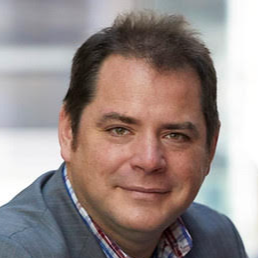
CEO & Director at Capitalight
Mr. Bosse is an investor with three decades of experience in commodities, as well as both private and public equity. Brian has served as a business turnaround specialist for several Canadian investment firms. He spent a decade restructuring equity sales and trading departments, as well as proprietary investment divisions. Brian began his career as a Toronto Stock Exchange floor trader in 1995 following an Honours Bachelor of Arts in Economics from Wilfrid Laurier University’s School of Business and Economics. He became a CFA charter holder in 2001. From 2012 until 2016 Brian ran the Goodman Bluespring mutual fund. From 2018 until 2024 Mr. Bosse was integral to the very successful restructuring of Zenyatta Ventures into both Zentek Ltd. (Nasdaq: ZTEK) plus Albany Graphite Corporation. He is the largest shareholder of IC Capitalight Corp.
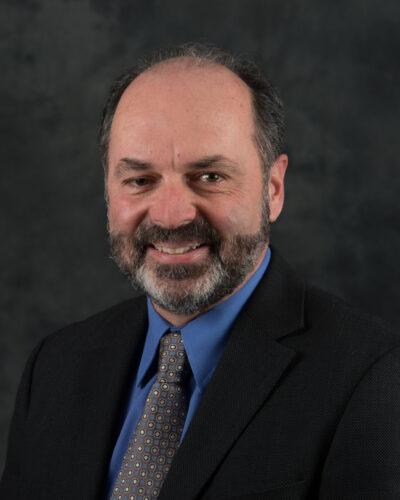
President, CEO, & Director at Cascade Copper
Mr. Ackert began his career as a regional geologist with St. Joe Minerals, Bond Gold Canada and LAC Minerals in the 1980s. In 1990 he became mine geologist at LAC Minerals’ Golden Patricia Mine (Barrick Gold Corp after 1994) where he specialized in production and exploration. In 1996 he was appointed VPEx for Orezone Resources Inc. focusing on West Africa and was subsequently named VP Technical Services in 2005. Mr. Ackert was a co-founder of C3 Metals, a successful explorer for copper in Peru and Jamaica where several significant porphyries and skarns have been discovered. Mr. Ackert holds a BSc. In Geology from the University of Toronto.