Transcript
Automated transcript · Written by software from the replay's audio. It can mishear names and figures; the replay is the record.
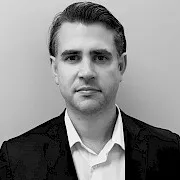
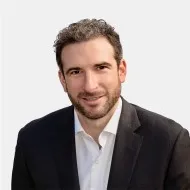
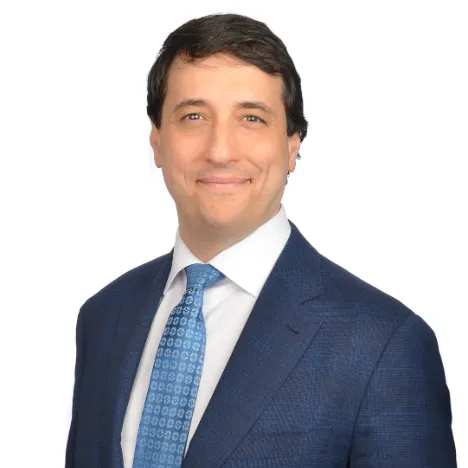
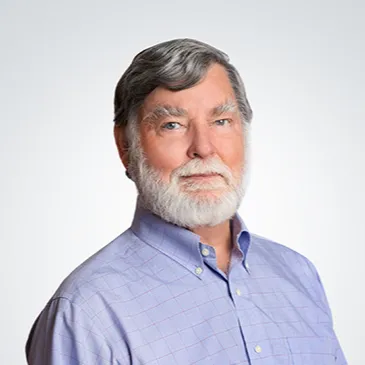
0:04 Hello everyone and thank you so much for joining us today. We're here to discuss the recent turbulence in the precious metals market and what a turbulent ride it's been. With record highs quickly followed by historic drops. To talk about it I'm pleased to be joined by Anthony Moreau from American Eagle Gold, John Schladnick from Nevada King, David D'Onofrio from White Gold Corp, and Kit Mars from Alaska Silver. Before we dive in, a couple of quick housekeeping notes. Today's event is being recorded and will be available for viewing shortly after we conclude. And since we're live, please feel free to submit your questions in the chat. We'll do our best to address them, time permitting. Now, let's get right into it. Precious Metals experienced a dramatic surge to record highs last month, followed by a sharp correction and liquidity shocks that spilled into broader markets. So my first question to the panel is this. What do you identify as the main triggers for this turbulence and how long might we expect the volatility to persist?
1:02 Well, I mean, maybe I can just jump in at being at the Vancouver Resource Investment Conference last week. Yeah, probably some other panelists may have been there, but the general kind of feeling and sentiment was that, you know, it feels like a bit of a tinderbox. And I think people were like, this is wonderful having gold at 5,500 and silver at, you know, I think it got up to 117 bucks. And it was like, this can't really just persist on this trajectory. Like it hit that hockey stick inflection point.
1:32 So I think there was a bit of bracing for the pullback. But the other side was like, hey, if it pulls back to, you know, it wasn't that long ago. We're at 2200 dollars gold. So I think that there was kind of a bit of an expectation on that. And in terms of triggers, it could have been anything. It seems like, I guess it was the appointment of maybe Kevin Warsh, but it really could have been anything. It felt like at some point we were due for some profit taking, whether in Gold or Silver, in the stocks and the commodities.
2:04 So it felt like there needed to be a bit of a healthy consolidation, and I think we're on that track record. You know, I feel a little bit more comfortable with a healthy consolidation and moving forward from there rather than kind of just that kind of hockey stick inflection point and wondering, you know, how much longer can this go? You know, obviously a lot of speculation when it starts to get to that trajectory. So anyways, that was kind of my 2 cents and feeling in the market there. Yeah. Round up in Beaverton, Vancouver last week, it was people were just amazed, I guess is one word,
2:39 and had fun watching it. But clearly, the meteoric rise in both gold and silver got out of hand. Many people were taking a few profits and expecting to pull back, but I think the biggest changes in the last, say, 6 months is really the increase in short-term investors, traders that are involved in futures, which are highly leveraged, and also the ETF. So when you have that new money flowing in, it's not long-term money that's been investing in gold and silver the last 15 years, when Both of those were, as they say, unloved. And suddenly, they were hot dates. And that ended very quickly. And pullback was surprising, but probably no more surprising than the write-up. So I think we're settling out here for a while. At least today looks very good. And there's some stabilization.
3:34 But there will be some more hiccups.
3:37 When things seem too good to be true, they usually are, right? That's kind of how it works out. And I'm not saying the price was too good to be true. I think, you know, there's a lot of reasons why it could be here and much higher or lower. It's just the pace at which we saw that these metals appreciated is unprecedented.
3:54 And frankly, it was kind of scary. Hopefully we're through that correction. And I agree, John and Kit, with what you're saying. And I think, yeah, the biggest part, like there's a litany of influences that I think are driving and affecting these metal prices as have been over time. And it just seemed like a lot of those levers were being pulled, whether it's geopolitics or tariffs or administrative changes.
4:15 But a big part of it for sure was a lot of this hot money coming into the sector recently. And it's a different dynamic and type of investor than I think we've historically seen in the precious metals. And that's why I think some of these exchanges had to react by increasing leverage requirements, margin requirements, these sorts of things to try and balance it out. So it's unchartered territories for the most part,
4:38 but we'll see how it settles out. But overall, I think we're in an extremely healthy space and it's good and better, best ever kind of prospects that I've seen in a long time, that's for sure. I think when you see the metals move up the way they do, retail investors, the fast money, they have such a short-term investment horizon and short-term memory, and when it goes up fast, they never think it's gonna come back down. And when it goes down fast, they think it's gonna keep on falling. So you see a lot of panic there. And I mentioned they're like goldfish, but the smartest people in the room are always the traders. And the people that don't tell you what their trading strategy is or what they're investing in. But they play off the psychology of investors. And the one thing you can predict is the psychology of amateur investors, which mostly people in the junior mining space are. They know when things fall, they're going to fall a lot harder and then they'll just attack it. So those traders are making money.
5:32 I think for us, if Gold stays above even $3,000, we're in a good spot. And if Silver stays above $40,000, we're
5:39 really in a good spot. I think between 2012 and 2000, there's an 8-year period where gold averaged $1375. So if you asked me 5 years ago if gold was above $2500 I'd be pretty darn happy, but people and companies are greedy and they always want more. But I think if you look at it, we'd be a lot better off at gold at $3000 with a steady rise as opposed to like these sharp up climbs
6:05 and falls. So I think for these stocks, I think they're undervalued. As long as we stay above $3,000 goal, I think there'll be a lot of free cash flow for a lot of these producing companies. I think the juniors are a little bit different spot because they kind of get they get caught in these big swift ups and downs and people tend to want to be in the less risky space and juniors are obviously the most risky. I know this has come up at the beginning of this question but with President Trump's nomination of Kevin Warsh as the next Federal Reserve Chair announced late January 2026, how might this expected policy approach potentially favoring lower interest rates or different inflation targeting affect the interest rate trajectories and also the appeal of precious metals as a hedge.
6:52 But I don't know if, like I know that's kind of what Trump wanted was a Fed chair that wants lower interest rates, But that's not Kevin Warsh's track record. And I think that's why gold has reacted. I think that's why Bitcoin and crypto and these speculative assets, technology stocks, AI stocks have sold off.
7:13 You know, his track record is actually as a hawk, you know, and He left the Fed after the great financial crisis because of the easy monetary policy that he disagreed with, and specifically the quantitative easing, which was unprecedented at that time and obviously has run rampant. That's really what's driven gold to the heights that it has over that period of time. But yeah,
7:39 it's a bit bizarre, the narrative around Kevin Warsh coming in. I'm curious to see what he does and what he enacts. Obviously, it's not him making decisions unilaterally. There is a committee there to make the decisions with him. But regardless, gold ran up because of fundamental factors that haven't changed. And so I don't know. He's in a tough predicament.
8:03 You know, Jay Powell was in a tough predicament as well. I don't really think you can be overly hawkish and, you know, have a healthy economy in the U.S., both in terms of Main Street, but also in terms of debt servicing requirements. It seems like they're kind of between a rock and a hard place. And the only way out is through a little bit of debasement of the U.S. Dollar. And that's what's kind of fueled the gold speculation. And I shouldn't say speculation, you know, fuel the gold run. Like I think that there is concerns about, you know, the US dollar as a stable long-term reserve currency and being able to maintain that and, you know, manage the debt yet keep inflation tame. I think that's a really tough predicament.
8:51 Yeah, it's an interesting scenario and I guess time will tell. I totally agree. That's definitely his track record. But on the flip side of that is this administration has seemed to have their own track record of kind of getting their way when they have an objective.
9:07 So will they have somebody in there that is more aligned or not? I guess that also brings into question the whole independence matter. But I'm sort of at the camp leaning towards the higher probability of seeing maybe changes tune a little bit relative to where he was in the past. But I agree, it's an awkward situation that They find themselves in with the higher commodity prices brings higher inflation and you get a slowing economy, so you need to lower interest rates for that.
9:39 But we'll see. It's certainly more reasons for whole prices to go up though potentially. I think the long-term trends that John mentioned are far more important than short term speculating on a quarter point or half a point cut in the interest rates. That makes for good news, but long term, It's not quite as important. We
10:03 visit several of the financial shows in Zurich, the precious metal and Swiss mining. And for the last couple of years, it's just very clear the Europeans, especially Germans and Swiss, have been very concerned about the dollar, very concerned about the US debt situation. That's really their big focus. And they're very long-term investors. I think we met with 1 family office that had been a family office for over 100 years. And they've been investing in mining for that long. So it's a very different kind of approach. And that isn't going to change. It may get worse as the US crossed that dangerous threshold of paying more out in interest than paying on defense. And that's been a
10:53 very dangerous place to be for many other countries in the past. All I got to say is you look at the track record of the administration for Trump, I don't care what your previous track record is in terms of what you think this person might do in terms of the interest rates.
11:12 Everyone's Trump's puppet, right? And if they're not, then they're gonna be out. So I think this new guy is going to do what Trump wants to do. And his main concern is the stock market going up and printing money. So I think at least for the next 3 years it's going to be good for gold. Now I think people turn into these things because they want some hot takes or something to listen to. So I'm not a conspiracy guy, but something to think about. I guarantee you one of the best funds trading in the world is probably a fund you'll never know about. It's probably a Trump shadow fund. And I guarantee there's someone trading on all these decisions that Trump makes. Like, He makes that new announcement.
11:48 I guarantee there's someone trading on the opposite side of it. So you'll never find out about it. But I would bet my life that there's Trump managing some fund behind the scenes making billions of dollars knowing exactly what he's going to
12:01 do. Well, hey, this is recorded. So if it ever ends up being true, you heard it here first. You'll never find out. Yeah, there you go. Well, speaking of, I know we're talking about gold and the upside there. So gold is currently trading in at about 4,700, 5,000 range after these extreme swings. Do you expect continued upside driven by safe haven demand or a period of consolidation as margin calls and profit taking play out? And this is a question for the panel, but I'd love to flip the order here and I wanna start with you actually, Anthony. I'll pass on that 1. 0, fair enough. I'll bet. David seems to have his finger on the pulse. Go for it, David. Hit it. I wish I did. I'd be making billions of dollars in my own shadow fund. But there's so many factors that you can point to, right? And they're all kind of become like topical and headlines
12:50 weekly, right? There's the tariffs, there's the US dollar debasement, there's people looking to convert treasuries into Gold. We're seeing instances of bond buyers looking to be able to create synthetic instruments that are backed by Gold so they don't have to own bonds. There's the geopolitical issues and there's the interest rates. I feel that they're all
13:16 in their sort of totality bullish for Gold. So I wouldn't be surprised to see a continued appreciation, but then again, like it's come so far so fast, is some of that baked into it already. Listen, someone made the point earlier, these high Gold prices, it's a bit of a double edged sword, right? Because it's nice that it's brought a lot of attention to the sector. You know, look at how the TSX Venture performed last year, probably a record, you know, rate of return. But then again, it brings in this volatility and that's got negative consequences for a lot of the retail type investors that maybe don't have the experience and they kind of get caught. And you have situations like this week where things come down and then you have these liquidity voids and it's just carnage all over the place. And that shakes people's confidence going forward.
14:08 So, we'll see how it all comes out. The other big thing though that I think, and this is not part of the headline considerations, It's from the supply side. I've been financing and investing in exploration development
14:20 for almost 25 years now. And I can tell you the last 15 years has seen a marked reduction in the amount of capital that's gone into that industry. So we do not have the deposits available to continue the growth and meet the demand. I think the market expects just happens to be there.
14:39 The majors will have to replenish their supply. I don't believe they've been getting the pressure yet from the analysts, but that's something that's going to be very important. It's another factor. That's why companies like people around the table here with good assets and good places are sitting pretty whether you know the prices are here or somewhere else. Forget the supply of the assets David. It's more the supply of the people. Who knows how to build these mines? There's not a lot of people out there. Absolutely. And the companies whose job it is to build and operate mines, they can't even do it. The only thing that's saving them is these high prices. I'm not going to name names. There's a lot of mid-tiers out there. They should be probably, you know, maybe 10% of their current value, but you know, the Gold price, you know, helps save them. And you look at any, you know, look at any PEA or PFS, like just assume the cost of bill is
15:30 going to be 2 or 3 times that. And the cost is probably going to be double that, except maybe if you're like BT Gold or have some mines in West Africa. But most of these big miners, they can't build well. The thing that's bailing them out is the price of Gold. And I run a bunch of scholarships. There's not enough skilled people in the industry and we haven't been building enough mines. And yeah, I think we're in some big trouble that way. And like coming into costs, like the dumbest thing in this industry is like these companies will then go show their NPV,
16:00 which is great, nice NPV, which by the way, probably cut that, you know, take that 60% down. Cause like I said, the cost could be a lot higher and the building costs will be a lot higher, but like when companies buy them, like they don't even count the cost to buy that asset as your NPV. So even look at montage gold, for example, someone's going to buy it. Like they don't even count the $5 billion in the cost to put that asset into it. So you have to have the price of gold go up to ever make money back on your investment. So I think a lot of investors don't look at that from a standpoint. It's like, oh, they're $5 billion MPV. We're going to buy them. But it actually costs you like 5 billion dollars as well to purchase them. So you better hope gold goes up a lot. These costs don't inflate a lot. So yeah.
16:40 You know, the volatility has been just remarkable the last month or so. When you see things run up that quickly and then reverse that quickly to me It's a it's a classic case of margin call. And so it is it just in the gold is over No, there's all these other factors. I mean you have some of the
17:04 crypto companies, I guess they're not true crypto, they're the stablecoin that's investing in elemental, they're actually taking their revenue from US treasuries in the interest and buying gold for that. I mean, these things are just unheard of. But when you have something go up that quickly and come down that quickly, you have margin calls and people that are, it's not just gold and silver. So if they're investing in tech stocks or they're happening to be in a software company that got crushed because of new AI Years, they're all interrelated. You know, these people don't traders don't invest in just one particular
17:43 segment they're in multiple segments and when you get a crash in 1 or 2 at the same time, then that's the margin call. Does something that loses that much value or gain that much value, was it ever really worth anything to begin with? That's a question everyone has to ask themselves. Well, I'm not going to touch crypto other than it's been interesting to watch it because that's definitely out of my bailiwick. Yeah. No, fair enough. I guess just to chime in on, I think the question was near-term price and whether it consolidates or not. I don't really know in terms of the near-term,
18:22 but I think that, you know, I'm just watching that 50-day moving average and don't think gold breaks below it. And I think that there's a lot more upside, more comfortable on a medium-term price horizon and see gold, you know, continuing the upswing. I think that this consolidation here is healthy. I think if it does continue a bit of a down drop, I don't think it'll go below the 50-day moving average. I think it'll bounce off of that. And I think that it could continue to march higher, maybe towards 6,000. I think Kit brought up a good point with Tether getting involved. Like that's another massive, massive pool of capital that's buying Gold. Yeah, Central Bank still buying Gold. I think the volatility kind of scares off some retail buying for demand. But otherwise, you know, those are, you know, those other groups Tether and Central Banks are buying for fundamental reasons. They're not that price sensitive.
19:17 Well, I point just as maybe even more relevant to this audience,
19:24 we're talking about the commodity, but what's the relationship been so far with the equities? Because most people are probably more actively invested in equities. And where are we today with that relation to the gold price? What can we hope to see in the future based on past cycles, etc.? And I think for the most part, we've seen obviously the big guys move and they've done tremendously well. And, you know, this is we're in that life cycle of a gold bull market here. And. That's kind of happened, you know, the mid-tiers and the developers are sort of moving, but I personally believe that we haven't really seen that equity revaluation on the juniors. Like sure, there's been, you know, the venture's gone up and they've done quite well. But if you look at the ratio of where the commodity price is now to what these things are trading at on an ounce in the ground basis, I think it's at or near historic lows.
20:19 So I think that is something else. And this is to the point of what you maybe want to hope for. Sure, going up is nice, but even stability around these prices, that re-rating will happen over time as the cycle continues to mature. So, there is that and people don't necessarily need to, okay, the Gold came down 50 bucks, 100 bucks today, my equity, I better get out of them. That's not really necessarily the correlation. So, that's another big consideration here.
20:44 And then as part of, people are invested in these junior equities for a return, there's other factors that come into play, whether that's mergers and acquisitions. We really haven't seen much of that lately, and I think that's going to be a big driver for the industry, as well as a number of other factors that are constructive overall. The long term, these prices change dramatically. But if you're a producer and you're reporting quarterly, there's a three-month, four-month lag right there before people will actually see the exact numbers. And that's really been shown in a couple of the mid-tiers I follow, like Heckler and Korr. A year ago, I mean, they're up 400% from where they were.
21:30 And both of those companies and others like Hudbay have probably paid down $500,000,000,000,000 in debt in less than a year. So that had to happen first so they would have more stronger balance sheets. And then you have that stability or you need that stability going forward with prices that they can depend on when they're looking at their resources and cash flow. And CFOs are pretty conservative by nature, at least they should be. So it'll take a while before that sorts out, but as soon as the mid-tier start building up their cash, and they're doing it now, that's when I think you'll see some changes in the market. I'm really hoping that the next panel we can do as it relates to the market conditions is 1 around the M&A environment. Cause I totally share what you're describing here is that we, you know, I unfortunately wasn't around during the last bull run we've had in this market. I
22:28 missed even a little 2016 blip, But everything I've heard has told me that M&A should be coming, and I'm really eager to chat about it. I agree we haven't seen it quite yet, and so I'm hoping that could be one of our upcoming panels. But of course, we can't talk about gold without talking about silver. I know, Kit, you mentioned a little bit earlier, silver obviously followed gold volatility but with added industrial demand pressures- question for the group here how do you guys think supply constraints and green energy applications factor into silver's outlook amid the broader metals turbulence. The comment of you follow silver closely. Everyone knows or should know that silver is a major component in solar cells, photovoltaics, but also with the price run up, There have been some announcements, especially out of China, which is the largest producer of solar cells, of starting to replace silver with copper as a cheaper alternative. So you'll start to see that It's still the best conductor for many of these uses, but some of them will be price sensitive, and you'll see a little bit less consumption. But all in all, those trends are long-term.
23:42 And silver is a very different metal. There's so many stockpiles above ground. It's principally a byproduct. Very few primary silver mines. So it's a very complex metal to understand. Yeah, I wonder if it's getting decoupled a bit from the industrial demand and now trading more like a precious metal and tracking gold in more exaggerated moves. I don't follow it as closely as gold. We've got about 15% of our resource being exposed to it, so I'm familiar with it, but not as much as Kit probably. But I know it just feels like the recent trading is far more on precious metals and some speculation and demand and safe haven rather than kind of industrial drivers, particularly,
24:33 you know, like you're saying, when the price runs up, I guess there is a limited amount of substitution available, but yeah, it just feels like it's decoupling from a bit of an industrial metal and certainly trading more like a precious. Yeah, I would really agree with that, that the change in the last 345 months has really been investor-driven as opposed to consumption-driven.
24:55 And you see that, and go back again to Europe, it's amazing that silver has been so well-loved by the European investors over the last several years. And so it's such a small market. When you look at the size of these markets, and gold is a fairly large market, but silver is, I don't remember the numbers, it's not a tenth, it's probably a twentieth or even less.
25:21 So it doesn't take much change in sentiment and attitude to move move a market like that. So it's very much investor-driven. I think in the last few months. It's been like gold on steroids in the last few months. It's whatever gold is going to do, silver is going to do 2 or 3 times that. That's just the way it is. Back to the Hunt brothers, you know, I think their times haven't changed that much In the drop in the drop we just saw bigger than the drop that happened when that hunt brothers Happen Yeah, you know not in if you look at percentages. You can't look at at the dollars, but the I think the after the Hunt brothers got caught by, well basically the Comex just upped the margin requirements until they had to start selling.
26:15 When you're in a market like that, you better understand what the rules are. So I think it was they probably went down 70, 80% over time, but I don't have those numbers in front of me. But there is some pretty good graphs. I think it was more dramatic than what we just saw. But what we just saw was dramatic, dramatic enough for me anyway. I think that was the biggest 1 day drop in silver prices. Yeah, that probably was true. Well, it has to have been. It was like 100% of what Silver was like 4 months ago. Right before the weekend too, they kept their, you know, it was keeping us on our toes there. We covered off Gold and now Silver. We'd love to talk about Copper just a little bit. Given copper prices are hovering around $6 per pound recently, with surges described as unsustainable due to projected demand growth from the electrification and EVs.
27:09 What supply-side bottlenecks or demand surprises do you think are contributing to the current volatility? You know, the big mines everywhere in the world, especially in Chile, have been declining in grade for the last decade. So you're starting to see, you know, it looks like there'll be some new investment in Chile. The last 10 years, they've been very under-invested. It's a very different kind of country, because so much of the copper there is through Codelco, which is really owned by the government. So they have a hard time pulling money out of the revenue coming into the government and putting it back into developing a new underground at Chukchi Kamada or something like that. But I think with the new president of Chile, you'll start to see more, but Everyone knows that you can't add a new mine in a year, and you can't enlarge an old mine in 2 or 3 years. It's going to take years, and that's going to be the supply constraint.
28:12 And they're massive projects, right? There's no small little projects that can do maybe in a gold mine, 50,000 ounces or something. It's all or nothing. Yeah, I feel it's going to cost $20 billion plus to build that. Yeah, it's just the dollars are phenomenal. It's really amazing. And you look at things like resolution in Arizona, where I am, and that's something like $600 million to $700 million has been spent on exploration and development. And they've been waiting for permits for 15 years. So nothing happens very quickly. Now, that may change now, and it's starting to see that. But even then, how long would it take to build that? Quite a while. Yeah, I'd say so. Going back to talking about the central bank here, The central bank gold purchases have remained robust amid these geopolitical tensions.
29:06 In your view, how sustainable is the support in the face of recent price crashes? And do you think institutional investors from ETFs, hedge funds, et cetera, could they amplify further volatility? It's funny talking about price crashes. And I was at the gym the other day and people know I'm involved in gold and we're asking me, you know, how everything's going or are you OK with the price crash? And, you know, 3 months, I think we're up like over 20% and nearly up 70% over the past year. So yeah, I don't know about a price crash. And yeah, I think it's a bit of a healthy consolidation. But like those demand, I mean, the fundamental drivers causing central banks to purchase, they are not price sensitive.
29:52 That source of demand I don't see going away with the geopolitical tensions and just kind of maybe the geopolitical power shifts happening. You know, it's good to have some some gold in your vaults of a central bank. We mentioned Tether before. The volatility recently can be a little scary for retail investors, but it's on these dips and these price drops. If you miss the first leg, like this is the time to get in. So I don't see the fundamental backdrop changing much. And, you know, I'd be buying the dips and have been in my own stock. Central banks don't have a trading desk. They'll make an order and they plan for a year, 2 years, or longer term. And it's a long-term strategy.
30:41 Who knows how it's all going to sort out. But if they're gradually putting in gold and as their treasuries get called in and paid off, that's a long-term strategy that's not going to change. Last question here for the group before we jump into some individual questions. We're going back to the US government. Surprise, surprise. How interconnected do you see the turbulence in the precious metals and copper, particularly if macroeconomic slowdown fears or tariff risks emerge under evolving US policy? Yeah, I'll be frank. We don't have exposure to Copper. I'm not that familiar with the Copper markets. But yeah, I think that there could be near-term headwinds, certainly if there's an economic slowdown, typically, you know, if there is, and obviously the Fed is in a tough spot, like we mentioned earlier.
31:37 You know, if it does get a little bit more hawkish, obviously that's more pressure on the U.S. Economy. If it does tip into recession, obviously that's very negative for Copper and the demand there. Conversely, you know, Gold does tend to outperform in those uncertain times and tough recessionary markets. So get a bit of a hedge there between the 2. But yeah, that'd be kind of my view. But, you know, the long-term fundamentals driving Copper to US$6,000, I think, remain in place, even if there's near-term headwinds. Another new factor that's come in has been just with the politicising and even weaponising of commodities lately. That's driven this whole other element of demand into the market. In the US, they just announced they're building these strategic reserves, $12 billion of funding.
32:25 So that gobbles up a lot of capacity as well, right? And export restrictions, And these are things that maybe it's happened historically, but not in my recollection, at least not at these levels. We just need to see how that all plays out. Yeah, in Vancouver, I had a conversation with an unnamed source from one of the larger trading companies in the world. And their comment was that when you start to have this move into commodities, which I think is started and is just gaining steam by very large institutional investors, What I hadn't heard of before is they like to purchase not maybe individual metals, but say a basket of commodities in the London Metal Exchange.
33:13 And if you look at that, there's a base metal basket, which I didn't really know about before, and that is copper and lead and zinc, others. So that carries up some of the very lesser-known metals like zinc, which is now on the critical mineral list, something we follow because one of our deposits has very high-grade zinc. But that's pulled along with copper. And it's part of just a move of large institutional investors that maybe had no exposure to commodities, and now they want to have a couple percent. And it doesn't take much. Absolutely. I think there's a lot of those, especially after, you know, this 10-year plus tech, you know, kind of bull run, you know, to say that generalist investors under-invested in commodities and precious metals is probably a pretty serious understatement.
34:03 That's what a lot of these kind of thought leaders are saying. You get a 1% or 2% reallocation into these metals. The sky's the limit. And there's a lot of smart people out there with really aggressive targets. So we'll see. Yeah, that's true. I can say on my side, I'm seeing, you know, just obviously in the context of what it is that we do here, a lot of investors entering this space, you know, for the first time. And it's where we're in an interesting, both part in our time in our market, but also time in history. So we're really eager to see how this all shakes out. I'm going to jump into some individual questions here. If anyone has any questions for our panelists here, feel free to put them in the chat. We'll try to get to them at the end of our event here. First one's over to you, Anthony.
34:49 In this high gold price environment, can you provide an update on NAC project's exploration progress, including plans to expand near surface mineralization and how these current market conditions are influencing your 2026 strategy? Yeah, good question. Well, we're called American Eagle Gold, but we're more than 50% copper. So we're kind of a split between copper and gold. Just to let people know, we just didn't want to spend the $50,000 to change your name when cash was scarce. But it's not changing anything for us. Like these swings in the prices don't change where we think copper is gonna go long term, specifically copper. We think copper is gonna go a lot higher. I kind of view it as kind of the alcohol and tobacco of the metals because I think there are a lot more fundamentals behind driving the price up long term.
35:40 But I think who it affects is, you know, when you see the price of these metals go up and down so quickly, And if we forgot to touch on this, but it's like an electric fence for new investors. So you've got all these investors been spending all this time thinking, should I get into the metals market? And then, you know, a lot of people jump in the last couple of weeks because gold past 5000, et cetera, then they get in and all of a sudden there's this big dump. It's like being hit by electric fence, you're not gonna touch it again. So you kind of lose a lot of these investors for a long, long time, which is I think why it kind of hurts us long-term. But we don't have to raise any money. And I think a lot of investors are maybe afraid to get into some of these placements, even though Kingfisher did really great today with that raise that they would be now. But for us, I would say it would change our plans if we didn't have $30M in the Treasury and enough to fund us for the next 2 years. But I think we're just going to stick with what our plan is, is drilling 30,000m, which is the same as last year, and kind of going forward and having a two-year plan to hopefully find a liquidity event and prove this thing can be a mine and let someone else build it, develop it, etc. So long story short, it doesn't affect our plan. But if we were out to go to raise money, We would probably think twice about raising money at these prices and maybe it would affect our plan, but we're fully cashed up.
36:52 Brilliant. John, over to you. Following the extensive drilling at the Atlanta Gold Mine Project and the recent high-grade intercepts at Silver Park East, How is Nevada King positioned to capitalize on the volatile but elevated gold price environment through resource growth and a district scale potential? Well, we're not trying to run our business to capitalize on Gold price changes. We run a resource at US$2,200 Gold and US$25 Silver. That was a 3-year trailing average at the time. We want to position the company to have a very attractive project with downside protection for larger producers that may be looking at bolstering their resources down the road.
37:41 Not letting the elevated Gold price affect our decisions and strategy for our business. That said, I mean, obviously, if you apply a higher Gold price assumption to the resource, you get more ounces coming in. So there's a bit of leverage for us there. And then with the work that we're doing at Silver Park, We are fully funded for our phase 4 exploration programs. We've got 20,000m to be drilled and we've started that at Silver Park and have had some success. The purpose there is a 5,000m infill program. We've been really excited and we're in a bit of a conundrum here, but our press release earlier this week and initially the plan was just to infill what was a 450m by 300m mineralized footprint and that's now expanded, pushed the boundaries there, but we also have a 350m step out with a cluster of holes there.
38:36 Now we've got this big gap and a cluster of holes that we think potentially connects to the main area. We've got another one to the east, a 270m gap that needs to be tested and see if that connects. It's a good problem to have, but we're looking at both infilling the main mineralized area, but we want to see how big the Silver Park East area gets. So far, it's exceeded our expectations. This is going to be a quick infill program. We'd have a resource out in short order, but yeah, we've got our work cut out for us and got to figure out the extent of this. This is feeling bigger than we had expected. And, you know, when we do go to put out a resource estimate, you know, pending success on the infill program, you know, We're happy that the three-year trailing average is going to be higher than $2,200 gold and $2,500 silver, that's for sure.
39:25 That's fair enough. Absolutely. David, White Gold maintains a strong flagship focus on gold in the white gold district. But also you have some newly defined copper and multi-element porphyry style targets. In the context of 2026's precious metals volatility versus sustained demand drivers for critical minerals, Which area, Gold or critical minerals, do you believe the market will favour more this year? And how is the company strategically positioning its portfolio to capitalise on that outlook? As the name suggests, White Gold Corp, that's definitely going to be the focus. We're really fortunate to be located in one of the most prolific Gold camps in the country. It's in the Klondike, the epicenter of this historic Placer Gold rush that's been going on for 125 years. It's been over 20Moz of Gold, literally found on the surface. And it wasn't until our team and Sean Ryan just recently been able to find the source of that and other hard rocket currencies. So we have now this large high-grade deposit. It's 3Moz.
40:27 It's almost 1.4Gz per ton. It's the highest grade deposit in all of the Yukon, one of the highest grade pitable deposits in Canada. That there is I think the core of the value and what's actually made it even more exciting outside of the fact that we have an elevated environment, which frankly is a bit of a double edged sword. It's great. It's brought interest to the industry, but it does change people's dynamics and views on other projects which may be marginal. Whereas a project when you have these super high grades like we have, should be economic at much, much lower Gold price. And we've always planned for that. Even sub-$2000 Gold, we had pretty high expectations and we're doing a PA now, so we'll be able to demonstrate that to the market in the coming months. So I think, great is king, focus on that. That's going to be our main focus. And we also believe there's just a tremendous amount of growth potential on that project because it's actually seen relatively little work compared to other projects that size and the limitations on size only been by the amount of drilling done. So we have 25,000m, 30,000m program lined up. We just hired a great new VP of Exploration from Great Bear.
41:36 And we think this year we'll be able to meaningfully increase the size of that and as well as follow up on some other new Gold discoveries we have in the area. Now this Yukon is just such a treasure chest of potential. It's like some of these other premier mining camps in Canada, it just hasn't seen the work. So in doing that work, like you mentioned, we made these interesting Copper discoveries. In our backyard, literally, is this casino deposit owned by Western Copper and Gold. It's the largest undeveloped Copper project in Canada. It would be not unreasonable to expect to have more similar type deposits in the area. These big porphyries happen in clusters and that's where we've had this success. We were really encouraged by what we've seen so far, all the geochemical and geophysical work is lined up and these are now drill-ready products.
42:23 So to kind of help us maintain our focus within White Gold and unlock value for our shareholders, what we're planning on doing is actually isolating those copper and other critical mineral projects into a new company which will be distributing the shares to our shareholders. So there'll be more information on that in the near future and that'll allow us to build the expertise around each one of them So White Coast shareholders can really get the benefit of both worlds. Brilliant. Over to you, Kit, with Silver experiencing amplified volatility in 2026, I think that's putting it lightly, what are the primary targets and expected scope for the fully funded 2026 drilling program at Waterpump Creek and the Silver Sage prospect? And how are current elevated prices and market turbulence influencing your resource growth and development priorities for this year?
43:13 That's a long question. But I know they're all pretty long. Well, first of all, we are fully funded. We had a very long, drawn out process, but it was a success finally registering with the SEC. So we are really a US company that Originally went public in Canada on the Toronto Venture, and now we're also public in the US. And so we have the reporting status in both countries, which is a little more work, but our CFO has certainly been able to do that. So we raised about 14 million US with Cantor Fitzgerald, one of the leading banks in New York. Very pleased with that. Fully funded for a program, it'll be a two-pronged program with half of the drilling focused on extending our water pump creek deposit.
44:02 That's a very high grade. It's approximately 280 grams silver and over 20% combined lead zinc. So that is really our flagship. We want to expand on the resource there. And then while we were waiting to get our drilling program going this last summer, our team did some excellent exploration work. We have a lot of prospects right in our center of our camp. So we made a new discovery. Our principal geologist, Sage Langton Stewart, discovered it and aptly named Silver Sage. It's about 4 and 1 1 1 kilometers south of Waterpump Creek. Same style of carbonate replacement mineralization. It's just another finger, as our advisor Peter Magal likes to show his hand and finger model for carbon replacement deposits.
44:54 And so we will devote half of our drilling to really start understanding that and hopefully develop a third resource at Silver Sage this year and probably next year. And we are seeing some very good geochemistry to indicate that we're getting closer to the porphyry copper source that is always in place somewhere for these. But with the increase in metal prices, we decided to take a look at our Illinois Creek oxide gold deposit, which is another 3 or 4 kilometers a little bit to the west. That's the flagship name of our district past producing mine in the 1990s. They had the bad timing to go in production when gold was $350 an ounce. The next year when they started producing, gold hit $267, which is hard to think about in today's pricing, and it closed very quickly. So our resource there was done 5, 6 years ago using $1,600 gold.
45:55 So we just put out a new resource in January. Still what I think is fairly conservative, $3,500 gold and $45 silver. And that allowed us to add about 210 thousand ounces of gold and and something about 13 13 million additional ounces of of silver So that's going to be something that we're going to be doing a scoping study on. We have all the metallurgy, all the engineering. We'll probably start doing some optimization work. We have a leach pad with 1 and a half million tons at higher grade than that. And so we'll be running that to see what the recoveries really are and really become a two-prong focus of the company, both exploration and pre-development.
46:45 Fantastic. Well, folks, if you can believe it, we've covered all my questions and some of the pre-submitted investor questions. So big thank you for that. For the folks in the room here, if you guys do have any questions that you just think about as soon as we sign off here, feel free to send them in. I'll make sure they get to our respective panelists here. But if you guys will indulge me, because I'll say I do a lot of these events, as you can imagine, this is a very full event. I think it speaks to how pertinent and pressing this topic is for investors. So I would love to go around one by one. And if you could leave our investors here with one thought, one thing you want them to know about this turbulent market, what's the one thing you want to leave them with? So whoever thinks of something first, jump in. Well, I just address, I see Byron King's got a question in terms of rotation. And I would say, no, haven't seen any sort of rotation. And this would be kind of my one thought as well to leave with everyone that, you know, despite the surge in Gold prices, despite the surge in Silver prices, the equities haven't really kept up. Maybe the producers have a little bit better, but these development stage companies, exploration stage companies have not. And David alluded to it, there is a gap, I think, in terms of reserves. And as these companies are producing more at higher gold prices, trying to get that cash flow up front, at the same time they're depleting their reserves and they're going to need to replenish their resources. And I just think that there's a huge opportunity to be getting into the resource development
48:16 and exploration space, particularly for gold and silver companies. Absolutely, I agree. Yeah, and I'd echo that really, you haven't seen much of a move in the majority of exploration companies or pre-development companies like most of we are at this session. I think that'll start to change. We can move ahead and start looking at at PAs and bringing economics into it. An explorer, it's very hard to to demonstrate the economics of your deposits. And so that's the next step that I think that we want to look at is bring in some engineering expertise and show what the true value of these are. I mentioned our Illinois Creek Gold deposit. You know, that wasn't, I don't think we had a dollar of value attributed that over the last 4 or 5 years. So that's part of we want to show what the what the true valuations should be. And I think there's a lot of room to grow in that for all of us.
49:14 Yeah, no, Those are fantastic points. I totally agree with all of them. And I think another thing we can look forward to as a sector is just somewhat of a rotation as people become more aware and do learn more about the commodity sector. I saw stats somewhere not too long ago. I think the entire mining sector, the market cap of the entire mining sector is still lower than Nvidia. So just think about that in the big context of things. So definitely feel we're in early innings here. I just never seen anything actually so constructive. Maybe just one other additional point to add is as things do proceed, you know, stick to your guns. You want to be looking for good assets, good places run by good people. And you know, that should help mitigate a good amount of the risk in the otherwise very risky industry.
50:05 Are you talking about tips to what to tell investors if I have 1 takeaway? 1 takeaway that if they let's say they're signing in right now they were busy and they just hear this. What do you want to hear? Like, here's the one thing, like never take a stock tip about any industry and like definitely don't take a stock tip for the mining industry. Cause most people that are investing in this industry, they don't understand it. And you know, stock tips are something you're doing psychologically to make yourself feel better about yourself from something you perceive to be as a risky asset. So if you do wanna get involved in this industry, specifically the junior mining industry, only invest the money you're prepared to lose all of it of, but also know that you've put your money into it. Talk to geologists that actually do know the geology and know these assets, because you have a good chance, better than a lot of other ones, to actually make 5, 10x your money. That's why people stick around it, but I would only take a small portion of your actual investment that you have your portfolio to put it in there because expect to lose it but it could go up 10x.
51:05 And the other thing is only invest in juniors that have enough money to support it for 1 or 2 years because once you see a big upswing in those prices, they're going to pull the rug from under you and they're going to do a raise and it's going to hurt you kind of long term on there. So I would invest in juniors that have a good cash balance sheet. So that's a big thing as well. Awesome, guys, I really appreciate this. Thank you for taking your time. Like I said, we still have a lot of folks in the room. So and I do think I ironically, I do see questions coming in now. Now we're coming at the end of time here. I just am conscious of going over time. So I think what I'll do is I'll pass along all these questions to the respective folks, and we'll make sure that they get to them. But we deeply appreciate each of our panelists here for taking the time. Kit Mars, David D'Onofrio, Anthony Moreau, John Shalodnick, deeply appreciate this topic. And I'm very hopeful that as we continue on in this market, we'll have more exciting things to talk about. But in the meantime, wishing everyone a great rest of the day and a really good day in the market, fingers crossed. I haven't looked during this whole panel. How we've been doing? Are you good? I guess we should check it.
52:10 Thank you very much. Bye.