SenzaGen AB · OMXSTO:SENZA
SenzaGen AB — Technical Presentation (September 2019)
36 slides from SenzaGen AB's technical presentation, Sep 23, 2019
Slide 1: How are the in vitro GARD assays used in real life?
How are the in vitro GARD™ assays used in real life? Cases and applications for testing of skin and respiratory sensitizers Andy Forreryd, PhD
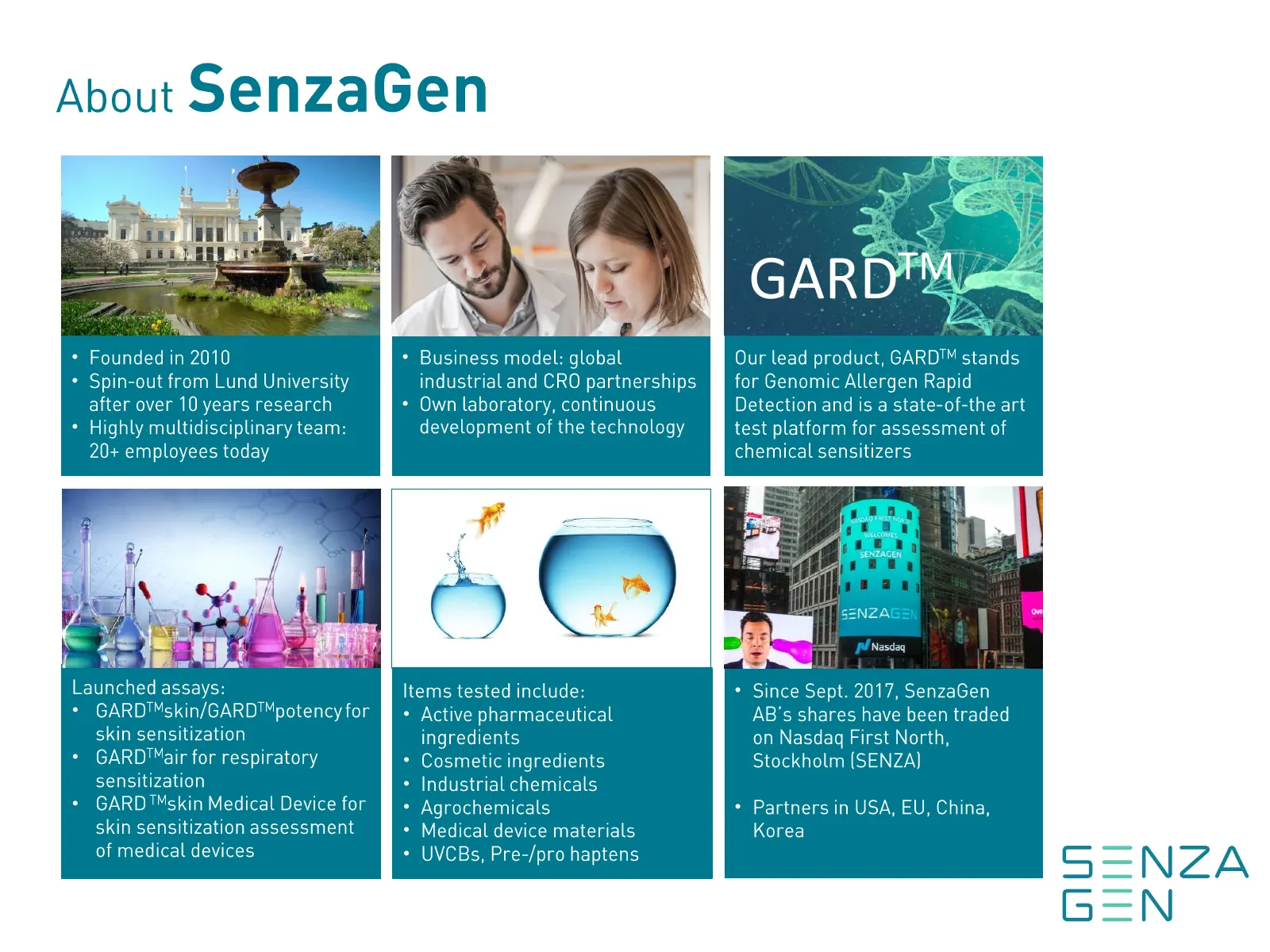
Slide 2: About SenzaGen
About SenzaGen Founded in 2010 Spin-out from Lund University after over 10 years research Highly multidisciplinary team: 20+ employees today Launched assays: * GARD™skin/GARD™potency for skin sensitization * GARD"air for respiratory sensitization GARD ™skin Medical Device for skin sensitization asse
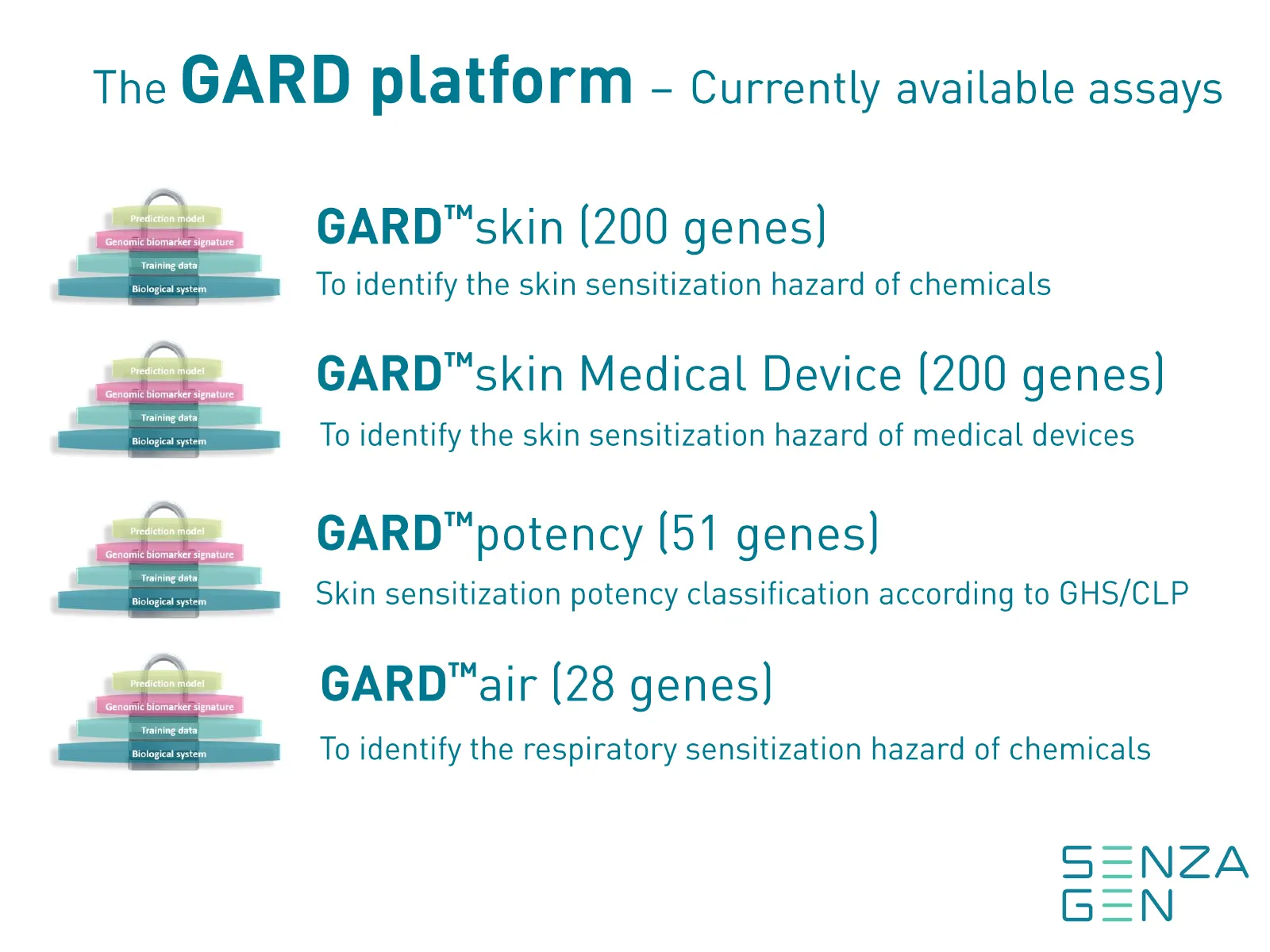
Slide 3: The GARD platform - Currently available assays
The GARD platform - Currently available assays GARD™ skin (200 genes] To identify the skin sensitization hazard of chemicals GARD™ skin Medical Device (200 genes) To identify the skin sensitization hazard of medical devices GARD™ potency (51 genes) Skin sensitization potency classification according
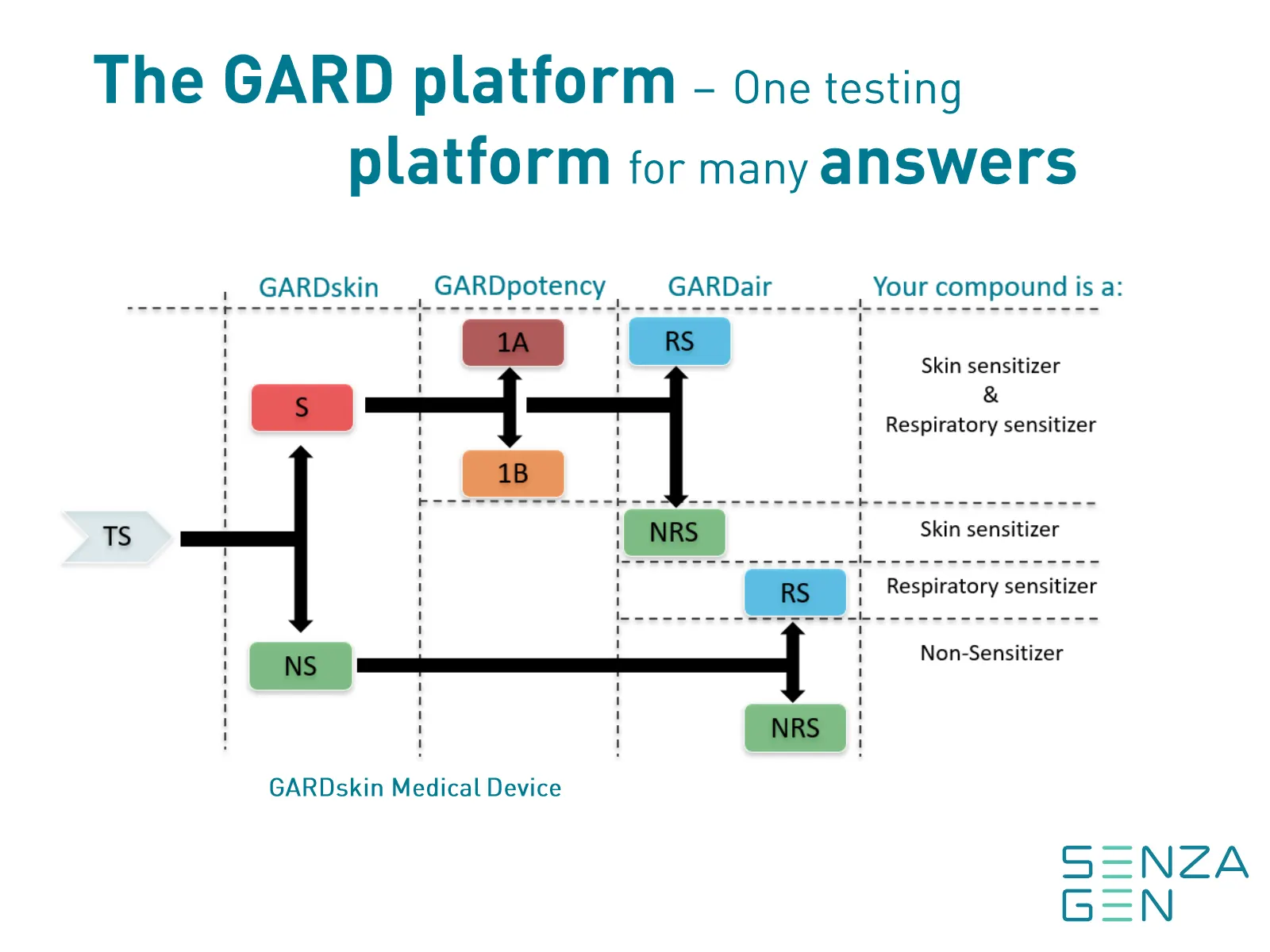
Slide 4: The GARD platform - One testing platform for many answers
The GARD platform - One testing platform for many answers , GARDskin = GARDair _ Your compound is a: cece reper e eee eee eee oe ee ee ee ee te ee ee - - - - - - - - - - - - - - - - - - ------ = SE , eee Skin sensitizer & | Respiratory sensitizer 1 Skin sensitizer TS nesosecscteeetebosoescesessessce

Slide 5: The GARD technology platform
The GARD technology platform Human relevant cells in combination with Genomics and machine learning
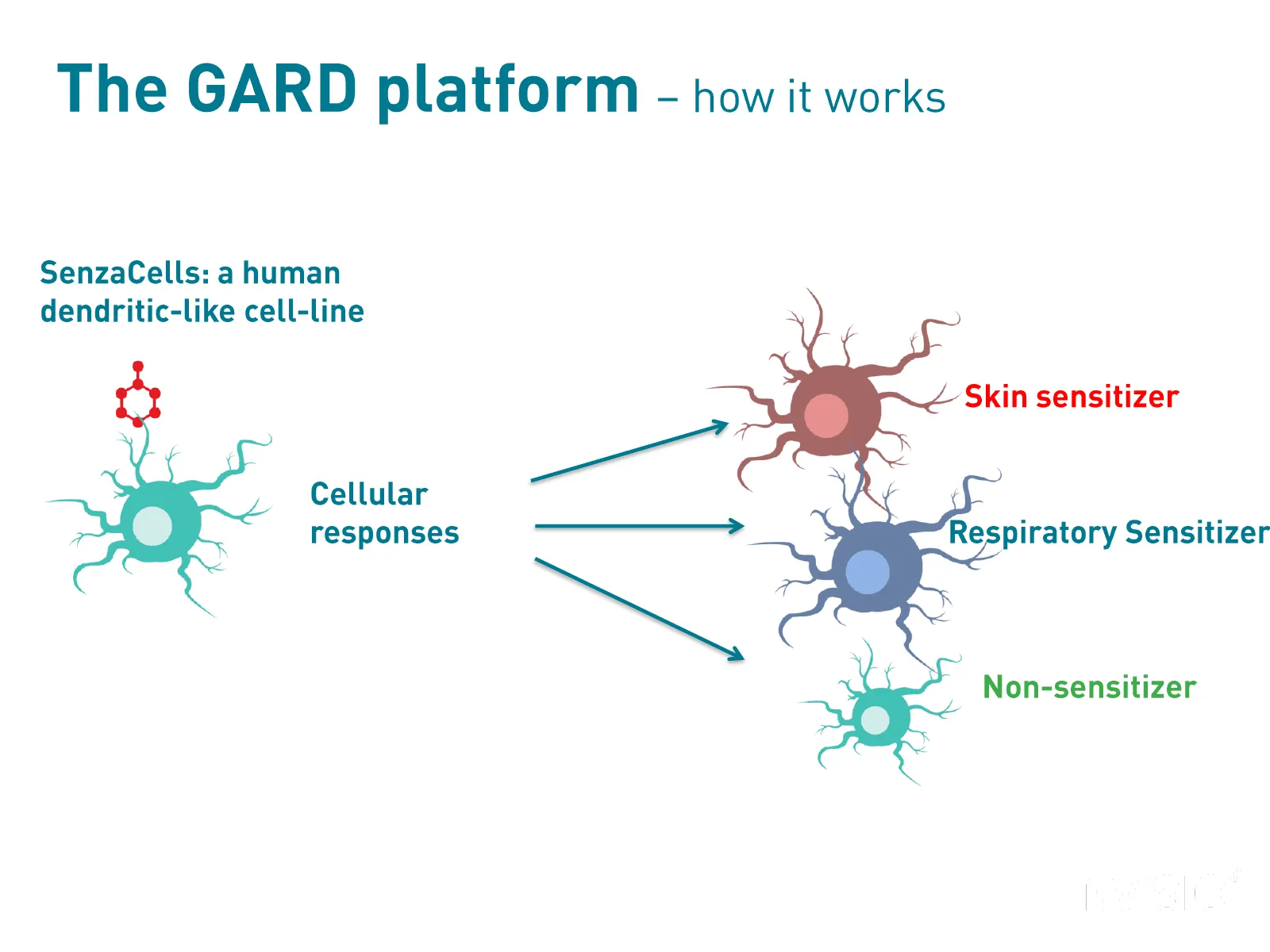
Slide 6: The GARD platform — how it works
The GARD platform — how it works SenzaCells: a human dendritic-like cell-line Skin sensitizer Cellular — responses > ™ Respiratory Sensitizer Non-sensitizer
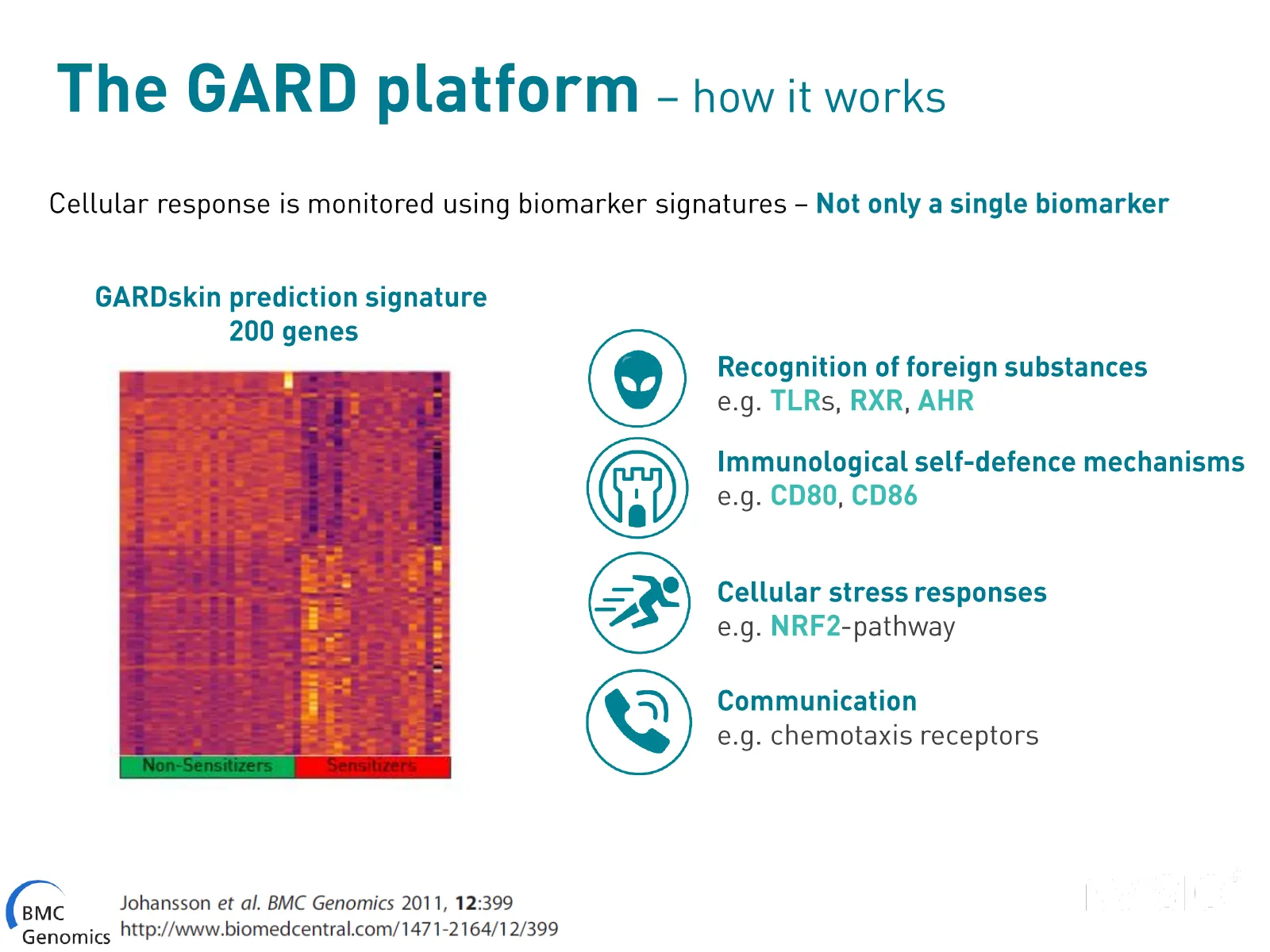
Slide 7: The GARD platform — how it works
The GARD platform — how it works Cellular response is monitored using biomarker signatures - Not only a single biomarker GARDskin prediction signature 200 genes Recognition of foreign substances e.g. TLRs, RXR, AHR Immunological self-defence mechanisms e.g. CD80, CD86 Cellular stress responses e.g.
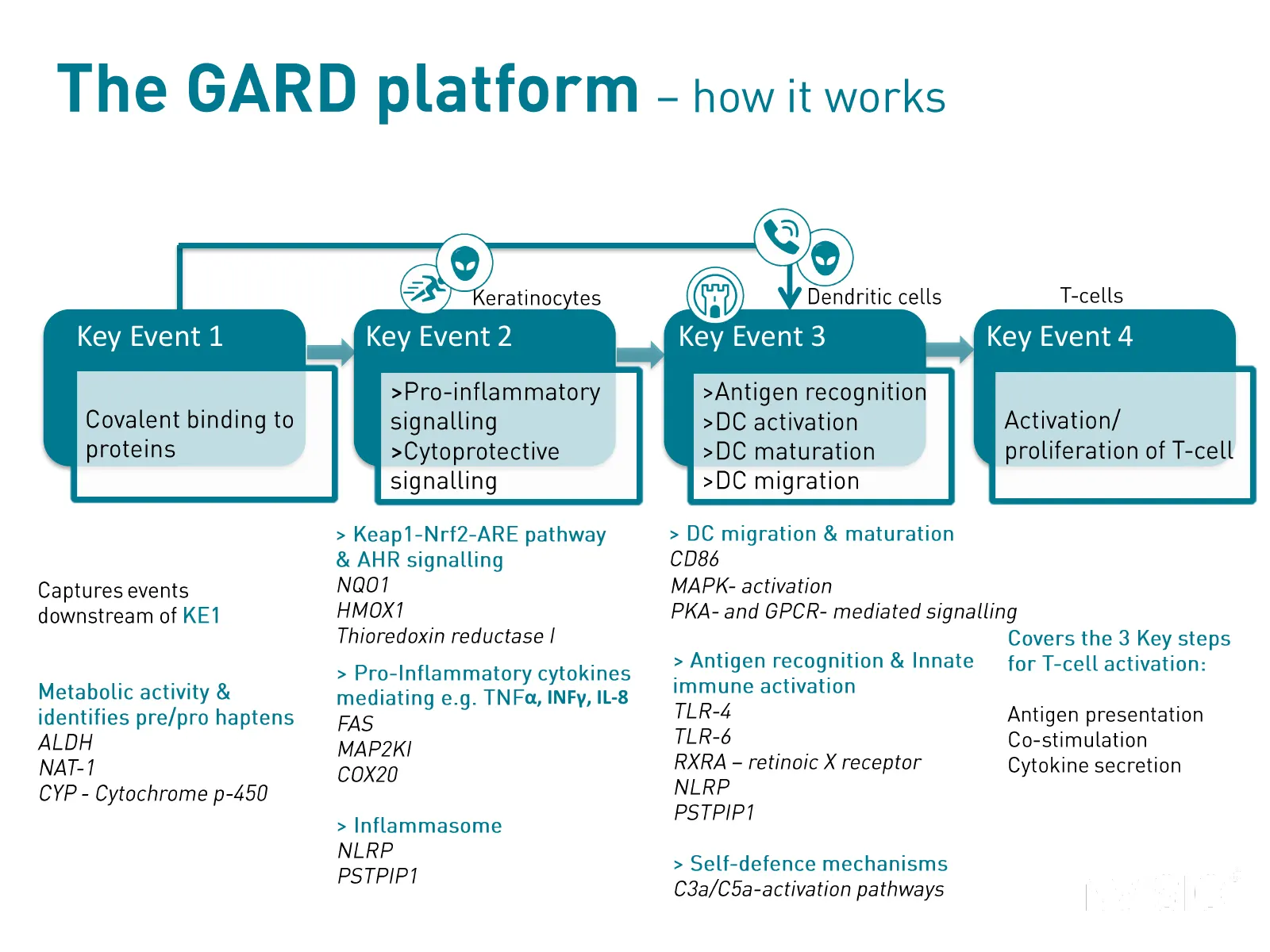
Slide 8: Key Event 1, Key Event 2, Key Event 3
Key Event 1 Key Event 2 Key Event 3 Key Event 4 α, INFγ, IL-8
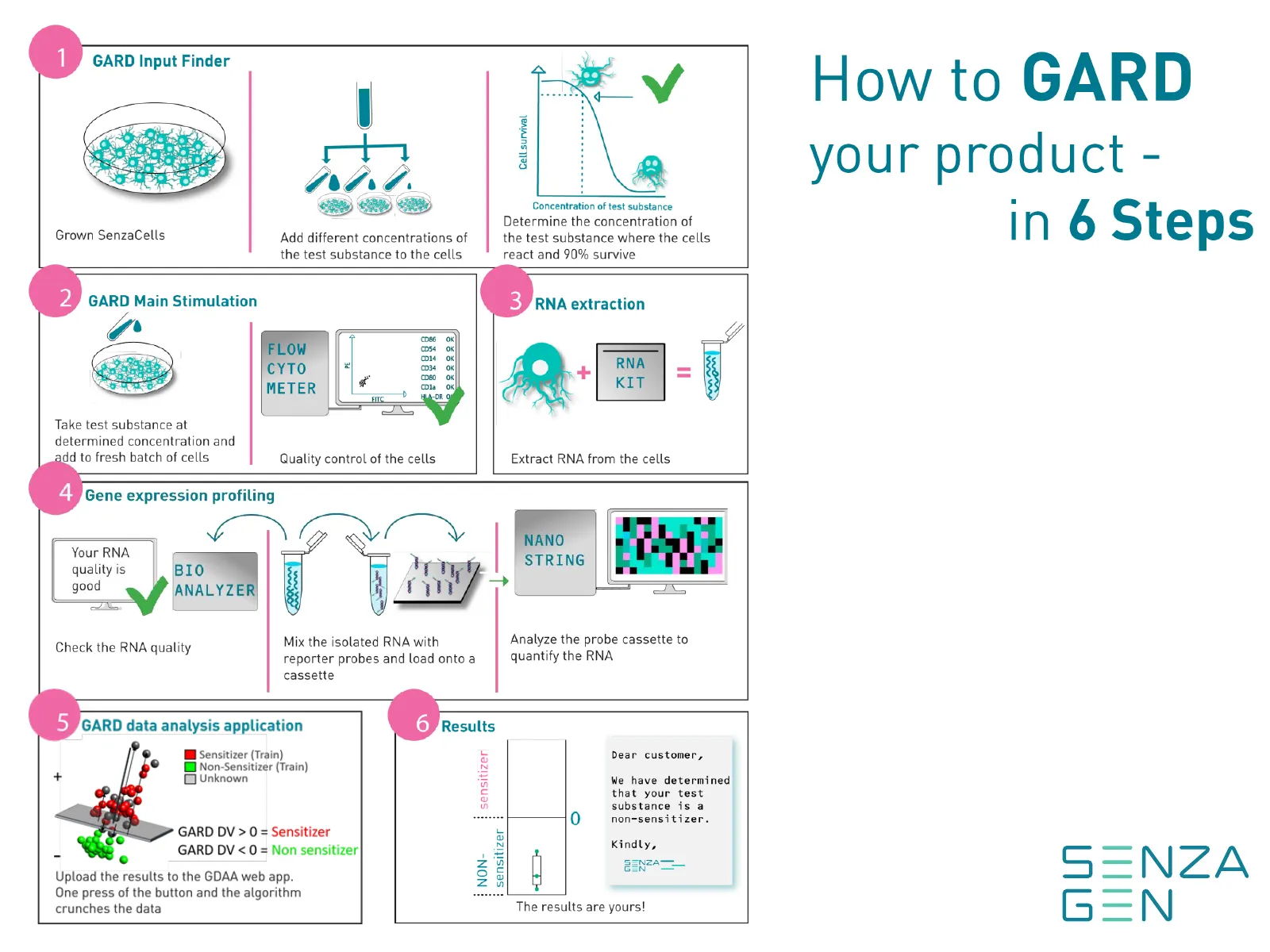
Slide 9: GARD Input Finder
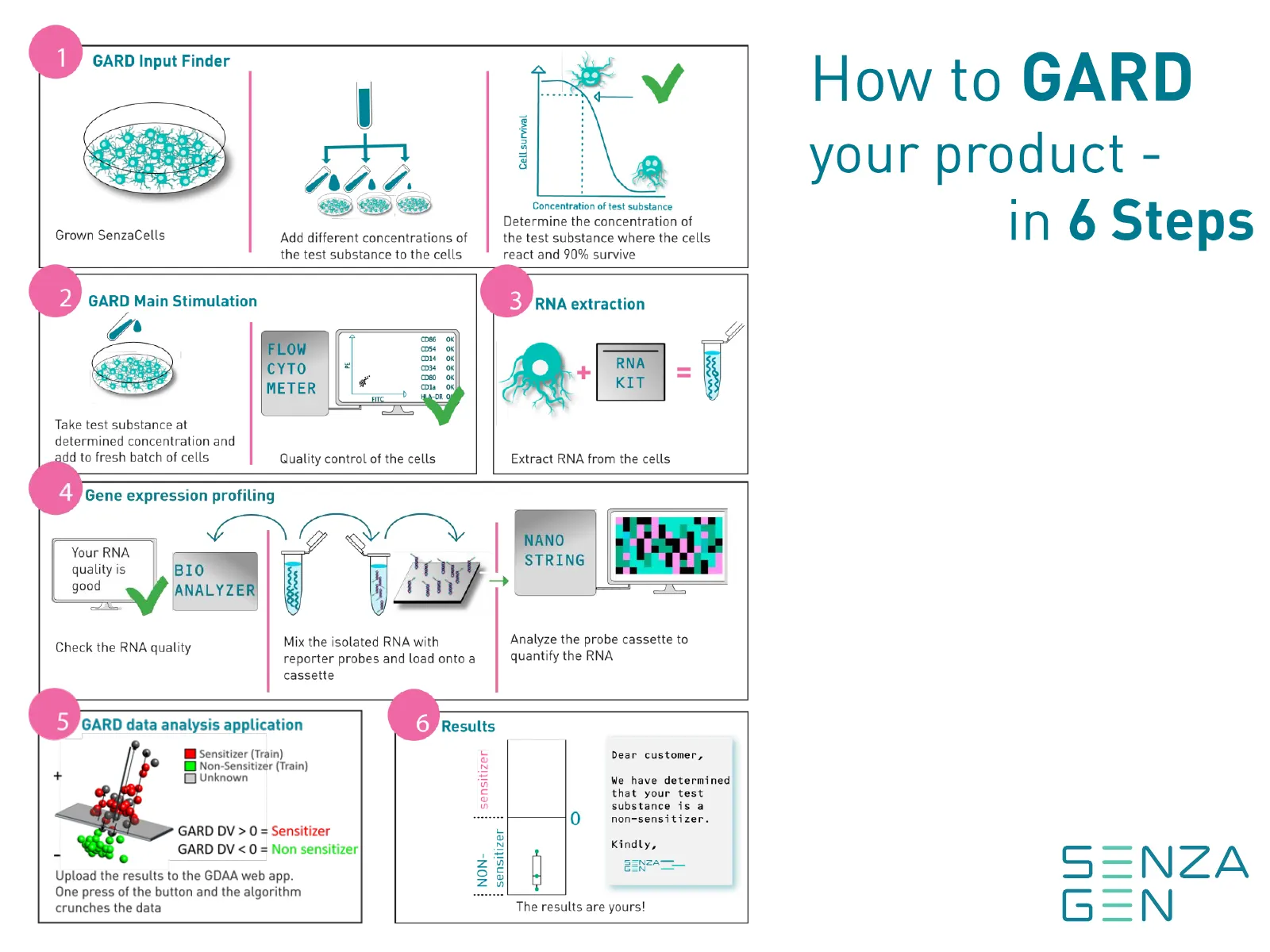
GARD Input Finder Grown SenzaCells Add different concentrations of the test substance to the cells Cell survival Concentration of test substance Determine the concentration of the test substance where the cells react and 90% survive © GARD Main Stimulation Take test substance at determined concentra
Slide 10: GARD Input Finder
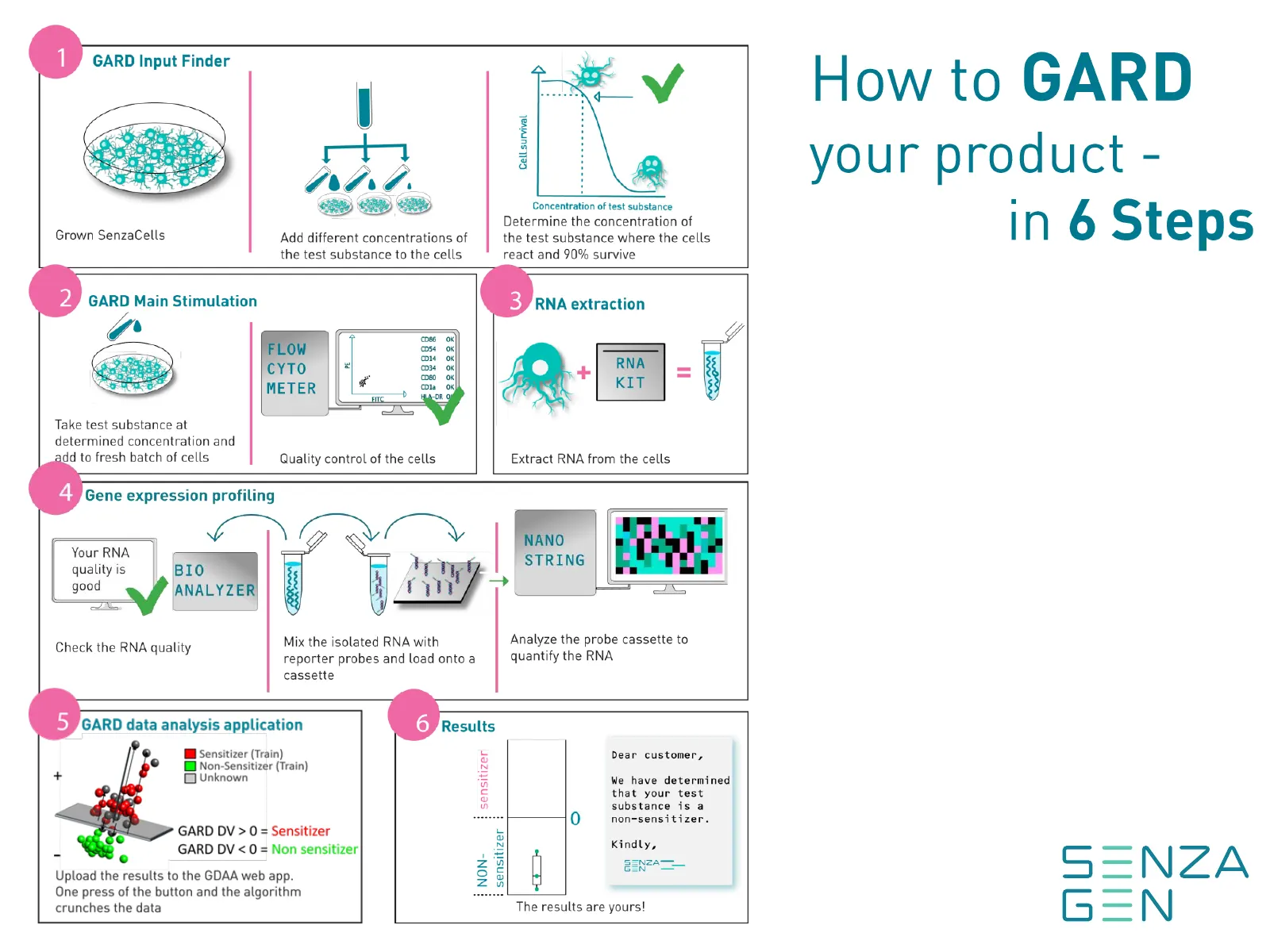
GARD Input Grown SenzaCells Finder Add different concentrations of the test substance to the cells Cell survival Concentration of test substance Determine the concentration of the test substance where the cells react and 90% survive dd to fresh batch of © GARD Main Stimulation Take test substance at
Slide 11: GARD Input Finder
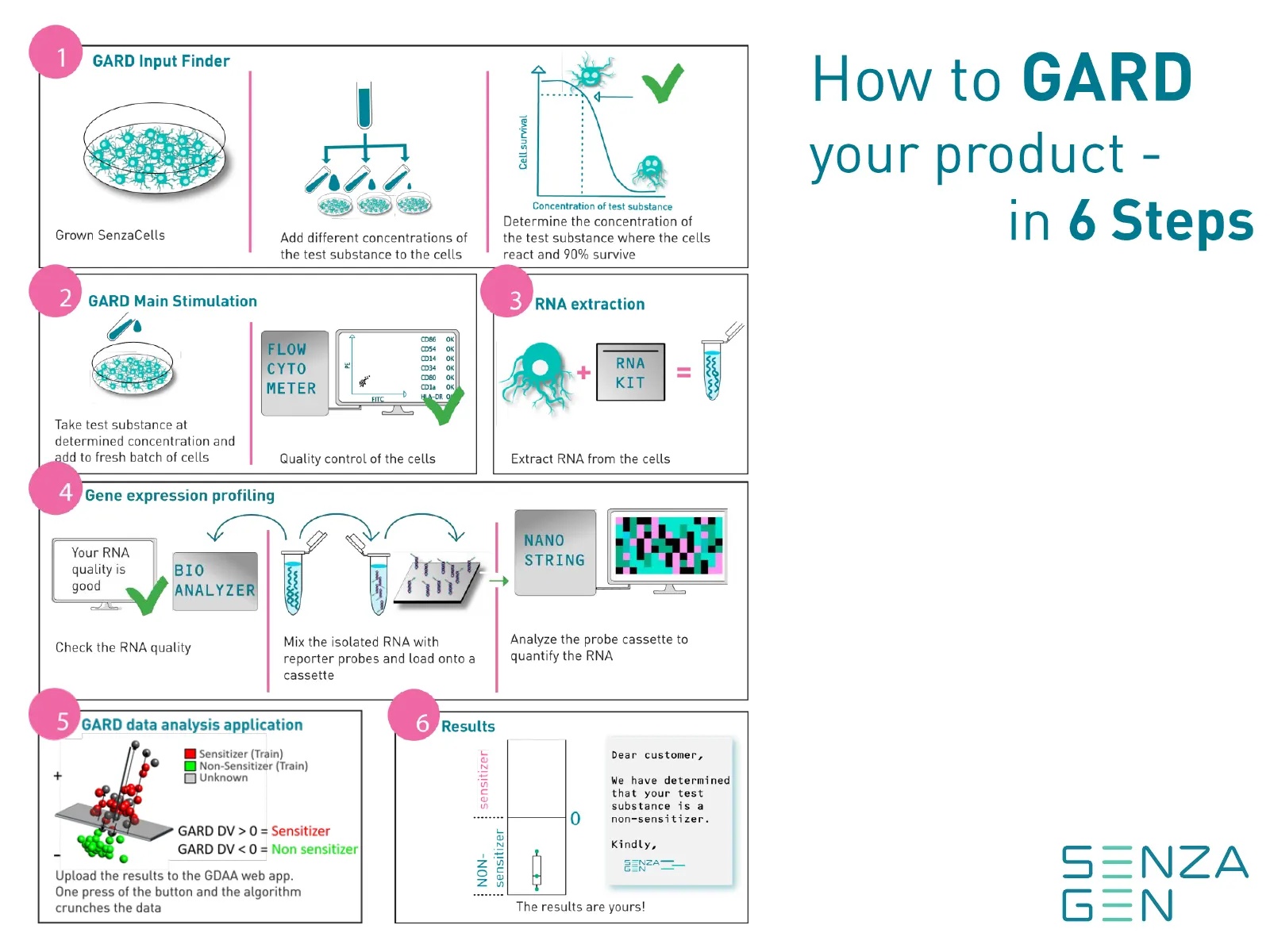
GARD Input Grown SenzaCells Finder Add different concentrations of the test substance to the cells Cell survival Concentration of test substance Determine the concentration of the test substance where the cells react and 90% survive dd to fresh batch of © GARD Main Stimulation Take test substance at
Slide 12: GARD Input Finder
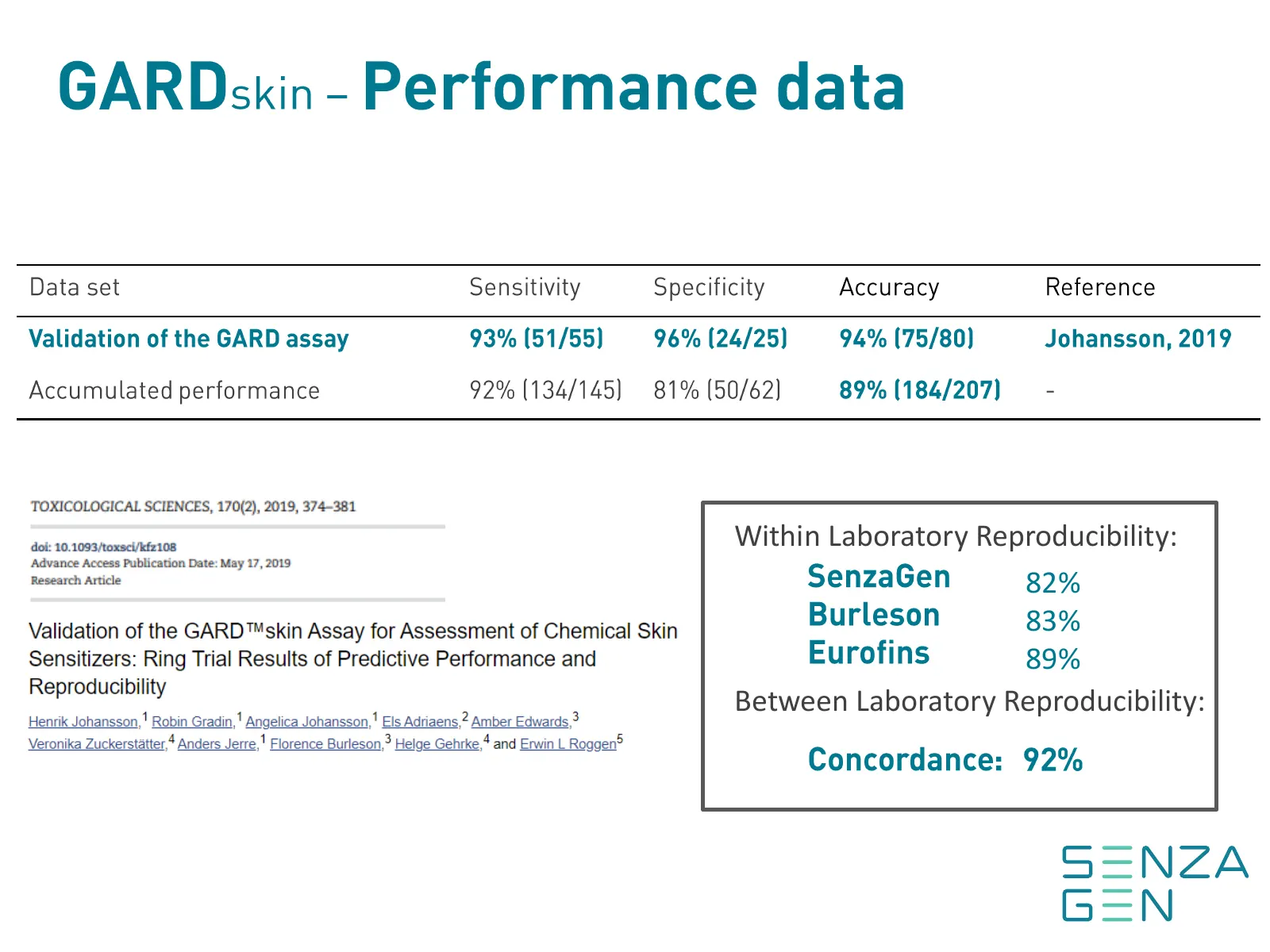
GARD Input Grown SenzaCells Finder Add different concentrations of the test substance to the cells Cell survival Concentration of test substance Determine the concentration of the test substance where the cells react and 90% survive dd to fresh batch of © GARD Main Stimulation Take test substance at
Slide 13: Within and Between Laboratory Reproducibility
Within Laboratory Reproducibility: • 82% • 83% • 89% • Between Laboratory Reproducibility: •
Slide 14: GARDskin & GARDpotency - REACH registration
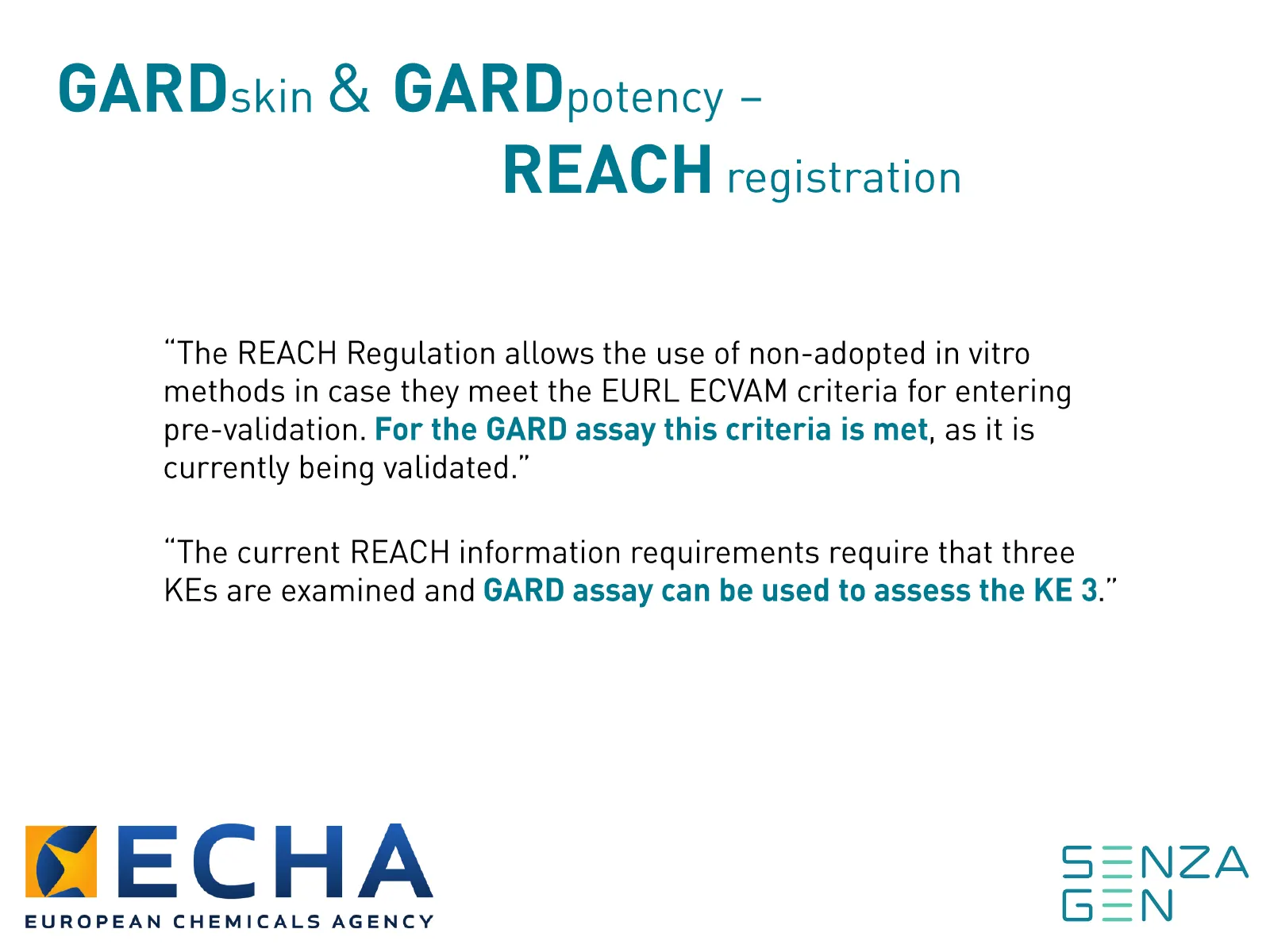
GARDskin & GARDpbotency - REACH registration “The REACH Regulation allows the use of non-adopted in vitro methods in case they meet the EURL ECVAM criteria for entering pre-validation. For the GARD assay this criteria is met, as it is currently being validated.” “The current REACH information requir
Slide 15: Tested substances by chemical group
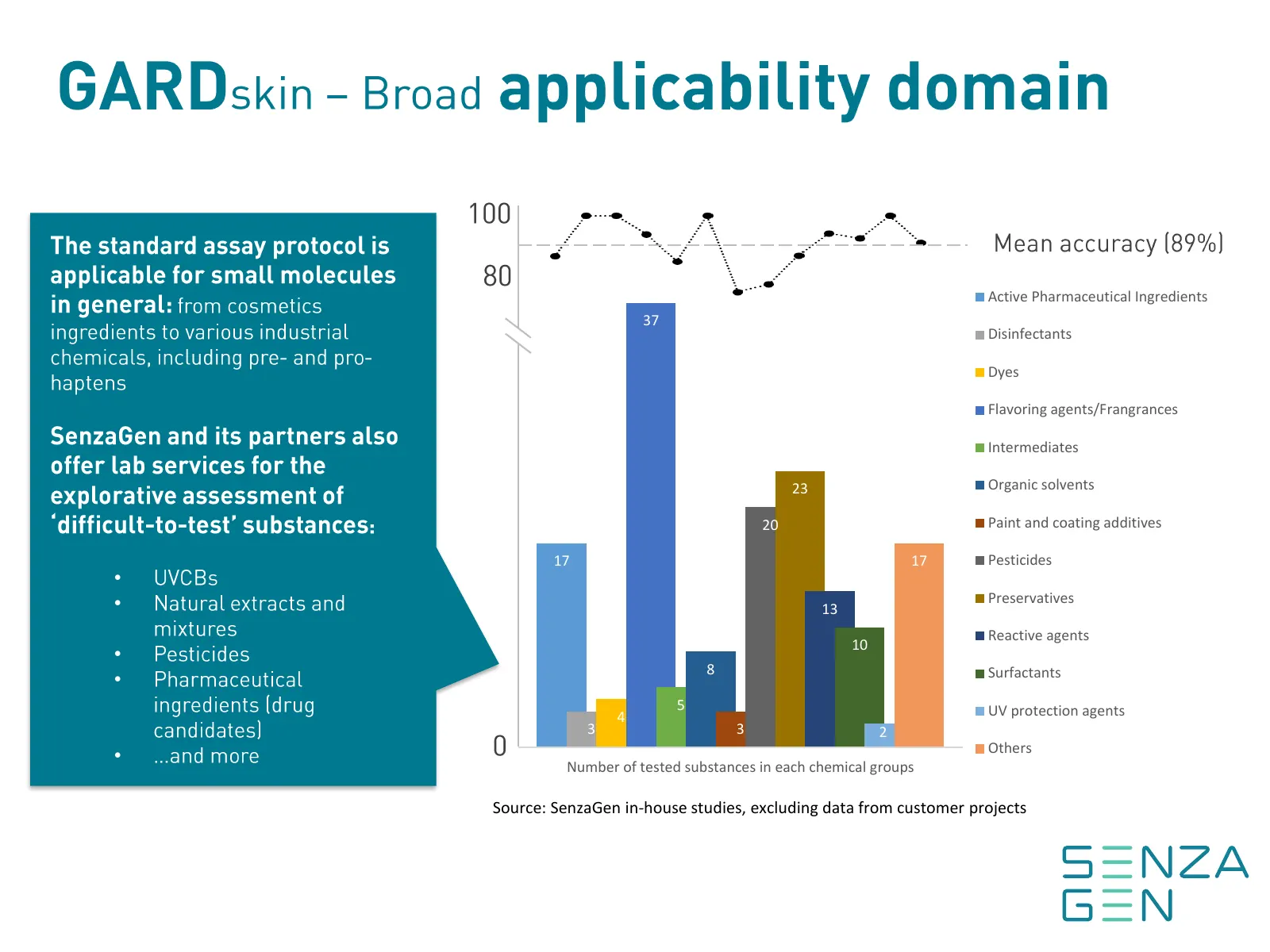
Active Pharmaceutical Ingredients 37 Disinfectants Dyes Flavoring agents/Frangrances Intermediates 23 Organic solvents 20 Paint and coating additives 17 17 Pesticides • • 13 Preservatives Reactive agents 10 • 8 Surfactants • 5 UV protection agents 4 3 3 2 Others • Number of tested substances in each
Slide 16: More info at www.senzagen.com
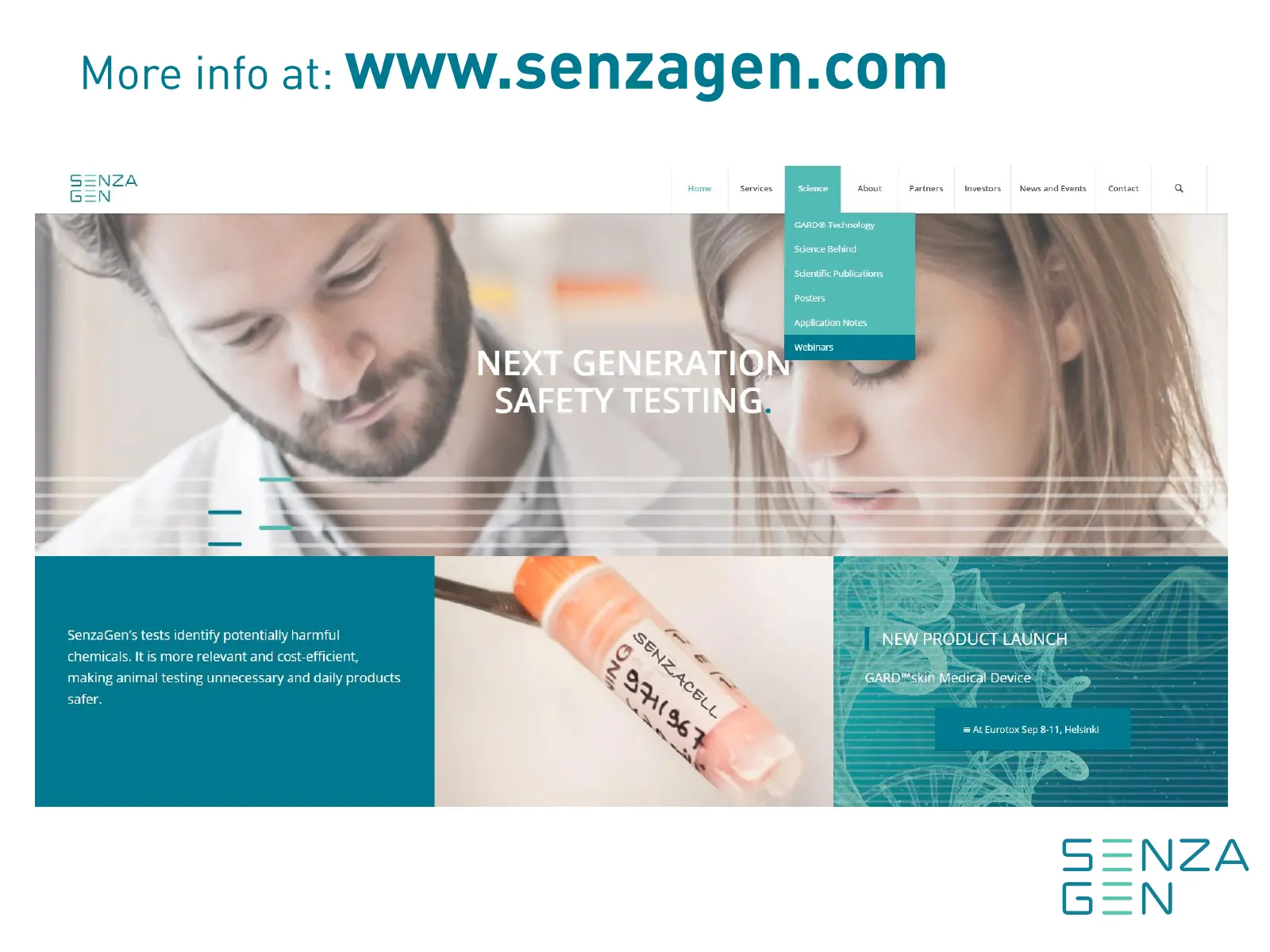
More info a: WWW.Senzagen.com Home Services Abou Partners Investors. News andEvents Contact Q GARD® Technology Science Behind Scientific Publications Posters ‘Application Notes Webinars SenzaGen's tests identify potentially harmful cH NEWPRODUCT LAUNCH chemicals, It is more relevant and cost-efficie
Slide 17: I - GARDskin for difficult to test substances
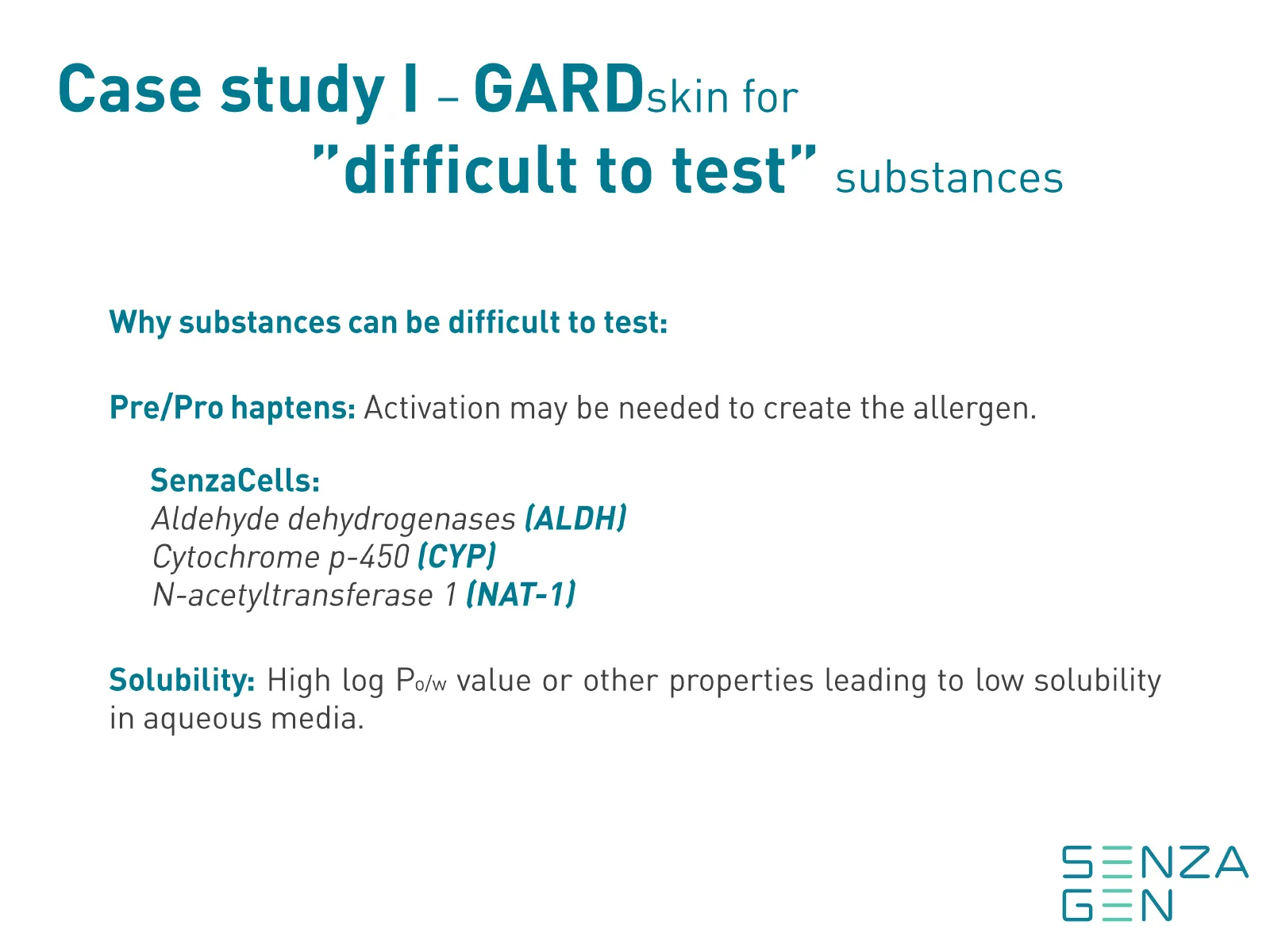
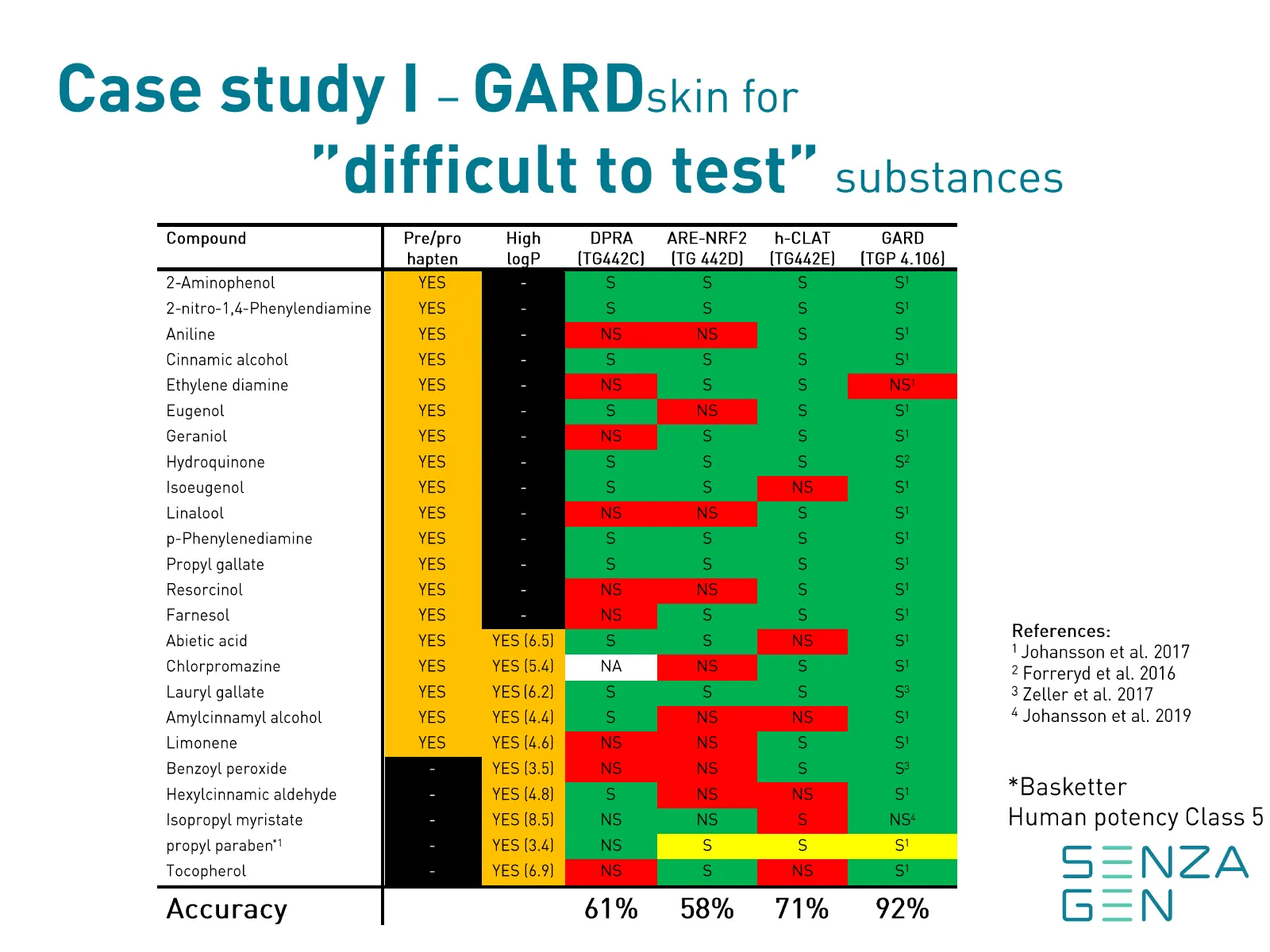
Case study | - GARDsxin for "difficult to test” substances Why substances can be difficult to test: Pre/Pro haptens: Activation may be needed to create the allergen. SenzaCells: Aldehyde dehydrogenases [ALDH] Cytochrome p-450 [CYP] N-acetyltransferase 1 [NAT-1] Solubility: High log Po/w value or oth
Slide 18: I - GARDskin for difficult to test substances
Case study | - GARDsxin for "difficult to test” substances Compound Pre/pro High DPRA ARE-NRF2__h-CLAT GARD hapten logP (TG442C) (TG 442D)__{TG442E)__ (TGP 4.106) 2-Aminophenol YES 2-nitro-1,4-Phenylendiamine YES Aniline YES Cinnamic alcohol YES Ethylene diamine YES Eugenol YES Geraniol YES Hydroqui
Slide 19: Vehicle: H2O, DMSO, DMF/Glycerol
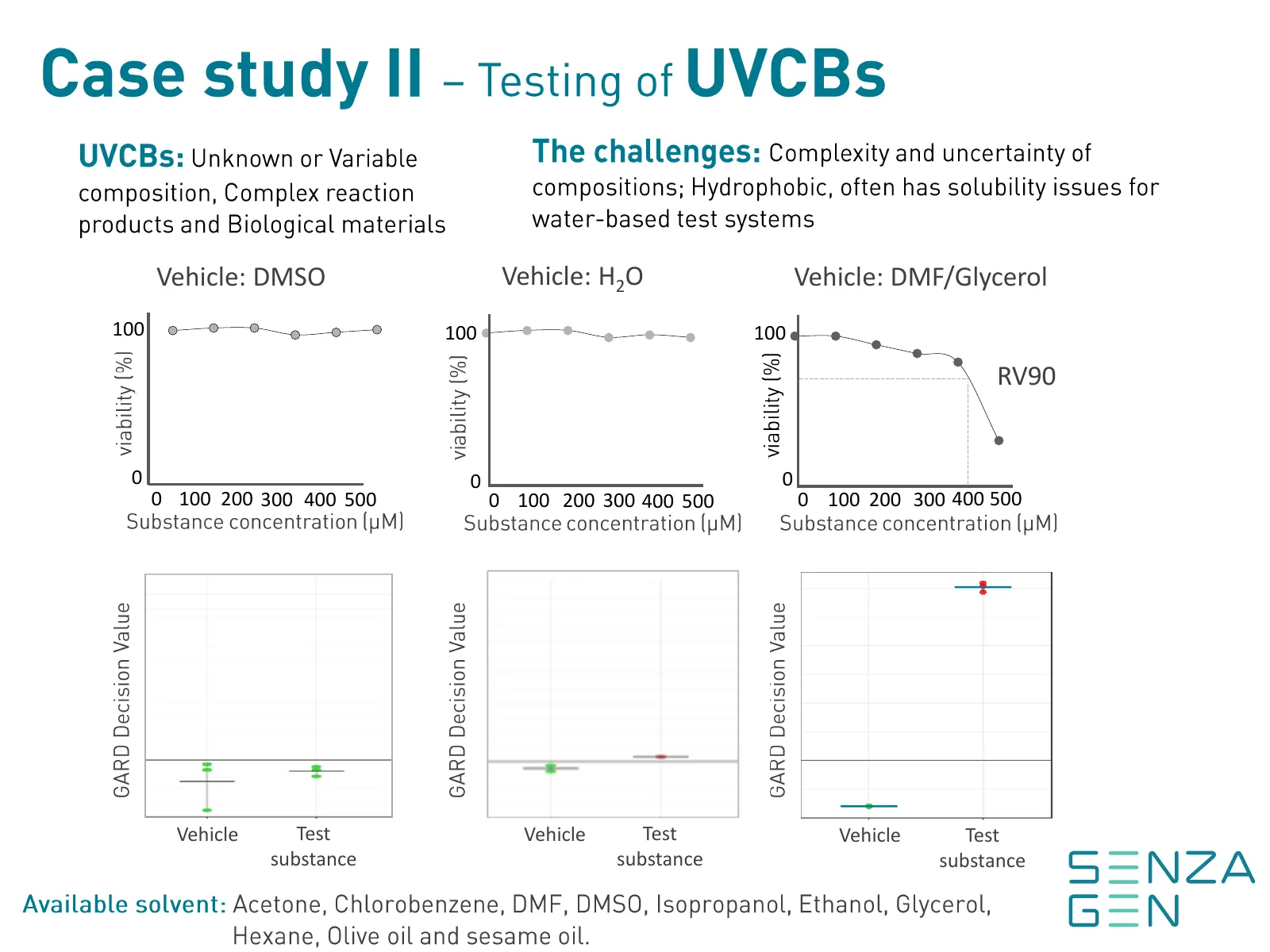
Vehicle: DMSO Vehicle: H2O Vehicle: DMF/Glycerol 100 100 100 RV90 0 0 0 0 100 200 300 400 500 0 100 200 300 400 500 0 100 200 300 400 500 Vehicle Test Vehicle Test Vehicle Test substance substance substance
Slide 20: II - Testing of UVCBs
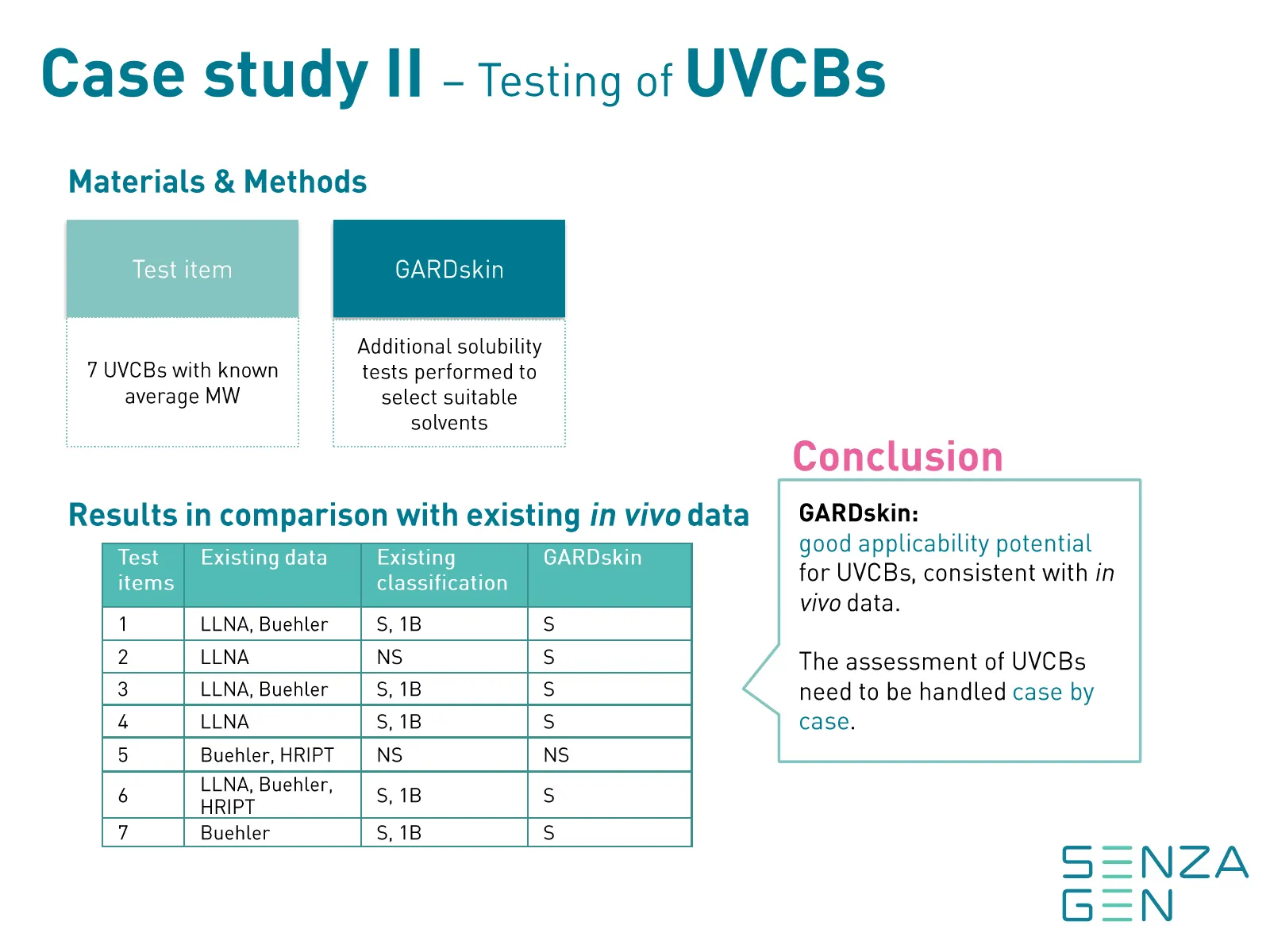
Case study II - Testing op UVCBs Materials & Methods Test item 7 UVCBs with known average MW GARDskin Additional solubility tests performedto select suitable solvents Test items Existing data Existing GARDskin classification Conclusion GARDskin: good applicability potential for UVCBs, consistent wit
Slide 21: III - Testing of natural mixtures
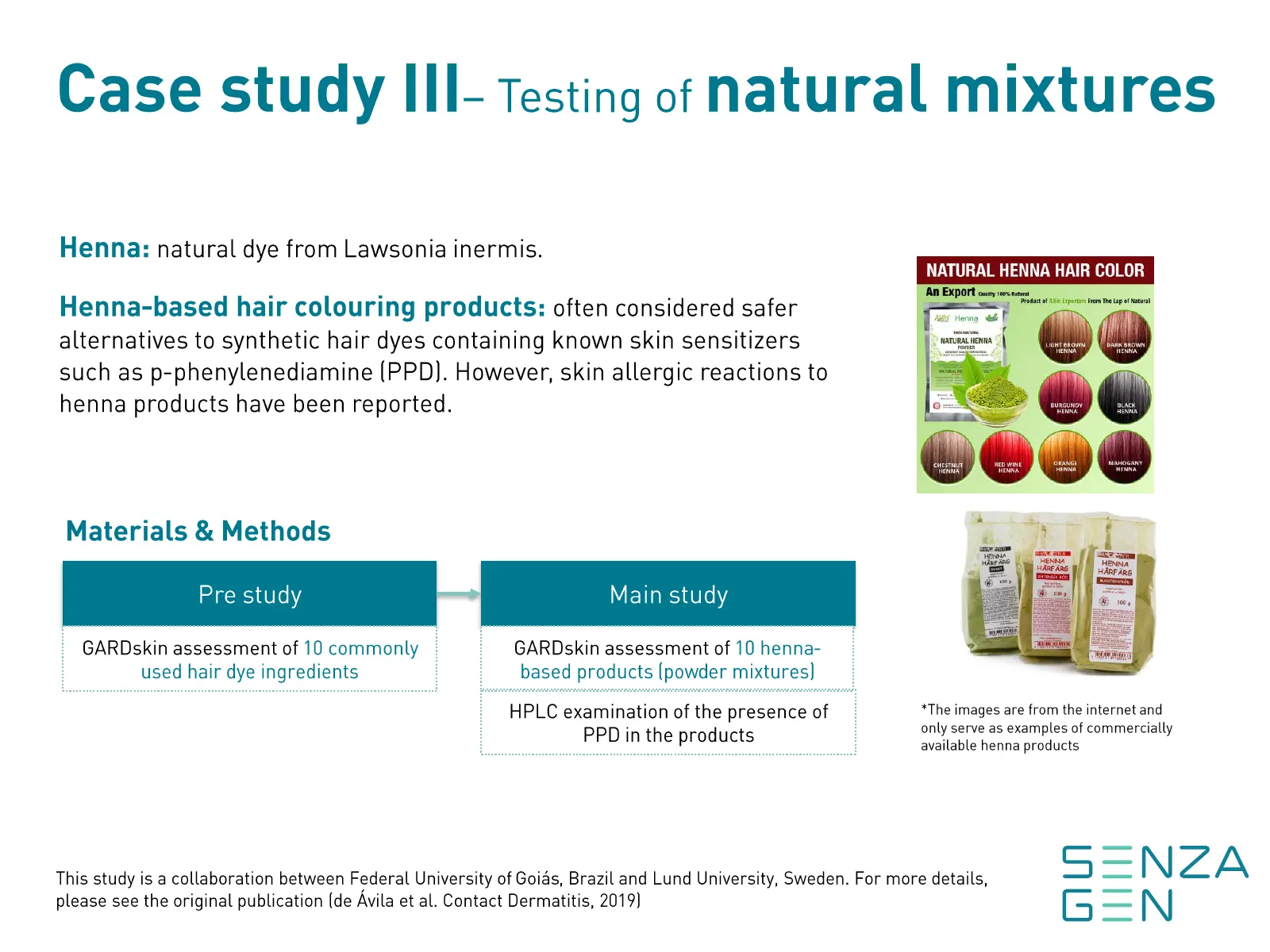
Case study III- Testing of natural mixtures Henna: natural dye from Lawsonia inermis. NATURAL HENNA HAIR COLOR Henna-based hair colouring products: often considered safer alternatives to synthetic hair dyes containing known skin sensitizers such as p-phenylenediamine (PPD]. However, skin allergic re
Slide 22: III - Testing of natural mixtures
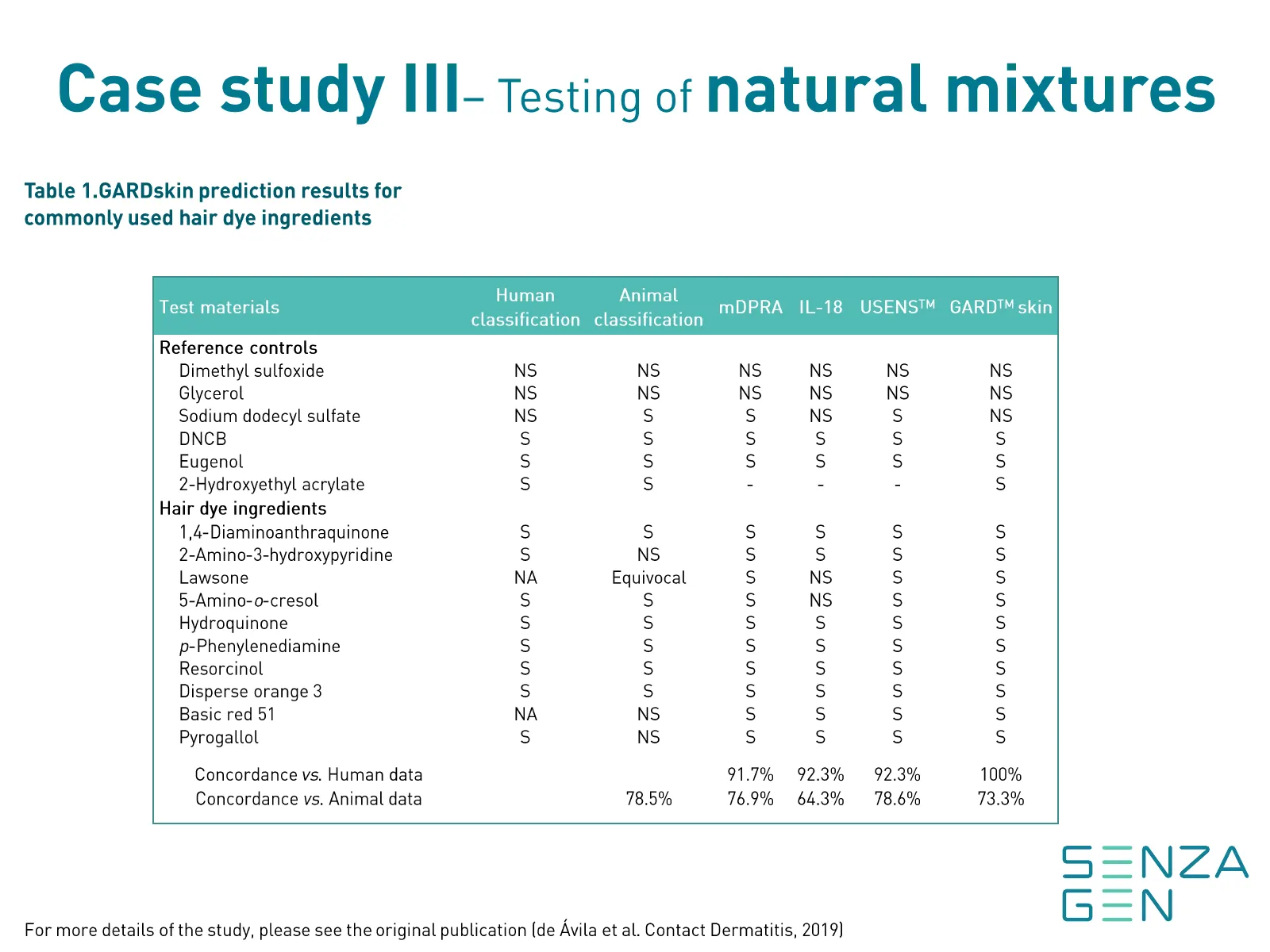
Case study III- Testing of natural mixtures Table 1.GARDskin prediction results for commonly used hair dye ingredients Test materials amet Animal ,DPRA IL-18 USENS™ GARD™skin classification classification Reference controls Dimethyl sulfoxide NS NS NS NS NS NS Glycerol NS NS NS NS NS NS Sodium dodec
Slide 23: III - Testing of natural mixtures
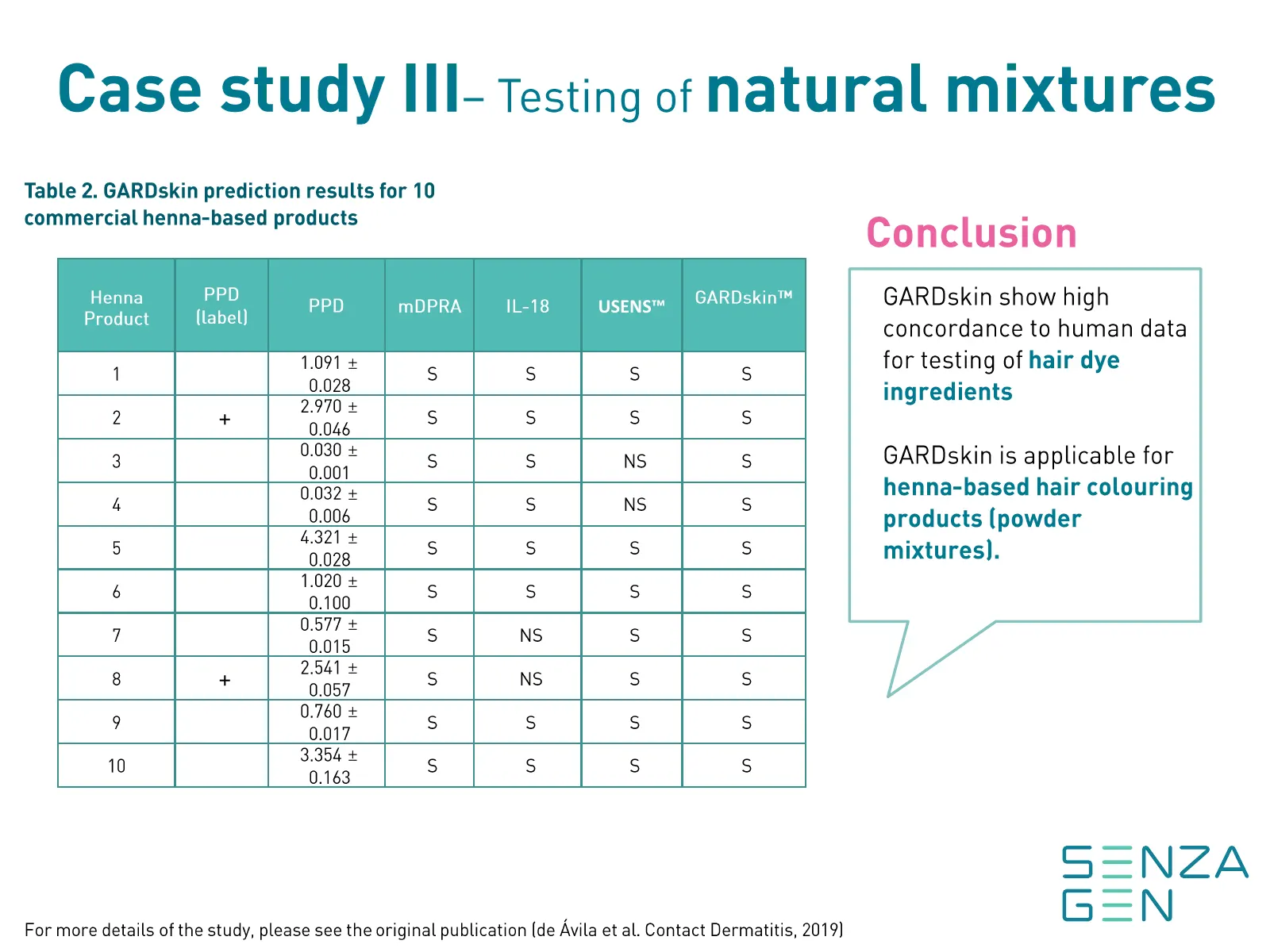
Case study III- Testing of natural mixtures Table 2. GARDskin prediction results for 10 commercial henna-based products Conclusion Henna fae I-18 usens™ GARDskin™ GARDskin show high Product abe! concordance to human data for testing of hair dye ingredients GARDskin is applicable for henna-based hair
Slide 24: IV - Testing of oil-based mixtures
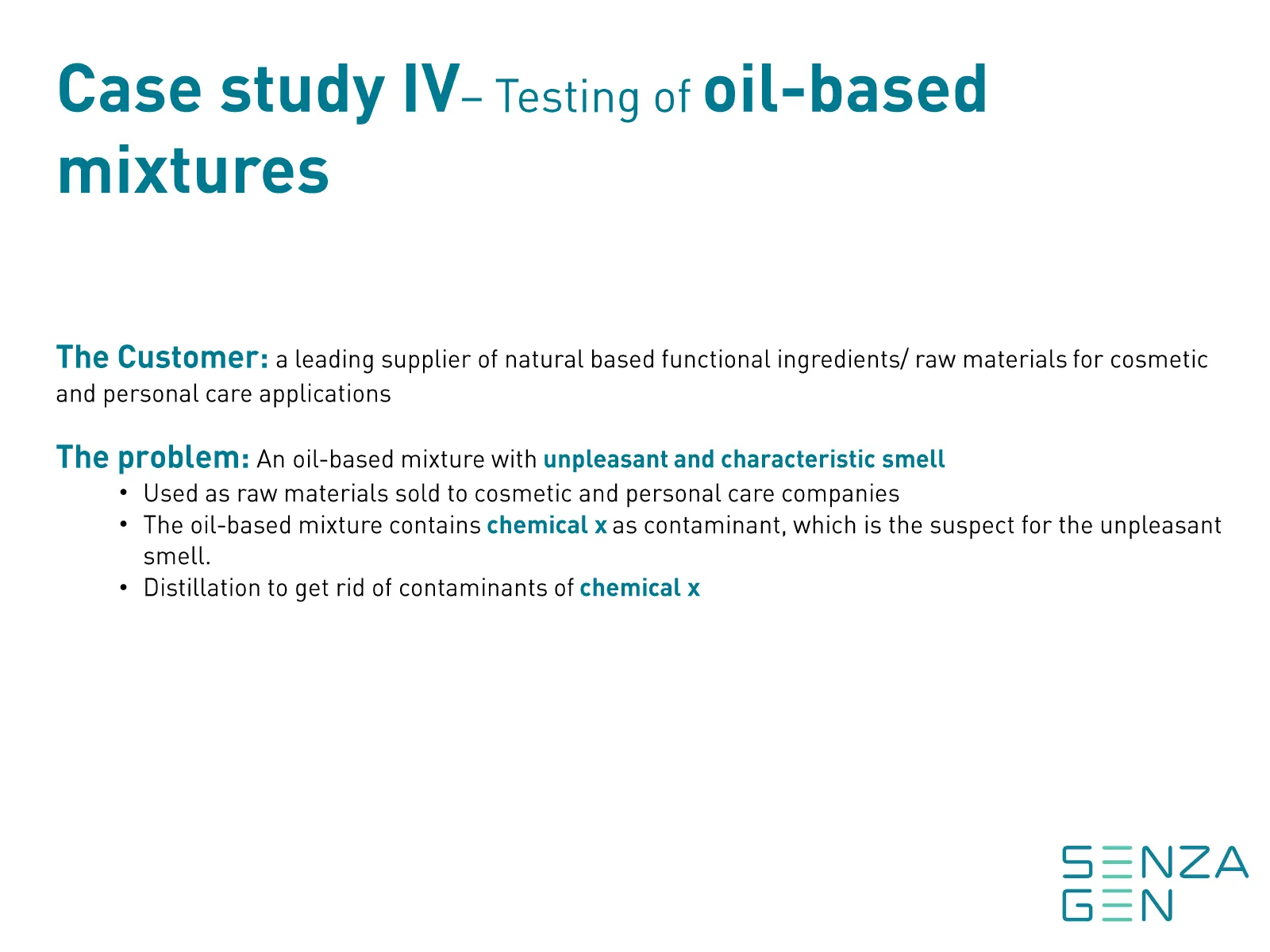
Case study IV- Testing of oil-based mixtures The Customer: a leading supplier of natural based functional ingredients/ raw materials for cosmetic and personal care applications The problem: An oil-based mixture with unpleasant and characteristic smell « Used as raw materials sold to cosmetic and per
Slide 25: IV - Testing of oil-based mixtures
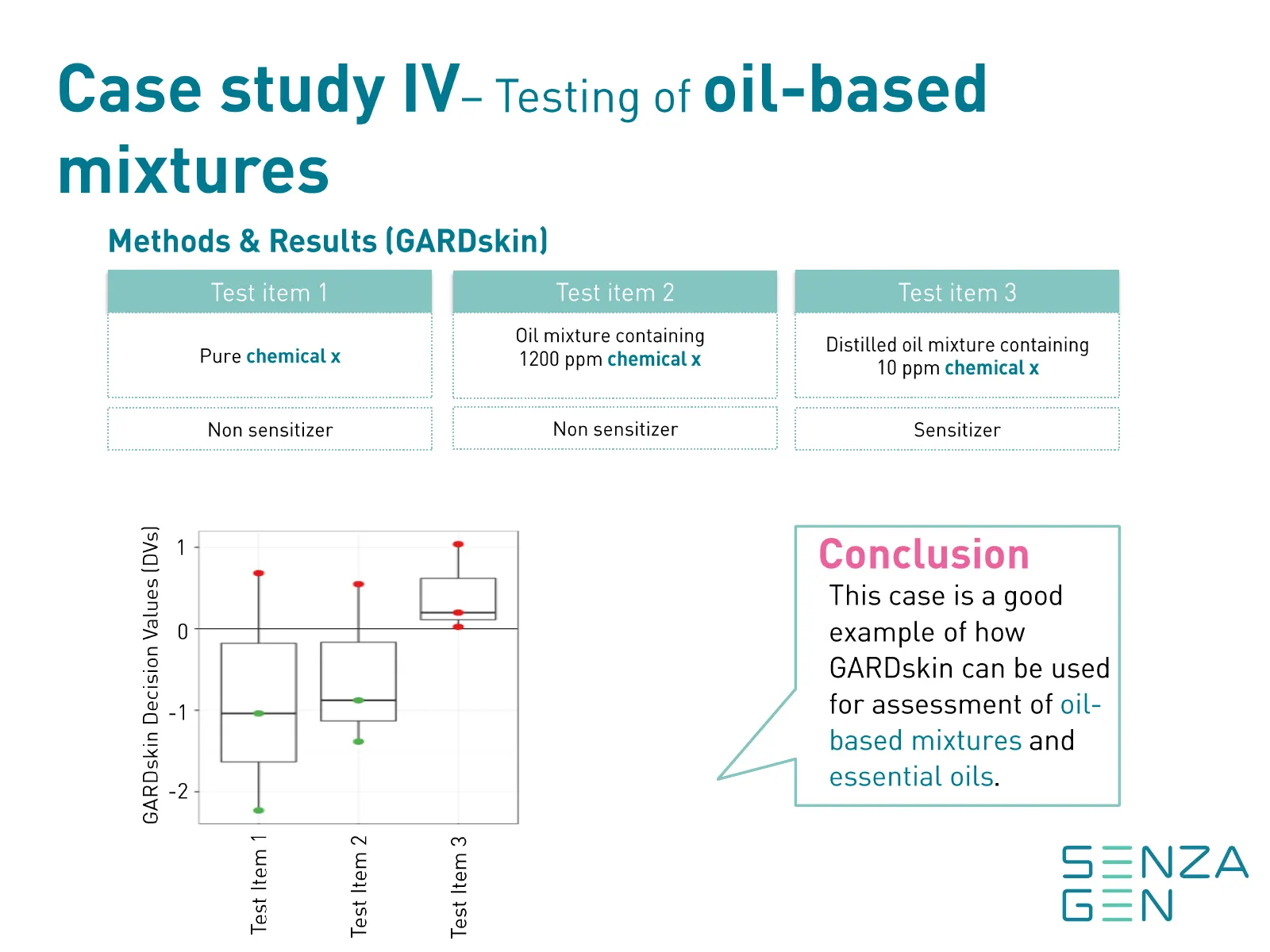
Case study IV- Testing of oil-based mixtures Methods & Results (GARDskin]) Oil mixture containing 1200 ppm chemical x Distilled oil mixture containing 10 ppm chemical x Pure chemical x Non sensitizer Non sensitizer Sensitizer ' if Conclusion This case is a good example of how GARDskin can be used fo
Slide 26: V - Testing Medical Devices for skin sensitization hazard
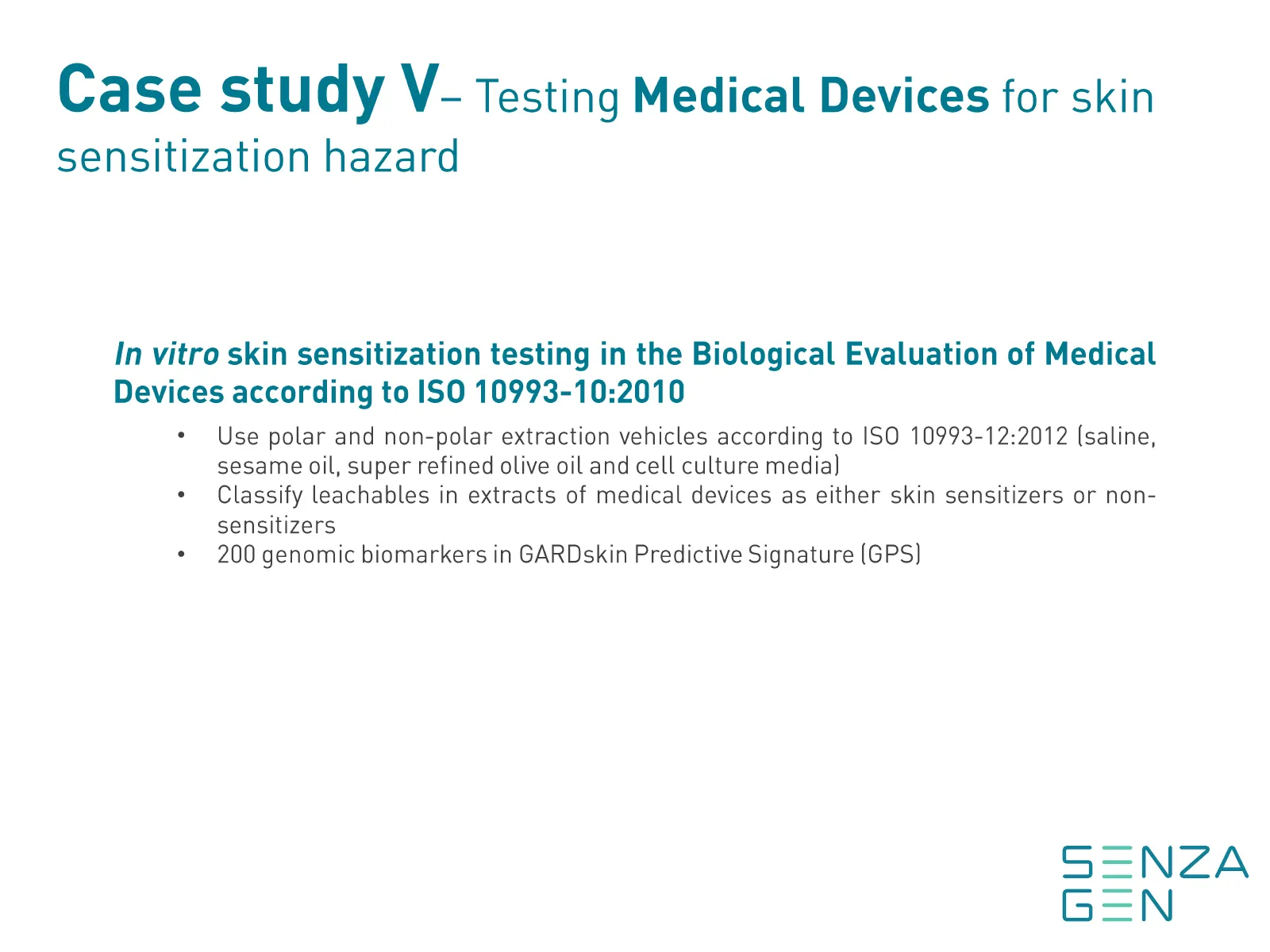
Case study V- Testing Medical Devices for skin sensitization hazard In vitro skin sensitization testing in the Biological Evaluation of Medical Devices according to ISO 10993-10:2010 Use polar and non-polar extraction vehicles according to ISO 10993-12:2012 (saline, sesame oil, super refined olive o
Slide 27: Decision Values (DVs)
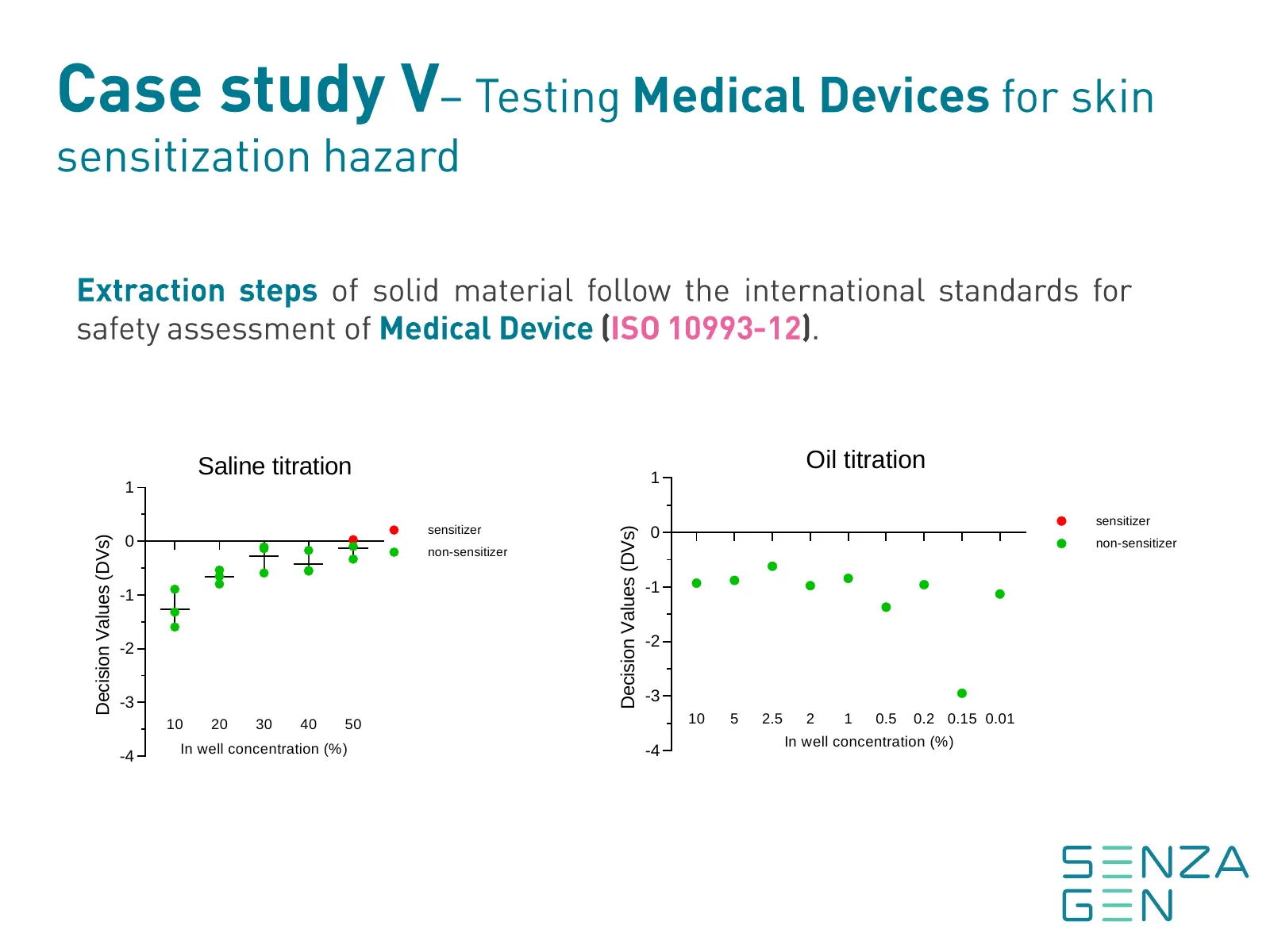
Saline titration Oil titration 1 1 sensitizer sensitizer Decision Values (DVs) 0 Decision Values (DVs) 0 non-sensitizer non-sensitizer -1 -1 -2 -2 -3 -3 10 20 30 40 50 10 5 2.5 2 1 0.5 0.2 0.15 0.01 In well concentration (%) In well concentration (%) -4 -4
Slide 28: V - Testing Medical Devices for skin sensitization hazard
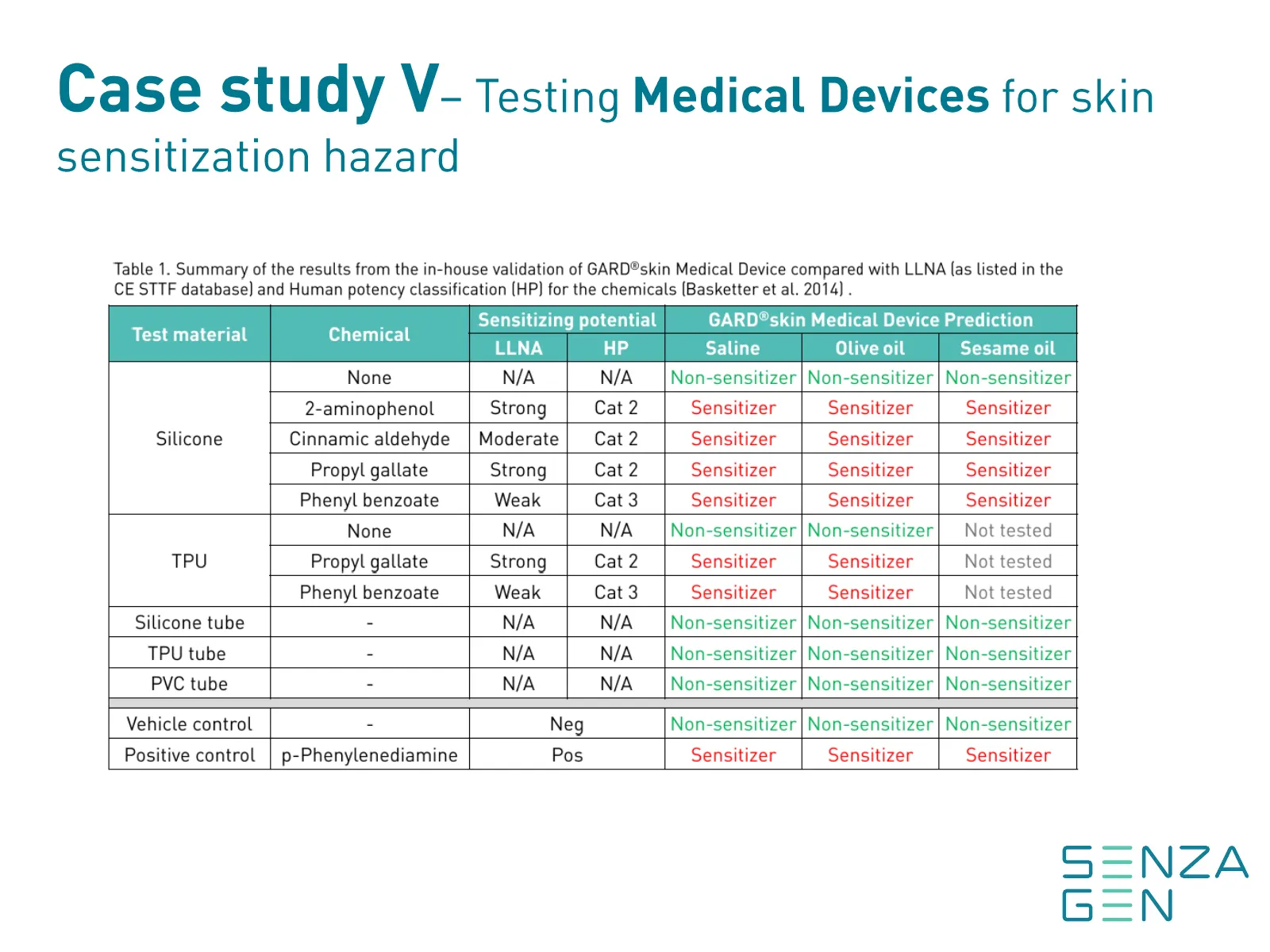
Case study V- Testing Medical Devices for skin sensitization hazard Table 1. Summary of the results from the in-house validation of GARD®skin Medical Device compared with LLNA [as listed in the CE STTF database) and Human potency classification (HP) for the chemicals (Basketter et al. 2014) . Test m
Slide 29: VI - Safety assessment of e-liquids
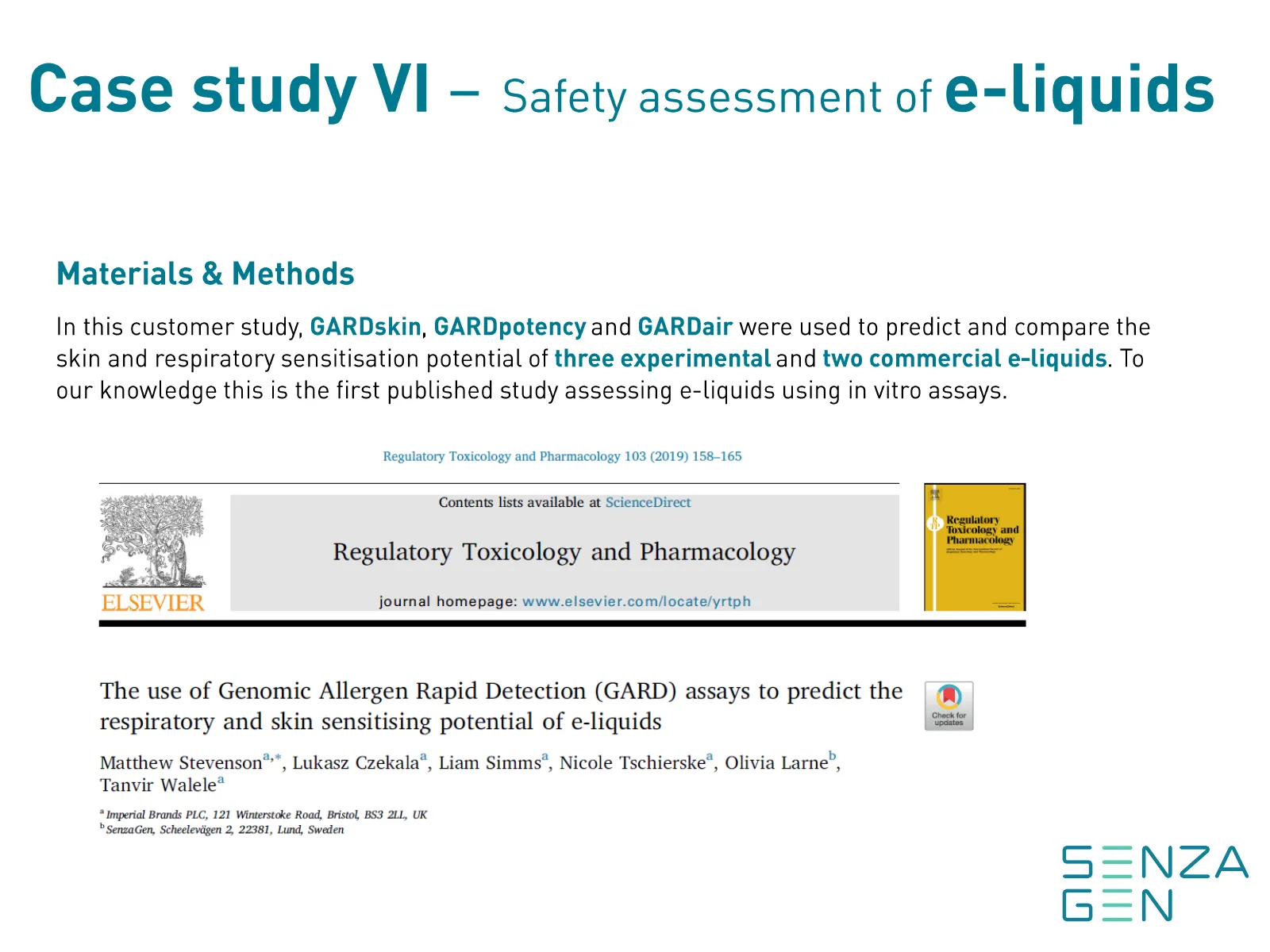
Case study VI - Safety assessment of e-liquids Materials & Methods In this customer study, GARDskin, GARDpotency and GARDair were used to predict and compare the skin and respiratory sensitisation potential of three experimental and two commercial e-liquids. To our knowledge this is the first publis
Slide 30: VI - Safety assessment of e-liquids
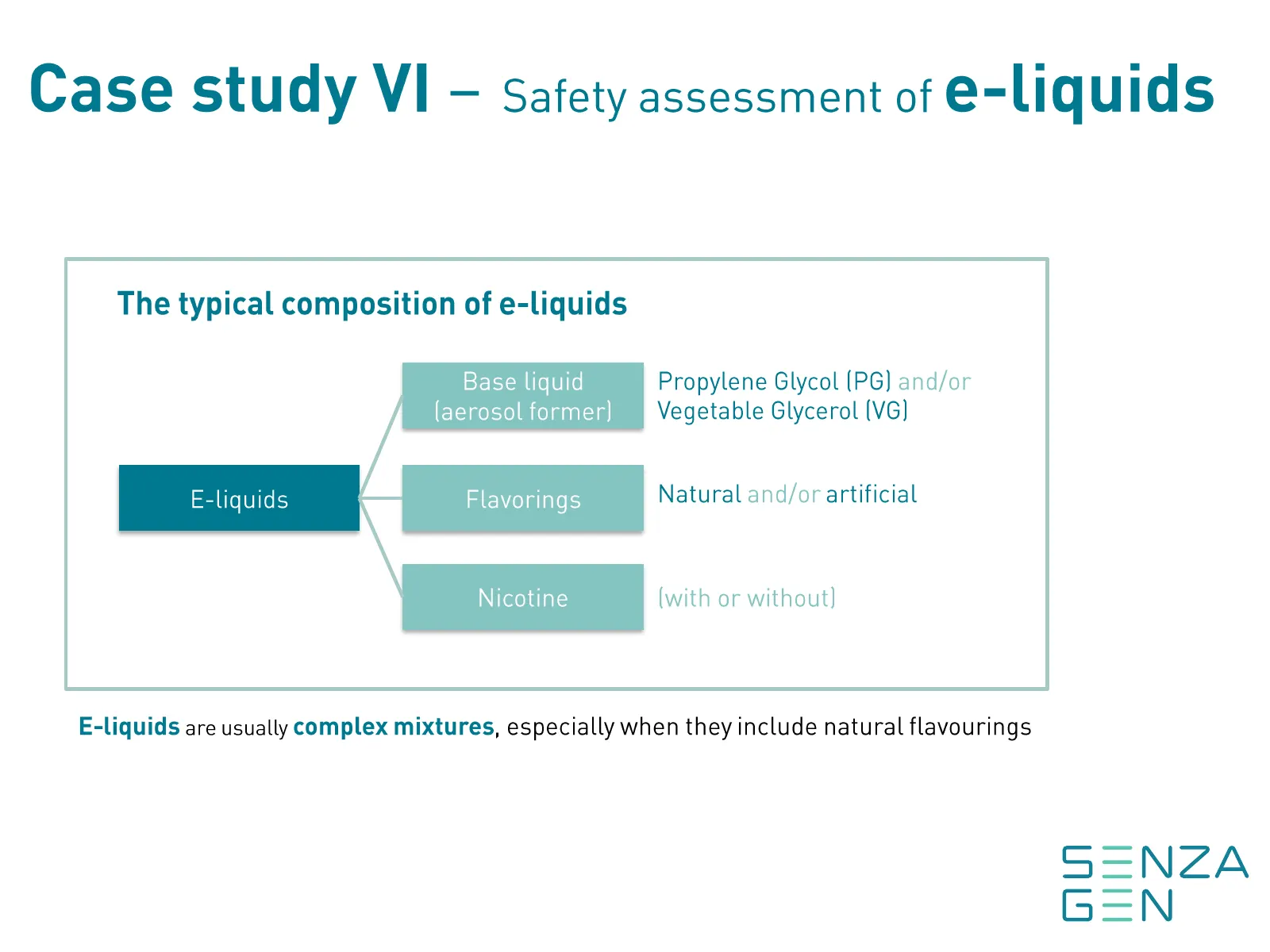
Case study VI - Safety assessment of e-liquids The typical composition of e-liquids Propylene Glycol (PG) and/or Vegetable Glycerol [VG] Base liquid (aerosol former) Natural and/or artificial E-liquids Flavorings (with or without} Nicotine E-liquids are usually complex mixtures, especially when they
Slide 31: VI - Safety assessment of e-liquids
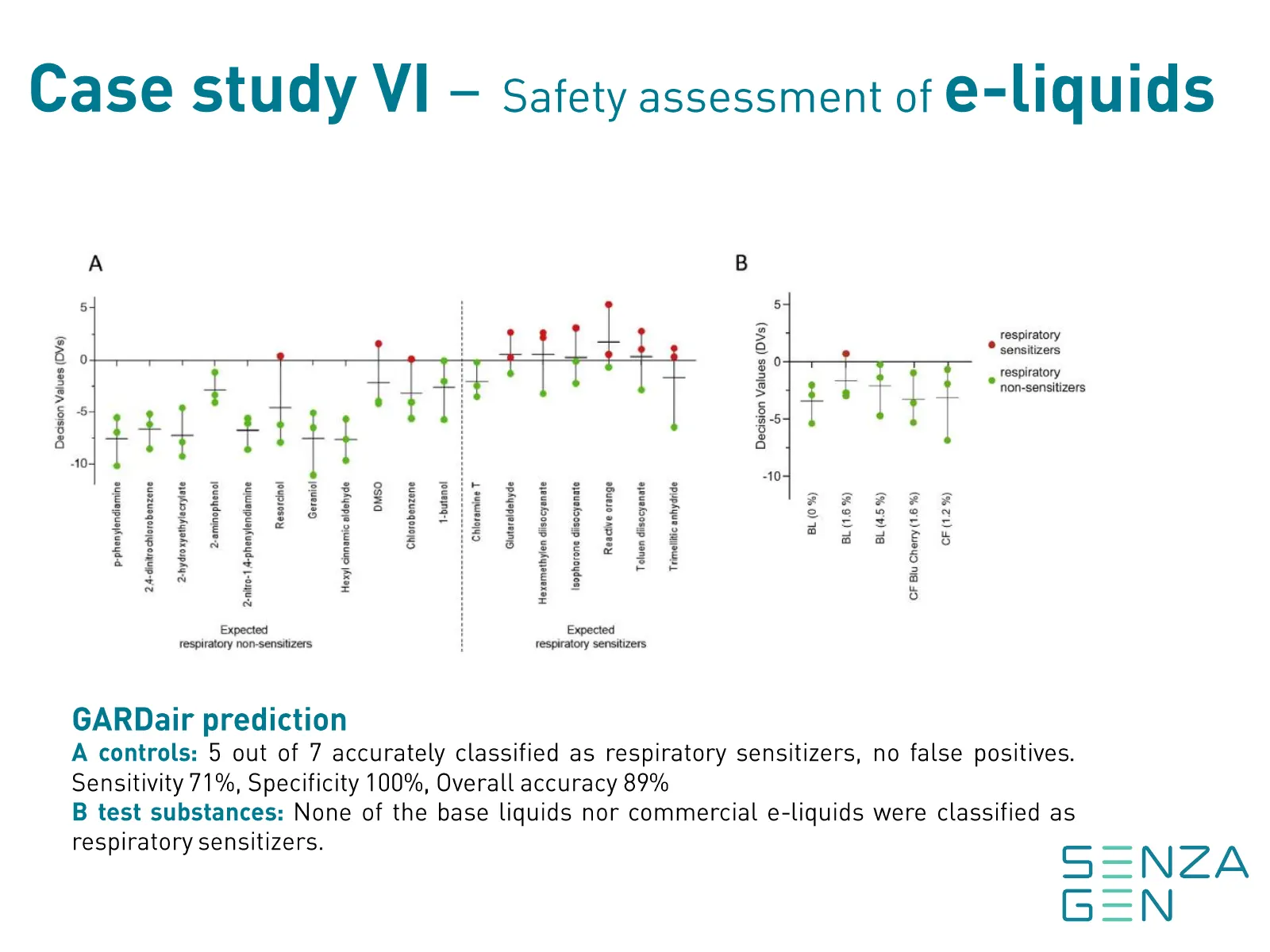
Case study VI - Safety assessment of e-liquids A B 5 5 = respiratory 3 ai e, e sensitizers J ¢ | 8 a + t 3 respiratory s non-sensitizers | te Tt 3 a oof e4 o++e eel ea eeseeeuieeeeiged — wd ot. 4+ 3 DMso BL (0%) BL (1.6 %) BL (4.5%) Chlorebenzene Glutareldehyde Reactive orange Toluen diisocyanate Tr
Slide 32: VI - Safety assessment of e-liquids
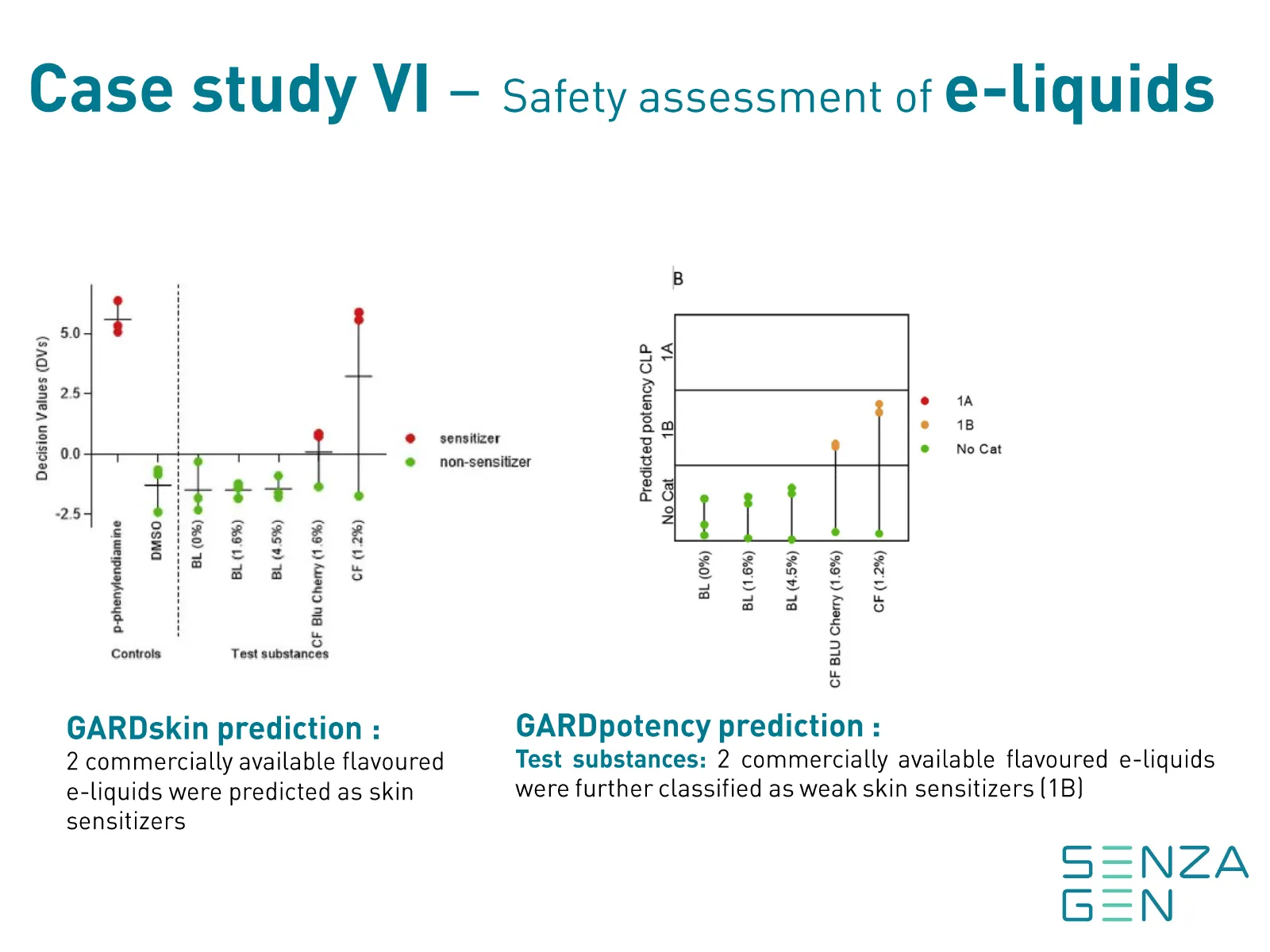
Case study VI - Safety assessment of e-liquids B ole | ; |] a5 2 254 3 ° 4A 5 ! bd @ ~~ sensitizer Bq . 8 so ' y : u I | @ — non-sensitizer 8 i & No cat Tag ir I | 254. WO ge ce ey z Pee € & & & faa Fs geet § H ‘i é £eé & i j aa 7 8 a H = a Controls Test substances 2 6 GARDskin prediction : GARDpote
Slide 33: VI - Safety assessment of e-liquids
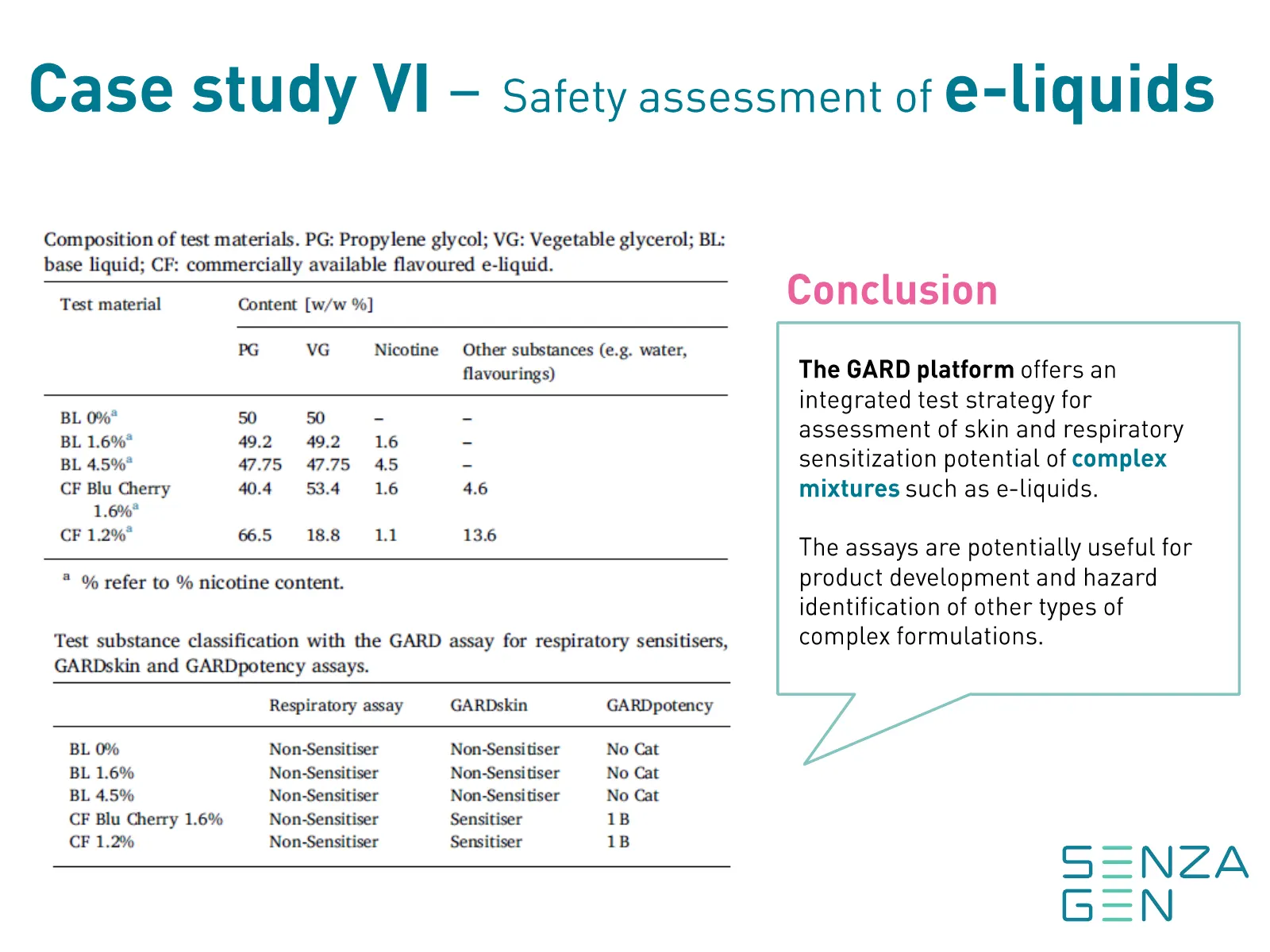
Case study VI - Safety assessment of e-liquids Composition of test materials. PG: Propylene glycol; VG: Vegetable glycerol; BL: base liquid; CF: commercially available flavoured e-liquid. Conclusion Test material Content [w/w %] PG VG Nicotine Other substances (e.g. water, flavourings) BL 0%* 50 50
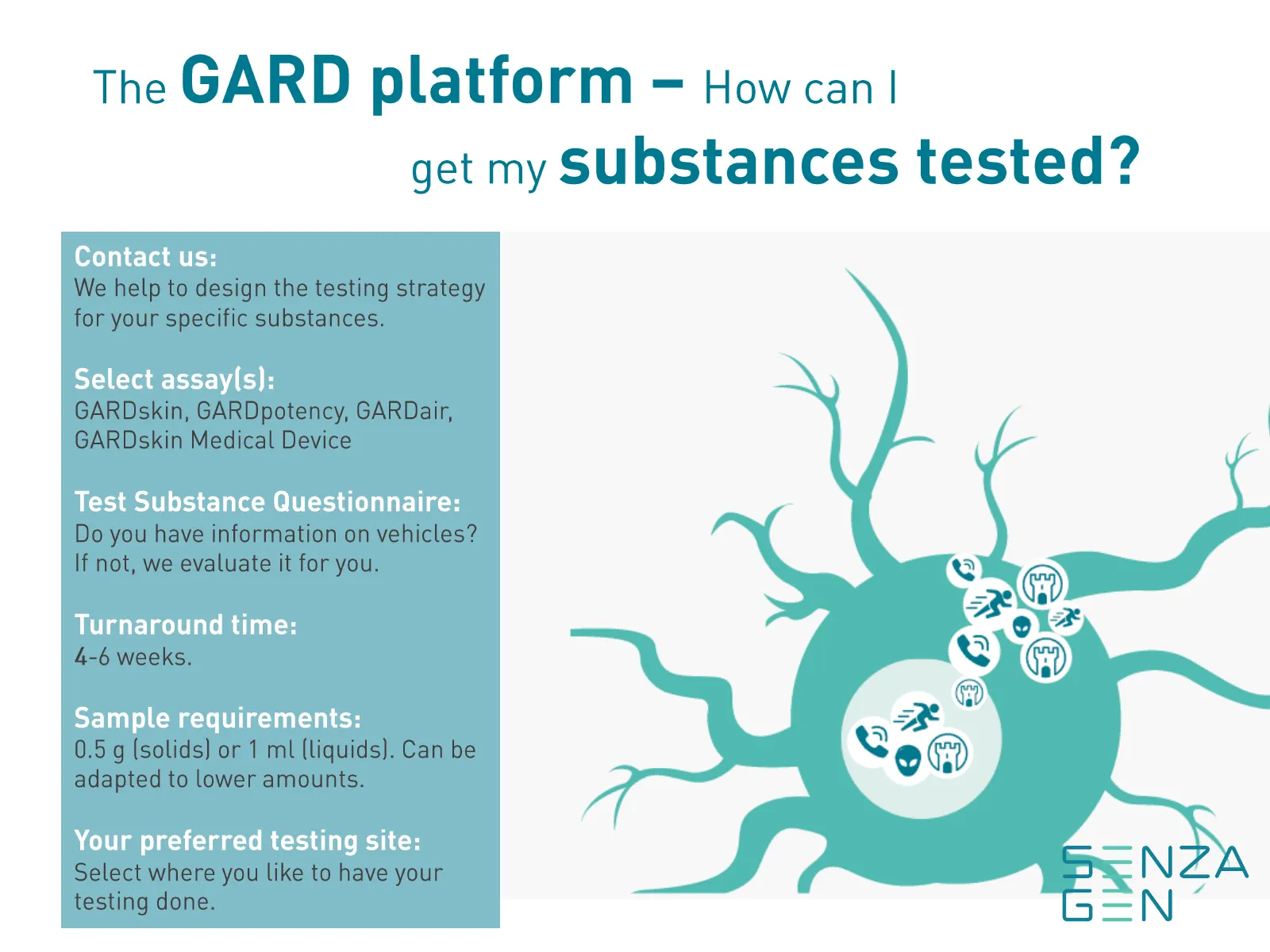
Slide 34: The GARD platform — How can I get my substances tested?
The GARD platform — How can | get my Substances tested? Contact us: Select assay(s): Test Substance Questionnaire: Turnaround time: Sample requirements: Your preferred testing site:
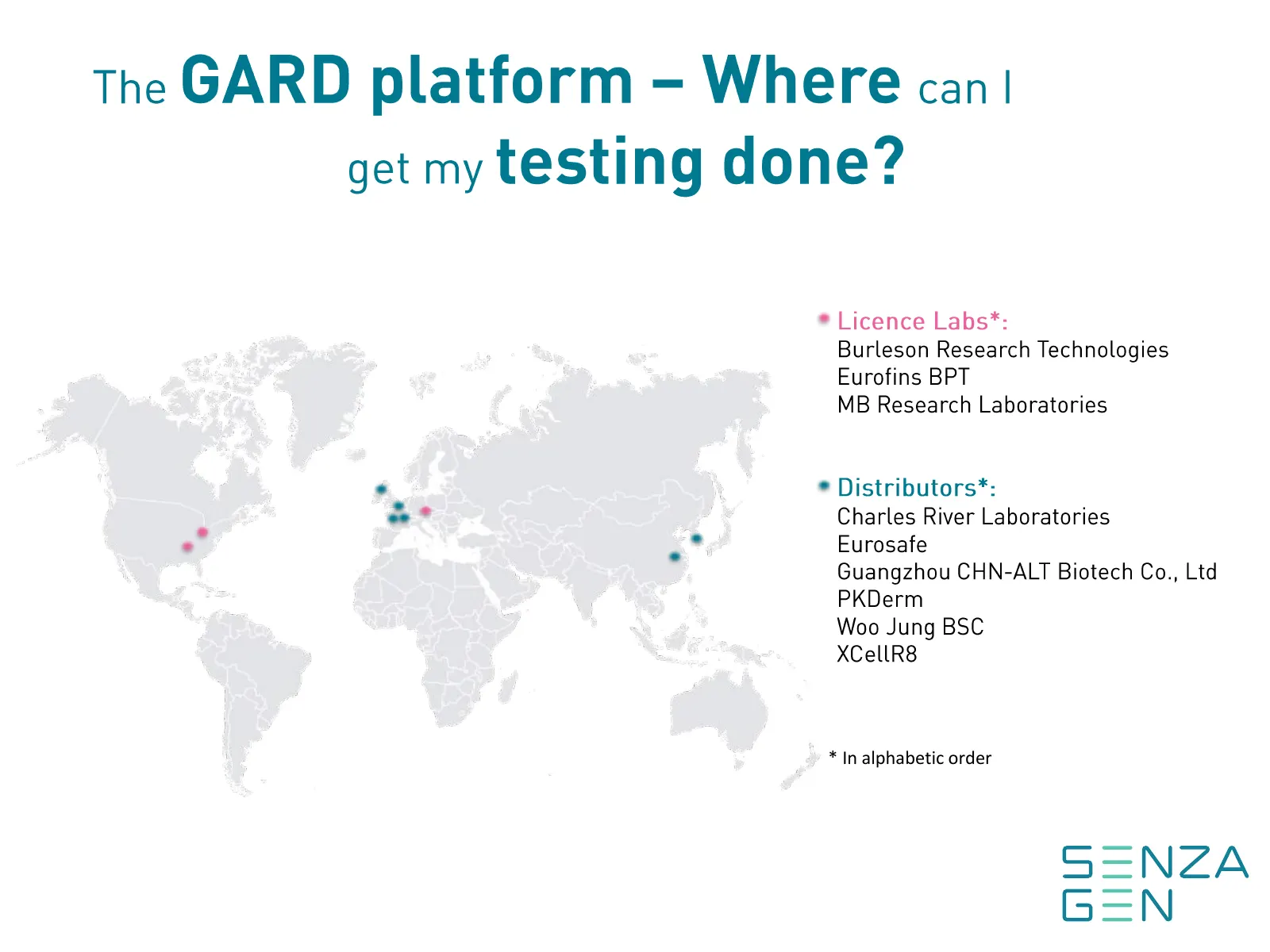
Slide 35: The GARD platform - Where can I get my testing done?
The GARD platform - Where can | get my testing done? tt * Licence Labs*: Burleson Research Technologies Eurofins BPT MB Research Laboratories * Distributors*: Charles River Laboratories Eurosafe Guangzhou CHN-ALT Biotech Co., Ltd PKDerm Woo Jung BSC XCellR8 * In alphabetic order

Slide 36: www.senzagen.com
www.senzagen.com Andy Forreryd, PhD Joshua Schmidt, PhD Key Account Manager & Scientific Liaison Business Development Director Americas andy.forreryd@senzagen.com Joshua.schmidt@senzagen.com +46 734331777 +1 651.440.5691
Source: Internet Archive copy of senzagen.com
More decks from SenzaGen AB
 Investor Presentation (October 2021)27 slides · Oct 28, 2021
 Technical Presentation (October 2020)59 slides · Oct 6, 2020
 Technical Presentation (February 2020)59 slides · Feb 25, 2020
 Conference Presentation (October 2019)25 slides · October 2019
 Technical Presentation (September 2019)33 slides · September 2019
 Technical Presentation (April 2019)61 slides · April 2019