

Copyright © BusinessAMBE 2023
Key takeaways
- Qantas is using scientific research into light and nutrition to reduce jet lag.
- Specially designed cabins put passenger well-being first through advanced lighting.
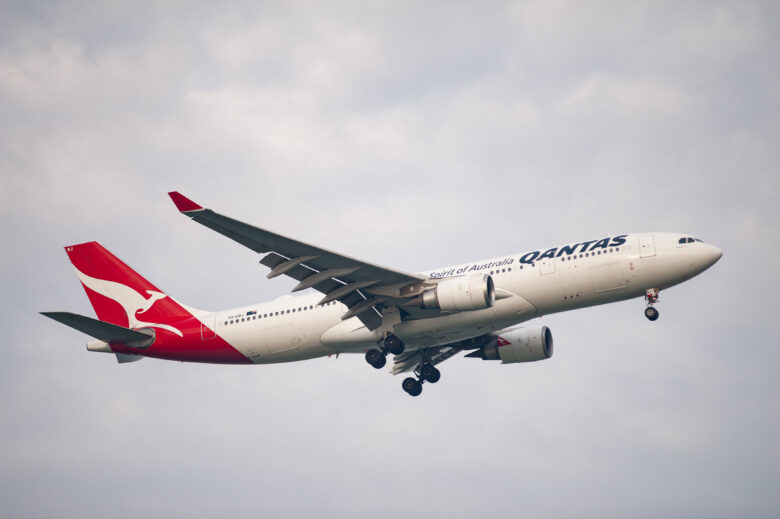
The Australian airline Qantas is integrating scientific research into its upcoming non-stop flights from Sydney to London and New York, with the aim of reducing the physical strain of flights of around 20 hours. That is what Reuters writes.
The initiative, known as ‘Project Sunrise’, focuses on overcoming the biological stress that comes with crossing numerous time zones, by using a specialised aircraft – the Airbus A350-1000ULR – equipped with facilities designed to regulate the body’s internal clock.
Fighting jet lag with light and nutrition
A central element of the strategy is the use of light and nutrition. Peter Cistulli, a sleep medicine specialist at the University of Sydney, noted that the airline can improve passengers’ alertness by adjusting meal times and using specific lighting.
The cabin environment is further enhanced by 14 different lighting scenarios that mimic Australian landscapes, simulating sunrises and sunsets to help travellers adapt to their destination.
Cabin design
The interior design, led by David Caon, prioritises health and well-being over mere aesthetics. Although some early ideas, such as fitness equipment, were scrapped, the aircraft will feature a “wellness zone” with shimmering, diffuse light intended to evoke the relaxed atmosphere of a poolside environment. To further enhance the experience, the airline is offering more legroom and enclosed first-class suites with fixed beds.
Commercial strategy for ultra-long flights
From a commercial perspective, Qantas sees the ultra-long flights as a way to turn Australia’s geographic isolation into a competitive advantage, aiming for a 20 percent increase in revenue.
Because the aircraft can carry only 238 passengers due to weight restrictions, the cabin has been fitted out with a large proportion of premium seats to maximise profitability. Despite the prospect of higher fares and operational risks – such as costly diversions – the airline is confident that the convenience of avoiding stopovers will attract a premium market.
Passenger concerns
Passenger reactions to the project are mixed. Some travellers appreciate the time savings, while others remain sceptical about whether the convenience justifies a substantial price increase. Although the appeal of less jet lag and better mobility is strong, concerns remain about the size of economy class seats and maintaining cleanliness in the cabin during such long flights.
(at)
Follow Business AM on Google News as well
If you want access to all articles, take advantage of our temporary promotion and subscribe here!
© The Content Exchange, source News