Transcript
Automated transcript · Written by software from the replay's audio. It can mishear names and figures; the replay is the record.
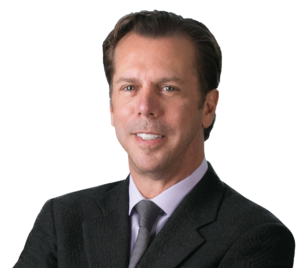
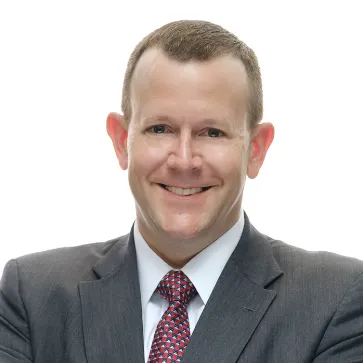
0:07 Hello, everyone, and welcome to the First Mining Gold webinar today. Really appreciate you taking the time to join us. I'm Dan Wilton, CEO of First Mining Gold. And we're very pleased to have with us our chairman, Keith Neumeyer, chairman and founder, I would say, Keith Neumeyer. Keith, thanks for coming to join us today. Oh, great, Dan. And thanks for organizing the call. Yeah no it's great. Listen I think the purpose of the call twofold. 1 I think just providing a bit of an update on first mining and we thought particularly at this time as we're going towards this distribution of treasury metal shares It provided a good opportunity for us to take a bit of a look back. And it's been a while, certainly, since we've had you on and had the ability to remind a bunch of our investors, many of whom have been around since the early days of first mining finance, but some of the newer investors may not know some of the history and just kind of thought, you know, this is a pretty important moment in the evolution of the company because what's kind of struck us as we move forward with this Treasury distribution, is this exactly what you talked about going back 5-years? This was always part of the game plan. So I think what I'd like to do is talk a little bit about that. We'll go through a bit of an update on
1:30 first mining and what's going on at the projects, talk about the Treasury distribution because I know we've had certainly an enormous number of phone calls and just make sure that all the shareholders know exactly what the game plan is for this distribution. And then we'll have an opportunity to take some questions. So listen, from that front, Keith, I just think yeah, it would be really helpful if you can just give a bunch of the attendees today a little bit of a history lesson on first mining, how you set it up. It's now 6 years ago, right? Yes, and time flies. One thing I've been really good at is timing purchases. I'm not so much good at selling things, but I tend to be really good at buying stuff.
2:19 And going back to my early days in the copper business and then in the silver business, of course, with Bridgman, that's silver, and then in the gold business, I timed the purchases and the creation of first mining quite well, I guess. Maybe pat myself on the back a little bit, but what I noticed in 2014 was, these mining or these gold equities were trading at sub $10 an ounce. And I had never seen those types of valuations in my entire career. I've been in the mining business for 35 years and I was just so compelled to create another company right in the middle of running First Majestic and, you know, of course, having a phone store at that time, you know, with low metal prices.
3:08 But I just found the team and the energy to put together First Mining Finance, we called it at the time. And what I did, and maybe people don't realize how it was created, but I had the technical team of people, I gave them a list of criteria. The land tenure was important, title, holding costs, grade, a whole bunch of things. We had a list of about 10 criteria and we don't have time to go through it all today. So I gave this list to the technical team and they went out and looked at all the assets
3:46 that were publicly traded. And lo and behold, what we found was that Ontario Gold and Quebec Gold was trading at ridiculous low values, even lower than Mexican Gold, for example, which was quite confusing for us. So we ended up putting together a list of companies and we started with a hundred companies actually, and we broke it down to 60 companies. Then we broke it down to 10 companies. So we had our target list of 10 of what we considered the best gold projects in the world. I approached the companies, the boards of directors of these companies and tried to buy them or merge with them. We were successful buying 6 of our top 10 picks, which is pretty interesting.
4:35 So over a period of 15 months from April, 2015 to summer of 2016, we did 8 acquisitions of which 6 were our favorite gold assets. And Dan's going to talk about GoldLund and SpringFold today, which are
4:53 obviously key assets on our portfolio. But we were able to raise a substantial amount of money. First mining finance at the time was the darling of the market. It had a $600 million market cap in mid-2016. Today, it's got a $200 million market cap. But the management today, Dan's been with us now, for the company now for coming on to 2 years. And the current management team has executed our business plan, you know, down to the T. And today we're extremely well financed. People don't actually know
5:30 how well financed we are. And Dan will give you more details on that, but we don't need to raise any capital. We're doing a dividend spin out, which is a topic of today's discussion. And that was part of the original plan when we first put the business together. Yeah, no, and it's actually been almost 2 and a half years now, Keith. So yeah, truly time does fly.
5:53 And that's, you know, I think it's important, you know, you talked a little bit about the criteria, but that's what sets the value benchmark for these assets that we have that a lot of people don't appreciate. These were looking for million ounce resources and I think you had the luxury at the time of looking for jurisdiction. You saw that Ontario, Quebec, when everyone had given up on these projects in 2015, 2016, you had that really unique opportunity. But we, you couldn't put this together today at anything near the same price, right?
6:25 You look at what the market is paying for exploration before companies even have resources now. And you have companies with 800, $900 billion market caps that are aspiring to get to 5, 6, 7 million ounces. Thanks to what you guys did in 2015, 2016, We've got that on the books. It was quite the experience and you're right, it couldn't be done today. I'd have to go back and look at exactly what we paid for these different assets, but it's probably not even worth even mentioning. We were picking these assets up for less than $10 an ounce, gold in the ground, which is absolutely unheard of. Today, you'd probably have to do it for probably $40 to $50 an ounce.
7:12 Yeah, easily, I think. If you look at the average for developers with resources being moved forward, we always talk about how SpringPool is undervalued. But we, on a total ounces basis, we're trading at about 20, which is a nice bump up from 10, but it's a long way from fair value of the rest of the development sector that's trading at $80 to $100 an ounce and more for more advanced stage developers. So I think it's definitely
7:44 the buying right is a super important part of the value that we have here. Yeah. And one thing I should throw in there is I think there tends to be a little bit of confusion around multi-asset companies. If you go back and look at my career, I've always built companies based on multiple assets because I just don't want to gamble all our management energy or all our capital on 1 project because I just feel that it's just a little bit too risky. Mining's risky enough as it is, so why not diversify over a portfolio of assets? So that's why, or that's how I put First Money and Gold together, and that's how I put First Mutual and Stillware together as well.
8:26 But unfortunately, what happens is on the other side of that is that people look at the company and go, oh, how do we value you? And I think that's sometimes it's a bit of a disadvantage. When you look at some single asset companies out there, it's quite surprising how high value some of these single asset companies are. And you compare us to some of these other companies, then you kind of shake your head a little bit because the value of first mining, I think, is a little bit overlooked sometimes. Yeah, I think that's right. And listen, one of the challenges is when we're doing real work on the portfolio, the Springpole, for example, you know, as we're moving it through the
9:04 environmental assessment, we put out the pre-feasibility study, you know, really ongoing continual technical de-risking of the project. You know, I think we have great exploration upside there that we're starting to try and better understand, great leverage to Gold price, just look at the PFS numbers.
9:28 The challenge is advancing these projects takes real amounts of capital. And that's where I think when you look at what we've done over the last year, it's kind of the flip side of what you and the team did in 2015, 2016 in a period of really depressed gold prices and depressed valuation. We've taken the opportunity of an improved market to be able to find partners who are going to spend a lot of the money on some of the projects where we
9:58 have other priorities and we think better leverage to the spend to the de-risking. And that was part of the plan. That's what we set out to do from the beginning. So we've done pretty well everything we've said we were gonna do. And with this treasury spin out, it's just adding to that credibility of the basis of the business. Yeah, no, I think that's great. And Treasury, I mean, just to talk about that for a minute, we sold our GoldLund project to Treasury to combine with Goliath last year.
10:33 And for some of the shareholders or participants of the webinar here who haven't followed it that closely, Treasury's done a really, really good job. And our teams continue to be very involved in that. But they've done a very good job of scoping out what that combined project looks like. And I think what doesn't really get said is how kind of conservative a basis that that PEA they put out last year was, but it shows a project with really kind of base case economics, 320 million plus NPV on 200 and change of CapEx. But that shows processing a million ounces. I mean, when we bought Goldmund, how many ounces did you think we had in Goldmund on that 50 kilometers of trend that we had there?
11:27 Well, more than what's publicly announced for sure. Yeah, absolutely. We can't be throwing numbers out. I don't think Our Geos or our technical team obviously has some significant upside in that asset, at least on the back of the envelope. It's going to take time to obviously prove that up. But one thing, Dan, we should just give the listeners a bit of a history on that because Goldland was owned by a private company. So it was actually never in the public realm. And it was something like 2 million ounces of gold approximately. And Goliath, which is owned by Treasury Metals, you know, they had tried on a number of occasions to buy Goldline unsuccessfully.
12:15 And we ended up kind of scooping it and at the begrudge of Treasury Metals. And then, but over time, you know, we ended up doing, of course, we did a deal with Treasury because it makes just a ton of sense to have Goliath and Goldline in the same company. Because they're joining and Goliath is much more advanced or Treasury Metals is much more advanced on the permitting stage. So really the combination of these 2 assets into a single company really fast tracks the production of this asset. So that's why we did it. It just made a ton of sense. Yeah, no, I think that's right. And you point out the important point about treasury being or Goliath being further advanced in that EA process, having gone through a federal environmental assessment already. Still some work to do on the permitting side. And ultimately, as you scope the 2 projects together, you have to kind of relook at what you are getting permits for.
13:15 So it takes a little bit more work on that front. But, you know, one of the things that as you think about, you know, you've combined these projects, that PEA has about a million ounces being produced over an 11-year mine life, a little bit more than a million. But you know, I think this is an area they're going to be mining and feeding that mill for 30-years, right? You just look at some of the drill results that Treasury's put out recently, like last week, 3.14g over 21m, you know, from surface. These are all the same kind of things. Go back and look at our Gold Line drilling in 2017-2018. There are amazing open-pit grades that are coming out of this, like some of the best open-pit drill results in Canada.
14:03 I don't think it's really getting the recognition because I think part of it's been a bit of a reboot of the story. But I think it's just such a huge opportunity. What people don't appreciate is with all of our shareholders becoming Treasury metal shareholders here, this is a huge opportunity. I think you're going to see the liquidity really, really jump up. And I think when people understand how that is coming together, we're going to continue to remain big shareholders as first mining. And you and I as big shareholders of first mining are going to become personally pretty bigger shareholders of treasury too. So no, I think it's exceptionally exciting. And there's lots more of that, you know, de-risking, showing what that project's going to look like, but I still hang my hat on the exploration potential of that 65 kilometers of that belt.
14:55 Yeah, and you bring up a really good point, Dan, because people should go back and look at those drills or drill results that we put out in 2017, and I guess in 2018 as well, to a bit of a lesser degree. But if the market was better, like if those drill results came out in today's market, the stock would have been on fire in my opinion. Yeah.
15:19 Yeah. Because they all, I think they're a little bit overlooked because we were a bit, the market was a bit soft at that time. Yeah, I think that's right. And listen, that was part of the reason why, you know, that and the development, the contiguous nature made some sense to put it together so that hopefully we get to a point where Treasury really has that kind of degree of focus from the market that's going to ultimately get people excited. Because not only do you have those kind of drill results coming out, but the results that we talked about just now are at the edge of a pit that's in a PEA going into a PFS. This is new mineralisation that's going to expand the footprint and I think you're going to see a lot of that. They've got a 60,000m drill program ongoing.
16:07 Talk a little bit about the model and where it's landed us, how we've moved it forward, but one of the things that I think gets overlooked as well is just the continuing exposure that we have to the other projects, even the ones that we've found partners on, and what that means.
16:27 With Auteco Minerals and Pickle Crow, they just announced last week. They've just finished their 45,000-metre drill program, just announced another 50,000 metres. Treasury is in the middle of 60,000 metres of drilling. Big Ridge is just mobilising to site at Hope Brook, and We don't know what the size of that program is exactly going to be yet, but I'll be surprised if it's not 20,000 or 30,000 metres out of the gates. And then at first mining,
16:57 at Springpole, at Cameron, we're getting ourselves geared up to get drills turning there too. So yeah, I think you're going to have exposure in first mining to 150,000 meters of drilling this year, right? Like that's the opportunity for discovery and how we benefit from that. It's pretty amazing. Well, Dan, you should mention the, you know, what, what the equity positions we have in these different joint venture partners. Yeah, it's true. So Treasury, even post-distribution, we're going to own 15%
17:29 of the company. We have a royalty, and we'll talk about the royalties in a bit, but we've got a great royalty on Goldlund. Some deferred payments on there, another $5M of payments that we agreed on when they hit some milestones. So still lots of upside coming from there, but that share position is going to be big. At Big Ridge, we own roughly 20% of the equity of Big Ridge, plus we have the project interest after the year end, after they spend $20 million. At Ateco, we now have 125 million Ateco shares, which is 7% or 8% of the company today, but have that 20% project interest at Pickle Crow, where interestingly, there and at Big Ridge, we're carried for a long time. We're carried through to a construction decision at Pickle Crow, which for a high-grade underground project is pretty important because they're going to have to drill that to reserves before they get going.
18:28 They've had some unbelievable exploration success, which is great. I think they're going to show some updated resource and for them, they publish resources because they're an Australian company under the JORC code, not under 43-101. We get a little bit lost in translation sometimes when we do that, but I think, you know, that resource is certainly coming around and either demonstrating real growth there. And I've actually had some great exploration success stepping out from the existing infrastructure area last week where they hit what they think is going to be some open-fittable mineralization to the northeast. So lots of room to grow there.
19:11 Yeah, so we still have really serious exposure to all of these projects to the tune today that those, I think the project interests and the equity interests that we own are well in excess of $100 million of value. And I think when you look at those at fair value, you can see that going much higher if they have some success on their work programs.
19:34 Right. That's the number I was looking for. North of 100 million in value on our balance sheet, plus cash balance as well. Yeah. Cash and marketable securities in excess of 50. Yeah. There's no reason for financing. The company is very well capitalized and those shareholders or people who own FirstMine and Gold will receive a Treasury metal share in their account automatically sometime in mid-July. You can get into more details, but there is a calculator which I actually used the other day. I was curious on how it worked. You can go onto the website and plug in your shareholdings of FirstMiningGold into the calculator and it'll spit out a number of the treasury shares and treasury share warrants, because we actually didn't even cover that, that you're going to be getting into your account for free. Yeah. No, it was pretty exciting. I've been used to the calculator too.
20:41 Why don't we touch on that now?
20:43 That kind of provides a decent segue. So just to make sure that everyone is on the same page with the distribution here We are distributing, you know a little bit more than 23 million shares and 11.6 million warrants proportionally out to all the shareholders, so You know the for every thousand first mining shares you own you'll get 33 shares of Treasury and 16 warrants. The warrants have $1.50 strike price and another 2 and a bit years to run. Those warrants are going to get listed on the TSX and we're working with Treasury to get them listed OTC in the US as well. So that provides a lot of value. Those warrants tend to trade at pretty attractive values.
21:30 And again, yeah, on the website, you have the calculator, it's actually, you know, kind of like 33.4 shares for every thousand. So if you own 10,000 shares, it's more like, you know, 334, you don't want to lose the rounding point there. But the process is we have our AGM next week where this had to be approved. The distribution gets approved by shareholders. So if you haven't voted yet and your shareholders on the line, please make sure that you get your votes in. And pending that, we have a final court approval for the distribution because it's being done as as a return of capital.
22:07 So just the mechanics require us to kind of go through a plan of arrangement and then once we have the court approval
22:15 Then we will set the record date, which is going to be on around July 14th. But when we hit that record date, then the next day, these Treasury metal shares and warrants are going to end up in your account on the 15th of July. So if you were looking to buy some treasury or buy some first mining shares in order to participate in this distribution, those need to be in your account and settled on
22:48 the record date, which again, right now, we're forecasting to be the 14th of July. So that's the mechanism. One of the questions we've been getting from a lot of our US shareholders, and we obviously have a big group of US shareholders, we've asked our US shareholders to fill out a W-9 form, which just gives us some tax information because much as we have tried to structure it otherwise, this does end up being
23:16 a taxable distribution to US shareholders. It just means that when we have this information, we can then issue to the shareholders a form 1099, which they will need to submit to the IRS when they do their taxes next year. So for any of our US shareholders who are looking to get the distribution, really appreciate it. You know, it came out with the shareholder vote materials, but you can find it on our website as well. And a few of the questions that we continue to get if there's a joint account, do we need to both joint parties need to fill out a W-9? And I think the answer to that is yes, if we can. And we often get the question, what happens if I don't fill it out?
24:05 It's just, listen, this is, you're still gonna receive your treasury metal shares and warrants. You may need to contact us to give us that information at the time that you go to do your taxes next year, but the distribution will still show up in your account. So that's kind of the basics of that Treasury distribution.
24:31 I think in terms of topics that we were going to cover here, just before we get into a few questions, because I can see we've got a lot of questions that have come in, just talk about a few of the catalysts that are upcoming. So certainly, this distribution is a big one. And we've had a lot of interaction with our shareholders around it Which is exciting but lots of work going on at the at the projects as well So I think the big catalyst coming up We are continuing to move spring pool through this environmental assessment process. We have a really
25:05 active program in getting sort of final collection of baseline data. That works moving forward very well. We do have some drills turning at Springpole, mostly right now doing some de-risking and geotechnical work in furtherance of our technical program this year. We've got metallurgical work that's ongoing now, and we're optimistic that that can reflect in some higher recoveries, But very curious to see how that works coming and then later in the year, hope to get to a more fulsome exploration program at Spring Bowl all the while having very good and constructive discussions with our indigenous communities and partners at the project. And I think through that environmental assessment process, you're going to see a number of us talking about a number of real milestones as we move that forward towards the goal of getting that submitted
26:03 early next year, finalized this year, submitted early next year. So lots of great work going on at Springpole and then at Cameron, we're very excited and scoping out an exploration program, still working on some exploration agreements with our communities there, but ultimately have a plan to get
26:22 about 10,000m of drilling at Cameron this year. With the consolidation we did last year with the land package, I think we've got a really interesting opportunity to better define real resource there in the near future. But Keith, I know Cameron was always
26:41 a project that you loved. I liked it because the size of the land package, it's such a big, chunky project and the grades are outstanding. It's an old mine, the old saying goes, where to find gold is around an old mine. So it's, and there's dumps sitting on the ground as well. Yeah, the fact that there's 25,000 tons grating, between 3 and a half and 4 grams sitting on surface is a pretty good indication that there's gold there. So yeah, and that's and that's part of how I think Cameron moves forward. You know, as we come to understand all of the work that's been done there, with this cedar tree, East Cedar tree, there's like 3 historical resources,
27:29 each of you know, 100,000 ish ounces that are all within a couple of kilometres, I think there's opportunity to open up a second real region at Cameron. It's going to be a real focus of our work this year as we get this stuff pulled together. People should be reminded about Springpole as well. This is one of the largest undeveloped gold projects in the world, really. In Canada, of course, as well. This is a project that's going to have at least a 12-year mine life, 11 or 12-year mine life that's going to be producing north of 300,000 ounces of Gold, we expect. It's a 5 million ounce kind of ish asset with a lot of blue sky. Dan already touched on us launching an exploration program. We've been doing some drilling, but mostly geotechnical work, for the construction of the mill and so on and so forth. But there's the company, I'm not sure if people have been watching closely, but there's been a couple of news releases that people should focus on because, you know, first mining has acquired surrounding ground in the Red Lake area that we think is going to complement this asset quite nicely.
28:42 And, you know, maybe Dan, you want to touch on that and also, you know, touch on the NPV a little bit. Yeah, sure. So to start with the NPV, it's $1,600 after tax NPV, just shy of a billion US. And that, obviously, the leverage to the gold price of that NPV at higher gold prices is stunning.
29:04 And in terms of the exploration potential, you're right, Keith, we've been picking up more tenure in this Bertucci Greenstone belt, which is in the middle of a real, Renaissance is probably not even the right word because it hasn't really seen a lot of focus, you know, at all, but I think based on the success and some geological similarities between, you know, let's say what Great Bear has discovered outside of Red Lake. You know, there's a lot of that same geology that extends up through this Bertucci Greenstone Belt. So we've managed to, on a reasonably low cost basis, option into some, what we think are intersections of a couple of the really important regional structural targets there.
29:55 In fact, I think our team's got some boots on the ground on some of those this week, in fact. So I think we want to get out, ground-truth them, and then ultimately that's going to provide a path for us to have some drilling going on in this regional exploration plan as well. But There are a few really interesting corridors within,
30:21 call it within 50km of Springpole. I think we're going to have, between us and some of our neighbours, I think we're going to have 6 drill programs within 50km of Springpole this year. So this district is going to take shape. And what I love about that is, you know, at the time when I hope our, you know, our neighbors are very successful in their exploration, but at the time when they're actually putting out resource statements, you know, we'll expect, we're going to have permits to build a mine and mill. And then I think, you know, that regional perspective, ultimately
30:57 having the first mover advantage that we will there, I think makes a huge, huge opportunity for us to continue to build this mill because those resources don't need the same size, really, don't need the same size that if they're going to, you know, for us as they would if someone's going to build their own standalone mill. Anyway, lots of very exciting things happening on that front. We'll just jump into some Q&A. The first one here is from John Lewis, long time shareholder and supporter. And he says, my question is for Keith. Keith is a long time shareholder of the company. I'm still hoping to see our share price move out of the current low range.
31:43 I know the street is waiting for spring, fall permitting, but nothing we've done to date seems to be moving our shares higher. What has management got planned to move our share price higher this year? Thanks.
31:53 You want me to take that one or? I ask the same question all the time. Yeah, exactly. Clearly, the shareholders and your views are aligned, Keith, because we have this conversation every week pretty much. It seems that. Anyway, there's no magic in it. I think shareholders just have to understand that there is a pretty sophisticated team of professionals behind the scene running the business. We do watch the share price, so we do pay attention to it. We're not happy with stock trades. Unfortunately, we're not doing any flashy drilling like some of the other companies out there are doing and, you know, getting attention, you know, we're permitting one of the biggest gold assets in the world. And that tends to be a little boring sometimes.
32:50 It's a methodical process that takes time, but people tend to overlook that and don't look at what else is going on in the business. And I think with drilling going on this year and next year on Cameron and of course, Springfall, which we've already touched on and some of the successes that we're expecting to see at Treasury and also at Tarteco with Pickle Crow and also now with Big Ridge
33:20 regarding the Hope Brook project. These activities of our JV partners should start to affect our share price. Yeah, I think that's right. And we've got a few questions, many of which are kind of coming at the same approach on what do we think is holding back the value and why don't we get a full recognition of value for, particularly for Springpole. And I think you hit the nail on the head. I mean, this is, we're at this point and it's, you know, we, many of us through our careers have met or benefited from the wisdom of Pierre Lassonde, but this is the part where he talks about the best opportunity to invest in mining companies is in this, you're in this lull as you're doing the really hard work to bring about a construction decision. About a construction decision.
34:20 I think if you go back 12 to 18 months,
34:26 there was, I think, a perception of an overhang, a financing overhang on the company. I think there was a question about how we were gonna get the capital to be able to move the projects forward. I think we've answered that now. I think this is, you know, this is now we've got, made some great additions to the team, particularly Steve lines and his team who joined us on the environment and community relations side. I think you've got all of the capital we need to move through to these major milestones. And I think importantly, as Keith has just pointed out,
35:04 getting drills turning and having people come to understand, from our perspective, the 5 million ounces equivalent here at Springpole is the starting point, not the end point. And when you put that in the context of a lot of exciting exploration stories out there, they are going to aspire to get to where we are. And then they are going to start a similar process. So we think we need to continue to make progress on this and we've got the team and the capital to do it. There's a lot more Gold outside that pit that we've defined. We've not spent any time really substantiating that belief of ours since we've owned the asset. We've done a lot of metallurgical work and definition type drilling, but really never stepping out.
35:53 You know as well as I do Dan, our technical team has some pretty interesting ideas on expanding that resource. Yeah, and I think there was always this view that the portage zone, which is kind of the bulk of the mineralization at Springpole was cut off and it was what you see is what you get. And I think we've now got a number of targets on the Springpole property already, and then regionally that I think are going to give people some real sense of potential growth. And we're excited to get some drills turning on those later this year.
36:30 Next question that we have here. And I think we've we've talked about this a little bit. But when can we expect to some drilling at Cameron and I will jump onto that one. So we're doing some really important compilation work at Cameron right now. And we are in discussions with a number of our indigenous communities in the area and hope to bring those to exploration agreements in the very near future. And it would be our goal that we have drills turning at Cameron in kind of a September, October timeframe. We have a number of drill targets that we have scoped out and are ready to go on, But that's kind of the anticipation at this point. But the work program at Cameron, ultimately where we'd like to move it to is towards an advanced exploration permit, which would allow us to de-water the existing Cameron Underground Facility. Because you mentioned, Keith, like Cameron, while it wasn't mined, it was kind of test mined in the 80s and 90s.
37:39 All the gold is still there, right? But they ramped down, a lot of people don't appreciate this, they ramped down at Cameron 300m and developed into ore on 2 levels. There is that opportunity for us to get underground and do some exploration from underground, which gets a lot bigger bang for your buck. As you know from someone who operates a lot of underground mines with reasonable grade, you don't necessarily want to be drilling deep from surface. I see this John Lewis fellow is very active. John is the definition of an engaged shareholder for sure. Yeah, yeah. So, John, I'm sure you're listening. So yeah, thanks. I should do more interviews on first mining gold, I agree, but I do have a full-time job at First Investor Silver, So Dan's in charge of first line gold, so he's the key.
38:35 But I'll try a little bit harder. And the other 20% of Pickle Crow, Dan? The other 20% of Pickle Crow, listen, I think we're in an amazing position with that 20% interest. And particularly as you look at the evolution of Pickle Crow, where it's going, right, as an underground, narrow vein, high-grade opportunity, Our partners at Ateco are going to need a lot of drilling in that deposit in order to get that to reserves, let's say. So I think we're in a great position right now. Ultimately, down the track, at the right value, we can either participate with that going into a construction decision, or I think what often happens with these things is there is a point in time in which it could be a logical point to consolidate the position 100%, in which case, at the right value, we could become larger Autechco shareholders or be able to potentially take some capital off the table and redeploy that. But the nice thing about where we are now is that we've got 125 million shares of Autechco that should we decide that we want to take a little bit of money off the table, we have the ability to do that without having to deal with a much larger kind of transaction.
40:07 There's another question here, Keith, from one of our shareholders, David Barron. It says, Keith, with cash on hand, marketable security stream, receivable strategic investments partnerships of approximately $164 million underpin with 0 debt. The company's other very significant resource assets receive only a meager valuation. In relation to the company's market cap. I know that share consolidation can be seen as a negative event for the company, but I also know many cases where this event combined with other value creation activities is at a very positive impact on share prices. So it's unfortunately our investor base has always been heavily skewed to retail, currently at 80%. Are you considering taking action to reduce the large share float, thereby moving the share price out of its relentless penny stock range?
40:58 Dave goes on to say, this I believe would attract high net worth investors and allow institutions to participate in the company's growth prospects. So Keith, we've talked about share consolidations in the past, but I'm curious on your response today. You know, I have a particular view about, and I've talked to management about this topic as well, because it has come up before. I look at companies that do rollbacks or share consolidations as companies that are not successful. Maybe I've just been in the market for too long and maybe that's just, it's not always true because there are exceptions to that for sure. Successful companies in my view split their shares.
41:46 So you look at companies like first Quantum Minerals, the stock went from pennies in the 60 cent range in 2000 to $140 a share by 2008. And they split the stock 5 for 1. And the company today has over 600 million shares outstanding and it trades around $30 a share. So if you multiply that out, it's the equivalent of $180 pre-split. That's what I would actually like to see versus a rollback. It's a debate that we could have forever. Yeah, no, it's very true. And like I say, it's, I get asked a lot by shareholders about it.
42:39 And the one thing that I would point out is, and I'm sure with our number of people participating in the webinar today. About half of them, no 1 doesn't have a view. Everyone has a view. And about half the view is that you need to do it. Half the view is you should never do it. And no one seems to be in the middle. I think at this point, we just keep focused on the fundamental value of the company. We've got some work to do there. So far, we don't see the number of shares outstanding as an impediment, although I think there are some people who ask the question. But for us, I'm a pretty pragmatic person when it comes to these things. And I think no matter what you did, if you split it or if you consolidated it, I think everyone would adjust to the new levels reasonably quickly. So if there was ever a rationale to do it or a real benefit to doing it other than just the optics, maybe. But I think at this point, our head's just down on surfacing the value and making sure that the share price is going in the right direction.
43:53 And that's a very good point. And eventually, at least what we hope as a management team and as major shareholders, that people wake up to the value that we see. That's the purpose of a call like this today is trying to educate people on the value of this company. I think personally, we're another bull market for metals and generally, bull markets last anywhere from 5 to 10 years. The last one started in 2002 and ended quite abruptly in 2012. But that moved copper from 60 cents to $4. It moved silver from $5 to $50. It moved gold from $250 to $1,900. And if I'm right, there's gonna be another 10-year cycle.
44:43 You use those same types of ratios, stocks like first-minimum gold, you just really have to consider owning them. Yeah. And Keith, I think that comes to one of the next questions that's asked here. And it says, I think some investors are worried that might be a high CapEx pre-development company for the next 1 and a half, 2 years. And that as we're going through this permitting process, won't have too many other positive news to surprise on the upside. So why buy now? And I think we get that question all the time. Hey, you know, there's obviously some real milestones on the horizon. Why buy now? And, I keep coming back to the point, you know, of why buy now was the same reason why, you know, you and I were buying shares last year and the year before as well.
45:32 This is just incredible value with a quality of assets that you're just not going to be able to find in many places. And I think that's where I think when you look at the bigger environment And I'm curious on your perspective on this, as CEO of a multi-asset producing precious metals company, the M&A market, we've been talking about how we expect the M&A market to continue to pick up. You guys have been very active at First Majestic, obviously, and taken advantage of price downturns. Every time that you bought, you said you are one of the best buyers, value buyers in the market. But how do you think the M&A market starts to play into what first mining does going forward? And do you see, sort of from with your first majestic lens on, do you see the broader M&A market picking up?
46:32 Generally speaking, I think management teams or boards of directors of the major producers are pretty conservative. I think they were highly criticized when the cycle changed back in 2011-2012 because there was a couple of fairly large transactions that were done during the last couple of years of the last bull market. And during the downturn of 2014, 2015, 2016, there was several write downs, like billions of dollars of write downs over 3 or 4 year period. And there was an egg on the face of some management teams and boards of directors. And so people, these groups today are just really taking a very careful and conservative approach. They all know they need to do M&A.
47:24 They're all running out of Gold and they all need to buy Gold assets. That's why First Mining Gold is put together, because we know that these majors eventually are going to have to pull the trigger. At First Majestic, I think we're probably one of the more aggressive mining companies out there, and I tend to be maybe a little bit more opportune, but that doesn't mean that these major companies aren't looking, they're looking at FirstMiningGold, they're looking at other developers and discussions are occurring within these boards of directors and within these management teams of how they're gonna grow their asset base. You know, what did the next 10 years look like for these companies? And, you know, as price, you know, continues going higher, and of course we've had a lull here in the last couple of weeks, but this is typical June-summer type of action, option expiry nonsense.
48:25 Come August-September, when we see this bull market resume and gold goes north at $1,900, I think there's not going to be much choice for these majors to actually start to pull the trigger. And who knows what happens with first mining gold and we couldn't even comment on it anyways, even if the question came to us because that's highly confidential. But there is activity going on and I just urge shareholders just to keep their eyes open. My comment earlier about having Gold in your portfolio, I've said many times in my interviews that I do quite regularly that gold should be part of your asset base. It's up to you on whatever percentage that may be and what your risk tolerance is.
49:15 Every investor is different, but whether you own physical gold or you own a producer or you own a developer like First Mining Gold or you own an exploration company, it all comes down to risk tolerance, but you should have some exposure to gold in your portfolio. I think that's a great point. And the other point, just picking up on what you were saying about the M&A market, Keith, and it goes right back, I think dovetails back to the quality thresholds that you and the team really looked at the projects from when you were first acquiring them. SpringPool is a pretty unique asset. There are not that many gold projects in the world that I always kind of go down this list, that have more than 5 million ounces equivalent of resource, converted at 3.8 million ounces of reserves that we think is going to grow, that are in a tier 1 jurisdiction that you could build for less than a billion dollars of capital that are sitting on the edge of, you know, an almost unexplored greenstone belt with some past producing mines on it with work going back to the forties that would have, you know, all in sustaining costs in the lowest quartile of the cost curve. I mean, it is a really unique asset. And so I think when this M&A market does really pick up, you talk about some of these companies starting
50:46 to focus on growth, but the reality is, 3 or 4 years from now, they're going to need to be focused on not shrinking their production profile. And that's because, as you know, the industry by and large has seen so little capital investment over the last 10 years that you can't just turn it on. This development pipeline, it takes a while. We've got a bit of a generation of projects being built now in Canada, in Ontario specifically, some of which are, you know, pretty comparable to Springpole, but I think our timing is amazing to be coming through this permitting process and hopefully ready for a construction decision at a time when, you know, you've now got teams available to come and build because you've had 3 big projects that have just been built. So I think that really strategic value of the asset certainly isn't appreciated in the share price.
51:45 Well, one thing you should add as well, Dan, is political risk. You know, we bought the Jerry Canyon asset in Nevada for a reason. You know, we were trying to diversify our political risk and Nevada is a great place to be as a mining company. And when the first mining group was put together, you know, Ontario is probably in the top 1 or 2 or 3 best jurisdictions on the planet to be active in as a mining company. If you're a major looking around and you're a little bit opposed to going to Argentina or Peru or even Mexico for that matter, Ontario is a great place to be. Yeah, yeah, yeah. And we've seen a number of examples in the not too distant past here where that political risk has really become real.
52:37 And I think those of us with memories that go back to previous cycles know that when you have commodity prices really starting to run, and you're seeing it rear its ugly head in the copper sector all over the place, but you imagine you get to a gold price of $2,500, $3,000, $4,000 an ounce, that's when you really start feeling the political risk. That's when all of a sudden your mineral tenure can sometimes get to be a challenge in places where governments have more of a propensity to change the rules. So Ontario has been great When you think about it with a group of regulating bodies that are very familiar and supportive of mining, I think it's one of the best places to permit a project in the world, for sure.
53:30 All right. So we're kind of coming near the end here. Unfortunately, we're not going to get through even a small fraction of the questions here. But there's one more question that I think touches on some important points here. It says it would appear that the market cap of the company seems to be less than the sum of the parts. When that's the case, 1 strategy might be to spin off some of the parts into a separate company. 1 such part might be your royalty portfolio. What do you think it might be worth? And would you consider spinning it out to help surface value for shareholders? You know, curious on your views on that. Yeah, look, we do talk about this stuff and we're very well aware of it. You know, you look at Springfell, you know, it's got an FPP of over a billion dollars and then and likely growing over time.
54:20 And in the market capital first mining is around 200 million. So in 1 asset, we're 20% of the value of the business. But these things change, It doesn't always stay like that. I have faith that eventually shareholders will wake up to the fact and whether that's driven by institutional investors coming in to take positions in the company or whether that's major mining companies coming in, taking positions in the company, or drill results or higher gold price. You just don't know what the catalyst is that all of a sudden wakes the market up to change.
55:07 I remember when First Majestic was in the $200-300 million market cap range. I remember 2014-2015 quite clearly. I remember 2014, 2015 quite clearly. I remember when, for example, Coeur d'Alene and Hecla were both larger than First Majestic. Today, we've got a market cap of $4.5 billion. And yes, we're a bigger company, but if you look at how it's valued on a per ounce basis, it's accelerated quite a lot. And that's due to market sentiment. It's due to a lot of factors that management really doesn't have a lot of control over. So, we had the management team and the board of directors, we try to do our best to influence the share price and bring awareness to the company. Now, that's why we're of course doing this today, but we don't have full control.
56:07 So, Eventually, of course, why do we go to work every day? Because we expect that 1 day our sweat and tears will be awarded. And that's when we can wake up and say, hey, you know, this is Tom's idea too. And he has the workability. So we're going to ask him to do this. We will have him attend it. Hopefully, like Tom, our astronauts, our colleagues, our trainers, I can assure the show hosts and listeners of this, one of your podcasts, I kind of imagine Tim's working very diligently to bring value to shareholders.
56:55 Thanks, Keith. I think we might have been having a little bit of audio trouble just in that last statement, But I think the key takeaway, as I heard it, is we're working very hard to do everything we can to move this in the right direction. The 1 point that was asked about the royalties, I think one of the interesting things from the original time that First Mining was set up was that There were some projects that were sort of sitting in the company when you started on the acquisition path, which were, I think, some originally exploration projects, gold exploration projects out of First Majestic.
57:48 So there were some of those. And then through all of the acquisitions, you know, there were a few other properties that came in that were, you know, sort of outside of the core focus of the main projects. A bunch of those are the projects that form the balance of our royalty portfolio. But we're now, as of today, I think we've got 20 royalties. The big ones are obviously Gold Lund and Pickle Crow and Hope Brook. But we've got a number of other royalties and some as far afield as Burkina Faso, we have a royalty on a project there that came in through one of the other acquisitions that was done in 2016. So I think when you look at this royalty portfolio, one of the things that shapes our view on it is that with all of the exploration spend that's going into this portfolio, It's going to get better in the next couple of years.
58:48 I think if you're talking about having 1.5% royalty on Goldmund, once they have their permits and they make a construction decision, that royalty is going to be worth a lot more. And so it's kind of heading in that direction. You know, you look at a Teco, once they actually come out with a development scenario, or, you know, continued exploration success demonstrates that that's growing and growing, we're going to have some great, you know, I think some great accretion to the value of those royalties. So while we think about it now and we want to understand the value of the royalty package that we have, I think it provides great optionality going into the future. And it is something that we talk about all the time in terms of how do we make sure that that value comes through.
59:37 But I don't think we have a real imperative to do something now just because I think a lot of those royalties get better over the next couple of years just by virtue of the amount of money that our partners are spending on the project. Yeah, and then these things, just to assure listeners, we do talk about this at the board level on a regular basis. So we know the value of the assets and we know the company is highly undervalued. Our job as a management team or as a board of directors is to try to surface value the best we can so that when investors decide to own first line of gold shares, it's our job to make them a problem.
1:00:22 And I think that we're very well aware of that. It doesn't always work that way. And then timing can obviously, sometimes maybe not work in people's favor, but I can tell you for a long term, I think the portfolio is highly undervalued and we're working very hard to surface value. How we do that, we can't really answer those types of questions on this type of forum anyway. But we do talk about it. And is Eric Sprott a shareholder? I believe he still is. I haven't spoken to him for a couple of months. But what else is in here? Anything else, Dan? Oh, and then I think- Oh, no, I think- You gave me a nice couple of compliments here, I see. Oh, there you go.
1:01:12 We appreciate that. Yeah, no, I think at this point, Keith, we're into an hour and I think maybe we'll just leave it there. Certainly appreciate everyone joining us today. And again, If there's any questions about the Treasury Metals distribution that we weren't able to cover here, you can certainly get in touch with us, info at firstmininggold.com. You can go on the website. There's pretty detailed, frequently asked questions there. And the phone number is there if you want to give us a ring and actually chat with our IR team who can hopefully answer more of those questions. So just want to say thanks everyone for joining us and Keith, thanks for joining us today.
1:01:59 Great to have you here chatting FF and for everyone we'll look forward to the next opportunity we have to host a webinar like this.