Transcript
Automated transcript · Written by software from the replay's audio. It can mishear names and figures; the replay is the record.
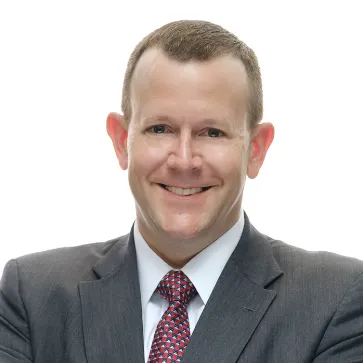
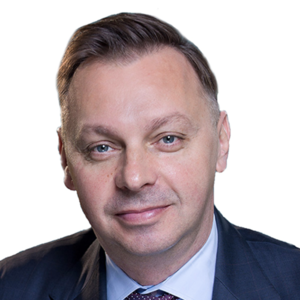
0:11 Hi, my name is Bianca Bichola. I'm the COO of 6 and welcome to FirstMine and Gold's Live Investor Summit. I'd like to start today by introducing our presenters, Dan Rogan, CEO of FirstMiningGold, and Spiros Kakos, Vice President, Investor Relations. To kick things off, Dan will be telling the company story and then we'll be accepting investor questions. You can submit your questions in a Q&A panel on the right-hand bottom of your screen. Take it away, Dan. Thanks, Bianca. And thanks to everyone for joining us for our first presentation on this platform. And I think so far from what we've seen, we've been delighted with the response and the number of people we've been able to reach with this. And that's in large part due to Bianca and her team's work. So thank you very much for all this.
0:57 And thanks everyone for joining us here for an update on 1st Mining Gold.
1:03 It's a really interesting time in the gold sector right now. As I'm sure all of us know who are watching it, we're in an environment here where I think we're going to see some unprecedented levels of gold price appreciation. We're in a macroeconomic environment that's really, really supportive of higher gold prices. And I think we at 1st Mining have a collection of projects that we are moving forward and de-risking and I think we're making great progress in surfacing the value of our projects in the portfolio here. So without much further ado, I will walk through a brief presentation and then look forward to taking questions on this webinar platform.
1:50 This presentation you can also find on our website in the event that you need to. So I'm going to be making some forward-looking statements here. I'd advise you to read that slide if you feel you need more information on that. So 1st Mining Gold has one of the largest Gold resource bases in Canada, 7.4Moz in the measured and indicated categories and 3.8Moz in the inferred category. This is a very significant gold endowment and the projects that we are moving forward to de-risk. Our 2 focus assets are SpringPol and GoldLund. SpringPol is an advanced asset that we're taking through pre-feasibility this year, and moving through the environmental assessment process and making good progress on that.
2:42 And our GoldLund project, we're continuing to unlock what we think is a really significant district scale potential for a project that's located in a fantastic environment. The balance of our portfolio assets give us, we think, really good optionality to continue to surface value. We'll talk a little bit about how we're doing that with some of our other portfolio assets, and in particular, our Pickle Crow project that we've made some great progress on with a partner over the course of the last few months. Listen, importantly in this time, if you are looking at investing in gold, jurisdiction, I think is more important than ever. And, you know, we have all of our projects located in areas of great infrastructure.
3:30 Many of them are past producing mines or have been well understood, well sampled. But all of our projects are in Canada. And I think in this environment where particularly gold producers are starting to look for the next projects for their own portfolios, jurisdiction is going to be critical. And I think we can address that. We'll demonstrate here. First Mining is trading at a significant discount to our peers. And I think that gives us real runway for share price growth here over the course of the next couple of years as we continue to take risk out of these projects. And we have an experienced team in place to be able to unlock the value. A little bit about the company, we have a market cap today of about 150 million Canadian. We have cash on hands.
4:18 It was a little bit in excess of 10 million at the end of the last quarter and trading very, very good volumes. The last few days we've been trading in excess of, you know, in excess of this average year, 1.5 to 2 million shares a day in Toronto and another 800,000 shares a day OTC in the US. We have a shareholder base as you can see here, which is predominantly retail and a great supportive shareholder base that has been there to support the company as we've been moving the projects forward and de-risking them over the past year and 0.5 that I've been here. We're absolutely delighted with our shareholder base that stretches through the US, Europe and in Canada.
5:10 So important to note here, management and directors do own a significant amount of stock and none of this was cheap stock granted in the creation of the company. This is almost all of this has been purchased. I myself have purchased I think in excess of 1 million dollars worth of the stock over the course of the last year. So all of our team is invested and aligned with the shareholders in moving forward. We have 4 great analysts that cover us from a research perspective with price targets that tend to vary from around a dollar to a dollar 50. So the analysts that are following us believe in much higher share prices, as do we. To talk a little bit about where the company came from, and I think this is important to understand where we are.
6:00 So 1st Mining was created in 2015 and really the brainchild of Keith Neumeyer, who's a very well-known individual in the mining circles. Keith's a founder and CEO of 1st Majestic Silver and founded 1st Mining in 2015 in a real downturn in the gold equity markets to essentially assemble a portfolio of gold projects for this environment that we are in right now. You could see The gold price in 2015, 2016 had gone down below $1,100 an ounce. And there were a lot of these projects that were picked up in and around a $10 an ounce valuation. You know, the company was very active in the in the original days, acquired 8 companies or projects in 12 months and really gave us the portfolio that we have today, which is one of the best development portfolios of any gold set of gold projects in the industry. And at the time that they made the last acquisition, This portfolio had a market cap of in excess of $600 million.
7:05 Well, today, 4 years down the track, having continued to de-risk these projects, got our Springpole project into the environmental assessment process, 2 PEAs to understand the economics and moving the project through pre-feasibility study. Tens of thousands of metres of infill drilling at Gold London, a new resource, we're trading at a fraction of the value that we were when the portfolio was put together. So we think, not to complain about the fact that the share price hasn't moved. Listen, we are all very aware that the share price hasn't reacted like we would like to see it to the price of gold that has moved. But I think understanding this and understanding the quality of the portfolio, understanding the environment that we're in, this is a perfect setup for us to surface value out of this portfolio of assets.
8:00 We are trading at a significant discount to our peers. As we like to say, it's kind of 4 to 5 times return on our current valuation, just to get us to the developer average. And I think when you look at where our projects are, the advanced stage and the strategic nature of them. We believe that we deserve to be trading at a higher end of the value here. But importantly, what this tells us is we're not really getting any value for the balance of the assets in our portfolio beyond our SpringPool project, which when you look on this chart really kind of lays it out pretty clearly. This is the net present value of SpringPool translated into Canadian dollars, but at a $1,300 gold price at the economics that we put out in our last preliminary economic analysis.
8:51 But that alone justifies multiples of our current share price. So we think as we continue to move our projects forward, particularly Spring Pool, we continue to surface the value from this, we're going to see that value come into the share price. As we mentioned before, Keith Neumeyer, chairman, a very well-known individual in mining circles and a great mining entrepreneur. I've been here almost a year and a half now. I joined January of last year and have joined with a great team in place and have made a couple of important additions into that team to really give us all of the bench strength that we need and the human capital we need to advance these projects forward. So making great strides and moving that forward.
9:40 The current core asset portfolio is located in northwestern Ontario. So you can see here, not far from Red Lake, which is an area that's seen a lot of activity in recent past. And well, a long time into the past, they've been mining in Red Lake since the 1930s. Pickle Lake is an analogous gold camp to Red Lake. You can see that there. That's where our Pickle Crow project is located and we've got a partner spending $10 million to earn into an interest in that project. So we're going to see some good news flow out of that. But really our 2 core projects are moving forward here, Springpole and Goldland. And Springpole is located about 100 kilometers east of Red Lake, area of great infrastructure with power and class 1 forest roads within 40 kilometers of the project. So it's a great place to be developing. This is a hardworking part of Ontario, you know, people who are used to working outside and working in the resource industry here, great tradition and history of mining in the area. So We'll talk a little bit about Springpole.
10:51 Why we're so excited about this project and why we really believe in the value that we're going to surface here is that this is one of the largest undeveloped open pit gold deposits in Canada. You can see here the indicated resources in excess of 4.5 million ounces on a gold equivalent basis. It's about a 5 million ounce deposit. And as we scoped it in the PEA, average annual gold production in excess of 400,000 ounces a year in years 2 through 9. This makes it big enough to be meaningful to the largest Gold producers in the world. And interestingly, it does have a fair amount of silver in the deposit, which really does contribute to the economics. What we scoped in the PEA with very positive economics, longer than 10-year mine life at an after-tax NPV of US$841M and an IRR of 22%.
11:48 We'll talk about what some of the sensitivities to that are to the gold price, because those numbers start going increasingly higher as you look at a gold price like we have in the current environment. It's a pro mining jurisdiction. I can't say enough about Ontario as a place to permit mines. They've permitted 4 big open pit mines in the last 4 years, and we're going through the same environmental assessment process that a number of other projects have. So we really do benefit from experienced regulators and a really supportive local community. We're in active consultation with our Indigenous communities in the area and have been getting great support from them as well. So we have a pre-feasibility study and permitting that is in process, aiming to complete the pre-feasibility study early next year.
12:41 And in partnership with Asenco, a global engineering firm, who's really come in as a great partner of ours to move this forward. And I already talked about the existing infrastructure in the area. This is a great place to develop a mine. The Springpole conceptual mine site and the mine development in the open pit involves building a couple of small coffer dams, and dewatering part of the deposits, and then open pit mining, and at the end of the mine life, basically removing those coffer dams and having this area of the lake fill back up and return to its original state. So net-net, this is going to be one of the smallest footprint open pit mines of its size in the world.
13:30 A lot of, well, this mining and development plan has a fair amount of perception of risk from a permitting and technical perspective. We've got 8 years of environmental baseline work that gives us real confidence and understanding of the aquatic environment and the natural habitat here, and a lot of work done to a pre-feasibility level on these cofferdams. So we're very confident of our ability to execute on this plan. And we've been doing some really interesting trade-off studies as we've gone through the pre-feasibility, And I think finding ways to continue to optimize the development plan here that's gonna make it increasingly, you know, with lower footprints, even increasingly lower footprints and smaller environmental footprint even than we scoped in the PEA. So we're very excited about that.
14:24 This just demonstrates the robustness of this project. And I can't say it enough in an environment where at this current gold price, gold producers are generating record free cash flow. The free cash flow to the gold industry at $1,700 is going to be 3 times what it was, sort of run rate of this time last year at $1,300. All of that cash is going to be looking for projects to develop over the course of the next few years. And so we think we have in the portfolio, and particularly with SpringPool, one of the most attractive projects to move forward. And you can just see the leverage to the gold price in the table on the bottom right. At a $1,500 gold price, the pre-tax NPV of this project is 1.75 billion US.
15:15 After-tax NPV, 1.2 billion US and very attractive IRRs, all in sustaining costs in the low 600s. This is a very, very robust project. So that's why we continue to believe that as we move it forward through the permitting process, demonstrate with a robust pre-feasibility that this is something that can be developed, we're gonna continue to attract that strategic attention. And this is why fundamentally,
15:43 you're looking at average annual gold production in excess of 400,000 ounces a year. And that places Springpool in a very elite camp of projects of this size and scale in North America. If it were producing today, it would be the third largest gold mining camp, just for sense and context. So that makes it, in fact, I think one of the more strategic deposits
16:11 that is on a path of development in all of North America, in the world for that matter. And part of what makes it really interesting and unique is the fact that it's a big homogenous ore body that translates into lower risk mining, translates into a lower risk development and ultimately translates into a more efficient development because it's 100 to 250 metres wide and a couple of kilometres long. And you know, it's very contiguous, You're not dealing with a series of veins as you move it forward. So we think this is going to allow us to put together a really attractive mine plan. Some of that work's been done in the trade-off for the pre-feasibility study, and we're very excited about what we're going to be able to deliver on that front.
17:04 So the timeframe for moving the project forward, and if we're seeing any potential impact in our business right now from COVID-19, it really is on timeframes, not so much on the engineering and even the field work of the project, because we've been able to, we're in fact getting ready to remobilize
17:28 our crews out to the field, both at Springpole and Goldlund in early June. So we don't think there will have been a very significant impact from COVID-19 on the pre-feasibility study. So we're still targeting for us to have that done really early in 2021.
17:49 Where we're going to see some delays, and we're seeing some delays now, is in our ability to engage in really thorough consultation with our Indigenous communities. So a lot of those communities right now are closed and very focused, and rightfully so, on the health and welfare of their citizens and keeping their own people safe. So where traditionally our consultation has been going into the communities and making presentations, we like everyone are having to adapt to a bit of a new reality in that respect and find some new ways to make sure that we can keep the communities informed of our progress and get their input and dialogue as we move forward. So we were targeting this terms of reference to be completed by the end of Q2. Just the consultation process may have that slip a bit, but we don't think that's going to have a really meaningful impact on our on our time frames for moving the environmental impact statement forward, still aiming to have that all of that data compiled this year. And submitted
18:47 as early in 2021 as we can. And from that point in Ontario, it's been a pretty reliable 18 to 24 months where you've seen 4 big open pit projects permitted over the last 4 years. So that gives us kind of a sense of the of the timing to move forward. The next 6 to 12 months is a really big push and then we're
19:12 into the balance of that permitting process which requires less capital. There's still obviously a lot of work back and forth on information requests, but it gives us, I think, a pretty clear timeline to that very important de-risking timeframe for us to receive our environmental approvals. So that's Springpool. Again, we think it's one of the most strategic deposits that exists in the industry today and we're making great progress in de-risking it and moving it forward. But I want to spend just a few minutes talking about our Gold Lawn Gold project and some of the exploration success we've had there. Gold Lawn sits today as one of the higher grade open pit deposits in Canada, for almost anywhere in the world for that matter, in a place of amazing infrastructure, in a really great pro-mining jurisdiction. And I would, I just point out that our neighbors to the Southwest at the Goliath Project, was owned by a company called Treasury Metals, received their federal environmental approvals to build a mine and mill for Goliath, 25 kilometers from the Gold Lund project, received those last year. So again, a great indication of the support from the local communities in moving that project forward.
20:30 And you could not imagine a place with better infrastructure to build a mine than the area of Goldlund with, you know, you literally have rail power, natural gas, highways, everything in very close proximity to the project to facilitate that development. So a great place to be moving projects forward. This is a GoldLund is a more traditional Canadian Archean
20:59 load Gold system. And We've been continuing to focus on 2 elements on advancing Gold Lund. One is really understanding the regional potential. All the resource that we have defined today is in the Gold Lund main zone. That alone is, as you can see there, quite robust and high grade for an open pit deposit, and has a lot of room to continue to grow, both in parallel structures and along strike at depth. But importantly, in the last couple of years, we've identified and tested at the Miller prospect, some of the regional opportunity that we think we have here. And I think with our work at Miller, we've demonstrated that we are going to find a number of deposits in this 50 kilometers of strike length that we have on this property.
21:50 It really is a true district scale opportunity,
21:55 not dissimilar to the sort of size and scale that Atlantic Gold had in its development
22:03 and was very successfully developed over the last few years. So this just gives a bit of a sense. I won't go into too much detail into the drilling that we've been doing on the main zone, but really testing a number of these parallel structures. And we're excited to be able to be remobilizing drill crew back out into the field in the next couple of weeks. Lots of follow-up here and I think I've had some very interesting results that bear more follow-up. Just to give a sense of the style and type of mineralization, some of the results we've been getting, these are Miller assay results. We think these are some of the best open pit drill results in Canada over the last few years. When you look at 200 meters of 1.57 grams from surface, 40 metres of 4 grams and an open pit target, this is just begging further definition and delineation, but we are very confident that this is going to be a very attractive mine 1 day.
23:03 And that's Goldline. We have a small program that we're getting back to and remobilizing drilling there. And then with the balance of the gold portfolio, we have here another 4 projects that I think we realize, as our shareholders realize, we're not getting really any value for the balance of the portfolio here. And each of these projects in a $1,700 gold environment, we think should have, you know, values of $30-$50 million. And, you know, We said that a year ago,
23:36 and no 1 really believed us at the time as we were moving the project forward. But I think we've demonstrated that now when you look at what we've done with Pickle Crow, entered into an option agreement with Ateco Minerals, a great Australian geology team who's had a great success in a similar high-grade camp at a company called Bellevue Gold, that they took from a shell value to in excess of a $300 million market cap in a couple of years by focused exploration in a high-grade gold camp. So we knew they were the right partner for us. Well, Ateco has
24:13 just recently raised $5 million, which gives them now all of the capital they need to fulfill their stage 1 earn-in. They're going to spend $10 million to earn 80% of this project. In addition to making cash payments to us along the way of $4 million, we'll have 125 million of their shares. We didn't get a lot of credit for this being done at the time, but you look at the value now, Ateco's got a market cap of in excess of 50 million Aussie. So they've been able to surface that value before they've ever really drilled another drill hole in it. The Australian market's recognising some of the value of what we have here in this team's hands. So the look through value of this to 1st mining is well in excess of $20 million.
25:02 By the time you factor in the share payments, cash payments, our remaining project interest, royalty interest, we think there's, and that's the beginning of this. We think there's lots of upside from there. So I think we've come to a conclusion that we're continuing to move forward on finding different ways that we can surface the value from our other portfolio projects, attract great partners to them, attract capital to them, and really have them ready in this gold environment that we are in to be able to demonstrate that value. And that's one of the biggest things, you know, the development sector hasn't really seen
25:40 the rise in the gold price impacting the share prices yet. We're just starting to see it in the last couple of weeks. You've seen big moves in producers, you've seen big moves in explorers, the developers have lagged, but I think each of these projects on their own, well understood, many of them past producers, you know, really de-risk projects in great jurisdictions.
26:03 We're going to see lots of ways for us to surface value and ultimately, either distribute some of this value out to our shareholders or have this value go to give us the runway to continue to develop our core projects. So with that, lots of catalysts coming up this year. Obviously the pre-feasibility study, we're doing a lot of work on that and should be able to provide some updates along the way on some of the technical work that's happening. But with SpringPoll, we're laser focused on the PFS early in 2021, and then in the first half getting the environmental impact statement submitted, continuing drilling at GoldLund and continued work on the resource there. And I think we're going to start seeing a lot more surfacing of value out of the portfolio assets as we move forward in this environment.
26:54 So thanks very much for everyone for taking the time to join us today. It's been a pretty Quick run through, but we're looking forward to hearing a bunch of questions that our shareholders and potential shareholders might have. So thanks very much, Bianca. I'll pass it back to you.
27:12 Thank you, Dan. OK, we do have a bunch of questions. And just as a reminder, everyone, you can submit your questions using the Q&A column on the right hand side of your screen, but we already have some. Starting here with John Lewis. He says, not to oversimplify, but what specifically are we doing now to increase our share price? We're in a gold bull market. Until this week, the shares have been stagnant.
27:35 Yeah, listen, this is a question that we face all the time, John, and thanks for asking it. Here's, you know, the situation is we are continuing to focus on the fundamental value of our assets. We have been focused on the fundamental value of our assets over the course of the last year. And that obviously hasn't been attracting the market attention, not necessarily for lack of trying for us to be yelling from the rooftops about the value. But I would say there's a couple of key things that are holding the share price back. And 1 is this continued question of, you know, concern over dilution, which is real, and we understand that.
28:26 And I would say that, you know, we are working hard on a number of different potential avenues to ensure that we have the funding that we need to move Springpole from here through to that point where we have the permits and the project is de-risked. But we have a lot of different options at our disposal there and are working quite hard, be it on surfacing value from our non-core assets, talking with strategic partners, and looking at some of the other value of the assets in the portfolio. So I think that would help, number 1. And I think number 2, just continuing to be able to demonstrate
29:09 some value of the assets in the portfolio other than SpringPool. So we de-risk SpringPool, you know, development projects should trade in a gold environment like this at 0.5 to 0.7 times their net asset value. We're a long way from that. I think when we can demonstrate confidence on the path of de-risking, we're going to see that value, but we need to be a bit patient on that. But I think the sooner that we can demonstrate that the other 5 real projects in our portfolio can contribute some value demonstrably,
29:42 you know, whether that's finding partners or turning, you know, somehow turning them into cash. I think both of those are avenues that we'll continue to pursue. And on top of that, the reality is we do need to continue to tell the story. We need to be out in front of investors to make sure they know what we're doing. But I think as we demonstrate and execute on the game plan and demonstrate that we're advancing on some of these catalysts, I think that's gonna be very helpful.
30:13 Great. I know you just alluded to it insofar as dilution, but Frank Soave wants to know a little bit more about that. He wants to know if your plans will further any dilution to the shareholder base. So maybe just expanding on that a little bit more.
30:30 You know, listen, we're acutely aware and hear from our shareholders all the time, about the concern of dilution and we're all shareholders, right? We, we get it. And I think that there's, you know, in the, in the course of the last year, we've seen some great support from our existing shareholders in helping the company move forward. And I'd like to emphasize that in the capital raises that we've done, we've seen, you know, 90% plus of the capital provided to us has come from existing shareholders. So we have great support from the shareholders who are here. But we're very aware of dilution. And so from that perspective for us, it comes down to understanding and continuing to explore a number of different options to raise the funding we need to move the projects forward without issuing shares.
31:25 So,
31:27 we've had, I think each of those types of opportunities that we were talking about before. They take time to come together, they really do. We've been working hard at these things for a year and a half and making some progress on them.
31:44 And we're gonna continue to work hard on those. And in the meantime, from where we are right now, we finished the last quarter with an excess of $10 million in the bank. And that gives us a good runway toward the end of the year to get what I think is probably the most important work done that we need to get done to help demonstrate and surface this fundamental value from the projects. So we've got more well funded through what we think are going to be a number of important catalysts. But at the same time, you know, I just frankly, I understand it. Same time, I understand it. We are still a company without cash flow and have certainly been reliant on raising equity to move the company forward and continue to de-risk the projects.
32:35 Whenever we've done it, we've been very conscious to do it with a goal of minimizing the dilution because we understand. And I think there are a couple of
32:49 very important initiatives that we're working on, and we'll continue working on those to try and minimize the dilution for the shareholders. We have a question here from Ray who's asking about Goldland. He wants to know what are the minimum ounces in the ground needed to develop Goldland to a mine and how far away are we from that?
33:15 Do you want to partner with that or develop it 100% yourself? Yeah, Ray, that's an interesting question. I think when you look at Gold Lund and 800,000 ounces indicated and another 875,000 ounces inferred, It's big enough to be a standalone development. If you want to put that in context for some other recent developments, Atlantic Gold is a good comparable. Atlantic Gold had a Gold endowment of about 2Moz spread over about 100km in a series of deposits. Built a first mine and mill on one of them and got into production. The game plan was, we know we've got a lot of resources, just The cost for us to develop them ourselves now, before they were in production,
34:05 was quite high if you have to fund that development through equity. The cost after they were in production and developing, continuing to develop more of those ounces out of cash flow is, you know, it's a lot better from a dilution perspective overall. So, no, I think we've demonstrated that Goldlund has size and scale enough to be its own project. The reason we haven't wrapped economics around it yet, primarily, is because we needed to understand ourselves from the work and the discoveries that they had at Miller late 2018, so just before I joined.
34:47 We needed to know if that was going to drive us toward a view that we were just developing the Goldlawn main zone, or whether you're going to develop something that is, you know, a real district. Do we have confidence in the real district scale exploration potential that we have here? And I'll tell you, with the results that we ended up getting from Miller, we haven't published a resource on it yet. We've done some internal work
35:14 on what we think that is, But we think that clearly demonstrates that on this project, we're going to have a series of deposits, which to me, makes it look and feel even more like an Atlantic Gold kind of development scenario. So we really have turned our mind to what the next step is. I think we needed that. And to be honest, we needed to
35:37 refresh the resource, which we did in about a year ago in April of 2019, to make sure that what we were going to think about developing had a real solid technical underpinning. And I think we're confident that we've done that now. We continue to do some work on that. But no,
35:58 it's certainly big enough to develop into a very attractive standalone project that would be, I think, a marquee project for a mid-tier Canadian Gold producer. So we'll continue advancing our thinking on that and I think you'll see us start thinking about and scoping some economics around the project to be able to demonstrate that to the shareholders.
36:26 Question here from Andrew A. Macri. He says, it seems like the stock is broken out of its base, at least FFMGF has. What has to happen for the stock to get back to $1? Well we were all aligned and incentivized to want to see the stock at $1. It gives us all some comfort that it was there before. And listen, it was there before
36:53 at a time when we didn't have the fundamentals as well understood as we do now. The great thing about this company and this portfolio of assets is that we don't need to double or triple the size of any of our projects to get the stock to $1. The simple math is, if we traded
37:16 based on the value of our projects, if we traded like a developer and at the average of where developers trade, we'd be a buck. And so from our standpoint, we can focus on that a couple of ways, but the best way that we're going to focus on getting the stock higher is to focus on the fundamental value. And in focusing on the fundamental value, that's going to be de-risking Springpole and demonstrating that we have a project that is developable and permittable and strategic and strategically important to the industry. And so that's our real plan. And we've got very clear plans through the PFS, through getting the environmental impact statement submitted to do that.
38:06 And, you know, we're all impatient about it. I am the most impatient person about where the share price is, but in, you know, I take some comfort every night when I go to sleep that it doesn't take some great extraordinary exogenous factor or a raging market to get us up to that valuation. Fair trading in a $1,300 Gold environment should get us there. We think there's a lot of upside from there is the corollary, but I do think we need to demonstrate a couple of things. We need to give our investors the confidence that we're going to be able to keep ourselves funded through the key milestones here. And I think, you know, as I say, we've got a great shareholder base that has supported us, you know, this far to get there.
39:05 And I think we need to demonstrate that the rest of the projects in the portfolio have something greater than the 0 value that we're getting for them today. Great. Another question here from Chris Lehman. He says, this environment seems to be setting up perfectly for M&A activity. Have you had any discussions about the sale of any assets? Any chance for strategic partnership with a major player? If so, what type of timeline can we expect? Well, Chris, great to hear from you and always appreciate your input and feedback. Listen, the environment is setting up perfectly for M&A activity. We're starting to see it, I think, absent the coronavirus crisis.
39:52 I think we would have been seeing even more M&A activity. But the setup is as simple as this. Free cash flow to the gold industry is going to be triple this year what it was, the run rate to a year ago, just due to the gold price being where it is. Gold producers are going to be generating record free cash flow. S&P put out a really interesting study a couple of weeks ago that showed major gold discoveries since 1990, and how many of those have actually happened in the last 10 years and where those discoveries are. And I encourage you to, I'm sure you can find some reference to it on the internet, but it's a fascinating study and the data behind it is very interesting.
40:44 But the reality is there are very few 2 million ounce plus projects available to develop anywhere in the world, let alone in a jurisdiction sitting in between 2 great historic gold mining camps and in a place where they've permitted for similar kind of projects in the last few years. So I think we're sitting not just with Springpole and with GoldLund, which I see as 2 very key strategic assets, but the balance of the portfolio as well. I think we're sitting in a really good environment. We haven't been in the environment where people come to buy projects for cash yet. We're just seeing that kind of quantum of development capital becoming available again in the equity markets to developers.
41:32 But it's starting. But I think we're early in the first inning of this M&A cycle, particularly with respect to developers. So this feels a lot like 03-04, not 2009-2010. And I don't think we're going to have to wait for 7 years of an evolution of a cycle like we saw in the early 2000s. Because in the early 2000s, everyone had a big stock of projects that they had developed in the 10 to 20 years prior. And there were a lot of projects that were kind of ready to go. Well, the reality is at the end of an 8 year capital strike for the development sector and mining.
42:19 We're sitting at a point where the cupboards are bare, and there just really aren't many projects that companies can develop. So long-winded way, Chris, of saying that the M&A activity is starting to pick up. I think the environment is the perfect environment for us and we're in the very early stages of that. We've had a number of discussions with strategic partners and we've been pretty candid with our investors that I think that's one way to get that external stamp of credibility on a project like SpringPool that has had these perception issues largely due to the fact that a lot of people haven't focused on the data since 2011 or 2012. So listen, I think this project is perfectly well set up for a strategic partnership with a major player.
43:12 Those things always take some time. We continue to have, you know, a number of good discussions with potential partners down the track, but we're very early in the environment where we're gonna be able to see that value really come to the fore. But what I expect to see that kind of M&A market, you know, 2 to 3 years out from now, exactly at the time when we're expecting to have our environmental assessment approvals on Springpole, and you really have that final sort of stamp of approval that you can develop the project, yeah I think we're going to be in a feeding frenzy between now and then. So very confident of the environment.
43:58 Great. Second question here from, oh no first question from Oliver Winter. You said your transaction with Oteco generated a 500% rally of the Oteco share. It mentioned in their last presentation that the transaction of 1st mining gives them a free option. Are you sure this is a great deal for 1st mining shareholders or do you regret having given up such a large part of the upside from this project? You know, thanks, Oliver. It's listen, it's it's a good question. And when we went into the project, you know, we went in with open eyes about the fact that what the project needed at the time was something that we were not gonna have the capital resources to give it, right? What we think Pickle Crow really needs is a fresh geological look with a really talented team.
44:50 And it needs about $10 million to be spent on it to prove out some theories or demonstrate that there's more high-grade to be found in a great past producing high-grade camp. We're very confident of our partners' ability to surface this value. In fact, they're mobilising drill rigs out to Pickle Crow right now. We're expecting some very interesting results from them, both in terms of resource development and in terms of drilling coming up in the next few months. So now, listen, it generated a great rally in the Ateco share. Here's the reality. We structured that transaction so we'd have a lot of exposure to that upside. And we do, right?
45:38 When they get through their phase 1 earn in, which they now have all of the money they need to complete, we'd end up owning 125 million of those shares. The fact that that's gone up 500 percent, we see as a good thing. The other thing that people don't focus on is we still own 20 percent of the project. The look-through value to us in that project and to our shareholders in that project. If they're at a $50M market cap, the look-through value just of that 20% project interest is $12.5M. At some point, listen, I think We have our hands full moving SpringPool through the PFS process and through the permitting process.
46:24 And add on top of that drilling at GoldLund and continuing to understand and move that project forward. I think we had the option of sitting on the projects and hoping to do something with them in a better environment or finding partners who can advance them in the next couple of years. So when we get into the environment where this could be, you know, like Bellevue Gold, a 300 or 400 million market kept company, where our look through value of our ownership then is going to be, you know, well in excess of $50 million. I think we're going to look back on this as having been a good partnership with a great team that's going to help us move it forward. And in terms of the free option, all I can tell you is when it was originally structured, it might have looked like a free option, but they've now committed to their shareholders and raised, you know, between their 2 raises about 7 million Aussie that's going into this project. So, you know, they're going to spend the money.
47:27 And I think we'll continue to see results because they're a great team. And so far that partnerships worked really, really well for us. Another question here from Ray, is the company also still looking for takeover targets or is that on hold now until cash flow arrives? You know, Ray, that's a good question. We're approached all the time with interesting projects. I think when you look around the sector, there are still a number of really good projects that are trading at a few dollars an ounce. Often, there's reasons why they are. But often they're things that are just overlooked or they haven't had any capital devoted to them right now.
48:14 So listen, I think there are a number of projects that we continue to look at. We've been particularly focused on things that are kind of in and around our own assets that we already own, you always kind of understand and look at what's nearest to you. But I think at this point, it would have to be something pretty compelling for us to want to take it on and or it would have to be something that didn't need a lot of spend or you had a clear line of sight on where you were gonna have the capital to help develop something to surface the value. But for us right now, real focus is continuing on the PFS and the EIS and surfacing some of that, what we think is well in excess of 1 billion dollars of value out of SpringPool, that opens up a lot more opportunities for us going forward because part of The picking up other targets is the issue of dilution as well. And that is important to us.
49:23 Every share we issue is less of SpringPool the existing shareholders are going to own. Now when you factor in the fact that most of most of the money that we've raised has come from our existing shareholders that mitigates that a little bit but now we're you know I think never say never and there's been presented with a few interesting things but it's not the not the real focus and priority right now for us. I think we got to surface this value first. In so far as the lake at Spring Pole, Eric Owen wants to know your strategy for dealing with that. Well, you know, the fact is ever since the deposit was discovered, particularly the Portage Zone at Springpool, everyone has known that it's sitting under the Bay of a Lake.
50:15 And, you know, I think what a lot of people don't appreciate is just how much work and real data and science has been done on understanding this environment over the last 8 years. Everyone has always recognized that this was going to be the challenge. Even our predecessors knew that they had to demonstrate a couple of things. Number 1, had to demonstrate that you could build a mine here without significant adverse impacts to the environment? And particularly, understand this aquatic environment, and was there anything unique about this aquatic environment? So we've done 7 years of environmental baseline work, including very, very detailed studies, which are, you know, we think the well and truly sufficient to demonstrate that there are no species at risk and no real unique fish habitat in this disconnected bay of Spring Pool Lake.
51:18 So that's number 1. Can you do it without damaging the environment? We're continuing to work on that and that's a big part of the PFS process is finalizing a bunch of the data around things like how much sulfur is in the deposit, what's the, you know, the characterization of the waste rock, what's the potential for acid rock drainage, which is stuff you look at in every open pit mine. So we're continuing to round the corner to really be able to robustly and conclusively demonstrate that we can develop the project without significant adverse impacts to the environment. So that's number 1. Number 2 was you need to prove that it's technically feasible. And so 2017, 2018, the company did a big drill campaign under where the cofferdams would go in the footings of those cofferdams, found competent rock, did a detailed geotechnical analysis.
52:15 And so from a technical perspective, we see no impediments to being able to do it from an engineering perspective. It's well studied, well understood. And the reality of the size of that development is It's pretty manageable relative to the construction of the mine that we're talking about. I think that whole cofferdam and dewatering in our PEA was scoped at about $30M or $35M. To put that in context, that's a pretty manageable pre-strip for a lot of open pit mines. The benefit we have is that we don't need to pre-strip on top of our deposit.
53:00 Largely, we just have to pump the water on the other side of the coffer dents. So that's from an engineering perspective, I think we can be confident. From an environmental perspective, we can be confident. And then the third part is just making sure that we are in active consultation with our Indigenous communities and our other communities of interest to make sure that they are comfortable in our plans, that we are recognizing things that are very important to them in terms of their cultural heritage, in terms of their traditional knowledge. And so a lot of that work is ongoing right now. And as I say, we've had a really, a really constructive working relationship with our key indigenous communities and our inactive consultation have been since 2018. So that ultimately, if we can be good partners and good neighbors and move the project forward, I think that's the third part that really helps, you know, put the checkmark beside the do-ability of this project. And all of that fundamentally comes to risk.
54:01 And when we can demonstrate that we can manage those risks, then I think you start seeing that moving into the share price. Joseph says, the company is greatly undervalued. Have you considered doing a reversal on a 10 to 1 share structure? The markets do not give you the value because of the price movements are very minor. Joseph, I 100% agree with you that we're greatly undervalued. So We're in violent agreement there. Listen, share consolidations are what I have discovered in my year and 0.5 here. Everyone has a very strong opinion about them. And for every suggestion that we get on, you know, we should be consolidating the shares, we get an equal suggestion that we would be crazy to consolidate the shares. So, you know, listen, I think it's something that is often raised with us. I think our standard response to it is we don't have any plans to do it right now, but a number of our shareholders do think it would be a good idea.
55:15 So, you know, one of those things that I would never say never, but I think if we were ever going to consolidate the shares, you would just need a real catalyst and reason to do it. And so, you know, it's at this point, no plans to do it, but we continue to listen to our shareholders on this respect and, you know, greatly appreciate and understand the strongly held views on both sides of that equation. The question here from Sean Ray, he says, we're not getting any value in quotation marks, I think in reference to a part of your talk. Again, what is being done to fix this, to get the fair value that you deserve?
56:04 Yeah. So Sean, I'd say we're not getting any value for our portfolio assets. So what we're doing is, having seen what we've done at Pickle Crow, Listen, I think we get fair value for those projects ultimately at some point in the next few years when we can turn them into cash, which allows us to advance our other projects. Or, you know, we turn them into some kind of value that we can distribute out to our shareholders, or at least it's something you can point to in the share price that says, you know, here's 125 million shares of Teco minerals that trades at 5 cents. So I can ascribe a value to that. So part of it is moving the projects, looking for partners for the projects.
56:52 Again, in a perfect environment, if someone came to us and wanted to acquire the Hope Brook for a big cash component, I think that's something that we would have to consider, certainly in terms of avoiding dilution from the rest of the portfolio to move the projects forward. But we're concretely in discussions with a number of partners on the portfolio assets and looking at how we can surface the value of those. So that's, I hope that goes to answer the question. There's no, you know, there's no 1 quick fix to it. I think, you know, surfacing the value of SpringPool is going to be a matter of continued demonstration of our ability to take risk out of it.
57:41 And I think ultimately get some external validation, either from a strategic partner or a strategic investor, that's going to demonstrate some external parties' belief and faith in the project as well. So I think those are a couple of the tacks that we have to go down. Richard Wilden says, does the size of the CapEx for Spring Pool chase investors away? It is higher than many companies' market cap. Yeah, Richard, that's a good question. And I am always amazed at the breadth of investors that we hear the question of, this same question phrased a bit of a different way, which is, you're gonna take a lot of dilution when you build SpringPool.
58:30 So there's an assumption in that question. Listen, I think the size of the CapEx for SpringPool, when you look and benchmark SpringPool against any other potential producing project that has the ability to produce 300,000 ounces a year plus, there just aren't really any of them that exist that are, you know, less than this in terms of capital. So if you think about it as capital intensity for production, you know, per ounce of production is one way to look at it. You know, it's pretty efficient. You look at what the all in sustaining costs are to incorporate some element of your initial capital. I think that gives you another indication of the robustness of it. But yeah, listen, the size of the CapEx for SpringPool and the production profile is going to make it more difficult for a 100,000-ounce-a-year producer to decide that they want to come and build this project.
59:34 And that's just a matter of size and scale. I think when you look into the mid-tier of companies that are producing 500,000 ounces a year plus, or on a track to deliver 500,000 ounces a year plus. Most of those companies are billion to 2 billion market cap or more, take that right up to the barracks in Newmont. For the companies that have the need for production profiles, that incorporate 300,000 ounce a year plus producers, And the fact that all of those companies are generating right now, you know, record levels of free cashflow and levels of free cashflow that are probably, you know, 3 times higher than they were, you know, in 2018.
1:00:24 I think this project is going to find its sweet spot amongst those that need a production profile that's big enough and those that have the, for whom the capability of finding 2 or $300 million of equity, or they probably wouldn't even need that. They'd be able to finance the billion dollars of construction off a corporate balance sheet because they're not going to have any debt left because they're going to have that cash sitting on the balance sheets. So, yeah, it's a project that is going to appeal to a smaller subset of potential partners, but it's also big enough that it will appeal to a very large subset of potential partners.
1:01:11 And in an environment, you know, you don't need to look too far back into history to think of some parallels. I'm not going to flatter us with a direct comparison to Osisko. But if you go back to the original Osisko and building Mallardic, people said they were crazy. Mallardic is now the largest producing, one of the largest producing gold mines in Canada, owned by, you know, Yamana and Agnico. But Mallardic's production financing happened in 2009, essentially at the, you know, at the end of the last real financial crisis, or not the end, in the beginning of the last real financial crisis, when the Gold price had plummeted, and they had demonstrated confidence over a number of years to be able to deliver this project that People said they were crazy at, right?
1:02:02 But it turned out to be a pretty big success. But that was a lot of hard work between 2004 and 2009 to get the project to that point. So I think this is a project that you can scope. In the environment we have been in, when there's been a capital strike for developers since 2012, it's been hard to think about a project, a single asset project financing of 1 billion dollars. But in a 1700, 1800, 2000-dollar gold environment, this project's going to look pretty robust. And I don't think we'd have any problems finding a partner with the balance sheet capacity to help us build it. So we're actually now in overtime, just so everyone knows we're gonna keep going for another, well, till 15 minutes after, because there's so many questions and we wanna get to as many as possible.
1:02:58 A question here from Steven, can we not turn from a mine land bank company to actively develop our own property, specifically now that the gold price is up substantially to when the properties were initially assembled? Stephen, thanks for the question. I'm going to interpret it a little bit because I think I can interpret the first part of the question in a couple of ways. I'm not sure if you are asking or suggesting that we shouldn't turn into an active developer or if you are asking if we can more fully pivot. And listen, this goes right back to a very important point that I think we've been dealing with for quite a while in the company, and that is that there has been some confusion about the transition of the strategy from mineral bank to developer.
1:03:54 And the company really embarked on that strategy at the beginning of 2018, when They recognized the value sitting in SpringPool and recognized the opportunity that we had was to get a project like SpringPool trading at 0.5 to 0.7 times its net asset value and take the risk out of it because it, you know, there's a belief in from my predecessors, from, you know, from Keith Neumeyer, from the board, that this was a project that is going to have real strategic value and the cost benefit of us spending the money and the human and intellectual capital to move it through a pre-feasibility and a permitting process to just demonstrate that de-risking was worth it from a risk return perspective.
1:04:48 And that was the same analysis that I did when I came in as a CEO with a private equity investing background. You know, you looked at it on sort of risk adjusted returns. And if you look at what we think the return can be to the shareholders. If you can really, genuinely convince people that SpringPool can be developed, then our share price should be 4 or 5x where it is today. So, I think that There's a logical time for us to be pivoting to really try and surface this value out of SpringPool. And the longer we're in a constructive Gold environment, and I believe we're going to be in a constructive gold environment for a long time. When you look at all around the world, the amount of, you know, the amount of stimulus and or money printing that's going on, I think we're going to be in a constructive gold environment for a very long time. And if you believe that, and you believe the, you know, the economics and robustness of SpringPool, the returns to our shareholders as we de-risk this project are gonna be phenomenal.
1:05:58 So yeah, I think we are pivoting to that strategy of moving from the land bank. And listen, at its most simple, typically those ounce in the ground land bank type investment opportunities sort of tend to get capped out at $10 to $20 an ounce. First mining wasn't that when we were accumulating the portfolio. And I think that was on the back of some great enthusiasm as the portfolio was put together. But I think that there's just a way that we can surface more value for the shareholders as we continue to take risk out of the projects, which is, we're doing it in as, in as sensitive a way as we can to dilution. We're doing it in as cost-effective a way as we can.
1:06:53 But I just think that, you know, the risk return really does beg us to continue to advance these projects. Right. Question here from Michael. He wants to know, do you envision the business model changing at all, depending on the gold price? No, I don't think so, Michael. I think the gold price is going to be supportive of the strategy that we're moving forward on and largely the strategy that we've been moving forward on for the last year and a half. This gold price environment hopefully is going to give us some tailwind where we've had headwind for 8 years amongst mining developers. Hopefully the environment gives us some tailwind and if anything, it may open up some opportunities for us to deliver more value sooner out of the balance of the portfolio.
1:07:56 But I don't think another $3,000 move in the gold price, all that's going to do is make the assets that we have in the portfolio right now, make them worth exponentially more. I think we'll always be open to seeing some exceptional opportunities if we can, and there is a rationale where we could add projects to the portfolio. But that hasn't, as I said before, hasn't really been the focus. I think we've got a pretty clear mandate and you know I think we can discuss changes in strategy once we've delivered and really delivered value on the path that we're on right now. Question here from Byron Fry and he says is there interest in selling future royalty streams to the mines?
1:08:55 Yeah, Byron, listen, that's an interesting question. Part of what we have secured in our pickle crow deal is a royalty. As we move any of the other projects forward, potentially finding partners for them or looking at different avenues to surface the value. I think we always want to be very conscious of holding on to some long-tailed optionality on these projects because we understand them, we believe in them. And so in some senses we've been collecting royalties rather than selling them. But when you get to the point of how do you move a project like Springpole forward, It's interesting because it's got a very attractive all-in sustaining cost profile.
1:09:53 It's got a cost profile that can probably sustain a higher royalty. That has been a strategy that's been employed pretty effectively by a few other developers over the last couple of years. Marathon Gold comes to mind as 1 with their partnership with Franco Nevada. That served to a large extent as that strategic stamp of approval for that project and was a great catalyst in unlocking value. So yeah, listen, I think it's, as we talked about a number of the non-equity dilution opportunities to raise the capital that we would need to move Springpole from here to the critical de-risking milestones. It's certainly been one of the things that we've been thinking about and discussing with a few parties.
1:10:43 Great. Michael Bethes says, if mineralization were to lead you out under the lake, would you be permitted to go outside your current footprint? Michael, that's a good question. There has been some exploration drilling done back in the Gold Canyon days to extensions of the Spring Pool deposit. I think our view is, you know, that exploration and delineating the next, you know, the next 5 million ounces at Spring Pool, which, you know, Quentin Hennig, who's a well-known geologist in a number of circles. Quentin was instrumental in finding and delineating the portage zone at Spring Pool, And I had a chance to catch up with him earlier in the year.
1:11:36 He's an absolute genius. He's convinced there's another 5Moz just because the bottom of the Spring Pool deposit is quite sharp. And nature doesn't really do sharp very well. So he thinks it's just fault offset somewhere in the neighbourhood. But for us, I think we look at it as there's some real optionality in that. I think this is a Gold camp that's only seen a fraction of the exploration that it deserves. But for us to surface the value first and foremost, I think we want to make sure that we can get people comfortable, that we can develop a mine around the 5Moz that we have at Springpole right now.
1:12:24 I think the next 5Moz is something that might be better dealt with once you're in production, a little bit like we were talking about at Goldmund, drilling out a cash flow, having some of the regional exploration potential there. There is lots of regional exploration potential at Springpole, but I think that's something that's best unlocked when we're dealing with sort of different share prices and or, you know, different access to capital. So for us right now, I think we're very concentrated on putting forward the project that's permittable, that is dealing with a minimal impact to the environment and something we can demonstrate conclusively that isn't gonna have any long-term impacts.
1:13:15 Stretching out the footprint makes it more difficult as you're impacting more of the lake rather than just the bay at Spring Pole Lake that we're talking about now. So it's certainly an opportunity, but something that I think is probably still a few years in the future. Great. Well, we're about at that time. So first I want to thank you all for attending. Thank you to everyone who submitted questions. For everyone who didn't get their question answered but still have questions, please submit them either to us at friends at six.com. I will pass them along to the team at 1st mining gold or directly to spear here. We will make sure that they get answered. And I will pass it back to you, Dan, for the final word. Well, thanks, Bianca. And thanks again for for helping us set all this up. And thanks so much to the great number of shareholders and interested investors who joined us today. Really welcome the opportunity to dig in and go through the questions.
1:14:15 And we'll look forward to doing more discussion and presentations in this format in the future because I think it is a great way for us to connect with our investors. So thank you all very much. For any more information, don't hesitate to look at our website www.firstmininggold.com or you can always reach us on info at firstmininggold.com as well. So thanks very much. I hope you continue to watch the story and we look forward to welcoming you all as investors. Great. Thanks, Bianca. Thank you. Take care guys. Thanks.