Infinity Pharmaceuticals, Inc. · OTC:INFIQ
Infinity Pharmaceuticals — Investor Presentation (September 2011)
28 slides from Infinity Pharmaceuticals's investor presentation, Sep 12, 2011
Slide 1: Building a Sustainable, Fully Integrated Biotechnology Company
Building a Sustainable, Fully Integrated Biotechnology Company September 2011 Exhibit 99.1
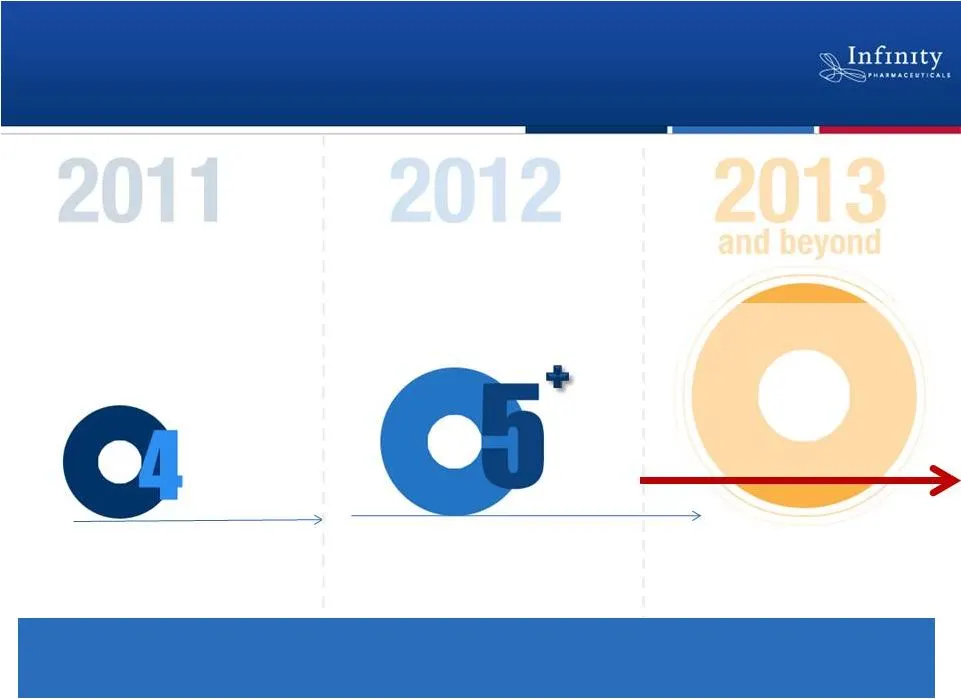
Slide 2
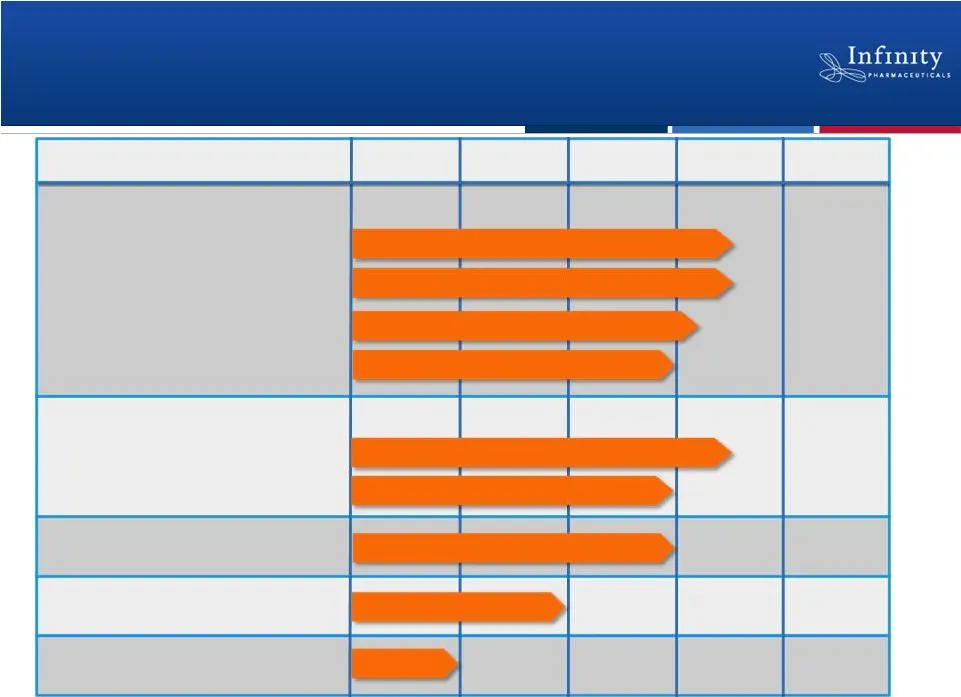
Slide 3: Advancing Pipeline with Broad Commercial Potential
Advancing Pipeline with Broad Commercial Potential Gemcitabine Combo Docetaxel Combo Everolimus Combo Discovery Phase 1 Phase 2 Phase 3 Preclinical Hedgehog: IPI-926 Hsp90: Retaspimycin HCl FAAH: IPI-940 PI3K: IPI-145 Pancreatic Cancer Chondrosarcoma Solid Tumors Non-Small Cell Lung Cancer Discovery
Slide 4: IPI-926: Addressing Difficult-to-Treat Cancers by Targeting the Hedgehog Pathway
IPI-926: Addressing Difficult-to-Treat Cancers by Targeting the Hedgehog Pathway
Slide 5: Treating Pancreatic Cancer Requires a Fundamentally Novel Approach
Treating Pancreatic Cancer Requires a Fundamentally Novel Approach Multiple Failures in Pancreatic Cancer Large unmet need • ~35,000 deaths / year in the U.S. alone • Average survival <6 months • 5-year survival <5% Resistant to therapy • Gemcitabine approved Rx with only a ~6 wk survival benefit •
Slide 6: IPI-926 Enhances Delivery of Gemcitabine to Tumor
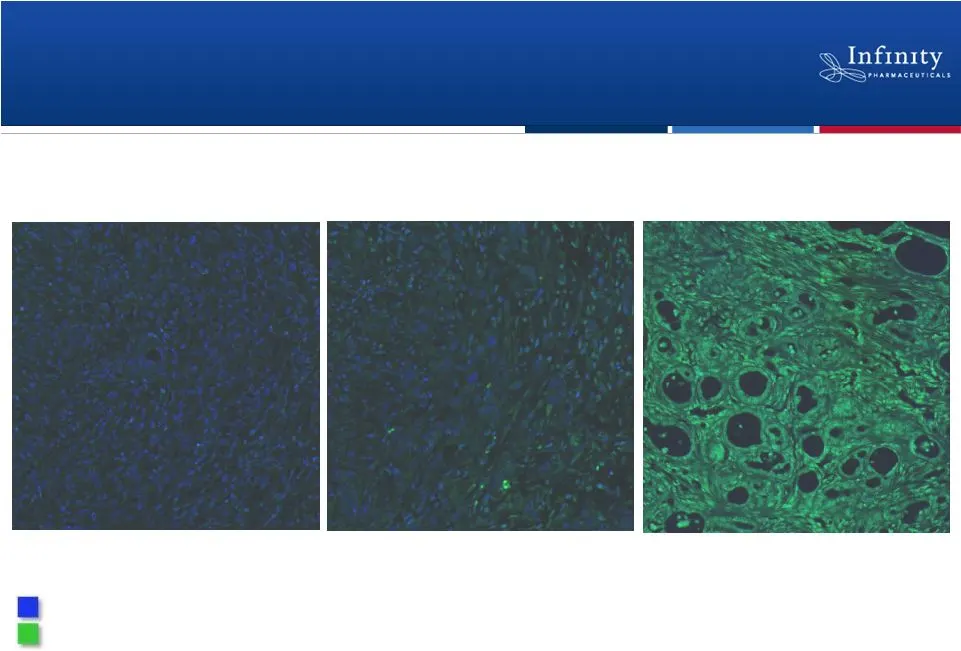
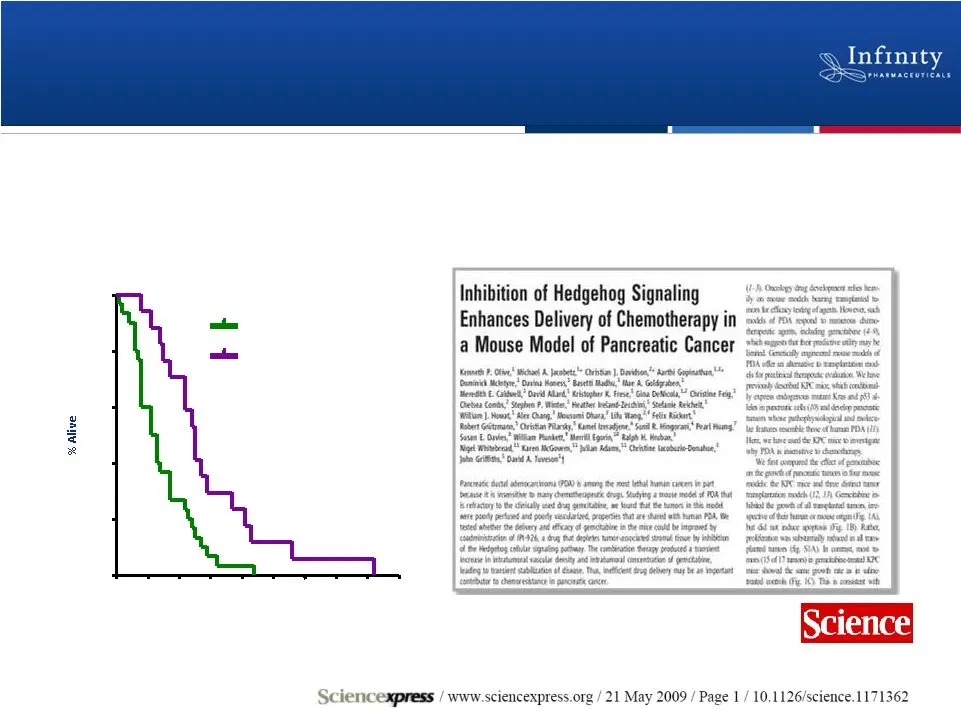
IPI-926 Enhances Delivery of Gemcitabine to Tumor Vehicle Gemcitabine alone IPI-926 + gemcitabine Current standard of care in pancreatic cancer Tumor cell nuclei Fluorescent contrast agent IPI-926 + gemcitabine doubles median survival in a mouse model of pancreatic cancer (Olive et al. 2009, Science
Slide 7: Strong Preclinical Rationale for IPI-926 in Pancreatic Cancer
Strong Preclinical Rationale for IPI-926 in Pancreatic Cancer Controls IPI-926 + Gemzar® Days IPI-926 + Gemzar ® doubles median survival in pancreatic cancer model
Slide 8: Rapid Translation of Preclinical Insights to Randomized Phase 2 Clinical Trial
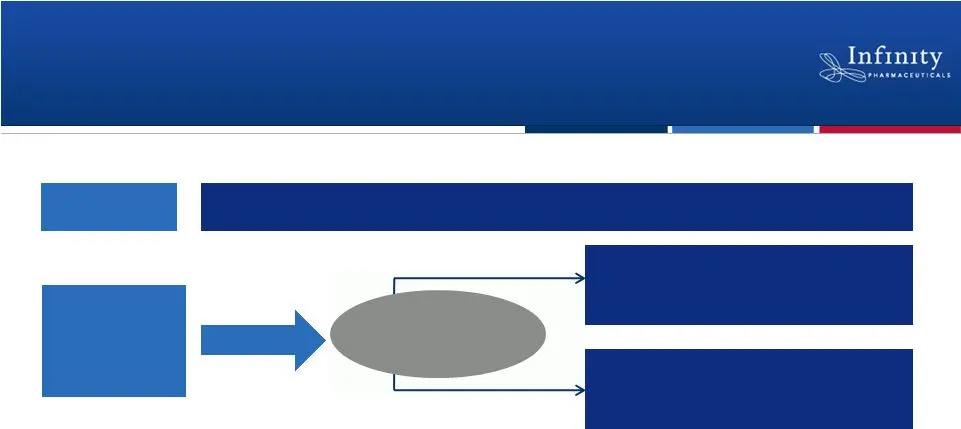
Rapid Translation of Preclinical Insights to Randomized Phase 2 Clinical Trial Dose Escalation MTD IPI-926 (QD) + gemcitabine (n = 60) Placebo + gemcitabine (n = 60) Phase 1b Phase 2 • Primary endpoint is overall survival – Secondary endpoints include progression free survival, time to progression,
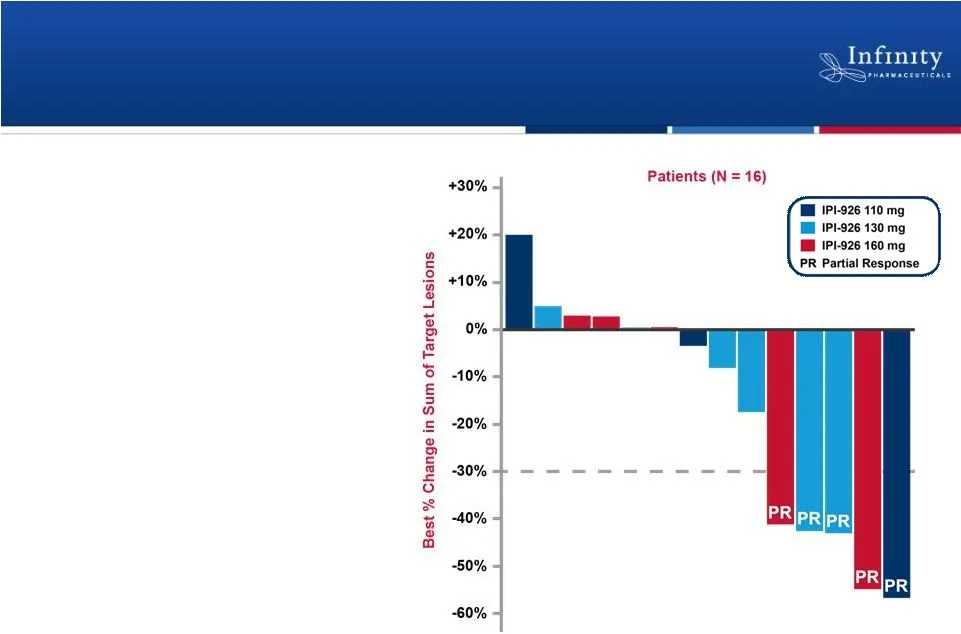
Slide 9: Encouraging Activity and Tolerability Observed in Phase 1b
Encouraging Activity and Tolerability Observed in Phase 1b • IPI-926 + gemcitabine led to a 31% response rate – Overall response rate to gemcitabine is historically <10%* • Favorable PK and safety profile – No interaction between IPI- 926 and gemcitabine – Most common AEs were fatigue and nausea – C
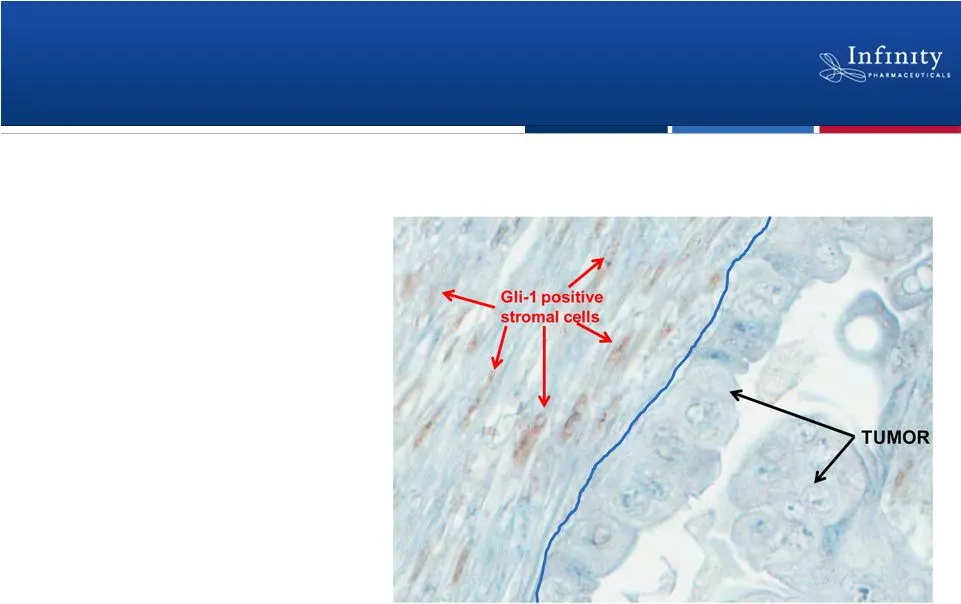
Slide 10: IPI-926 Leads to Stromal Pathway Activation in Pancreatic Cancer Tumors
IPI-926 Leads to Stromal Pathway Activation in Pancreatic Cancer Tumors • Nuclear localization of Gli-1 is a molecular marker of Hedgehog pathway activation • Presence of Gli-1 consistent with paracrine signaling in tumor stroma Stephenson et al., ASCO 2011.
Slide 11: Rigorous Phase 2 Trial Under Way
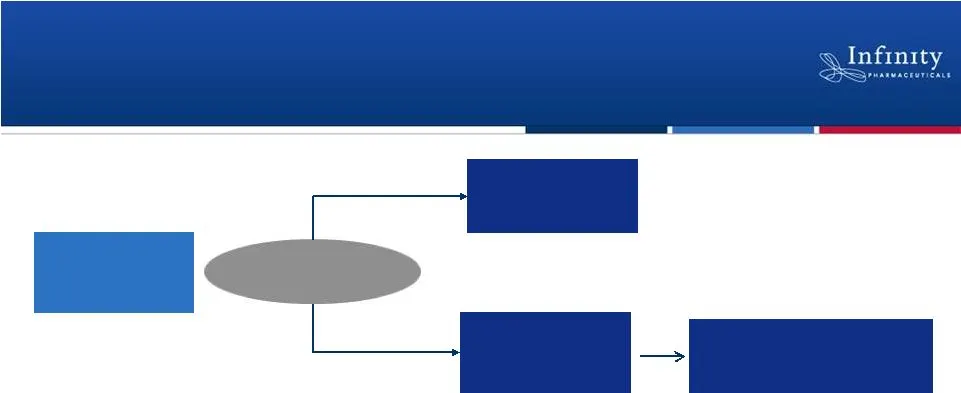
Rigorous Phase 2 Trial Under Way ~100 Patients IPI-926 (QD) Placebo Progression - crossover to IPI-926 • Global trial at approximately 40 sites • Randomized, double-blind, single-agent, placebo controlled study in metastatic or locally advanced, inoperable chondrosarcoma – Trial design reviewed with
Slide 12: Retaspimycin HCl (IPI-504) Targeting Non-Small Cell Lung Cancer Through Hsp90 Inhibition
Retaspimycin HCl (IPI-504) Targeting Non-Small Cell Lung Cancer Through Hsp90 Inhibition
Slide 13: Heat Shock Protein (Hsp90): An Important Cancer Target
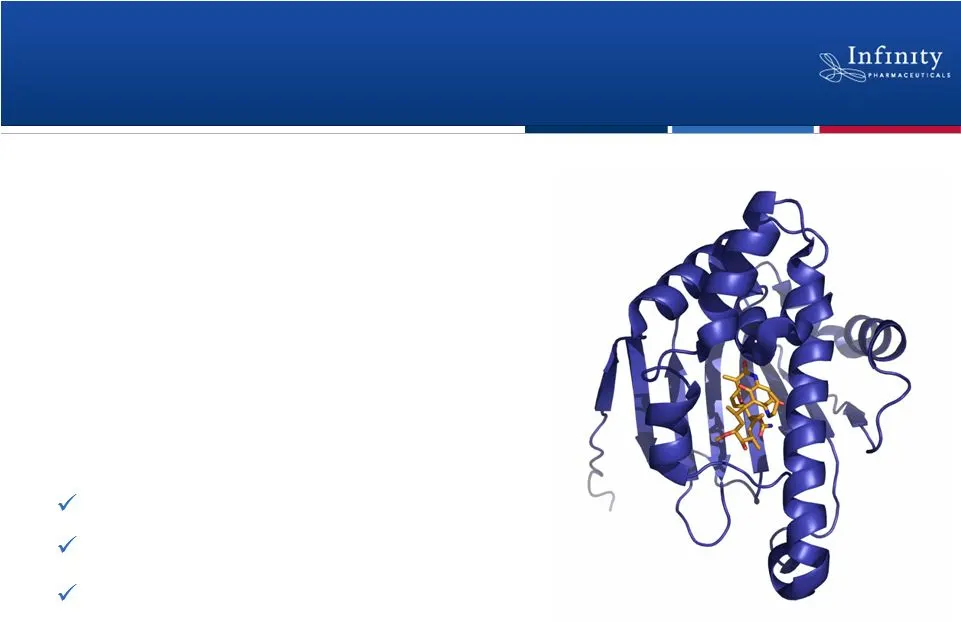
Heat Shock Protein 90 (Hsp90): An Important Cancer Target Function of Hsp90 • “Chaperone” protein necessary for stability and function of certain ‘client’ proteins, including oncoproteins Retaspimycin HCl (IPI-504) • Highly potent, selective, water soluble Hsp90 inhibitor Program strategy; determine
Slide 14: Retaspimycin HCl: Potential Breakthrough Approach to NSCLC
Combination with Docetaxel in Patients with a Smoking History Combination with Everolimus in Patients with a KRAS Mutation Retaspimycin HCl: Potential Breakthrough Approach to NSCLC • Based on clinical data from Phase 1b study • Adaptive, randomized Phase 2 • Biomarker exploration • Based on preclin
Slide 15: Phase 1b Trial: Clinically Active in Combination with Docetaxel
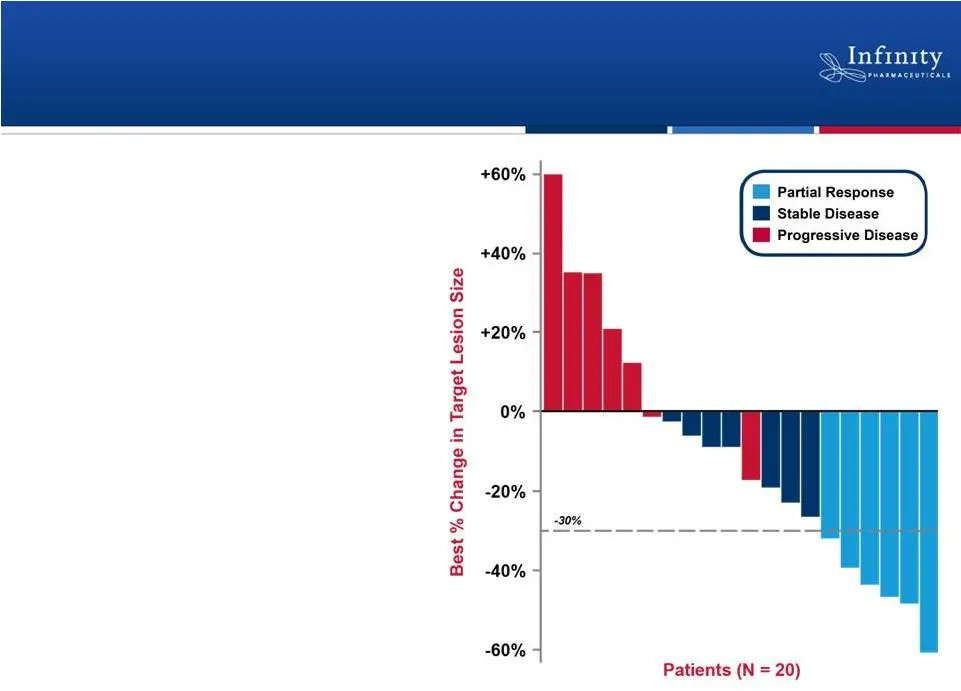
Phase 1b Trial: Clinically Active in Combination with Docetaxel Compelling Phase 1b data • Partial response seen in 6 patients (ORR = 26%) – Docetaxel response rate is ~8%, and PFS is ~3 months • Stable disease seen in 7 patients Riely et al., ASCO 2011. Hanna, et al . J Clin Oncol 22:1589-97.
Slide 16: Responses Observed in Patients with Historically Poor Prognoses
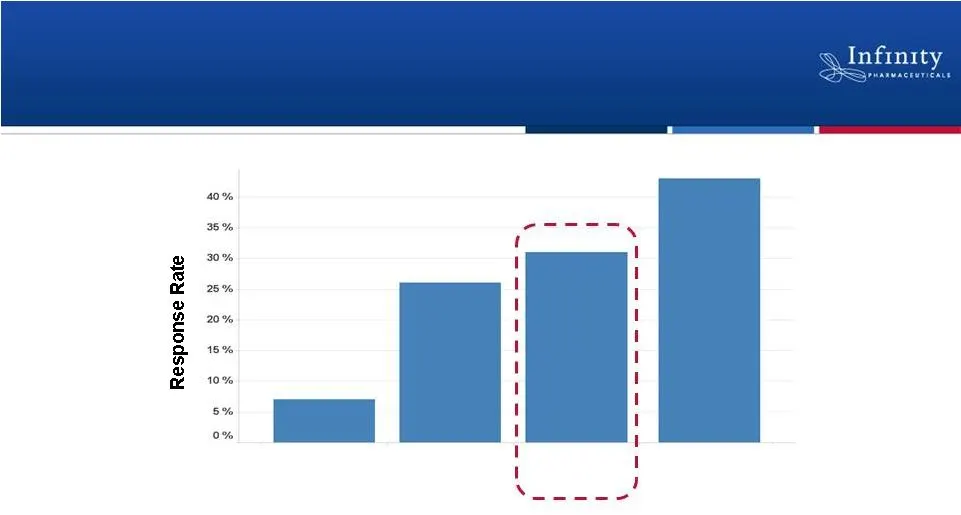
Responses Observed in Patients with Historically Poor Prognoses • In exploratory analyses, patients with the highest response rates fell into overlapping categories: – Current or former smokers (ORR = 33%) – Those with squamous cell carcinoma (ORR = 43%) Historical 2 Line Docetaxel NSCLC Patients in
Slide 17: NSCLC Patients with Smoking History Responded Favorably to Retaspimycin HCl
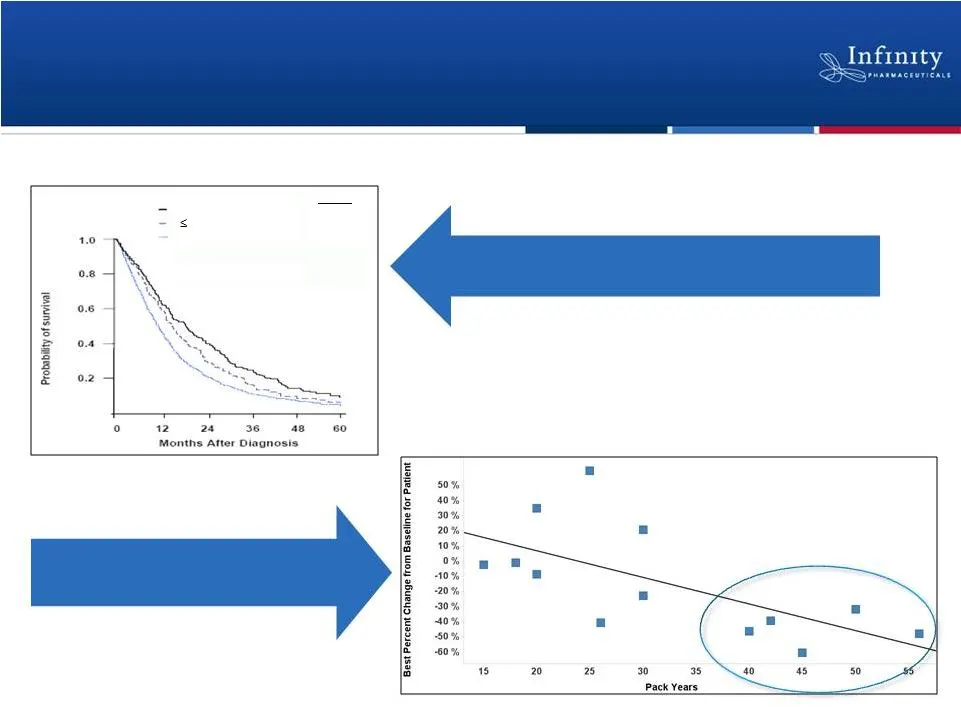
NSCLC Patients with Smoking History Responded Favorably to Retaspimycin HCl Tumor response increased with increase in smoking pack years In general, smokers with NSCLC have lower survival rates than non-smokers Janjigian et al. Cancer 2010. 116(3):670. Tumor Response to Retaspimycin HCl plus Docetax
Slide 18: Adaptive Phase 2 Trial Ongoing in NSCLC
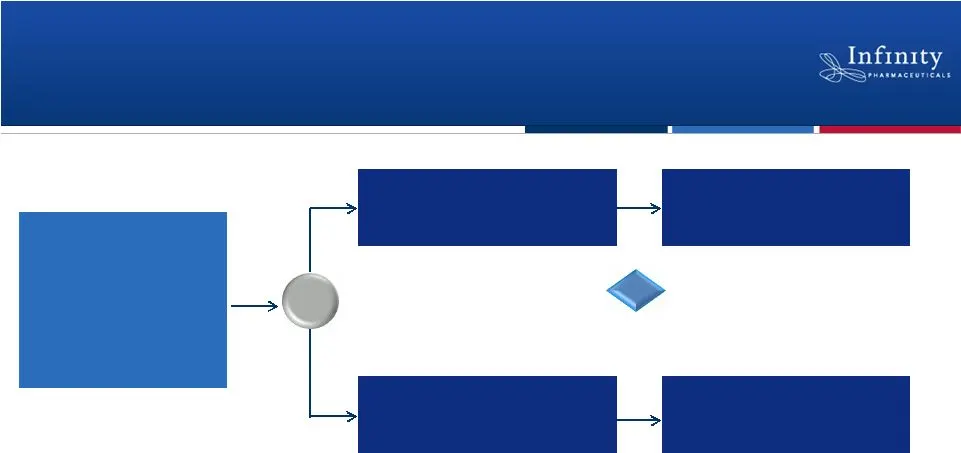
Adaptive Phase 2 Trial Ongoing in NSCLC ~100 smokers w/ 2 nd - or 3 rd -line NSCLC (docetaxel naïve) Sub-population expansion up to 45 additional patients Sub-population expansion up to 45 additional patients Docetaxel (q3w) + Retaspimycin HCl (weekly) (N=50) Docetaxel (q3w) + placebo(weekly) (N=50)
Slide 19: Preclinical Model: Potential MOA for Synergy of Retaspimycin HCl with Everolimus
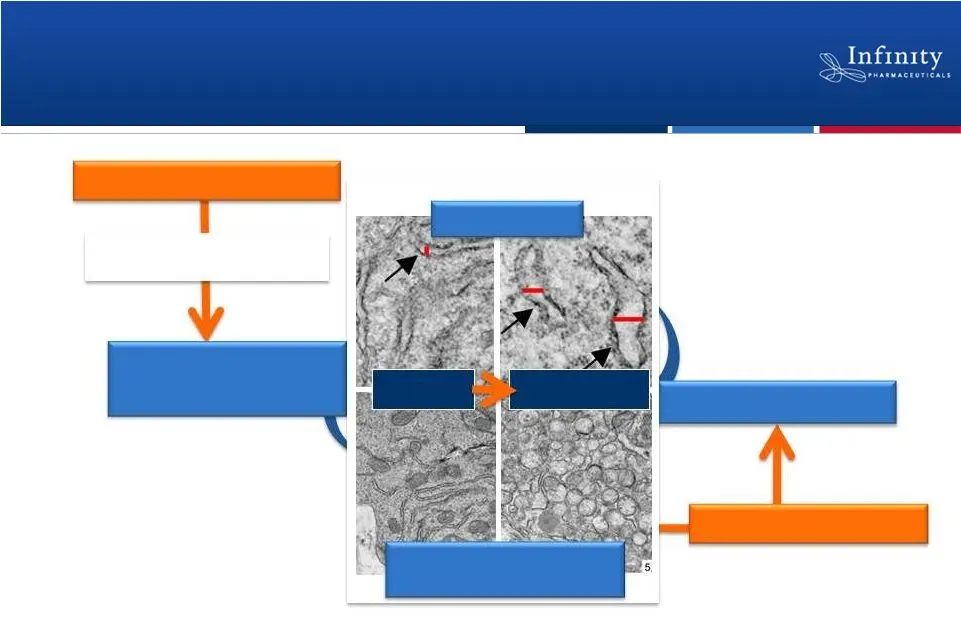
Preclinical Model: Potential MOA for Synergy of Retaspimycin HCl with Everolimus in RAS Mutant Tumors ER Swelling control Rapa / 504 Massive accumulation of autophagosomes Decrease in Cellular antioxydants ROS generation Hsp90 inhibition mTOR inhibition Hypothesis: In combination, these agents may s
Slide 20: NSCLC: Significant Commercial Opportunity
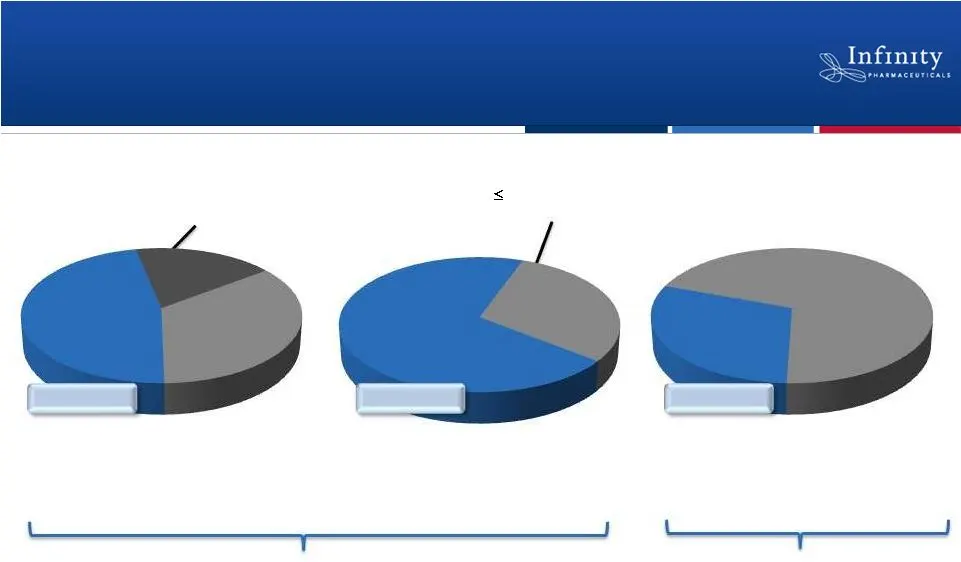
NSCLC: Significant Commercial Opportunity Squamous Cell Carcinoma 35% > 15 pack years 70% KRAS 30% % NSCLC Patients by Cell Type (2009) % Stage IIIb/IV NSCLC Patients by Smoking Status (2009) % NSCLC Patients by Mutation Status (2009) Adenocarcinoma 47% Large Cell Carcinoma 18% Non-KRAS 70% Sources:
Slide 21: Additional Pipeline Opportunities
Additional Pipeline Opportunities
Slide 22: IPI-145: Novel PI3K Inhibitor Rapidly Advancing to the Clinic
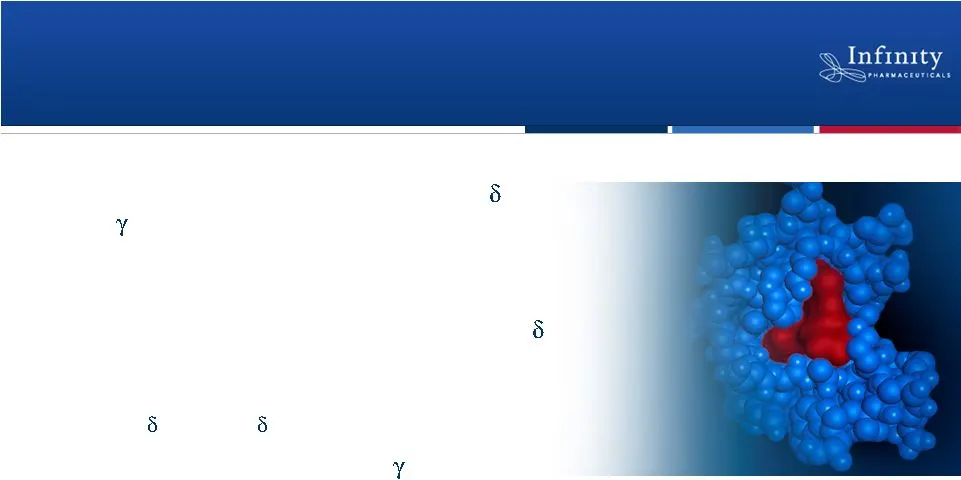
IPI-145: Novel PI3K Inhibitor Rapidly Advancing to the Clinic • IPI-145 is a potent, oral inhibitor of PI3K and PI3K – PI3K plays a role in hematologic malignancies and inflammatory conditions • Compelling human proof-of-concept of PI3K inhibition in heme malignancies – IPI-145 is 10- to 30-fold mor

Slide 23: IPI-940: Phase 2-Ready FAAH Inhibitor
IPI-940: Phase 2-Ready FAAH Inhibitor • IPI-940 inhibits FAAH and is designed to potentiate the effect of anandamide Constitutively active FAAH degrades anandamide, the body’s natural source of pain relief • Encouraging data from Phase 1 trial in healthy volunteers Marked FAAH inhibition and increas
Slide 24: Strong Financial Foundation to Reach Key Inflection Points
Strong Financial Foundation to Reach Key Inflection Points

Slide 25: Strategic Alliances Provide Funding and Access to Global Markets
Strategic Alliances Provide Funding and Access to Global Markets Hedgehog, PI3K and early discovery • R&D funding from Mundipharma • INFI to develop and register product candidates globally • INFI to commercialize products in the U.S. • Access to ex-US markets: Mundipharma to commercialize products
Slide 26: Financial Strength to Drive Value Creation
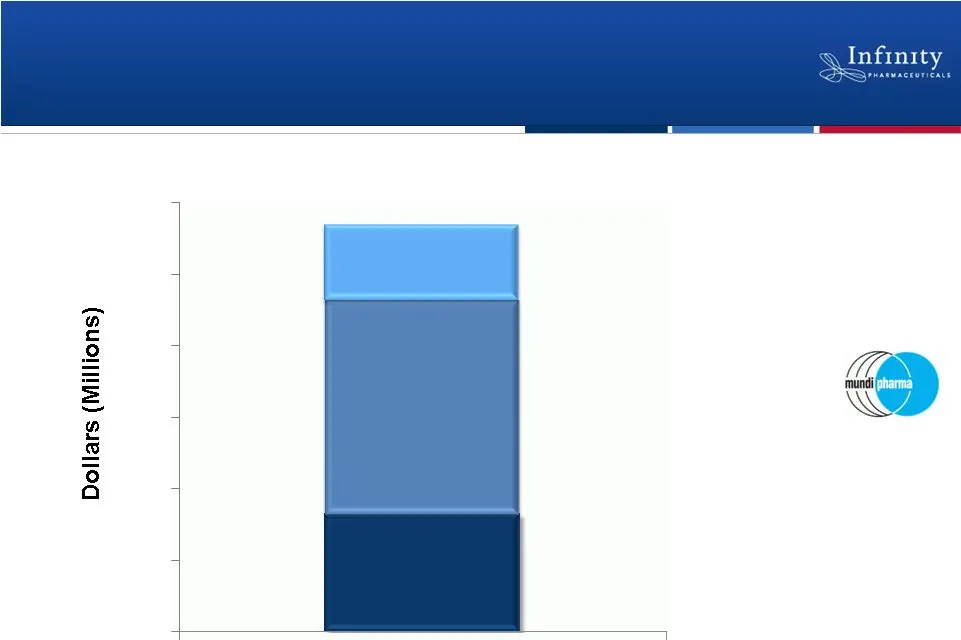
Financial Strength to Drive Value Creation ~$82M $152.5M Committed R&D Funding Remaining in 2011 and 2012 $50M Line of Credit (Balloon note at prime, matures 2019) Cash and Investments (as of 6/30/10) Current and Committed Capital $285 Million Line of credit may be drawn for any corporate purpose. (
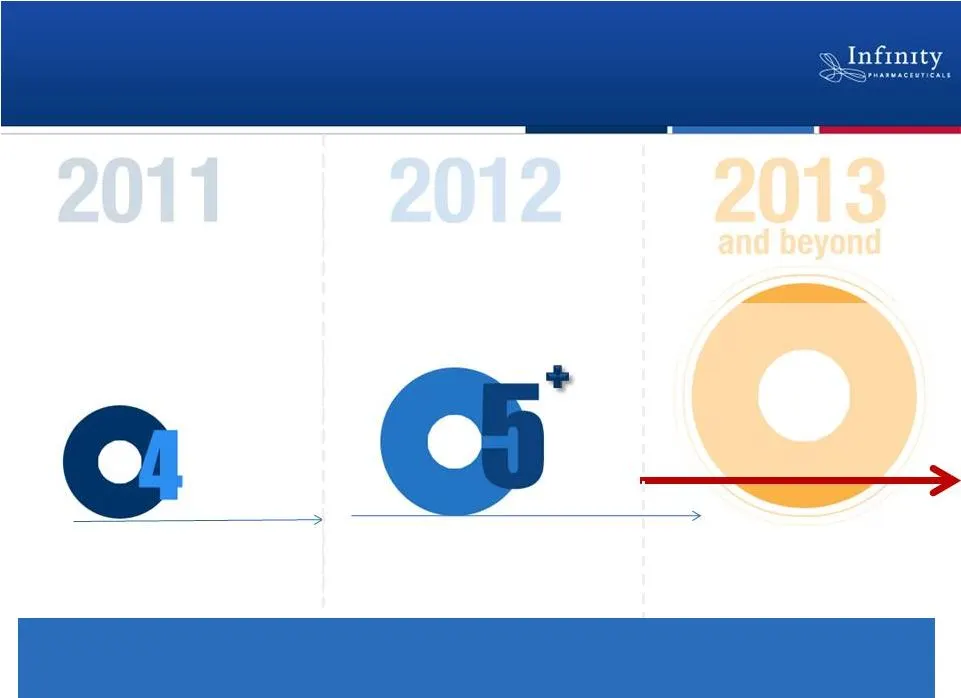
Slide 27
Slide 28: Building a Sustainable, Fully Integrated Biotechnology Company
Building a Sustainable, Fully Integrated Biotechnology Company September 2011
Source: SEC EDGAR · 8-K filed Sep 12, 2011
More decks from Infinity Pharmaceuticals, Inc.
 Merger or Acquisition (June 2023)89 slides · Jun 20, 2023
 Merger or Acquisition (February 2023)39 slides · Feb 23, 2023
 Technical Presentation (July 2021)54 slides · Jul 27, 2021
 Technical Presentation (February 2021)53 slides · Feb 11, 2021
 SABCS 2020 Investor Event32 slides · Dec 9, 2020
 Corporate Update (January 2016)47 slides · Jan 11, 2016