Simulations Plus, Inc. · NASDAQ:SLP
Simulations Plus — Technical Presentation (June 2024)
25 slides from Simulations Plus's technical presentation, June 2024
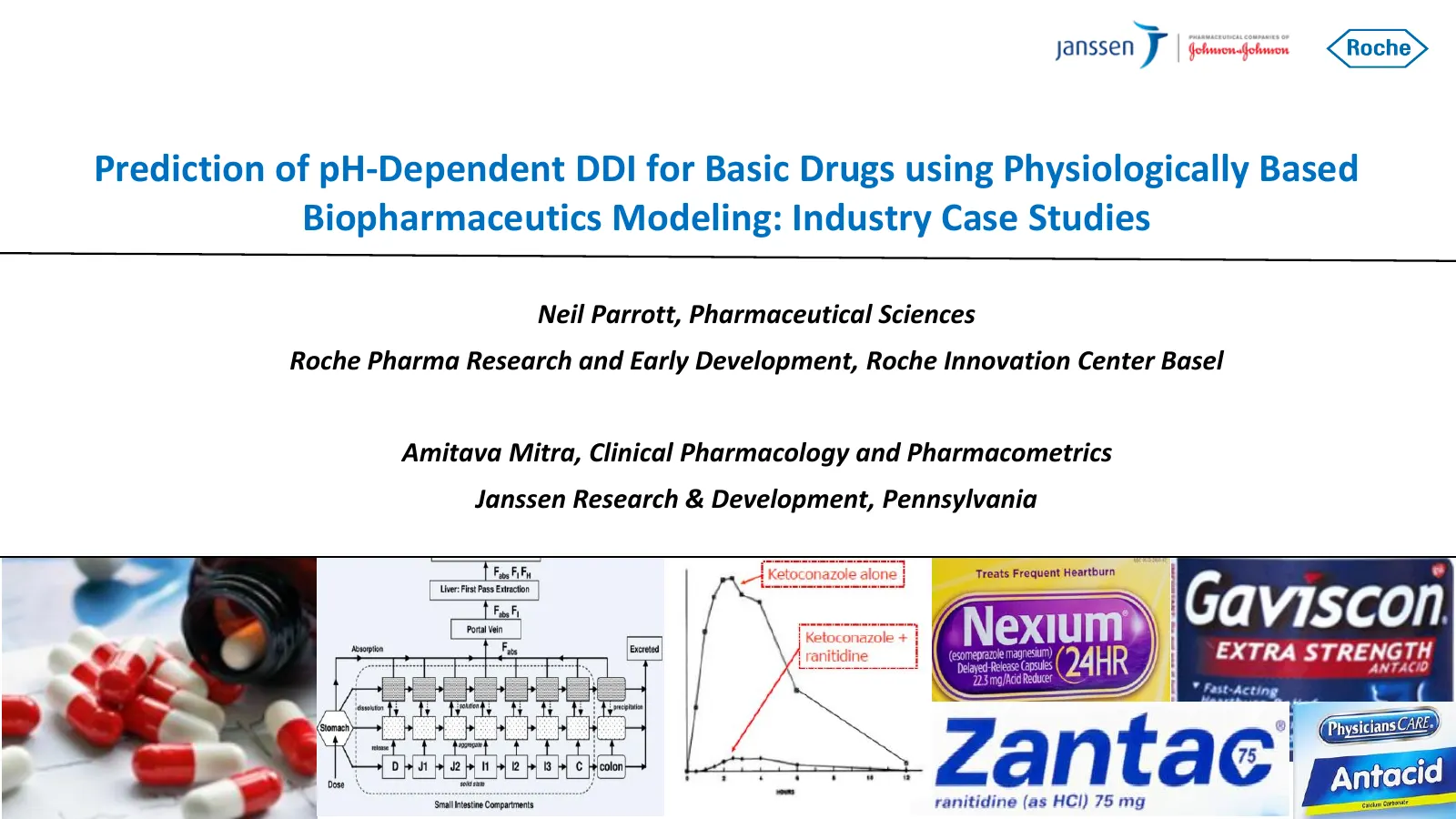
Slide 1: Prediction of pH-Dependent DDI for Basic Drugs using PBBM: Industry Case Studies
Prediction of pH-Dependent DDI for Basic Drugs using Physiologically Based Biopharmaceutics Modeling: Industry Case Studies Neil Parrott, Pharmaceutical Sciences Roche Pharma Research and Early Development, Roche Innovation Center Basel Amitava Mitra, Clinical Pharmacology and Pharmacometrics Jansse
Slide 2: Overview
Overview • Background to pH-dependent DDI • Predicting the Effect of Acid Reducing Agents with PBBM – Workflow for ARA prediction • Case Studies • Future outlook • Questions
Slide 3: Background
Background • PK DDIs can cause toxicity or poor efficacy • Adverse drug events contribute to patient harm and healthcare costs* • PBPK used to predict and manage metabolic DDIs and inform labels • Absorption-related DDIs may equal the magnitude of metabolic DDI effects but PBPK is having less impact
Slide 4: The Effect of Acid Reducing Agents
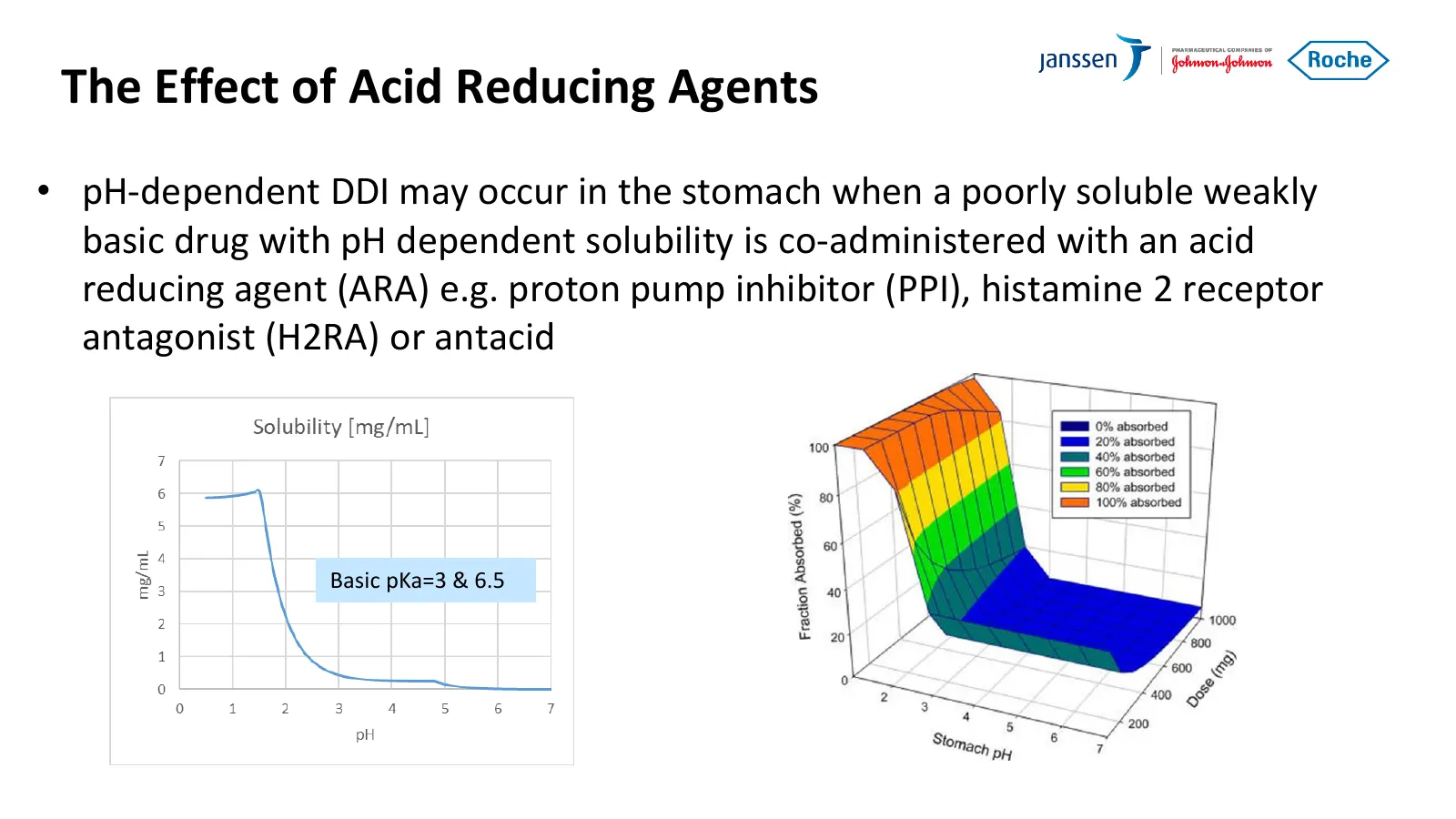
The Effect of Acid Reducing Agents • pH-dependent DDI may occur in the stomach when a poorly soluble weakly basic drug with pH dependent solubility is co-administered with an acid reducing agent (ARA) e.g. proton pump inhibitor (PPI), histamine 2 receptor antagonist (H2RA) or antacid Basic pKa=3 & 6
Slide 5: pH-dependent DDI for Poorly Soluble Weak Bases
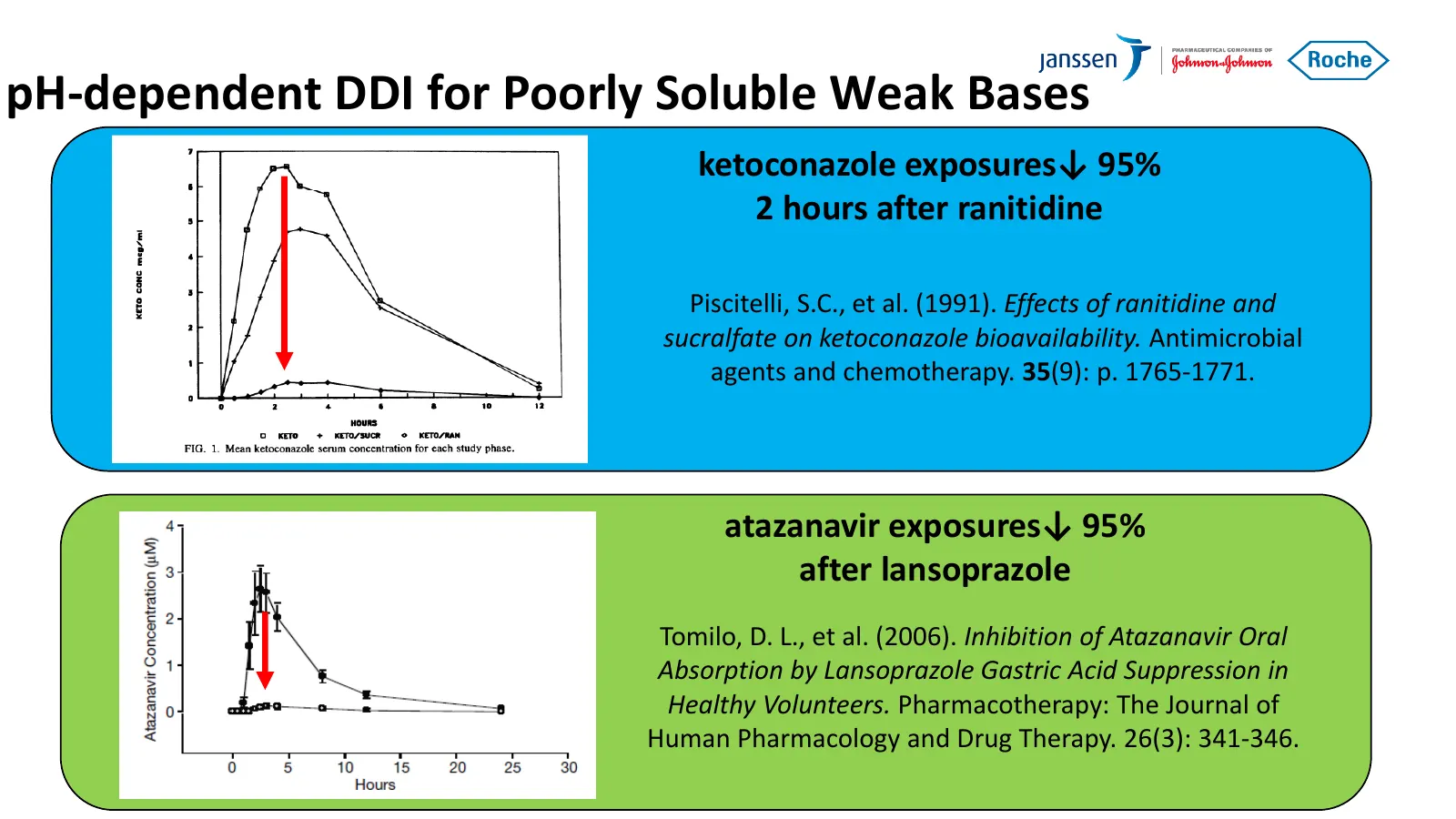
pH-dependent DDI for Poorly Soluble Weak Bases ketoconazole exposures↓ 95% 2 hours after ranitidine Piscitelli, S.C., et al. (1991). Effects of ranitidine and sucralfate on ketoconazole bioavailability. Antimicrobial agents and chemotherapy. 35(9): p. 1765-1771. atazanavir exposures↓ 95% after lanso
Slide 6: Impact on Label
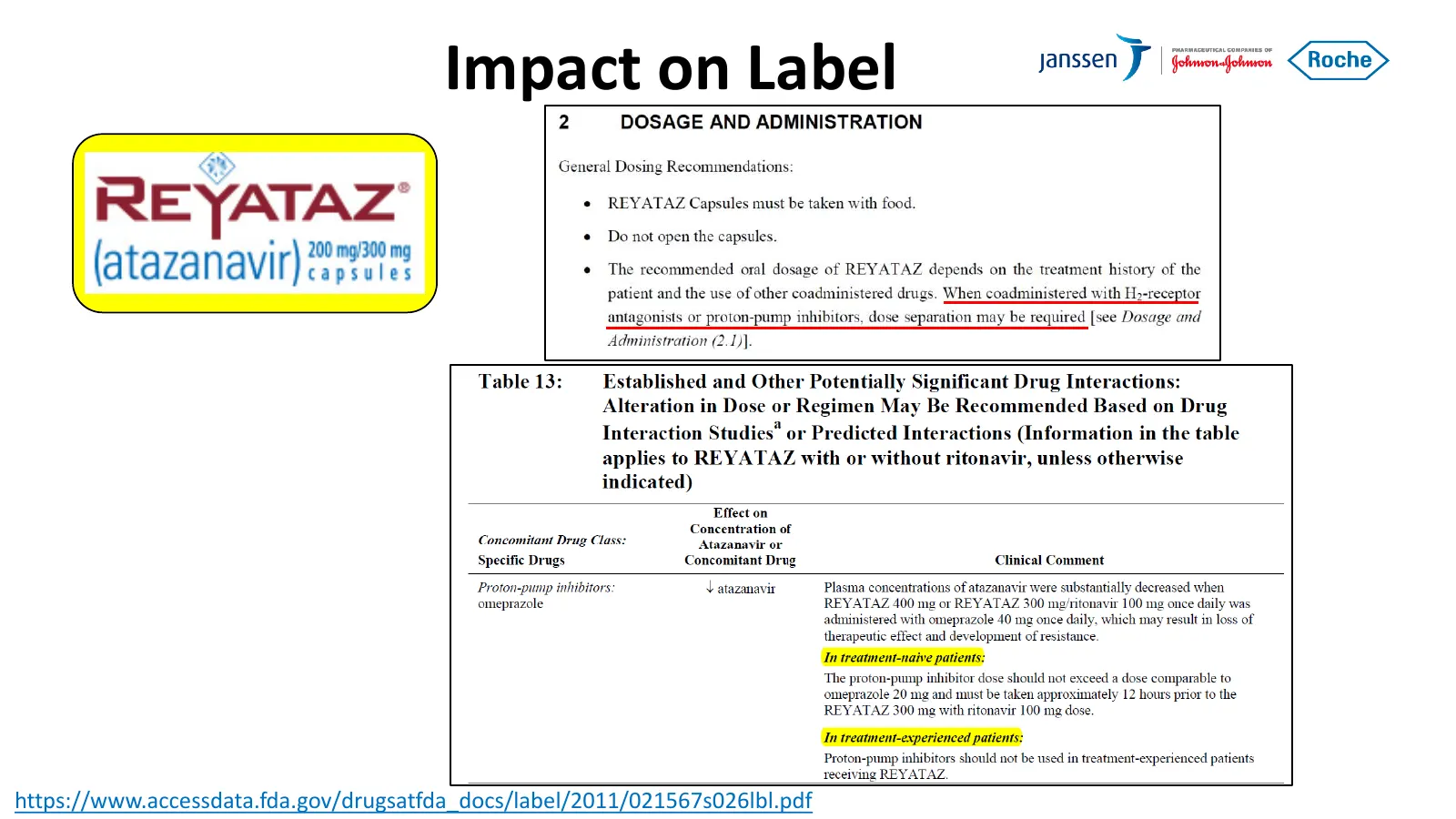
Impact on Label https://www.accessdata.fda.gov/drugsatfda_docs/label/2011/021567s026lbl.pdf
Slide 7: Regulatory View
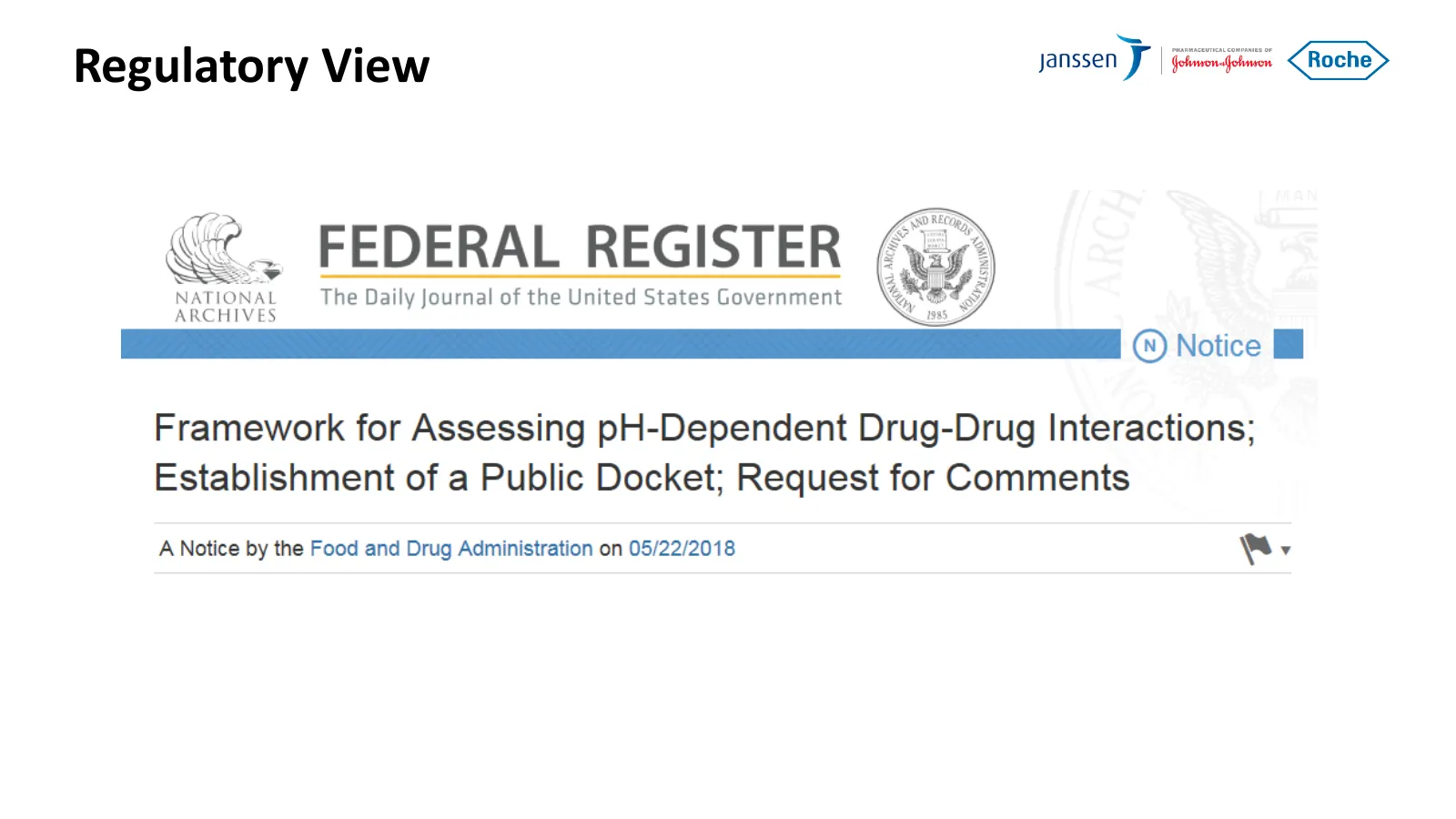
Regulatory View janssen IF | psa ach) ¢.. FEDERAL REGISTER Nal ION AL The Daily Journal of the United States Government ARCHIVES UI SS OES HE OS HE -=—~—ONS CS 4 Framework for Assessing pH-Dependent Drug-Drug Interactions; Establishment of a Public Docket; Request for Comments A Notice by the Food a
Slide 8: Applications of PBBM in Prediction of ARA Effect
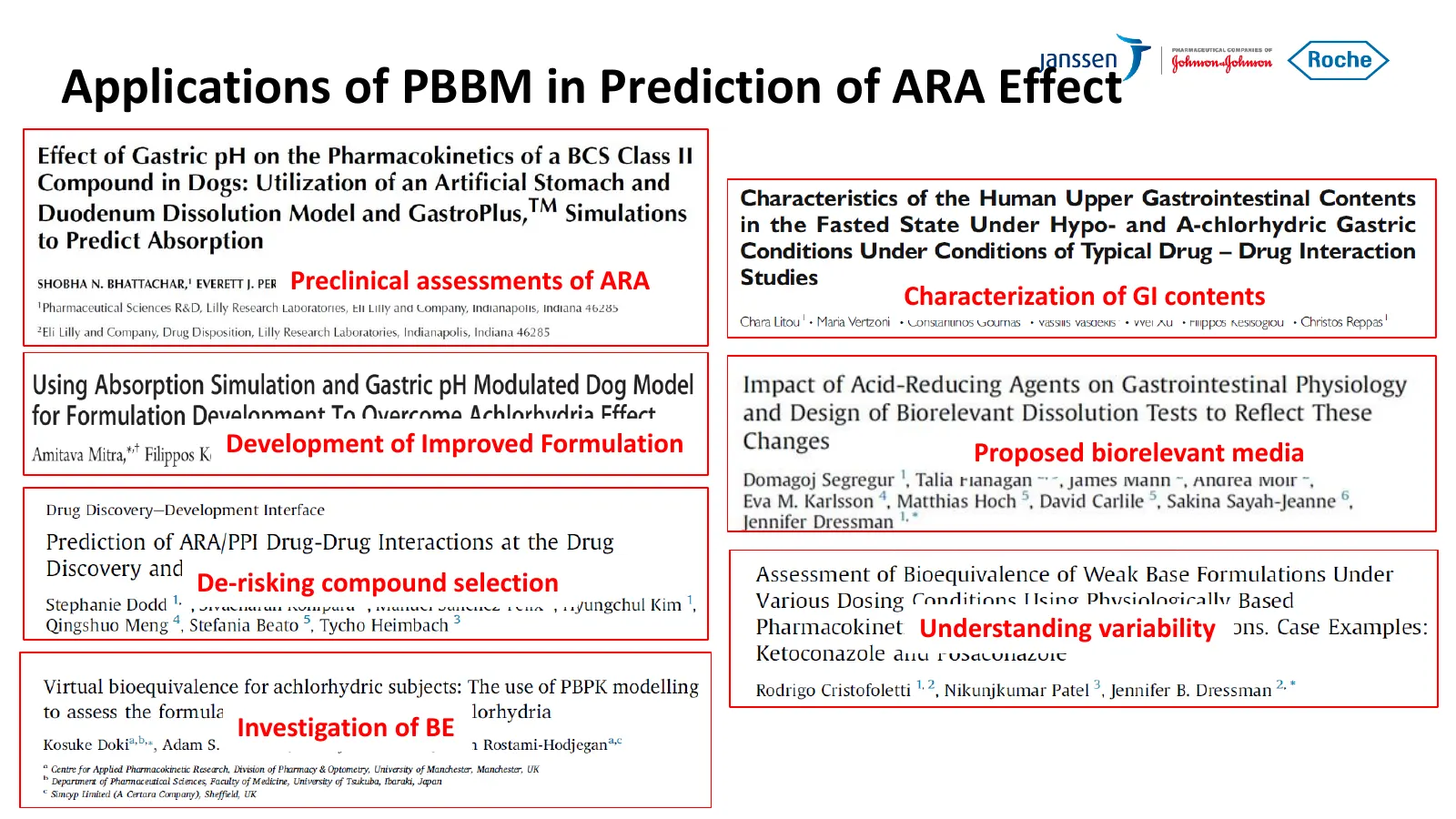
Applications of PBBM in Prediction of ARA Effect Preclinical assessments of ARA Characterization of GI contents Development of Improved Formulation Proposed biorelevant media De-risking compound selection Understanding variability Investigation of BE
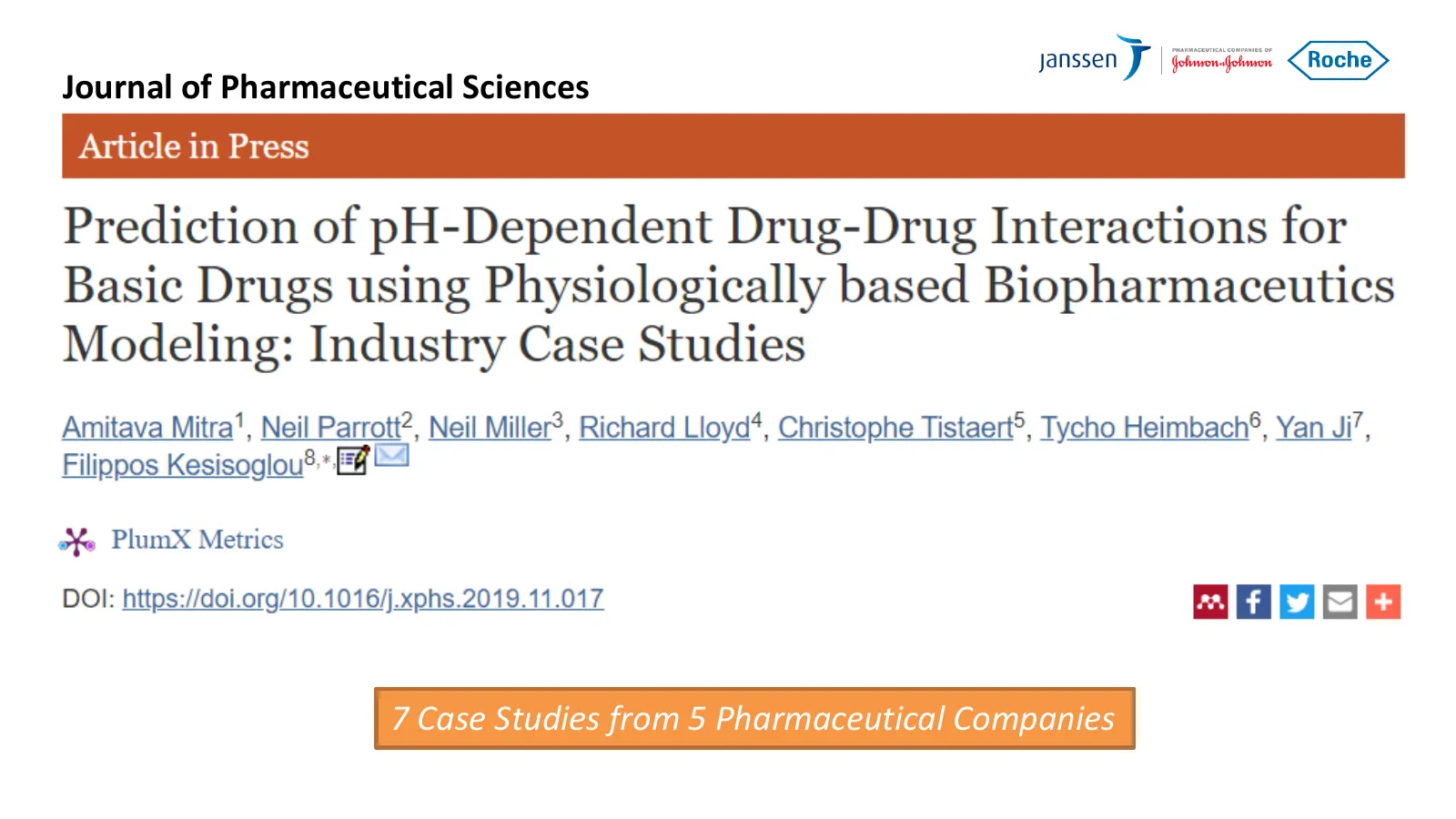
Slide 9: 7 Case Studies from 5 Pharmaceutical Companies
Journal of Pharmaceutical Sciences 7 Case Studies from 5 Pharmaceutical Companies
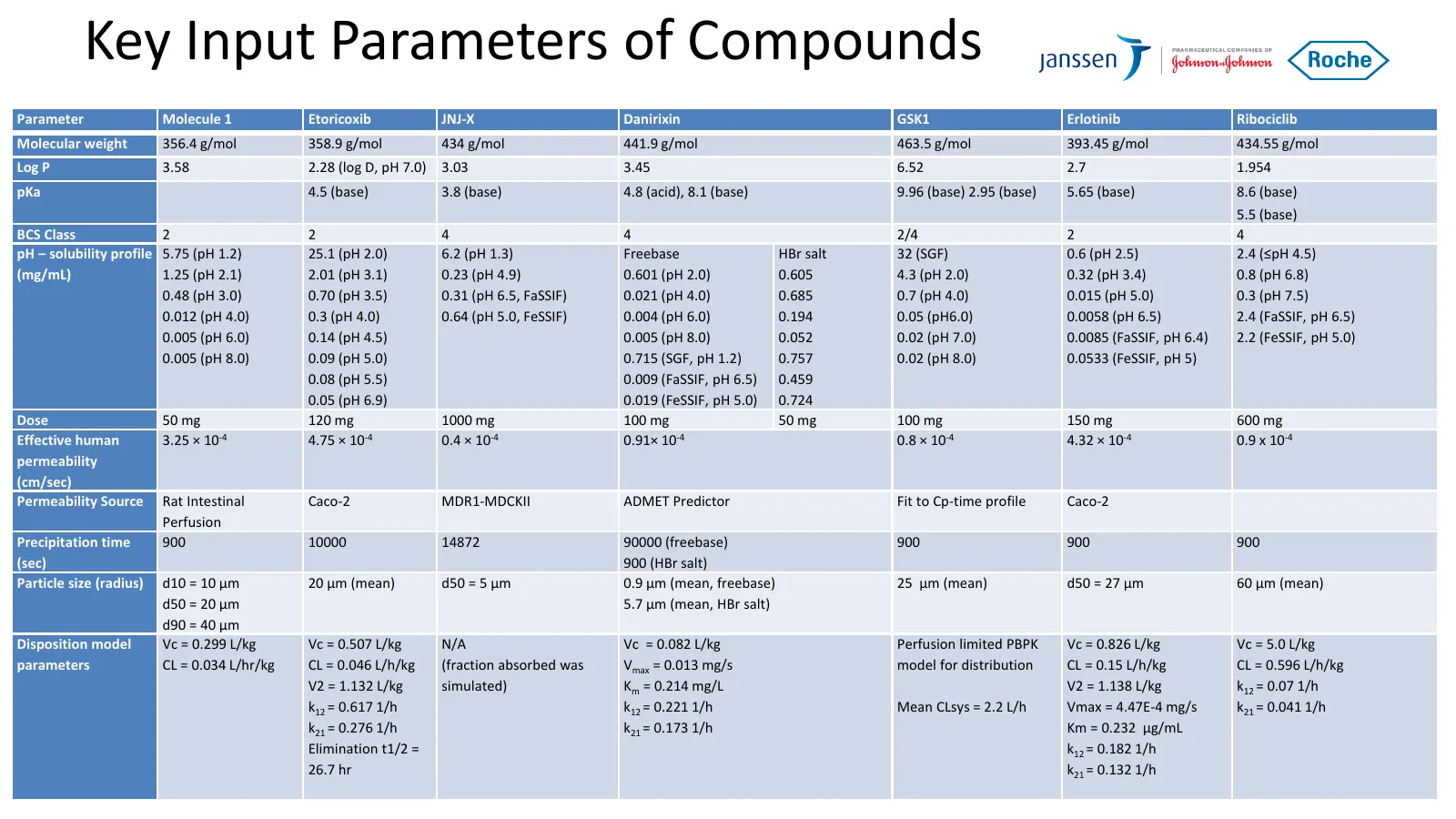
Slide 10: Key Input Parameters of Compounds
Key Input Parameters of Compounds Parameter Molecule 1 Etoricoxib JNJ-X Danirixin GSK1 Erlotinib Ribociclib Molecular weight 356.4 g/mol 358.9 g/mol 434 g/mol 441.9 g/mol 463.5 g/mol 393.45 g/mol 434.55 g/mol Log P 3.58 2.28 (log D, pH 7.0) 3.03 3.45 6.52 2.7 1.954 pKa 4.5 (base) 3.8 (base) 4.8 (aci
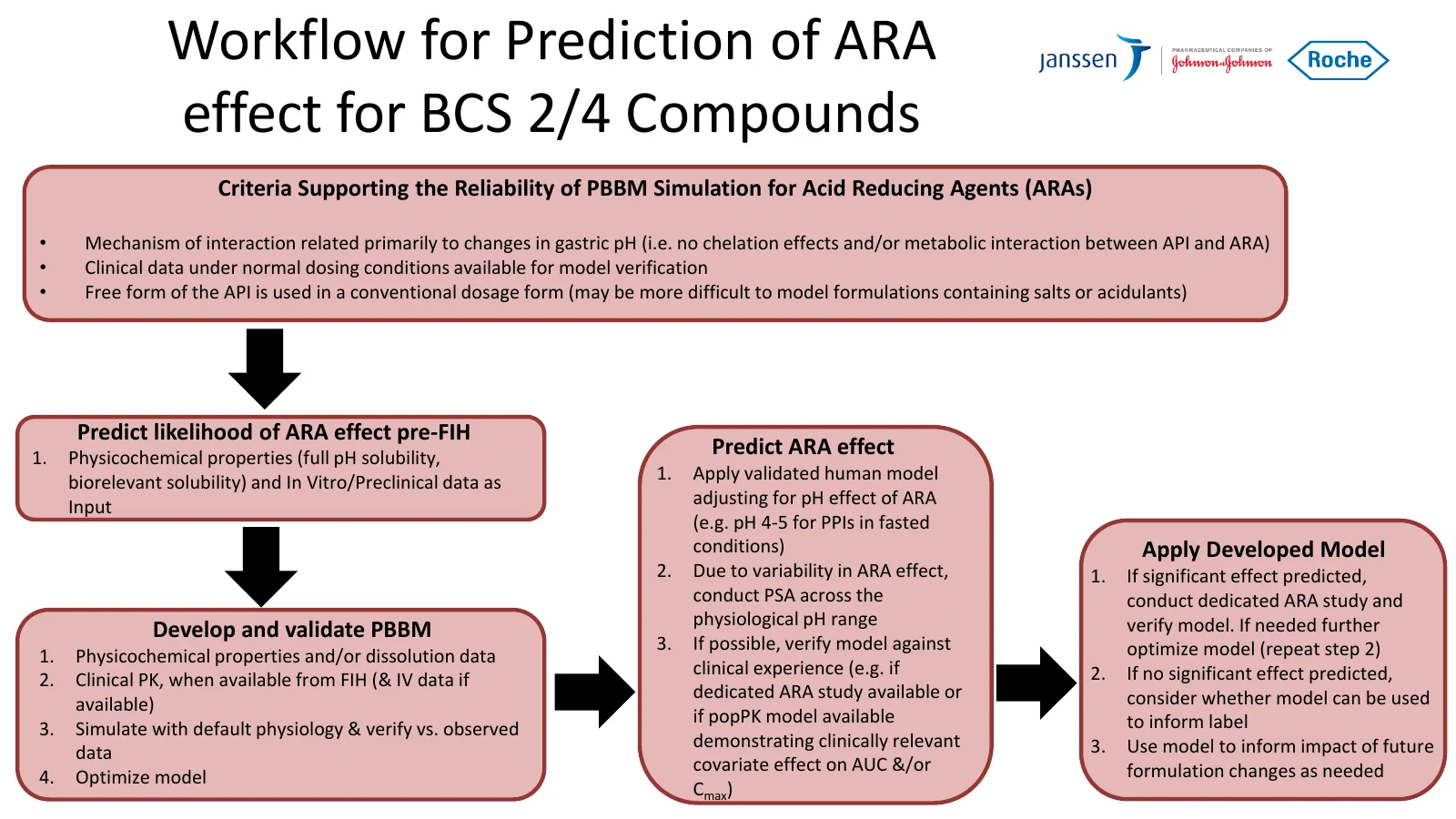
Slide 11: Workflow for Prediction of ARA effect for BCS 2/4 Compounds
Workflow for Prediction of ARA effect for BCS 2/4 Compounds Criteria Supporting the Reliability of PBBM Simulation for Acid Reducing Agents (ARAs) • Mechanism of interaction related primarily to changes in gastric pH (i.e. no chelation effects and/or metabolic interaction between API and ARA) • Clin

Slide 12: Case Studies
Janssen J faimendcien <Roche> CASE STUDIES
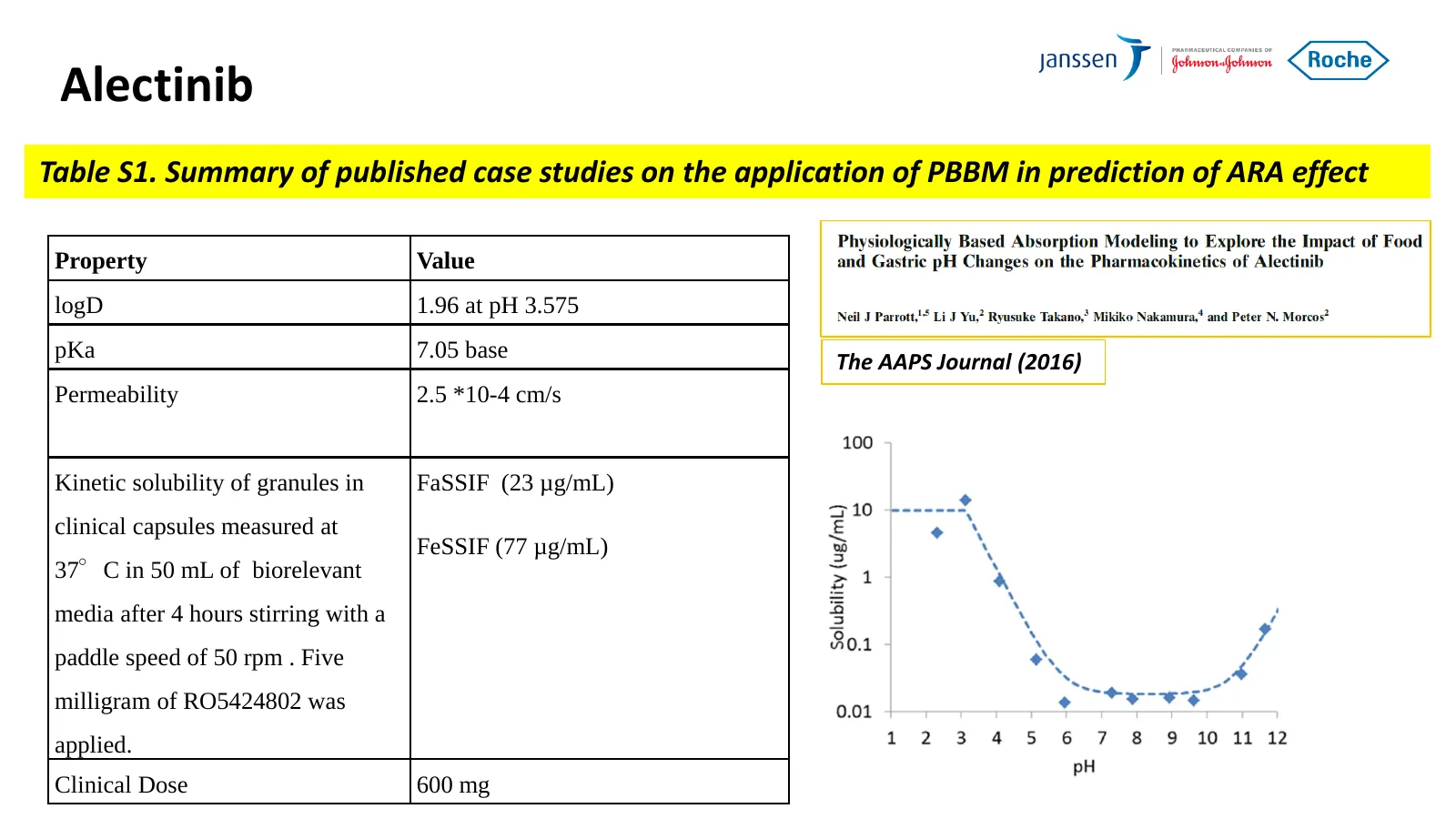
Slide 13: Alectinib
Alectinib Table S1. Summary of published case studies on the application of PBBM in prediction of ARA effect Property Value logD 1.96 at pH 3.575 pKa 7.05 base The AAPS Journal (2016) Permeability 2.5 *10-4 cm/s Kinetic solubility of granules in FaSSIF (23 µg/mL) clinical capsules measured at FeSSIF
Slide 14: Model Changes for PPIs
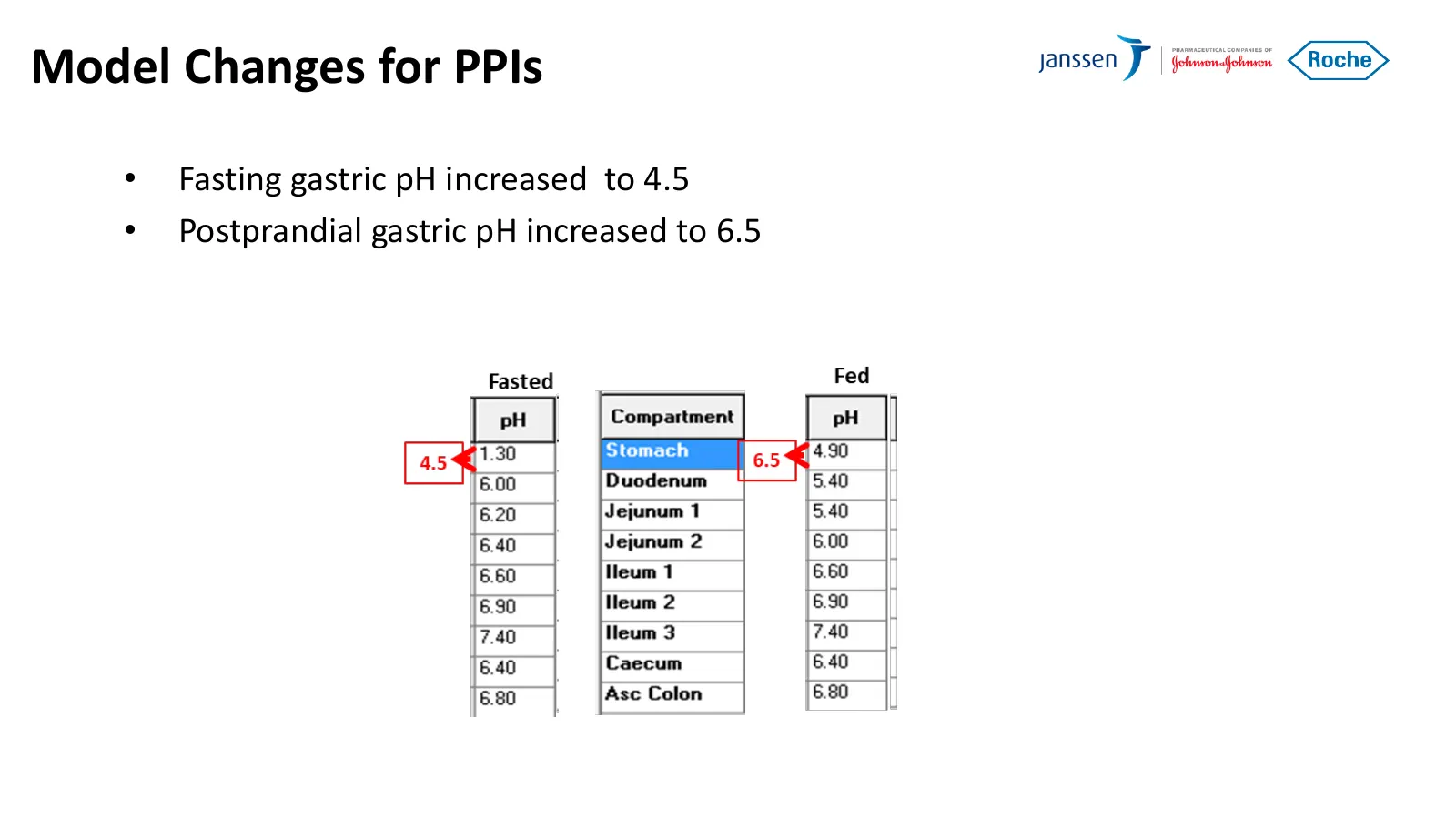
Model Changes for PPIs • Fasting gastric pH increased to 4.5 • Postprandial gastric pH increased to 6.5
Slide 15: Prediction
Prediction • Negligible effect of elevated gastric pH predicted – Very limited dissolution in the stomach irrespective of pH – Solubility of alectinib at normal healthy gastric pH << 2.4 mg/mL (the value needed for complete dissolution of the dose in a glass of water (600 mg dose / 250 mL)) • Solubi
Slide 16: Potential to use PBBM to waive clinical study
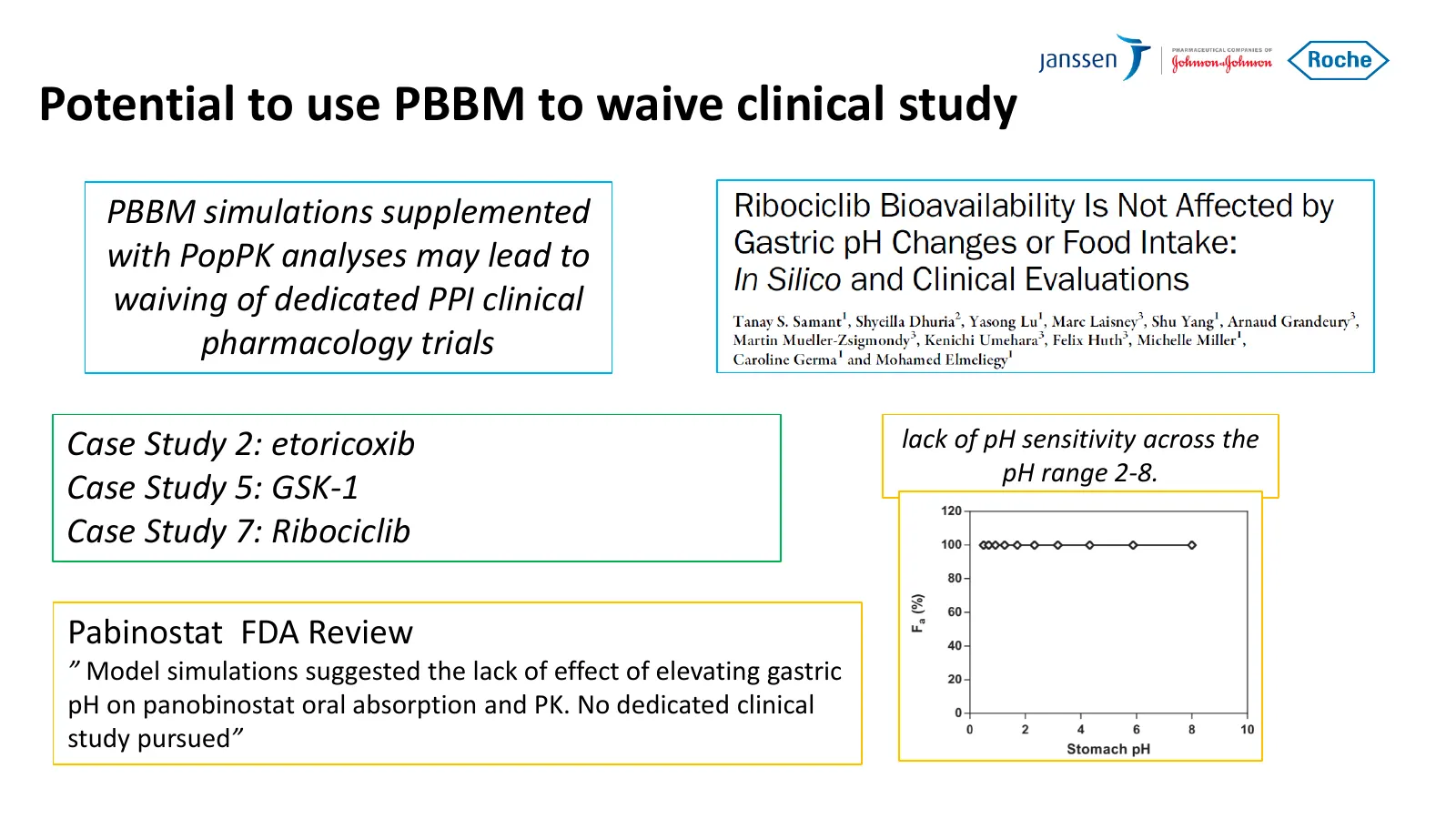
Potential to use PBBM to waive clinical study PBBM simulations supplemented with PopPK analyses may lead to waiving of dedicated PPI clinical pharmacology trials Case Study 2: etoricoxib lack of pH sensitivity across the pH range 2-8. Case Study 5: GSK-1 Case Study 7: Ribociclib Pabinostat FDA Revie
Slide 17: Case Study 3: JNJ-X
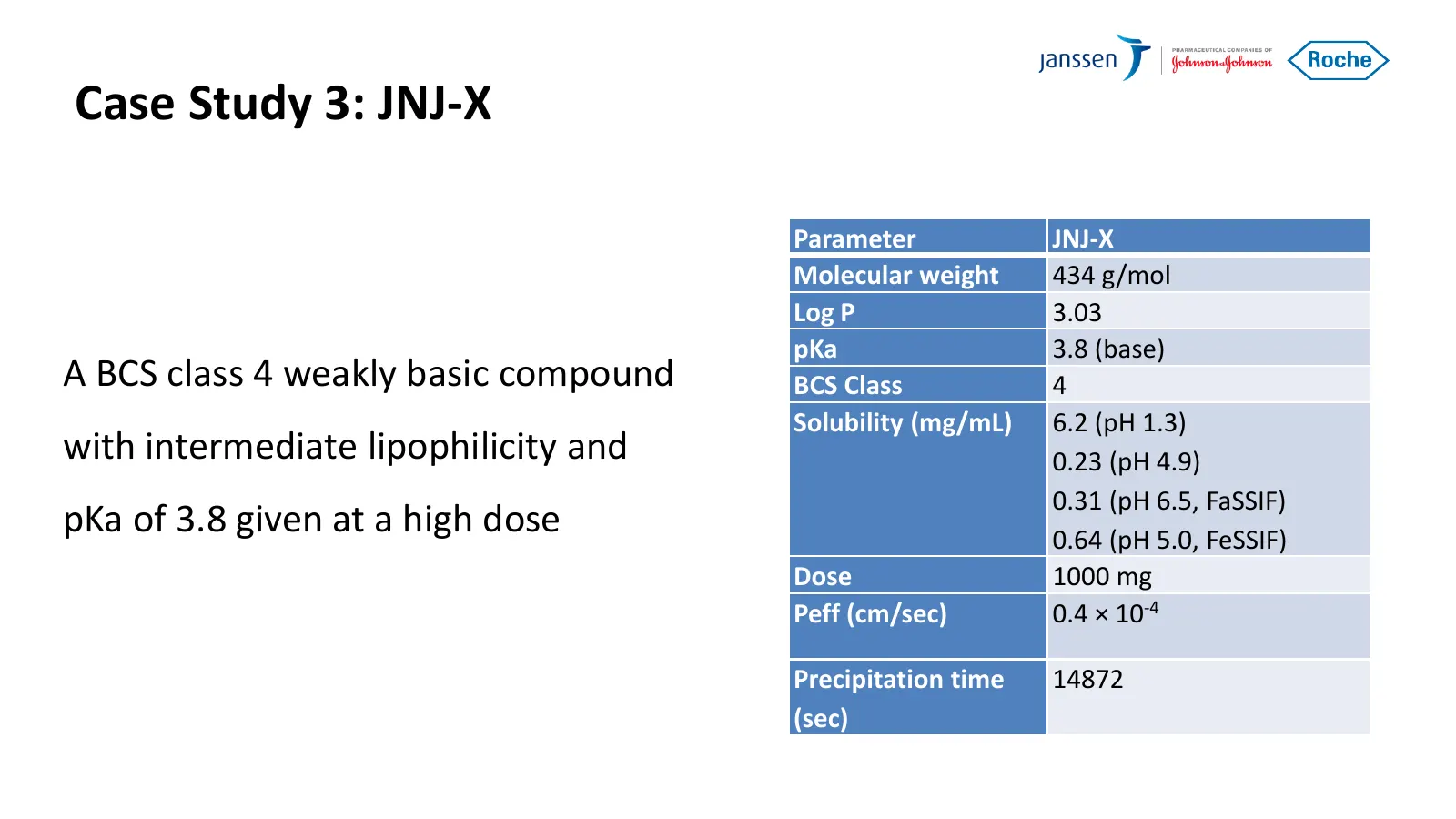
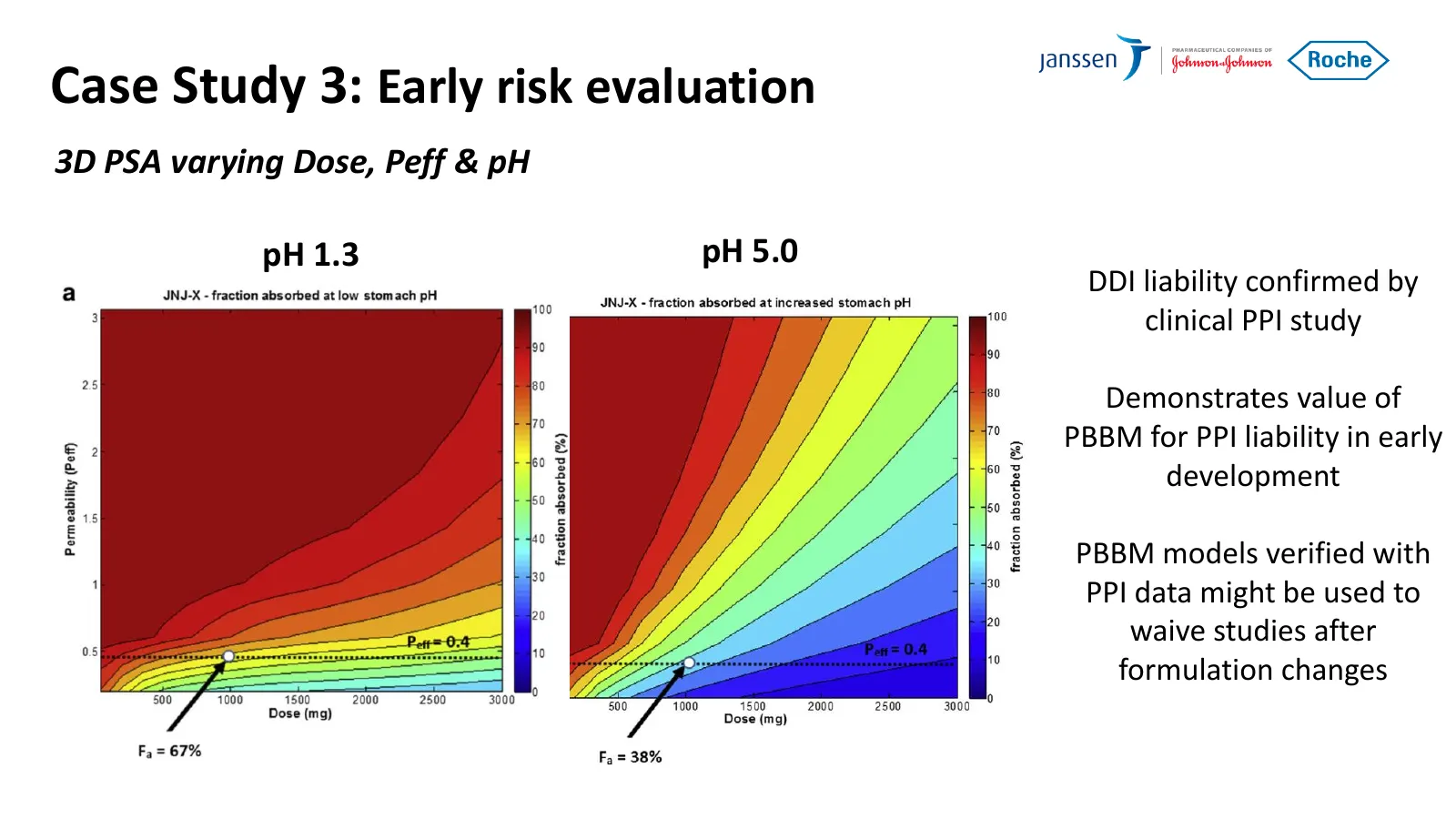
Case Study 3: JNJ-X Parameter JNJ-X Molecular weight 434 g/mol Log P 3.03 pKa 3.8 (base) A BCS class 4 weakly basic compound BCS Class 4 Solubility (mg/mL) 6.2 (pH 1.3) with intermediate lipophilicity and 0.23 (pH 4.9) 0.31 (pH 6.5, FaSSIF) pKa of 3.8 given at a high dose 0.64 (pH 5.0, FeSSIF) Dose
Slide 18: Case Study 3: Early risk evaluation
Case Study 3: Early risk evaluation 3D PSA varying Dose, Peff & pH pH 1.3 pH 5.0 DDI liability confirmed by clinical PPI study Demonstrates value of PBBM for PPI liability in early development PBBM models verified with PPI data might be used to waive studies after formulation changes
Slide 19: Case Study 6: Erlotinib
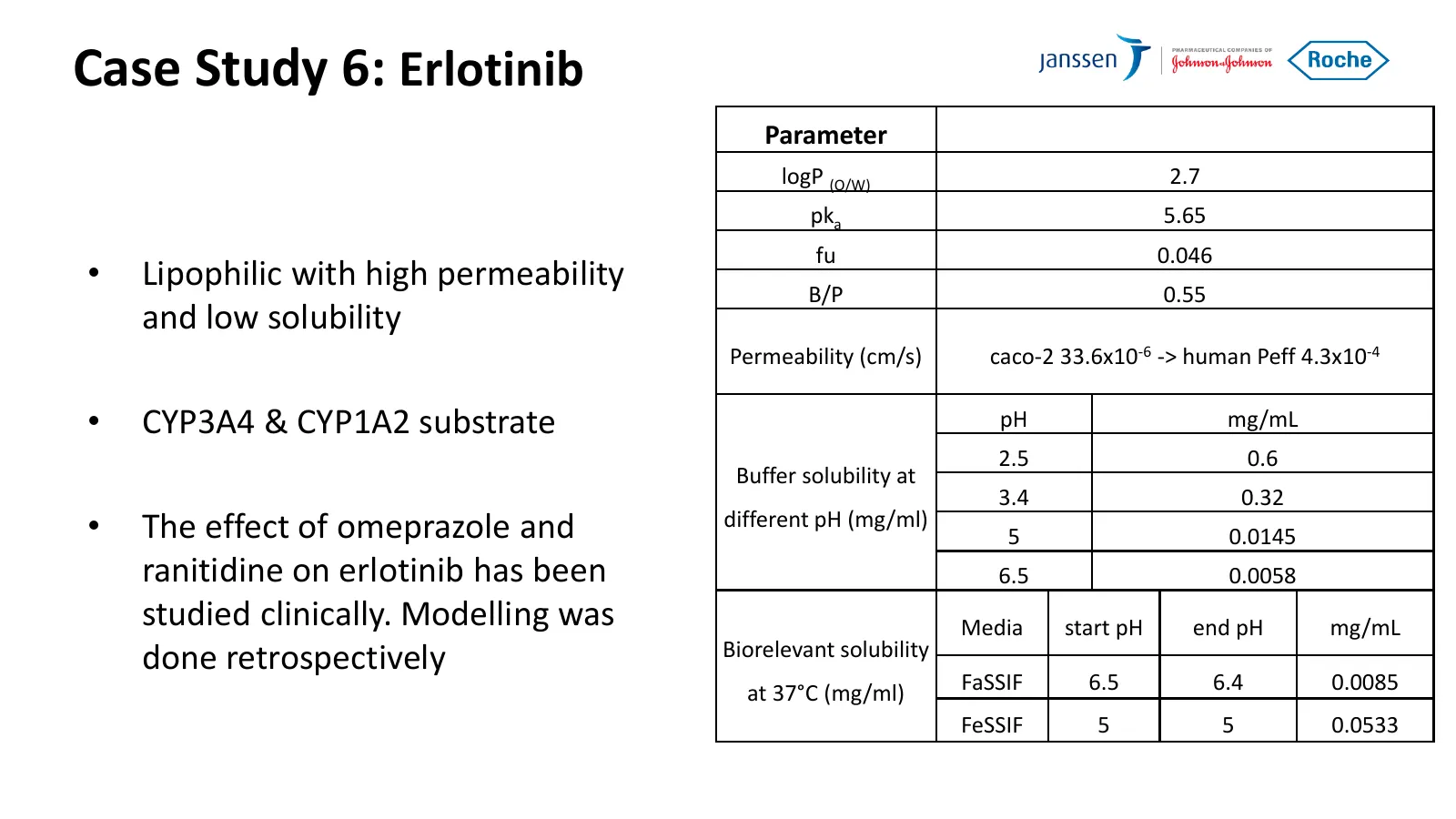
Case Study 6: Erlotinib Parameter logP (O/W) 2.7 pka 5.65 fu 0.046 • Lipophilic with high permeability B/P 0.55 and low solubility Permeability (cm/s) caco-2 33.6x10⁻⁶ -> human Peff 4.3x10⁻⁴ • CYP3A4 & CYP1A2 substrate pH mg/mL 2.5 0.6 Buffer solubility at 3.4 0.32 • The effect of omeprazole and dif
Slide 20: Step 1: Disposition Model
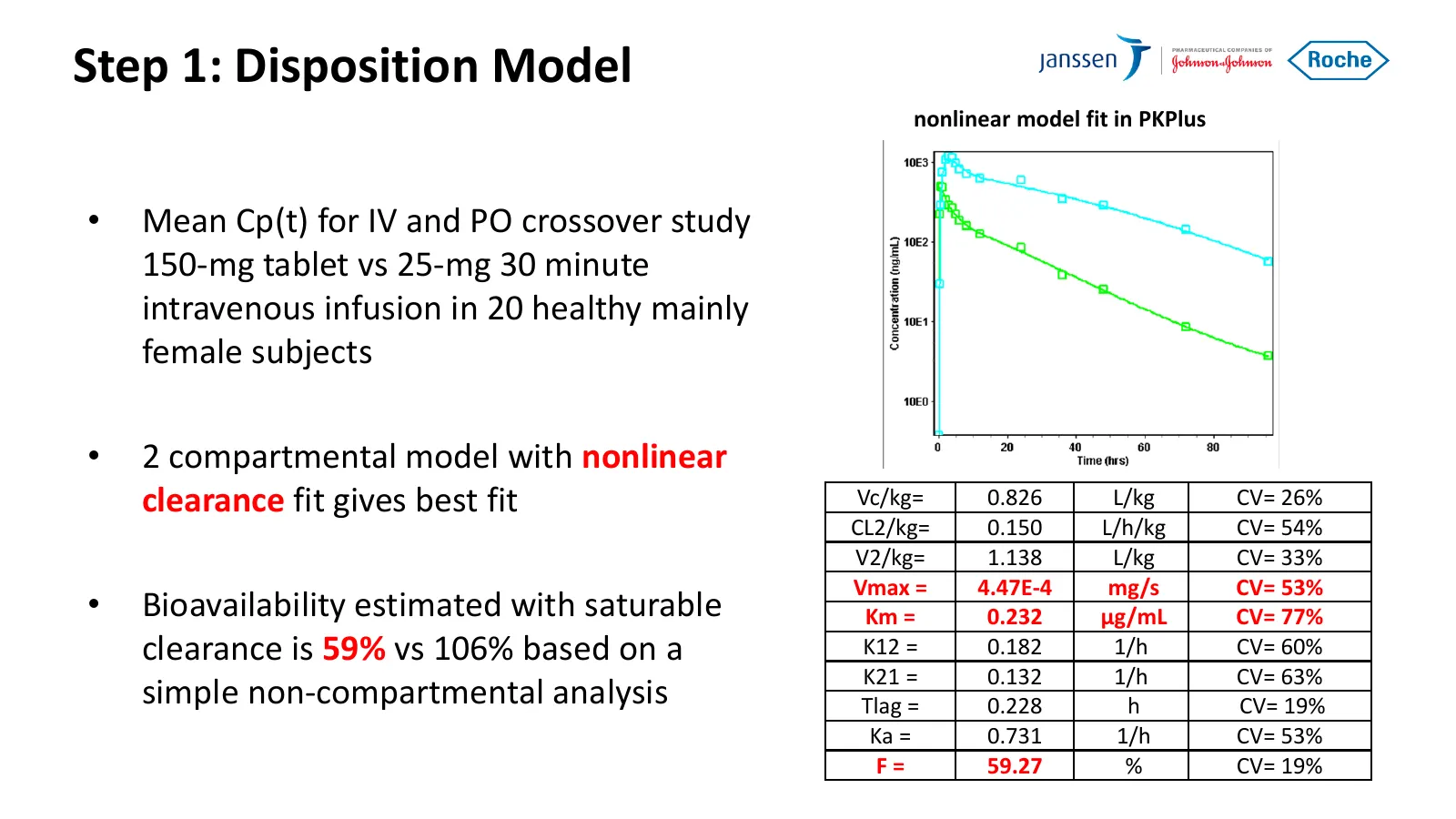
Step 1: Disposition Model nonlinear model fit in PKPlus • Mean Cp(t) for IV and PO crossover study 150-mg tablet vs 25-mg 30 minute intravenous infusion in 20 healthy mainly female subjects • 2 compartmental model with nonlinear clearance fit gives best fit Vc/kg= 0.826 L/kg CV= 26% CL2/kg= 0.150 L/
Slide 21: Step 2: Oral Tablet Simulation (Fasted State)
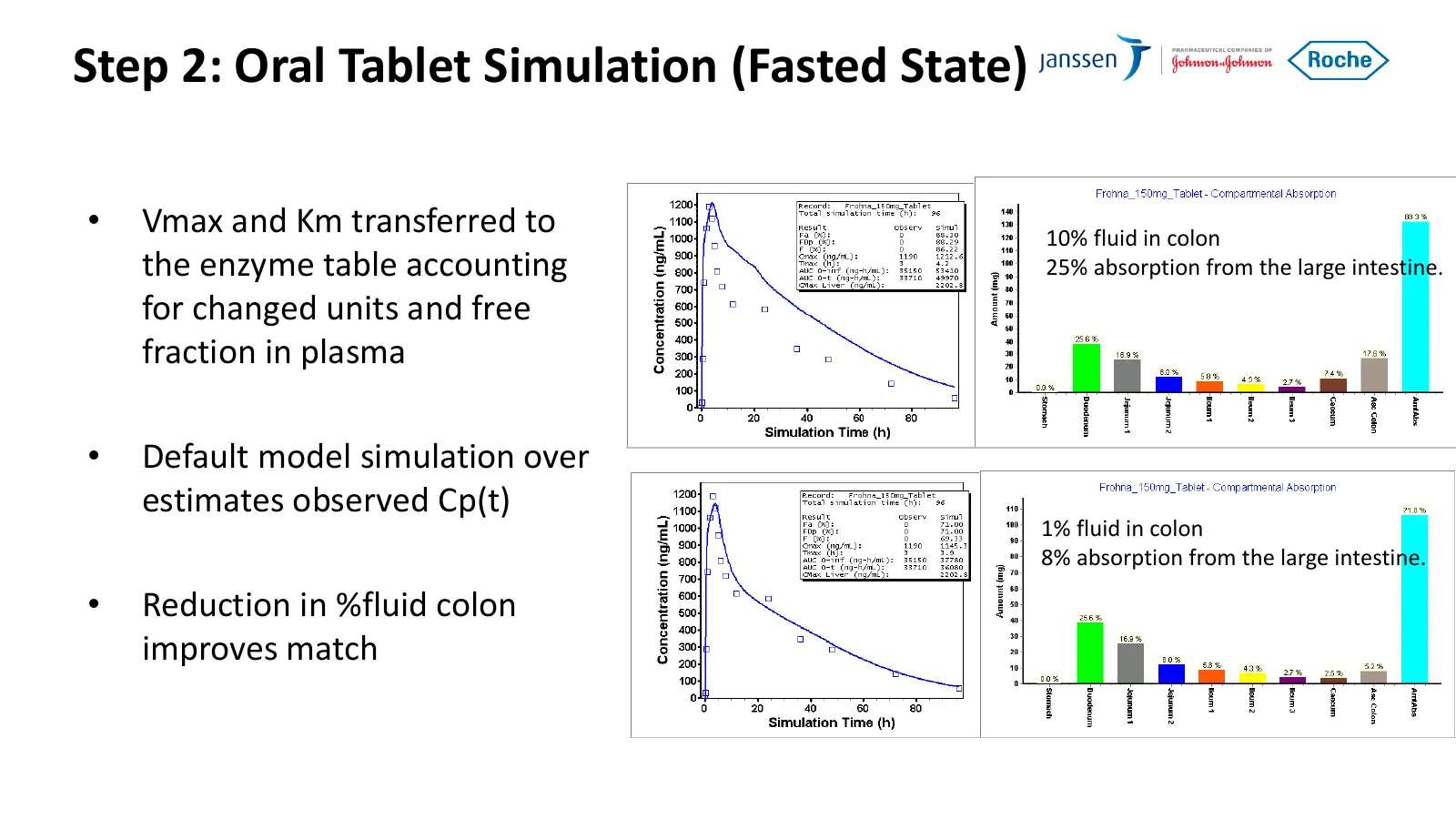
Step 2: Oral Tablet Simulation (Fasted State) • Vmax and Km transferred to 10% fluid in colon the enzyme table accounting 25% absorption from the large intestine. for changed units and free fraction in plasma • Default model simulation over estimates observed Cp(t) 1% fluid in colon 8% absorption fr
Slide 22: Step 3: Simulation with/without ARA
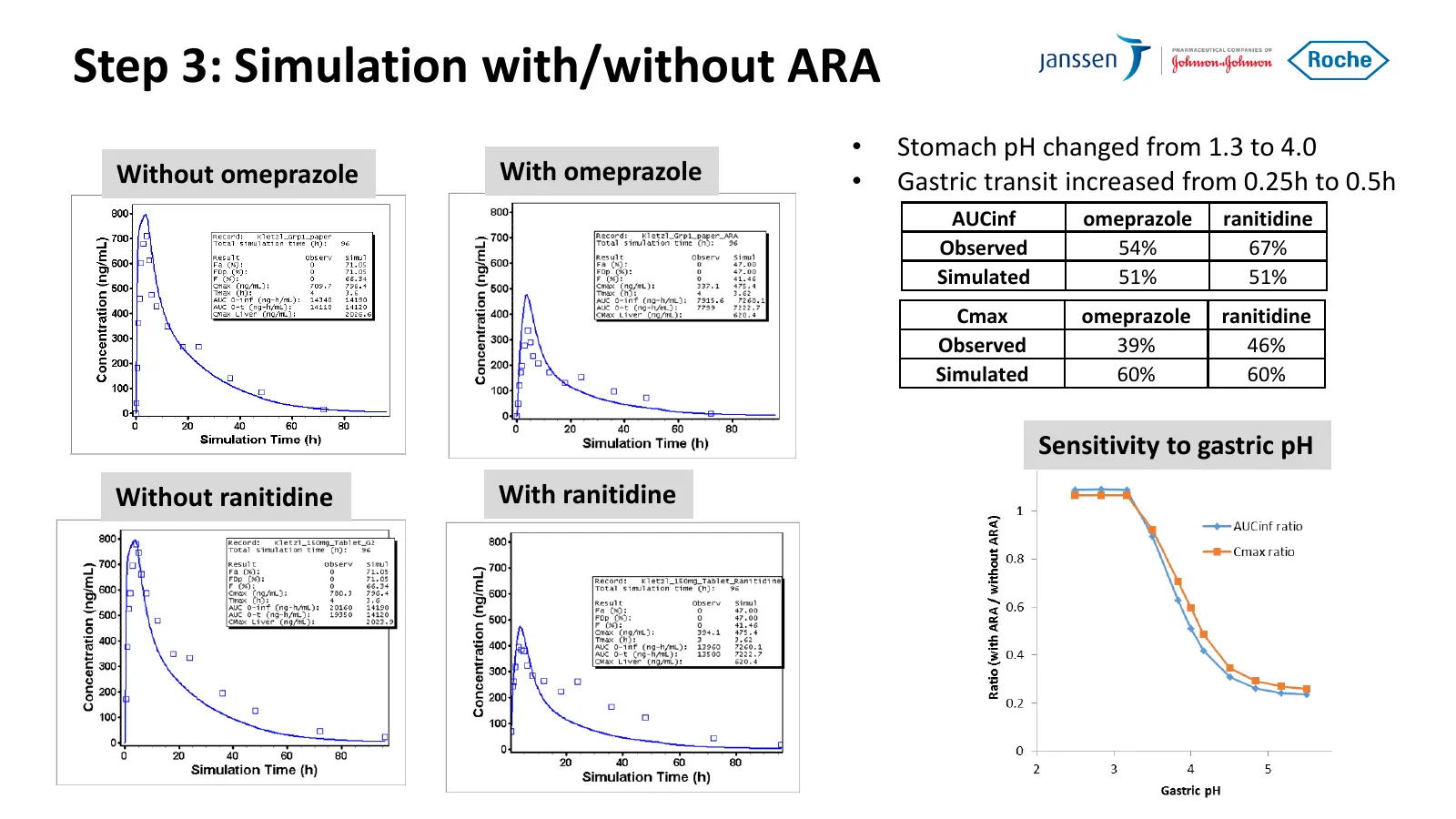
Step 3: Simulation with/without ARA • Stomach pH changed from 1.3 to 4.0 Without omeprazole With omeprazole • Gastric transit increased from 0.25h to 0.5h AUCinf omeprazole ranitidine Observed 54% 67% Simulated 51% 51% Cmax omeprazole ranitidine Observed 39% 46% Simulated 60% 60% Sensitivity to gast
Slide 23: Erlotinib Conclusions
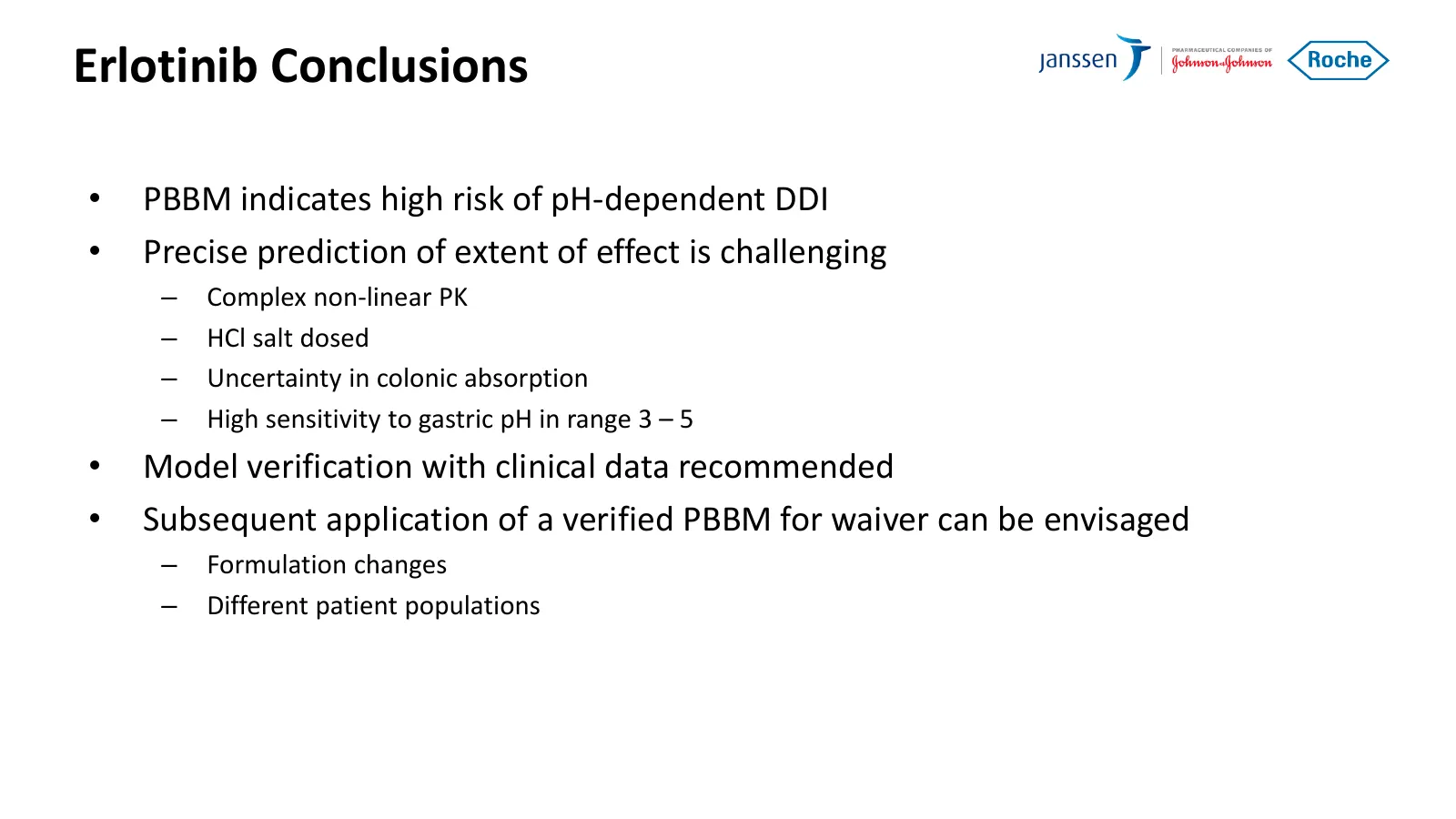
Erlotinib Conclusions • PBBM indicates high risk of pH-dependent DDI • Precise prediction of extent of effect is challenging – Complex non-linear PK – HCl salt dosed – Uncertainty in colonic absorption – High sensitivity to gastric pH in range 3 – 5 • Model verification with clinical data recommende
Slide 24: PBBM for ARA DDI Risk & Formulation Development
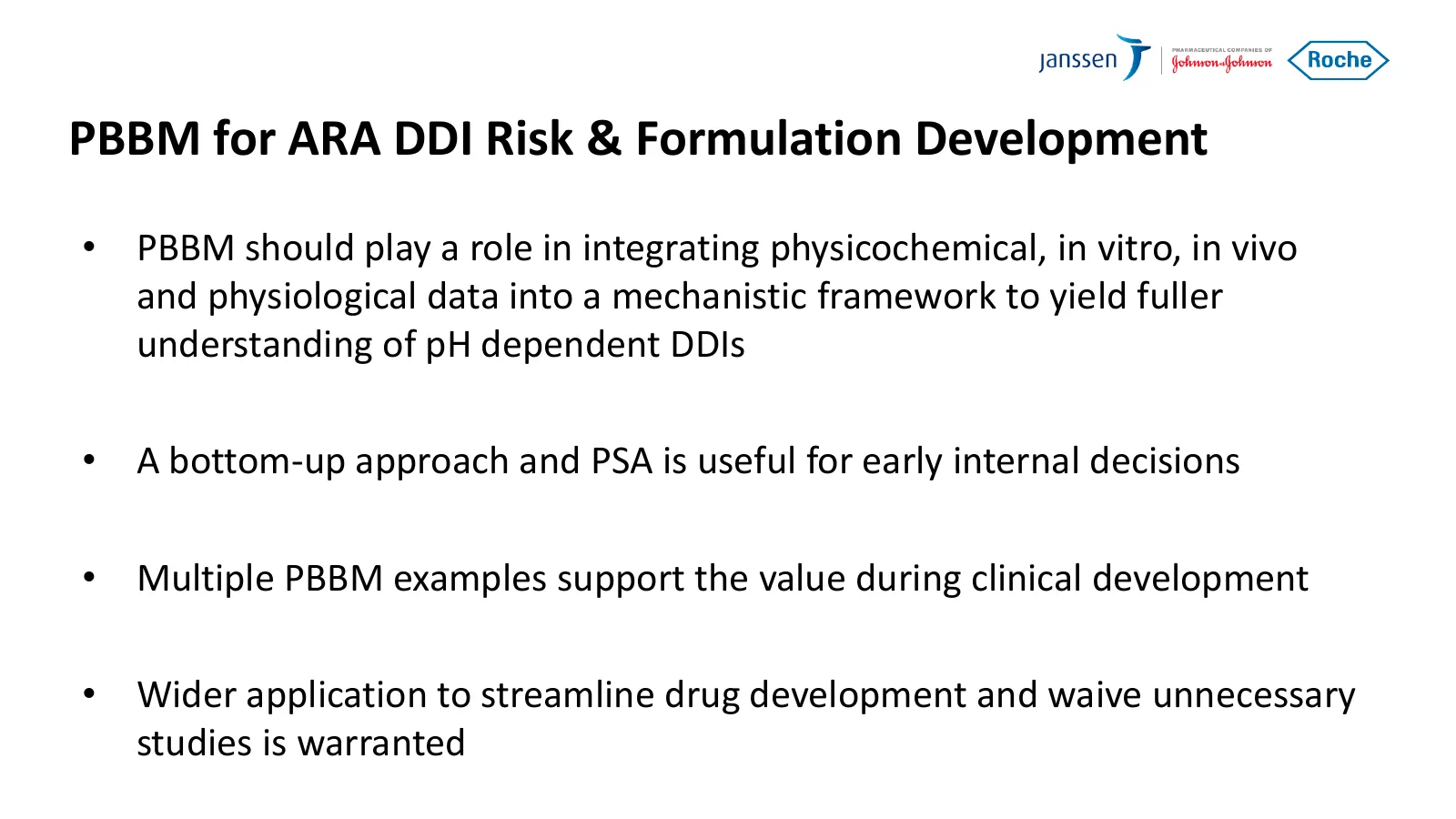
PBBM for ARA DDI Risk & Formulation Development • PBBM should play a role in integrating physicochemical, in vitro, in vivo and physiological data into a mechanistic framework to yield fuller understanding of pH dependent DDIs • A bottom-up approach and PSA is useful for early internal decisions • M
Slide 25: Acknowledgements
Acknowledgements • Co-authors – Neil Miller (GSK), Richard Lloyd (GSK), Christophe Tistaert (Janssen), Tycho Heimbach (Novartis), Filippos Kesisoglou (Merck) • Colleagues from the GastroPlus User Group
Source: Internet Archive copy of simulations-plus.com
More decks from Simulations Plus, Inc.
 Q3 FY2026 Earnings Presentation21 slides · Jul 9, 2026
 Q2 FY2026 Earnings Presentation21 slides · Apr 9, 2026
 Q2 2026 Earnings Presentation21 slides · Apr 9, 2026
 Technical Presentation (January 2026)37 slides · Jan 22, 2026
 Q1 2026 Earnings Presentation19 slides · Jan 8, 2026
 Investor Day (2026)76 slides · 2026