Aurora Oil & Gas — First Albany Capital Emerging Resource Plays Conference 2006
29 slides from Aurora Oil & Gas's conference presentation, Jul 19, 2006
Slide 1: Michigan Antrim Shale and New Albany Shale of Indiana and Western Kentucky
Michigan Antrim Shale and New Albany Shale of Indiana and Western Kentucky First Albany Capital EMERGING RESOURCE PLAYS CONFERENCE July 19, 2006 Total Quality Management in Exploration and Production Methods

Slide 2: Disclaimer
Disclaimer In this slide presentation, statements regarding our goals and objectives, our expected methods of operation and development strategies, our expected and potential production volumes, the volume of potential reserves, potential drilling locations, the timing of drilling activities, when w

Slide 3: Executive Summary
Executive Summary Low-risk, long-term production of unconventional gas reservoirs in Antrim and New Albany Shales 88 BCF in proven reserves (1/31/06) 7,250 mcfe/day in production (mid-June) Over 460,000 net acres (3/31/06) with over 3,000 potential drilling locations and over 2 TCF in potential rese

Slide 4: The Company
The Company Active in Antrim and New Albany Shales since 1997 Reverse merger with Cadence Resources, 10/31/05 AMEX listing, 5/24/06; Russell Indexes, 6/30/06 Management team has 18-24 years experience Engineering/Geology team has 24-32 years experience Foster an environment that appreciates creative
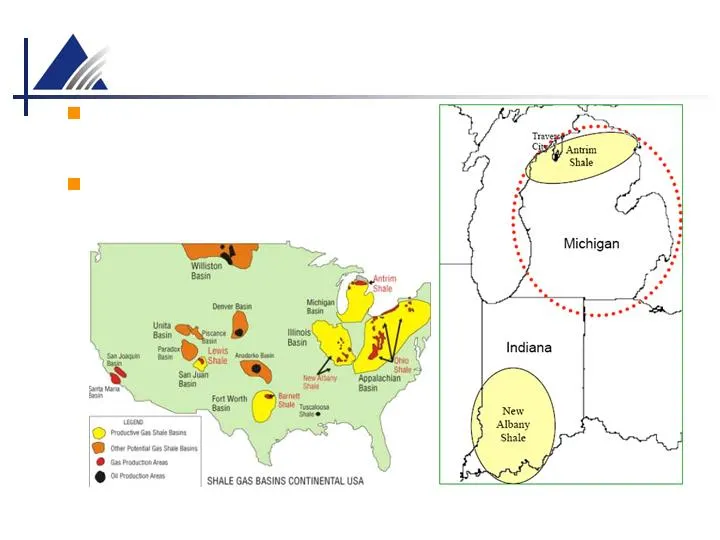
Slide 5: Antrim and New Albany Shale Plays
Antrim and New Albany Shale Plays Relatively shallow blanket shale formations High-upside, lower-risk development potential

Slide 6: Technologies to Cope with Reservoir Risk
Technologies to Cope with Reservoir Risk The Antrim Shale and New Albany Shale are “blanket” formations covering significant areas of the Michigan and Illinois Basins. Dry holes are rare. Nevertheless, there are inherent reservoir risks. What tools are being used to detect risky drilling areas?

Slide 7: Identification of Antrim Shale Scours
Identification of Antrim Shale Scours The Antrim Shale is partially or totally absent in localized areas where ancient rivers and glaciers have carved through the bedrock This results in the drilling of dry holes unless the scours can be identified in advance
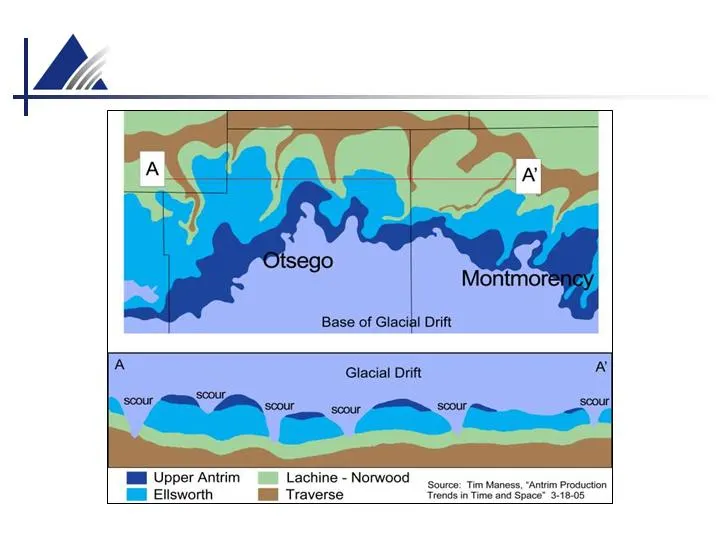
Slide 8: Illustration of Antrim Shale Scours
Illustration of Antrim Shale Scours
Slide 9: Gravity Survey
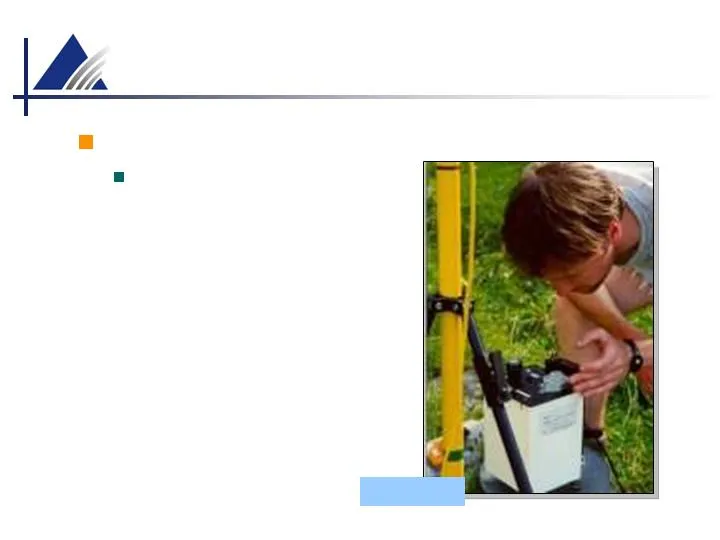
Gravity Survey Seismic can be used to identify scours, but gravity surveys provide an inexpensive alternative Identification of Antrim Shale Scours Gravimeter

Slide 10: Antrim Shale Fracture Stimulations
Antrim Shale Fracture Stimulations How has Aurora optimized stimulations of vertical Antrim Shale wells? Primary Objectives: Contact all potential pay Reduce gel loadings to maximize fracture conductivity
Slide 11: Antrim Shale Fracture Stimulations
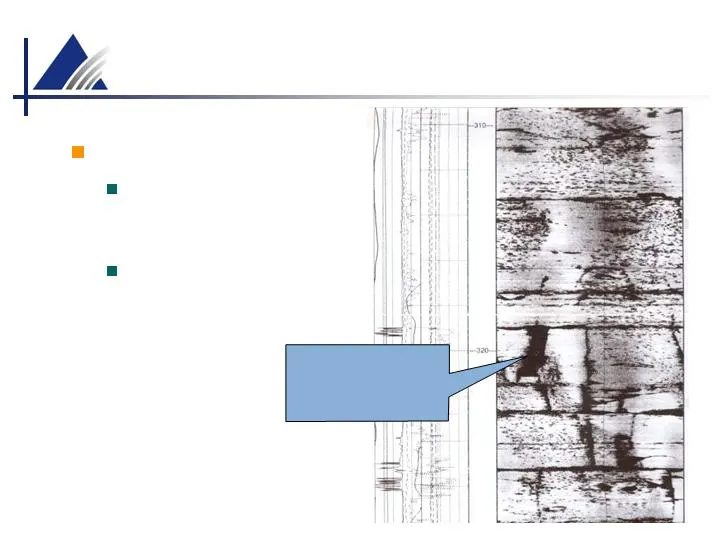
Antrim Shale Fracture Stimulations Antrim Shale Well Log Intervals of natural fracturing: focus of completion intervals Bedding planes: containment for fracture stimulations Black images indicate fracturing in the wellbore
Slide 12: Antrim Shale Fracture Stimulations
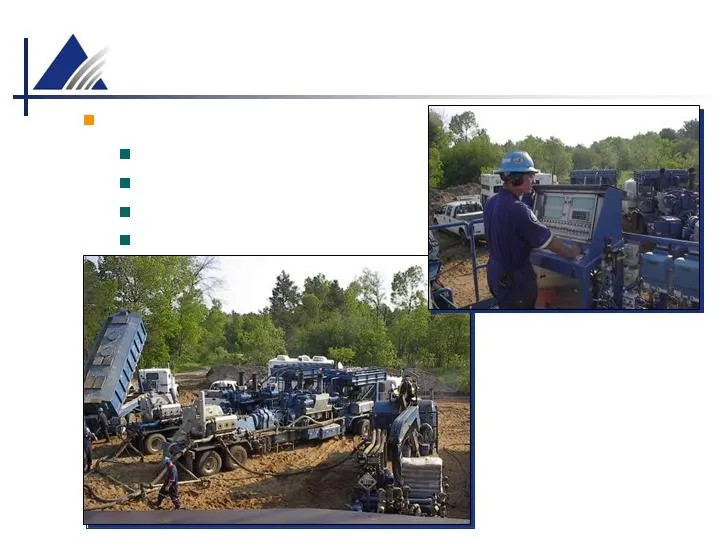
Antrim Shale Fracture Stimulations Aurora Procedure 300+ Perforations Acid Wash Foot-By-Foot 4-stage Frac Low Gel Guar-Borate System Photos and illustrations courtesy of BJ Services Company, U.S.A.
Slide 13: Operational Efficiencies
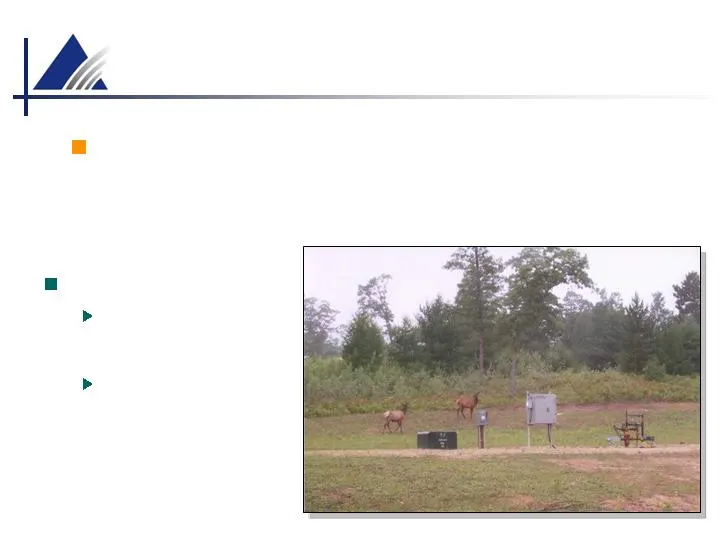
Operational Efficiencies How has Aurora optimized the production infrastructure for Antrim Shale wells? Primary Objectives: Minimize back pressure to maximize gas desorption Minimize environmental exposure
Slide 14: Operational Efficiencies
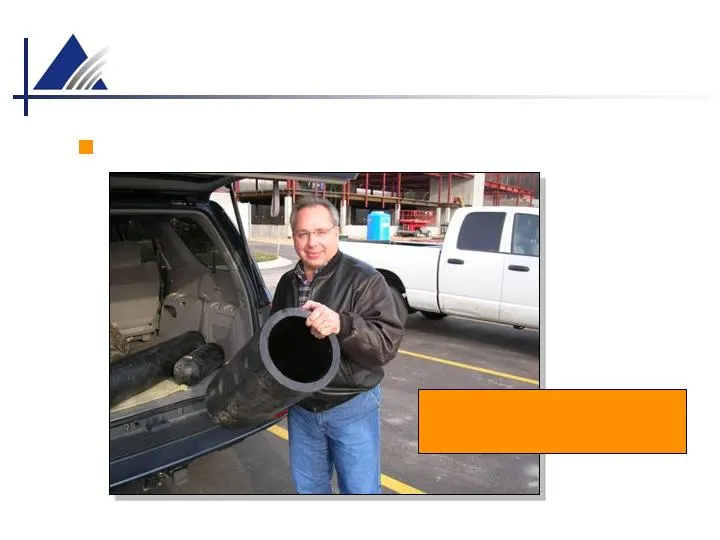
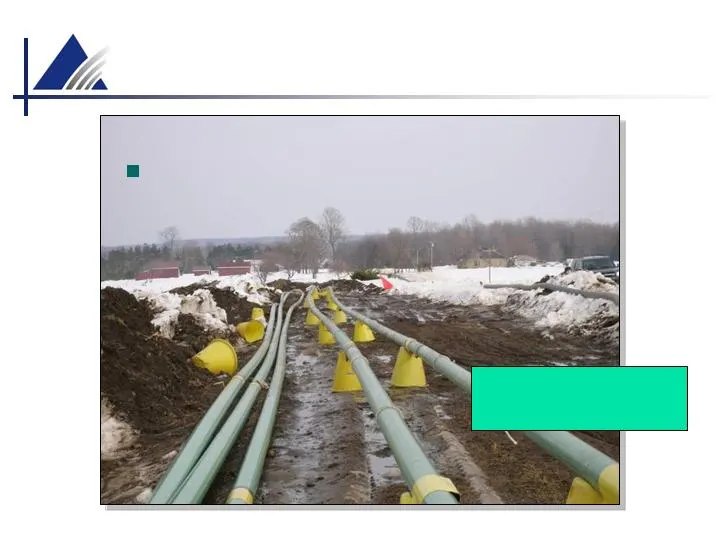
Operational Efficiencies Low Pressure Gathering Systems 10" Poly Pipe used as flow lines for gas and water Use of Large Diameter Poly Pipe
Slide 15: Operational Efficiencies
Operational Efficiencies Low Pressure Gathering Systems Separate systems for gas and water Gas and water lines prior to burial
Slide 16: Operational Efficiencies
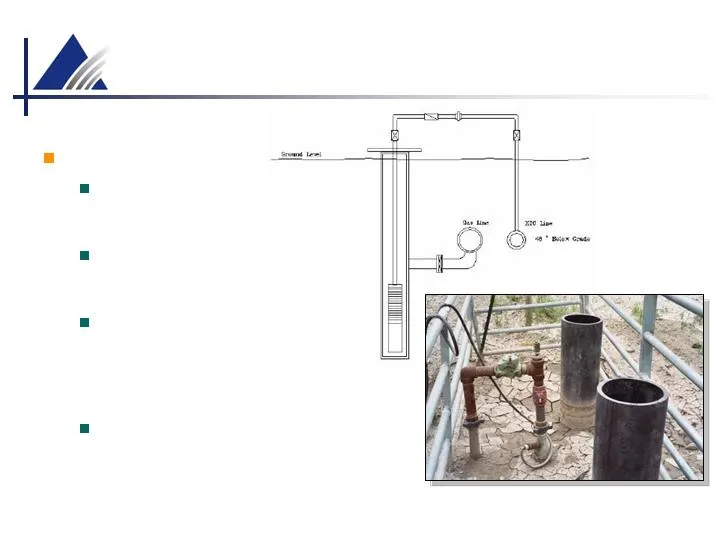
Operational Efficiencies Low Pressure Gathering Systems Flowline Sumps Some water is entrained in gas flowing from wells to facilities In areas of extreme elevation changes, water tends to collect in low spots Electric water sumps are installed to transfer water from gas flowlines to water flowlines
Slide 17: Traditional Reciprocating Compressor Unit vs Aurora's Skid-Mounted Compressor and Separator
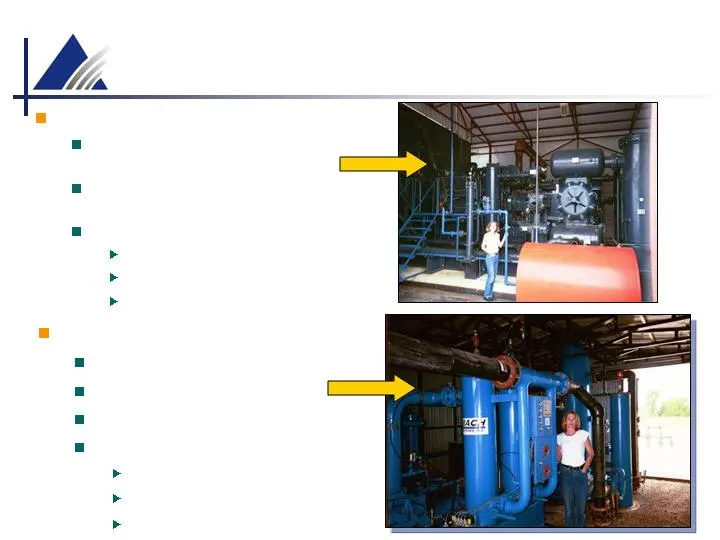
Traditional Reciprocating Compressor Unit Aurora’s Skid-Mounted Compressor and Separator Operational Efficiencies Low Pressure Production Facilities Modular Screw Compressors Flexibility in placement Parallel or series Single or 2-stage compression Electric Lower capital cost Lower maintenance Envir
Slide 18: Operational Efficiencies
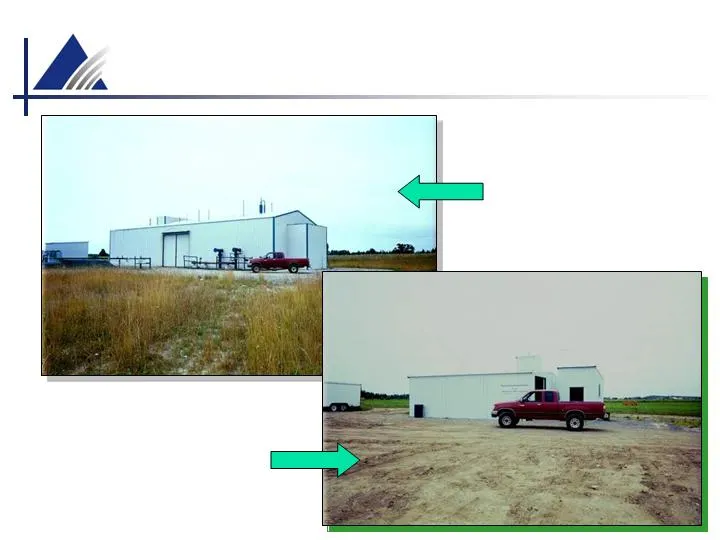
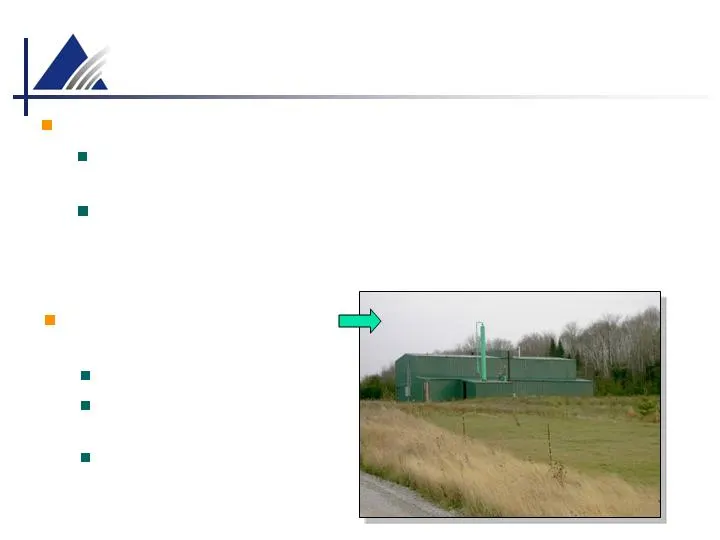
Operational Efficiencies Low Pressure Production Facilities Traditional Gas Processing Facility Aurora’s Low Pressure Gas Processing Facility BIG small
Slide 19: Operational Efficiencies
Operational Efficiencies Low Pressure CO2 Processing Low Pressure Carbon Dioxide Extraction CO2 extracted at 100 psi Less horsepower and fuel required Prototype installed in 2003 High Pressure Carbon Dioxide Extraction Raw methane - CO2 mix compressed as necessary to enter sales line (typically 1200
Slide 20: Operational Efficiencies
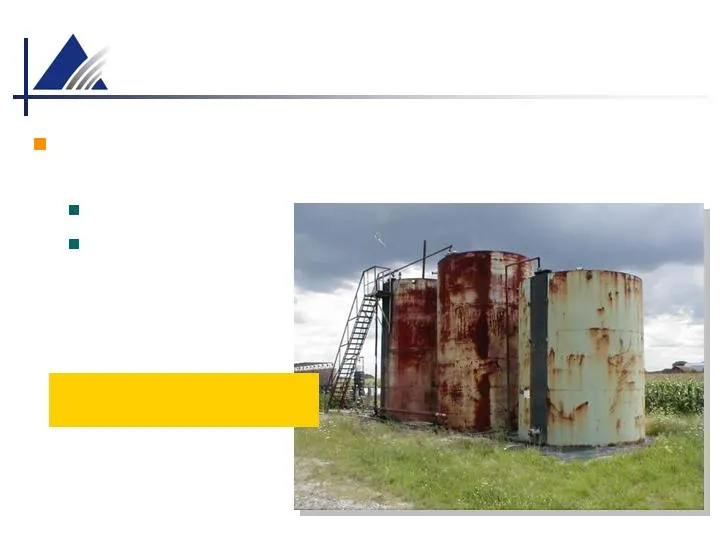
Operational Efficiencies Water Disposal Tank-less Water Disposal Lower capital cost Low profile automated water handling system has environmental advantages Would you want these eyesores in your back yard?

Slide 21: Operational Efficiencies
Operational Efficiencies Advantages of Aurora’s Low Pressure System Significant reduction in capital expenditures Increased production rates due to reduced back pressure on wells Commercial life of wells extended due to reduced costs Facility capacities can be optimized over life of wells

Slide 22: Moving Forward
Moving Forward What innovations are currently being implemented by Aurora? Electric Submersible Pumps (ESP’s) installed on Composite Coiled Tubing Horizontal Drilling Designed to Minimize Back Pressure
Slide 23: ESP Installations On Composite Coiled Tubing
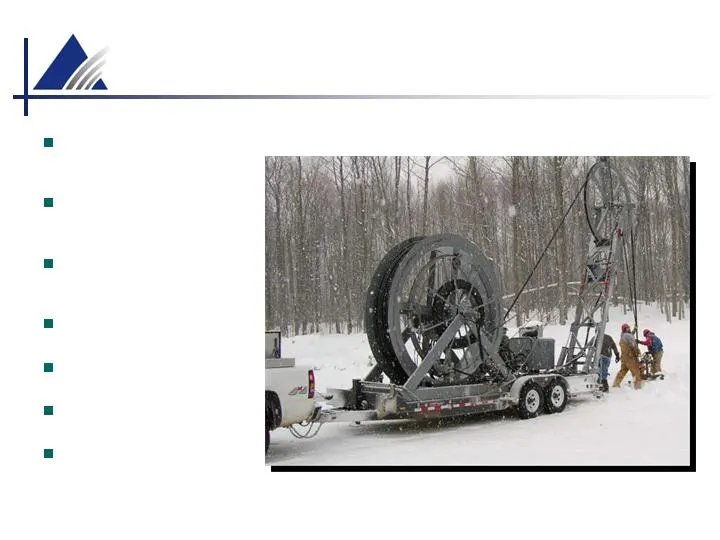
ESP Installations On Composite Coiled Tubing Developed by collaboration of Aurora with two vendors Patent pending on ESP/composite tubing connection Composite coiled tubing unit owned by Aurora No rig required - significant cost savings 6 units currently installed Longest installation to date is 3 m

Slide 24: Horizontal Drilling Premise
Horizontal Drilling Premise New Albany Shale Large vertical fractures Predominant fracture orientation is E-W Occurrence of N-S fracturing is limited Horizontal drilling is the only effective means to connect fracture planes
Slide 25: Orthogonal Vertical Fractures
Orthogonal Vertical Fractures Non-uniform Spacing Characteristics of Natural Fractures New Albany Shale Vertical Well with Fracture Stimulation Horizontal Well

Slide 26: Drilling & Completion Objectives
Drilling & Completion Objectives New Albany Shale Avoid plugging of natural fractures while drilling Complete laterals open hole with no stimulation Recover gas reserves from all organic members Optimize drilling geometry and pump selection/placement for water removal and reduction of back pressure
Slide 27: Horizontal Well – Typical Geometry
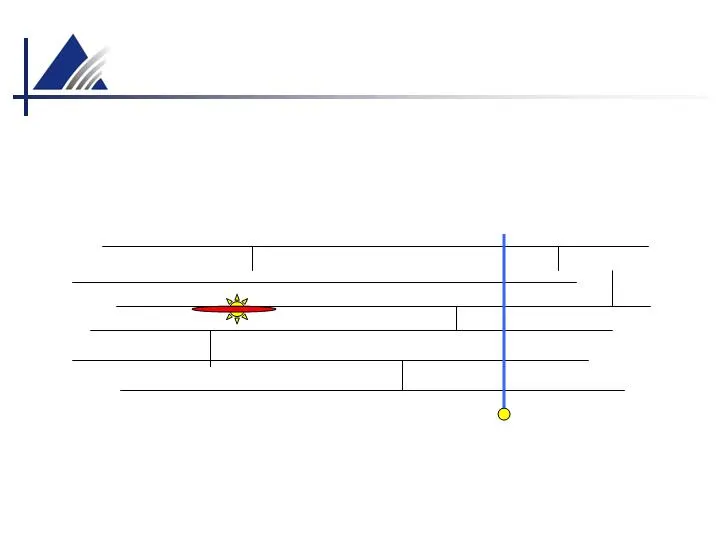
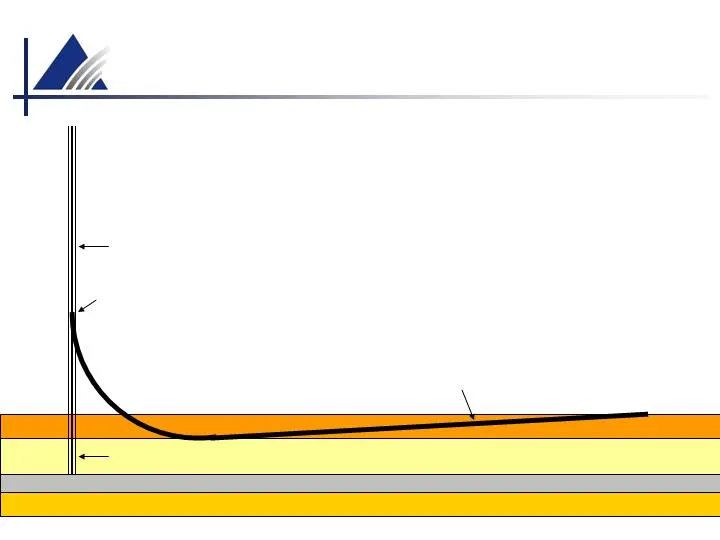
Horizontal Well – Typical Geometry New Albany Shale Window Milled in Casing at KOP (Spill Point) Cased Sump for Pump Open Hole Lateral Clegg Creek Camp Run / Morgan Trail Selmier Blocher Vertical Pilot Hole / Medium Radius / Open Hole Lateral - Gravity drainage to heel of lateral - Fluid must overco
Slide 28: Horizontal Well – Preferred Geometry
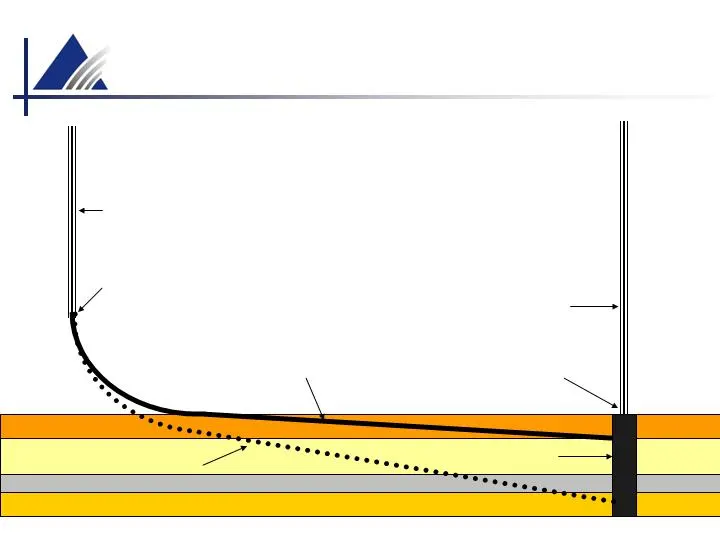
Horizontal Well – Preferred Geometry New Albany Shale 7” or 5-1/2” Casing Set at KOP in Borden Shale Open Hole Lateral Underreamed Sump for Pump Vertical Producer (Water Production) Pilot Hole for Laterals (Gas Production) Clegg Creek Camp Run / Morgan Trail Selmier Blocher Vertical Producer at Toe
Slide 29: Questions?
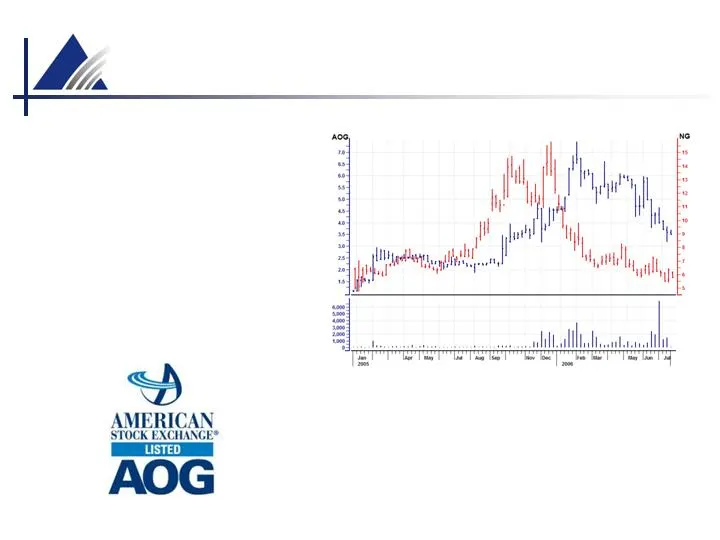
Questions? Contact: Jeffrey W. Deneau - Investor Relations Aurora Oil & Gas Corp. 4110 Copper Ridge Drive, Suite 100 Traverse City, MI 49684 www.auroraogc.com T: 231-941-0073 E: jdeneau@auroraogc.com Share Price: $3.60 Shares Outstanding: 81.69M Market Cap: $294M *Price-related figures based on clos
Source: SEC EDGAR · 8-K filed Jul 19, 2006
More decks from Aurora Oil & Gas CORP
 Investor Presentation (March 2007)29 slides · Mar 8, 2007
 2006 Southwestern Showcase22 slides · Nov 15, 2006
 Cadence Resources — Investor Presentation (April 2006)26 slides · Apr 3, 2006
 Cadence Resources — C. K. Cooper 2nd Annual Small-Cap Oil & Gas Conference (February 2006)25 slides · Feb 13, 2006
 Cadence Resources — C.K. Cooper 2nd Annual Small-Cap Oil & Gas Conference (February 2006)19 slides · Feb 10, 2006
 Cadence Resources — Investor Presentation (January 2006)20 slides · Jan 23, 2006