

Copyright © BusinessAMBE 2023
Key takeaways
- Apollo Global Management has made a 7.7 billion dollar (6.7 billion euro) offer to acquire EasyJet.
- This bid surpasses an earlier proposal from Castlelake by offering a higher cash value.
- Drastic cost restructuring will be required to justify the high acquisition price.
Apollo Global Management has launched a 7.7 billion dollar (6.7 billion euro) takeover bid for EasyJet.
Investors can convert shares into Apollo investment vehicle
Under the proposed cash transaction, the company would be valued at around 5.7 billion pounds (6.7 billion euro), with shareholders receiving 7.15 pounds per share.
As an alternative, Apollo has proposed a “Stub Equity Alternative”, allowing investors to convert their existing shares into the investment vehicle used by Apollo. The specific details of this option, including the retention of voting rights, are currently under negotiation.
Higher bid than Castlelake
The new offer has led EasyJet to pull out of an earlier 7.3 billion dollar (6.4 billion euro) agreement with Castlelake. The airline’s board stated that Apollo’s bid offers a more lucrative cash value and is a better fit with the strategic direction for the company’s future governance. Consequently, the board is no longer inclined to support Castlelake’s proposal, which offered 6.90 dollars per share and had a deadline of 3 August for a final commitment.
Apollo’s bid represents a substantial premium: it is around 22 percent above Thursday’s closing price and 81 percent higher than the share price on 28 May, just before Castlelake’s offer period began.
Global headwinds for aviation
The takeover attempts are taking place amid a challenging climate for the global aviation industry. Rising fuel costs, exacerbated by tensions between the US and Iran, have put airlines under enormous pressure.
The International Air Transport Association recently warned that profits in the sector could halve this year as a result of soaring fuel costs.
Financial problems
EasyJet has felt that pressure directly and reported an increased pre-tax loss of 552 million pounds (645 million euro) for the first half of 2026, compared with a loss of 394 million pounds (460 million euro) in the same period a year earlier. The company attributed these problems to conflicts in the Middle East, which have increased operating costs and reduced financial predictability.
Although analysts at Bernstein suggest that Apollo’s ownership could help the airline maintain its intended growth trajectory, they noted that the acquisition price is high. To make the deal financially viable, they believe a drastic cost restructuring is needed and the airline must deliver profit growth far above current forecasts.
Follow Business AM on Google News as well
If you want access to all articles, take advantage of our temporary promotion and subscribe here!
(ns)
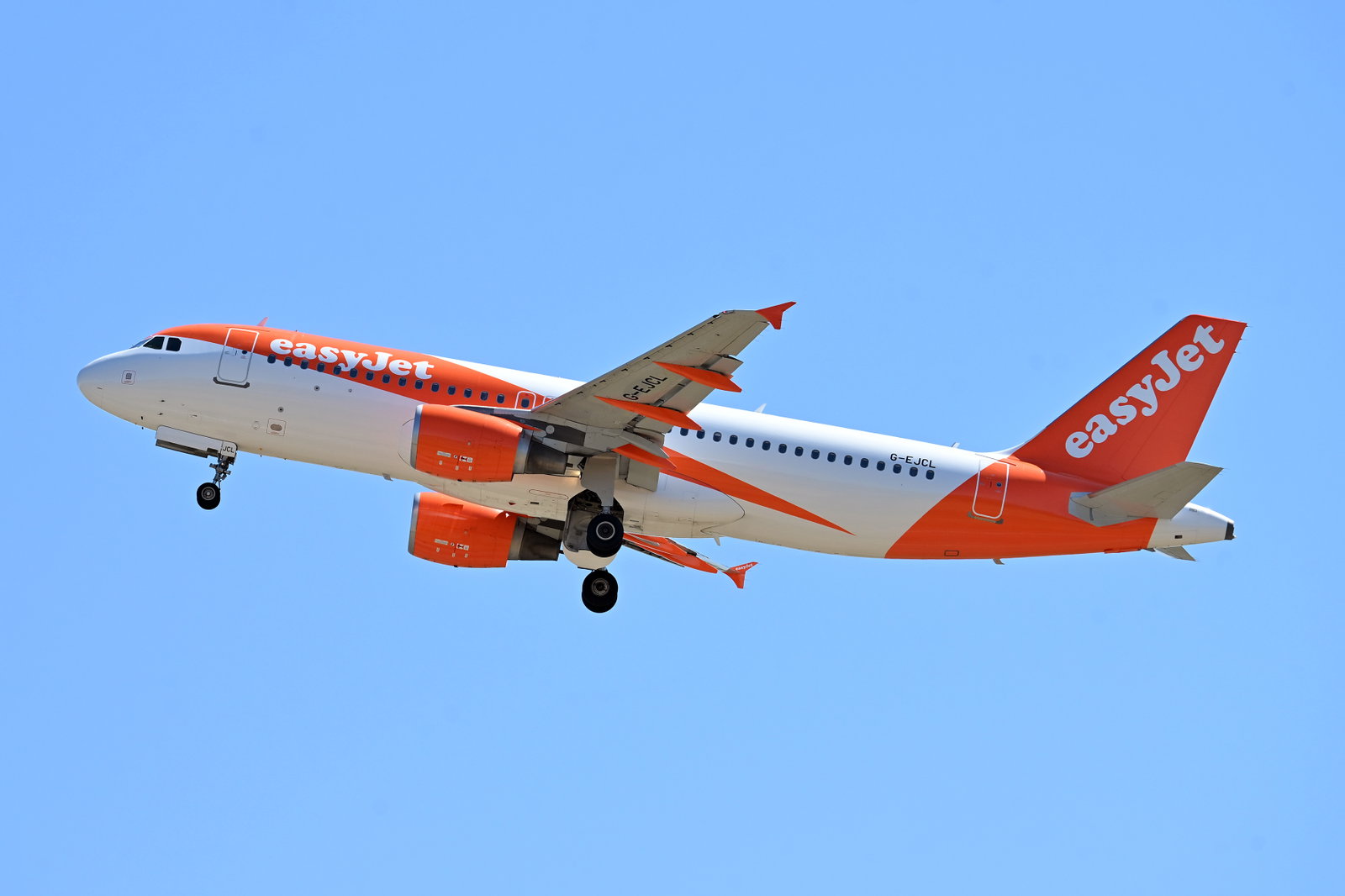
© The Content Exchange, source News