Molecular Templates — Investor Day (November 2022)
43 slides from Molecular Templates's investor day presentation, Nov 10, 2022

Slide 1: R&D Day Presentation 2022 SITC 37th Annual Meeting
R&D Day Presentation 2022 The Society for Immunotherapy of Cancer’s (SITC) 37th Annual Meeting
Slide 2: Forward looking statements
Forward looking statements 2 Except for statements of historical fact, the statements in this presentation are forward - looking statements, including, but not limited to, statements regarding the future development of our proprietary Engineered Toxin Body (ETB) technology; statements relating to th
Slide 3: MTEM Platform: Engineered Toxin Bodies leverage novel MoAs for oncology
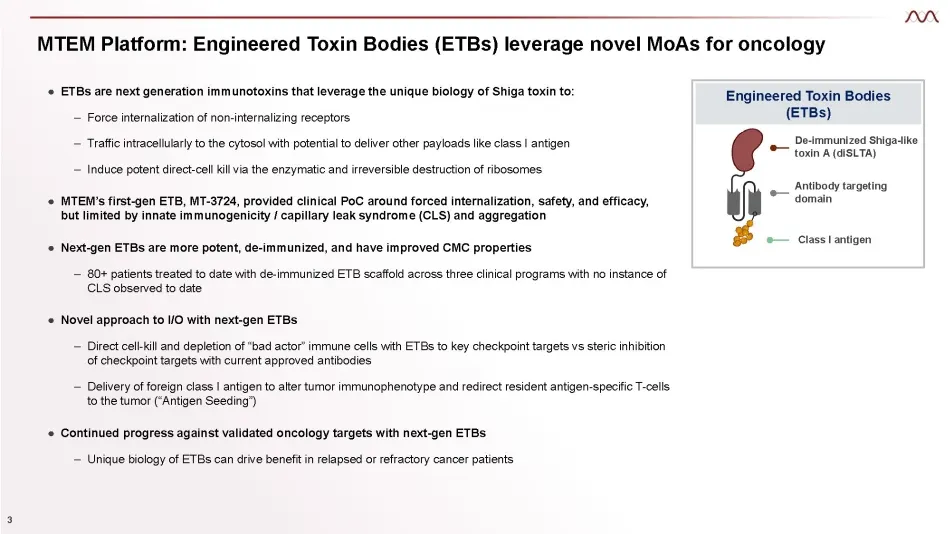
MTEM Platform: Engineered Toxin Bodies (ETBs) leverage novel MoAs for oncology Engineered Toxin Bodies (ETBs) De - immunized Shiga - like toxin A (diSLTA) Antibody targeting domain Class I antigen ● ETBs are next generation immunotoxins that leverage the unique biology of Shiga toxin to: 3 – Force i
Slide 4: De-immunization of WT SLT-A scaffold for reduced innate immunogenicity
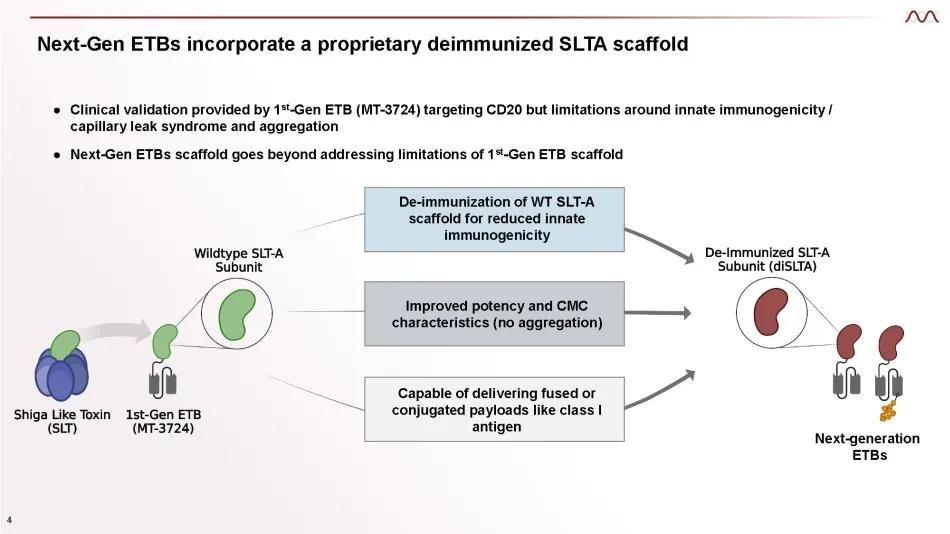
De - immunization of WT SLT - A scaffold for reduced innate immunogenicity Next - Gen ETBs incorporate a proprietary deimmunized SLTA scaffold Improved potency and CMC characteristics (no aggregation) Capable of delivering fused or conjugated payloads like class I antigen ● Clinical validation provi
Slide 5: Next-Gen ETBs do not have innate immune AE of capillary leak syndrome
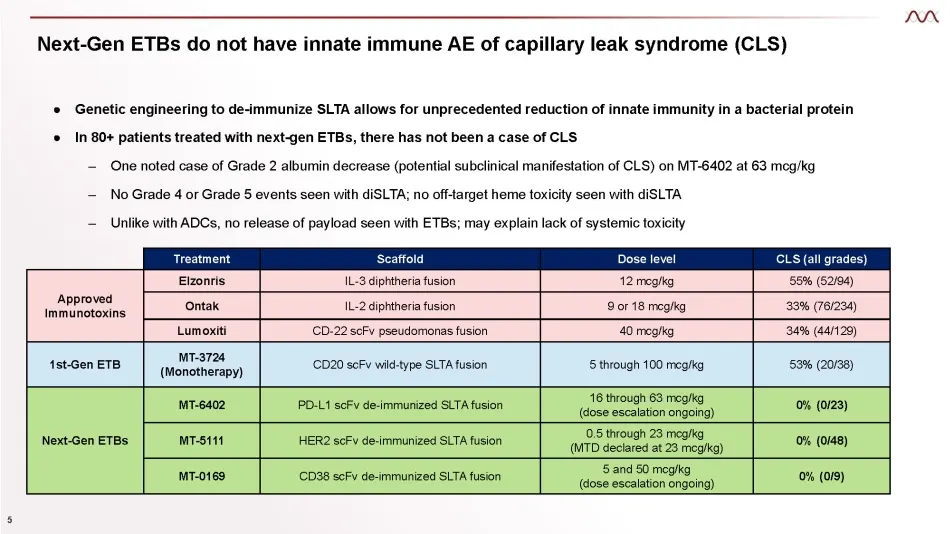
● Genetic engineering to de - immunize SLTA allows for unprecedented reduction of innate immunity in a bacterial protein ● In 80+ patients treated with next - gen ETBs, there has not been a case of CLS – One noted case of Grade 2 albumin decrease (potential subclinical manifestation of CLS) on MT -
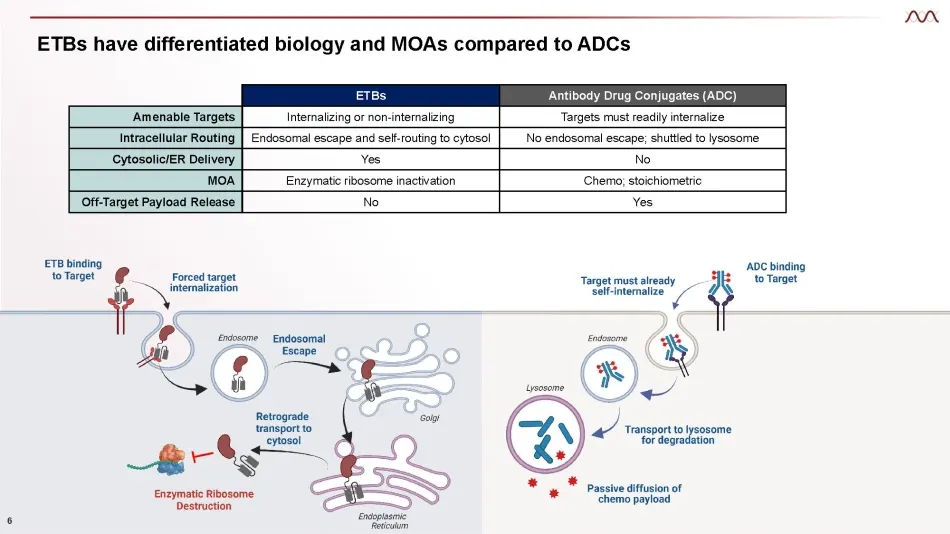
Slide 6: ETBs have differentiated biology and MOAs compared to ADCs
ETBs have differentiated biology and MOAs compared to ADCs 6 ETBs Antibody Drug Conjugates (ADC) Amenable Targets Internalizing or non - internalizing Targets must readily internalize Intracellular Routing Endosomal escape and self - routing to cytosol No endosomal escape; shuttled to lysosome Cytos
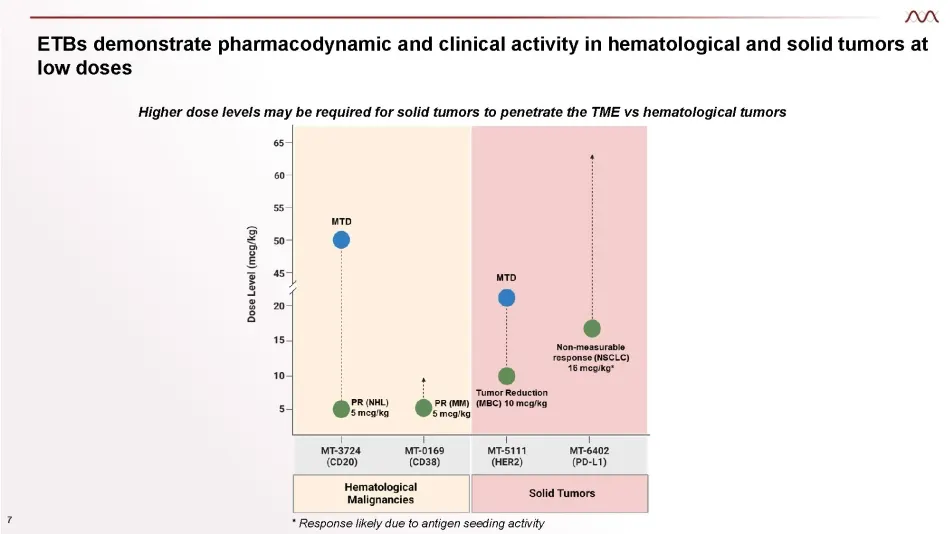
Slide 7: ETBs demonstrate pharmacodynamic and clinical activity at low doses
ETBs demonstrate pharmacodynamic and clinical activity in hematological and solid tumors at low doses Higher dose levels may be required for solid tumors to penetrate the TME vs hematological tumors 7 * Response likely due to antigen seeding activity
Slide 8: Novel approach to I-O targets
Novel approach to I - O targets Dismantling the TME and altering tumor immunophenotype
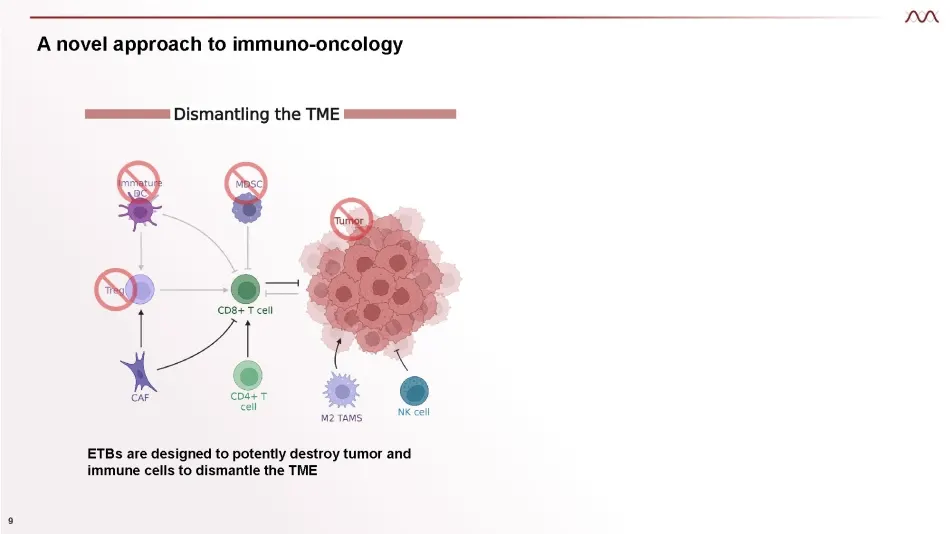
Slide 9: A novel approach to immuno-oncology: dismantle the TME
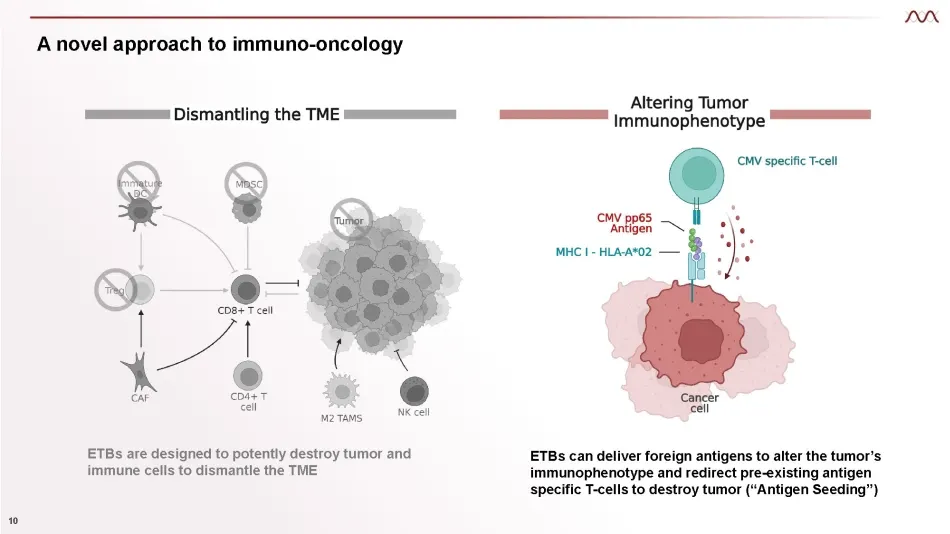
A novel approach to immuno - oncology ETBs are designed to potently destroy tumor and immune cells to dismantle the TME 9
Slide 10: ETBs can deliver foreign antigens: Antigen Seeding
A novel approach to immuno - oncology ETBs are designed to potently destroy tumor and immune cells to dismantle the TME ETBs can deliver foreign antigens to alter the tumor’s immunophenotype and redirect pre - existing antigen specific T - cells to destroy tumor (“Antigen Seeding”) 10
Slide 11: 6402: Altering tumor immunophenotype
MT - 6402: A novel approach to PD - L1 Part 1 – Altering tumor immunophenotype
Slide 12: 6402 targets PD-L1 with dual mechanisms of action
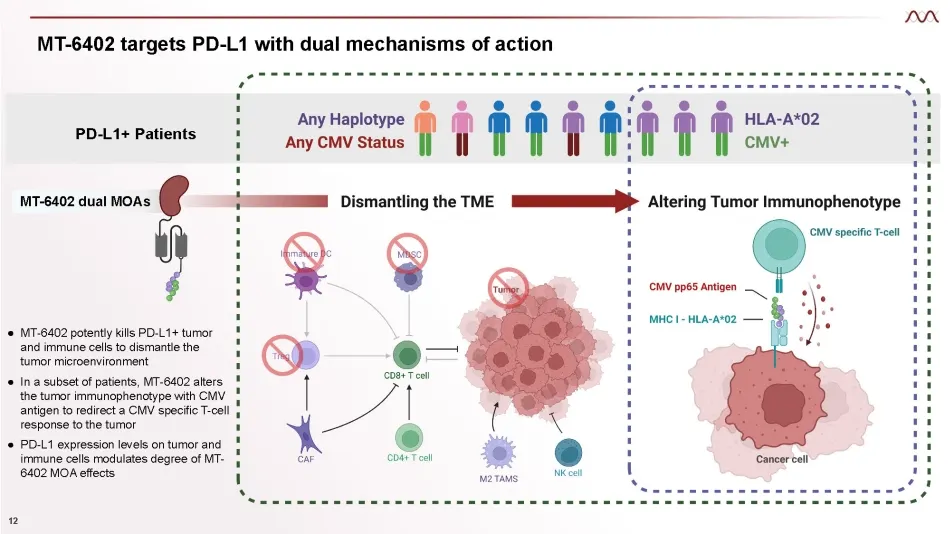
MT - 6402 targets PD - L1 with dual mechanisms of action 12 PD - L1+ Patients ● MT - 6402 potently kills PD - L1+ tumor and immune cells to dismantle the tumor microenvironment ● In a subset of patients, MT - 6402 alters the tumor immunophenotype with CMV antigen to redirect a CMV specific T - cell
Slide 13: 6402 clinical overview
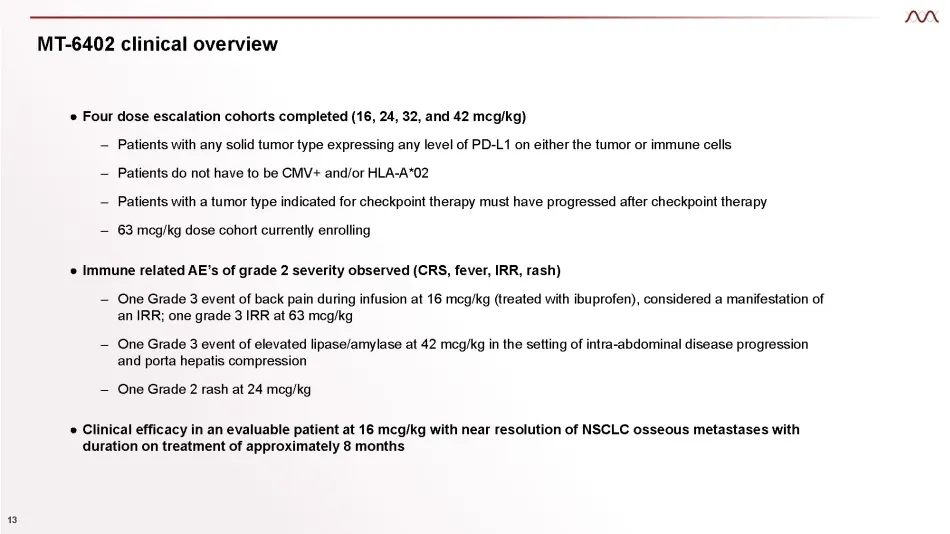
MT - 6402 clinical overview 13 ● Four dose escalation cohorts completed (16, 24, 32, and 42 mcg/kg) – Patients with any solid tumor type expressing any level of PD - L1 on either the tumor or immune cells – Patients do not have to be CMV+ and/or HLA - A*02 – Patients with a tumor type indicated for
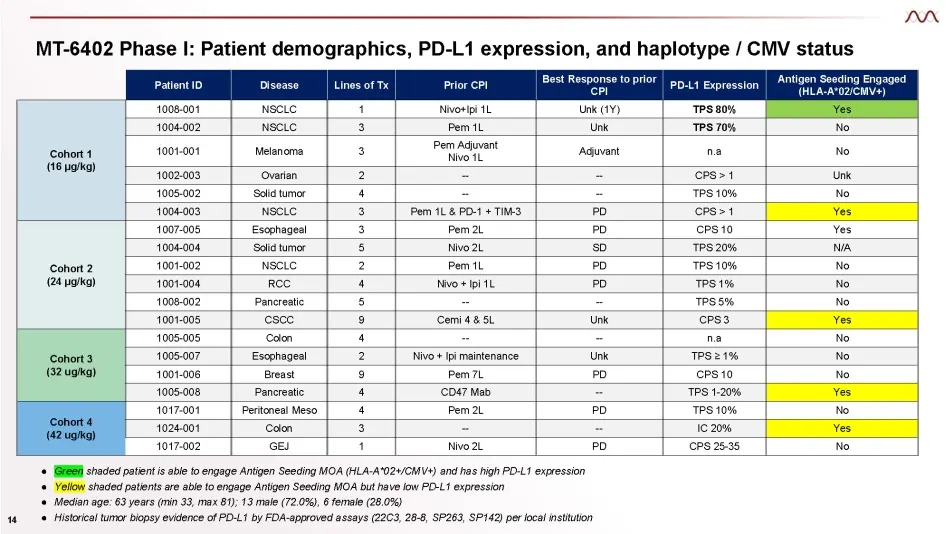
Slide 14: 6402 Phase I: Patient demographics, PD-L1 expression, haplotype/CMV status
MT - 6402 Phase I: Patient demographics, PD - L1 expression, and haplotype / CMV status Patient ID Disease Lines of Tx Prior CPI Best Response to prior CPI PD - L1 Expression Antigen Seeding Engaged (HLA - A*02/CMV+) Cohort 1 (16 µg/kg) 1008 - 001 NSCLC 1 Nivo+Ipi 1L Unk (1Y) TPS 80% Yes 1004 - 002
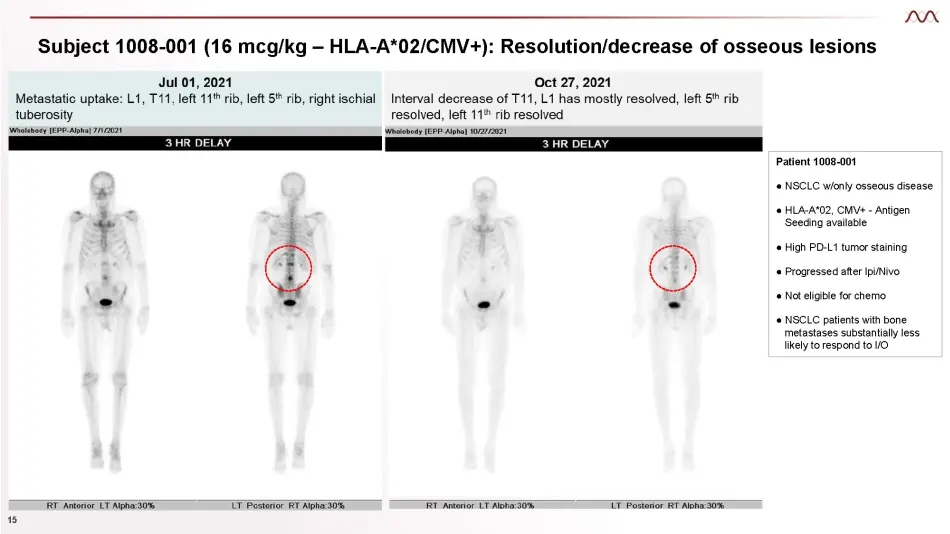
Slide 15: Subject 1008-001: Resolution/decrease of osseous lesions
Subject 1008 - 001 (16 mcg/kg – HLA - A*02/CMV+): Resolution/decrease of osseous lesions Patient 1008 - 001 ● NSCLC w/only osseous disease ● HLA - A*02, CMV+ - Antigen Seeding available ● High PD - L1 tumor staining ● Progressed after Ipi/Nivo ● Not eligible for chemo ● NSCLC patients with bone meta
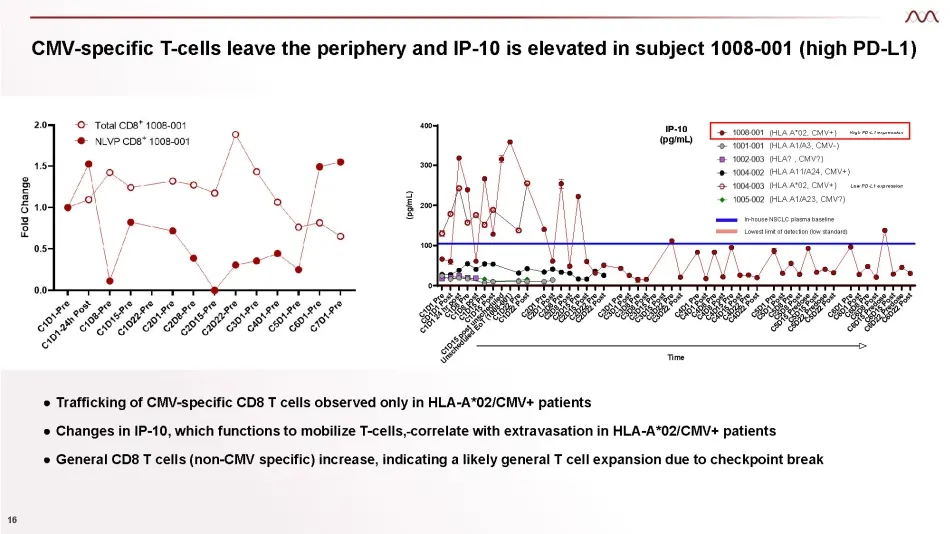
Slide 16: CMV-specific T-cells leave the periphery and IP-10 is elevated
CMV - specific T - cells leave the periphery and IP - 10 is elevated in subject 1008 - 001 (high PD - L1) ● Trafficking of CMV - specific CD8 T cells observed only in HLA - A*02/CMV+ patients ● Changes in IP - 10, which functions to mobilize T - cells, correlate with extravasation in HLA - A*02/CMV+
Slide 17: 6402: Dismantling the TME
MT - 6402: A novel approach to PD - L1 Part 2 – Dismantling the TME
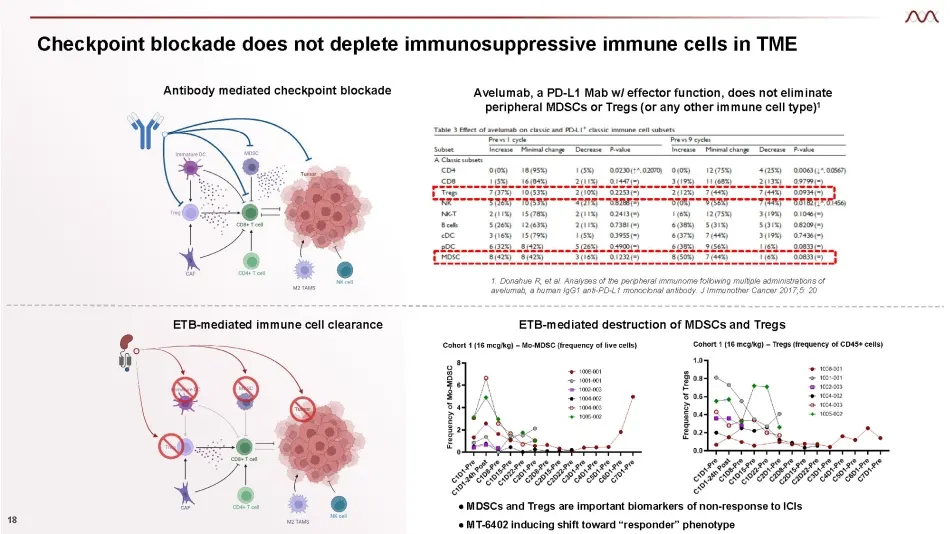
Slide 18: Checkpoint blockade does not deplete immunosuppressive immune cells in TME
Checkpoint blockade does not deplete immunosuppressive immune cells in TME 18 Antibody mediated checkpoint blockade Avelumab, a PD - L1 Mab w/ effector function, does not eliminate peripheral MDSCs or Tregs (or any other immune cell type) 1 1. Donahue R, et al. Analyses of the peripheral immunome fo
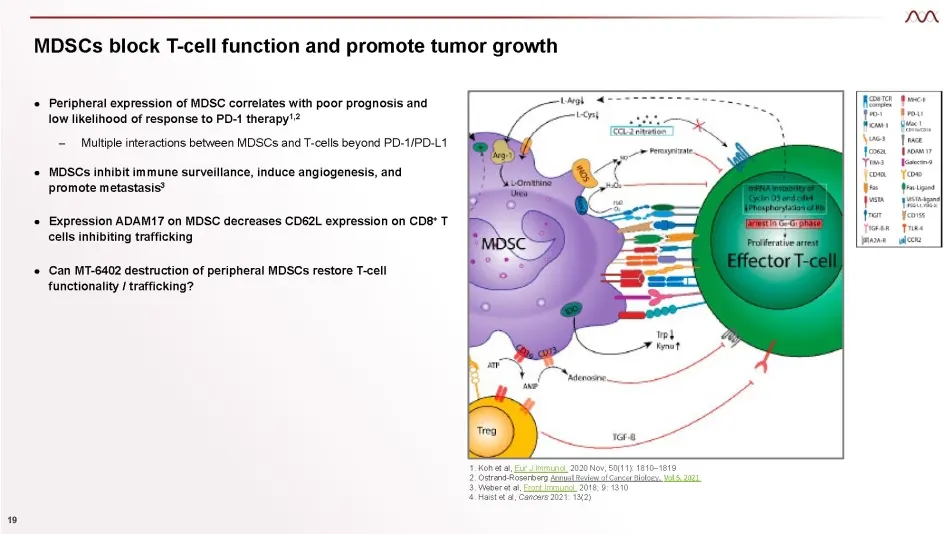
Slide 19: MDSCs block T-cell function and promote tumor growth
MDSCs block T - cell function and promote tumor growth 1. Koh et al, Eur J Immunol. 2020 Nov; 50(11): 1810 – 1819 2. Ostrand - Rosenberg Annual Review of Cancer Biology, Vol 5, 2021 3. Weber et al, Front Immunol. 2018; 9: 1310 4. Haist et al, Cancers 2021: 13(2) ● Peripheral expression of MDSC corre
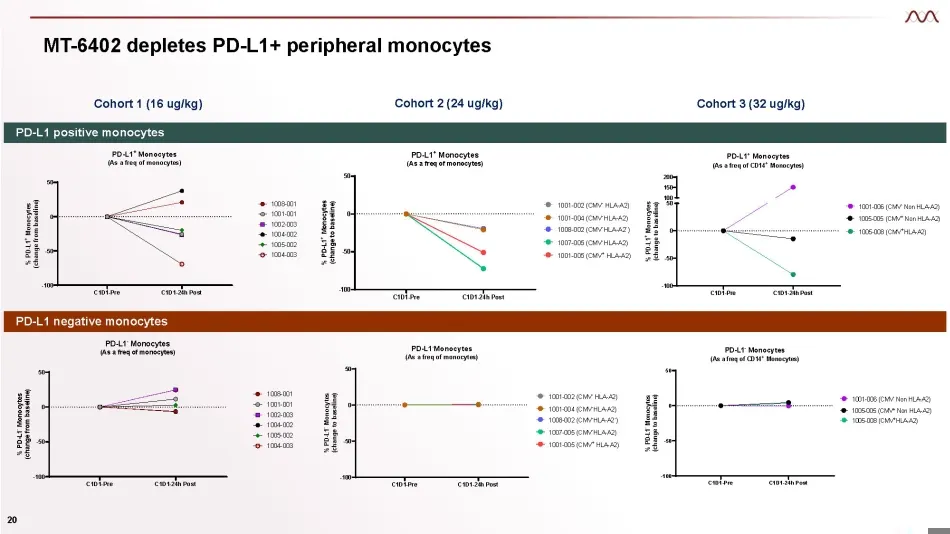
Slide 20: 6402 depletes PD-L1+ peripheral monocytes
MT - 6402 depletes PD - L1+ peripheral monocytes Cohort 1 (16 ug/kg) Cohort 3 (32 ug/kg) Cohort 2 (24 ug/kg) C1D1 - Pre C1D1 - 24h Post - 100 - 50 0 50 PD - L1 - Monocytes (As a freq of monocytes) % PD - L1 - Monocytes (change from baseline) 1008 - 001 1001 - 001 1002 - 003 1004 - 002 1005 - 002 100
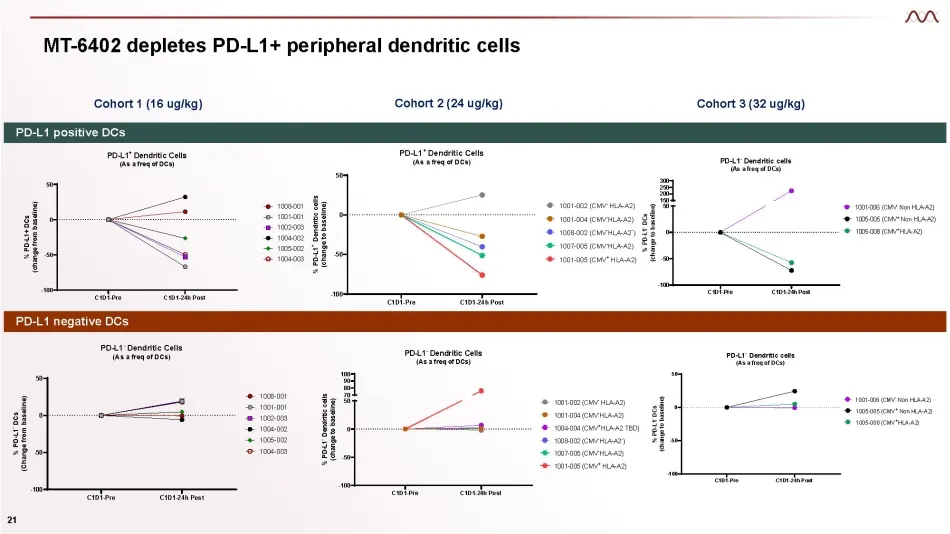
Slide 21: 6402 depletes PD-L1+ peripheral dendritic cells
MT - 6402 depletes PD - L1+ peripheral dendritic cells Cohort 1 (16 ug/kg) Cohort 3 (32 ug/kg) Cohort 2 (24 ug/kg) PD - L1 positive DCs PD - L1 negative DCs C1D1 - Pre C1D1 - 24h Post - 100 - 50 0 50 PD - L1 + Dendritic Cells (As a freq of DCs) % PD - L1+ DCs (change from baseline) 1008 - 001 1001 -
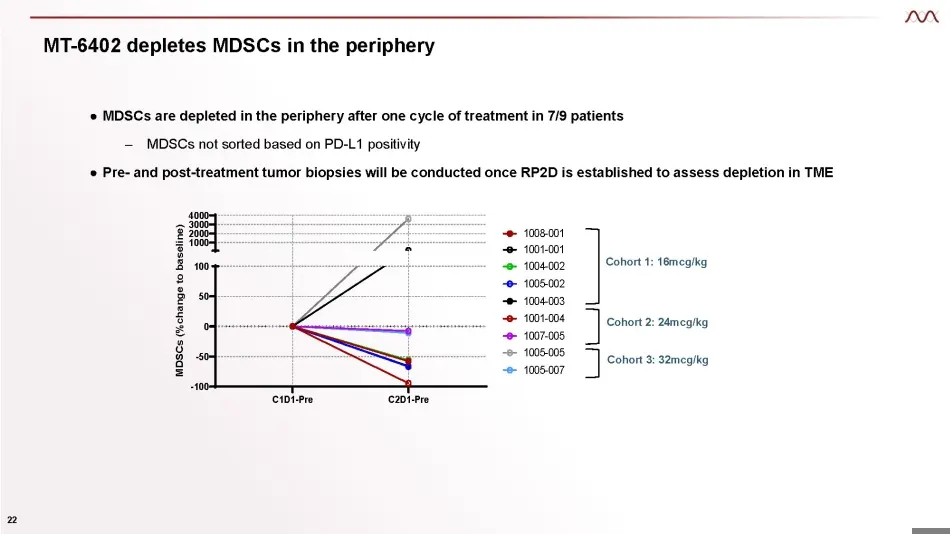
Slide 22: 6402 depletes MDSCs in the periphery
MT - 6402 depletes MDSCs in the periphery ● MDSCs are depleted in the periphery after one cycle of treatment in 7/9 patients – MDSCs not sorted based on PD - L1 positivity ● Pre - and post - treatment tumor biopsies will be conducted once RP2D is established to assess depletion in TME C1D1 - Pre C2D
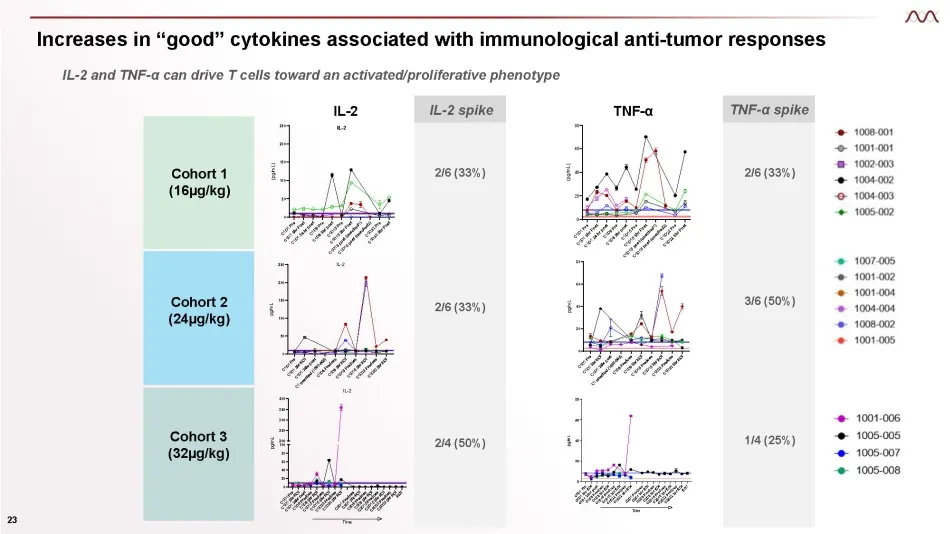
Slide 23: Increases in good cytokines associated with anti-tumor responses
Increases in “good” cytokines associated with immunological anti - tumor responses IL - 2 and TNF - α can drive T cells toward an activated/proliferative phenotype 0 20 40 60 80 pg/mL TNF - α 0 50 100 150 200 250 IL - 2 pg/mL 0 20 40 60 80 TNF - α (pg/mL) Cohort 1 (16µg/kg) Cohort 2 (24µg/kg) 0 20 4
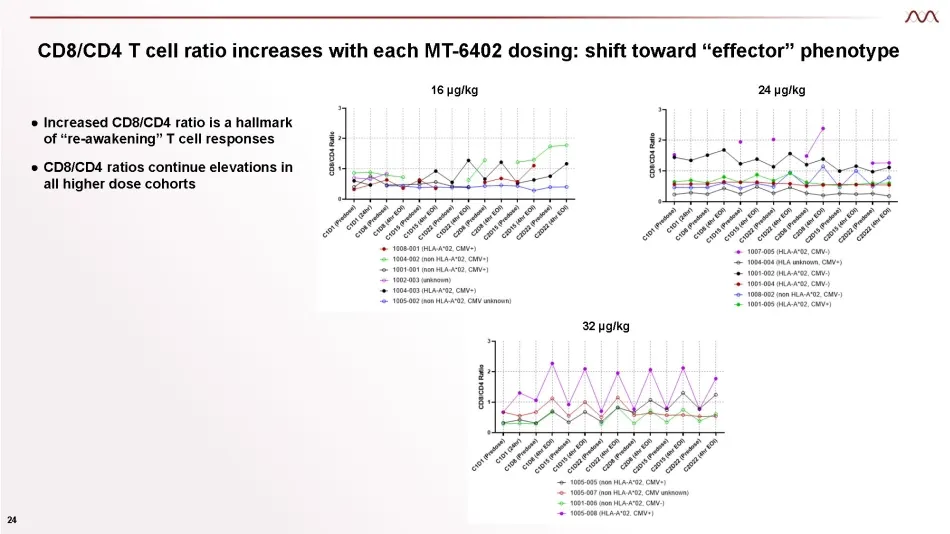
Slide 24: CD8/CD4 T cell ratio increases with each MT-6402 dosing
CD8/CD4 T cell ratio increases with each MT - 6402 dosing: shift toward “effector” phenotype 16 µg/kg 24 µg/kg 32 µg/kg 24 ● Increased CD8/CD4 ratio is a hallmark of “re - awakening” T cell responses ● CD8/CD4 ratios continue elevations in all higher dose cohorts
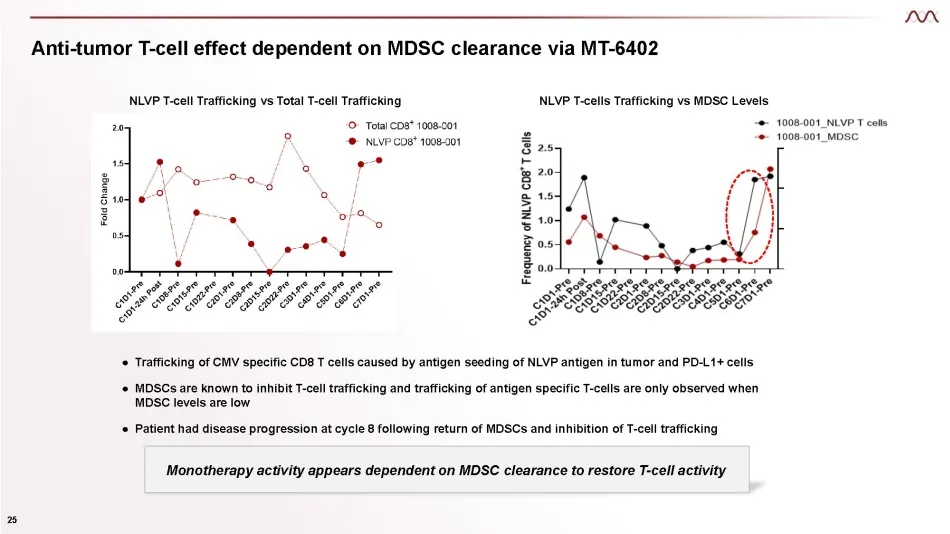
Slide 25: Anti-tumor T-cell effect dependent on MDSC clearance via MT-6402
Anti - tumor T - cell effect dependent on MDSC clearance via MT - 6402 ● Trafficking of CMV specific CD8 T cells caused by antigen seeding of NLVP antigen in tumor and PD - L1+ cells ● MDSCs are known to inhibit T - cell trafficking and trafficking of antigen specific T - cells are only observed whe
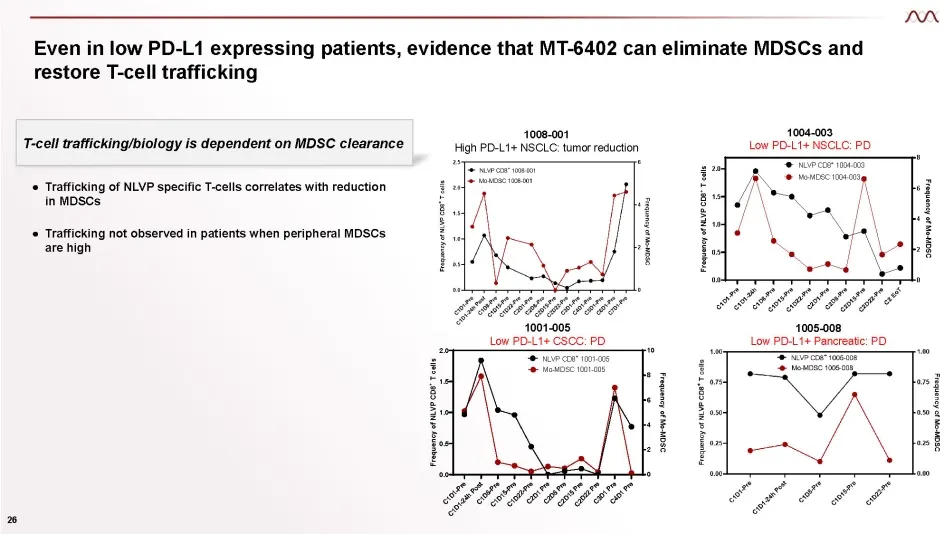
Slide 26: Low PD-L1 patients: MT-6402 eliminates MDSCs and restores T-cell trafficking
Even in low PD - L1 expressing patients, evidence that MT - 6402 can eliminate MDSCs and restore T - cell trafficking 1005 - 008 Low PD - L1+ Pancreatic: PD 0.0 0.5 1.0 1.5 2.0 0 2 4 6 8 Frequency of NLVP CD8 + T cells Frequency of Mo - MDSC NLVP CD8 + 1004 - 003 Mo - MDSC 1004 - 003 0.0 0.5 1.0 1.5
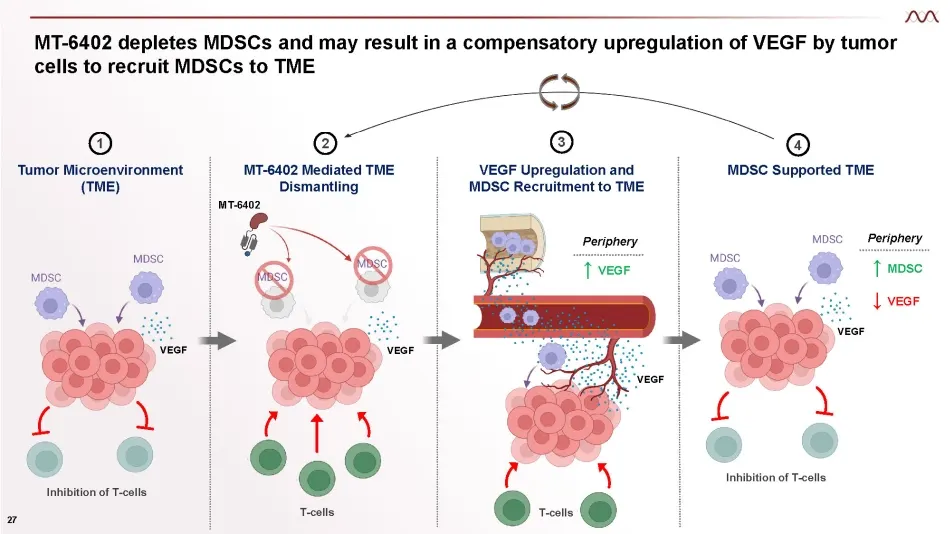
Slide 27: 6402 depletes MDSCs; compensatory VEGF upregulation may recruit MDSCs
MT - 6402 depletes MDSCs and may result in a compensatory upregulation of VEGF by tumor cells to recruit MDSCs to TME Inhibition of T - cells T - cells VEGF Upregulation and MDSC Recruitment to TME VEGF VEGF ↑ VEGF Inhibition of T - cells Periphery T - cells ↑ MDSC ↓ VEGF Periphery 1 Tumor Microenvi
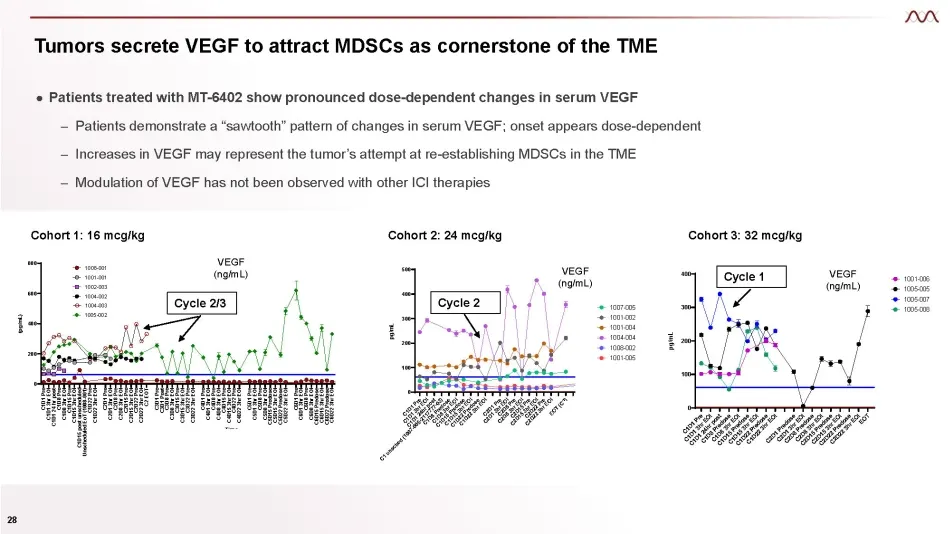
Slide 28: Tumors secrete VEGF to attract MDSCs as cornerstone of the TME
Tumors secrete VEGF to attract MDSCs as cornerstone of the TME ● Patients treated with MT - 6402 show pronounced dose - dependent changes in serum VEGF – Patients demonstrate a “sawtooth” pattern of changes in serum VEGF; onset appears dose - dependent – Increases in VEGF may represent the tumor’s a
Slide 29: 8421 ETB with novel MOA targeting CTLA-4
MT - 8421 ETB with novel MOA targeting CTLA - 4
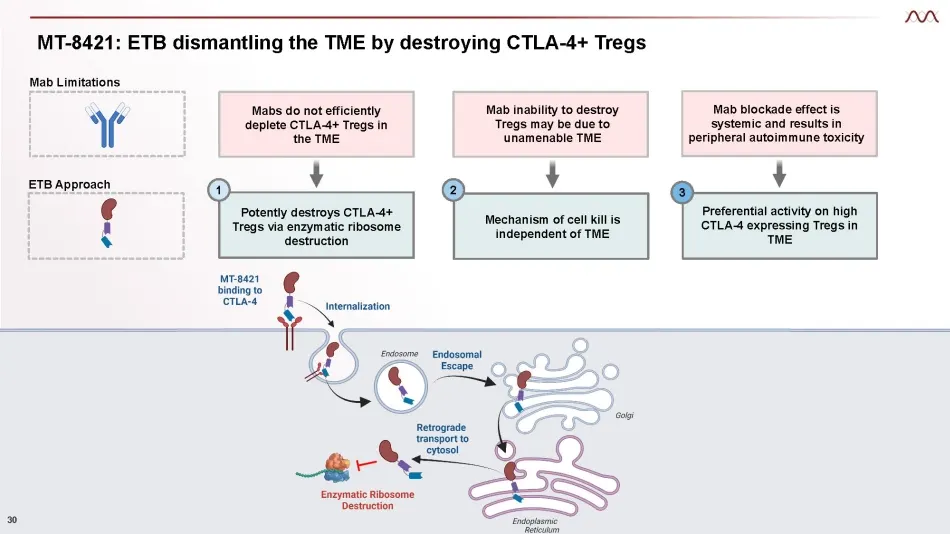
Slide 30: 8421: ETB dismantling the TME by destroying CTLA-4+ Tregs
MT - 8421: ETB dismantling the TME by destroying CTLA - 4+ Tregs Potently destroys CTLA - 4+ Tregs via enzymatic ribosome destruction Mechanism of cell kill is independent of TME Preferential activity on high CTLA - 4 expressing Tregs in TME 1 2 3 Mab Limitations Broad CTLA - 4 blockade effect cause
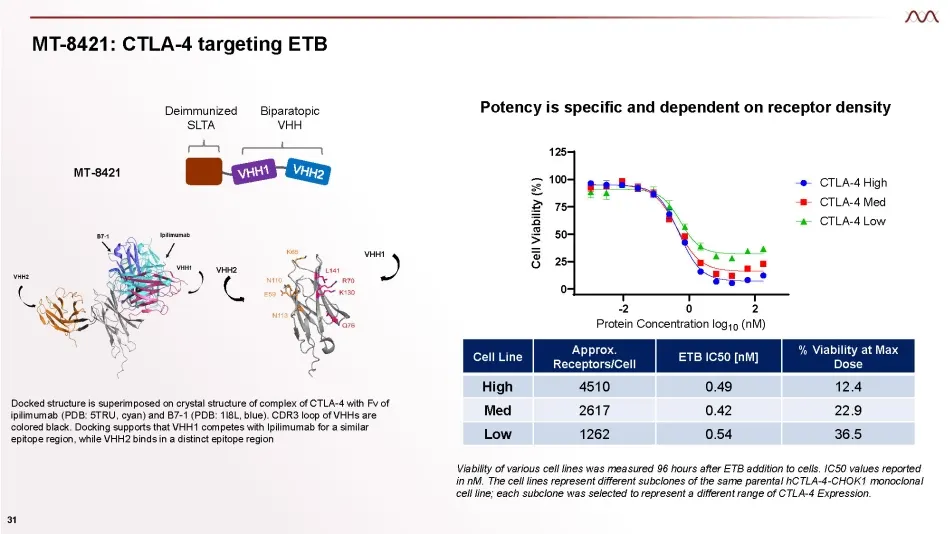
Slide 31: 8421: CTLA-4 targeting ETB MT-8421
MT - 8421: CTLA - 4 targeting ETB MT - 8421 Deimmunized SLTA Biparatopic VHH Docked structure is superimposed on crystal structure of complex of CTLA - 4 with Fv of ipilimumab (PDB: 5TRU, cyan) and B7 - 1 (PDB: 1I8L, blue). CDR3 loop of VHHs are colored black. Docking supports that VHH1 competes wit
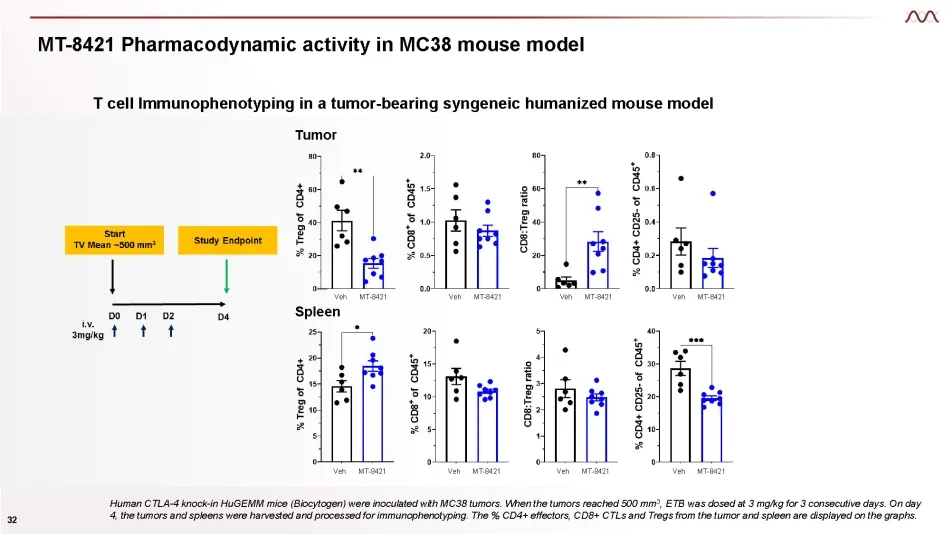
Slide 32: 8421 Pharmacodynamic activity in MC38 mouse model
MT - 8421 Pharmacodynamic activity in MC38 mouse model T cell Immunophenotyping in a tumor - bearing syngeneic humanized mouse model Tumor Human CTLA - 4 knock - in HuGEMM mice (Biocytogen) were inoculated with MC38 tumors. When the tumors reached 500 mm 3 , ETB was dosed at 3 mg/kg for 3 consecutiv
Slide 33: 5111 ETB with novel MOA targeting HER2
MT - 5111 ETB with novel MOA targeting HER2
Slide 34: 5111: Anti-HER2 modality with differentiated biology
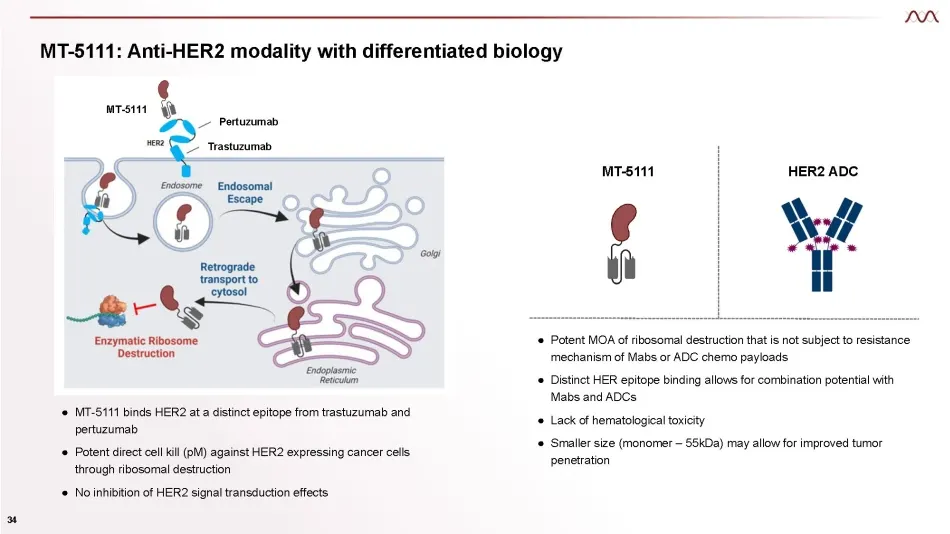
MT - 5111: Anti - HER2 modality with differentiated biology ● MT - 5111 binds HER2 at a distinct epitope from trastuzumab and pertuzumab ● Potent direct cell kill (pM) against HER2 expressing cancer cells through ribosomal destruction ● No inhibition of HER2 signal transduction effects ● Potent MOA
Slide 35: 5111 activity in breast cancer
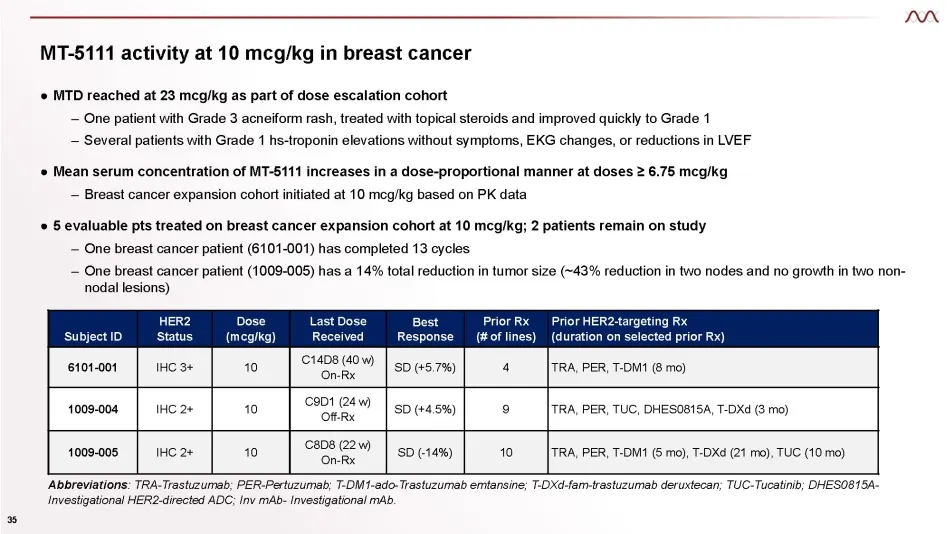
MT - 5111 activity at 10 mcg/kg in breast cancer 35 ● MTD reached at 23 mcg/kg as part of dose escalation cohort – One patient with Grade 3 acneiform rash, treated with topical steroids and improved quickly to Grade 1 – Several patients with Grade 1 hs - troponin elevations without symptoms, EKG cha
Slide 36: Spotlight on Subject 1009
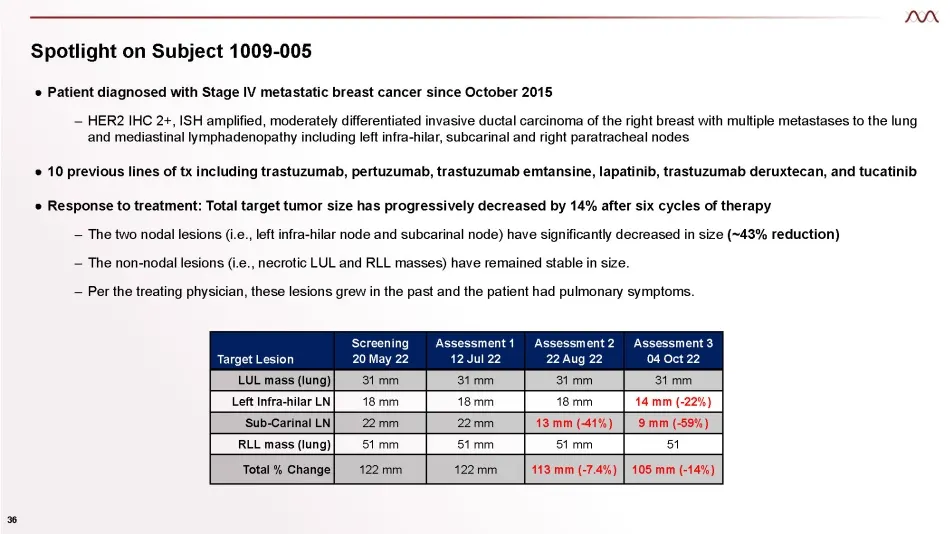
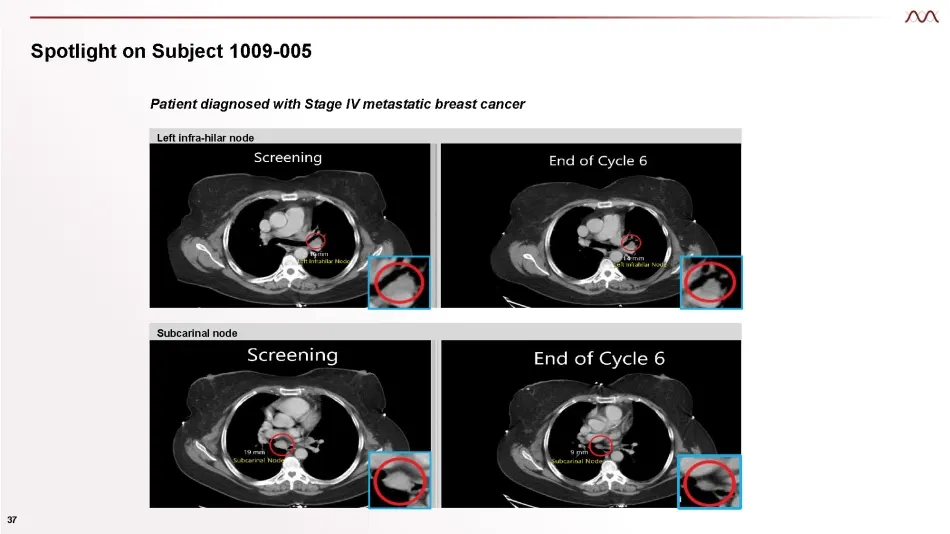
Spotlight on Subject 1009 - 005 36 ● Patient diagnosed with Stage IV metastatic breast cancer since October 2015 – HER2 IHC 2+, ISH amplified, moderately differentiated invasive ductal carcinoma of the right breast with multiple metastases to the lung and mediastinal lymphadenopathy including left i
Slide 37: Spotlight on Subject 1009 (scans)
Spotlight on Subject 1009 - 005 Patient diagnosed with Stage IV metastatic breast cancer Left infra - hilar node Subcarinal node 37
Slide 38: 0169 ETB with novel MOA targeting CD38
MT - 0169 ETB with novel MOA targeting CD38
Slide 39: Initial MT-0169 starting dose exceeded therapeutic window
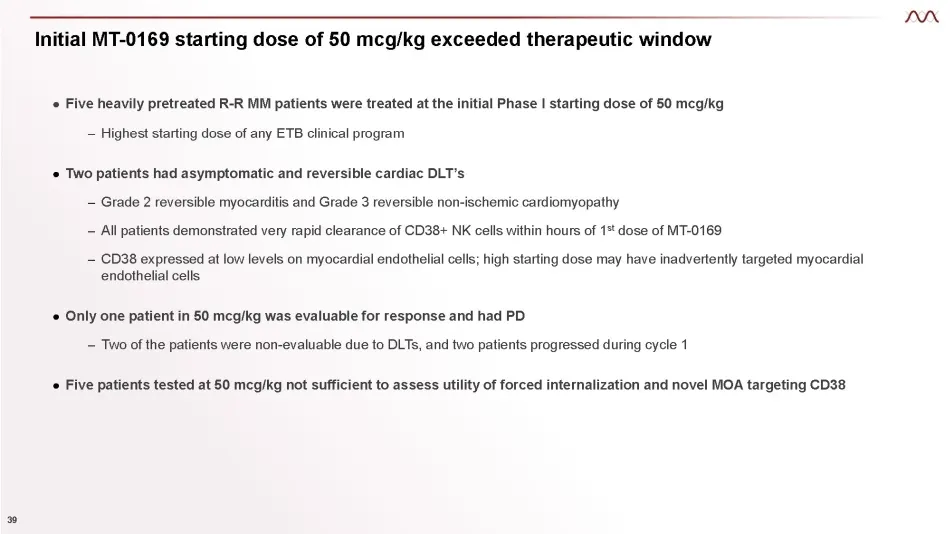
Initial MT - 0169 starting dose of 50 mcg/kg exceeded therapeutic window 39 ● Five heavily pretreated R - R MM patients were treated at the initial Phase I starting dose of 50 mcg/kg – Highest starting dose of any ETB clinical program ● Two patients had asymptomatic and reversible cardiac DLT’s – Gr
Slide 40: 0169 Phase I restarted at lower dose with one of four patients responding
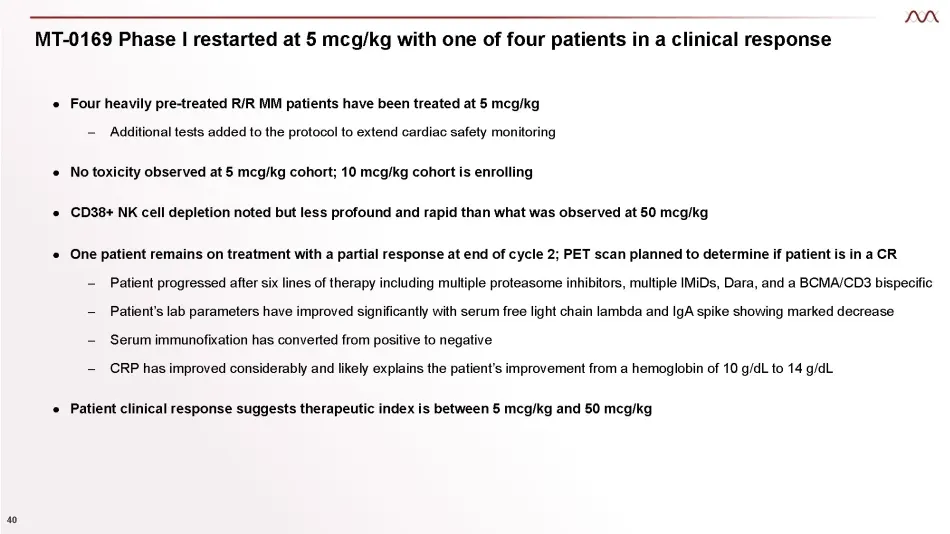
MT - 0169 Phase I restarted at 5 mcg/kg with one of four patients in a clinical response 40 ● Four heavily pre - treated R/R MM patients have been treated at 5 mcg/kg – Additional tests added to the protocol to extend cardiac safety monitoring ● No toxicity observed at 5 mcg/kg cohort; 10 mcg/kg coh
Slide 41: ETB Pipeline and Platform
ETB Pipeline and Platform Diversified ETB pipeline with novel MOAs
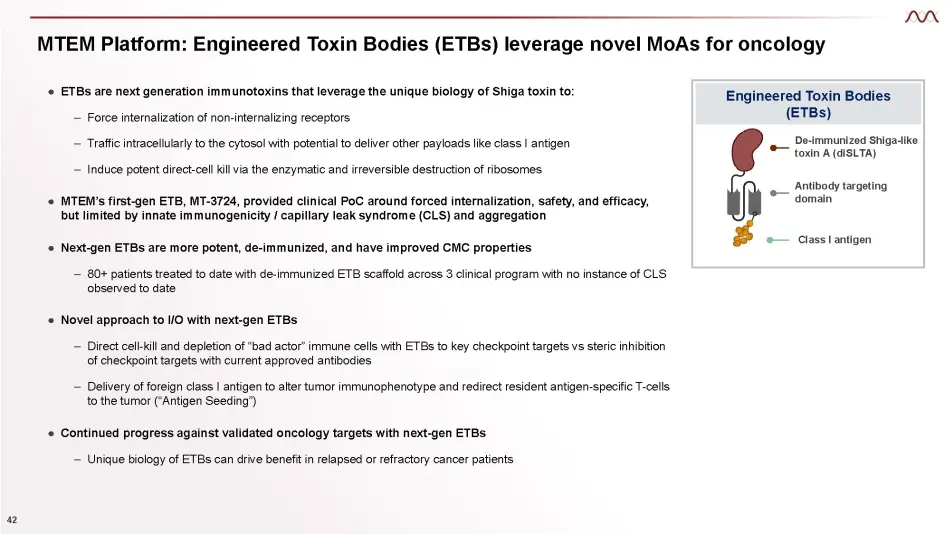
Slide 42: MTEM Platform: Engineered Toxin Bodies leverage novel MoAs for oncology
MTEM Platform: Engineered Toxin Bodies (ETBs) leverage novel MoAs for oncology Engineered Toxin Bodies (ETBs) De - immunized Shiga - like toxin A (diSLTA) Antibody targeting domain Class I antigen ● ETBs are next generation immunotoxins that leverage the unique biology of Shiga toxin to: 42 – Force
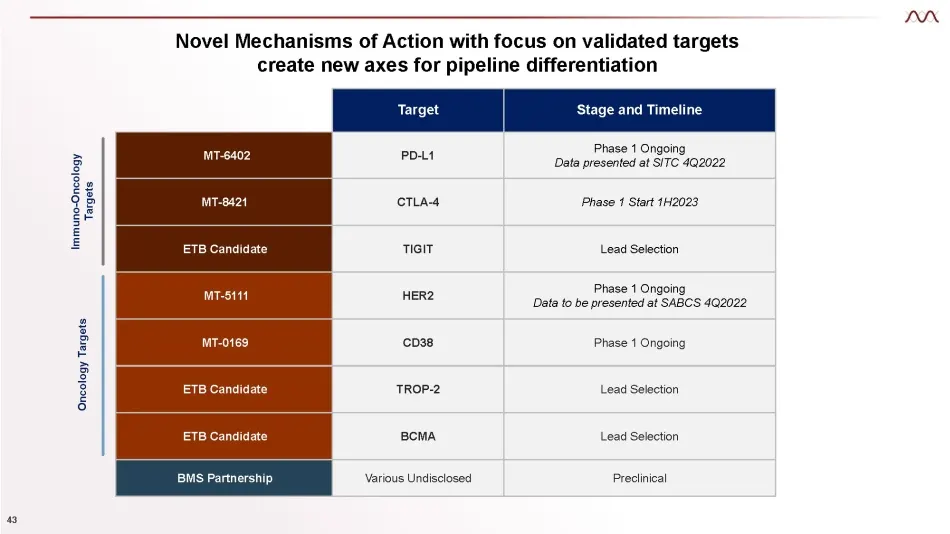
Slide 43: Novel Mechanisms of Action with focus on validated targets create new axes
Novel Mechanisms of Action with focus on validated targets create new axes for pipeline differentiation Target Stage and Timeline MT - 6402 PD - L1 Phase 1 Ongoing Data presented at SITC 4Q2022 MT - 8421 CTLA - 4 Phase 1 Start 1H2023 ETB Candidate TIGIT Lead Selection MT - 5111 HER2 Phase 1 Ongoing
Source: SEC EDGAR · 8-K filed Nov 10, 2022
More decks from Molecular Templates Inc
 Cowen Presentation (March 2022)21 slides · Mar 8, 2022
 Investor Presentation (January 2021)25 slides · Jan 7, 2021
 Investor Presentation (September 2019)26 slides · Sep 24, 2019
 Threshold Pharmaceuticals — Merger or Acquisition (March 2017)34 slides · Mar 30, 2017
 Threshold Pharmaceuticals — Merger or Acquisition (March 2017)34 slides · Mar 29, 2017