Day One Biopharmaceuticals Inc
Day One Biopharmaceuticals — Investor Presentation (January 2026)
44 slides from Day One Biopharmaceuticals's investor presentation, Jan 6, 2026

Slide 1: Targeted therapies for people of all ages
Targeted therapies for people of all ages January 2026 Day One Biopharmaceuticals
Slide 2: Disclaimer
2 Disclaimer This presentation and the accompanying oral commentary contain forward - looking statements that are based on our management’s bel iefs and assumptions and on information currently available to our management. Forward - looking statements are inherently subject to risks and uncertaintie

Slide 3: Developing new medicines for people of all ages with life-threatening diseases
3 Inspired by the urgent needs of children, Day One creatively and intentionally develops new medicines for people of all ages with life - threatening diseases
Slide 4: Bringing life-changing medicines to patients sooner
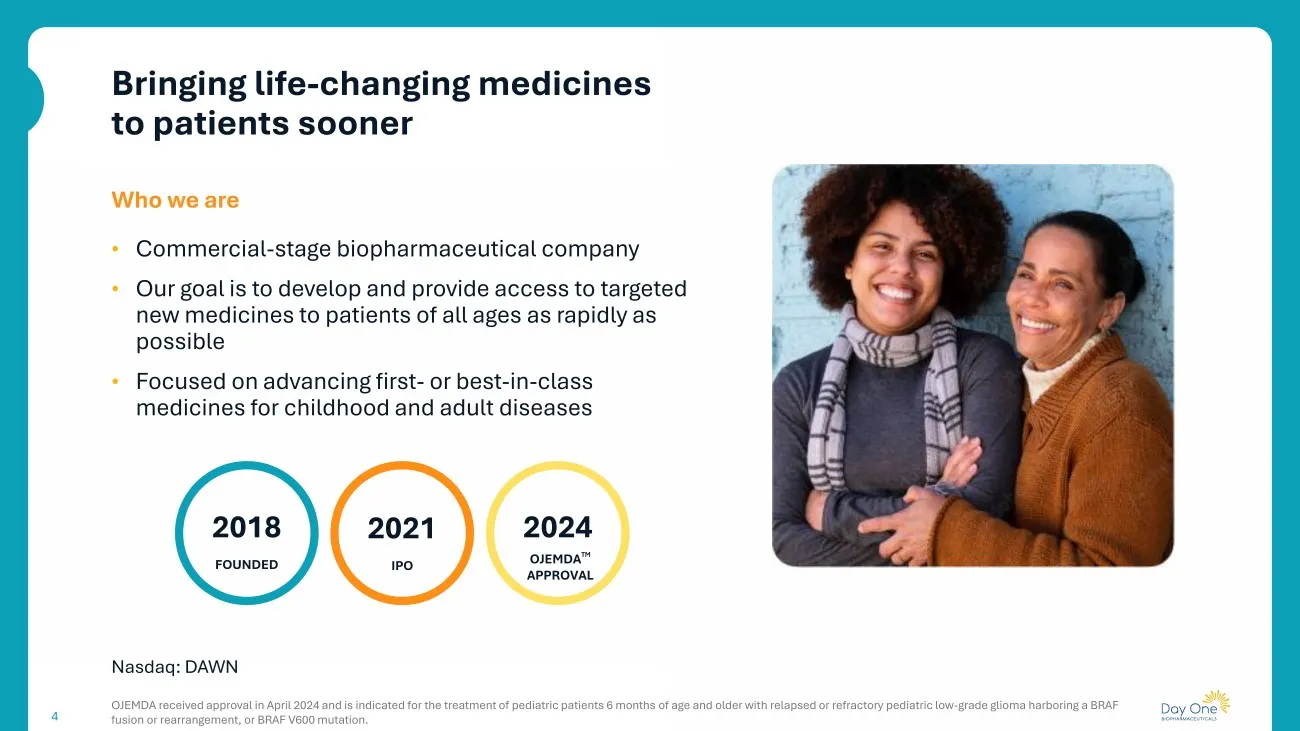
Bringing life - changing medicines to patients sooner 4 • Commercial - stage biopharmaceutical company • Our goal is to develop and provide access to targeted new medicines to patients of all ages as rapidly as possible • Focused on advancing first - or best - in - class medicines for childhood and
Slide 5: Day One's Future Potential Value creation
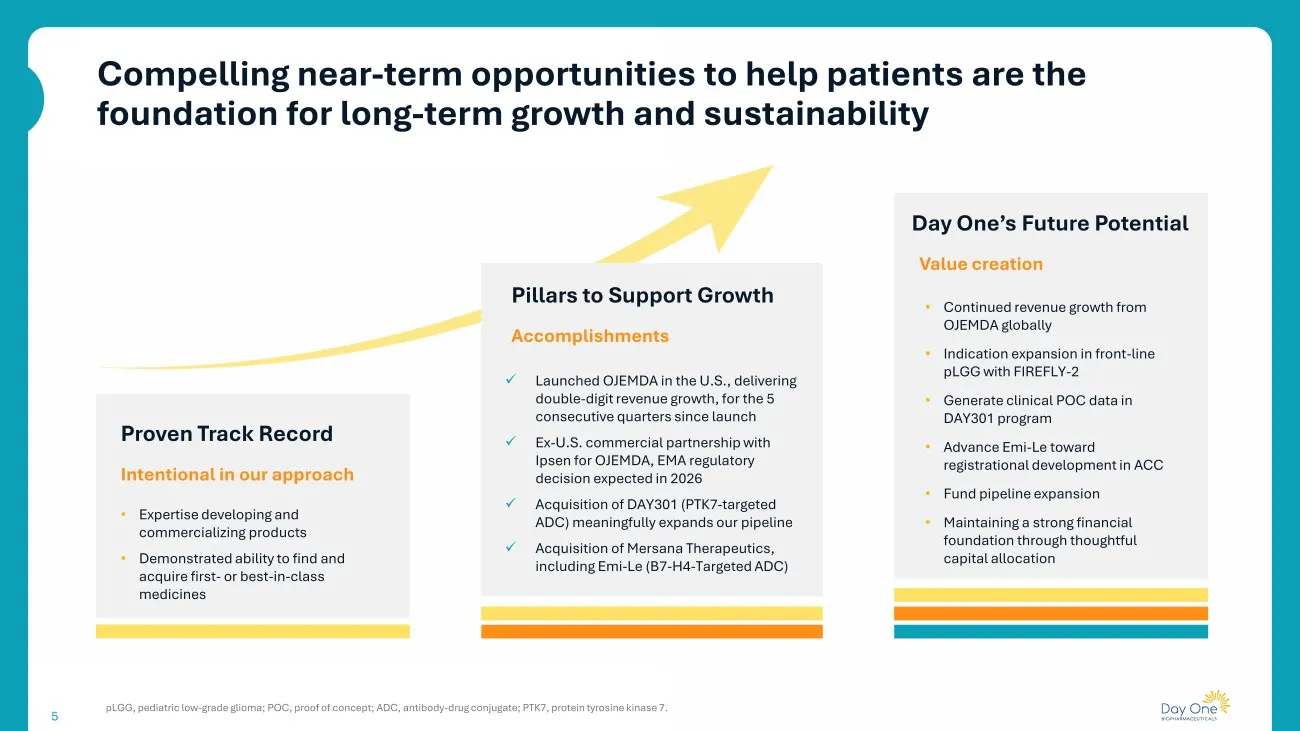
5 Day One’s Future Potential Value creation • Continued revenue growth from OJEMDA globally • Indication expansion in front - line pLGG with FIREFLY - 2 • Generate clinical POC data in DAY301 program • Advance Emi - Le toward registrational development in ACC • Fund pipeline expansion • Maintaining
Slide 6: Recent & Anticipated Milestones
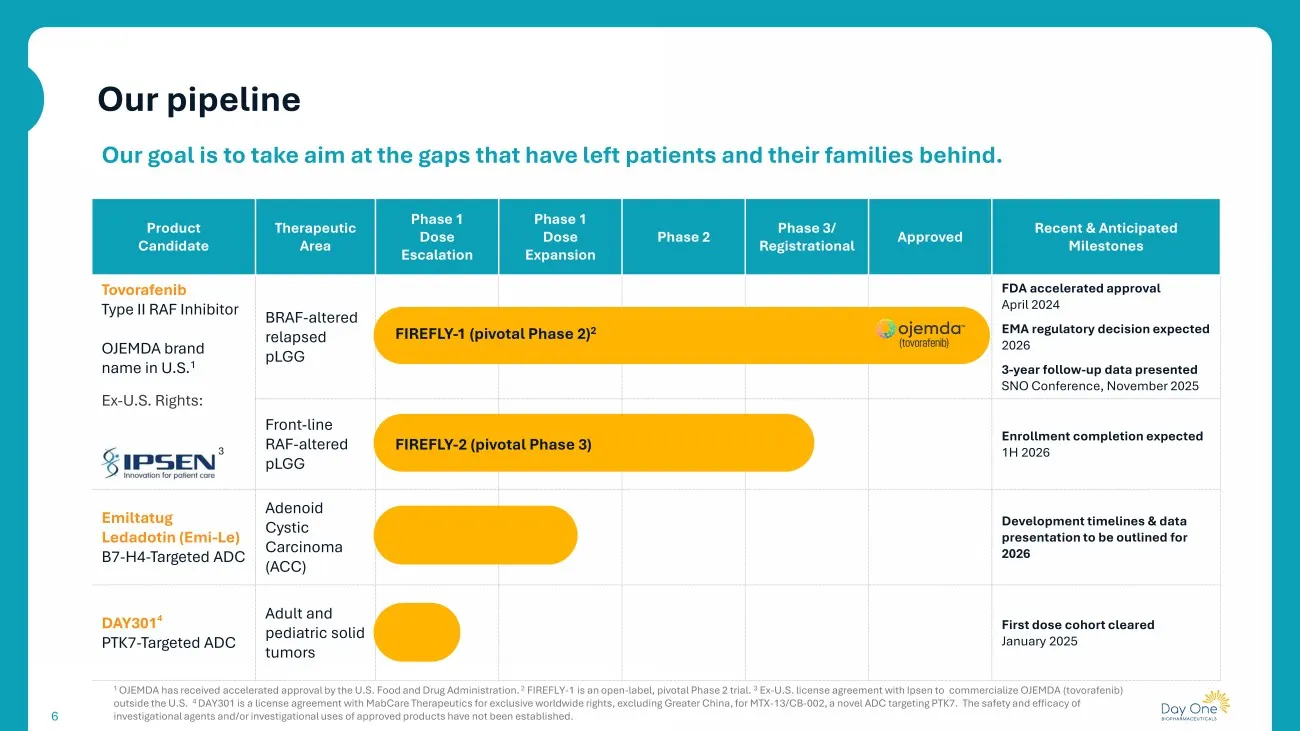
Recent & Anticipated Milestones Approved Phase 3/ Registrational Phase 2 Phase 1 Dose Expansion Phase 1 Dose Escalation Therapeutic Area Product Candidate FDA accelerated approval April 2024 EMA regulatory decision expected 2026 3 - year follow - up data presented SNO Conference, November 2025 BRAF
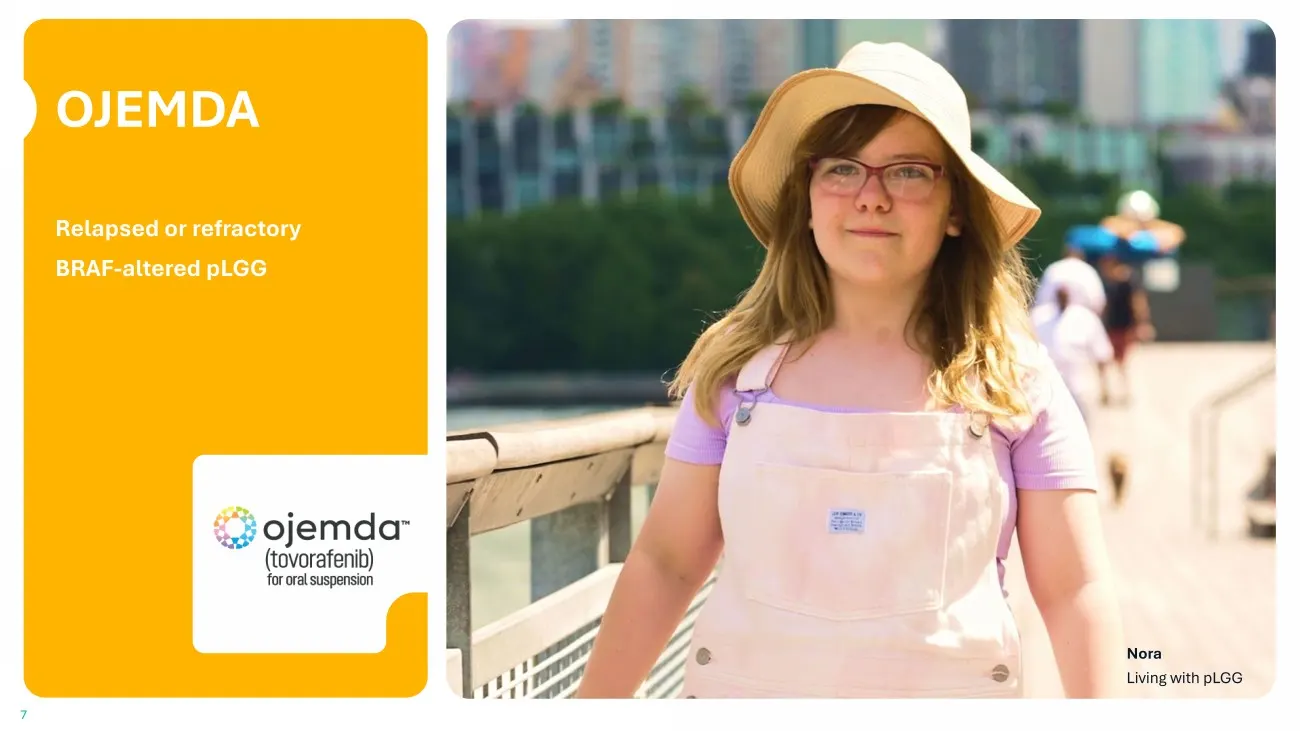
Slide 7: Relapsed or refractory BRAF-altered pLGG: OJEMDA
Relapsed or refractory BRAF - altered pLGG OJEMDA 7 Nora Living with pLGG
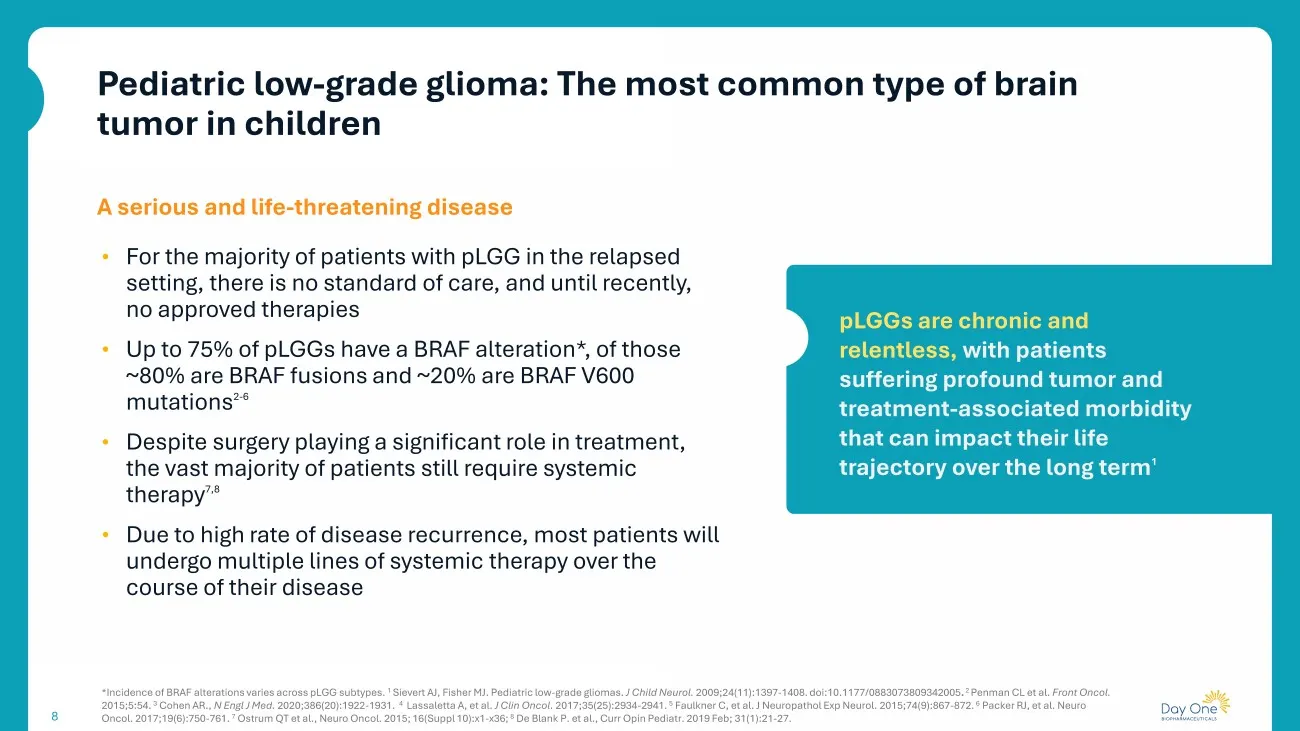
Slide 8: A serious and life-threatening disease
8 A serious and life - threatening disease *Incidence of BRAF alterations varies across pLGG subtypes. 1 Sievert AJ, Fisher MJ. Pediatric low - grade gliomas. J Child Neurol. 2009;24(11): 1397 - 1408 . doi:10.1177/0883073809342005 . 2 Penman CL et al. Front Oncol . 2015;5:54. 3 Cohen AR ., N Engl J
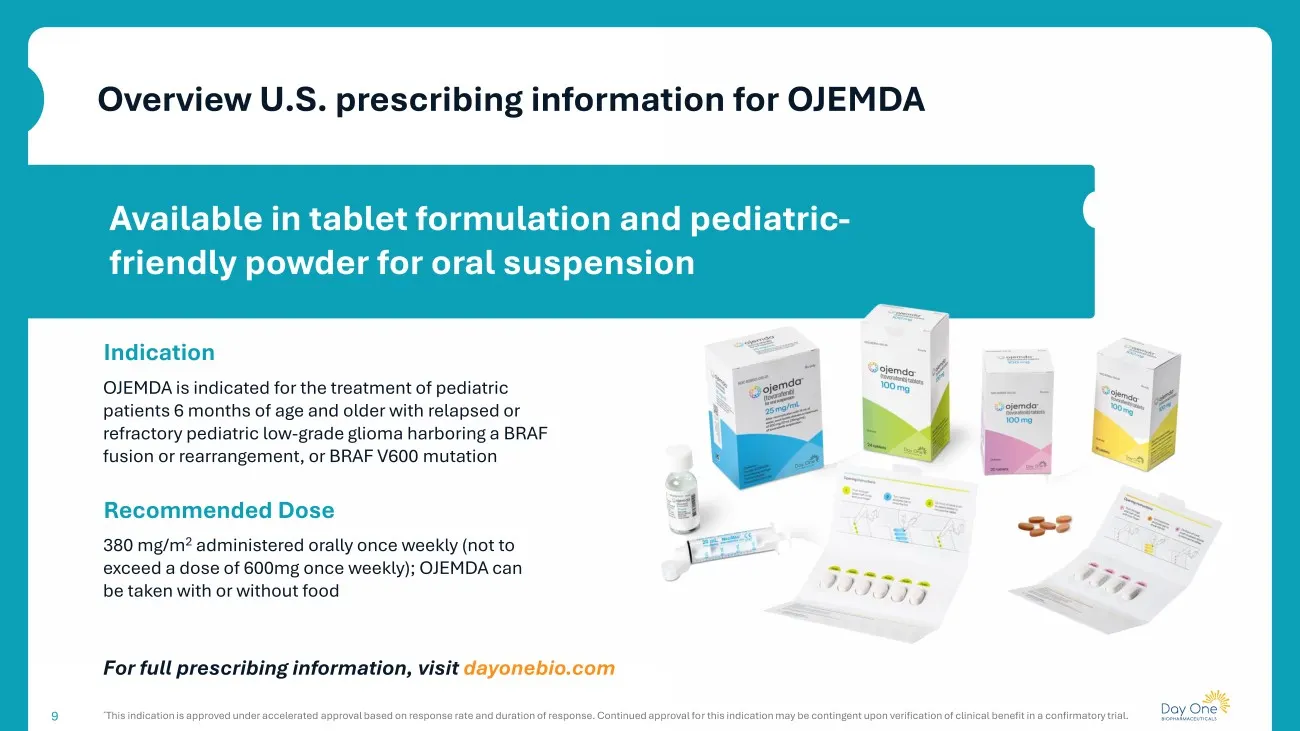
Slide 9: Available in tablet and pediatric-friendly powder for oral suspension
9 Available in tablet formulation and pediatric - friendly powder for oral suspension Overview U.S. prescribing information for OJEMDA 9 Indication OJEMDA is indicated for the treatment of pediatric patients 6 months of age and older with relapsed or refractory pediatric low - grade glioma harboring
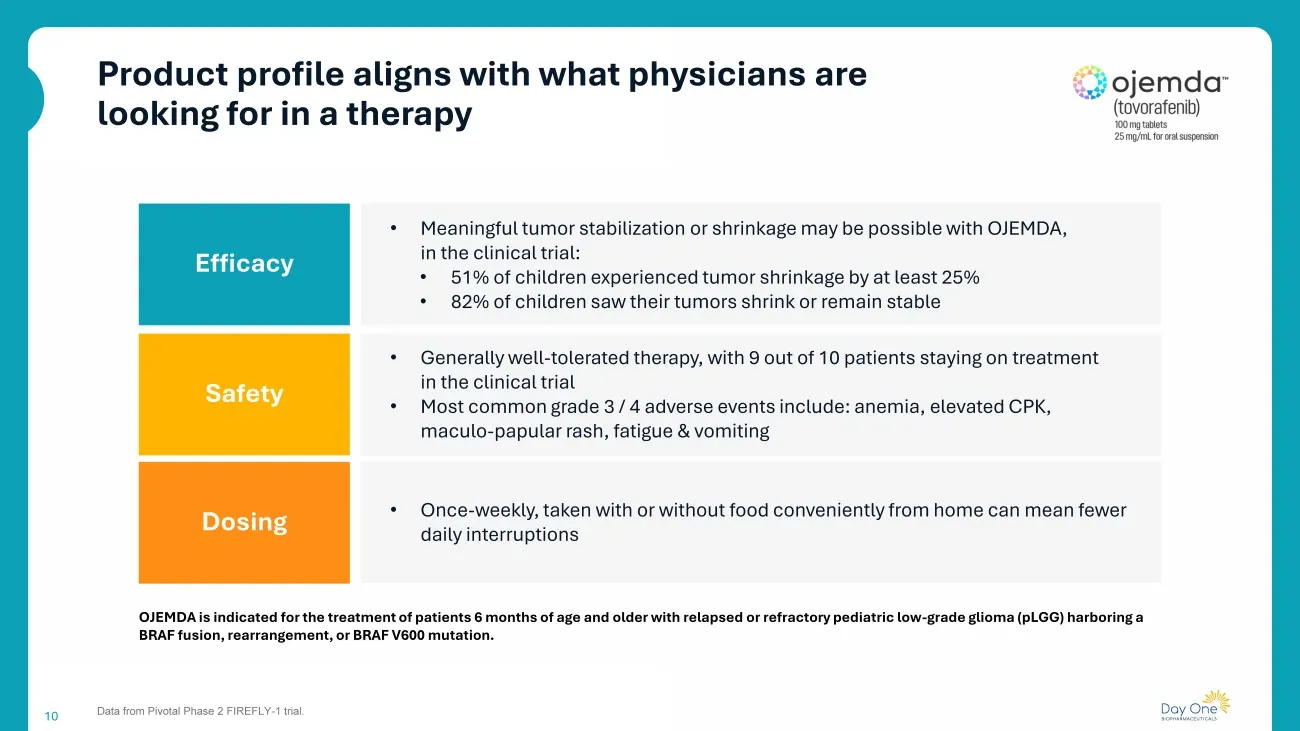
Slide 10: Product profile aligns with what physicians are looking for
10 Data from Pivotal Phase 2 FIREFLY - 1 trial. • Meaningful tumor stabilization or shrinkage may be possible with OJEMDA, in the clinical trial: • 51% of children experienced tumor shrinkage by at least 25% • 82% of children saw their tumors shrink or remain stable Efficacy Safety • Generally well
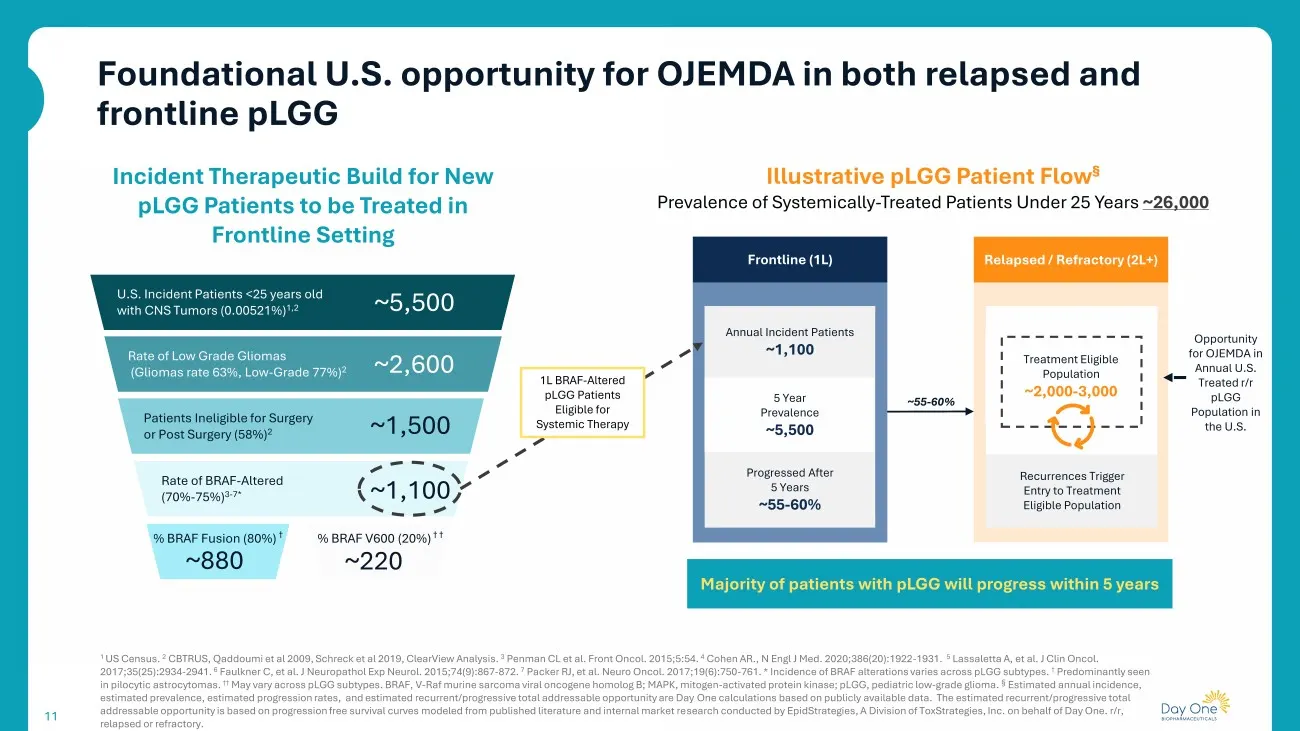
Slide 11: pLGG addressable opportunity
11 1 US Census. 2 CBTRUS, Qaddoumi et al 2009, Schreck et al 2019, ClearView Analysis. 3 Penman CL et al. Front Oncol. 2015;5:54. 4 Cohen AR., N Engl J Med. 2020;386(20):1922 - 1931. 5 Lassaletta A, et al. J Clin Oncol. 2017;35(25):2934 - 2941. 6 Faulkner C, et al. J Neuropathol Exp Neurol. 2015;74(
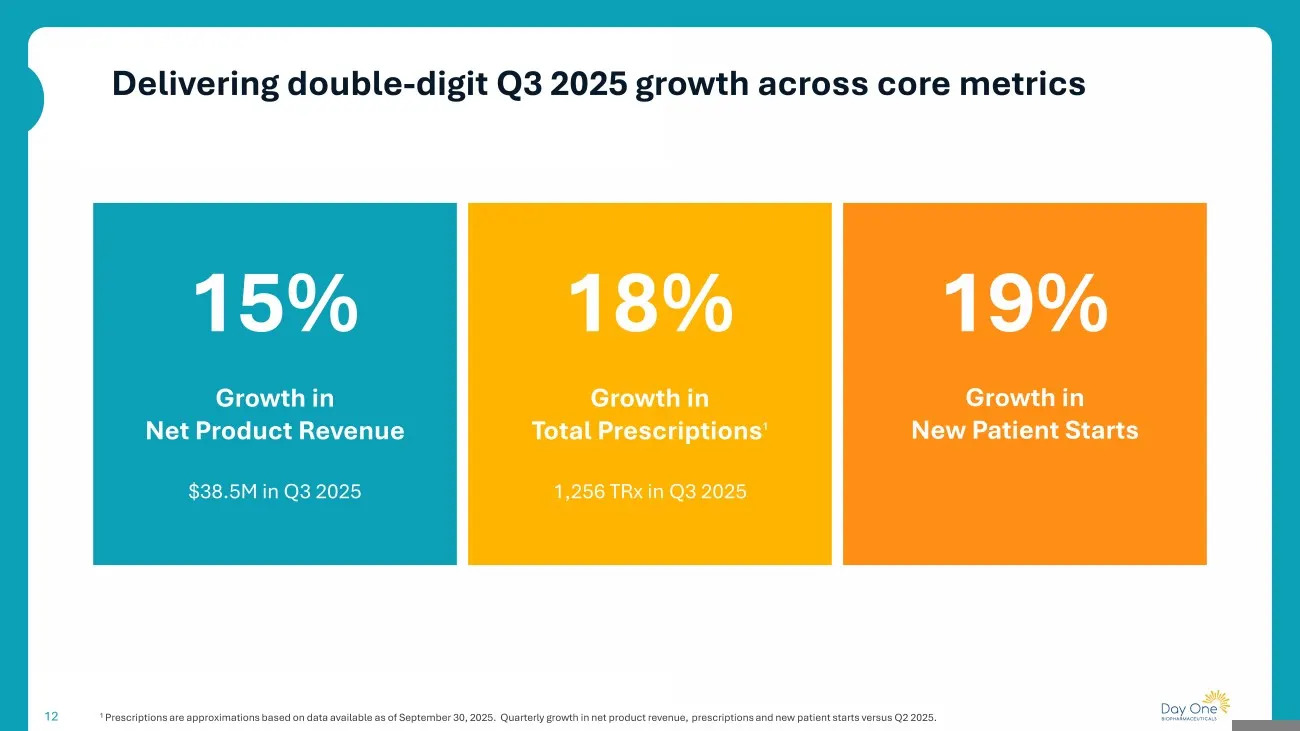
Slide 12: Delivering double-digit Q3 2025 growth across core metrics
Delivering double - digit Q3 2025 growth across core metrics 12 1 Prescriptions are approximations based on data available as of September 30, 2025. Quarterly growth in net product revenue, pre scriptions and new patient starts versus Q2 2025. 15% Growth in Net Product Revenue 18% $38.5M in Q3 2025
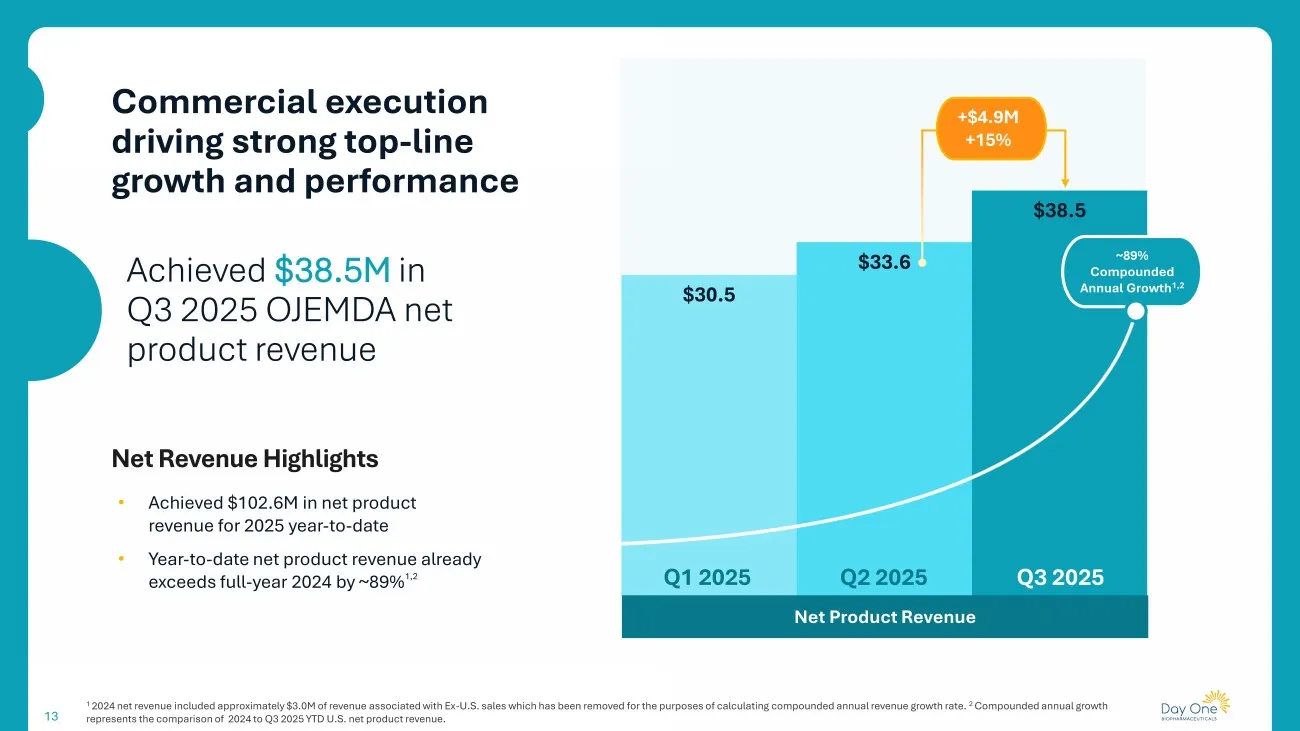
Slide 13: Commercial execution driving strong top-line growth and performance
13 1 2024 net revenue included approximately $3.0M of revenue associated with Ex - U.S. sales which has been removed for the purposes o f calculating compounded annual revenue growth rate. 2 Compounded annual growth represents the comparison of 2024 to Q3 2025 YTD U.S. net product revenue. Commercia
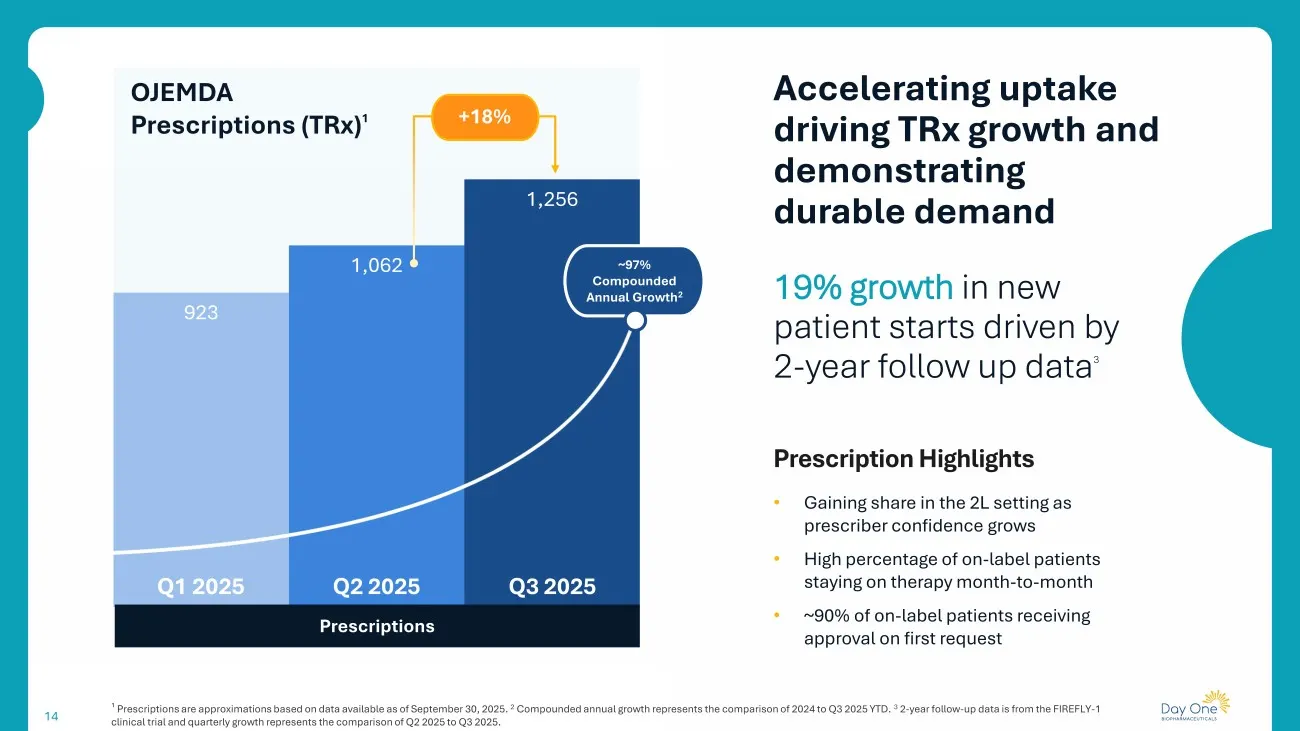
Slide 14: Accelerating uptake driving TRx growth and demonstrating durable demand
923 1,062 1,256 14 19% growth in new patient starts driven by 2 - year follow up data 3 Prescription Highlights • Gaining share in the 2L setting as prescriber confidence grows • High percentage of on - label patients staying on therapy month - to - month • ~90% of on - label patients receiving appr
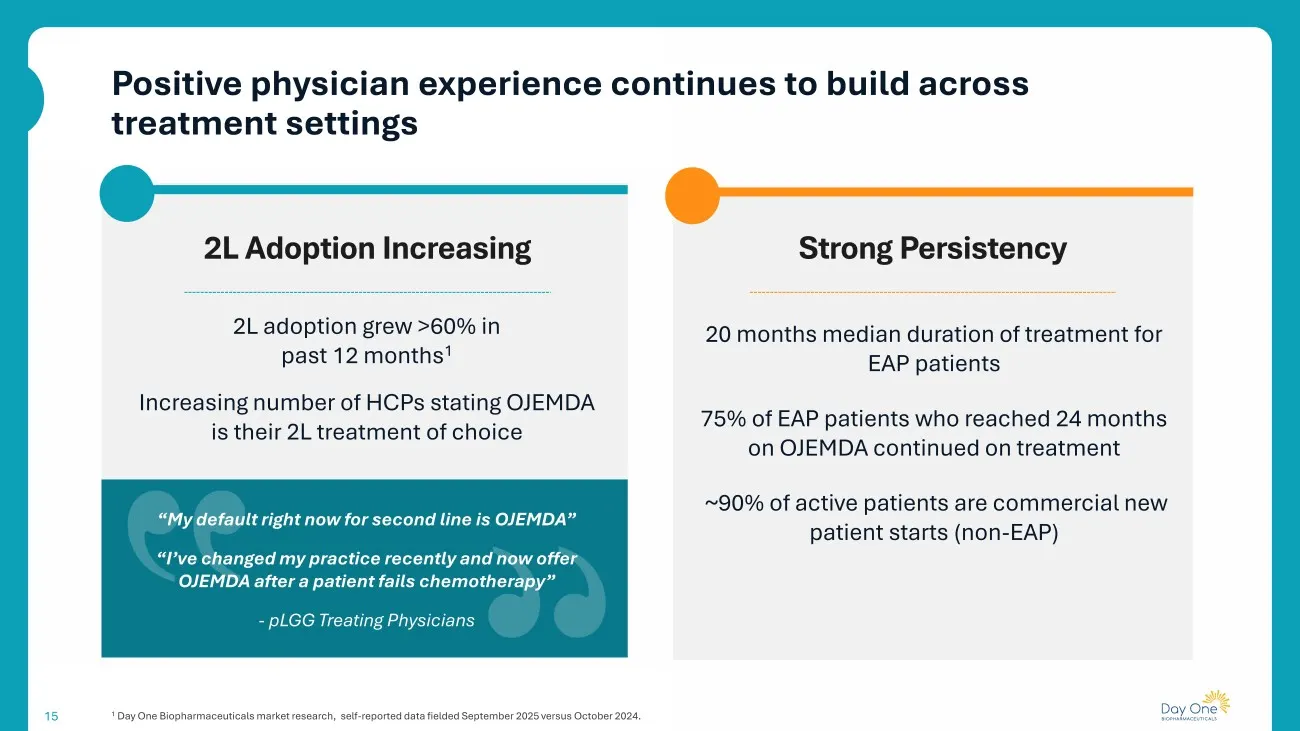
Slide 15: Positive physician experience continues to build across treatment settings
Positive physician experience continues to build across treatment settings 15 1 Day One Biopharmaceuticals market research, self - reported data fielded September 2025 versus October 2024. Strong Persistency 2L Adoption Increasing 20 months median duration of treatment for EAP patients 75% of EAP pa
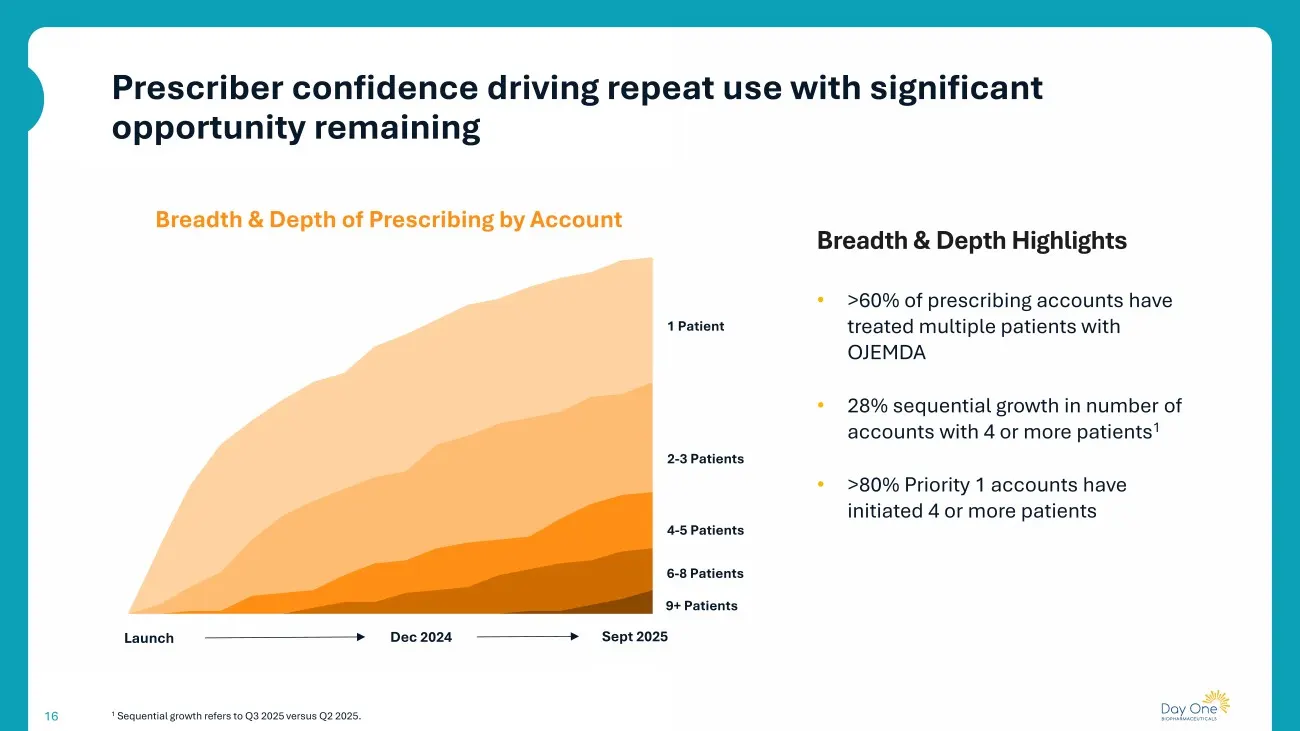
Slide 16: Prescriber confidence driving repeat use
16 1 Sequential growth refers to Q3 2025 versus Q2 2025. • >60% of prescribing accounts have treated multiple patients with OJEMDA • 28% sequential growth in number of accounts with 4 or more patients 1 • >80% Priority 1 accounts have initiated 4 or more patients Launch Dec 2024 Sept 2025 1 Patient
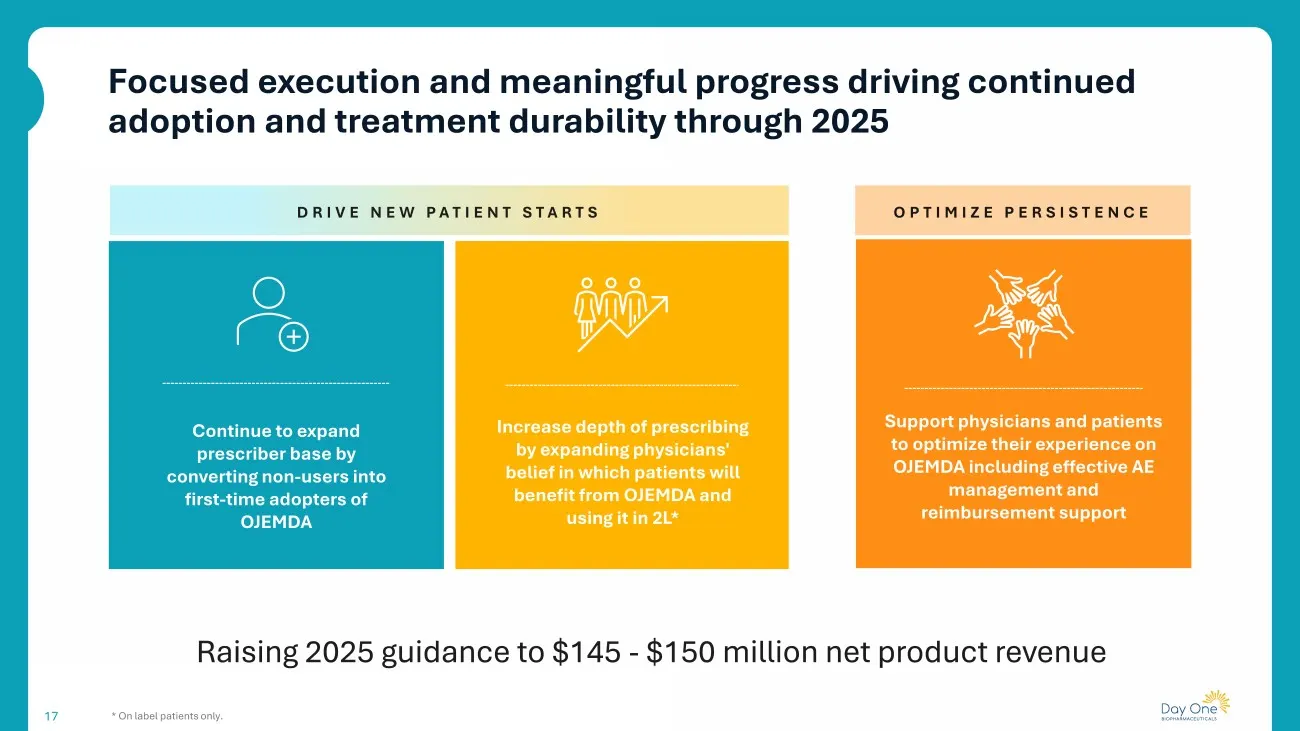
Slide 17: Focused execution driving continued adoption and treatment durability
Focused execution and meaningful progress driving continued adoption and treatment durability through 2025 17 * On label patients only. Raising 2025 guidance to $145 - $150 million net product revenue OPTIMIZE PERSISTENCE Support physicians and patients to optimize their experience on OJEMDA includi
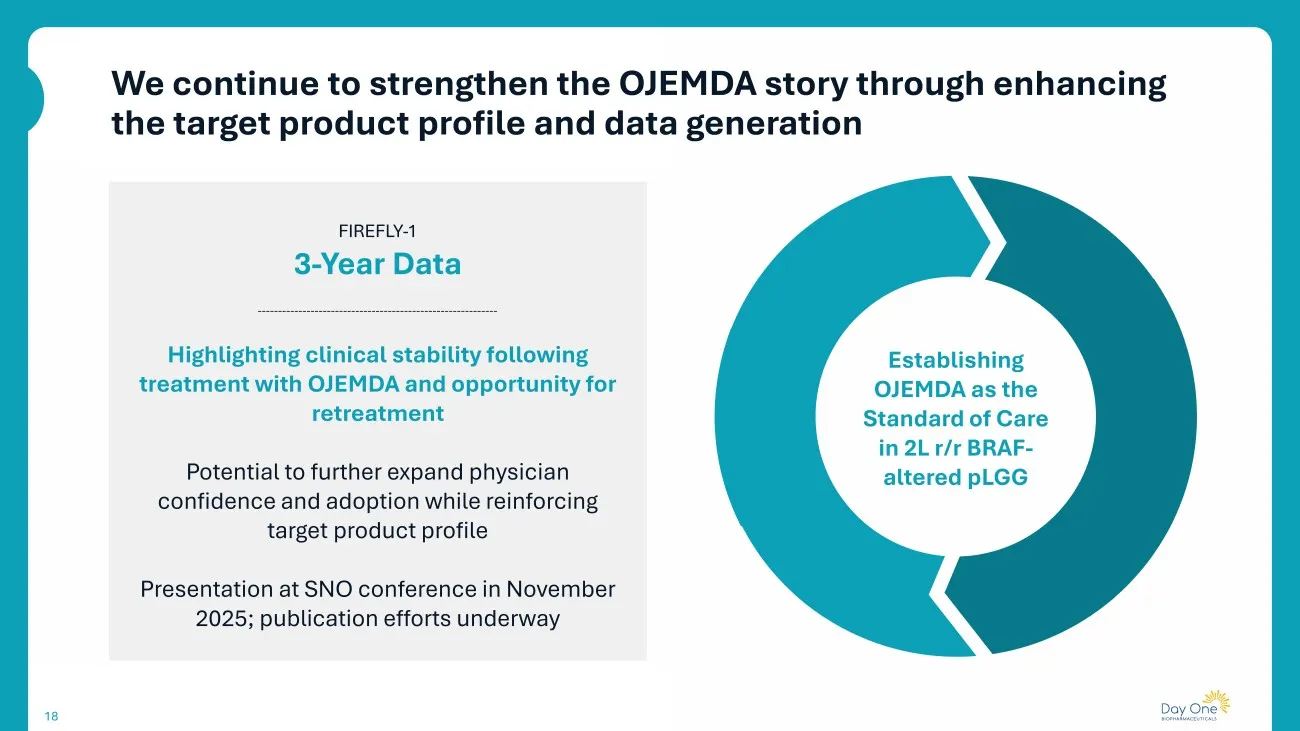
Slide 18: Strengthening the OJEMDA story through data generation
We continue to strengthen the OJEMDA story through enhancing the target product profile and data generation 18 FIREFLY - 1 3 - Year Data Highlighting clinical stability following treatment with OJEMDA and opportunity for retreatment Potential to further expand physician confidence and adoption while
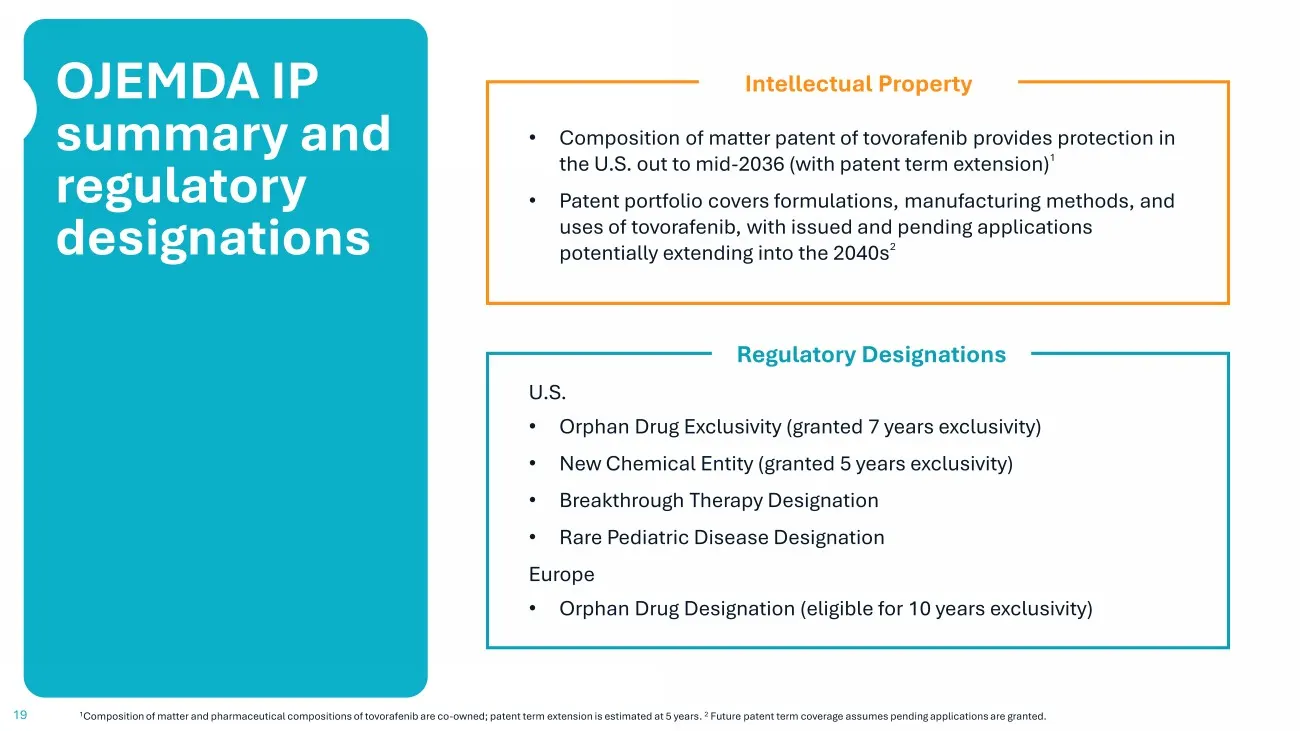
Slide 19: OJEMDA IP summary and regulatory designations
19 OJEMDA IP summary and regulatory designations • Composition of matter patent of tovorafenib provides protection in the U.S. out to mid - 2036 (with patent term extension) 1 • Patent portfolio covers formulations, manufacturing methods, and uses of tovorafenib, with issued and pending applications
Slide 20: Phase 2 FIREFLY-1 Trial: 3-year follow-up data
Phase 2 FIREFLY - 1 Trial 20 3 - year follow - up data from the FIREFLY - 1 trial studying OJEMDA
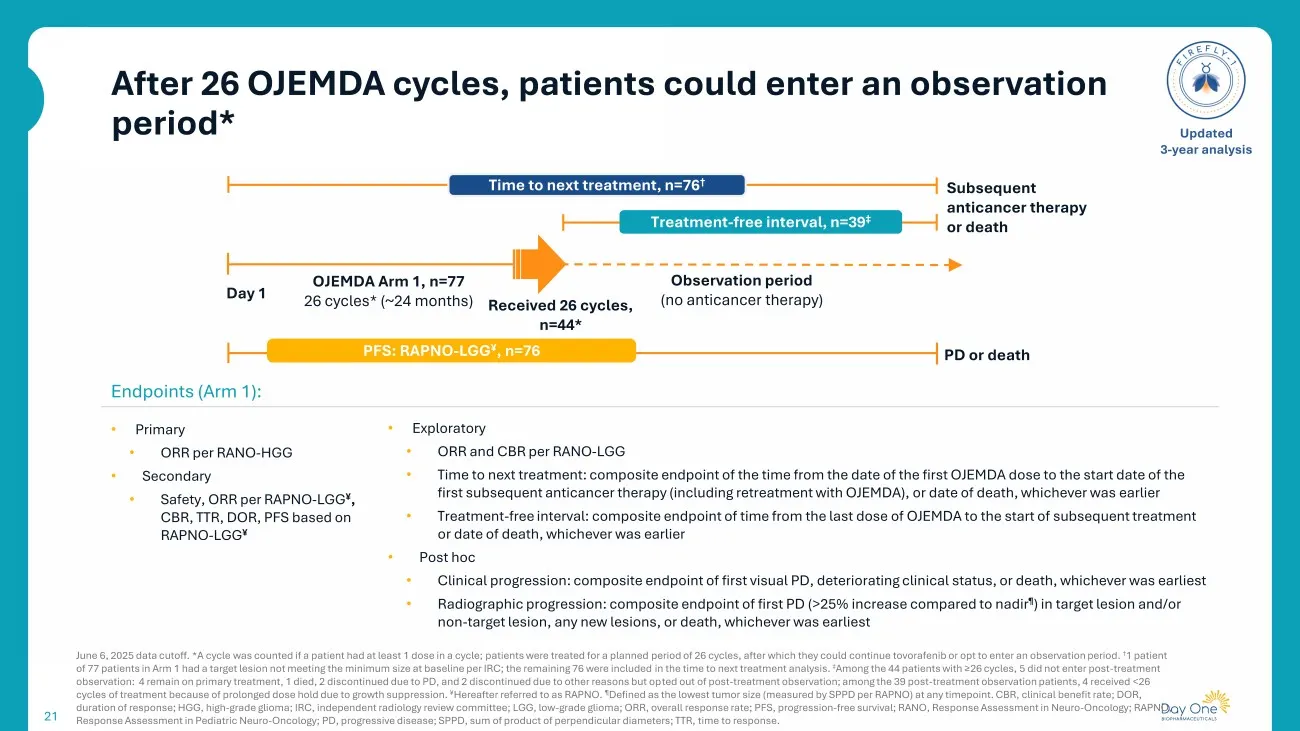
Slide 21: After OJEMDA cycles, patients could enter an observation period
After 26 OJEMDA cycles, patients could enter an observation period* 21 June 6, 2025 data cutoff. *A cycle was counted if a patient had at least 1 dose in a cycle; patients were treated for a planned period of 26 cycles, after which they could continue tovorafenib or opt to enter an observation perio
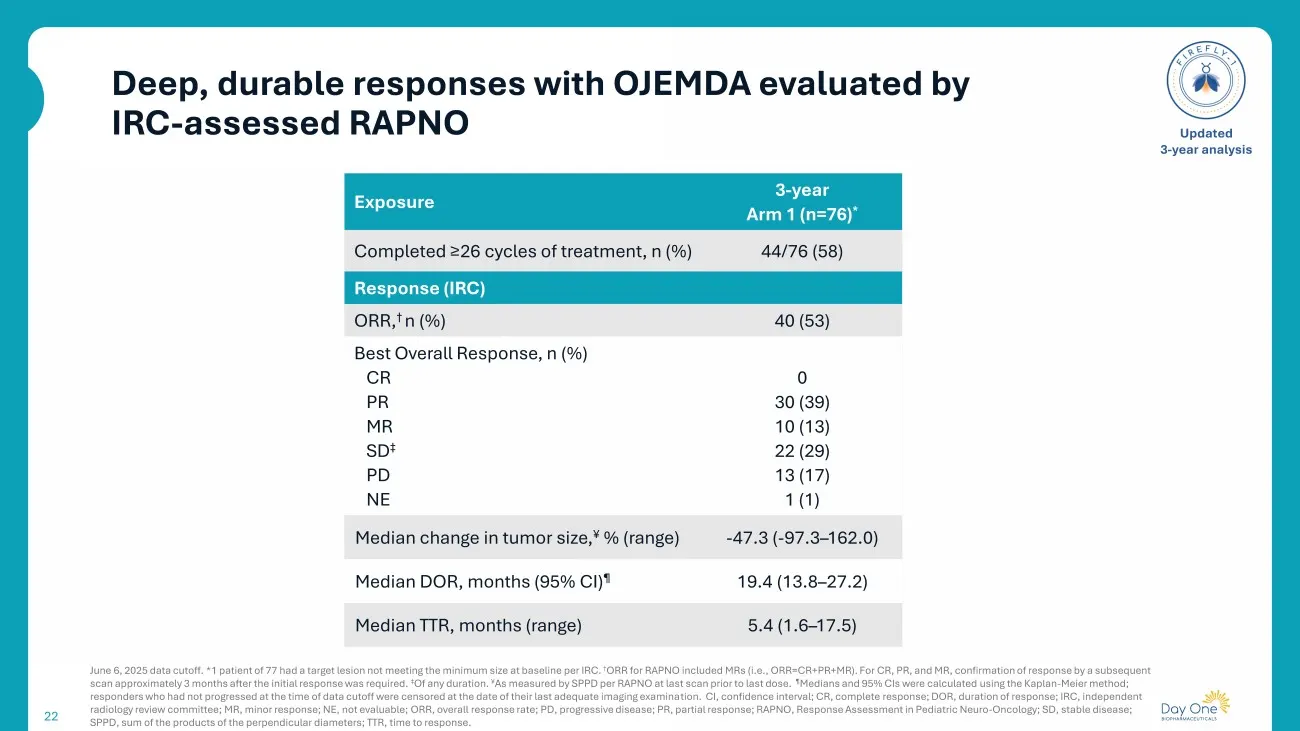
Slide 22: Deep, durable responses with OJEMDA evaluated by IRC-assessed RAPNO
Deep, durable responses with OJEMDA evaluated by IRC - assessed RAPNO 22 June 6, 2025 data cutoff. * 1 patient of 77 had a target lesion not meeting the minimum size at baseline per IRC. † ORR for RAPNO included MRs (i.e., ORR=CR+PR+MR). For CR, PR, and MR, confirmation of response by a subsequent s
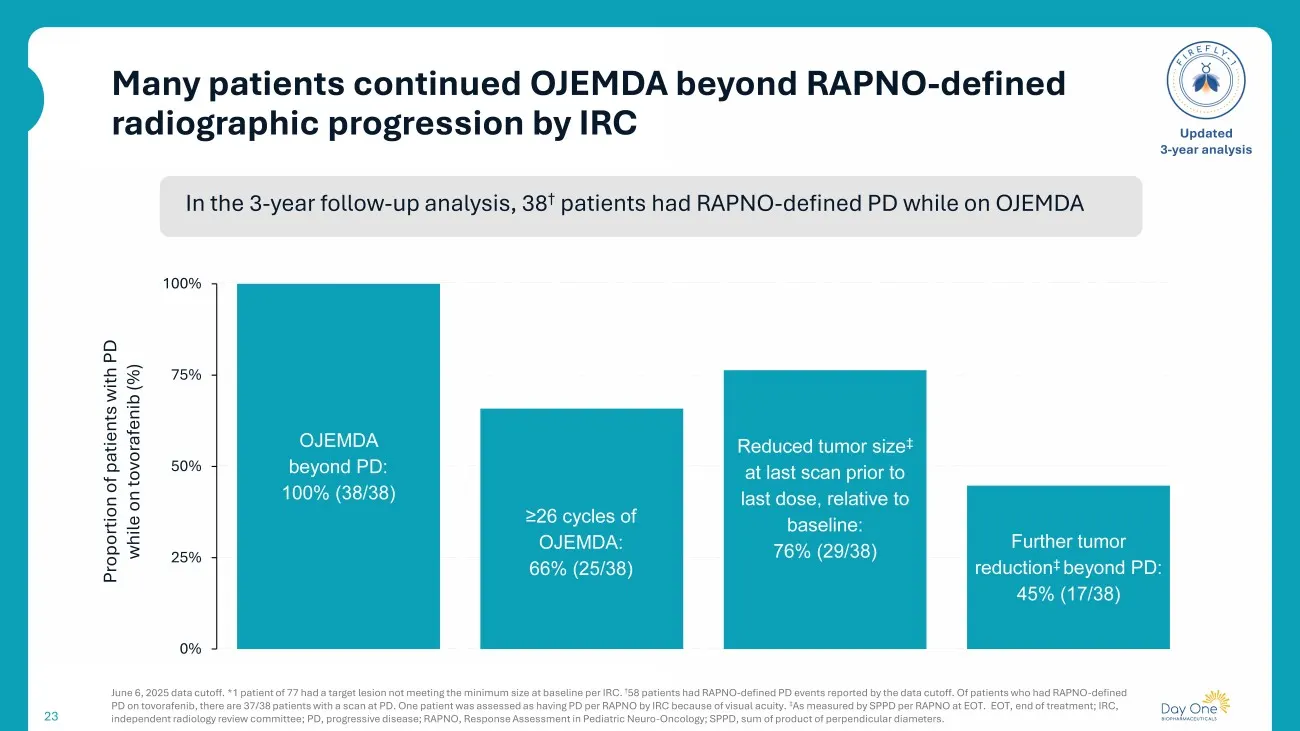
Slide 23: Many patients continued OJEMDA beyond RAPNO-defined radiographic progression
Many patients continued OJEMDA beyond RAPNO - defined radiographic progression by IRC 23 June 6, 2025 data cutoff. * 1 patient of 77 had a target lesion not meeting the minimum size at baseline per IRC. † 58 patients had RAPNO - defined PD events reported by the data cutoff. Of patients who had RAPN
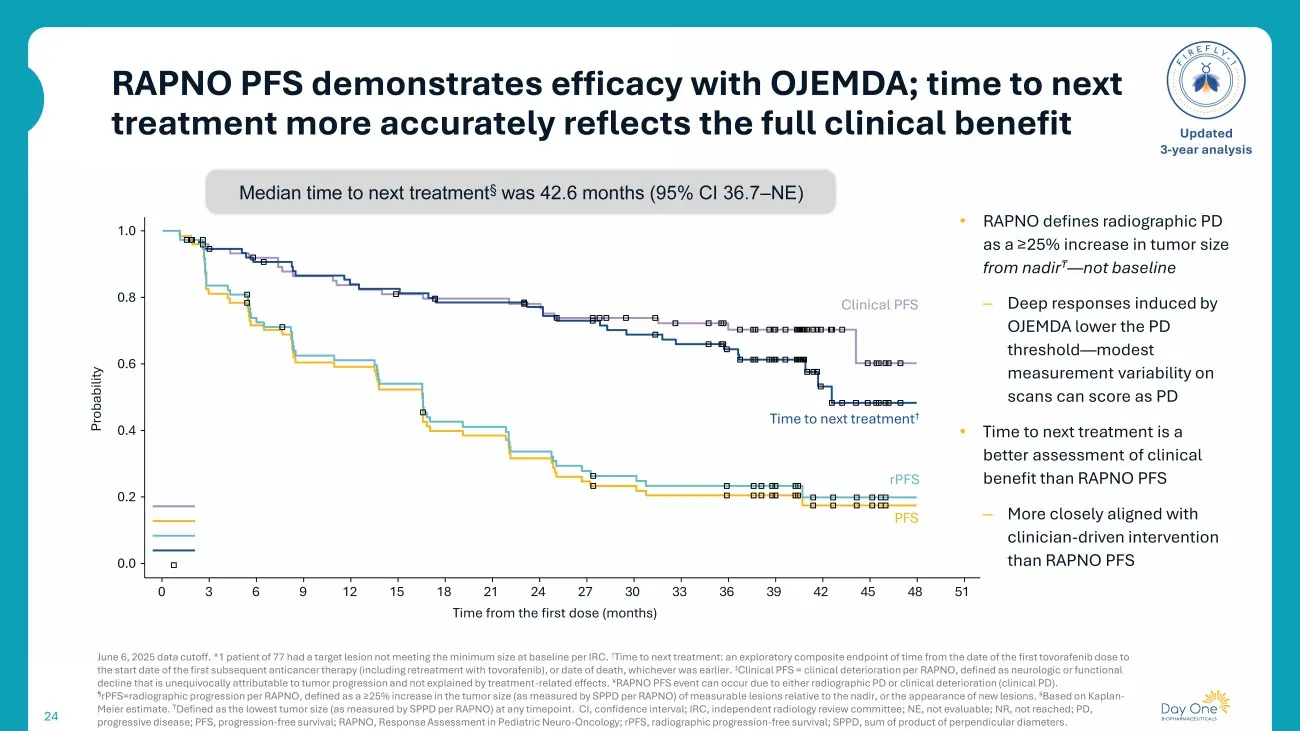
Slide 24: RAPNO PFS and time to next treatment
RAPNO PFS demonstrates efficacy with OJEMDA; time to next treatment more accurately reflects the full clinical benefit 24 June 6, 2025 data cutoff. *1 patient of 77 had a target lesion not meeting the minimum size at baseline per IRC. † T ime to next treatment : an exploratory composite endpoint of
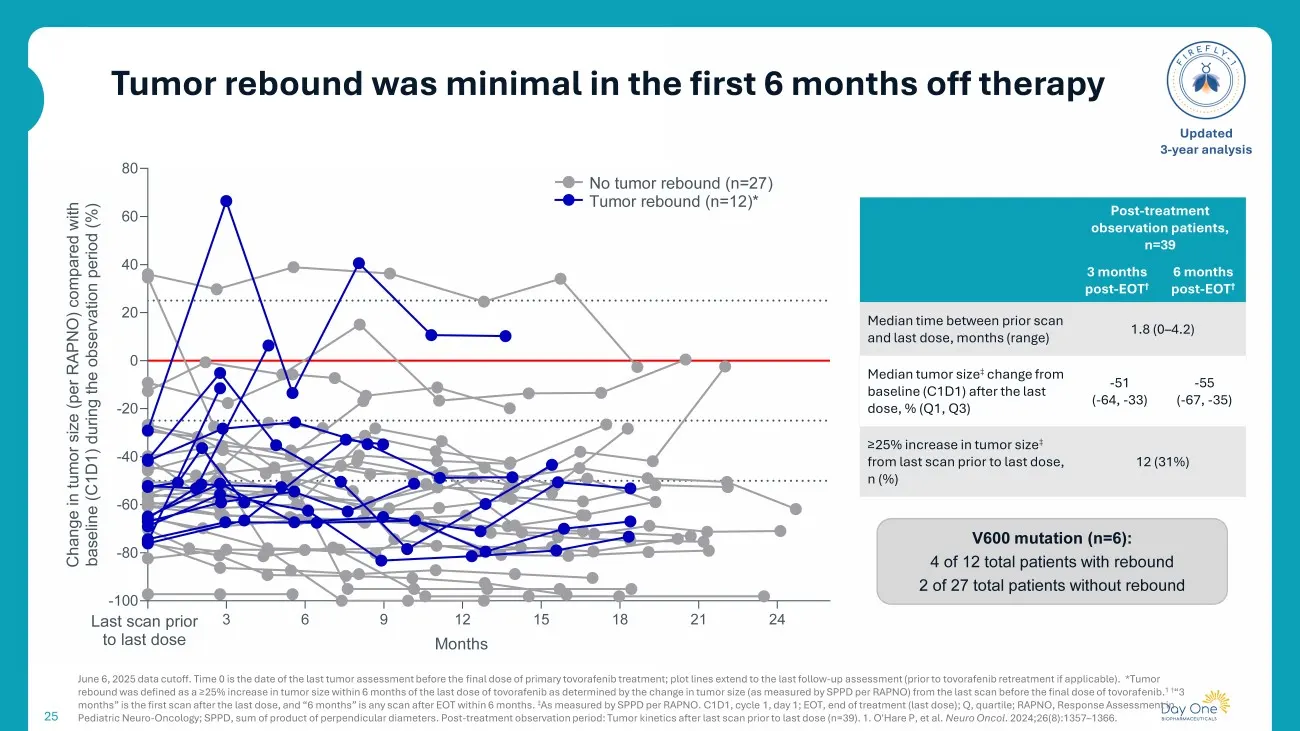
Slide 25: Tumor rebound was minimal in the first months off therapy
Tumor rebound was minimal in the first 6 months off therapy 25 June 6, 2025 data cutoff. Time 0 is the date of the last tumor assessment before the final dose of primary tovorafenib treatment; plot lines extend to the last follow - up assessment (prior to tovorafenib retreatment if applicable). *Tum
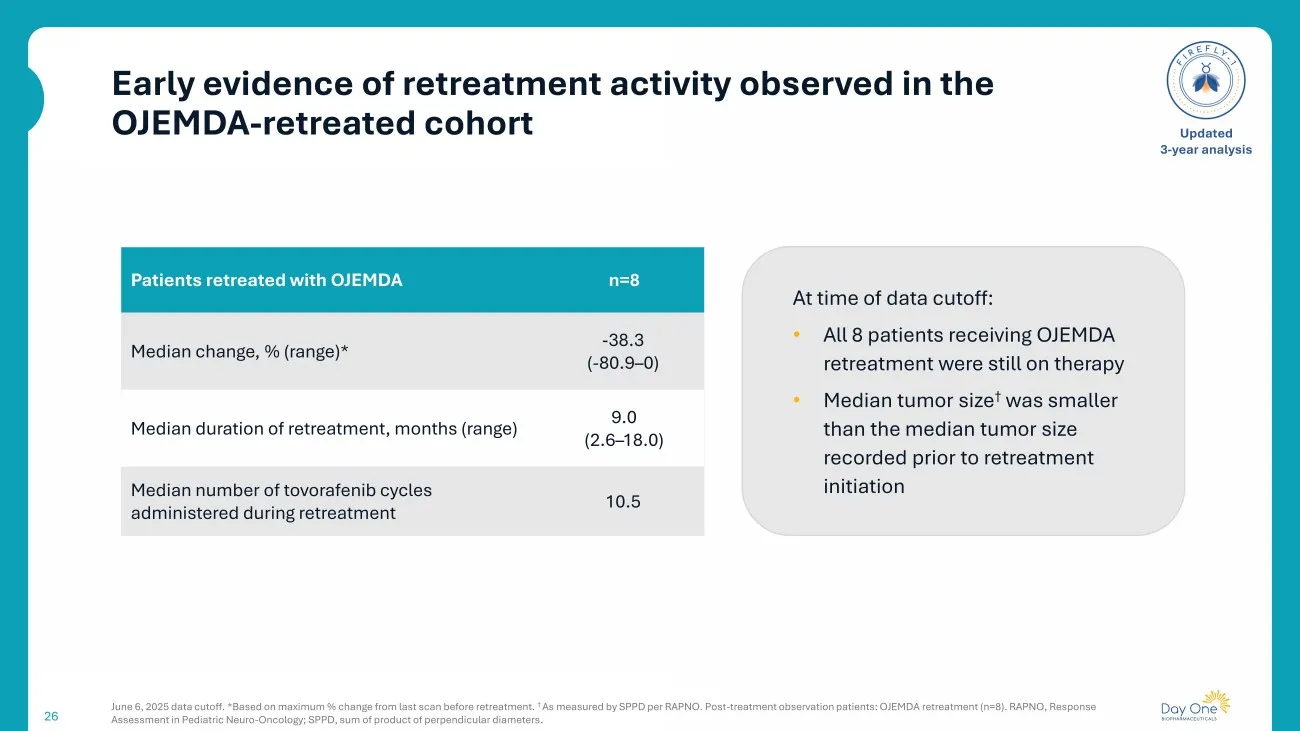
Slide 26: Early evidence of retreatment activity in OJEMDA-retreated cohort
Early evidence of retreatment activity observed in the OJEMDA - retreated cohort 26 June 6, 2025 data cutoff. *Based on maximum % change from last scan before retreatment. † A s measured by SPPD per RAPNO. Post - treatment observation patients: OJEMDA retreatment (n=8). RAPNO, Response Assessment in
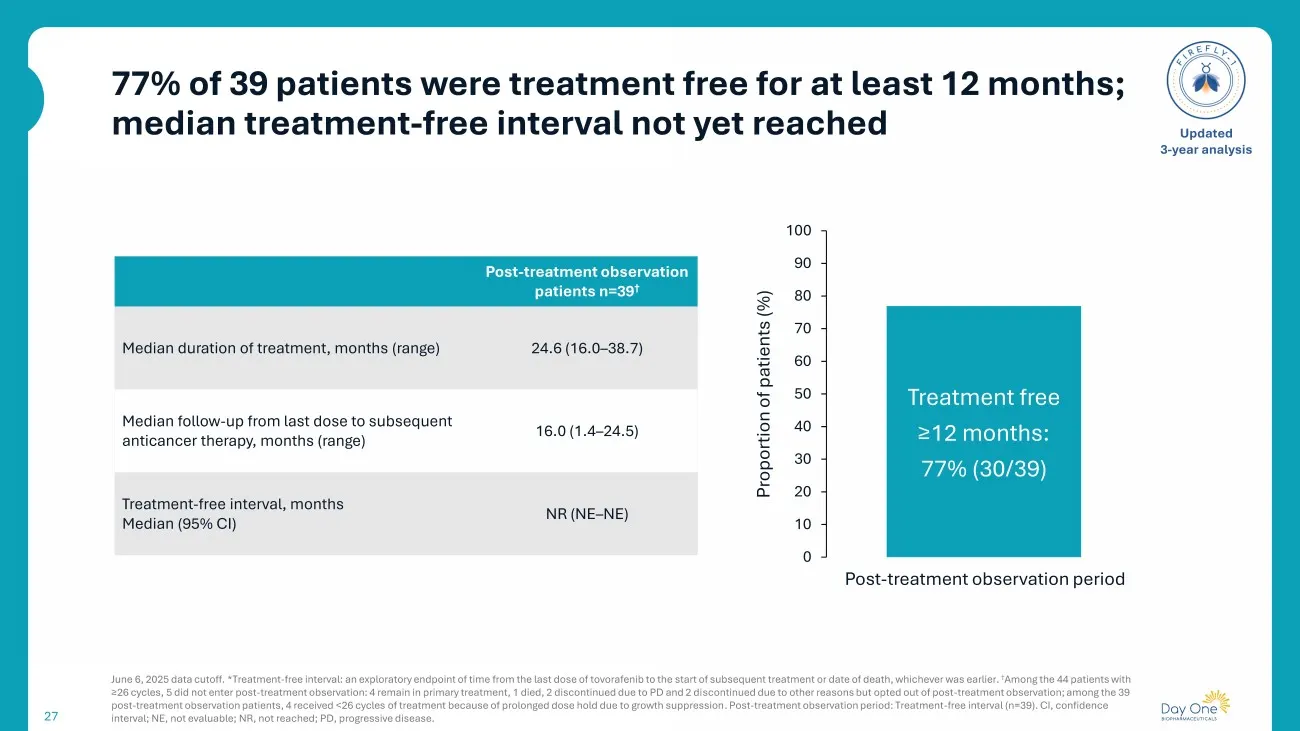
Slide 27: Patients treatment free; median treatment-free interval not yet reached
77% of 39 patients were treatment free for at least 12 months; median treatment - free interval not yet reached 27 June 6, 2025 data cutoff. * Treatment - free interval: an exploratory endpoint of time from the last dose of tovorafenib to the start of subsequent treatment or date of death, whichever
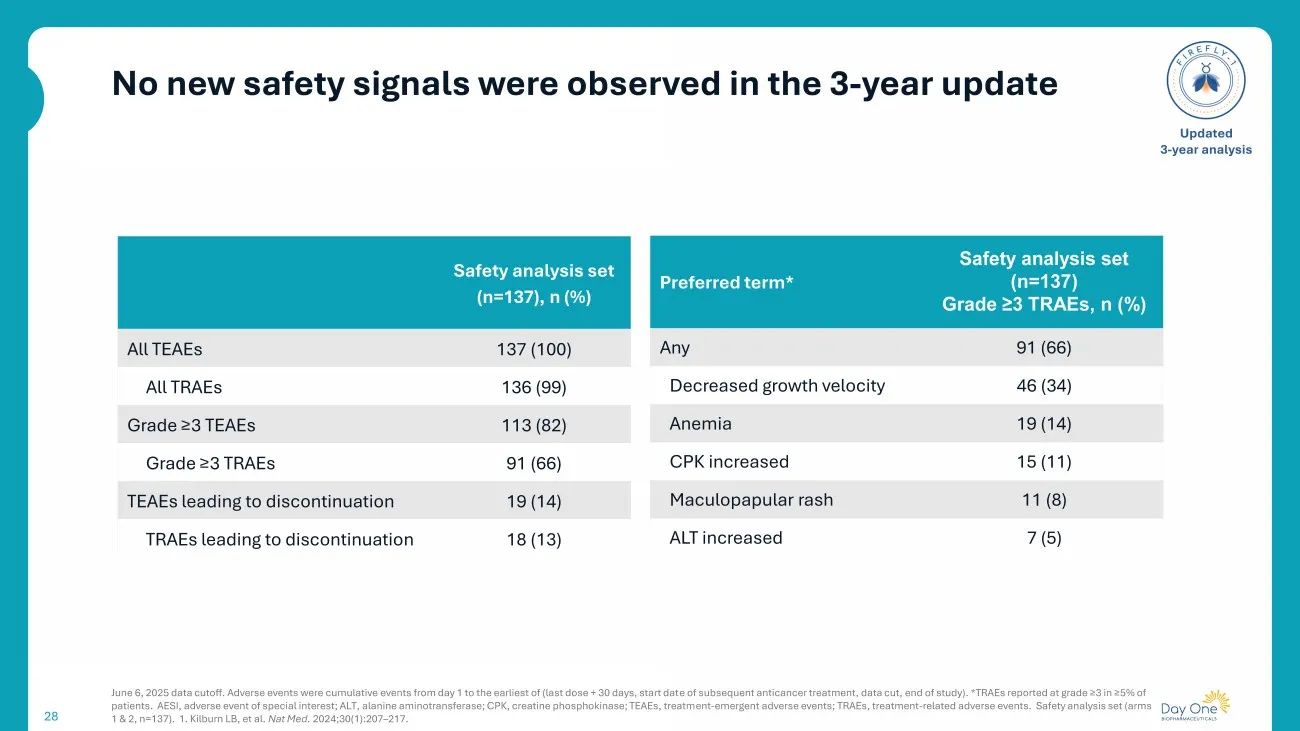
Slide 28: No new safety signals observed in the 3-year update
No new safety signals were observed in the 3 - year update 28 June 6, 2025 data cutoff. Adverse events were cumulative events from day 1 to the earliest of (last dose + 30 days, start dat e o f subsequent anticancer treatment , data cut, end of study ). *TRAEs reported at grade ≥3 in ≥5% of patients
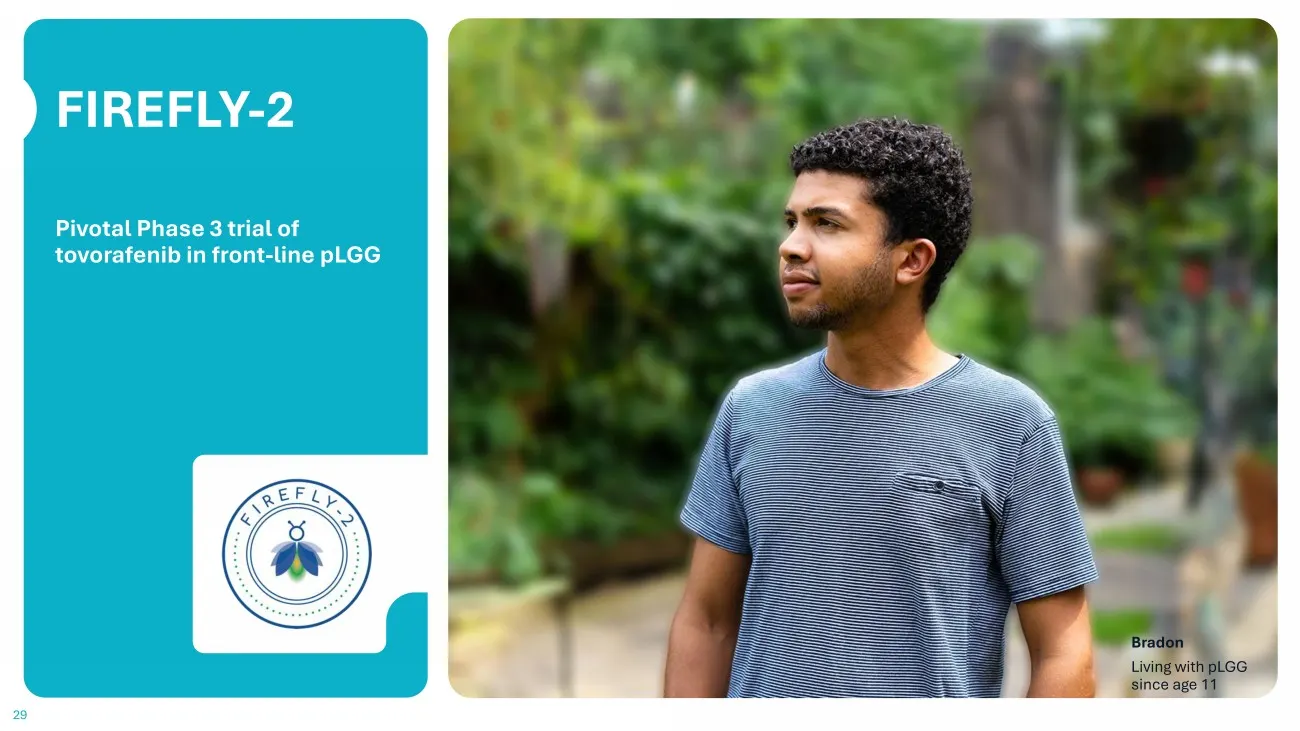
Slide 29: Pivotal Phase 3 trial of tovorafenib in front-line pLGG: FIREFLY-2
29 Pivotal Phase 3 trial of tovorafenib in front - line pLGG FIREFLY - 2 Bradon Living with pLGG since age 11
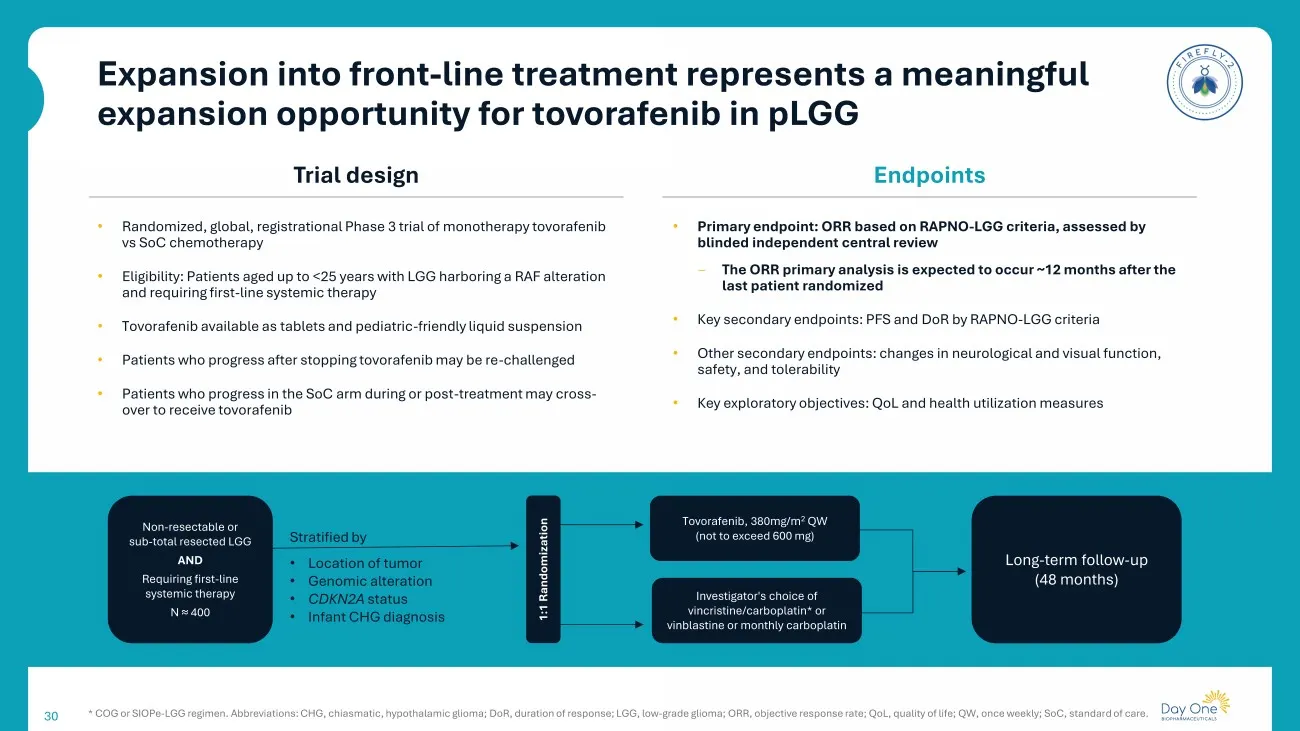
Slide 30: FIREFLY-2 trial design and endpoints
30 Trial design Endpoints • Randomized, global, registrational Phase 3 trial of monotherapy tovorafenib vs SoC chemotherapy • Eligibility: Patients aged up to <25 years with LGG harboring a RAF alteration and requiring first - line systemic therapy • Tovorafenib available as tablets and pediatric -
Slide 31: B7-H4-targeted antibody-drug conjugate (ADC) Emi-Le
B7 - H4 - targeted antibody - drug conjugate (ADC) 31 Emi - Le
Slide 32: Emi-Le: opportunity to address unmet need in adenoid cystic carcinoma
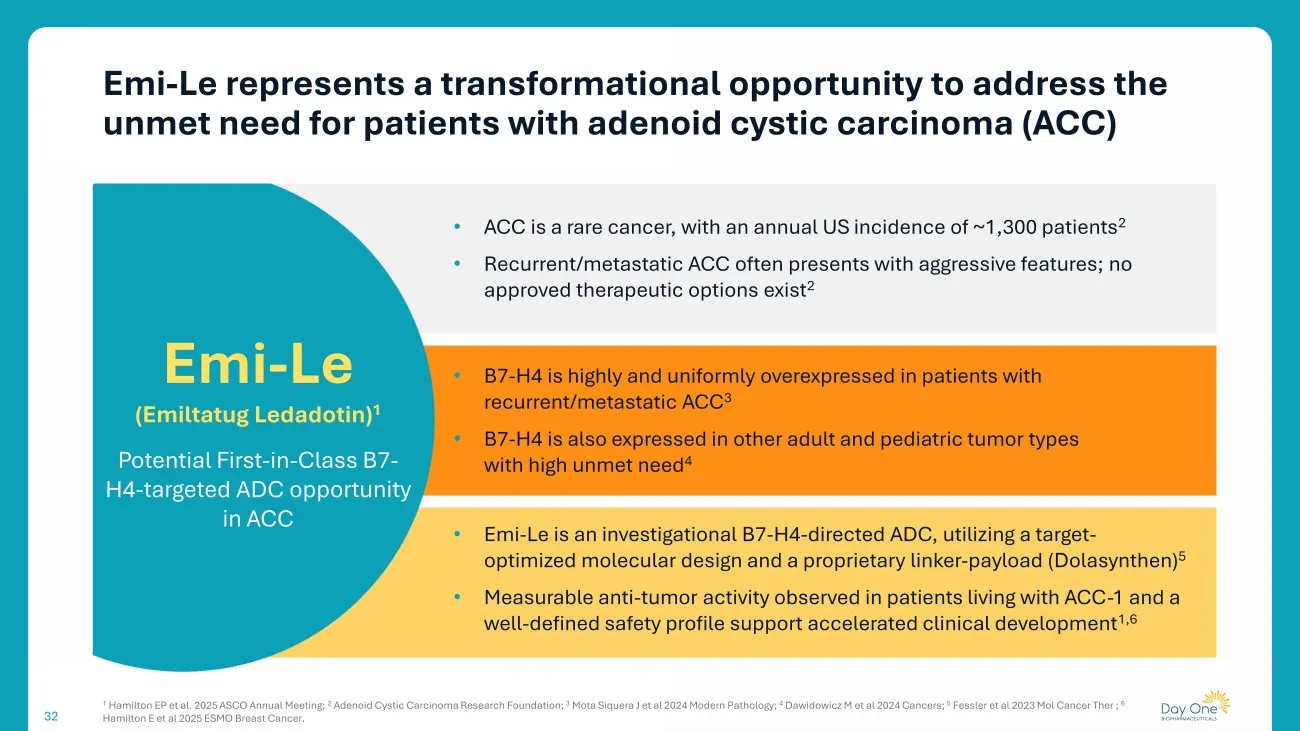
32 Emi - Le represents a transformational opportunity to address the unmet need for patients with adenoid cystic carcinoma (ACC) • ACC is a rare cancer, with an annual US incidence of ~1,300 patients 2 • Recurrent/metastatic ACC often presents with aggressive features; no approved therapeutic option
Slide 33: PTK7-targeted antibody-drug conjugate (ADC) DAY301
PTK7 - targeted antibody - drug conjugate (ADC) 33 DAY301
Slide 34: Substantial development and commercial potential for DAY301
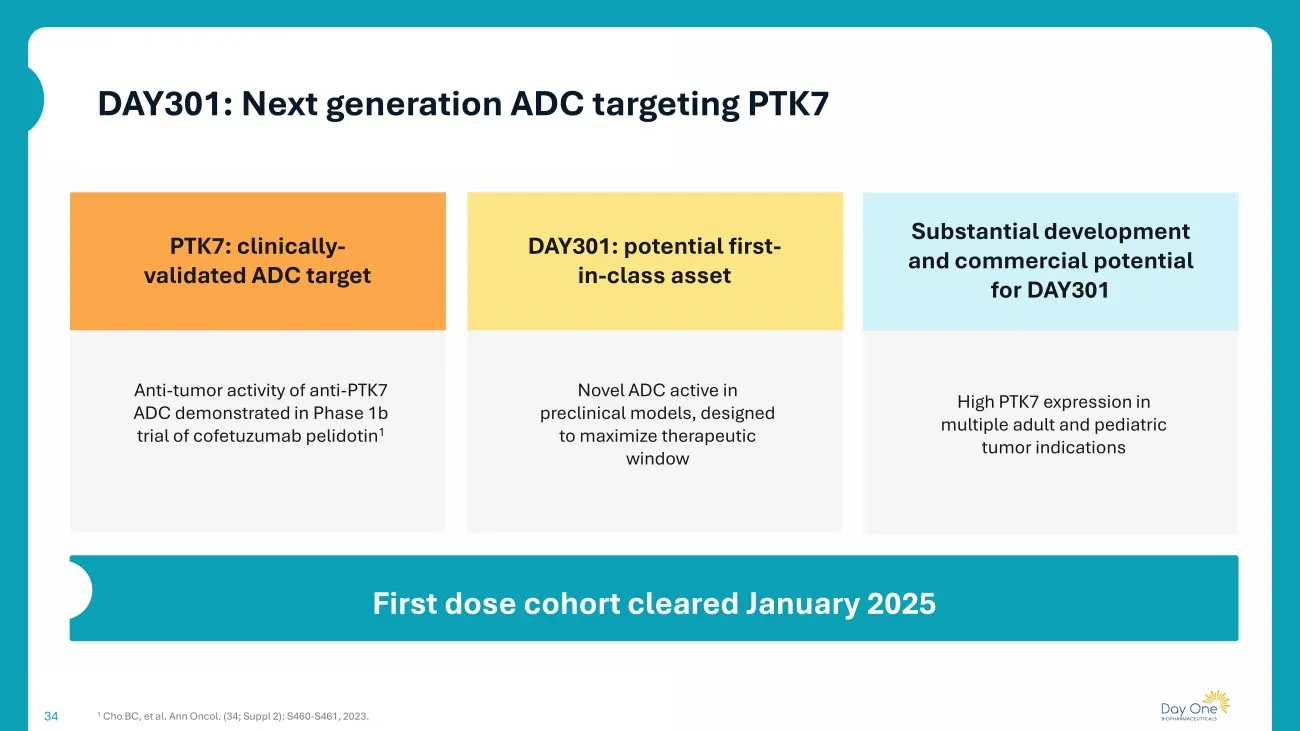
Substantial development and commercial potential for DAY301 Novel ADC active in preclinical models, designed to maximize therapeutic window 34 PTK7: clinically - validated ADC target Anti - tumor activity of anti - PTK7 ADC demonstrated in Phase 1b trial of cofetuzumab pelidotin 1 DAY301: potential
Slide 35: PTK7: A clinically-validated ADC target
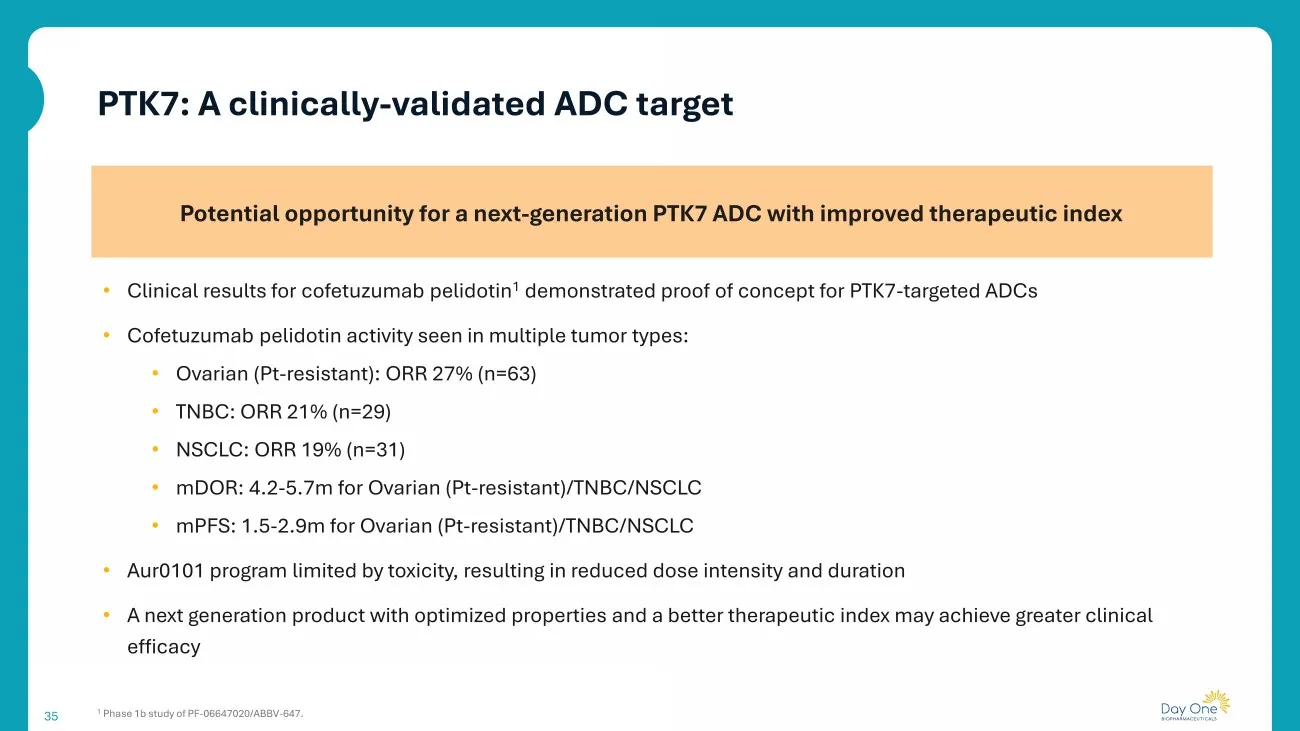
35 Potential opportunity for a next - generation PTK7 ADC with improved therapeutic index • Clinical results for cofetuzumab pelidotin 1 demonstrated proof of concept for PTK7 - targeted ADCs • Cofetuzumab pelidotin activity seen in multiple tumor types: • Ovarian (Pt - resistant): ORR 27% (n=63) •
Slide 36: DAY301: Potential first-in-class asset
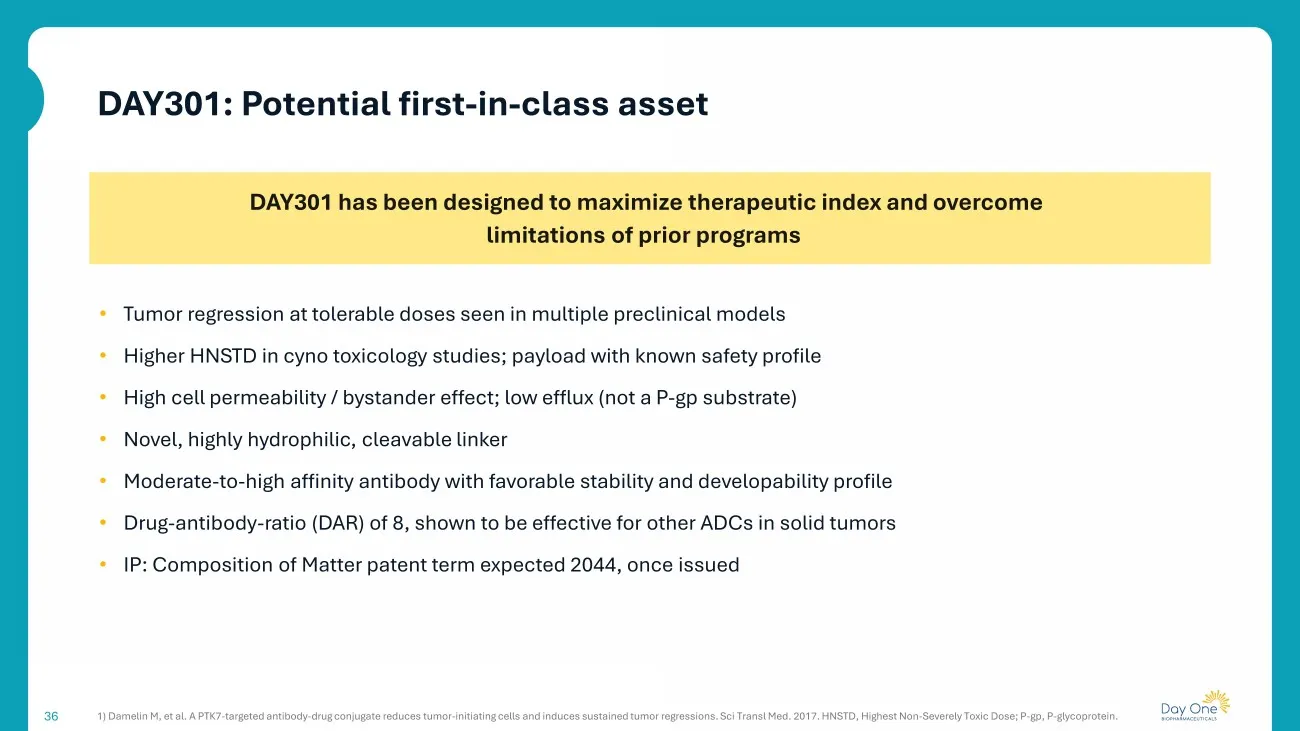
36 DAY301 has been designed to maximize therapeutic index and overcome limitations of prior programs • Tumor regression at tolerable doses seen in multiple preclinical models • Higher HNSTD in cyno toxicology studies; payload with known safety profile • High cell permeability / bystander effect; low
Slide 37: Improved tumor regression activity for DAY301 vs. benchmarks in preclinical models
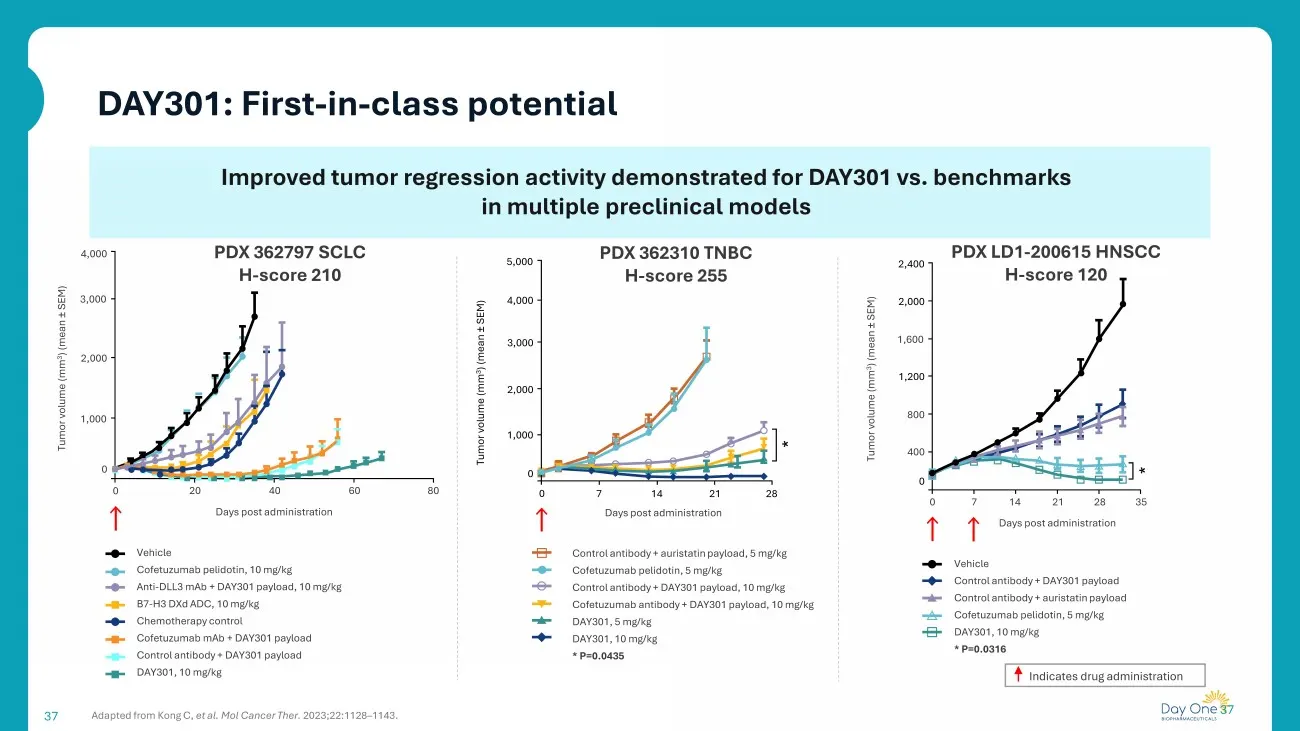
37 37 Improved tumor regression activity demonstrated for DAY301 vs. benchmarks in multiple preclinical models DAY301: First - in - class potential PDX LD1 - 200615 HNSCC H - score 120 Vehicle Control antibody + DAY301 payload Control antibody + auristatin payload Cofetuzumab pelidotin , 5 mg/kg DAY
Slide 38: PTK7 expression across potential indications
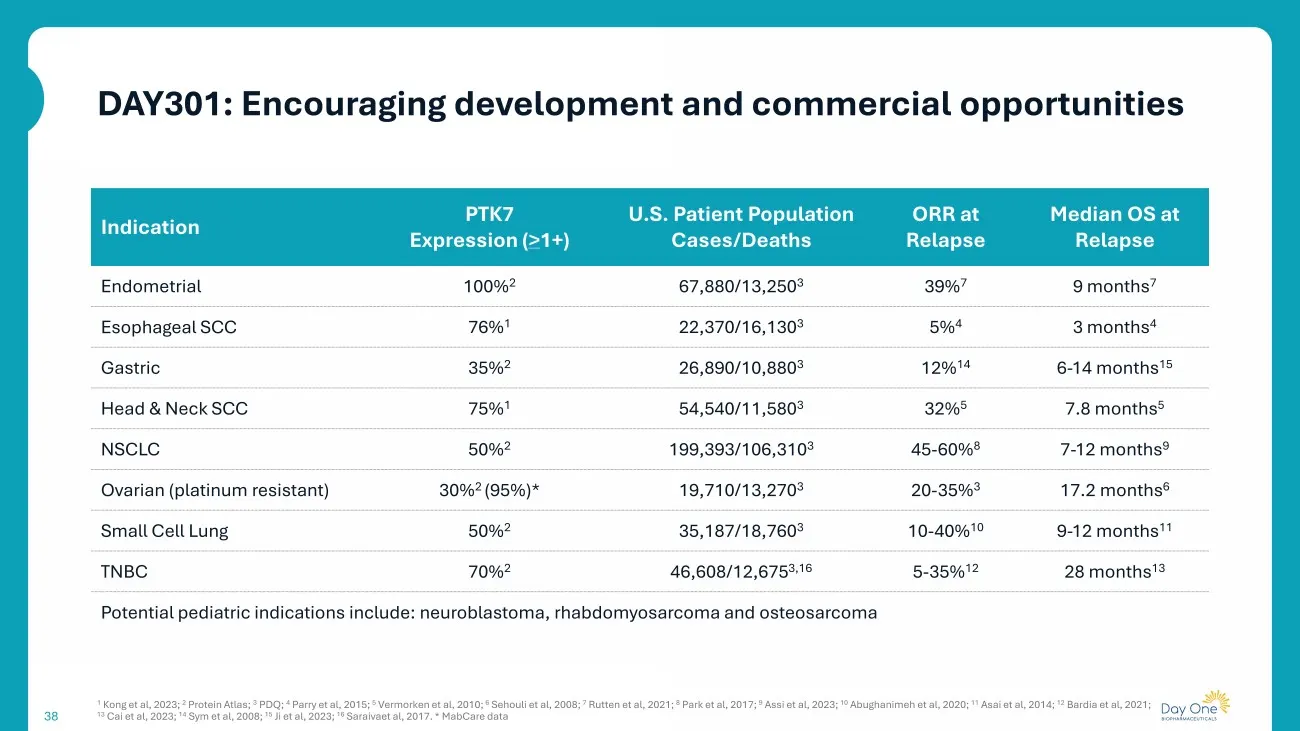
38 Median OS at Relapse ORR at Relapse U.S. Patient Population Cases/Deaths PTK7 Expression ( > 1+) Indication 9 months 7 39% 7 67,880/13,250 3 100% 2 Endometrial 3 months 4 5% 4 22,370/16,130 3 76% 1 Esophageal SCC 6 - 14 months 15 12% 14 26,890/10,880 3 35% 2 Gastric 7.8 months 5 32% 5 54,540/11
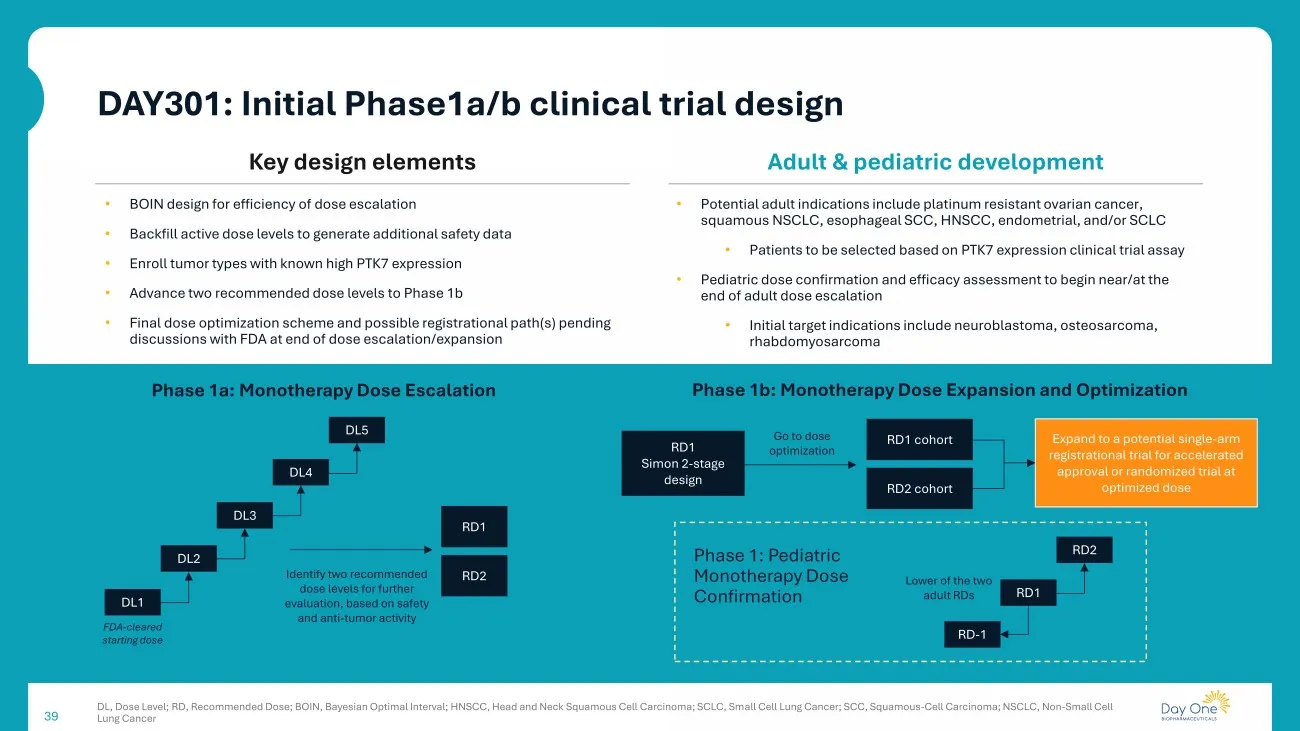
Slide 39: DAY301 Phase 1 clinical development plan
39 Phase 1a: Monotherapy Dose Escalation FDA - cleared starting dose DL5 RD1 RD2 Identify two recommended dose levels for further evaluation, based on safety and anti - tumor activity • BOIN design for efficiency of dose escalation • Backfill active dose levels to generate additional safety data • E

Slide 40: Summary
40 Summary
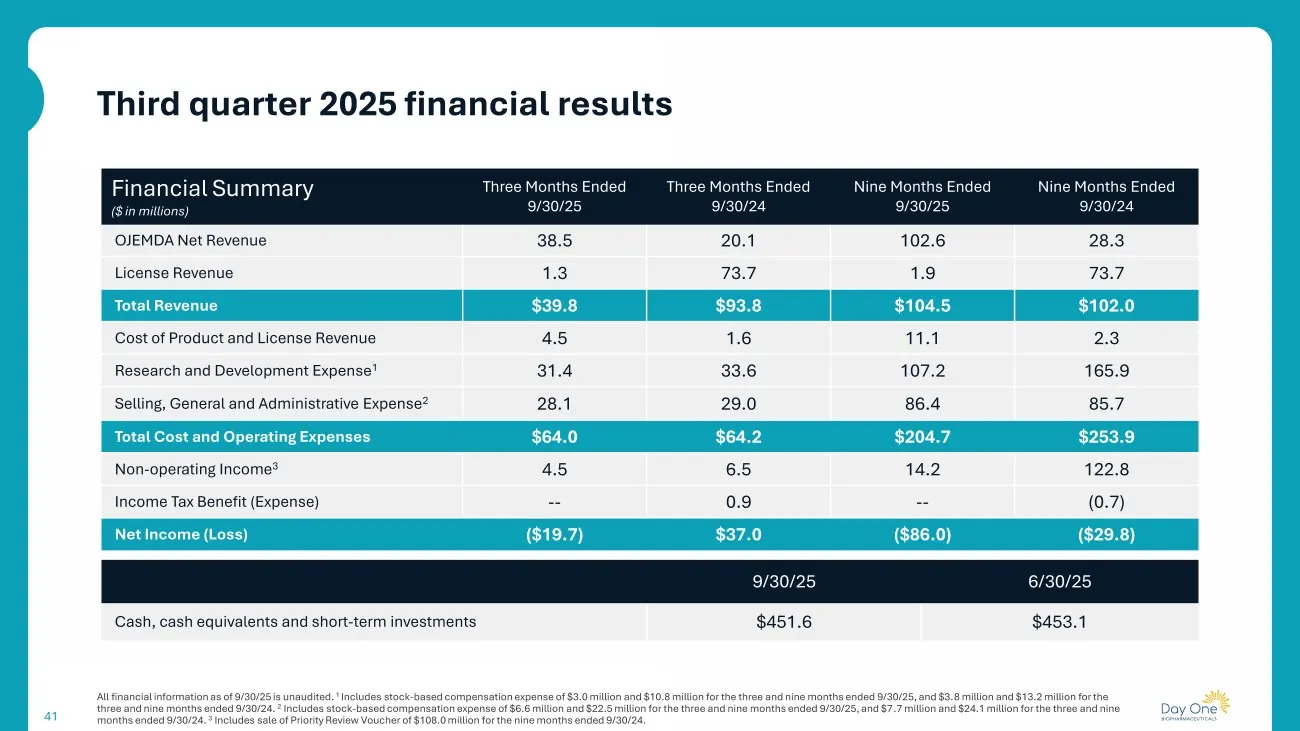
Slide 41: Third quarter 2025 financial results
41 Third quarter 2025 financial results All financial information as of 9/30/25 is unaudited. 1 Includes stock - based compensation expense of $3.0 million and $10.8 million for the three and nine months ended 9/30/25, and $3. 8 million and $13.2 million for the three and nine months ended 9/30/24.
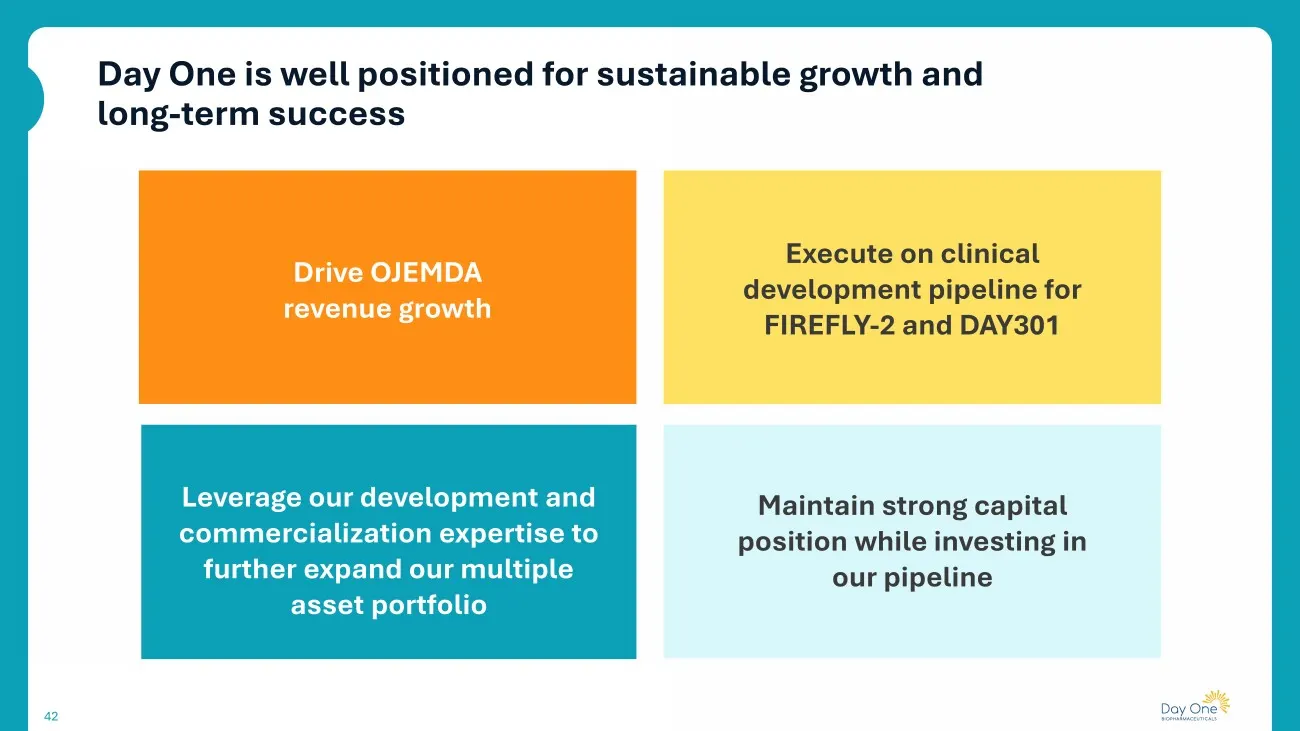
Slide 42: Day One is well positioned for sustainable growth and long-term success
42 Day One is well positioned for sustainable growth and long - term success 42 Drive OJEMDA revenue growth Execute on clinical development pipeline for FIREFLY - 2 and DAY301 Leverage our development and commercialization expertise to further expand our multiple asset portfolio Maintain strong capi

Slide 43: Appendix
Appendix 43
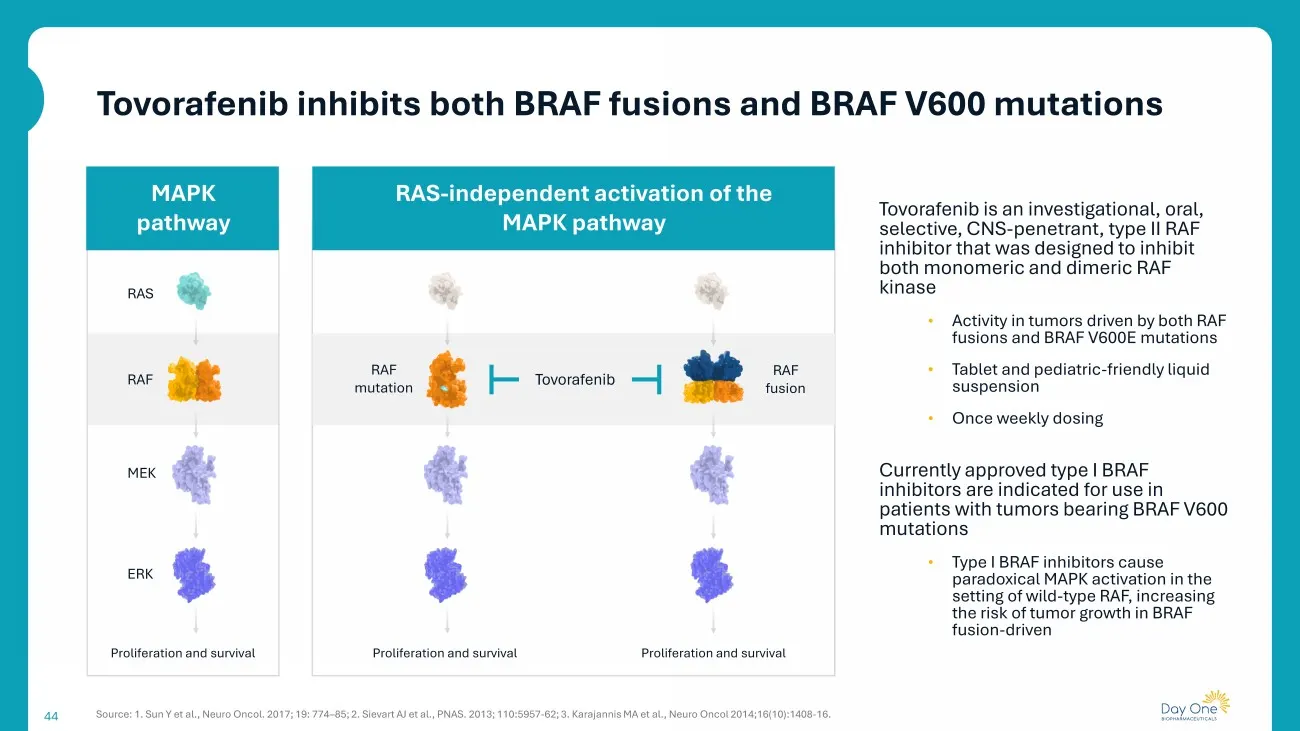
Slide 44: Tovorafenib is an investigational, oral, selective, CNS-penetrant, type II RAF inhibitor
44 Tovorafenib is an investigational, oral, selective, CNS - penetrant, type II RAF inhibitor that was designed to inhibit both monomeric and dimeric RAF kinase • Activity in tumors driven by both RAF fusions and BRAF V600E mutations • Tablet and pediatric - friendly liquid suspension • Once weekly
Source: SEC EDGAR · 8-K filed Jan 6, 2026
More decks from Day One Biopharmaceuticals Inc
 Investor Presentation (March 2026)43 slides · Mar 2, 2026
 FY2025 Earnings Presentation20 slides · Feb 24, 2026
 Q4 2025 Earnings Presentation43 slides · February 2026
 Investor Presentation (January 2026)45 slides · Jan 12, 2026
 44th Annual J.P. Morgan Healthcare Conference (January 2026)21 slides · Jan 12, 2026
 Investor Presentation (November 2025)44 slides · Nov 24, 2025