Alterity Therapeutics Ltd. · ASX:ATH
Alterity Therapeutics — Investor Presentation (January 2024)
32 slides from Alterity Therapeutics's investor presentation, January 2024

Slide 1: Alterity Therapeutics
Alterity Therapeutics (NASDAQ:ATHE, ASX:ATH) David Stamler, MD January 2024 CEO

Slide 2: Forward Looking Statements
Forward Looking Statements This presentation may contain some statements that may be considered “Forward-Looking Statements”, within the meaning of the US Securities Laws. Thus, any forward-looking statement relating to financial projections or other statements relating to the Company’s plans, objec

Slide 3: Alterity means the state of being different
Alterity means the state of being different Alterity is dedicated to creating an alternate future for people living Our goal is to modify the with neurodegenerative course of disease diseases. We’re here to disrupt the trajectory of illness and improve quality of life 3
Slide 4: Investment Highlights
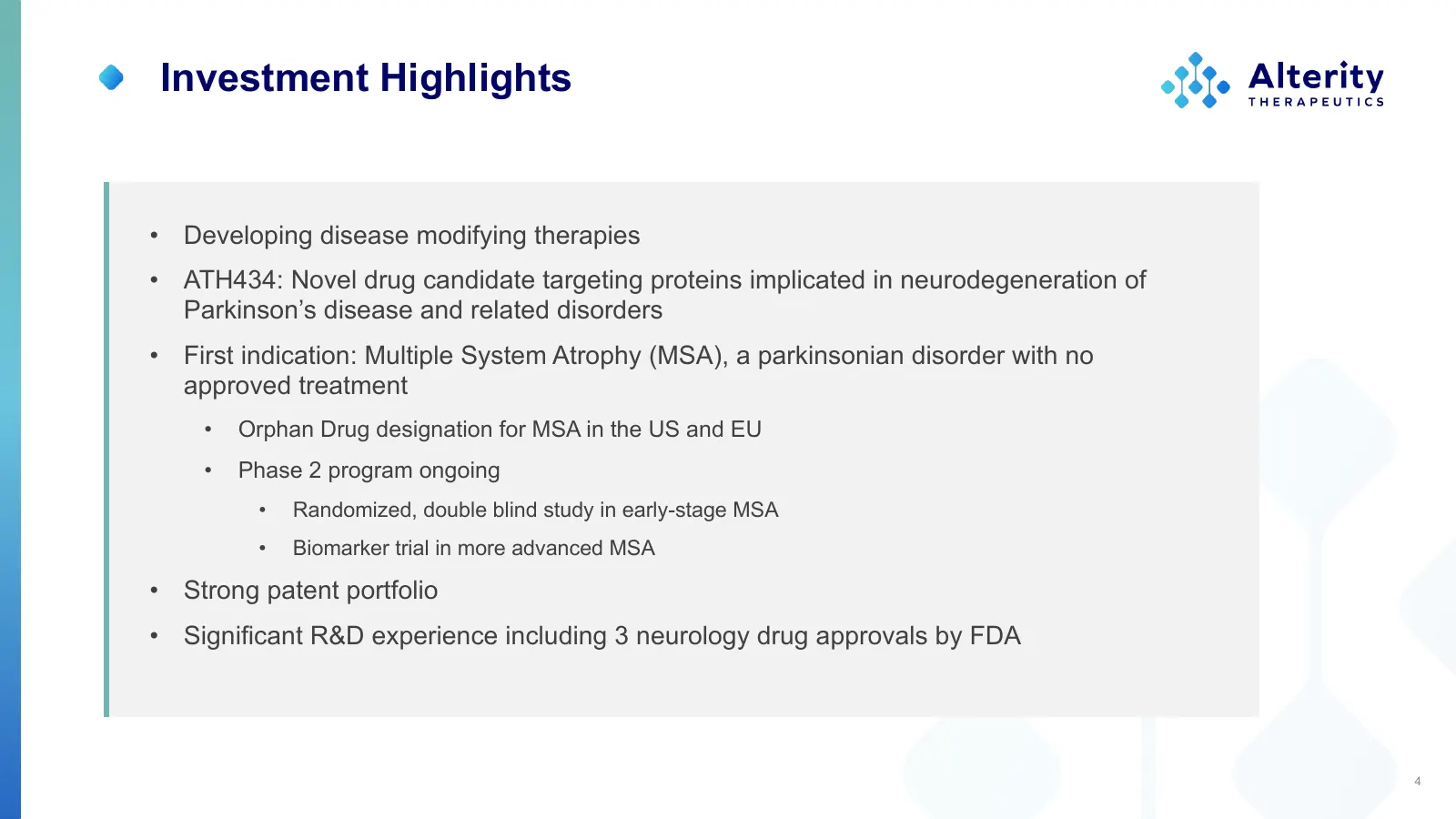
Investment Highlights • Developing disease modifying therapies • ATH434: Novel drug candidate targeting proteins implicated in neurodegeneration of Parkinson’s disease and related disorders • First indication: Multiple System Atrophy (MSA), a parkinsonian disorder with no approved treatment • Orphan
Slide 5: Experienced Leadership Team with Multiple FDA Approvals in Neurology
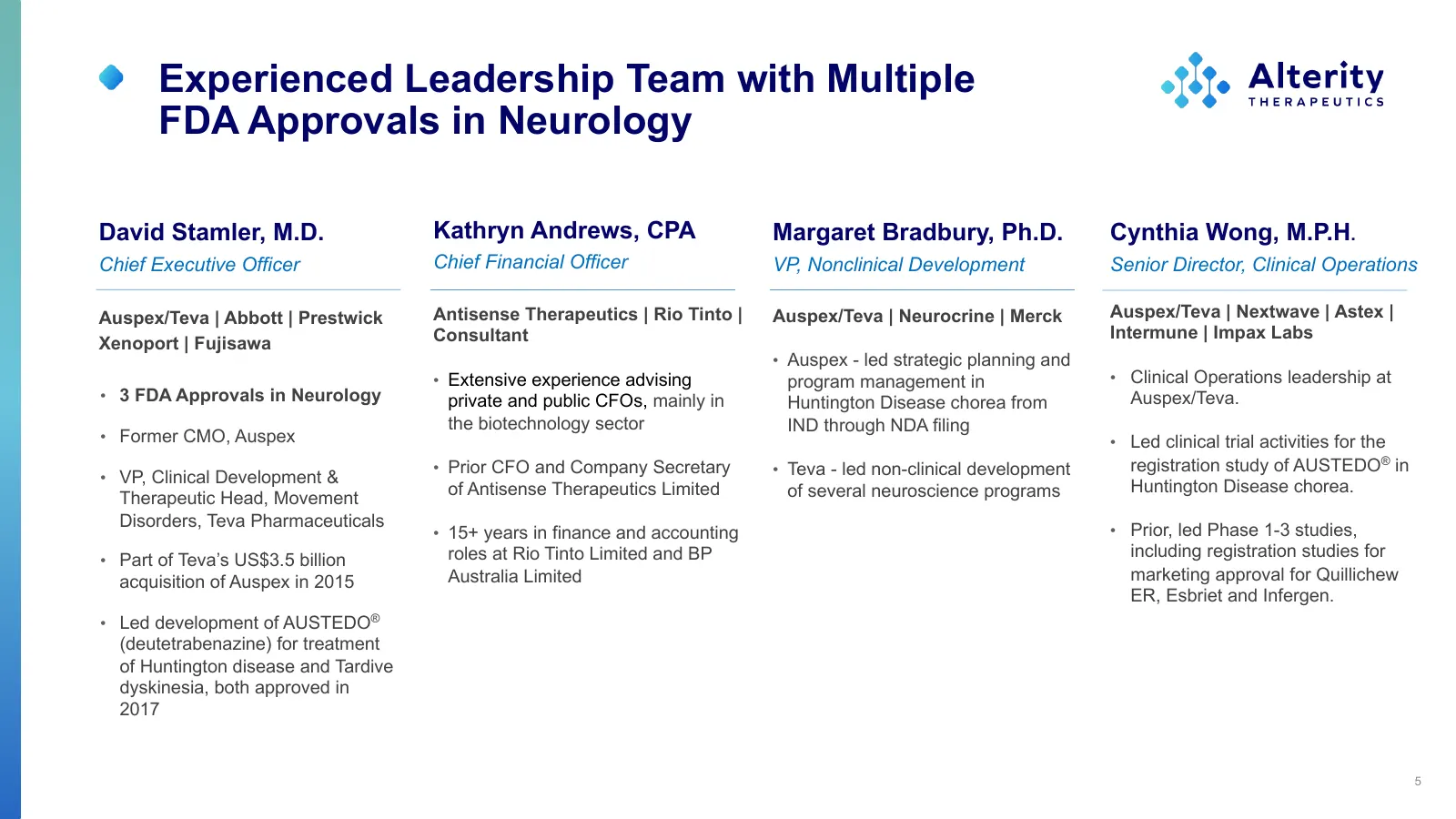
Experienced Leadership Team with Multiple FDA Approvals in Neurology David Stamler, M.D. Kathryn Andrews, CPA Margaret Bradbury, Ph.D. Cynthia Wong, M.P.H. Chief Executive Officer Chief Financial Officer VP, Nonclinical Development Senior Director, Clinical Operations Auspex/Teva | Abbott | Prestwic
Slide 6: Parkinsonian Disorders: A Significant Unmet Need
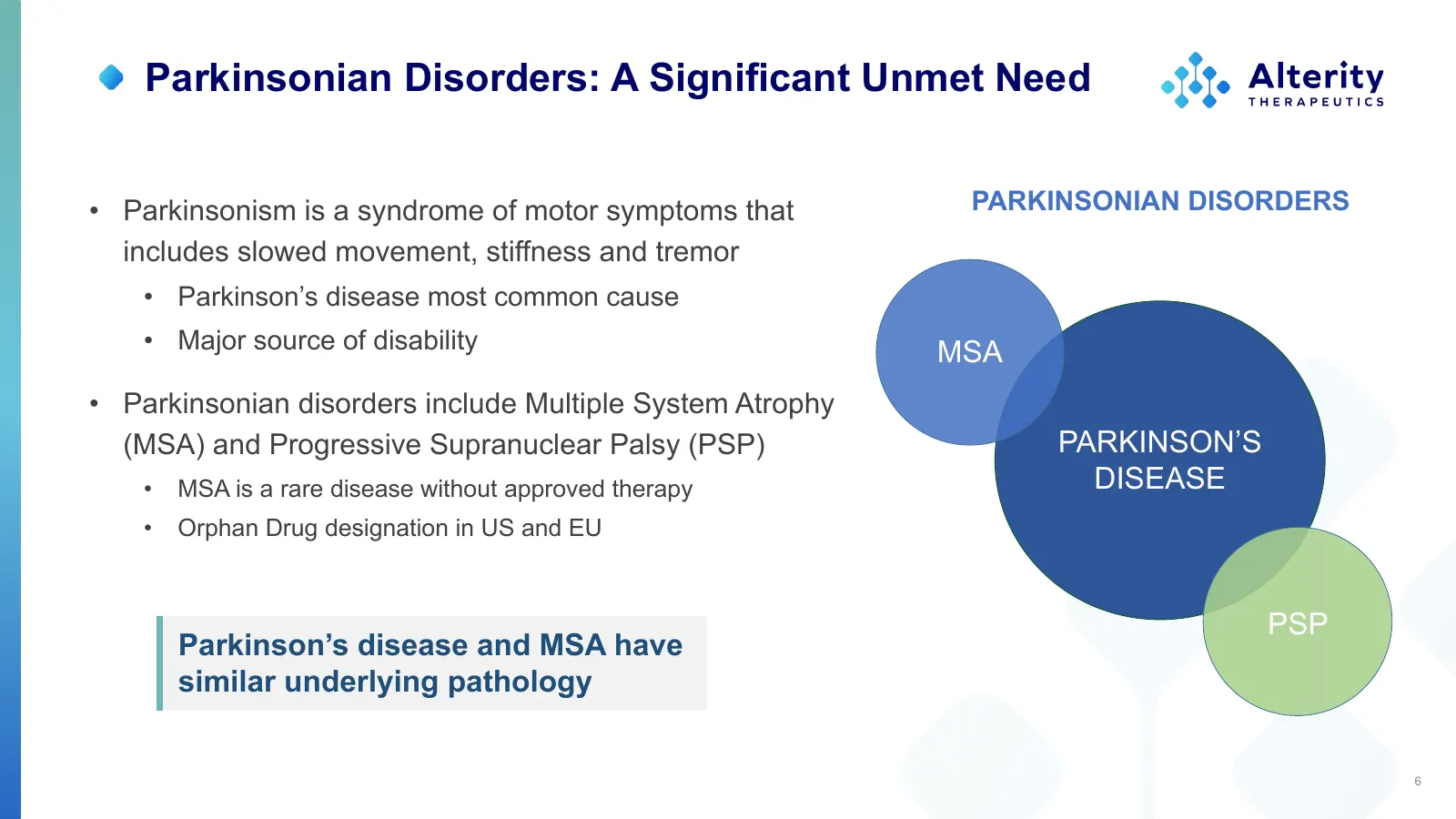
Parkinsonian Disorders: A Significant Unmet Need • Parkinsonism is a syndrome of motor symptoms that PARKINSONIAN DISORDERS includes slowed movement, stiffness and tremor • Parkinson’s disease most common cause • Major source of disability MSA • Parkinsonian disorders include Multiple System Atrophy
Slide 7: Promising Portfolio in Neurodegenerative Diseases
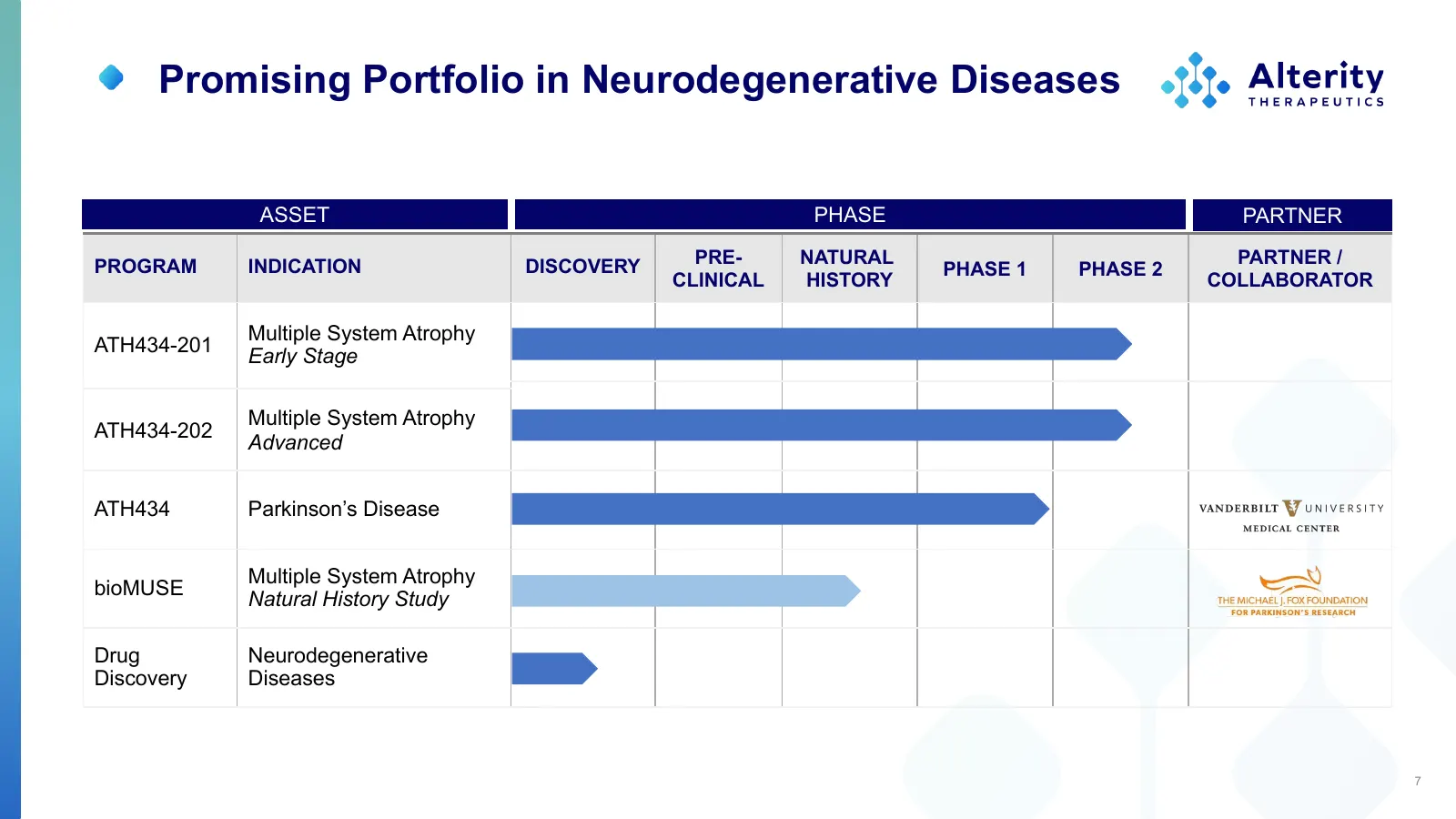
Promising Portfolio in Neurodegenerative Diseases ASSET PHASE PARTNER PROGRAM INDICATION DISCOVERY PRE- NATURAL PARTNER / PHASE 1 PHASE 2 CLINICAL HISTORY COLLABORATOR Multiple System Atrophy ATH434-201 Early Stage Multiple System Atrophy ATH434-202 Advanced ATH434 Parkinson’s Disease Multiple Syste

Slide 8: The Role of Alpha-Synuclein and Iron in Parkinsonian Disorders
The Role of Alpha-Synuclein and Iron in Parkinsonian Disorders 8
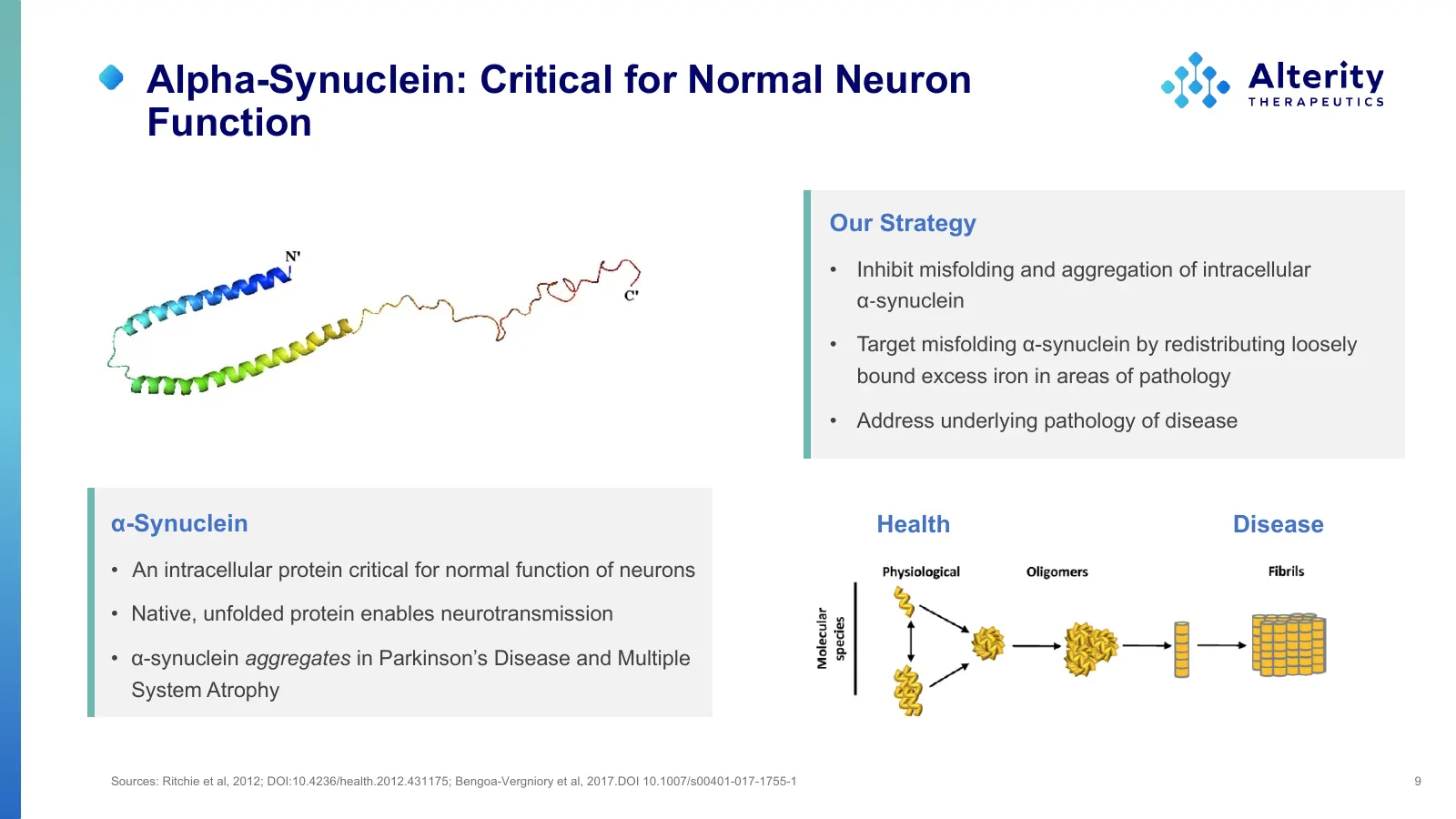
Slide 9: Alpha-Synuclein: Critical for Normal Neuron Function
Alpha-Synuclein: Critical for Normal Neuron Function Our Strategy • Inhibit misfolding and aggregation of intracellular α-synuclein • Target misfolding α-synuclein by redistributing loosely bound excess iron in areas of pathology • Address underlying pathology of disease α-Synuclein Health Disease •
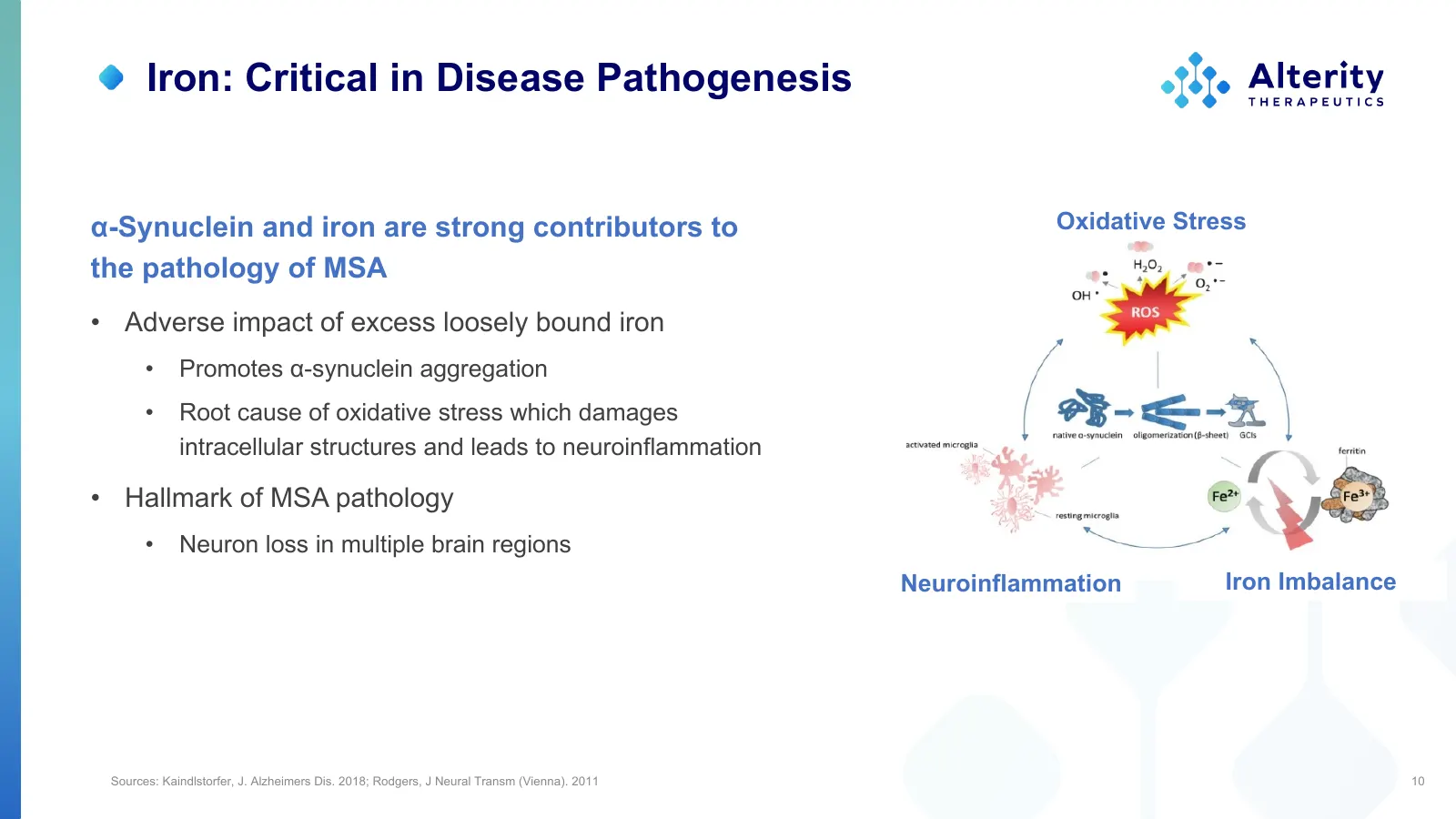
Slide 10: Iron: Critical in Disease Pathogenesis
Iron: Critical in Disease Pathogenesis α-Synuclein and iron are strong contributors to Oxidative Stress the pathology of MSA • Adverse impact of excess loosely bound iron • Promotes α-synuclein aggregation • Root cause of oxidative stress which damages intracellular structures and leads to neuroinfl
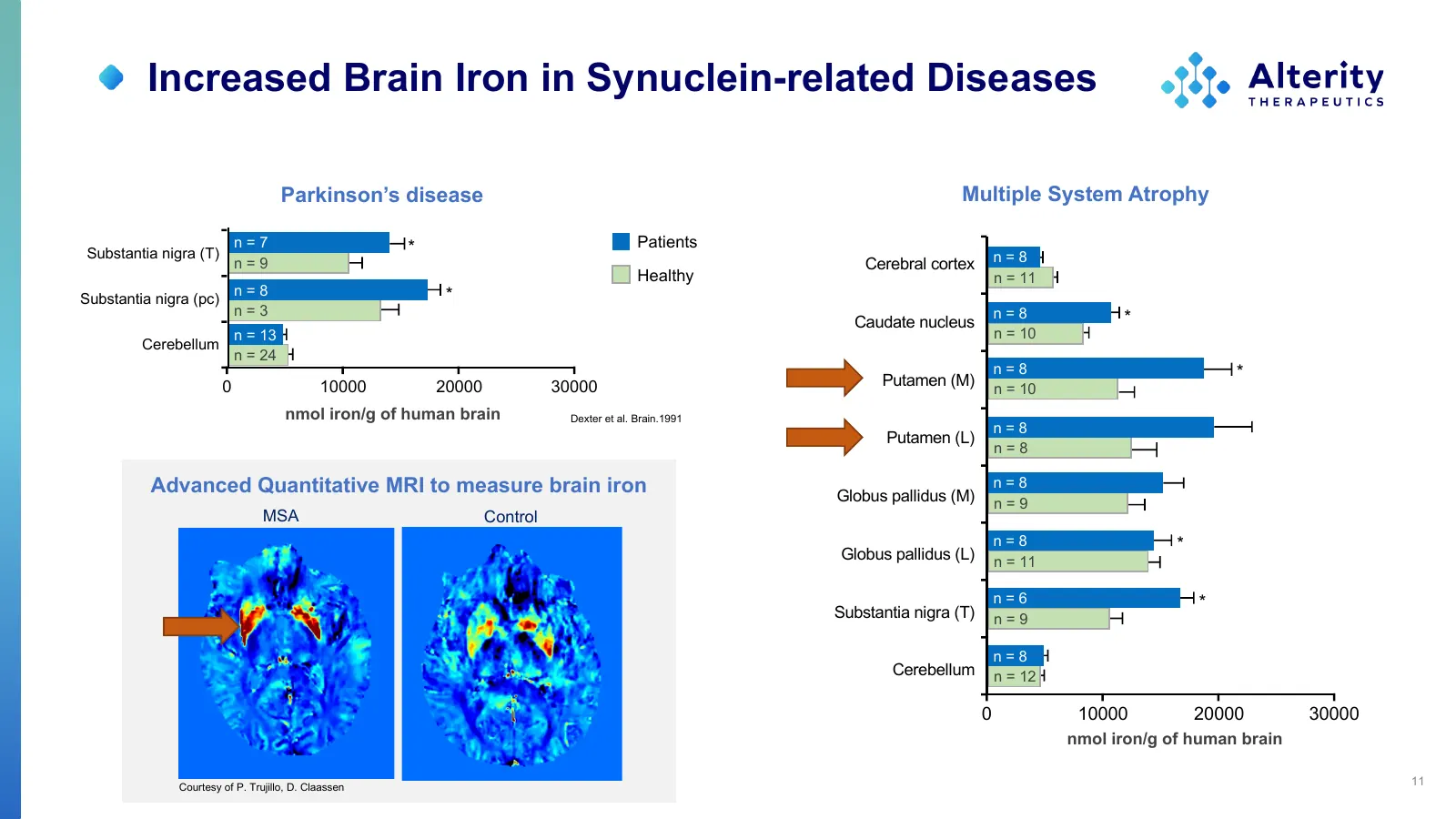
Slide 11: Increased Brain Iron in Synuclein-related Diseases
Increased Brain Iron in Synuclein-related Diseases Parkinson’s disease Multiple System Atrophy n=7 * Patients Substantia nigra (T) n=8 n=9 Cerebral cortex Healthy n = 11 n=8 * Substantia nigra (pc) n=3 n=8 * Caudate nucleus n = 13 n = 10 Cerebellum n = 24 n=8 * 0 10000 20000 30000 Putamen (M) n = 10
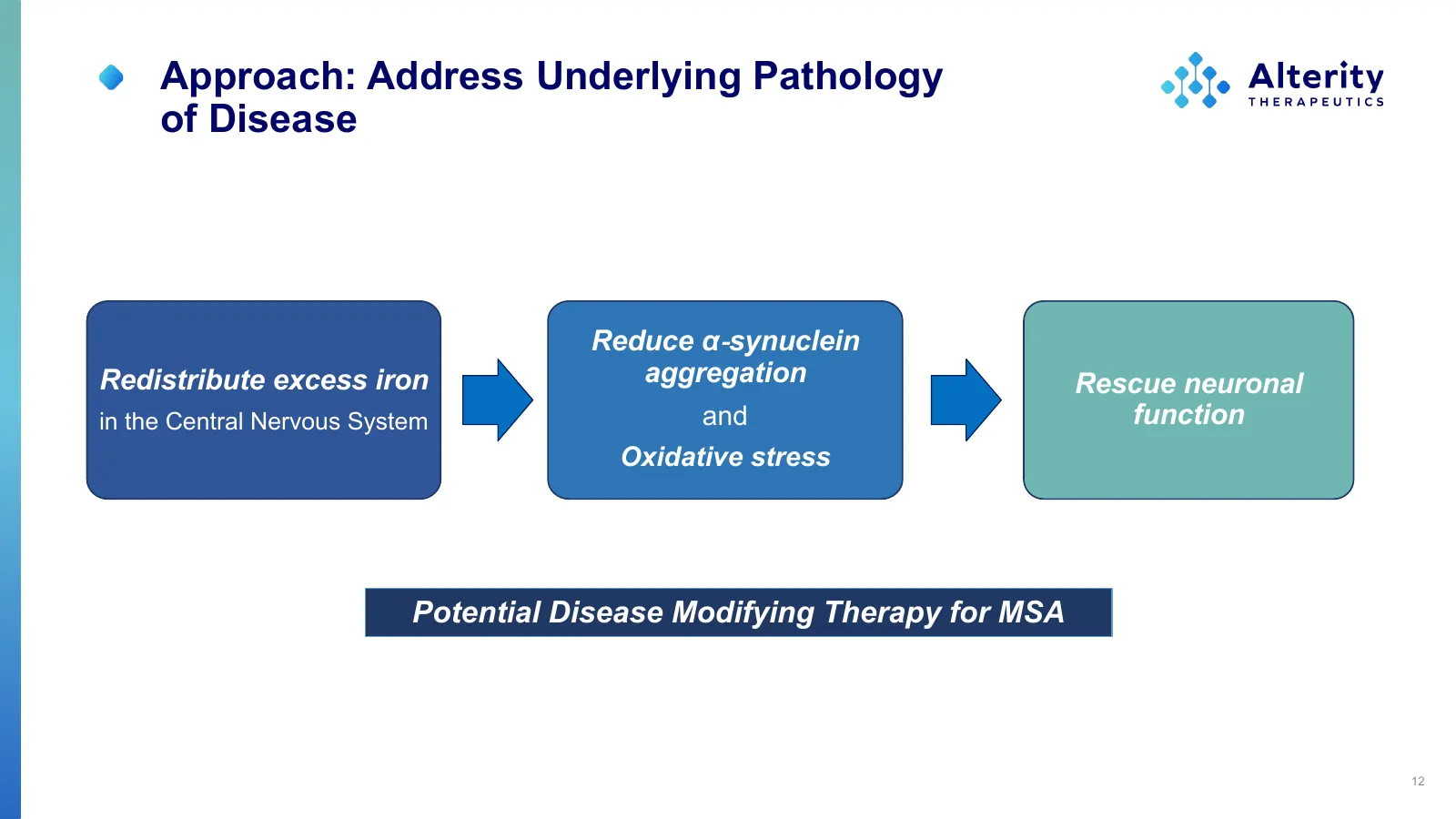
Slide 12: Approach: Address Underlying Pathology of Disease
Approach: Address Underlying Pathology of Disease Reduce α-synuclein Redistribute excess iron aggregation Rescue neuronal in the Central Nervous System and function Oxidative stress Potential Disease Modifying Therapy for MSA 12
Slide 13: ATH434: Disease Modifying Drug Candidate
ATH434: Disease Modifying Drug Candidate 13
Slide 14: ATH434: Potential Use in Multiple Indications
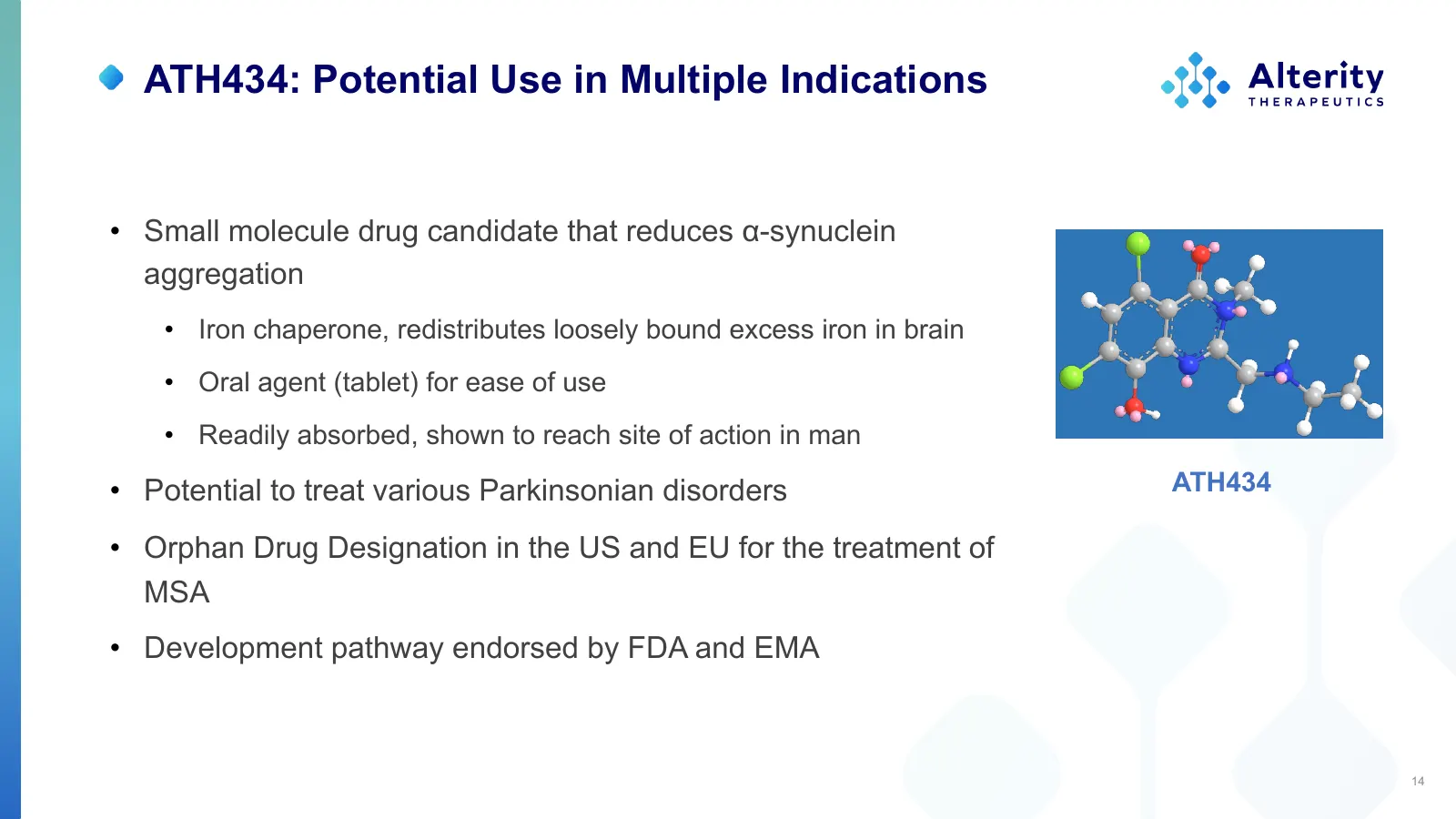
ATH434: Potential Use in Multiple Indications • Small molecule drug candidate that reduces α-synuclein aggregation • Iron chaperone, redistributes loosely bound excess iron in brain • Oral agent (tablet) for ease of use • Readily absorbed, shown to reach site of action in man • Potential to treat va
Slide 15: Pharmacologic Actions of ATH434
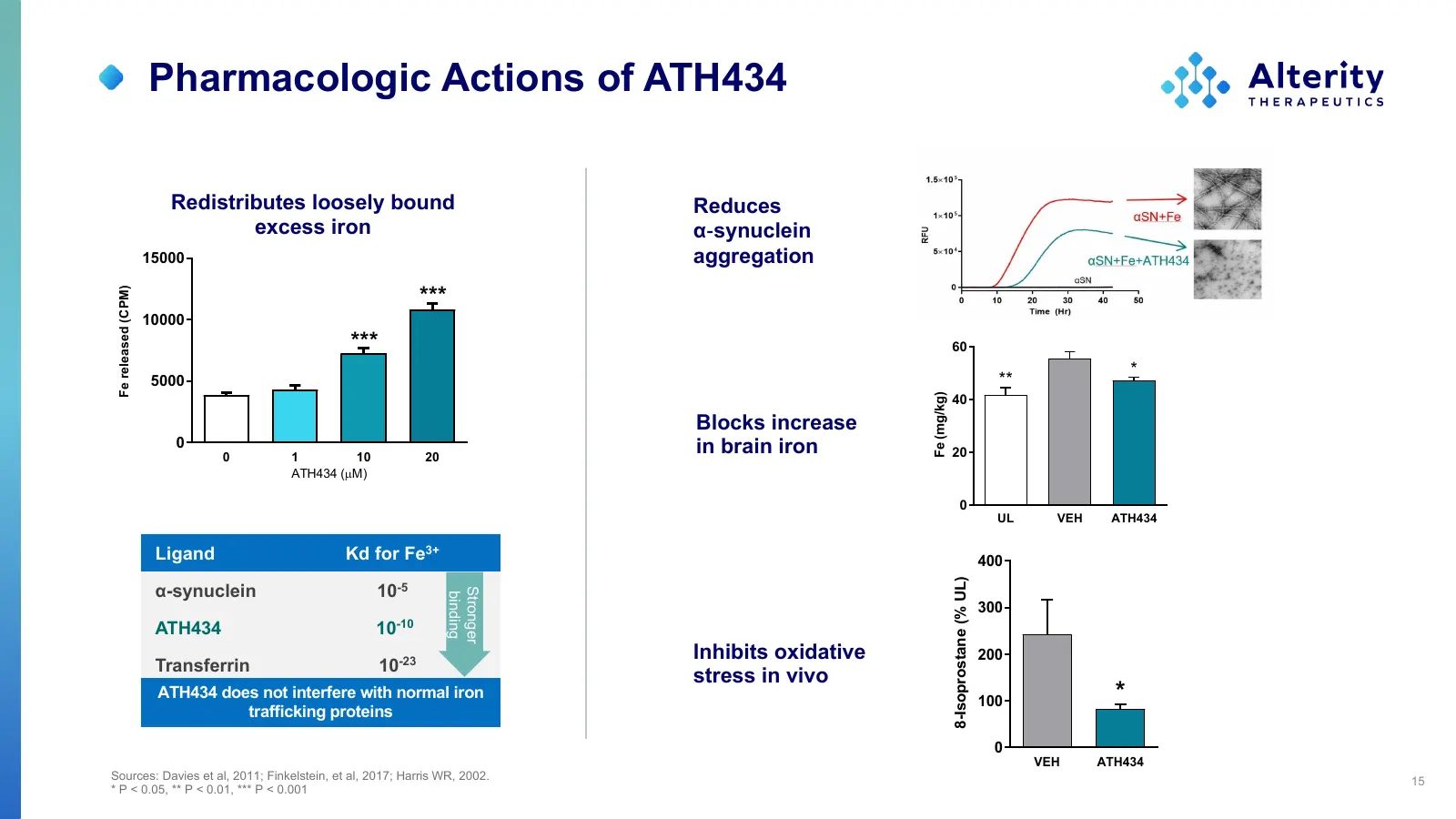
Pharmacologic Actions of ATH434only Redistributes loosely bound Reduces excess iron α-synuclein 15000 aggregation *** Fe released (CPM) 10000 *** 60 * 5000 ** Fe (mg/kg) 40 Blocks increase 0 0 1 10 20 in brain iron 20 ATH434 (µM) 0 UL VEH ATH434 Ligand Kd for Fe3+ 400 8-Isoprostane (% UL) α-synuclei
Slide 16: ATH434 Reduces Neuropathology and Improves Motor Function in Animal Models
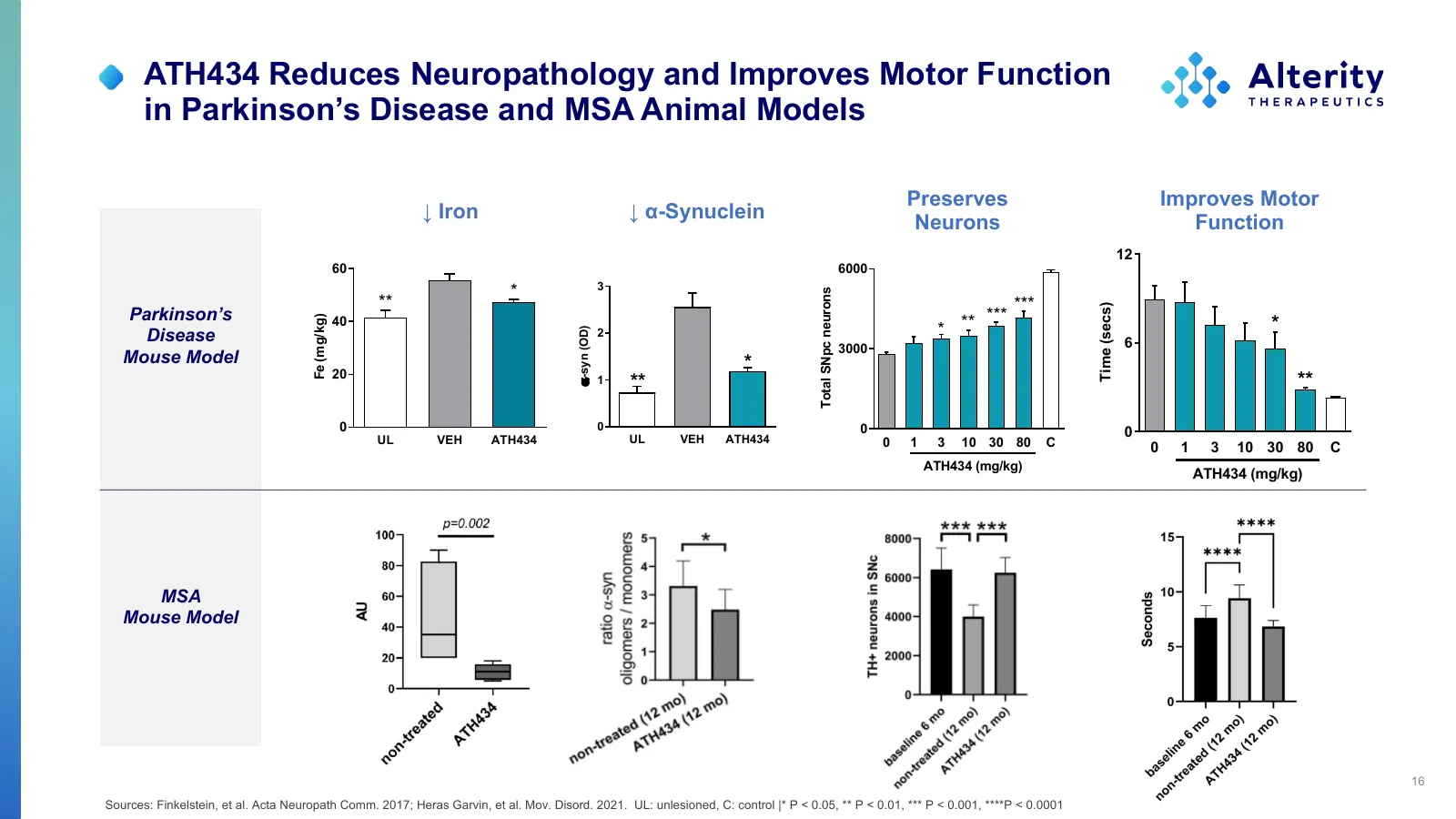
ATH434 Reduces Neuropathology and Improves Motor Function in Parkinson’s Disease and MSA Animal Models Preserves Improves Motor ↓ Iron ↓ α-Synuclein Neurons Function 12 60 6000 3 * Total SNpc neurons ** *** Time (secs) Parkinson’s *** * * ** Fe (mg/kg) 40 Disease a-syn (OD) 2 3000 6 Mouse Model * 20
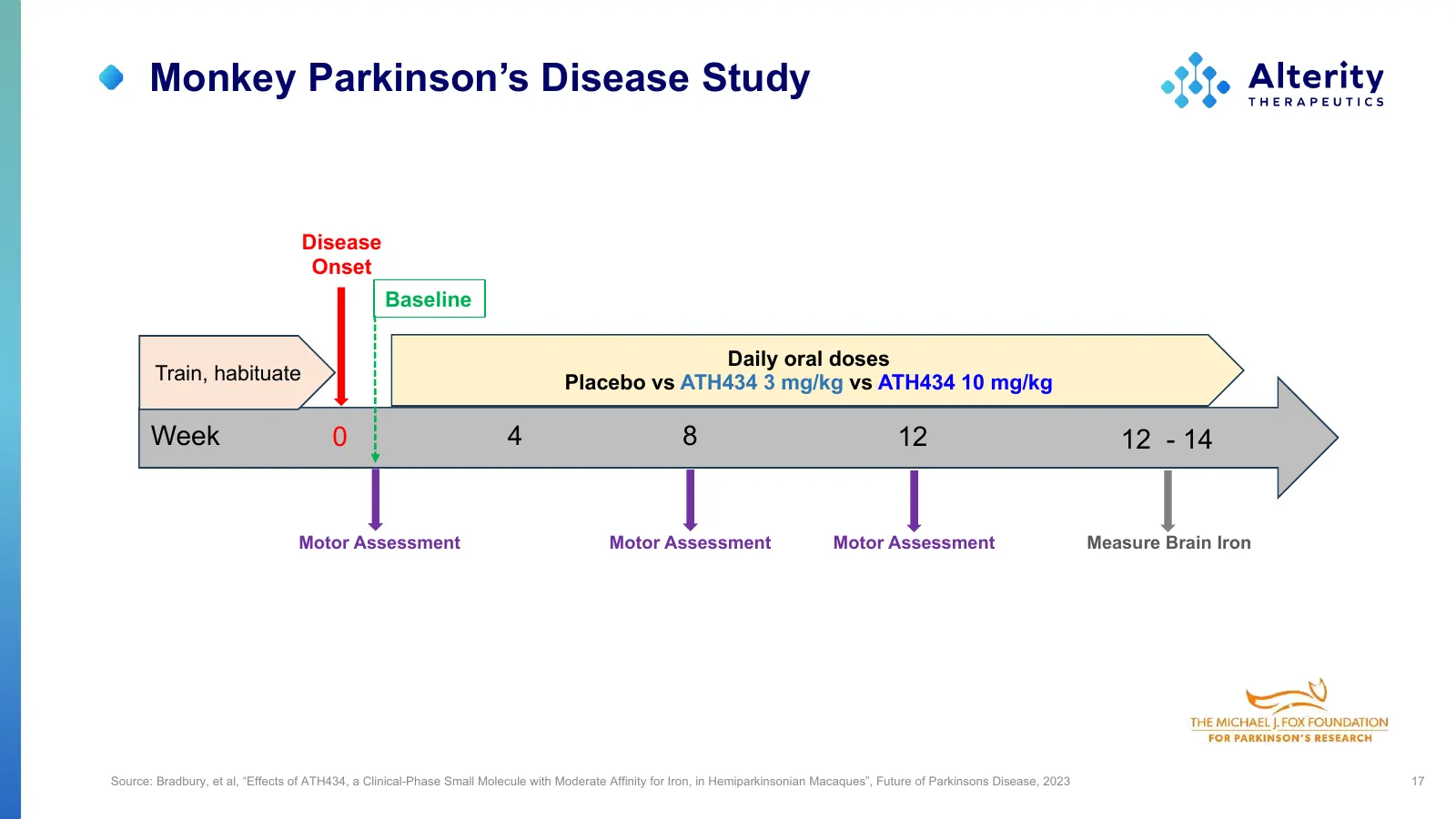
Slide 17: Monkey Parkinson's Disease Study
Monkey Parkinson’s Disease Study Disease Onset Baseline Daily oral doses Train, habituate Placebo vs ATH434 3 mg/kg vs ATH434 10 mg/kg Week 0 4 8 12 12 - 14 Motor Assessment Motor Assessment Motor Assessment Measure Brain Iron Source: Bradbury, et al, “Effects of ATH434, a Clinical-Phase Small Molec
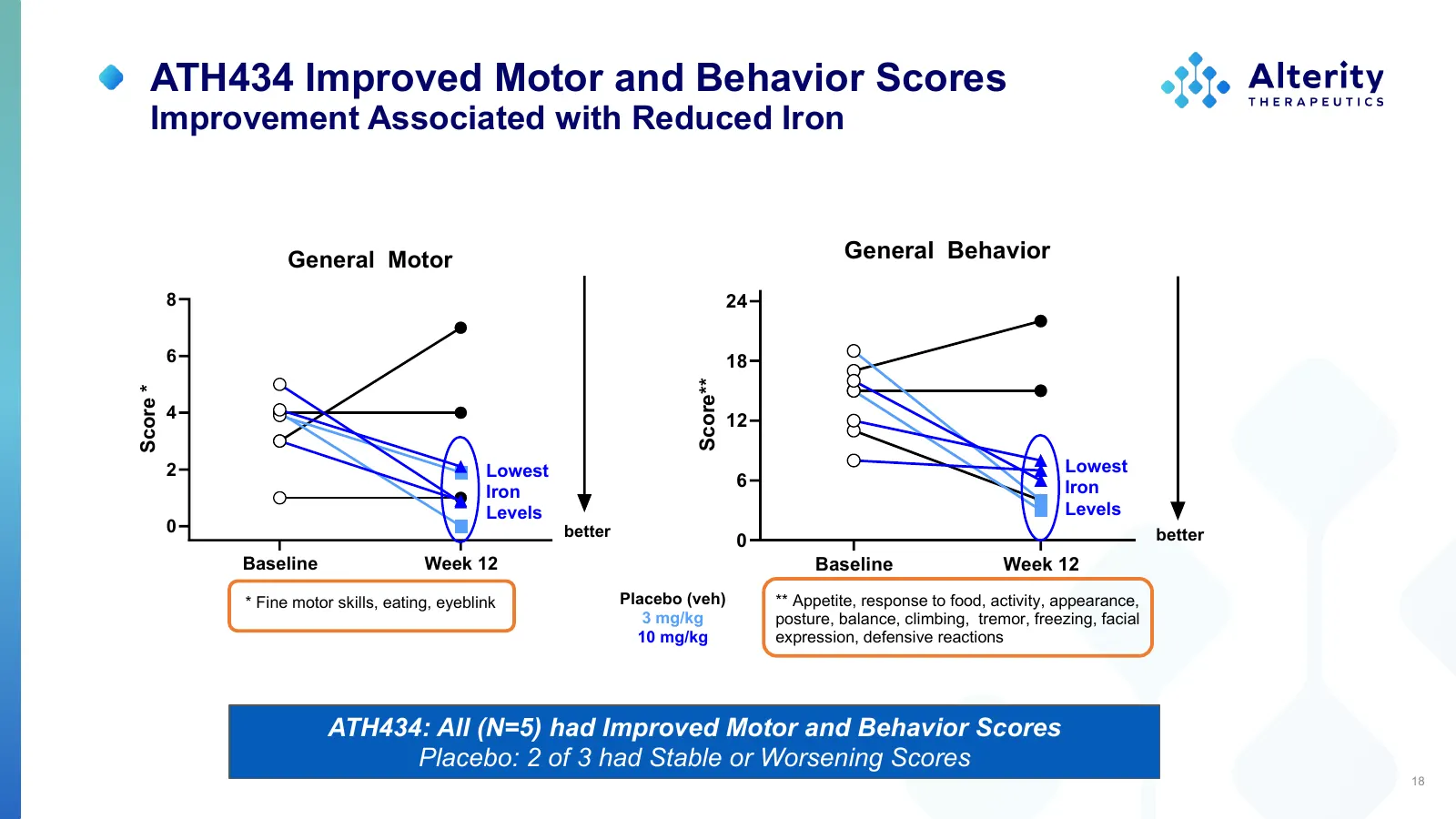
Slide 18: ATH434 Improved Motor and Behavior Scores
ATH434 Improved Motor and Behavior Scores Improvement Associated with Reduced Iron General Motor General Behavior 8 24 6 18 Score** Score * 4 12 2 Lowest Lowest 6 Iron Iron Levels Levels 0 better better 0 Baseline Week 12 Baseline Week 12 * Fine motor skills, eating, eyeblink Placebo (veh) ** Appeti
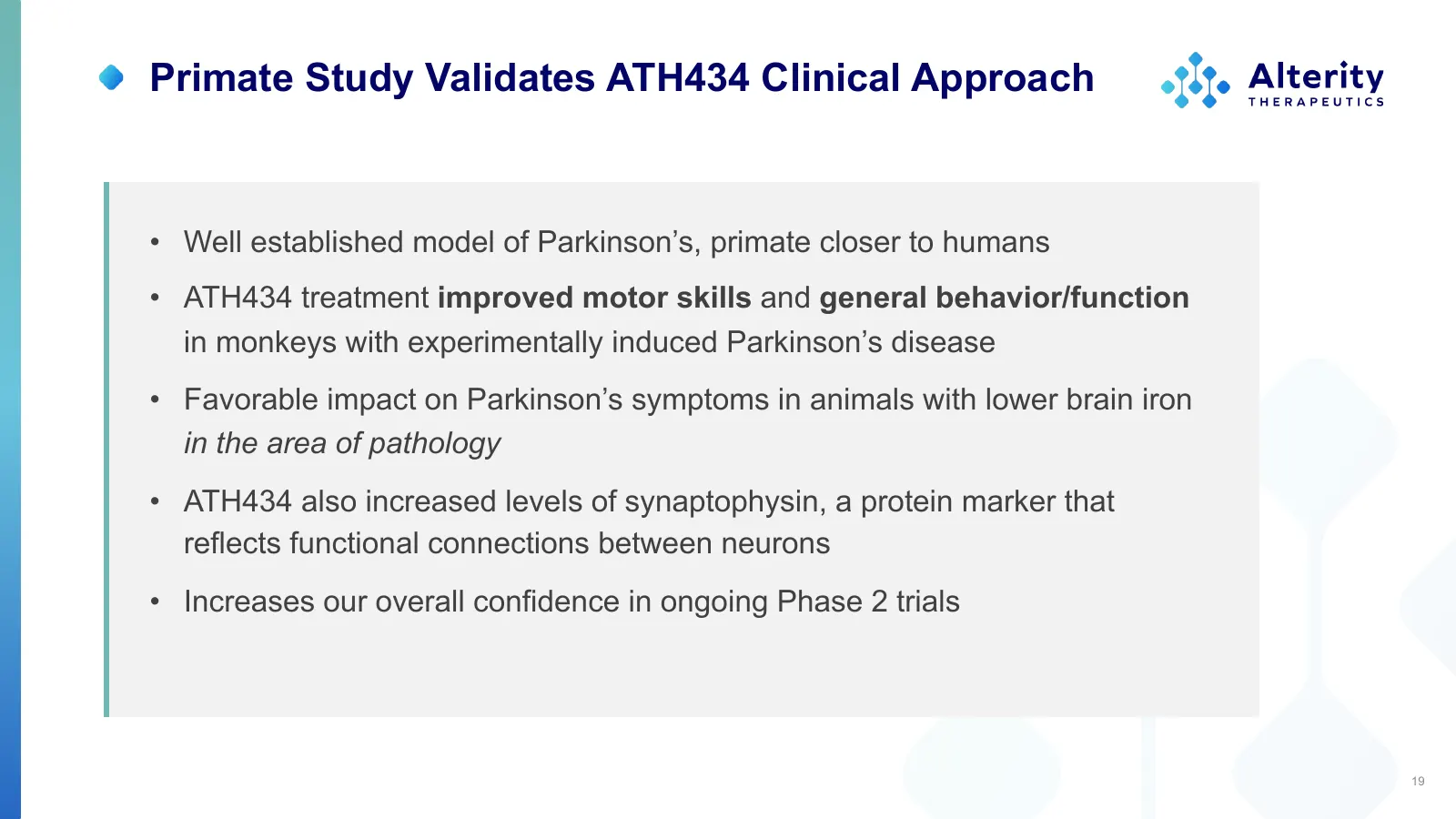
Slide 19: Primate Study Validates ATH434 Clinical Approach
Primate Study Validates ATH434 Clinical Approach • Well established model of Parkinson’s, primate closer to humans • ATH434 treatment improved motor skills and general behavior/function in monkeys with experimentally induced Parkinson’s disease • Favorable impact on Parkinson’s symptoms in animals w
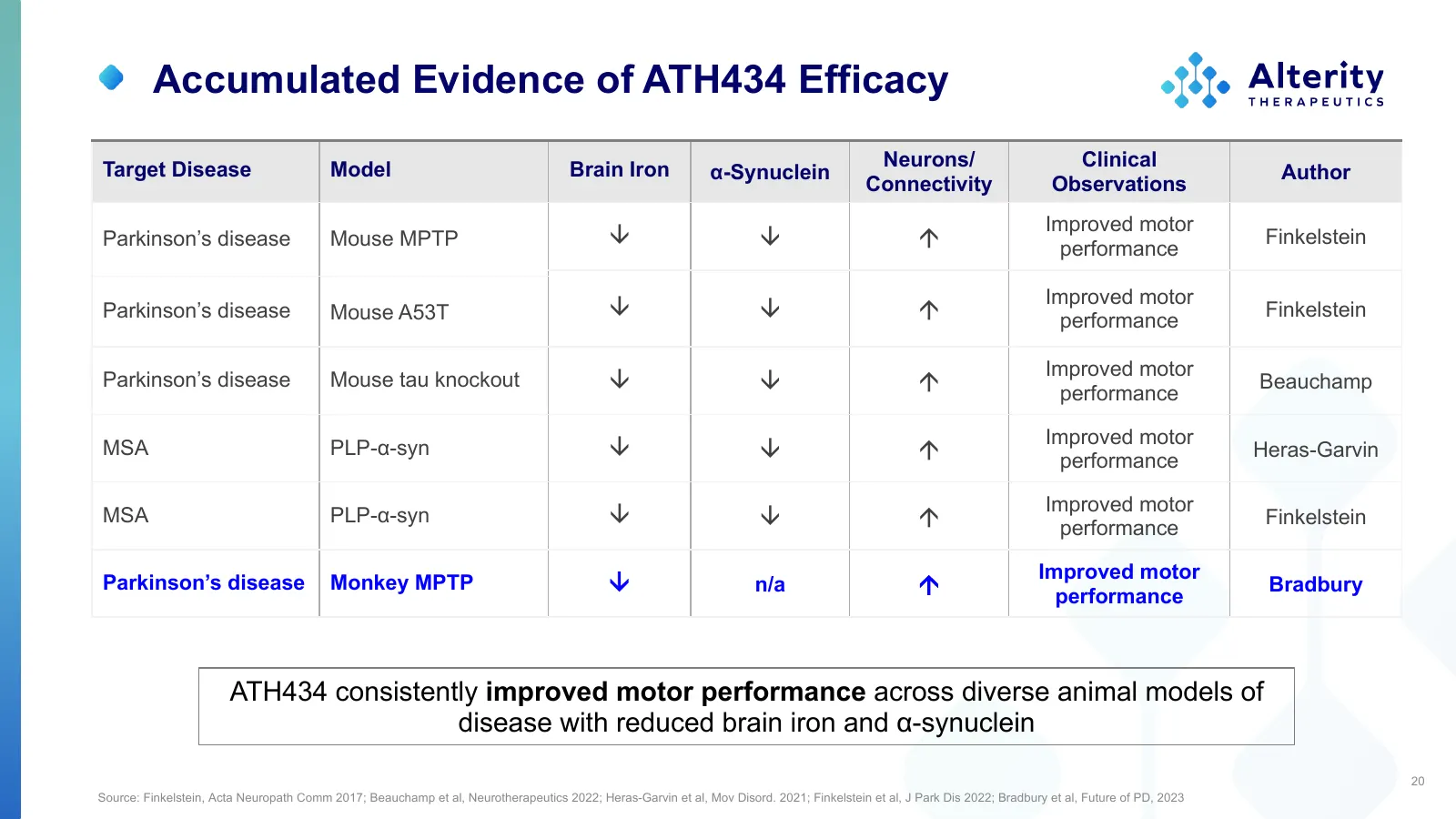
Slide 20: Accumulated Evidence of ATH434 Efficacy
Accumulated Evidence of ATH434 Efficacy Target Disease Model Brain Iron Neurons/ Clinical α-Synuclein Author Connectivity Observations Improved motor Parkinson’s disease Mouse MPTP â â á performance Finkelstein Improved motor Parkinson’s disease Mouse A53T â â á performance Finkelstein Improved moto

Slide 21: Multiple System Atrophy Clinical Development Program
Multiple System Atrophy Clinical Development Program 21
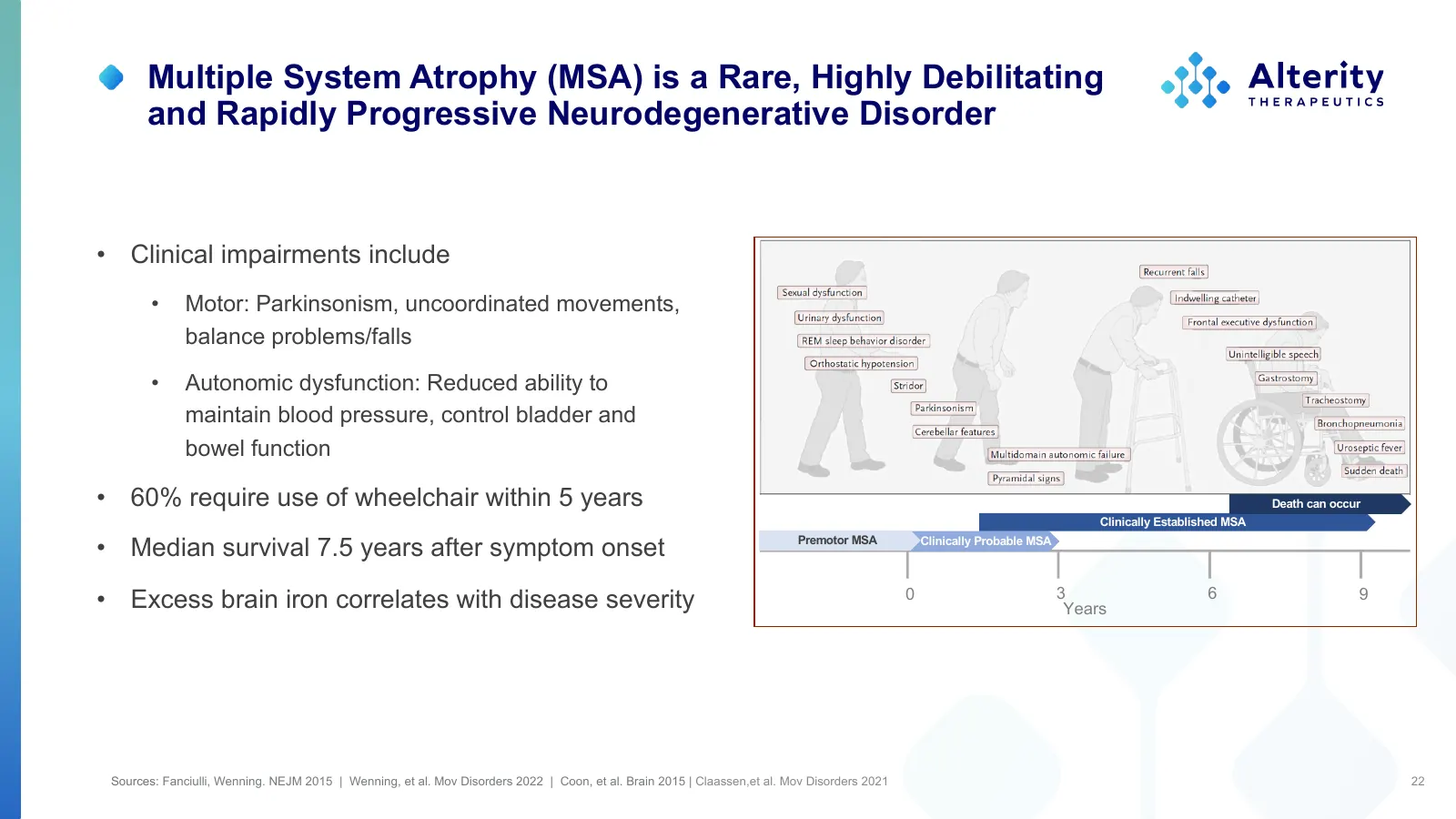
Slide 22: Multiple System Atrophy is a Rare, Highly Debilitating Neurodegenerative Disorder
Multiple System Atrophy (MSA) is a Rare, Highly Debilitating and Rapidly Progressive Neurodegenerative Disorder • Clinical impairments include • Motor: Parkinsonism, uncoordinated movements, balance problems/falls • Autonomic dysfunction: Reduced ability to maintain blood pressure, control bladder a
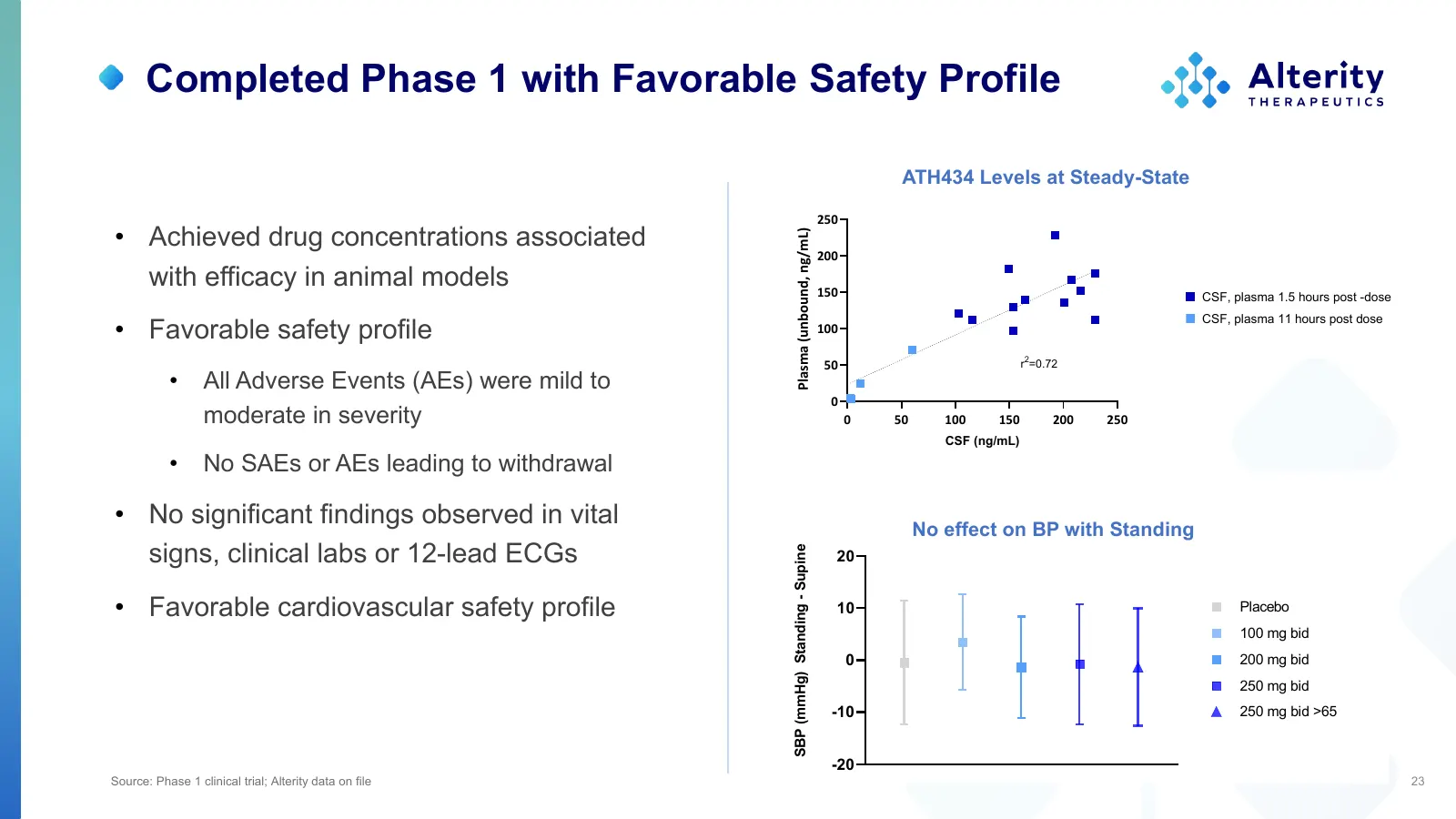
Slide 23: Completed Phase 1 with Favorable Safety Profile
Completed Phase 1 with Favorable Safety Profile ATH434 Levels at Steady-State 250 • Achieved drug concentrations associated Plasma (unbound, ng/mL) 200 with efficacy in animal models 150 CSF, plasma 1.5 hours post -dose CSF, plasma 11 hours post dose • Favorable safety profile 100 50 r2=0.72 • All A
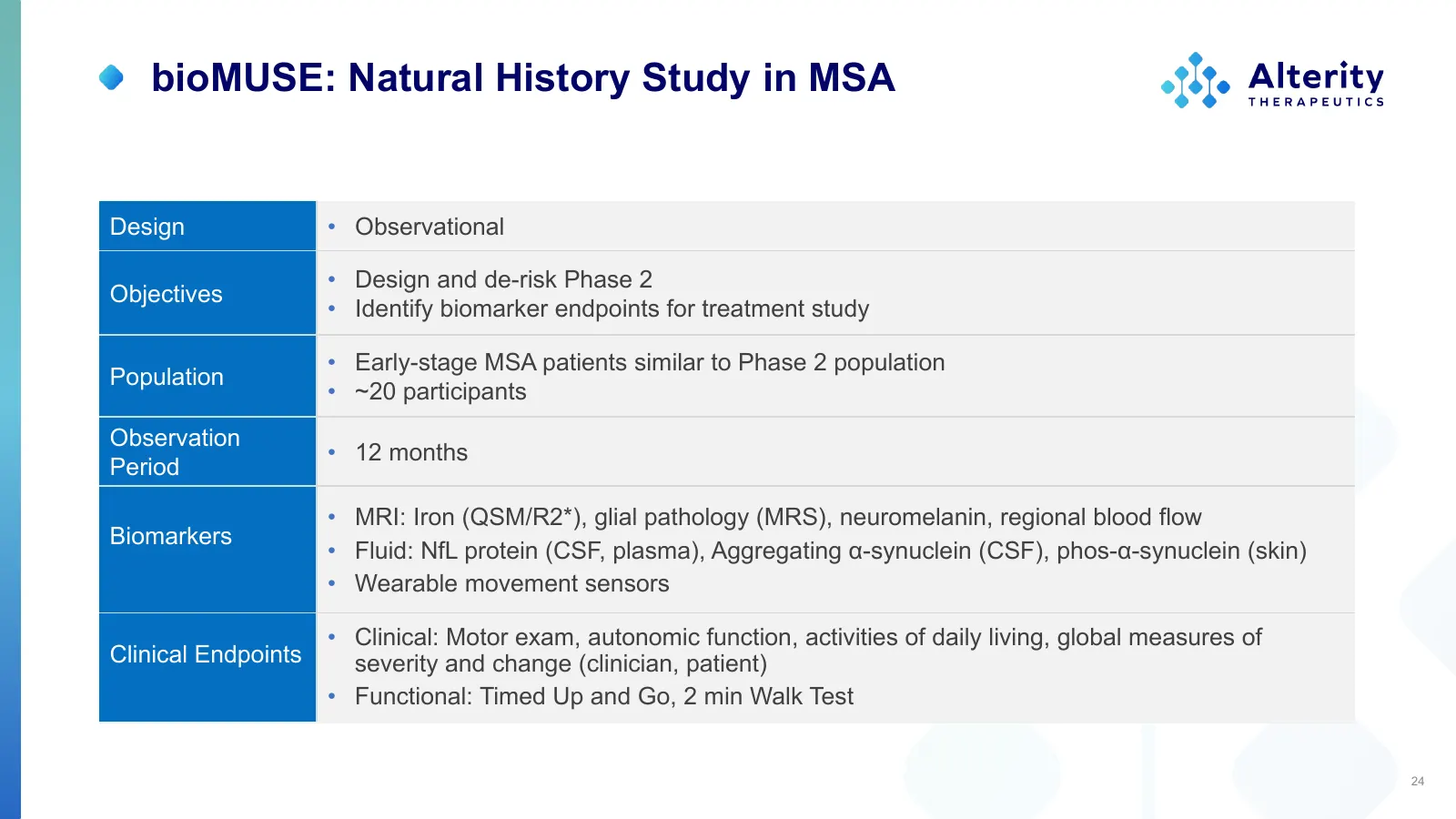
Slide 24: bioMUSE: Natural History Study in MSA
bioMUSE: Natural History Study in MSA Design • Observational • Design and de-risk Phase 2 Objectives • Identify biomarker endpoints for treatment study • Early-stage MSA patients similar to Phase 2 population Population • ~20 participants Observation • 12 months Period • MRI: Iron (QSM/R2*), glial p
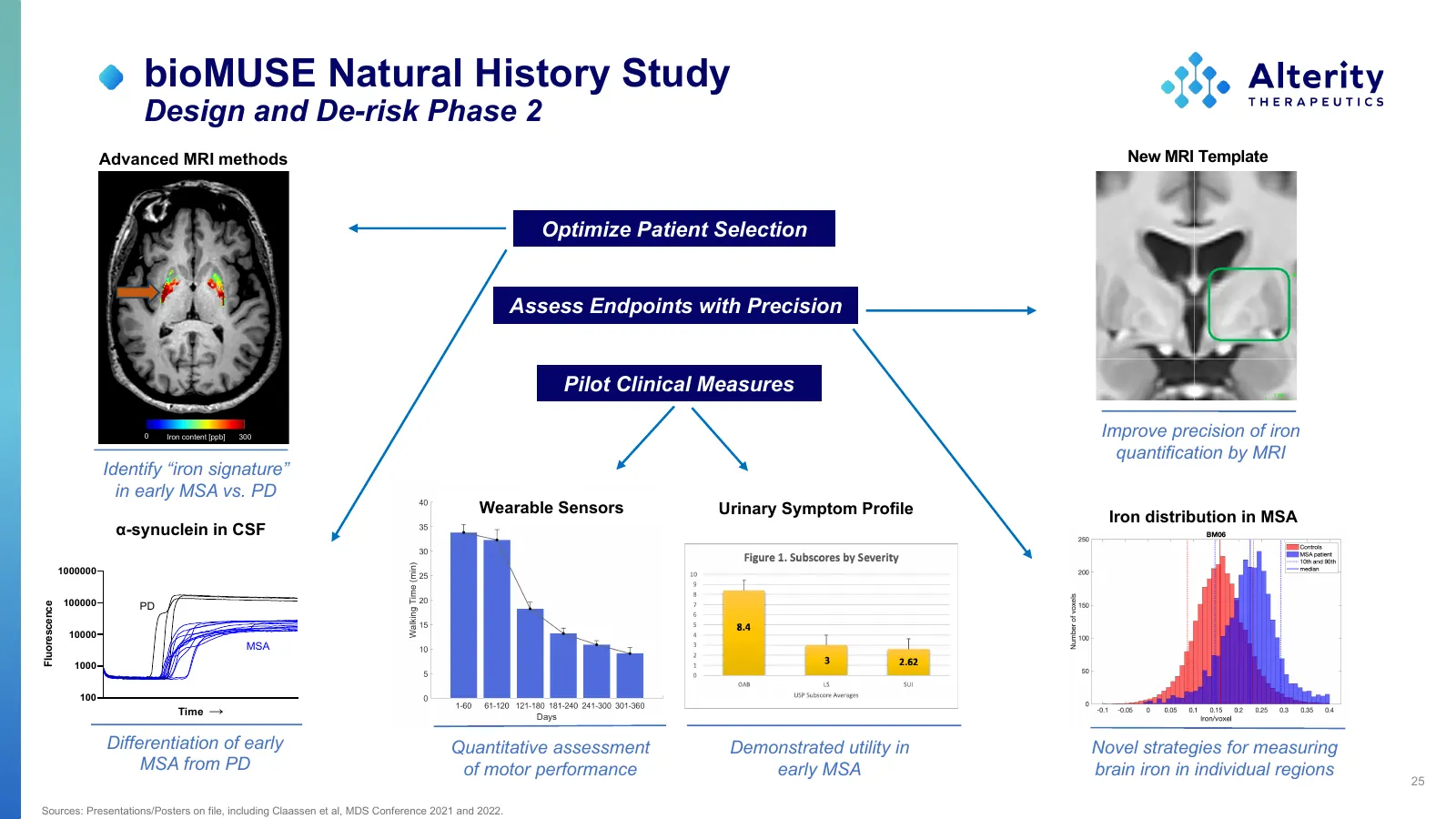
Slide 25: bioMUSE Natural History Study
bioMUSE Natural History Study Design and De-risk Phase 2 Advanced MRI methods New MRI Template Optimize Patient Selection Assess Endpoints with Precision Pilot Clinical Measures 0 Iron content [ppb] 300 Improve precision of iron quantification by MRI Identify “iron signature” in early MSA vs. PD Wea
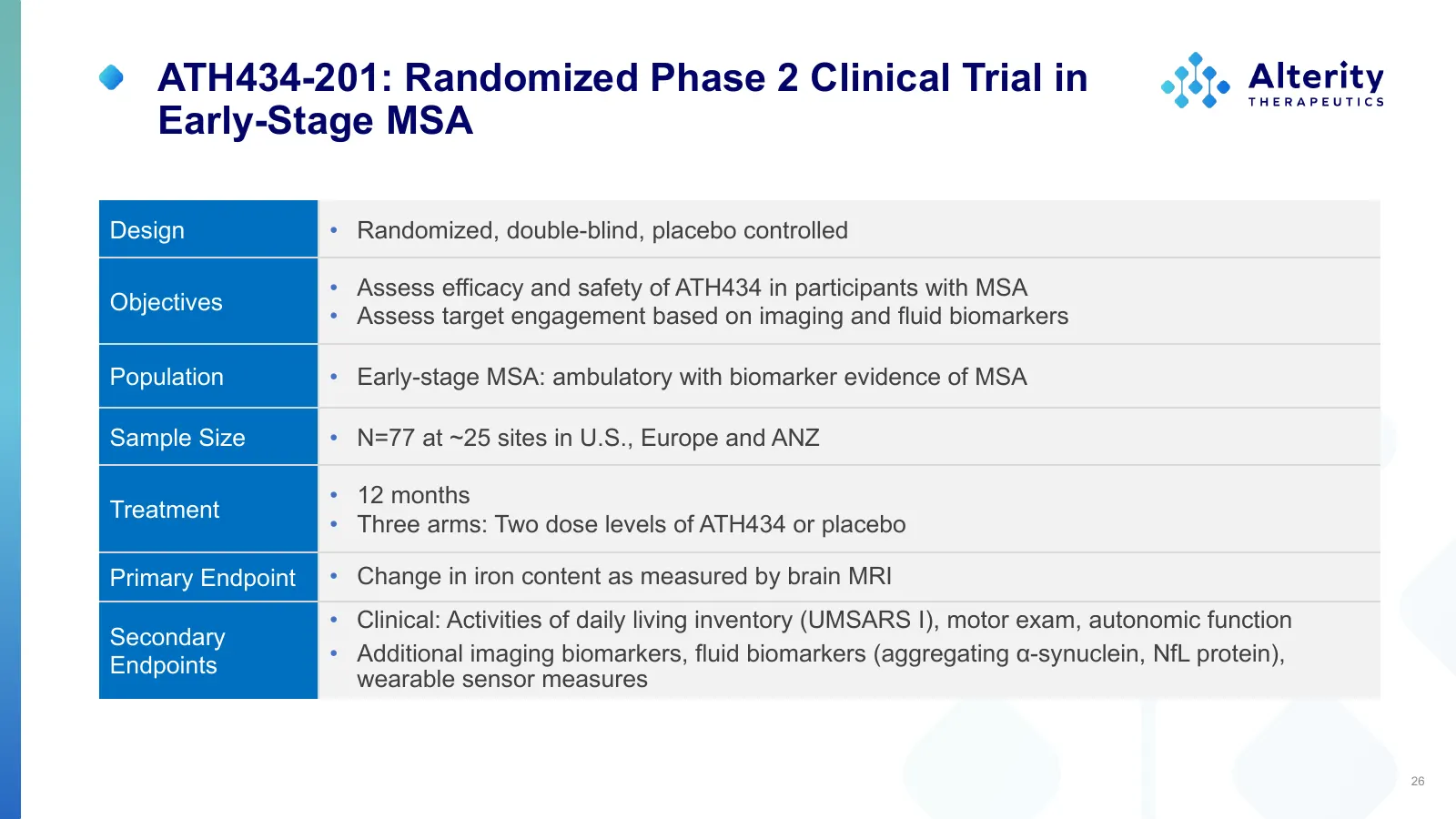
Slide 26: ATH434-201: Randomized Phase 2 Clinical Trial in Early-Stage MSA
ATH434-201: Randomized Phase 2 Clinical Trial in Early-Stage MSA Design • Randomized, double-blind, placebo controlled • Assess efficacy and safety of ATH434 in participants with MSA Objectives • Assess target engagement based on imaging and fluid biomarkers Population • Early-stage MSA: ambulatory
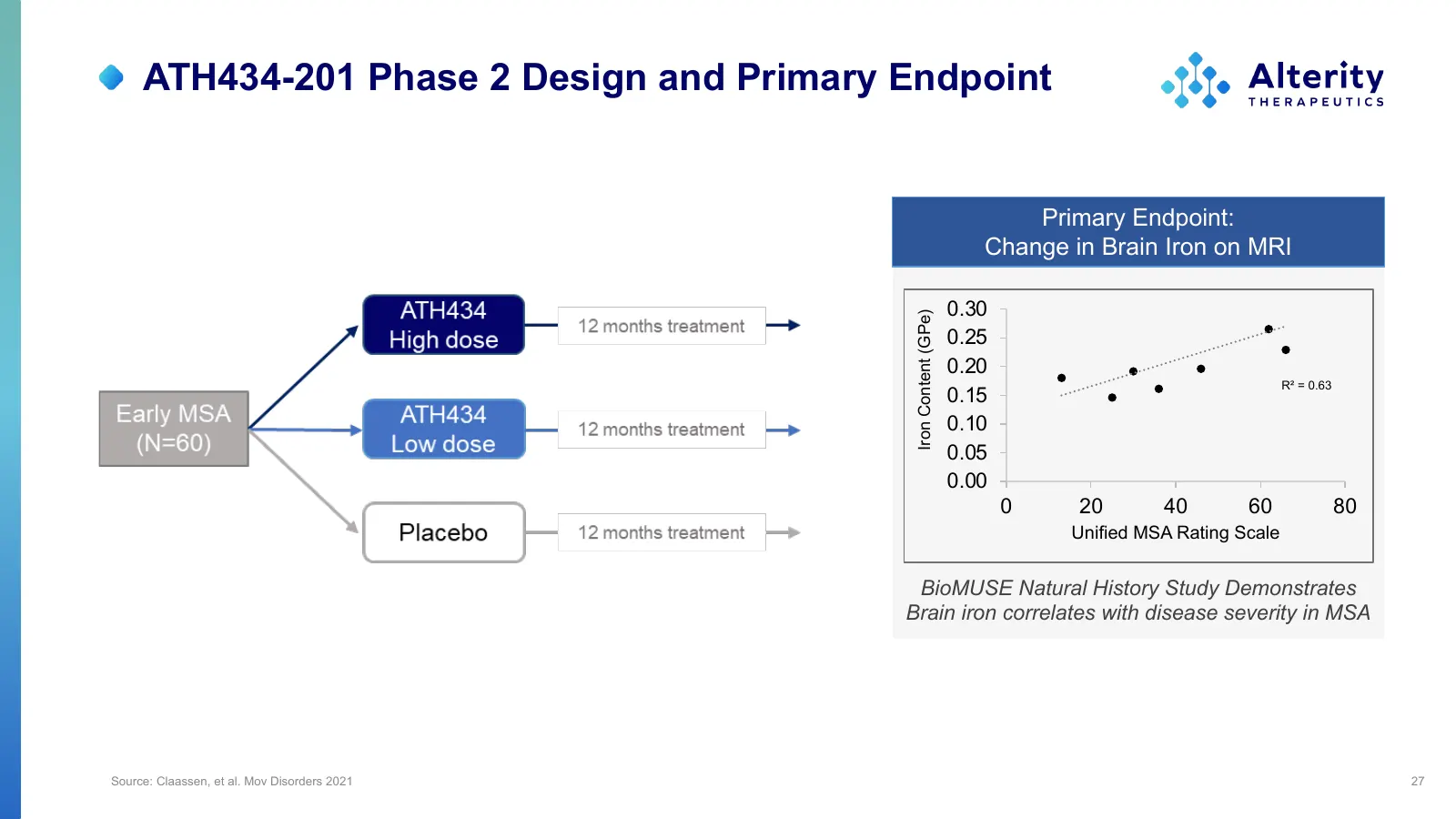
Slide 27: ATH434-201 Phase 2 Design and Primary Endpoint
ATH434-201 Phase 2 Design and Primary Endpoint Primary Endpoint: Change in Brain Iron on MRI 0.30 Iron Content (GPe) 0.25 0.20 R² = 0.63 0.15 0.10 0.05 0.00 0 20 40 60 80 Unified MSA Rating Scale BioMUSE Natural History Study Demonstrates Brain iron correlates with disease severity in MSA Source: Cl
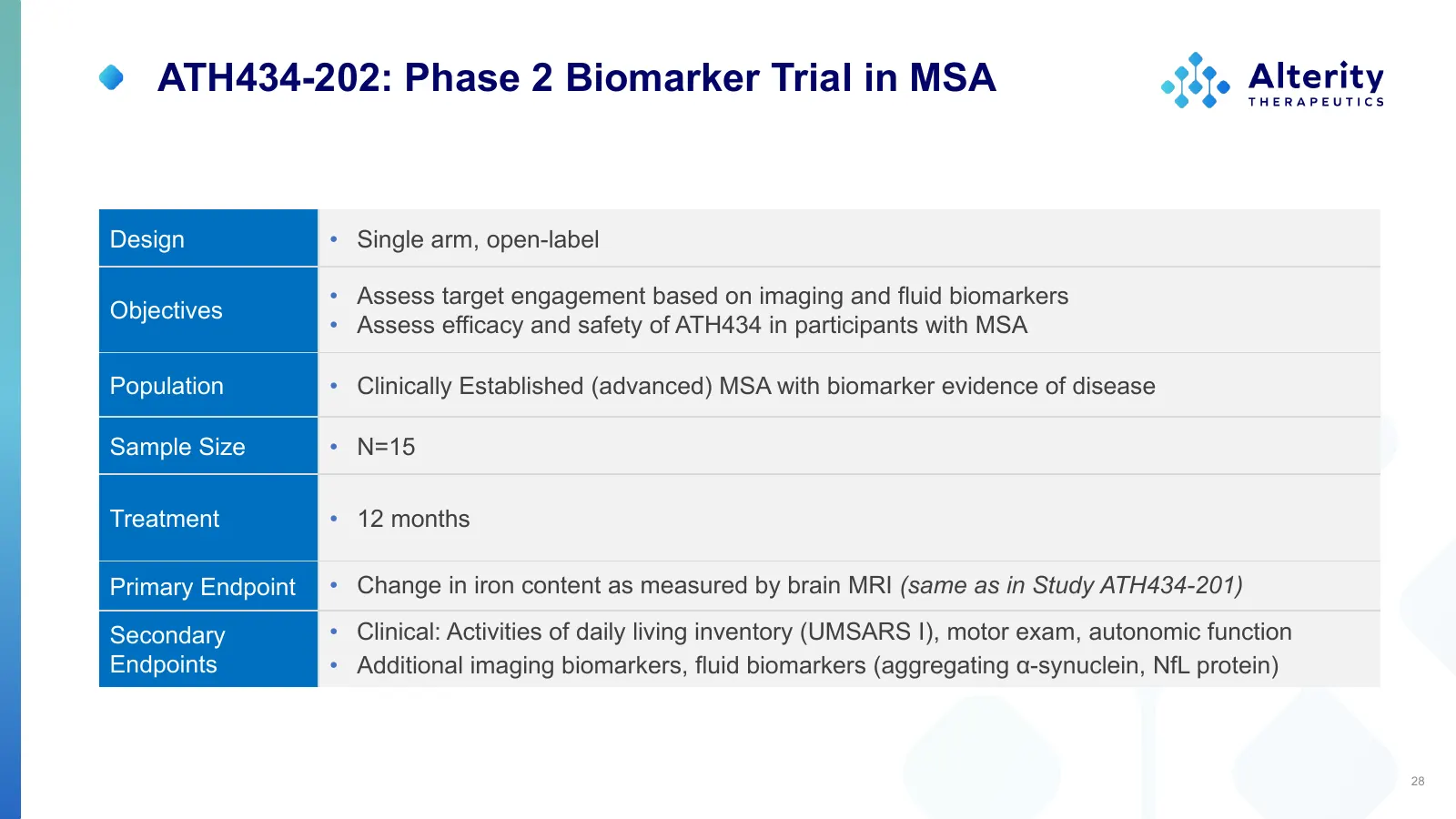
Slide 28: ATH434-202: Phase 2 Biomarker Trial in MSA
ATH434-202: Phase 2 Biomarker Trial in MSA Design • Single arm, open-label • Assess target engagement based on imaging and fluid biomarkers Objectives • Assess efficacy and safety of ATH434 in participants with MSA Population • Clinically Established (advanced) MSA with biomarker evidence of disease
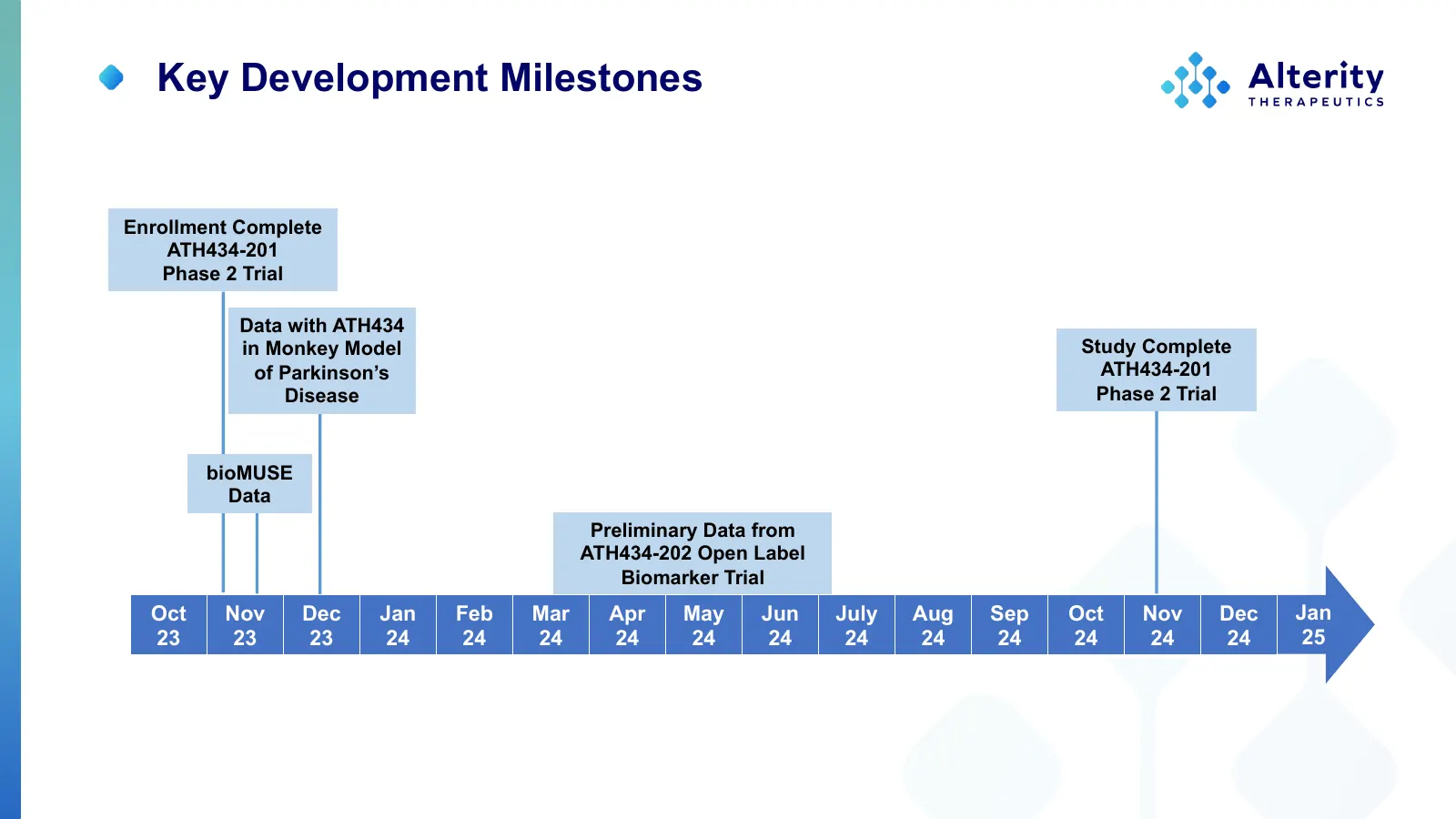
Slide 29: Key Development Milestones
Key Development Milestones Enrollment Complete ATH434-201 Phase 2 Trial Data with ATH434 in Monkey Model Study Complete of Parkinson’s ATH434-201 Disease Phase 2 Trial bioMUSE Data Preliminary Data from ATH434-202 Open Label Biomarker Trial Oct Nov Dec Jan Feb Mar Apr May Jun July Aug Sep Oct Nov De
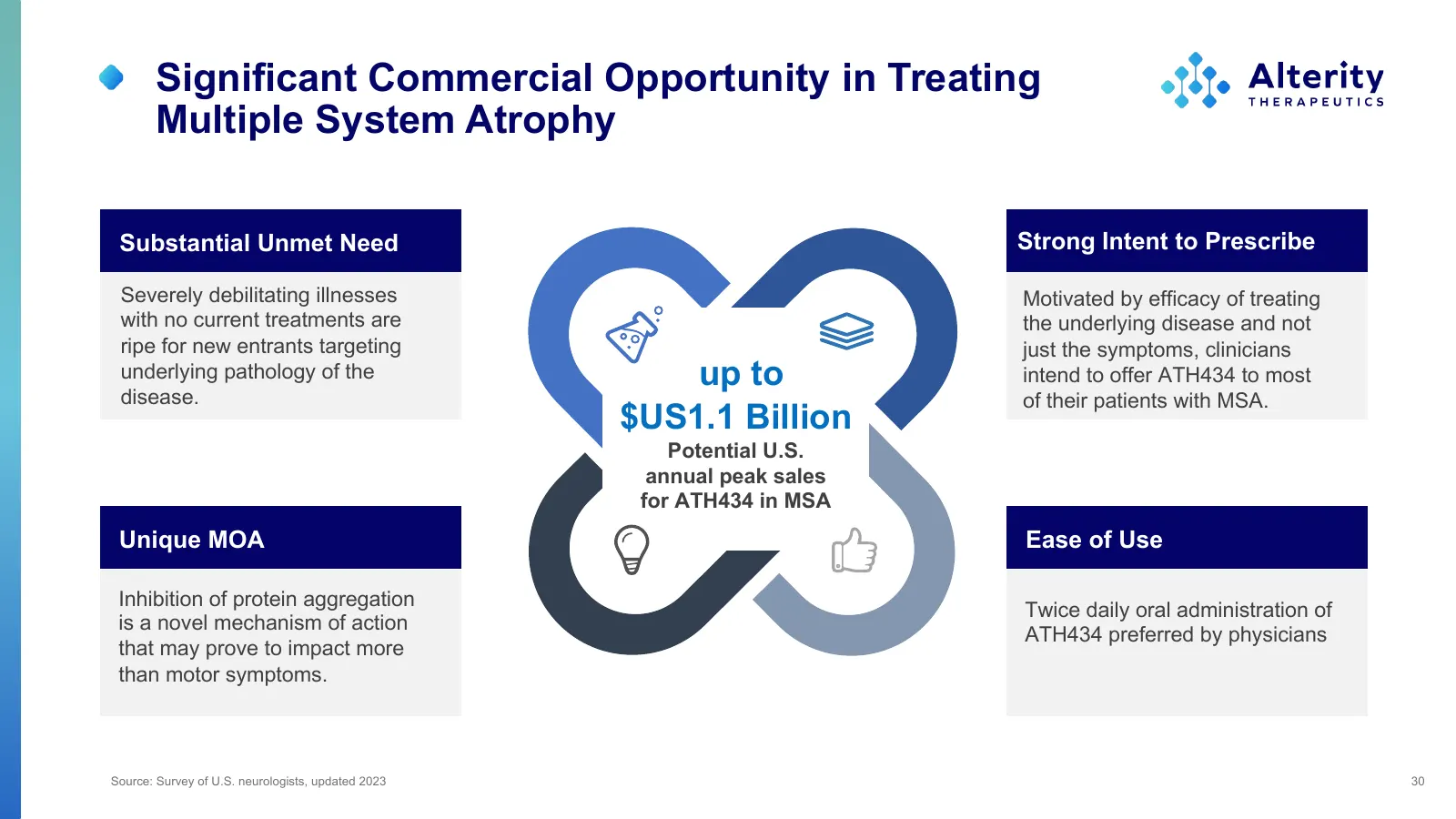
Slide 30: Significant Commercial Opportunity in Treating Multiple System Atrophy
Significant Commercial Opportunity in Treating Multiple System Atrophy Substantial Unmet Need Strong Intent to Prescribe Severely debilitating illnesses Motivated by efficacy of treating with no current treatments are the underlying disease and not ripe for new entrants targeting just the symptoms,
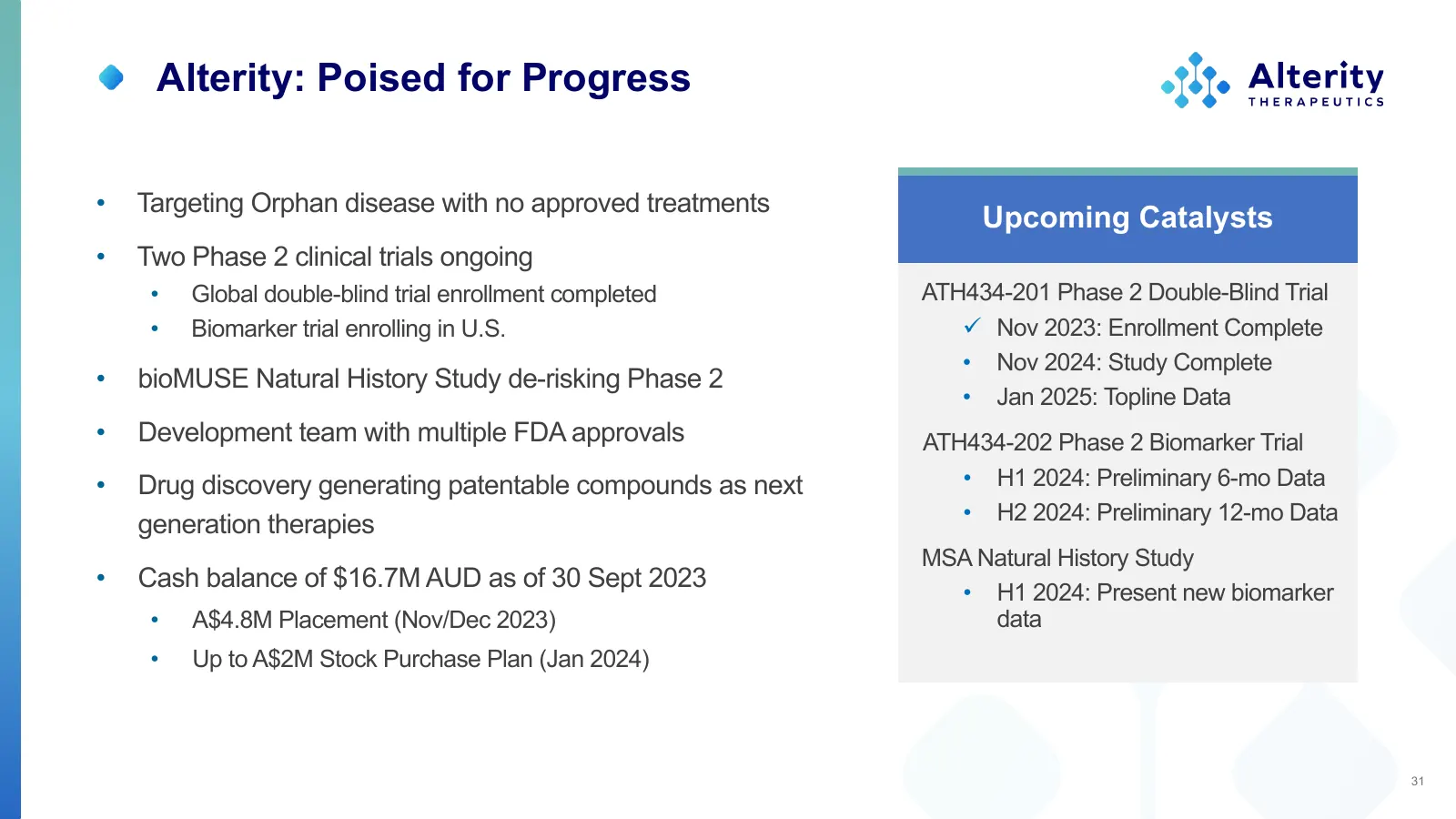
Slide 31: Alterity: Poised for Progress
Alterity: Poised for Progress • Targeting Orphan disease with no approved treatments Upcoming Catalysts • Two Phase 2 clinical trials ongoing • Global double-blind trial enrollment completed ATH434-201 Phase 2 Double-Blind Trial • Biomarker trial enrolling in U.S. ü Nov 2023: Enrollment Complete • N

Slide 32: Therapeutics
THERAPEUTICS
Source: Internet Archive copy of alteritytherapeutics.com
More decks from Alterity Therapeutics Ltd.
 Shareholder Meeting (November 2026)12 slides · Nov 20, 2026
 Shareholder Meeting (November 2026)16 slides · Nov 20, 2026
 Investor Presentation (September 2026)51 slides · Sep 23, 2026
 Investor Presentation (June 2026)50 slides · Jun 16, 2026
 Investor Presentation (May 2026)46 slides · May 12, 2026
 Investor Presentation (April 2026)39 slides · Apr 1, 2026