Sorrento Therapeutics, Inc. · OTC:SRNE
Sorrento Therapeutics — Investor Presentation (October 2014)
34 slides from Sorrento Therapeutics's investor presentation, Oct 15, 2014

Slide 1: Next-Generation Cancer Therapeutics
October 2014 Next-Generation Cancer Therapeutics Exhibit 99.2
Slide 2: Management Team and Board of Directors
Management Team Board of Directors Henry Ji, PhD President, CEO & Director Inventor of G-MAB ® Technology President & CEO of Stratagene Genomics VP of CombiMatrix and Stratagene George Uy EVP & CCO Directed the launches of Abraxane, Xeloda ® & Fusilev ® Responsible for building Spectrum Pharma comme
Slide 3: Next-Generation Cancer Therapeutics
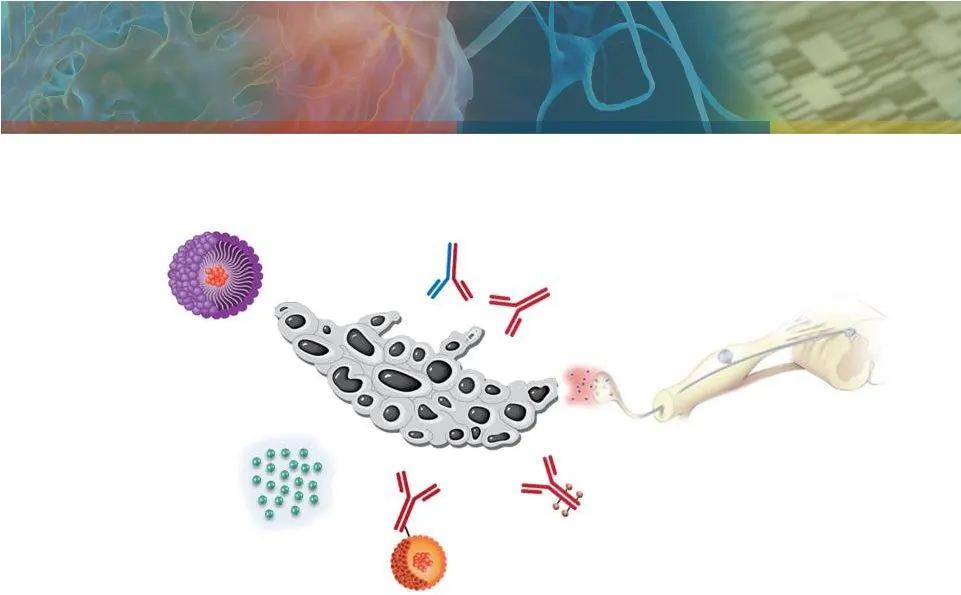
Next-Generation Cancer Therapeutics RTX Positive Phase 1/2 data New cohorts being enrolled Pivotal Phase 2: 2015 TUMOR AfDC MYC Inhibitor Cynviloq >1,200 pts treated in clinical trials Initial PK data suggest BE to albumin-bound paclitaxel TRIBECA Completion: Q1 2015 NDA Submission: Q3 2015 G-MAB on
Slide 4: Pipeline by indication and target
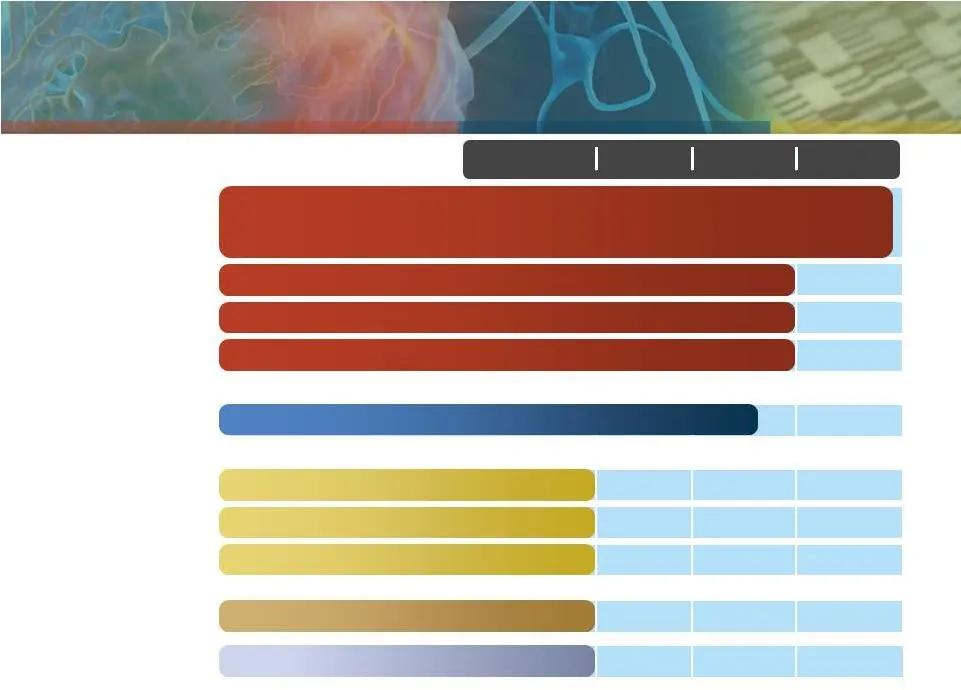
Intractable Cancer Pain Metastatic Breast Cancer Non-Small Cell Lung Cancer Bladder Cancer (sNDA) Ovarian Cancer (sNDA) 505(b)(2) Seeking Bioequivalence versus Albumin-bound paclitaxel* Pancreatic Cancer (sNDA) PHASE 3 PHASE 2 PHASE 1 PRECLINICAL Multiple Commercialization & Partnership Opportunitie
Slide 5: Lead Oncology Product Opportunity Registration Trial: Cynviloq
Lead Oncology Product Opportunity Registration Trial Cynviloq (Paclitaxel polymeric micelle)
Slide 6: Cynviloq: Next Generation Paclitaxel Therapy
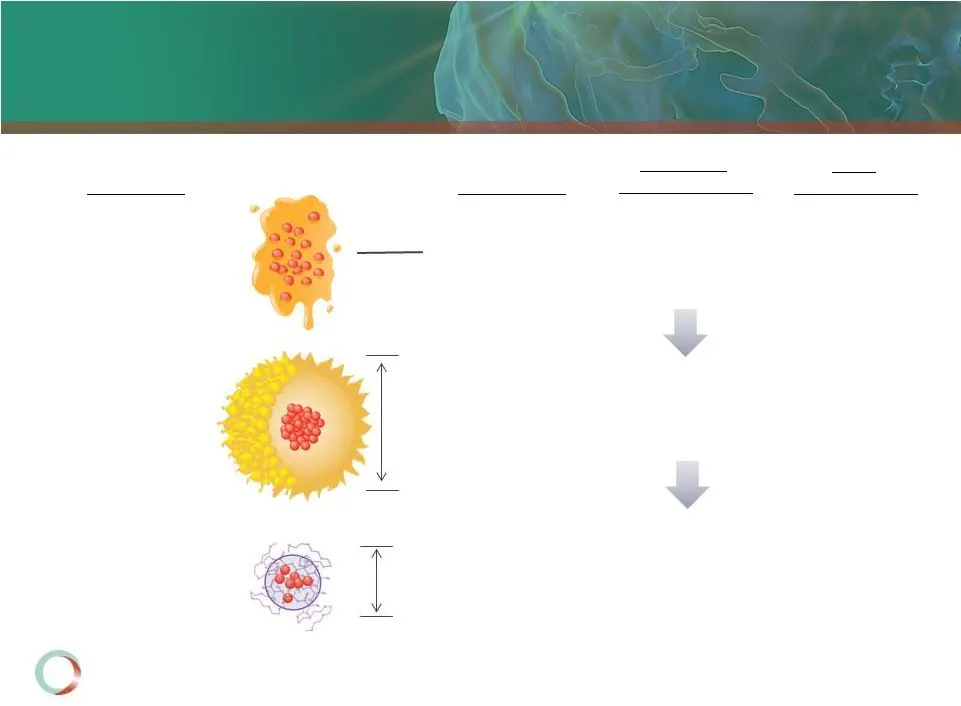
Cynviloq: Next Generation Paclitaxel Therapy Mean size ~25 nm Cynviloq paclitaxel polymeric micelle Chemical polymer: Poly-lactide and polyethylene glycol diblock copolymer rd >300 mg/m (up to 435 mg/m ) Albumin - bound paclitaxel Mean size 130 nm Biological polymer: Donor-derived human serum albumi
Slide 7: Cynviloq Clinical Summary
Cynviloq Clinical Summary Total number of patients across all trials: 1,260 Phase 1: Trials established MTD at >300 mg/m - Dana Farber Cancer Inst, Russia, & S. Korea (total n=80) >300 mg/m (q3w) vs. mg/m (Taxol; weekly) Phase 2: Completed trials in MBC, NSCLC, PC, OC, BC; in US - Yale Cancer Center
Slide 8: Phase 3 MBC Clinical Results
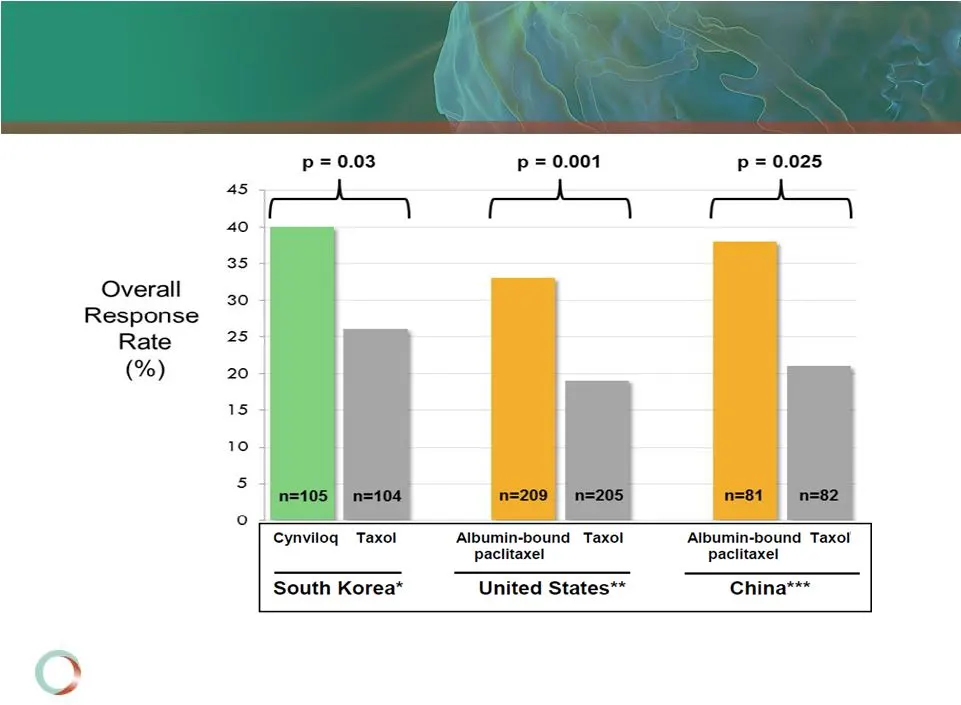
Phase 3 MBC Clinical Results * Trieu et al. 2013. IG-001 for Metastatic Breast Cancer- Interim Analysis of a Phase 3 Trial. 4 Nanomedicine Conference, Sydney, Australia. ** Gradishar et al. 2005. J Clin Oncol , 23:7794-7803. *** Guan et al. 2007. ASCO Annual Meeting Proceedings Part I. Jun 20;25 (Su
Slide 9: Bioequivalence: Potential Pathway to Market
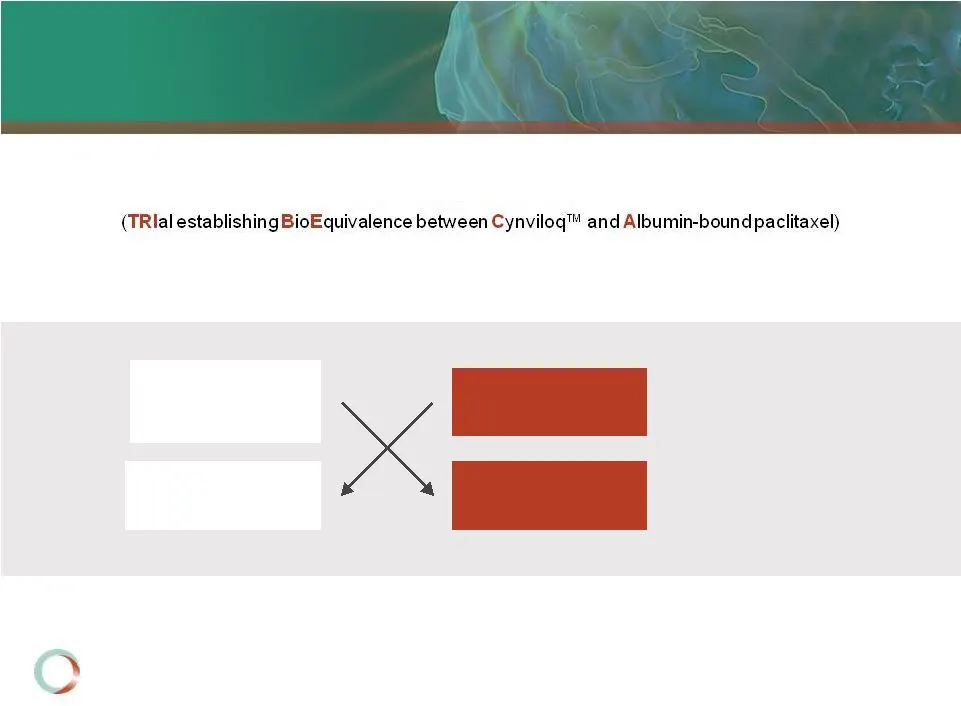
Bioequivalence = Potential Pathway to Market Cynviloq (n = 27)* Cynviloq Albumin-bound paclitaxel (n = 27)* Albumin-bound paclitaxel Key Parameters: Dose: 260 mg/m Infusion time: 30 min Duration: 3 weeks + crossover for 3 weeks Endpoints: AUC and C max (90% CI) Cycle 1 Cycle 2 - Patients with MBC No
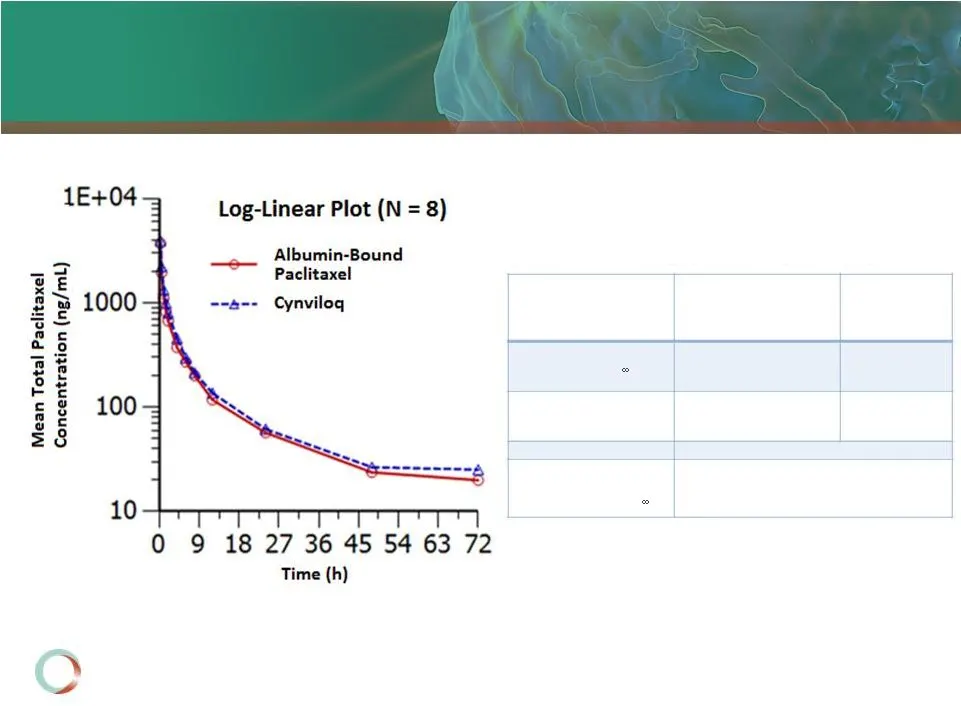
Slide 10: Initial PK Data Analyses Suggest BE vs. Albumin-Bound Paclitaxel
Initial PK Data Analyses Suggest BE vs. Albumin-Bound Paclitaxel Parameters Ratio of Cynviloq/ Albumin-bound paclitaxel (%) 90% CI Ln(AUC 0 to ) 109.1 93.98 – 126.58 Ln(C max ) 102.5 83.10 – 126.35 Point estimate 110 - Ln(AUC 0 to ) N = 53 with 90% power BE Assessment and Sample Size Estimate
Slide 11: Differences in Formulations of Paclitaxel
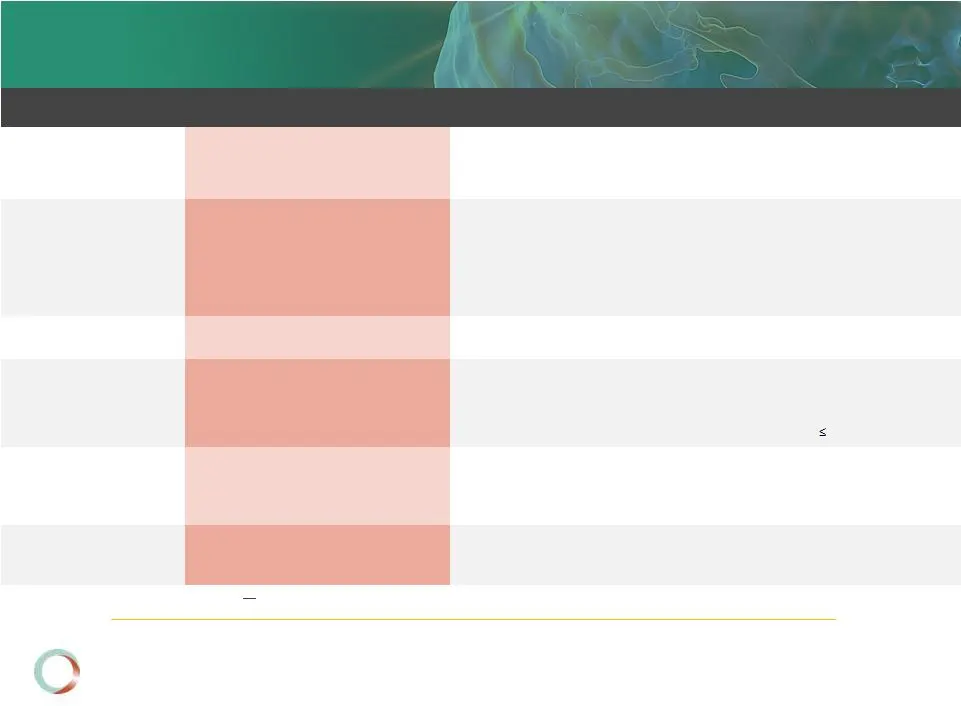
Differences in Formulations of Paclitaxel Cynviloq 5 Albumin-bound Paclitaxel Taxol® Formulation Nanoparticle co-polymer (poly-lactide and polyethylene glycol di-block) encapsulated paclitaxel Donor derived human serum albumin encapsulated paclitaxel Solvent-based (Cremophor EL) paclitaxel Mechanism
Slide 12: Estimated Timelines and Next Steps
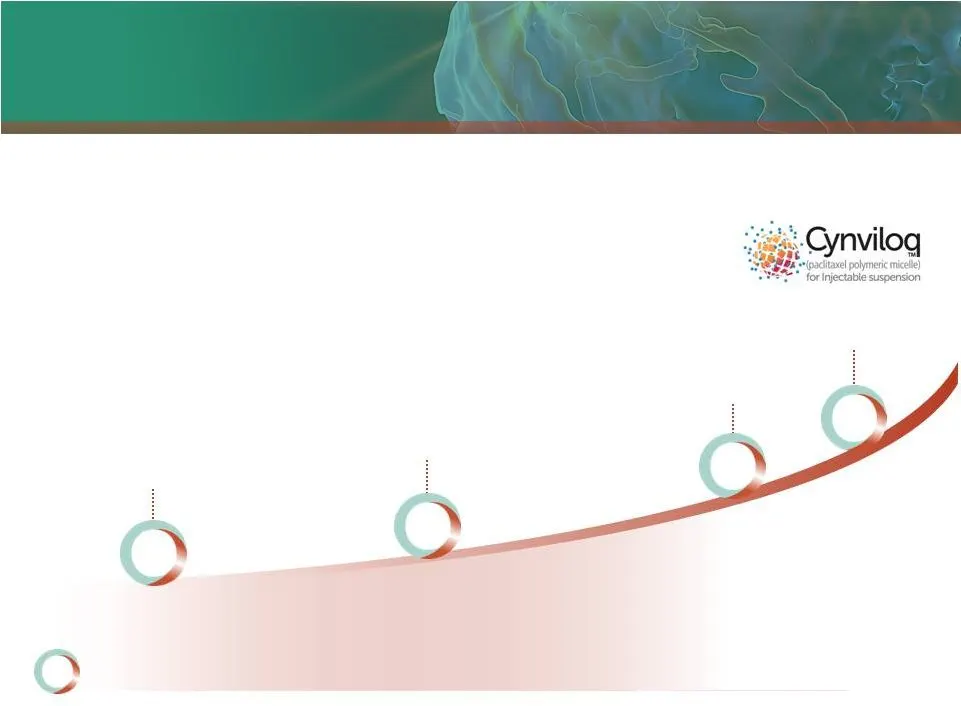
Estimated Timelines and Next Steps* First patient dosed : March 31, Last patient out: January 2015 NDA filing: Q3 Product launch (MBC and NSCLC): sNDA planning for label expansion into pancreatic, bladder, and ovarian cancers BE Study *Estimates, subject to discussions with the FDA. LAUNCH FDA Appro

Slide 13: Resiniferatoxin (RTX): A Novel, Non-opiate Analgesic
Resiniferatoxin (RTX): A Novel, Non-opiate Analgesic Intractable Cancer Pain RTX
Slide 14: RTX in action
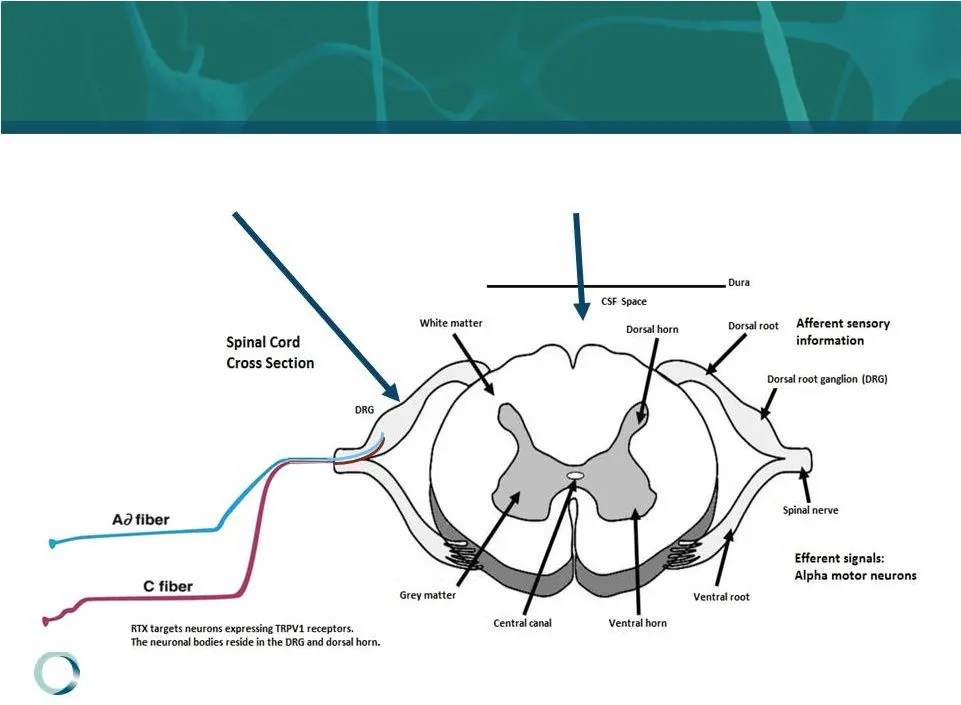
RTX in action
Slide 15: Two Injection Sites = Two Products for Human Use
Two Injection Sites = Two Products for Human Use Intraganglionic : (injection into or near the dorsal root ganglion [DRG]) Intrathecal : (injection into the cerebrospinal fluid space)
Slide 16: RTX Ablates TRPV1-positive Neurons after Intrathecal Injection
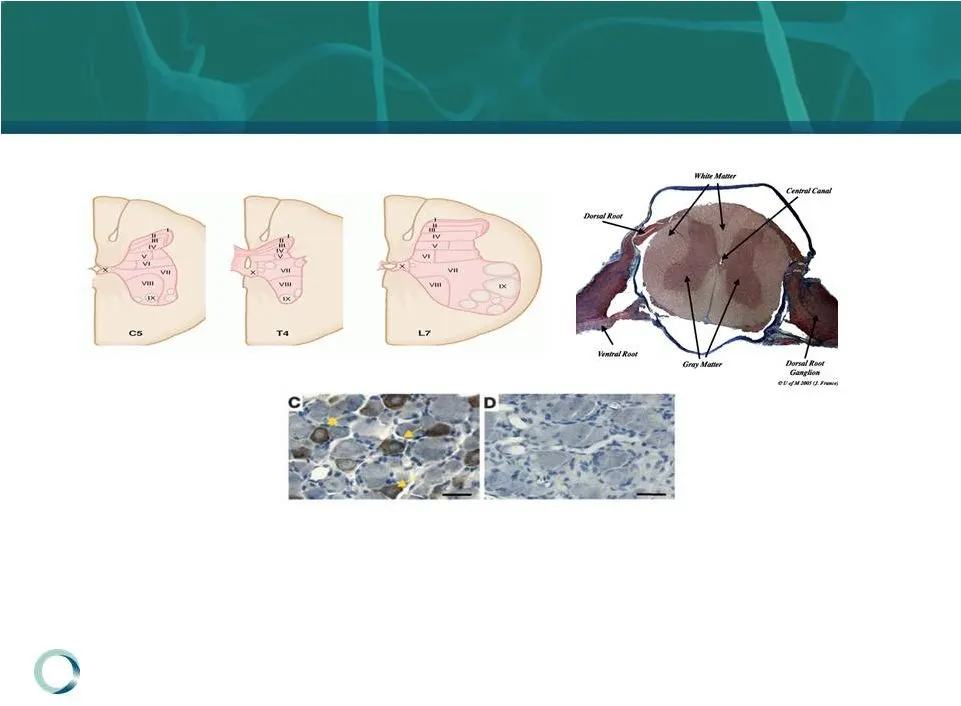
RTX Ablates TRPV1-positive Neurons after Intrathecal Injection Fore limb TRPV1-positive cells (dark brown) Hind limb Absence of TRPV1- positive cells after RTX treatment Adapted from Karai et al. 2004 TRPV1 TRPV1 TRPV1
Slide 17: Open-Label Study in Companion Dogs
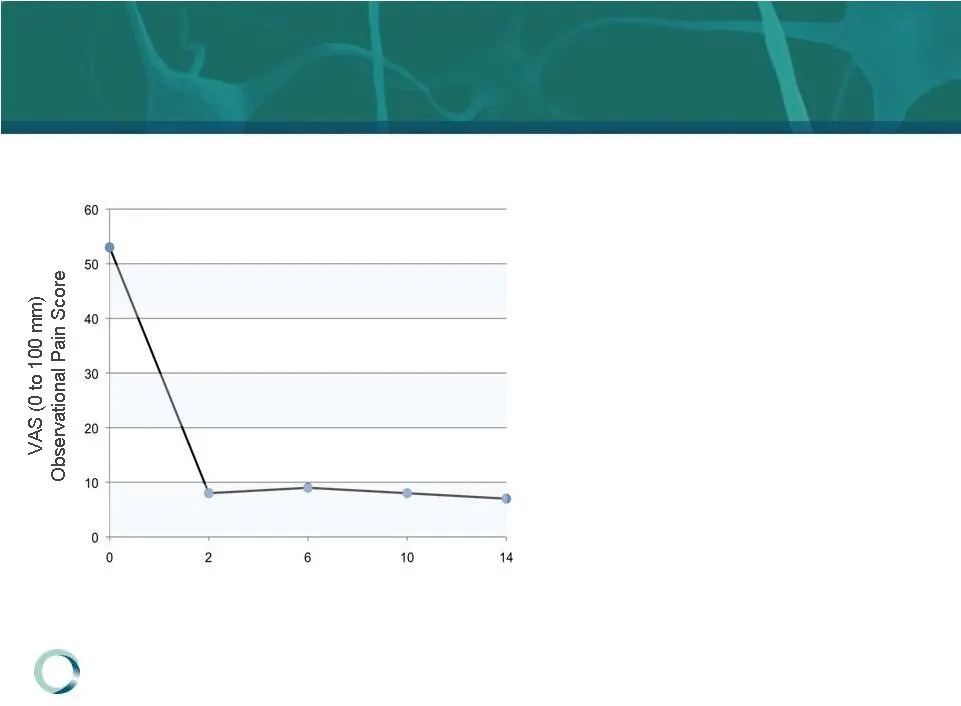
Open-Label Study in Companion Dogs Brown et al, Anesthesiology 2005 n=18 n=18 n=8 n=5 n=4 Weeks ( p < 0.0001 for all time points) 100% response rate with single intrathecal injection 12 dogs reduced or discontinued analgesics Dogs passed away due to underlying osteosarcoma, not RTX treatment Permane
Slide 18: Intraganglionic injection is a potential new delivery modality for RTX
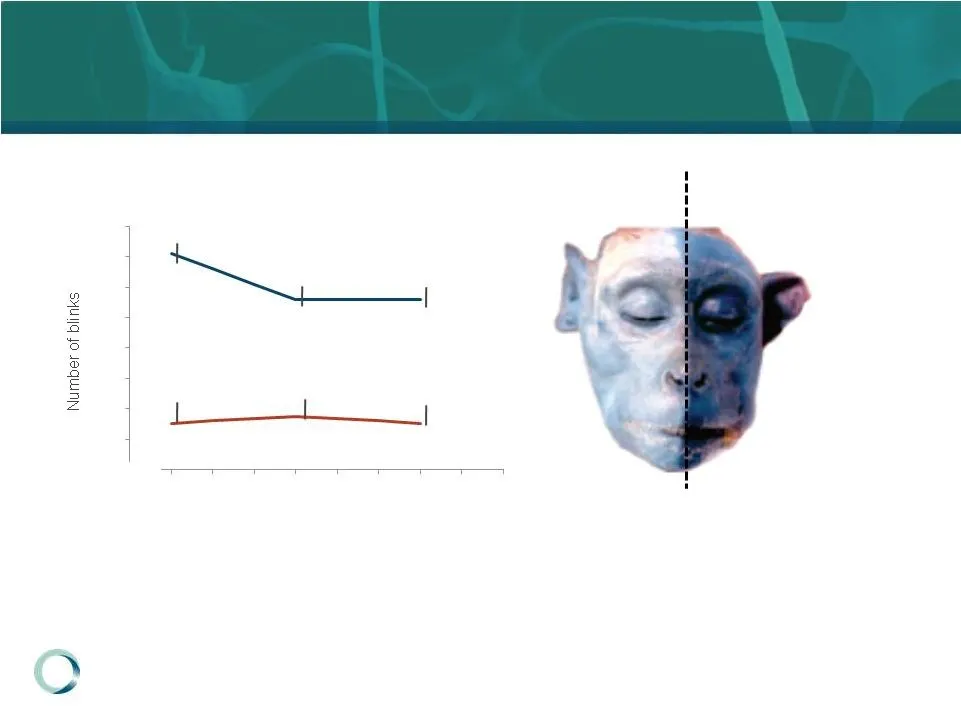
Intraganglionic injection is a potential new delivery modality for RTX Adapted from Tender et al. 2005 Nociceptive neuron-mediated neurogenic inflammation (Evans blue) Unilateral injection of RTX into only a single trigeminal neuron, not only resulted in a local functional difference, but also resul
Slide 19: Interim Data from the Phase 1/2 NIH sponsored trial
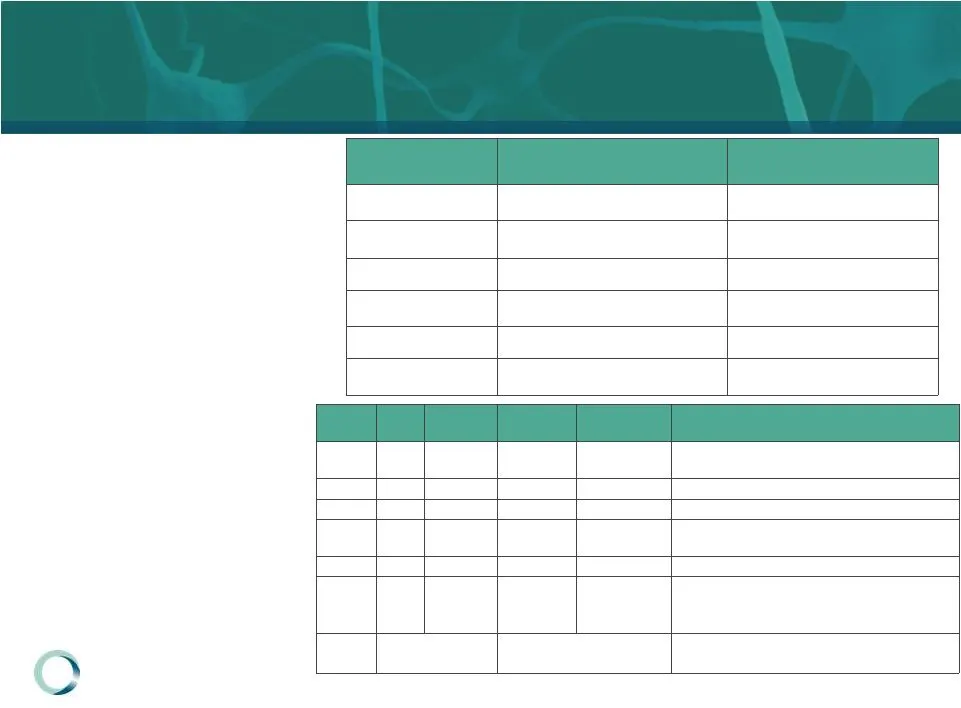
Interim Data from the Phase 1/2 NIH sponsored trial Demographics at Study Entry Cancer Diagnosis Target Pain Area Patient Pre RTX Injection Date Last NRS PI score %NRS PI improvement Details • 6 advanced cancer pts with severe refractory pain dosed with no unexpected toxicity • All 6 pts had near co
Slide 20: Next Steps for RTX Development
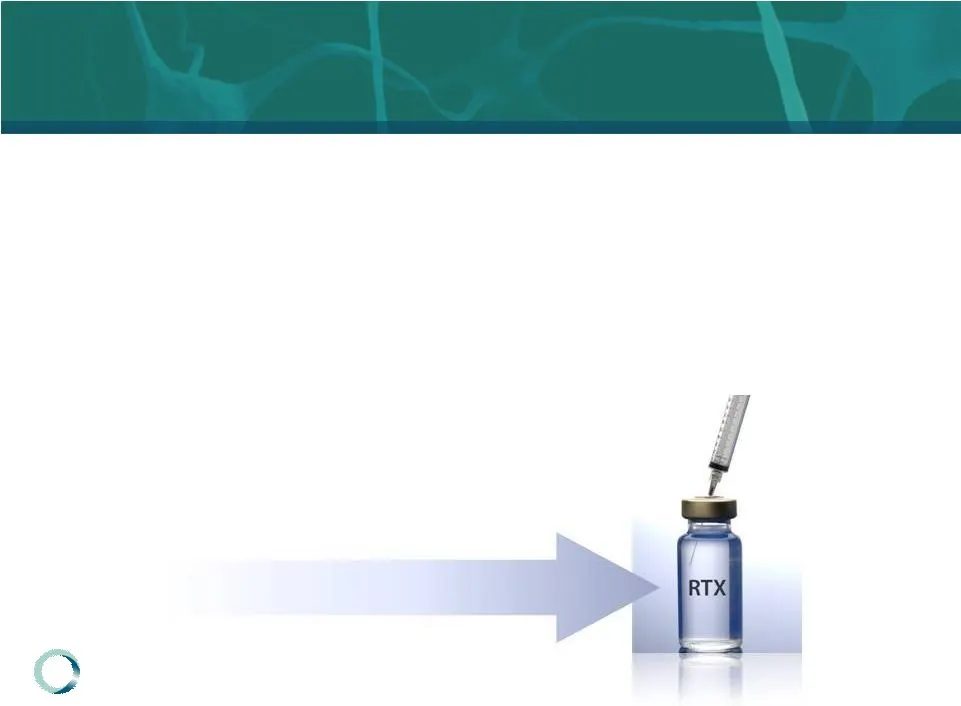
Next Steps for RTX Development Under NIH CRADA Intractable cancer pain clinical Phase 1/2 trial ( intrathecal injection ); n~13 patients Phase 1/2 trial for osteosarcoma ( intraganglionic injection ); n~15 patients Under Sorrento IND Intractable cancer pain clinical Phase 1/2 trial ( intrathecal inj

Slide 21: Mono- and Bi-specific Antibodies + Proprietary Toxins Immunotherapy Programs
Mono- and Bi- specific Antibodies + Proprietary Toxins Immunotherapy Programs G-MAB & ADC
Slide 22: G-MAB: Library of Therapeutic Antibodies
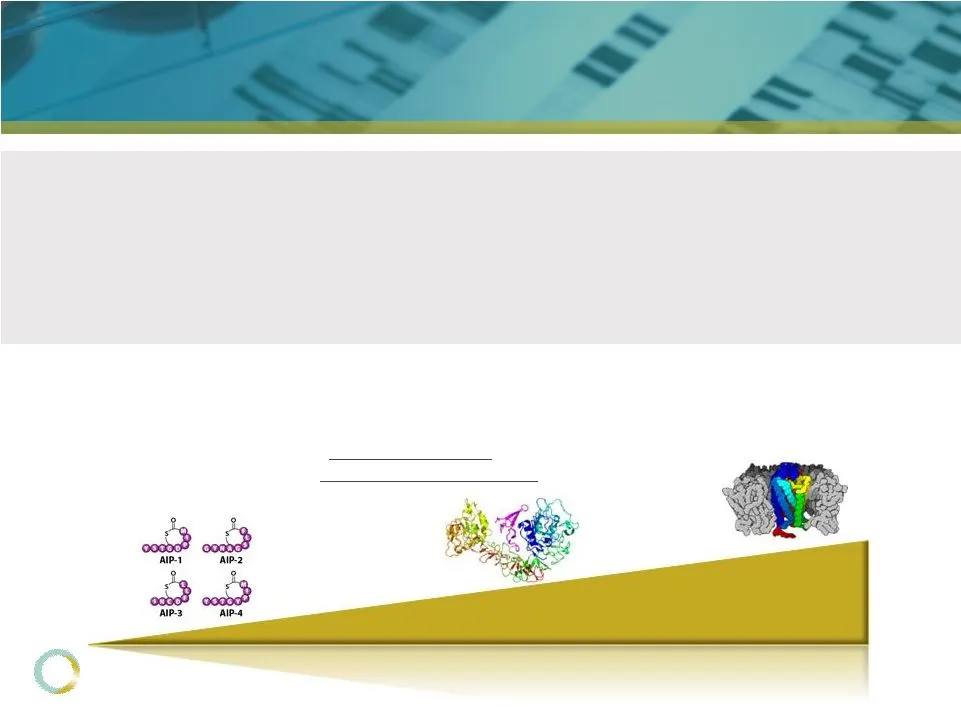
G-MAB: Library of Therapeutic Antibodies Size of Target Antigen High Value Oncology Targets: Immune modulation: PD-1, PD-L1, CD47 Antibody Drug Conjugates: VEGFR2, c-Met Proprietary technology: No stacking royalties Very high library diversity: 2.1 x 10 distinct antibodies Fully human antibodies Hig
Slide 23: Anti-PD-L1 mAb Exhibits Potent Activity
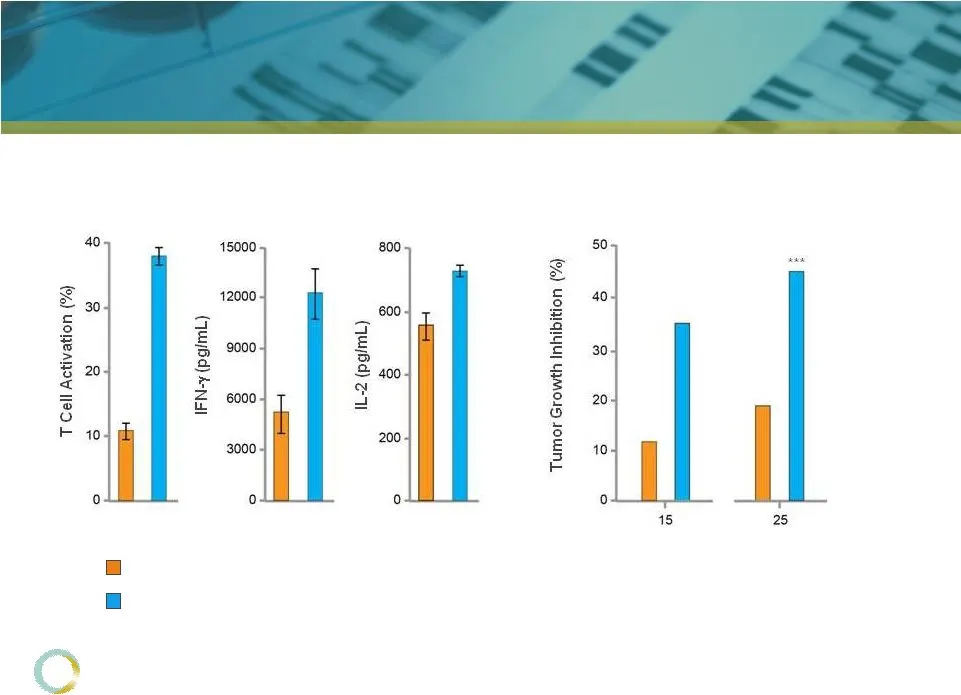
Anti-PD-L1 mAb Exhibits Potent Activity Competitor mAb Sorrento mAb Immune Modulation* Tumor Mouse Model** * mAbs @ 0.05 mg/mL ** xenograft model using H1975 human NSCLC cells; % inhibition relative to control mAb treatment *** p<0.05, mean tumor volumes are significantly reduced in STI-A1010 group
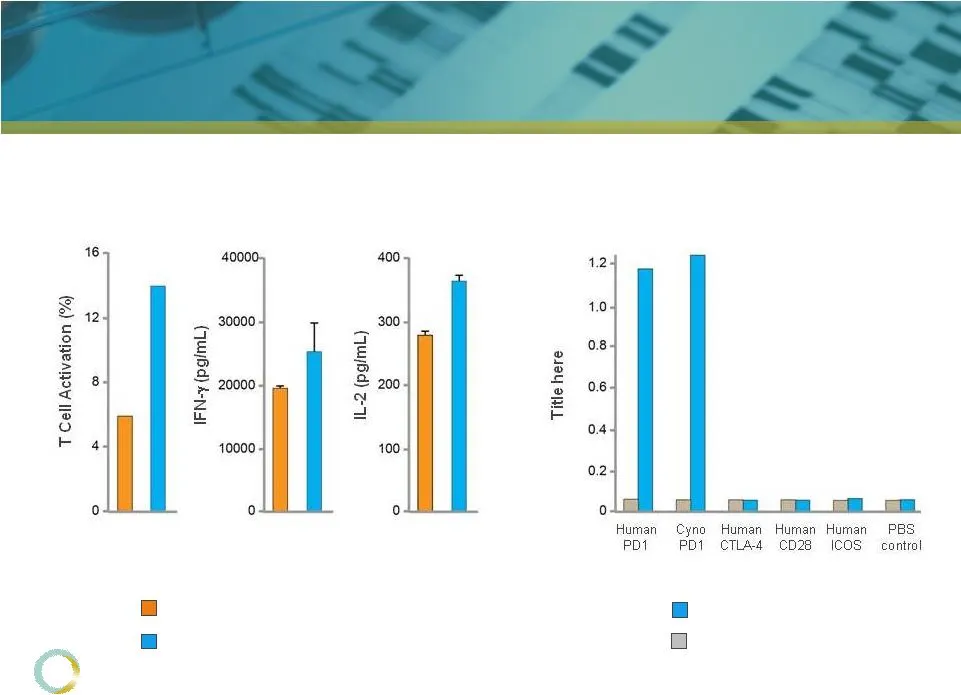
Slide 24: Anti-PD1 mAb Exhibits Excellent Activity
Anti-PD1 mAb Exhibits Excellent Activity Competitor mAb Sorrento mAb Control Sorrento mAb Immune Modulation* Target Specificity
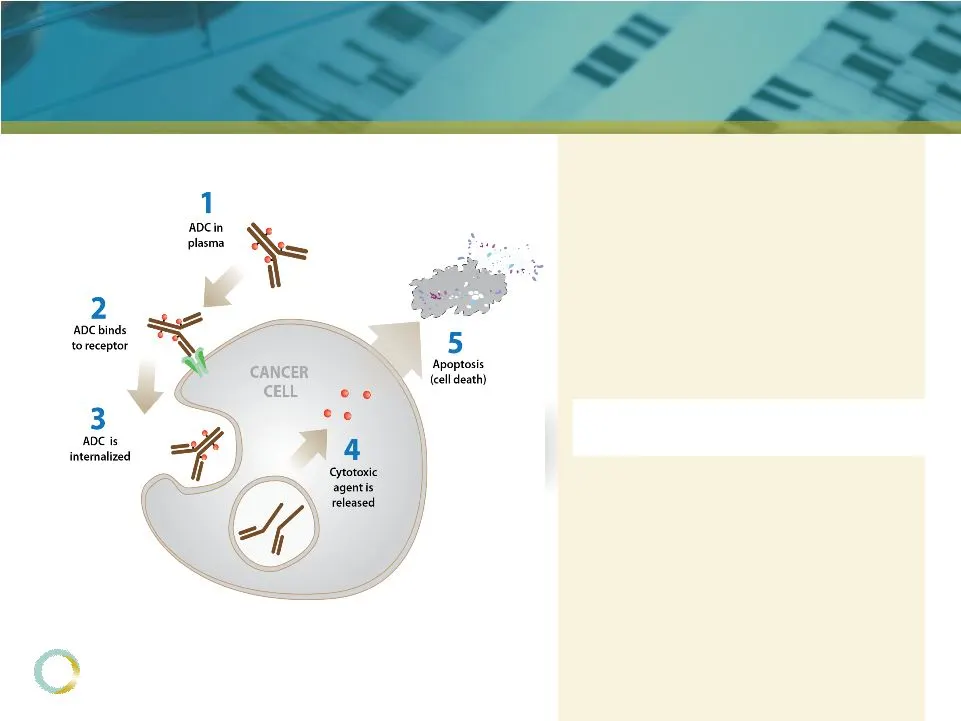
Slide 25: Antibody Drug Conjugates (ADCs)
Antibody Drug Conjugates (ADCs) Key Components: Drug released in CANCER CELL 1. Target-specific internalizing antibody 2. Potent cytotoxic prodrugs 3. Linker and conjugation chemistries
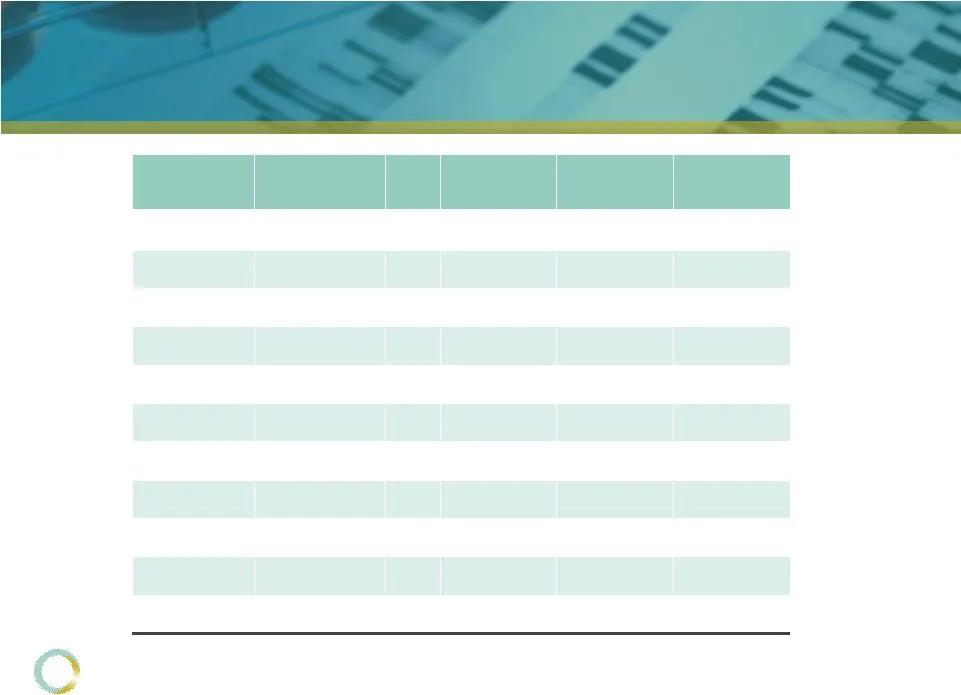
Slide 26: Proprietary High Potency Duostatin Toxins
Proprietary High Potency Duostatin Toxins EC (pM) Cancer Her-2 DM1 MMAE Duostatin 3 SBKR3 Breast +++ HCC1954 Breast +++ BT474 Breast +++ MDA-MB-361 Breast +++ ZR75 Breast +++ HCC1419 Breast +++ MDA-MB-453 Breast ++ 1,877 >100,000 MDA-MB-175 Breast + >100,000 1,348 N87 Gastric +++ OE-19 Gastric +++ S
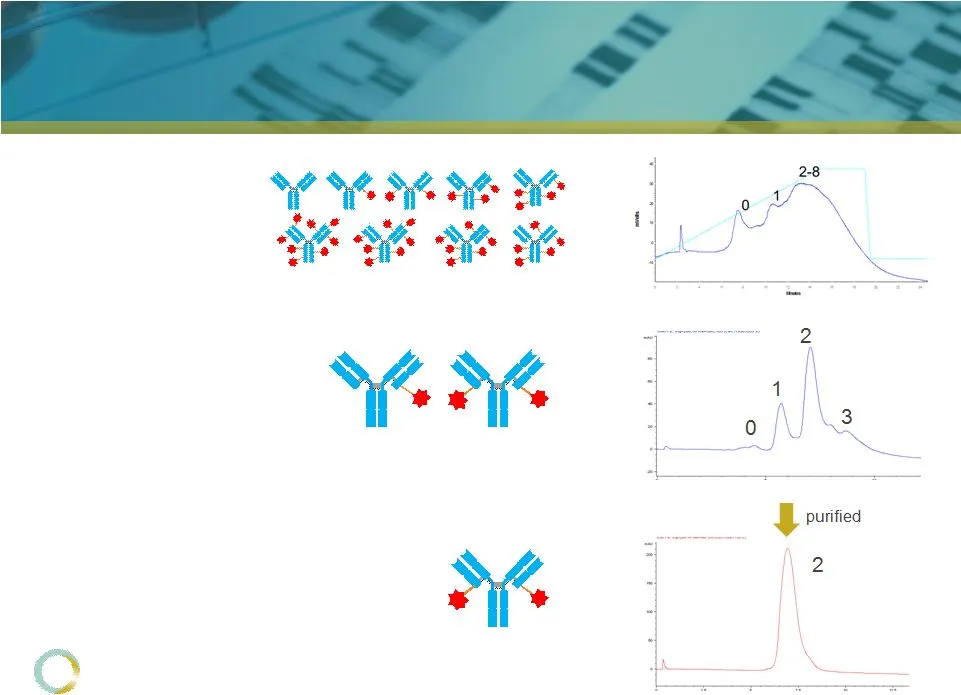
Slide 27: K-Lock Conjugation Enables Homogeneous ADCs
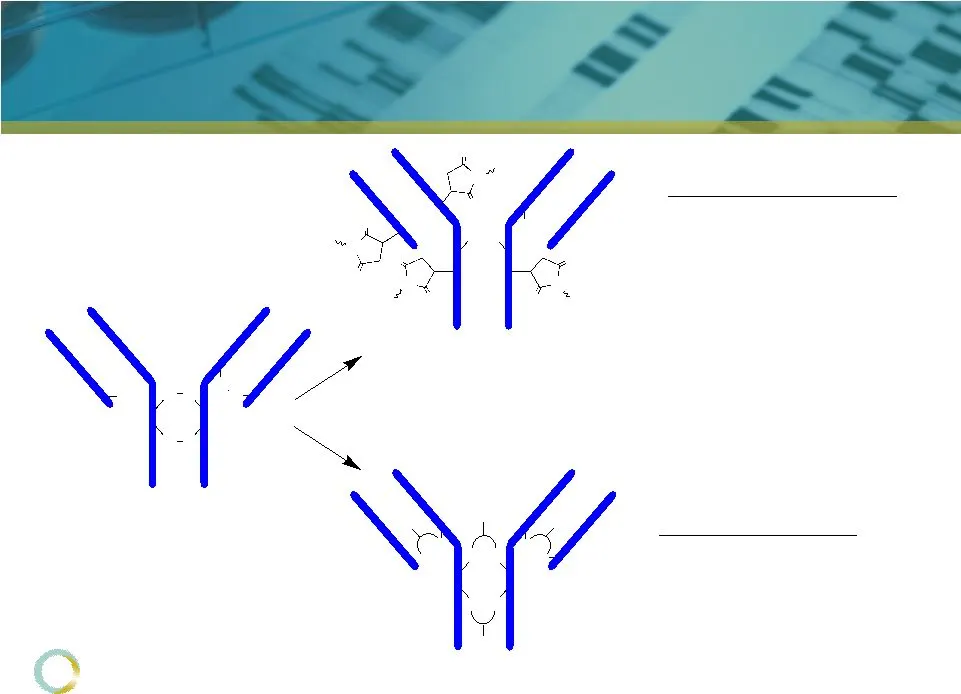
K-Lock Conjugation Enables Homogeneous ADCs Current industry standard Proprietary K-Lock chemistry Sorrento’s homogenous ADC No need for: non-natural amino acids genetic re-engineering enzymatic posttranslational modification
Slide 28: C-Lock Conjugation Stabilizes ADCs
C-Lock Conjugation Stabilizes ADCs S S S S S S S S S S S S N O O Drug N O O Drug N O O Drug N O O Drug S S S S S S S S Drug Drug Drug Drug Maleimide conjugation Destabilizes antibody structure Drug-antibody linkage not stable Altered PK profile Off-target drug effects Antibody C-Lock conjugation Enh
Slide 29: Proprietary ADC Screening Using Panels
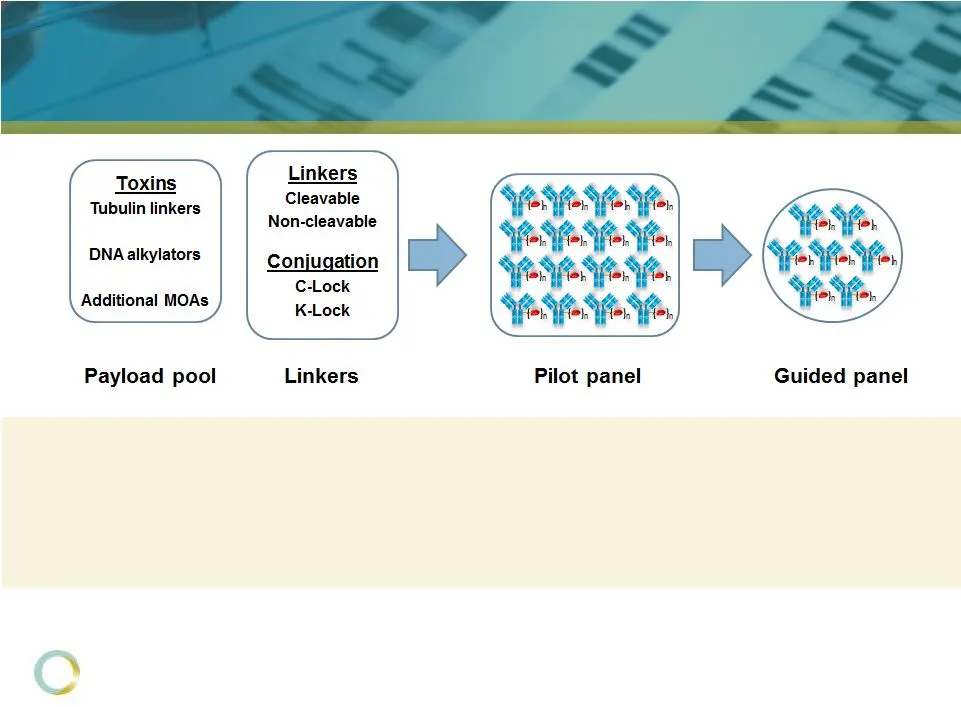
Proprietary ADC Screening Using Panels Fast path to IND Identification of optimal combination of linker, conjugation chemistry and drug payload essential for efficient and expedited development from hit to drug candidate
Slide 30: Efficacy of anti-VEGFR2-ADC STI-D0168
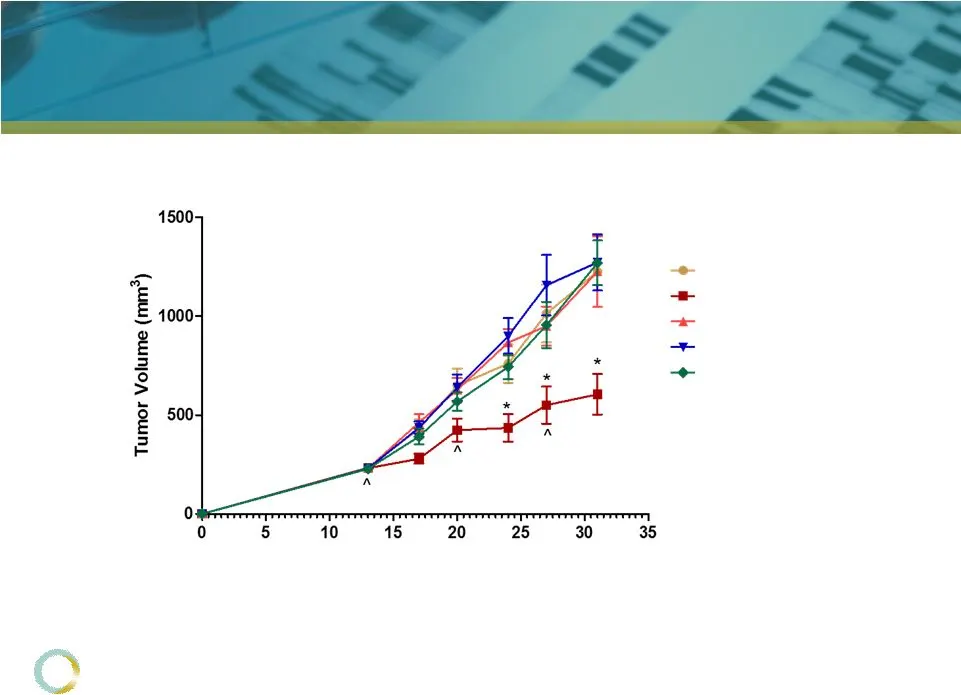
Efficacy of anti-VEGFR2-ADC STI-D0168 A431 squamous-cell carcinoma cells; ^indicates dosing PBS anti-VEGFR2 mAb (5 mg/kg) STI-D0168 (1 mg/kg) control ADC (5 mg/kg) STI-D0168 (5 mg/kg)
Slide 31: Efficacy of anti-c-MET-ADC STI-D0602
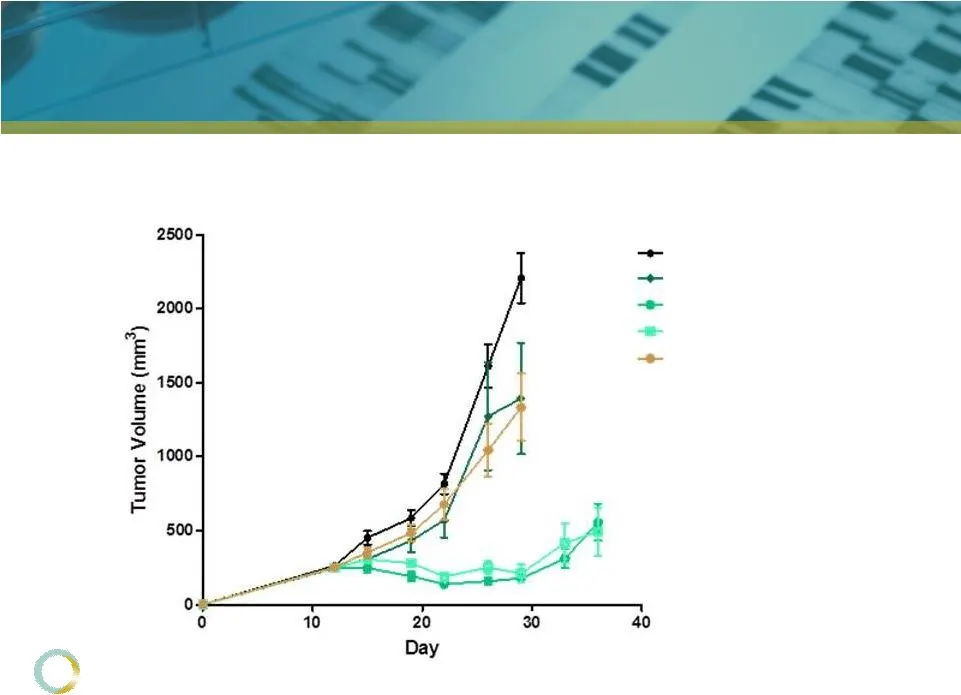
Efficacy of anti-c-MET-ADC STI-D0602 PBS control ADC (10 mg/kg) anti-c-MET mAb (10 mg/kg) D0602 (10 mg/kg) D0602 (3 mg/kg) U87 xenograft; dosing twice weekly; maytansinoid drug conjugates
Slide 32: Investment Highlights
Investment Highlights Intractable Cancer Pain Treatment Ongoing Phase 1/2 study Orphan drug status received Three potential drug products from same API Targeted Cancer Immunotherapeutics First therapeutic antibody candidate in clinic 1H 2016 Proprietary linker/conjugation chemistry for homogenous AD
Slide 33: A Subsidiary of Sorrento
A Subsidiary of Sorrento Developing Therapeutic Solutions to Help Man’s Life Companions

Slide 34: Contact: Henry Ji, Ph.D. President and CEO
Contact: Henry Ji, Ph.D. President and CEO hji@sorrentotherapeutics.com (858) 668-6923 Next-Generation Cancer Therapeutics
Source: SEC EDGAR · 8-K filed Oct 15, 2014
More decks from Sorrento Therapeutics, Inc.
 Presentation (August 2023)9 slides · Aug 1, 2023
 SPAC Merger (March 2022)21 slides · Mar 18, 2022
 Technical Presentation (January 2022)13 slides · Jan 21, 2022
 SPAC Merger (December 2021)57 slides · Dec 13, 2021
 Technical Presentation (November 2021)9 slides · Nov 29, 2021
 Investor Presentation (September 2021)37 slides · Sep 13, 2021