The Cigna Group · NYSE:CI
The Cigna — Investor Presentation (July 2012)
31 slides from The Cigna's investor presentation, Jul 12, 2012
Slide 1: How Anxiety Affects the Lives of Individuals with Autism and Treatments that Help
How Anxiety Affects the Lives of Individuals with Autism and Treatments that Help Cigna Autism Awareness Series Charles Cartwright, M.D. Director, YAI Autism Center YAI Network July 12, 2012
Slide 2
Slide 3: Autism Spectrum
Autism Spectrum • Defined by the following: • Difficulty forming and engaging in reciprocal social interactions • Difficulty communicating with others • Need for routine and ritual – Difficulty tolerating change • Social and communication delays present prior to the age of 3 years
Slide 4: 'Uncomplicated' Autism Spectrum Disorders (ASD)
‘Uncomplicated’ Autism Spectrum Disorders (ASD) • Social – Development of social skills • Communication – Functional language • Restricted interests/repetitive behaviors – Increased flexibility over time • Absence of significant co‐occurring conditions
Slide 5: Co-occurrence of Anxiety in ASD
Co‐occurrence of Anxiety in ASD • Anxiety – Phobias – Social anxiety disorder – Obsessive‐compulsive disorder – Post traumatic stress disorder
Slide 6: Ask Me About My Social Anxiety
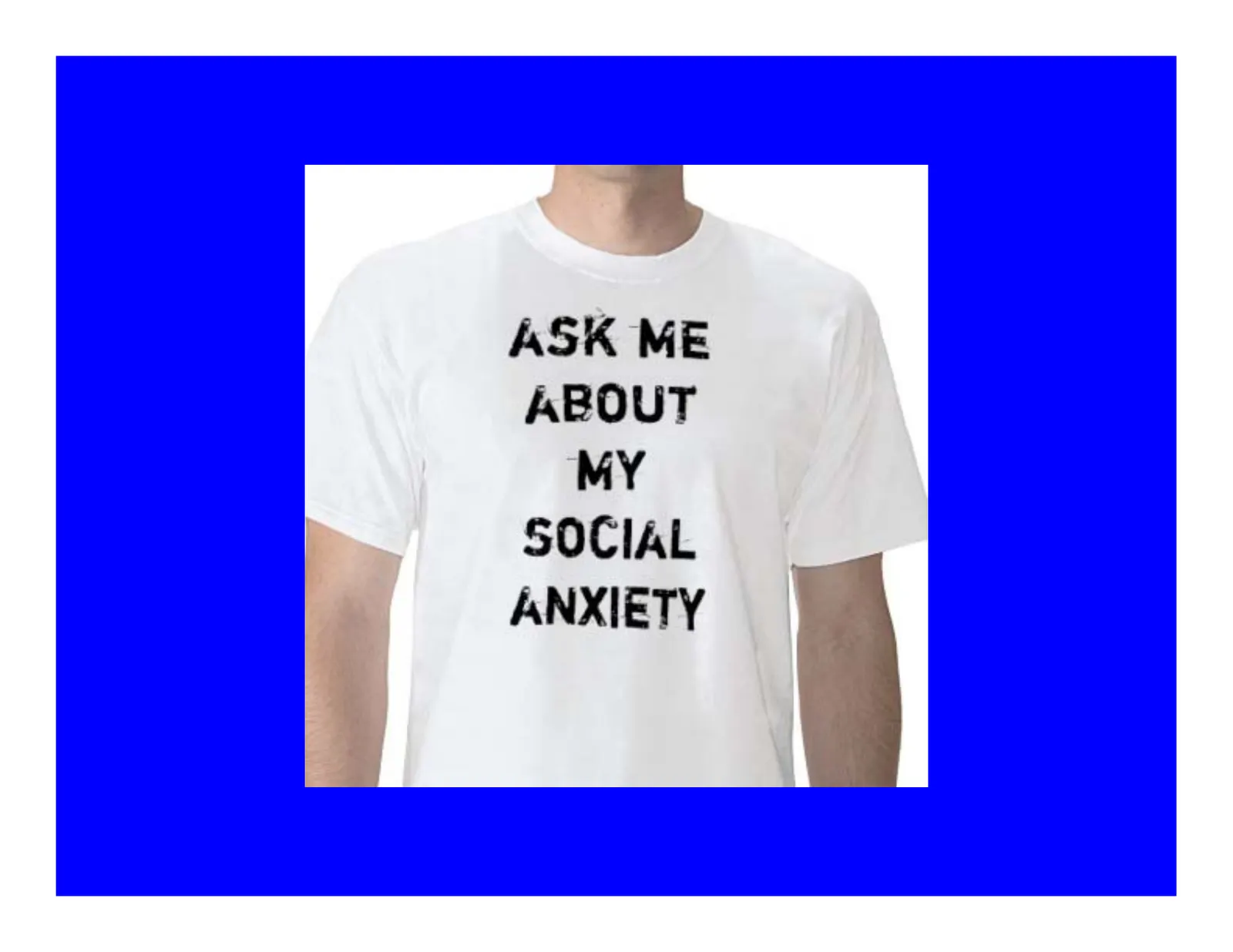
ASK ME ABOUT MY SOCIAL ANXIETY — | \
Slide 7: A Life with Autism: Temple Grandin
A Life with Autism Temple Grandin
Slide 8: An Anxious Experience for Individuals on the Autism Spectrum
http://www.youtube.com/watch?v=Q6G‐OpGgo3c An Anxious Experience for Individuals http://www.youtube.com/watch?v=CfbRuhG1sbE on the Autism Spectrum
Slide 9
Slide 10: Rigidity and Transitions
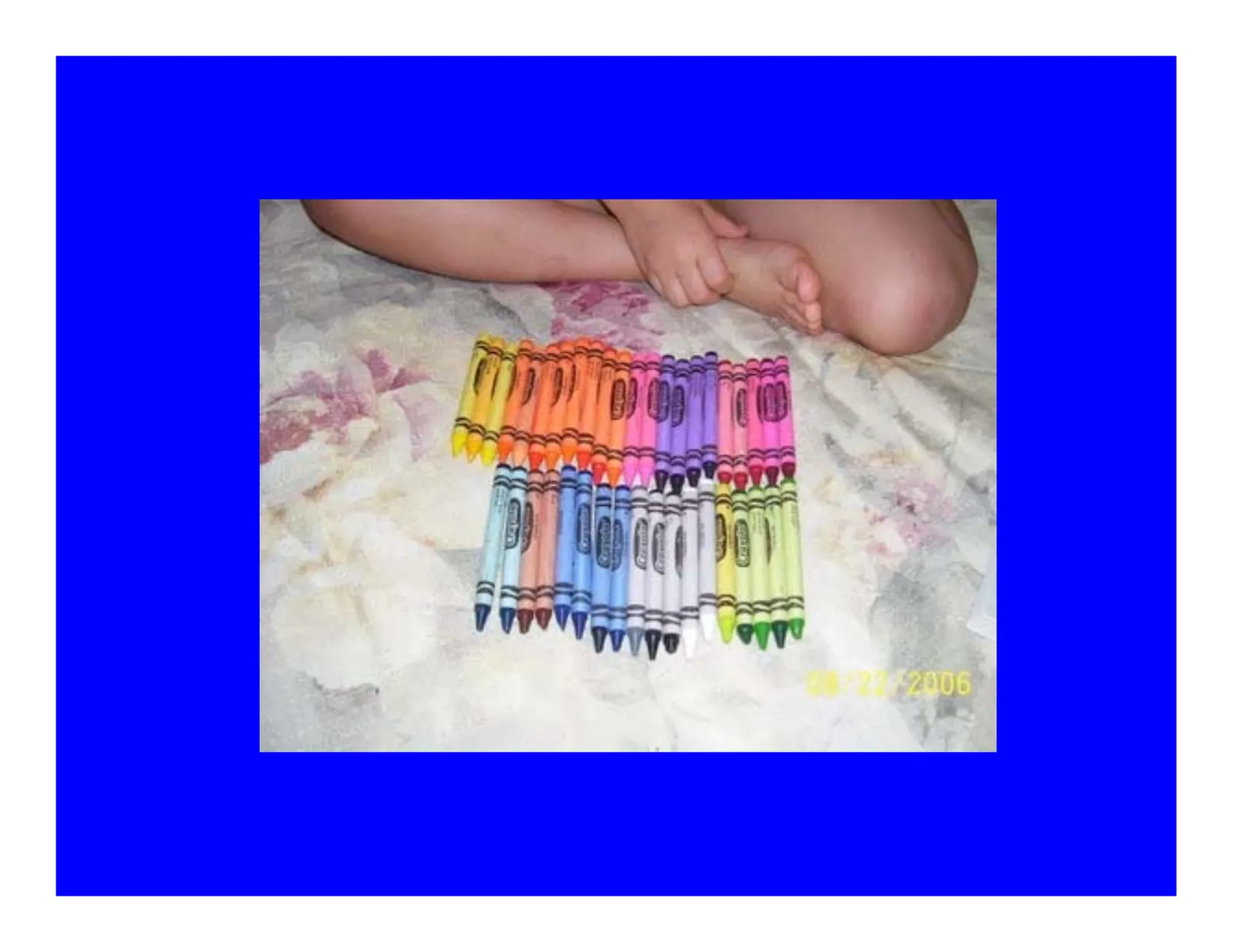
http://www.youtube.com/watch?v=UMAGcBAEPjM&feature=related Rigidity and Transitions

Slide 11: Autism Meltdown Probability High
6s AUTISM MELTOOWR PROBABILITY HIGH
Slide 12: "Explosions": Why do they happen?
“Explosions” Why do they happen?
Slide 13: Location of Major Limbic System Structures
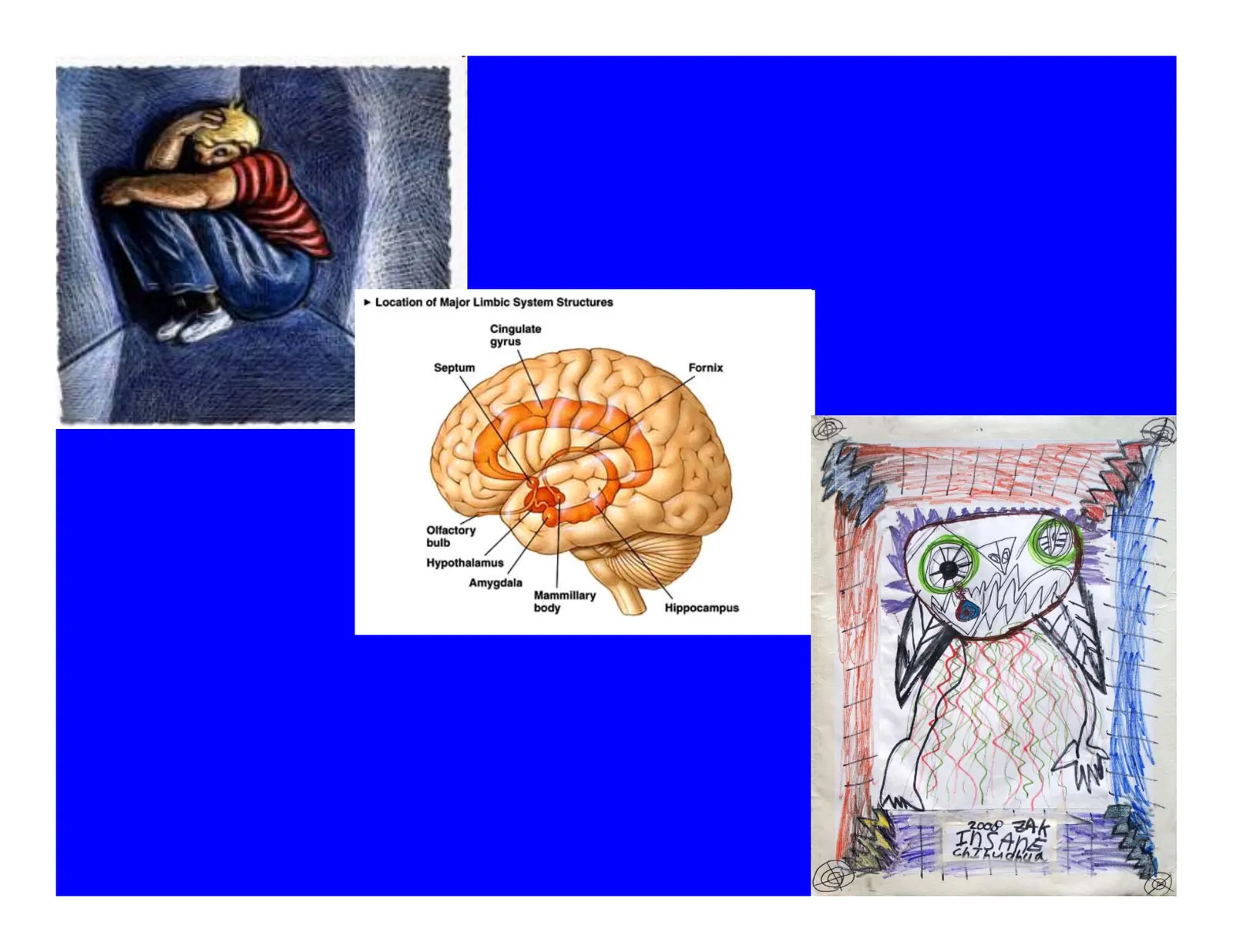
> Location of Major Limbic System Structures
Slide 14: What Factors are Involved?
What Factors are Involved? • Emotion – Emotion regulation • Anxiety – Ability to tolerate uncertainty • Impulse Control – Ability to manage frustration • The person’s experience of the sensory world
Slide 15: Intense World Theory of Autism
Intense World Theory of Autism Markram and Markram, 2010
Slide 16: Intense World Theory of Autism
Intense World Theory of Autism • Sensory perception • Attention • Memory • Emotion • Fear
Slide 17: Relevance of the Intense World Theory
Relevance of the Intense World Theory • How is the theory relevant to our understanding of explosions – Be aware of sensory experience where the explosions are occurring – Understand that this world is being perceived and attended to in different way than yours – Look for past memories – Realize tha
Slide 18: The Impact of Bullying
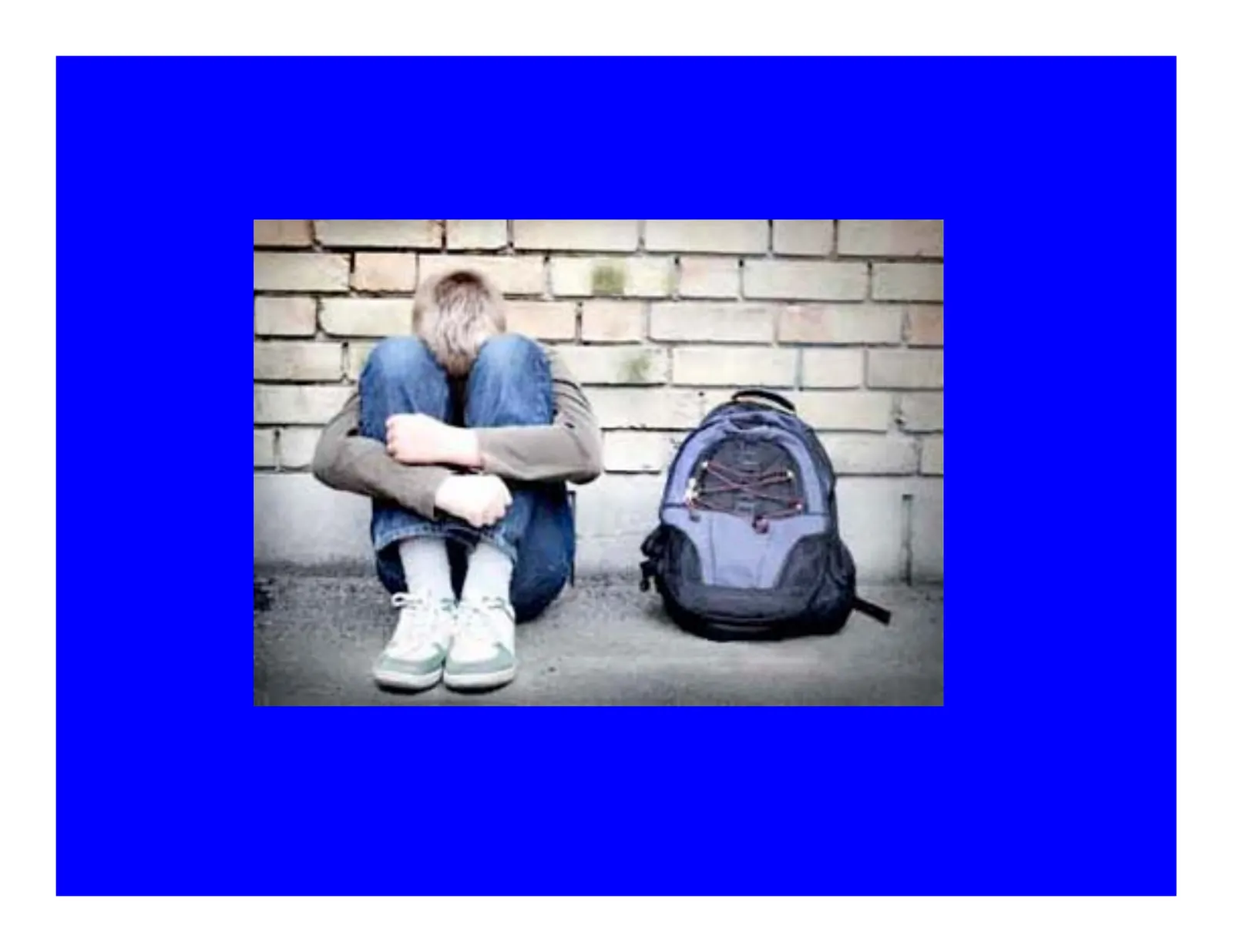
http://www.youtube.com/watch?v=‐tB4J00xkC4 The Impact of Bullying
Slide 19

Slide 20
Slide 21: Treatment
Treatment • Psychological Interventions – Cognitive Behavioral Therapy – Relational Based Interventions • Speech and Language Therapy • Occupational Therapy – Sensory focused • Other – Yoga, exercise, music therapy
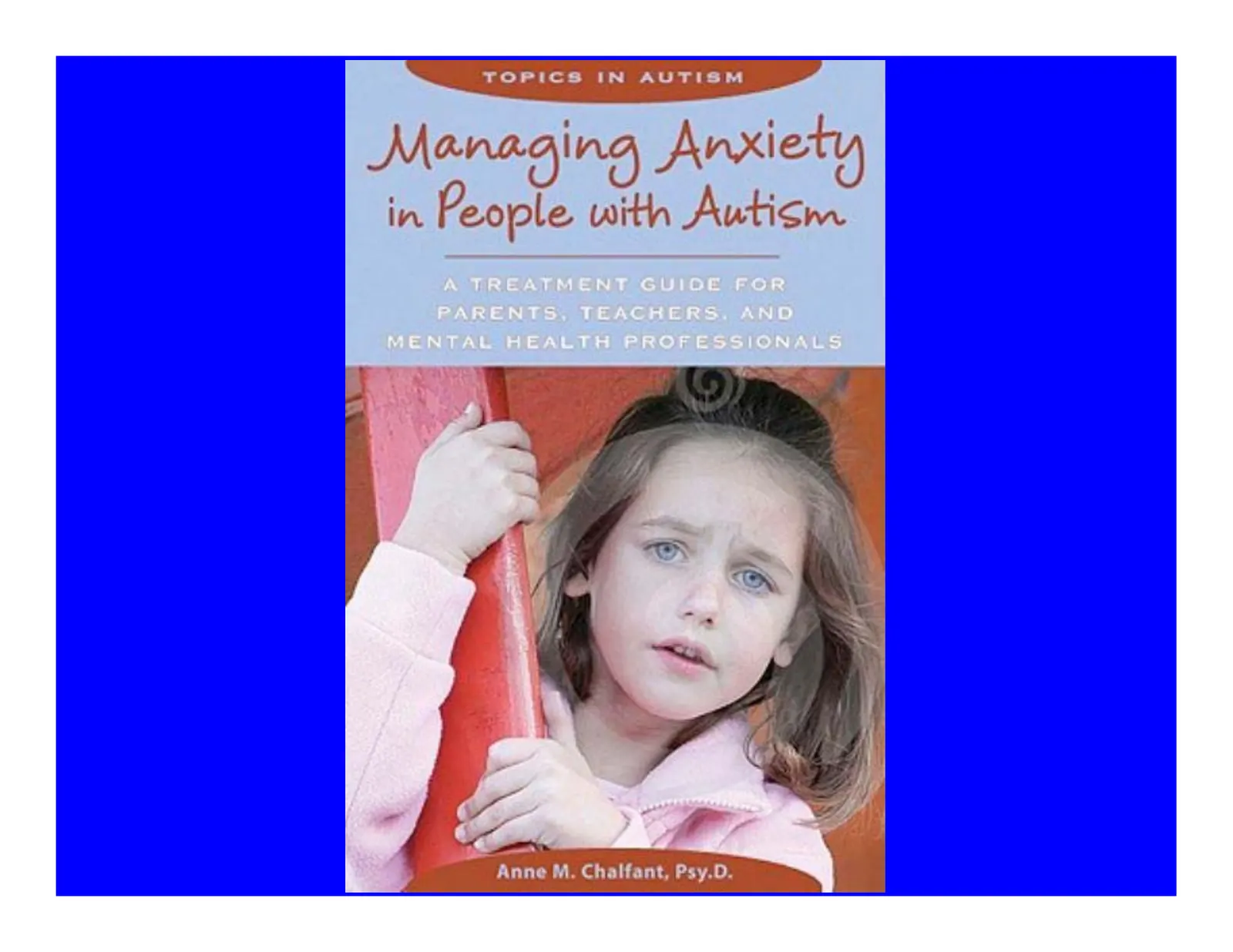
Slide 22: Managing Anxiety in People with Autism
on * in A al Mensaing Anxiety in People with Auticm
Slide 23
Slide 24
Slide 25: Medication Approaches
Medication Approaches • Serotonin Re‐uptake Inhibitors – Prozac, Paxil, Luvox, Celexa, Lexapro • Benzodiazepines – Ativan, Klonopin, Xanax • Serotonin Partial Agonist – Buspar • Atypical Neuroleptics – Risperdal, Seroquel, Abilify
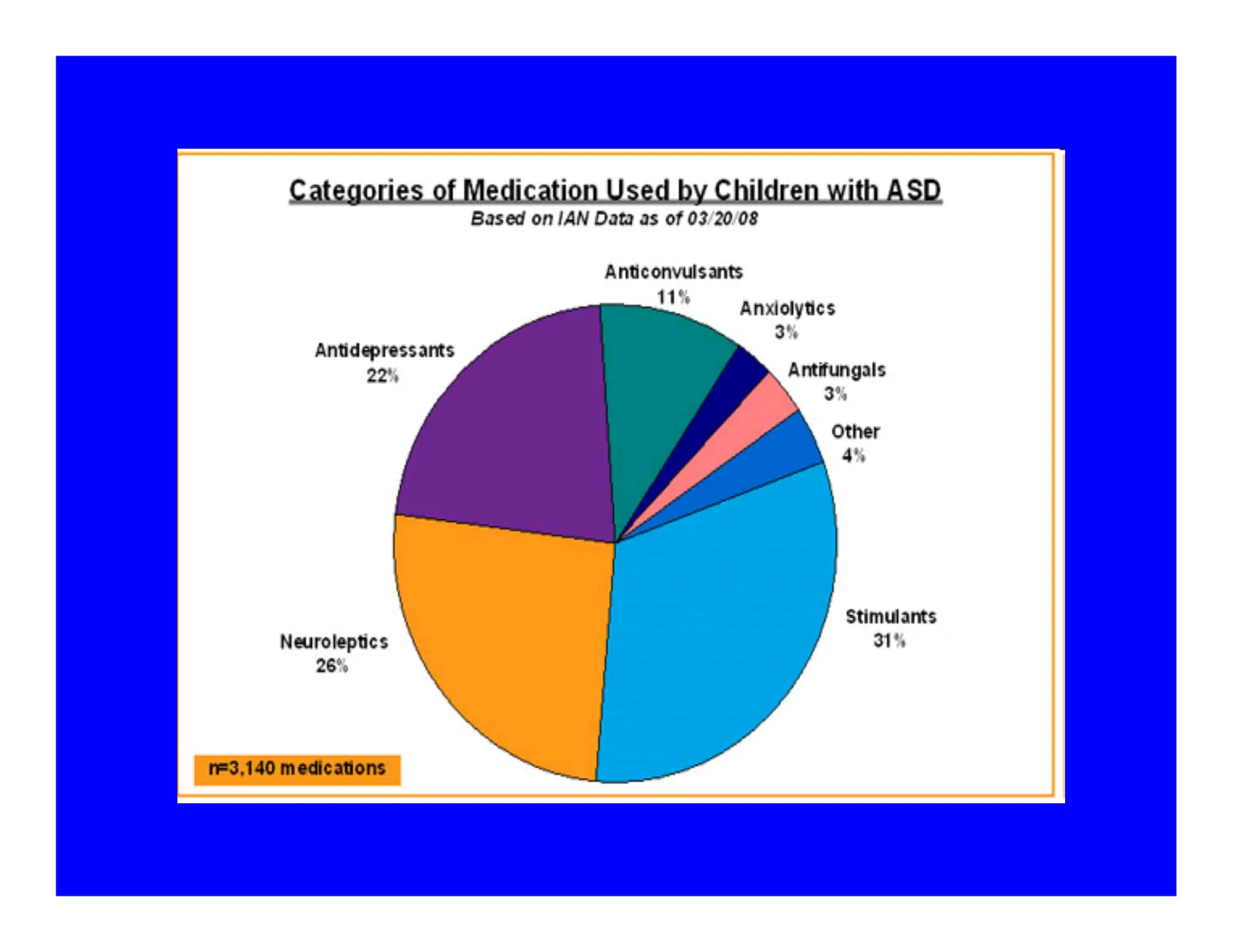
Slide 26: Categories of Medication Used by Children with ASD
: ies of Medication Used by Child ith ASD Based on IAN Data as of 03/20/08 Anticonvulsants 11% Anxlolytics 3% Antifungals 3% Other 4 % Antidepressants 22" Stimulants Neuroleptics 31" 26%
Slide 27: Oxytocin: The Social Peptide
Oxytocin The Social Peptide
Slide 28: Uyy Totin
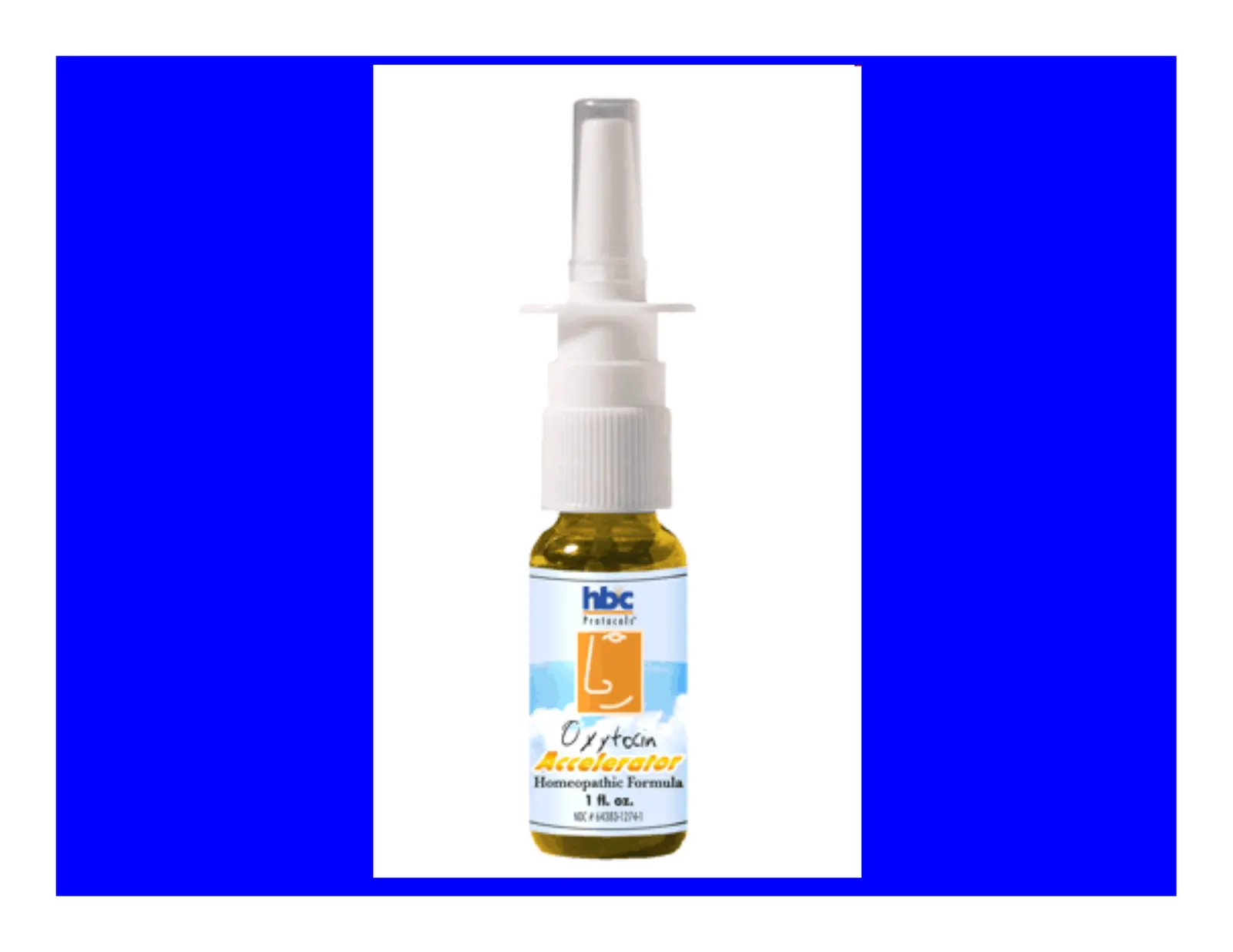
Uyy Totin Accelerator, Homeopathic Formula 1 on. —
Slide 29: Novel Treatment Approaches
Novel Treatment Approaches • Address the core concerns in autism – Feeling connected and engaged with selected friends and family – Improve the ability to identify the emotional states and thoughts of those around – Have the ability to communicate effectively – Be flexible and have the ability to to
Slide 30: Oxytocin
Oxytocin • Oxytocin promotes social and approach behaviors by reducing the feeling of threat or sense of being unsafe – (Di Simplicio et al, 2009) • Oxytocin increases gaze specifically toward the eye region of human faces – (Guastella et al, 2010) • Data suggest that oxytocin improves the ability t
Slide 31: Thank you
Thank you
Source: Internet Archive copy of cigna.com
More decks from The Cigna Group
 Q3 2026 Earnings Presentation18 slides · Nov 5, 2026
 Investor Day (September 2026)119 slides · Sep 30, 2026
 Q1 2026 Earnings Presentation13 slides · Apr 30, 2026
 Q4 2024 Earnings Presentation25 slides · Jan 30, 2025
 Q2 2024 Earnings Presentation19 slides · Aug 1, 2024
 Q1 2024 Earnings Presentation19 slides · May 2, 2024