Opthea Limited · ASX:OPT
Opthea — Investor Presentation (January 2012)
21 slides from Opthea's investor presentation, January 2012
Slide 1: Development Opportunity for VEGF-C Inhibitors in Wet AMD
Development Opportunity for VEGF-C Inhibitors in Wet AMD Megan Baldwin, PhD Chief Executive Officer megan.baldwin@circadian.com.au
Slide 2: Disclaimer
Disclaimer Investment in Circadian Technologies Limited (‘Circadian’) is subject to investment risk, including possible loss of income and capital invested. Neither Circadian nor any other member company of the Circadian Group guarantees any particular rate of return or performance, nor do they guar
Slide 3: Opthea's Ophthalmology Program
Opthea’s Ophthalmology Program • Developing biologic VEGF-C inhibitors for the treatment of ‘wet’ (neovascular) Age-Related Macular Degeneration (AMD). • Lead Candidate: VGX-300 (soluble VEGFR-3) • Strong scientific rationale • Inhibition of VEGF-C with anti-VEGF-A therapies to improve patient respo
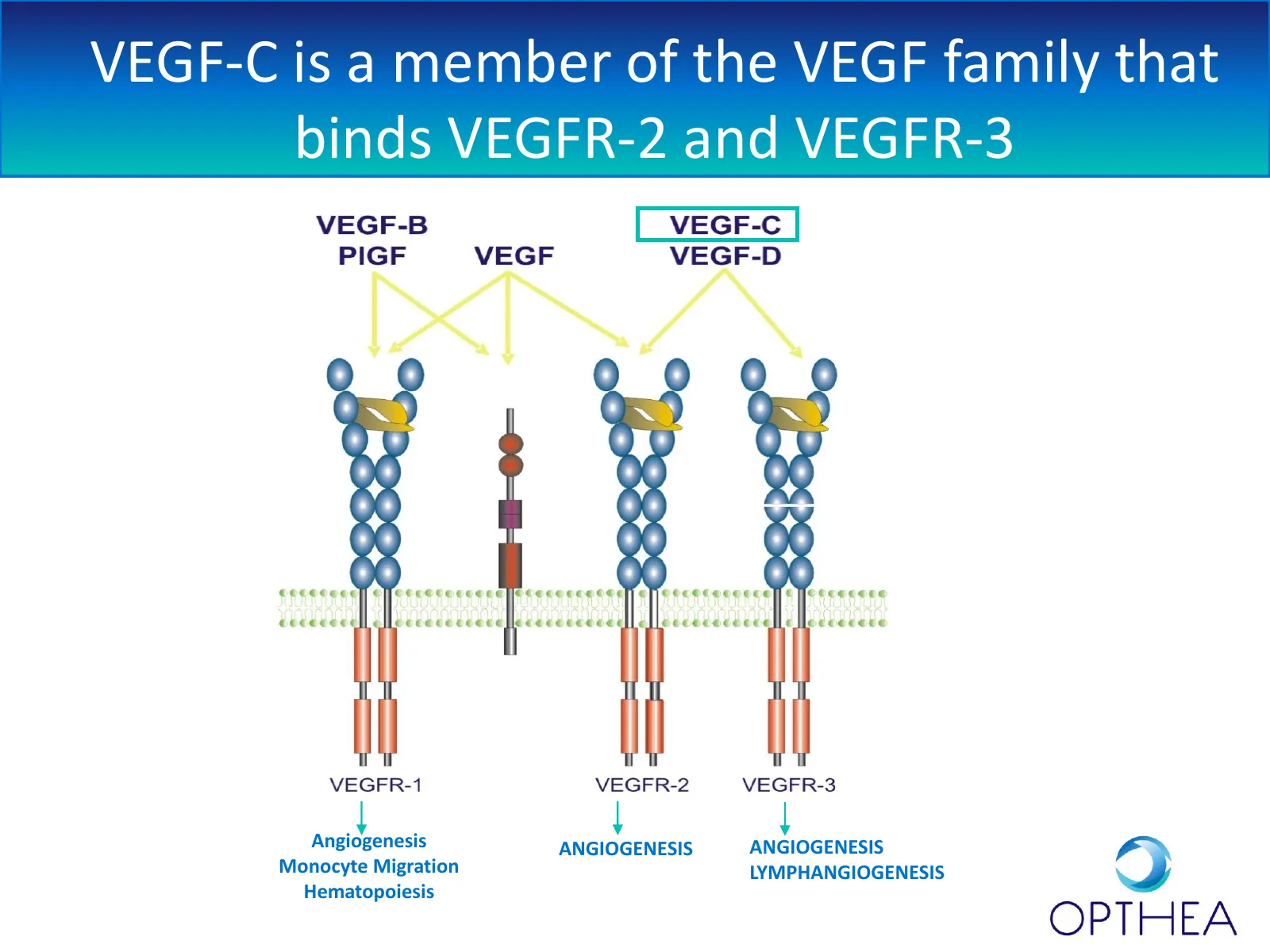
Slide 4: VEGF-C is a member of the VEGF family that binds VEGFR-2 and VEGFR-3
VEGF-C is a member of the VEGF family that binds VEGFR-2 and VEGFR-3 Angiogenesis ANGIOGENESIS ANGIOGENESIS Monocyte Migration LYMPHANGIOGENESIS Hematopoiesis
Slide 5: Improving Anti-Angiogenesis: A Major Commercial Opportunity
IMPROVING ANTI-ANGIOGENESIS A Major Commercial Opportunity Not all patients respond to exisiting therapies. Non-responders and ‘poor’ responders experience no gain in vision & continue to leak. • Existing therapies for ‘wet’ AMD target VEGF-A but not VEGF-C. • VEGF-C can induce angiogenesis and vess
Slide 6: The Normal Retina and 'Wet' (neovascular) AMD
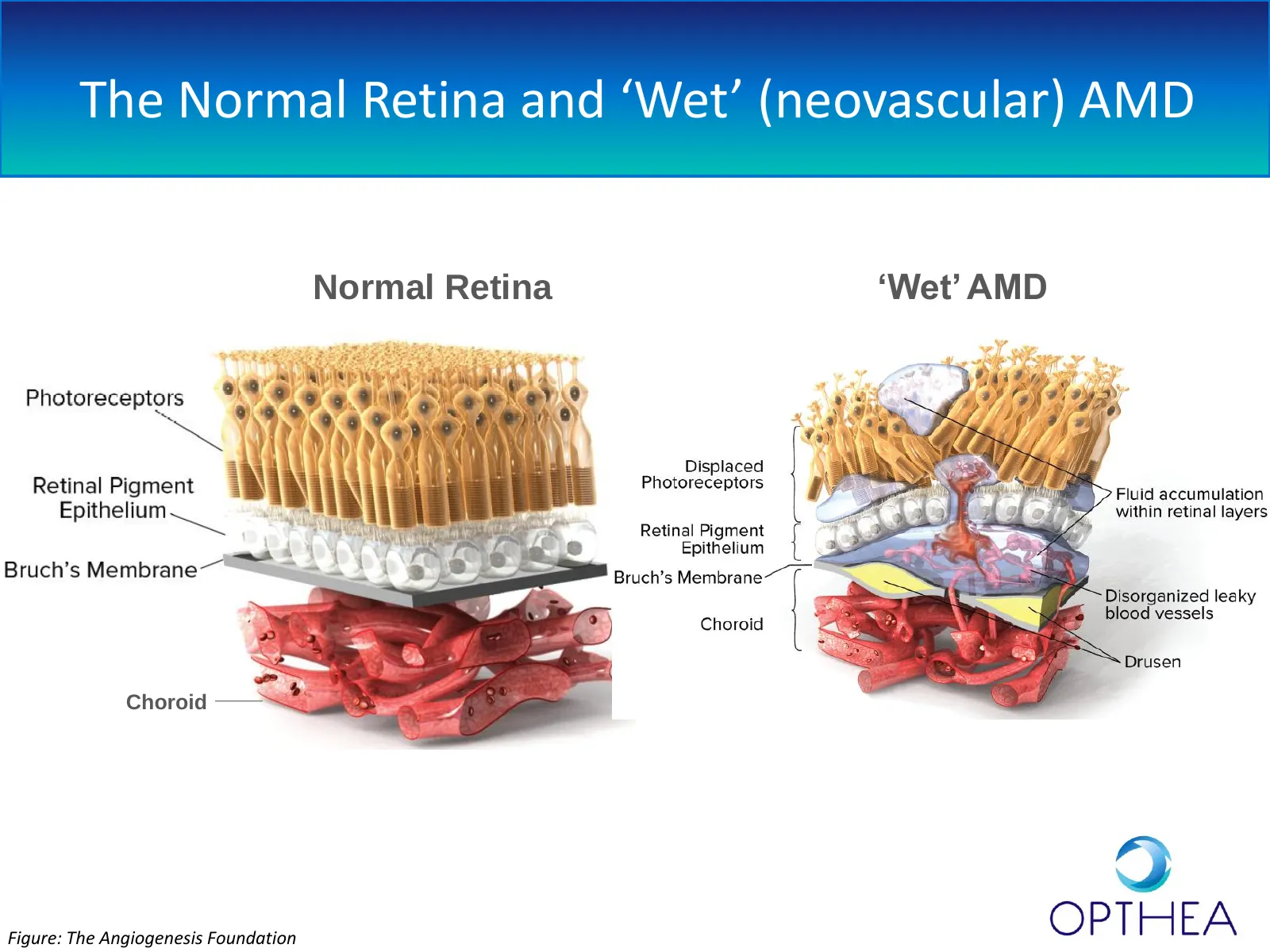
The Normal Retina and ‘Wet’ (neovascular) AMD Normal Retina ‘Wet’ AMD Choroid Figure: The Angiogenesis Foundation
Slide 7: Target Patient Population
Target Patient Population • Opthea’s inaugural clinical trial program will recruit ‘sub- responders’ to existing VEGF-A inhibitors for wet AMD: • ~45% of patients receiving Lucentis® or Eylea® have no vision gain following treatment • ~20-40% have persistent vascular leakage • Sub-response clearly d
Slide 8: Target Patient Population
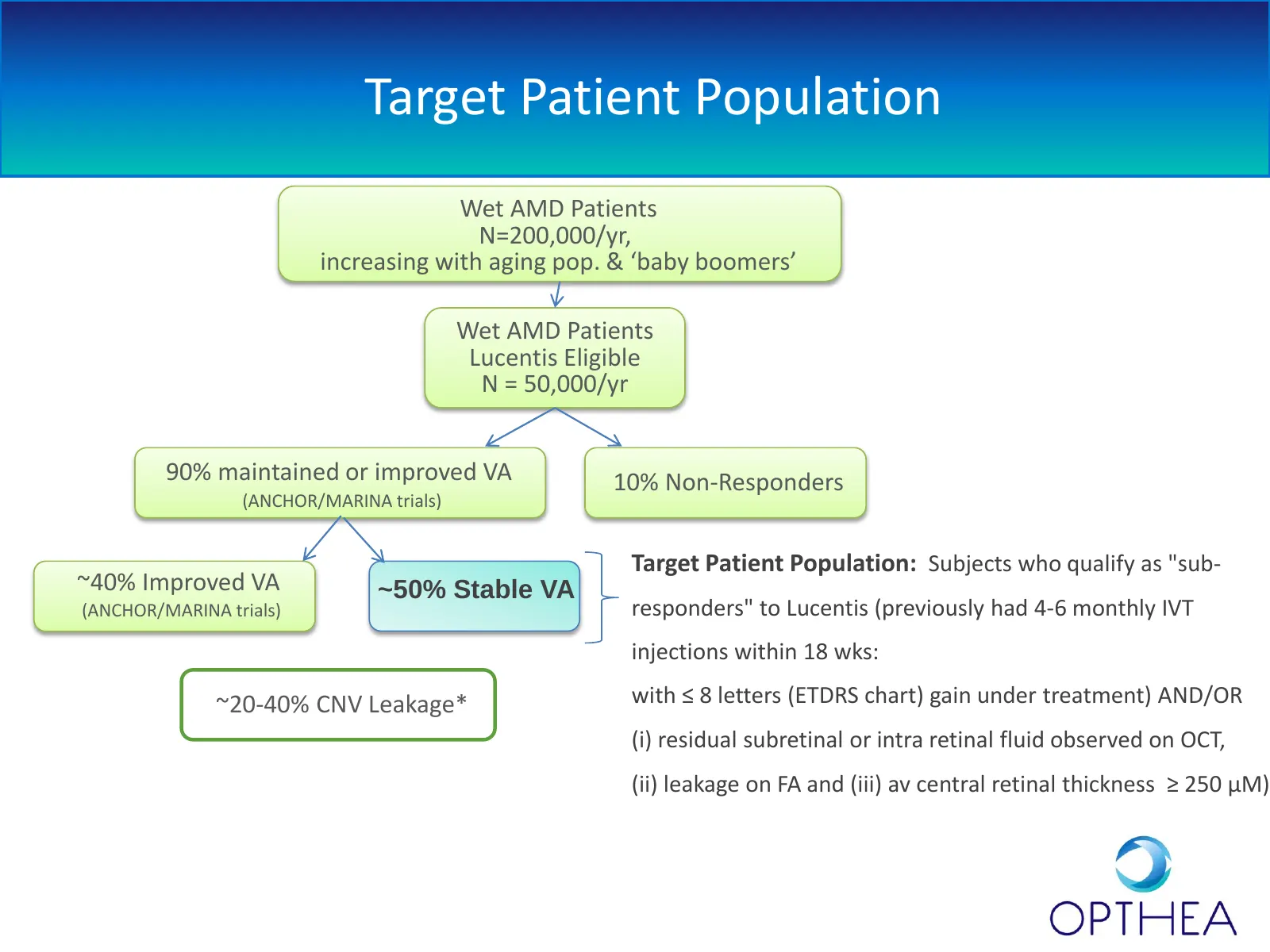
Target Patient Population Wet AMD Patients N=200,000/yr, increasing with aging pop. & ‘baby boomers’ Wet AMD Patients Lucentis Eligible N = 50,000/yr 90% maintained or improved VA 10% Non-Responders (ANCHOR/MARINA trials) Target Patient Population: Subjects who qualify as "sub- ~40% Improved VA ~50%
Slide 9: We are Targeting VEGF-C Blockade
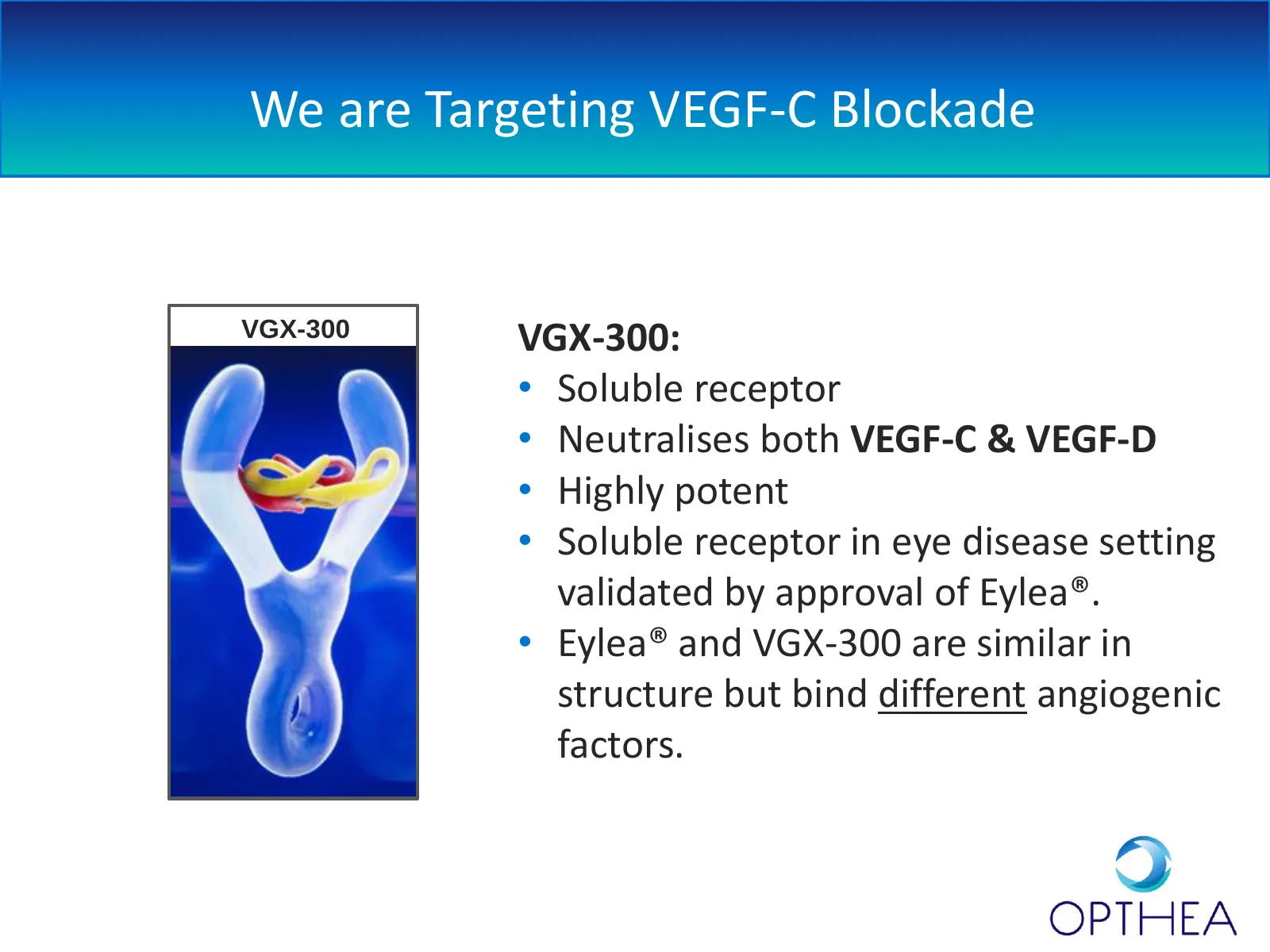
We are Targeting VEGF-C Blockade VGX-300 VGX-300: • Soluble receptor • Neutralises both VEGF-C & VEGF-D • Highly potent • Soluble receptor in eye disease setting validated by approval of Eylea®. • Eylea® and VGX-300 are similar in structure but bind different angiogenic factors.
Slide 10: Compelling reasons supporting VGX-300 for Wet AMD
Compelling reasons supporting VGX-300 for Wet AMD • Scientific rationale • Potential to improve visual acuity • Potential to reduce dosing frequency • Local delivery • Reduced risk of adverse systemic effects • Potential for prolonged ocular half-life • Data from rabbits compares favorably to market
Slide 11: Compelling reasons supporting VGX-300 for Wet AMD
Compelling reasons supporting VGX-300 for Wet AMD • Leveraged investment: Optimised molecular structure for ocular administration Research and preclinical development experience • Ability to test directly in the disease population in Phase I. • Ability to incorporate efficacy measures of respons
Slide 12: Cell Proliferation
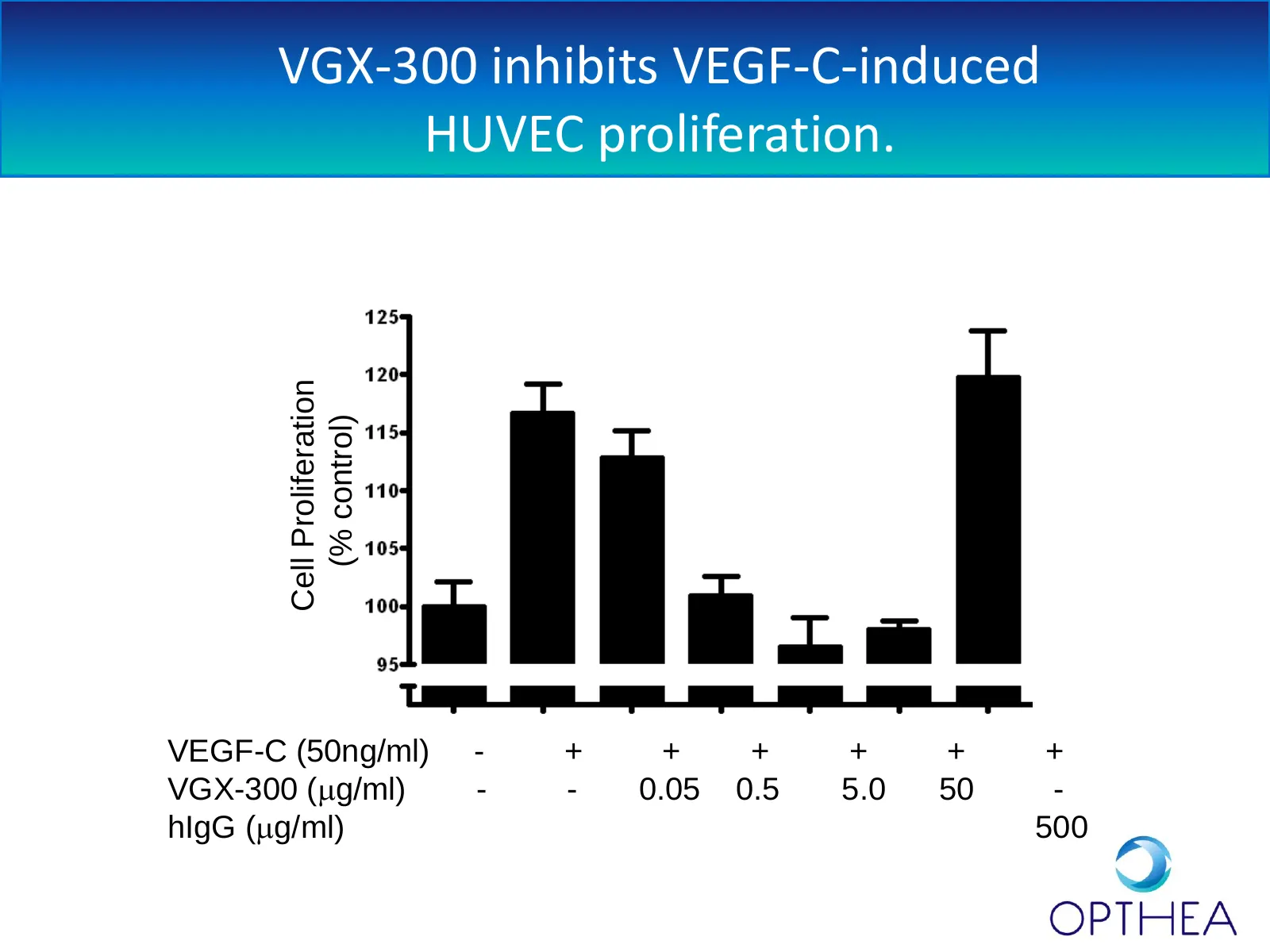
VGX-300 inhibits VEGF-C-induced HUVEC proliferation. Cell Proliferation (% control) VEGF-C (50ng/ml) - + + + + + + VGX-300 (mg/ml) - - 0.05 0.5 5.0 50 - hIgG (mg/ml) 500
Slide 13: VEGF-C is Required for Retinal Vascular Development
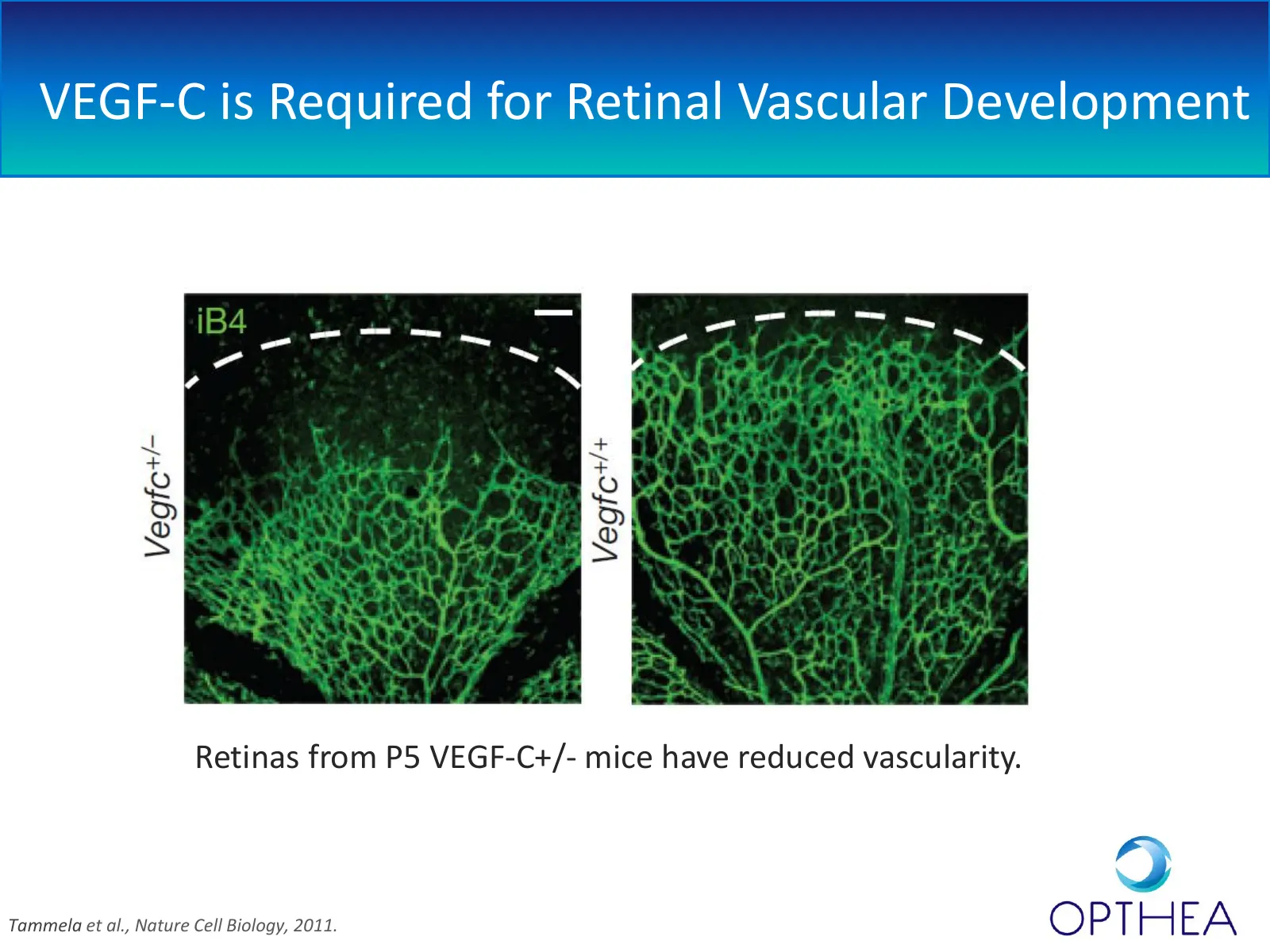
VEGF-C is Required for Retinal Vascular Development Retinas from P5 VEGF-C+/- mice have reduced vascularity. Tammela et al., Nature Cell Biology, 2011.
Slide 14: VEGF-A & VEGF-C Act Synergistically to Promote Choroidal Vessel Formation
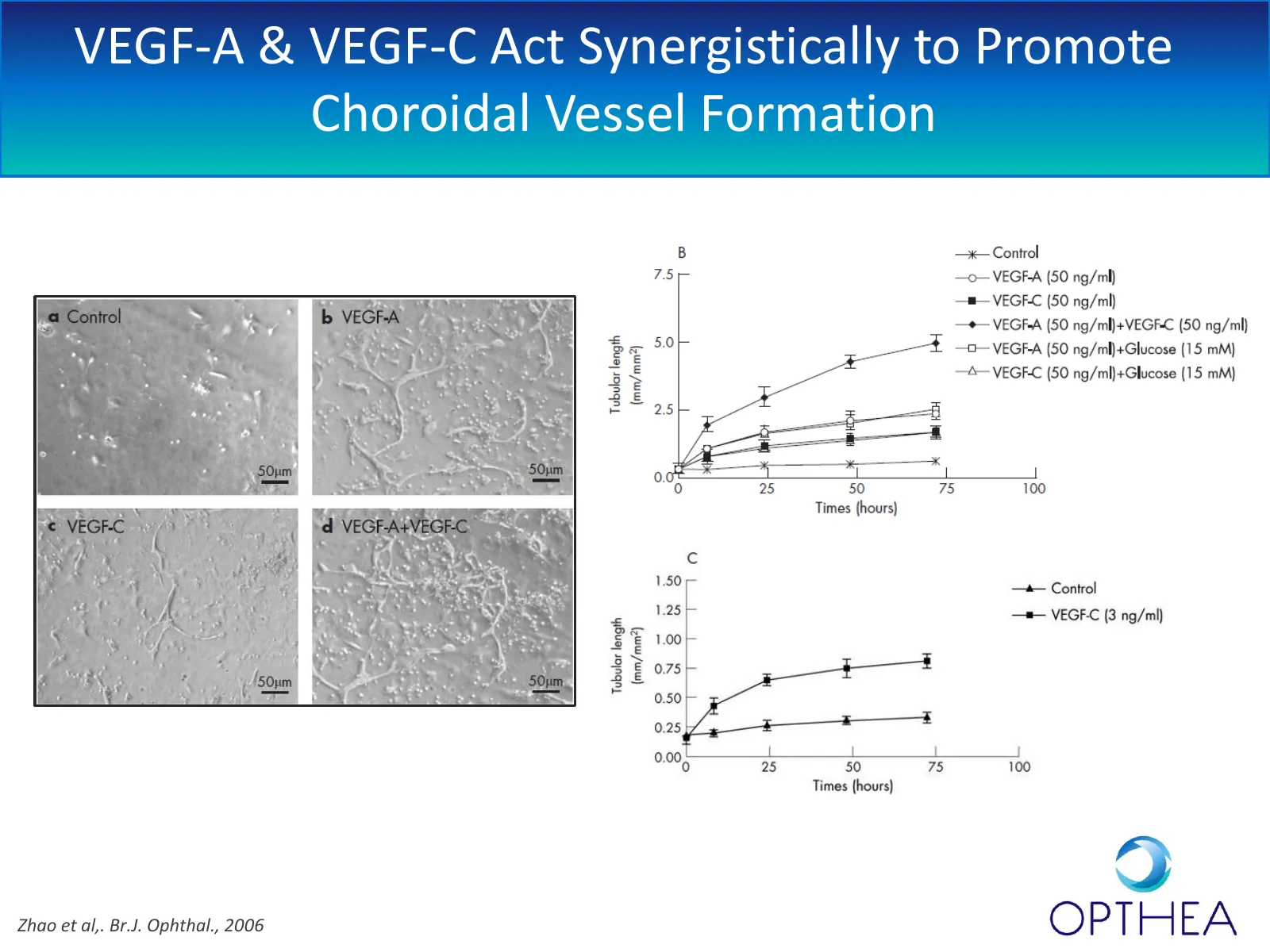
VEGF-A & VEGF-C Act Synergistically to Promote Choroidal Vessel Formation Zhao et al,. Br.J. Ophthal., 2006
Slide 15: VEGF-C Induces Vascular Permeability - Suggests Contribution to Retinal Edema
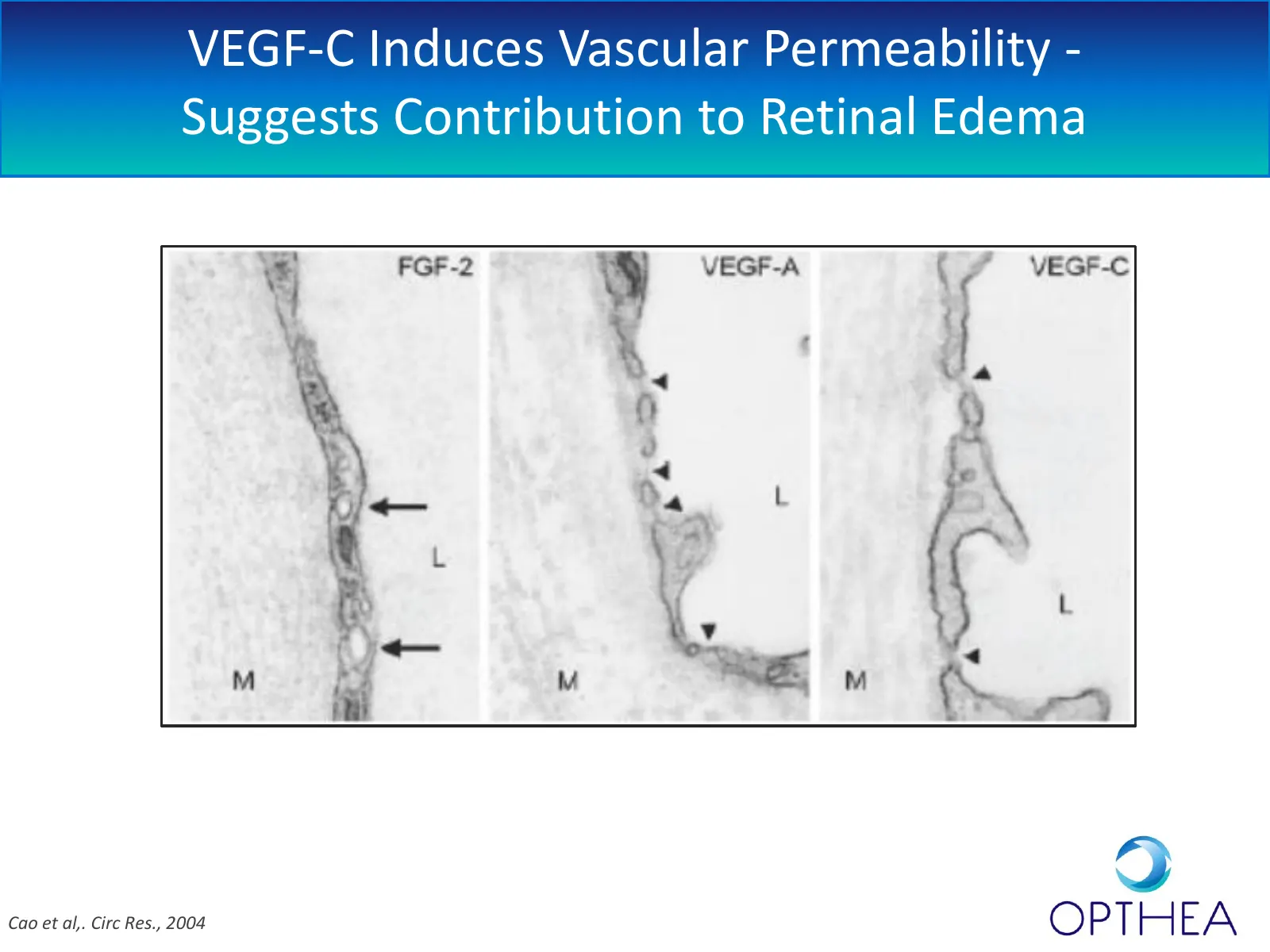
VEGF-C Induces Vascular Permeability - Suggests Contribution to Retinal Edema Cao et al,. Circ Res., 2004
Slide 16: VEGF-C Expressed in RPE & Induced by Inflammatory Cytokines Associated with AMD
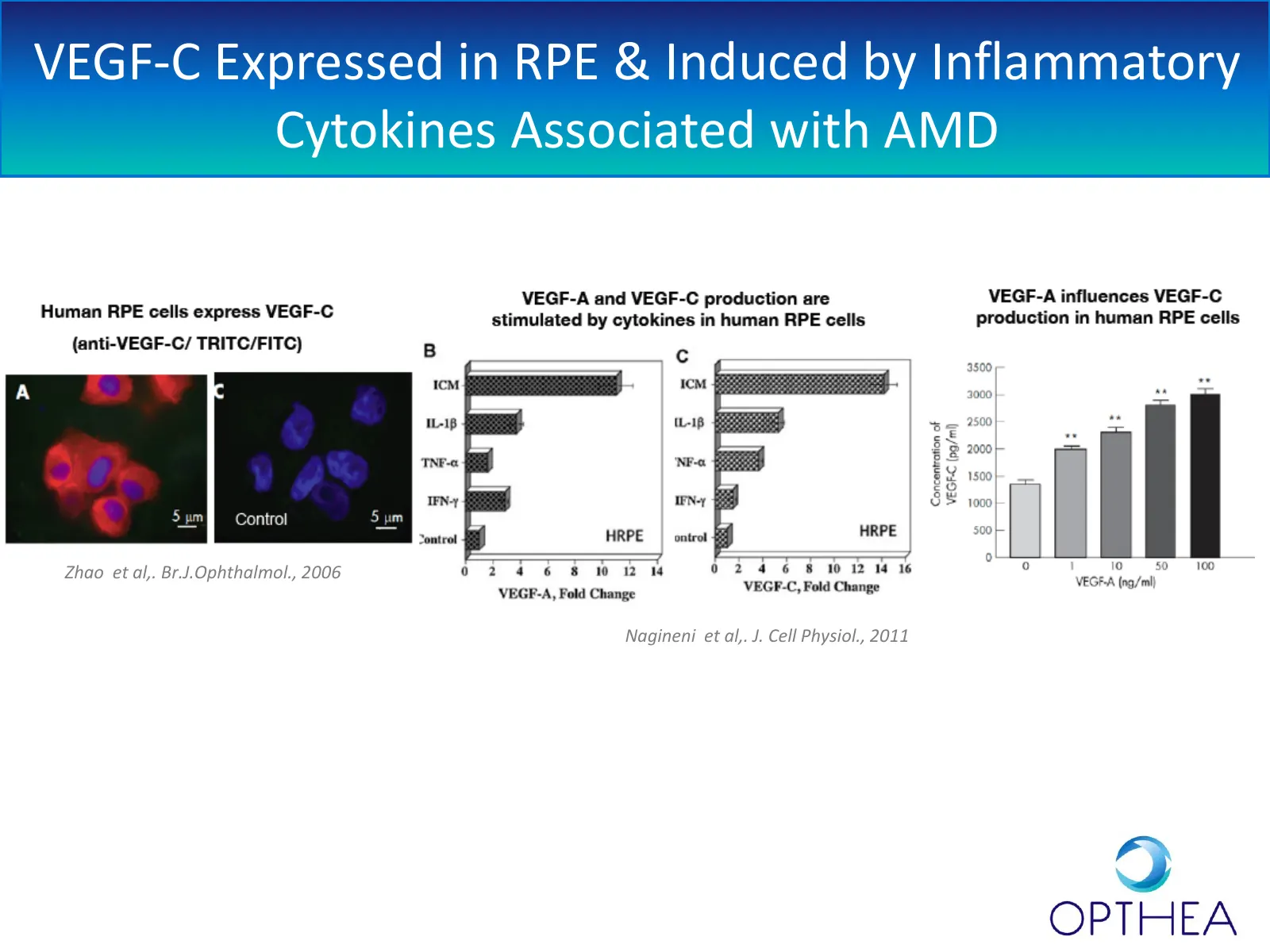
VEGF-C Expressed in RPE & Induced by Inflammatory Cytokines Associated with AMD Zhao et al,. Br.J.Ophthalmol., 2006 Nagineni et al,. J. Cell Physiol., 2011
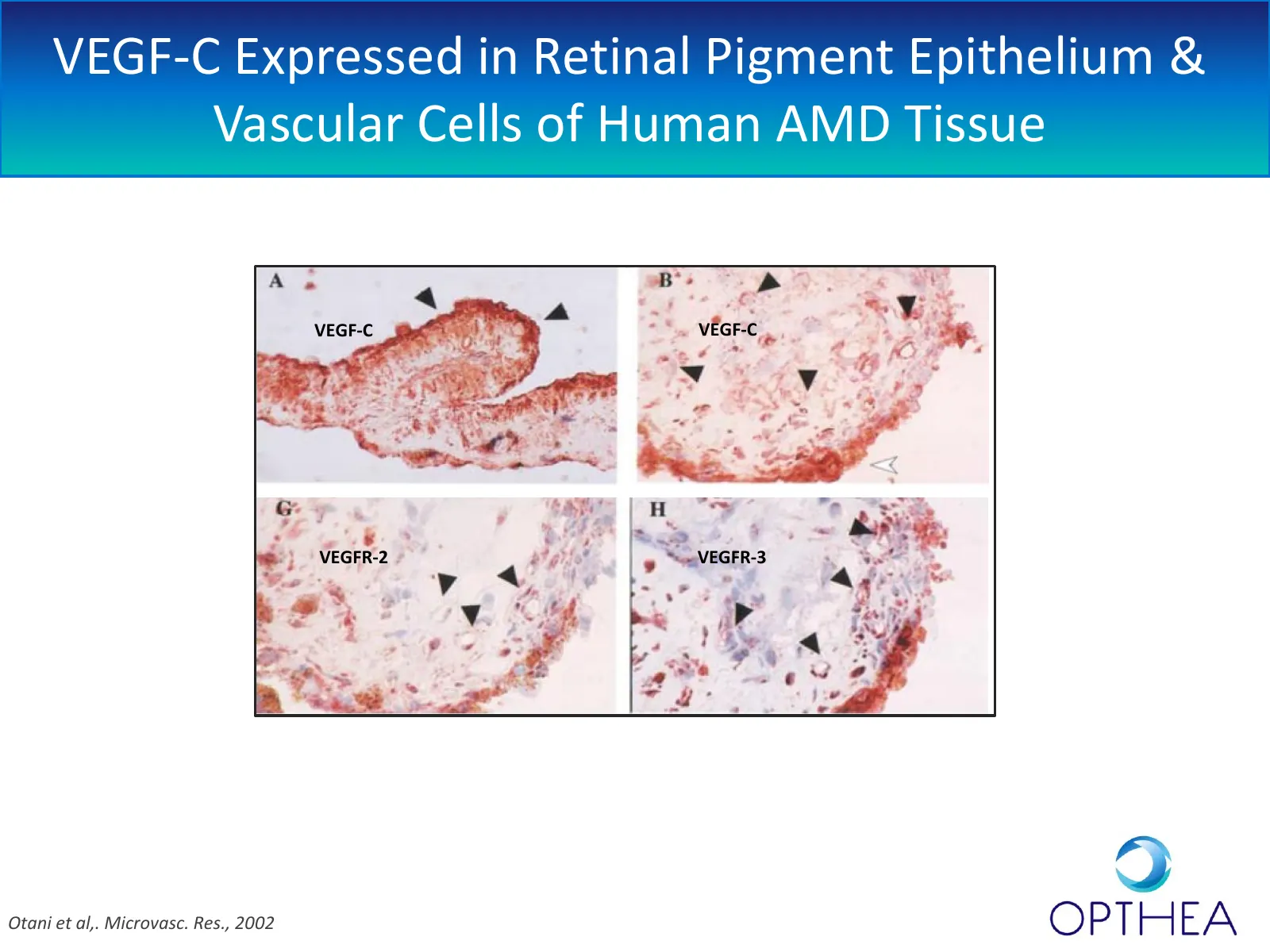
Slide 17: VEGF-C Expressed in Retinal Pigment Epithelium & Vascular Cells of Human AMD Tissue
VEGF-C Expressed in Retinal Pigment Epithelium & Vascular Cells of Human AMD Tissue VEGF-C VEGF-C VEGFR-2 VEGFR-3 Otani et al,. Microvasc. Res., 2002
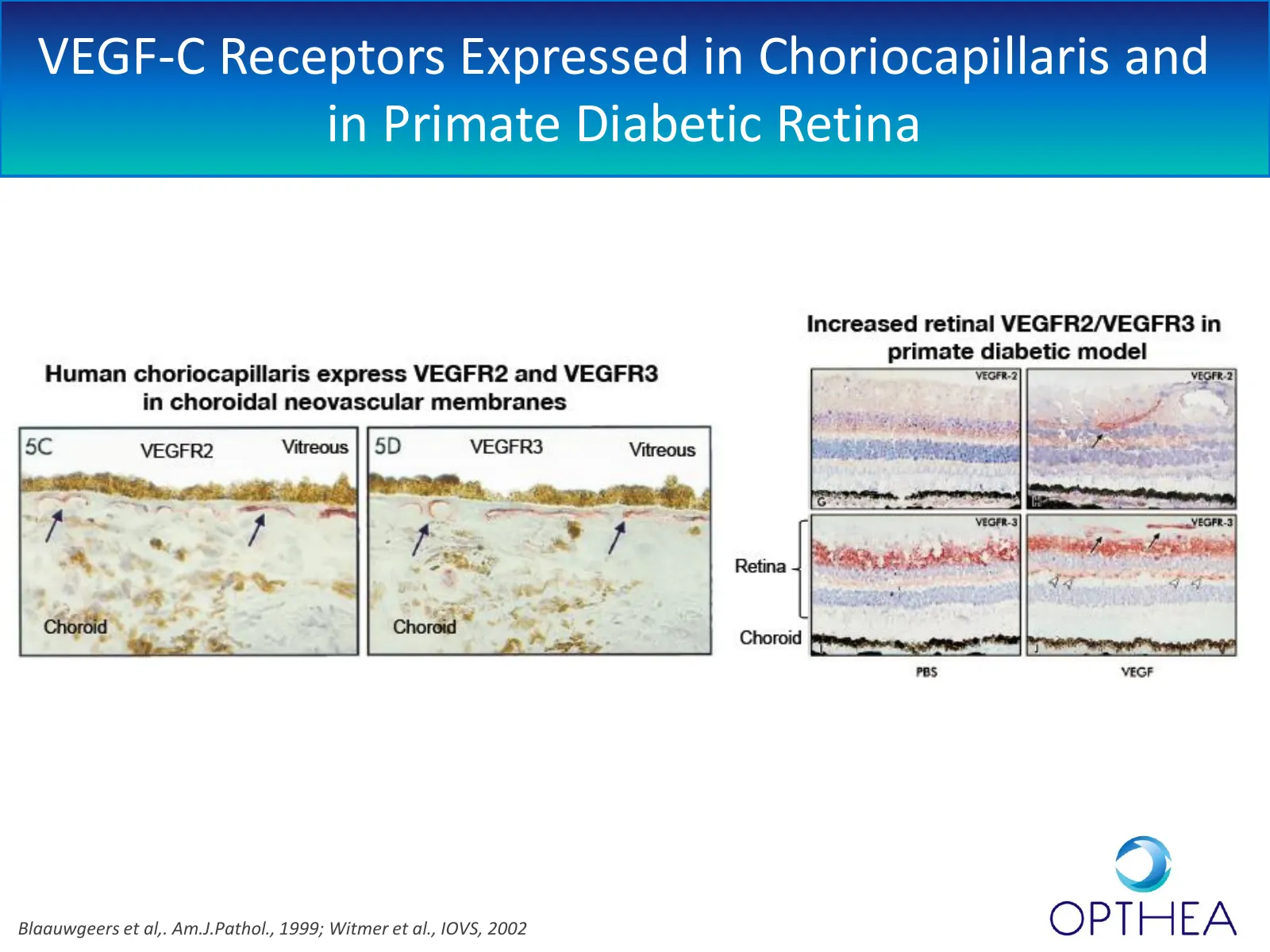
Slide 18: VEGF-C Receptors Expressed in Choriocapillaris and in Primate Diabetic Retina
VEGF-C Receptors Expressed in Choriocapillaris and in Primate Diabetic Retina Blaauwgeers et al,. Am.J.Pathol., 1999; Witmer et al., IOVS, 2002
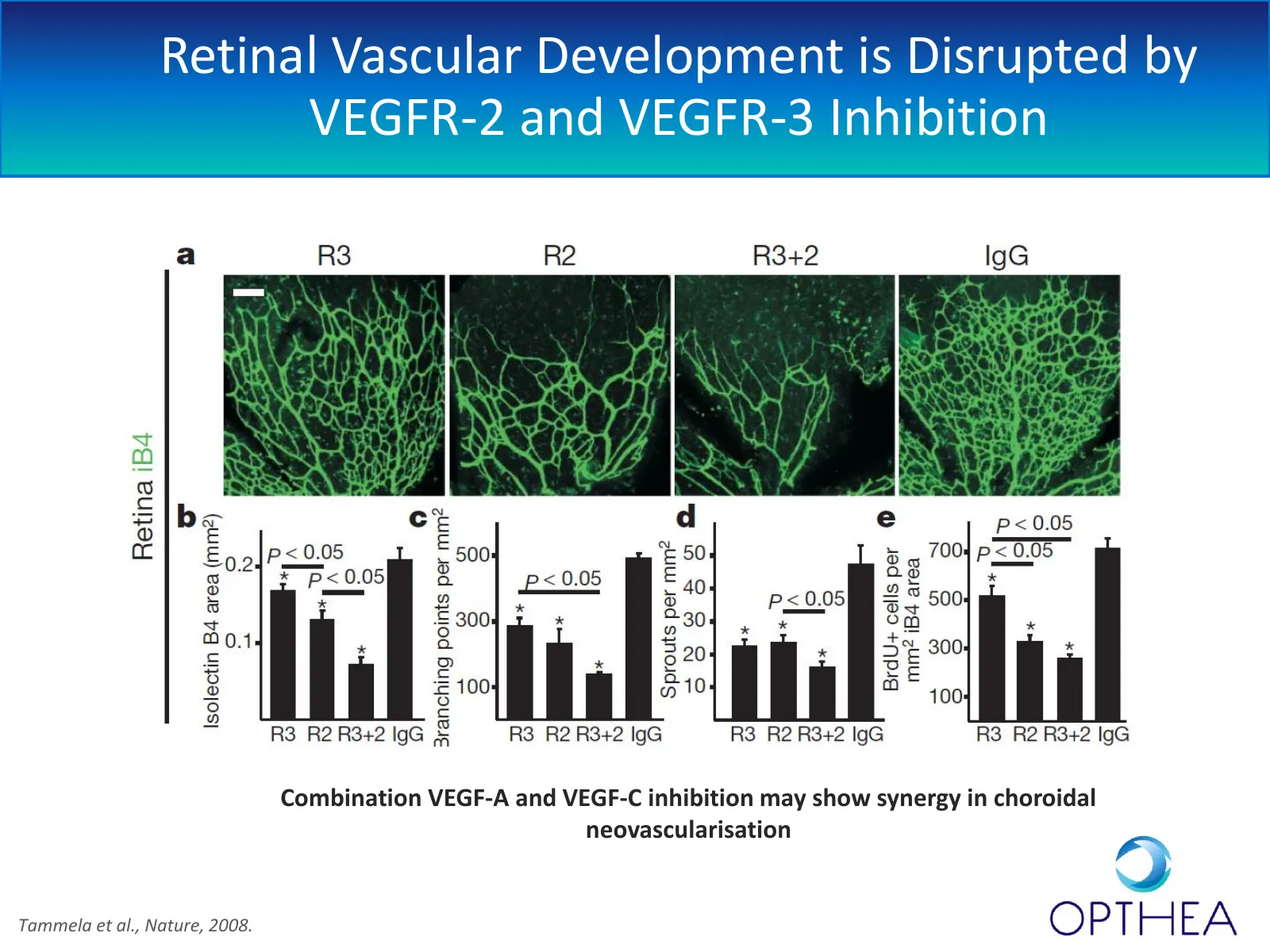
Slide 19: Retinal Vascular Development is Disrupted by VEGFR-2 and VEGFR-3 Inhibition
Retinal Vascular Development is Disrupted by VEGFR-2 and VEGFR-3 Inhibition Combination VEGF-A and VEGF-C inhibition may show synergy in choroidal neovascularisation Tammela et al., Nature, 2008.
Slide 20: Market Opportunity
Market Opportunity Conservative Estimates: • 50,000 wet AMD patients with advanced disease, eligible for therapy • Assume VGX-100/VGX-300: • $10,000 - $20,000 per year (Lucentis ~$24K/yr) • Market Opportunity therefore >1BN per annum.
Slide 21: Actively Seeking Investment and/or Partnership
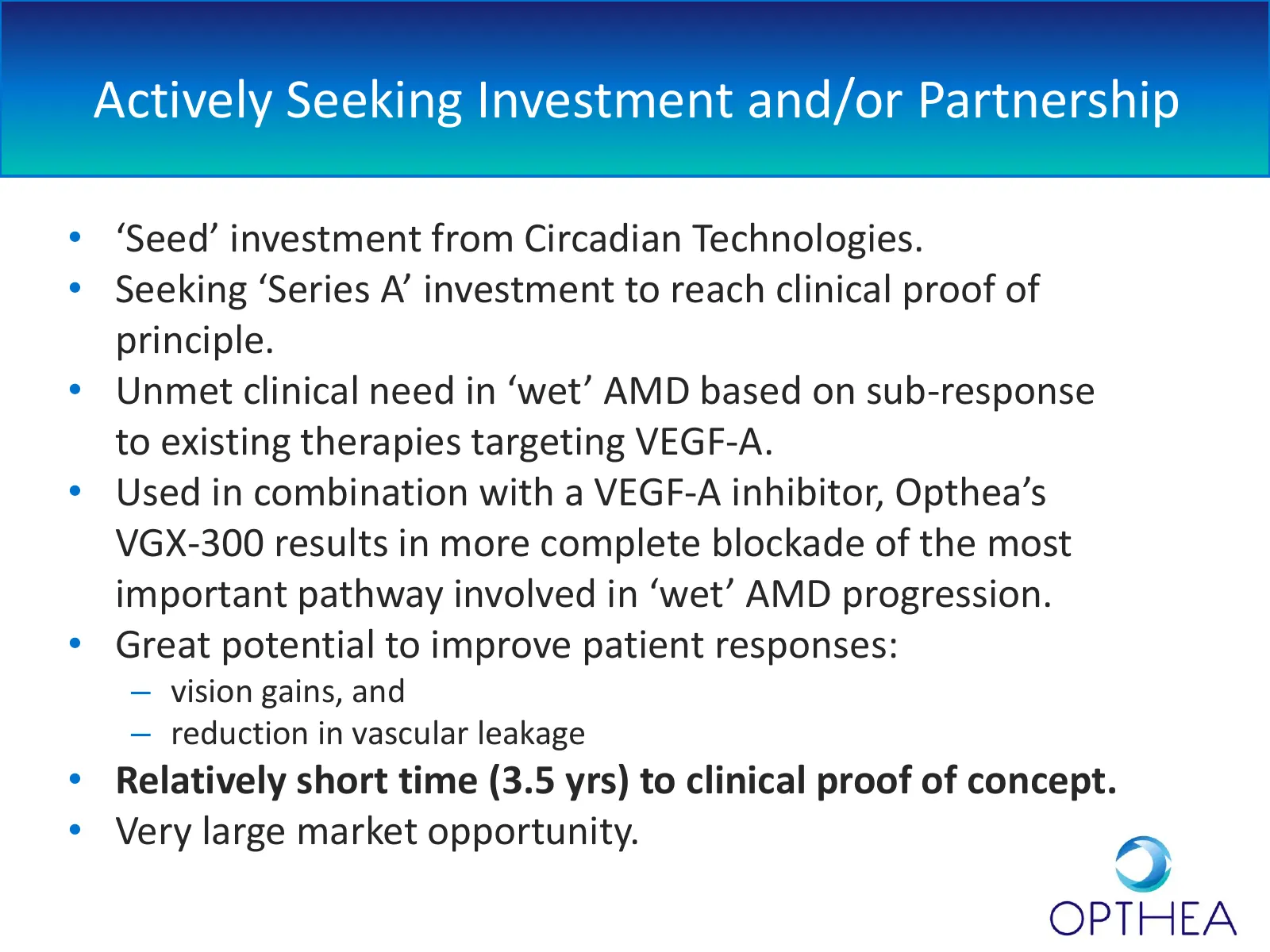
Actively Seeking Investment and/or Partnership • ‘Seed’ investment from Circadian Technologies. • Seeking ‘Series A’ investment to reach clinical proof of principle. • Unmet clinical need in ‘wet’ AMD based on sub-response to existing therapies targeting VEGF-A. • Used in combination with a VEGF-A i
Source: Internet Archive copy of opthea.com
More decks from Opthea Limited
 Investor Presentation (June 2026)27 slides · Jun 12, 2026
 Corporate Update (December 2025)20 slides · Dec 17, 2025
 Corporate Update (August 2025)31 slides · Aug 20, 2025
 Investor Day (January 2025)53 slides · Jan 29, 2025
 Investor Presentation (January 2025)33 slides · Jan 14, 2025
 Investor Presentation (November 2024)30 slides · Nov 19, 2024