BioLineRX Ltd. · TASE:BLRX
BioLineRX — Investor Presentation (September 2017)
34 slides from BioLineRX's investor presentation, September 2017

Slide 1: Transforming science into medicine
Transforming science into medicine
Slide 2: Forward-Looking Statements
2 Forward-Looking Statements This presentation contains “forward-looking statements.” These statements include words like “may,” “expects,” “believes,” “plans,” “scheduled,” and “intends,” and describe opinions about future events. These forward-looking statements involve known and unknown risks and
Slide 3: CEO statement on developing oncology and immunology compounds
‘We are committed to developing novel compounds in oncology and immunology that will deliver life-changing innovations for patients.’ Philip Serlin, CEO
Slide 4: Who are we?
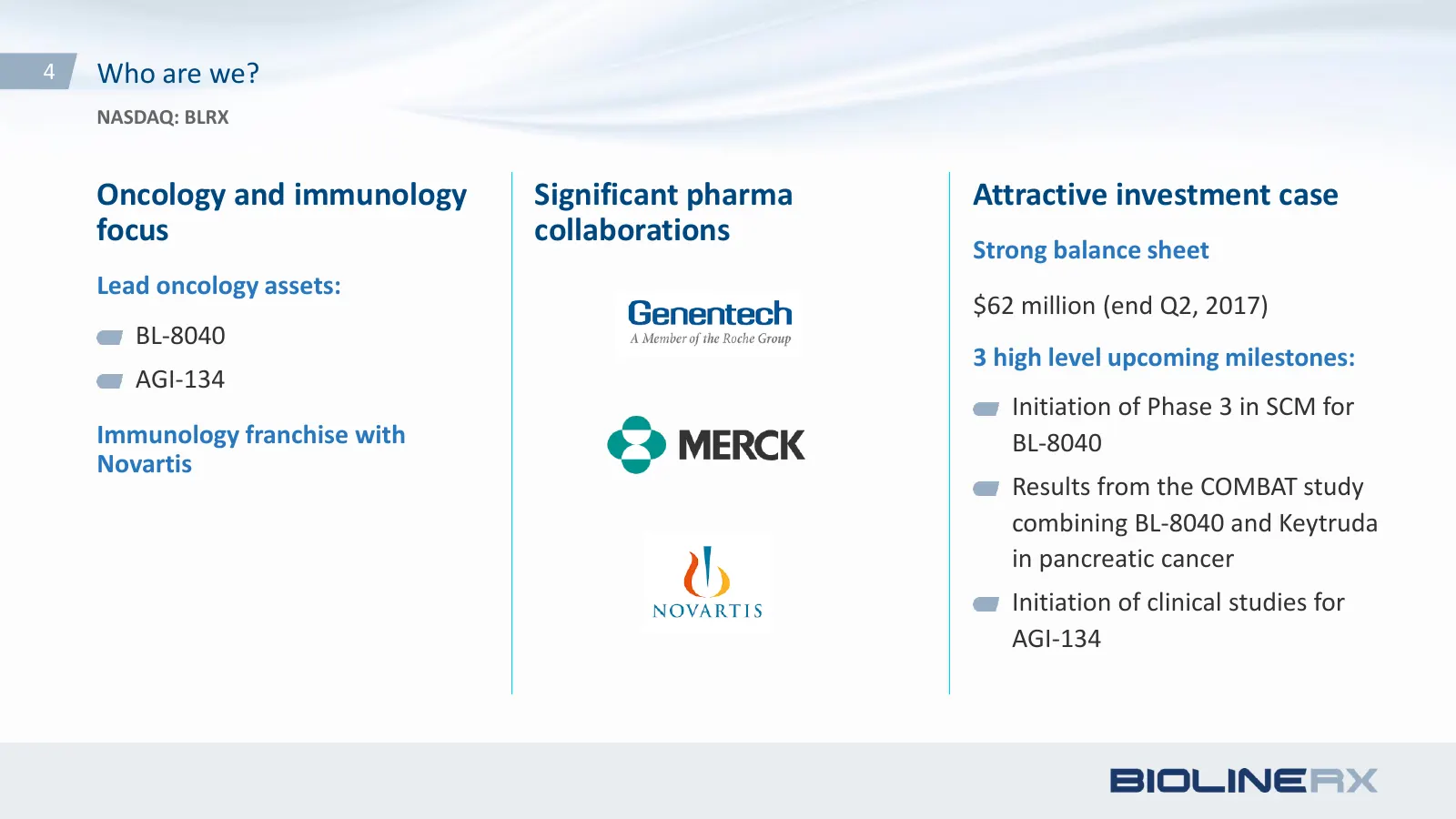
4 Who are we? NASDAQ: BLRX Oncology and immunology Significant pharma Attractive investment case focus collaborations Strong balance sheet Lead oncology assets: $62 million (end Q2, 2017) BL-8040 3 high level upcoming milestones: AGI-134 Initiation of Phase 3 in SCM for Immunology franchise with BL-
Slide 5: Management team
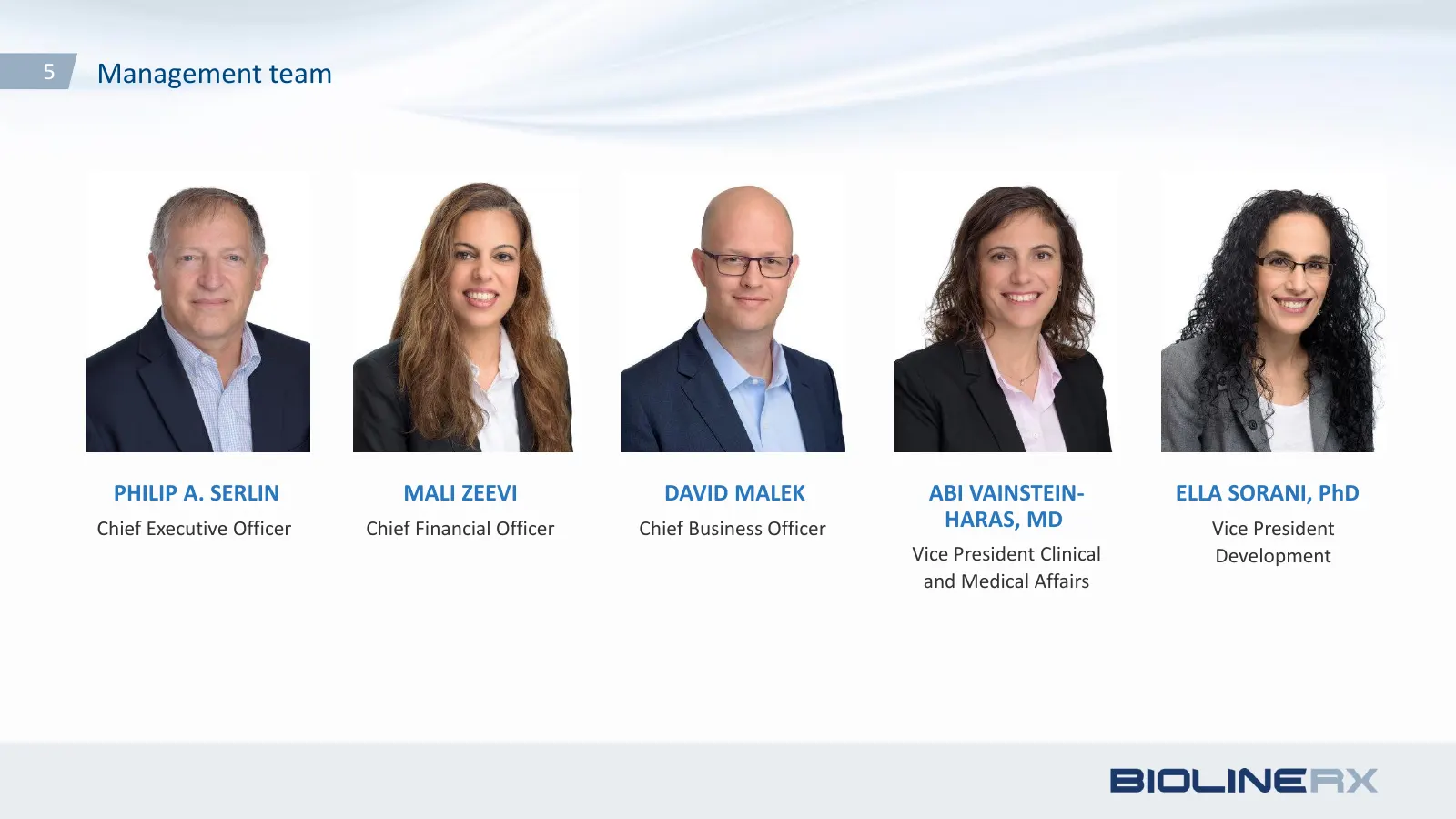
5 Management team PHILIP A. SERLIN MALI ZEEVI DAVID MALEK ABI VAINSTEIN- ELLA SORANI, PhD Chief Executive Officer Chief Financial Officer Chief Business Officer HARAS, MD Vice President Vice President Clinical Development and Medical Affairs
Slide 6: Main pipeline assets
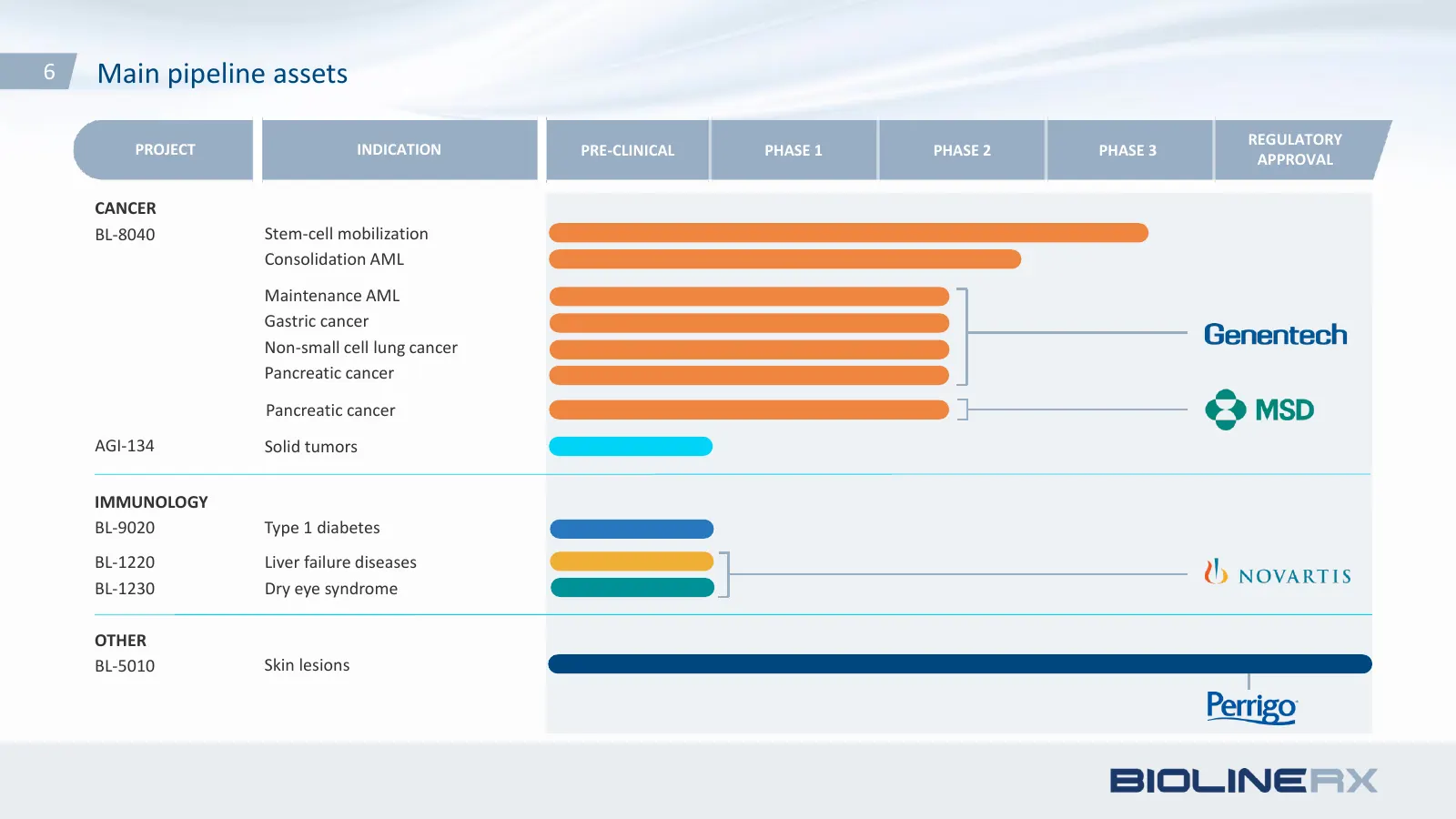
6 Main pipeline assets REGULATORY PROJECT INDICATION PRE-CLINICAL PHASE 1 PHASE 2 PHASE 3 APPROVAL CANCER BL-8040 Stem-cell mobilization Consolidation AML Maintenance AML Gastric cancer Non-small cell lung cancer Pancreatic cancer Pancreatic cancer AGI-134 Solid tumors IMMUNOLOGY BL-9020 Type 1 diab
Slide 7: BL-8040 – A Best in Class CXCR4 antagonist targeted at multiple indications
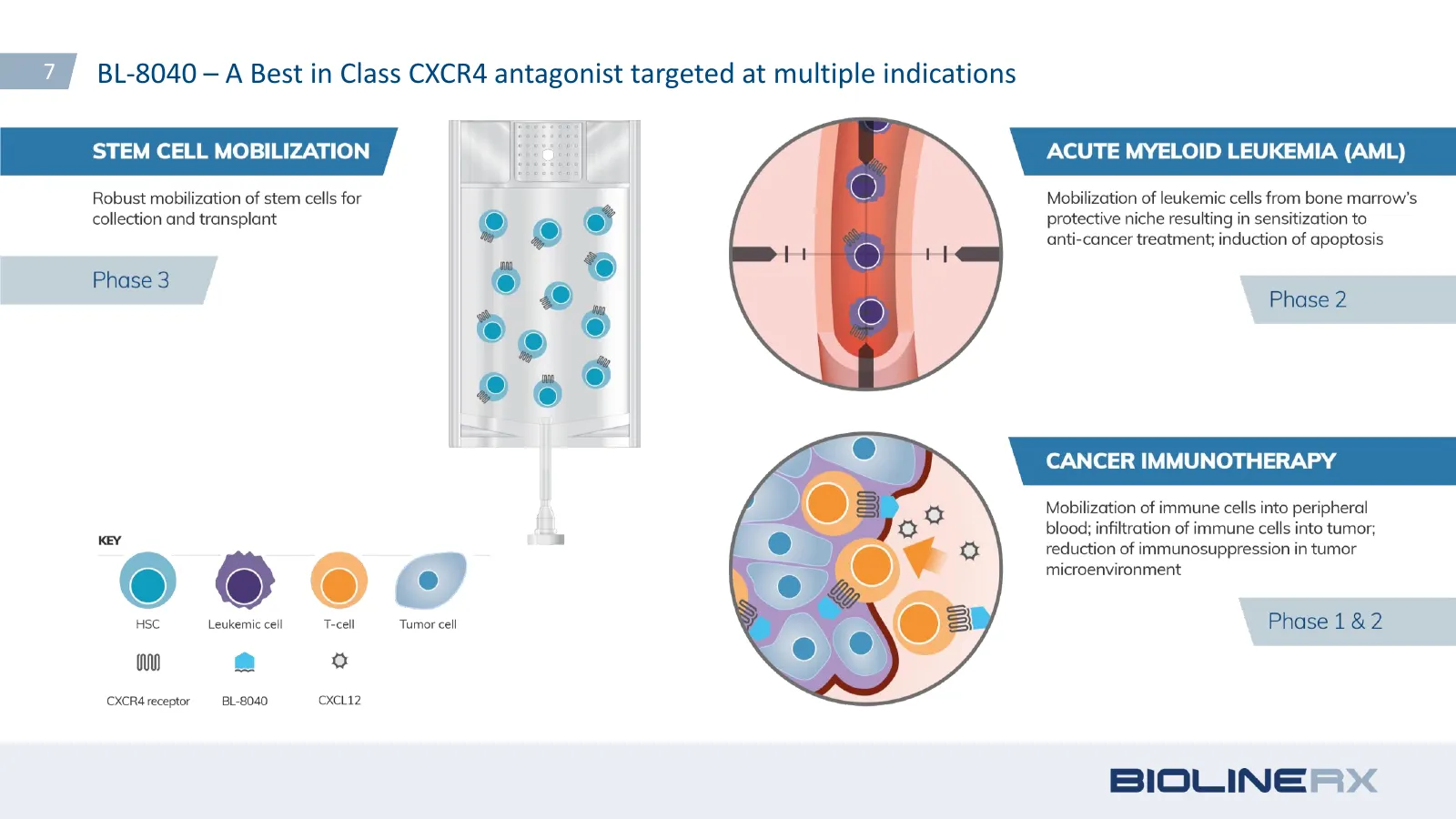
7 BL-8040 – A Best in Class CXCR4 antagonist targeted at multiple indications
Slide 8: BL-8040 – Stem Cell Mobilization
BL-8040 – Stem Cell Mobilization For patients with hematological malignancies undergoing bone-marrow transplantation
Slide 9: Stem-cell mobilization: significant unmet medical need
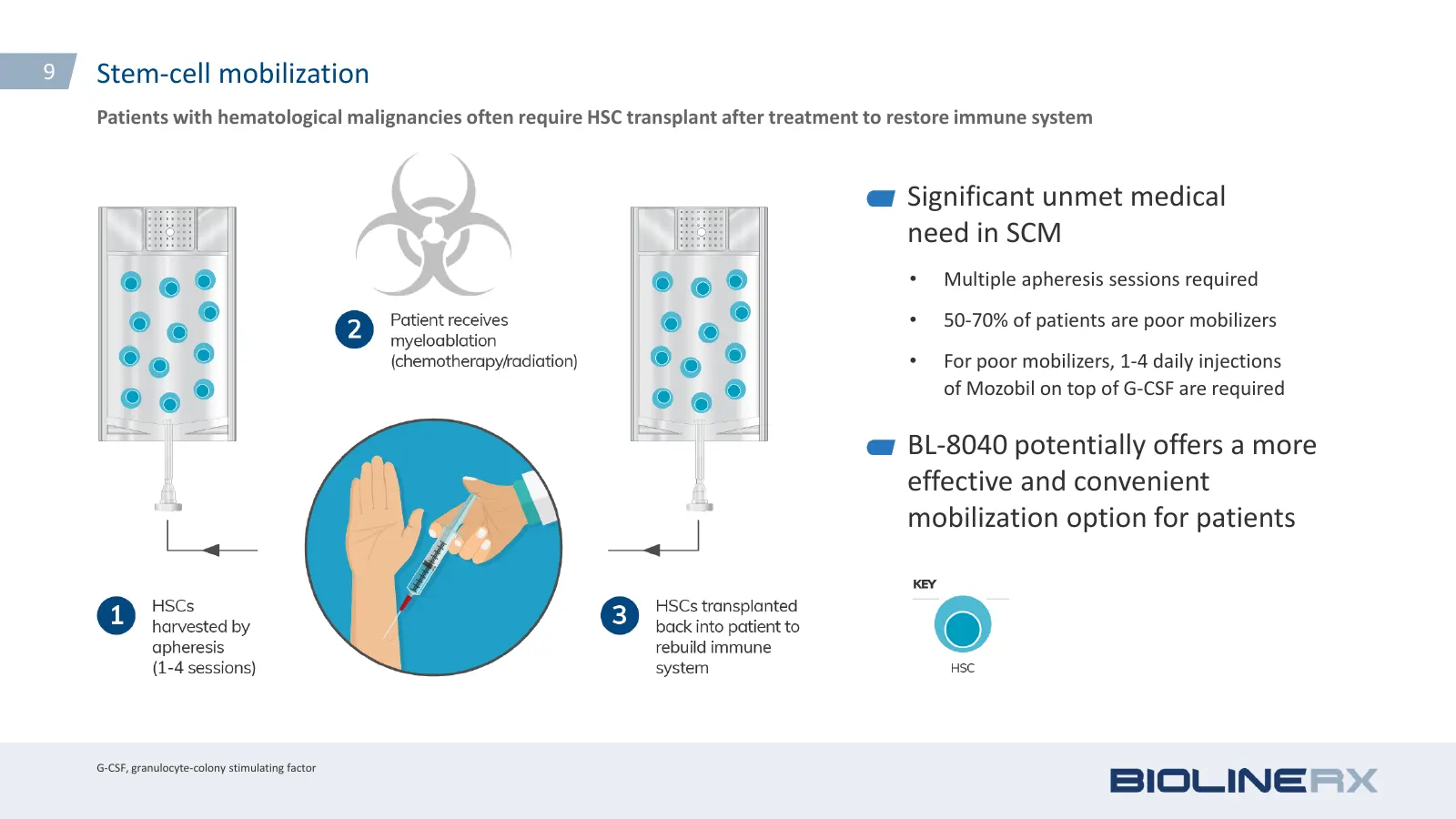
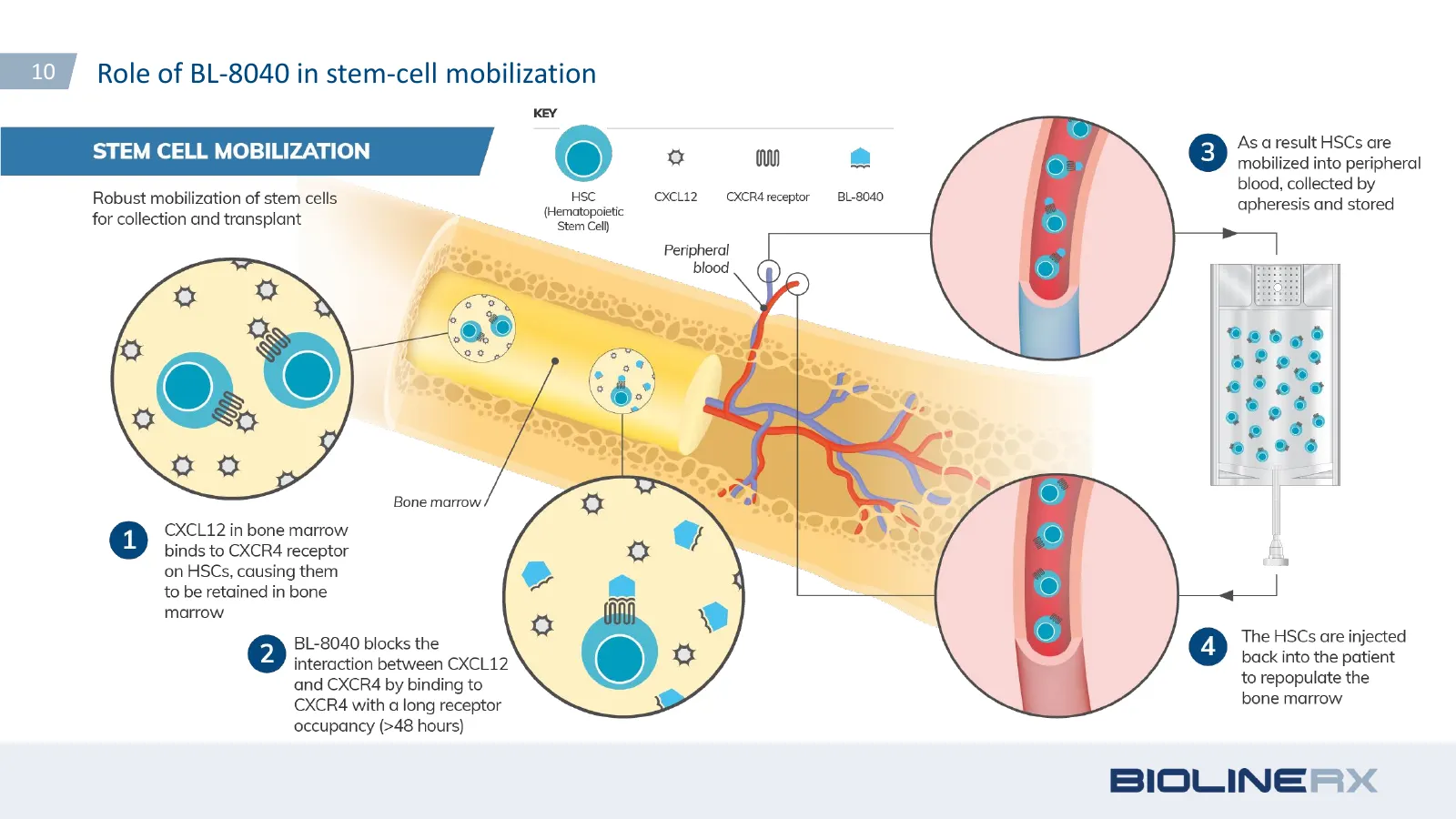
9 Stem-cell mobilization Patients with hematological malignancies often require HSC transplant after treatment to restore immune system Significant unmet medical need in SCM • Multiple apheresis sessions required • 50-70% of patients are poor mobilizers • For poor mobilizers, 1-4 daily injections of
Slide 10: Role of BL-8040 in stem-cell mobilization
10 Role of BL-8040 in stem-cell mobilization
Slide 11: BKTS001 study: Phase 1/2a stem cell mobilization in myeloma patients
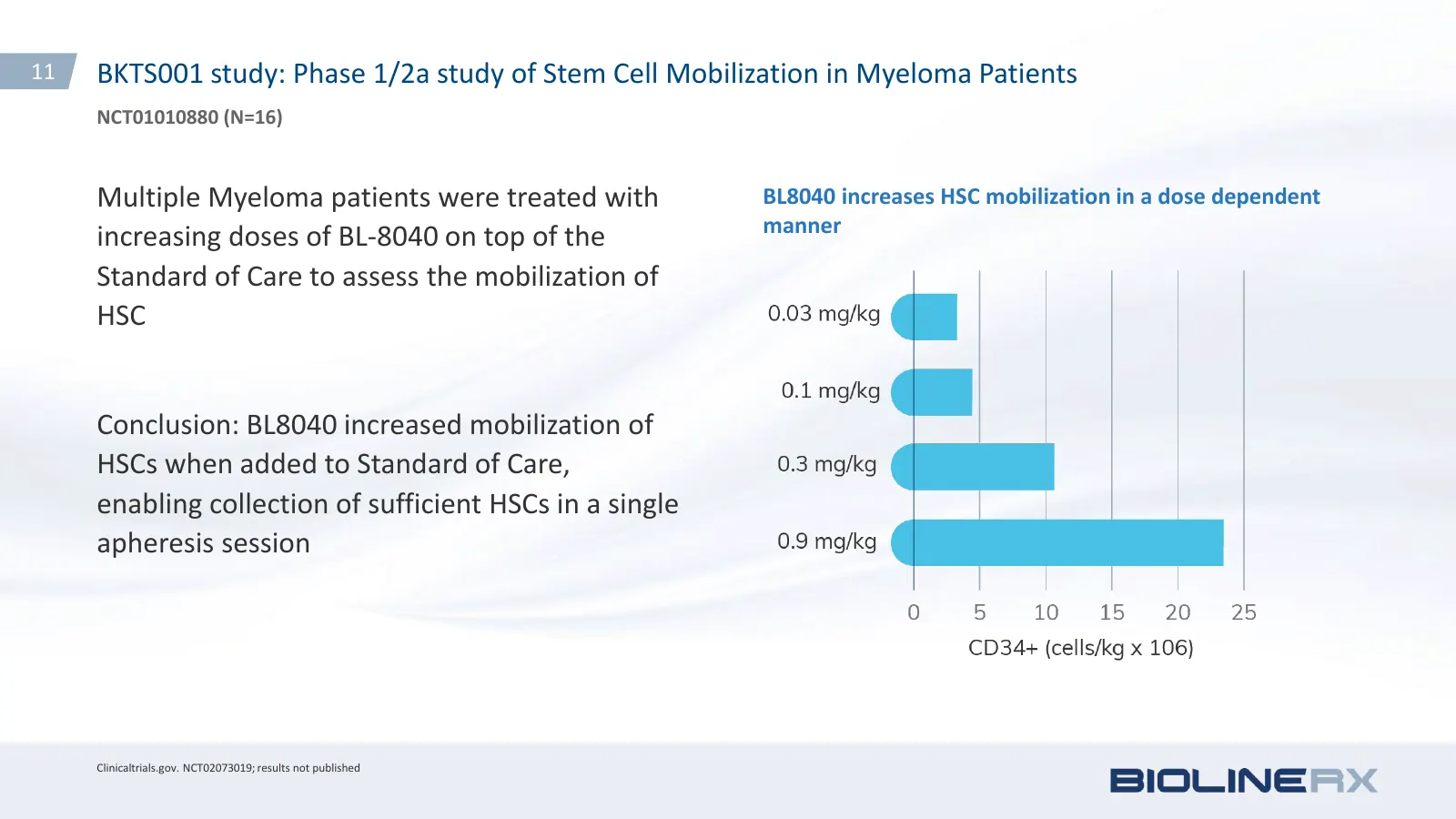
11 BKTS001 study: Phase 1/2a study of Stem Cell Mobilization in Myeloma Patients NCT01010880 (N=16) Multiple Myeloma patients were treated with BL8040 increases HSC mobilization in a dose dependent manner increasing doses of BL-8040 on top of the Standard of Care to assess the mobilization of HSC Co
Slide 12: GENESIS Phase 3 - Mobilization of HSCs in Multiple Myeloma
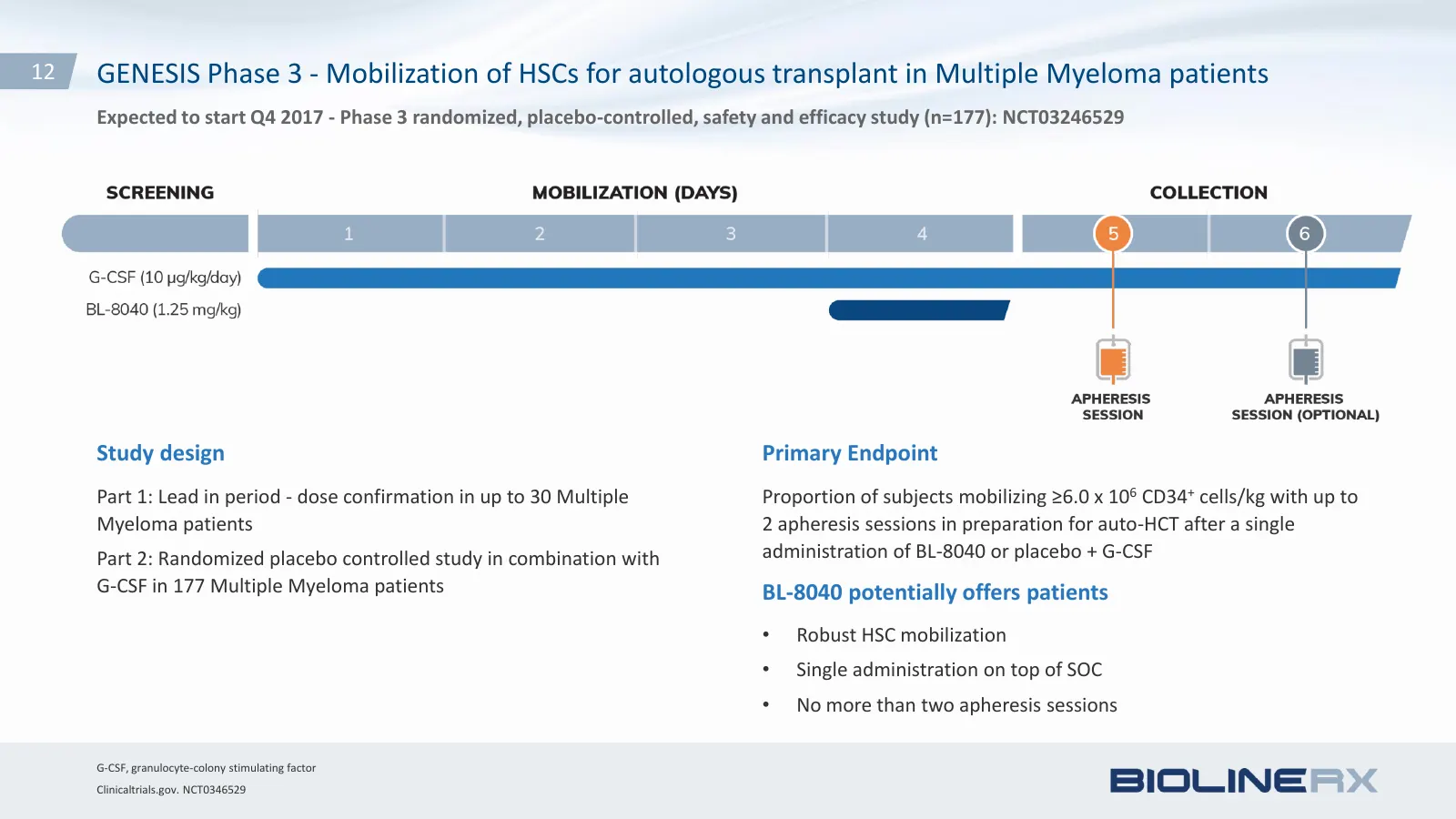
12 GENESIS Phase 3 - Mobilization of HSCs for autologous transplant in Multiple Myeloma patients Expected to start Q4 2017 - Phase 3 randomized, placebo-controlled, safety and efficacy study (n=177): NCT03246529 Study design Primary Endpoint Part 1: Lead in period - dose confirmation in up to 30 Mul
Slide 13: BL-8040 – AML
BL-8040 – AML Increasing leukemic cell exposure to cytotoxic chemotherapy
Slide 14: How BL-8040 fits within the treatment pathway for AML
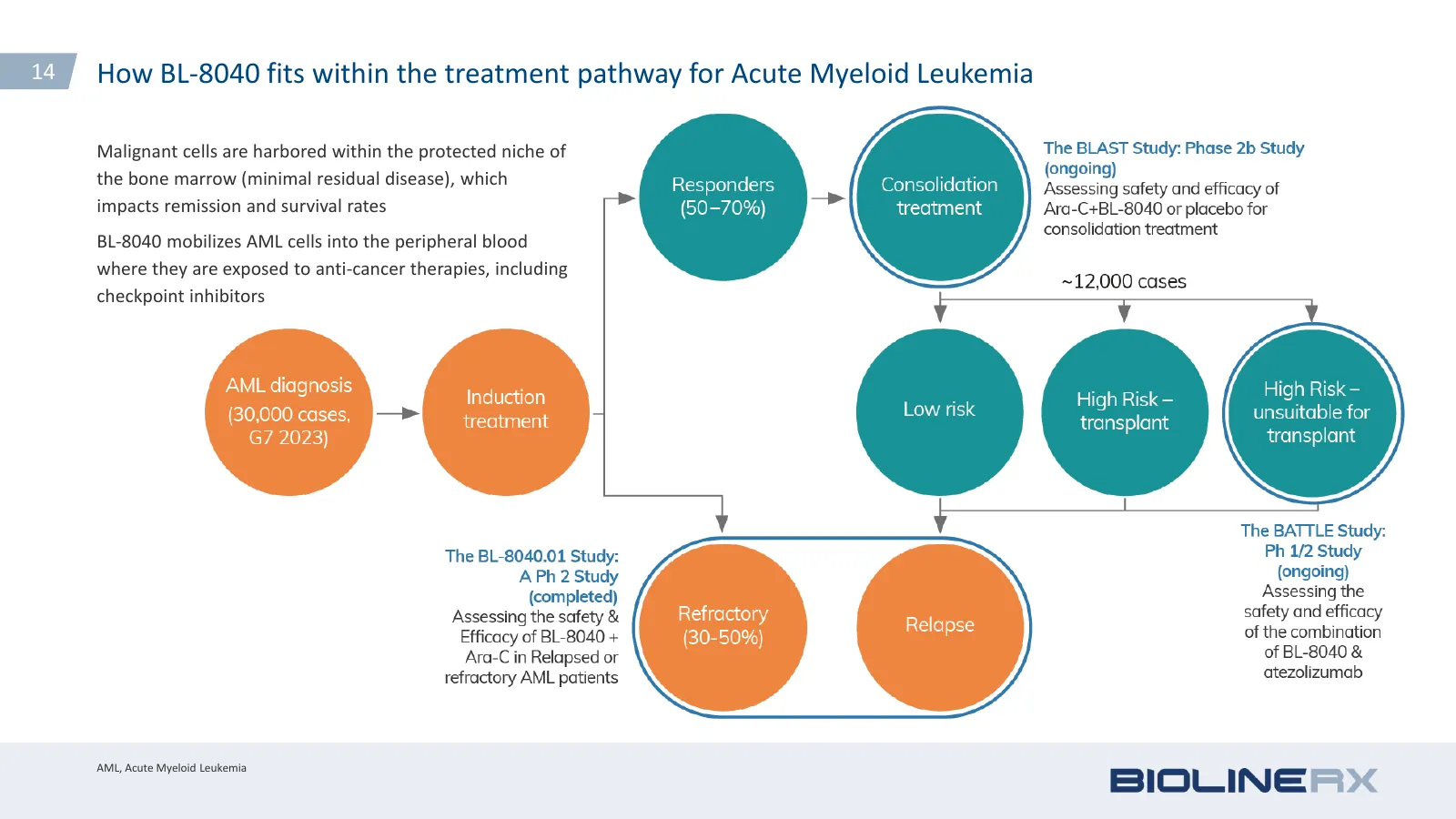
14 How BL-8040 fits within the treatment pathway for Acute Myeloid Leukemia Malignant cells are harbored within the protected niche of the bone marrow (minimal residual disease), which impacts remission and survival rates BL-8040 mobilizes AML cells into the peripheral blood where they are exposed t
Slide 15: Role of BL-8040 in AML
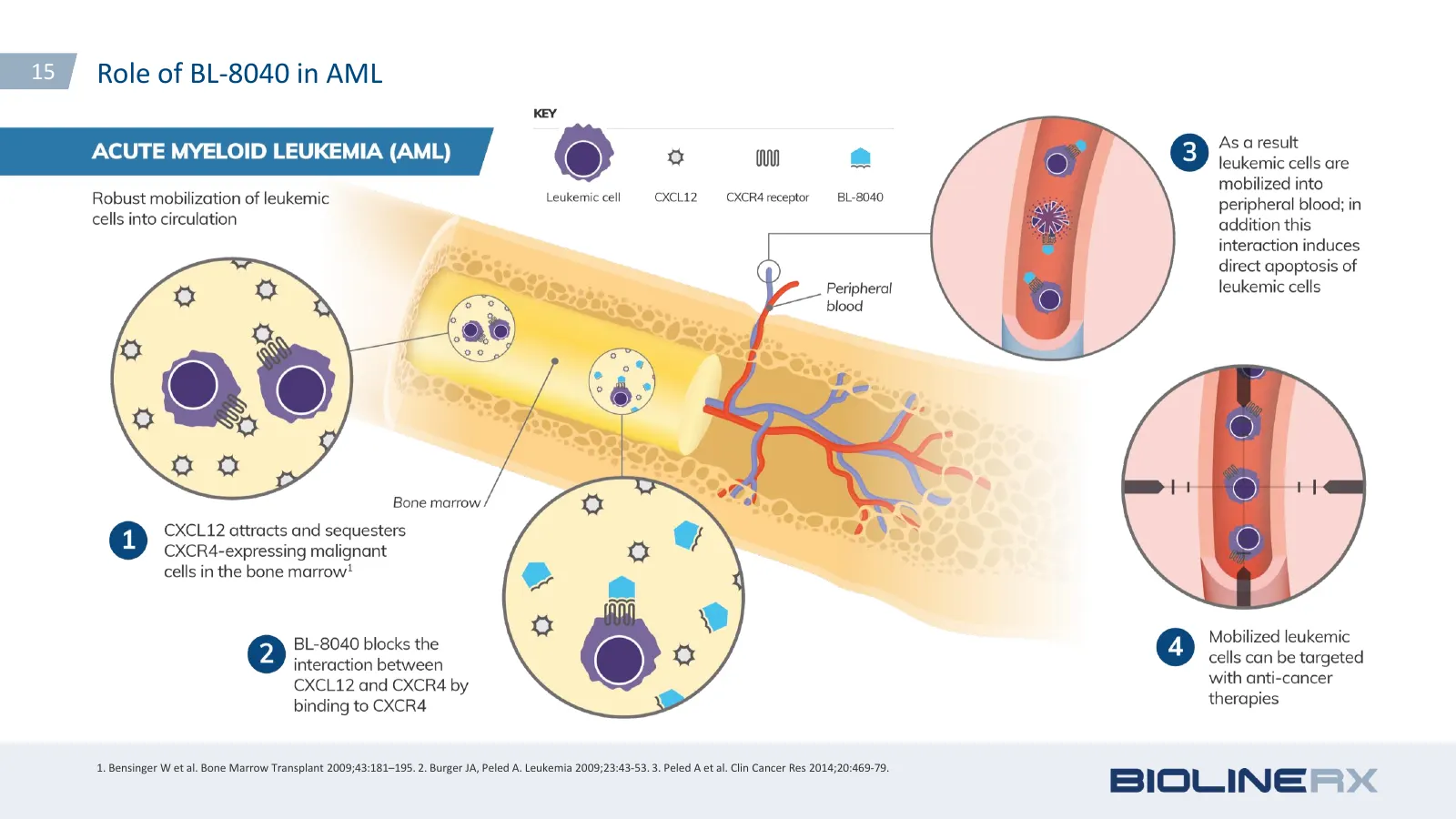
15 Role of BL-8040 in AML 1. Bensinger W et al. Bone Marrow Transplant 2009;43:181–195. 2. Burger JA, Peled A. Leukemia 2009;23:43-53. 3. Peled A et al. Clin Cancer Res 2014;20:469-79.
Slide 16: Study BL-8040.01: Encouraging results in relapsed/refractory AML
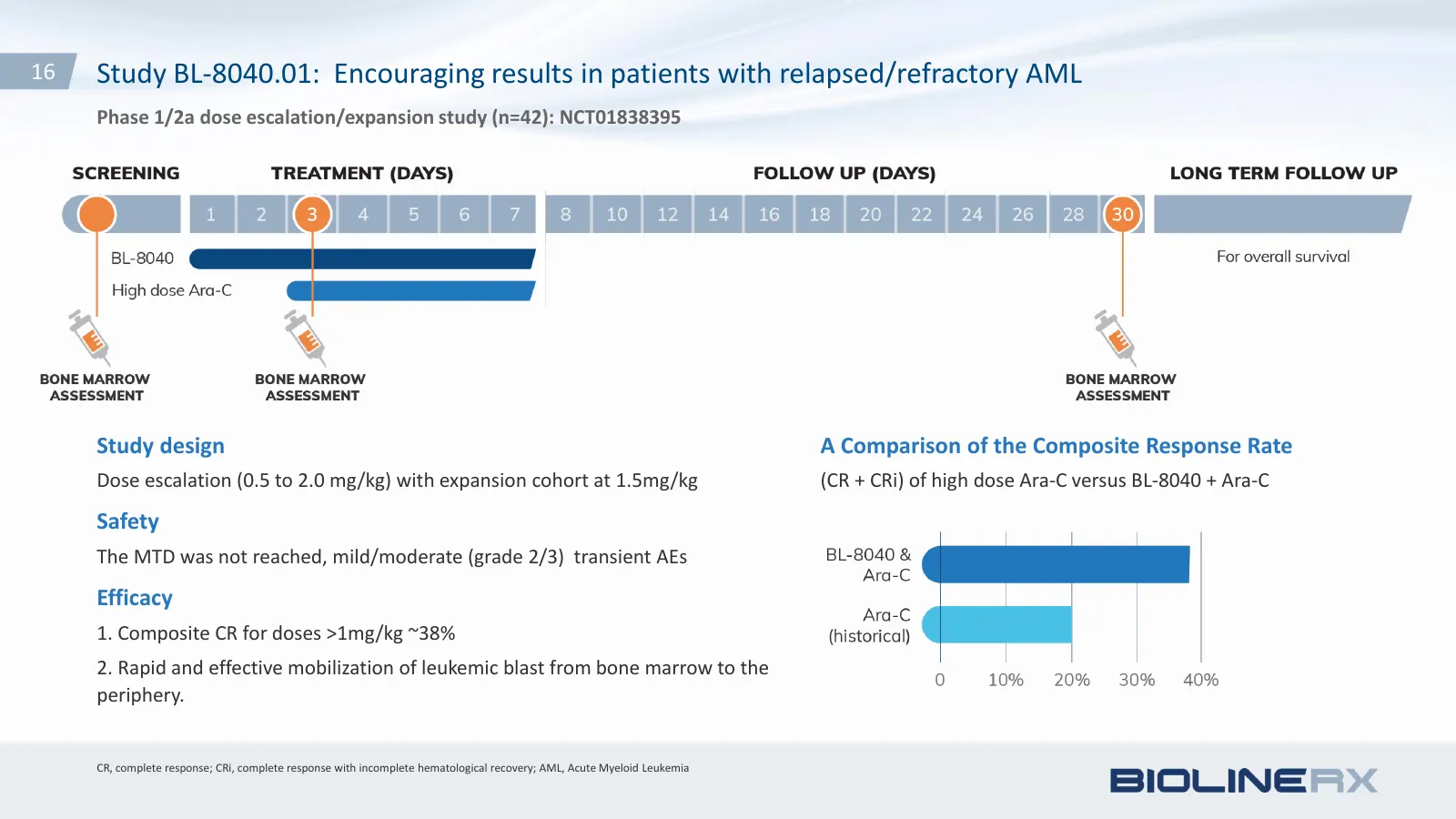
16 Study BL-8040.01: Encouraging results in patients with relapsed/refractory AML Phase 1/2a dose escalation/expansion study (n=42): NCT01838395 Study design A Comparison of the Composite Response Rate Dose escalation (0.5 to 2.0 mg/kg) with expansion cohort at 1.5mg/kg (CR + CRi) of high dose Ara-C
Slide 17: BLAST study: Consolidation therapy in AML patients in first remission
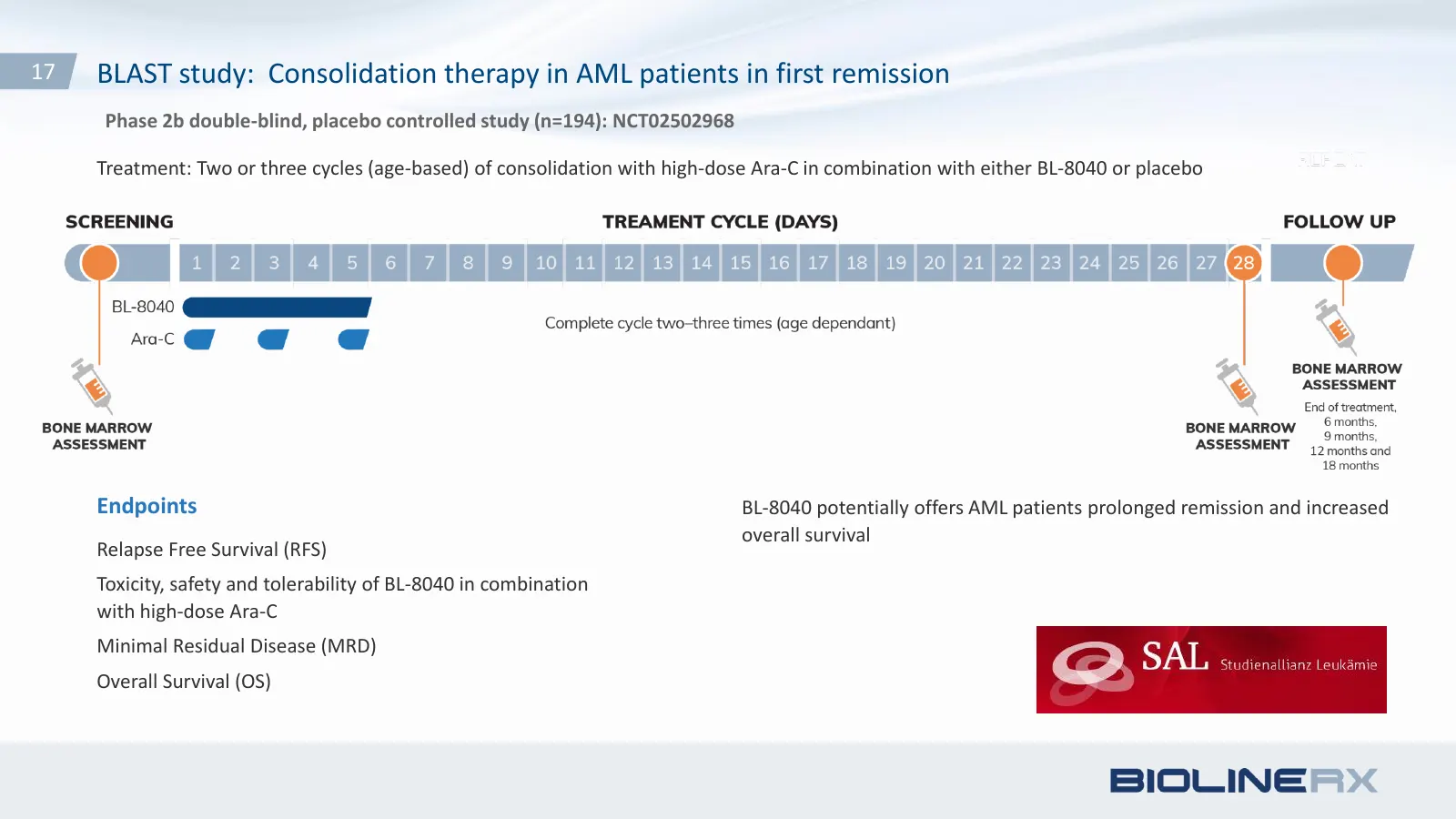
17 BLAST study: Consolidation therapy in AML patients in first remission Phase 2b double-blind, placebo controlled study (n=194): NCT02502968 Treatment: Two or three cycles (age-based) of consolidation with high-dose Ara-C in combination with either BL-8040 or placebo Endpoints BL-8040 potentially o
Slide 18: BATTLE study – BL-8040 and Atezolizumab in AML
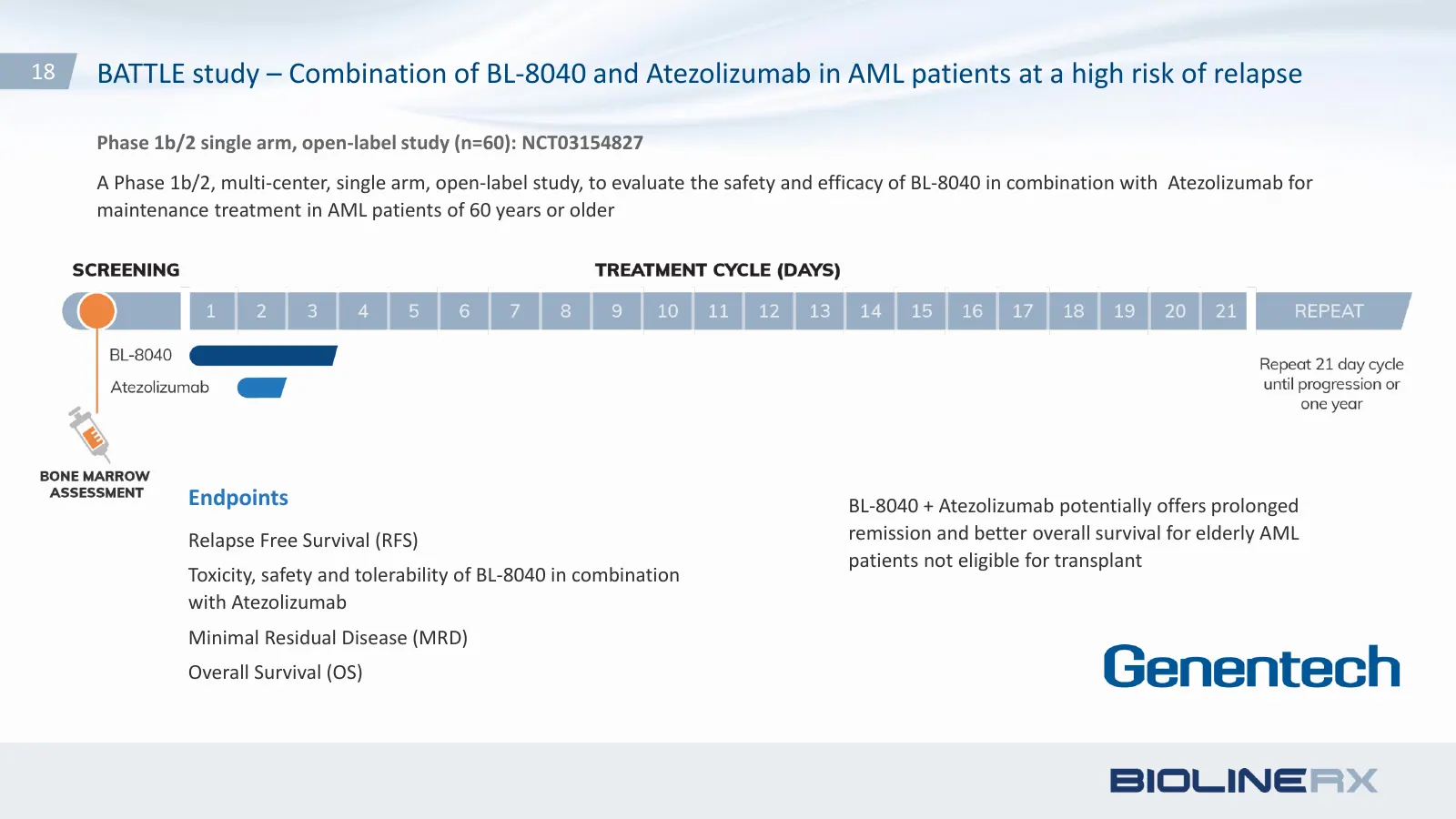
18 BATTLE study – Combination of BL-8040 and Atezolizumab in AML patients at a high risk of relapse Phase 1b/2 single arm, open-label study (n=60): NCT03154827 A Phase 1b/2, multi-center, single arm, open-label study, to evaluate the safety and efficacy of BL-8040 in combination with Atezolizumab fo
Slide 19: BL-8040 – Solid Tumors
BL-8040 – Solid Tumors Mobilizing and promoting infiltration of immune cells and reducing immunosuppression in the tumor microenvironment
Slide 20: BL-8040 - Addressing unmet needs in cancer immunotherapy
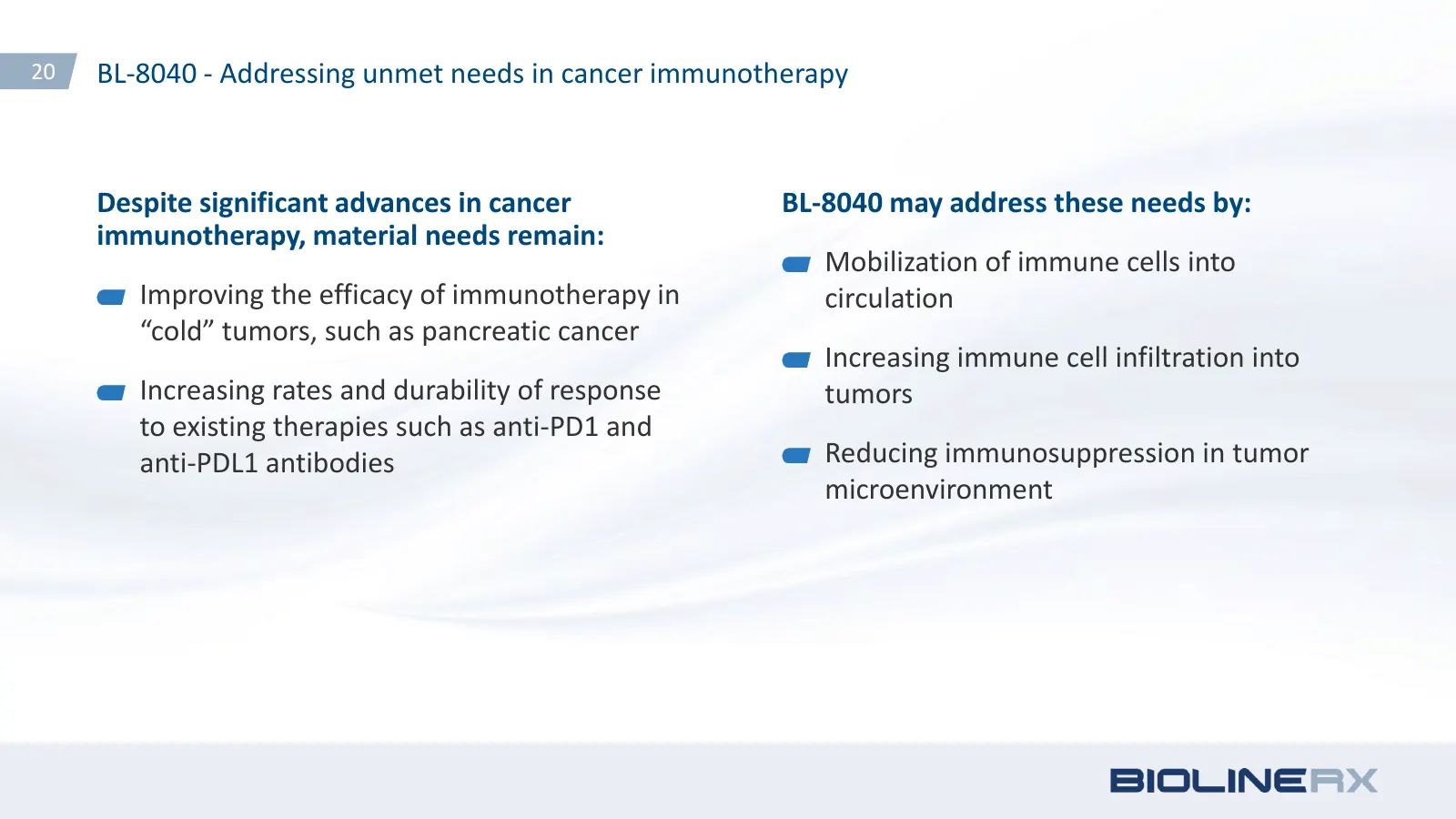
20 BL-8040 - Addressing unmet needs in cancer immunotherapy Despite significant advances in cancer BL-8040 may address these needs by: immunotherapy, material needs remain: Mobilization of immune cells into Improving the efficacy of immunotherapy in circulation “cold” tumors, such as pancreatic canc
Slide 21: Role of BL-8040 in solid tumors
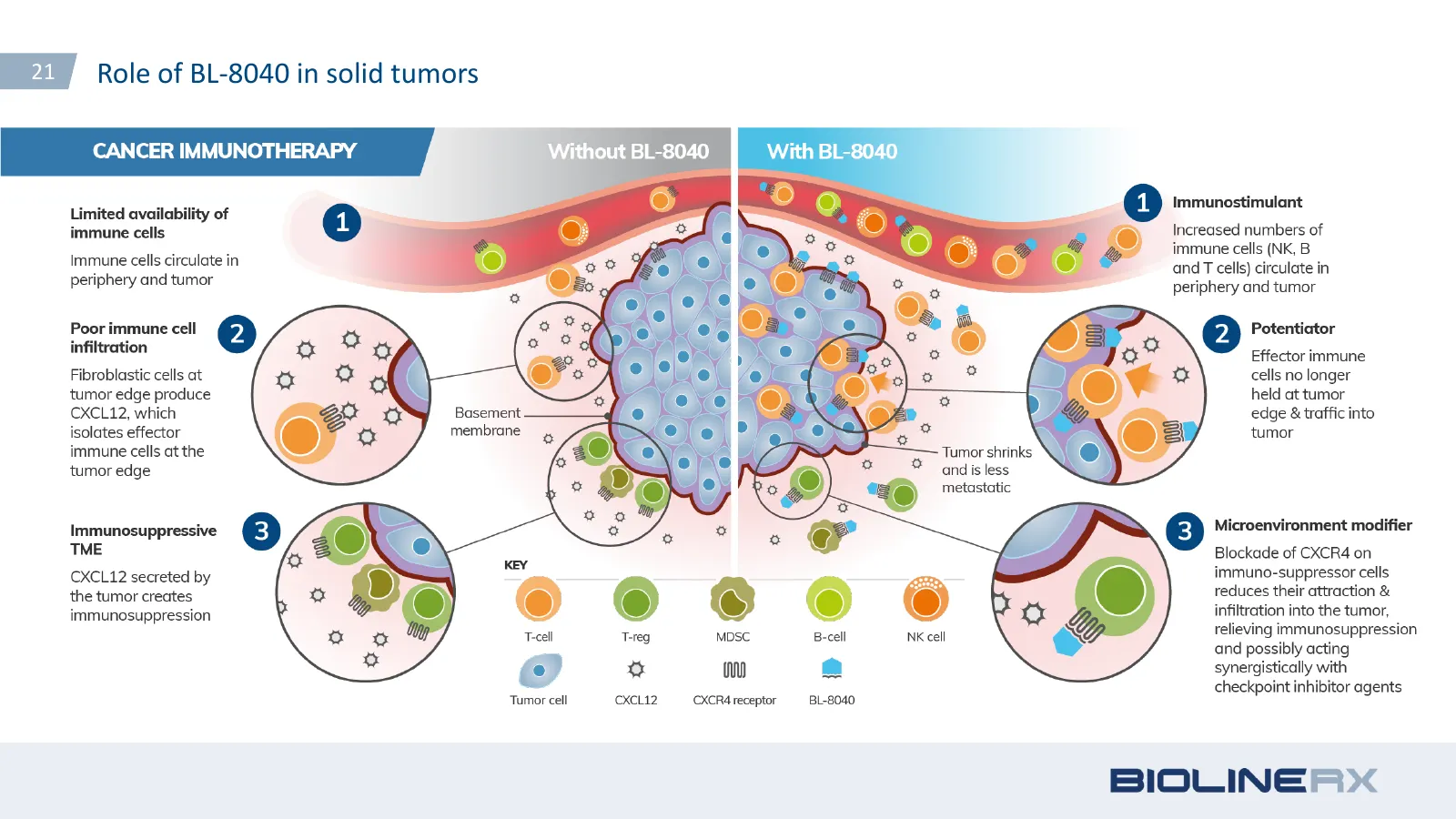
21 Role of BL-8040 in solid tumors
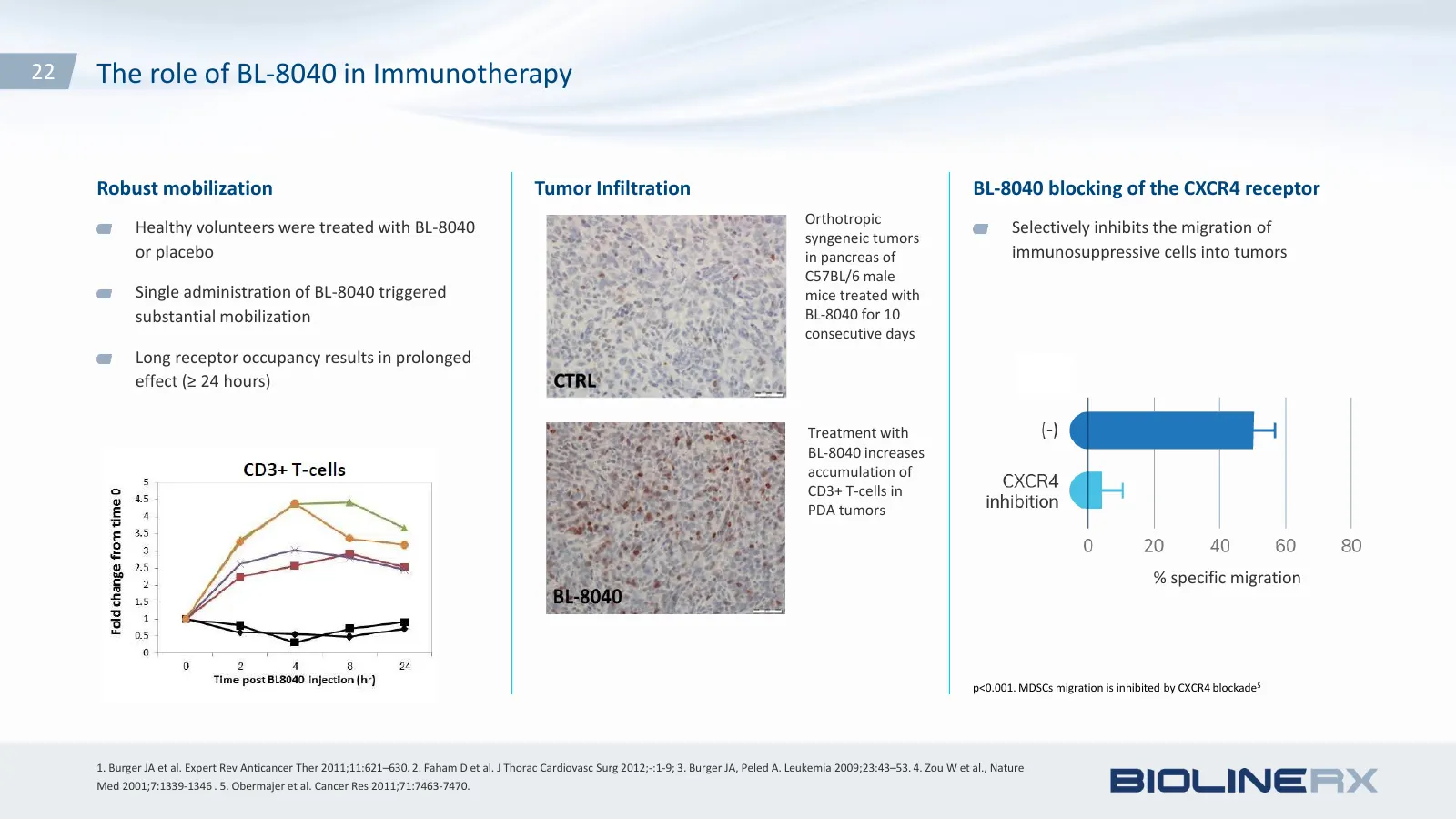
Slide 22: The role of BL-8040 in Immunotherapy
22 The role of BL-8040 in Immunotherapy Robust mobilization Tumor Infiltration BL-8040 blocking of the CXCR4 receptor Orthotropic Healthy volunteers were treated with BL-8040 Selectively inhibits the migration of syngeneic tumors or placebo in pancreas of immunosuppressive cells into tumors C57BL/6
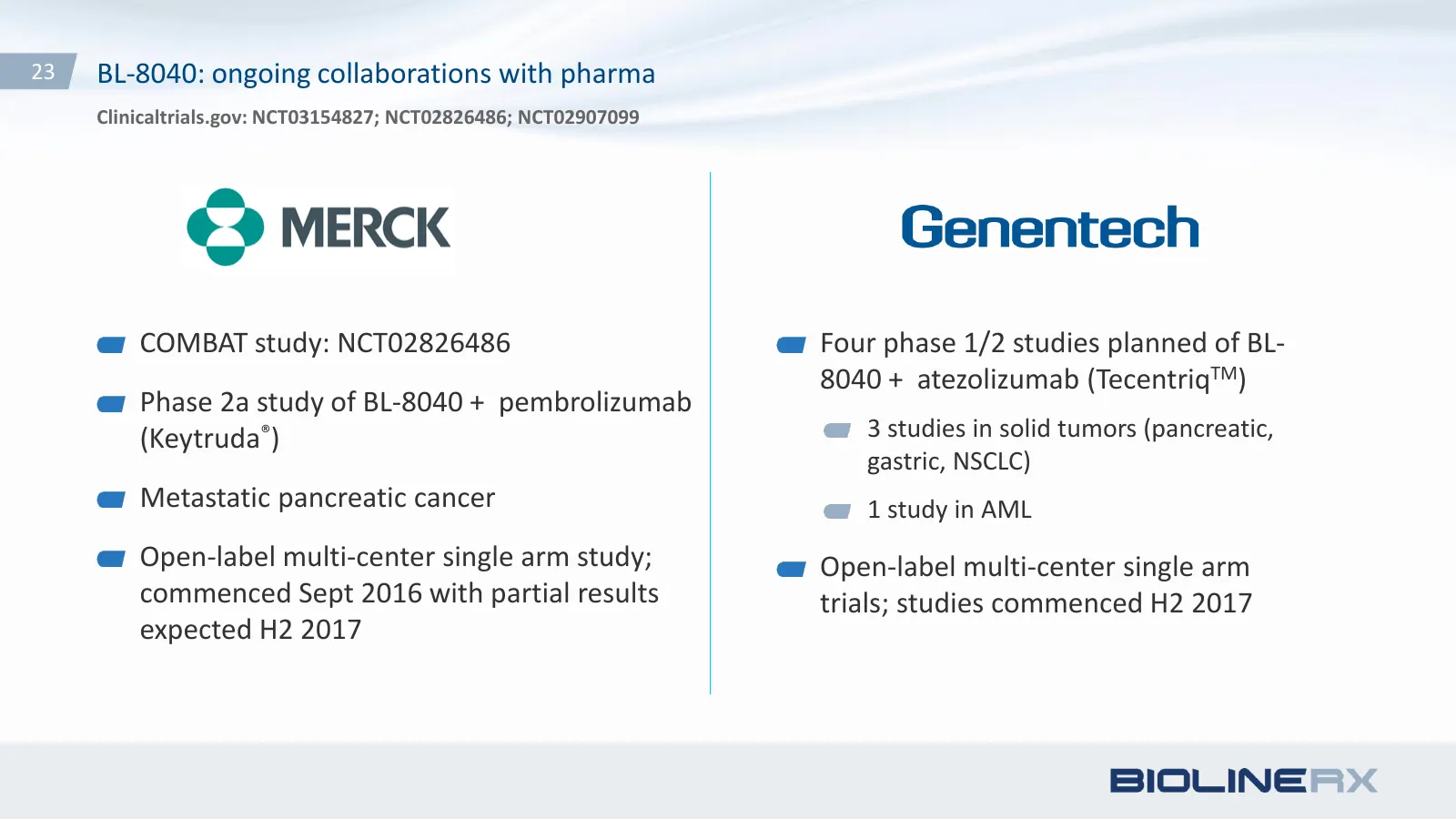
Slide 23: BL-8040: ongoing collaborations with pharma
23 BL-8040: ongoing collaborations with pharma Clinicaltrials.gov: NCT03154827; NCT02826486; NCT02907099 COMBAT study: NCT02826486 Four phase 1/2 studies planned of BL- 8040 + atezolizumab (TecentriqTM) Phase 2a study of BL-8040 + pembrolizumab (Keytruda®) 3 studies in solid tumors (pancreatic, gast
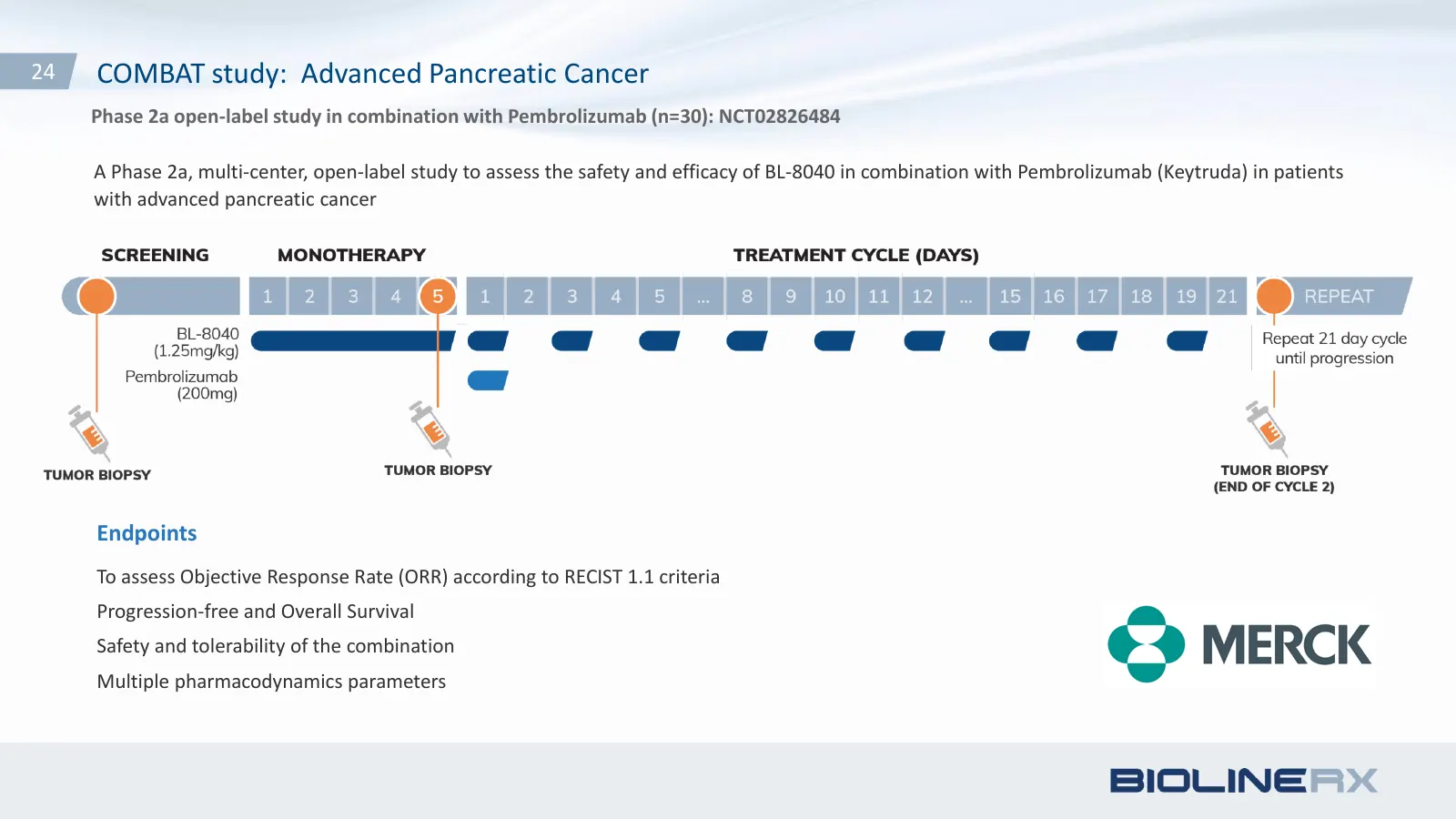
Slide 24: COMBAT study: Advanced Pancreatic Cancer
24 COMBAT study: Advanced Pancreatic Cancer Phase 2a open-label study in combination with Pembrolizumab (n=30): NCT02826484 A Phase 2a, multi-center, open-label study to assess the safety and efficacy of BL-8040 in combination with Pembrolizumab (Keytruda) in patients with advanced pancreatic cancer
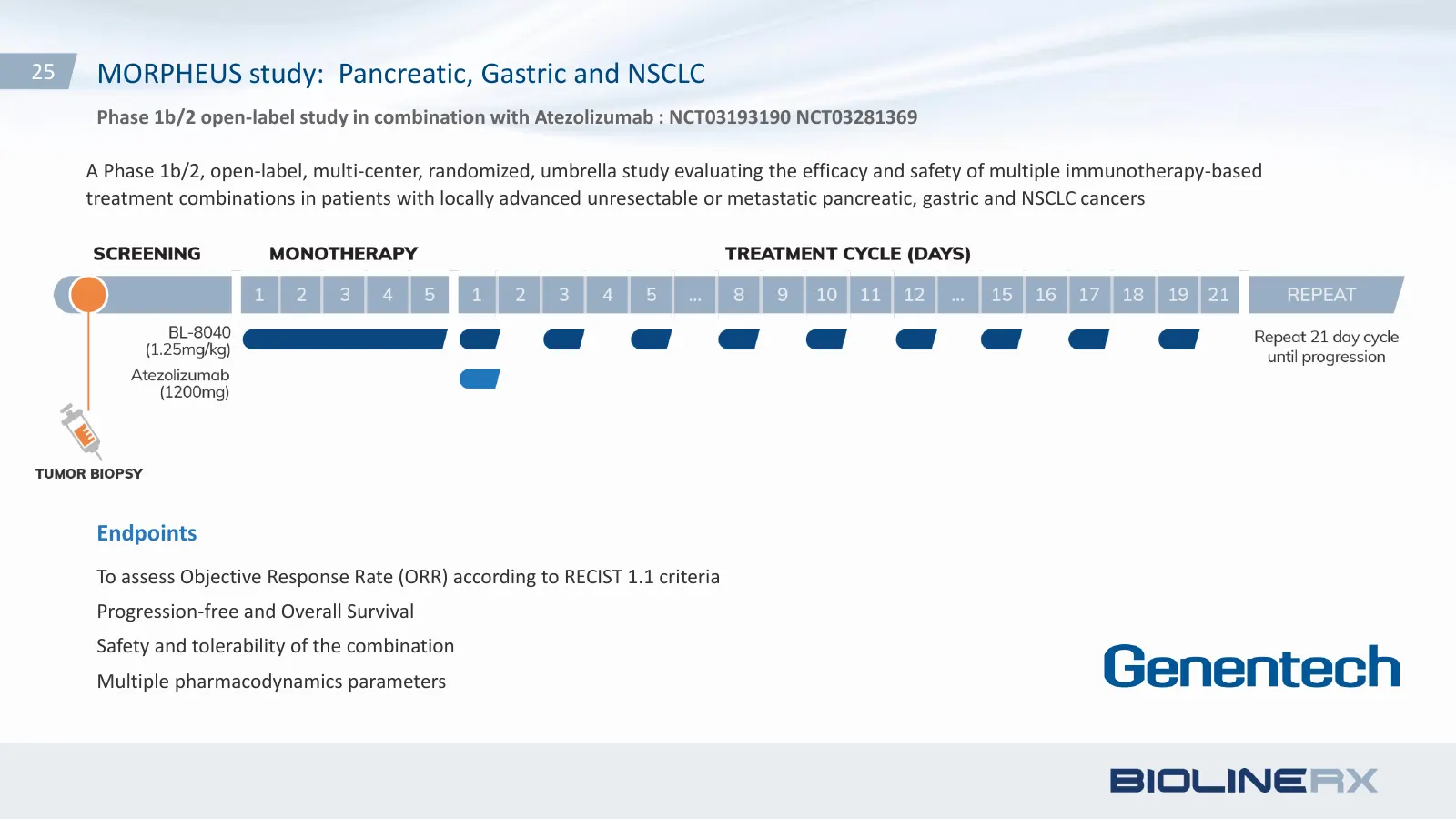
Slide 25: MORPHEUS study: Pancreatic, Gastric and NSCLC
25 MORPHEUS study: Pancreatic, Gastric and NSCLC Phase 1b/2 open-label study in combination with Atezolizumab : NCT03193190 NCT03281369 A Phase 1b/2, open-label, multi-center, randomized, umbrella study evaluating the efficacy and safety of multiple immunotherapy-based treatment combinations in pati
Slide 26: AGI-134 – Cancer Immunotherapy
AGI-134 – Cancer Immunotherapy Small molecule inducing hyperacute, multi-arm immune response targeting tumor-specific neoantigens
Slide 27: AGI-134 – Harnessing pre-existing immunity for patient-specific anti-tumor response
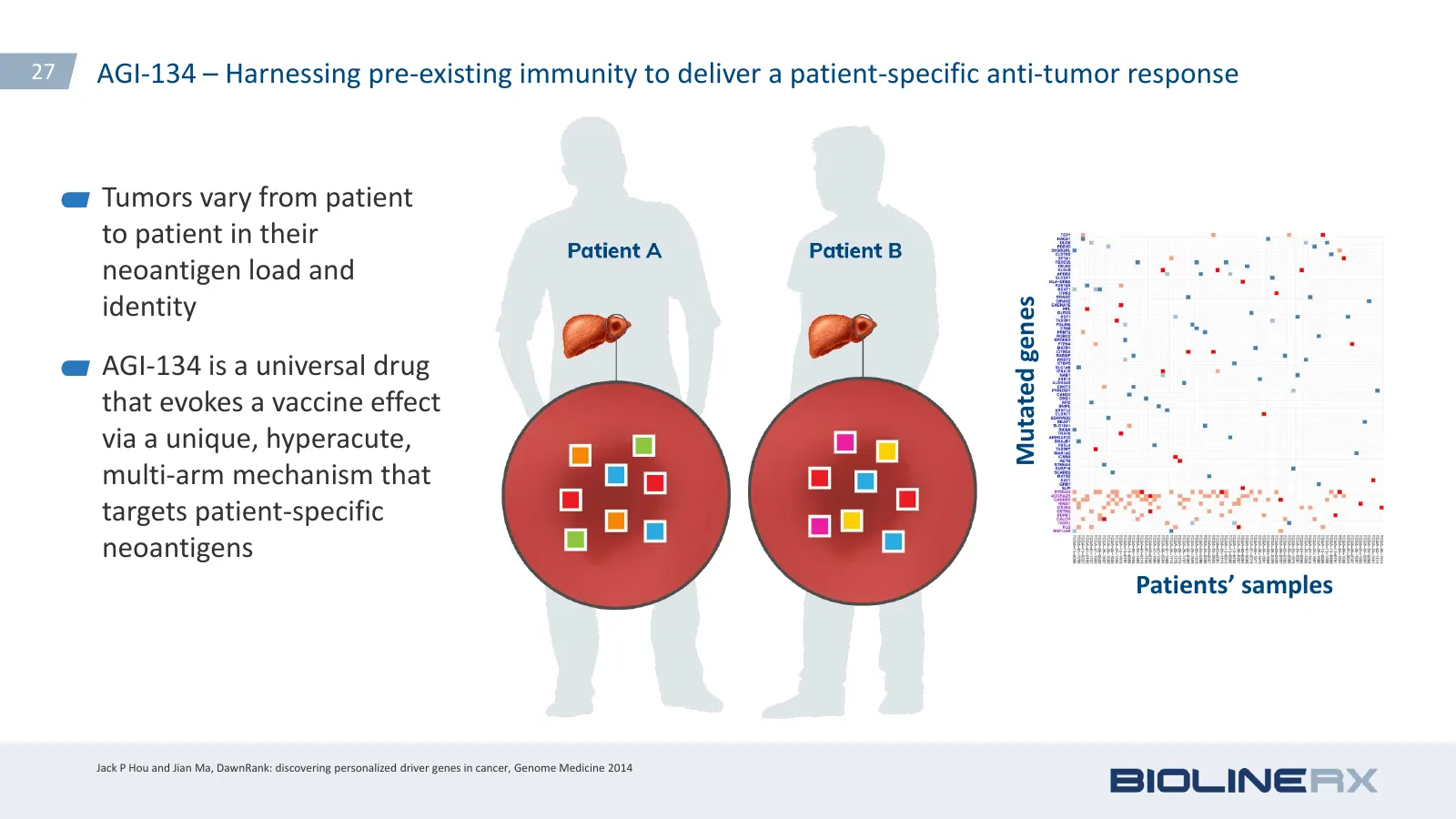
27 AGI-134 – Harnessing pre-existing immunity to deliver a patient-specific anti-tumor response Tumors vary from patient to patient in their neoantigen load and identity Mutated genes AGI-134 is a universal drug that evokes a vaccine effect via a unique, hyperacute, multi-arm mechanism that targets
Slide 28: alpha-Gal and anti-Gal
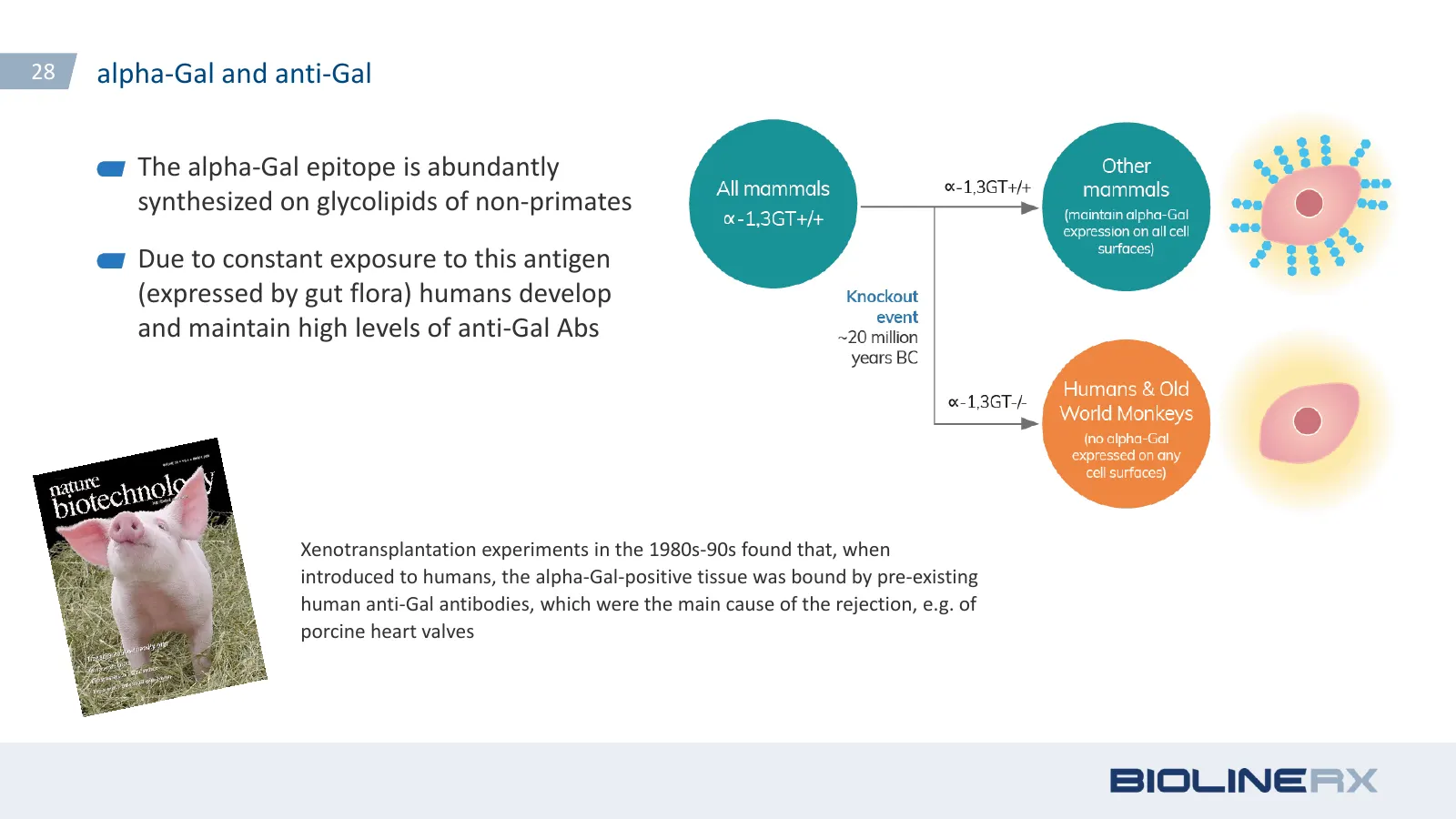
28 alpha-Gal and anti-Gal The alpha-Gal epitope is abundantly synthesized on glycolipids of non-primates Due to constant exposure to this antigen (expressed by gut flora) humans develop and maintain high levels of anti-Gal Abs Xenotransplantation experiments in the 1980s-90s found that, when introdu
Slide 29: AGI-134 MoA
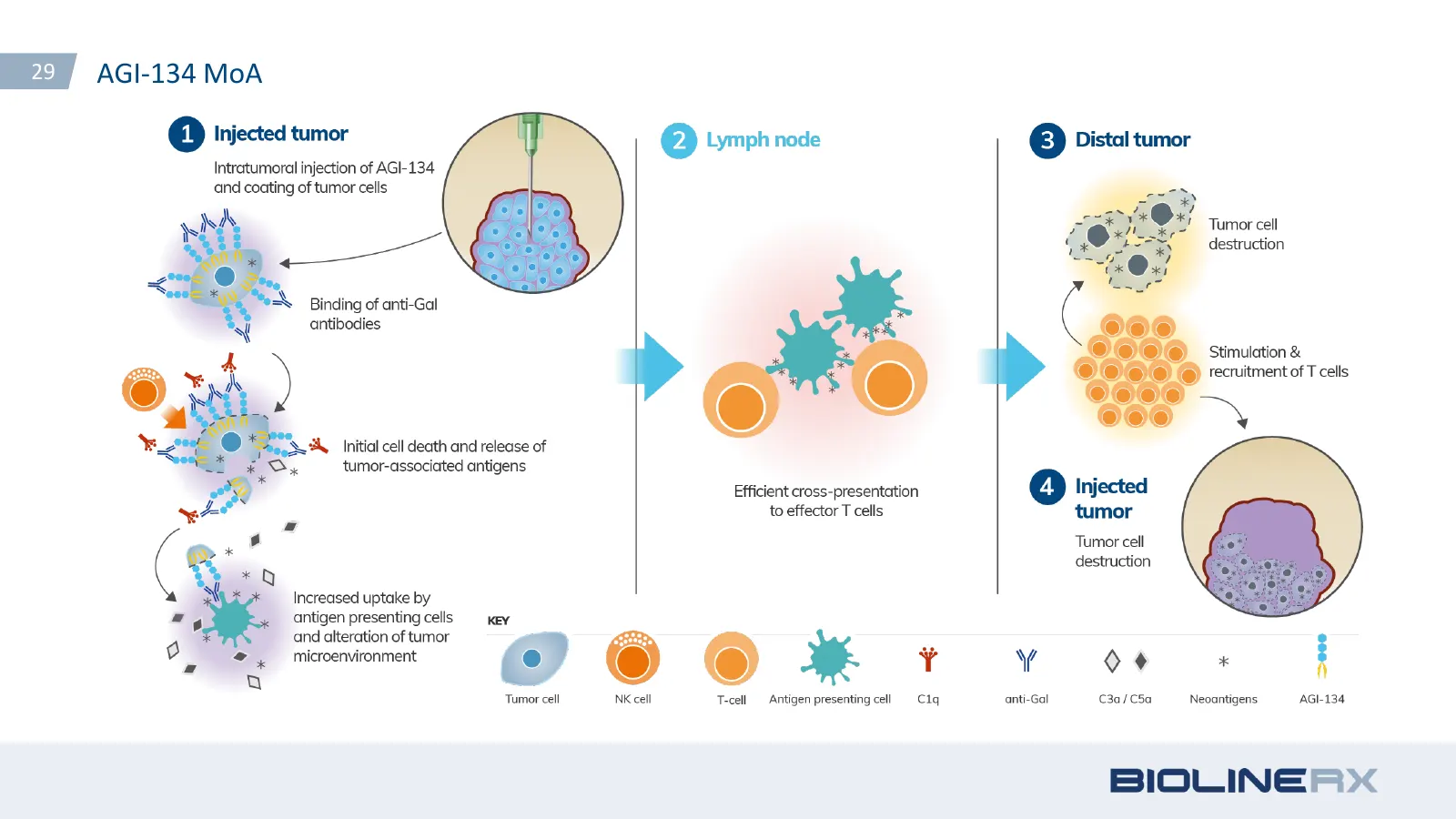
AGI-134 MoA 1) Injected tumor Intratumoral injection of AGI-134 and coating of tumor cells ys =\. Binding of anti-Gal a antibodies 3A, Initial cell death and release of tumor-associated antigens Increased uptake by antigen presenting cells. and alteration of tumor microenvironment Tumor cell NK cell
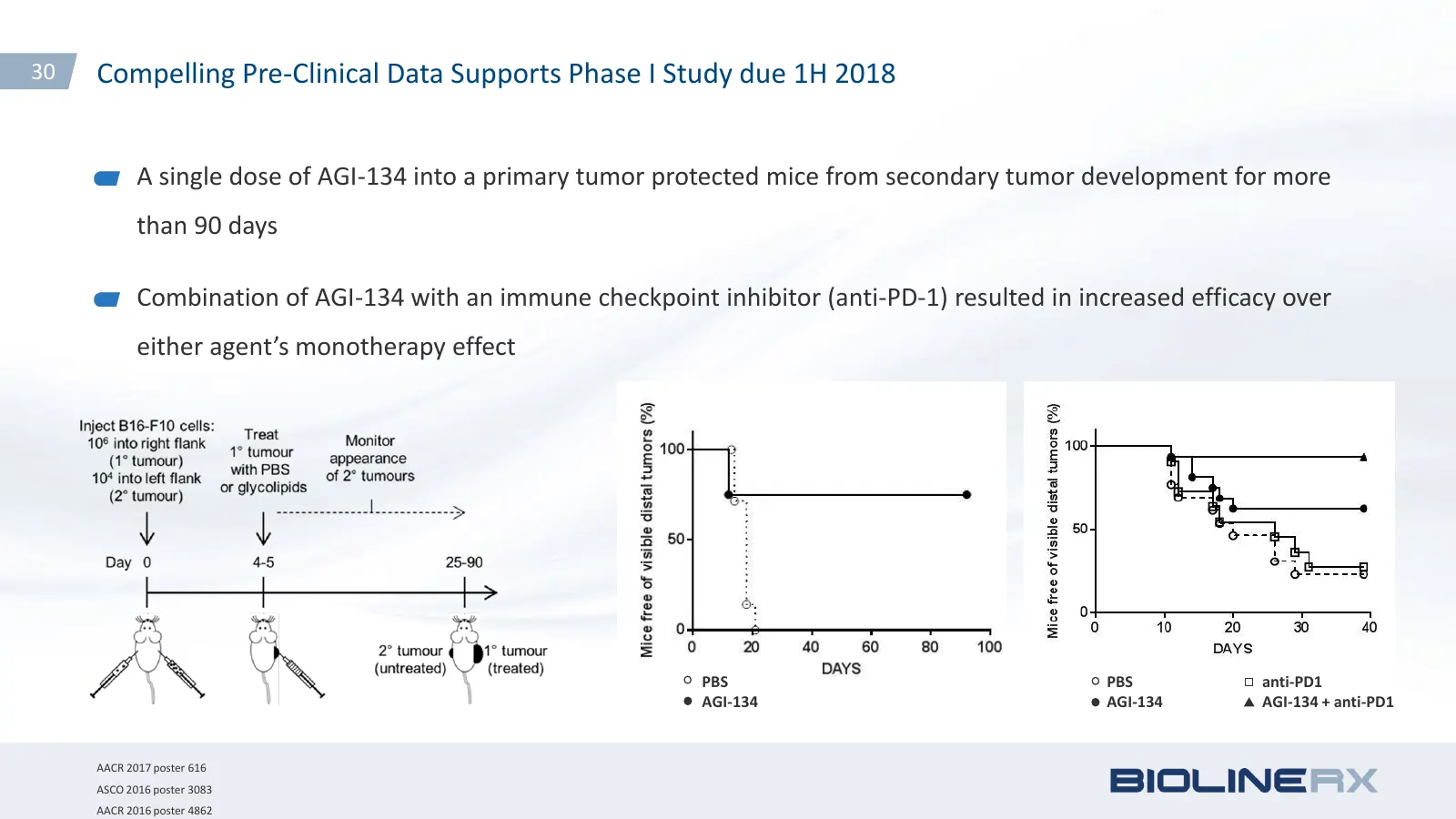
Slide 30: Compelling Pre-Clinical Data Supports Phase I Study due 1H 2018
30 Compelling Pre-Clinical Data Supports Phase I Study due 1H 2018 A single dose of AGI-134 into a primary tumor protected mice from secondary tumor development for more than 90 days Combination of AGI-134 with an immune checkpoint inhibitor (anti-PD-1) resulted in increased efficacy over either age

Slide 31: Looking ahead
Looking ahead BIOLINEM><
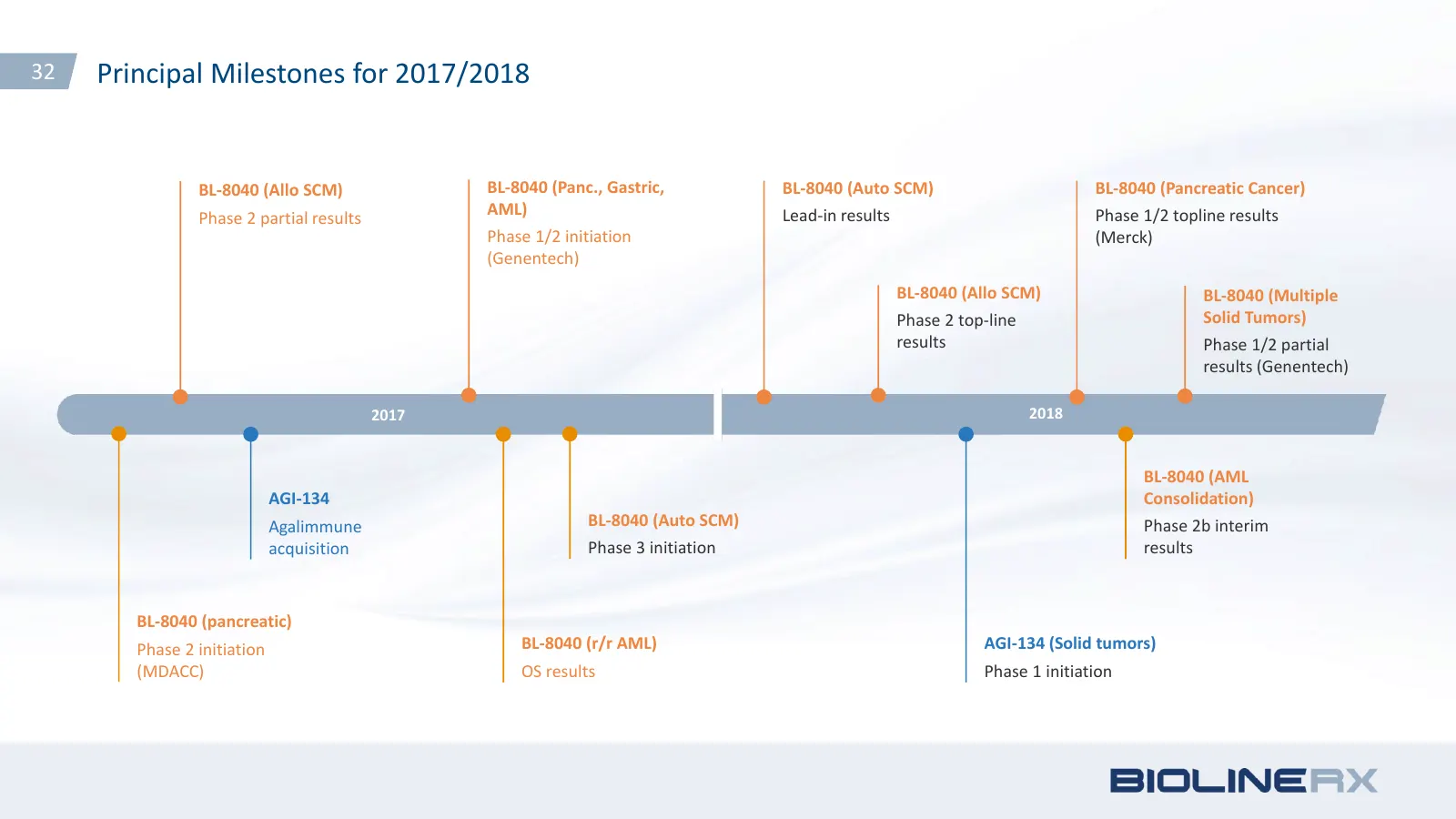
Slide 32: Principal Milestones for 2017/2018
32 Principal Milestones for 2017/2018 BL-8040 (Allo SCM) BL-8040 (Panc., Gastric, BL-8040 (Auto SCM) BL-8040 (Pancreatic Cancer) AML) Lead-in results Phase 1/2 topline results Phase 2 partial results Phase 1/2 initiation (Merck) (Genentech) BL-8040 (Allo SCM) BL-8040 (Multiple Phase 2 top-line Solid
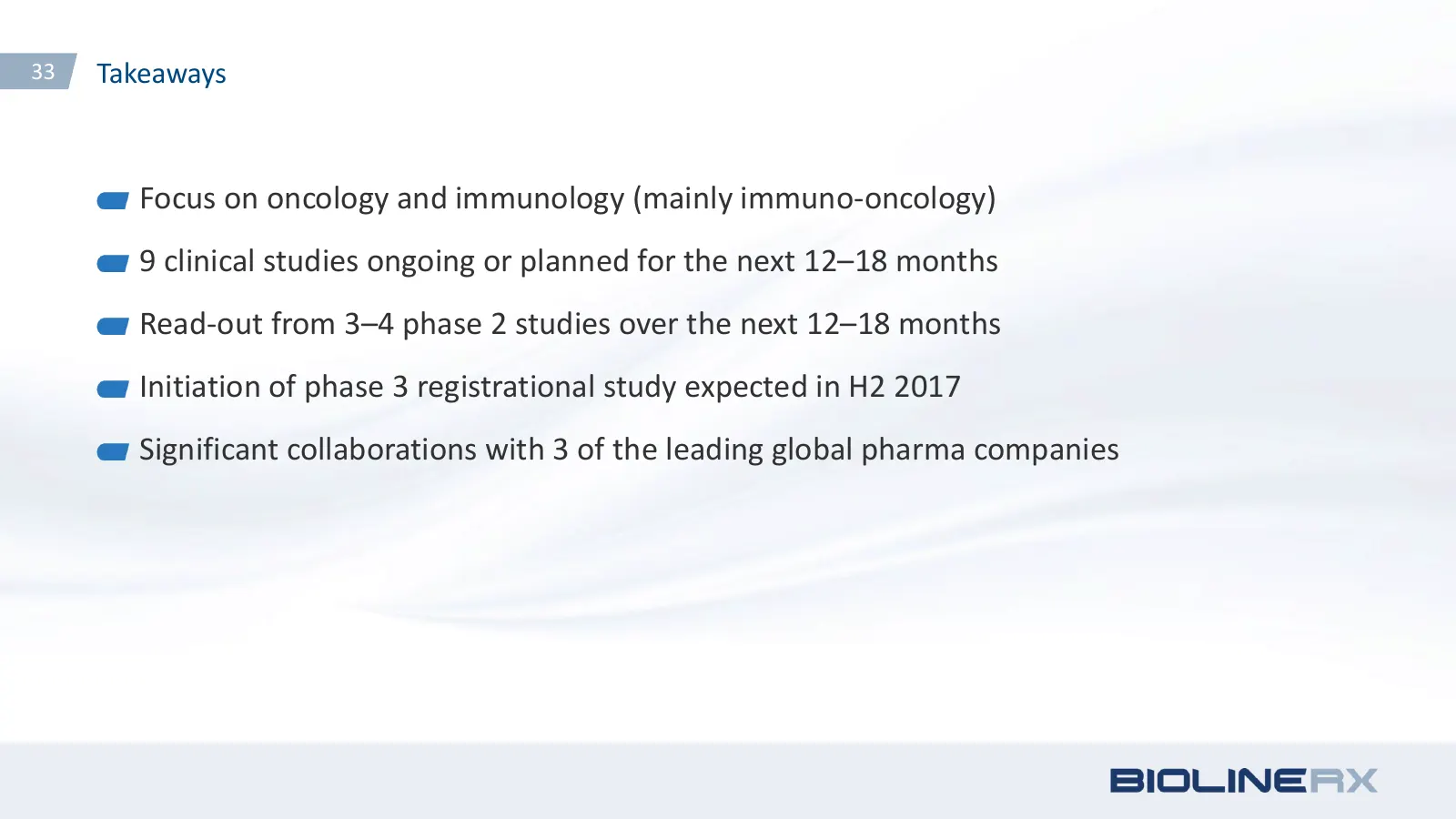
Slide 33: Takeaways
33 Takeaways Focus on oncology and immunology (mainly immuno-oncology) 9 clinical studies ongoing or planned for the next 12–18 months Read-out from 3–4 phase 2 studies over the next 12–18 months Initiation of phase 3 registrational study expected in H2 2017 Significant collaborations with 3 of the

Slide 34: Transforming science into medicine
Transforming science into medicine
Source: Internet Archive copy of biolinerx.com
More decks from BioLineRX Ltd.
 Investor Presentation (July 2026)39 slides · July 2026
 Q1 2026 Earnings Presentation28 slides · May 27, 2026
 Technical Presentation (December 2020)14 slides · Dec 16, 2020
 Technical Presentation (December 2020)49 slides · Dec 16, 2020
 Investor Presentation (February 2019)31 slides · Feb 4, 2019
 Investor Presentation (October 2018)30 slides · Oct 1, 2018