Lexeo Therapeutics, Inc. · NASDAQ:LXEO
Lexeo Therapeutics — Technical Presentation (March 2026)
12 slides from Lexeo Therapeutics's technical presentation, March 2026
Slide 1: Safety and Preliminary Efficacy of AAVrh.10hPKP2 (LX2020) Gene Therapy in PKP2-ACM
Safety and Preliminary Efficacy of AAVrh.10hPKP2 (LX2020) Gene Therapy in PKP2-Arrhythmogenic Cardiomyopathy Victoria N. Parikh, MD Stanford Center for Inherited Cardiovascular Disease On behalf of the HEROIC-PKP2 investigators
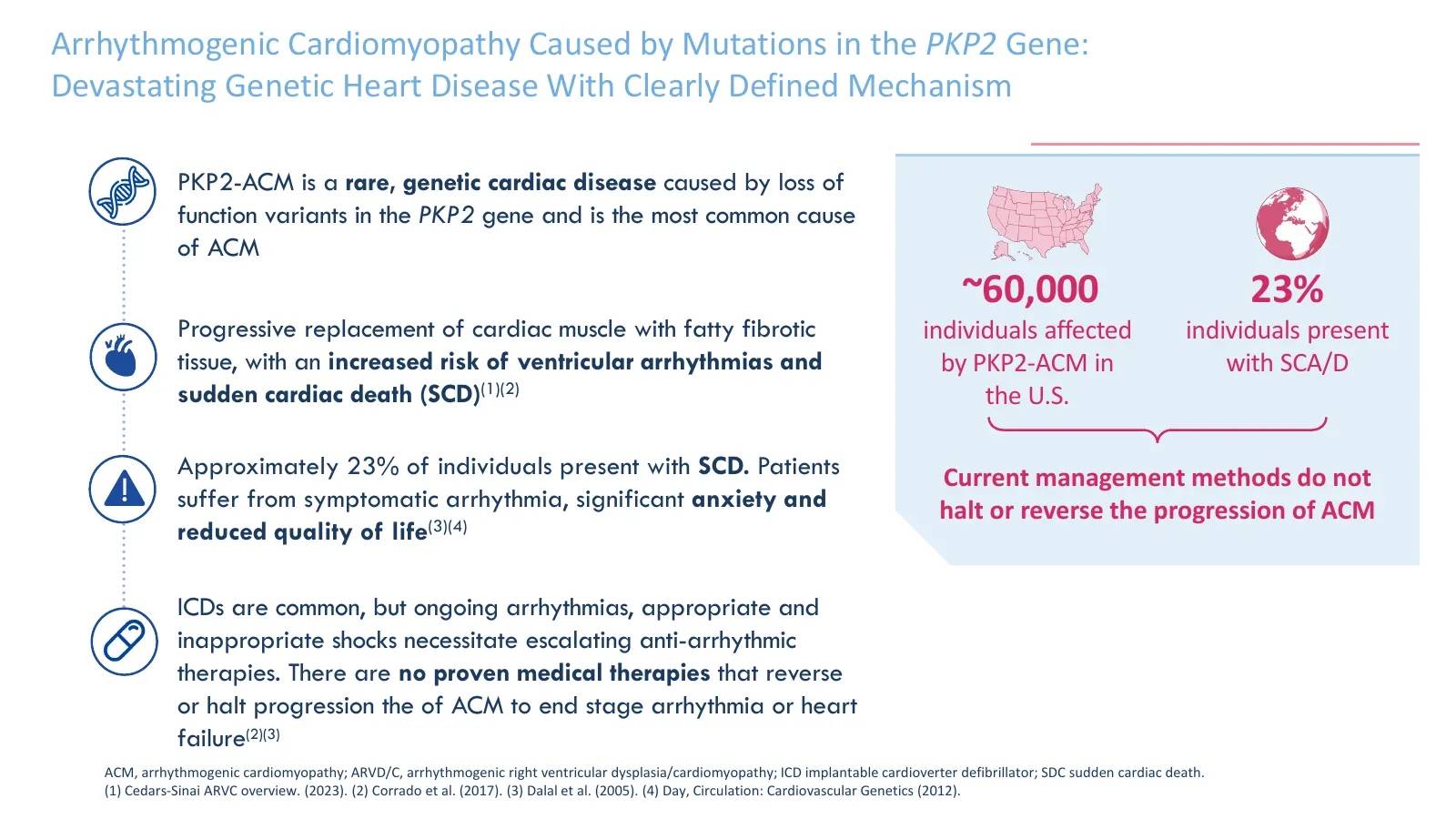
Slide 2: Arrhythmogenic Cardiomyopathy Caused by Mutations in the PKP2 Gene
Arrhythmogenic Cardiomyopathy Caused by Mutations in the PKP2 Gene: Devastating Genetic Heart Disease With Clearly Defined Mechanism PKP2-ACM is a rare, genetic cardiac disease caused by loss of function variants in the PKP2 gene and is the most common cause of ACM ~60,000 23% Progressive replacemen
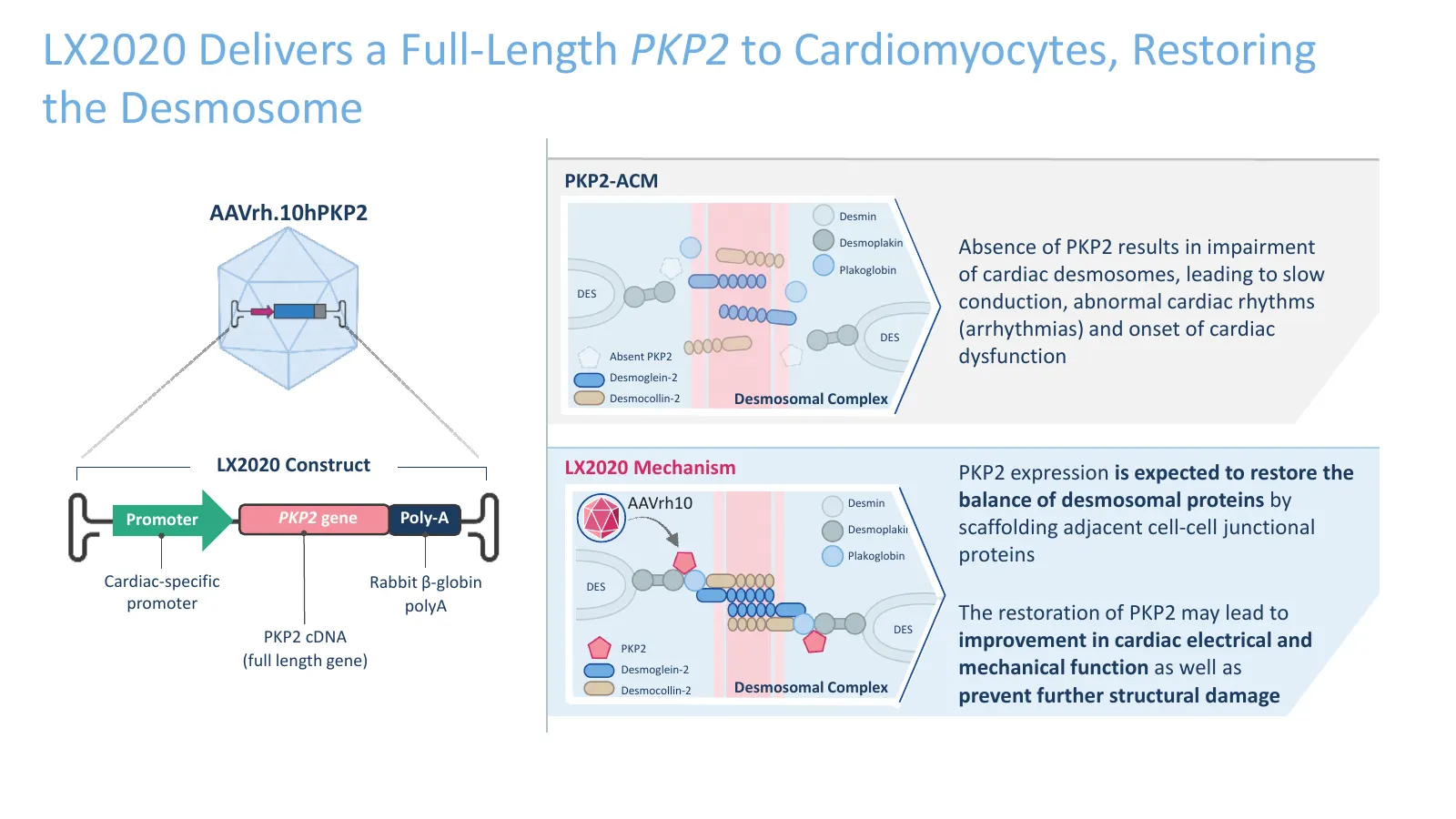
Slide 3: LX2020 Delivers a Full-Length PKP2 to Cardiomyocytes, Restoring the Desmosome
LX2020 Delivers a Full-Length PKP2 to Cardiomyocytes, Restoring the Desmosome PKP2-ACM AAVrh.10hPKP2 Desmin Desmoplakin Absence of PKP2 results in impairment Plakoglobin of cardiac desmosomes, leading to slow DES conduction, abnormal cardiac rhythms DES (arrhythmias) and onset of cardiac Absent PKP2
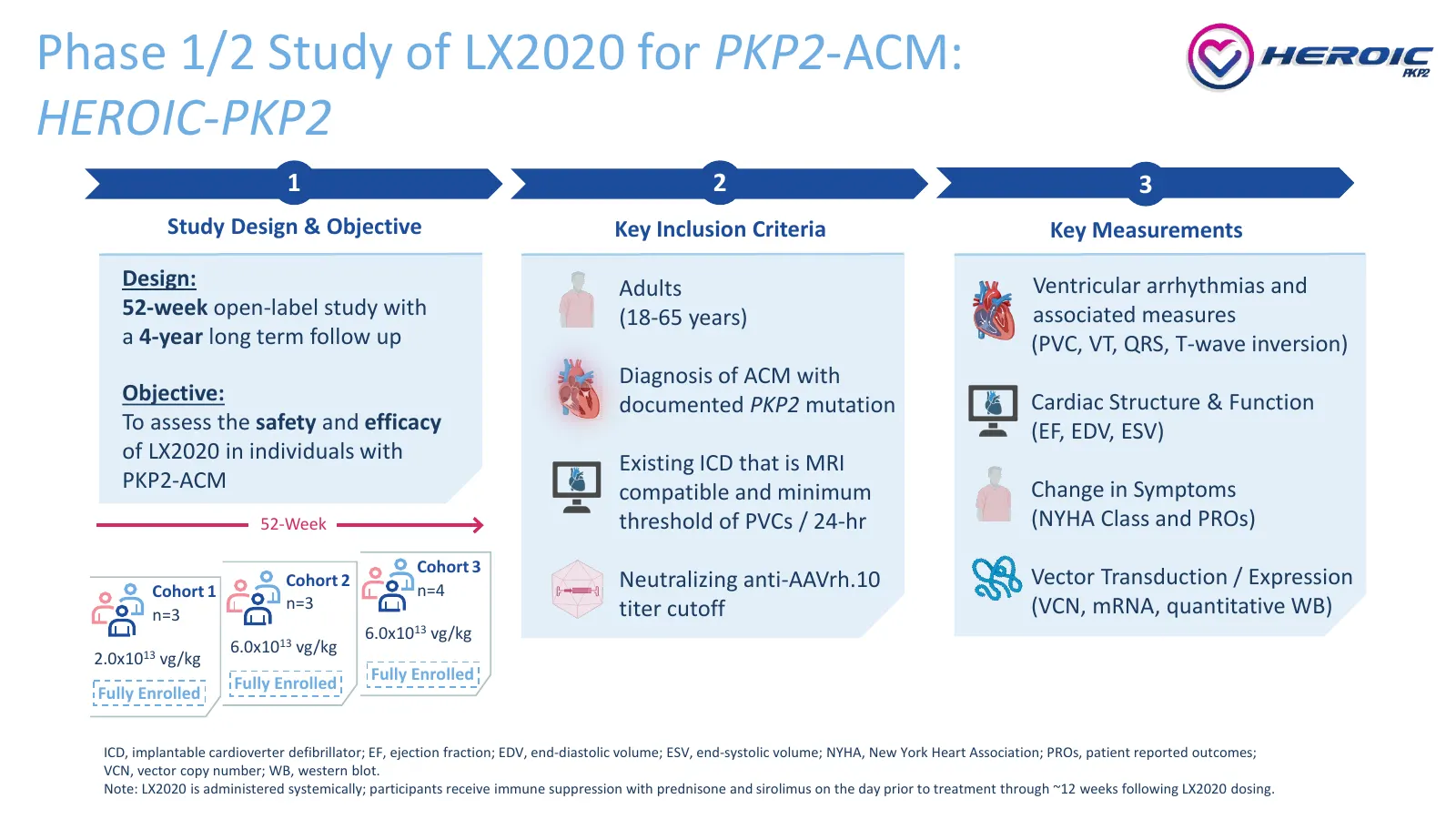
Slide 4: Phase 1/2 Study of LX2020 for PKP2-ACM: HEROIC-PKP2
Phase 1/2 Study of LX2020 for PKP2-ACM: HEROIC-PKP2 1 2 3 Study Design & Objective Key Inclusion Criteria Key Measurements Design: Adults Ventricular arrhythmias and 52-week open-label study with (18-65 years) associated measures a 4-year long term follow up (PVC, VT, QRS, T-wave inversion) Diagnosi
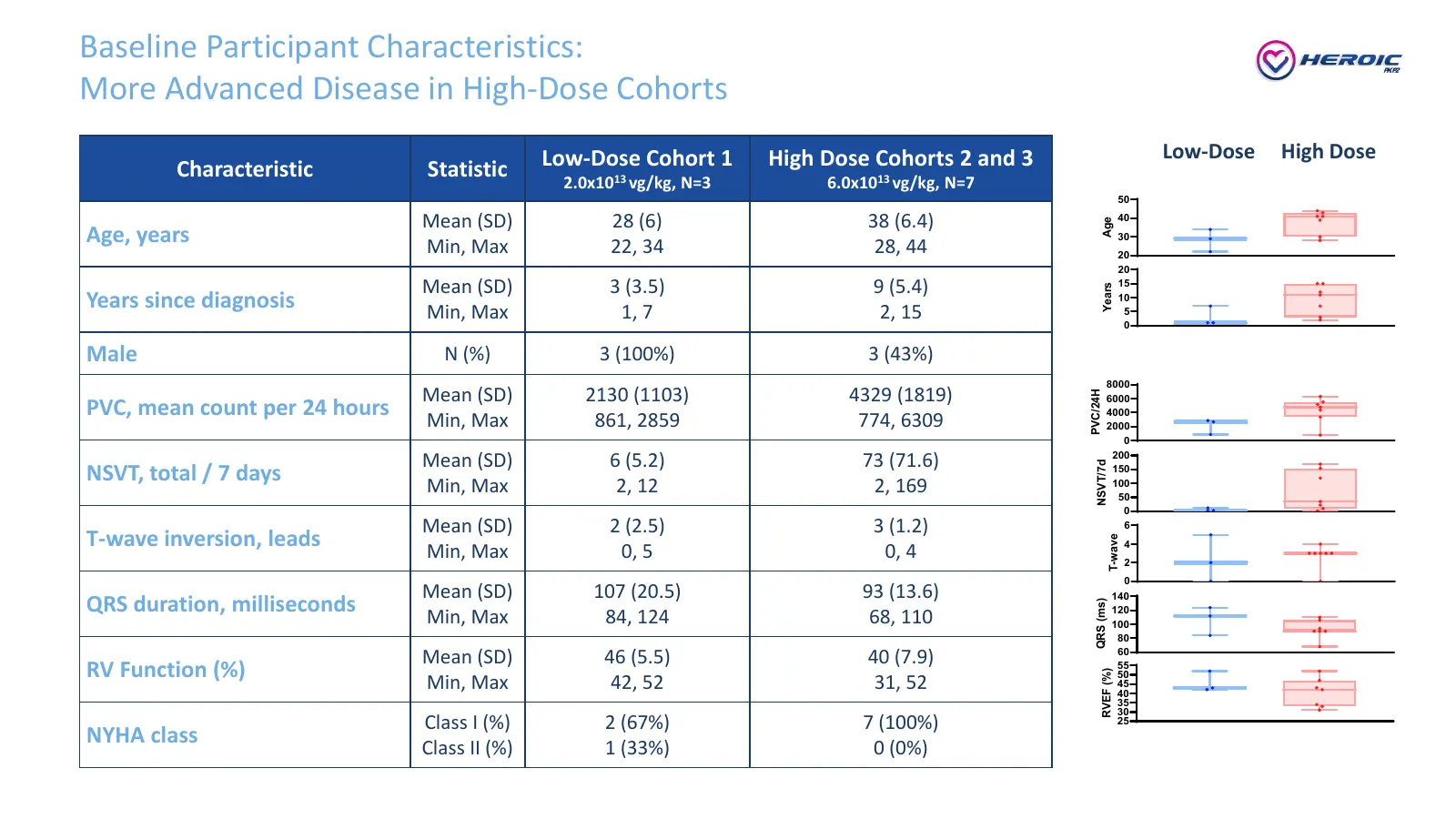
Slide 5: Baseline Participant Characteristics: More Advanced Disease in High-Dose Cohorts
Baseline Participant Characteristics: More Advanced Disease in High-Dose Cohorts Low-Dose Cohort 1 High Dose Cohorts 2 and 3 Low-Dose High Dose Characteristic Statistic 2.0x10¹³ vg/kg, N=3 6.0x10¹³ vg/kg, N=7 50 Mean (SD) 28 (6) 38 (6.4) 40 Age Age, years Min, Max 22, 34 28, 44 30 20 20 Mean (SD) 3
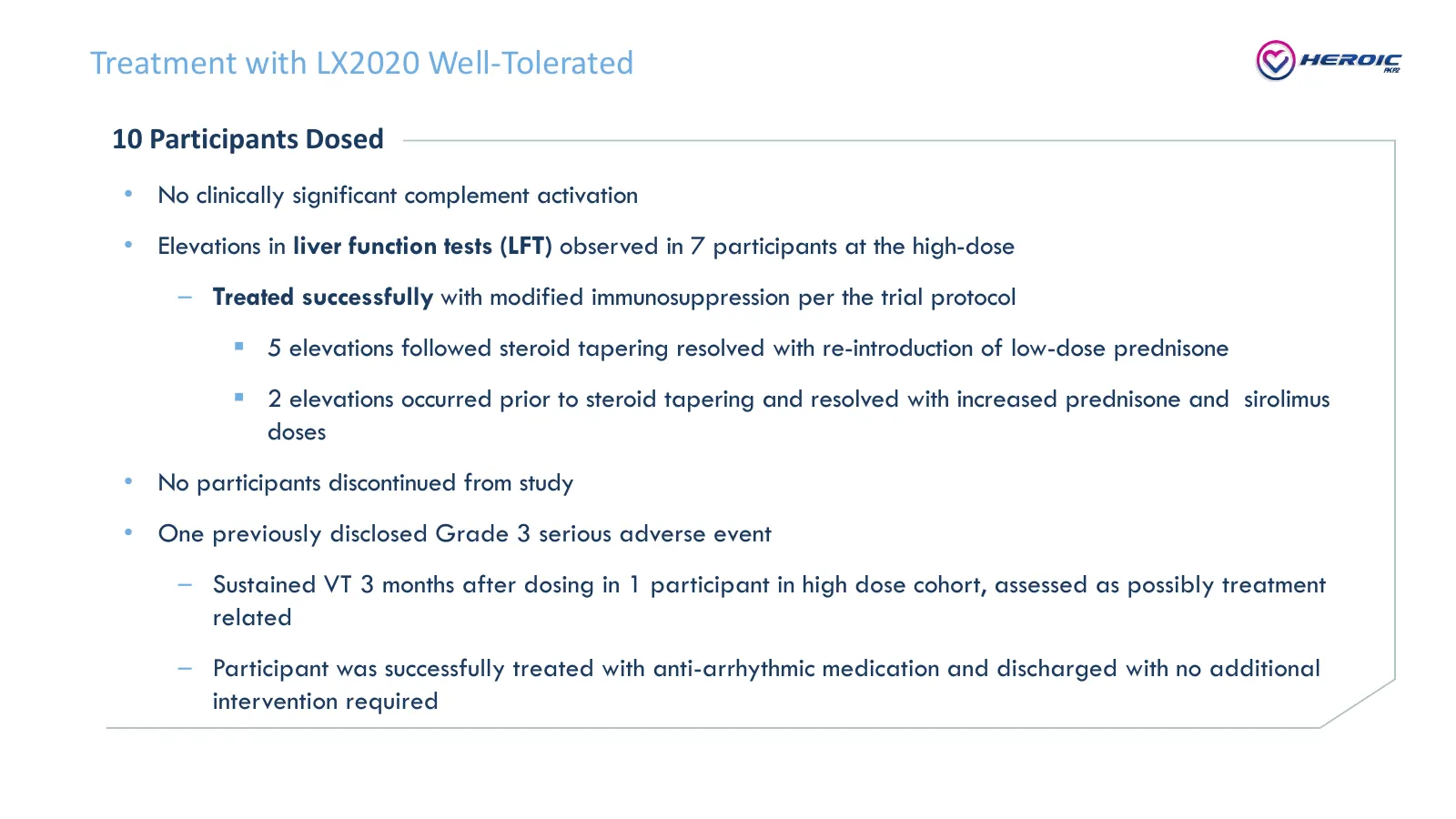
Slide 6: Treatment with LX2020 Well-Tolerated
Treatment with LX2020 Well-Tolerated 10 Participants Dosed • No clinically significant complement activation • Elevations in liver function tests (LFT) observed in 7 participants at the high-dose – Treated successfully with modified immunosuppression per the trial protocol 5 elevations followed st
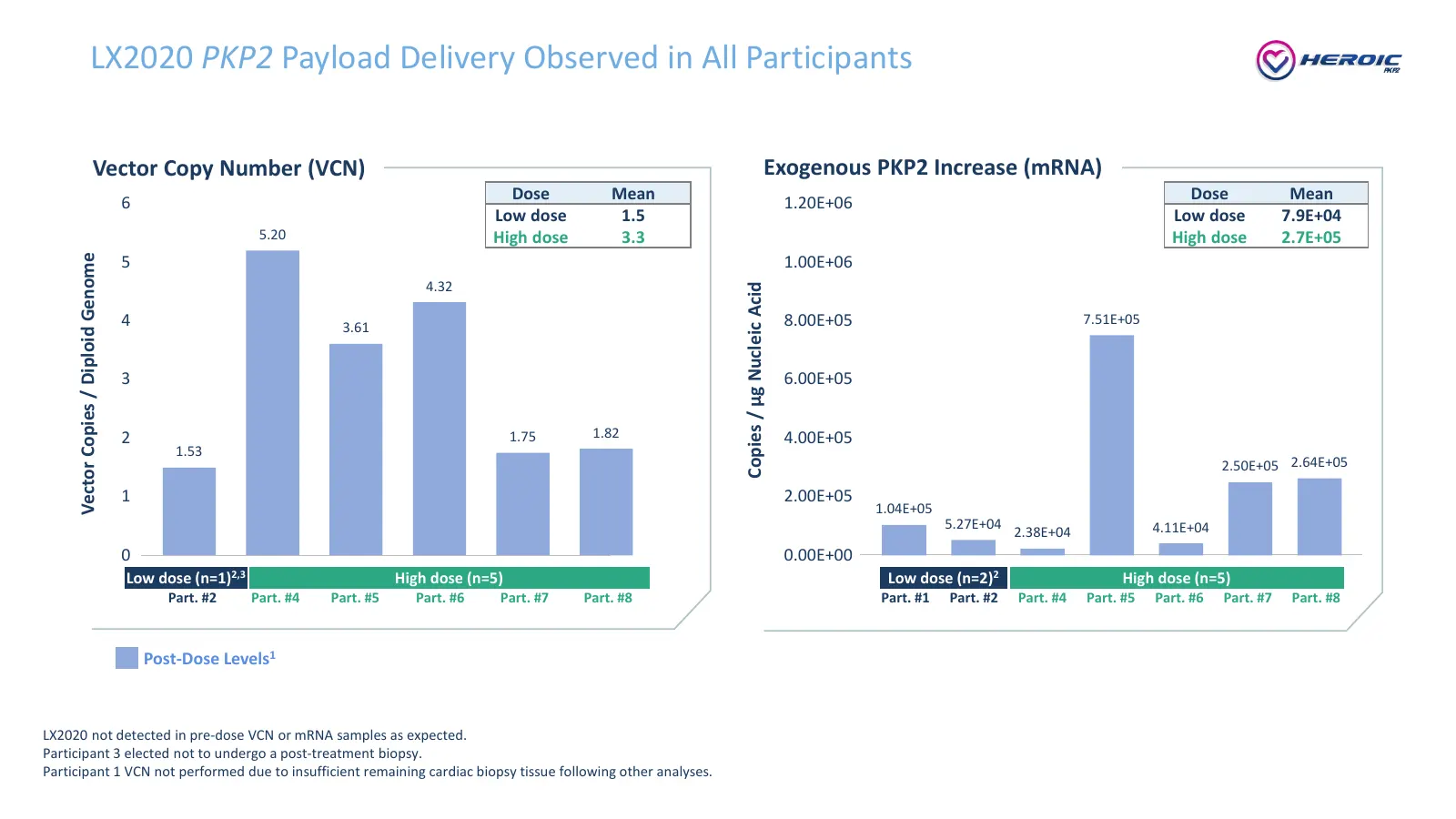
Slide 7: LX2020 PKP2 Payload Delivery Observed in All Participants
LX2020 PKP2 Payload Delivery Observed in All Participants Vector Copy Number (VCN) Exogenous PKP2 Increase (mRNA) Dose Mean Dose Mean 6 1.20E+06 Low dose 1.5 Low dose 7.9E+04 5.20 High dose 3.3 High dose 2.7E+05 5 1.00E+06 Vector Copies / Diploid Genome 4.32 Copies / μg Nucleic Acid 4 3.61 8.00E+05
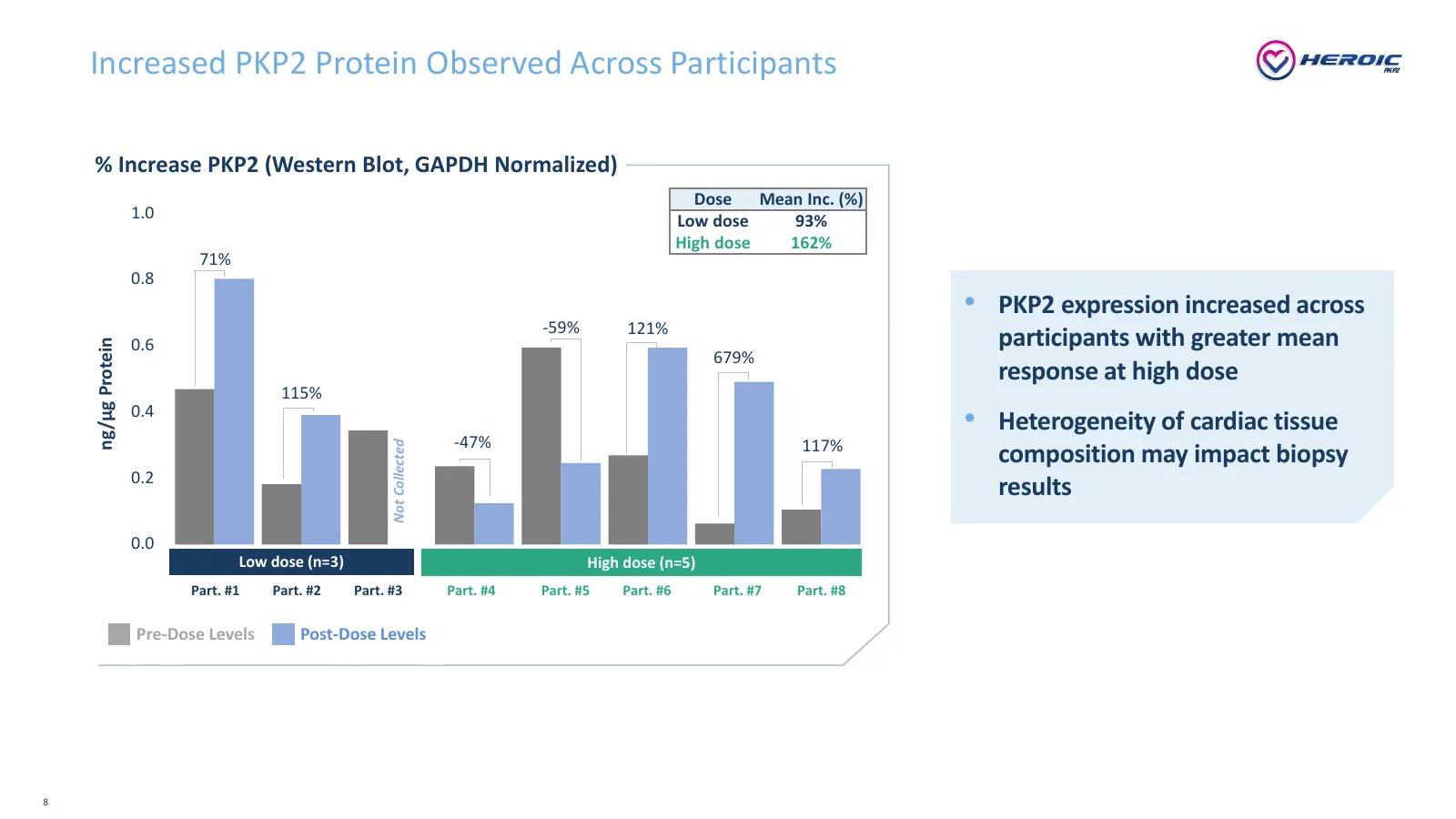
Slide 8: Increased PKP2 Protein Observed Across Participants
Increased PKP2 Protein Observed Across Participants % Increase PKP2 (Western Blot, GAPDH Normalized) Dose Mean Inc. (%) 1.0 Low dose 93% High dose 162% 71% 0.8 • PKP2 expression increased across -59% 121% 0.6 participants with greater mean ng/μg Protein 679% response at high dose 115% 0.4 • Heteroge
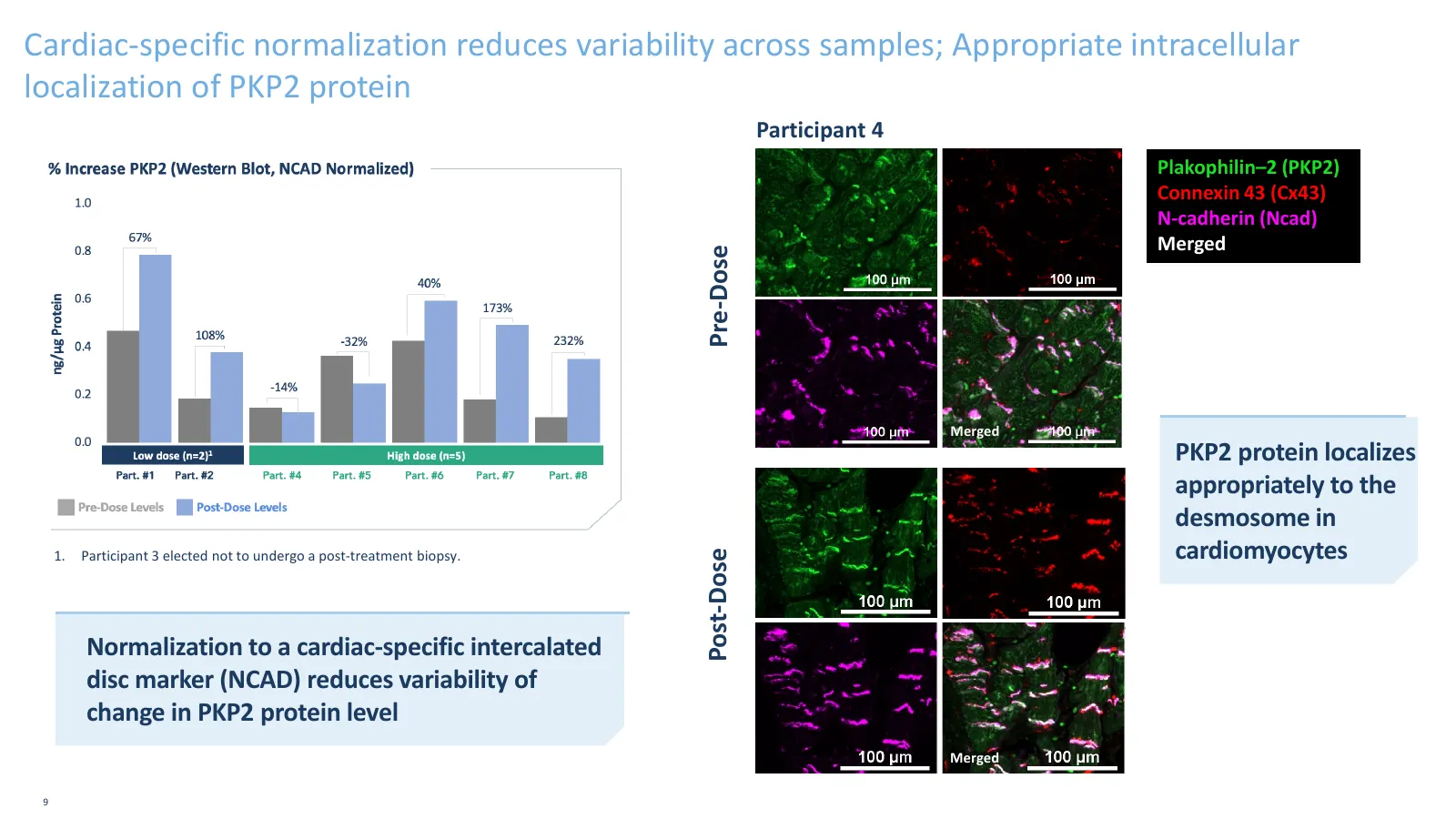
Slide 9: PKP2 Protein Localizes Appropriately to the Desmosome
Cardiac-specific normalization reduces variability across samples; Appropriate intracellular localization of PKP2 protein Participant 4 Plakophilin–2 (PKP2) Connexin 43 (Cx43) N-cadherin (Ncad) Merged Pre-Dose Merged PKP2 protein localizes appropriately to the desmosome in 1. Participant 3 elected n
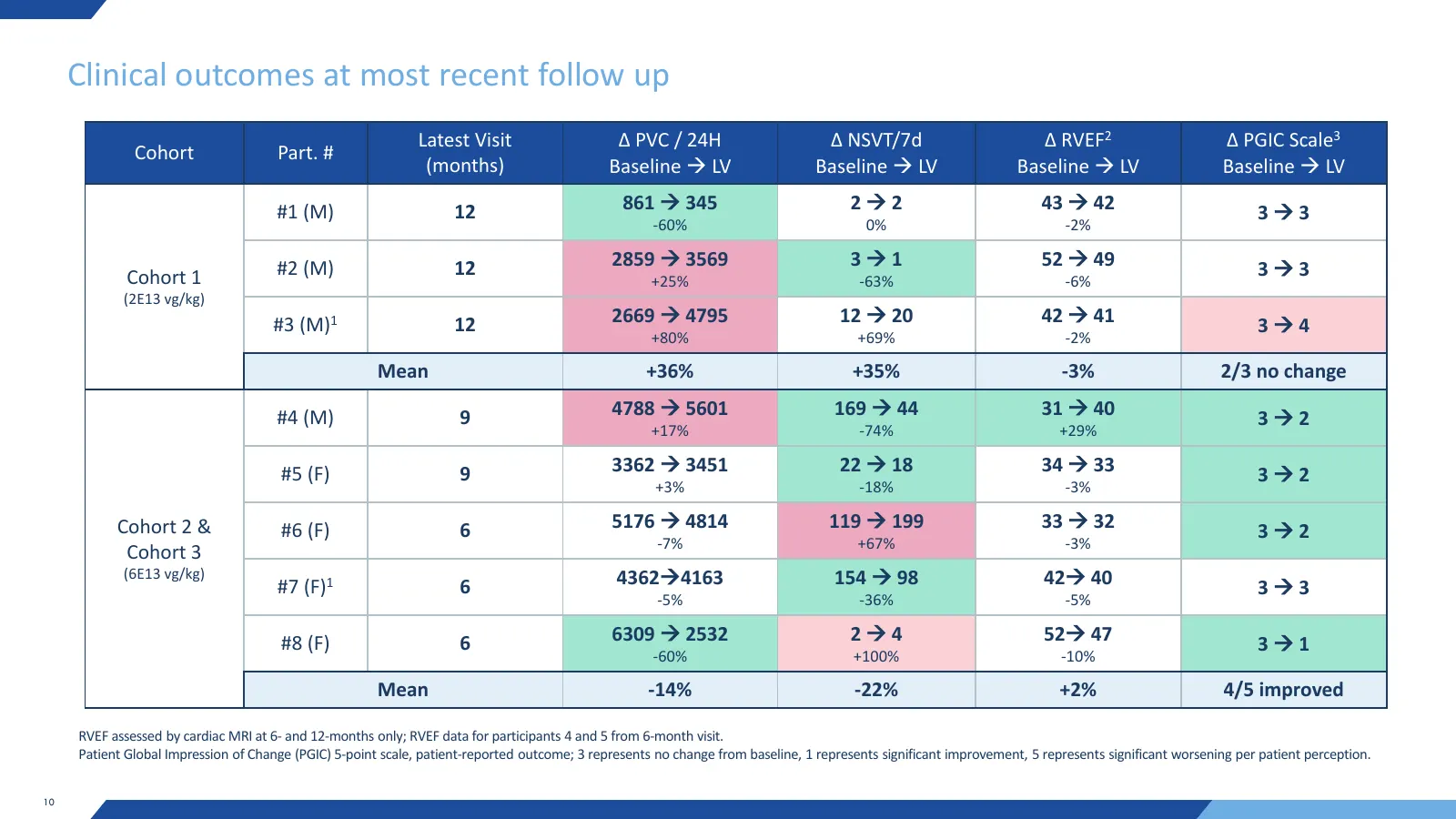
Slide 10: Clinical outcomes at most recent follow up
Clinical outcomes at most recent follow up Latest Visit ∆ PVC / 24H ∆ NSVT/7d ∆ RVEF2 ∆ PGIC Scale3 Cohort Part. # (months) Baseline LV Baseline LV Baseline LV Baseline LV #1 (M) 12 861 345 22 43 42 33 -60% 0% -2% #2 (M) 12 2859 3569 31 52 49 33 Cohort 1 +25% -63% -6% (2E13 vg/kg
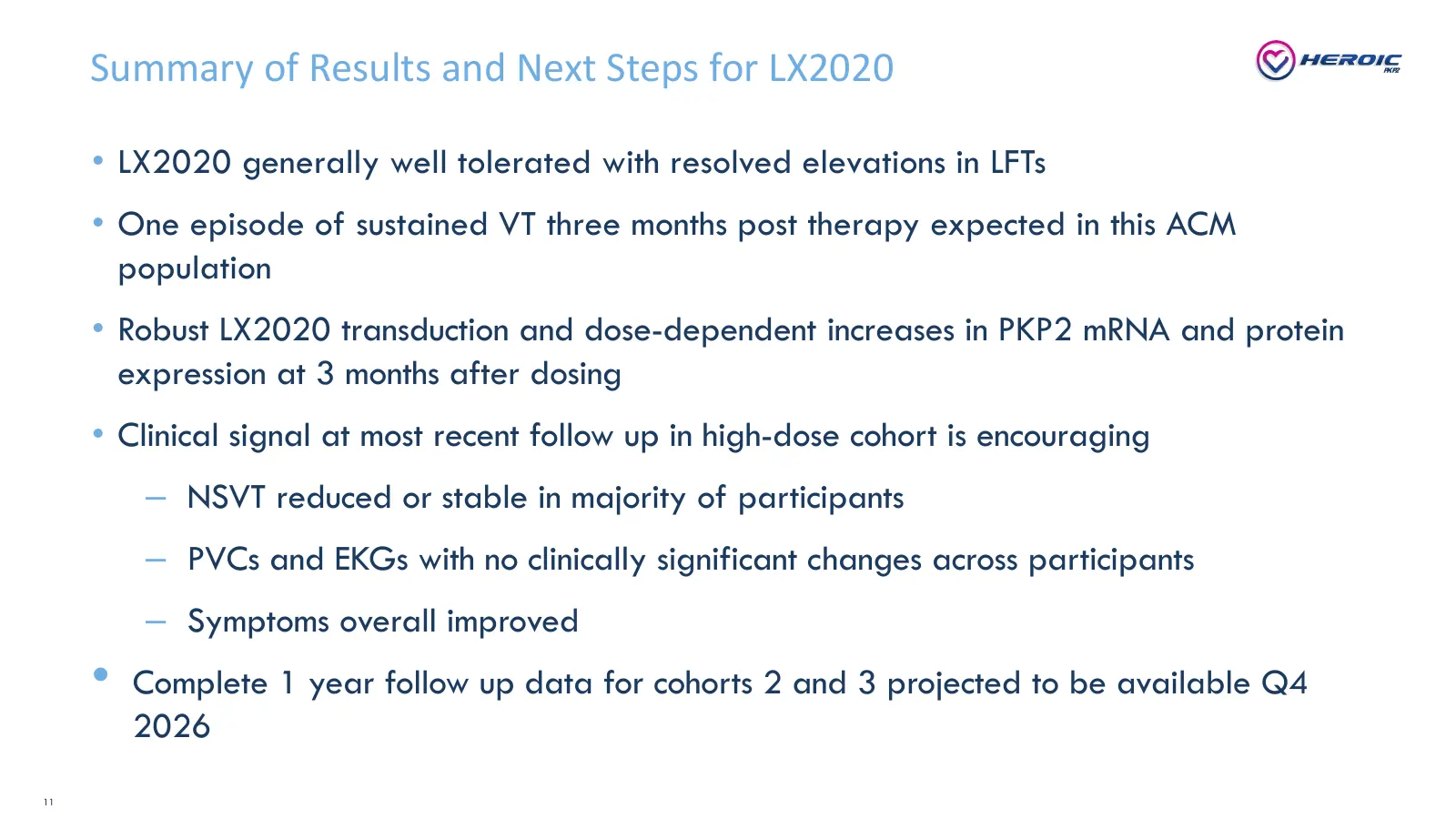
Slide 11: Summary of Results and Next Steps for LX2020
Summary of Results and Next Steps for LX2020 • LX2020 generally well tolerated with resolved elevations in LFTs • One episode of sustained VT three months post therapy expected in this ACM population • Robust LX2020 transduction and dose-dependent increases in PKP2 mRNA and protein expression at 3 m
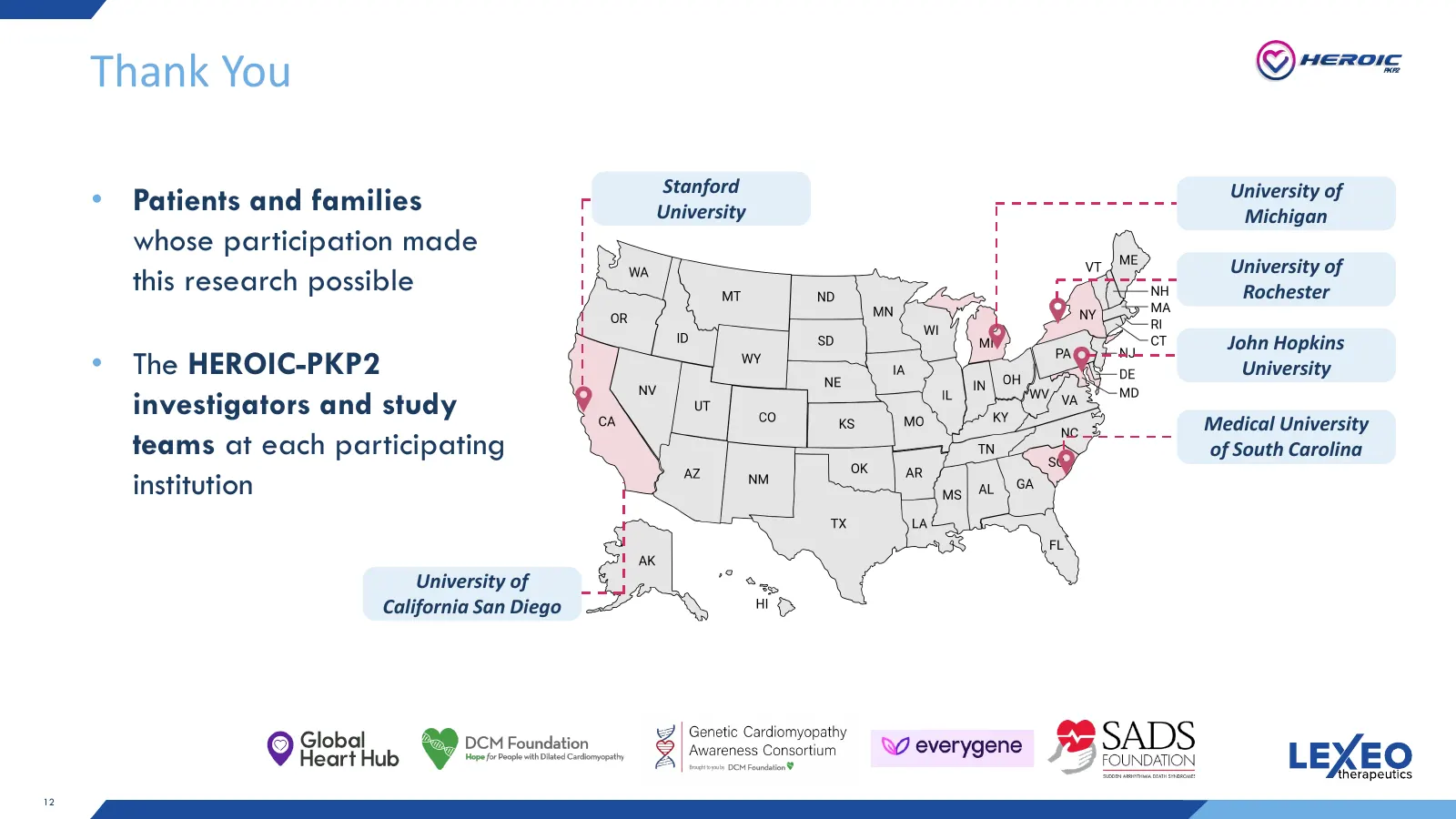
Slide 12: Thank You
Thank You Stanford University of • Patients and families University Michigan whose participation made University of this research possible Rochester John Hopkins • The HEROIC-PKP2 University investigators and study Medical University teams at each participating of South Carolina institution Universi
Source: company website
More decks from Lexeo Therapeutics, Inc.
 Investor Presentation (November 2026)37 slides · Nov 16, 2026
 Technical Presentation (November 2026)21 slides · Nov 16, 2026
 International Congress for Ataxia Research 202614 slides · Nov 11, 2026
 Technical Presentation (November 2026)14 slides · Nov 7, 2026
 Technical Presentation (November 2026)14 slides · November 2026
 Corporate Update (September 2026)14 slides · Sep 22, 2026