Acer Therapeutics — Investor Presentation (January 2023)
33 slides from Acer Therapeutics's investor presentation, Jan 3, 2023
Slide 1: Corporate Presentation January 2023
Corporate Presentation January 2023 Exhibit 99.1
Slide 2: Forward-looking statements
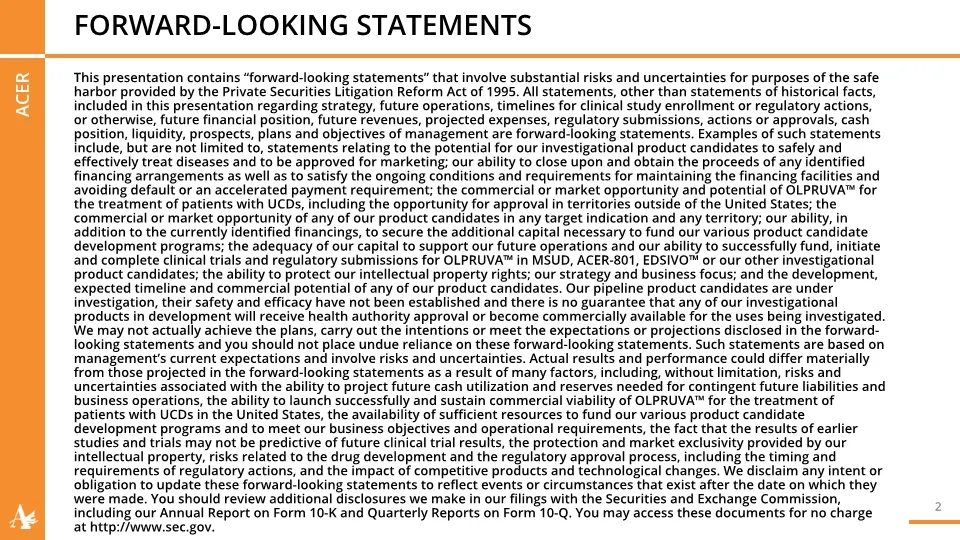
Forward-looking statements This presentation contains “forward-looking statements” that involve substantial risks and uncertainties for purposes of the safe harbor provided by the Private Securities Litigation Reform Act of 1995. All statements, other than statements of historical facts, included in
Slide 3: The Acer story
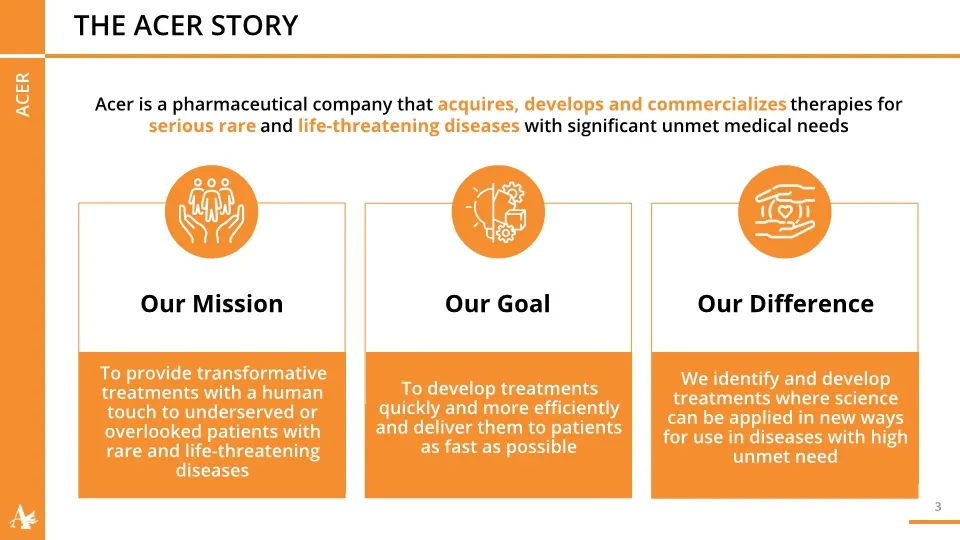
To provide transformative treatments with a human touch to underserved or overlooked patients with rare and life-threatening diseases We identify and develop treatments where science can be applied in new ways for use in diseases with high unmet need To develop treatments quickly and more efficientl
Slide 4: Acer Management team
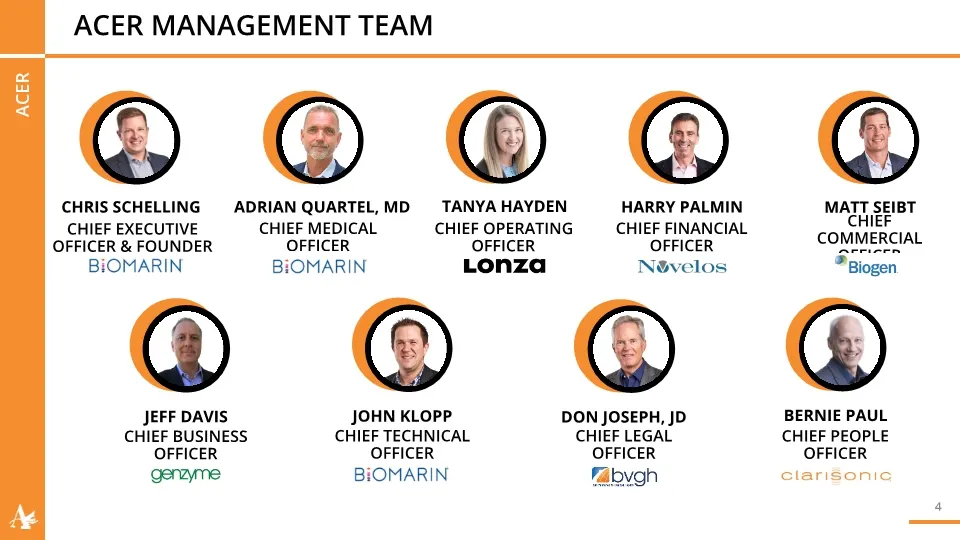
Acer Management team Chris schelling Chief Executive officer & Founder Adrian quartel, md Chief medical officer Harry palmin Chief financial officer Matt seibt Chief commercial officer Bernie paul Chief people officer Don joseph, Jd Chief legal officer John klopp Chief technical officer Tanya hayden
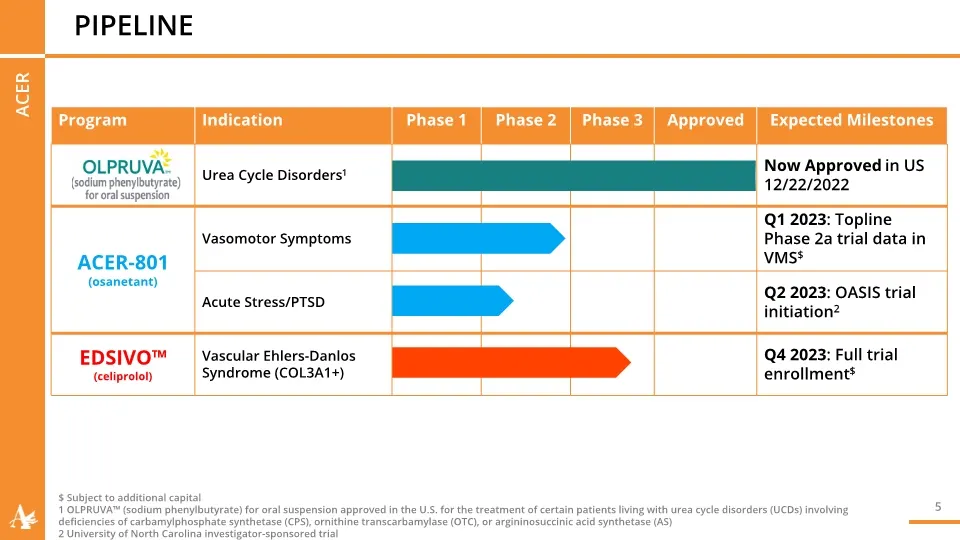
Slide 5: Pipeline
pipeline $ Subject to additional capital 1 OLPRUVA™ (sodium phenylbutyrate) for oral suspension approved in the U.S. for the treatment of certain patients living with urea cycle disorders (UCDs) involving deficiencies of carbamylphosphate synthetase (CPS), ornithine transcarbamylase (OTC), or argini
Slide 6: OLPRUVA (sodium phenylbutyrate) for oral suspension
Full Prescribing Information: https://www.acertx.com/OLPRUVA/PI.pdf OLPRUVATM (sodium phenylbutyrate) for oral suspension
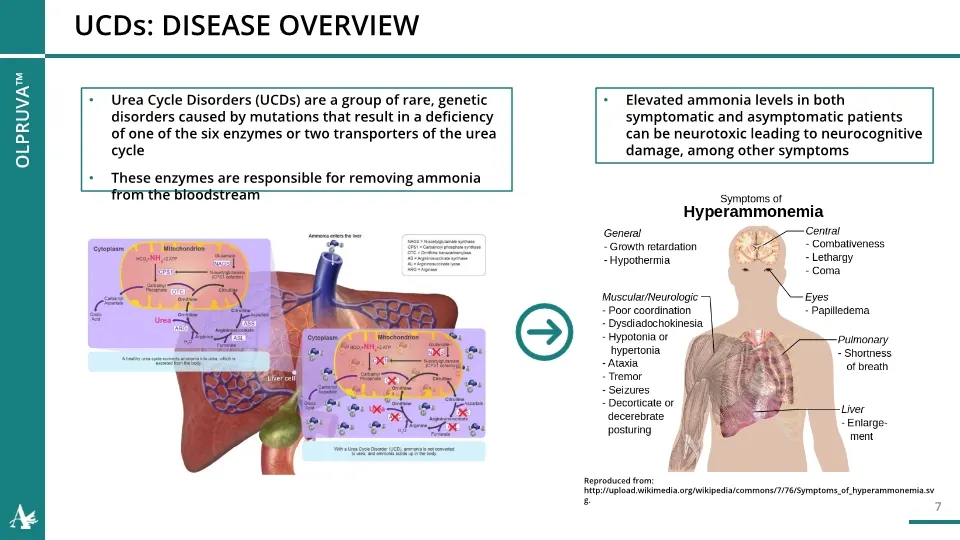
Slide 7: UCDs: Disease Overview
UCDs: DISEASE Overview Urea Cycle Disorders (UCDs) are a group of rare, genetic disorders caused by mutations that result in a deficiency of one of the six enzymes or two transporters of the urea cycle These enzymes are responsible for removing ammonia from the bloodstream Reproduced from: http://up
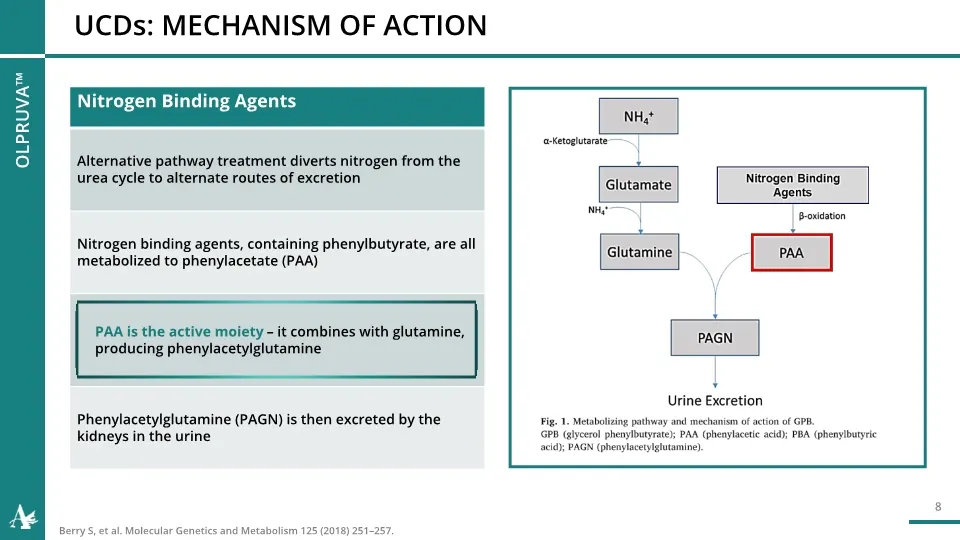
Slide 8: UCDs: Mechanism of action
UCDs: Mechanism of action Berry S, et al. Molecular Genetics and Metabolism 125 (2018) 251–257. NH4+ α-Ketoglutarate Glutamate Glutamine PAGN Nitrogen Binding Agents β-oxidation PAA Urine Excretion Fig. 1. Metabolizing pathway and mechanism of action of GPB. GPB (glycerol phenylbutyrate); PAA (pheny
Slide 9: Novel Formulation
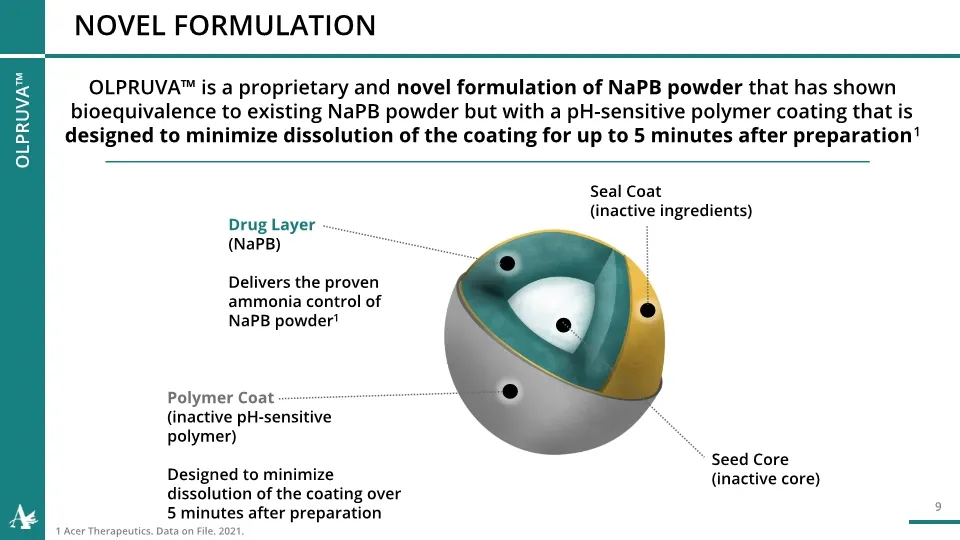
NOVEL Formulation OLPRUVA™ is a proprietary and novel formulation of NaPB powder that has shown bioequivalence to existing NaPB powder but with a pH-sensitive polymer coating that is designed to minimize dissolution of the coating for up to 5 minutes after preparation1 Polymer Coat (inactive pH-sens
Slide 10: Nitrogen Scavenger Differentiation
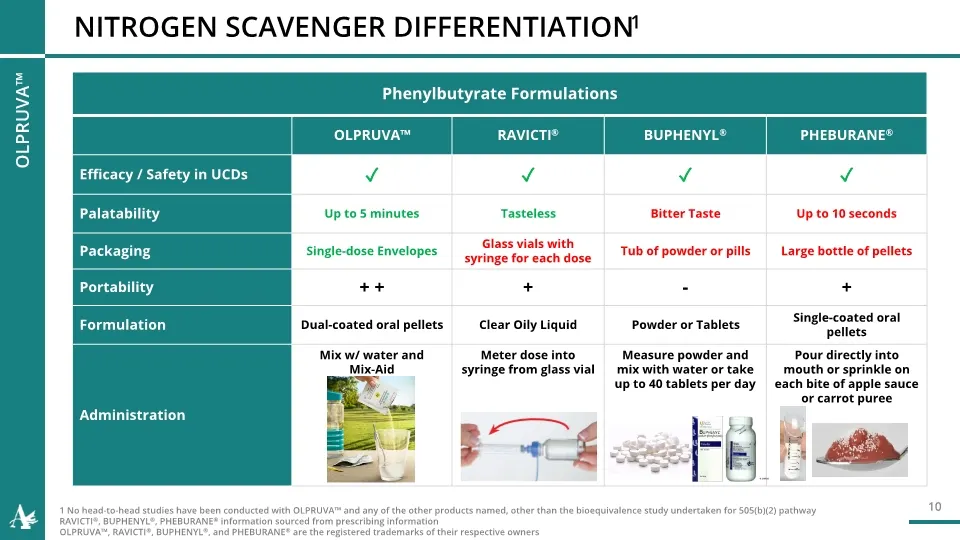
Nitrogen Scavenger Differentiation1 1 No head-to-head studies have been conducted with OLPRUVA™ and any of the other products named, other than the bioequivalence study undertaken for 505(b)(2) pathway RAVICTI®, BUPHENYL®, PHEBURANE® information sourced from prescribing information OLPRUVA™, RAVICTI
Slide 11: Commercial Strategy
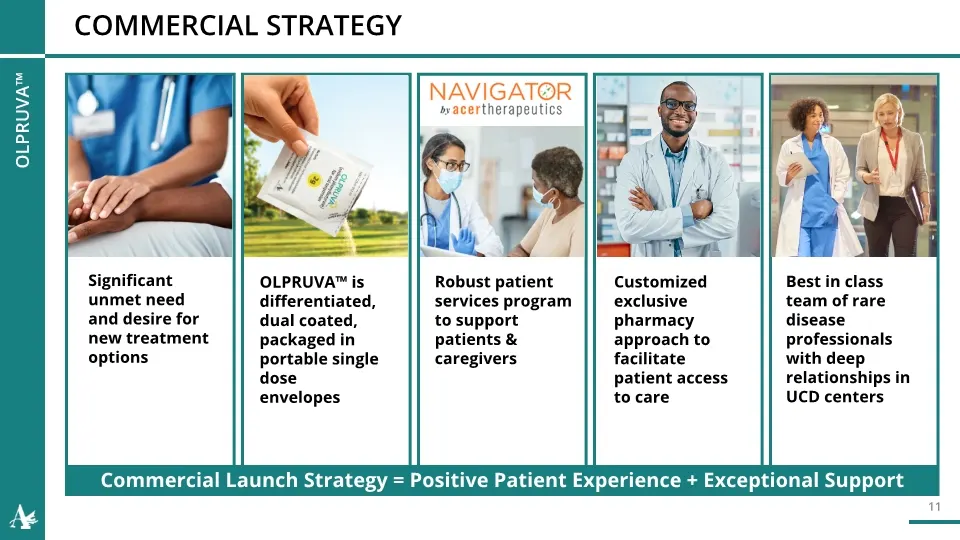
Commercial Strategy Significant unmet need and desire for new treatment options OLPRUVA™ is differentiated, dual coated, packaged in portable single dose envelopes Robust patient services program to support patients & caregivers Customized exclusive pharmacy approach to facilitate patient access to
Slide 12: Disrupting an Established UCD Market in U.S.
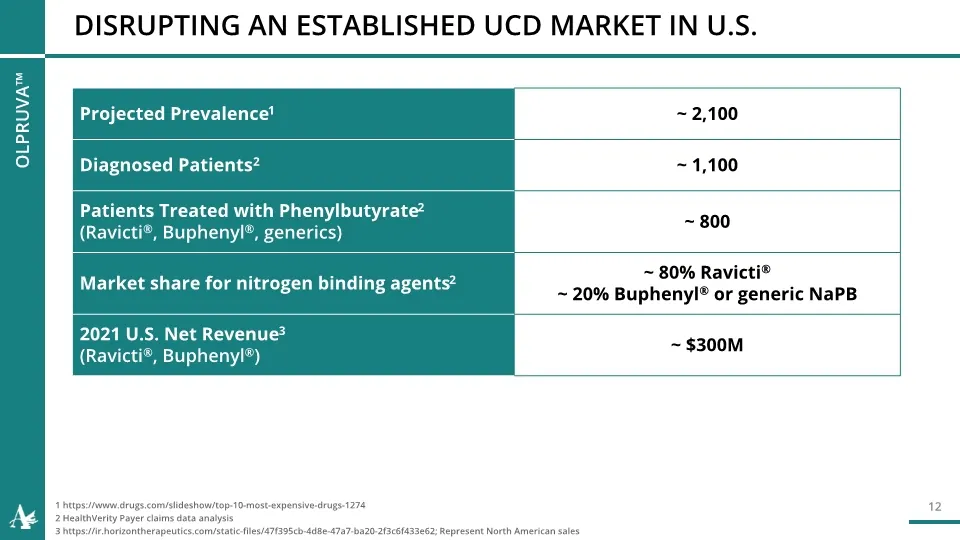
DISRUPTING AN ESTABLISHED UCD MARKET in U.S. 1 https://www.drugs.com/slideshow/top-10-most-expensive-drugs-1274 2 HealthVerity Payer claims data analysis 3 https://ir.horizontherapeutics.com/static-files/47f395cb-4d8e-47a7-ba20-2f3c6f433e62; Represent North American sales
Slide 13: Intellectual property (IP)
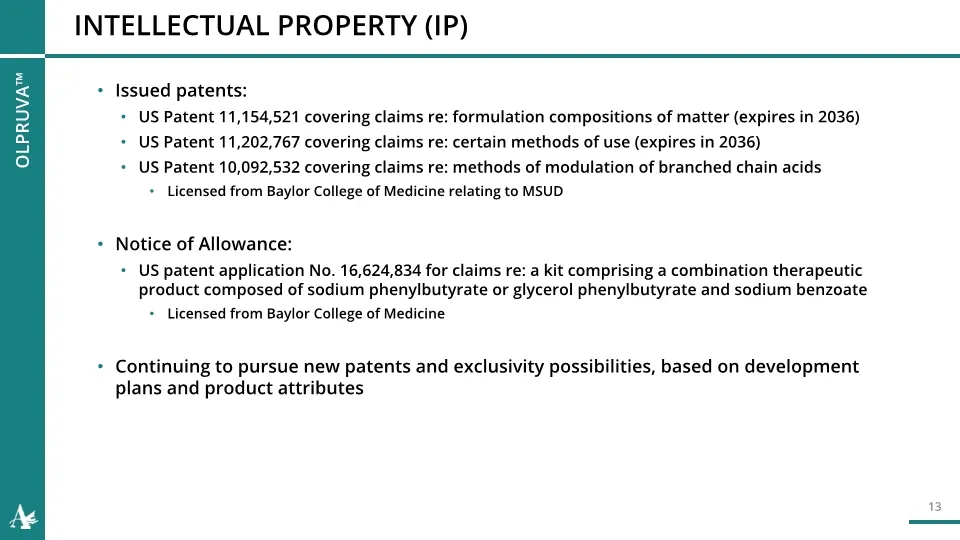
Intellectual property (IP) Issued patents: US Patent 11,154,521 covering claims re: formulation compositions of matter (expires in 2036) US Patent 11,202,767 covering claims re: certain methods of use (expires in 2036) US Patent 10,092,532 covering claims re: methods of modulation of branched chain
Slide 14: Lifecycle Opportunities
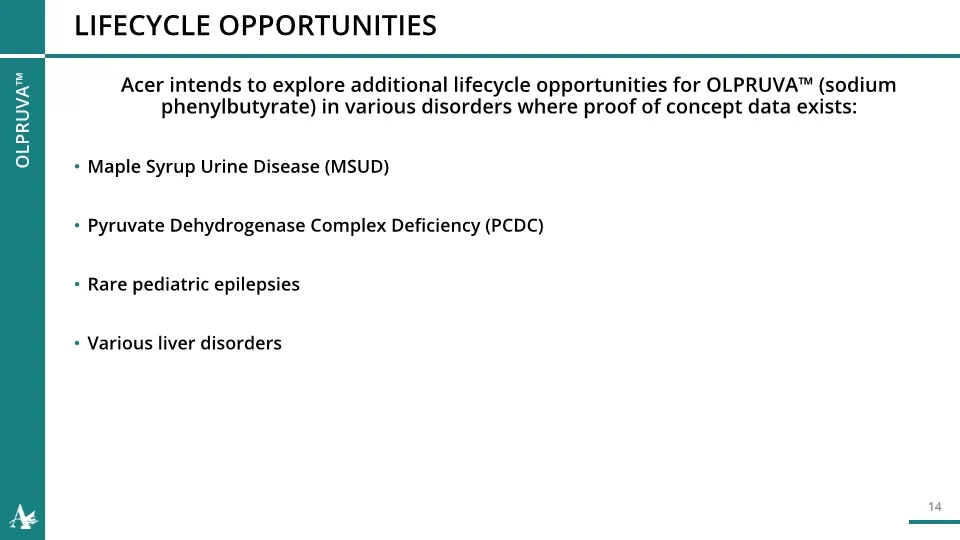
Acer intends to explore additional lifecycle opportunities for OLPRUVA™ (sodium phenylbutyrate) in various disorders where proof of concept data exists: Maple Syrup Urine Disease (MSUD) Pyruvate Dehydrogenase Complex Deficiency (PCDC) Rare pediatric epilepsies Various liver disorders Lifecycle Oppor
Slide 15: ACER-801 (osanetant)
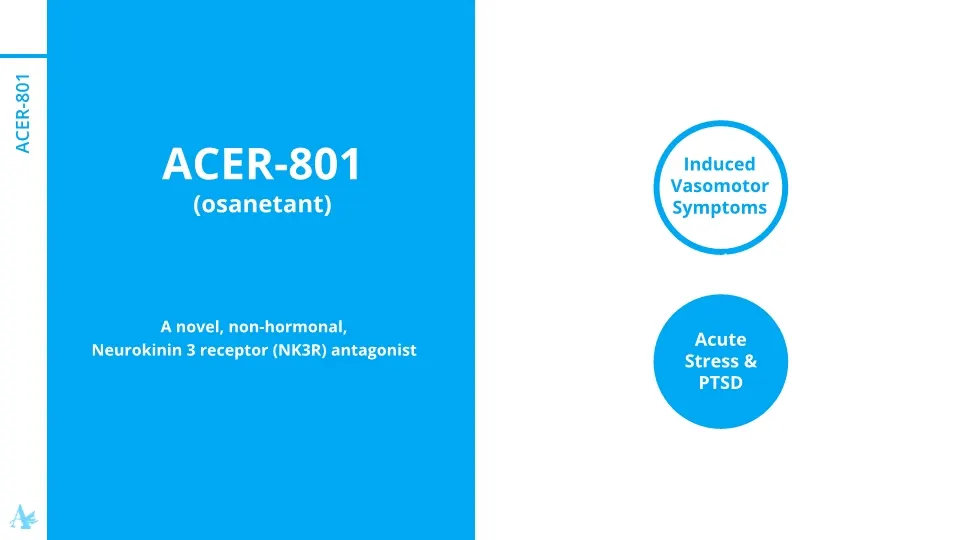
A novel, non-hormonal, Neurokinin 3 receptor (NK3R) antagonist Acute Stress & PTSD Induced Vasomotor Symptoms Prostate Cancer ACER-801 (osanetant)
Slide 16: Targeting Key Pathways of NKB/NK3R Signaling
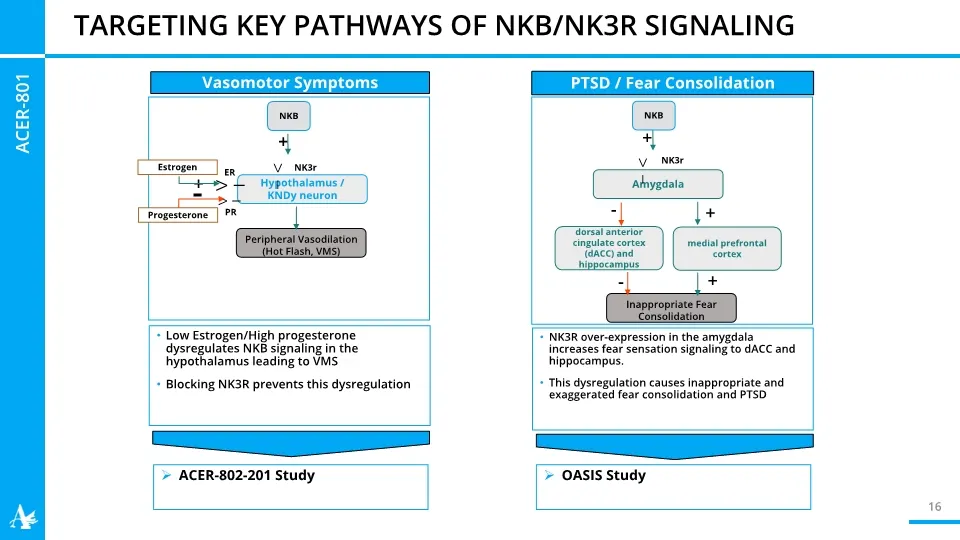
Peripheral Vasodilation (Hot Flash, VMS) Targeting Key Pathways of NKB/NK3R Signaling PTSD / Fear Consolidation Vasomotor Symptoms Estrogen - Low Estrogen/High progesterone dysregulates NKB signaling in the hypothalamus leading to VMS Blocking NK3R prevents this dysregulation - + - + NK3R over-expre
Slide 17: VMS and iVMS
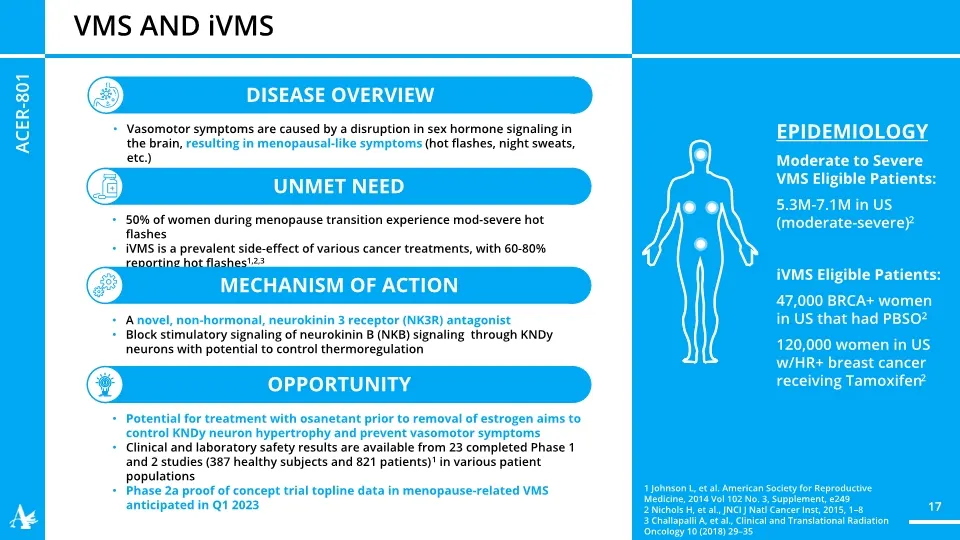
VMS and ivms 50% of women during menopause transition experience mod-severe hot flashes iVMS is a prevalent side-effect of various cancer treatments, with 60-80% reporting hot flashes1,2,3 EPIDEMIOLOGY Moderate to Severe VMS Eligible Patients: 5.3M-7.1M in US (moderate-severe)2 iVMS Eligible Patient
Slide 18: MOA: Neurokinin-B and NK3 Receptor
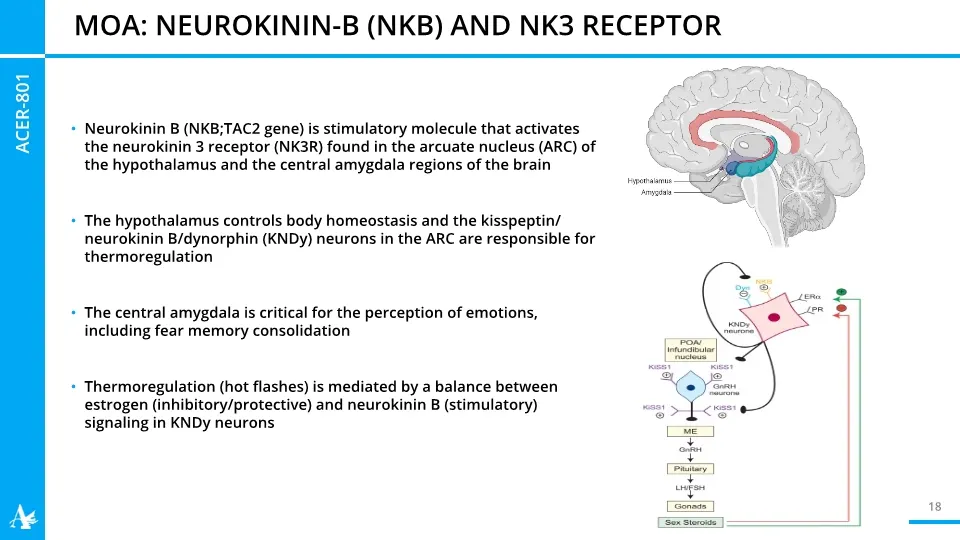
MOA: Neurokinin-B (NKB) and NK3 Receptor Neurokinin B (NKB;TAC2 gene) is stimulatory molecule that activates the neurokinin 3 receptor (NK3R) found in the arcuate nucleus (ARC) of the hypothalamus and the central amygdala regions of the brain The hypothalamus controls body homeostasis and the kisspe
Slide 19: VMS reduction across NK3R antagonist class
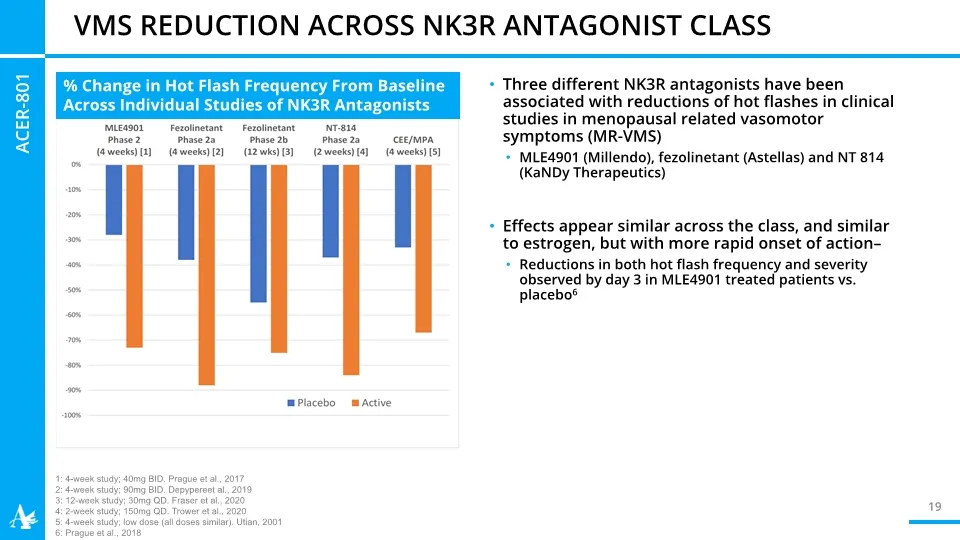
Three different NK3R antagonists have been associated with reductions of hot flashes in clinical studies in menopausal related vasomotor symptoms (MR-VMS) MLE4901 (Millendo), fezolinetant (Astellas) and NT 814 (KaNDy Therapeutics) Effects appear similar across the class, and similar to estrogen, but
Slide 20: Induced Vasomotor Symptoms (iVMS)
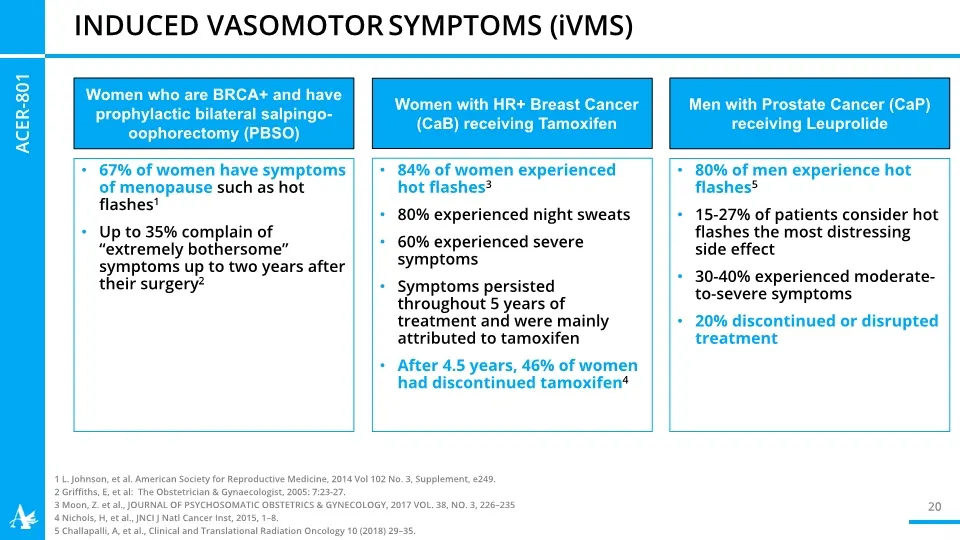
Induced Vasomotor Symptoms (iVMS) Women with HR+ Breast Cancer (CaB) receiving Tamoxifen 84% of women experienced hot flashes3 80% experienced night sweats 60% experienced severe symptoms Symptoms persisted throughout 5 years of treatment and were mainly attributed to tamoxifen After 4.5 years, 46%
Slide 21: iVMS: Unmet Need
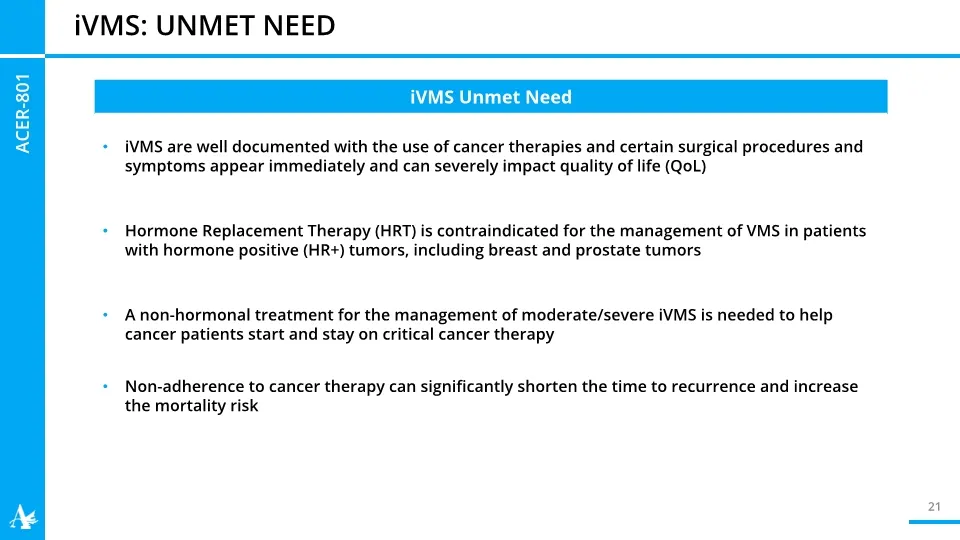
3 2° ro i is] < iVMS: UNMET NEED iVMS Unmet Need iVMS are well documented with the use of cancer therapies and certain surgical procedures and symptoms appear immediately and can severely impact quality of life (QoL) Hormone Therapy (HRT) is for the of VMS in patients with hormone positive (HR+) tum
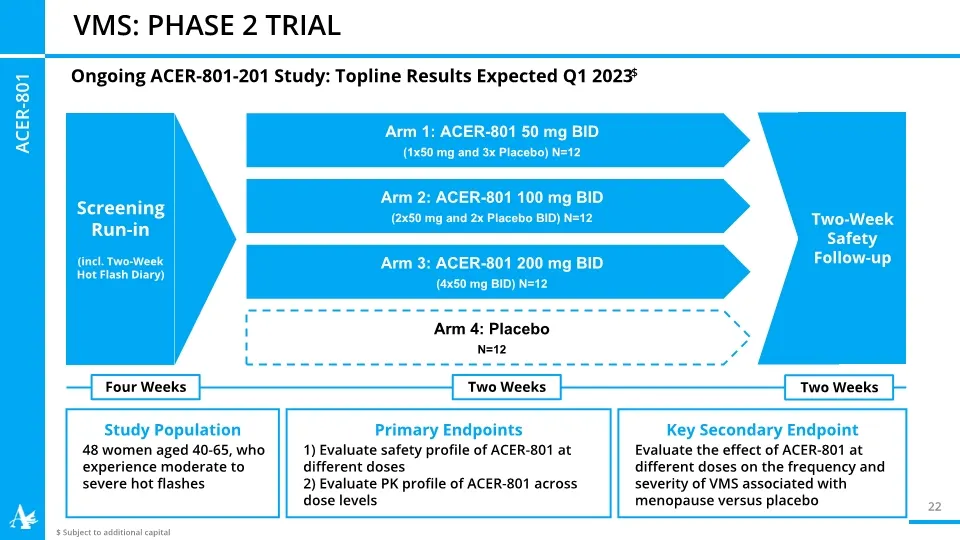
Slide 22: Ongoing ACER-801-201 Study: Topline Results Expected Q1 2023
Ongoing ACER-801-201 Study: Topline Results Expected Q1 2023$ VMS: phase 2 trial $ Subject to additional capital
Slide 23: ACER-801 (osanetant): Acute Stress & PTSD
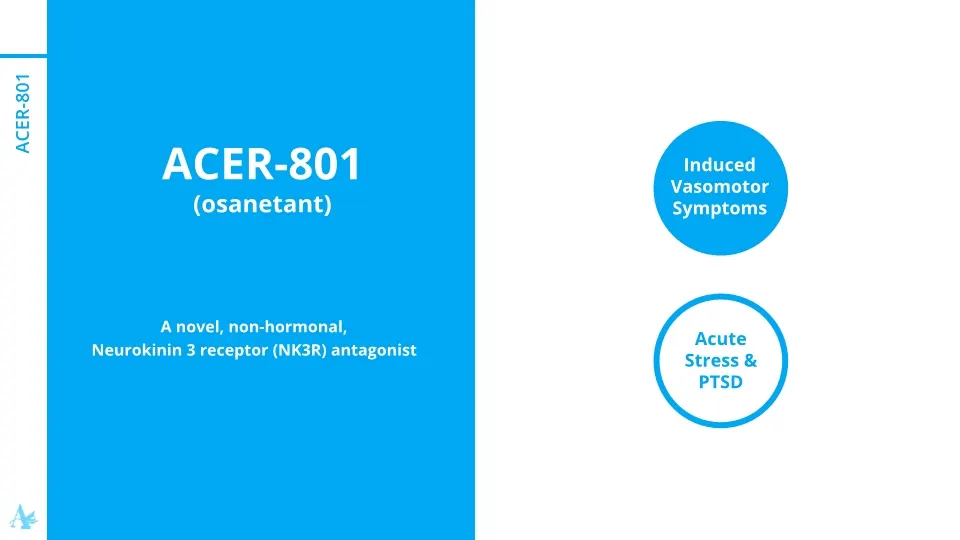
A novel, non-hormonal, Neurokinin 3 receptor (NK3R) antagonist Acute Stress & PTSD Induced Vasomotor Symptoms ACER-801 (osanetant)
Slide 24: Acute Stress & PTSD Epidemiology
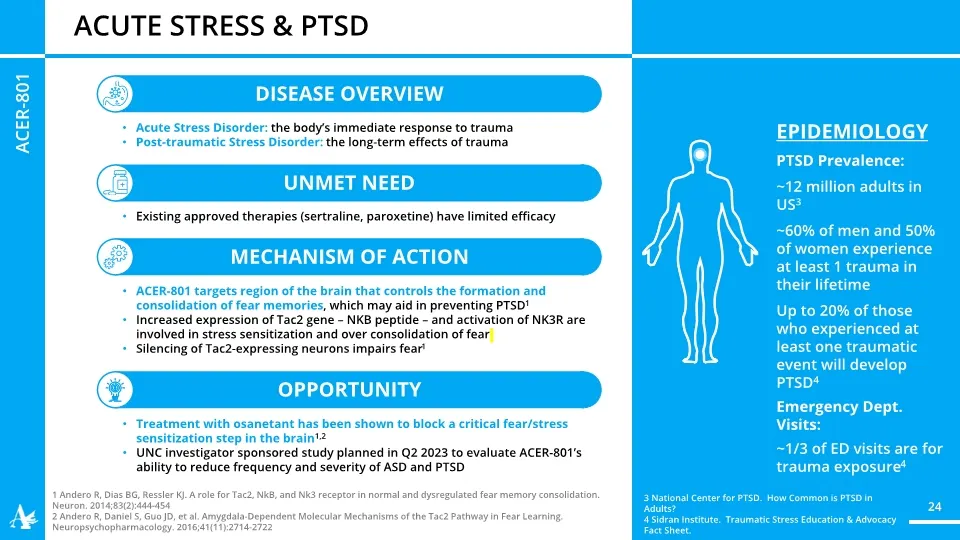
acute stress & ptsd EPIDEMIOLOGY PTSD Prevalence: ~12 million adults in US3 ~60% of men and 50% of women experience at least 1 trauma in their lifetime Up to 20% of those who experienced at least one traumatic event will develop PTSD4 Emergency Dept. Visits: ~1/3 of ED visits are for trauma exposure
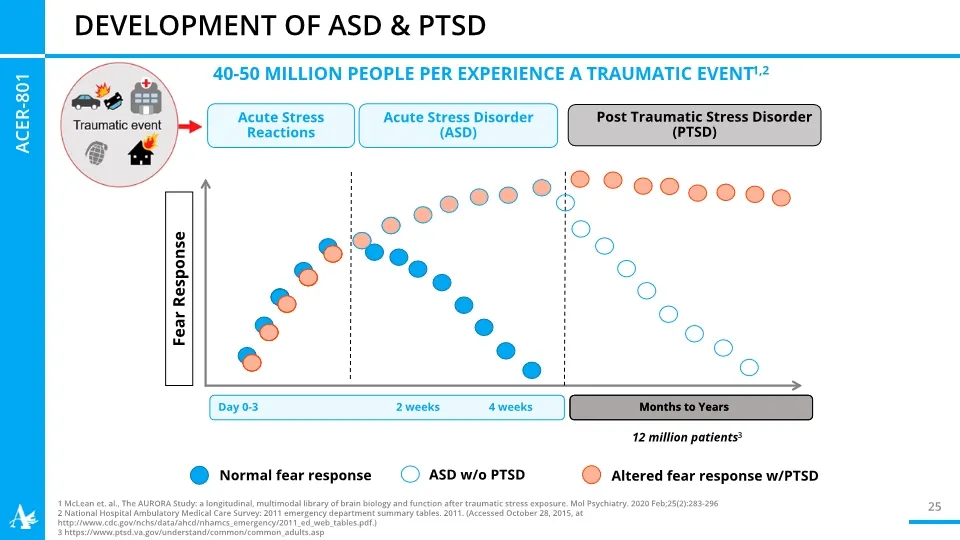
Slide 25: Development of ASD & PTSD
Development of ASD & PTSD 40-50 million people per experience A traumatic event1,2 ASD w/o PTSD 1 McLean et. al., The AURORA Study: a longitudinal, multimodal library of brain biology and function after traumatic stress exposure. Mol Psychiatry. 2020 Feb;25(2):283-296 2 National Hospital Ambulatory
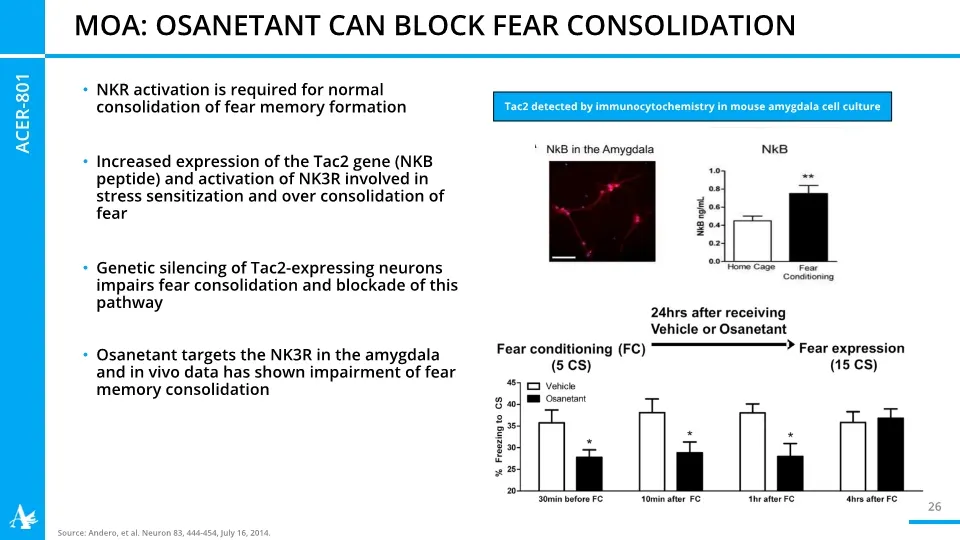
Slide 26: MOA: Osanetant can block Fear Consolidation
MOA: Osanetant can block Fear Consolidation NKR activation is required for normal consolidation of fear memory formation Increased expression of the Tac2 gene (NKB peptide) and activation of NK3R involved in stress sensitization and over consolidation of fear Genetic silencing of Tac2-expressing neu
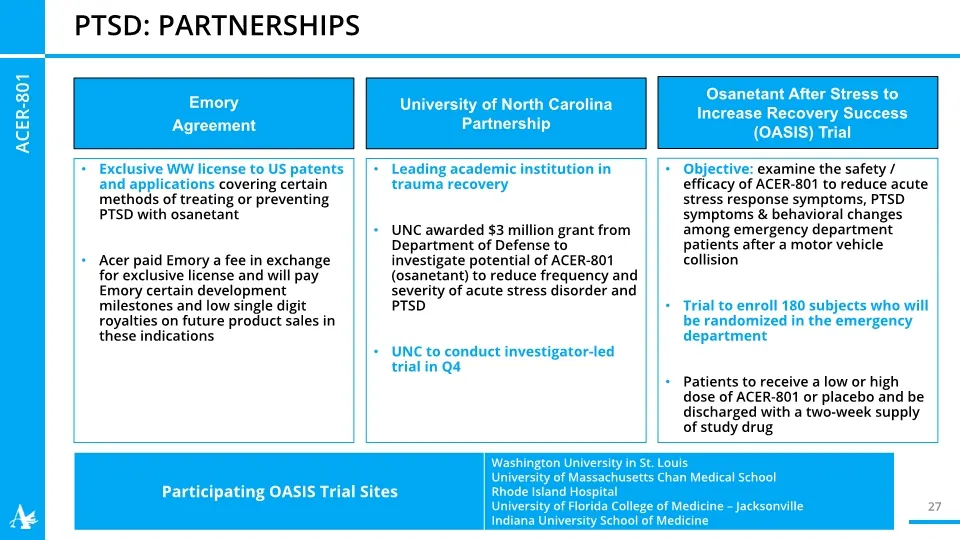
Slide 27: PTSD: Partnerships
PTSD: PARTNERSHIPS Osanetant After Stress to Increase Recovery Success (OASIS) Trial Objective: examine the safety / efficacy of ACER-801 to reduce acute stress response symptoms, PTSD symptoms & behavioral changes among emergency department patients after a motor vehicle collision Trial to enroll 1
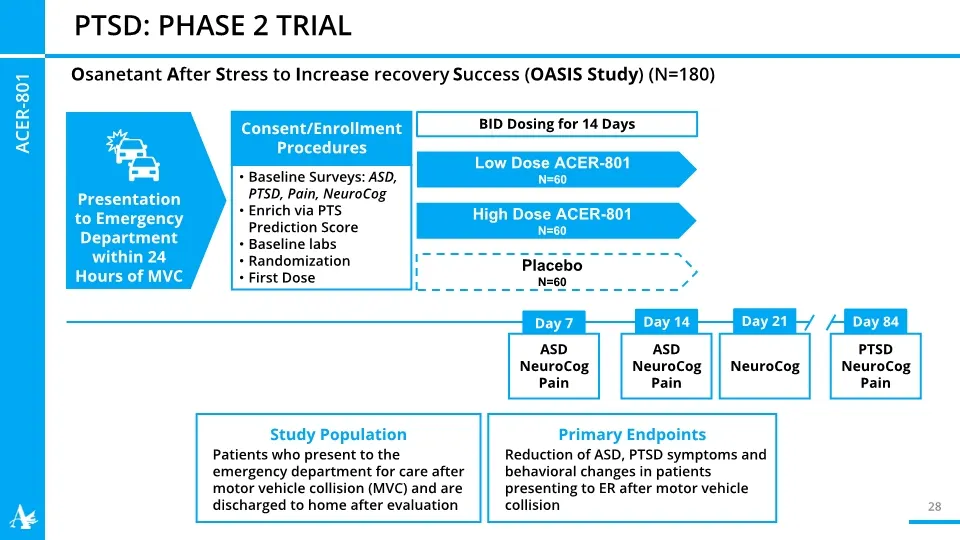
Slide 28: PTSD: Phase 2 trial (OASIS Study)
PTSD: phase 2 trial Osanetant After Stress to Increase recovery Success (OASIS Study) (N=180) Low Dose ACER-801 N=60 High Dose ACER-801 N=60 Placebo N=60 Presentation to Emergency Department within 24 Hours of MVC Consent/Enrollment Procedures Baseline Surveys: ASD, PTSD, Pain, NeuroCog Enrich via P
Slide 29: Vascular Ehlers-Danlos Syndrome Epidemiology
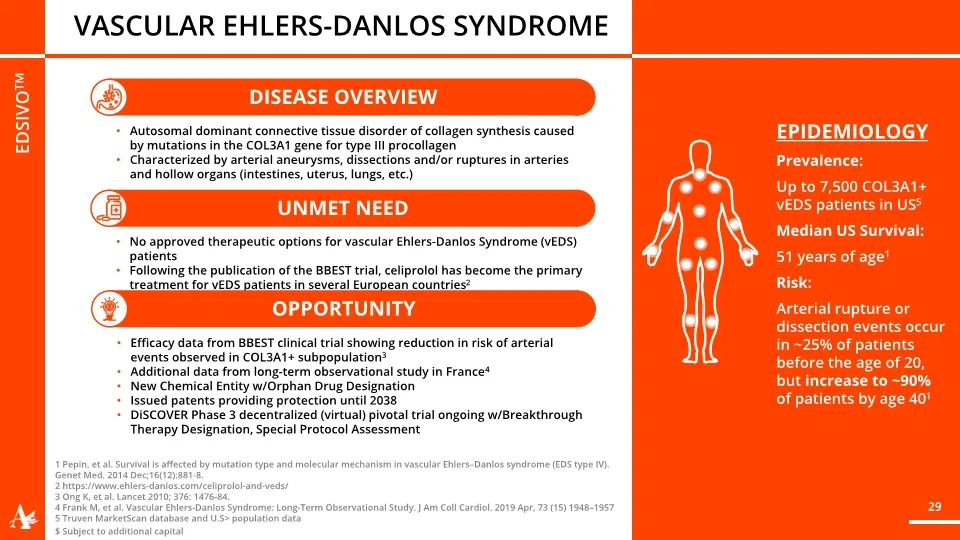
VASCULAR EHLERS-DANLOS SYNDROME EPIDEMIOLOGY Prevalence: Up to 7,500 COL3A1+ vEDS patients in US5 Median US Survival: 51 years of age1 Risk: Arterial rupture or dissection events occur in ~25% of patients before the age of 20, but increase to ~90% of patients by age 401 1 Pepin, et al. Survival is a
Slide 30: BBEST Trial: COL3A1+ Subpopulation
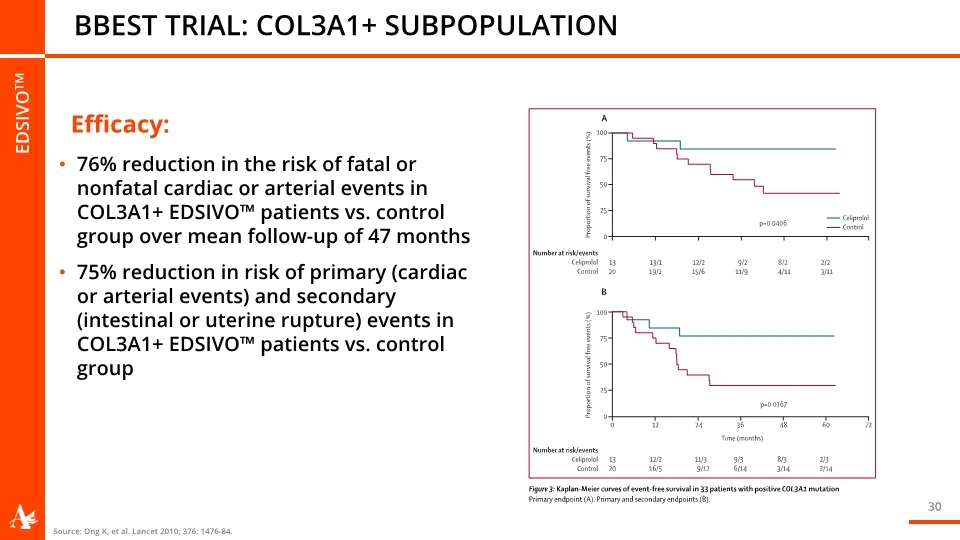
BBEST Trial: COL3A1+ Subpopulation 76% reduction in the risk of fatal or nonfatal cardiac or arterial events in COL3A1+ EDSIVO™ patients vs. control group over mean follow-up of 47 months 75% reduction in risk of primary (cardiac or arterial events) and secondary (intestinal or uterine rupture) even
Slide 31: Pivotal Phase 3 Trial (DiSCOVER)
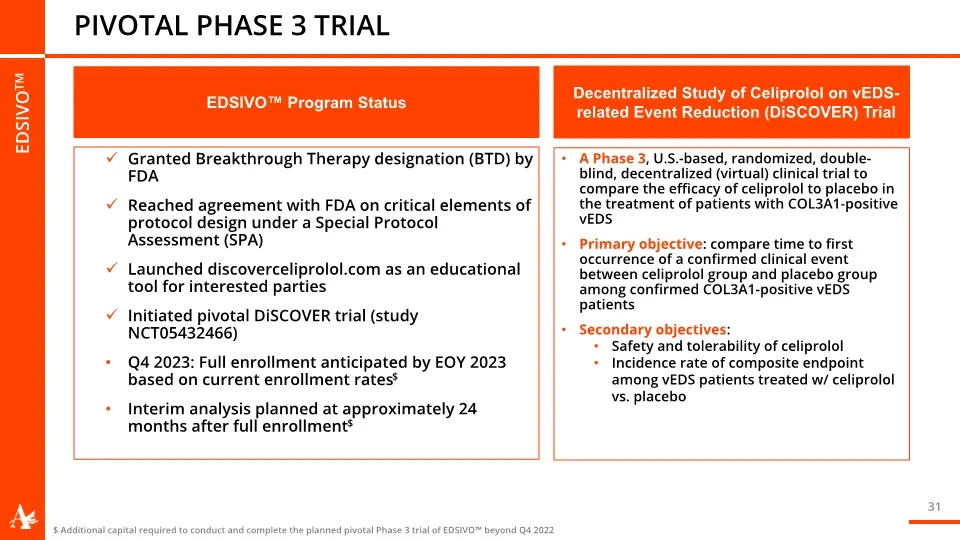
pivotal phase 3 trial $ Additional capital required to conduct and complete the planned pivotal Phase 3 trial of EDSIVO™ beyond Q4 2022 Decentralized Study of Celiprolol on vEDS-related Event Reduction (DiSCOVER) Trial A Phase 3, U.S.-based, randomized, double-blind, decentralized (virtual) clinical
Slide 32: Financial overview
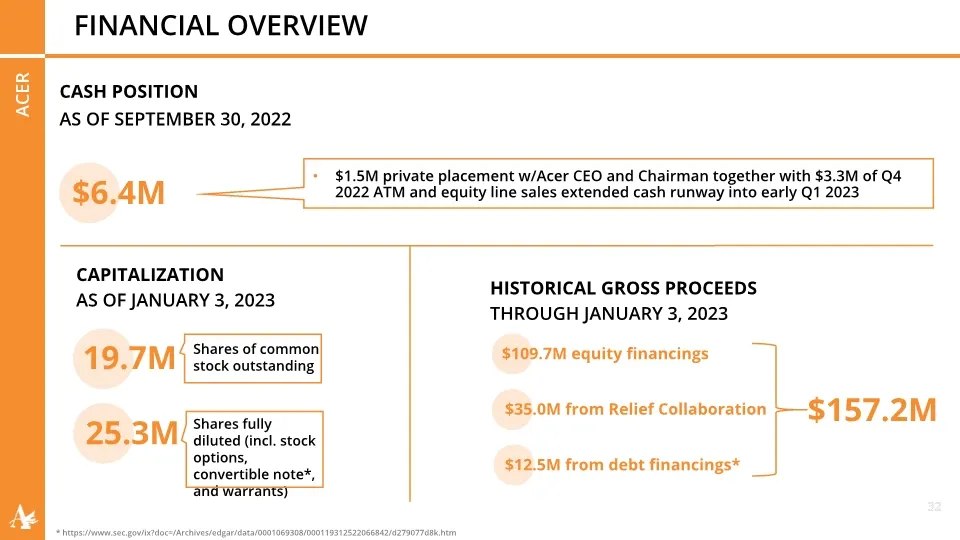
Financial overview Capitalization as of January 3, 2023 CASH POSITION as of September 30, 2022 $6.4M $1.5M private placement w/Acer CEO and Chairman together with $3.3M of Q4 2022 ATM and equity line sales extended cash runway into early Q1 2023 Historical Gross proceeds Through January 3, 2023 19.7

Slide 33: Thank You
Thank You www.acertx.com
Source: SEC EDGAR · 8-K filed Jan 3, 2023
More decks from Acer Therapeutics Inc
 Investor Presentation (June 2023)26 slides · Jun 26, 2023
 Investor Presentation (March 2023)25 slides · Mar 27, 2023
 Investor Presentation (February 2023)36 slides · Feb 1, 2023
 Investor Presentation (January 2023)36 slides · Jan 5, 2023
 Investor Presentation (August 2022)37 slides · Aug 23, 2022
 Investor Presentation (June 2022)34 slides · Jun 29, 2022