Corvus Pharmaceuticals, Inc. · NASDAQ:CRVS
Corvus Pharmaceuticals — SITC 2018 (Society for Immunotherapy of Cancer Annual Meeting)
15 slides from Corvus Pharmaceuticals's conference presentation, November 2018
Slide 1: SITC 2018 Annual Meeting
SITC 2018 Pre’ NOVEMBER 7-11 WASHINGTON, D.C. Walter E. Washington Convention Center Society for Immunotherapy of Cancer
Slide 2: Refractory RCC Exhibits High A2AR Expression and Prolonged Survival With CPI-444
Refractory Renal Cell Cancer (RCC) Exhibits High Adenosine A2A Receptor (A2AR) Expression and Prolonged Survival Following Treatment With the A2AR Antagonist CPI-444 Lawrence Fong, John Powderly II, Jason Luke, Drew Hotson, Mario Sznol, Saby George, Toni Choueiri, Brian Rini, Matthew Hellmann, Shiva
Slide 3: Presenter Disclosure Information
Presenter Disclosure Information Lawrence Fong University of California, San Francisco The following relationships exist related to this presentation: Research support from Roche Genentech, Merck, Bristol-Myers Squibb, Abbvie, and Janssen Pharmaceuticals. Corvus Pharmaceuticals Inc. is the sponsor o
Slide 4: Role of Adenosine in the Tumor Micro-environment
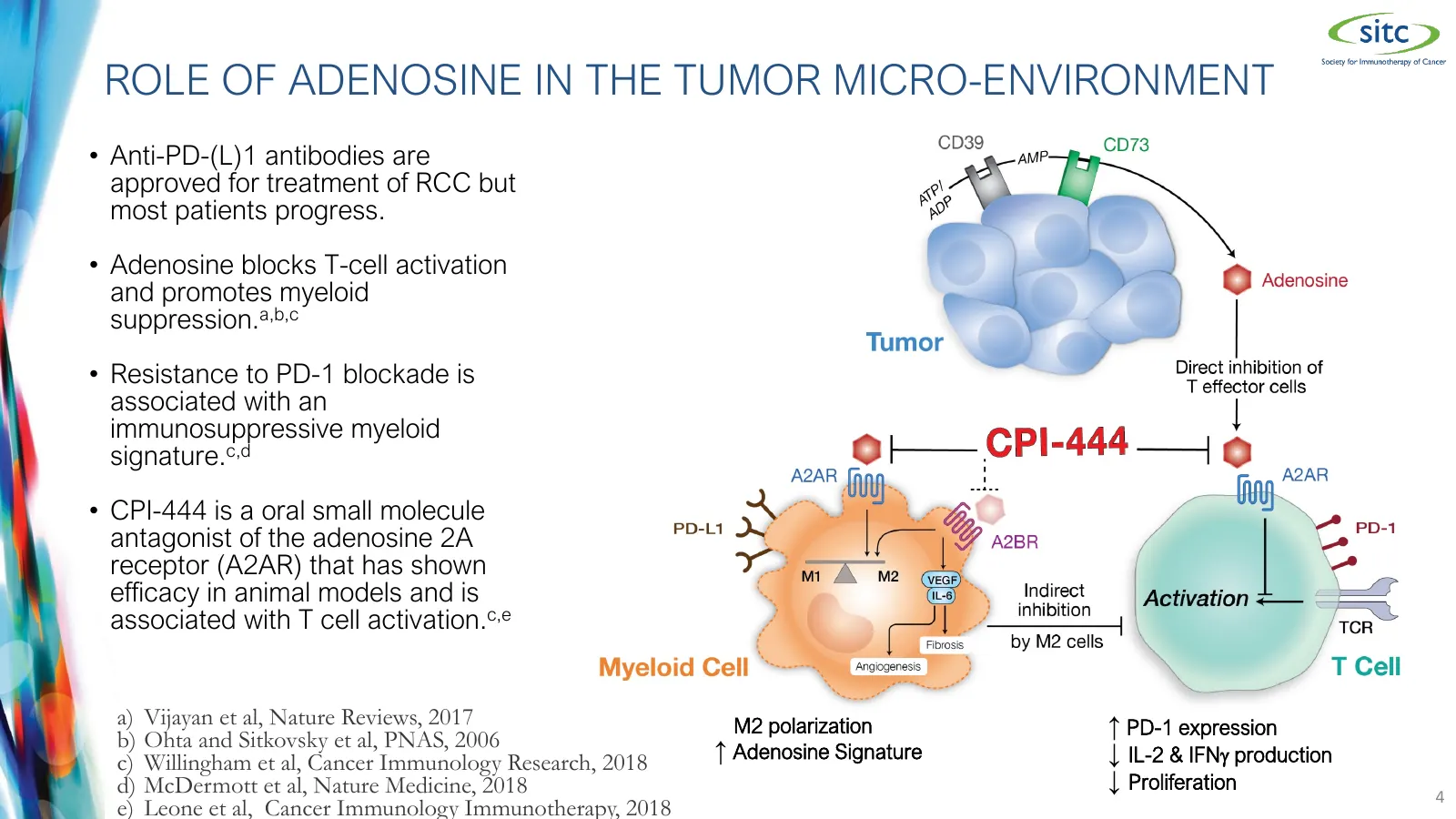
ROLE OF ADENOSINE IN THE TUMOR MICRO-ENVIRONMENT • Anti-PD-(L)1 antibodies are approved for treatment of RCC but most patients progress. • Adenosine blocks T-cell activation and promotes myeloid suppression.a,b,c • Resistance to PD-1 blockade is associated with an immunosuppressive myeloid signature
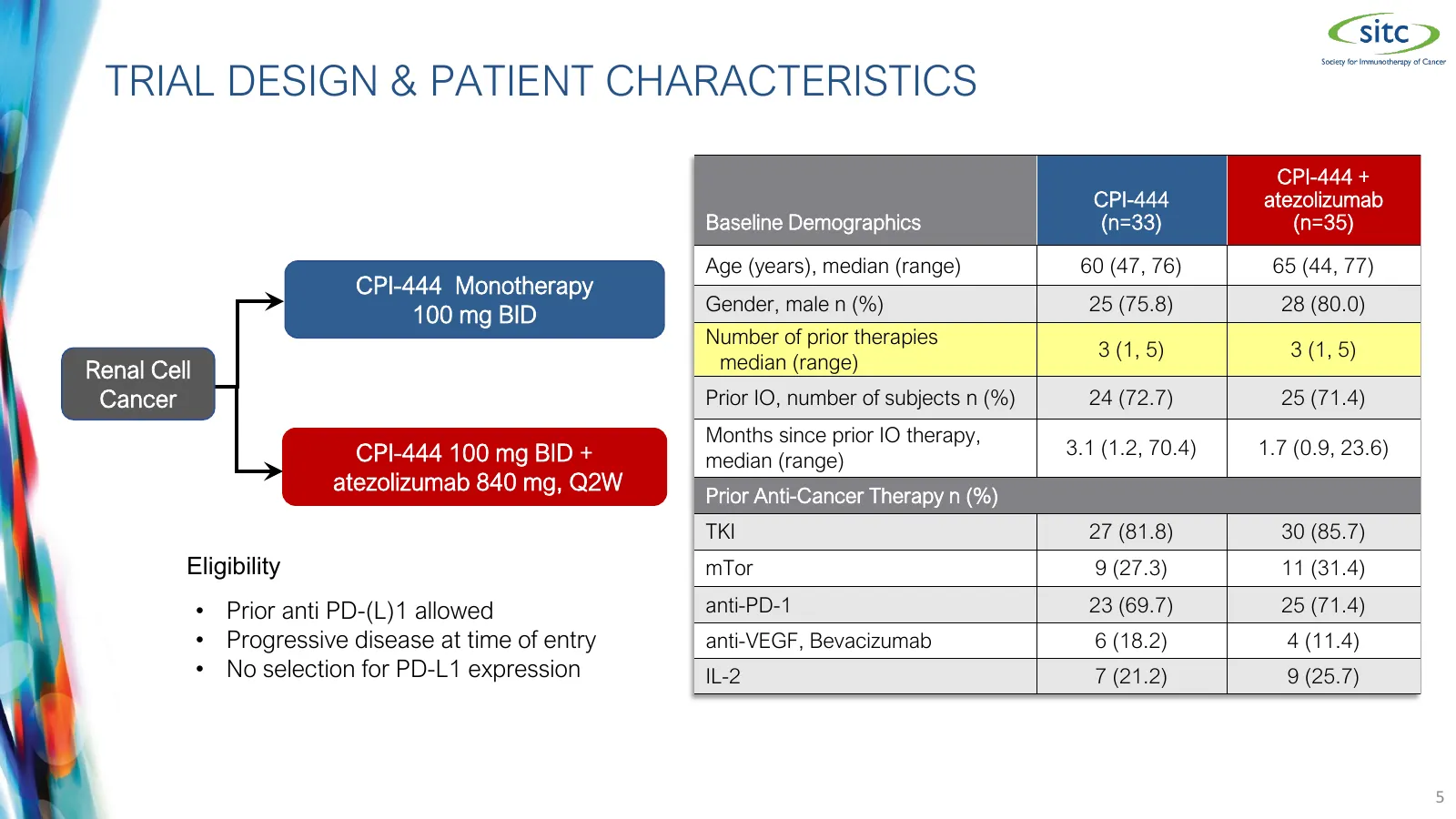
Slide 5: Trial Design & Patient Characteristics
TRIAL DESIGN & PATIENT CHARACTERISTICS CPI-444 + CPI-444 atezolizumab Baseline Demographics (n=33) (n=35) Age (years), median (range) 60 (47, 76) 65 (44, 77) CPI-444 Monotherapy Gender, male n (%) 25 (75.8) 28 (80.0) 100 mg BID Number of prior therapies 3 (1, 5) 3 (1, 5) Renal Cell median (range) Ca
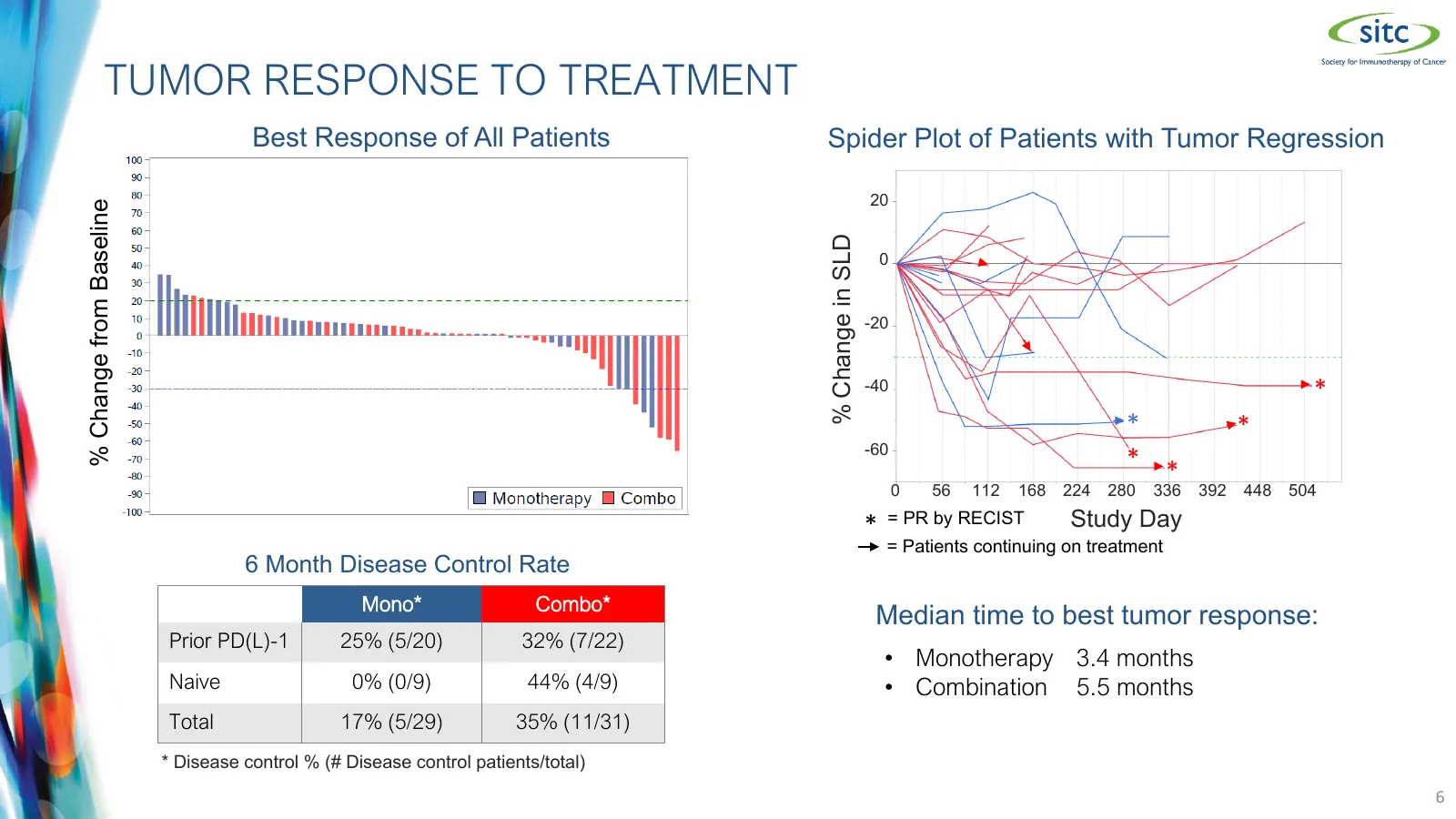
Slide 6: Tumor Response to Treatment
TUMOR RESPONSE TO TREATMENT Best Response of All Patients Spider Plot of Patients with Tumor Regression 20 % Change from Baseline % Change in SLD 0 -20 -40 * * * -60 * * 0 56 112 168 224 280 336 392 448 504 * = PR by RECIST Study Day = Patients continuing on treatment 6 Month Disease Control Rate Mo
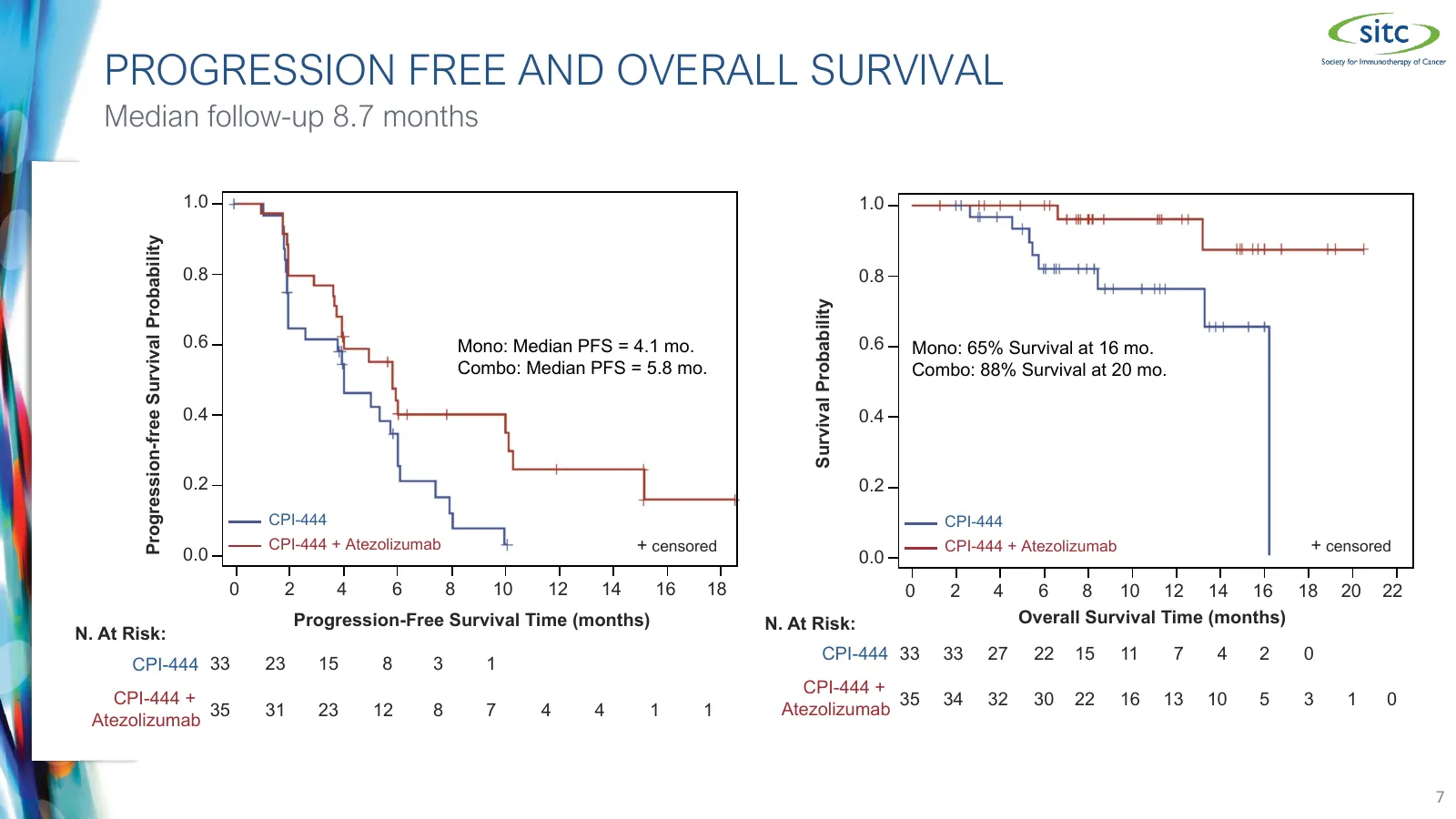
Slide 7: Progression Free and Overall Survival
PROGRESSION FREE AND OVERALL SURVIVAL Median follow-up 8.7 months 1.0 1.0 Progression-free Survival Probability 0.8 0.8 Survival Probability 0.6 Mono: Median PFS = 4.1 mo. 0.6 Mono: 65% Survival at 16 mo. Combo: Median PFS = 5.8 mo. Combo: 88% Survival at 20 mo. 0.4 0.4 0.2 0.2 CPI-444 CPI-444 CPI-4
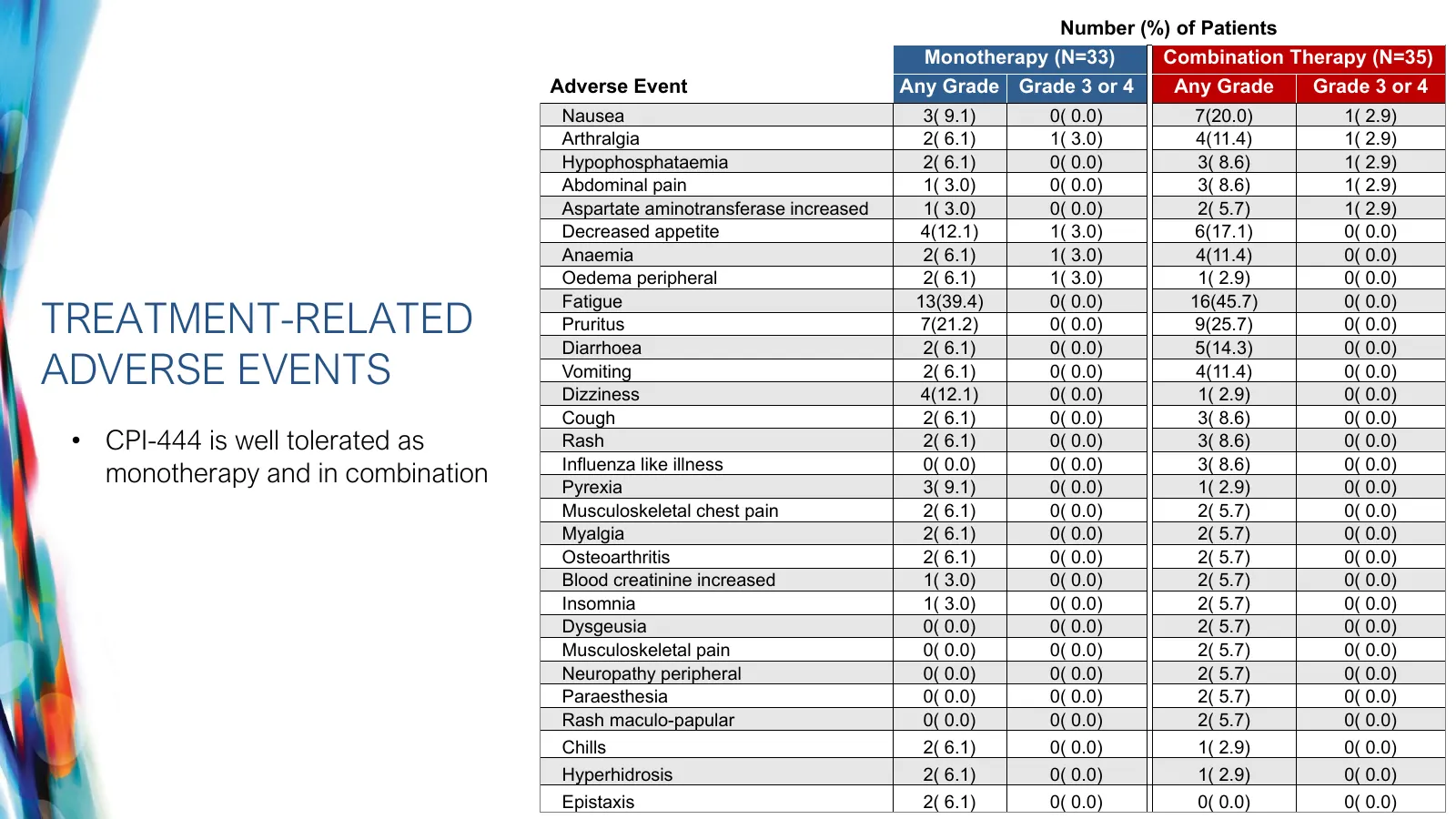
Slide 8: Treatment-Related Adverse Events
Number (%) of Patients Monotherapy (N=33) Combination Therapy (N=35) Adverse Event Any Grade Grade 3 or 4 Any Grade Grade 3 or 4 Nausea 3( 9.1) 0( 0.0) 7(20.0) 1( 2.9) Arthralgia 2( 6.1) 1( 3.0) 4(11.4) 1( 2.9) Hypophosphataemia 2( 6.1) 0( 0.0) 3( 8.6) 1( 2.9) Abdominal pain 1( 3.0) 0( 0.0) 3( 8.6)
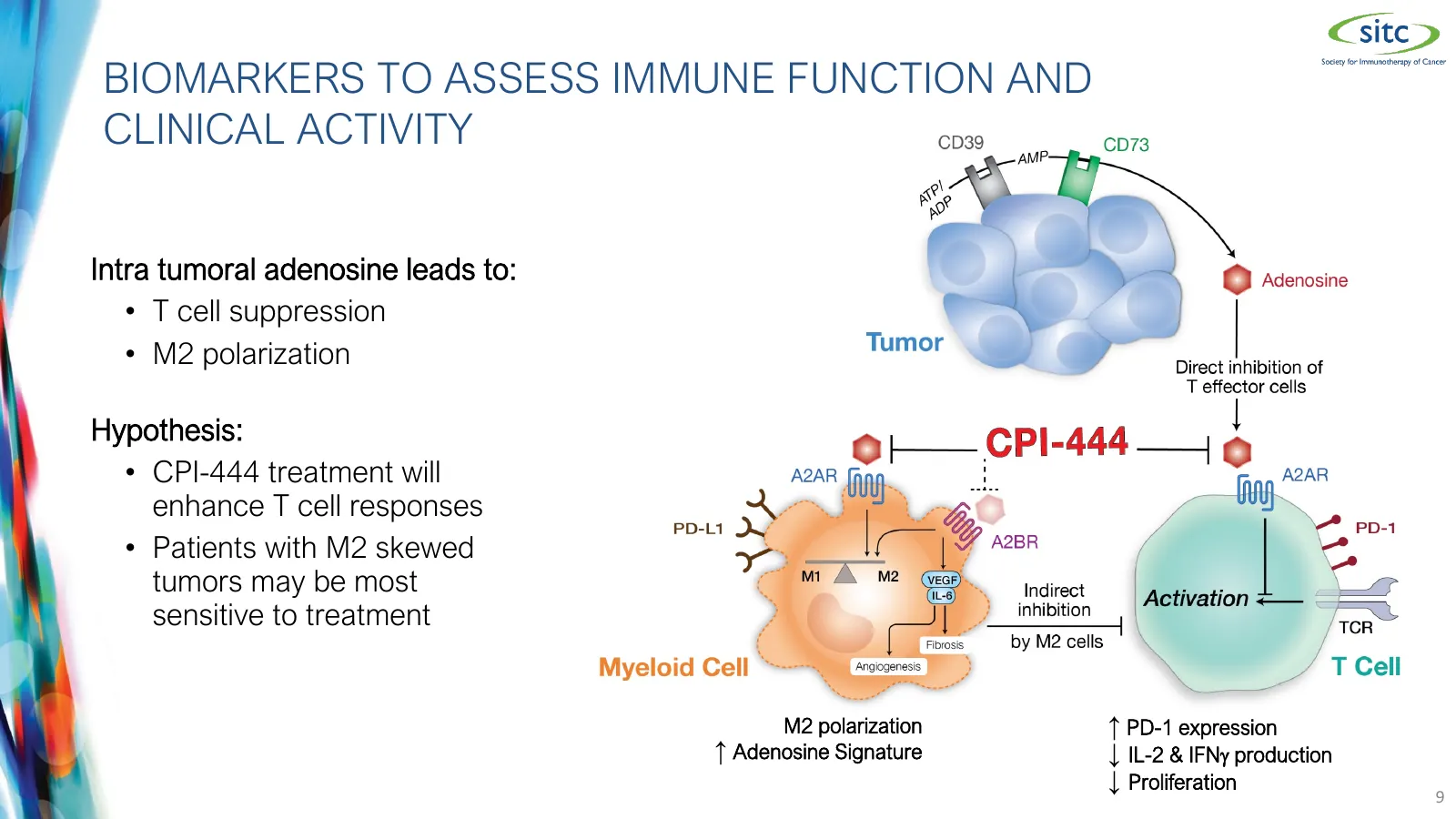
Slide 9: Biomarkers to Assess Immune Function and Clinical Activity
BIOMARKERS TO ASSESS IMMUNE FUNCTION AND CLINICAL ACTIVITY Intra tumoral adenosine leads to: • T cell suppression • M2 polarization Hypothesis: • CPI-444 treatment will enhance T cell responses • Patients with M2 skewed tumors may be most sensitive to treatment M2 polarization ↑ PD-1 expression ↑ Ad
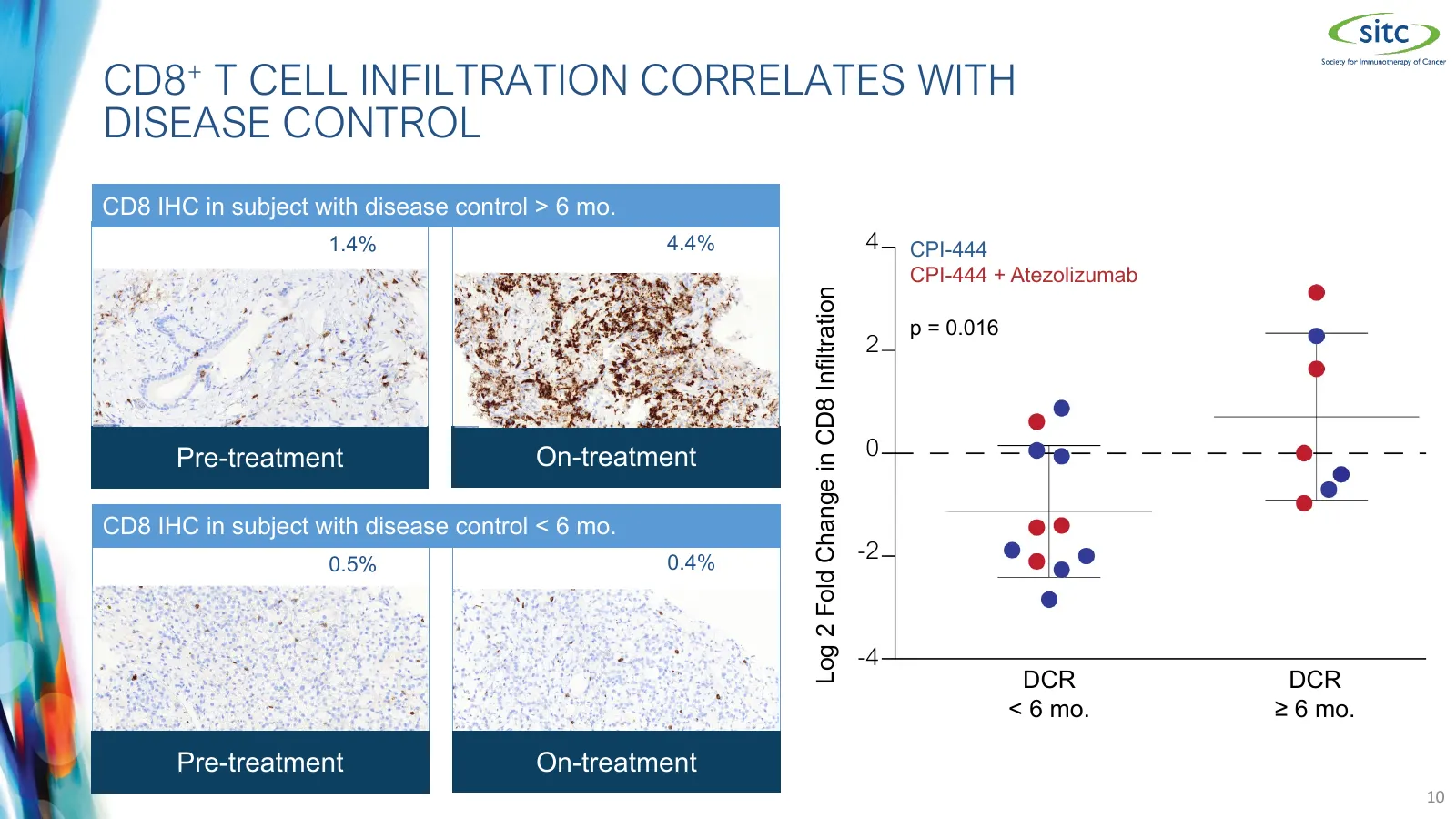
Slide 10: CD8+ T Cell Infiltration Correlates With Disease Control
CD8+ T CELL INFILTRATION CORRELATES WITH DISEASE CONTROL CD8 IHC in subject with disease control > 6 mo. 1.4% 4.4% 4 CPI-444 CPI-444 + Atezolizumab Log 2 Fold Change in CD8 Infiltration p = 0.016 2 Pre-treatment On-treatment 0 CD8 IHC in subject with disease control < 6 mo. 0.4% -2 0.5% -4 DCR DCR <
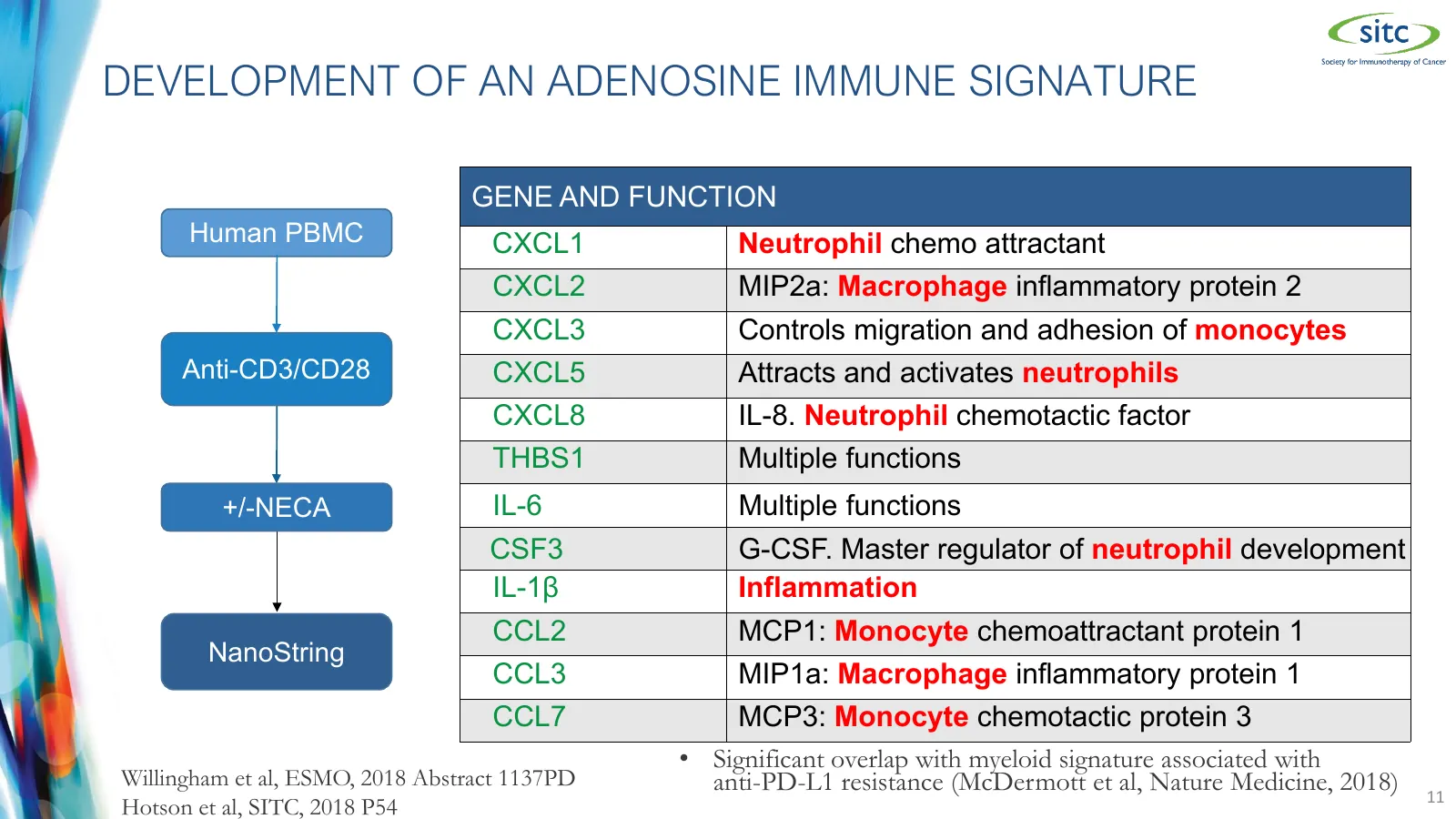
Slide 11: Development of an Adenosine Immune Signature
DEVELOPMENT OF AN ADENOSINE IMMUNE SIGNATURE GENE AND FUNCTION Human PBMC CXCL1 Neutrophil chemo attractant CXCL2 MIP2a: Macrophage inflammatory protein 2 CXCL3 Controls migration and adhesion of monocytes Anti-CD3/CD28 CXCL5 Attracts and activates neutrophils CXCL8 IL-8. Neutrophil chemotactic fact
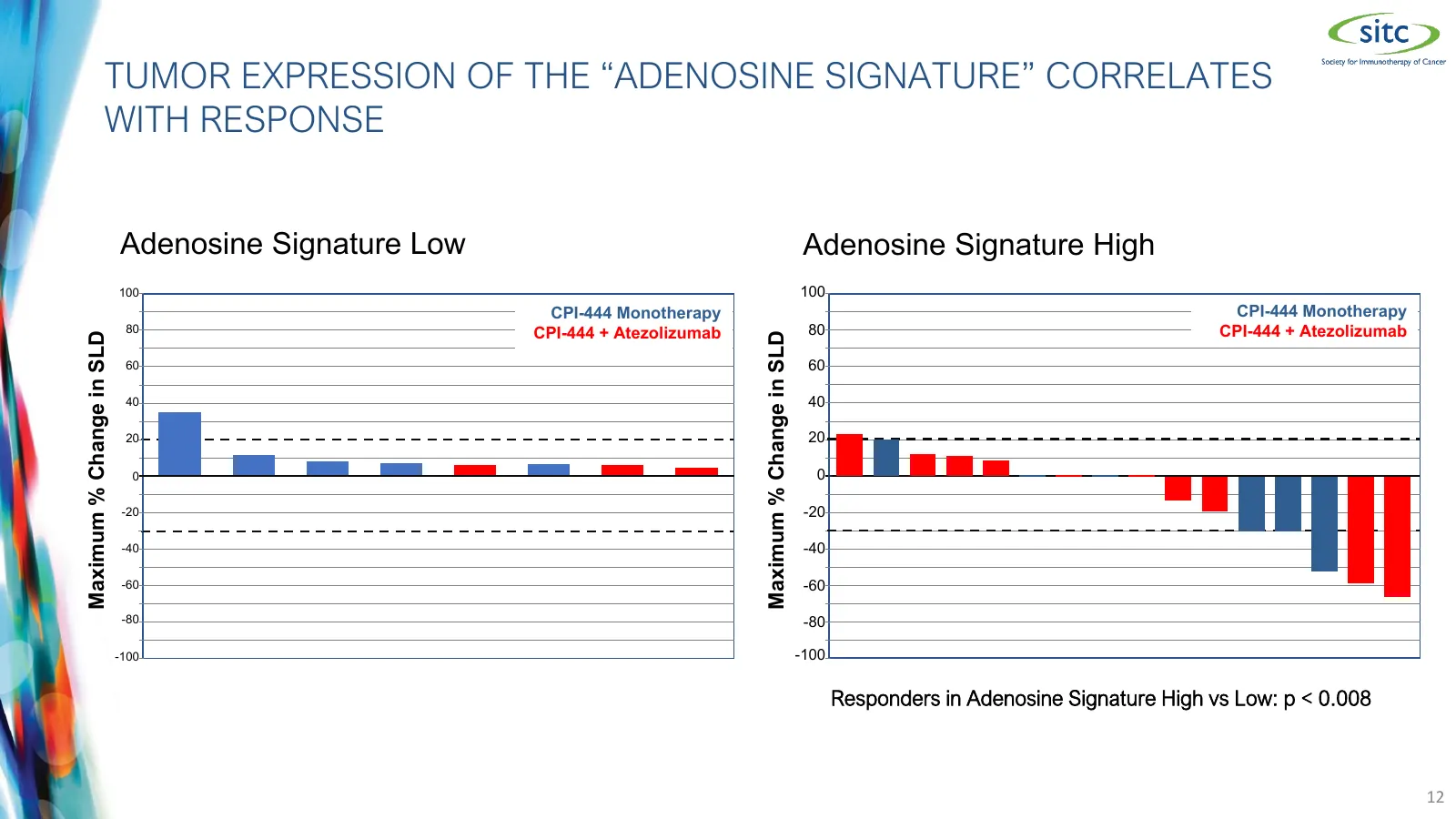
Slide 12: Tumor Expression of the Adenosine Signature Correlates With Response
TUMOR EXPRESSION OF THE “ADENOSINE SIGNATURE” CORRELATES WITH RESPONSE Adenosine Signature Low Adenosine Signature High 100 100 CPI-444 Monotherapy CPI-444 Monotherapy 80 CPI-444 + Atezolizumab 80 CPI-444 + Atezolizumab Maximum % Change in SLD Maximum % Change in SLD 60 60 40 40 20 20 0 0 -20 -20 -4
Slide 13: Conclusions
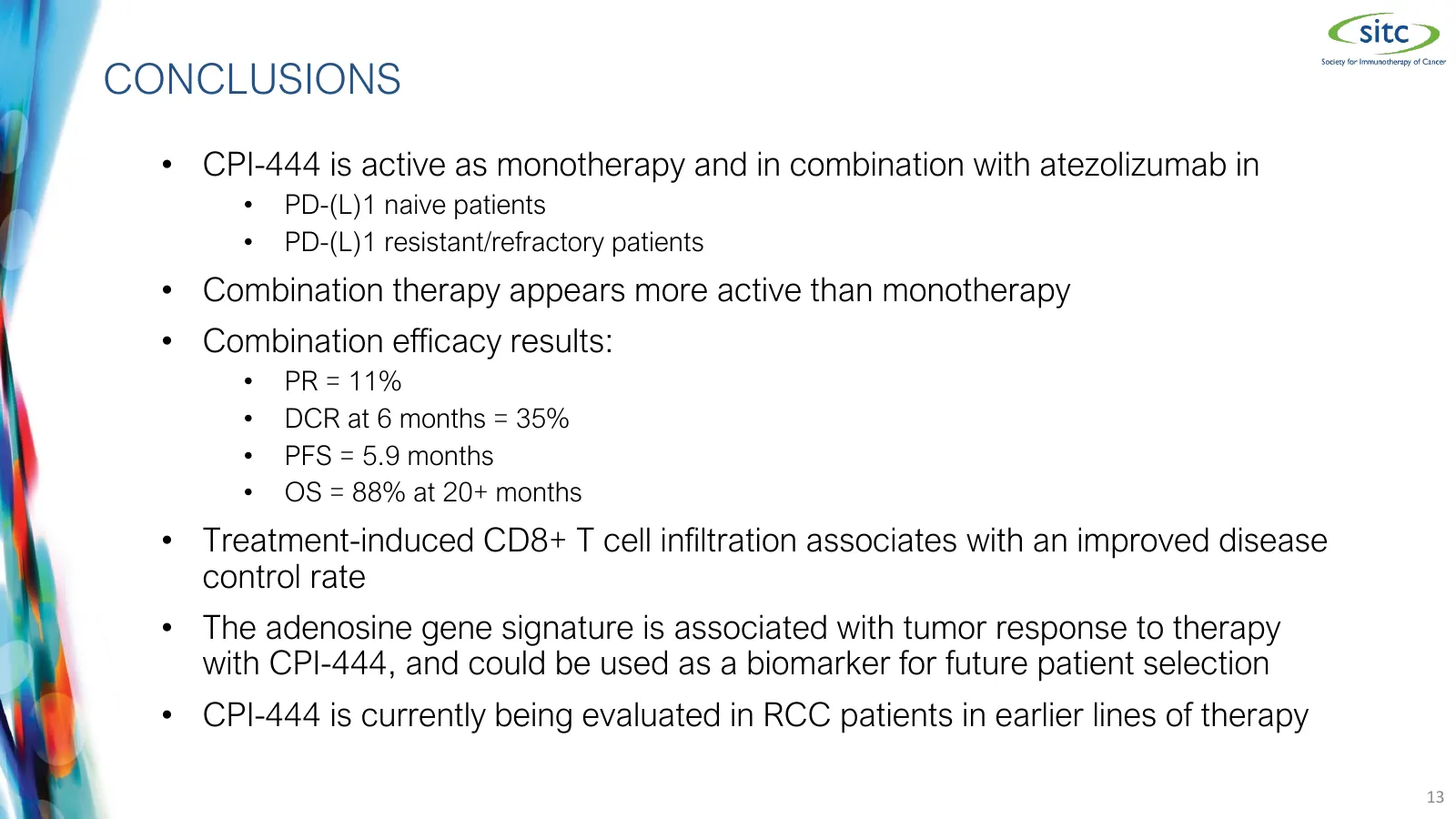
CONCLUSIONS • CPI-444 is active as monotherapy and in combination with atezolizumab in • PD-(L)1 naive patients • PD-(L)1 resistant/refractory patients • Combination therapy appears more active than monotherapy • Combination efficacy results: • PR = 11% • DCR at 6 months = 35% • PFS = 5.9 months • O
Slide 14: Role of Adenosine in the Tumor Microenvironment
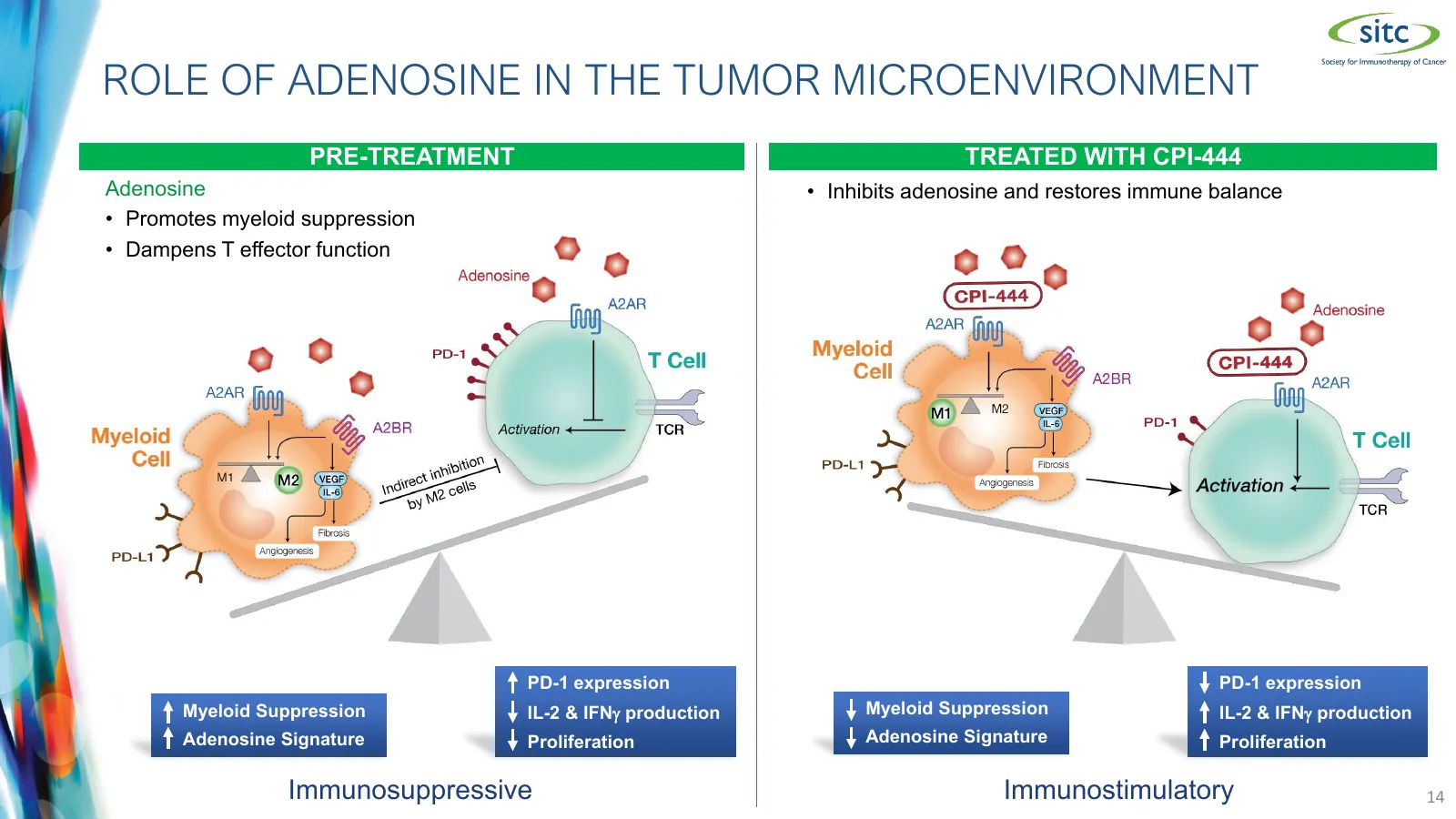
ROLE OF ADENOSINE IN THE TUMOR MICROENVIRONMENT PRE-TREATMENT TREATED WITH CPI-444 Adenosine • Inhibits adenosine and restores immune balance • Promotes myeloid suppression • Dampens T effector function PD-1 expression PD-1 expression Myeloid Suppression IL-2 & IFNγ production Myeloid Suppression IL
Slide 15: Acknowledgements
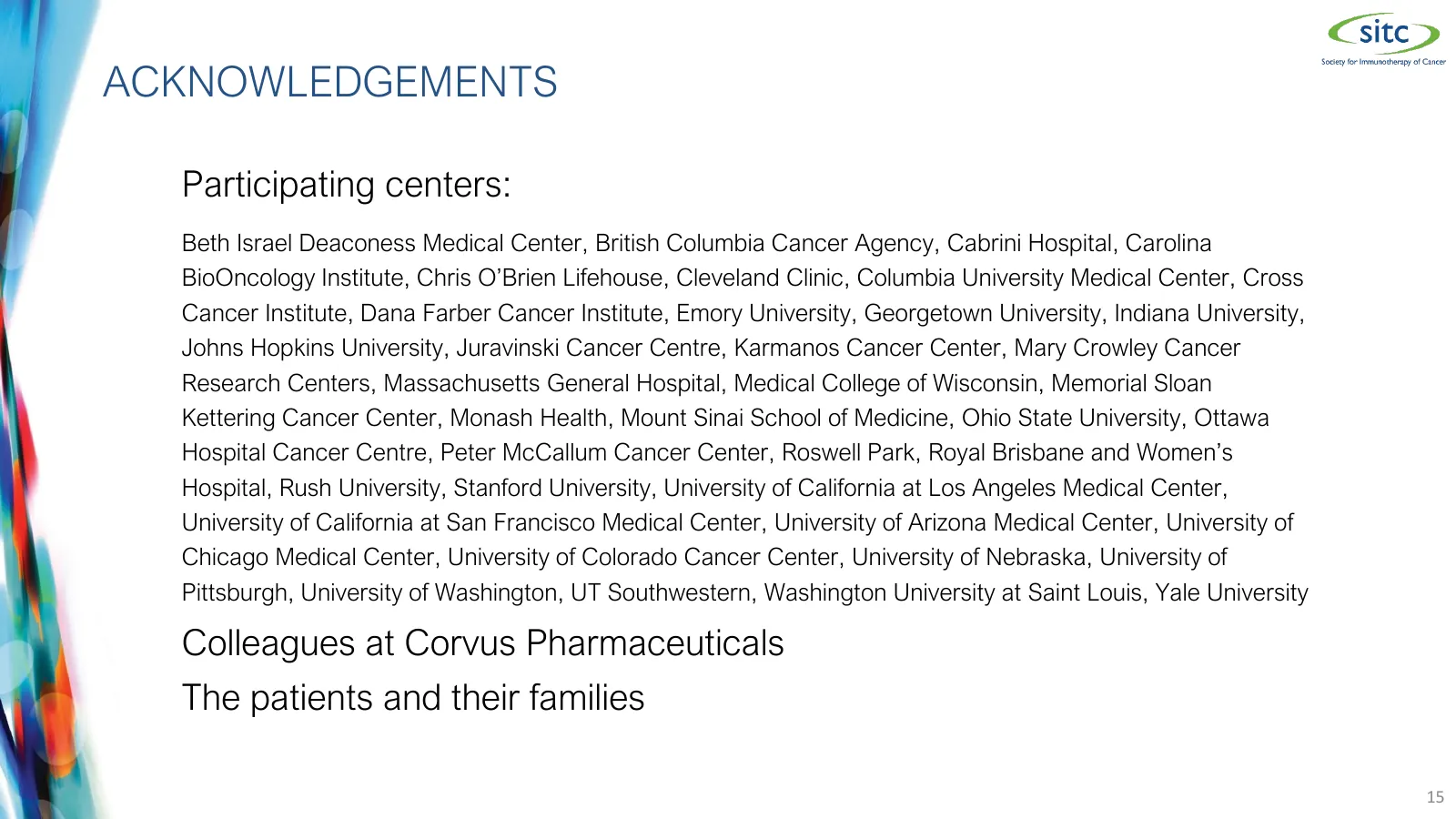
ACKNOWLEDGEMENTS Participating centers: Beth Israel Deaconess Medical Center, British Columbia Cancer Agency, Cabrini Hospital, Carolina BioOncology Institute, Chris O’Brien Lifehouse, Cleveland Clinic, Columbia University Medical Center, Cross Cancer Institute, Dana Farber Cancer Institute, Emory U
Source: company website
More decks from Corvus Pharmaceuticals, Inc.
 Q2 2026 Earnings Presentation26 slides · Aug 6, 2026
 Society for Investigative Dermatology 202619 slides · May 2026
 Technical Presentation (May 2026)14 slides · May 2026
 Q4 2025 Earnings Presentation37 slides · Mar 12, 2026
 American Society of Hematology 2025 Annual Meeting16 slides · 2025
 Technical Presentation (2022)15 slides · 2022