Sesen Bio — 2019 Canaccord Genuity Global Growth Conference
53 slides from Sesen Bio's conference presentation, Aug 7, 2019
Slide 1: 2019 Canaccord Genuity Global Growth Conference
2019 Canaccord Genuity Global Growth Conference Thomas Cannell DVM, President and CEO August 7, 2019 NASDAQ SESN
Slide 2: Forward-Looking Statements
FORWARD-LOOKING STATEMENTS This presentation contains forward-looking statements that involve substantial risks and Trial and/or that the final data may not be positive with regard to the safety or efficacy of uncertainties. All statements, other than statements of historical facts, contained in thi
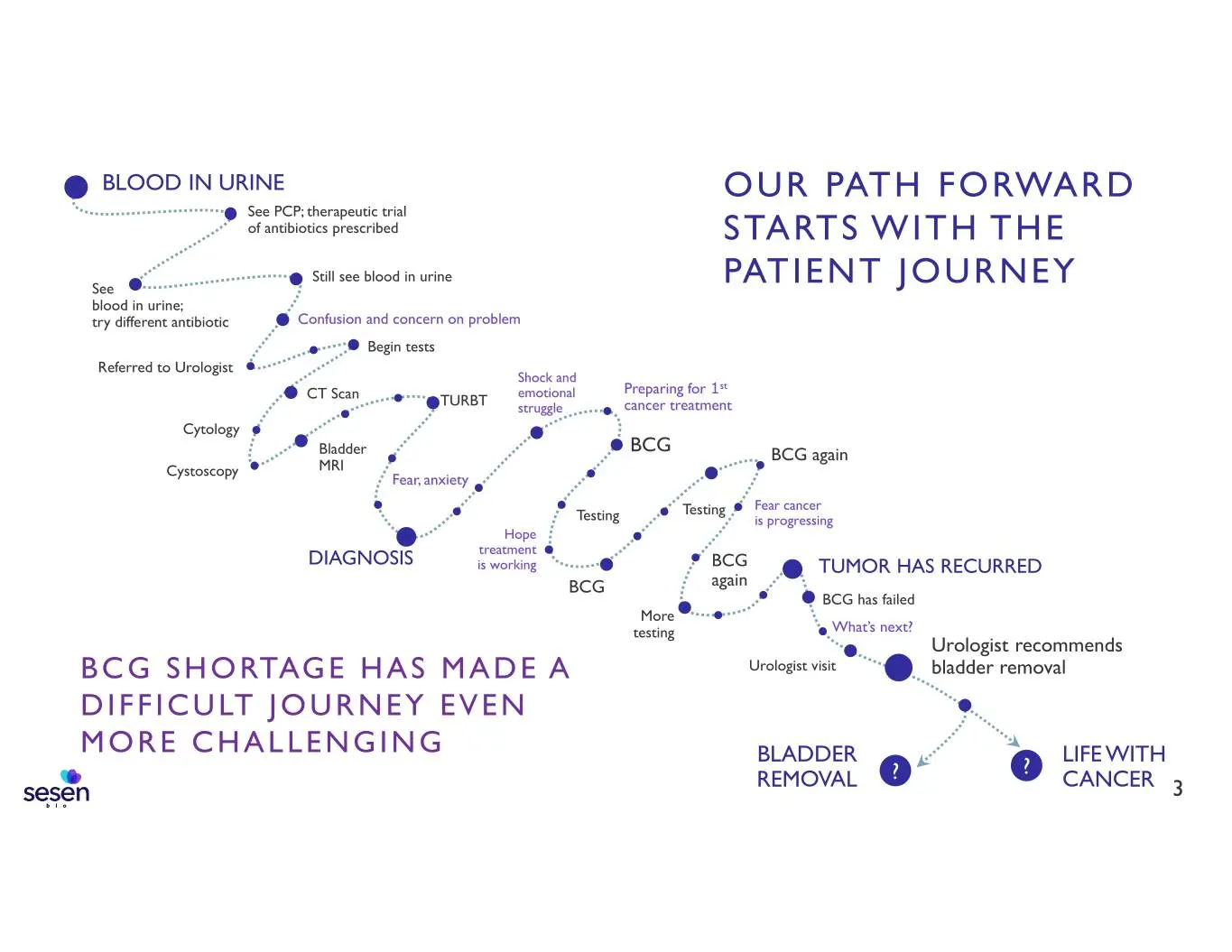
Slide 3: Our Path Forward Starts with the Patient Journey
BLOOD IN URINE OUR PATH FORWARD See PCP; therapeutic trial of antibiotics prescribed STARTS WITH THE Still see blood in urine See PATIENT JOURNEY blood in urine; try different antibiotic Confusion and concern on problem Begin tests Referred to Urologist Shock and st CT Scan emotional Preparing for 1
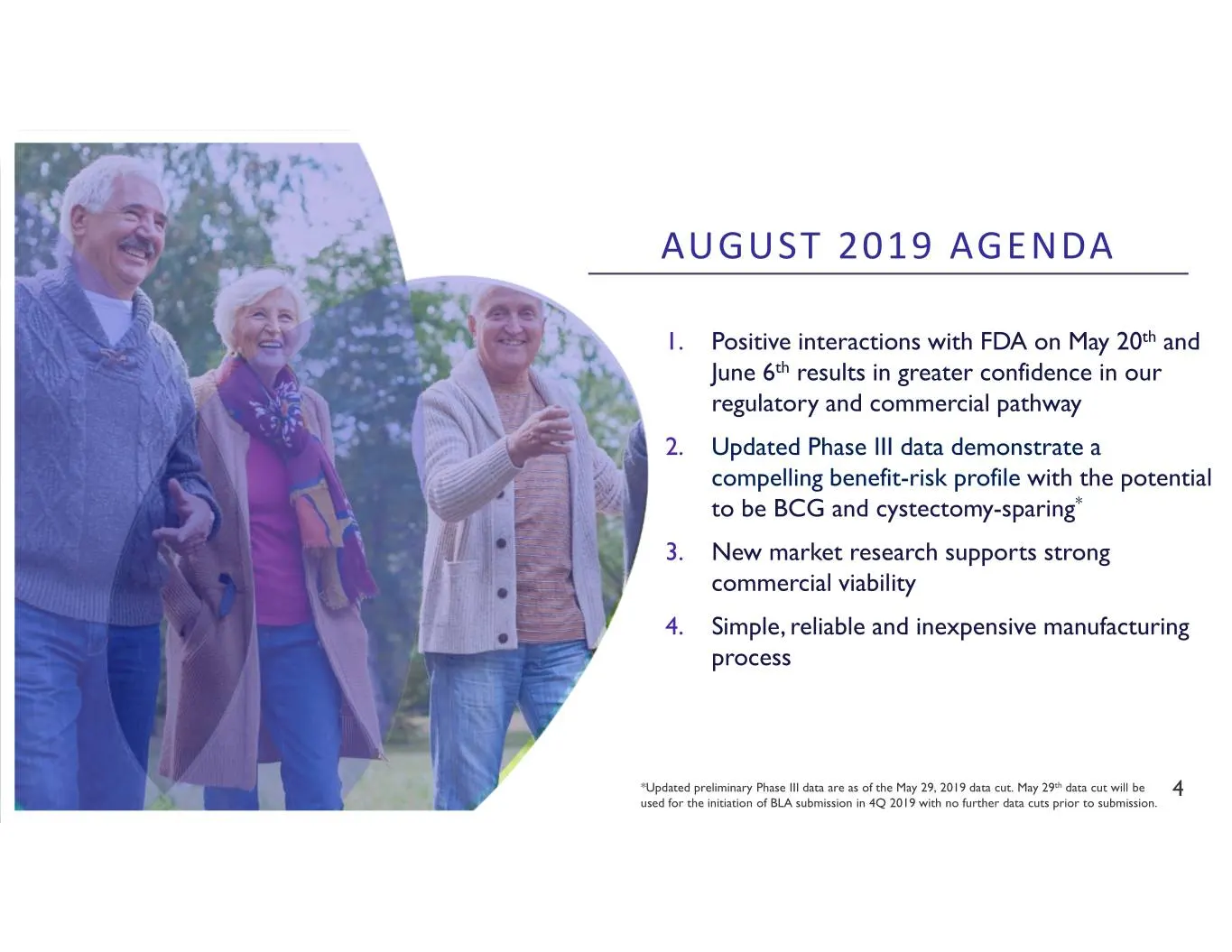
Slide 4: August 2019 Agenda
AUGUST 2019 AGENDA 1. Positive interactions with FDA on May 20th and June 6th results in greater confidence in our regulatory and commercial pathway 2. Updated Phase III data demonstrate a compelling benefit-risk profile with the potential to be BCG and cystectomy-sparing* 3. New market research sup
Slide 5: 2019 Regulatory Update for Vicinium for NMIBC
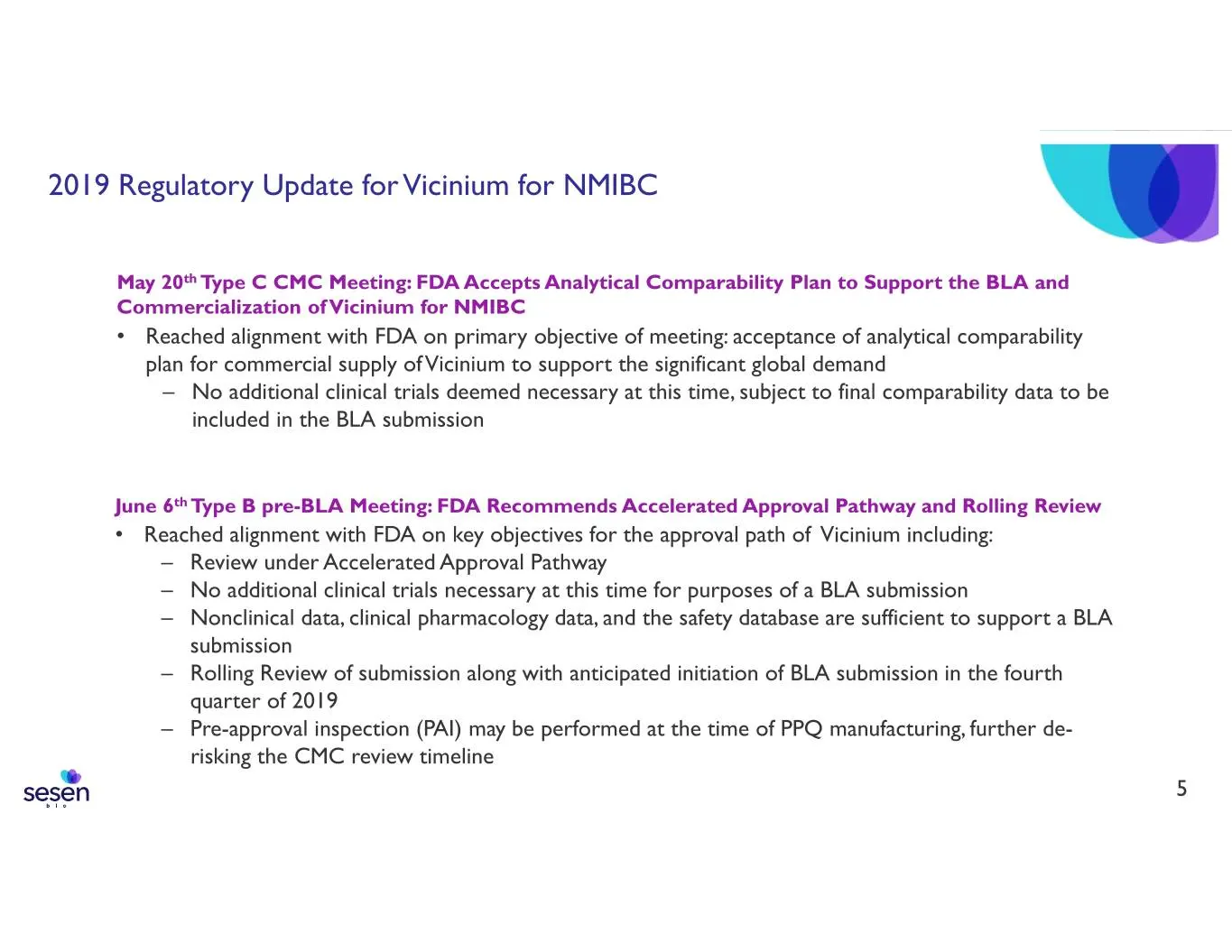
2019 Regulatory Update for Vicinium for NMIBC May 20th Type C CMC Meeting: FDA Accepts Analytical Comparability Plan to Support the BLA and Commercialization of Vicinium for NMIBC • Reached alignment with FDA on primary objective of meeting: acceptance of analytical comparability plan for commercial
Slide 6: Updated Phase III data basis for initiation of BLA submission
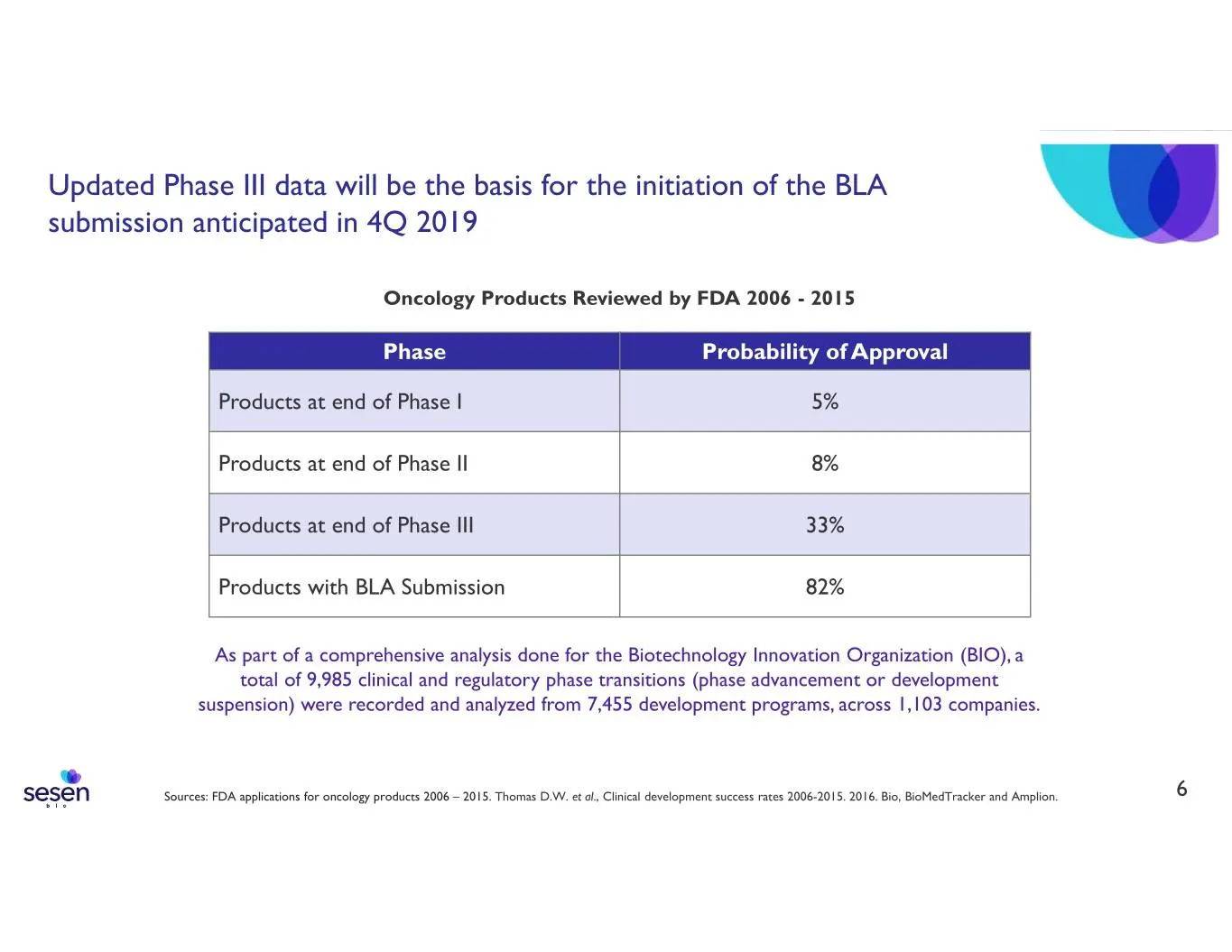
Updated Phase III data will be the basis for the initiation of the BLA submission anticipated in 4Q 2019 Oncology Products Reviewed by FDA 2006 - 2015 Phase Probability of Approval Products at end of Phase I 5% Products at end of Phase II 8% Products at end of Phase III 33% Products with BLA Submiss
Slide 7: August 2019 Agenda
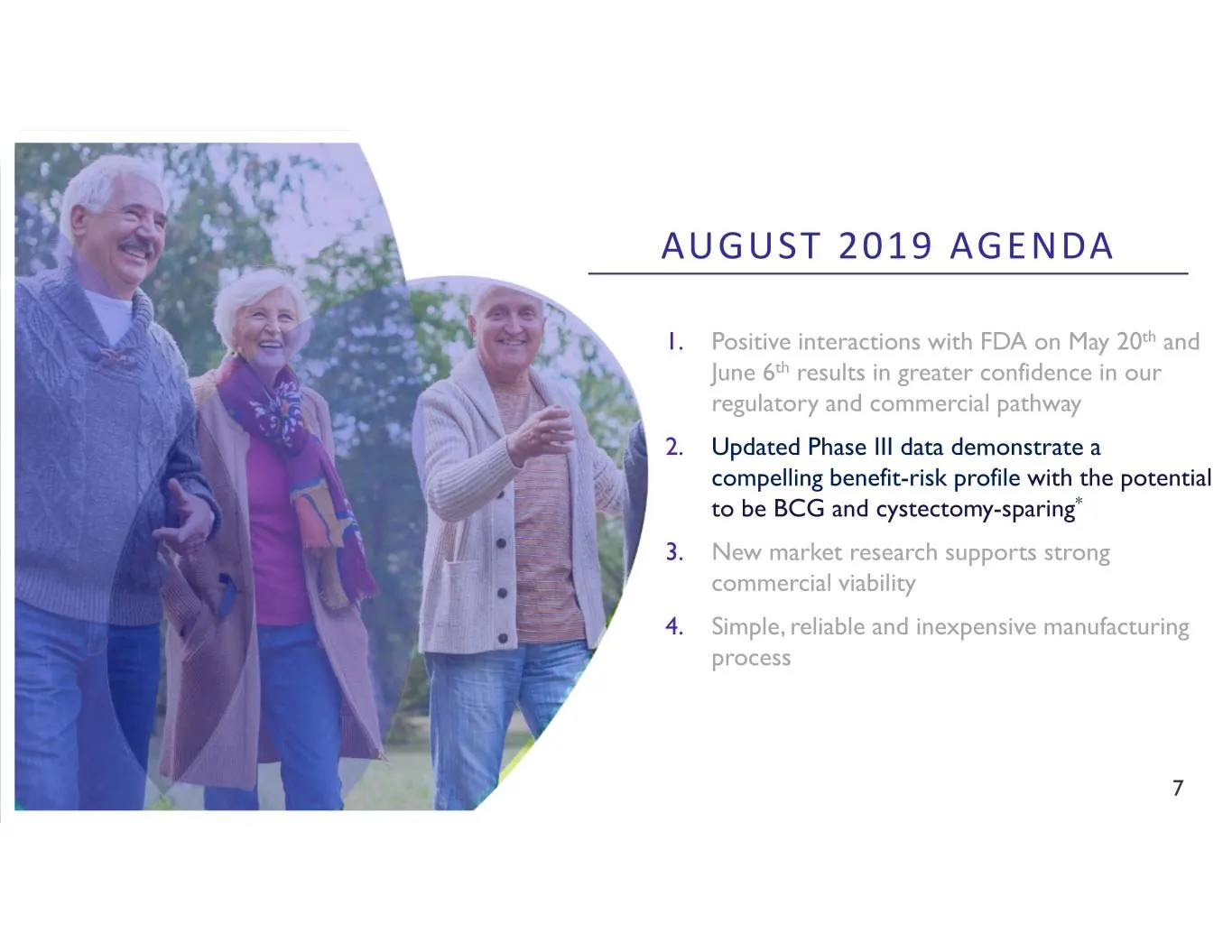
AUGUST 2019 AGENDA 1. Positive interactions with FDA on May 20th and June 6th results in greater confidence in our regulatory and commercial pathway 2. Updated Phase III data demonstrate a compelling benefit-risk profile with the potential to be BCG and cystectomy-sparing* 3. New market research sup
Slide 8: Vicinium demonstrates a strong benefit-risk profile in Phase III
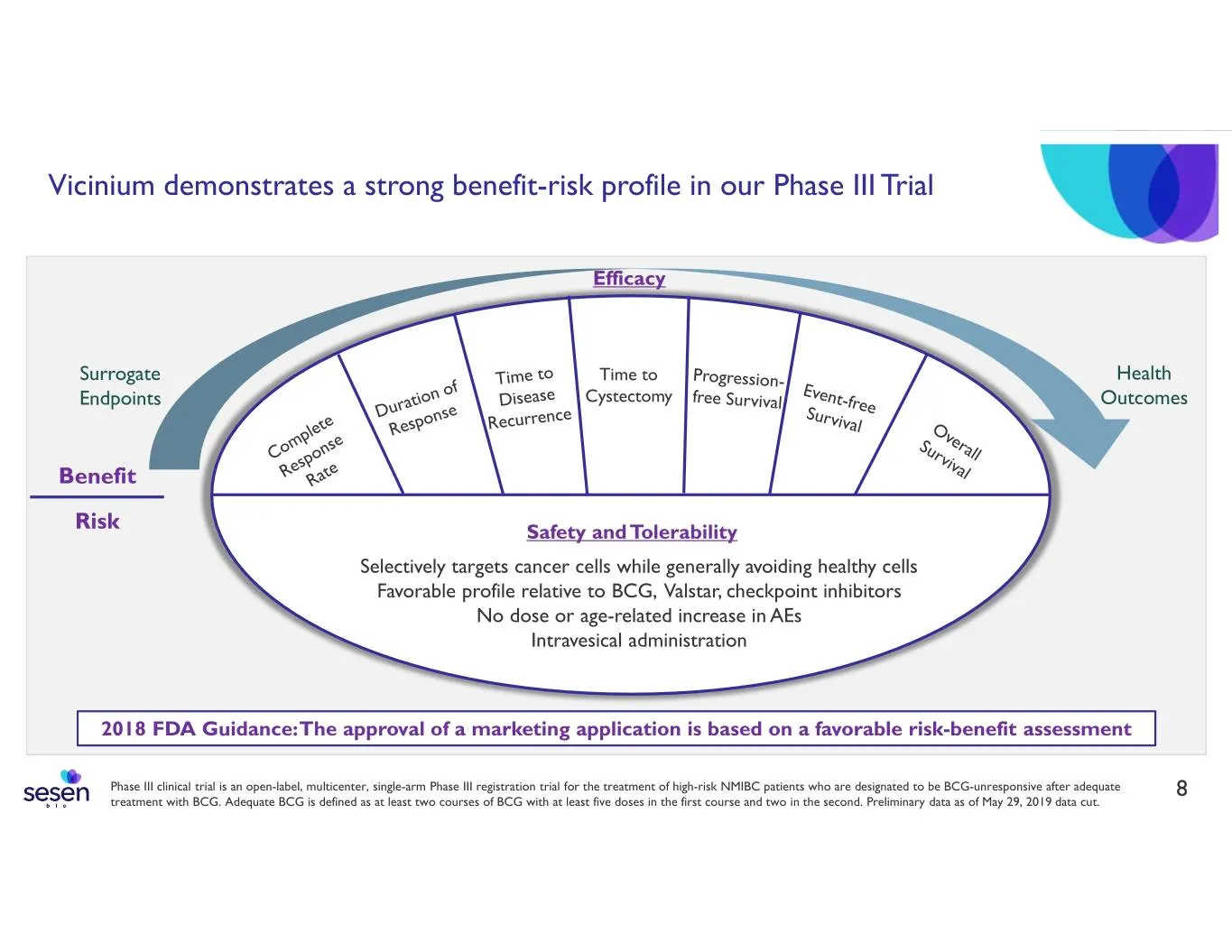
Vicinium demonstrates a strong benefit-risk profile in our Phase III Trial Efficacy Surrogate Time to Health Endpoints Cystectomy Outcomes Benefit : Risk Safety and Tolerability Selectively targets cancer cells while generally avoiding healthy cells Favorable profile relative to BCG, Valstar, checkp
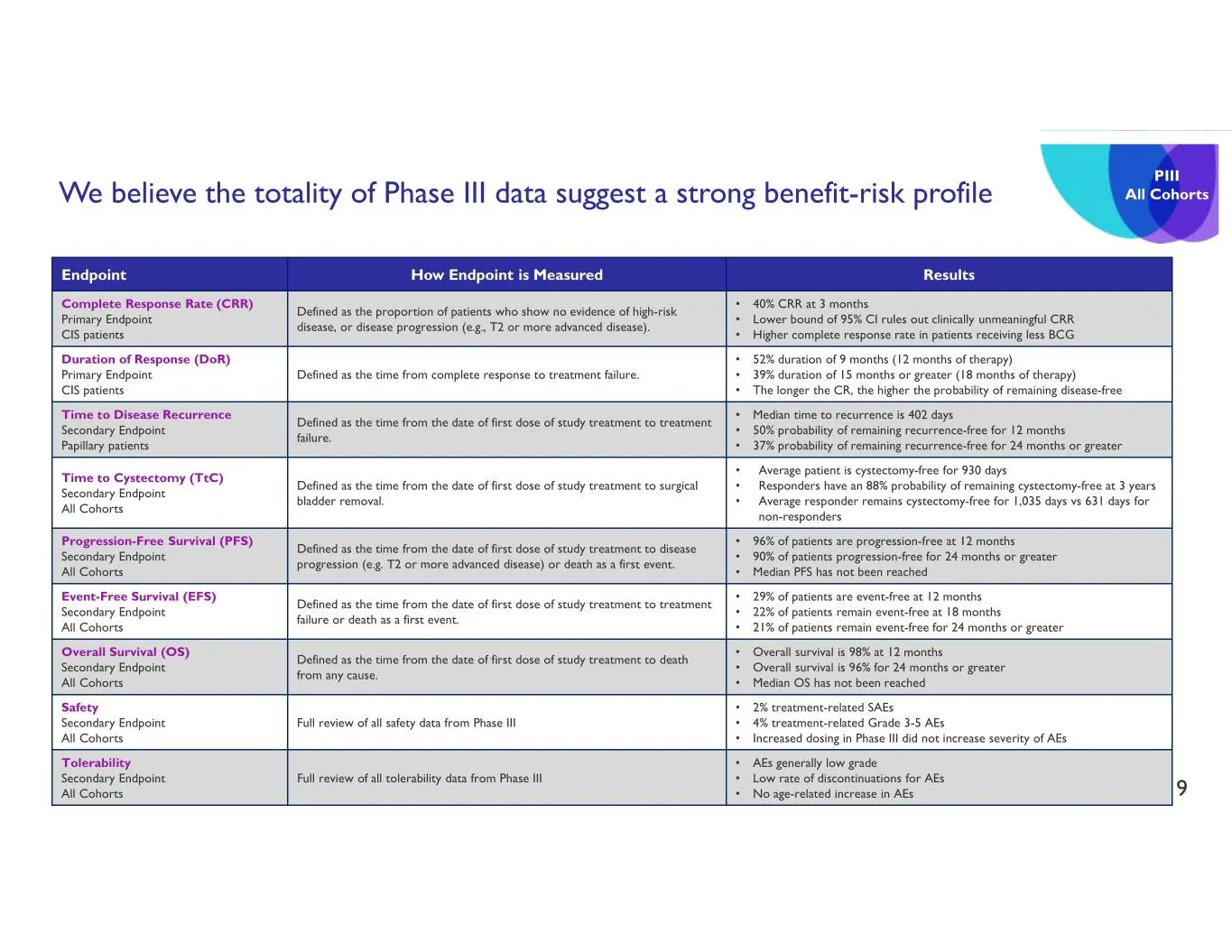
Slide 9: Totality of Phase III data suggest strong benefit-risk profile
PIII We believe the totality of Phase III data suggest a strong benefit-risk profile All Cohorts Endpoint How Endpoint is Measured Results Complete Response Rate (CRR) • 40% CRR at 3 months Defined as the proportion of patients who show no evidence of high-risk Primary Endpoint • Lower bound of 95%
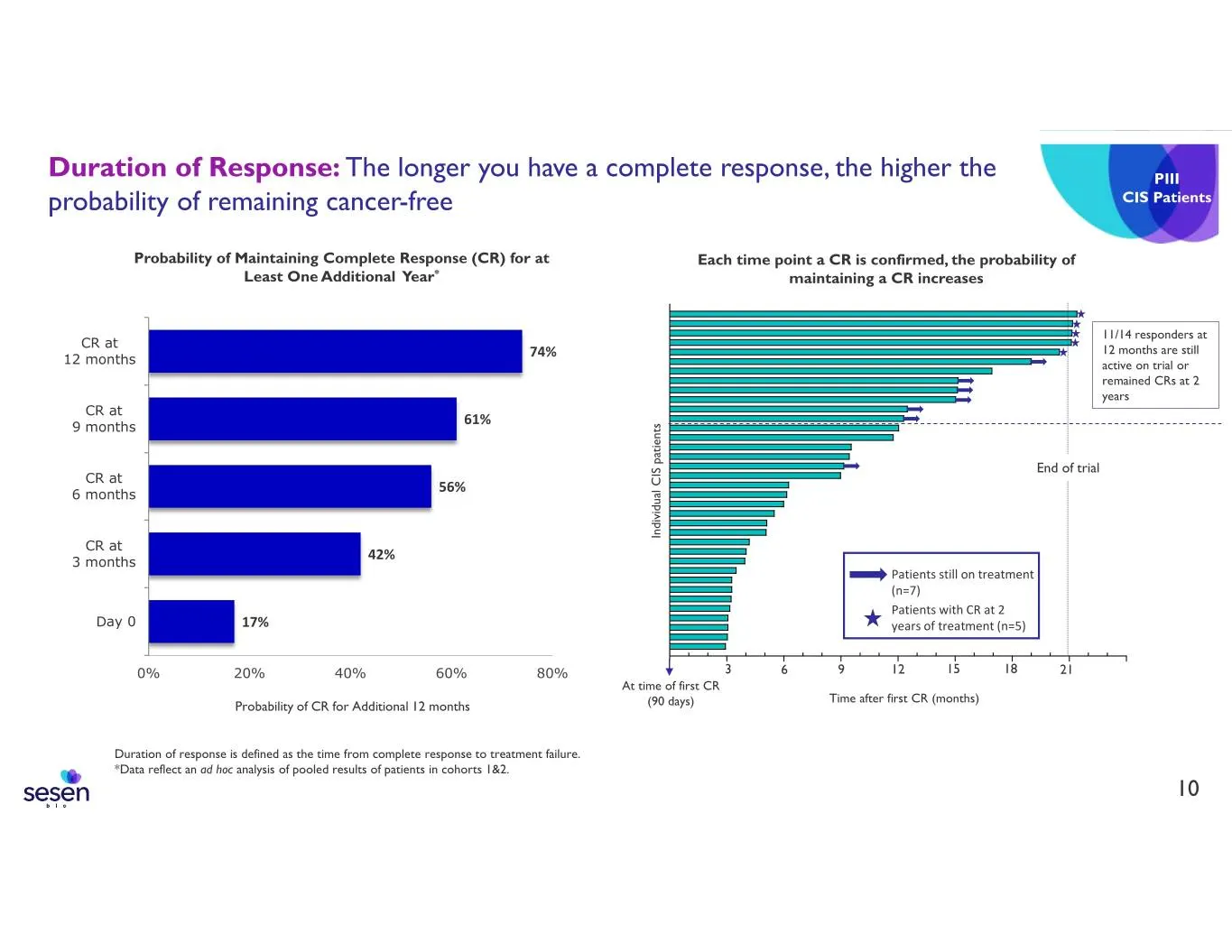
Slide 10: Duration of Response: longer complete response, higher probability of remaining cancer-free
Duration of Response: The longer you have a complete response, the higher the PIII probability of remaining cancer-free CIS Patients Probability of Maintaining Complete Response (CR) for at Each time point a CR is confirmed, the probability of Least One Additional Year* maintaining a CR increases 11
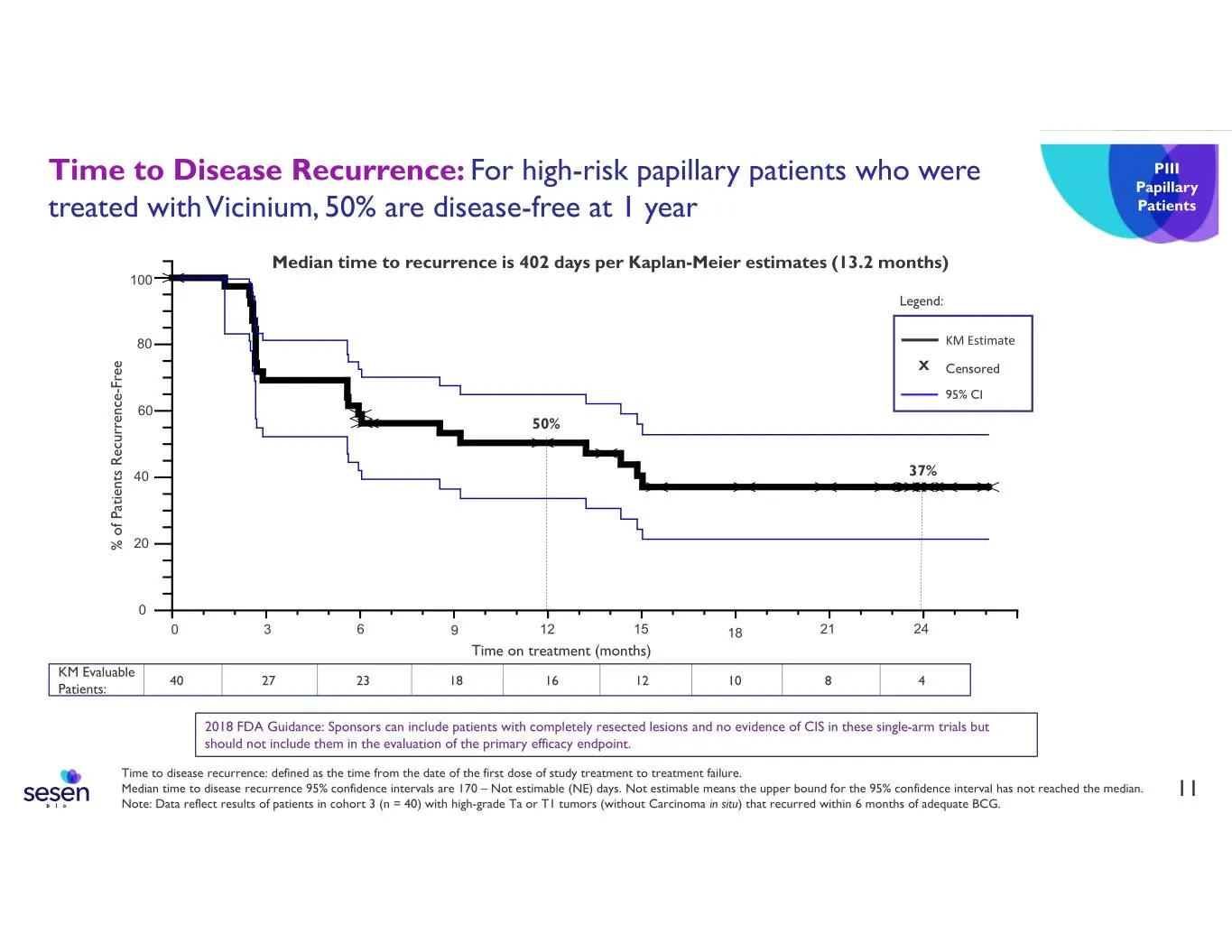
Slide 11: Time to Disease Recurrence in high-risk papillary patients
Time to Disease Recurrence: For high-risk papillary patients who were PIII Papillary treated with Vicinium, 50% are disease-free at 1 year Patients Median time to recurrence is 402 days per Kaplan-Meier estimates (13.2 months) 100 Legend: 80 KM Estimate X Censored Free - 95% CI 60 50% 40 37% % of Pa
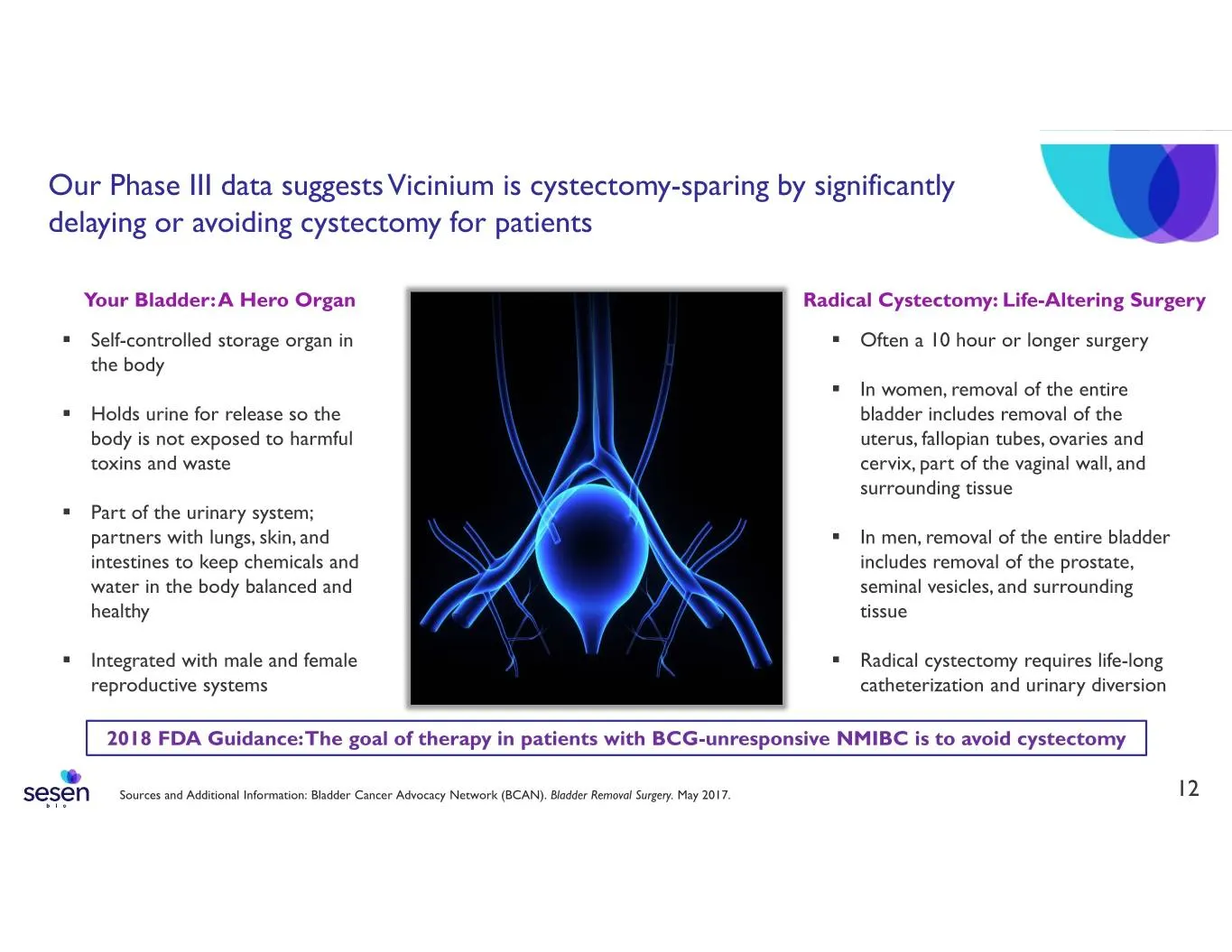
Slide 12: Vicinium is cystectomy-sparing by delaying or avoiding cystectomy
Our Phase III data suggests Vicinium is cystectomy-sparing by significantly delaying or avoiding cystectomy for patients Your Bladder: A Hero Organ Radical Cystectomy: Life-Altering Surgery � Self-controlled storage organ in � Often a 10 hour or longer surgery the body � In women, removal of the ent
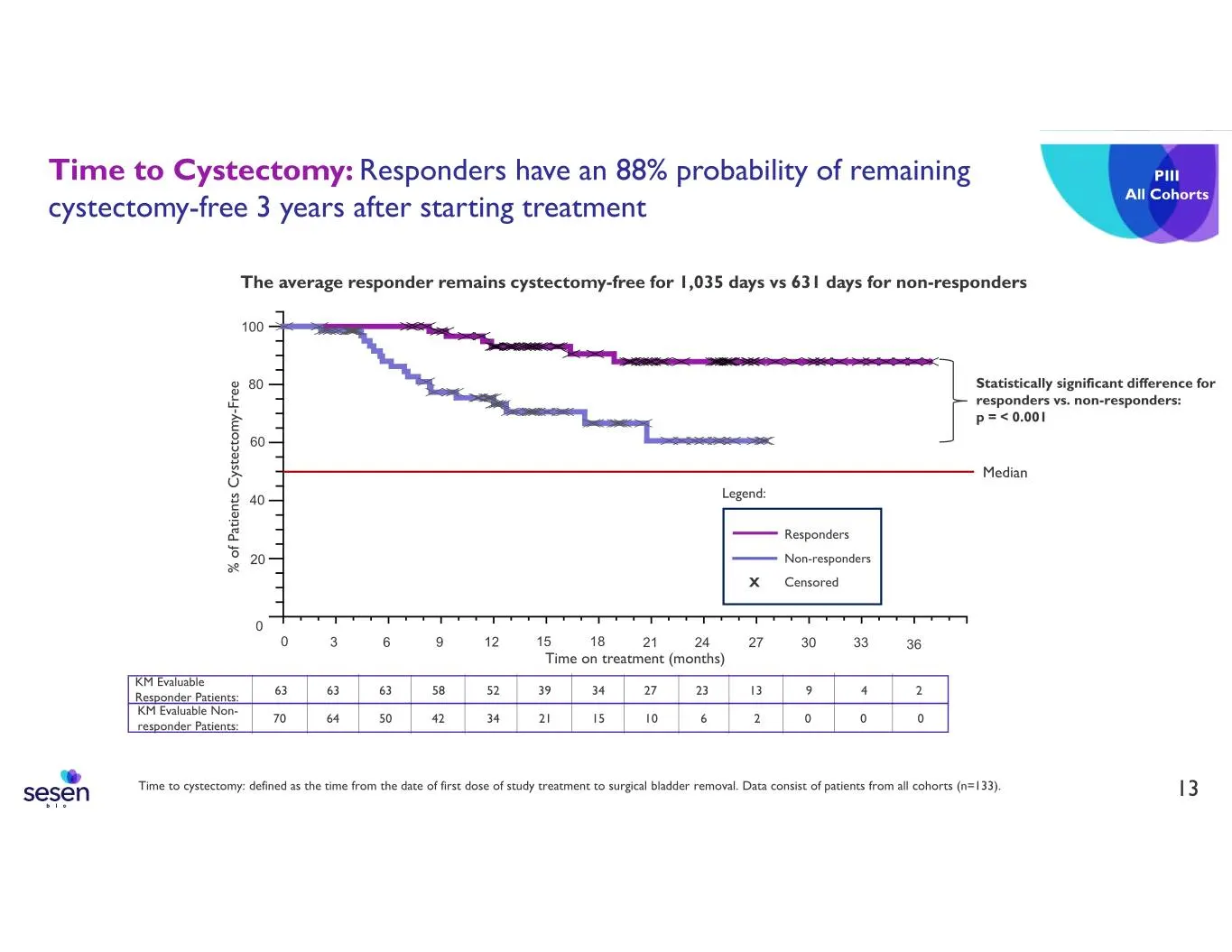
Slide 13: Time to Cystectomy: responders remain cystectomy-free
Time to Cystectomy: Responders have an 88% probability of remaining PIII cystectomy-free 3 years after starting treatment All Cohorts The average responder remains cystectomy-free for 1,035 days vs 631 days for non-responders 100 80 Statistically significant difference for responders vs. non-respond
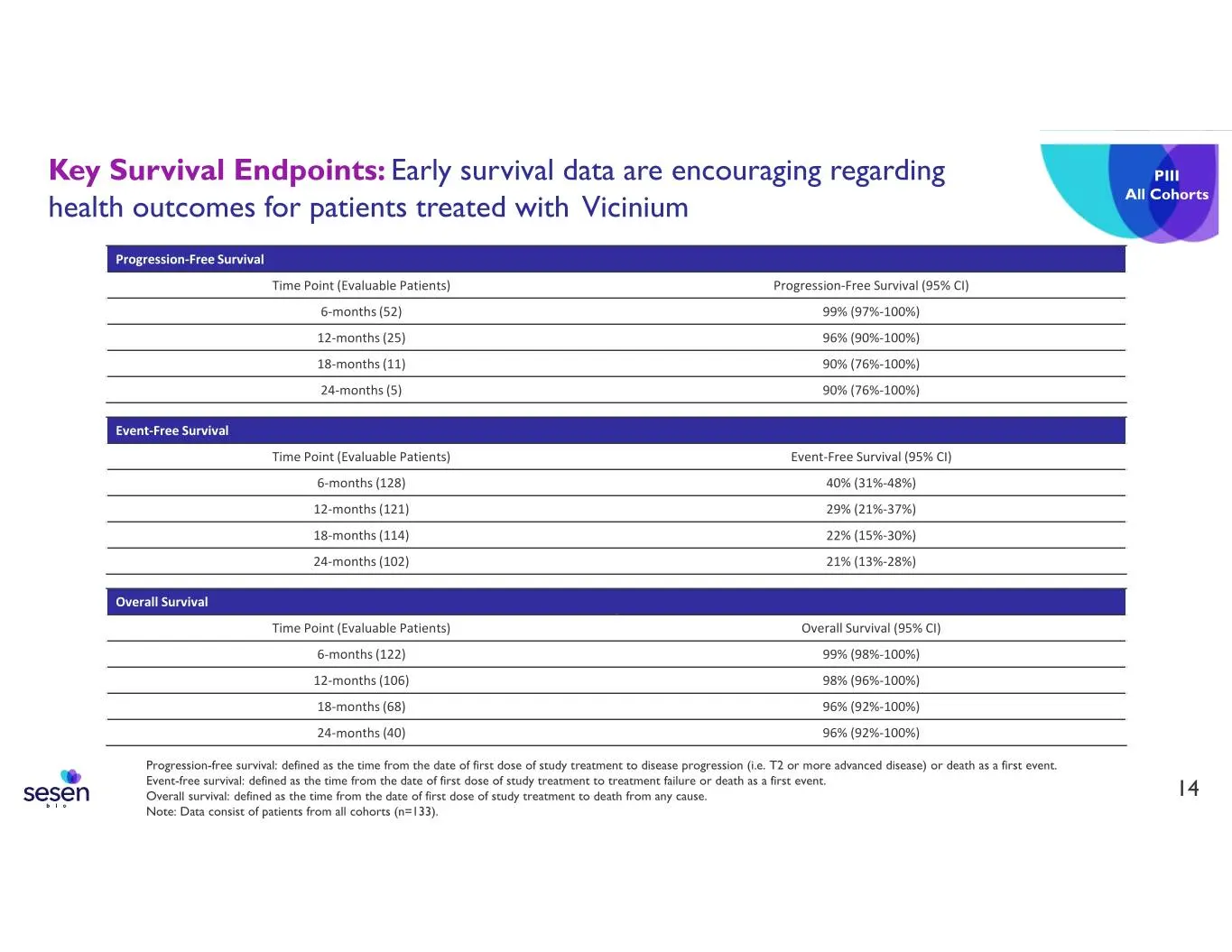
Slide 14: Key Survival Endpoints
Key Survival Endpoints: Early survival data are encouraging regarding PIII health outcomes for patients treated with Vicinium All Cohorts Progression-Free Survival Time Point (Evaluable Patients) Progression-Free Survival (95% CI) 6-months (52) 99% (97%-100%) 12-months (25) 96% (90%-100%) 18-months
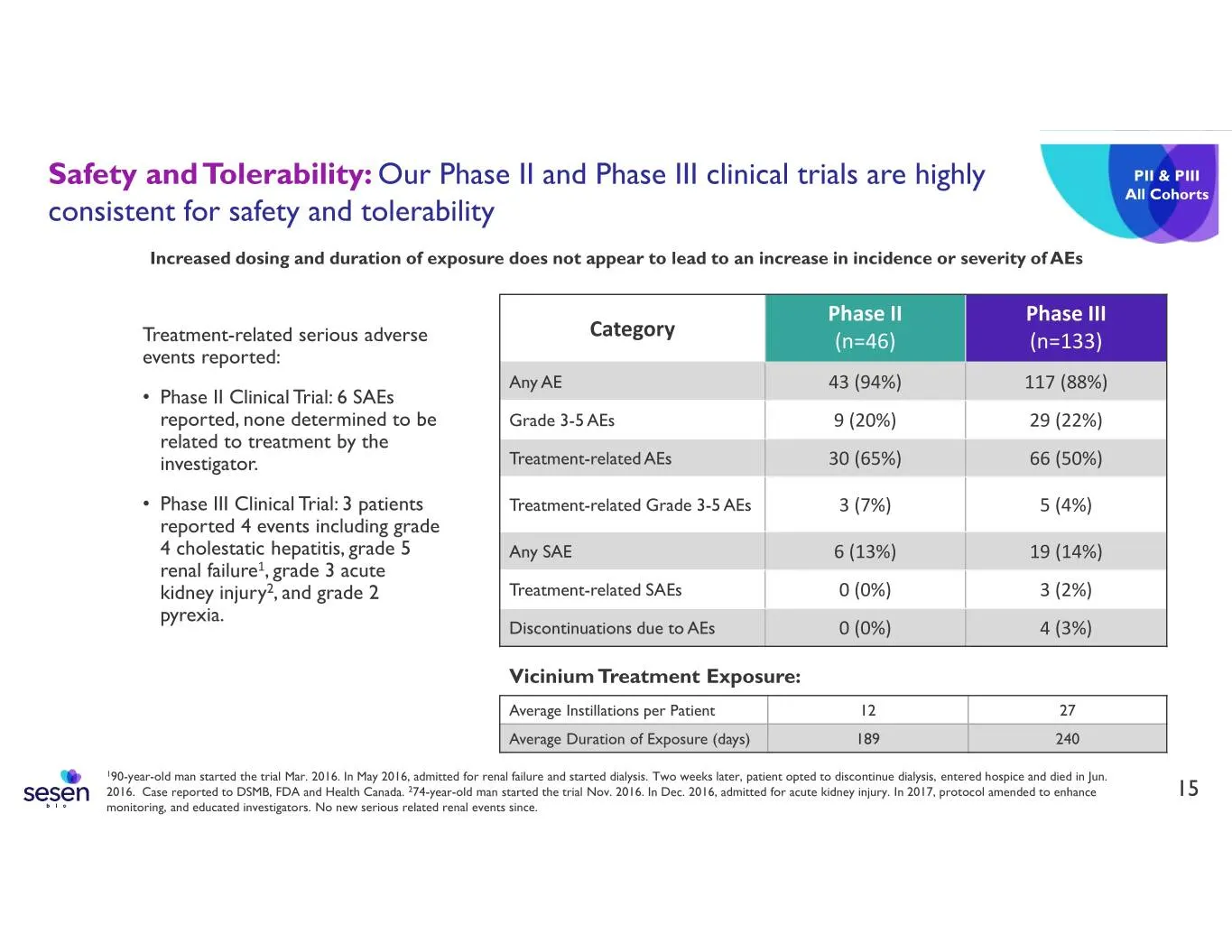
Slide 15: Safety and Tolerability: Phase II and Phase III consistent
Safety and Tolerability: Our Phase II and Phase III clinical trials are highly PII & PIII All Cohorts consistent for safety and tolerability Increased dosing and duration of exposure does not appear to lead to an increase in incidence or severity of AEs Phase II Phase III Category Tre a tm e n t-rel
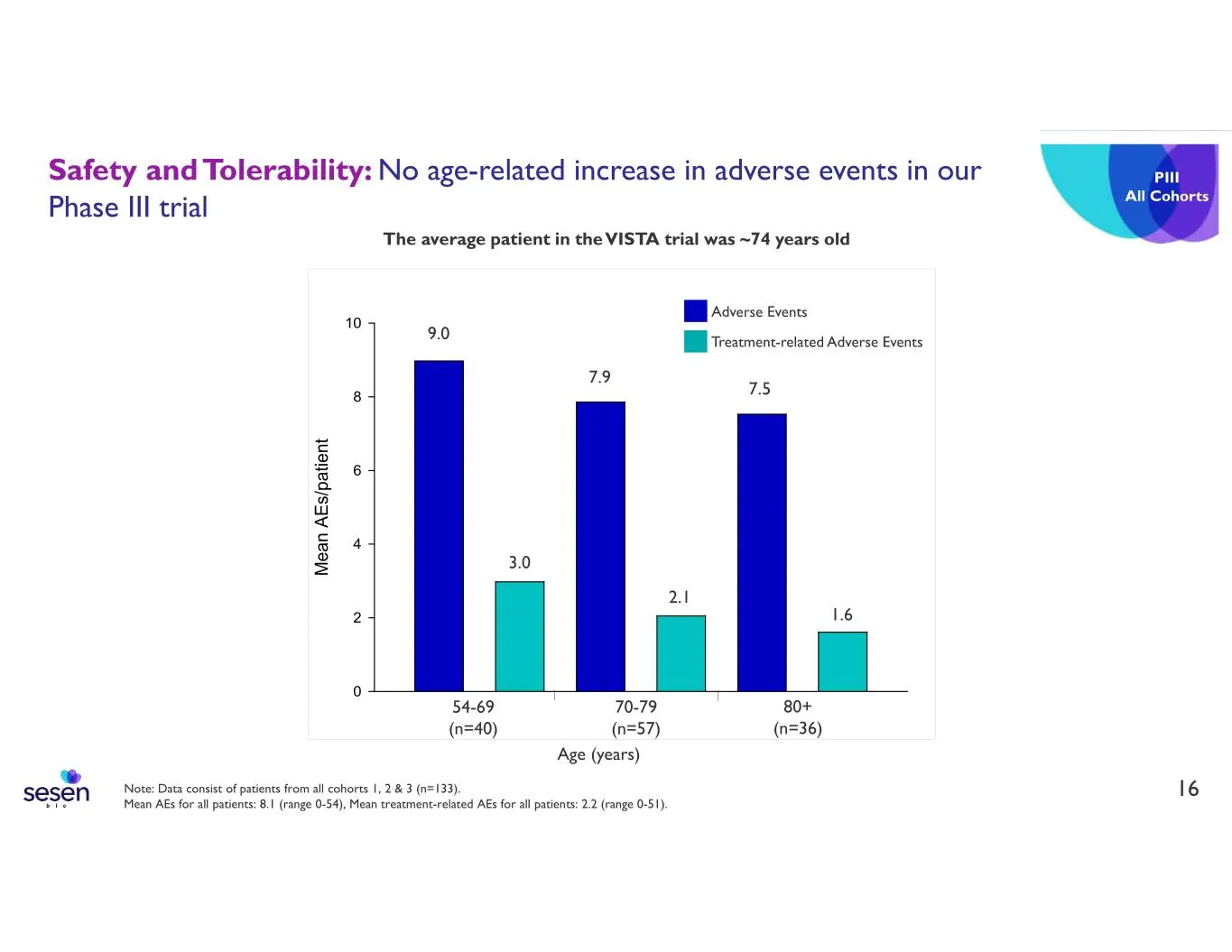
Slide 16: Safety and Tolerability: adverse events by age
Phase III Phase trial Safety and Tolerability: Mean (range8.1 0 AEs patients:for all Note: 2 Datacohortsfrom all1, of consist& patients (n=133). 3 - 54), Mean treatment Mean AEs/patient 10 0 2 4 6 8 No ageNo The The average patient in the VISTA trial was ~74 years old 9.0 - related AEs for all patie
Slide 17: August 2019 Agenda
AUGUST 2019 AGENDA 1. Positive interactions with FDA on May 20th and June 6th results in greater confidence in our regulatory and commercial pathway 2. Updated Phase III data demonstrate a compelling benefit-risk profile with the potential to be BCG and cystectomy-sparing* 3. New market research sup
Slide 18: Virtuous Cycle: physicians, patients and payers as advocates
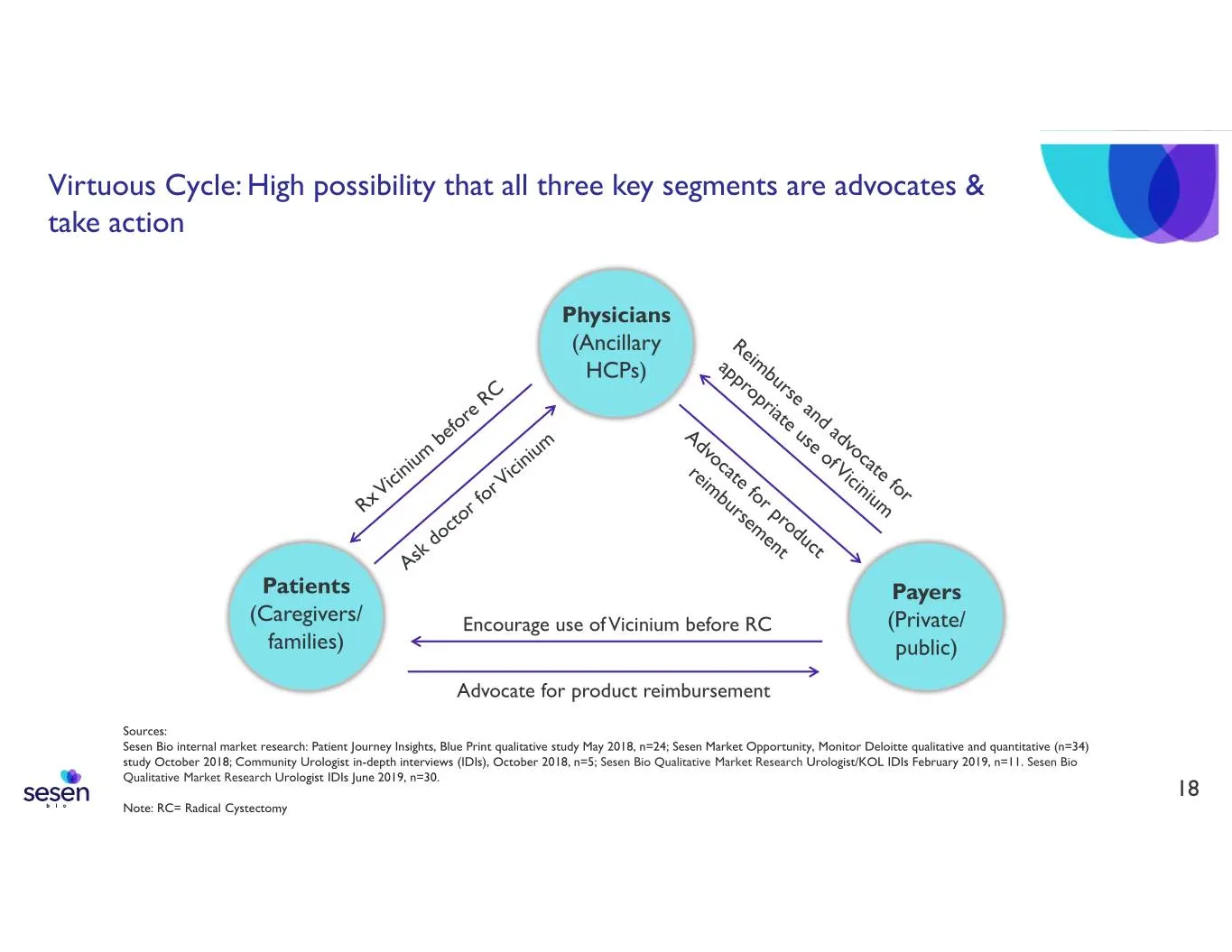
Virtuous Cycle: High possibility that all three key segments are advocates & take action Physicians (Ancillary HCPs) Patients Payers (Caregivers/ Encourage use of Vicinium before RC (Private/ families) public) Advocate for product reimbursement Sources: Sesen Bio internal market research: Patient Jo
Slide 19: Key drivers of intent to prescribe for high-prescribing Urologists
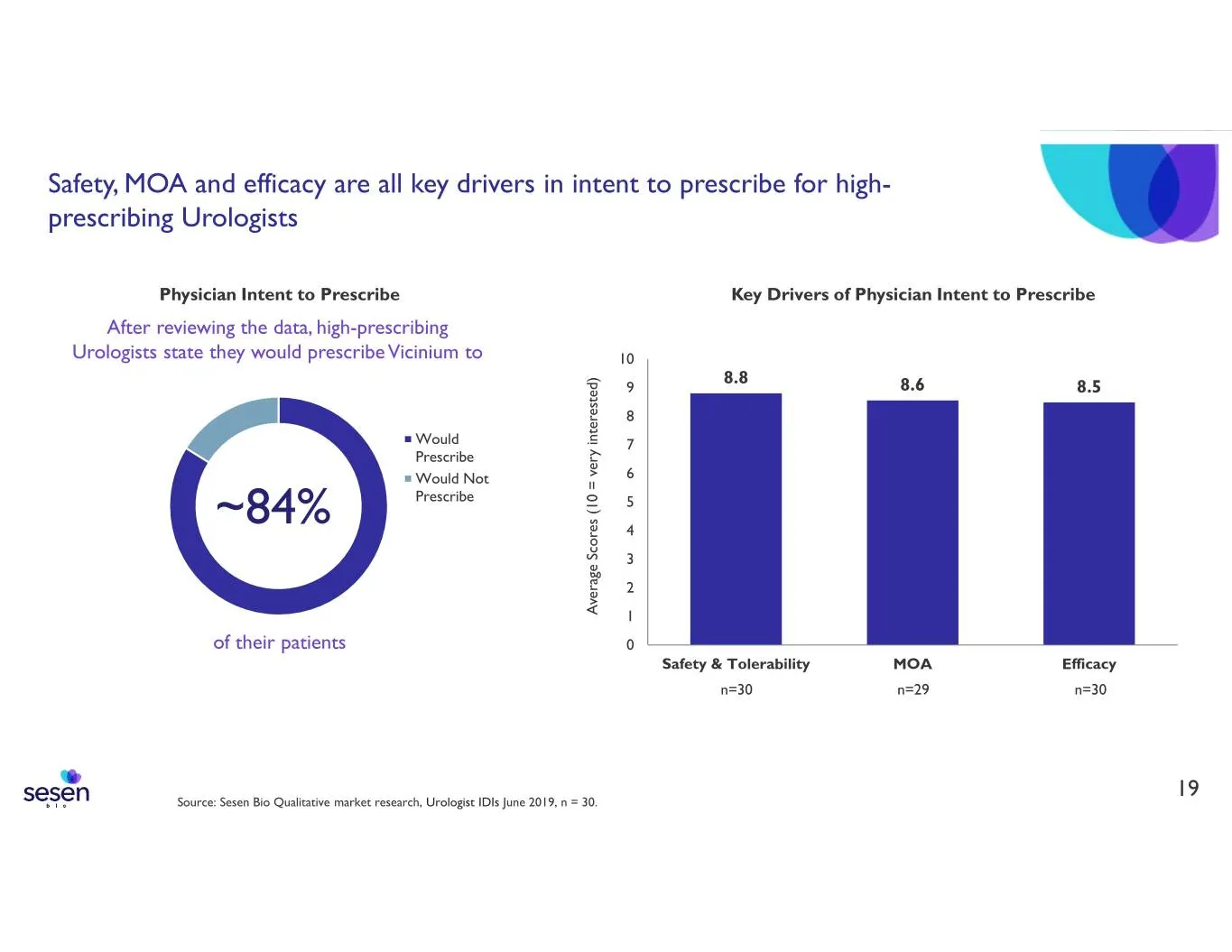
Safety, MOA and efficacy are all key drivers in intent to prescribe for high- prescribing Urologists Physician Intent to Prescribe Key Drivers of Physician Intent to Prescribe After reviewing the data, high-prescribing Urologists state they would prescribe Vicinium to 10 8.8 9 8.6 8.5 8 Would 7 Pres
Slide 20: High-prescribing Urologists recognize value across safety, MOA and efficacy
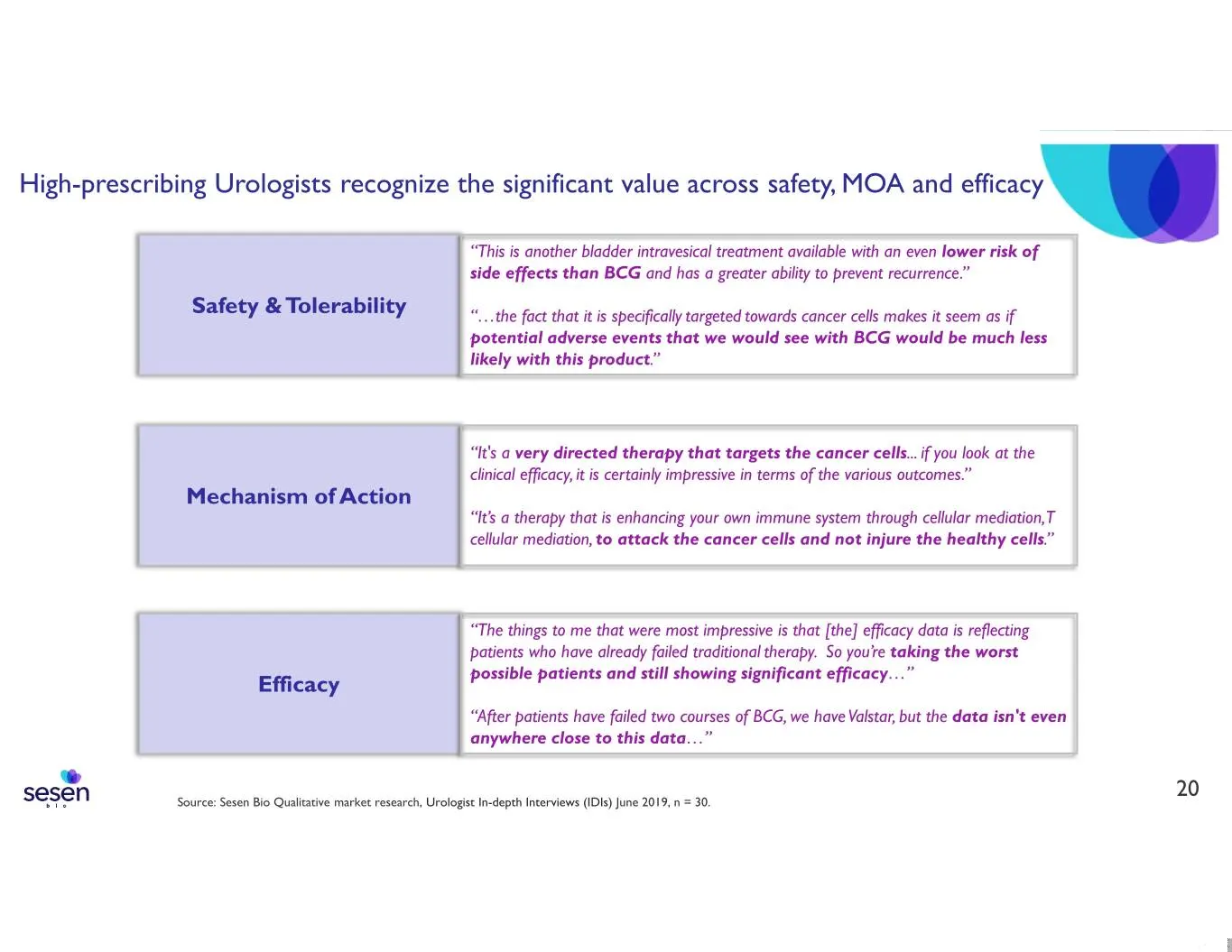
High-prescribing Urologists recognize the significant value across safety, MOA and efficacy “This is another bladder intravesical treatment available with an even lower risk of side effects than BCG and has a greater ability to prevent recurrence.” Safety & Tolerability “…the fact that it is specifi
Slide 21: Vicinium potential to provide continuity of care for NMIBC
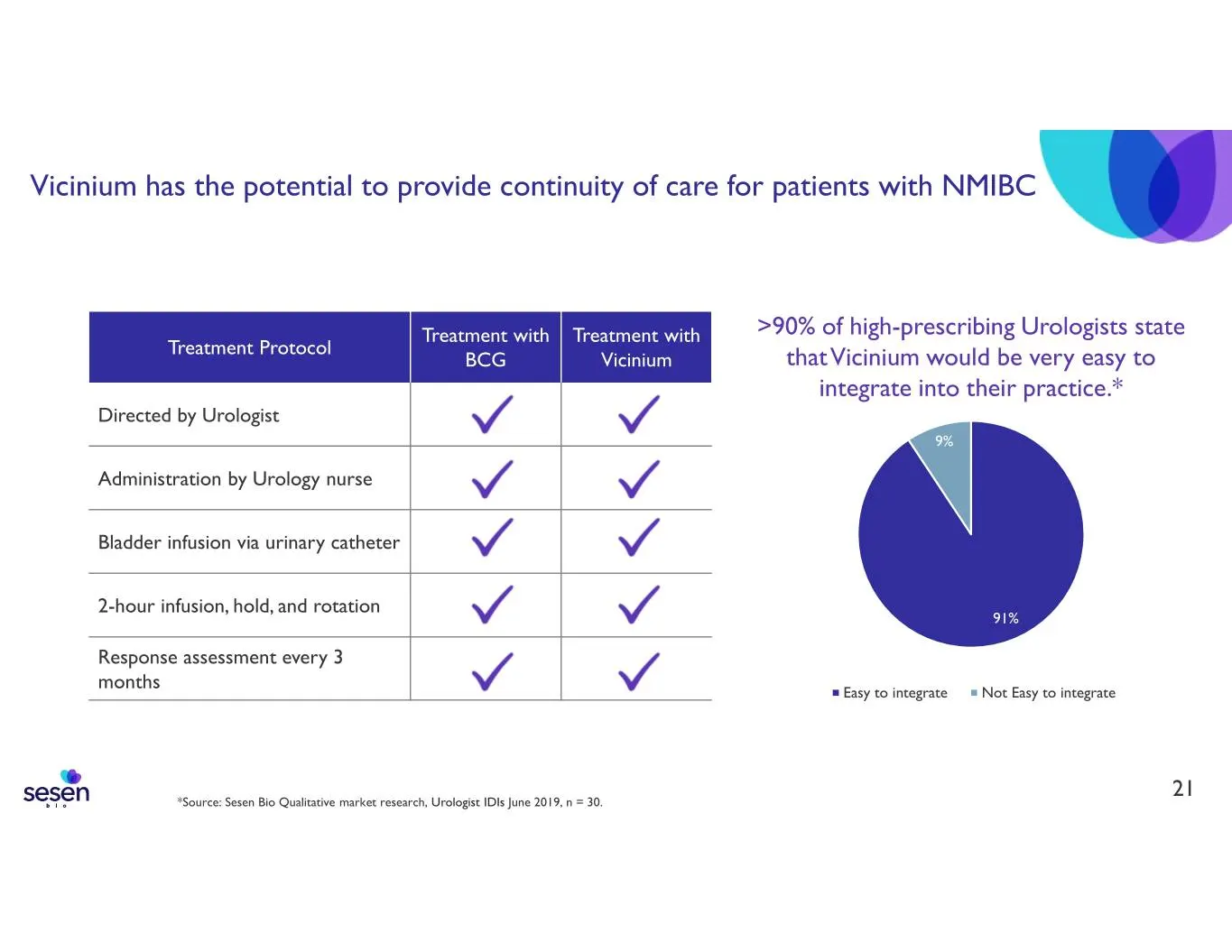
Vicinium has the potential to provide continuity of care for patients with NMIBC Tre a tm e n t w ith Tre a tm e n t w ith >90% of high-prescribing Urologists state Tre a tm e n t P rotocol BCG Vicinium that Vicinium would be very easy to integrate into their practice.* Directed by Urologist 9% Admi
Slide 22: August 2019 Agenda
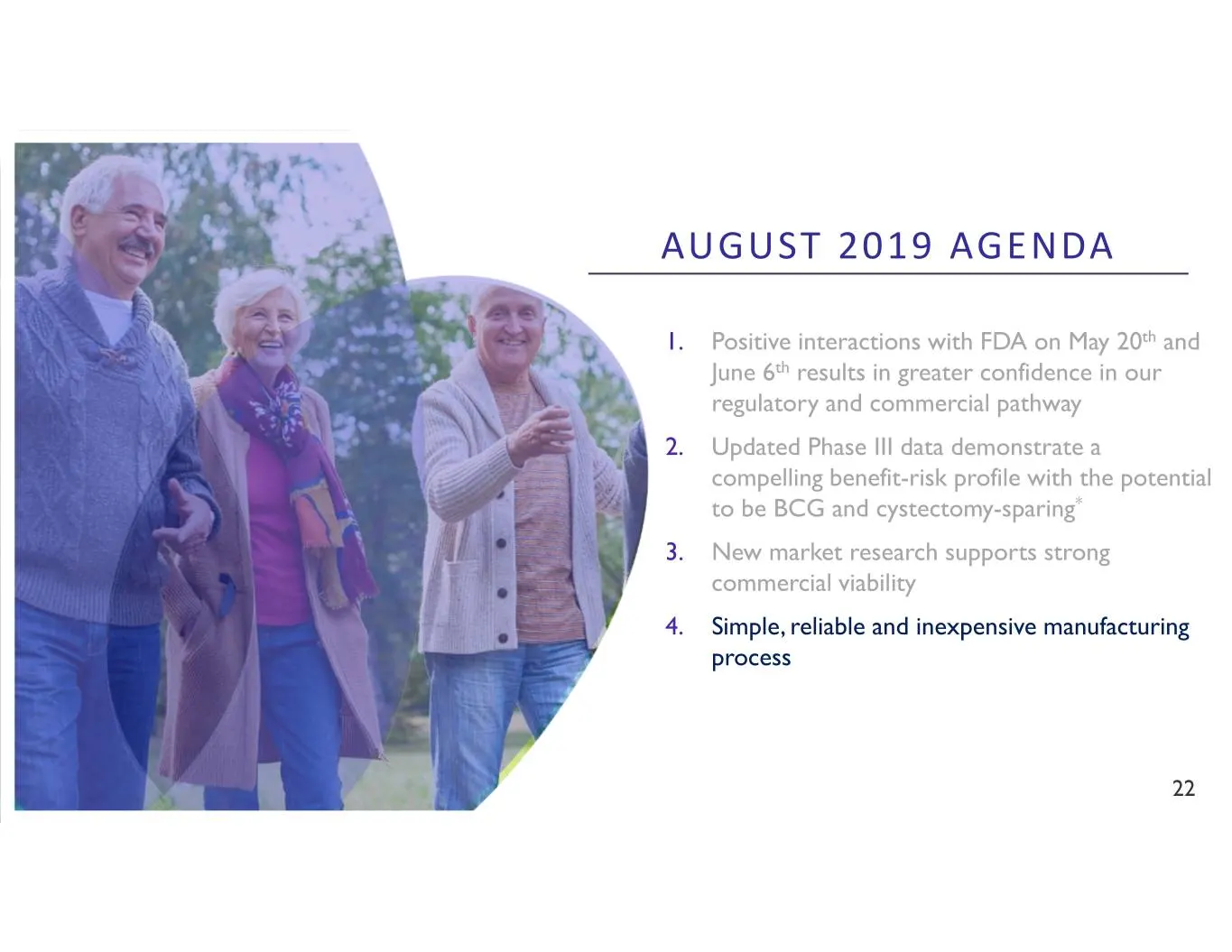
AUGUST 2019 AGENDA 1. Positive interactions with FDA on May 20th and June 6th results in greater confidence in our regulatory and commercial pathway 2. Updated Phase III data demonstrate a compelling benefit-risk profile with the potential to be BCG and cystectomy-sparing* 3. New market research sup
Slide 23: Microbial manufacturing of Vicinium is simple, reliable and inexpensive
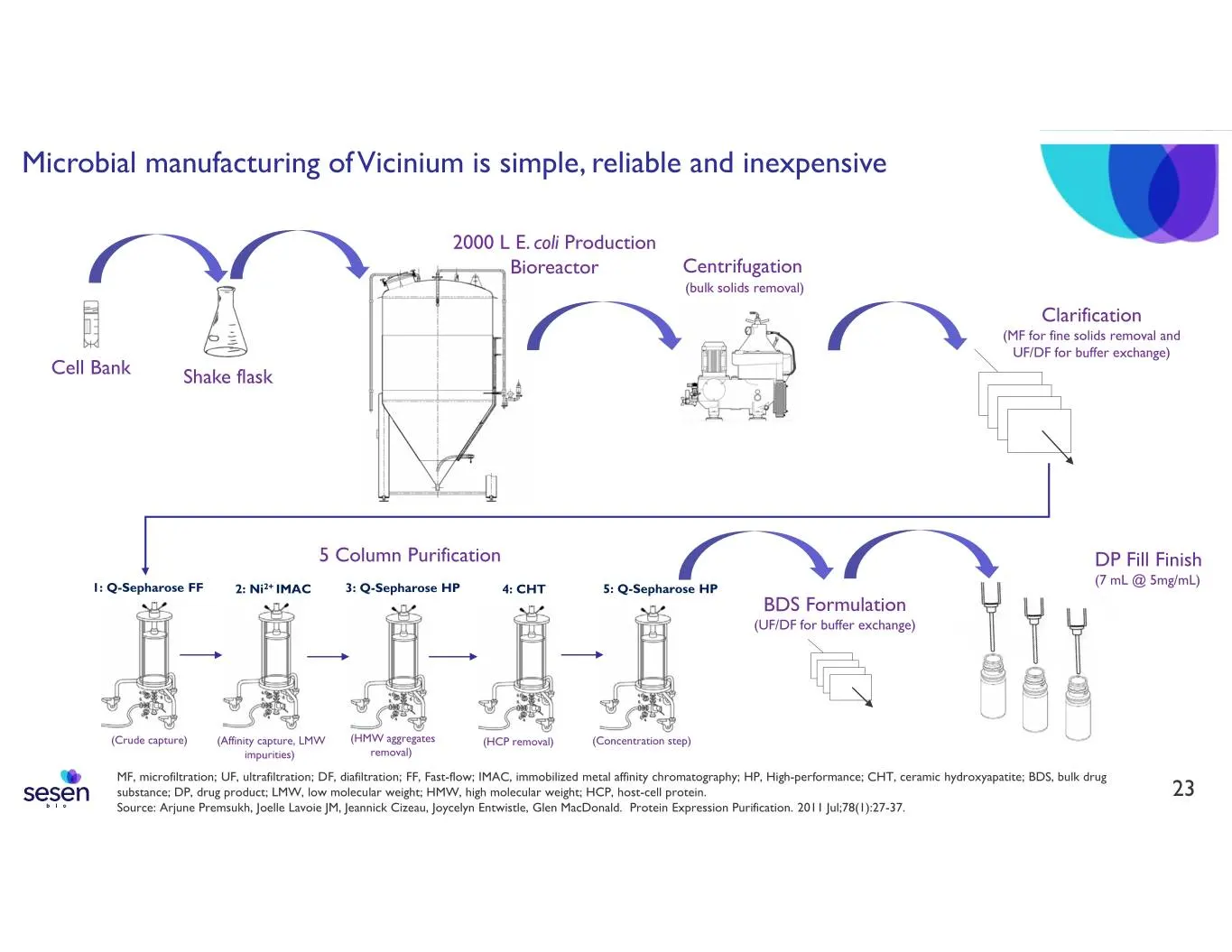
Microbial manufacturing of Vicinium is simple, reliable and inexpensive 2000 L E. coli Production Bioreactor Centrifugation (bulk solids removal) Clarification (MF for fine solids removal and UF/DF for buffer exchange) Cell Bank Shake flask 5 Column Purification DP Fill Finish (7 mL @ 5mg/mL) 1: Q-S
Slide 24: Sesen Bio Key Highlights
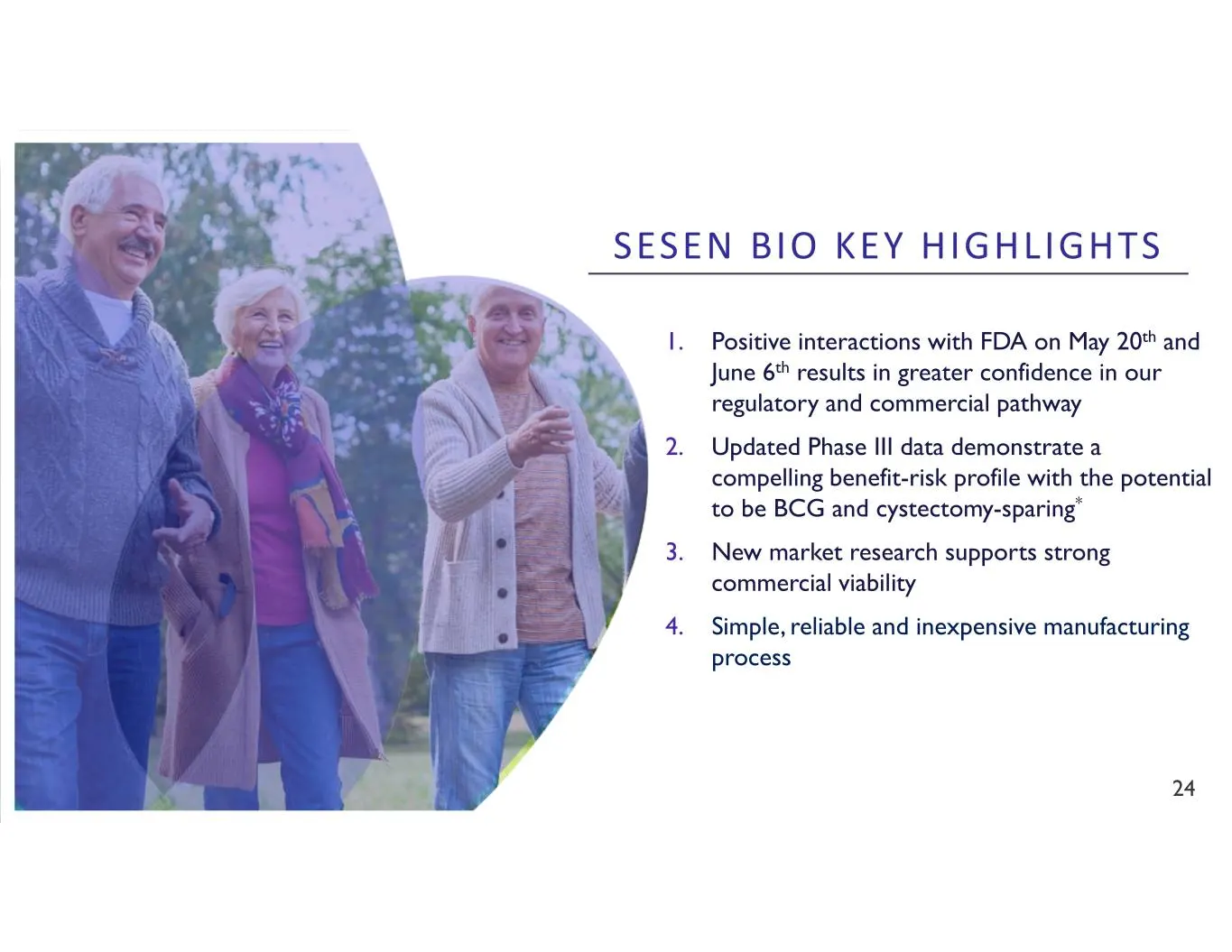
SESEN BIO KEY HIGHLIGHTS 1. Positive interactions with FDA on May 20th and June 6th results in greater confidence in our regulatory and commercial pathway 2. Updated Phase III data demonstrate a compelling benefit-risk profile with the potential to be BCG and cystectomy-sparing* 3. New market resear
Slide 25: 2019 Outlook
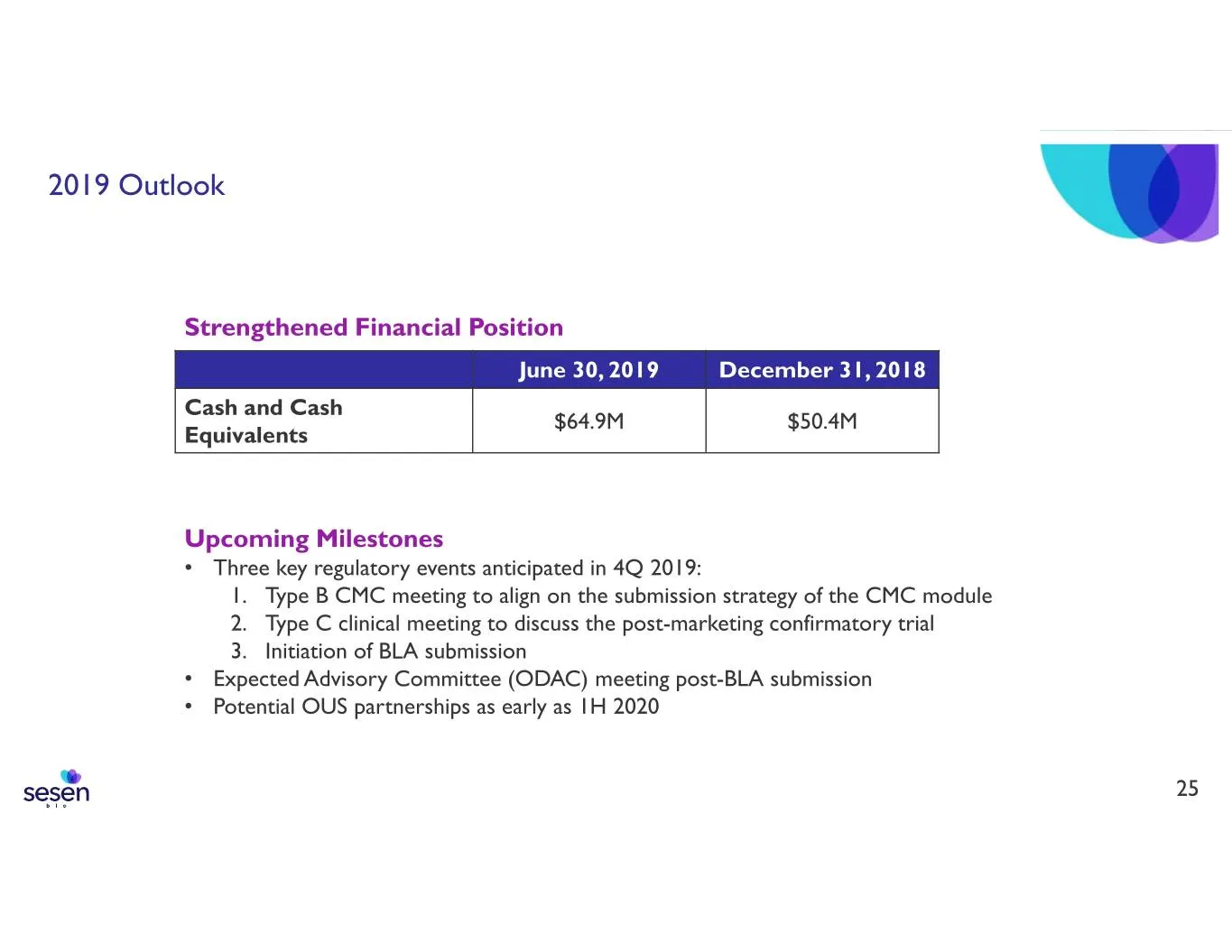
2019 Outlook Strengthened Financial Position June 30, 2019 December 31, 2018 Cash and Cash $64.9M $50.4M Equivalents Upcoming Milestones • Three key regulatory events anticipated in 4Q 2019: 1. Type B CMC meeting to align on the submission strategy of the CMC module 2. Type C clinical meeting to dis
Slide 26: Recent and Upcoming IR Events
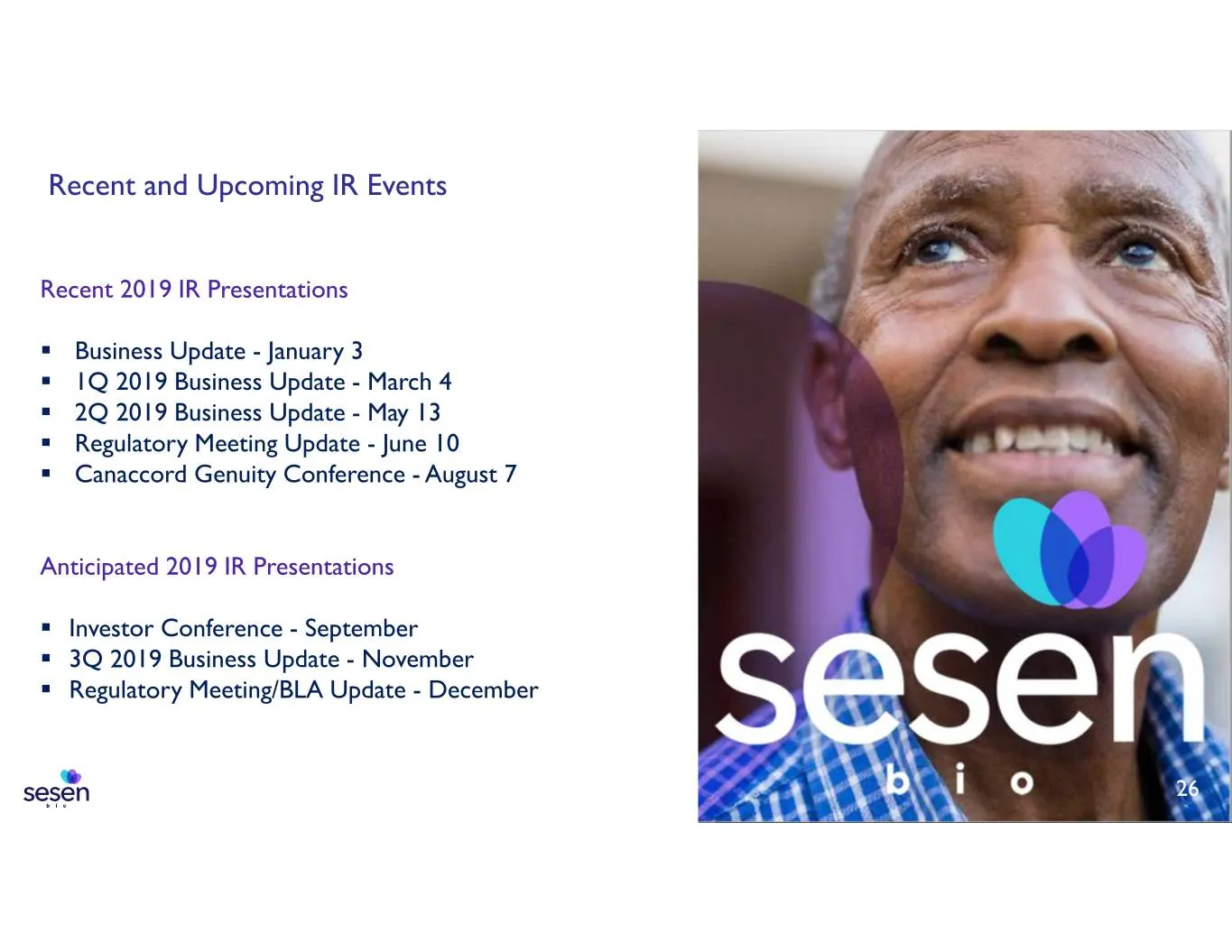
Recent and Upcoming IR Events Recent 2019 IR Presentations � Business Update - January 3 � 1Q 2019 Business Update - March 4 � 2Q 2019 Business Update - May 13 � Regulatory Meeting Update - June 10 � Canaccord Genuity Conference - August 7 Anticipated 2019 IR Presentations � Investor Conference - Se
Slide 27: Appendix
Appendix sesen ca
Slide 28: Vicinium is a single fusion protein that selectively targets cancer cells
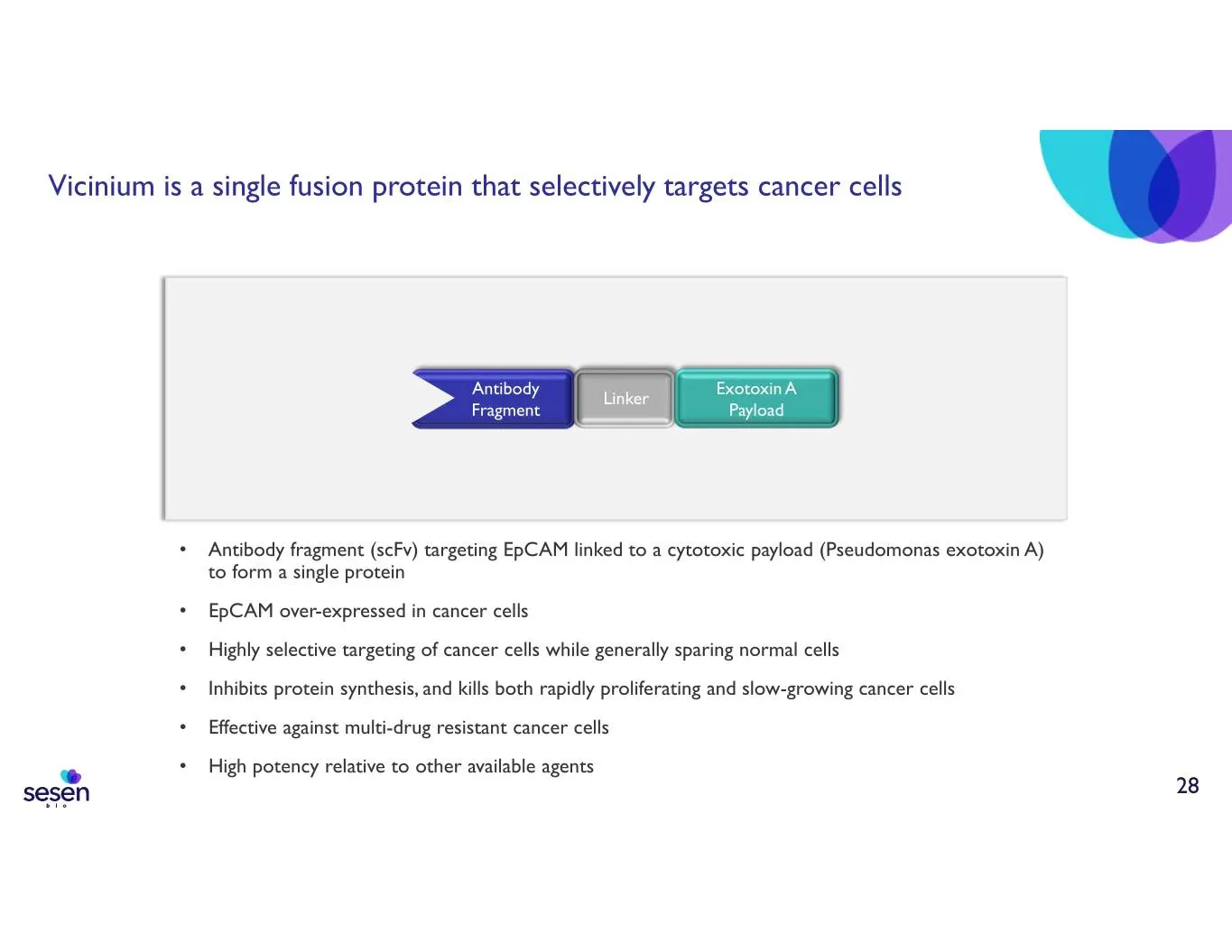
Vicinium is a single fusion protein that selectively targets cancer cells Antibody Exotoxin A Linker Fragment Payload • Antibody fragment (scFv) targeting EpCAM linked to a cytotoxic payload (Pseudomonas exotoxin A) to form a single protein • EpCAM over-expressed in cancer cells • Highly selective t
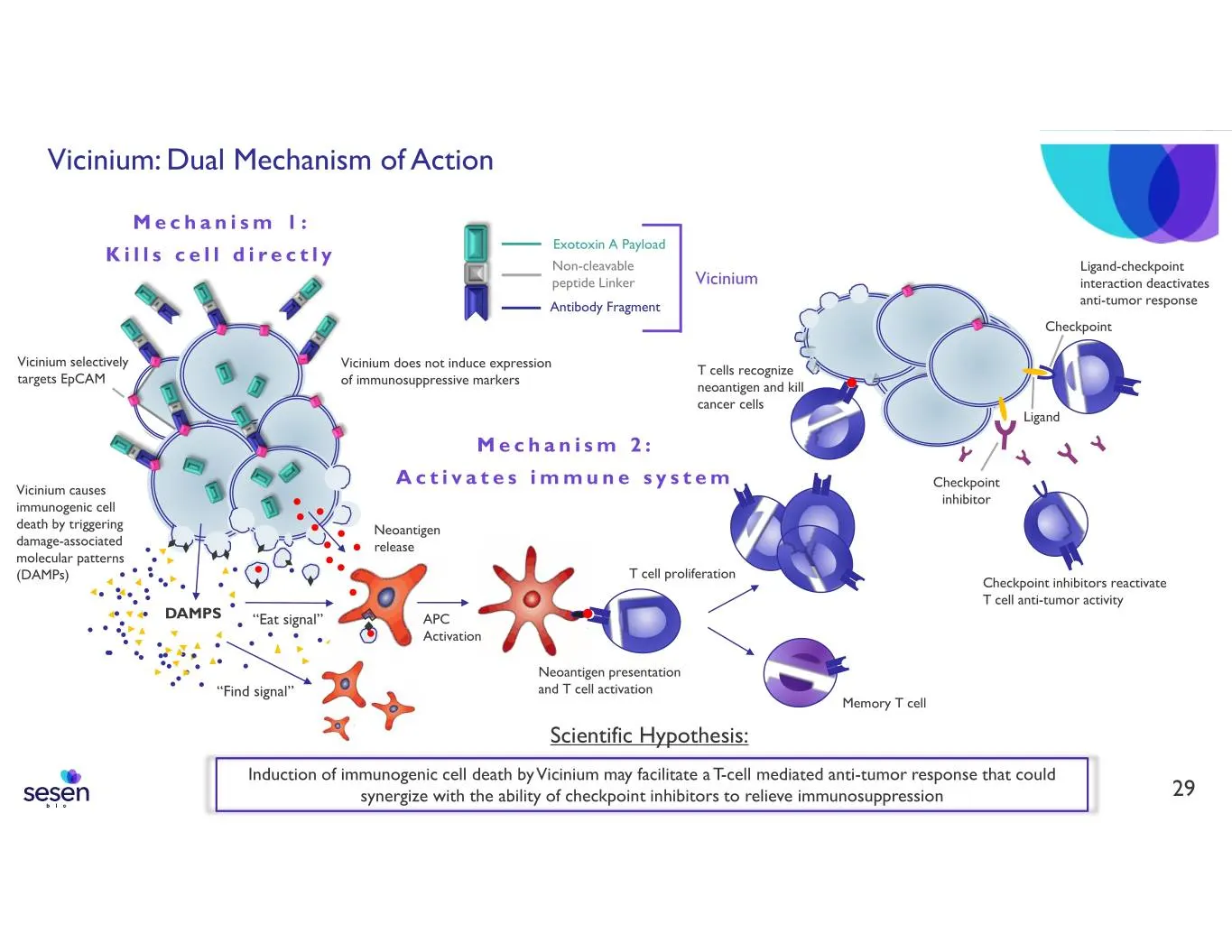
Slide 29: Vicinium: Dual Mechanism of Action
Vicinium: Dual Mechanism of Action Mechanism 1: Exotoxin A Payload Kills cell directly Non-cleavable Ligand-checkpoint peptide Linker Vicinium interaction deactivates Antibody Fragment anti-tumor response Checkpoint Vicinium selectively Vicinium does not induce expression T cells recognize targets E
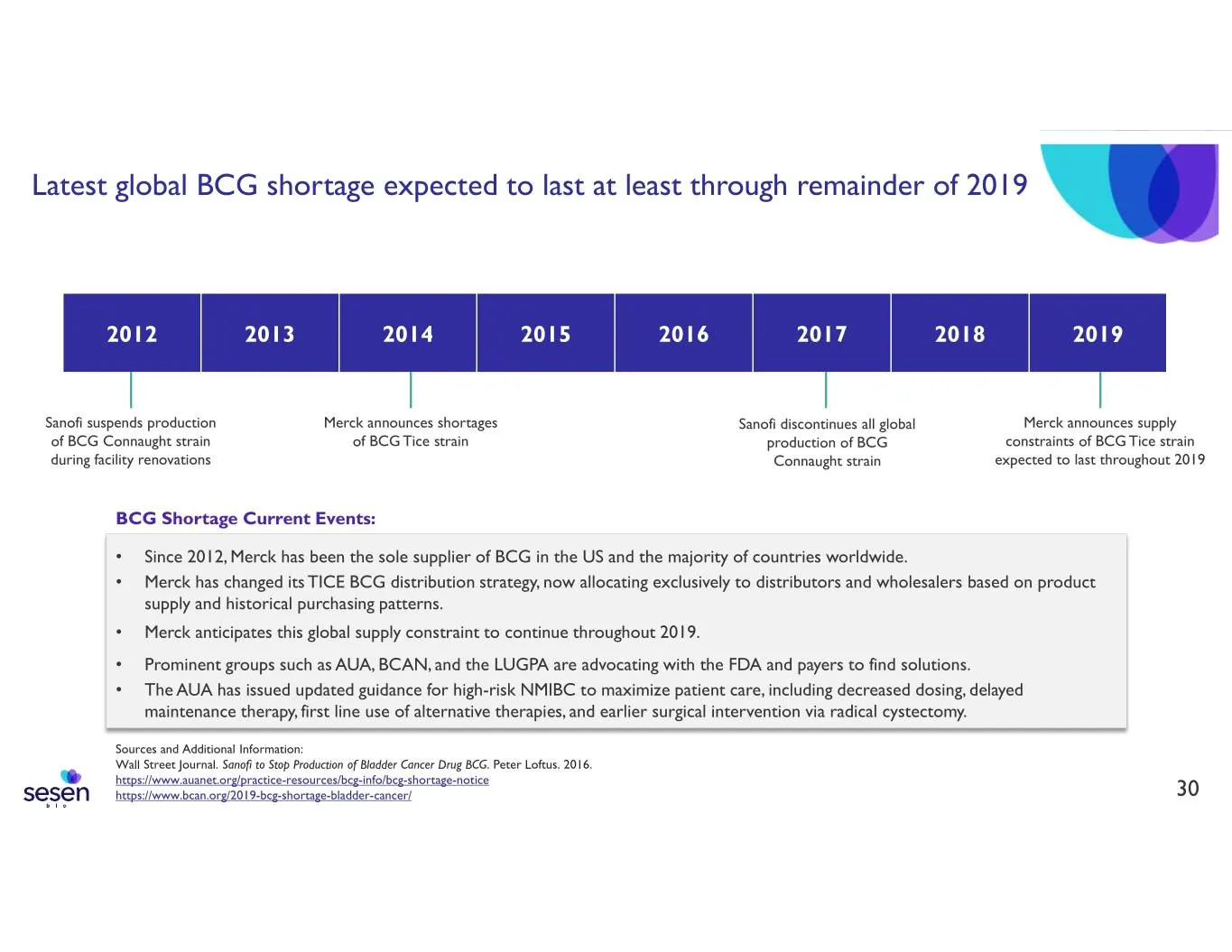
Slide 30: Latest global BCG shortage expected to last through 2019
Latest global BCG shortage expected to last at least through remainder of 2019 2012 2013 2014 2015 2016 2017 2018 2019 Sanofi suspends production Merck announces shortages Sanofi discontinues all global Merck announces supply of BCG Connaught strain of BCG Tice strain production of BCG constraints o
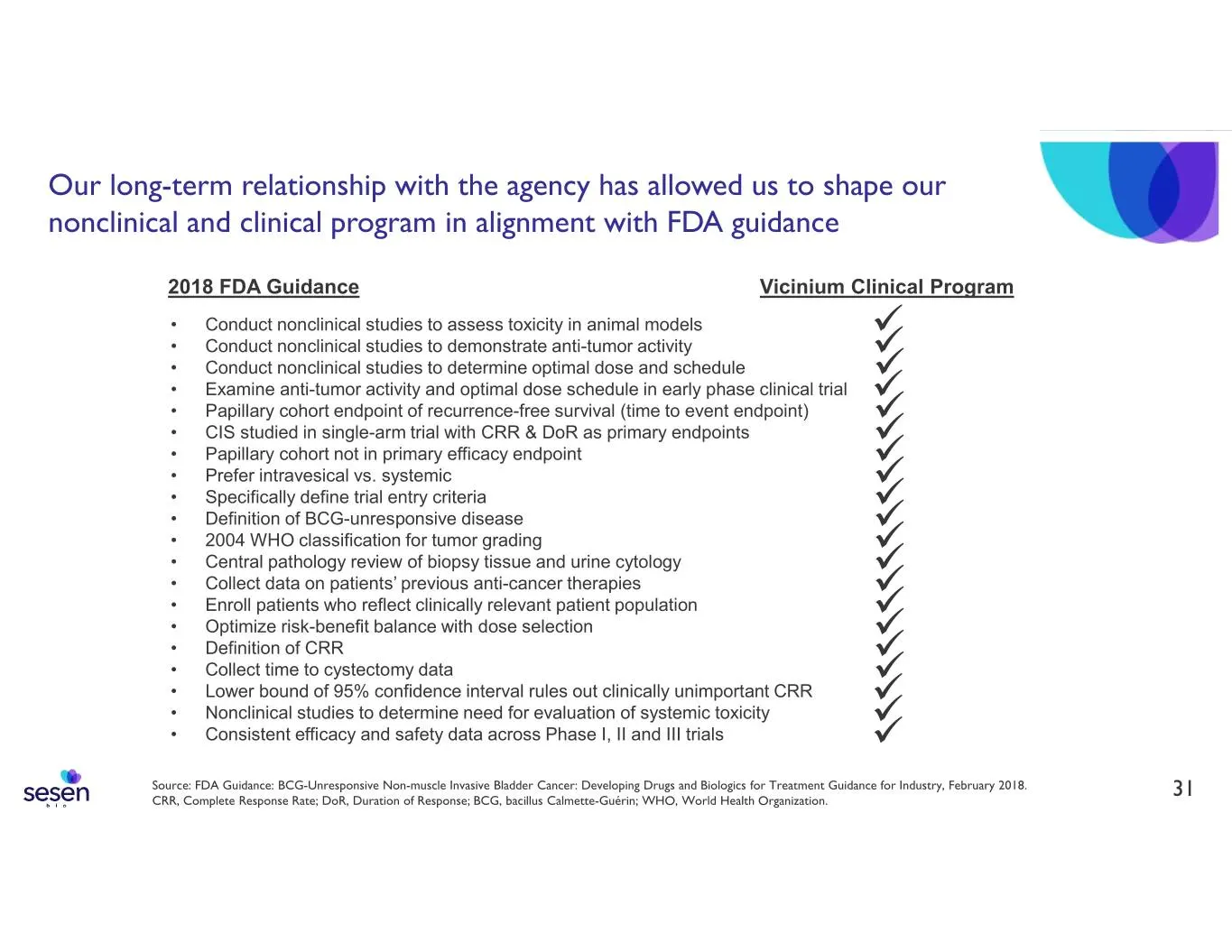
Slide 31: Long-term FDA relationship shaped clinical program in alignment with guidance
Our long-term relationship with the agency has allowed us to shape our nonclinical and clinical program in alignment with FDA guidance 2018 FDA Guidance Vicinium Clinical Program • Conduct nonclinical studies to assess toxicity in animal models � • Conduct nonclinical studies to demonstrate anti-tum
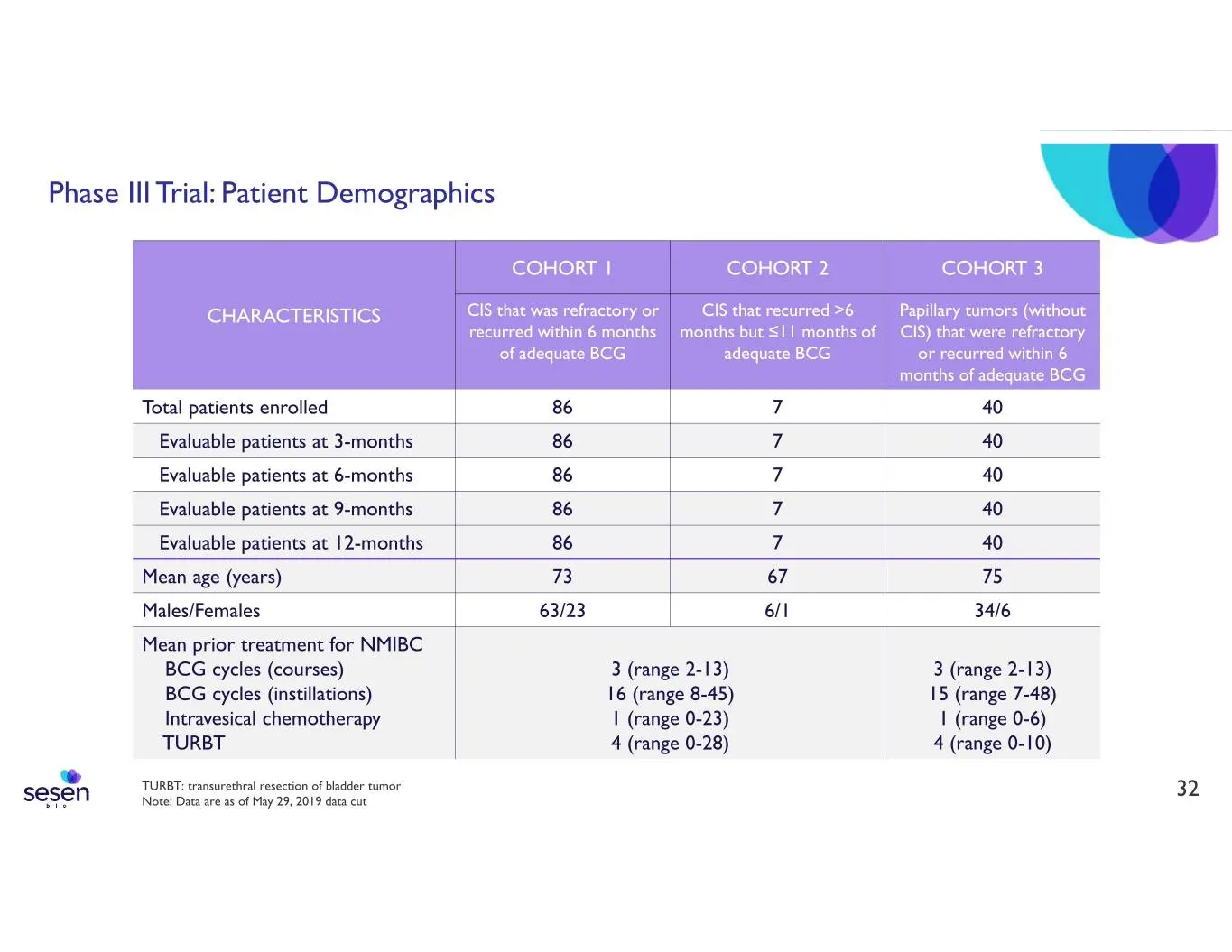
Slide 32: Phase III Trial: Patient Demographics
Phase III Trial: Patient Demographics COHORT 1 COHORT 2 COHORT 3 CHARACTERISTICS CIS that was refractory or CIS that recurred >6 Papillary tumors (without recurred within 6 months months but ≤11 months of CIS) that were refractory of adequate BCG adequate BCG or recurred within 6 months of adequate
Slide 33: Phase III Evaluable Patient Data Tables by Cohort for CIS
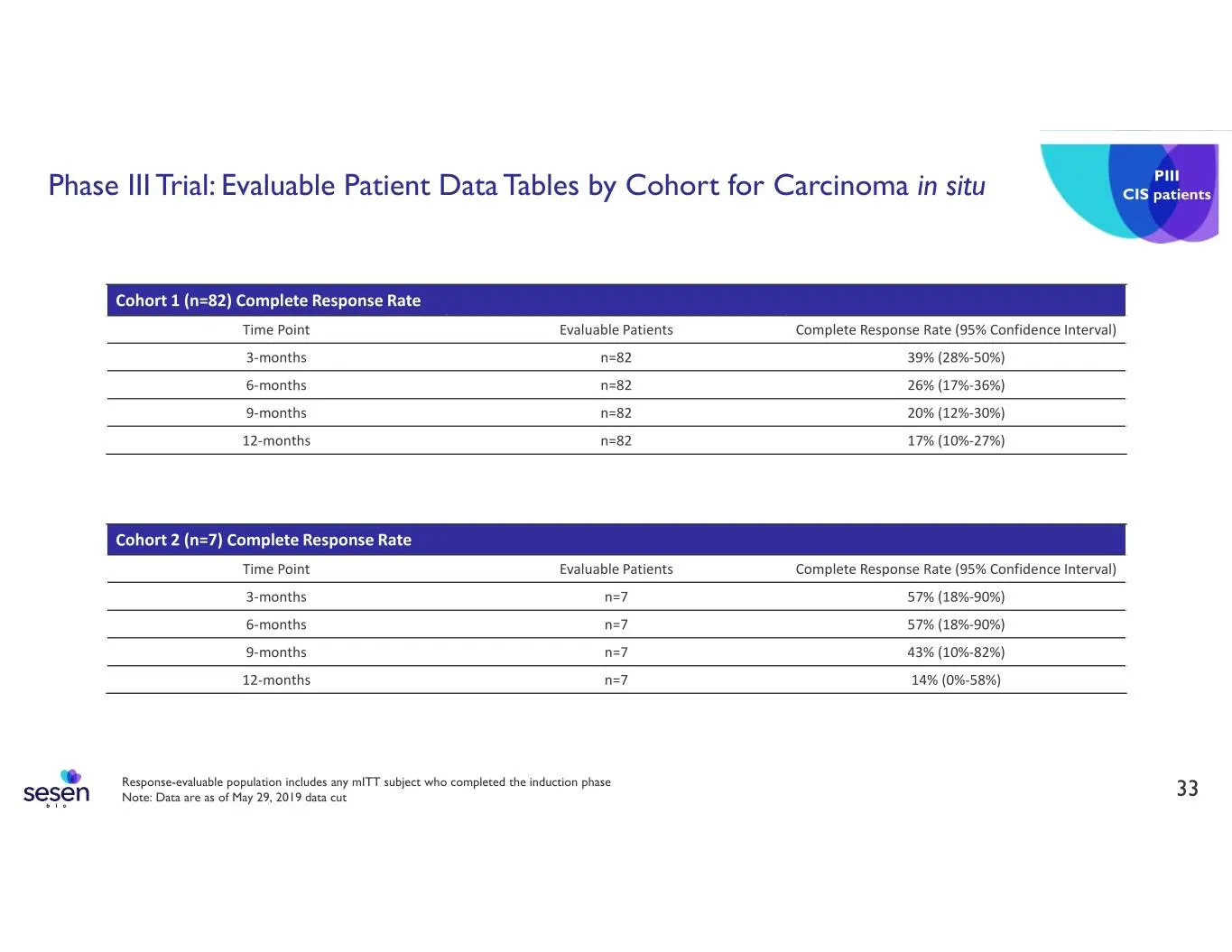
PIII Phase III Trial: Evaluable Patient Data Tables by Cohort for Carcinoma in situ CIS patients Cohort 1 (n=82) Complete Response Rate Time Point Evaluable Patients Complete Response Rate (95% Confidence Interval) 3-months n=82 39% (28%-50%) 6-months n=82 26% (17%-36%) 9-months n=82 20% (12%-30%) 1
Slide 34: Additional Vicinium Clinical Data: Phase II vs. Phase III CRR
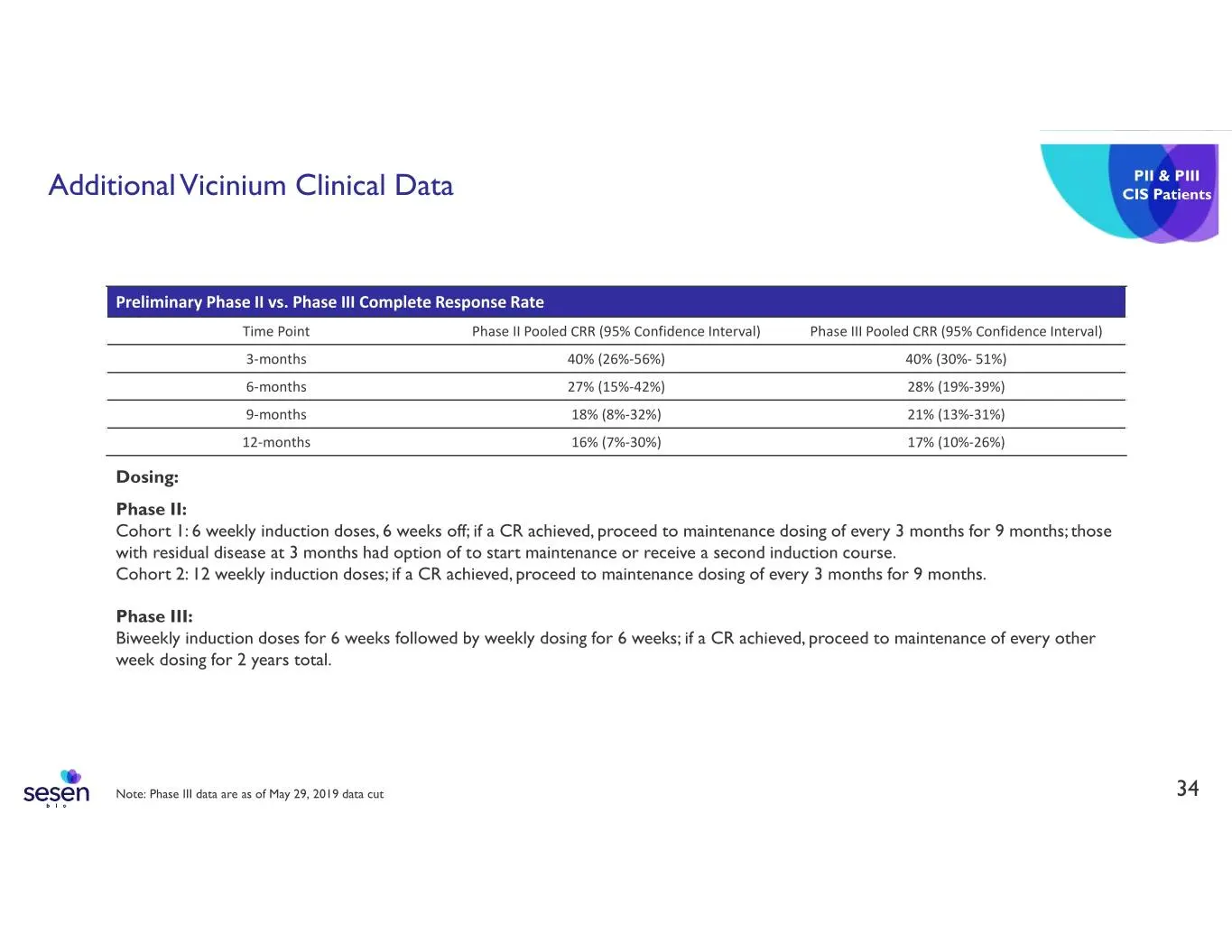
PII & PIII Additional Vicinium Clinical Data CIS Patients Preliminary Phase II vs. Phase III Complete Response Rate Time Point Phase II Pooled CRR (95% Confidence Interval) Phase III Pooled CRR (95% Confidence Interval) 3-months 40% (26%-56%) 40% (30%- 51%) 6-months 27% (15%-42%) 28% (19%-39%) 9-mon
Slide 35: Complete and Partial Response in Phase II
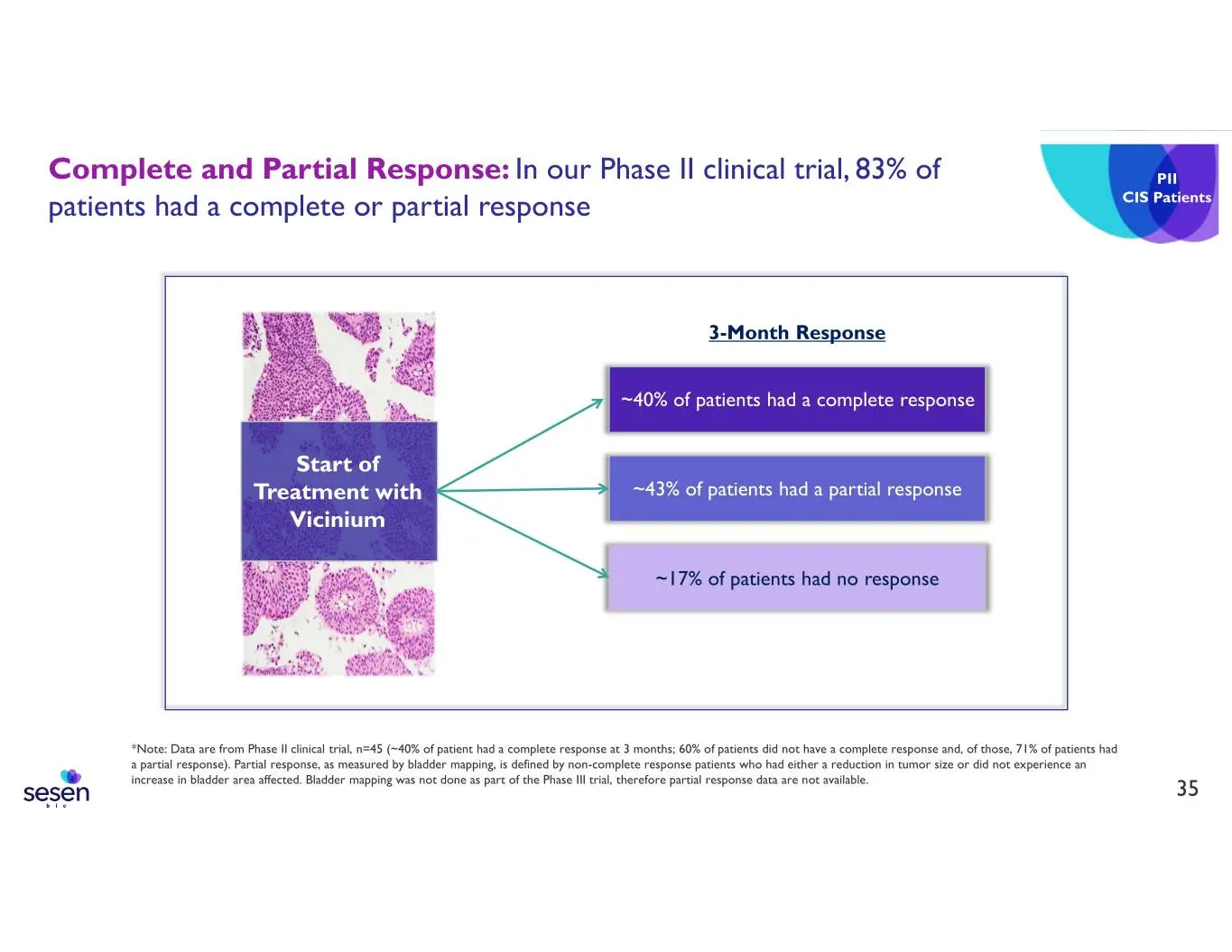
Complete and Partial Response: In our Phase II clinical trial, 83% of PII patients had a complete or partial response CIS Patients 3-Month Response ~40% of patients had a complete response Start of Treatment with ~43% of patients had a partial response Vicinium ~17% of patients had no response *Note
Slide 36: Duration of Response: 52% of CIS patients disease-free at 12 months
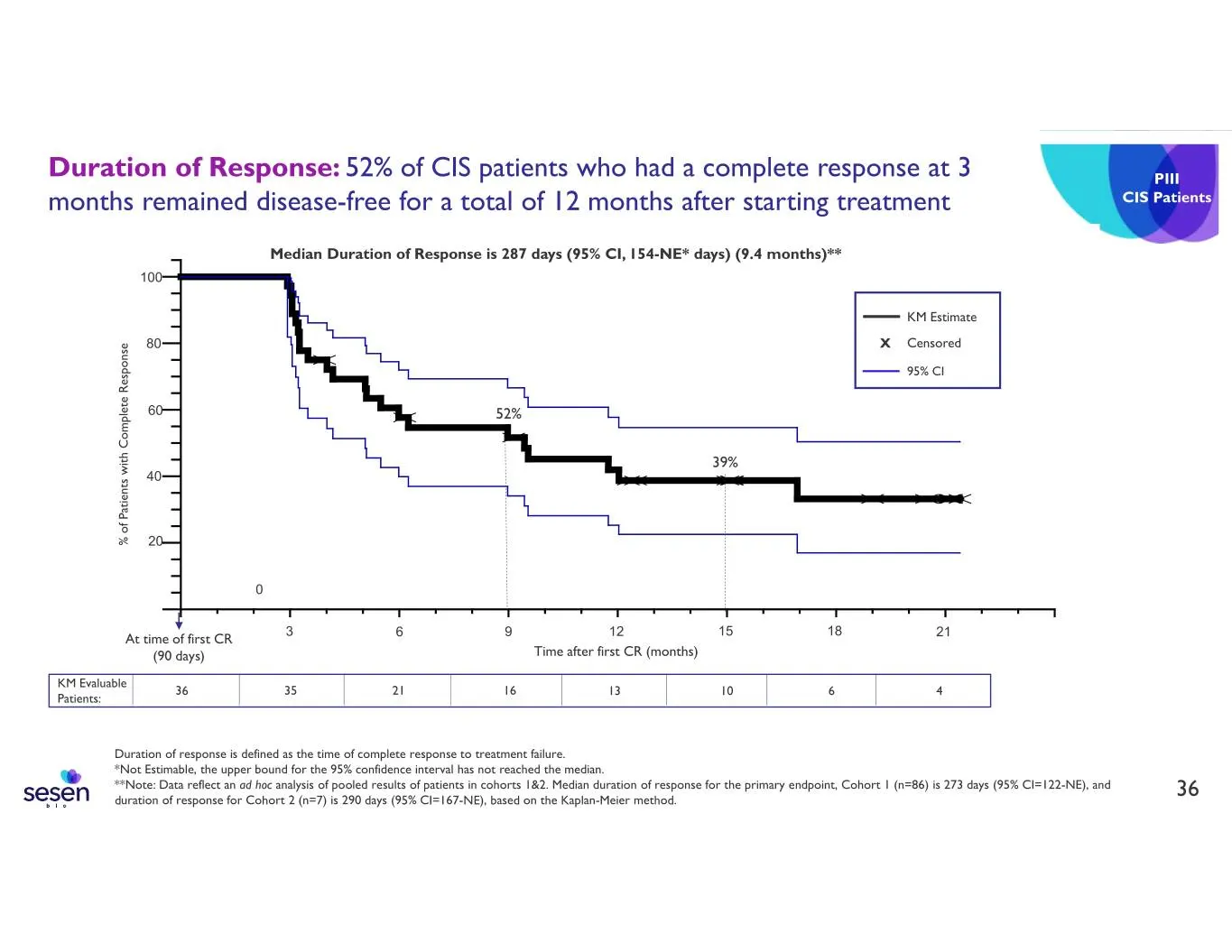
Duration of Response: 52% of CIS patients who had a complete response at 3 PIII months remained disease-free for a total of 12 months after starting treatment CIS Patients Median Duration of Response is 287 days (95% CI, 154-NE* days) (9.4 months)** 100 KM Estimate 80 X Censored 95% CI 60 52% 39% 40
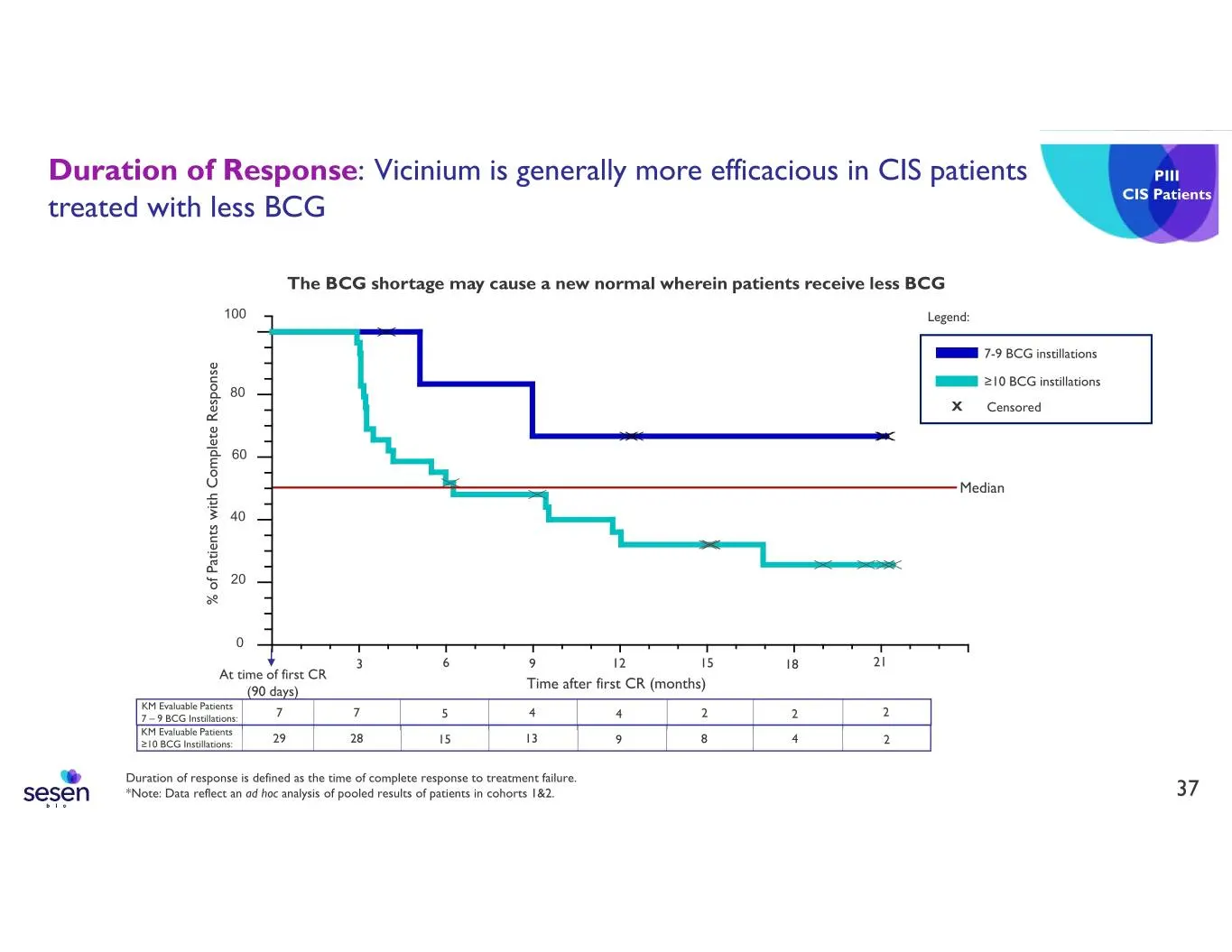
Slide 37: Duration of Response: more efficacious in CIS patients with less BCG
Duration of Response: Vicinium is generally more efficacious in CIS patients PIII treated with less BCG CIS Patients The BCG shortage may cause a new normal wherein patients receive less BCG 100 Legend: 7-9 BCG instillations ≥10 BCG instillations 80 X Censored 60 Median 40 20 % of Patients % of Pati
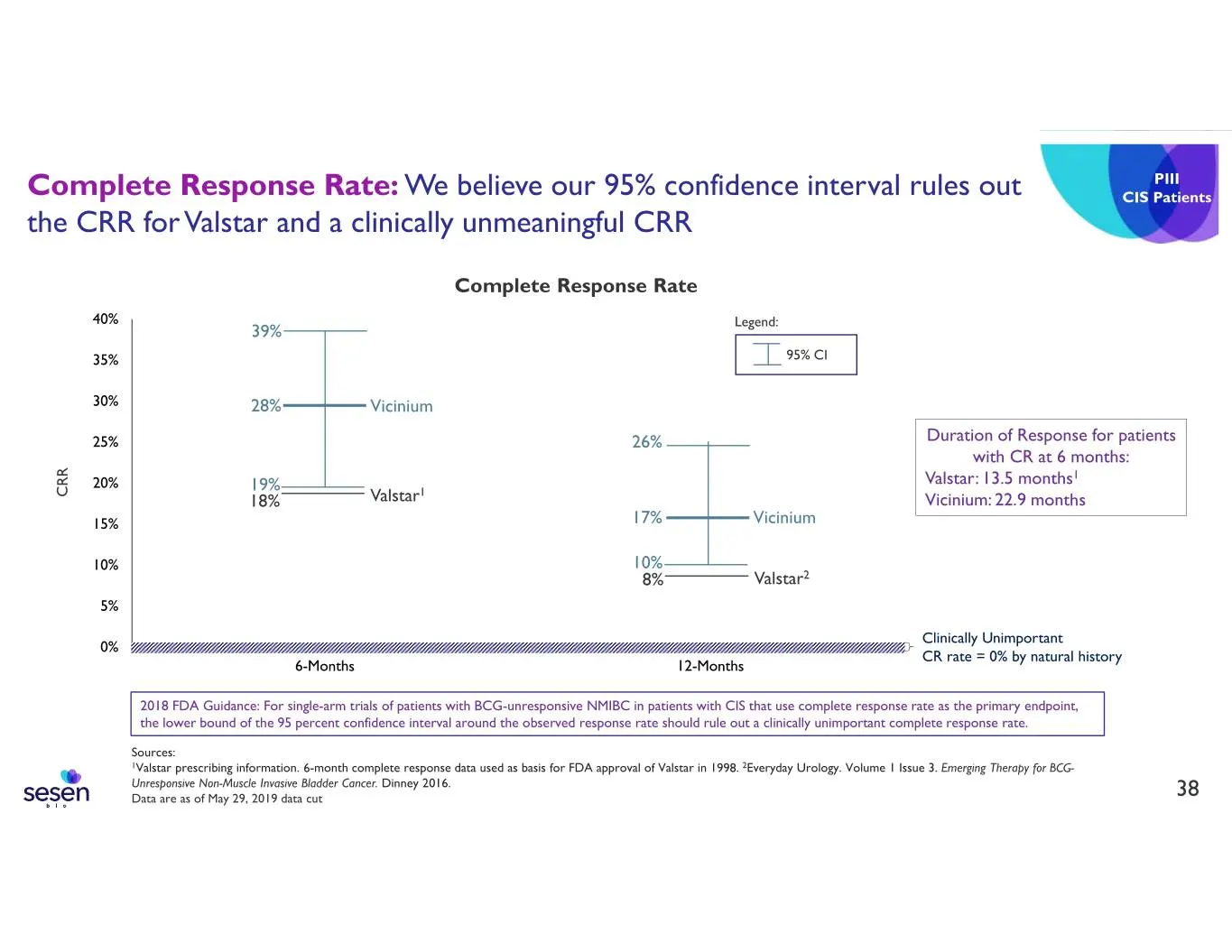
Slide 38: Complete Response Rate: 95% CI rules out clinically unmeaningful CRR
PIII Complete Response Rate: We believe our 95% confidence interval rules out CIS Patients the CRR for Valstar and a clinically unmeaningful CRR Complete Response Rate 40% Legend: 39% 35% 95% CI 30% 28% Vicinium 25% 26% Duration of Response for patients with CR at 6 months: 1 20% 19% Valstar: 13.5 m
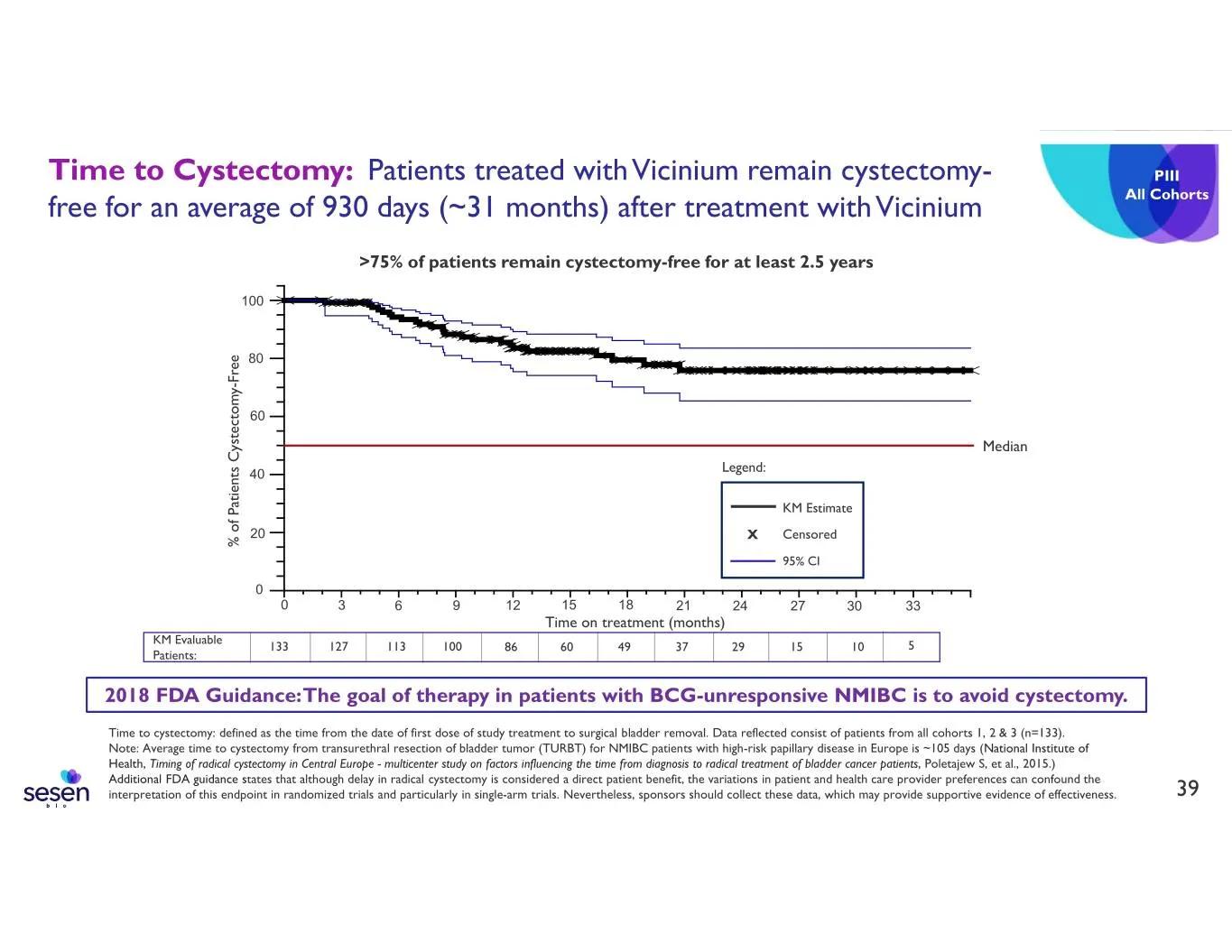
Slide 39: Time to Cystectomy: average of 930 days
Time to Cystectomy: Patients treated with Vicinium remain cystectomy- PIII free for an average of 930 days (~31 months) after treatment with Vicinium All Cohorts >75% of patients remain cystectomy-free for at least 2.5 years 100 80 Free - 60 Median 40 Legend: KM Estimate 20 X Censored % of Patients
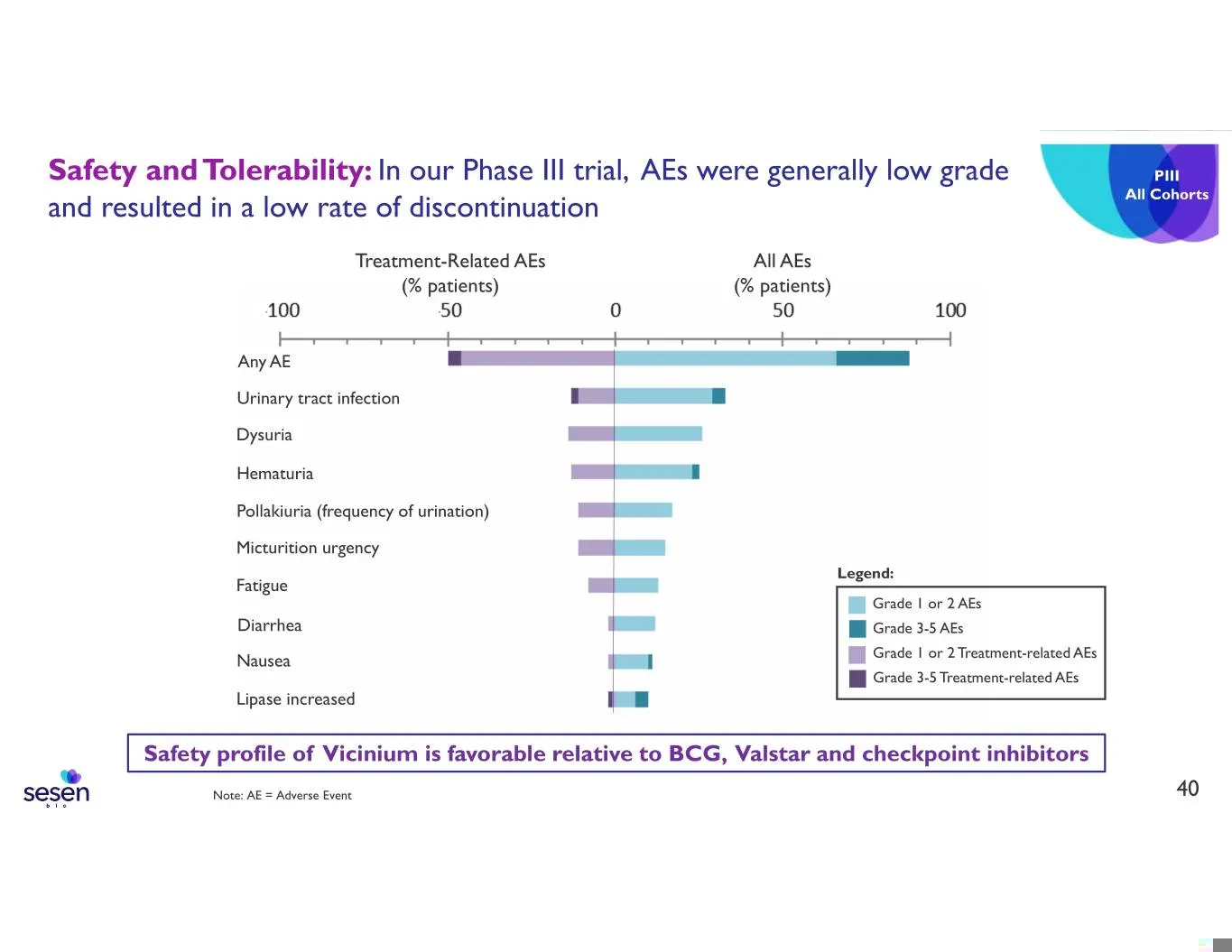
Slide 40: Safety and Tolerability: AEs generally low grade
Safety and Tolerability: In our Phase III trial, AEs were generally low grade PIII and resulted in a low rate of discontinuation All Cohorts Tre a tm e n t-Related AEs All AEs (% patients) (% patients) Any AE Urinary tract infection Dysuria Hematuria Pollakiuria (frequency of urination) Micturition
Slide 41: Bladder cancer is highly prevalent with tremendous unmet medical need
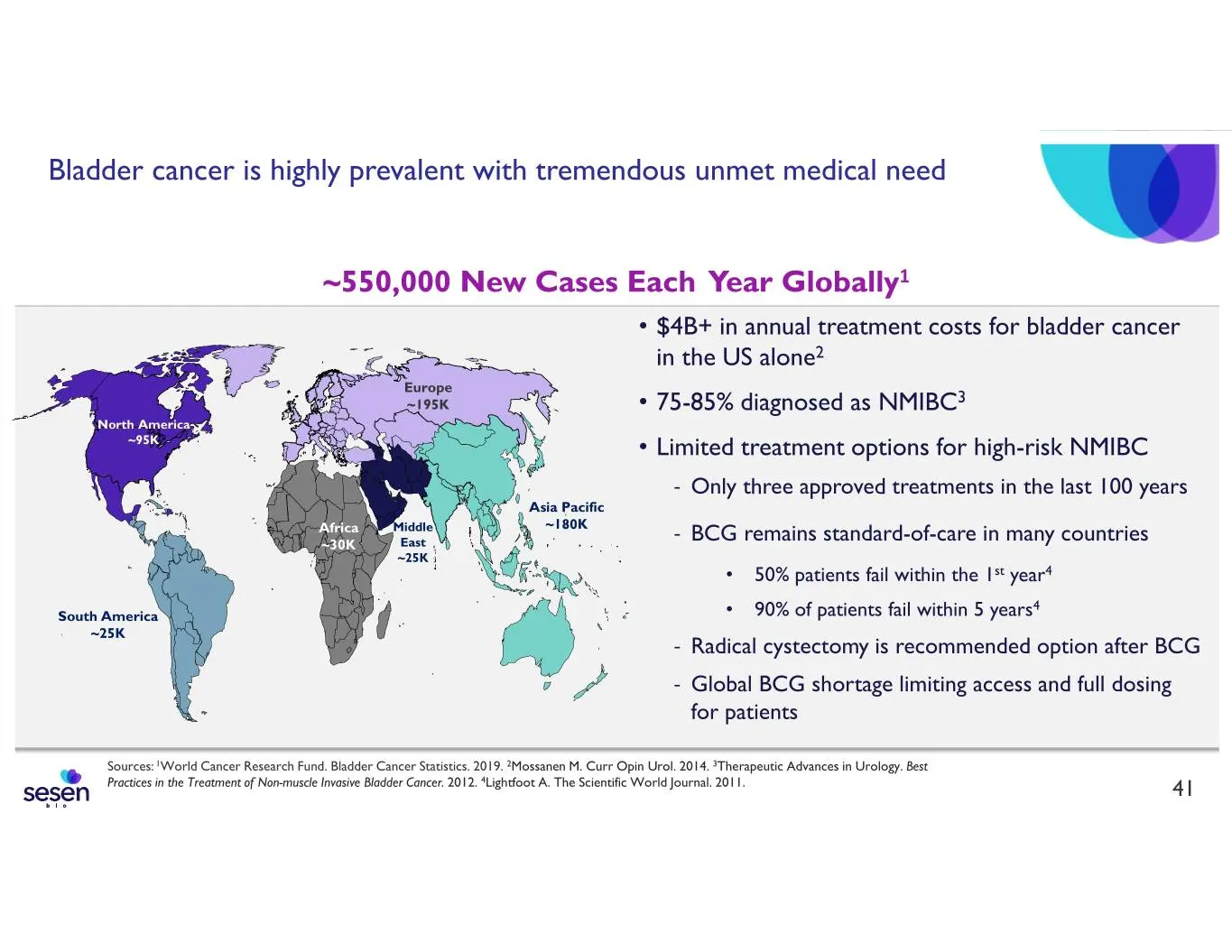
Bladder cancer is highly prevalent with tremendous unmet medical need ~550,000 New Cases Each Year Globally1 • $4B+ in annual treatment costs for bladder cancer in the US alone2 Europe 3 ~195K • 75-85% diagnosed as NMIBC North America ~95K • Limited treatment options for high-risk NMIBC - Only three
Slide 42: Carcinoma in situ: the most difficult form of NMIBC to treat
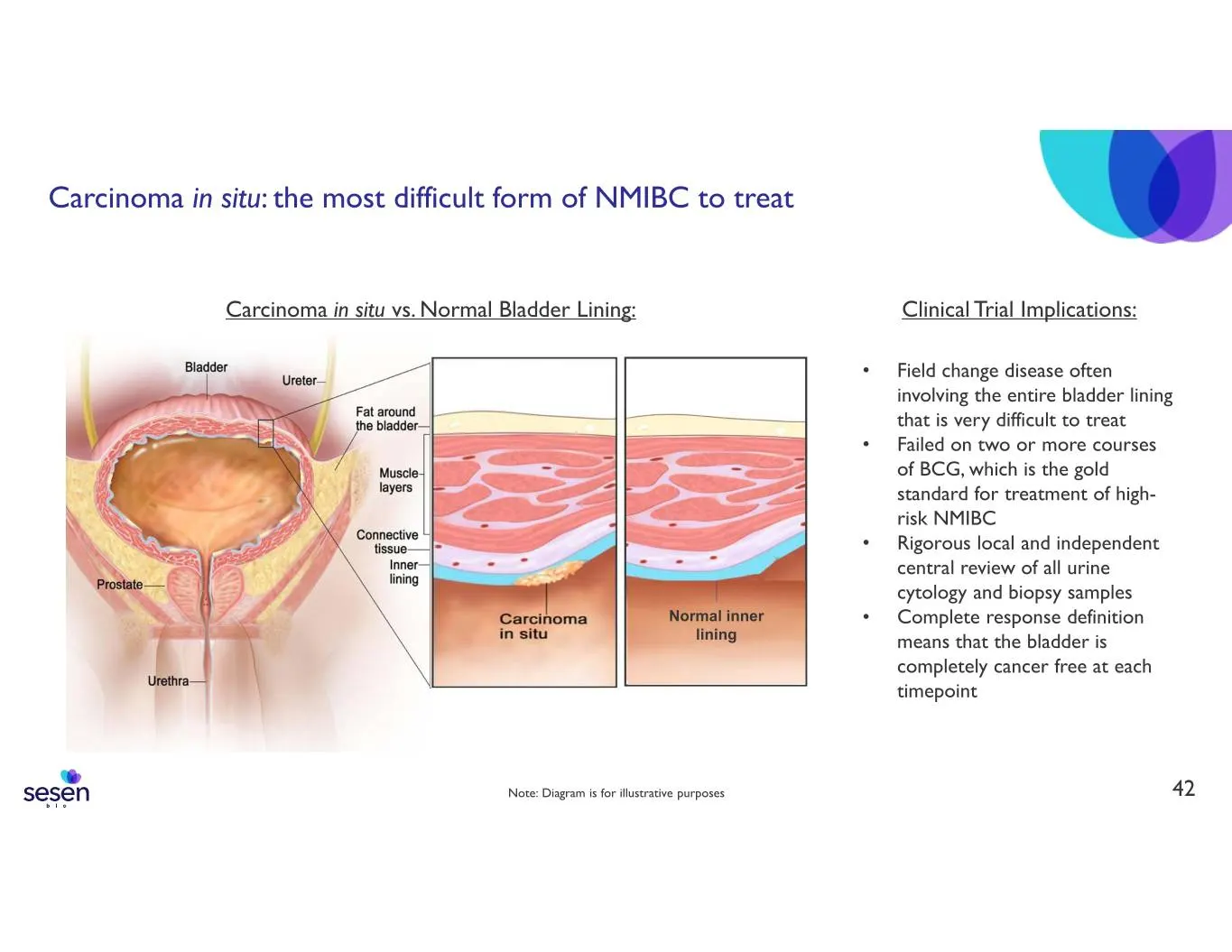
Carcinoma in situ: the most difficult form of NMIBC to treat Carcinoma in situ vs. Normal Bladder Lining: Clinical Trial Implications: • Field change disease often involving the entire bladder lining that is very difficult to treat • Failed on two or more courses of BCG, which is the gold standard f
Slide 43: Radical cystectomy remains recommended option after BCG failure
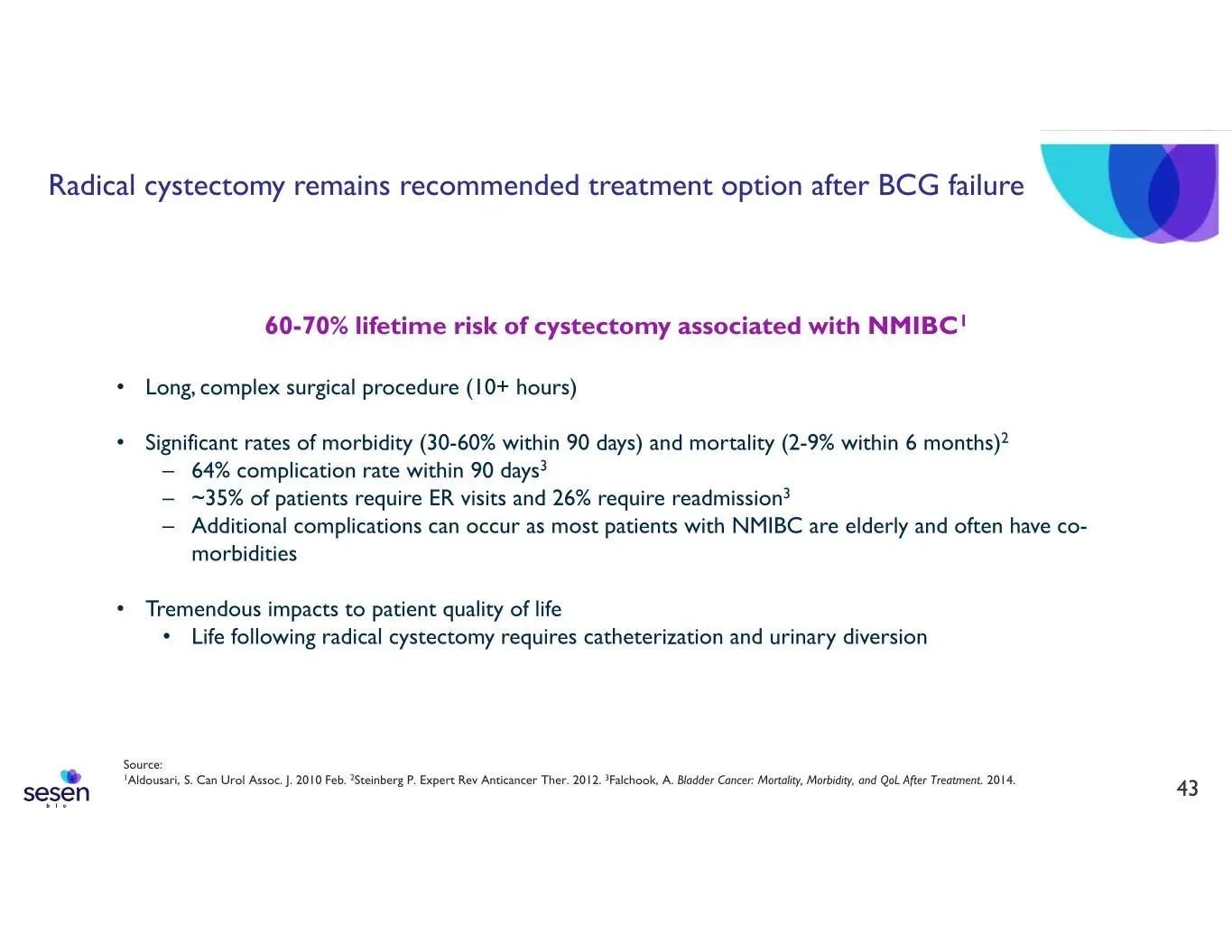
Radical cystectomy remains recommended treatment option after BCG failure 60-70% lifetime risk of cystectomy associated with NMIBC1 • Long, complex surgical procedure (10+ hours) • Significant rates of morbidity (30-60% within 90 days) and mortality (2-9% within 6 months)2 – 64% complication rate wi
Slide 44: Significant unmet need for innovative therapies to treat NMIBC
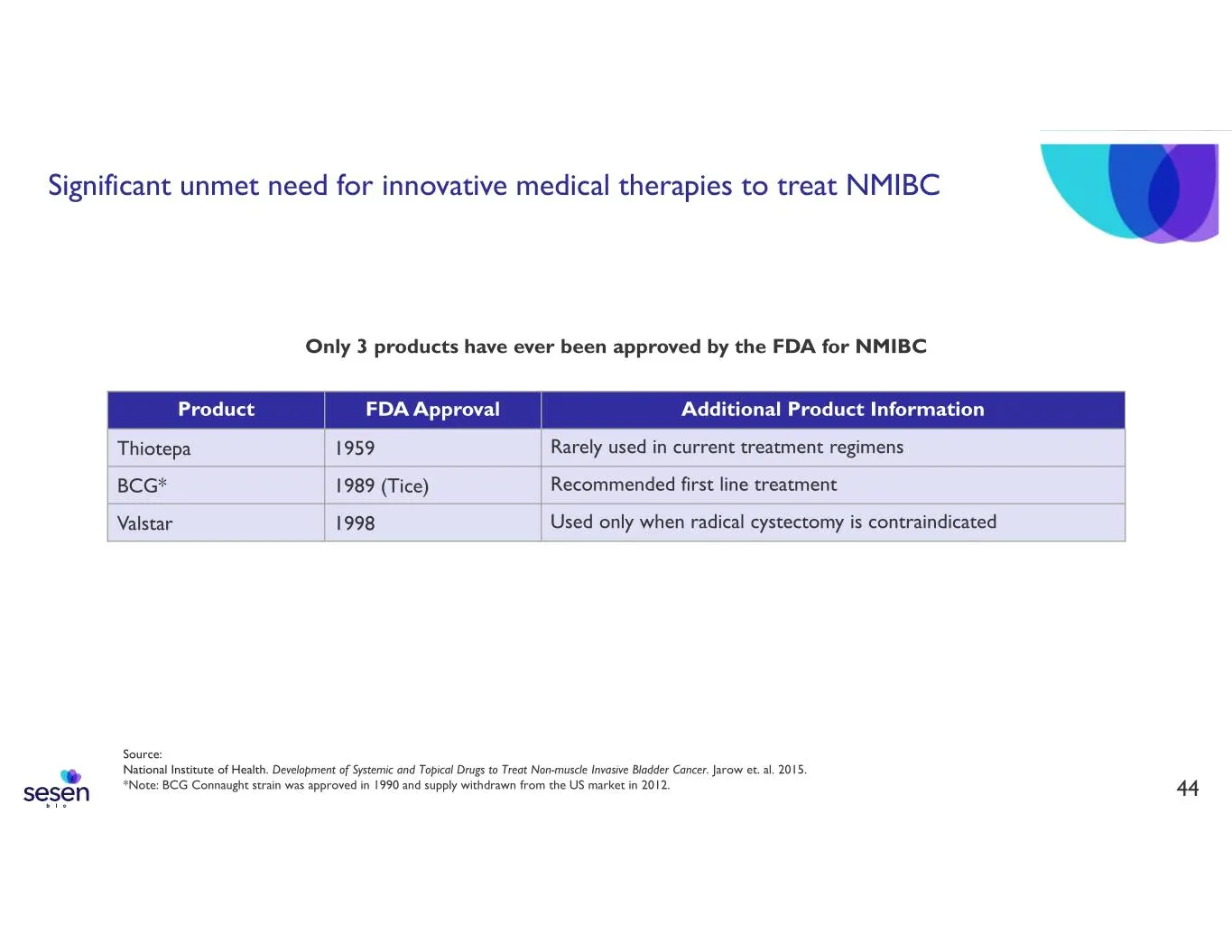
Significant unmet need for innovative medical therapies to treat NMIBC Only 3 products have ever been approved by the FDA for NMIBC Product FDA Approval Additional Product Information Thiotepa 1959 Rarely used in current treatment regimens BCG* 1989 (Tice) Recommended first line treatment Valstar 19
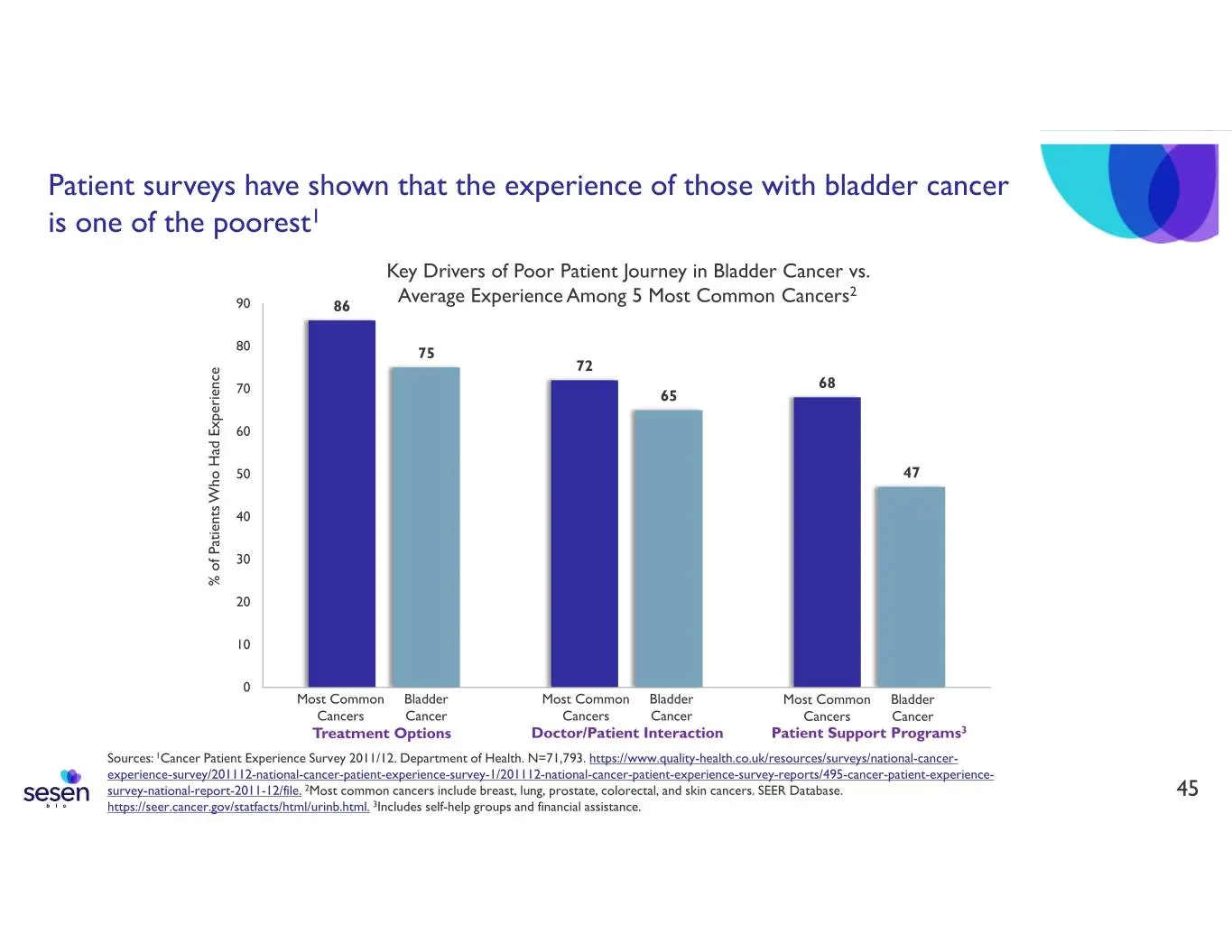
Slide 45: Bladder cancer patient experience is among the poorest
Patient surveys have shown that the experience of those with bladder cancer is one of the poorest1 Key Drivers of Poor Patient Journey in Bladder Cancer vs. Average Experience Among 5 Most Common Cancers2 90 86 80 75 72 68 70 65 60 50 47 40 30 % of Patients Who HadWho Experience % of Patients 20 10
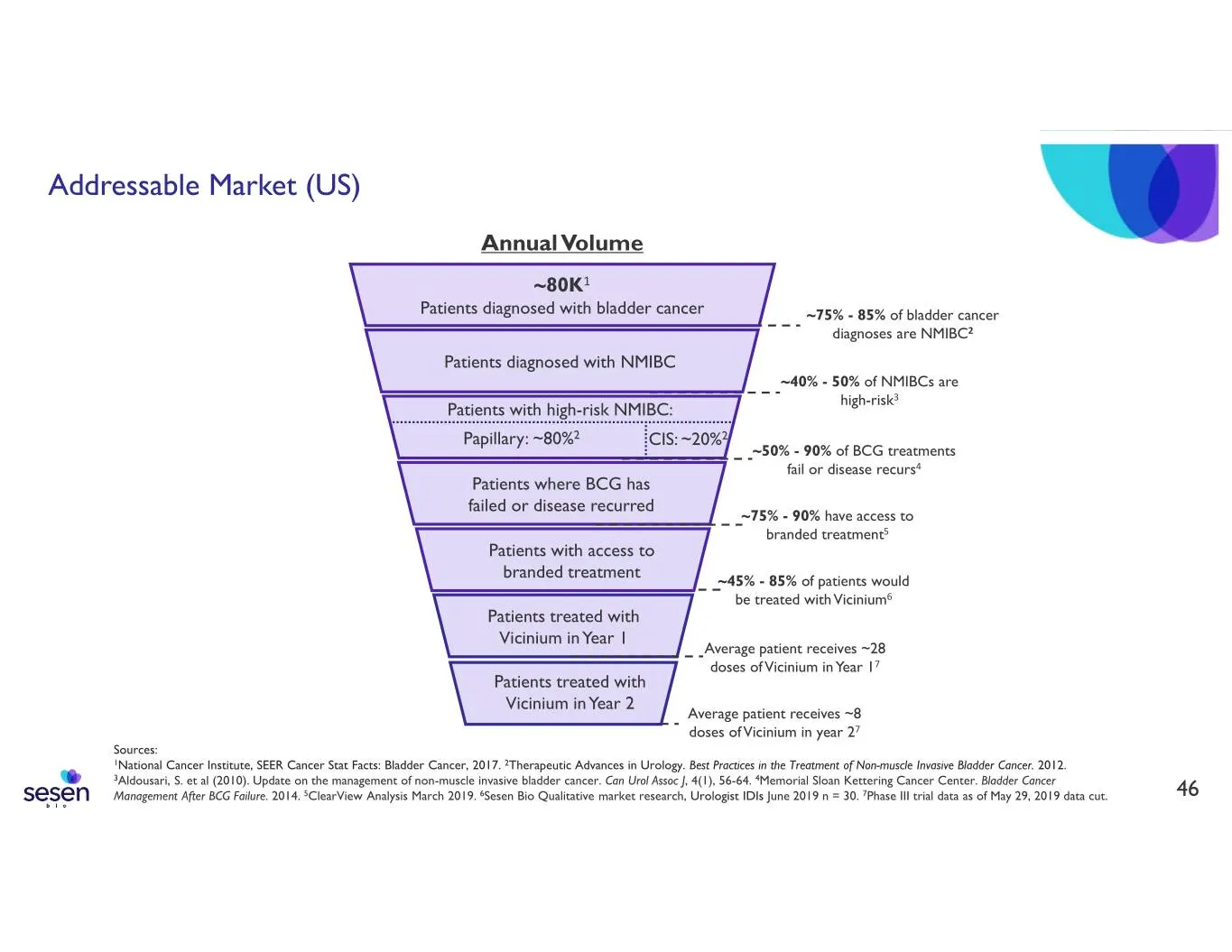
Slide 46: Addressable Market (US)
Addressable Market (US) Annual Volume ~80K1 Patients diagnosed with bladder cancer ~75% - 85% of bladder cancer diagnoses are NMIBC2 Patients diagnosed with NMIBC ~40% - 50% of NMIBCs are high-risk3 Patients with high-risk NMIBC: Papillary: ~80%2 CIS: ~20%2 ~50% - 90% of BCG treatments fail or disea
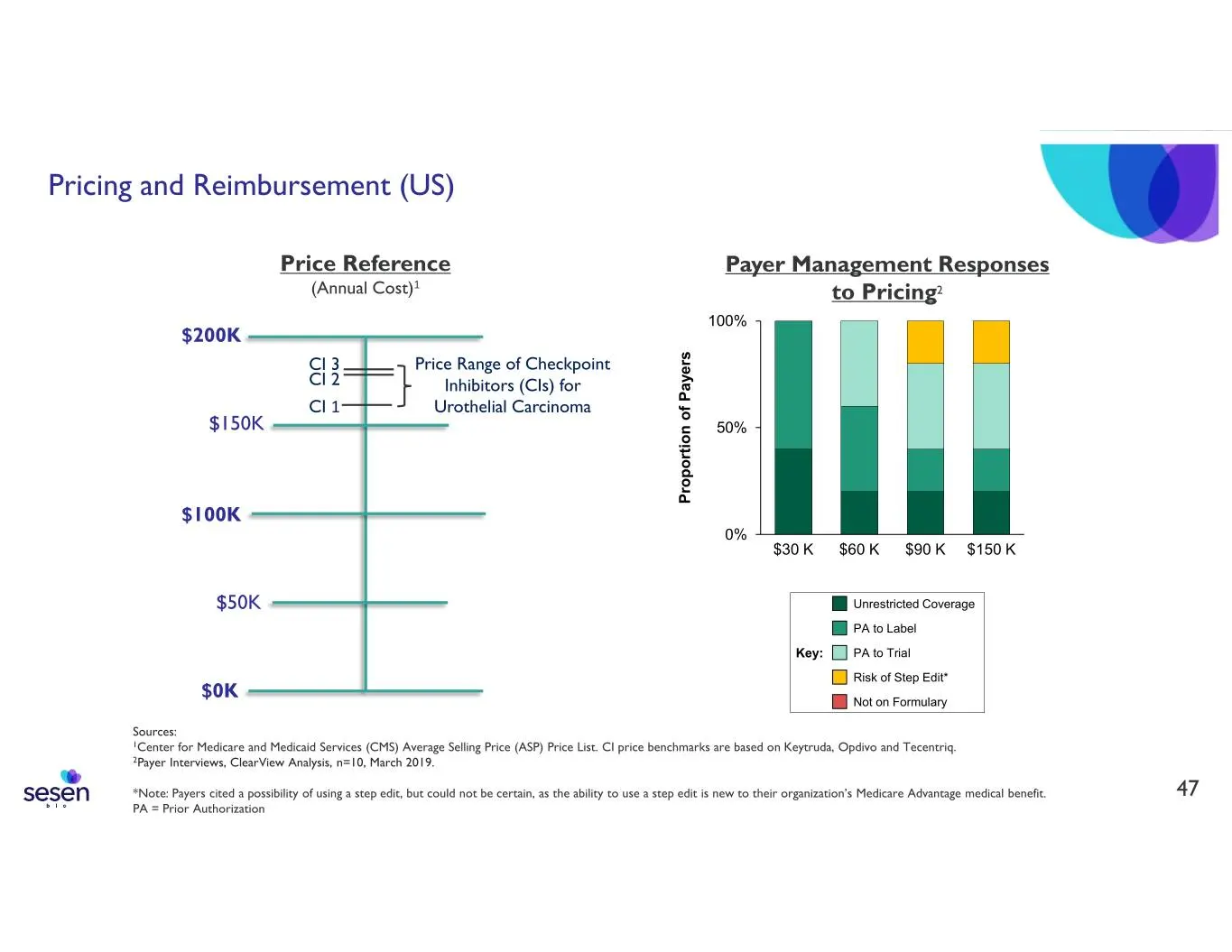
Slide 47: Pricing and Reimbursement (US)
Pricing and Reimbursement (US) Price Reference Payer Management Responses (Annual Cost)1 to Pricing2 100% $200K CI 3 Price Range of Checkpoint CI 2 Inhibitors (CIs) for CI 1 Urothelial Carcinoma $150K 50% Proportion Payers of Proportion $100K 0% $30 K $60 K $90 K $150 K $50K Unrestricted Coverage PA
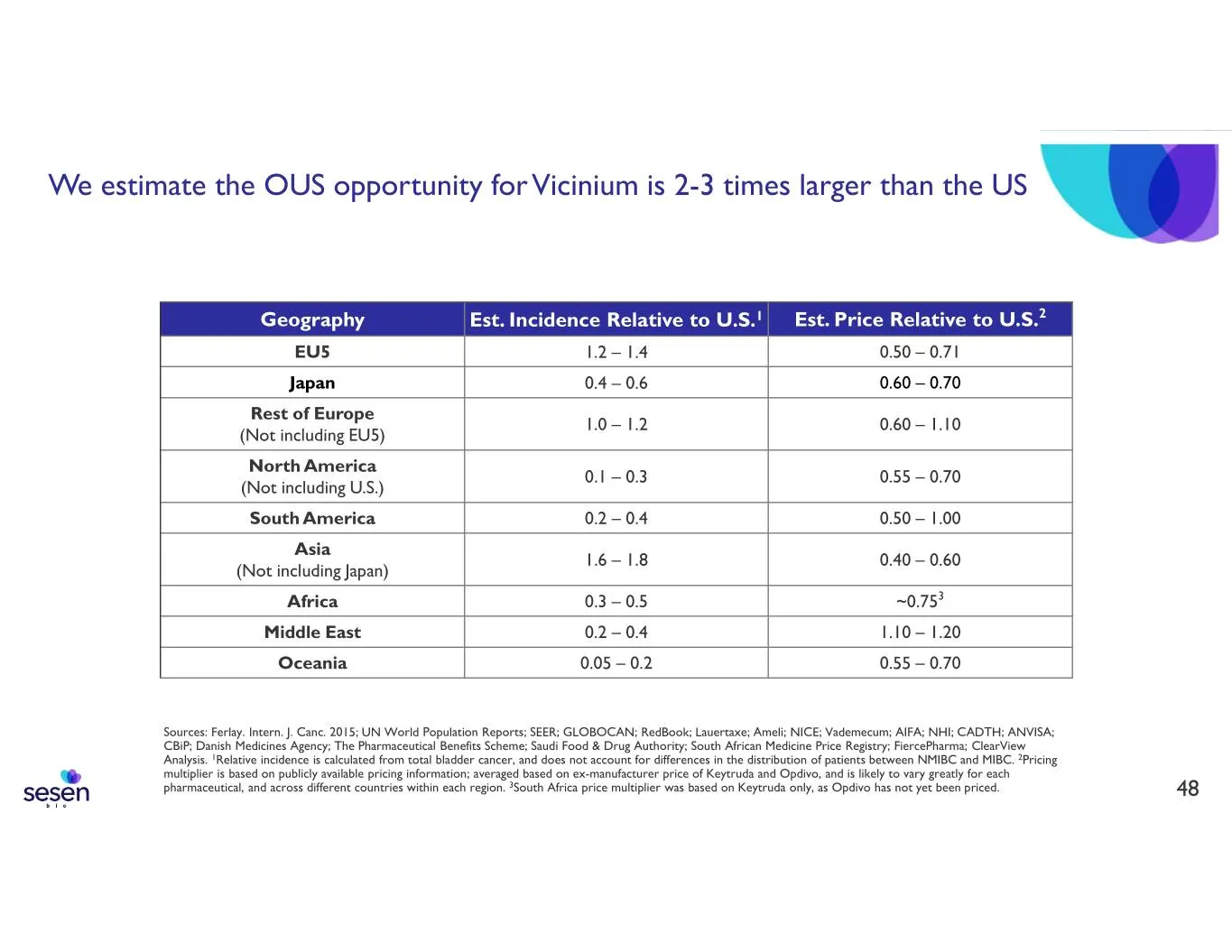
Slide 48: OUS opportunity for Vicinium is 2-3 times larger than US
We estimate the OUS opportunity for Vicinium is 2-3 times larger than the US Geography Est. Incidence Relative to U.S.1 Est. Price Relative to U.S.2 EU5 1.2 – 1.4 0.50 – 0.71 Japan 0.4 – 0.6 0.60 – 0.70 Rest of Europe 1.0 – 1.2 0.60 – 1.10 (Not including EU5) North America 0.1 – 0.3 0.55 – 0.70 (Not
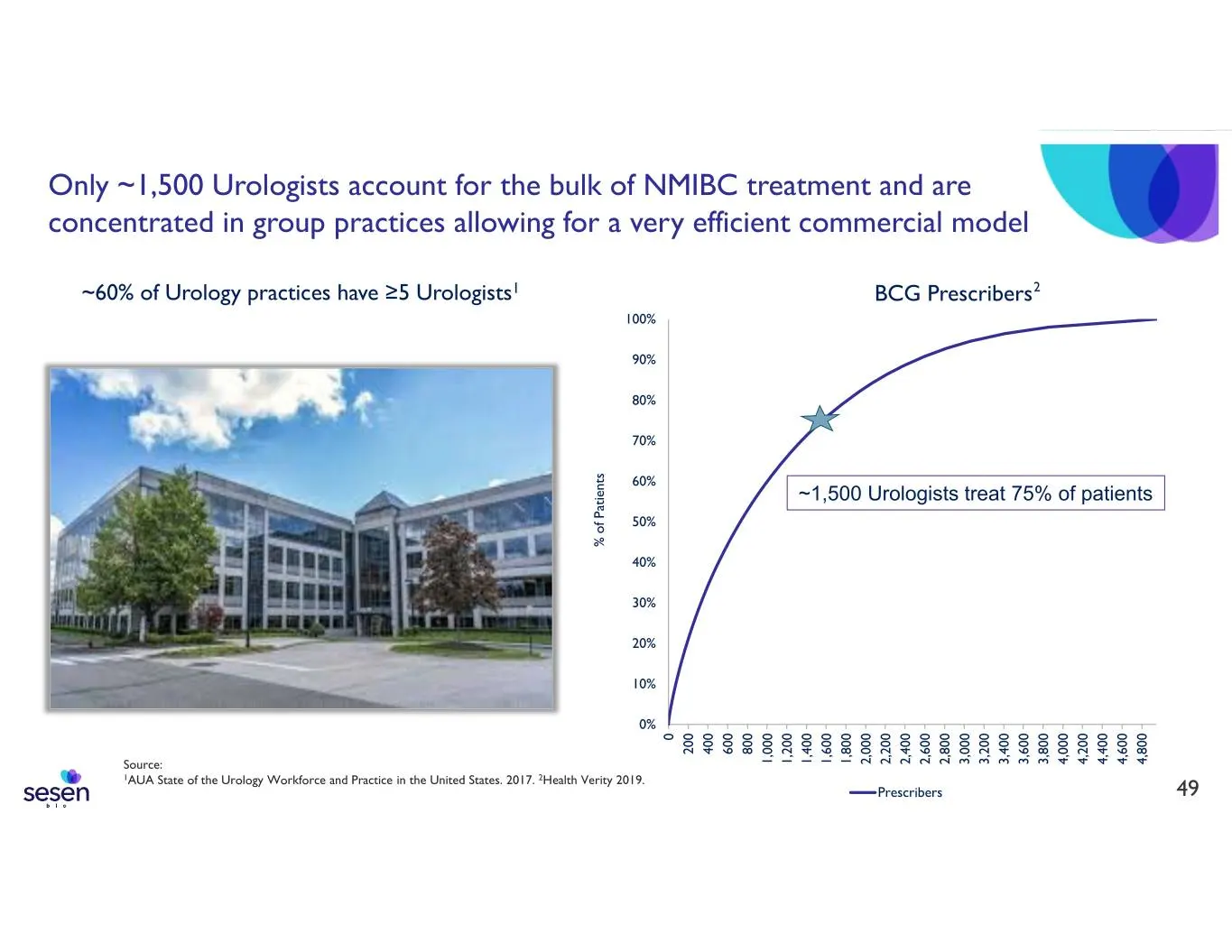
Slide 49: Only ~1,500 Urologists account for bulk of NMIBC treatment
Only ~1,500 Urologists account for the bulk of NMIBC treatment and are concentrated in group practices allowing for a very efficient commercial model ~60% of Urology practices have ≥5 Urologists1 BCG Prescribers2 100% 90% 80% 70% 60% ~1,500 Urologists treat 75% of patients 50% % of Patients of % 40%
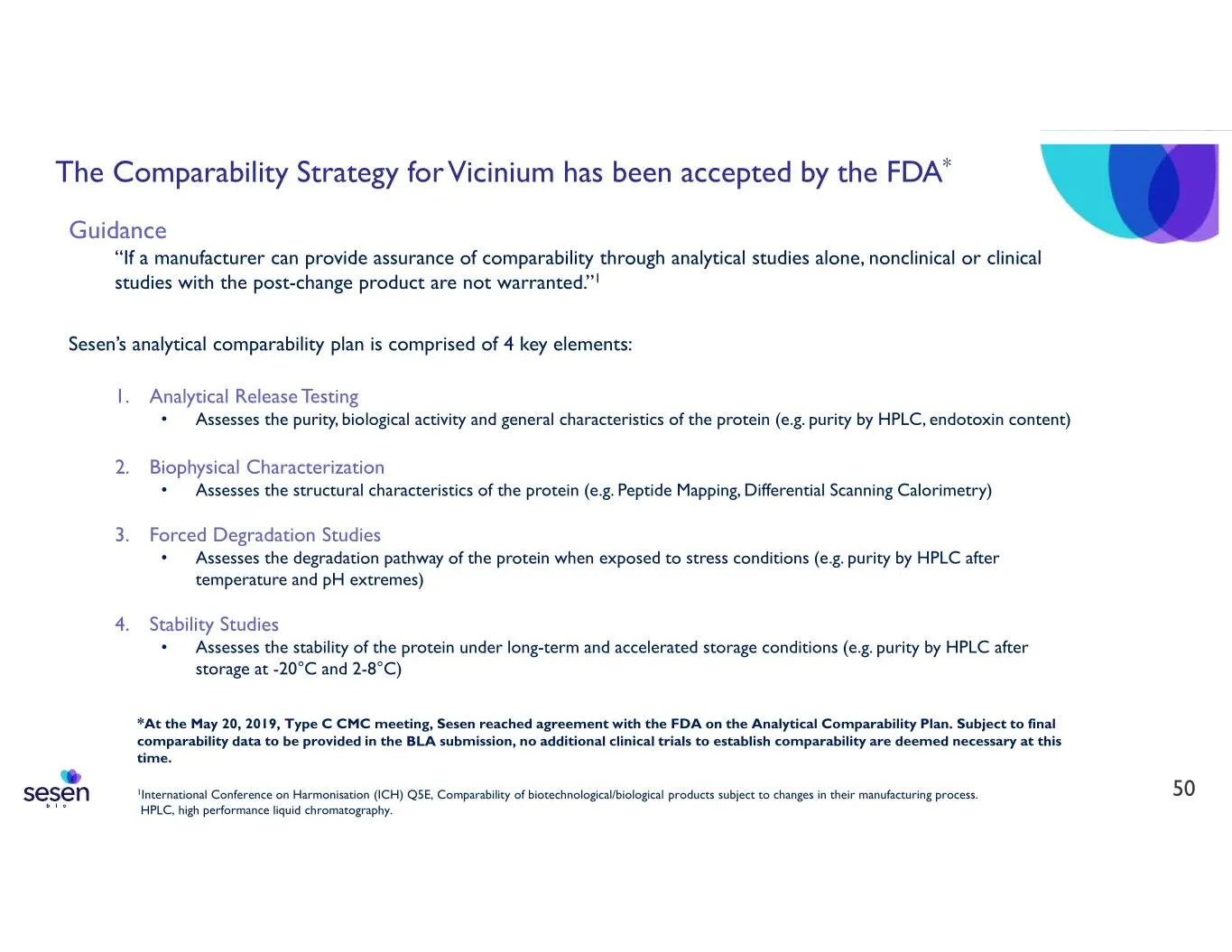
Slide 50: Comparability Strategy for Vicinium accepted by the FDA
The Comparability Strategy for Vicinium has been accepted by the FDA* Guidance “If a manufacturer can provide assurance of comparability through analytical studies alone, nonclinical or clinical studies with the post-change product are not warranted.”1 Sesen’s analytical comparability plan is compri
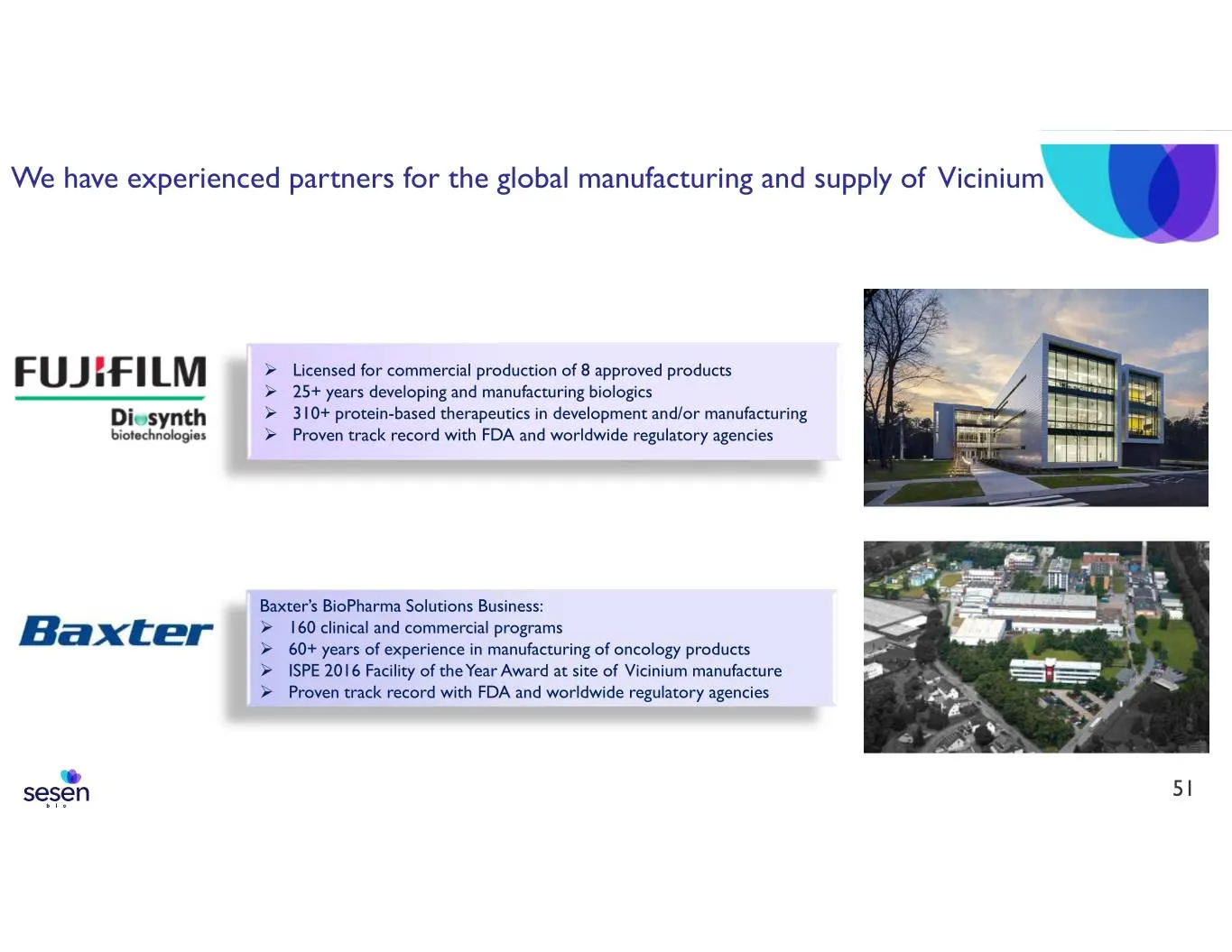
Slide 51: Experienced partners for global manufacturing and supply of Vicinium
We have experienced partners for the global manufacturing and supply of Vicinium � Licensed for commercial production of 8 approved products � 25+ years developing and manufacturing biologics � 310+ protein-based therapeutics in development and/or manufacturing � Proven track record with FDA and wor
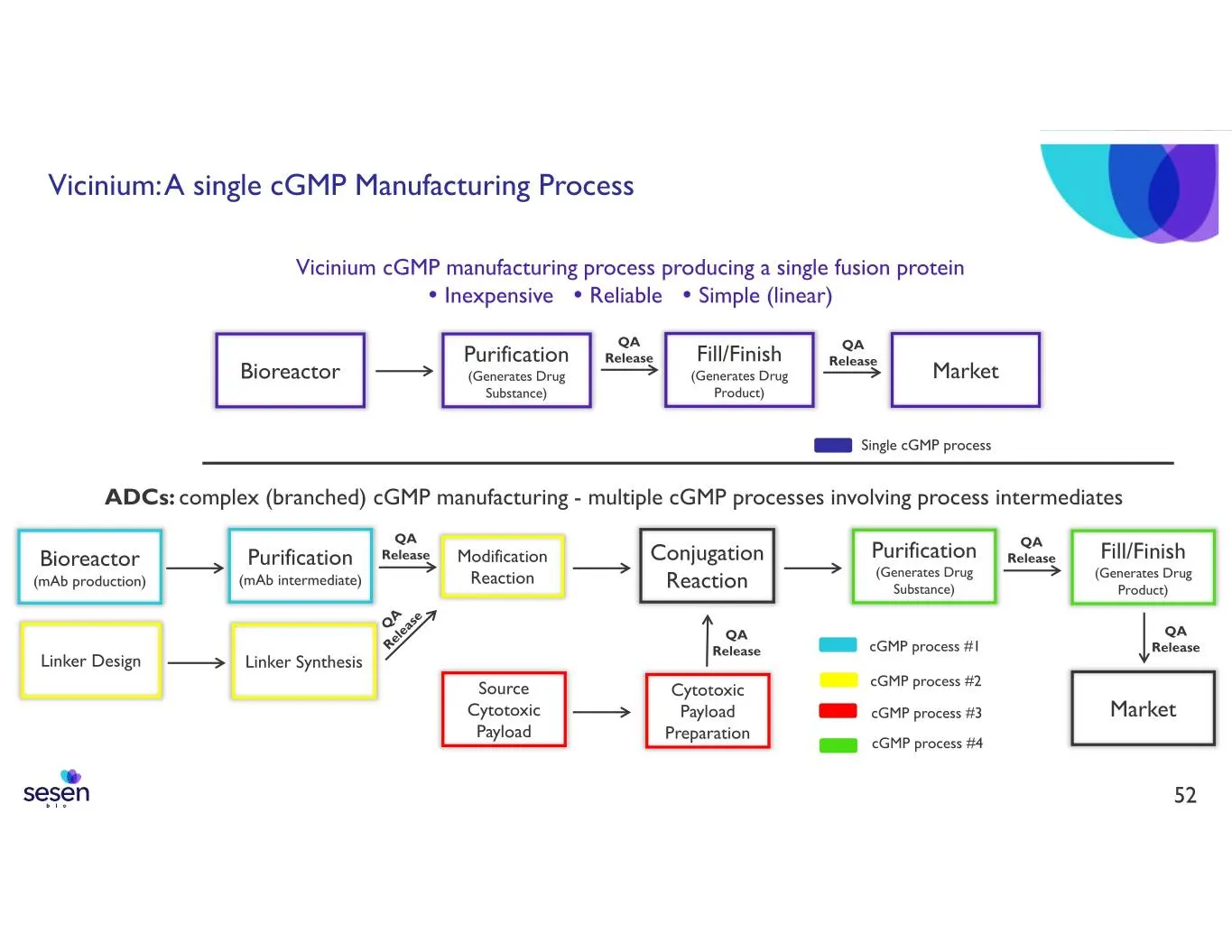
Slide 52: Vicinium: A single cGMP Manufacturing Process
Vicinium: A single cGMP Manufacturing Process Vicinium cGMP manufacturing process producing a single fusion protein � Inexpensive � Reliable � Simple (linear) QA QA Purification Release Fill/Finish Release Bioreactor (Generates Drug (Generates Drug Market Substance) Product) Single cGMP process ADCs
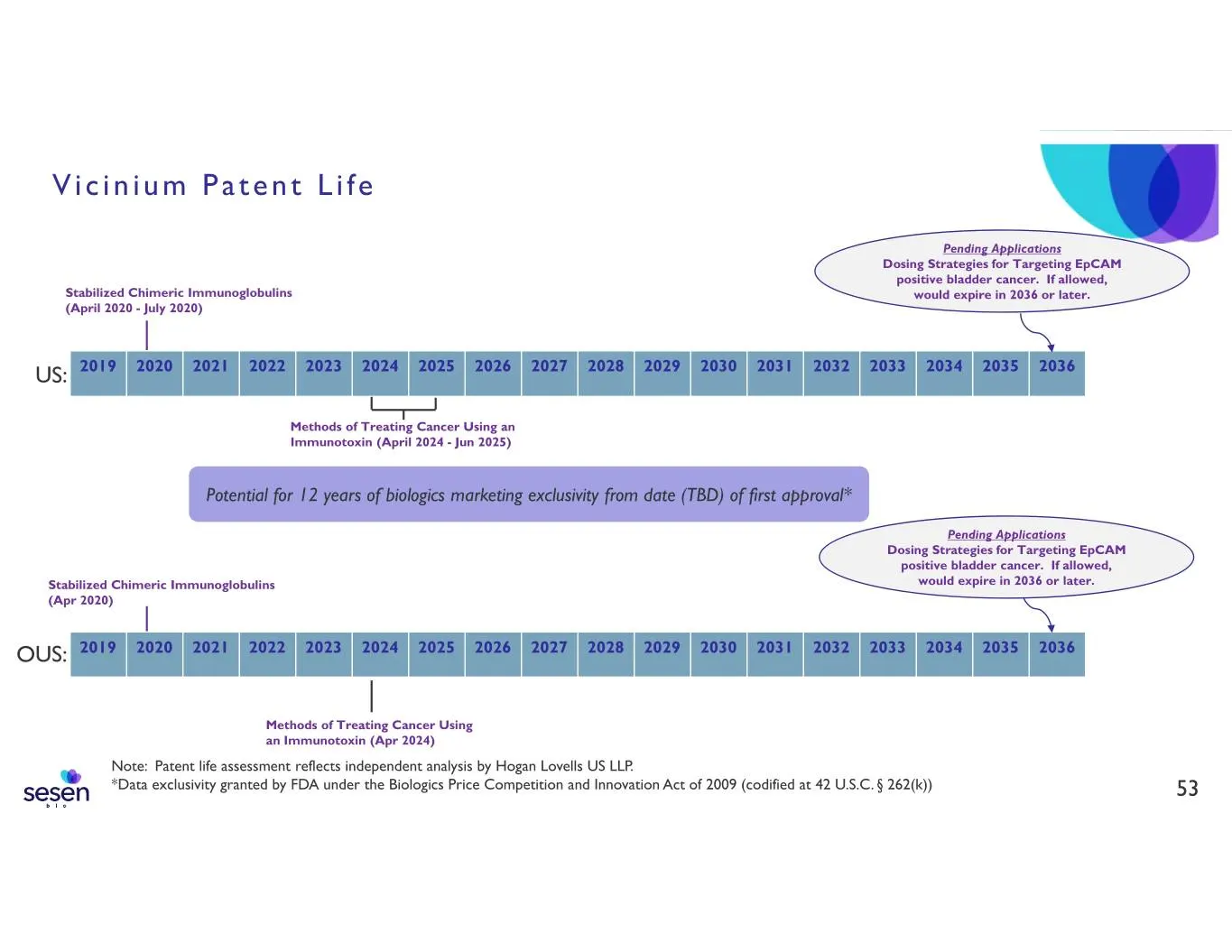
Slide 53: Vicinium Patent Life
Vicinium Patent Life Pending Applications Dosing Strategies for Targeting EpCAM positive bladder cancer. If allowed, Stabilized Chimeric Immunoglobulins would expire in 2036 or later. (April 2020 - July 2020) US: 2019 2020 2021 2022 2023 2024 2025 2026 2027 2028 2029 2030 2031 2032 2033 2034 2035 20
Source: SEC EDGAR · 8-K filed Aug 7, 2019
More decks from Sesen Bio Inc
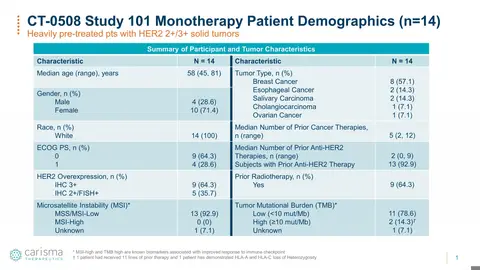 Carisma Therapeutics — Technical Presentation (April 2024)9 slides · Apr 10, 2024
 Carisma Therapeutics — CAR-TCR Summit 202320 slides · Sep 1, 2023
 Merger or Acquisition (February 2023)17 slides · Feb 2, 2023
 Merger or Acquisition (December 2022)24 slides · Dec 12, 2022
 Merger or Acquisition (September 2022)26 slides · Sep 27, 2022
 Technical Presentation (September 2021)17 slides · Sep 10, 2021