Intra-Cellular Therapies — Investor Presentation (January 2018)
28 slides from Intra-Cellular Therapies's investor presentation, Jan 8, 2018

Slide 1: Corporate Presentation January 2018
Corporate Presentation January 2018 Exhibit 99.1
Slide 2: Safe Harbor Statement
Safe Harbor Statement This presentation contains “forward-looking statements” within the meaning of the Private Securities Litigation Reform Act of 1995. These forward-looking statements concern our product candidates, our development efforts, our collaborations, our technology, our intellectual pro
Slide 3: Intra-Cellular Therapies, Inc. (ITCI)
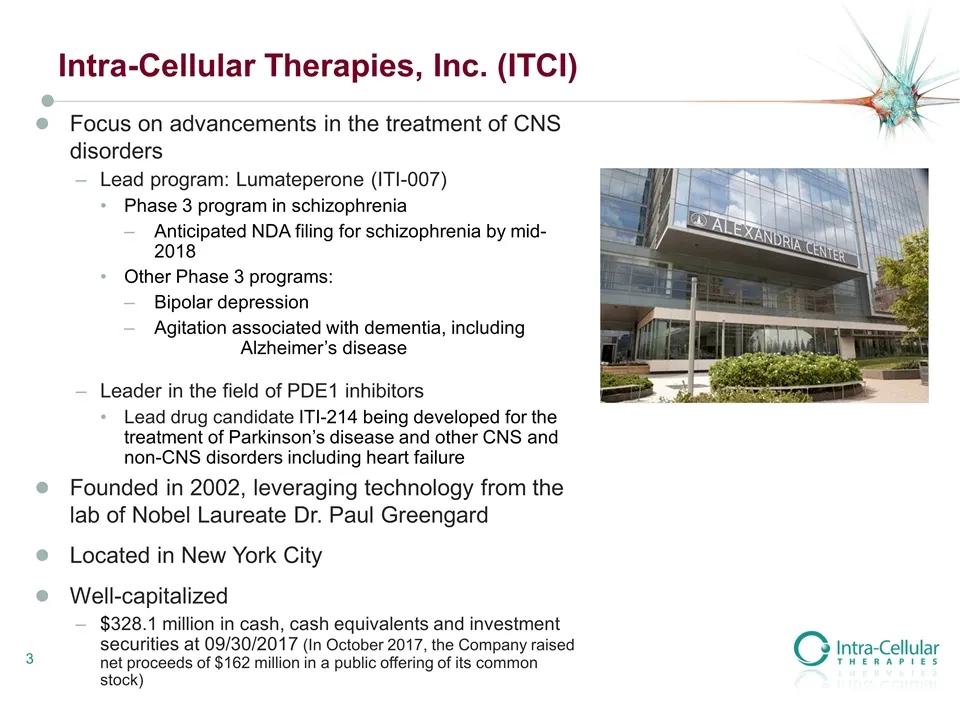
Intra-Cellular Therapies, Inc. (ITCI) Focus on advancements in the treatment of CNS disorders Lead program: Lumateperone (ITI-007) Phase 3 program in schizophrenia Anticipated NDA filing for schizophrenia by mid-2018 Other Phase 3 programs: Bipolar depression Agitation associated with dementia, incl
Slide 4: ITCI Therapeutic Pipeline
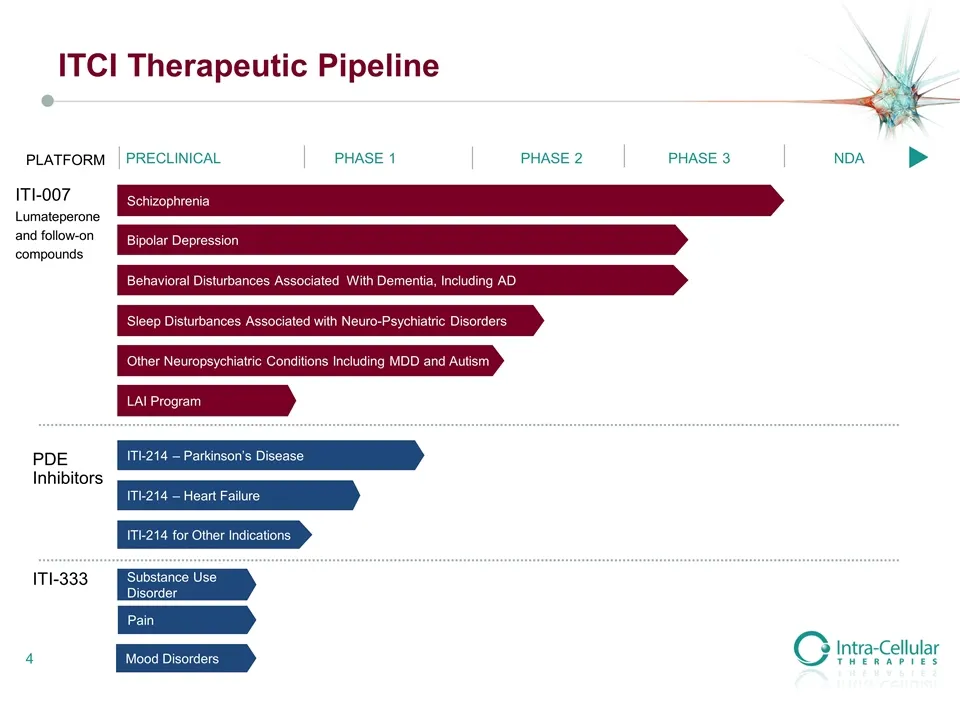
Schizophrenia Bipolar Depression Behavioral Disturbances Associated With Dementia, Including AD Sleep Disturbances Associated with Neuro-Psychiatric Disorders Other Neuropsychiatric Conditions Including MDD and Autism LAI Program ITCI Therapeutic Pipeline ITI-007 Lumateperone and follow-on compounds
Slide 5: Schizophrenia, A Common Disabling Neuropsychiatric Disease
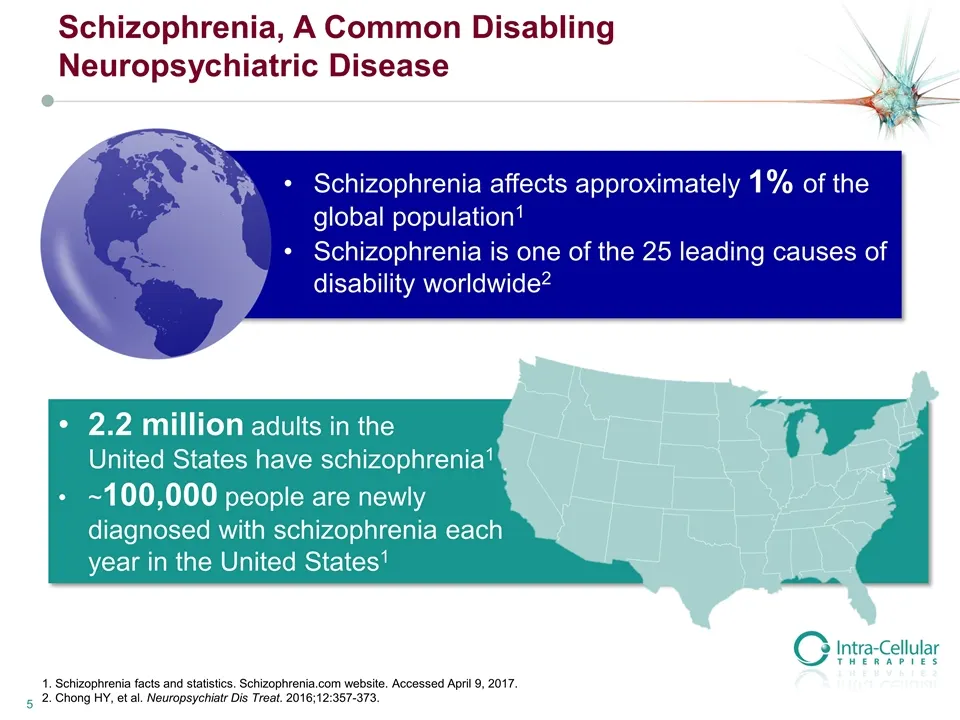
Schizophrenia, A Common Disabling Neuropsychiatric Disease Schizophrenia affects approximately 1% of the global population1 Schizophrenia is one of the 25 leading causes of disability worldwide2 2.2 million adults in the United States have schizophrenia1 ~100,000 people are newly diagnosed with schi
Slide 6: Economic Burden of Schizophrenia Exceeds $154 Billion in the United States
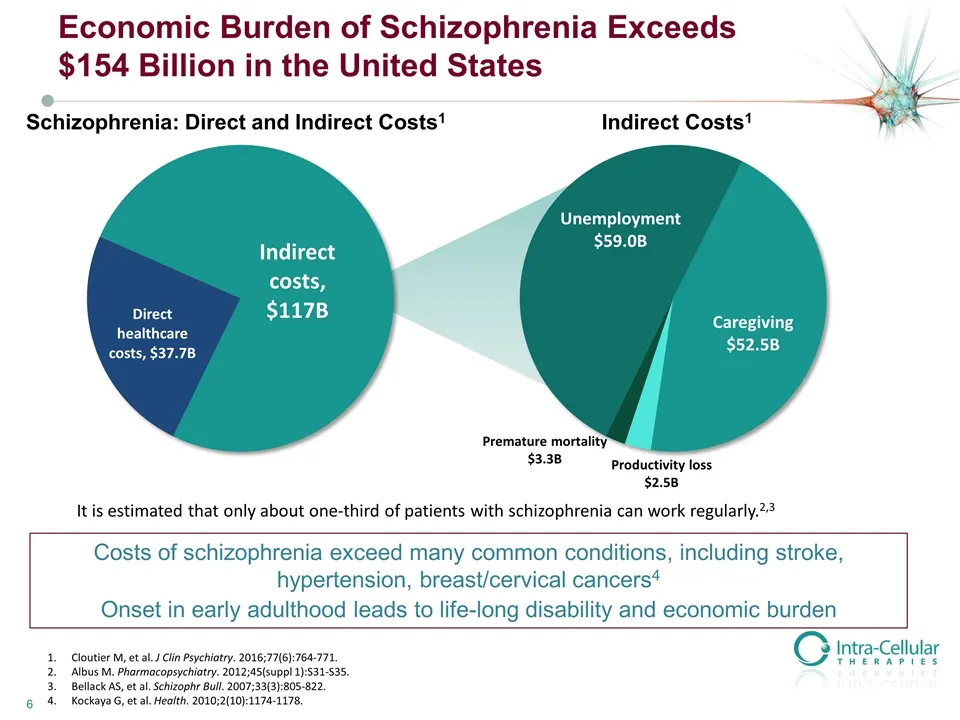
Economic Burden of Schizophrenia Exceeds $154 Billion in the United States It is estimated that only about one-third of patients with schizophrenia can work regularly.2,3 Cloutier M, et al. J Clin Psychiatry. 2016;77(6):764‐771. Albus M. Pharmacopsychiatry. 2012;45(suppl 1):S31‐S35. Bellack AS, et a
Slide 7: Lumateperone is Designed to Address Unmet Needs in Schizophrenia
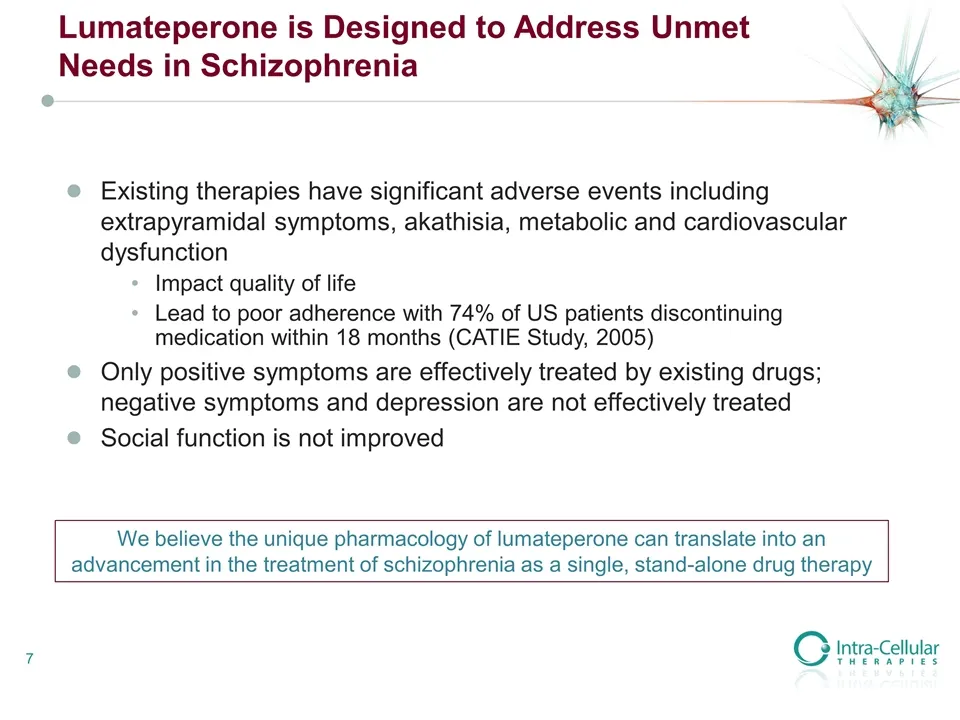
Lumateperone is Designed to Address Unmet Needs in Schizophrenia Existing therapies have significant adverse events including extrapyramidal symptoms, akathisia, metabolic and cardiovascular dysfunction Impact quality of life Lead to poor adherence with 74% of US patients discontinuing medication wi
Slide 8: Lumateperone: Novel, First-in-Class Molecule With an MOA
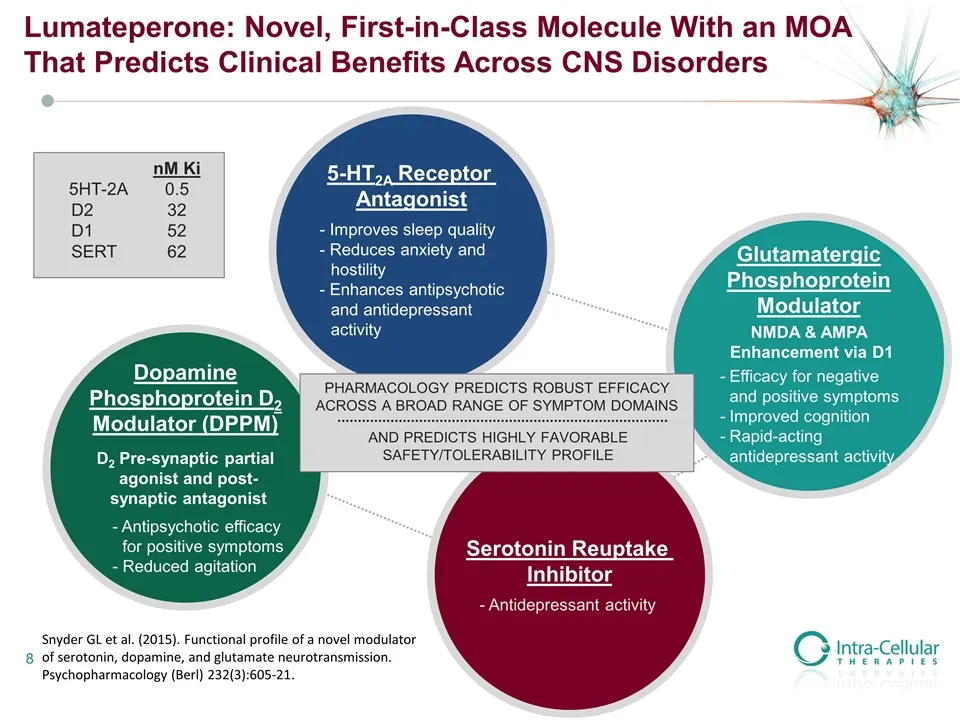
Lumateperone: Novel, First-in-Class Molecule With an MOA That Predicts Clinical Benefits Across CNS Disorders Serotonin Reuptake Inhibitor - Antidepressant activity Glutamatergic Phosphoprotein Modulator NMDA & AMPA Enhancement via D1 Efficacy for negative and positive symptoms Improved cognition Ra
Slide 9: Lumateperone: Differentiated Pharmacology Provides Opportunities to Treat Multiple CNS Disorders
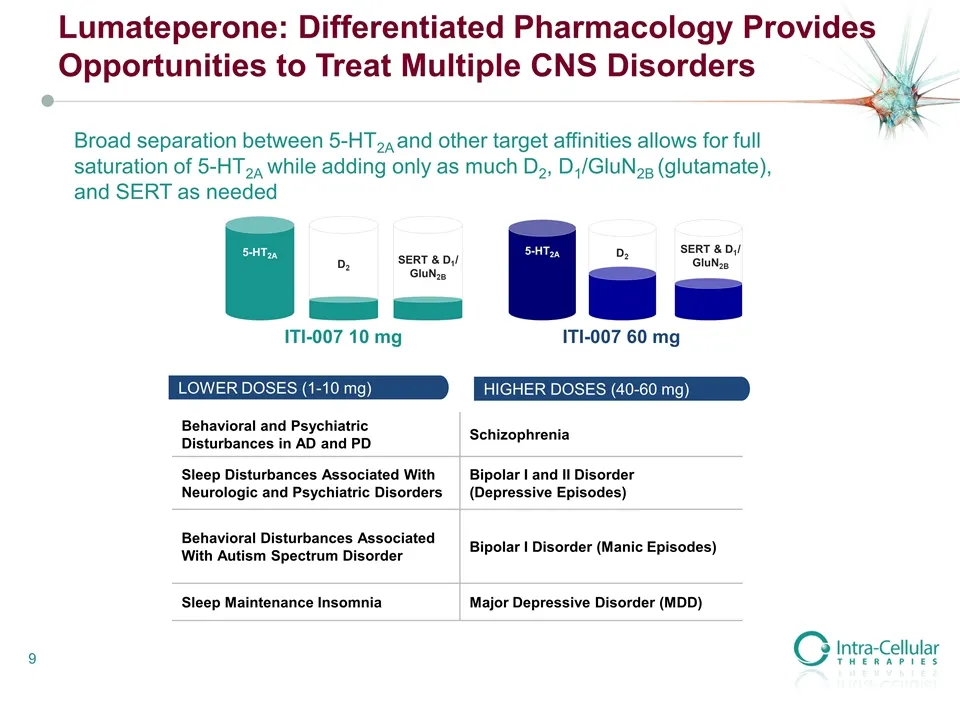
Lumateperone: Differentiated Pharmacology Provides Opportunities to Treat Multiple CNS Disorders Broad separation between 5-HT2A and other target affinities allows for full saturation of 5-HT2A while adding only as much D2, D1/GluN2B (glutamate), and SERT as needed Behavioral and Psychiatric Disturb
Slide 10: Lumateperone Schizophrenia Program Overview
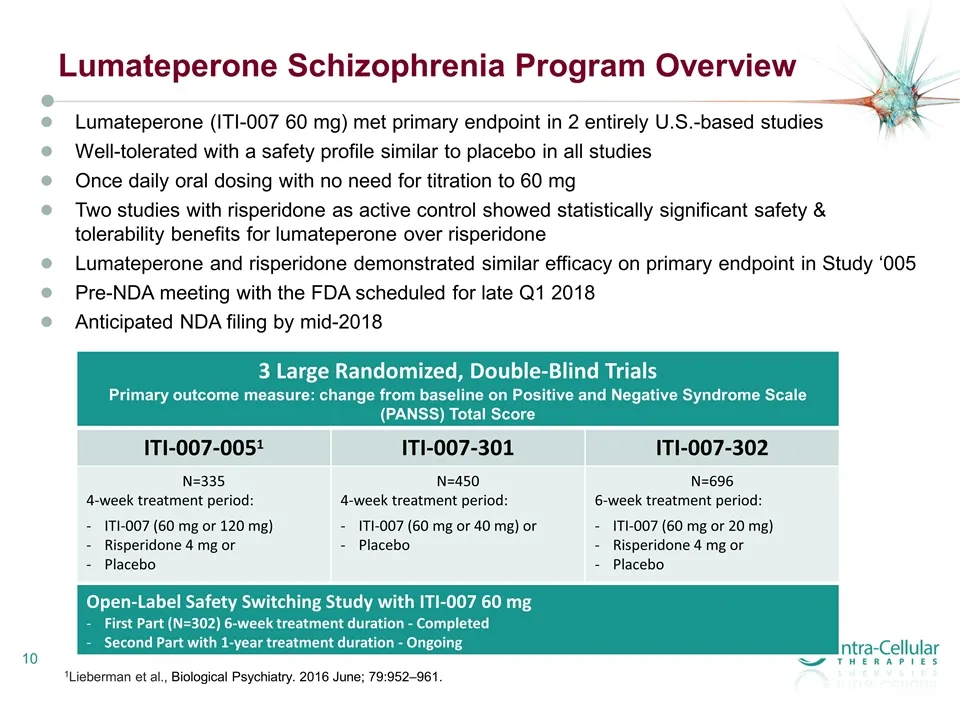
Lumateperone Schizophrenia Program Overview 3 Large Randomized, Double-Blind Trials Primary outcome measure: change from baseline on Positive and Negative Syndrome Scale (PANSS) Total Score ITI-007-0051 ITI-007-301 ITI-007-302 N=335 4-week treatment period: ITI-007 (60 mg or 120 mg) Risperidone 4 mg
Slide 11: Acute Controlled Studies Demonstrate Safety Profile Similar to Placebo
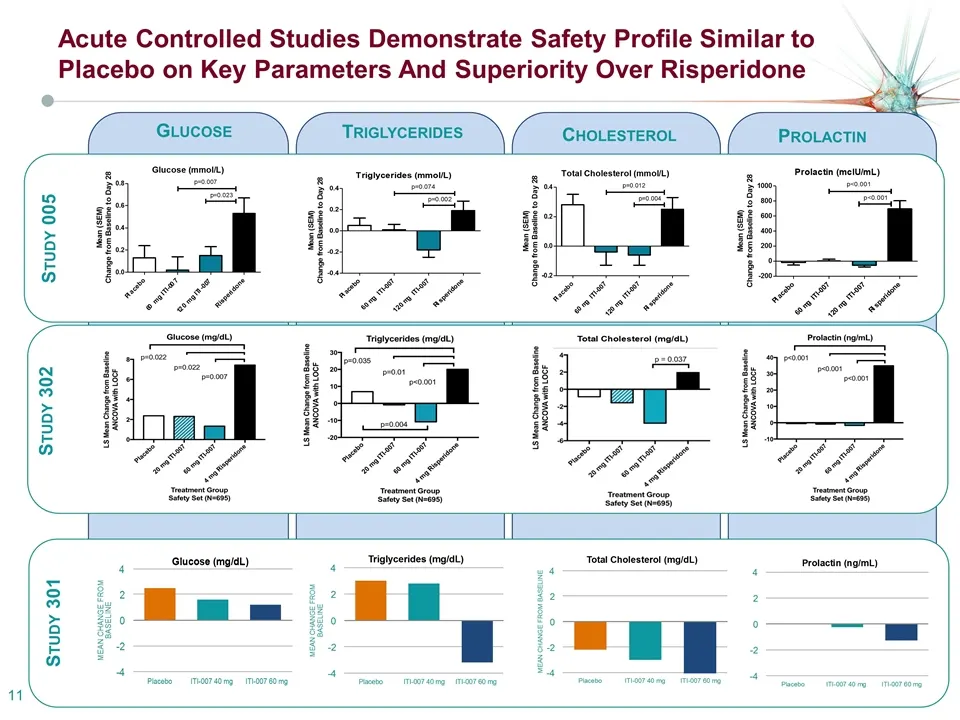
Acute Controlled Studies Demonstrate Safety Profile Similar to Placebo on Key Parameters And Superiority Over Risperidone Study 005 Study 301 Study 302 Glucose Triglycerides Cholesterol Prolactin
Slide 12: Lumateperone Profile Confirmed in 6-Week Open-label Safety Switching Study
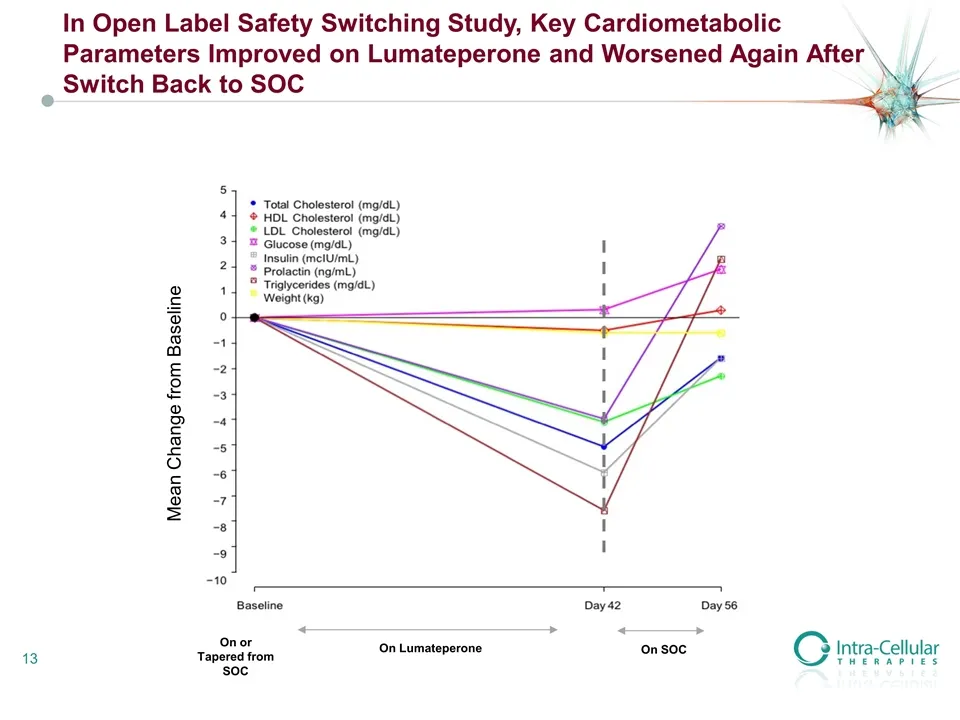
Lumateperone Profile Confirmed in a 6-Week Open-label Safety Switching Study in Patients with Stable Schizophrenia Symptoms The study evaluated stable patients with schizophrenia in an outpatient setting similar to common clinical practice The study assessed both the impact of switching to lumateper
Slide 13: Open Label Safety Switching Study: Cardiometabolic Parameters
In Open Label Safety Switching Study, Key Cardiometabolic Parameters Improved on Lumateperone and Worsened Again After Switch Back to SOC On Lumateperone On or Tapered from SOC On SOC Mean Change from Baseline
Slide 14: Summary: Lumateperone Efficacy and Safety in Schizophrenia
Summary: Lumateperone Efficacy and Safety in Schizophrenia Two large, well-controlled positive studies and supportive data from a third study collectively provide evidence of the efficacy and safety of lumateperone (ITI-007 60 mg) for the treatment of schizophrenia In all three studies, lumateperone
Slide 15: Lumateperone: Advancing Treatments in Bipolar Depression
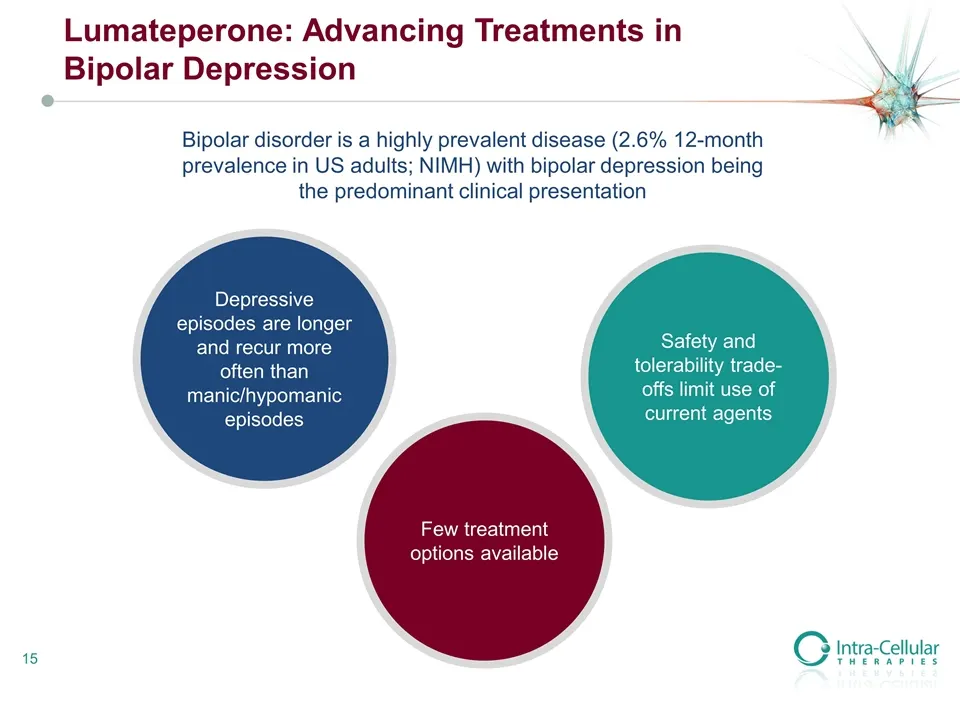
Lumateperone: Advancing Treatments in Bipolar Depression Bipolar disorder is a highly prevalent disease (2.6% 12-month prevalence in US adults; NIMH) with bipolar depression being the predominant clinical presentation Depressive episodes are longer and recur more often than manic/hypomanic episodes
Slide 16: Lumateperone for Bipolar Depression and Other Depressive Disorders
Lumateperone for the Treatment of Bipolar Depression and Other Depressive Disorders In previous studies depressed schizophrenia patients experienced robust improvements in depressive symptoms Well-tolerated with a safety profile similar to placebo in all studies completed to date Recent preclinical
Slide 17: Lumateperone for the Treatment of Agitation in Alzheimer's Disease
Lumateperone for the Treatment of Agitation in Alzheimer’s Disease Large Market Potential 44.4 million people worldwide with AD >50% with behavioral disturbances Agitation is a leading cause of early institutionalization Affects patients, relatives, and caregivers Unmet Need Currently no approved ag
Slide 18: PDE1 Inhibition: Novel Approach to Modulation of Intracellular Signaling
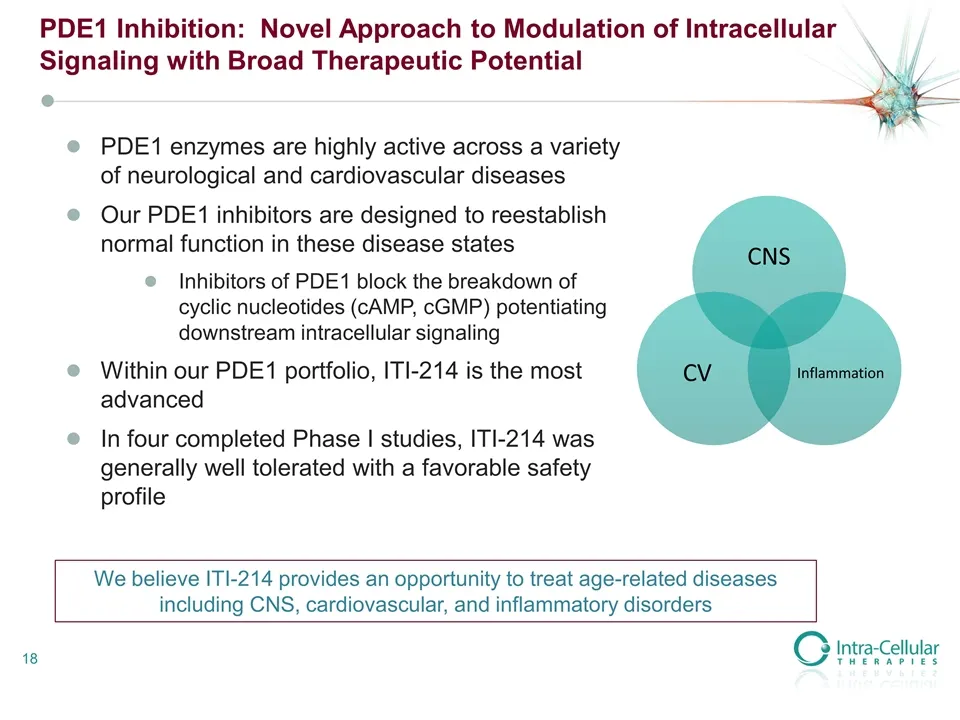
PDE1 Inhibition: Novel Approach to Modulation of Intracellular Signaling with Broad Therapeutic Potential PDE1 enzymes are highly active across a variety of neurological and cardiovascular diseases Our PDE1 inhibitors are designed to reestablish normal function in these disease states Inhibitors of
Slide 19: ITI-214 for the Treatment of Parkinson's Disease
ITI-214 for the Treatment of Parkinson’s Disease Large Market Potential Over 2.2 million patients in the US and Europe Progressive neurodegenerative disorder with motor and non-motor symptoms Unmet Need Dopamine replacement therapies (L-DOPA as gold standard) address early motor symptoms, but are in
Slide 20: PDE1 Inhibitors Improve Motor Symptoms in Models of PD
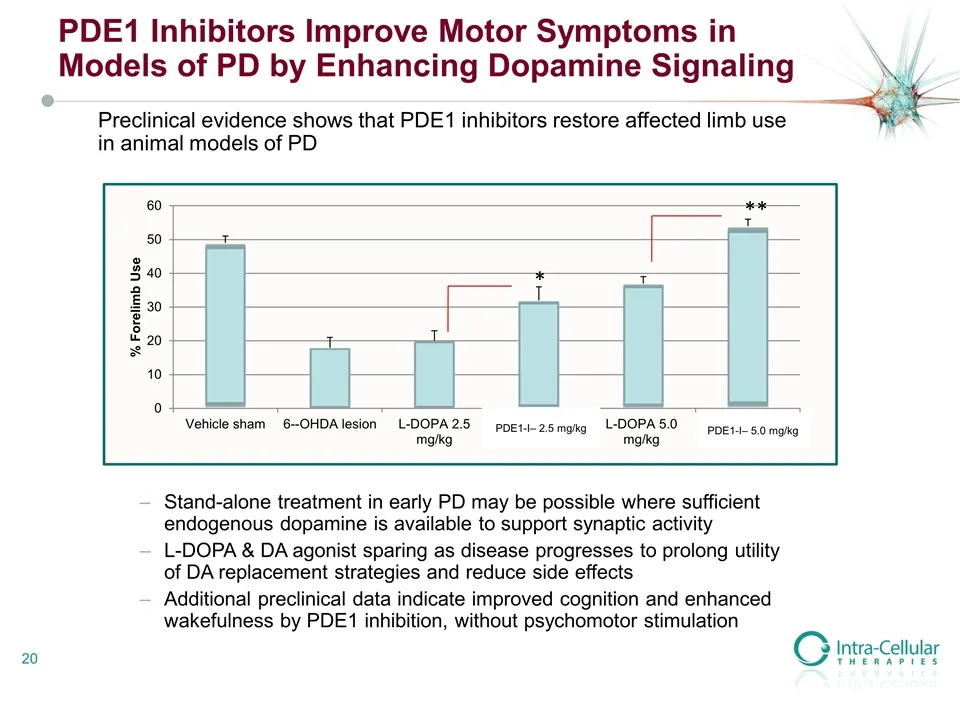
PDE1 Inhibitors Improve Motor Symptoms in Models of PD by Enhancing Dopamine Signaling Preclinical evidence shows that PDE1 inhibitors restore affected limb use in animal models of PD Stand-alone treatment in early PD may be possible where sufficient endogenous dopamine is available to support synap
Slide 21: ITI-214 Prevents Neuroinflammation and is Neuroprotective
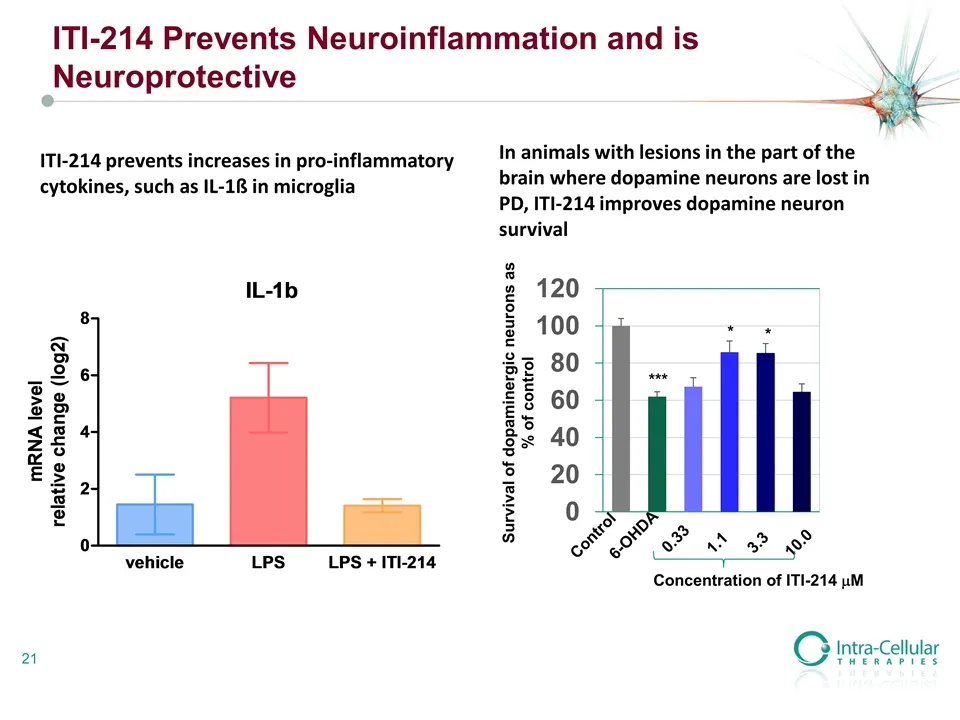
ITI-214 Prevents Neuroinflammation and is Neuroprotective ITI-214 prevents increases in pro-inflammatory cytokines, such as IL-1ß in microglia Control 6-OHDA 0.33 1.1 3.3 10.0 Concentration of ITI-214 mM Survival of dopaminergic neurons as % of control * * *** In animals with lesions in the part of
Slide 22: ITI-214: Novel Mechanism of Action for Treatment of Heart Failure
ITI-214: Represents A Novel Mechanism of Action for The Treatment of Heart Failure Medical Need Heart failure (HF) affects approximately 5.7 million people and has a mortality rate of ~50% within 5 years Need for approaches that improve heart function acutely and with longer exposure, also counter m
Slide 23: The Opioid Crisis
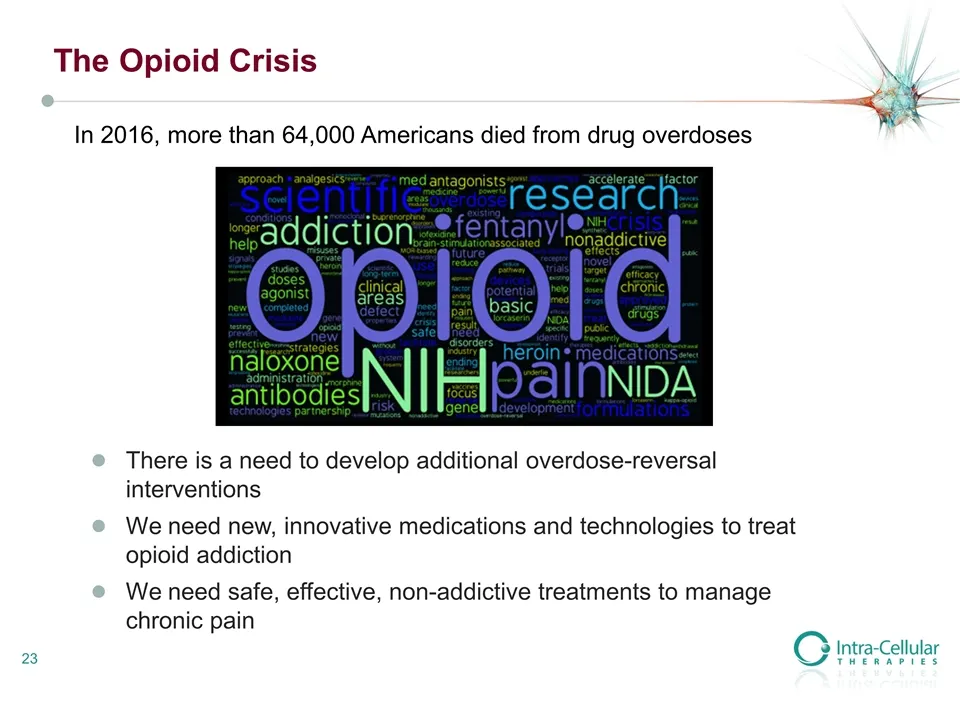
The Opioid Crisis There is a need to develop additional overdose-reversal interventions We need new, innovative medications and technologies to treat opioid addiction We need safe, effective, non-addictive treatments to manage chronic pain In 2016, more than 64,000 Americans died from drug overdoses
Slide 24: ITI-333 For Treatment of Substance Use Disorders, Pain, and Mood Disorders
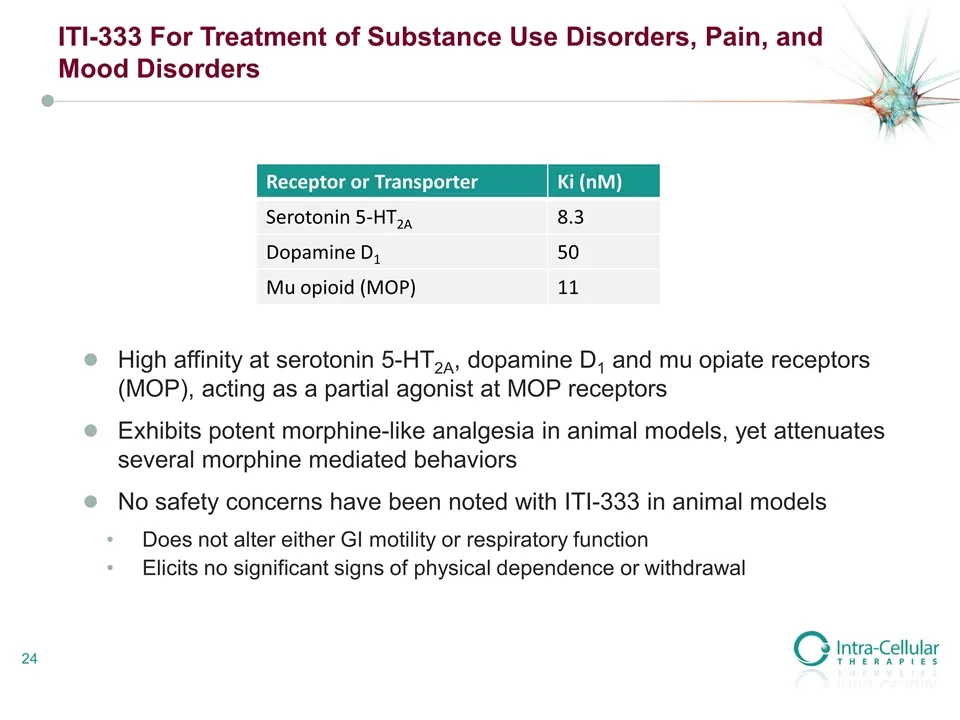
ITI-333 For Treatment of Substance Use Disorders, Pain, and Mood Disorders High affinity at serotonin 5-HT2A, dopamine D1 and mu opiate receptors (MOP), acting as a partial agonist at MOP receptors Exhibits potent morphine-like analgesia in animal models, yet attenuates several morphine mediated beh

Slide 25: Key Financial Information
Key Financial Information KEY METRICS Total Cash, Cash Equivalents, and Investments(1) (2) $328.1 million Total Debt(1) $0.0 million Common Shares Outstanding(1) (2) 43,427,344 Stock Options / Restricted Stock Units Outstanding(1) 4,219,143 As of September 30, 2017 (unaudited) In October 2017, the C

Slide 26: Management Team
Management Team Sharon Mates, PhD, Founder, Chairman, President & Chief Executive Officer Andrew Satlin, MD, Executive Vice President & Chief Medical Officer Michael I. Halstead, Senior Vice President and General Counsel Kimberly Vanover, PhD, Senior Vice President of Clinical Development Robert Dav

Slide 27: Board of Directors
Board of Directors Sharon Mates, PhD, Chairman, Founder, President & Chief Executive Officer, Intra-Cellular Therapies Christopher Alafi, PhD, General Partner, Alafi Capital Richard Lerner, MD, Institute Professor & Former President, The Scripps Research Institute Joel Marcus, JD, CPA, Chairman, Fou

Slide 28
Source: SEC EDGAR · 8-K filed Jan 8, 2018