La Jolla Pharmaceutical — RetailInvestorConferences.com Live Webcast (July 2012)
27 slides from La Jolla Pharmaceutical's conference presentation, Jul 13, 2012
Slide 1: Corporate Presentation
Exhibit 99.1 Corporate Presentation July 2012
Slide 2: Mission
Mission La Jolla Pharmaceutical is Committed to Discovering and Developing Novel Therapies Designed to Modulate Immune Function to Treat Organ Failure and Cancer 2
Slide 3: Corporate Highlights
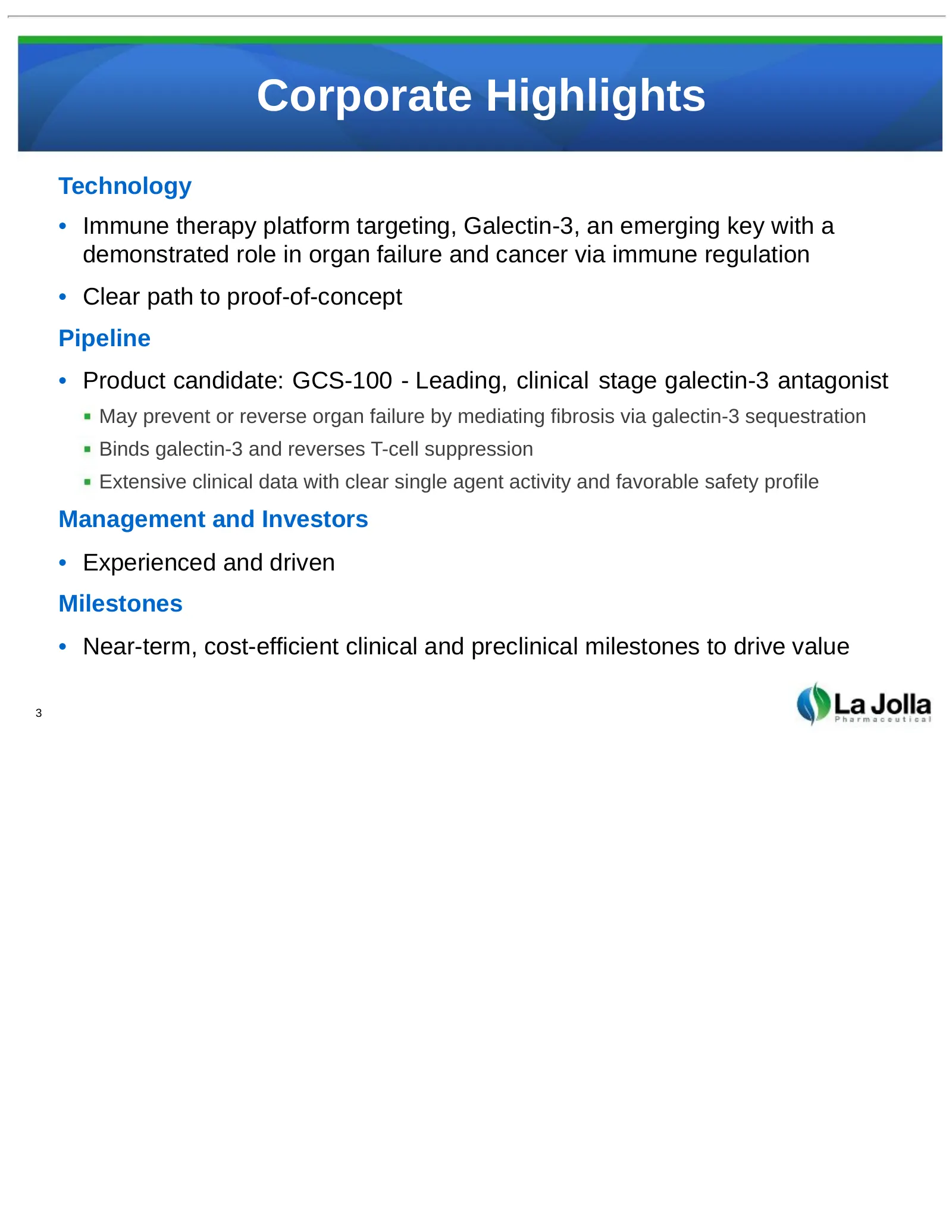
Corporate Highlights Technology • Immune therapy platform targeting, Galectin-3, an emerging key with a demonstrated role in organ failure and cancer via immune regulation • Clear path to proof-of-concept Pipeline • Product candidate: GCS-100 - Leading, clinical stage galectin-3 antagonist May preve
Slide 4: Robust Product Pipeline
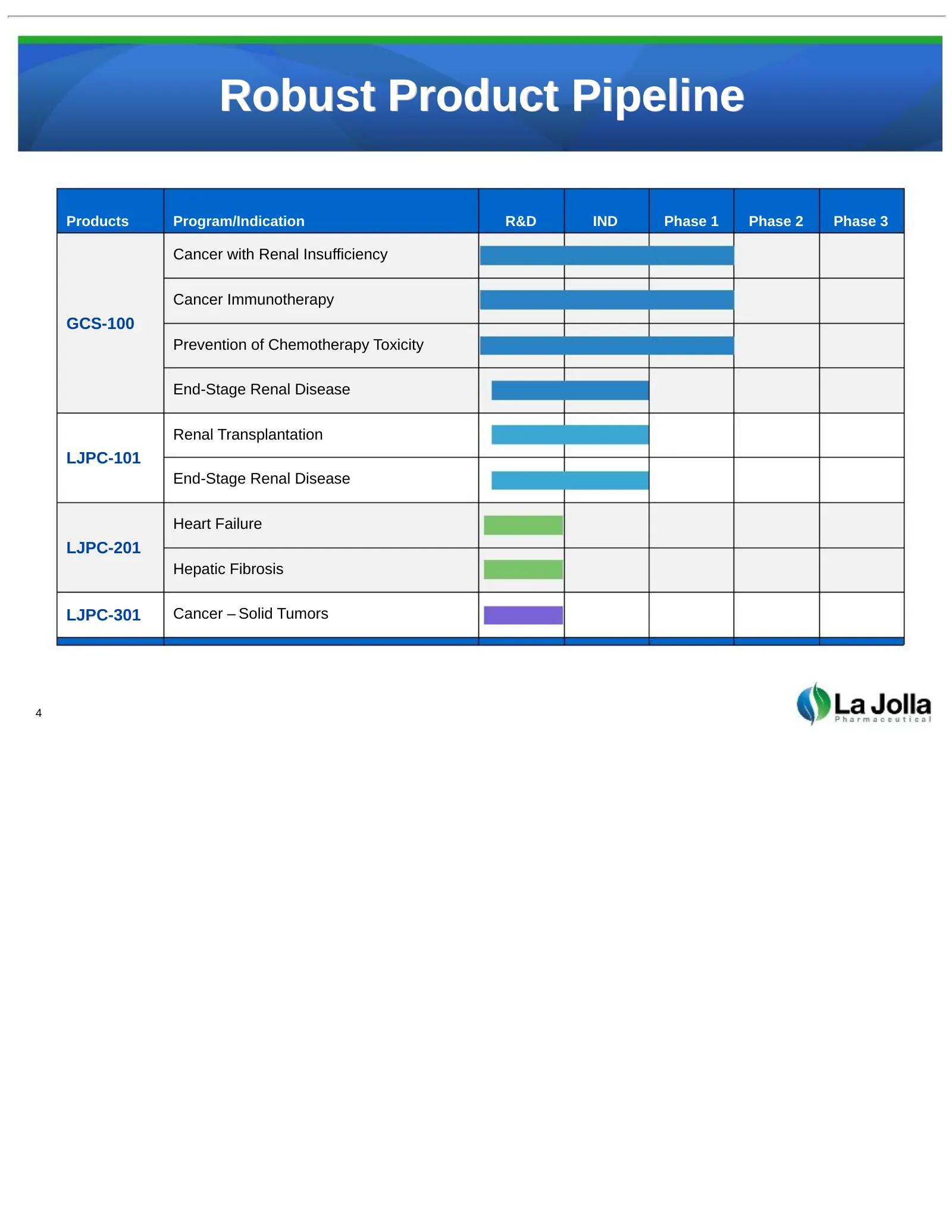
Robust Product Pipeline Products Program/Indication R&D IND Phase 1 Phase 2 Phase 3 Cancer with Renal Insufficiency Cancer Immunotherapy GCS-100 Prevention of Chemotherapy Toxicity End-Stage Renal Disease Renal Transplantation LJPC-101 End-Stage Renal Disease Heart Failure LJPC-201 Hepatic Fibrosis
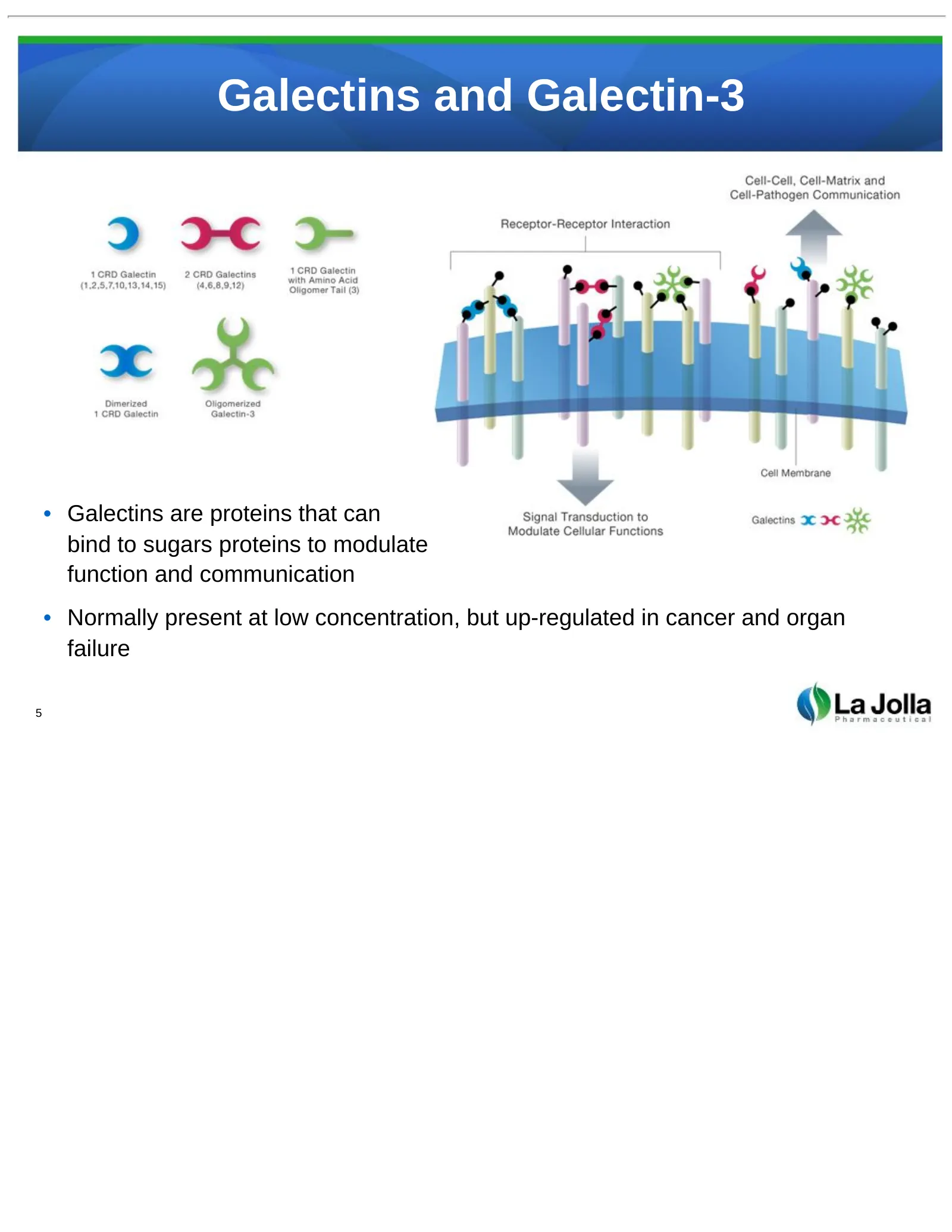
Slide 5: Galectins and Galectin-3
Galectins and Galectin-3 • Galectins are proteins that can bind to sugars proteins to modulate function and communication • Normally present at low concentration, but up-regulated in cancer and organ failure 5
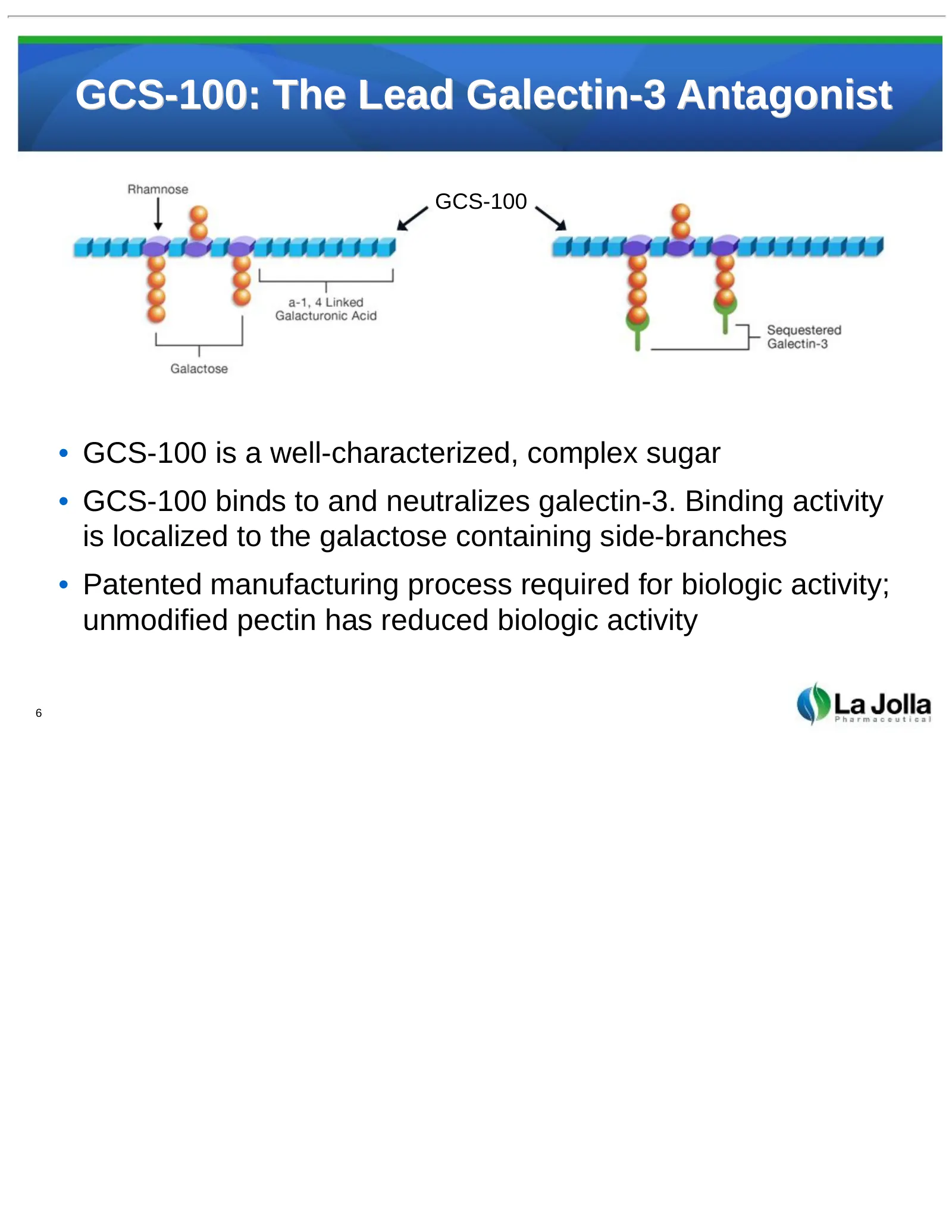
Slide 6: GCS-100: The Lead Galectin-3 Antagonist
GCS-100: The Lead Galectin-3 Antagonist GCS-100 • GCS-100 is a well-characterized, complex sugar • GCS-100 binds to and neutralizes galectin-3. Binding activity is localized to the galactose containing side-branches • Patented manufacturing process required for biologic activity; unmodified pectin h
Slide 7: Galectin-3 and Organ Failure
Galectin-3 and Organ Failure • Galectin-3 knockout mice develop significantly less kidney fibrosis and failure after damage compared to normal mice1,2 • Galectin-3 knockout mice do not develop liver fibrosis when exposed to toxin3 • Galectin-3 serum assay is FDA approved to identify patients at risk
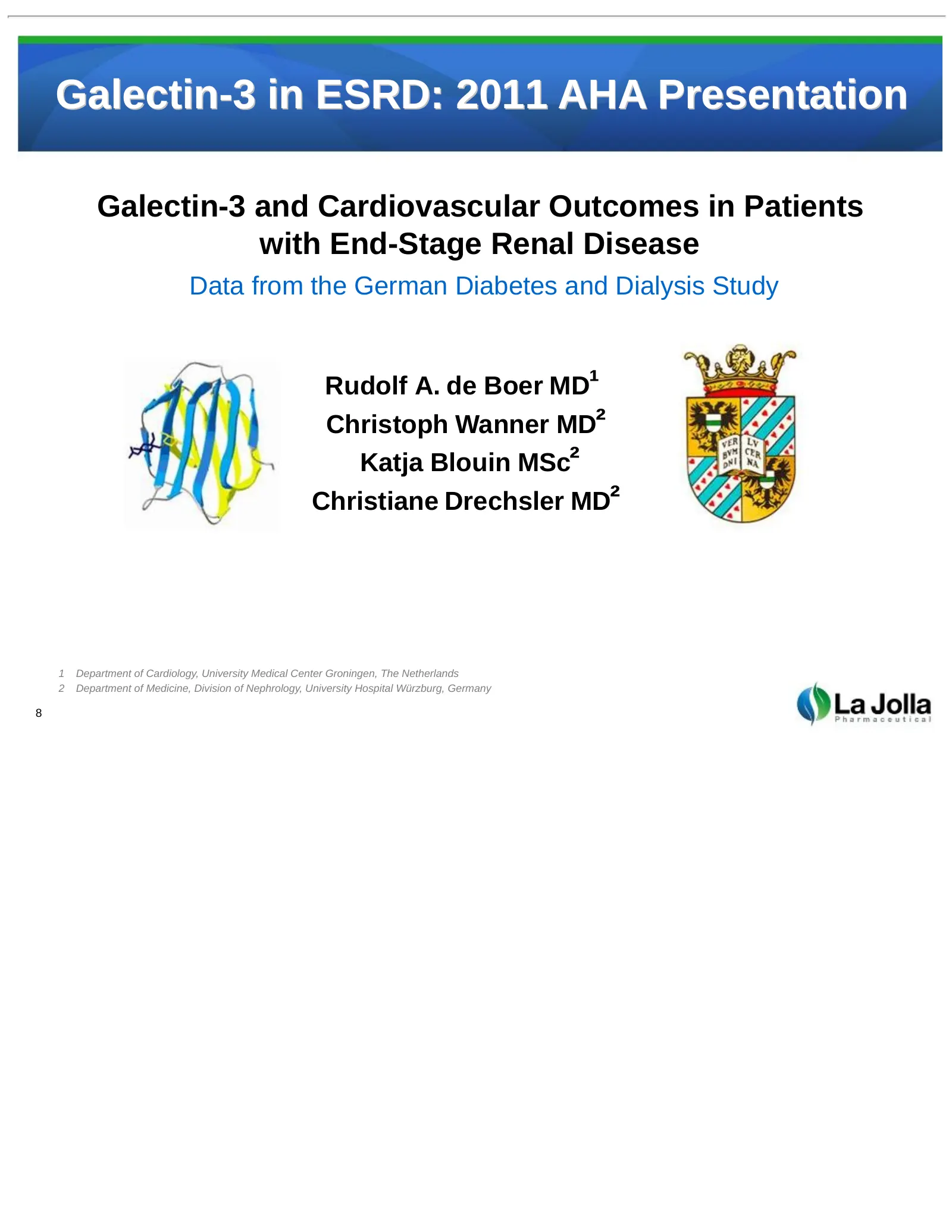
Slide 8: Galectin-3 in ESRD: 2011 AHA Presentation
Galectin-3 in ESRD: 2011 AHA Presentation Galectin-3 and Cardiovascular Outcomes in Patients with End-Stage Renal Disease Data from the German Diabetes and Dialysis Study Rudolf A. de Boer MD¹ Christoph Wanner MD² Katja Blouin MSc² Christiane Drechsler MD² 1 Department of Cardiology, University Medi
Slide 9: Galectin-3 in ESRD: 2011 AHA Presentation Conclusions
Galectin-3 in ESRD: 2011 AHA Presentation Conclusions • Galectin-3 levels are extremely elevated in patients with ESRD on hemodialysis • High galectin-3 in independently associated with stroke, CV events, all-cause and infectious mortality in dialysis patients 9
Slide 10: Galectin-3: Promotes Organ Failure via Scar Formation
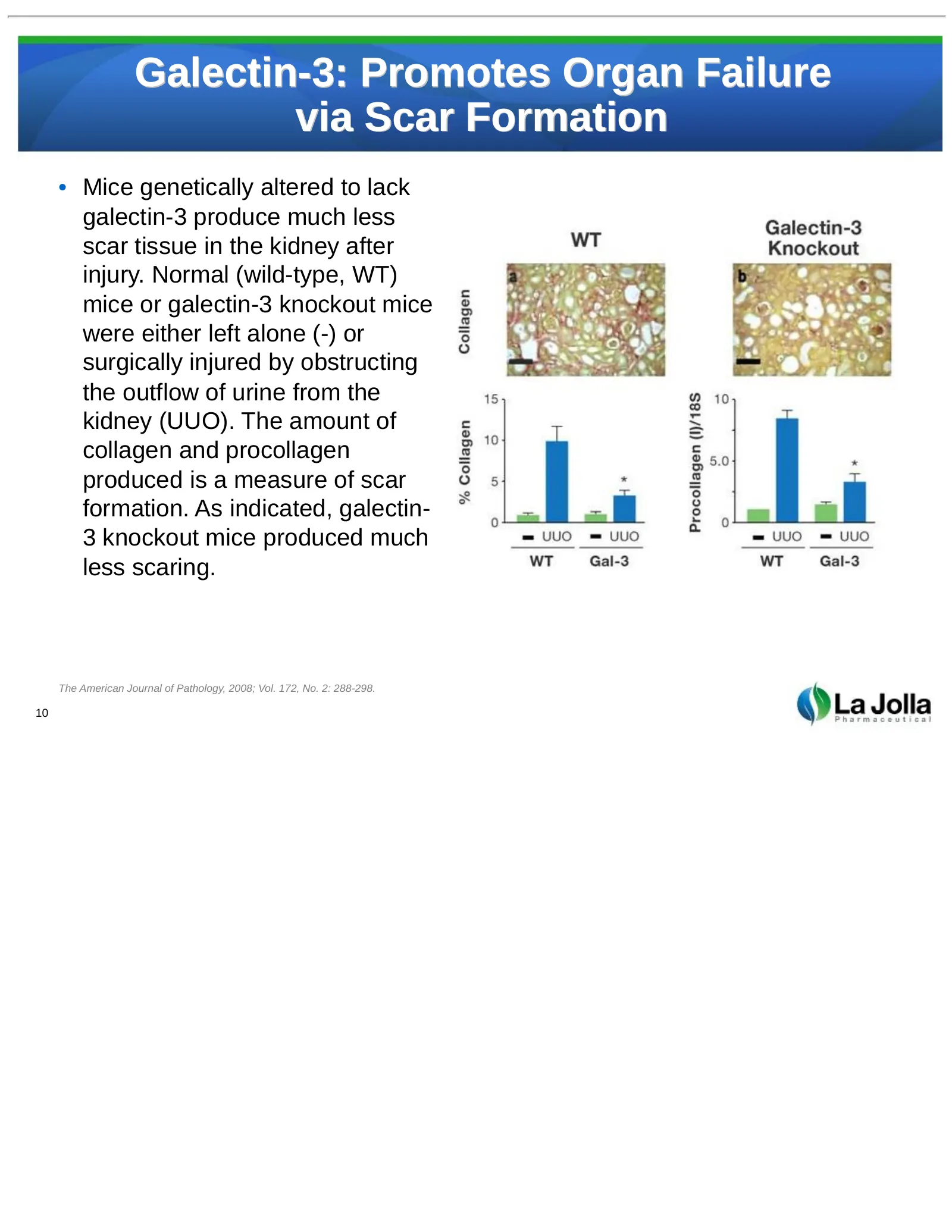
Galectin-3: Promotes Organ Failure via Scar Formation • Mice genetically altered to lack galectin-3 produce much less scar tissue in the kidney after injury. Normal (wild-type, WT) mice or galectin-3 knockout mice were either left alone (-) or surgically injured by obstructing the outflow of urine f
Slide 11: Galectin-3 and Cancer
Galectin-3 and Cancer • Over-expression of galectin-3 correlates with aggressiveness and relapse in multiple human cancers1,2 • Galectin-3 expression via transfection increases metastasis in animal models1,2 3 • Galectin-3 suppresses anti-tumor T-cell activity • Lung tumorigenesis is reduced in gale
Slide 12: Galectin-3 Expression Correlates with Reduced Patient Survival
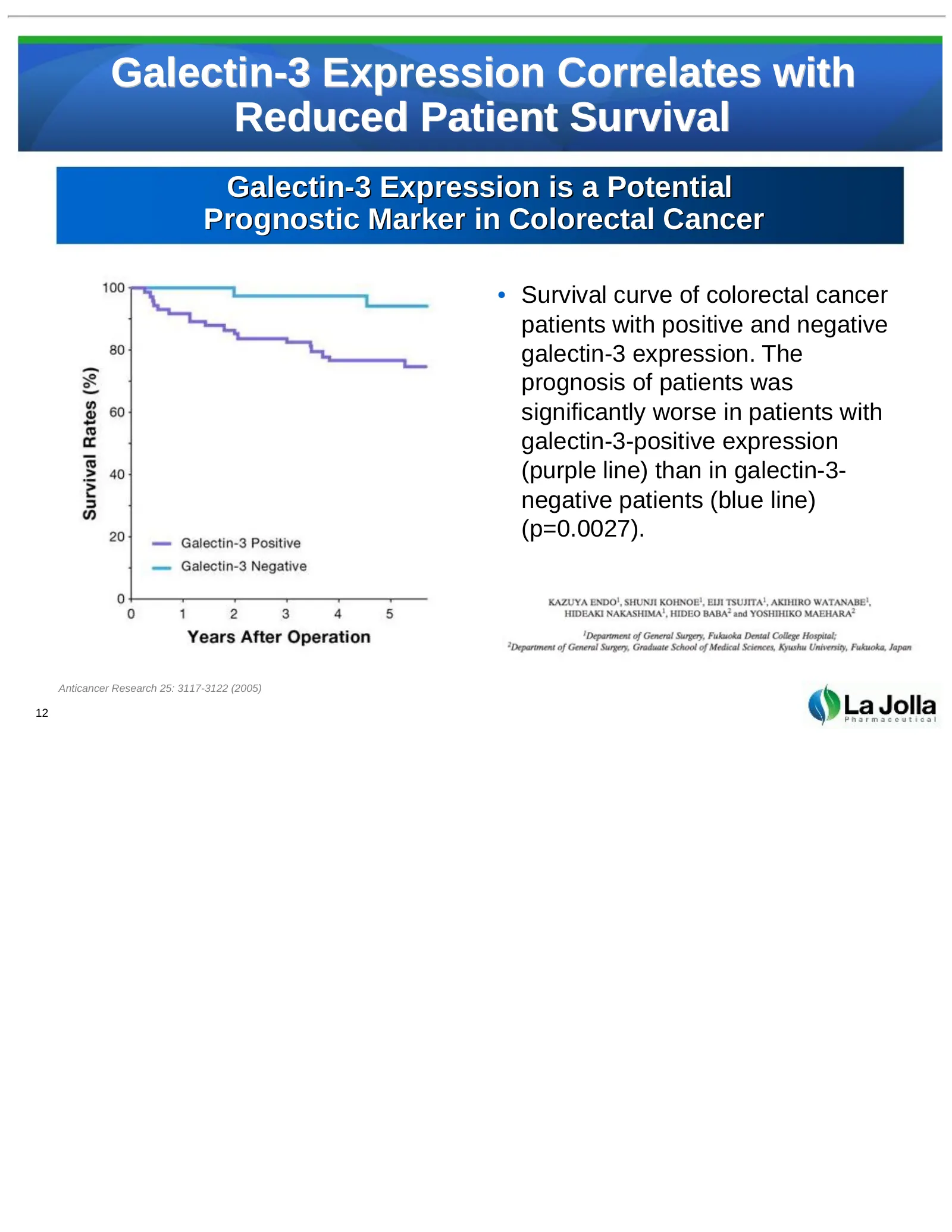
Galectin-3 Expression Correlates with Reduced Patient Survival Galectin-3 Expression is a Potential Prognostic Marker in Colorectal Cancer • Survival curve of colorectal cancer patients with positive and negative galectin-3 expression. The prognosis of patients was significantly worse in patients wi
Slide 13: Galectin-3 Suppresses T-Cell Activation
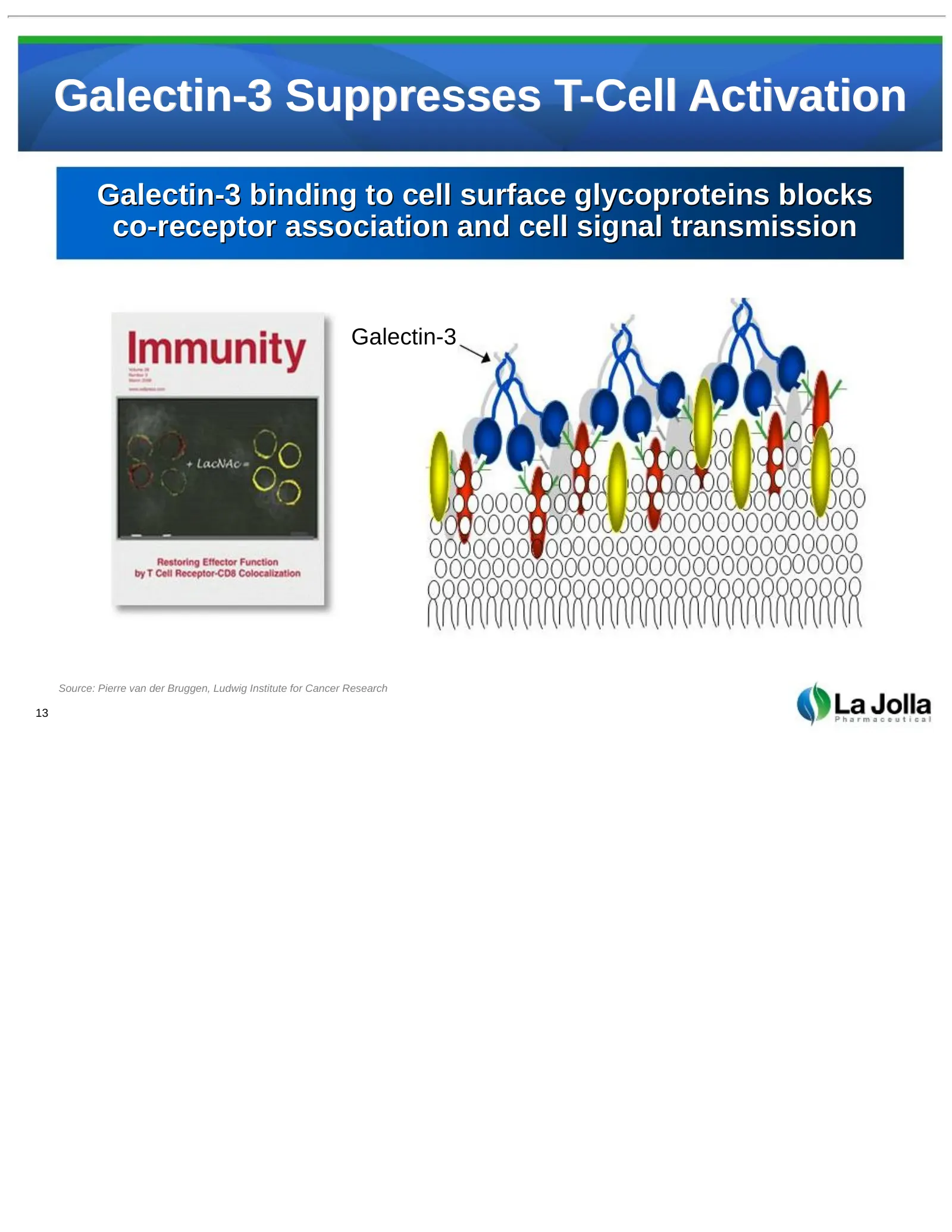
Galectin-3 Suppresses T-Cell Activation Galectin-3 binding to cell surface glycoproteins blocks co-receptor association and cell signal transmission Galectin-3 Source: Pierre van der Bruggen, Ludwig Institute for Cancer Research 13
Slide 14: GCS-100 Reverses Galectin-3 T-Cell Suppression
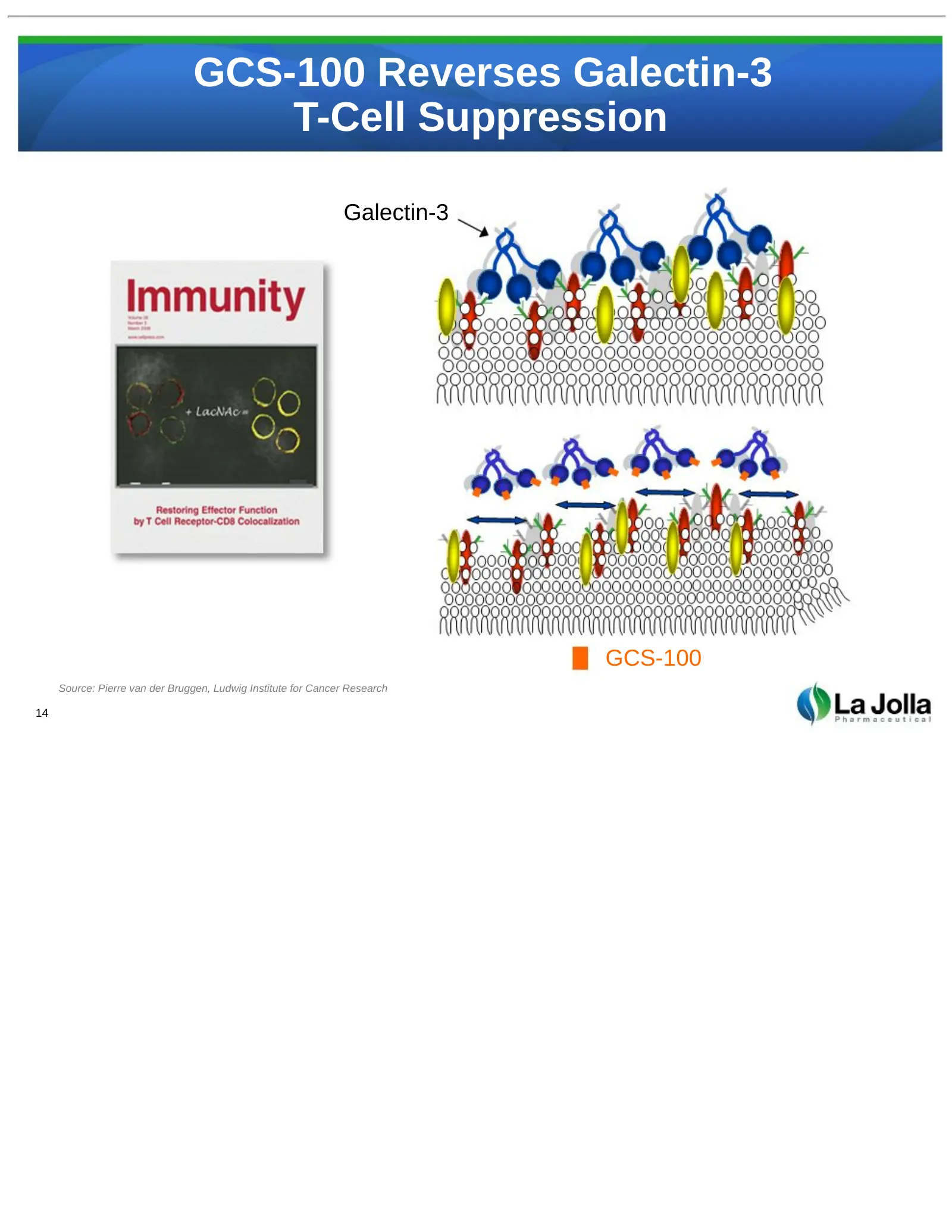
GCS-100 Reverses Galectin-3 T-Cell Suppression Galectin-3 GCS-100 Source: Pierre van der Bruggen, Ludwig Institute for Cancer Research 14
Slide 15: GCS-100 Reverses Galectin-3 T-Cell Suppression
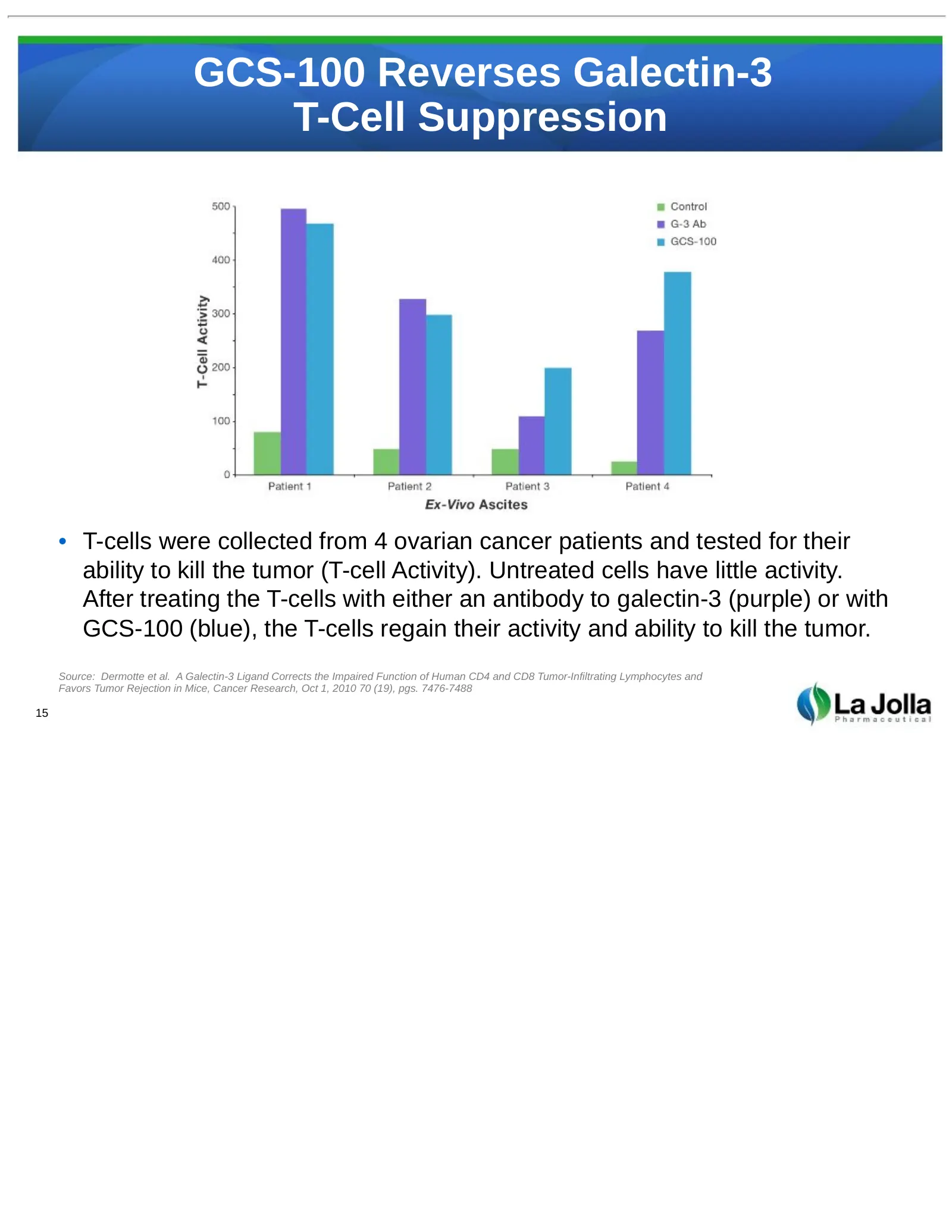
GCS-100 Reverses Galectin-3 T-Cell Suppression • T-cells were collected from 4 ovarian cancer patients and tested for their ability to kill the tumor (T-cell Activity). Untreated cells have little activity. After treating the T-cells with either an antibody to galectin-3 (purple) or with GCS-100 (bl
Slide 16: GCS-100 Improves Melanoma Cancer Vaccine
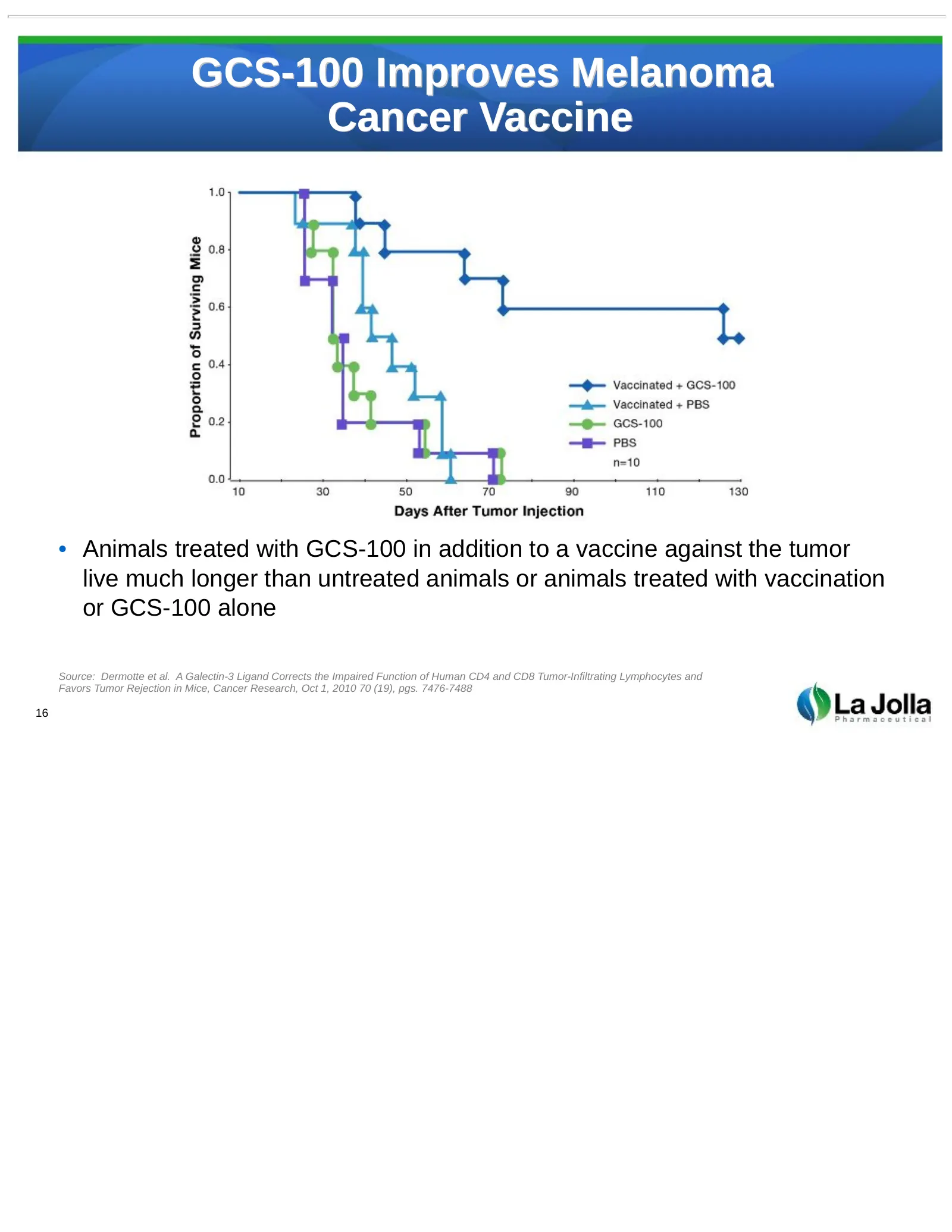
GCS-100 Improves Melanoma Cancer Vaccine • Animals treated with GCS-100 in addition to a vaccine against the tumor live much longer than untreated animals or animals treated with vaccination or GCS-100 alone Source: Dermotte et al. A Galectin-3 Ligand Corrects the Impaired Function of Human CD4 and
Slide 17: GCS-100 Clinical Summary
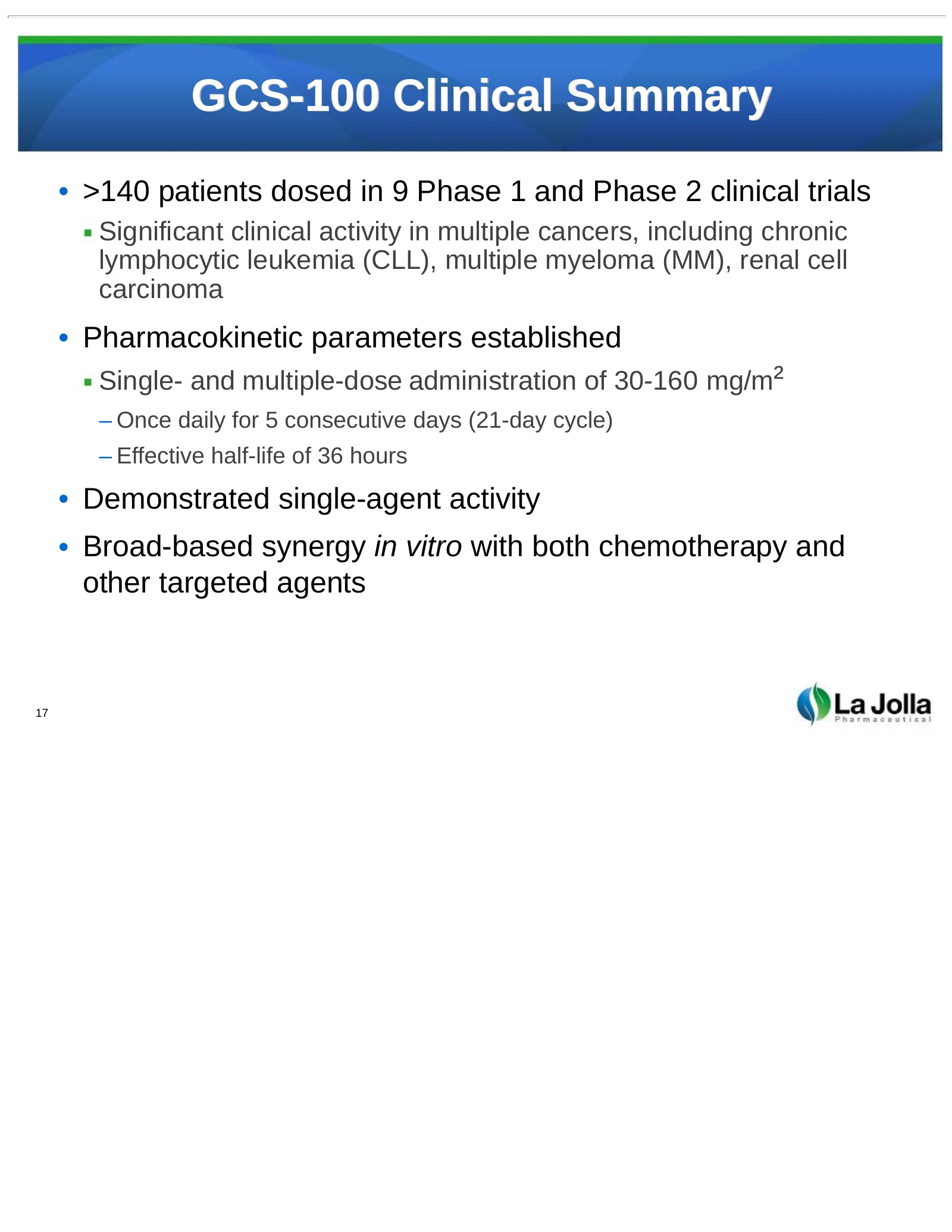
GCS-100 Clinical Summary • >140 patients dosed in 9 Phase 1 and Phase 2 clinical trials Significant clinical activity in multiple cancers, including chronic lymphocytic leukemia (CLL), multiple myeloma (MM), renal cell carcinoma • Pharmacokinetic parameters established Single- and multiple-dose admi
Slide 18: GCS-100 Side Effects Consistent with Immune Modulation
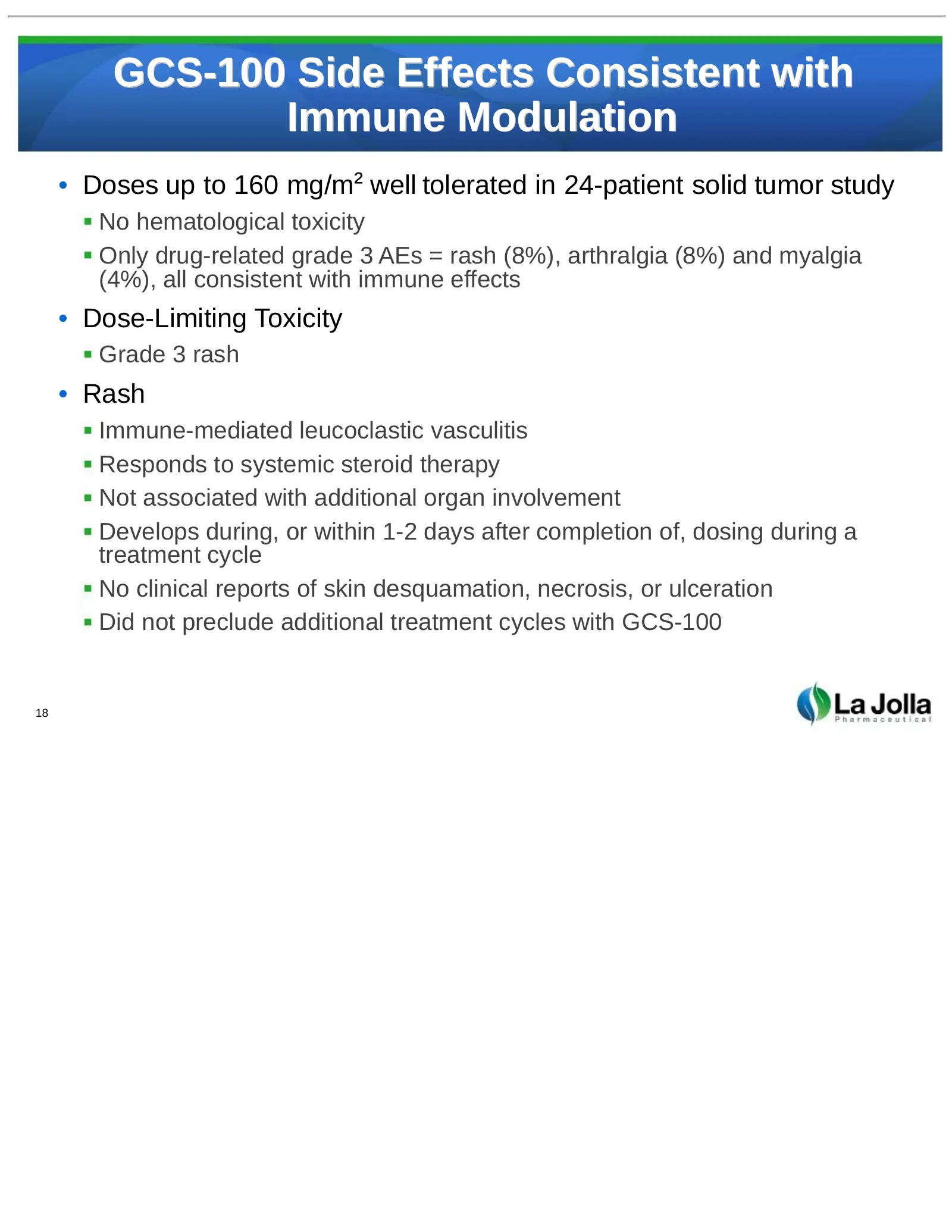
GCS-100 Side Effects Consistent with Immune Modulation • Doses up to 160 mg/m² well tolerated in 24-patient solid tumor study No hematological toxicity Only drug-related grade 3 AEs = rash (8%), arthralgia (8%) and myalgia (4%), all consistent with immune effects • Dose-Limiting Toxicity Grade 3 ras
Slide 19: Phase 2a Single-Agent CLL Study: Design
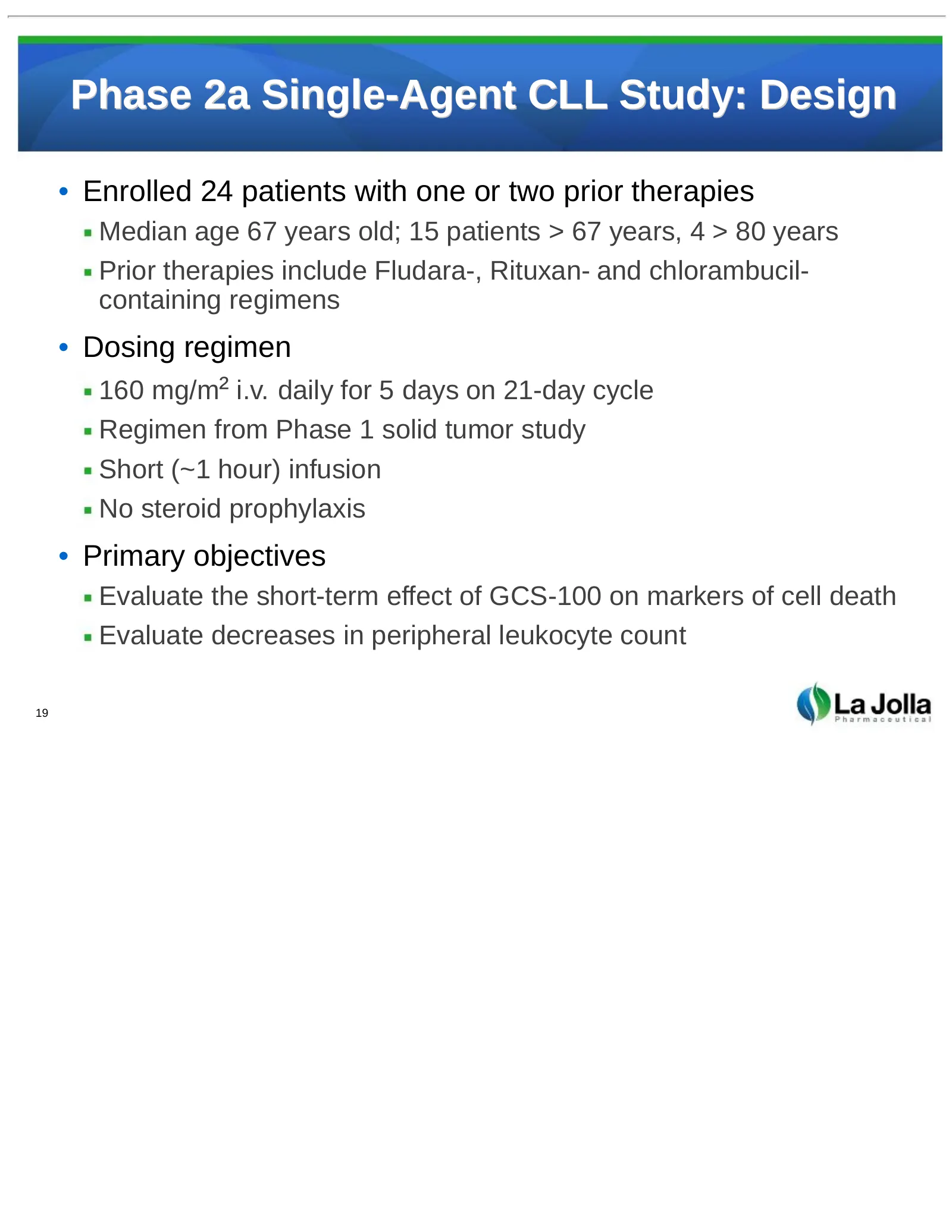
Phase 2a Single-Agent CLL Study: Design • Enrolled 24 patients with one or two prior therapies Median age 67 years old; 15 patients > 67 years, 4 > 80 years Prior therapies include Fludara-, Rituxan- and chlorambucil- containing regimens • Dosing regimen 160 mg/m² i.v. daily for 5 days on 21-day cyc
Slide 20: Phase 2a Single-Agent CLL Study: Results
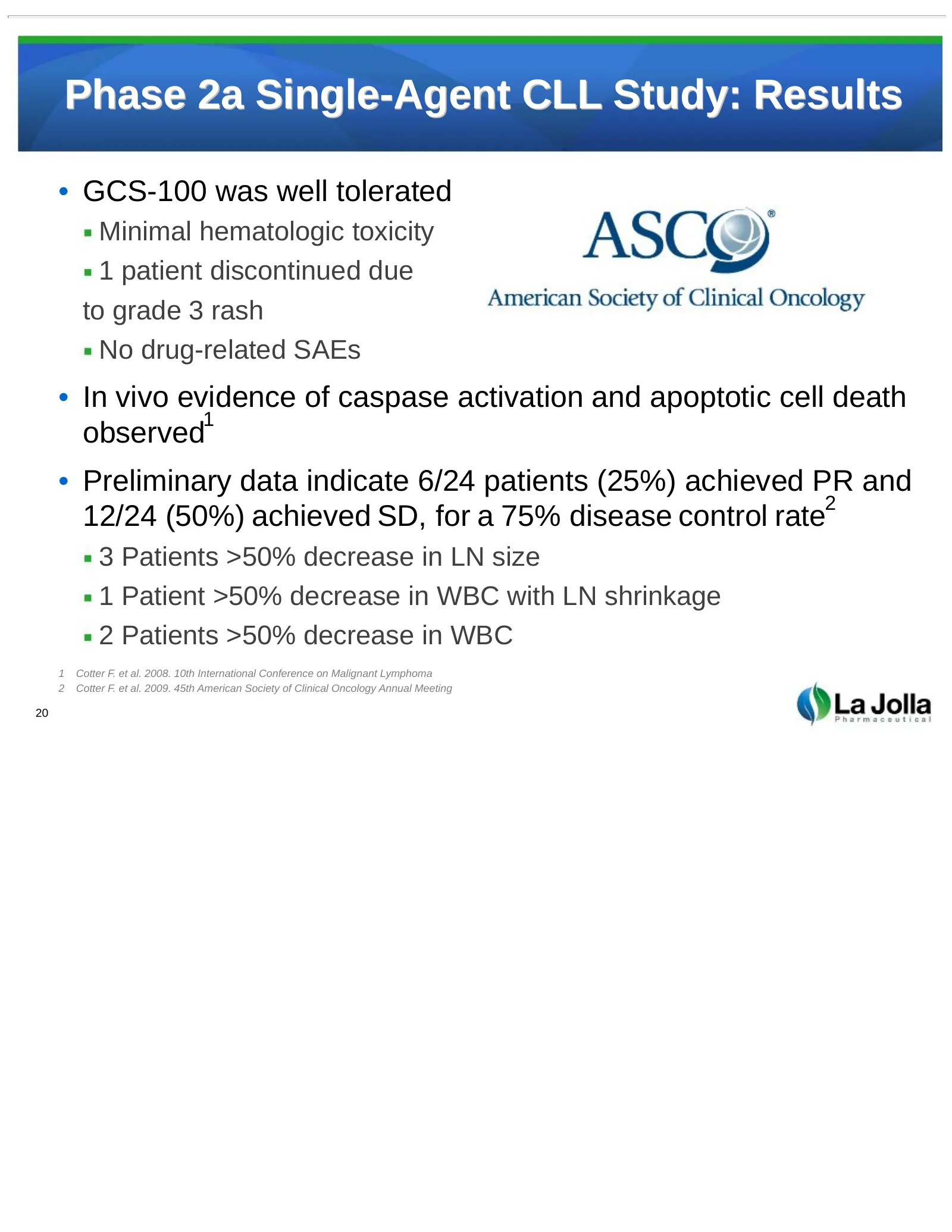
Phase 2a Single-Agent CLL Study: Results • GCS-100 was well tolerated Minimal hematologic toxicity 1 patient discontinued due to grade 3 rash No drug-related SAEs • In vivo evidence of caspase activation and apoptotic cell death 1 observed • Preliminary data indicate 6/24 patients (25%) achieved PR
Slide 21: GCS-100 Clinical Summary
GCS-100 Clinical Summary • Clinical activity in multiple cancers, including chronic lymphocytic leukemia (CLL), multiple myeloma (MM), and renal cell • Well tolerated and has low toxicity based on >140 patients treated • Broad-based synergy in vitro with both chemotherapy and other targeted agents •
Slide 22: Next Steps: Clinical Trial Rational
Next Steps: Clinical Trial Rational • Galectin-3 is is increased in patients with ESRD and the level correlates to overall survival • Galectin-3 knockout mice develop less kidney scar after injury • Patients with ESRD have no existing therapeutic options outside of renal transplantation • ESRD patie
Slide 23: Next Steps: Clinical Trial Rational
Next Steps: Clinical Trial Rational • GCS-100 has shown single-agent activity in cancer • Galectin-3 is is increased in patients with renal failure • Galectin-3 knockout mice develop less kidney scar after injury • Cancer therapies often cause kidney injury and scar formation with reduced renal func
Slide 24: Next Steps: Phase 1/2 Study in Cancer Patients with Renal Insufficiency
Next Steps: Phase 1/2 Study in Cancer Patients with Renal Insufficiency • Advanced-stage cancer patients (n=18) 2 • GCS-100 alone 160 mg/m weekly • Compare baseline to post-treatment: Serum galectin-3 Renal function Tumor response Immune parameters 24
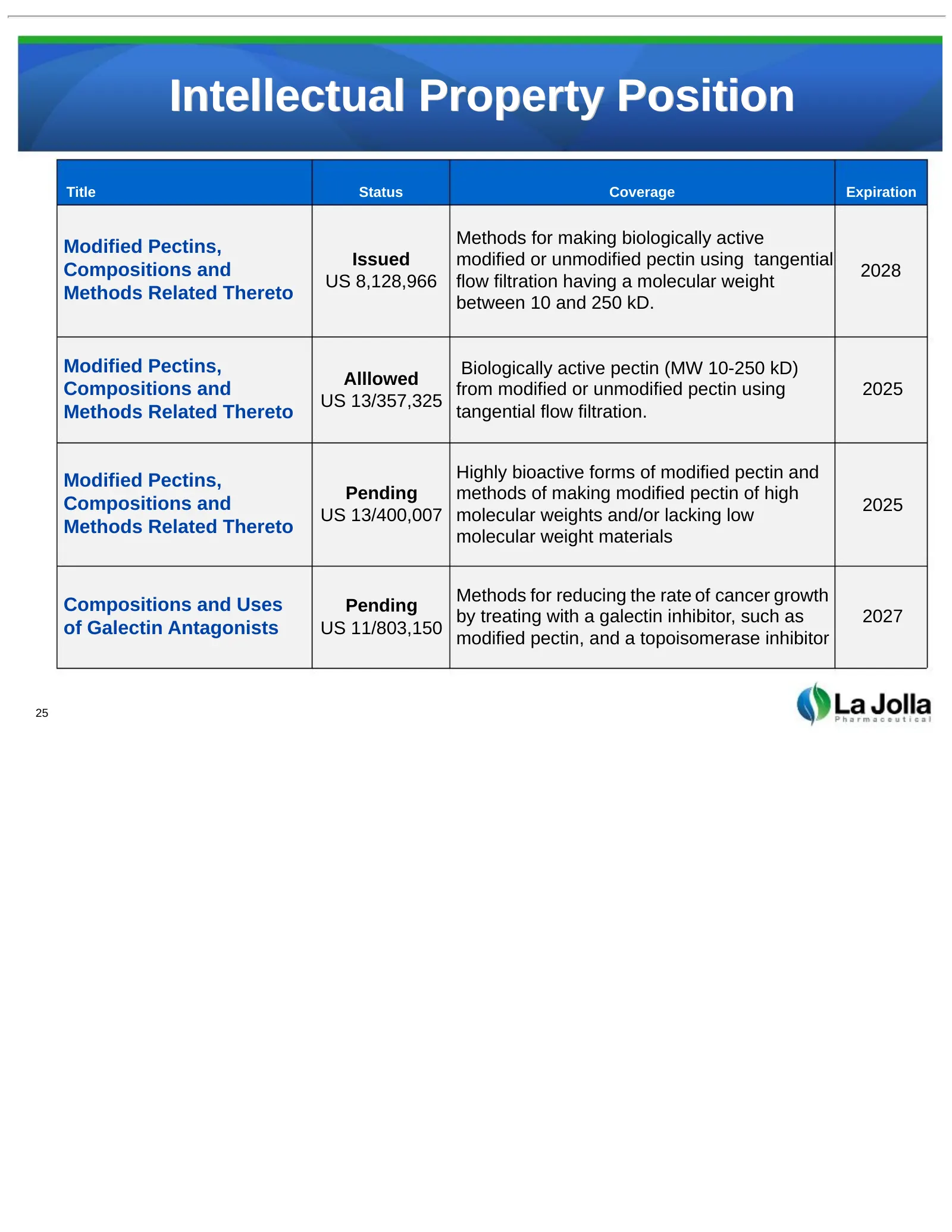
Slide 25: Intellectual Property Position
Intellectual Property Position Title Status Coverage Expiration Modified Pectins, Methods for making biologically active Issued modified or unmodified pectin using tangential Compositions and 2028 US 8,128,966 flow filtration having a molecular weight Methods Related Thereto between 10 and 250 kD. M
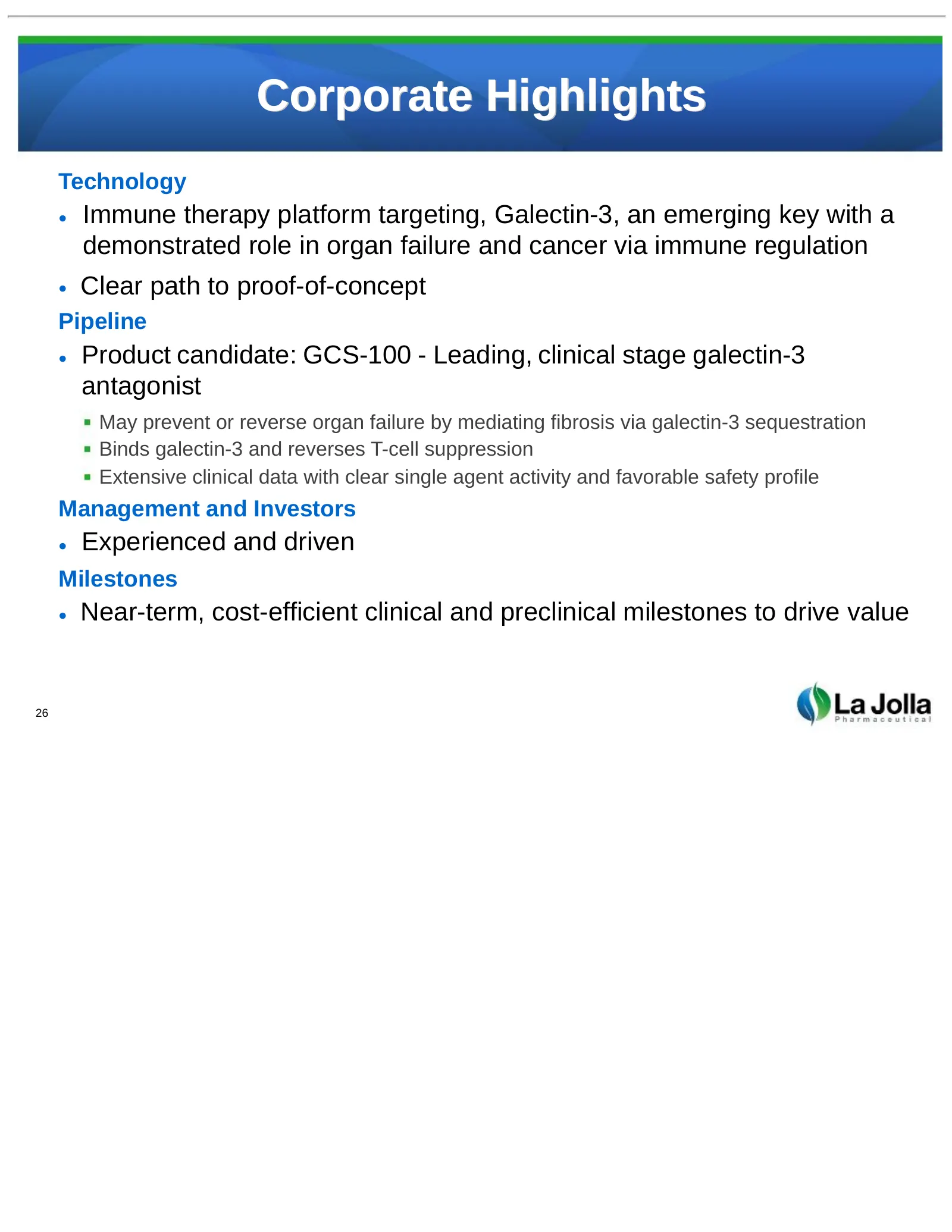
Slide 26: Corporate Highlights
Corporate Highlights Technology • Immune therapy platform targeting, Galectin-3, an emerging key with a demonstrated role in organ failure and cancer via immune regulation • Clear path to proof-of-concept Pipeline • Product candidate: GCS-100 - Leading, clinical stage galectin-3 antagonist May preve
Slide 27: Thank You
/ q La Jolla Pharmaceutical
Source: SEC EDGAR · 8-K filed Jul 13, 2012
More decks from La Jolla Pharmaceutical Co
 Investor Presentation (December 2017)13 slides · Dec 29, 2017
 Investor Presentation (April 2017)36 slides · Apr 11, 2017
 Technical Presentation (February 2017)16 slides · Feb 28, 2017
 Investor Presentation (September 2016)34 slides · Sep 19, 2016
 Technical Presentation (September 2016)9 slides · Sep 8, 2016
 Investor Presentation (January 2016)33 slides · Jan 11, 2016