Sorrento Therapeutics, Inc. · OTC:SRNE
Sorrento Therapeutics — Investor Presentation (November 2013)
37 slides from Sorrento Therapeutics's investor presentation, Nov 19, 2013
Slide 1: Next-Generation Cancer Therapeutics
Exhibit 99.1 Sorrento Therapeutics Next-Generation Cancer Therapeutics November 2013
Slide 2: Safe Harbor Statement
Safe Harbor Statement NASDAQ: SRNE This presentation contains "forward-looking statements" as that term is defined under the Private Securities Litigation Reform Act of 1995 (PSLRA), including statements regarding expectations, beliefs or intentions regarding our business, technologies and products
Slide 3: Management Team
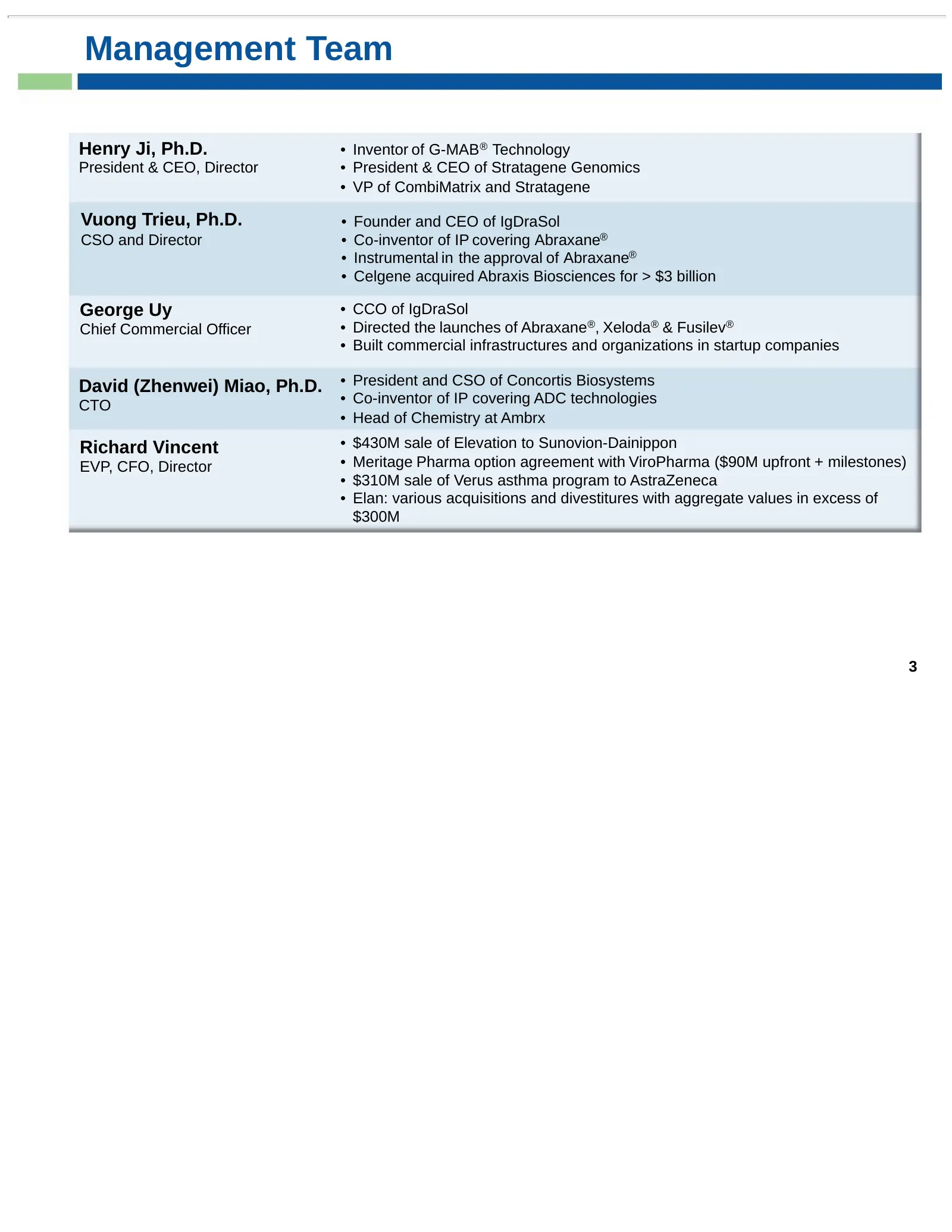
Management Team Henry Ji, Ph.D. • Inventor of G-MAB ® Technology President & CEO, Director • President & CEO of Stratagene Genomics • VP of CombiMatrix and Stratagene Vuong Trieu, Ph.D. • Founder and CEO of IgDraSol CSO and Director • Co-inventor of IP covering Abraxane® • Instrumental in the approv
Slide 4: Investment Highlights
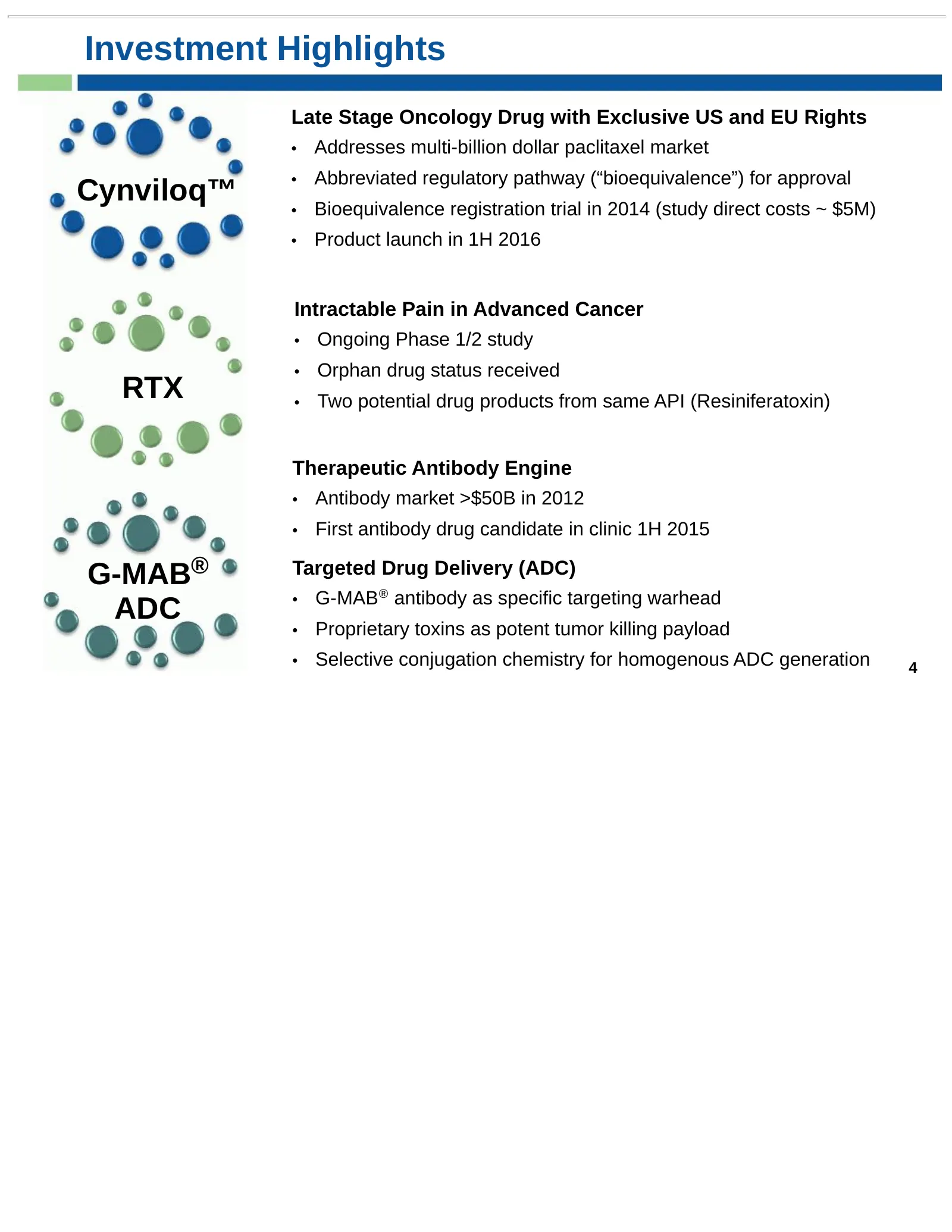
Investment Highlights Late Stage Oncology Drug with Exclusive US and EU Rights • Addresses multi-billion dollar paclitaxel market • Abbreviated regulatory pathway (“bioequivalence”) for approval Cynviloq™ • Bioequivalence registration trial in 2014 (study direct costs ~ $5M) • Product launch in 1H 2
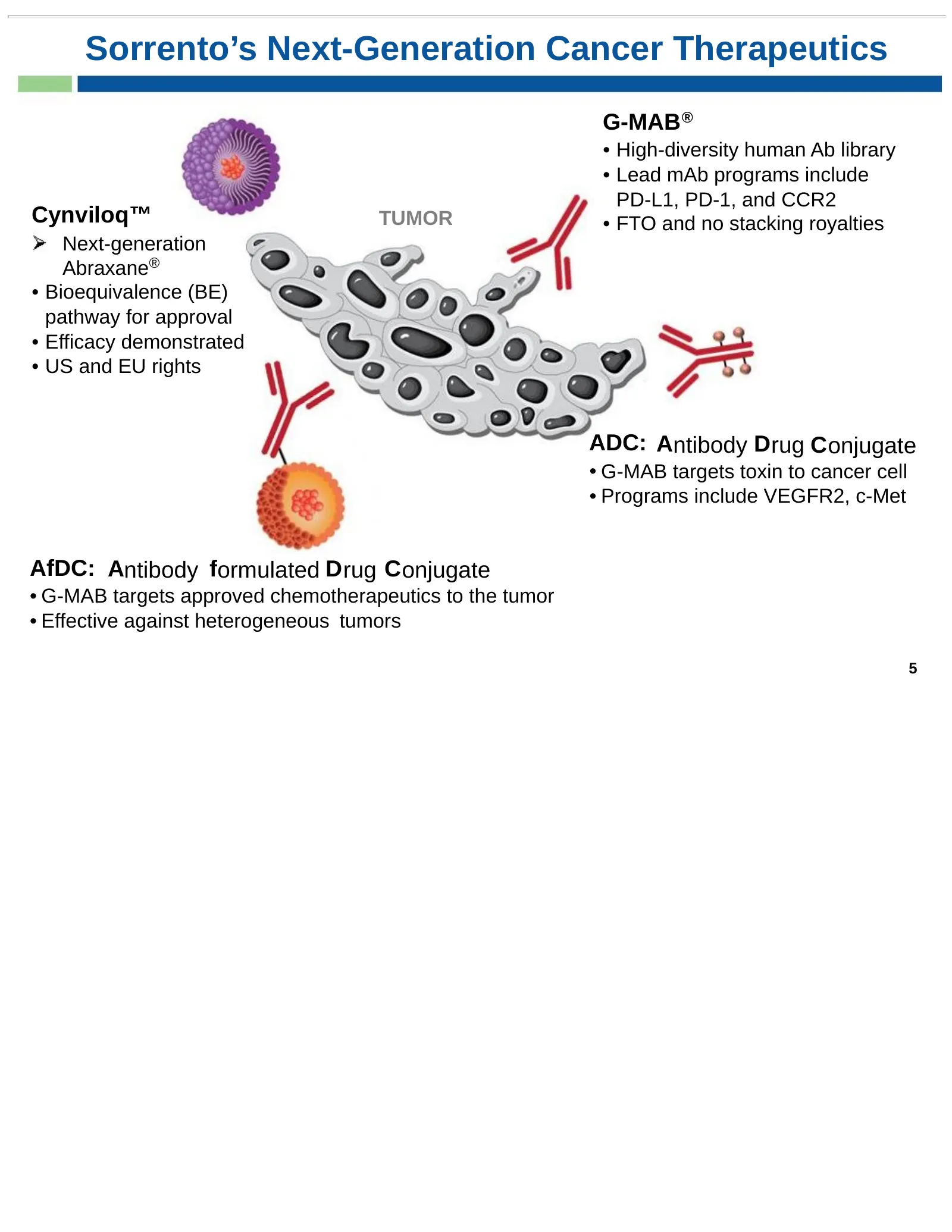
Slide 5: Sorrento's Next-Generation Cancer Therapeutics
Sorrento’s Next-Generation Cancer Therapeutics G-MAB® • High-diversity human Ab library • Lead mAb programs include PD-L1, PD-1, and CCR2 Cynviloq™ TUMOR • FTO and no stacking royalties Next-generation Abraxane® • Bioequivalence (BE) pathway for approval • Efficacy demonstrated • US and EU rights AD
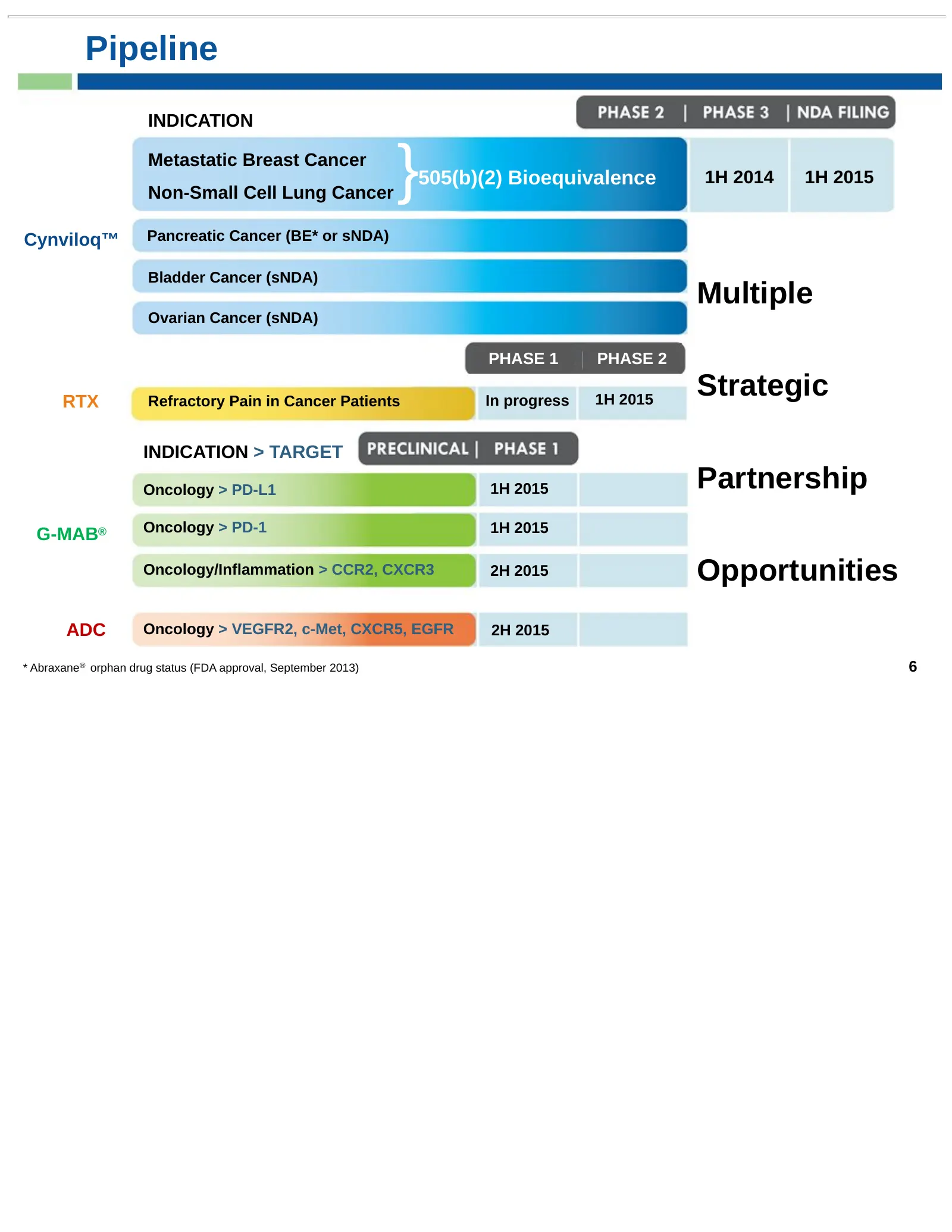
Slide 6: Pipeline
Pipeline INDICATION Metastatic Breast Cancer Non-Small Cell Lung Cancer } 505(b)(2) Bioequivalence 1H 2014 1H 2015 Cynviloq™ Pancreatic Cancer (BE* or sNDA) Bladder Cancer (sNDA) Multiple Ovarian Cancer (sNDA) PHASE 1 PHASE 2 RTX Refractory Pain in Cancer Patients In progress 1H 2015 Strategic INDIC
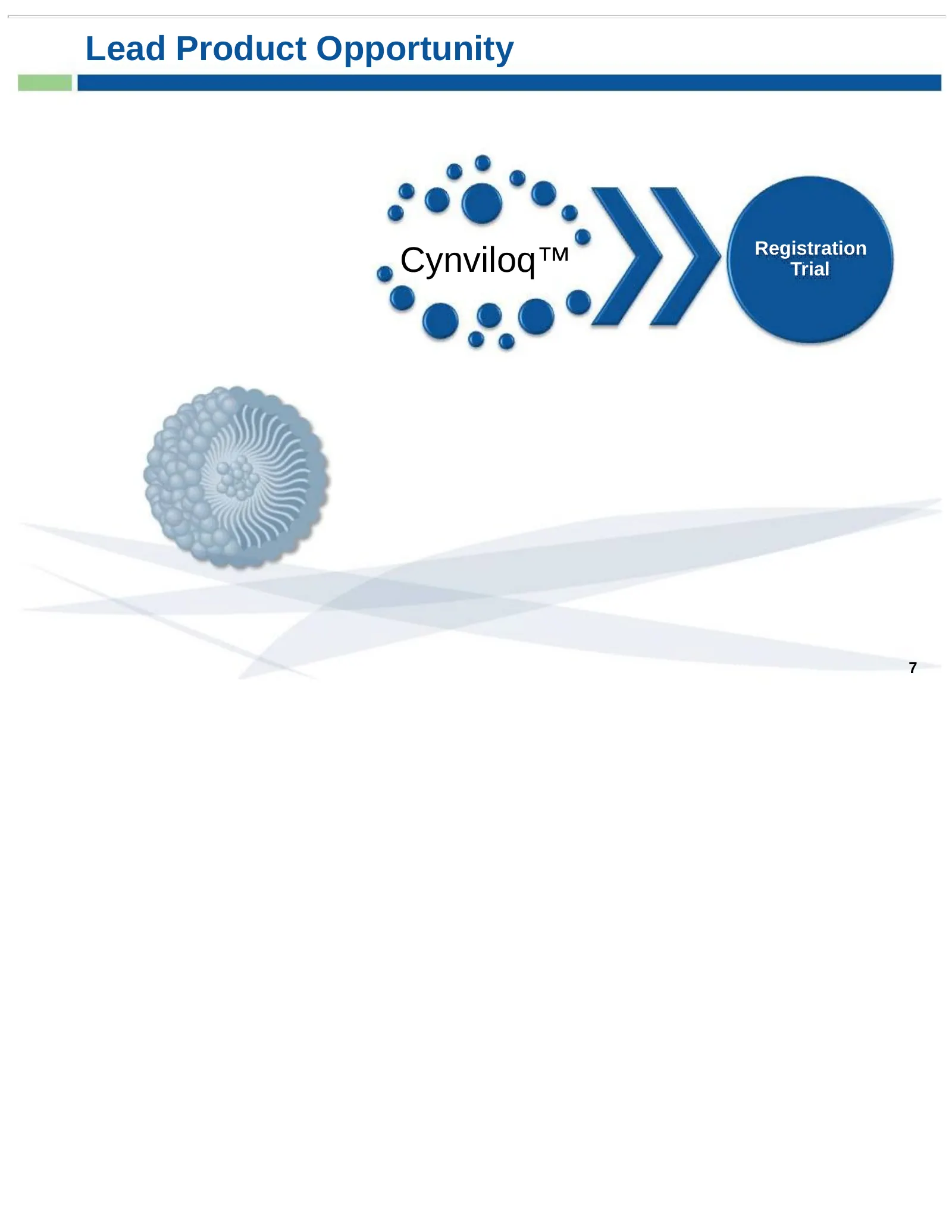
Slide 7: Lead Product Opportunity Cynviloq
Lead Product Opportunity Registration Cynviloq™ Trial 7
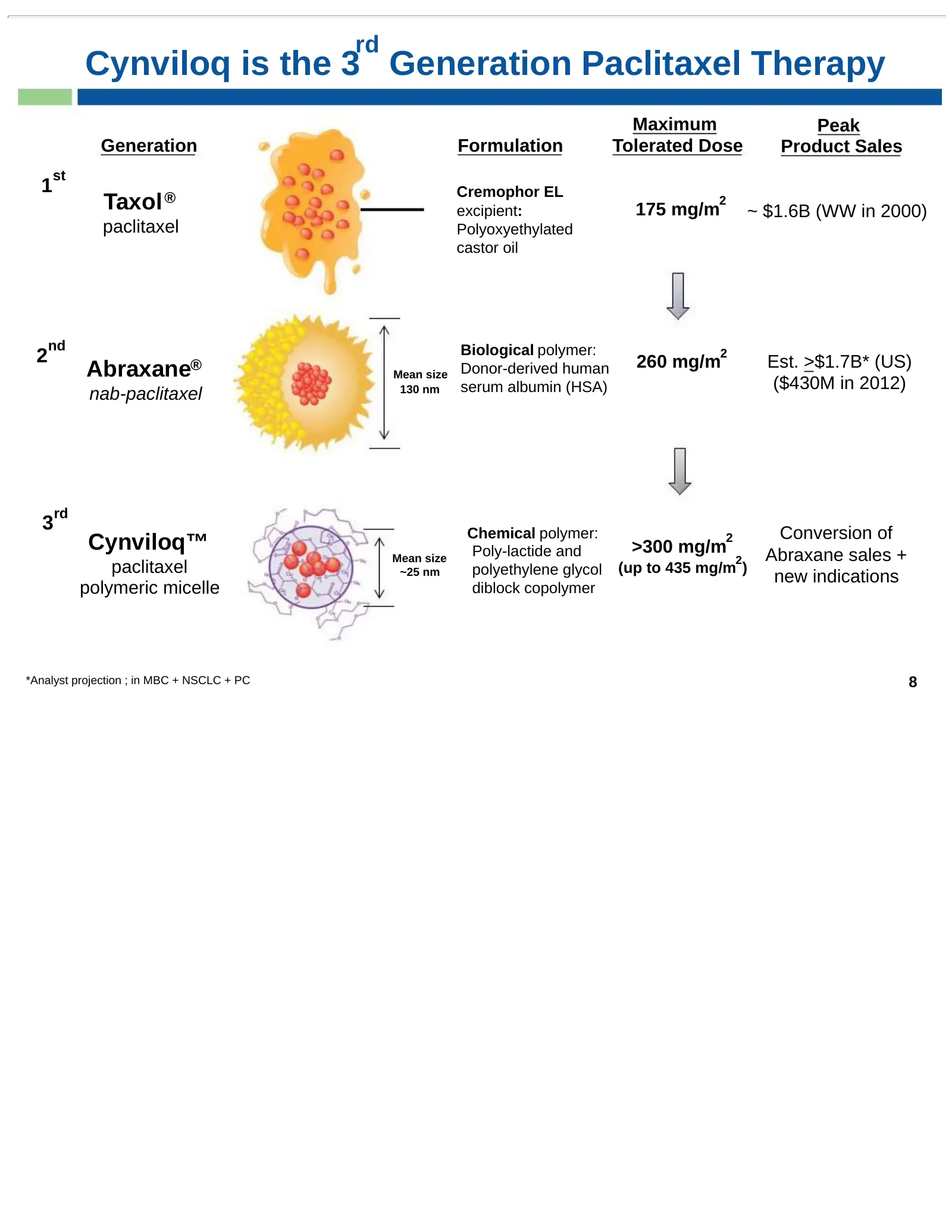
Slide 8: Cynviloq is the 3rd Generation Paclitaxel Therapy
rd Cynviloq is the 3 Generation Paclitaxel Therapy Maximum Peak Generation Formulation Tolerated Dose Product Sales st 1 Cremophor EL Taxol ® excipient: 175 mg/m 2 ~ $1.6B (WW in 2000) paclitaxel Polyoxyethylated castor oil nd Biological polymer: 2 260 mg/m 2 Est. >$1.7B* (US) Abraxane® Mean size Do
Slide 9: Cynviloq is a High Value Proposition
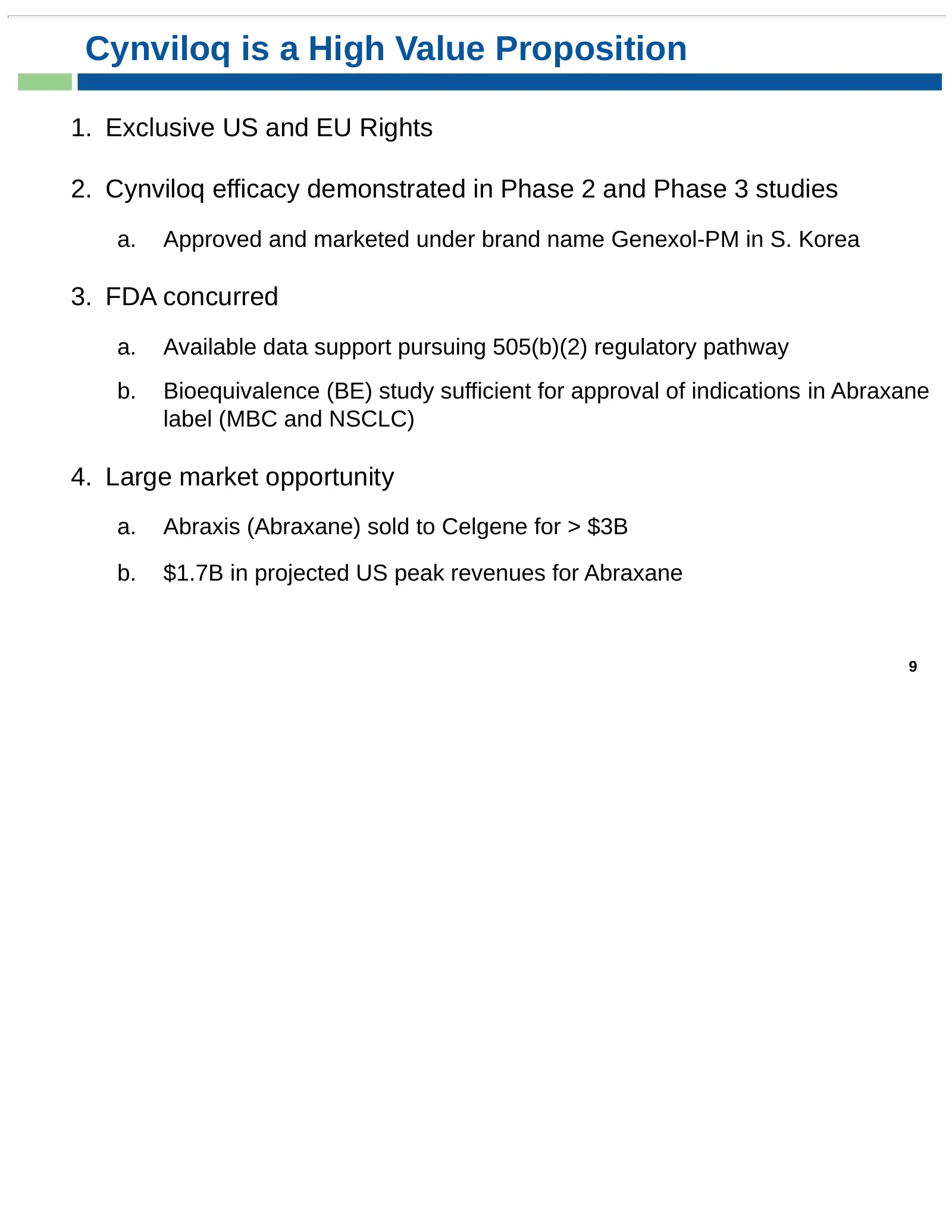
Cynviloq is a High Value Proposition 1. Exclusive US and EU Rights 2. Cynviloq efficacy demonstrated in Phase 2 and Phase 3 studies a. Approved and marketed under brand name Genexol-PM in S. Korea 3. FDA concurred a. Available data support pursuing 505(b)(2) regulatory pathway b. Bioequivalence (BE)
Slide 10: Clinical Efficacy & Safety Summary
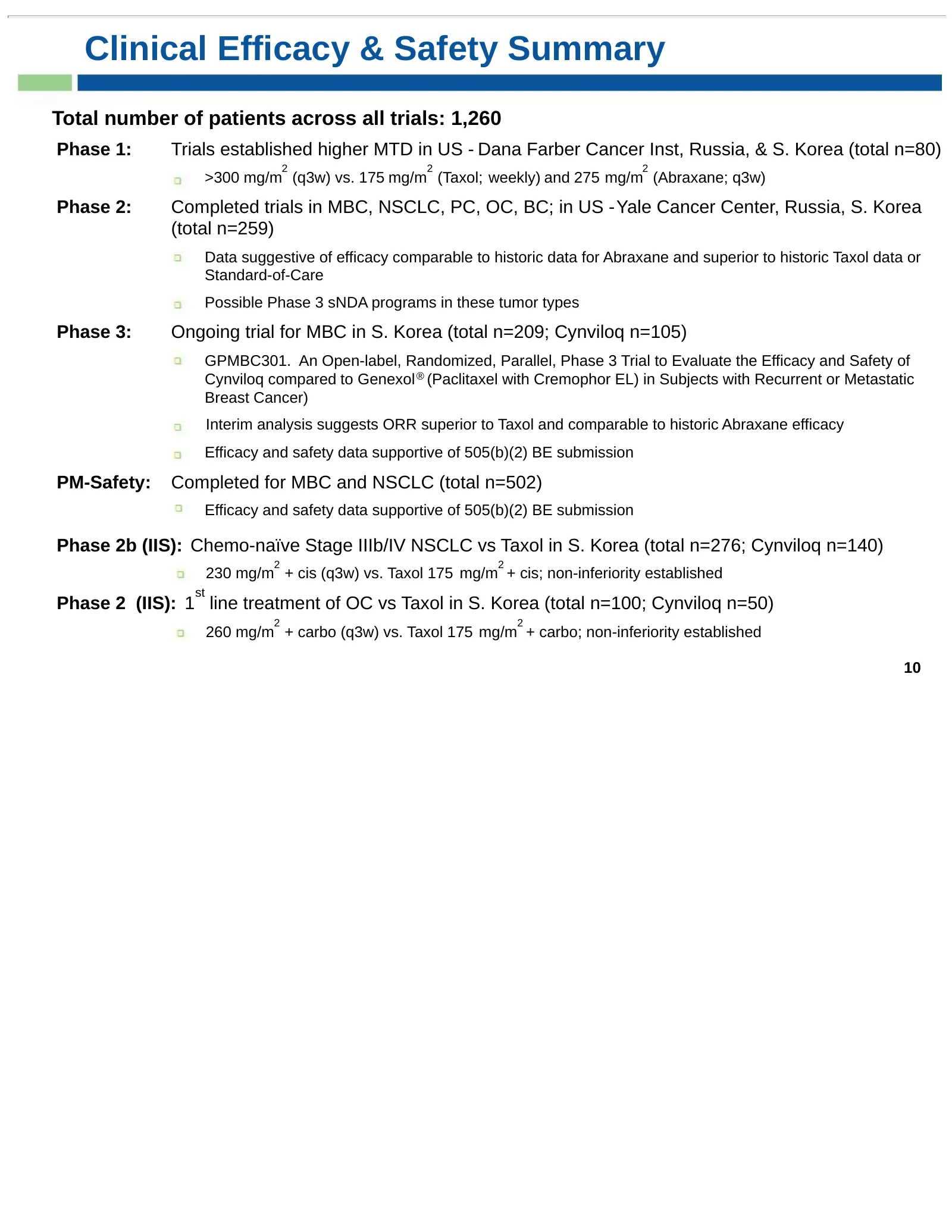
Clinical Efficacy & Safety Summary Total number of patients across all trials: 1,260 Phase 1: Trials established higher MTD in US - Dana Farber Cancer Inst, Russia, & S. Korea (total n=80) 2 2 2 >300 mg/m (q3w) vs. 175 mg/m (Taxol; weekly) and 275 mg/m (Abraxane; q3w) Phase 2: Completed trials in MB
Slide 11: Equivalent Pharmacokinetics in Mice
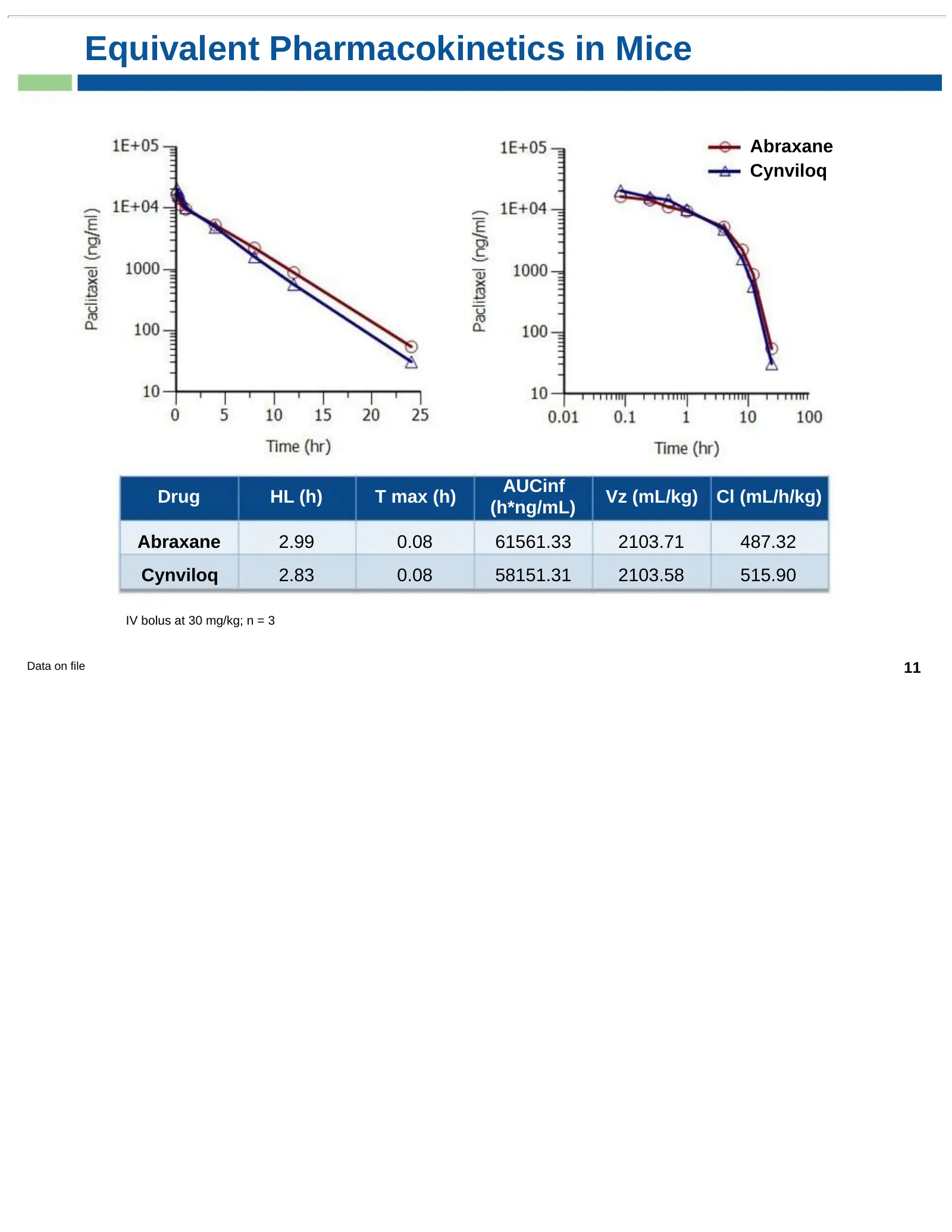
Equivalent Pharmacokinetics in Mice Abraxane Cynviloq AUCinf Drug HL (h) T max (h) Vz (mL/kg) Cl (mL/h/kg) (h*ng/mL) Abraxane 2.99 0.08 61561.33 2103.71 487.32 Cynviloq 2.83 0.08 58151.31 2103.58 515.90 IV bolus at 30 mg/kg; n = 3 Data on file 11
Slide 12: Comparable Pharmacokinetics in Human
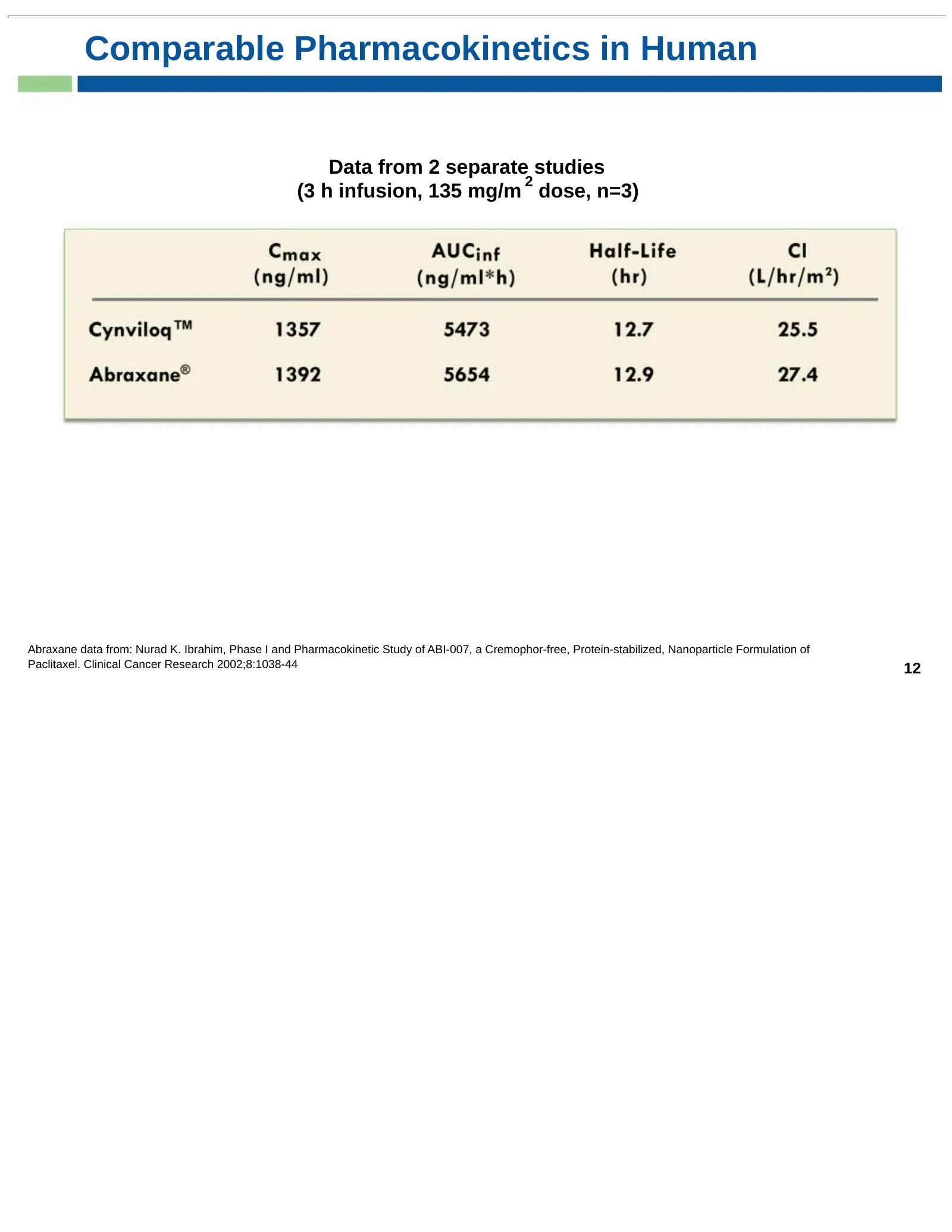
Comparable Pharmacokinetics in Human Data from 2 separate studies 2 (3 h infusion, 135 mg/m dose, n=3) Abraxane data from: Nurad K. Ibrahim, Phase I and Pharmacokinetic Study of ABI-007, a Cremophor-free, Protein-stabilized, Nanoparticle Formulation of Paclitaxel. Clinical Cancer Research 2002;8:103
Slide 13: Simulated PK Parameters Supportive of BE
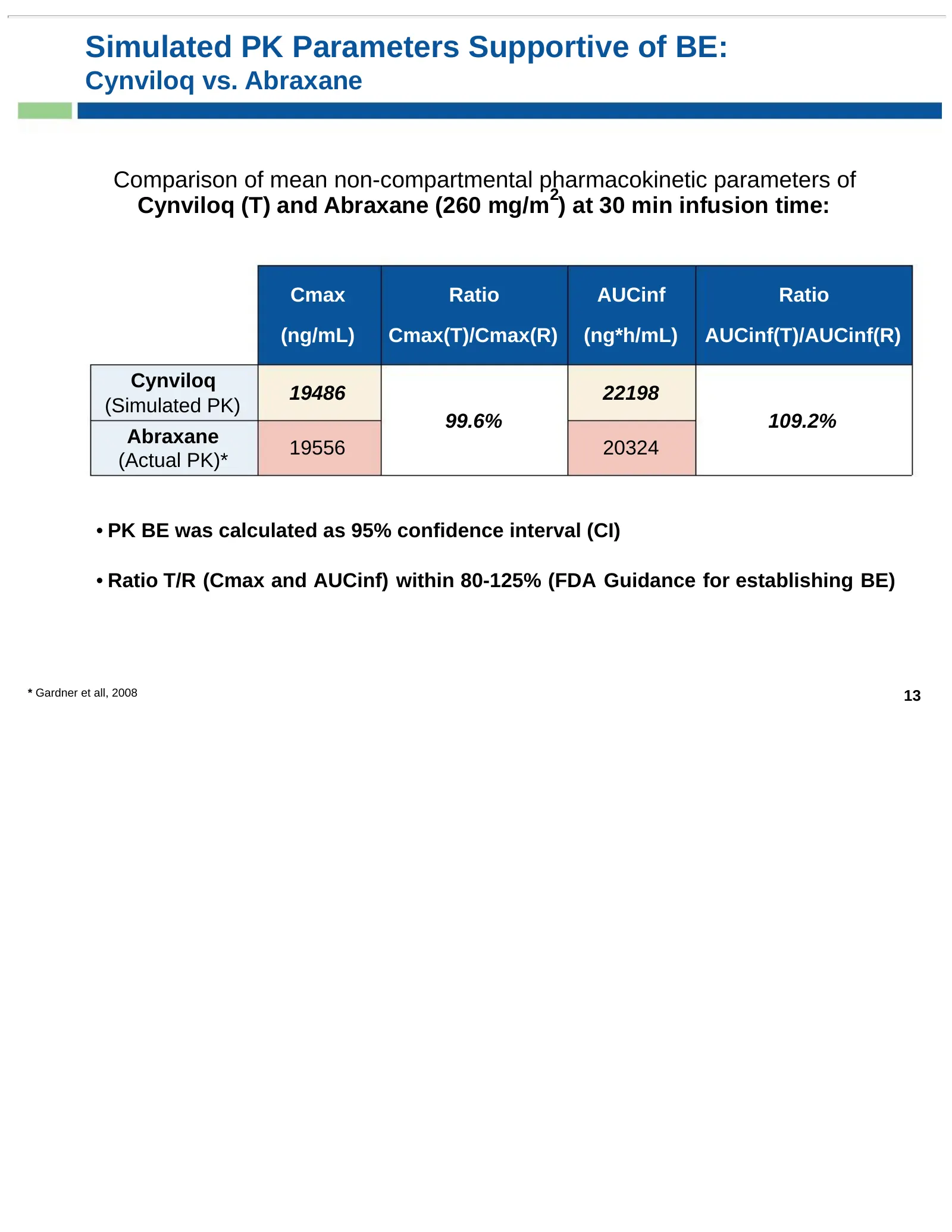
Simulated PK Parameters Supportive of BE: Cynviloq vs. Abraxane Comparison of mean non-compartmental pharmacokinetic parameters of 2 Cynviloq (T) and Abraxane (260 mg/m ) at 30 min infusion time: Cmax Ratio AUCinf Ratio (ng/mL) Cmax(T)/Cmax(R) (ng*h/mL) AUCinf(T)/AUCinf(R) Cynviloq 19486 22198 (Simu
Slide 14: Bioequivalence = Efficient Pathway to Market
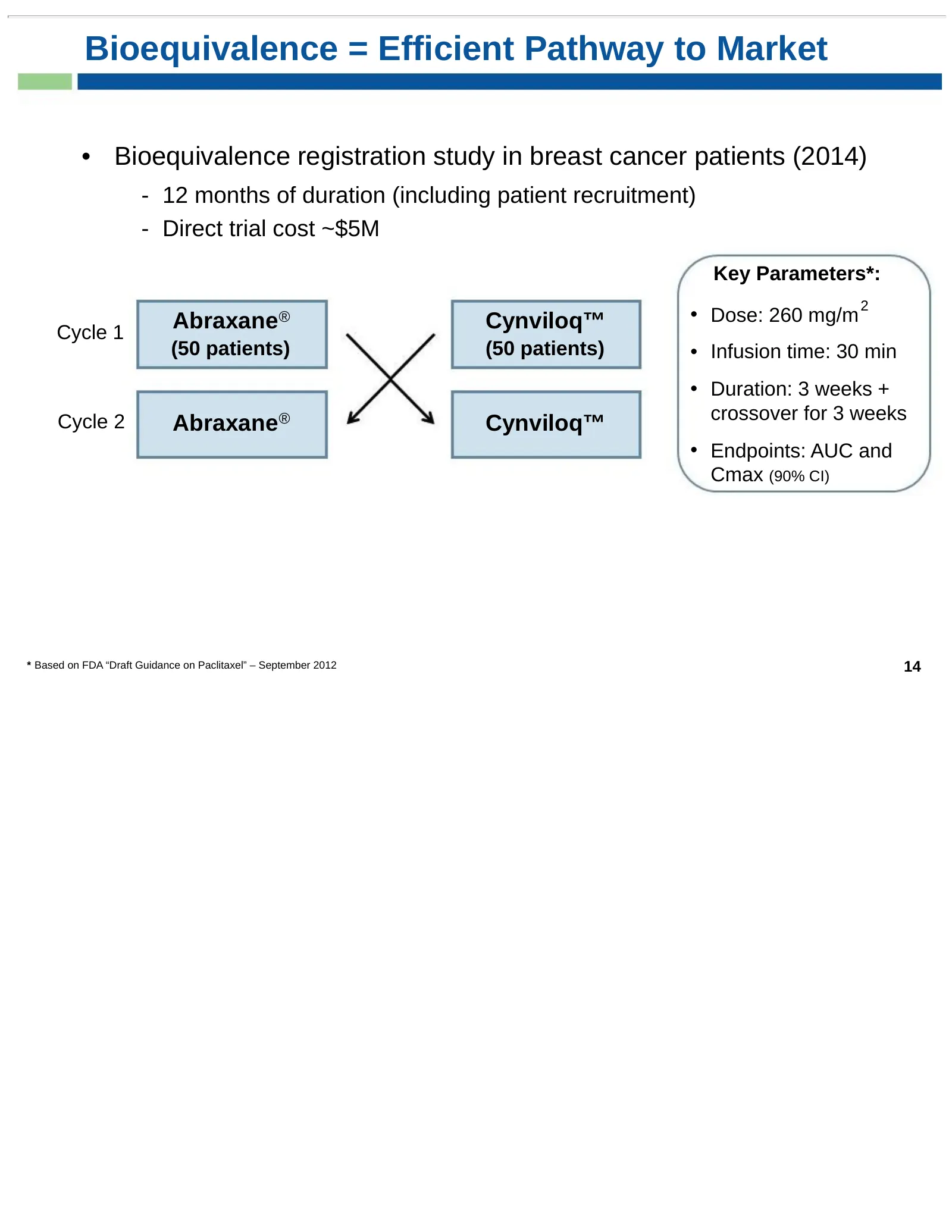
Bioequivalence = Efficient Pathway to Market • Bioequivalence registration study in breast cancer patients (2014) - 12 months of duration (including patient recruitment) - Direct trial cost ~$5M Key Parameters*: 2 Abraxane® Cynviloq™ • Dose: 260 mg/m Cycle 1 (50 patients) (50 patients) • Infusion ti
Slide 15: Cynviloq Advantages
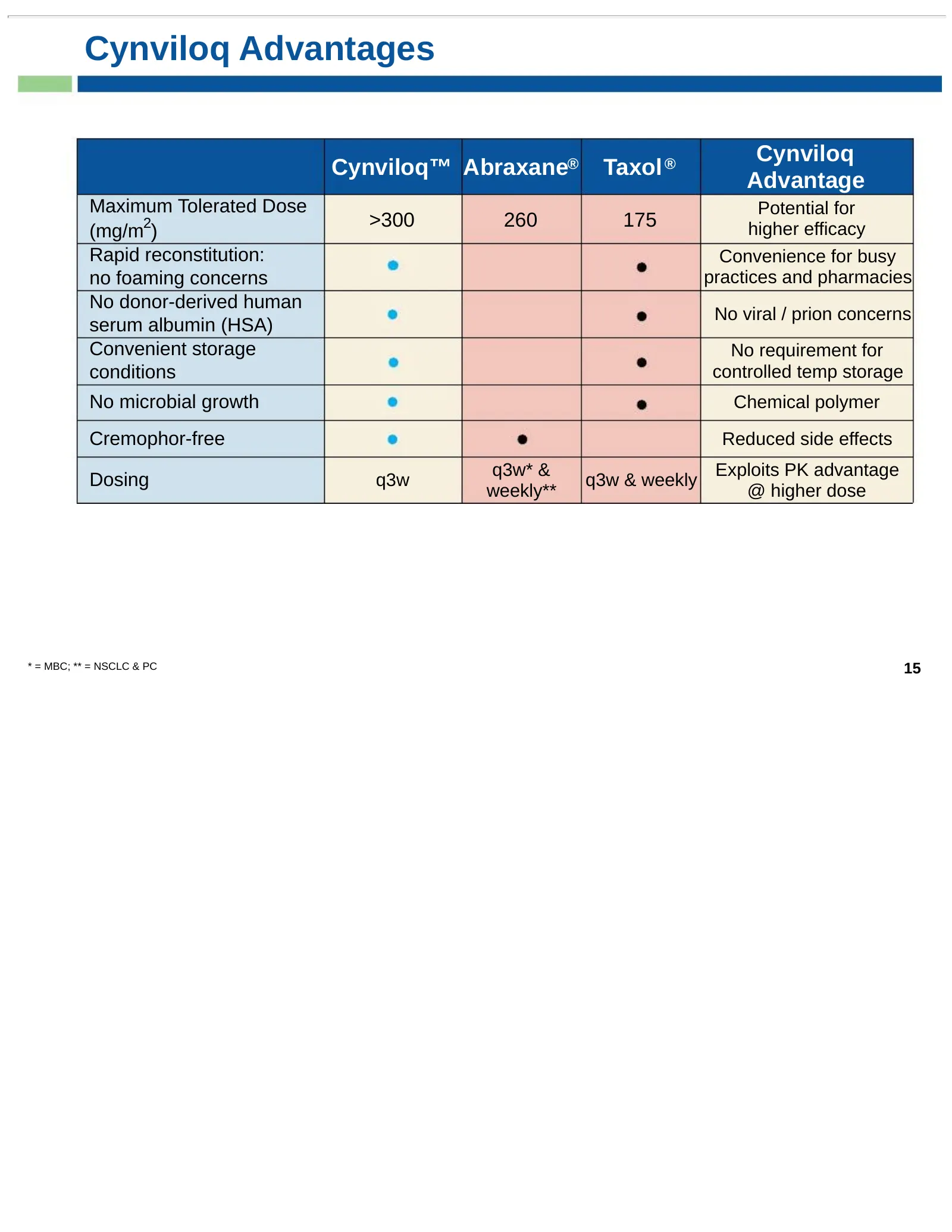
Cynviloq Advantages Cynviloq Cynviloq™ Abraxane® Taxol ® Advantage Maximum Tolerated Dose Potential for 2 >300 260 175 higher efficacy (mg/m ) Rapid reconstitution: Convenience for busy no foaming concerns practices and pharmacies No donor-derived human No viral / prion concerns serum albumin (HSA)
Slide 16: Cynviloq Market Opportunity
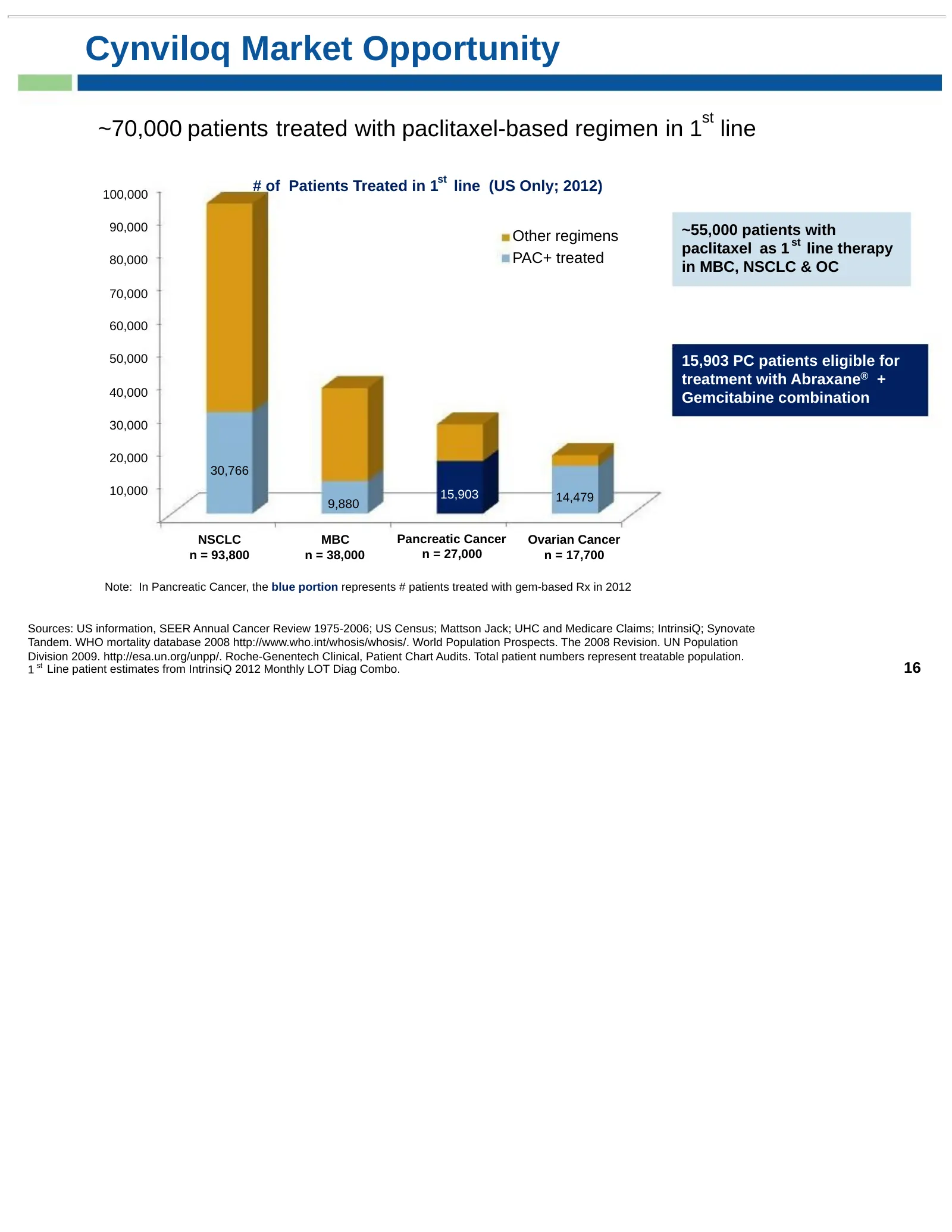
Cynviloq Market Opportunity st ~70,000 patients treated with paclitaxel-based regimen in 1 line st 100,000 # of Patients Treated in 1 line (US Only; 2012) 90,000 ~55,000 patients with Other regimens paclitaxel as 1 st line therapy 80,000 PAC+ treated in MBC, NSCLC & OC 70,000 60,000 50,000 15,903 PC
Slide 17: Potential to Expand Label Indications – 2nd Line Bladder Cancer
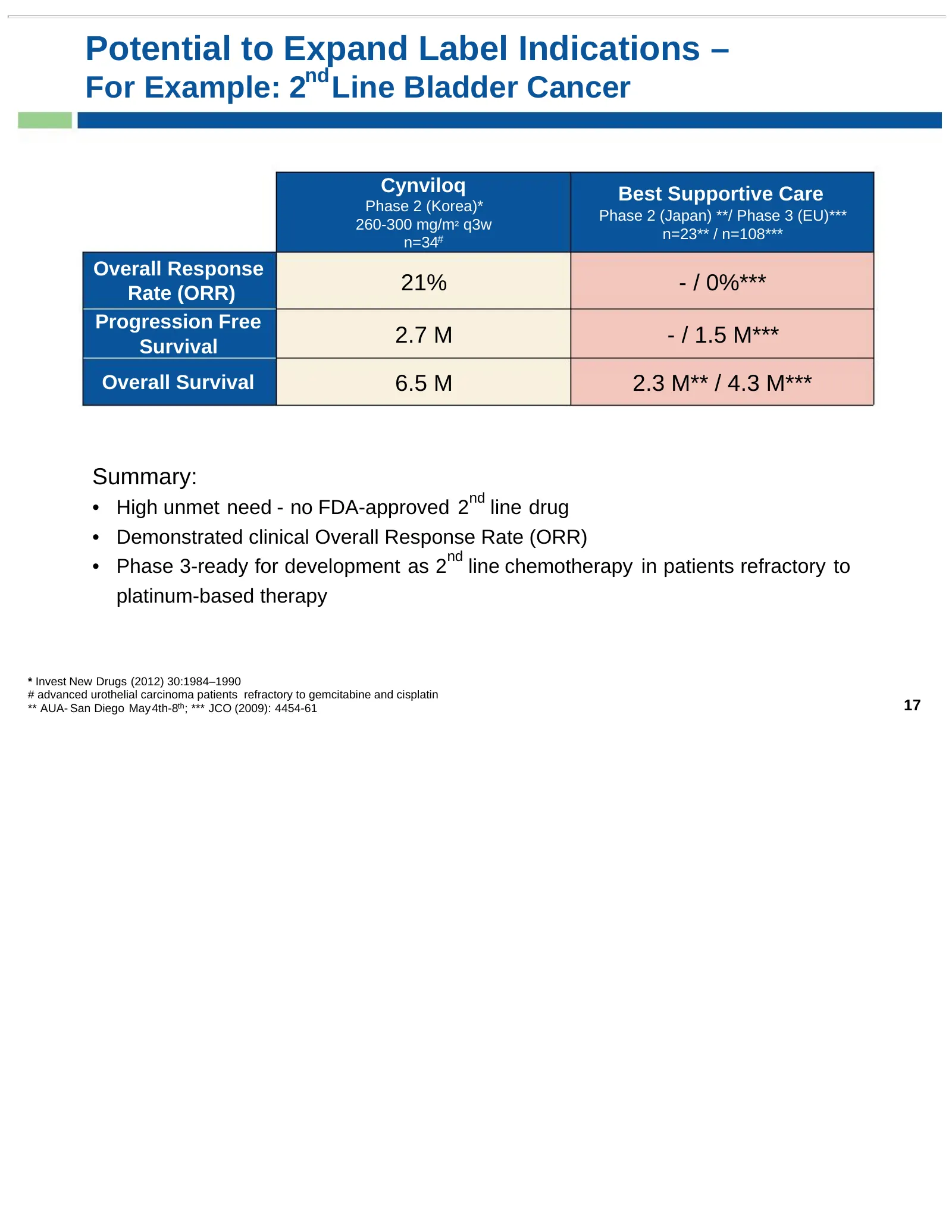
Potential to Expand Label Indications – nd For Example: 2 Line Bladder Cancer Cynviloq Best Supportive Care Phase 2 (Korea)* Phase 2 (Japan) **/ Phase 3 (EU)*** 260-300 mg/m² q3w n=23** / n=108*** n=34# Overall Response Rate (ORR) 21% - / 0%*** Progression Free Survival 2.7 M - / 1.5 M*** Overall Su
Slide 18: Next Steps for Cynviloq
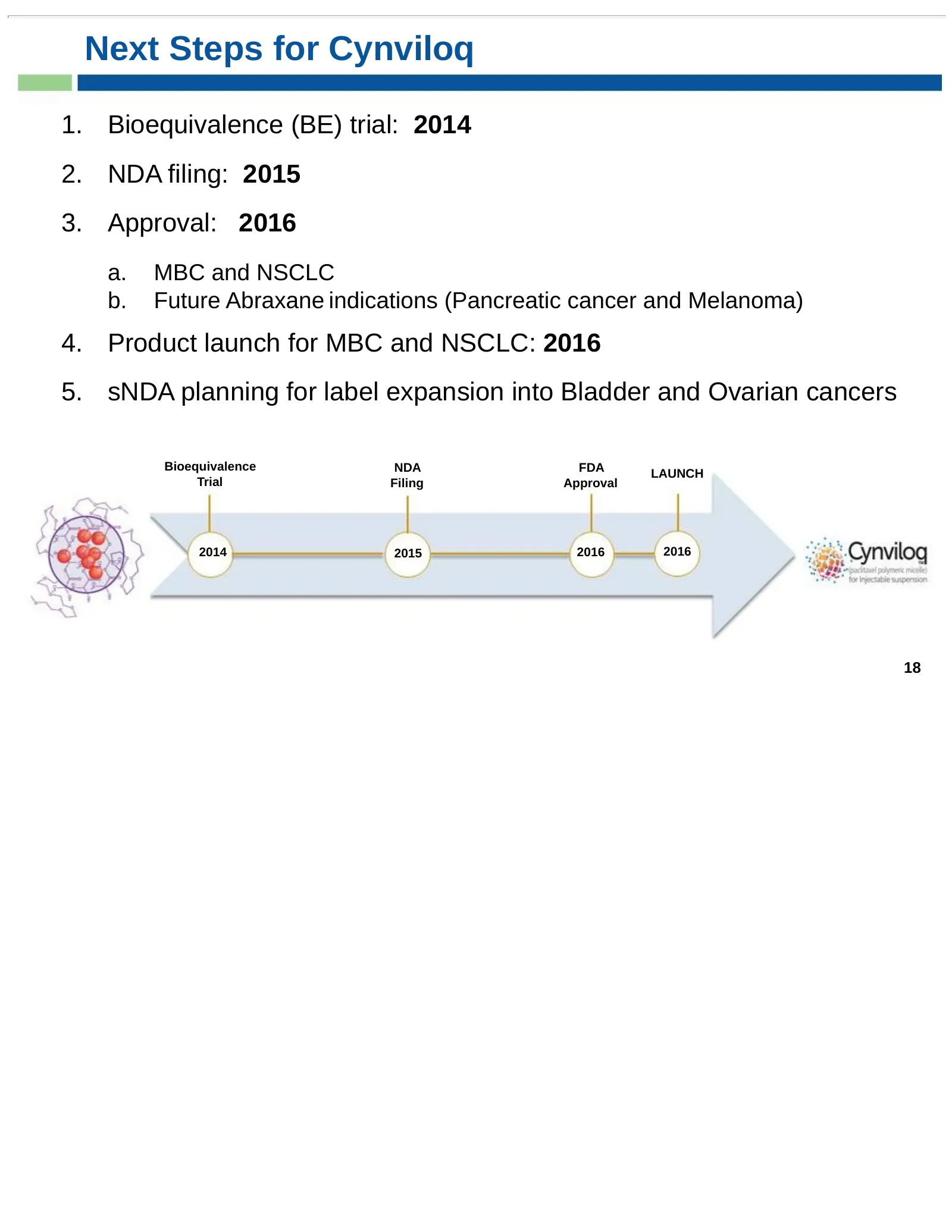
Next Steps for Cynviloq 1. Bioequivalence (BE) trial: 2014 2. NDA filing: 2015 3. Approval: 2016 a. MBC and NSCLC b. Future Abraxane indications (Pancreatic cancer and Melanoma) 4. Product launch for MBC and NSCLC: 2016 5. sNDA planning for label expansion into Bladder and Ovarian cancers Bioequival
Slide 19: RTX: Expanded Clinical Pipeline with Multiple Opportunities
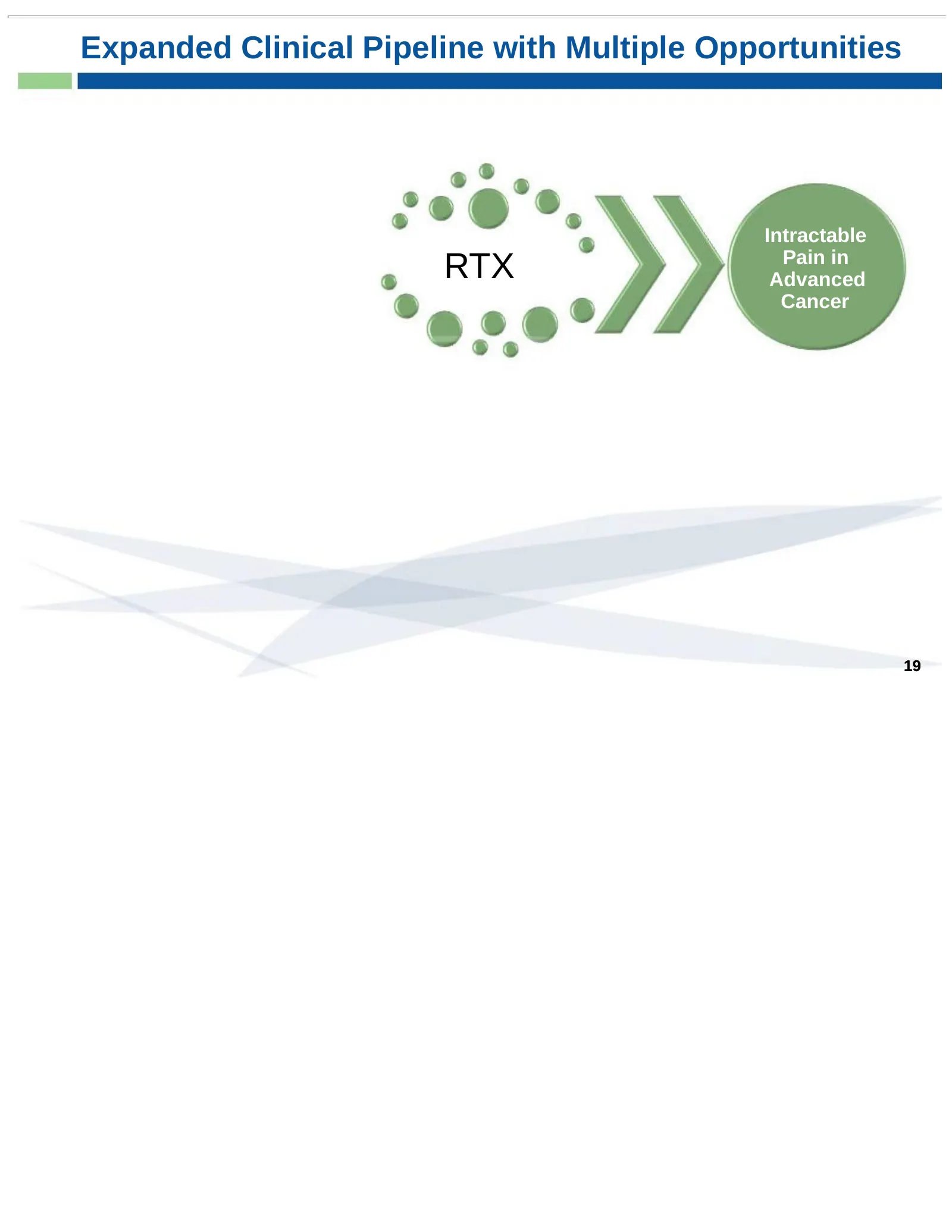
Expanded Clinical Pipeline with Multiple Opportunities Intractable RTX Pain in Advanced Cancer 19
Slide 20: Resiniferatoxin (RTX): Non-opiate Drug Candidate for Cancer Pain
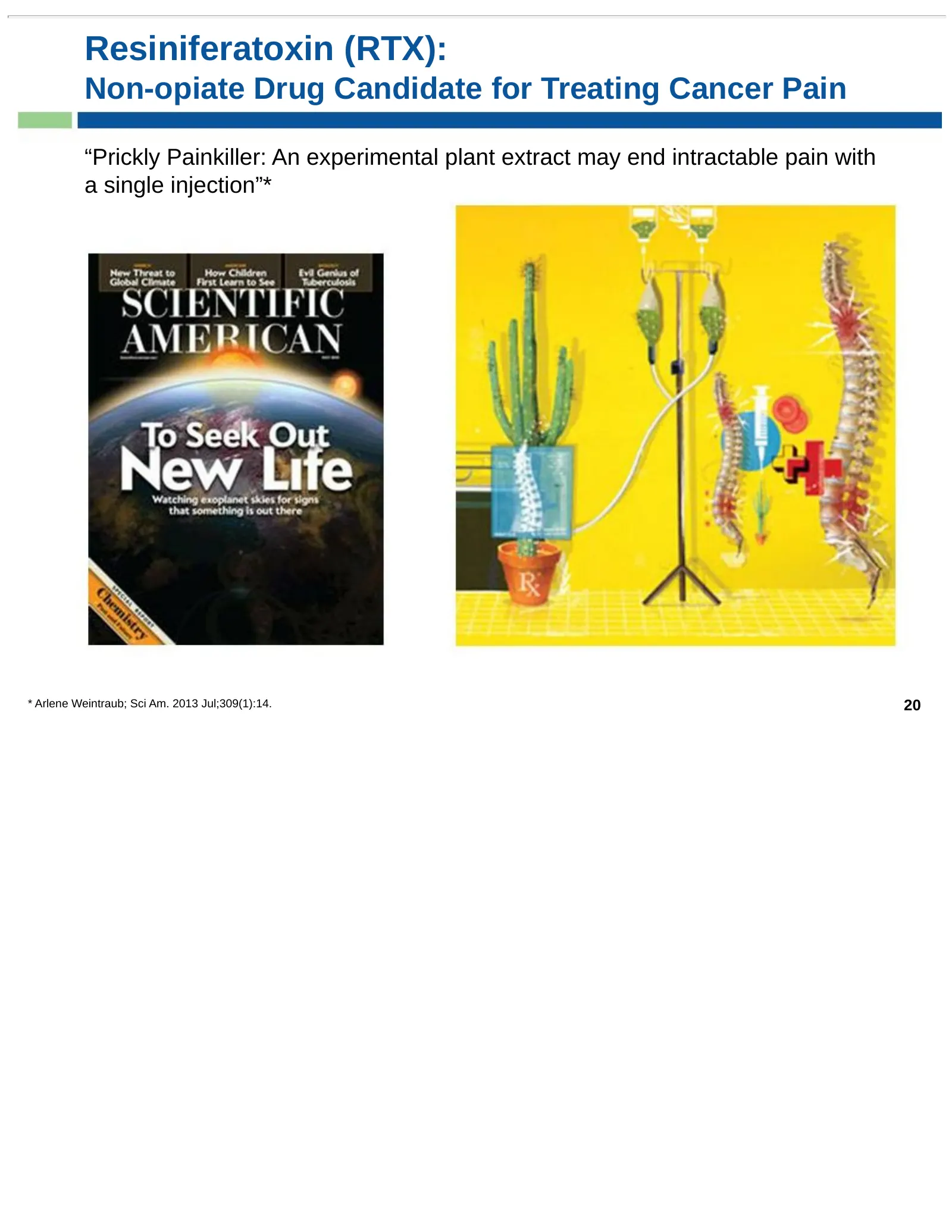
Resiniferatoxin (RTX): Non-opiate Drug Candidate for Treating Cancer Pain “Prickly Painkiller: An experimental plant extract may end intractable pain with a single injection”* * Arlene Weintraub; Sci Am. 2013 Jul;309(1):14. 20
Slide 21: RTX Ultra Potent and Selective Toxin
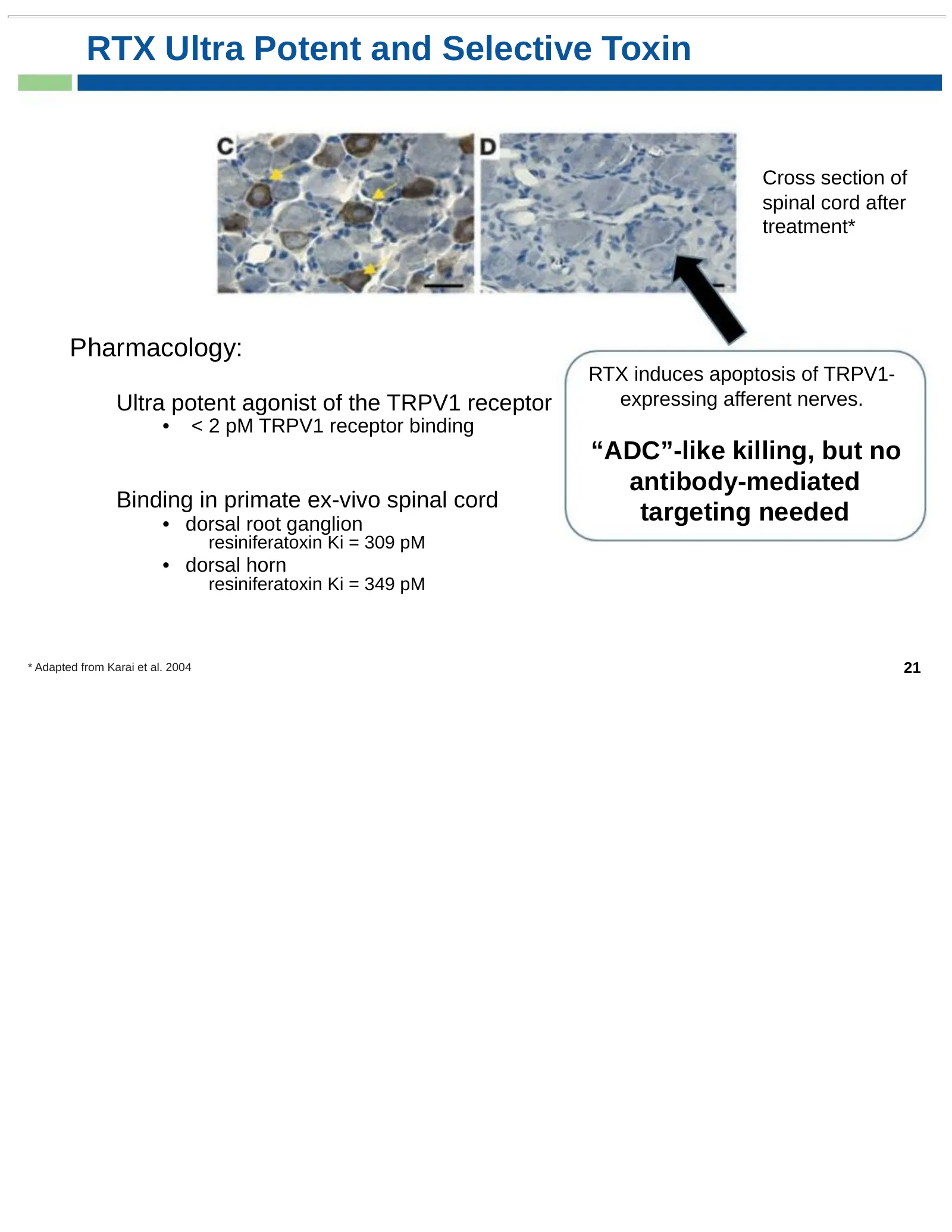
RTX Ultra Potent and Selective Toxin Cross section of spinal cord after treatment* Pharmacology: RTX induces apoptosis of TRPV1- Ultra potent agonist of the TRPV1 receptor expressing afferent nerves. • < 2 pM TRPV1 receptor binding “ADC”-like killing, but no antibody-mediated Binding in primate ex-v
Slide 22: Single Injection Addresses Cancer Pain in Dogs
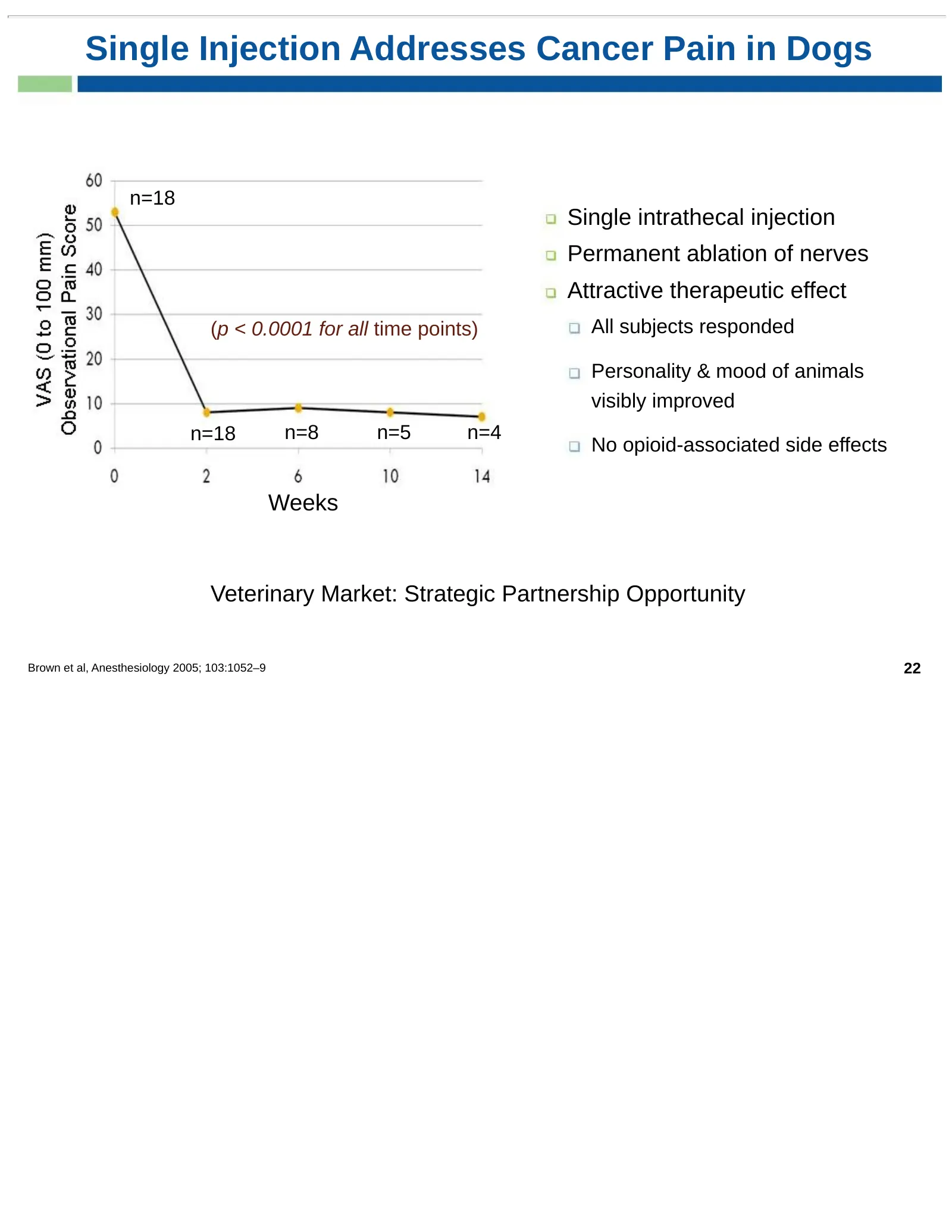
Single Injection Addresses Cancer Pain in Dogs n=18 Single intrathecal injection Permanent ablation of nerves Attractive therapeutic effect (p < 0.0001 for all time points) All subjects responded Personality & mood of animals visibly improved n=18 n=8 n=5 n=4 No opioid-associated side effects Weeks
Slide 23: Next Steps for Dual Pathway of RTX Development
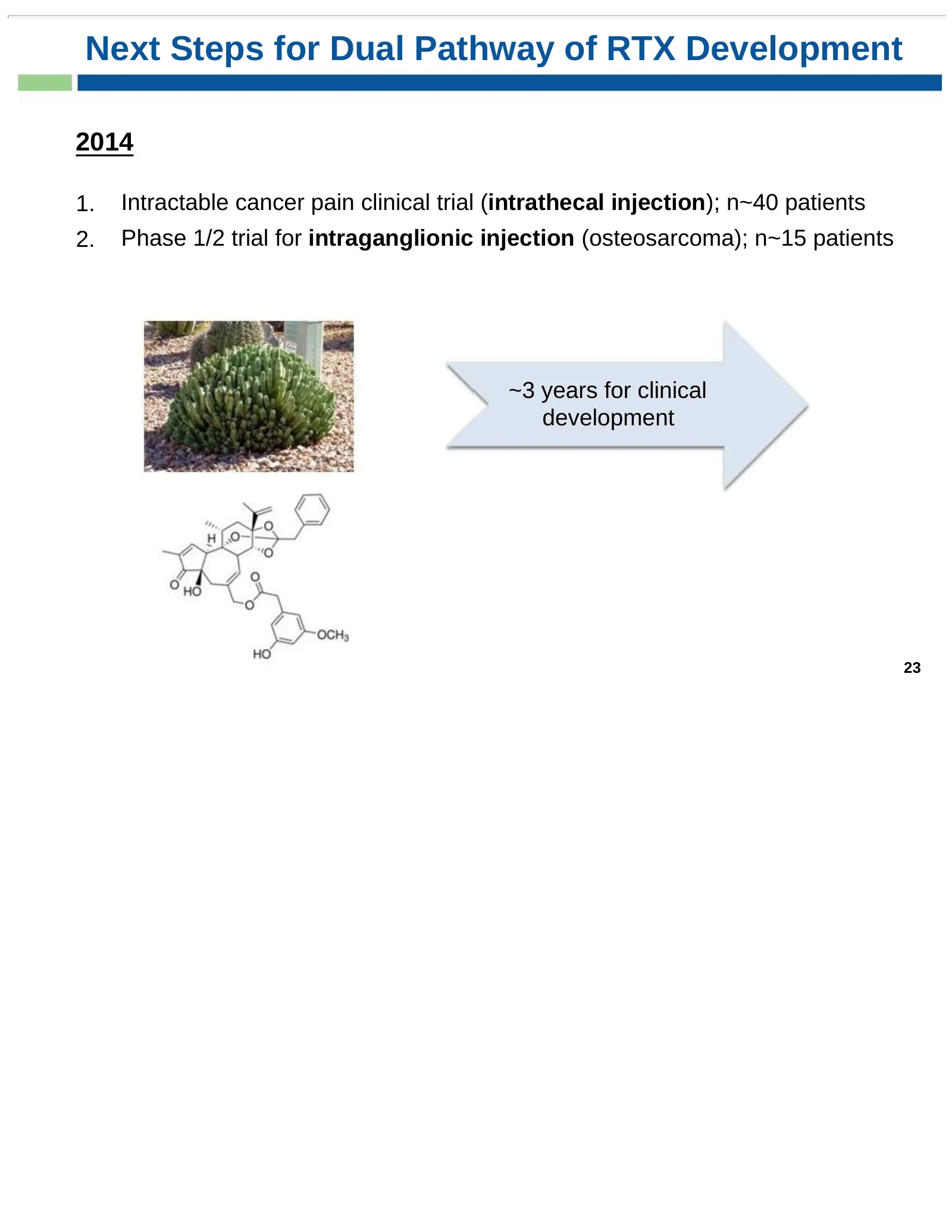
Next Steps for Dual Pathway of RTX Development 2014 1. Intractable cancer pain clinical trial (intrathecal injection); n~40 patients 2. Phase 1/2 trial for intraganglionic injection (osteosarcoma); n~15 patients ~3 years for clinical development 23
Slide 24: Pre-IND Immunotherapy Programs G-MAB ADC
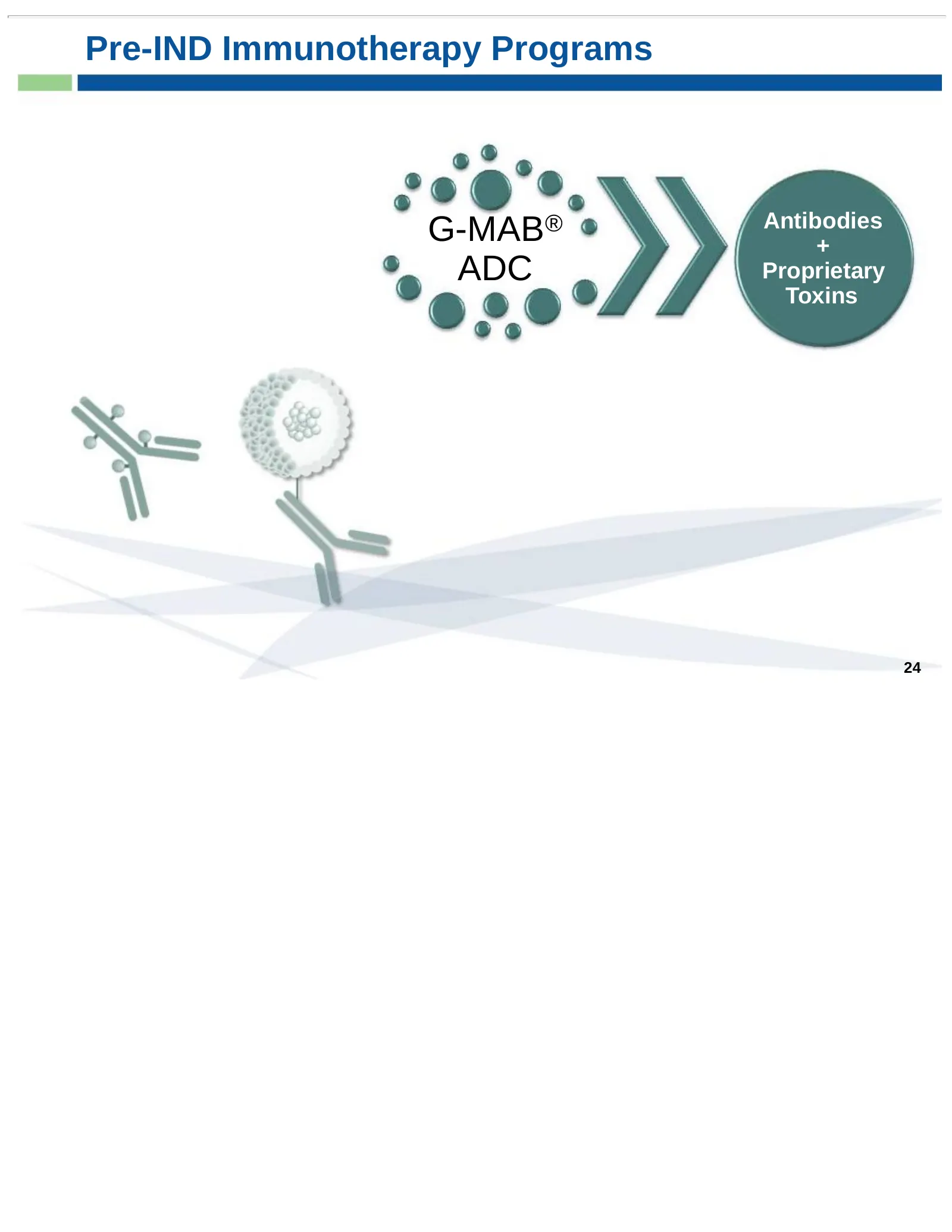
Pre-IND Immunotherapy Programs Antibodies G-MAB® + ADC Proprietary Toxins 24
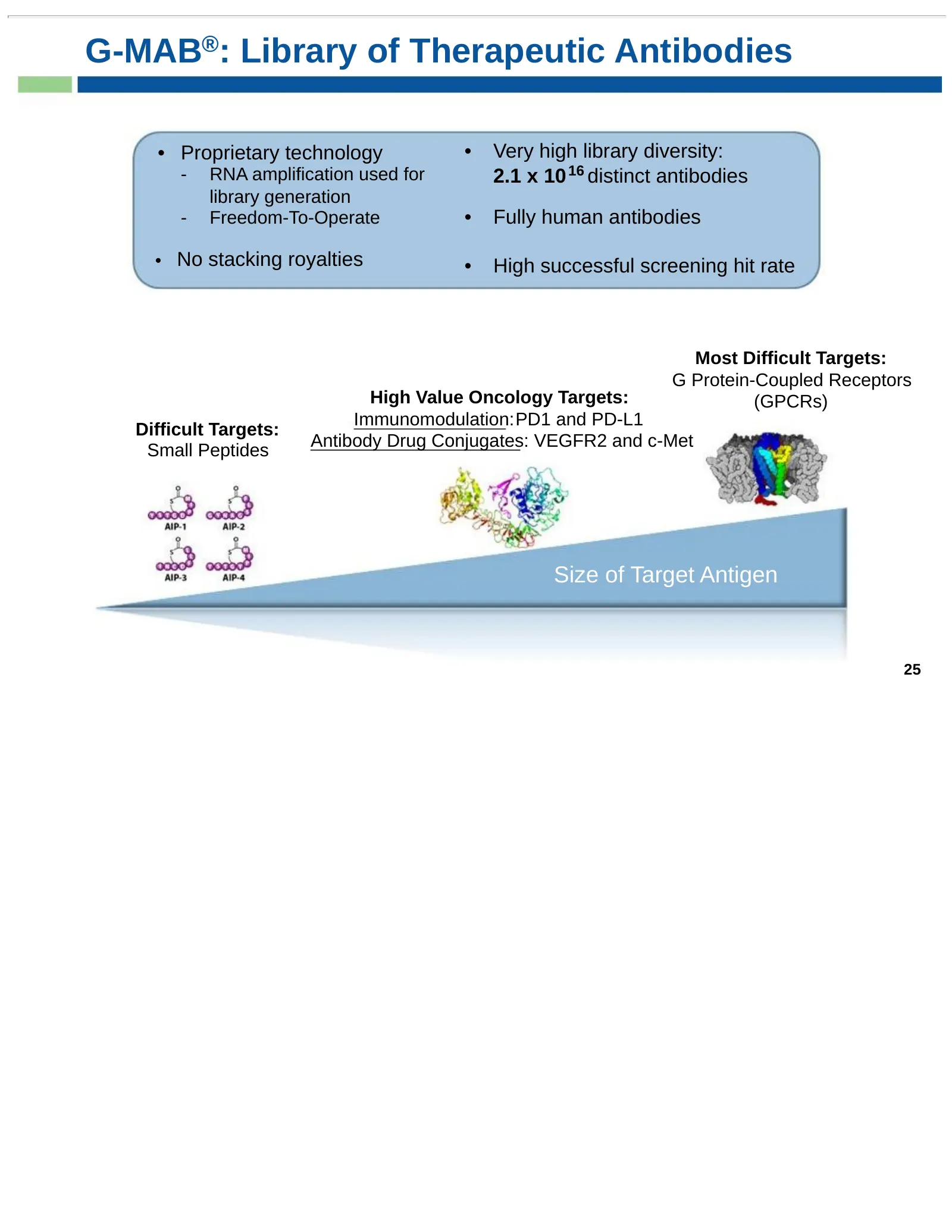
Slide 25: G-MAB: Library of Therapeutic Antibodies
G-MAB®: Library of Therapeutic Antibodies • Proprietary technology • Very high library diversity: - RNA amplification used for 2.1 x 10 16 distinct antibodies library generation - Freedom-To-Operate • Fully human antibodies • No stacking royalties • High successful screening hit rate Most Difficult
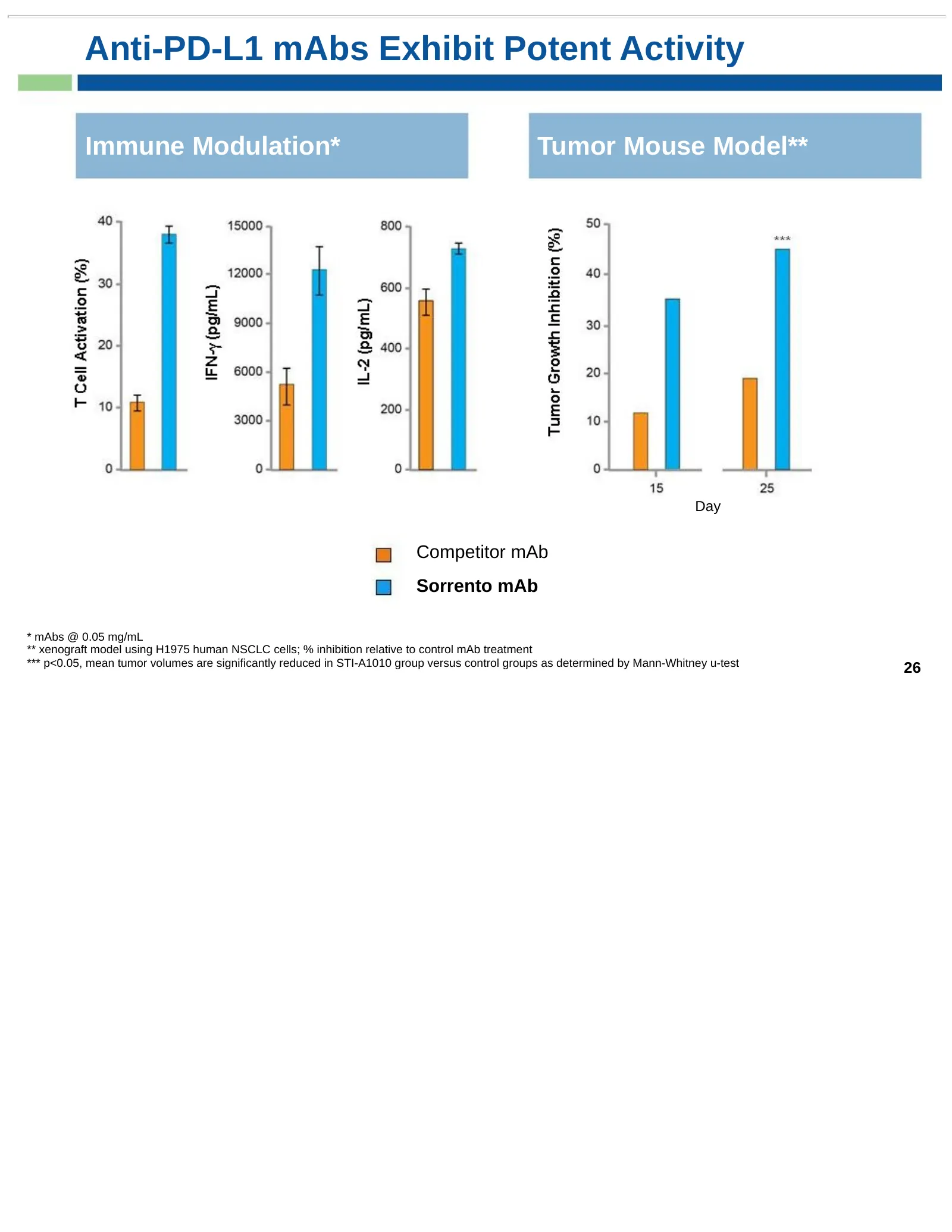
Slide 26: Anti-PD-L1 mAbs Exhibit Potent Activity
Anti-PD-L1 mAbs Exhibit Potent Activity Immune Modulation* Tumor Mouse Model** Day Competitor mAb Sorrento mAb * mAbs @ 0.05 mg/mL ** xenograft model using H1975 human NSCLC cells; % inhibition relative to control mAb treatment *** p<0.05, mean tumor volumes are significantly reduced in STI-A1010 gr
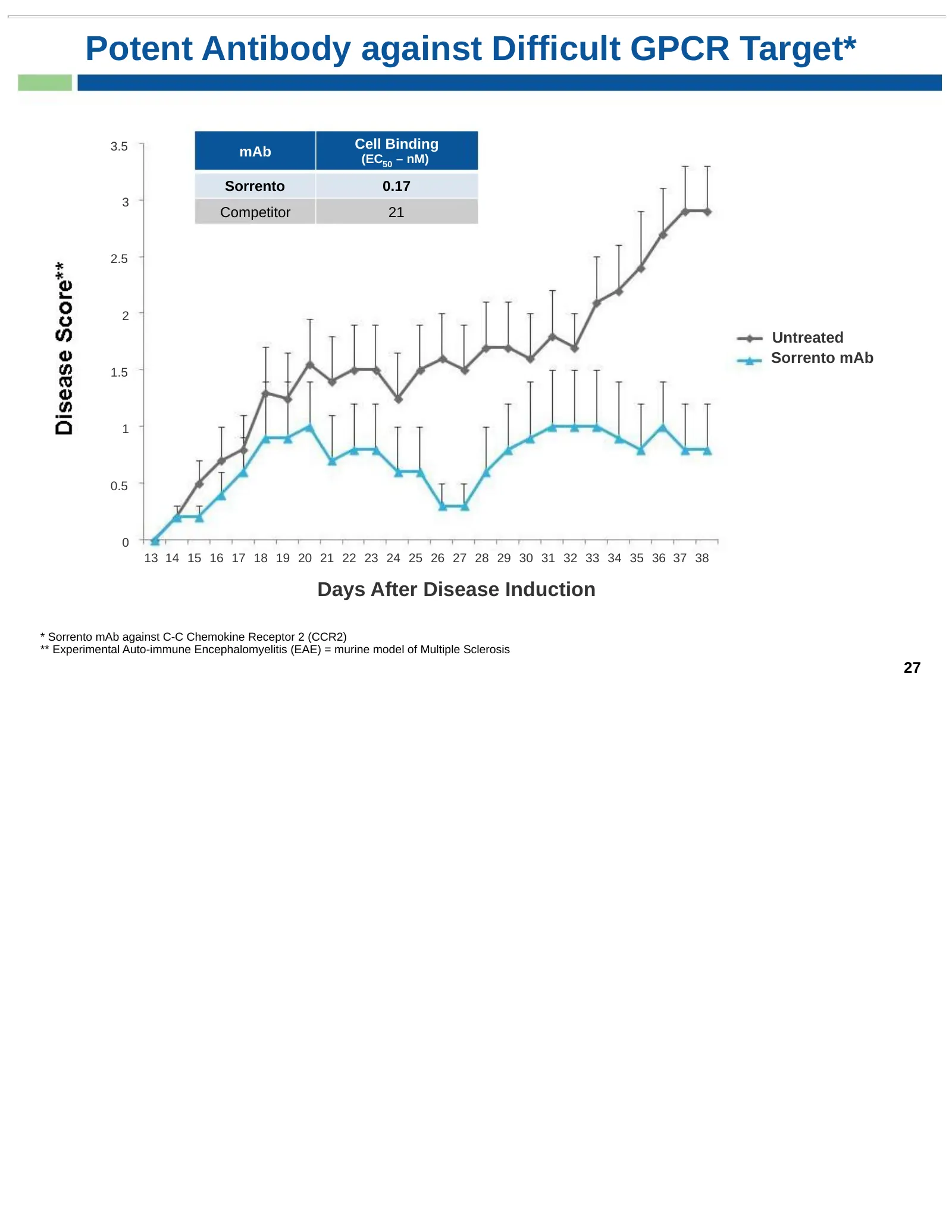
Slide 27: Potent Antibody against Difficult GPCR Target
Potent Antibody against Difficult GPCR Target* 3.5 Cell Binding mAb (EC50 – nM) Sorrento 0.17 3 Competitor 21 2.5 2 Untreated Sorrento mAb 1.5 1 0.5 0 13 14 15 16 17 18 19 20 21 22 23 24 25 26 27 28 29 30 31 32 33 34 35 36 37 38 Days After Disease Induction * Sorrento mAb against C-C Chemokine Recep
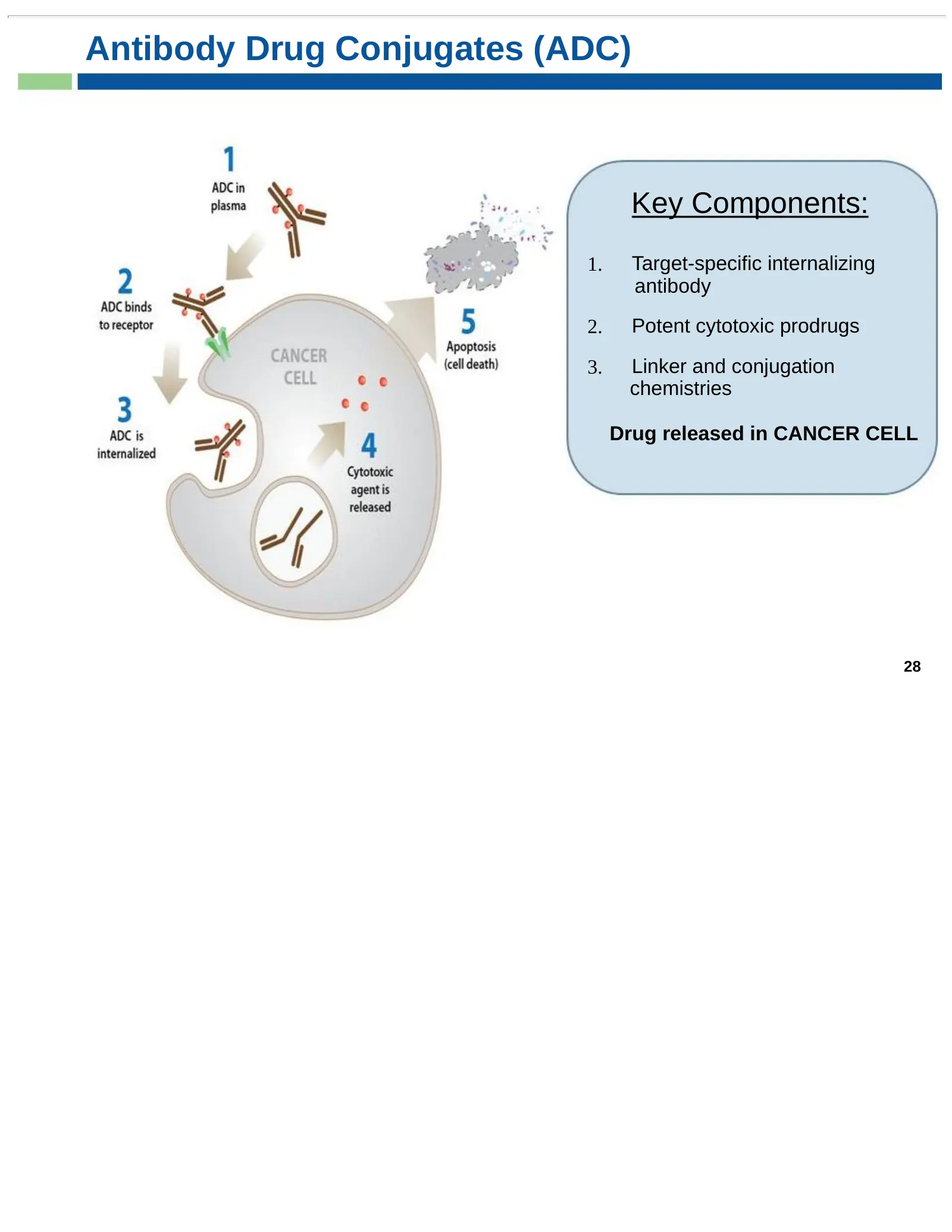
Slide 28: Antibody Drug Conjugates (ADC)
Antibody Drug Conjugates (ADC) Key Components: 1. Target-specific internalizing antibody 2. Potent cytotoxic prodrugs 3. Linker and conjugation chemistries Drug released in CANCER CELL 28
Slide 29: Proprietary ADC Screening and Optimization Panels
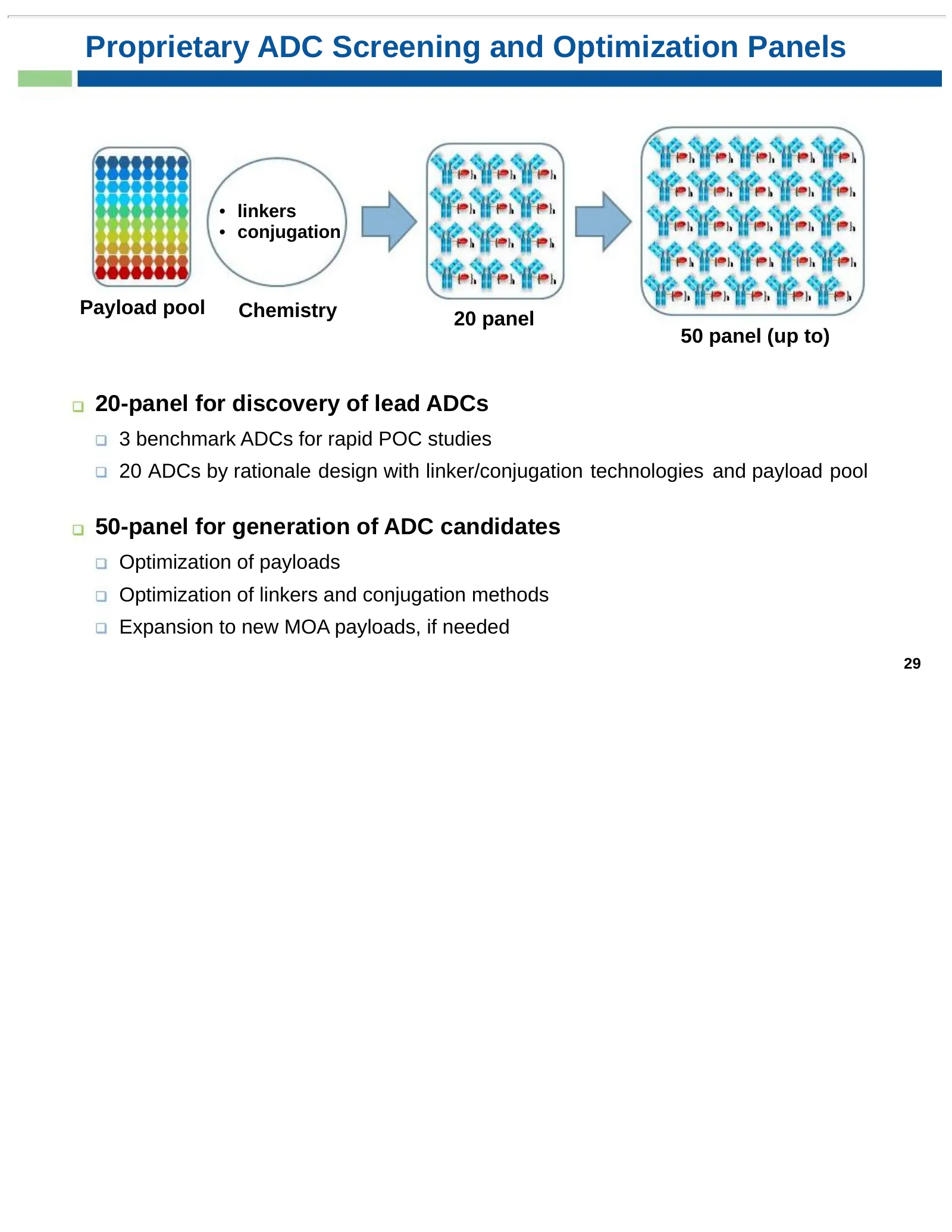
Proprietary ADC Screening and Optimization Panels • linkers • conjugation Payload pool Chemistry 20 panel 50 panel (up to) 20-panel for discovery of lead ADCs 3 benchmark ADCs for rapid POC studies 20 ADCs by rationale design with linker/conjugation technologies and payload pool 50-panel for generat
Slide 30: K-lock Conjugation Enables Homogeneous ADCs
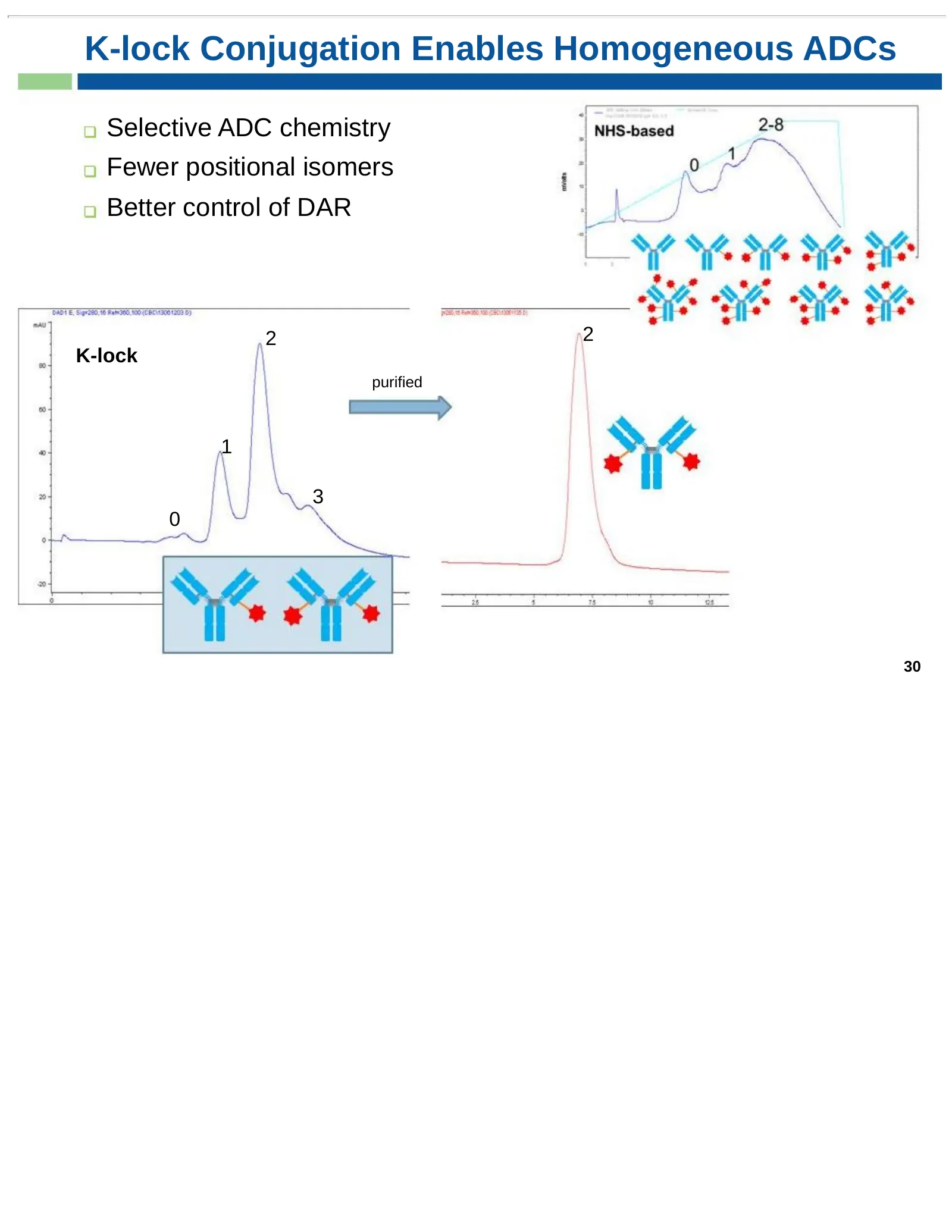
K-lock Conjugation Enables Homogeneous ADCs Selective ADC chemistry Fewer positional isomers Better control of DAR 2 2 K-lock purified 1 3 0 30
Slide 31: Irreversible C-lock-stabilized ADCs
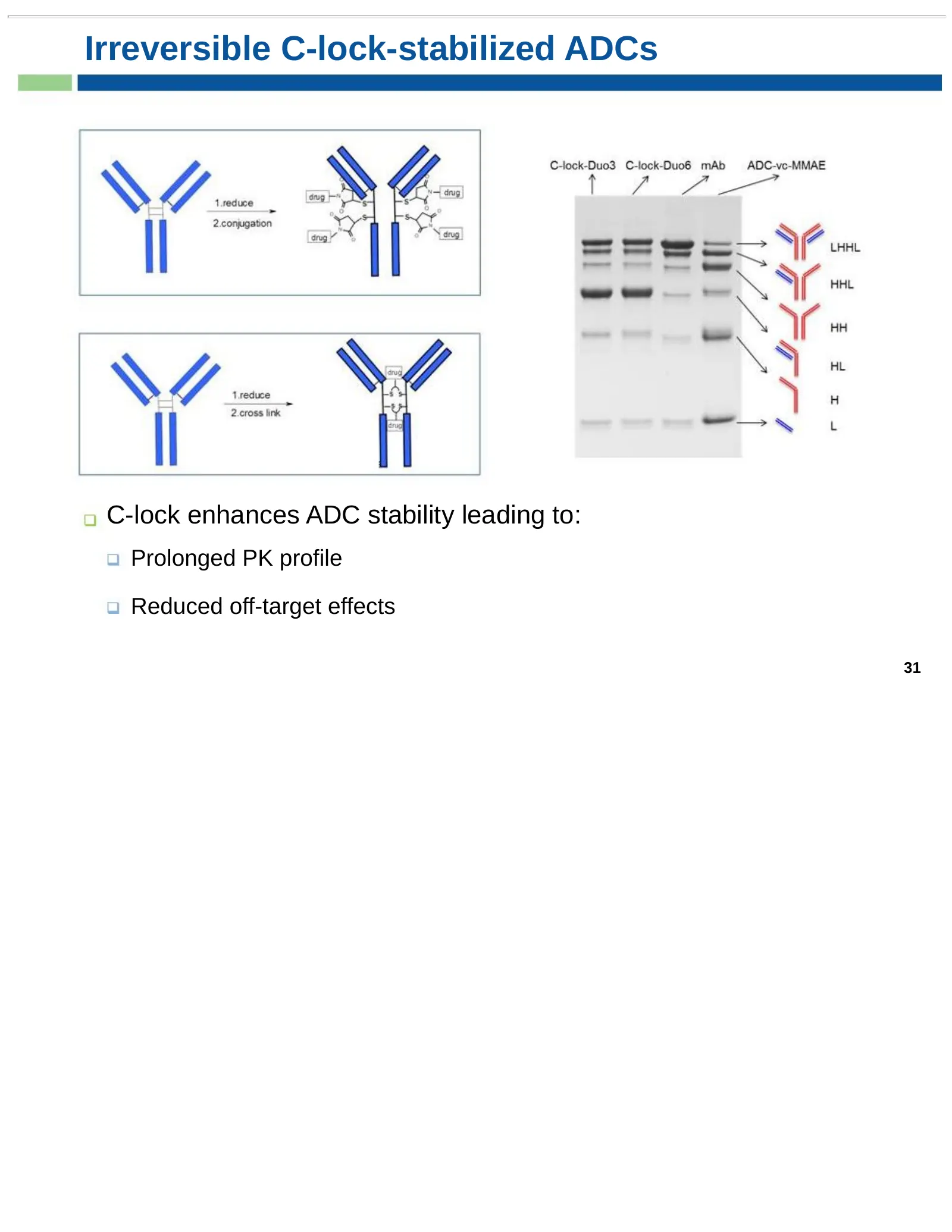
Irreversible C-lock-stabilized ADCs C-lock enhances ADC stability leading to: Prolonged PK profile Reduced off-target effects 31
Slide 32: Proprietary Toxin Potency 30-fold Higher than DM1
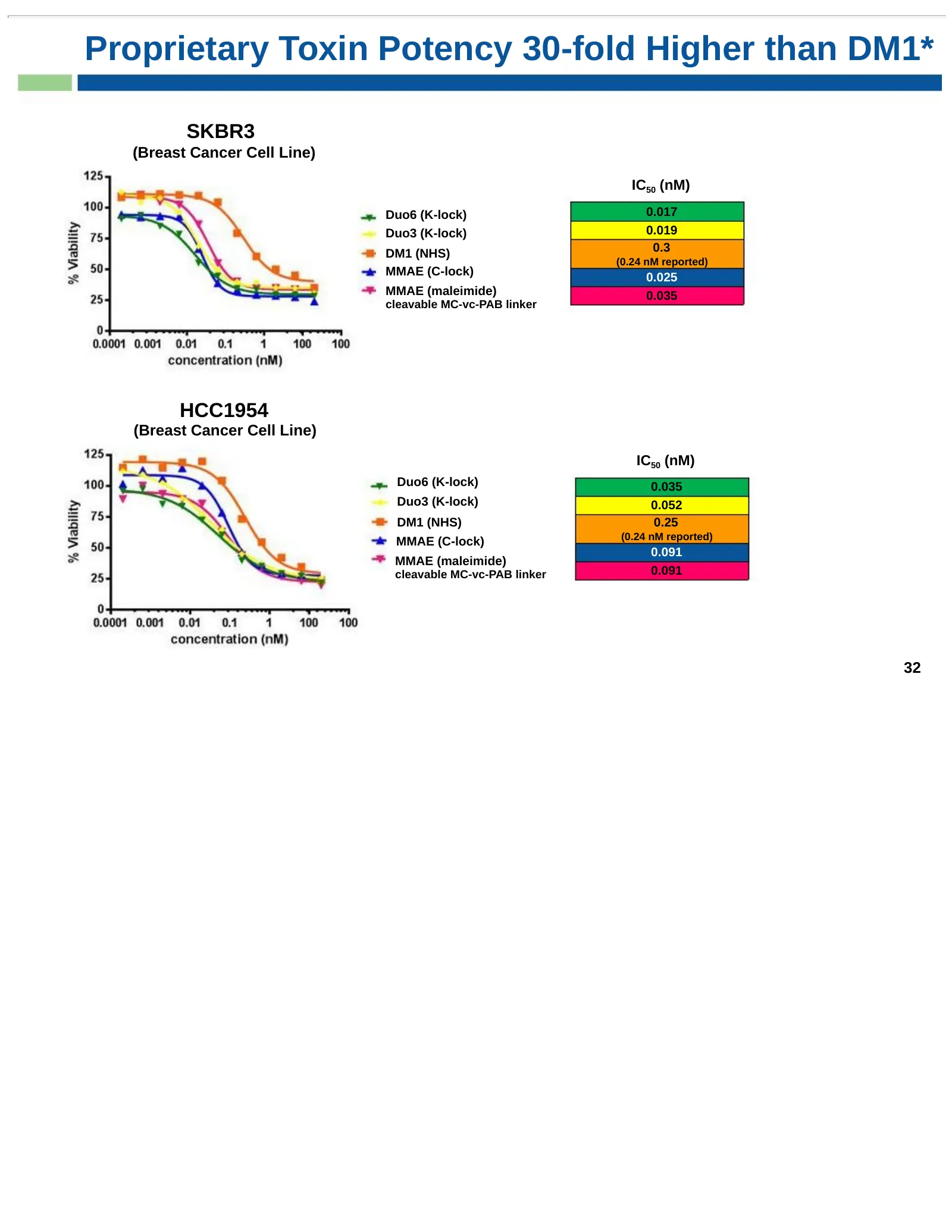
Proprietary Toxin Potency 30-fold Higher than DM1* SKBR3 (Breast Cancer Cell Line) IC50 (nM) Duo6 (K-lock) 0.017 Duo3 (K-lock) 0.019 DM1 (NHS) 0.3 (0.24 nM reported) MMAE (C-lock) 0.025 MMAE (maleimide) 0.035 cleavable MC-vc-PAB linker HCC1954 (Breast Cancer Cell Line) IC50 (nM) Duo6 (K-lock) 0.035
Slide 33: G-MAB and ADC Pipeline
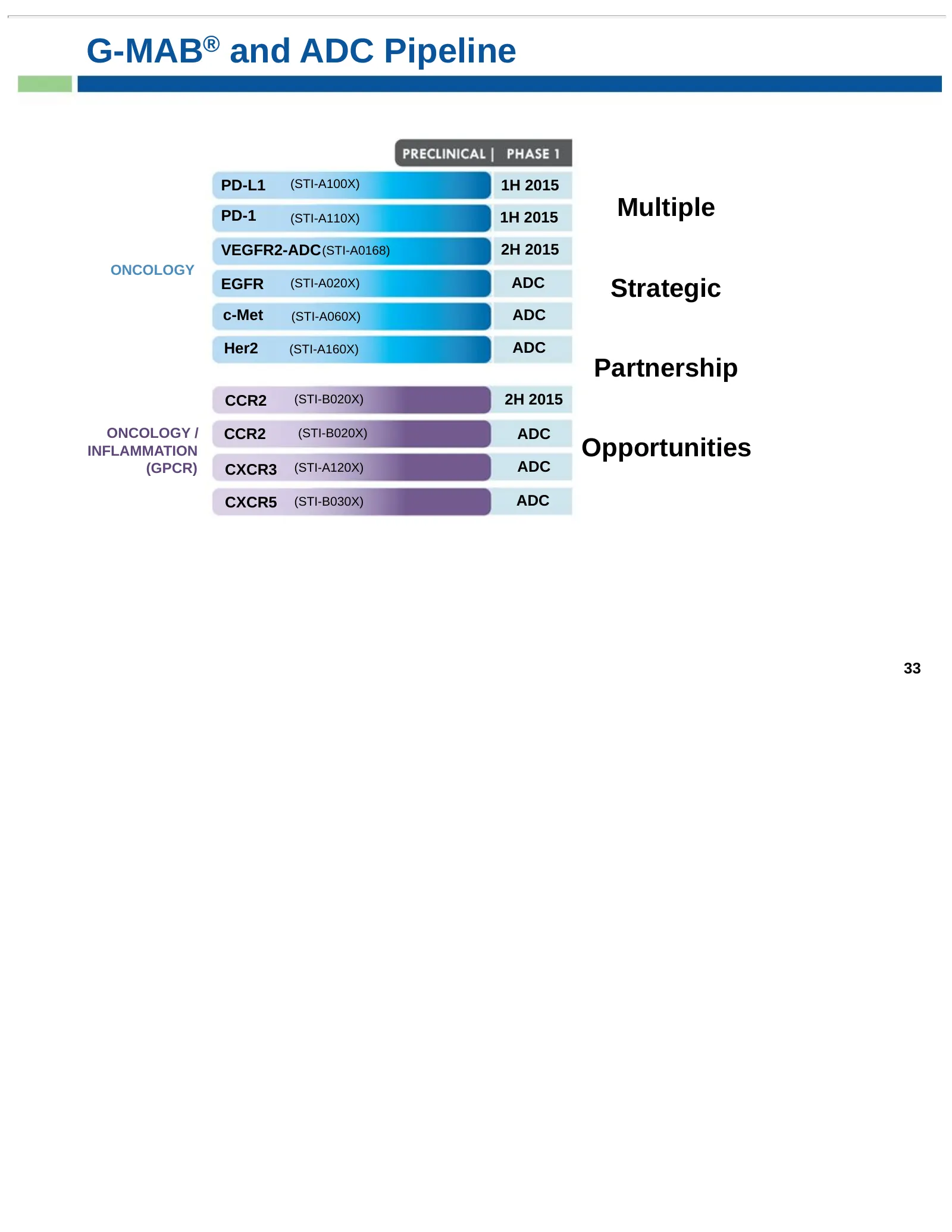
G-MAB® and ADC Pipeline PD-L1 (STI-A100X) 1H 2015 PD-1 (STI-A110X) 1H 2015 Multiple VEGFR2-ADC (STI-A0168) 2H 2015 ONCOLOGY EGFR (STI-A020X) ADC Strategic c-Met (STI-A060X) ADC Her2 (STI-A160X) ADC Partnership CCR2 (STI-B020X) 2H 2015 ONCOLOGY / CCR2 (STI-B020X) ADC INFLAMMATION Opportunities (GPCR)
Slide 34: Positioned to Become Oncology Leader
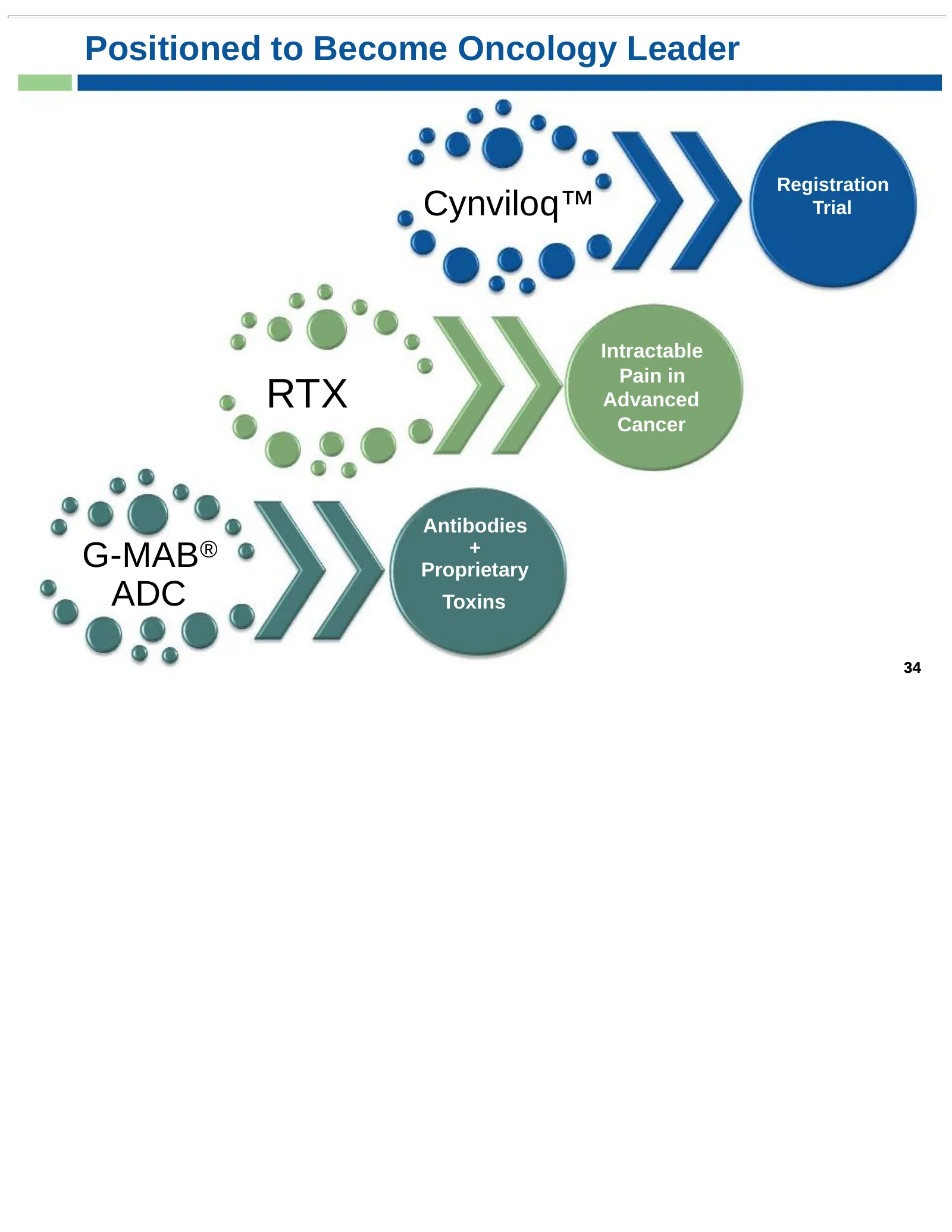
Positioned to Become Oncology Leader Registration Cynviloq™ Trial Intractable Pain in RTX Advanced Cancer Antibodies G-MAB® + Proprietary ADC Toxins 34
Slide 35: Oncology Drug, Antibody Library and ADC Company Valuations
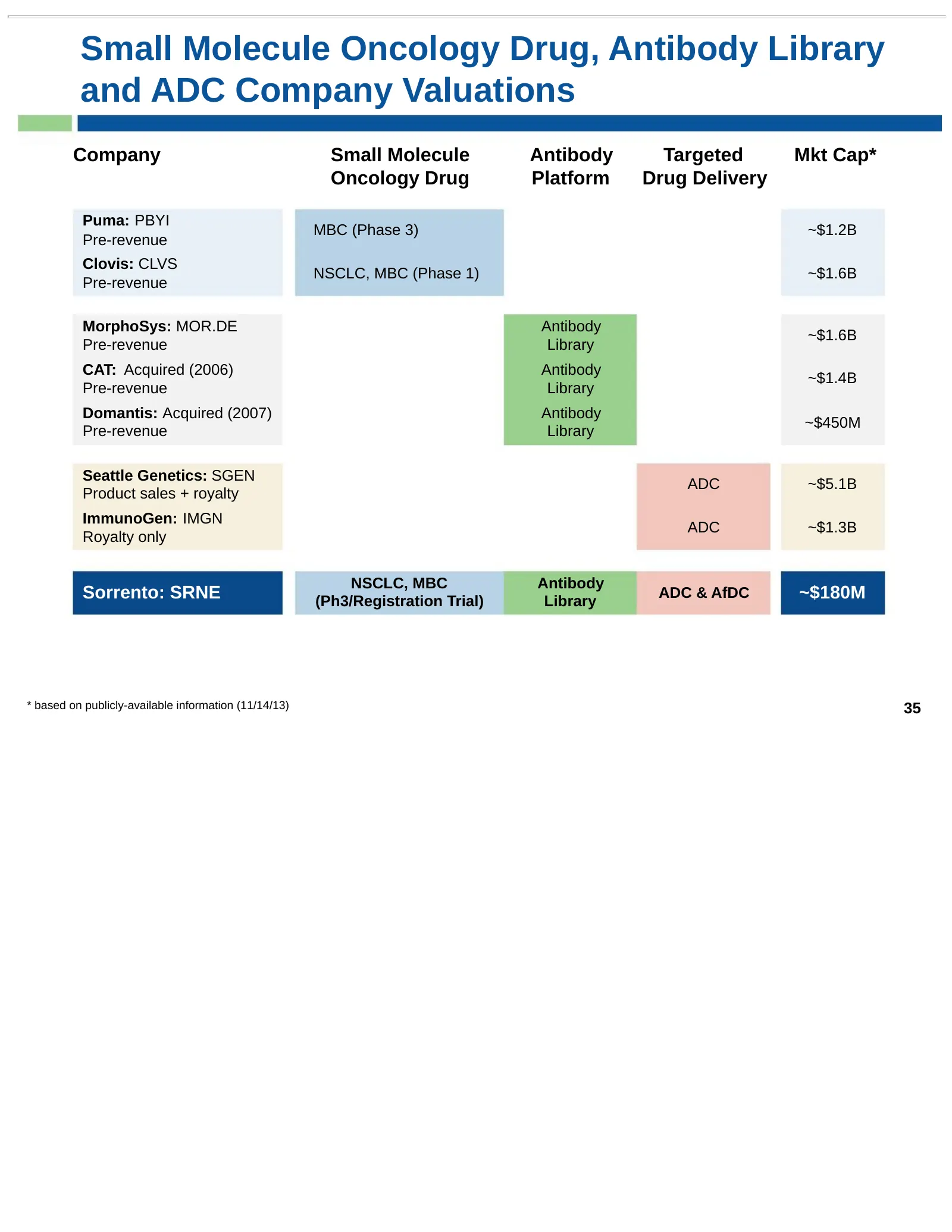
Small Molecule Oncology Drug, Antibody Library and ADC Company Valuations Company Small Molecule Antibody Targeted Mkt Cap* Oncology Drug Platform Drug Delivery Puma: PBYI MBC (Phase 3) ~$1.2B Pre-revenue Clovis: CLVS NSCLC, MBC (Phase 1) ~$1.6B Pre-revenue MorphoSys: MOR.DE Antibody ~$1.6B Pre-reve
Slide 36: Investment Highlights
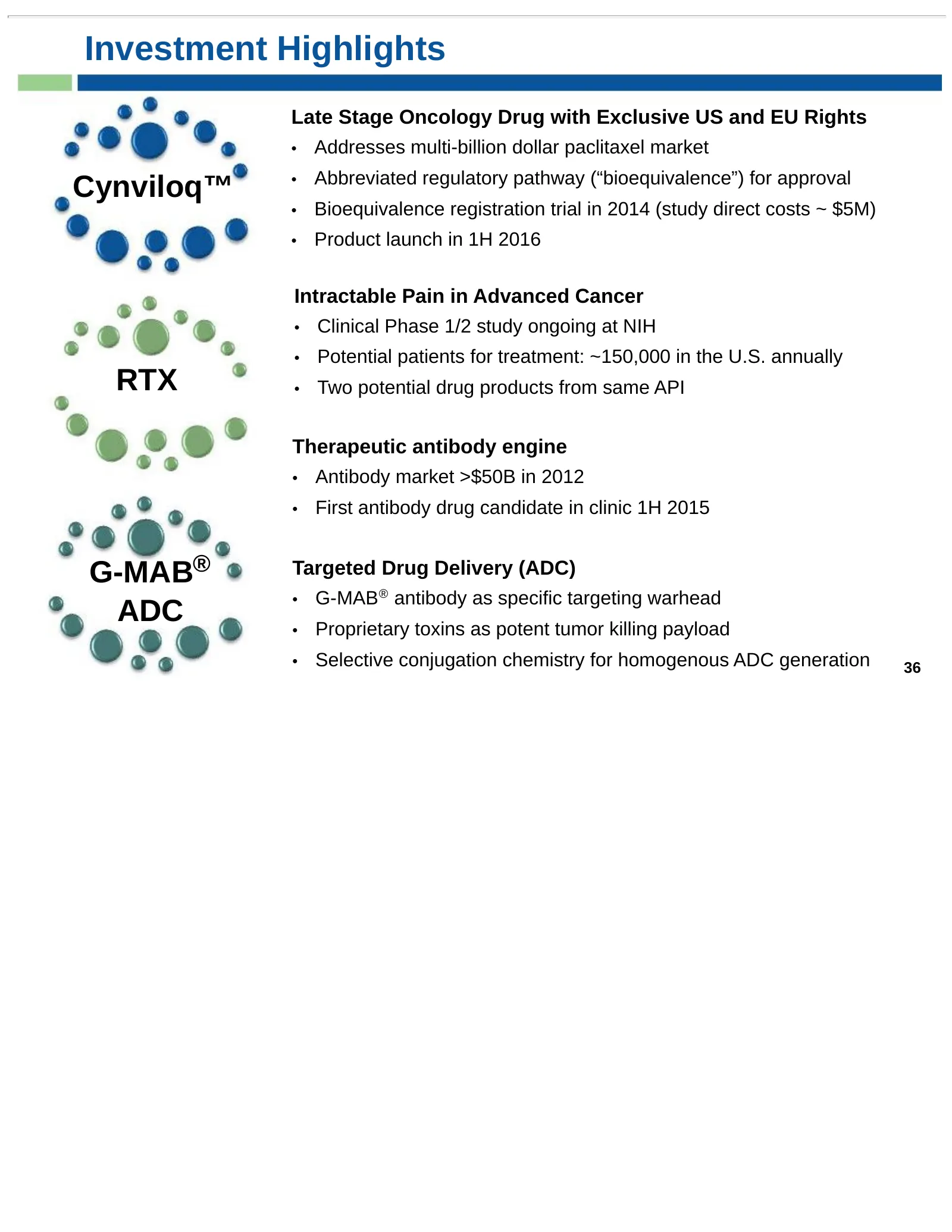
Investment Highlights Late Stage Oncology Drug with Exclusive US and EU Rights • Addresses multi-billion dollar paclitaxel market Abbreviated regulatory pathway (“bioequivalence”) for approval Cynviloq™ • • Bioequivalence registration trial in 2014 (study direct costs ~ $5M) • Product launch in 1H 2
Slide 37: Sorrento Therapeutics
Sorrento Therapeutics Next-Generation Cancer Therapeutics Contact: Henry Ji President and CEO hji@sorrentotherapeutics.com (858) 668-6923
Source: SEC EDGAR · 8-K filed Nov 19, 2013
More decks from Sorrento Therapeutics, Inc.
 Presentation (August 2023)9 slides · Aug 1, 2023
 SPAC Merger (March 2022)21 slides · Mar 18, 2022
 Technical Presentation (January 2022)13 slides · Jan 21, 2022
 SPAC Merger (December 2021)57 slides · Dec 13, 2021
 Technical Presentation (November 2021)9 slides · Nov 29, 2021
 Investor Presentation (September 2021)37 slides · Sep 13, 2021