Bio-Path Holdings, Inc. · OTC:BPTH
Bio-Path — TIDES 2015
19 slides from Bio-Path's conference presentation, May 2015
Slide 1: Efficient systemic delivery of oligonucleotides by a neutral lipid technology
Efficient systemic delivery of oligonucleotides by a neutral lipid technology Peter Nielsen, CEO TIDES 2015 “A New Paradigm in Drug Delivery”
Slide 2: Talk Overview
Talk Overview About Bio-Path Holdings DNAbilize™ Technology Acute Myeloid Leukemia Growth Receptor Bound Protein 2 (GRB2) Phase I Results of Liposomal Grb2 (L-Grb2) Future plans for L-Grb2 Summary 2
Slide 3: Bio-Path Overview
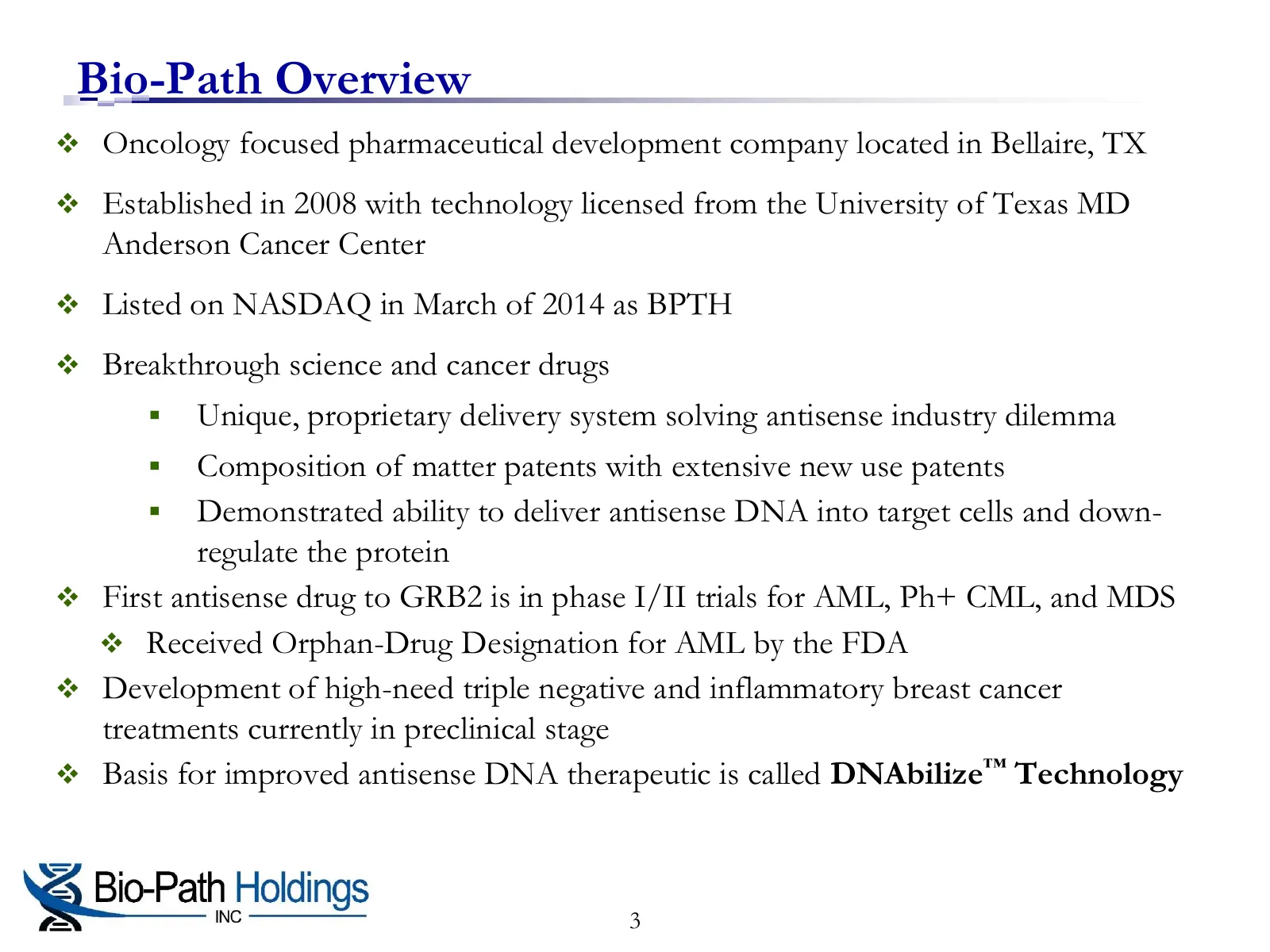
Bio-Path Overview Oncology focused pharmaceutical development company located in Bellaire, TX Established in 2008 with technology licensed from the University of Texas MD Anderson Cancer Center Listed on NASDAQ in March of 2014 as BPTH Breakthrough science and cancer drugs Unique, propriet
Slide 4: DNAbilize Technology
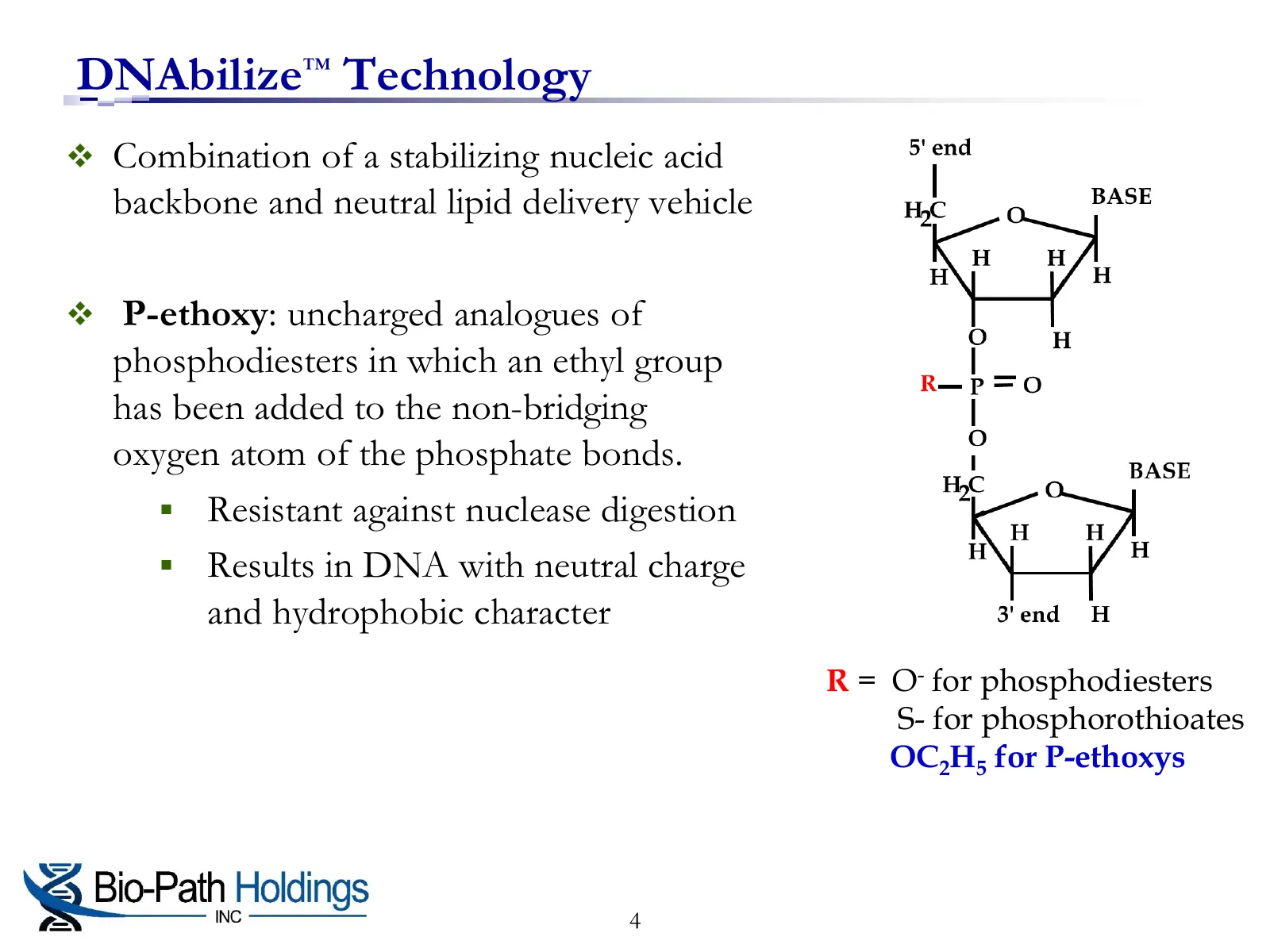
DNAbilize™ Technology Combination of a stabilizing nucleic acid backbone and neutral lipid delivery vehicle P-ethoxy: uncharged analogues of phosphodiesters in which an ethyl group has been added to the non-bridging oxygen atom of the phosphate bonds. Resistant against nuclease digestion Res
Slide 5: DNAbilize Technology
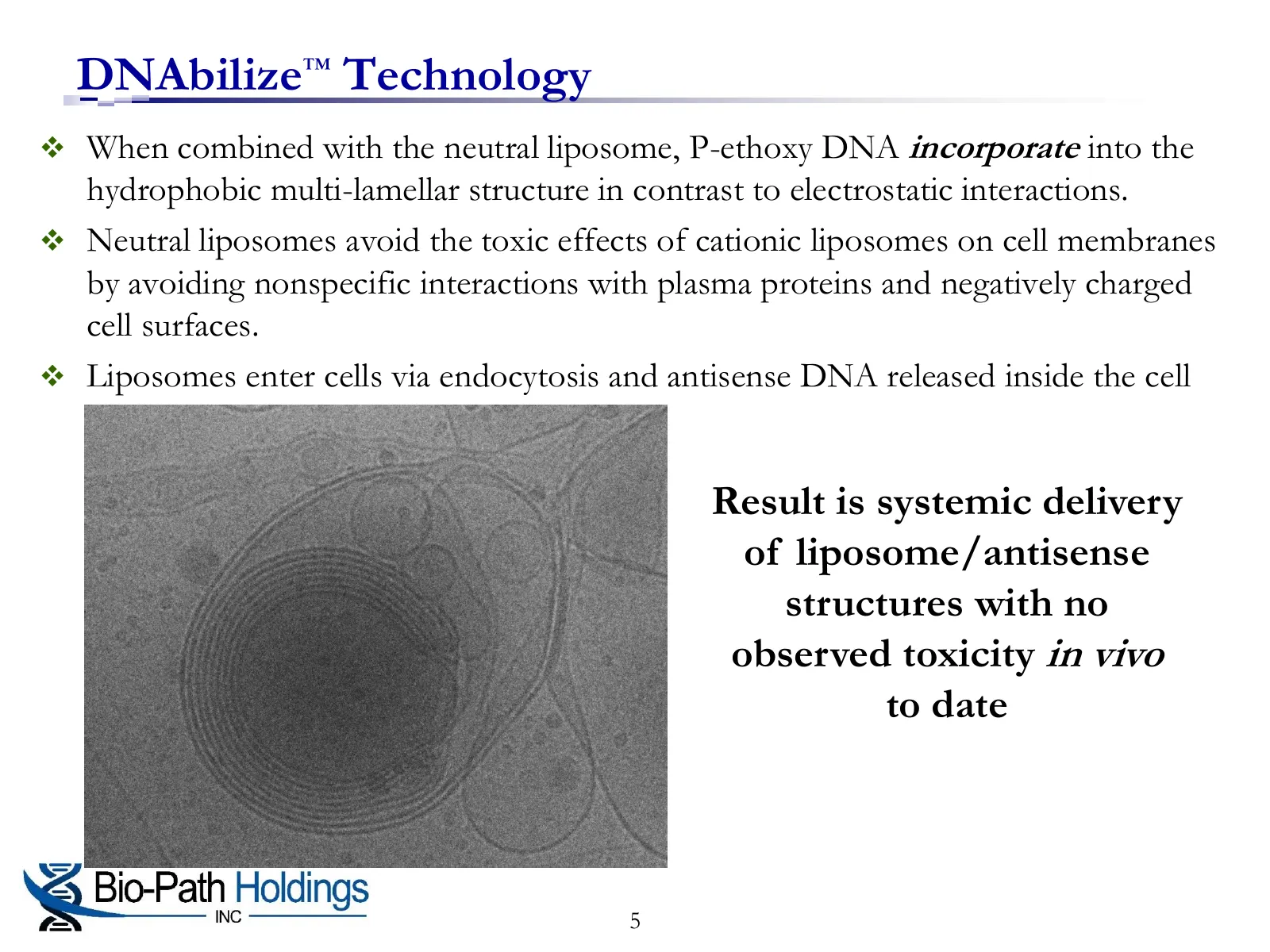
DNAbilize™ Technology When combined with the neutral liposome, P-ethoxy DNA incorporate into the hydrophobic multi-lamellar structure in contrast to electrostatic interactions. Neutral liposomes avoid the toxic effects of cationic liposomes on cell membranes by avoiding nonspecific interactions
Slide 6: Acute Myeloid Leukemia: Fragile patient population
Acute Myeloid Leukemia: Fragile patient population AML is the abnormal rapid growth of granulocyte precursors in the blood causing a drop in the other hematopoietic cell types In 2014 there were ~19,000 cases of AML and ~10,000 deaths Average age of diagnosis is 66 years old; older patients do
Slide 7: Growth Receptor Bound Protein 2 (GRB2)
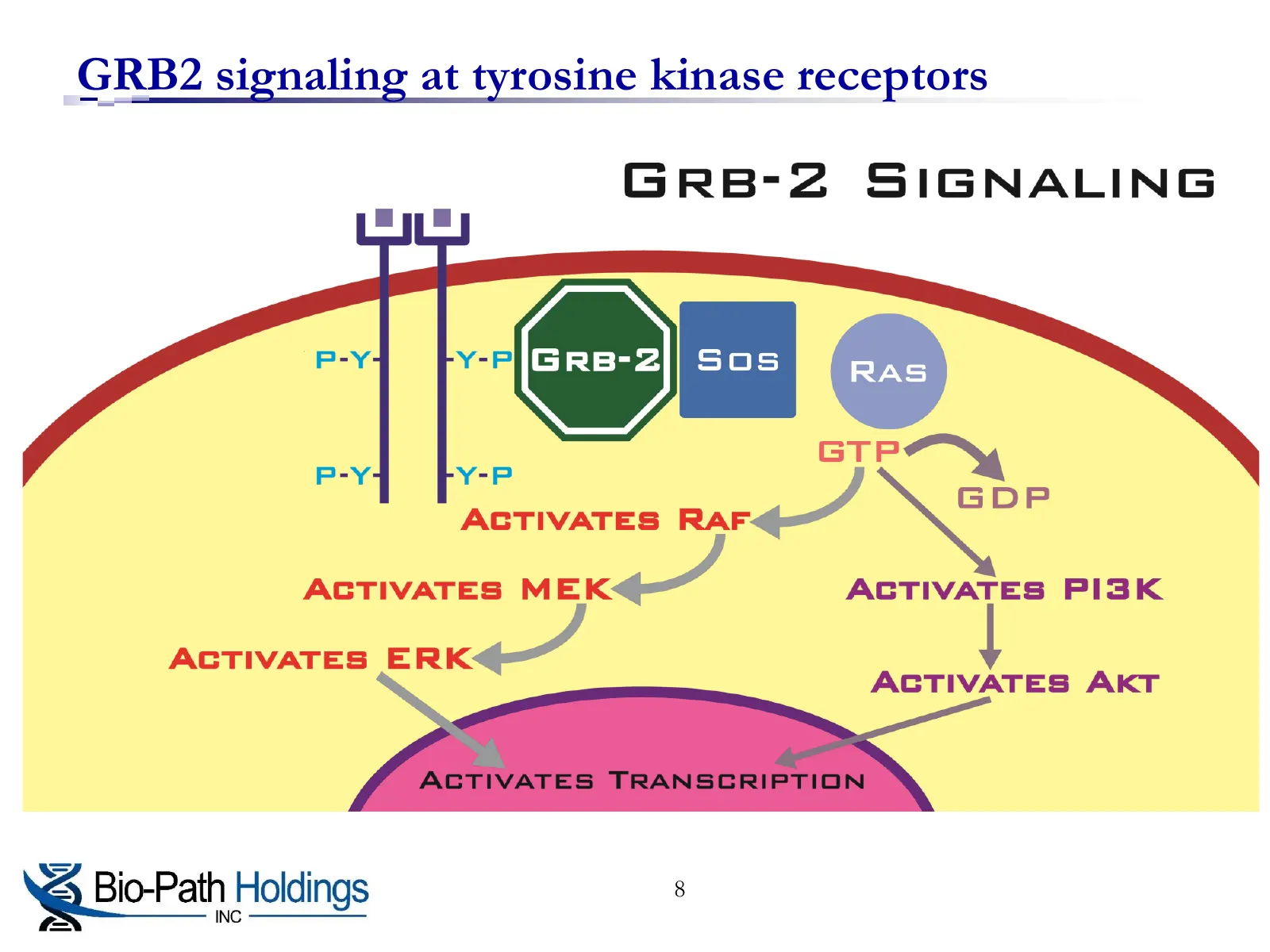
Growth Receptor Bound Protein 2 (GRB2) GRB2 protein is crucial to AML signaling cascades GRB2 functions in RAS signaling by bridging Son of Sevenless (SOS) to activated tyrosine kinases including BCR-ABL, KIT, JAK2, CBL and FLT3. FLT3 mutations occur in 30% of AML cases and over-expression of
Slide 8: GRB2 signaling at tyrosine kinase receptors
GRB2 signaling at tyrosine kinase receptors 8
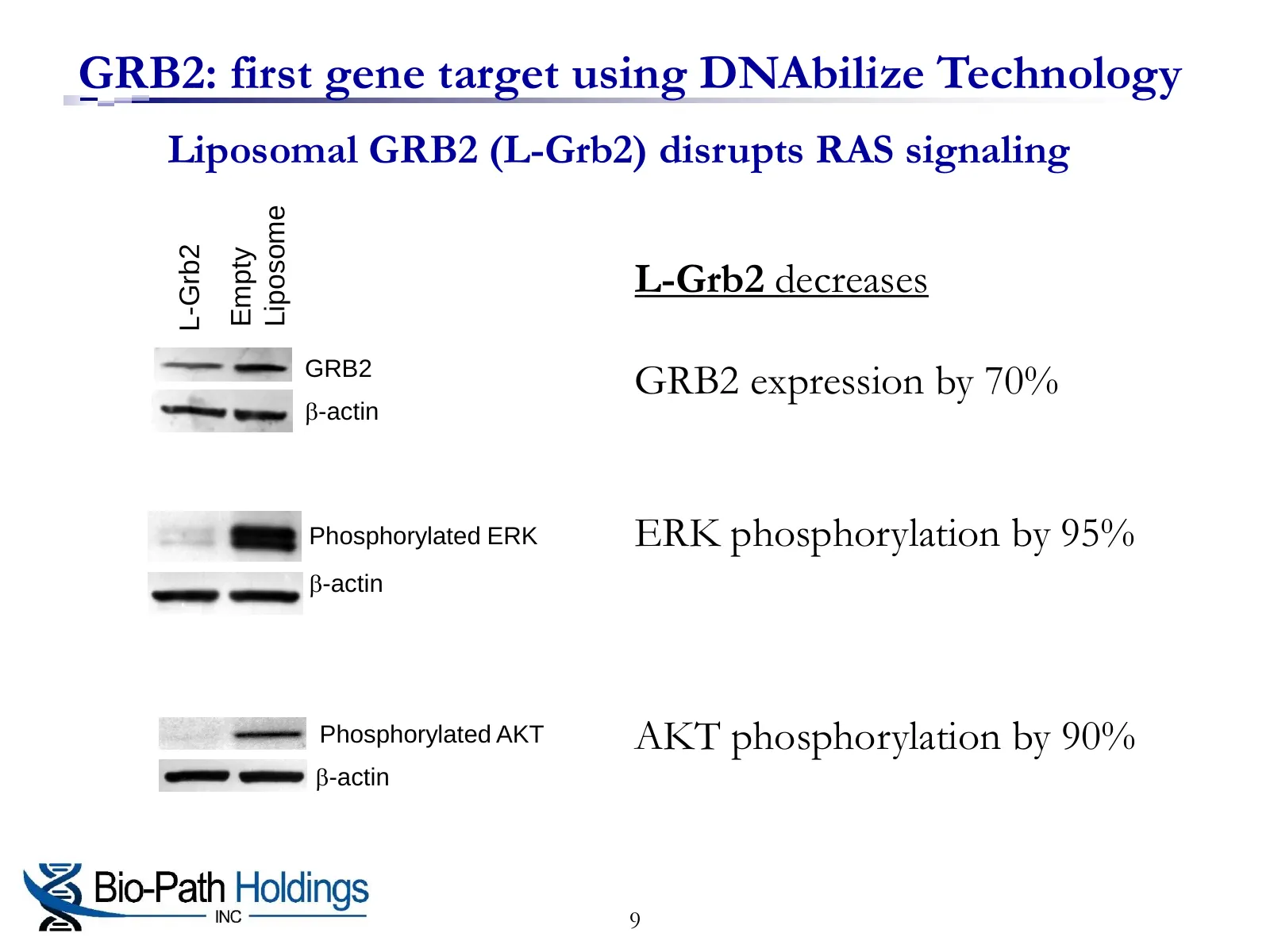
Slide 9: GRB2: first gene target using DNAbilize Technology
GRB2: first gene target using DNAbilize Technology Liposomal GRB2 (L-Grb2) disrupts RAS signaling Liposome L-Grb2 Empty L-Grb2 decreases GRB2 GRB2 expression by 70% b-actin Phosphorylated ERK ERK phosphorylation by 95% b-actin Phosphorylated AKT AKT phosphorylation by 90% b-actin 9
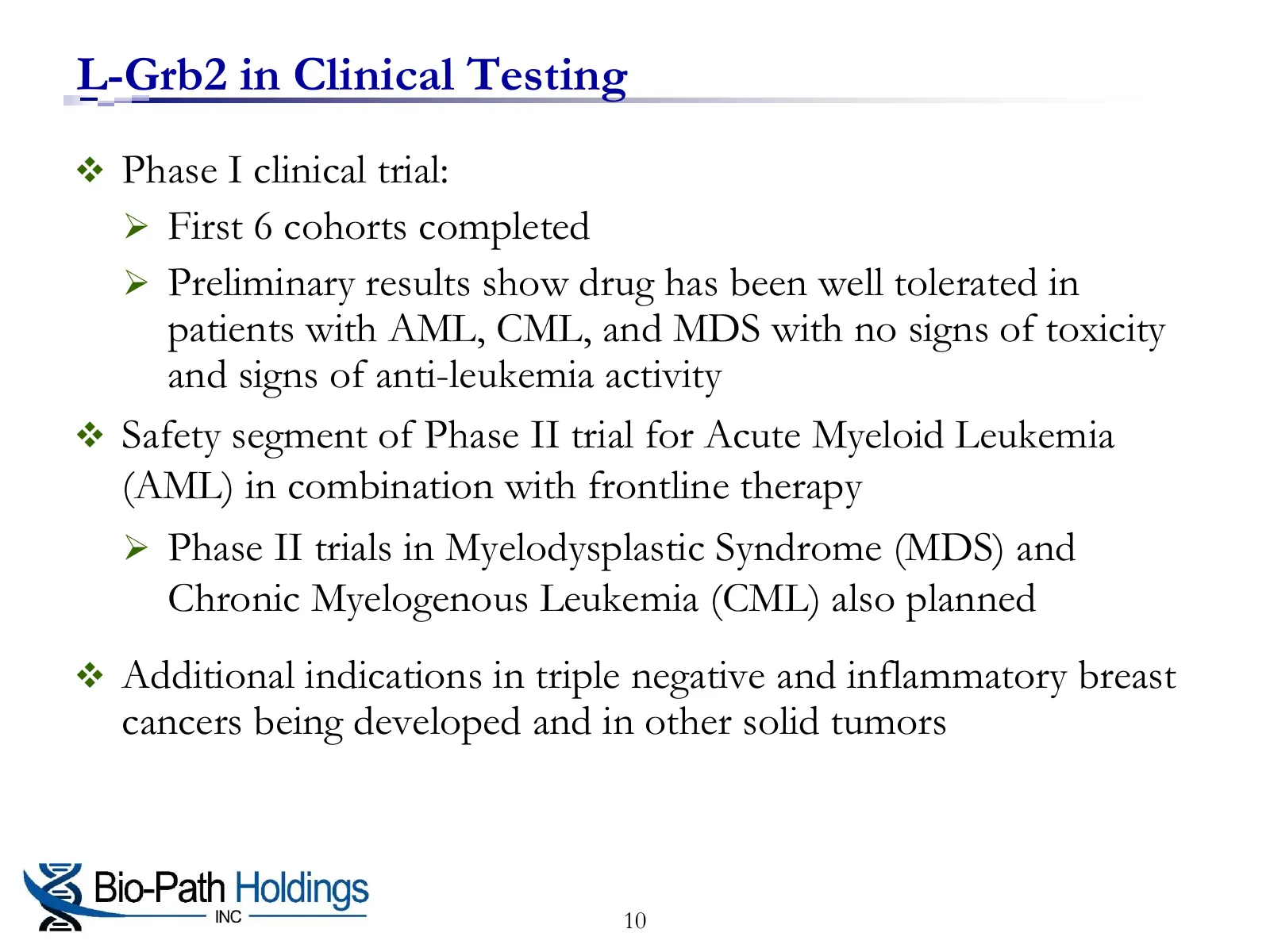
Slide 10: L-Grb2 in Clinical Testing
L-Grb2 in Clinical Testing Phase I clinical trial: First 6 cohorts completed Preliminary results show drug has been well tolerated in patients with AML, CML, and MDS with no signs of toxicity and signs of anti-leukemia activity Safety segment of Phase II trial for Acute Myeloid Leukemia (AML
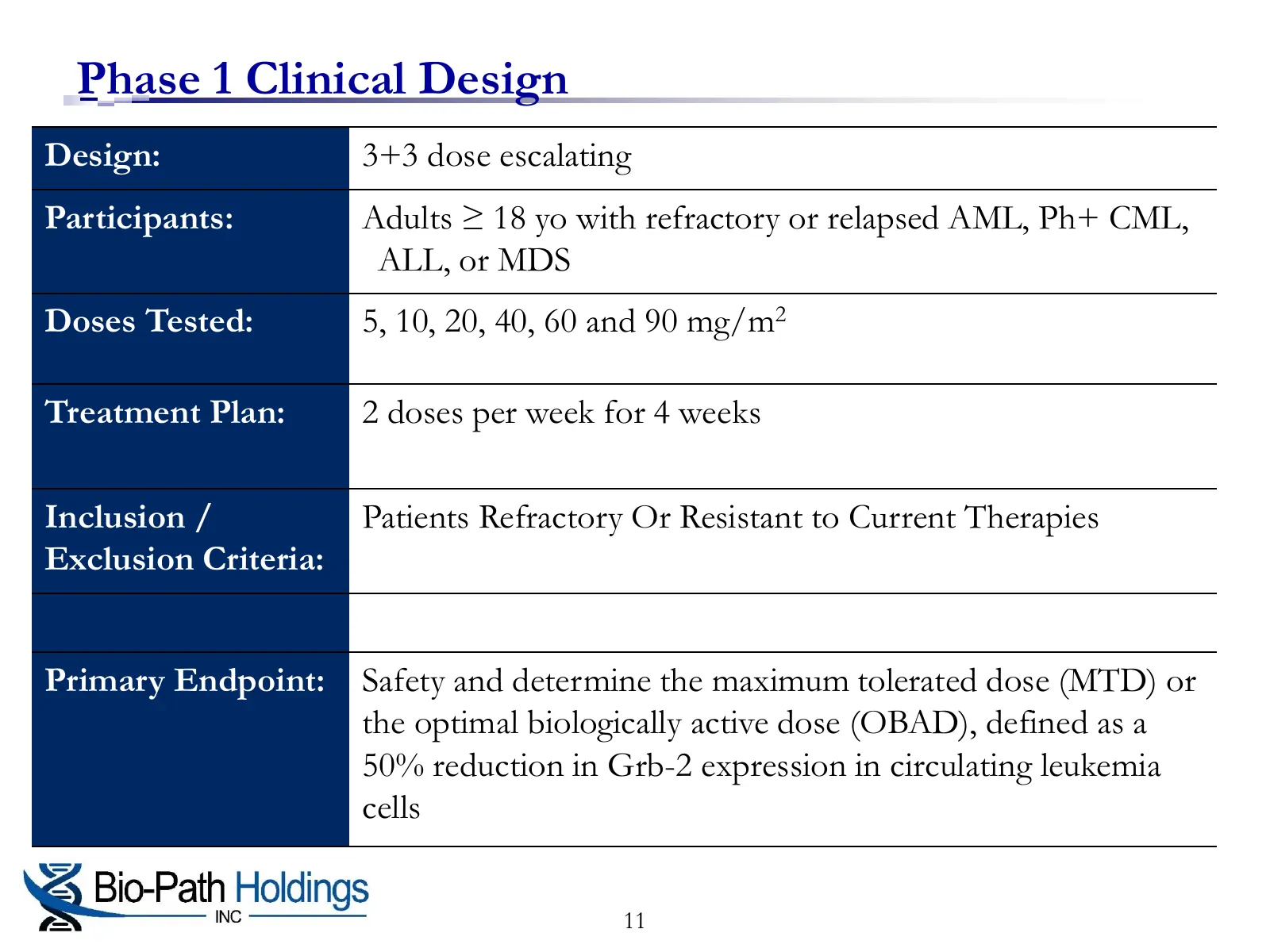
Slide 11: Phase 1 Clinical Design
Phase 1 Clinical Design Design: 3+3 dose escalating Participants: Adults ≥ 18 yo with refractory or relapsed AML, Ph+ CML, ALL, or MDS Doses Tested: 5, 10, 20, 40, 60 and 90 mg/m2 Treatment Plan: 2 doses per week for 4 weeks Inclusion / Patients Refractory Or Resistant to Current Therapies Exclusion
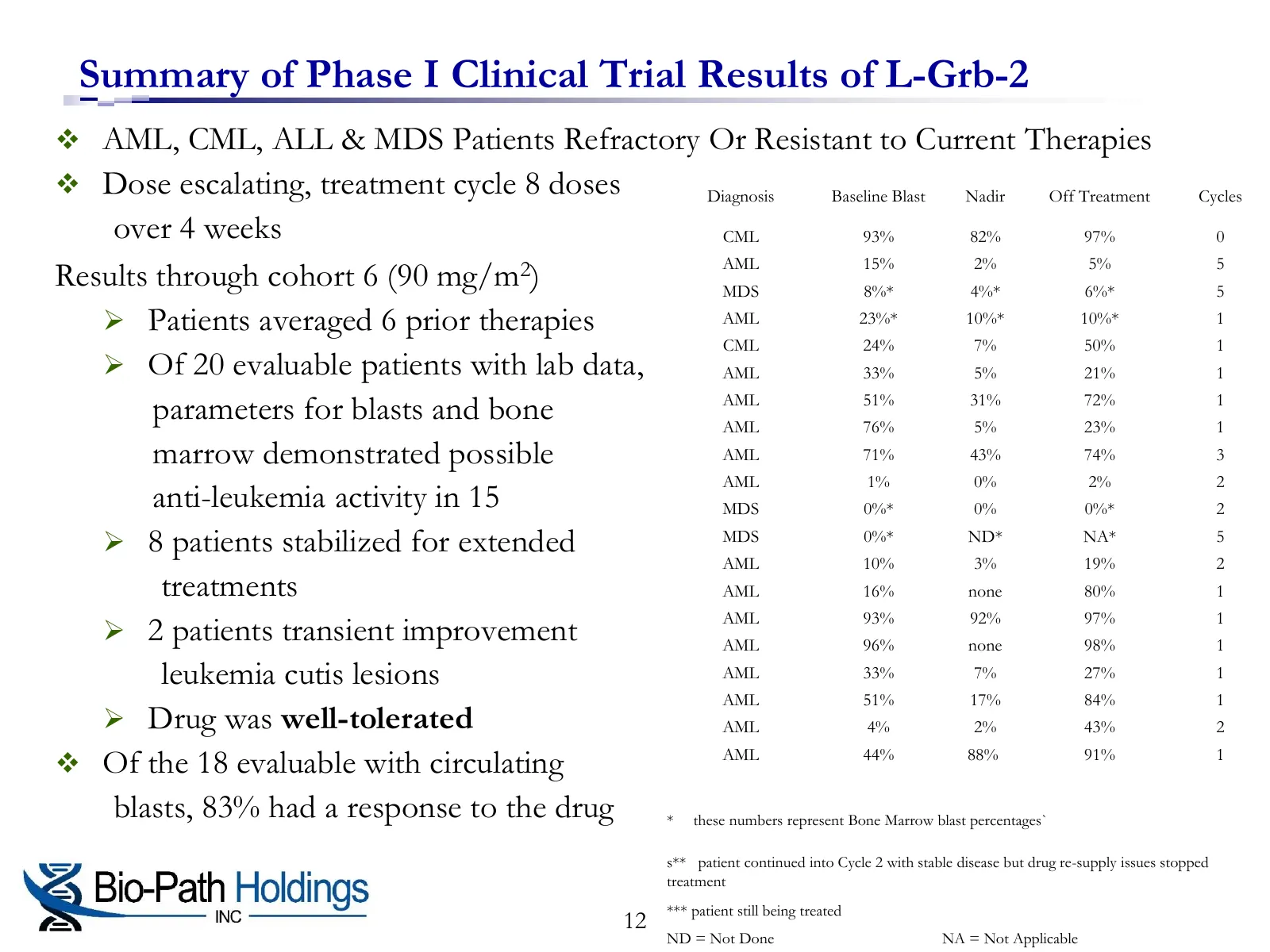
Slide 12: Summary of Phase I Clinical Trial Results of L-Grb-2
Summary of Phase I Clinical Trial Results of L-Grb-2 AML, CML, ALL & MDS Patients Refractory Or Resistant to Current Therapies Dose escalating, treatment cycle 8 doses Diagnosis Baseline Blast Nadir Off Treatment Cycles over 4 weeks CML 93% 82% 97% 0 AML 15% 2% 5% 5 Results through cohort 6 (90
Slide 13: Response to Treatment for Select Patients 002 and 006
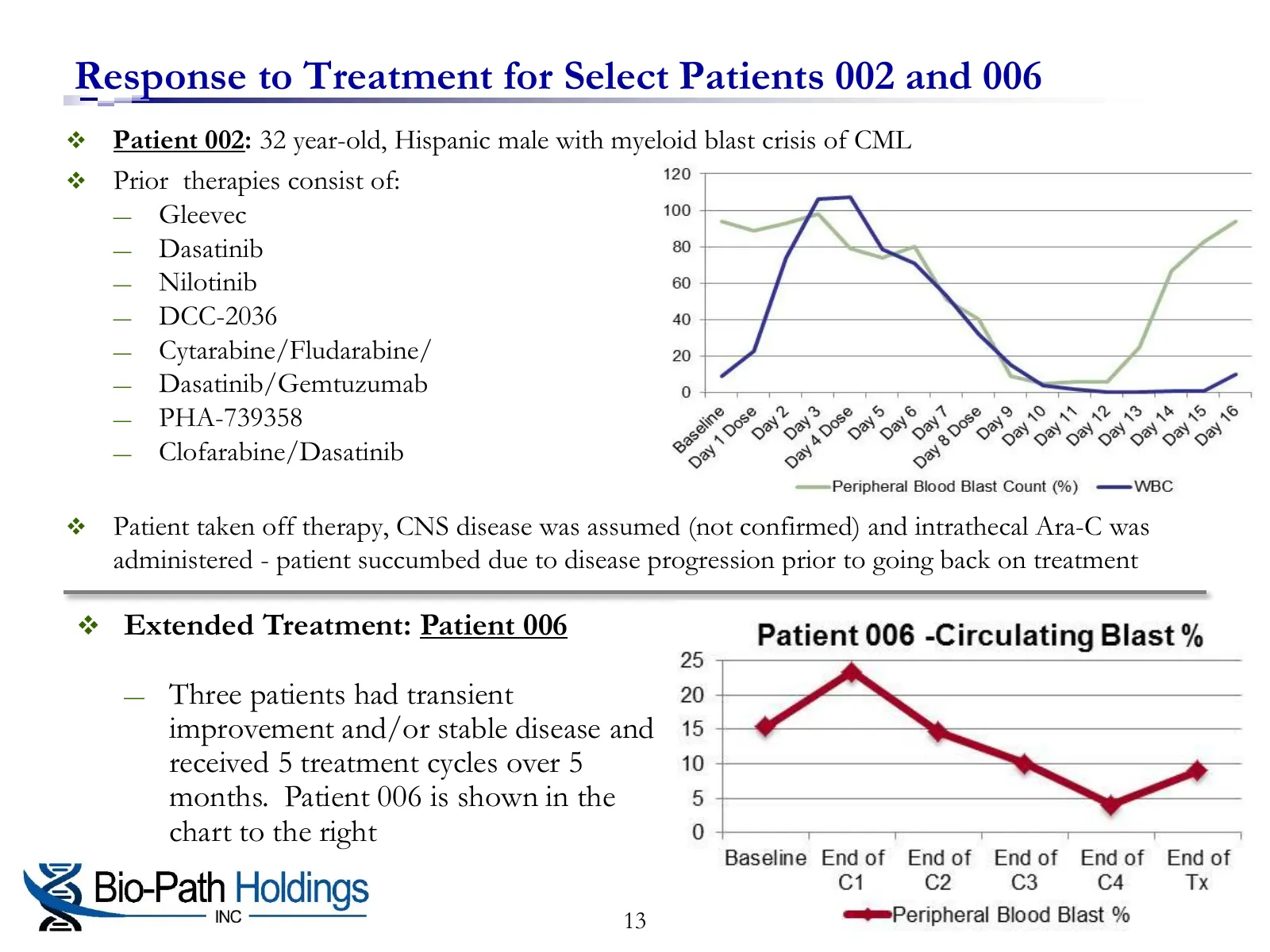
Response to Treatment for Select Patients 002 and 006 Patient 002: 32 year-old, Hispanic male with myeloid blast crisis of CML Prior therapies consist of: ― Gleevec ― Dasatinib ― Nilotinib ― DCC-2036 ― Cytarabine/Fludarabine/ ― Dasatinib/Gemtuzumab ― PHA-739358 ― Clofarabine/Dasatinib Patient
Slide 14: Significant Results for Phase I Clinical Trial
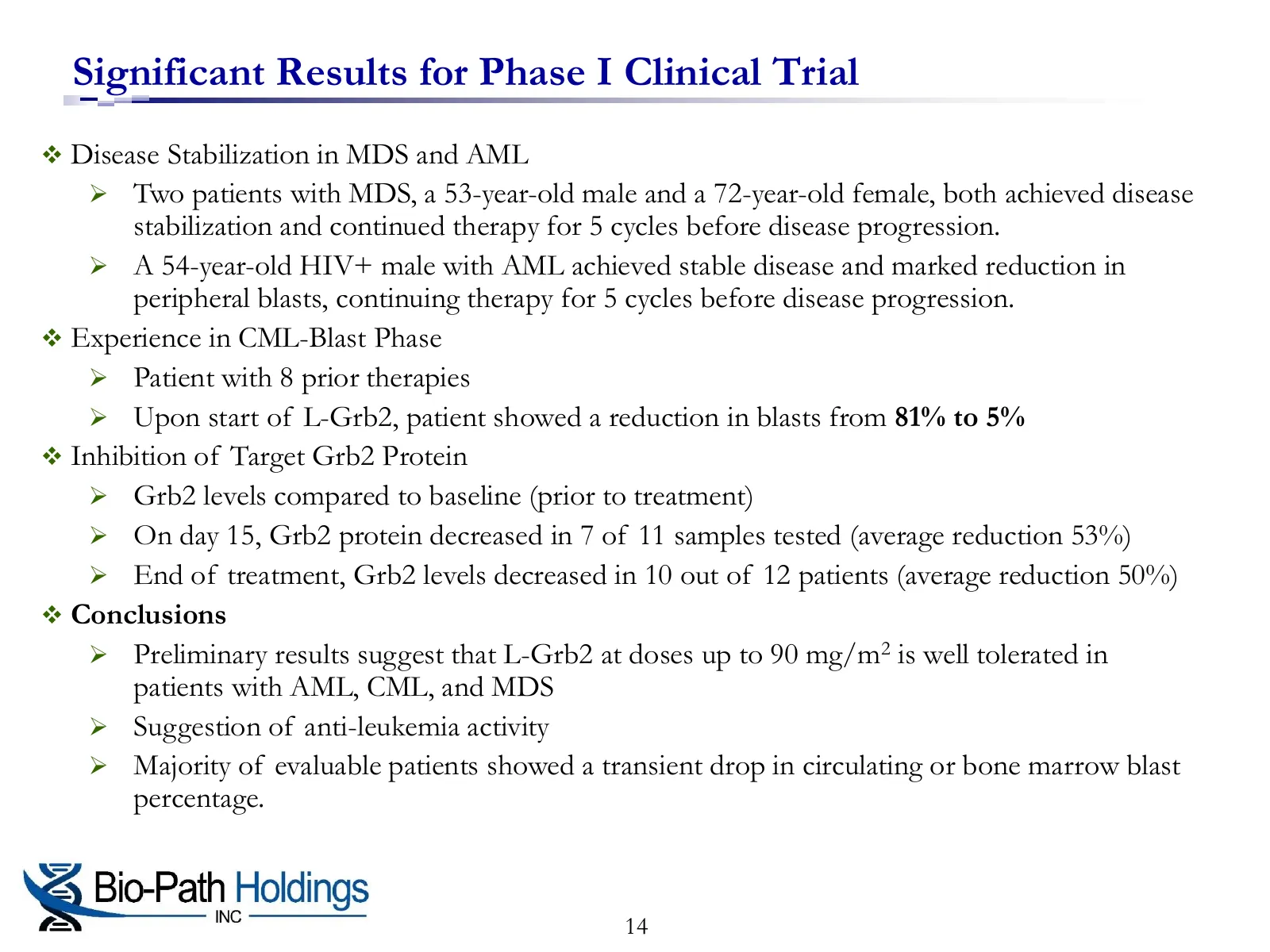
Significant Results for Phase I Clinical Trial Disease Stabilization in MDS and AML Two patients with MDS, a 53-year-old male and a 72-year-old female, both achieved disease stabilization and continued therapy for 5 cycles before disease progression. A 54-year-old HIV+ male with AML achieved s
Slide 15: Preclinical Testing of L-Grb2 Combination Therapy
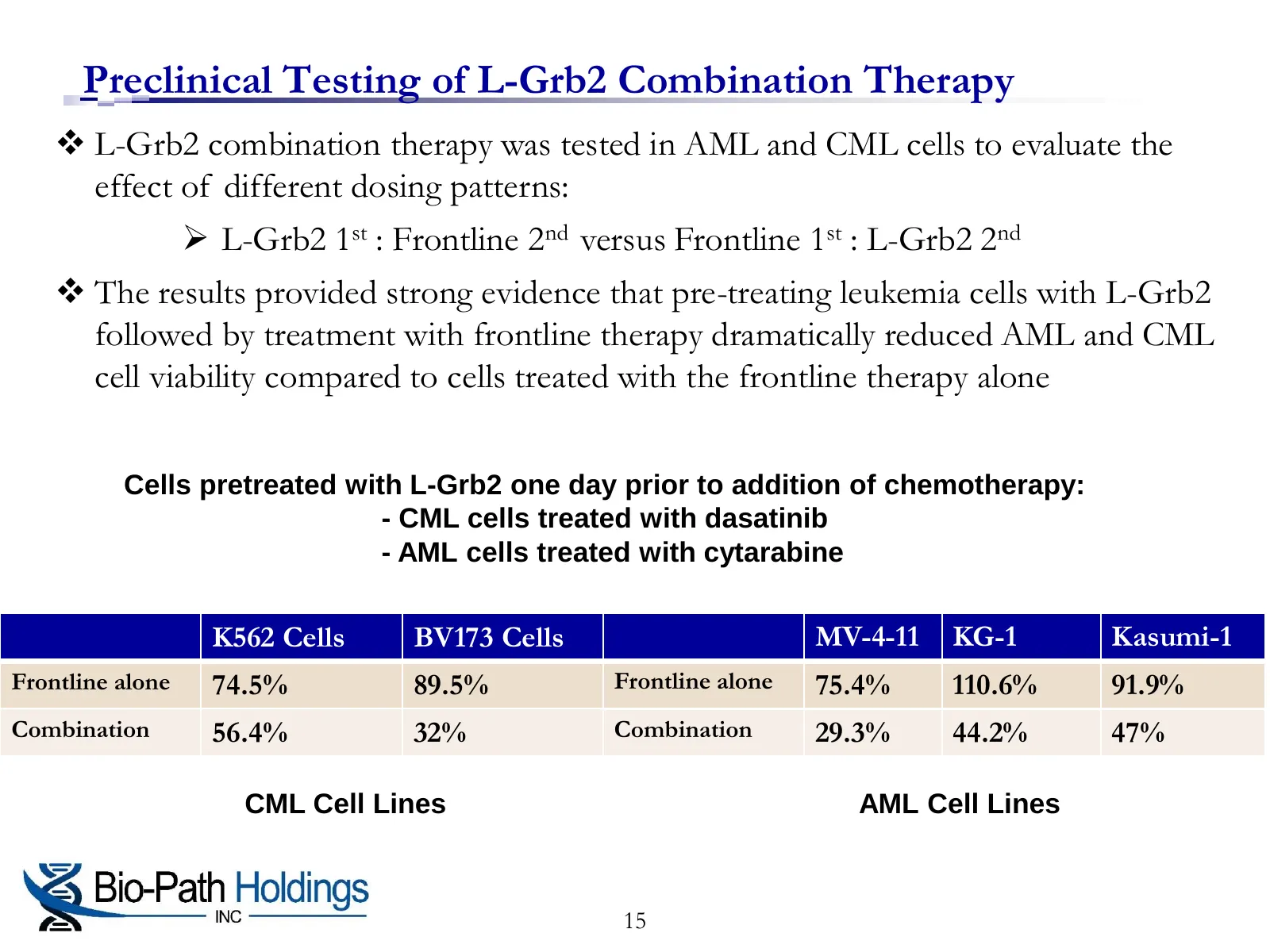
Preclinical Testing of L-Grb2 Combination Therapy L-Grb2 combination therapy was tested in AML and CML cells to evaluate the effect of different dosing patterns: L-Grb2 1st : Frontline 2nd versus Frontline 1st : L-Grb2 2nd The results provided strong evidence that pre-treating leukemia cells w
Slide 16: Overview of Plans For Phase II Clinical Trials of L-Grb2
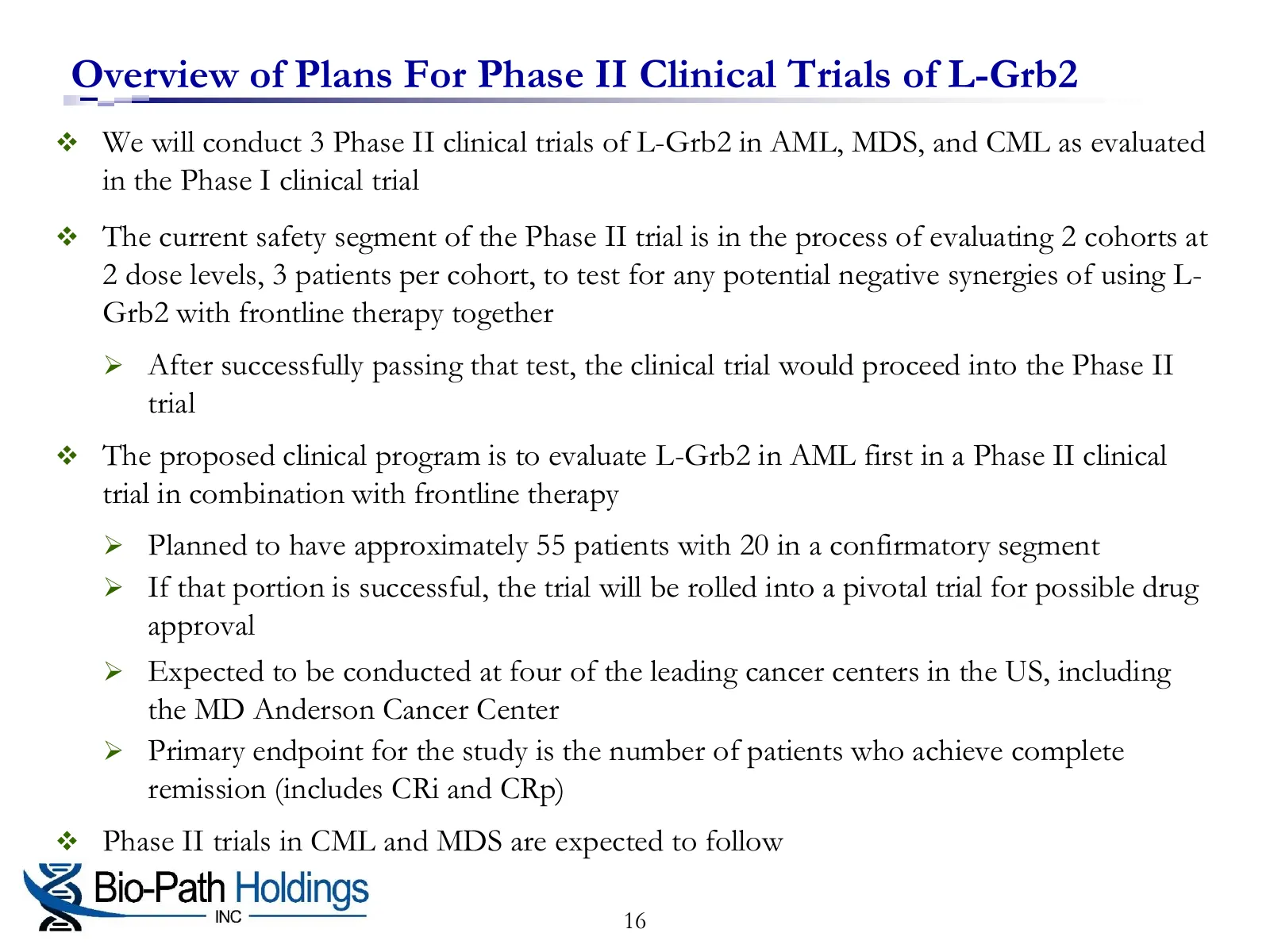
Overview of Plans For Phase II Clinical Trials of L-Grb2 We will conduct 3 Phase II clinical trials of L-Grb2 in AML, MDS, and CML as evaluated in the Phase I clinical trial The current safety segment of the Phase II trial is in the process of evaluating 2 cohorts at 2 dose levels, 3 patients pe
Slide 17: Development of L-Grb2 for Triple Negative and Inflammatory Breast Cancers
Development of L-Grb2 for Triple Negative and Inflammatory Breast Cancers Bio-Path is developing L-Grb2 to treat triple negative breast cancer (TNBC) and inflammatory breast cancer (IBC), two cancers characterized by formation of aggressive tumors and relatively high mortality rates Breast cance
Slide 18: Clinical Pipeline
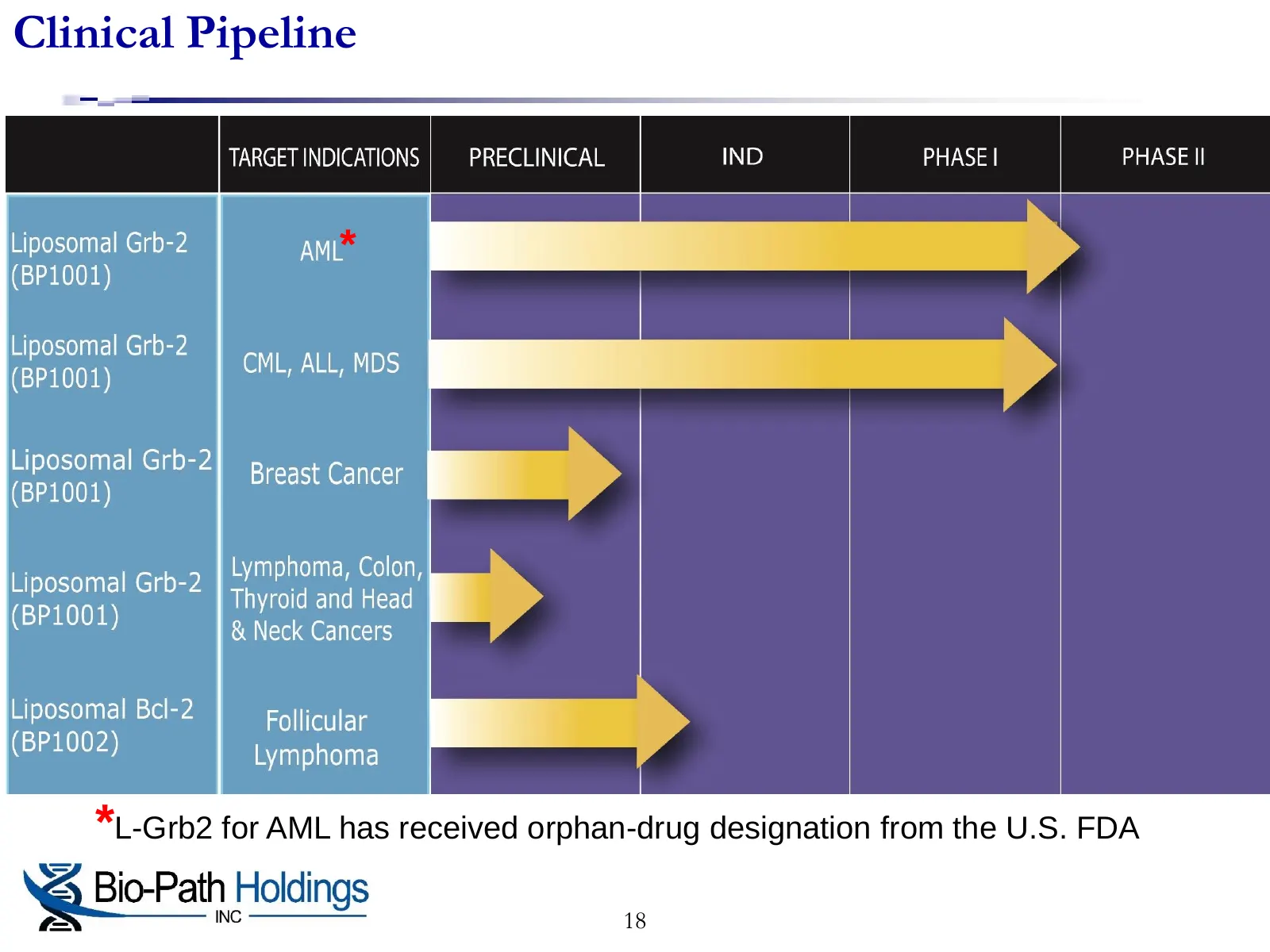
Clinical Pipeline * *L-Grb2 for AML has received orphan-drug designation from the U.S. FDA 18
Slide 19: Summary
Summary Bio-Path has developed a unique antisense DNA + lipid delivery for systemic nucleic acid drug therapy called DNAbilize™ Technology Our initial focus is on hematological malignancies with our lead target against GRB2, a bridge protein in tyrosine kinase signaling cascades Our drug deliv
Source: Internet Archive copy of biopathholdings.com
More decks from Bio-Path Holdings, Inc.
 Investor Presentation (May 2022)12 slides · May 2022
 Investor Presentation (January 2022)17 slides · January 2022
 Investor Presentation (March 2021)17 slides · March 2021
 Shareholder Meeting (December 2020)16 slides · Dec 21, 2020
 Investor Presentation (May 2019)23 slides · May 2019
 Investor Presentation (October 2017)20 slides · October 2017