The Cigna Group · NYSE:CI
The Cigna — University of North Texas Substance Abuse Resource Center — Investor Presentation (February 2014)
23 slides from The Cigna's investor presentation, February 2014
Slide 1: Changing the addicted brain: New techniques for maintaining sobriety
Changing the addicted brain: New techniques for maintaining sobriety Timothy S. Trail, Director Substance Abuse Resource Center University of North Texas
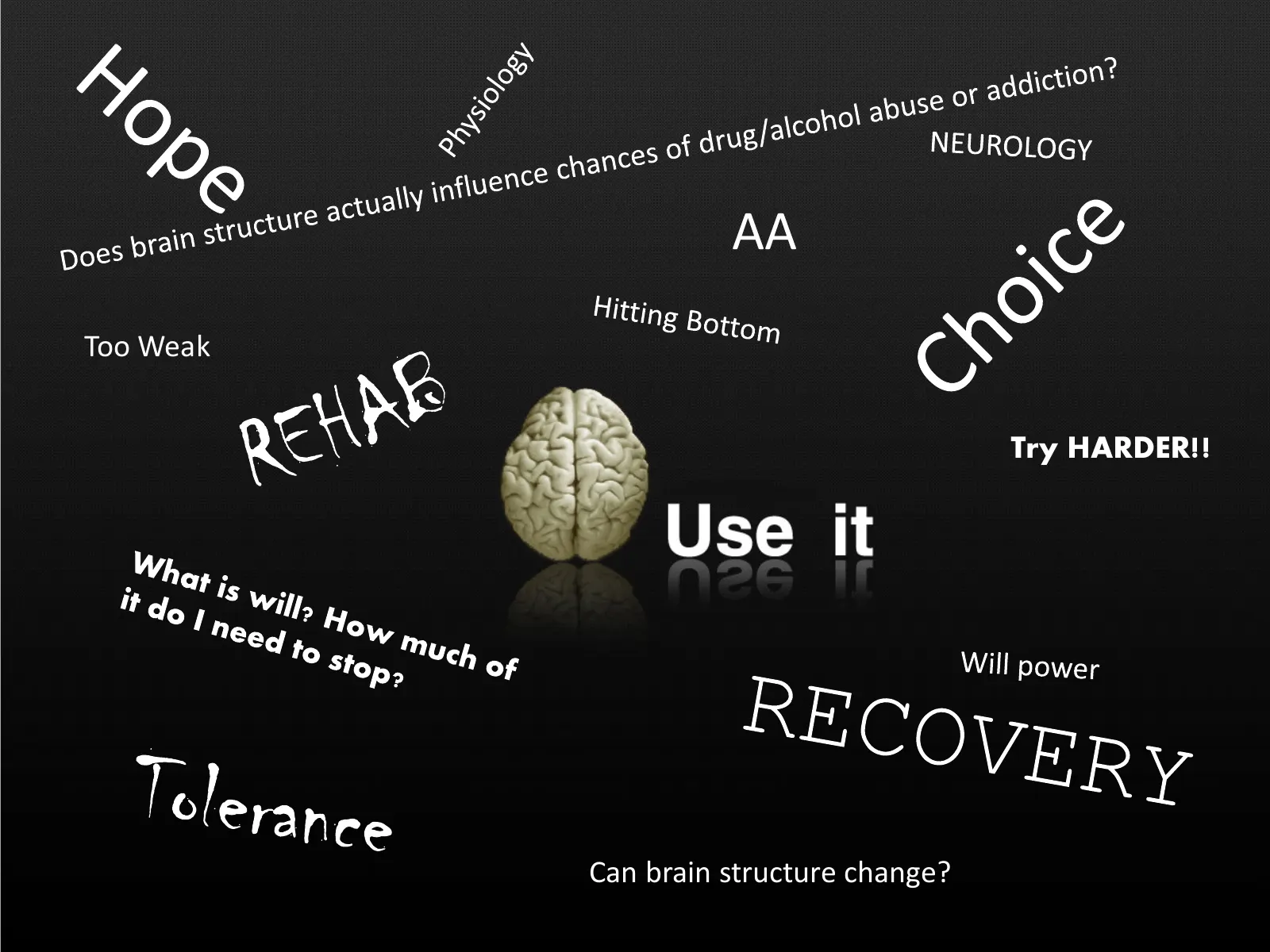
Slide 2: Can brain structure change?
AA Too Weak Try HARDER!! Can brain structure change?
Slide 3: The important brain stuff
The important brain stuff
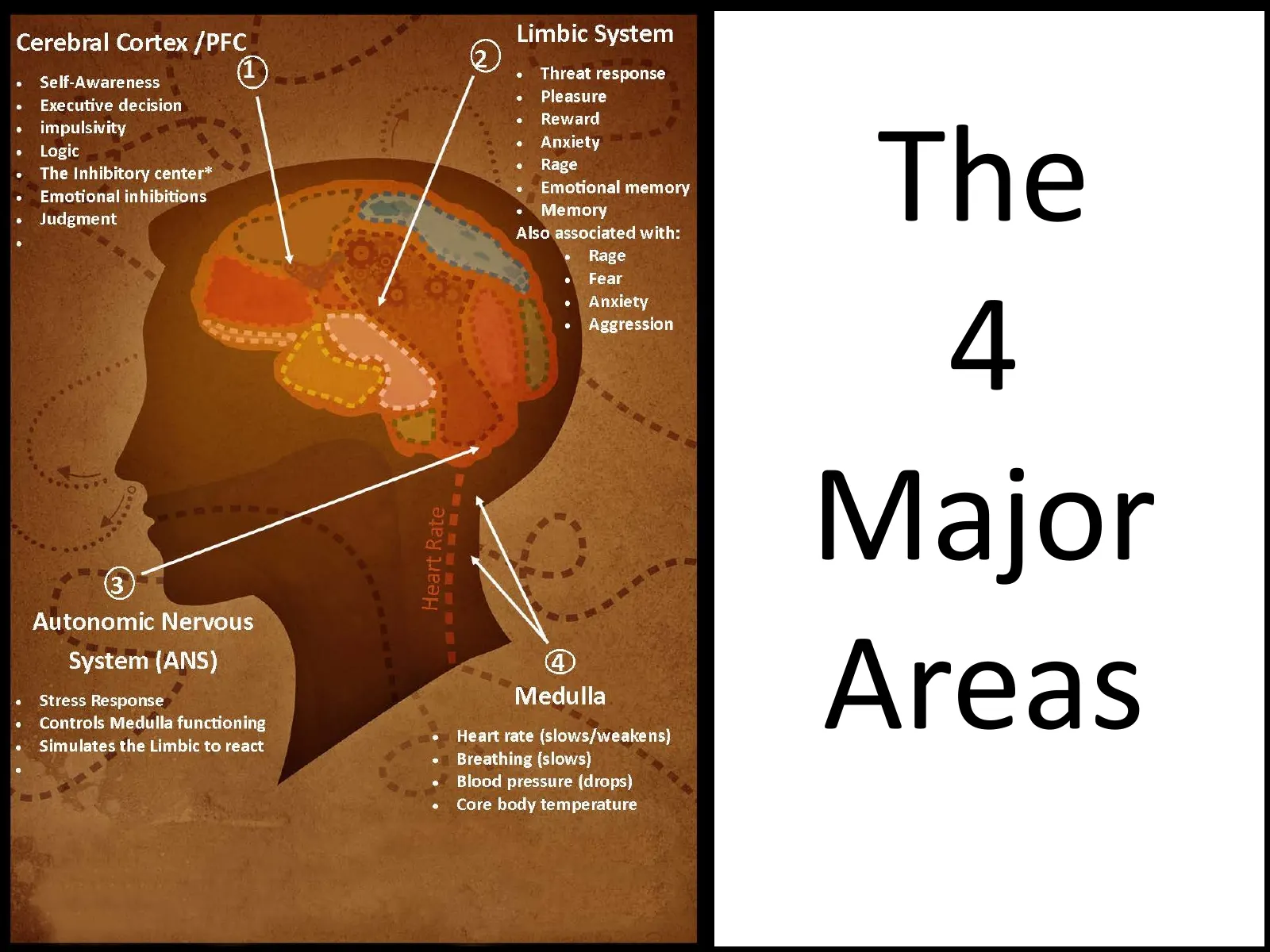
Slide 4: The Major Areas
Cerebral Cortex /PFC Self-Awareness Executive decision impulsivity Logic The Inhibitory center* Emotional inhibitions Judgment ) Autonomic Nervous System (ANS) Stress Response Controls Medulla functioning Simulates the Limbic to react Limbic System « Threat response + Pleasure « Reward e Anxiety « R
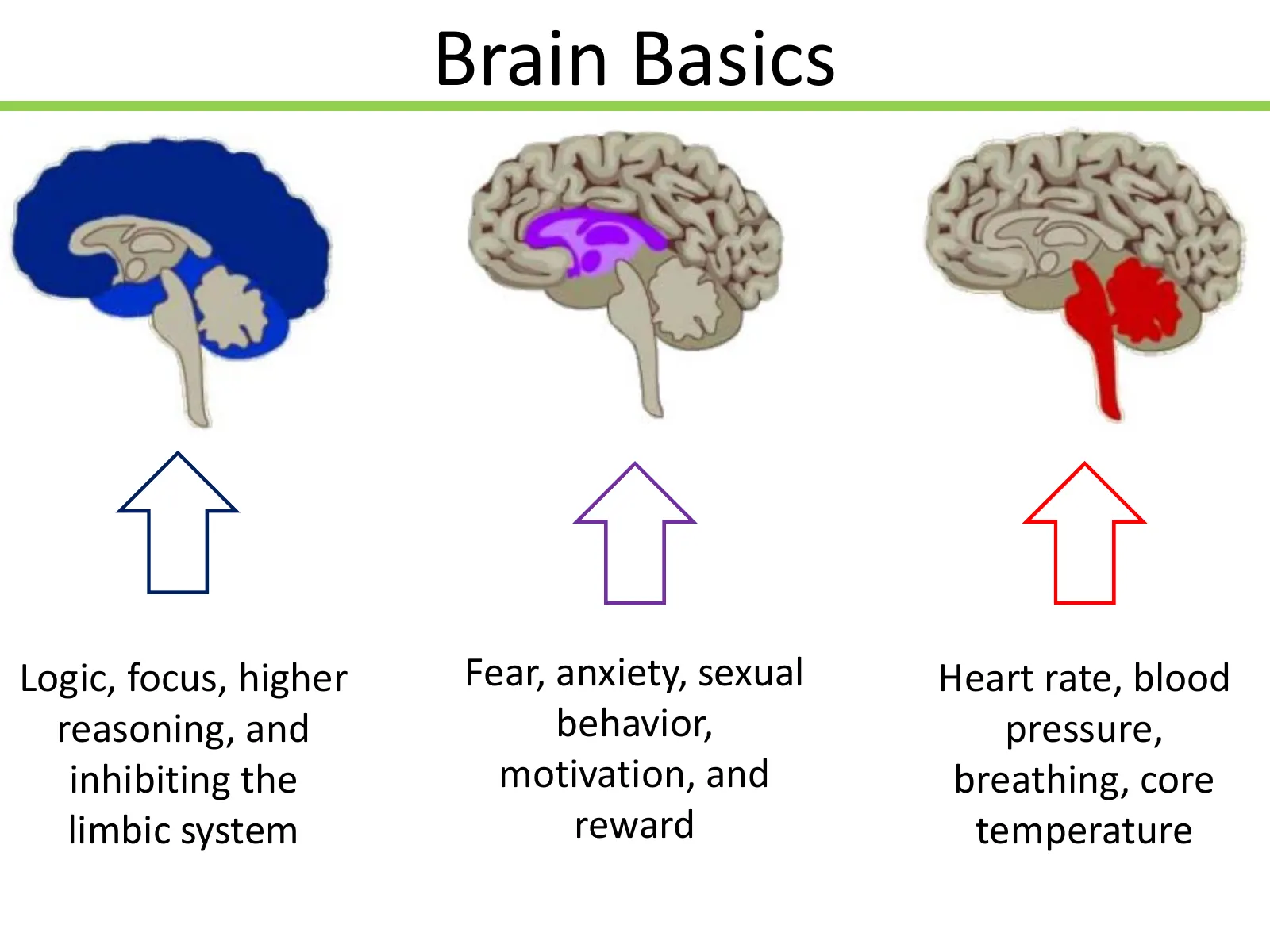
Slide 5: Brain Basics
Brain Basics Logic, focus, higher Fear, anxiety, sexual Heart rate, blood reasoning, and behavior, pressure, inhibiting the motivation, and breathing, core limbic system reward temperature
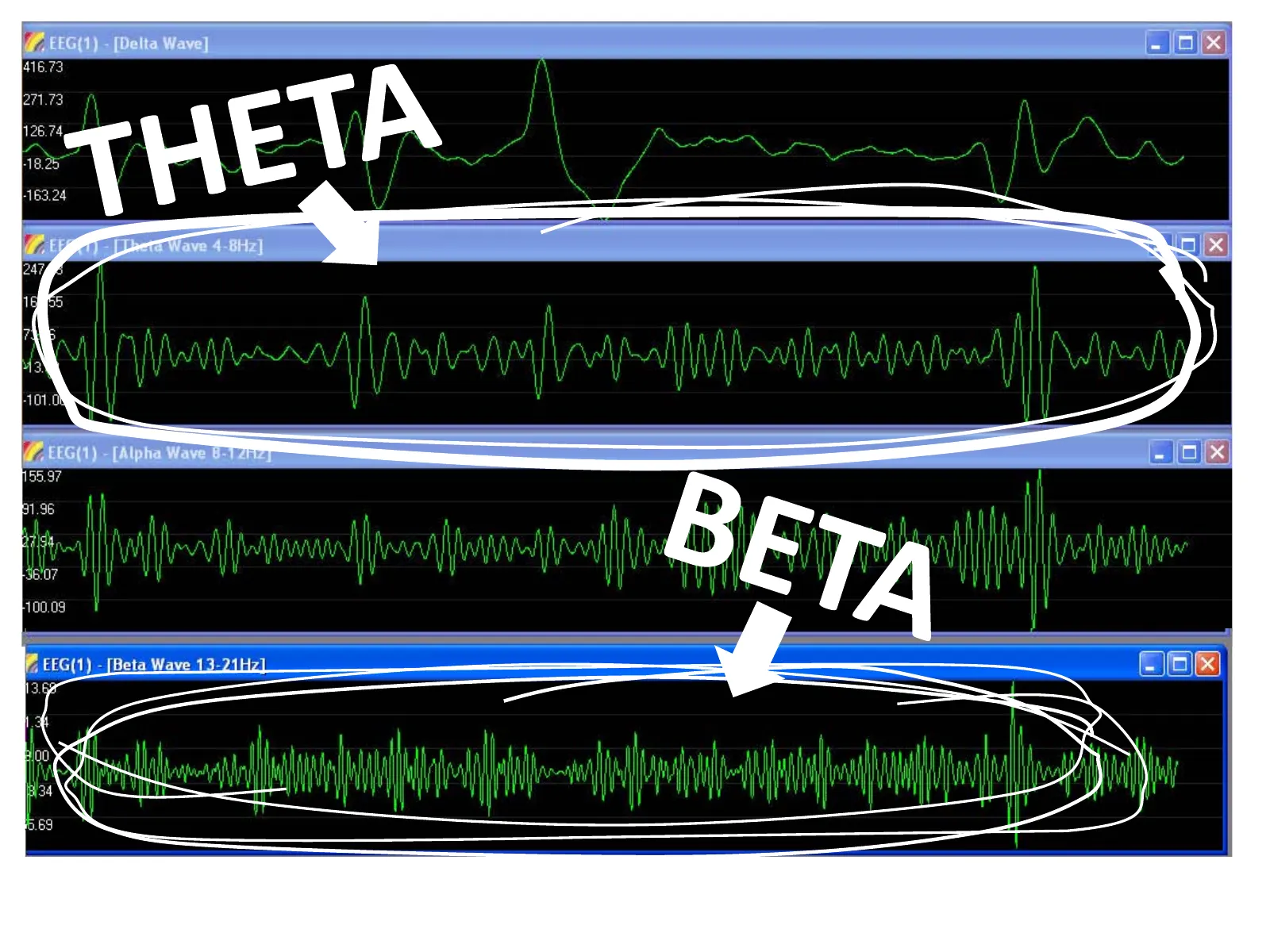
Slide 6: EEG brain wave recordings: theta and beta
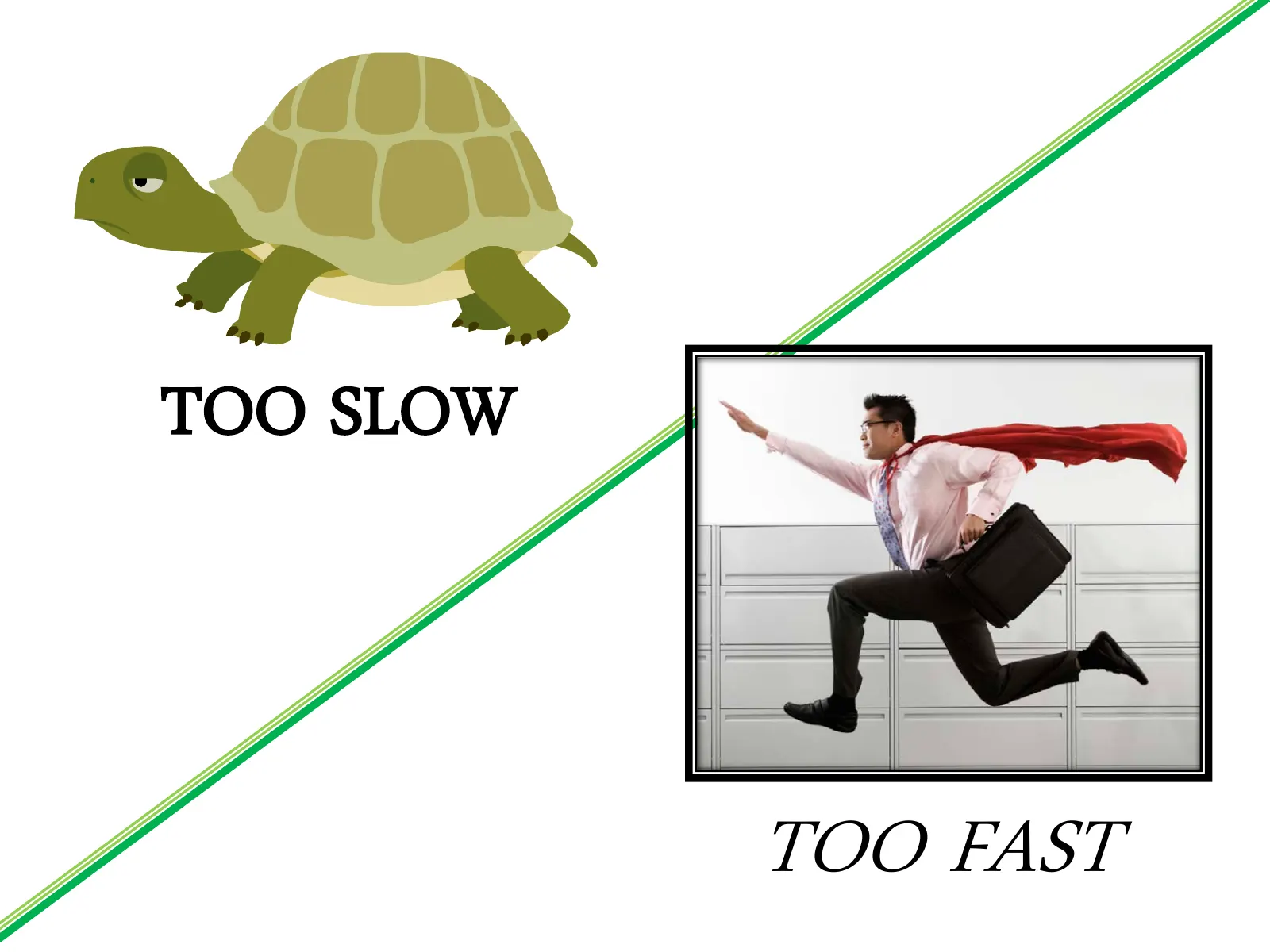
Slide 7: TOO SLOW, TOO FAST
TOO SLOW TOO FAST
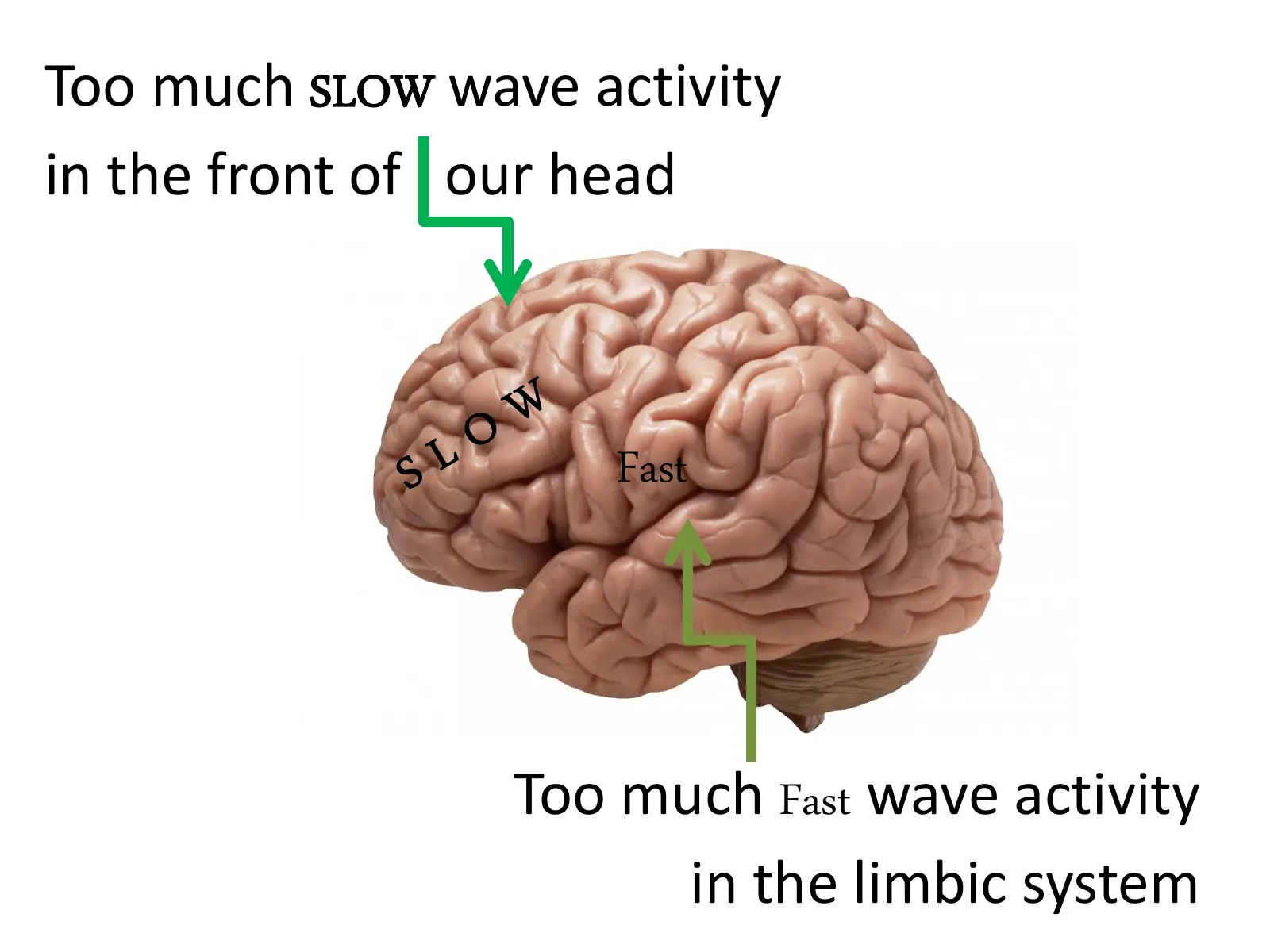
Slide 8: Too much slow wave and fast wave activity
Too much SLOW wave activity in the front of our head Fast Too much Fast wave activity in the limbic system
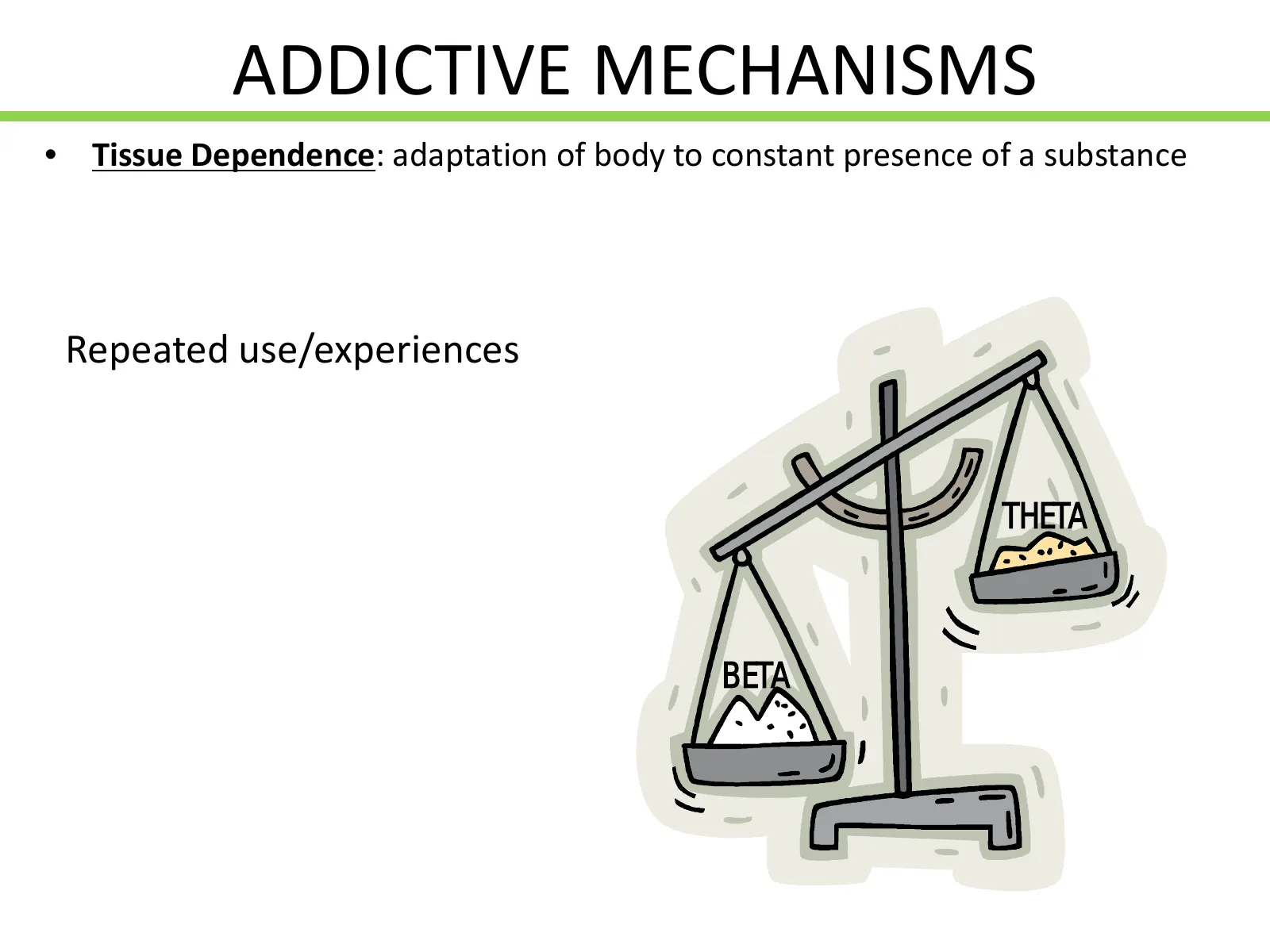
Slide 9: Addictive Mechanisms
ADDICTIVE MECHANISMS • Tissue Dependence: adaptation of body to constant presence of a substance Repeated use/experiences THETA BETA
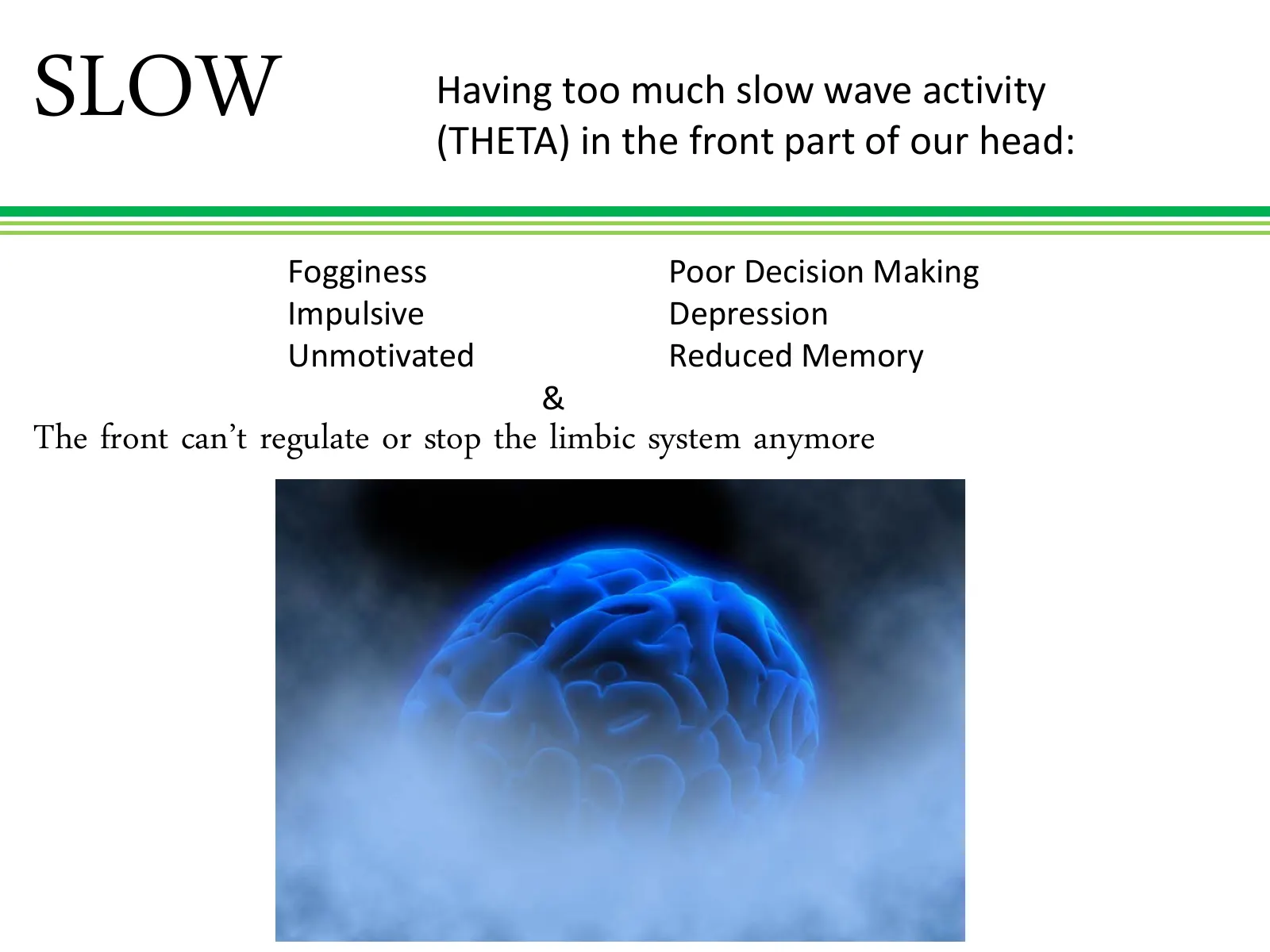
Slide 10: SLOW: too much theta in the front of the head
SLOW Having too much slow wave activity (THETA) in the front part of our head: Fogginess Poor Decision Making Impulsive Depression Unmotivated Reduced Memory & The front can’t regulate or stop the limbic system anymore
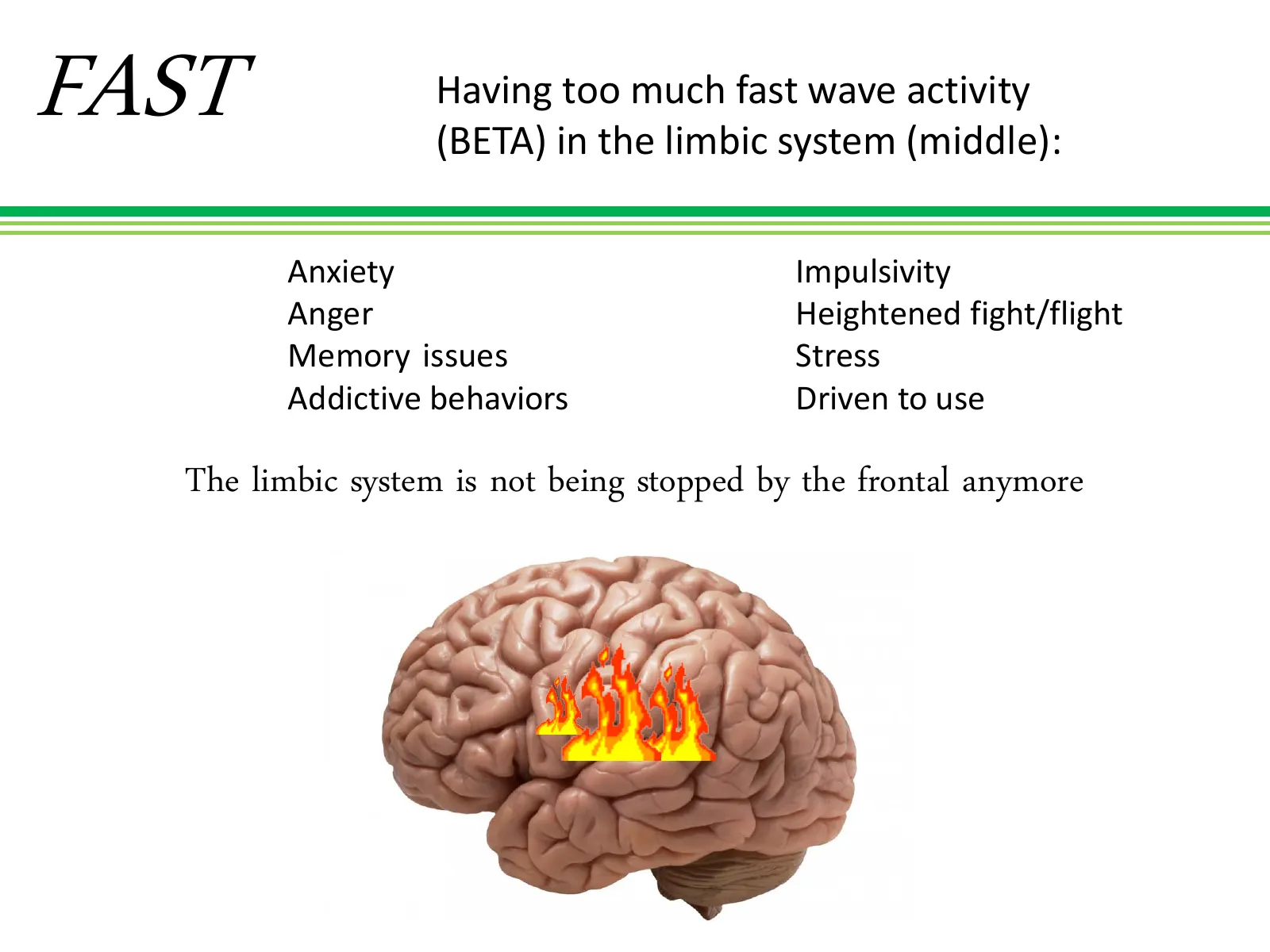
Slide 11: FAST: too much beta in the limbic system
FAST Having too much fast wave activity (BETA) in the limbic system (middle): Anxiety Impulsivity Anger Heightened fight/flight Memory issues Stress Addictive behaviors Driven to use The limbic system is not being stopped by the frontal anymore
Slide 12: Combination of slow frontal and fast limbic activity
This combination of slow-wave activity in the frontal and fast-wave activity in the limbic system adds to: Poor judgment + Lack of reasoning + Diminished self-control + A supercharged limbic system that believes it MUST use + A feeling of doom if one doesn’t use + Horrible feelings and physical expe
Slide 13: Equals
Equals
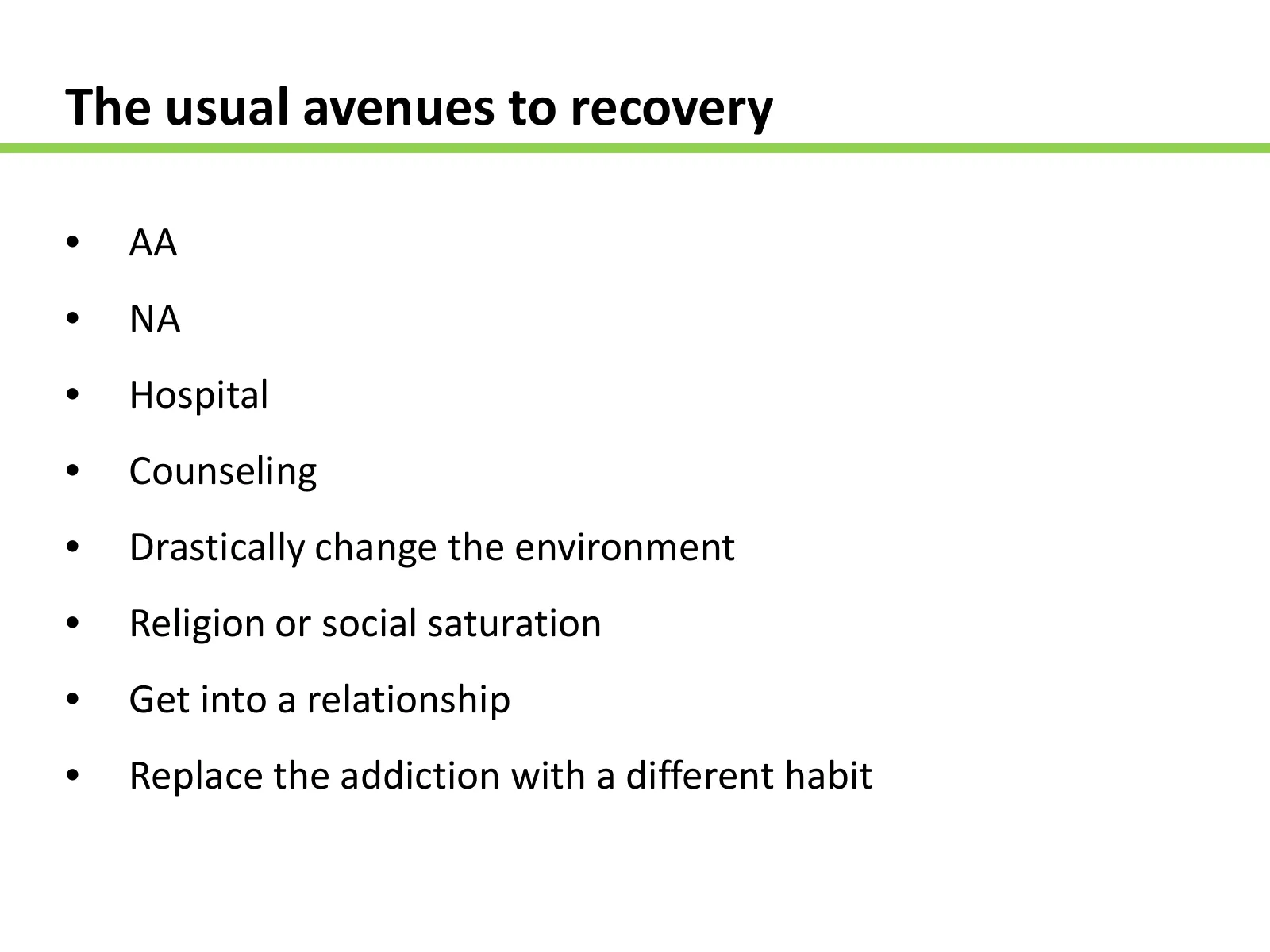
Slide 14: The usual avenues to recovery
The usual avenues to recovery • AA • NA • Hospital • Counseling • Drastically change the environment • Religion or social saturation • Get into a relationship • Replace the addiction with a different habit
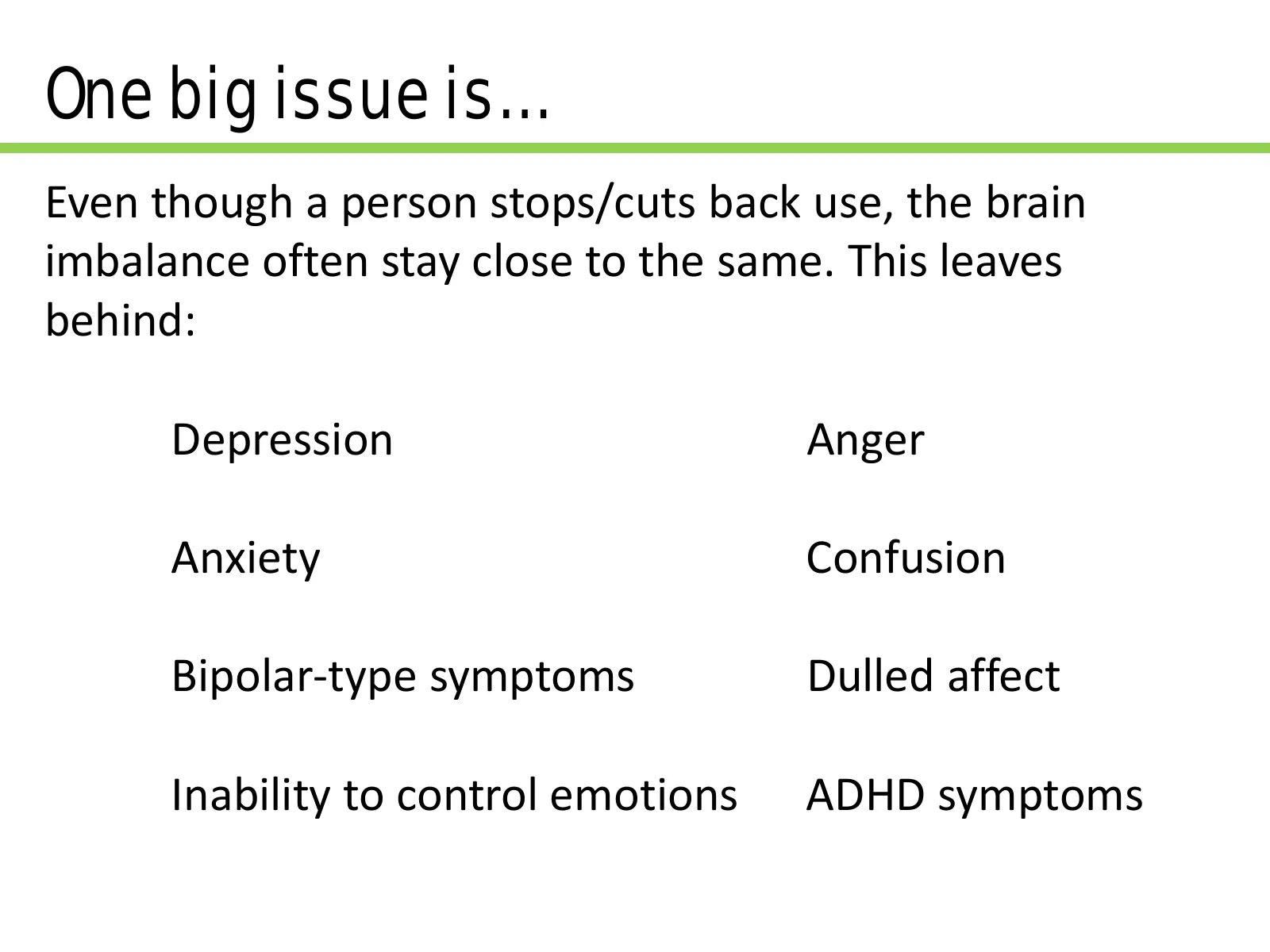
Slide 15: One big issue is…
One big issue is… Even though a person stops/cuts back use, the brain imbalance often stay close to the same. This leaves behind: Depression Anger Anxiety Confusion Bipolar-type symptoms Dulled affect Inability to control emotions ADHD symptoms
Slide 16: Alternatives that help balance out the brain
ALTERNATIVES THAT HELP BALANCE OUT THE BRAIN
Slide 17: Alternative Groups to AA/NA
Alternative Groups to AA/NA SMART Recovery Path to Wellness
Slide 18: More Alternatives
More Alternatives Mindful-Meditation COOR
Slide 19: Neurofeedback
More Alternatives NEUROFEEDBACK
Slide 20: Brain of someone with addiction as main issue
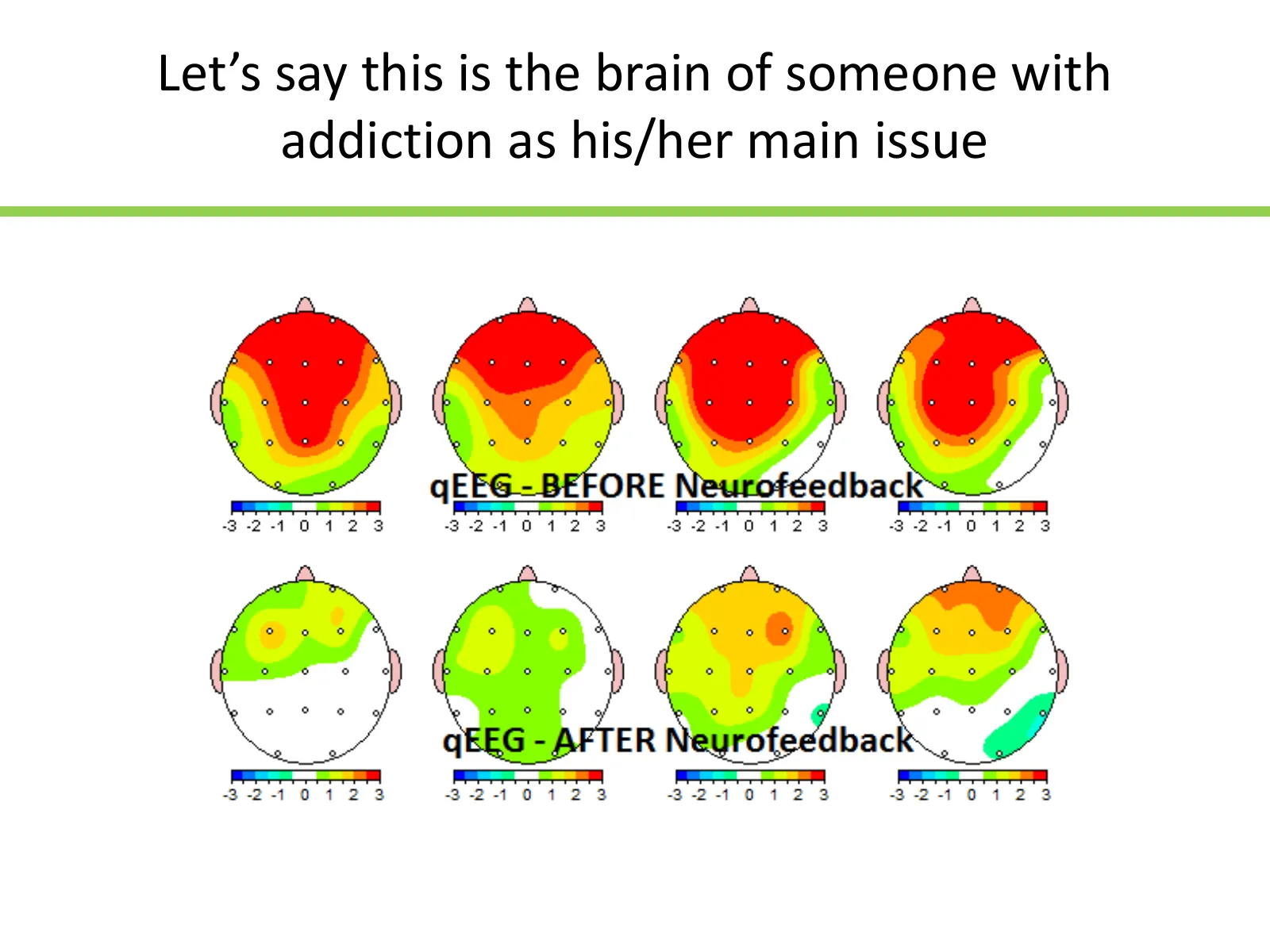
Let’s say this is the brain of someone with addiction as his/her main issue
Slide 21: Brain still out of balance in other areas
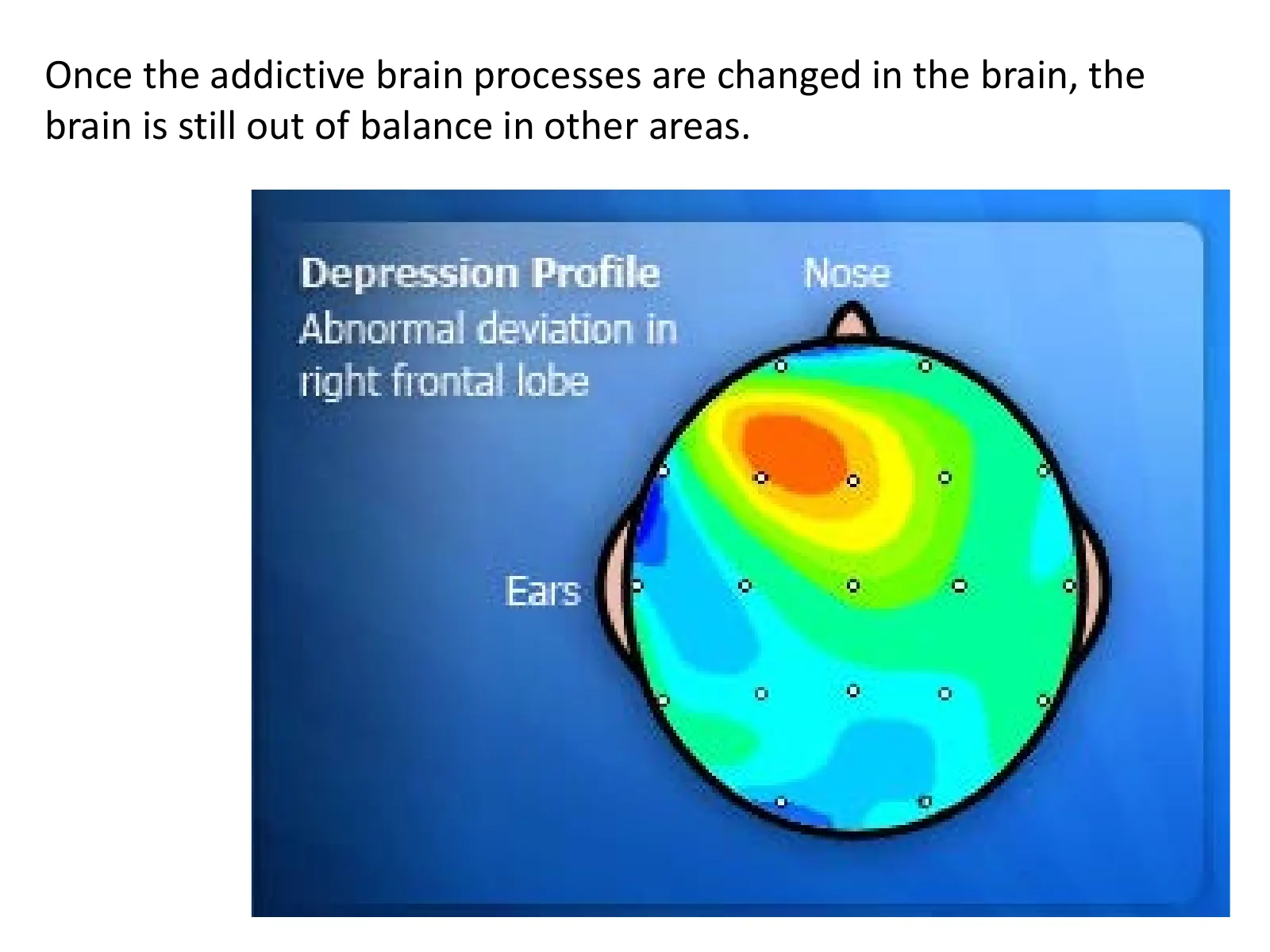
Once the addictive brain processes are changed in the brain, the brain is still out of balance in other areas.
Slide 22: Enso Counseling
Enso Counseling Integrative Counseling, testing, coaching, and training tim.trail@unt.edu 817.225.8999
Slide 23
Source: Internet Archive copy of cigna.com
More decks from The Cigna Group
 Q3 2026 Earnings Presentation18 slides · Nov 5, 2026
 Investor Day (September 2026)119 slides · Sep 30, 2026
 Q1 2026 Earnings Presentation13 slides · Apr 30, 2026
 Q4 2024 Earnings Presentation25 slides · Jan 30, 2025
 Q2 2024 Earnings Presentation19 slides · Aug 1, 2024
 Q1 2024 Earnings Presentation19 slides · May 2, 2024