Genmab A/S · OMXCOP:GMAB
Genmab A/S — Technical Presentation (2006)
31 slides from Genmab A/S's technical presentation, Oct 21, 2006
Slide 1: HuMax-CD20, a Novel Fully Human Anti-CD20 Monoclonal Antibody
HuMax-CD20, a Novel Fully Human Anti-CD20 Monoclonal Antibody: Results of a Phase I/II Trial in Relapsed or Refractory Follicular Non-Hodgkin’s Lymphoma
Slide 2: Investigators
Investigators A. Hagenbeek University Medical Center Utrecht, Utrecht, The Netherlands J.A. Radford Christie Hospital NHS Trust, Manchester, UK T. Plesner Vejle Hospital, Vejle, Denmark J. Walewski MSCM Cancer Center, Warszawa, Poland P. Johnson Southampton General Hospital, Southampton, UK L.M. Ped
Slide 3: HuMax-CD20
HuMax-CD20 IgG1ĸ human monoclonal antibody Generated via Ig-transgenic mouse and hybridoma technology Produced in the NSO cell line Recognizes a novel CD20 epitope Efficient clustering of CD20 into lipid rafts
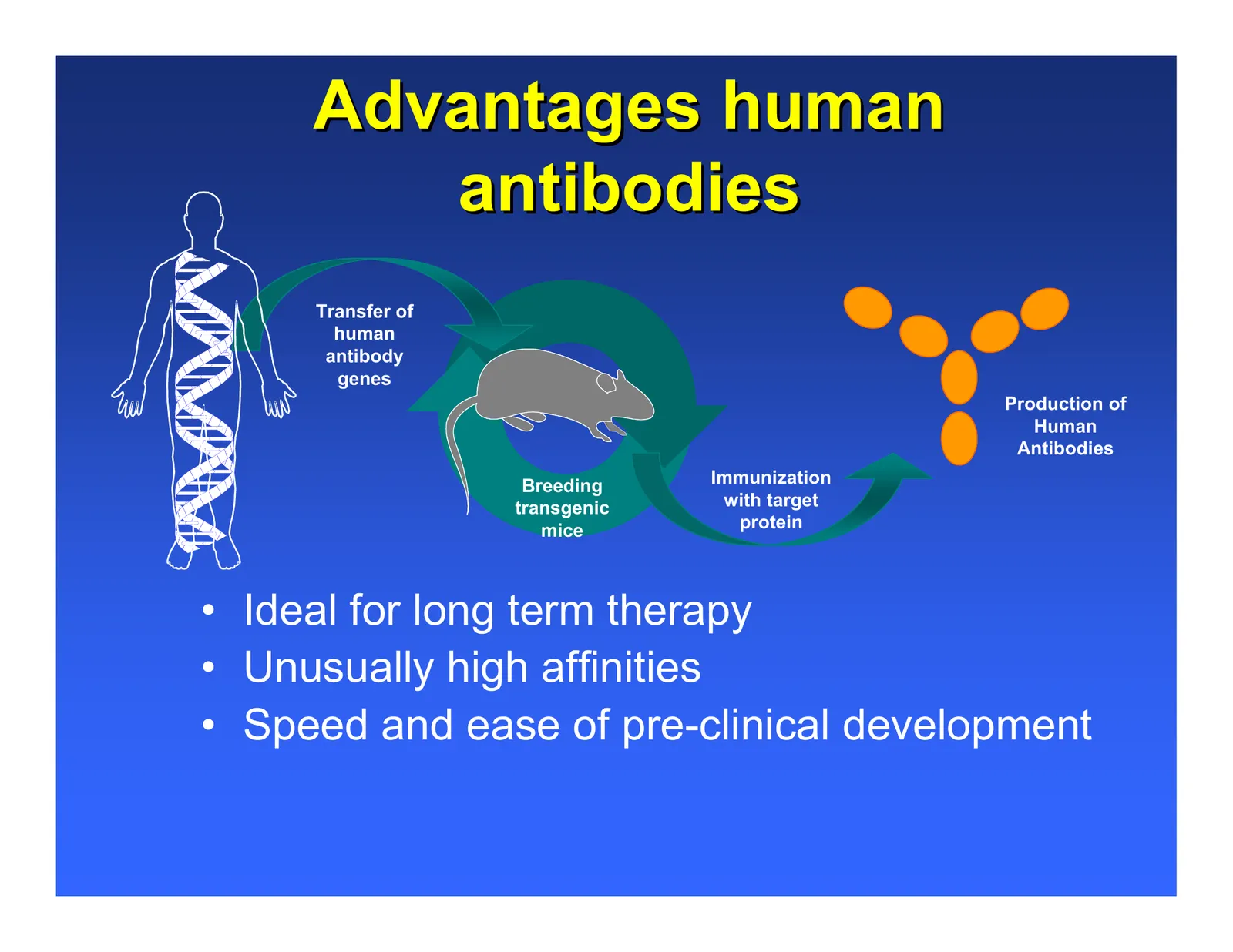
Slide 4: Advantages human antibodies
Advantages human antibodies Transfer of human antibody genes Production of Human Antibodies Breeding Immunization transgenic with target mice protein • Ideal for long term therapy • Unusually high affinities • Speed and ease of pre-clinical development
Slide 5: HuMax-CD20 compared to Rituximab
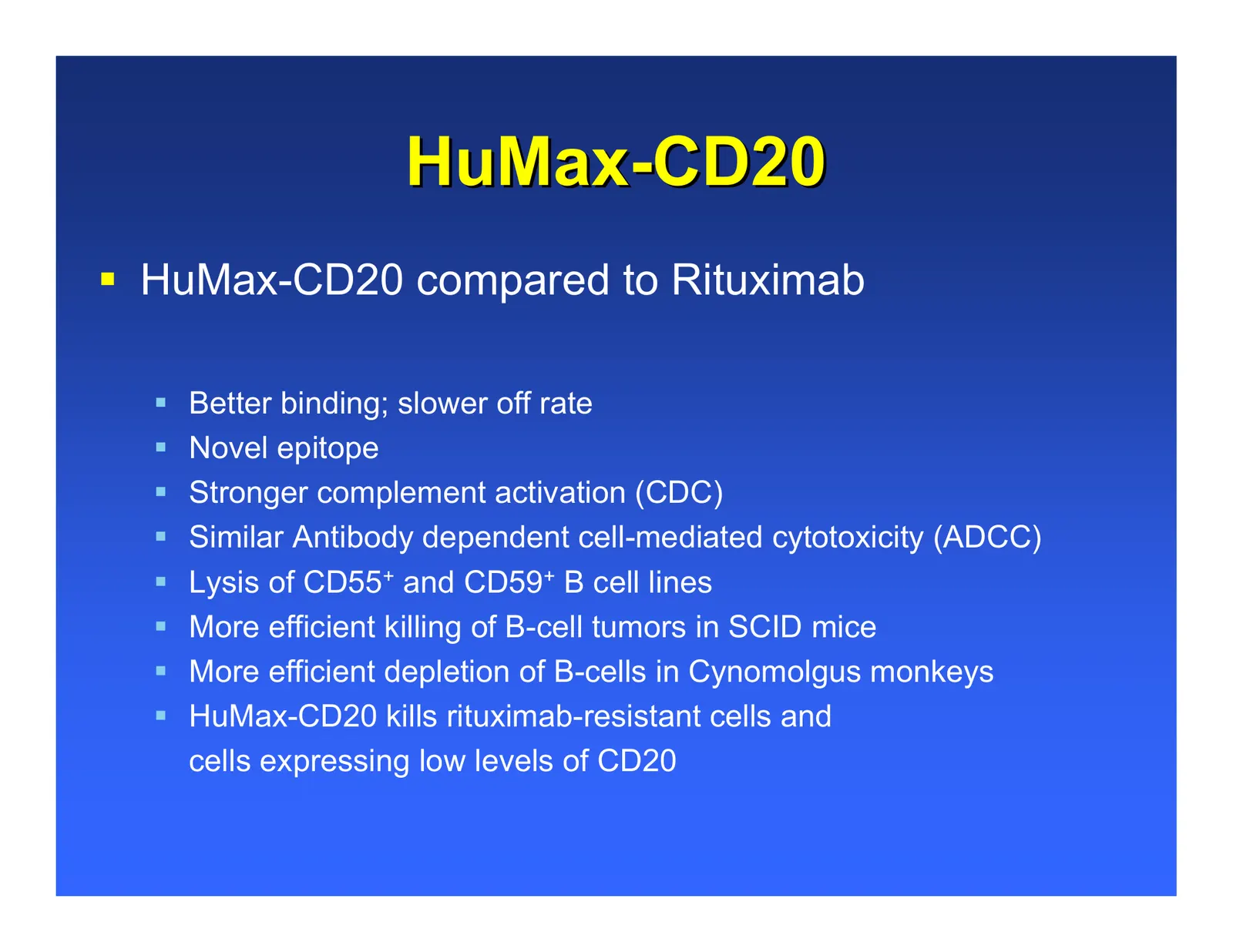
HuMax-CD20 HuMax-CD20 compared to Rituximab Better binding; slower off rate Novel epitope Stronger complement activation (CDC) Similar Antibody dependent cell-mediated cytotoxicity (ADCC) Lysis of CD55+ and CD59+ B cell lines More efficient killing of B-cell tumors in SCID mice More
Slide 6: HuMax-CD20 induces effective killing of targets expressing low CD20 levels
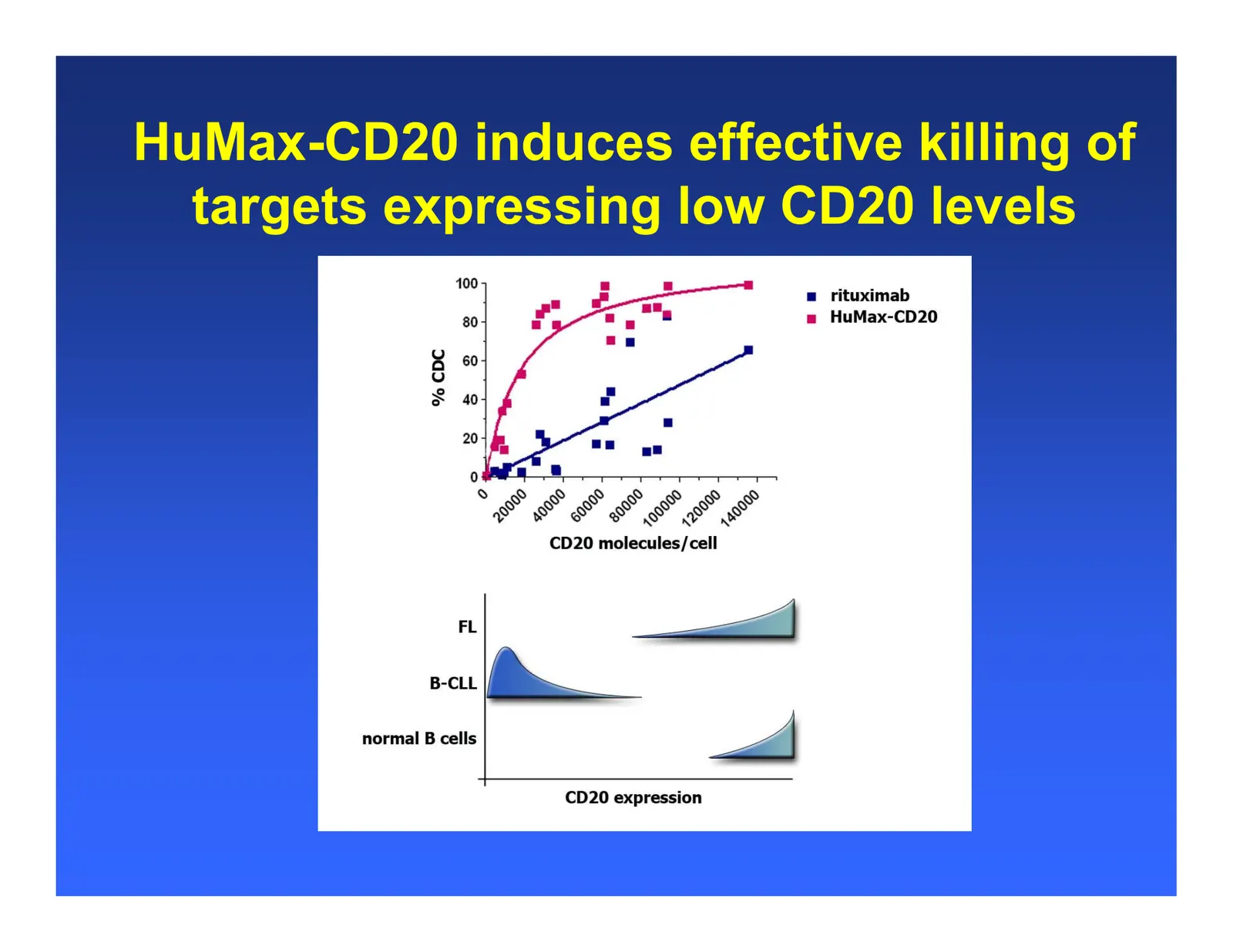
HuMax-CD20 induces effective killing of targets expressing low CD20 levels
Slide 7: Objectives
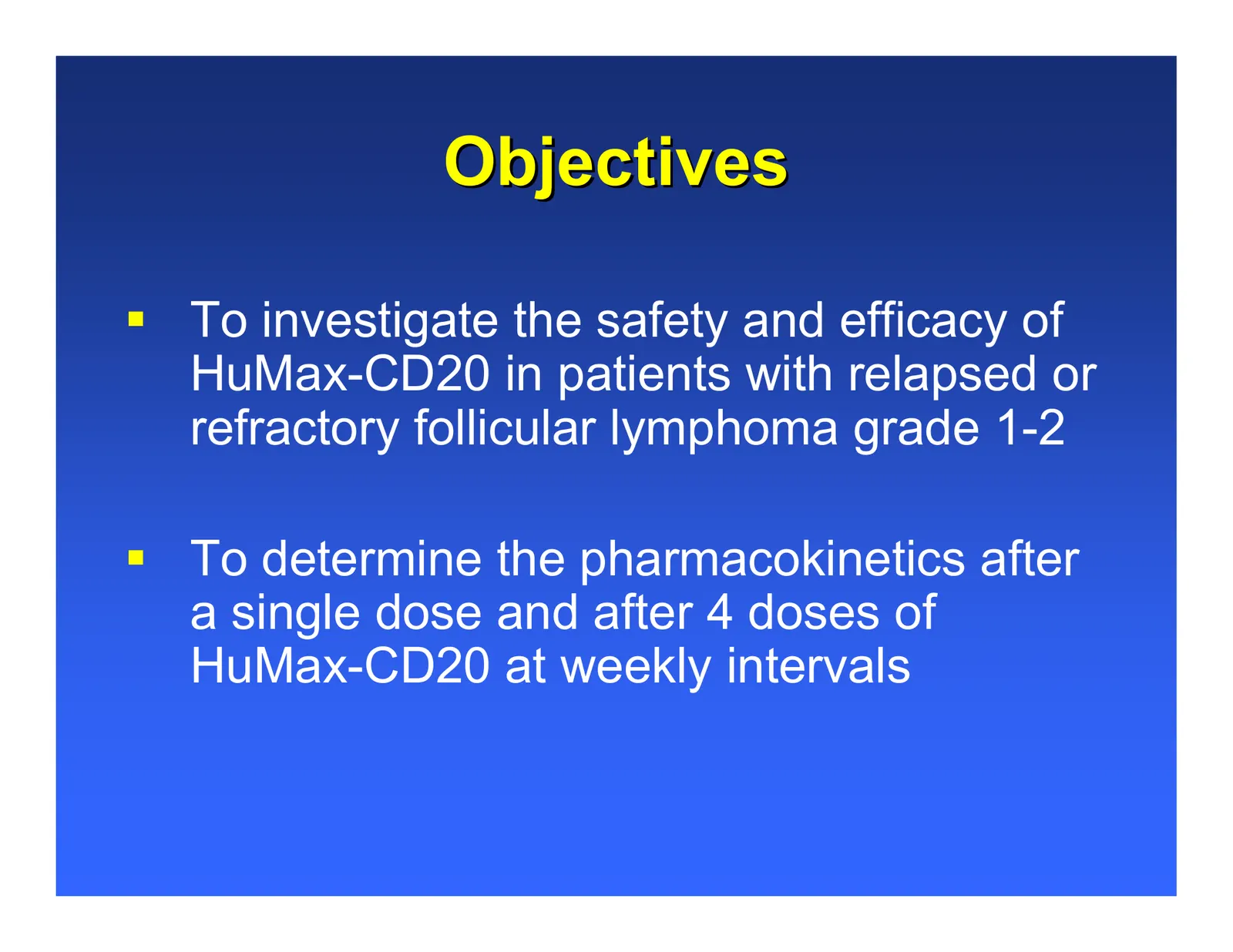
Objectives To investigate the safety and efficacy of HuMax-CD20 in patients with relapsed or refractory follicular lymphoma grade 1-2 To determine the pharmacokinetics after a single dose and after 4 doses of HuMax-CD20 at weekly intervals
Slide 8: Design
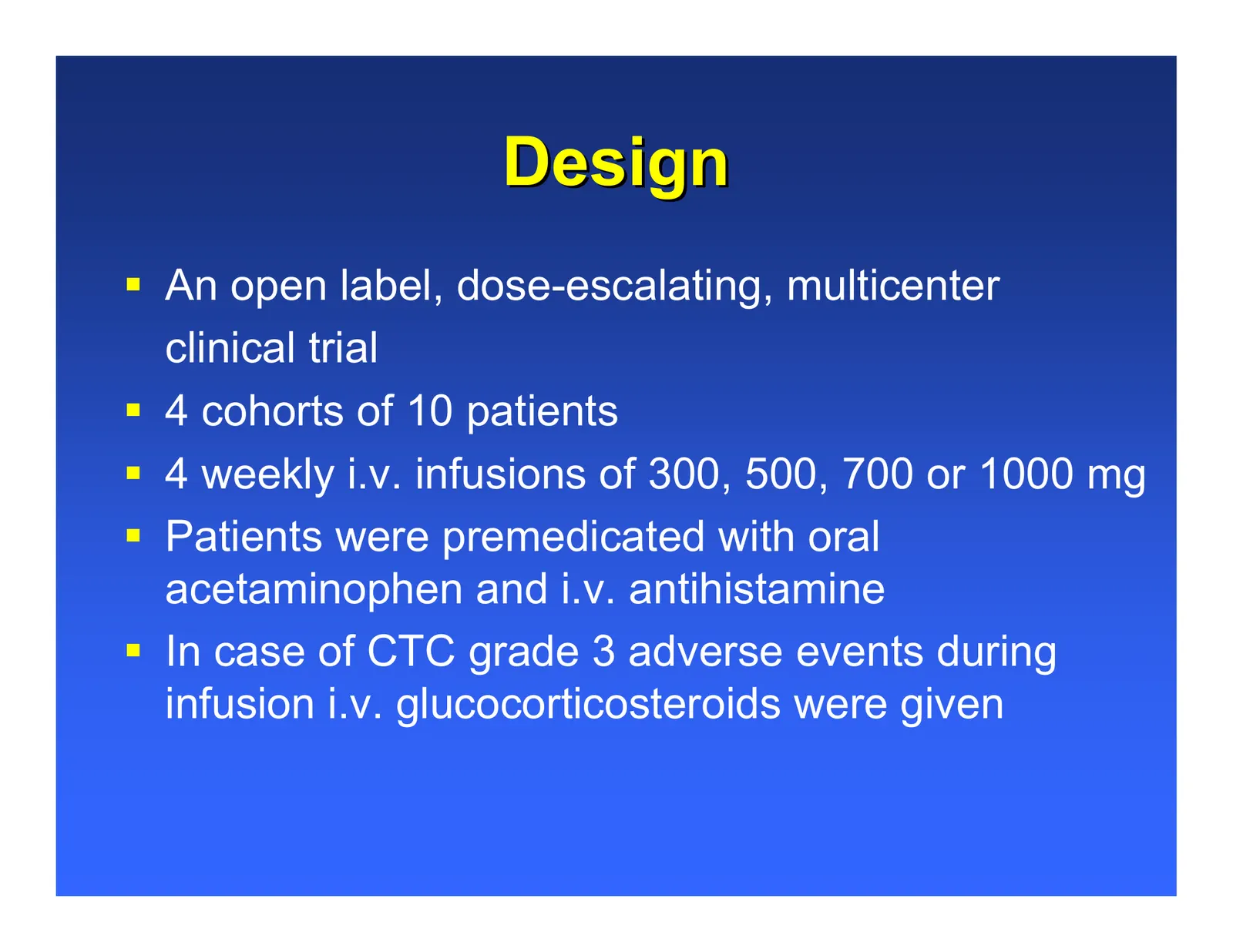
Design An open label, dose-escalating, multicenter clinical trial 4 cohorts of 10 patients 4 weekly i.v. infusions of 300, 500, 700 or 1000 mg Patients were premedicated with oral acetaminophen and i.v. antihistamine In case of CTC grade 3 adverse events during infusion i.v. glucocorticost
Slide 9: Inclusion criteria
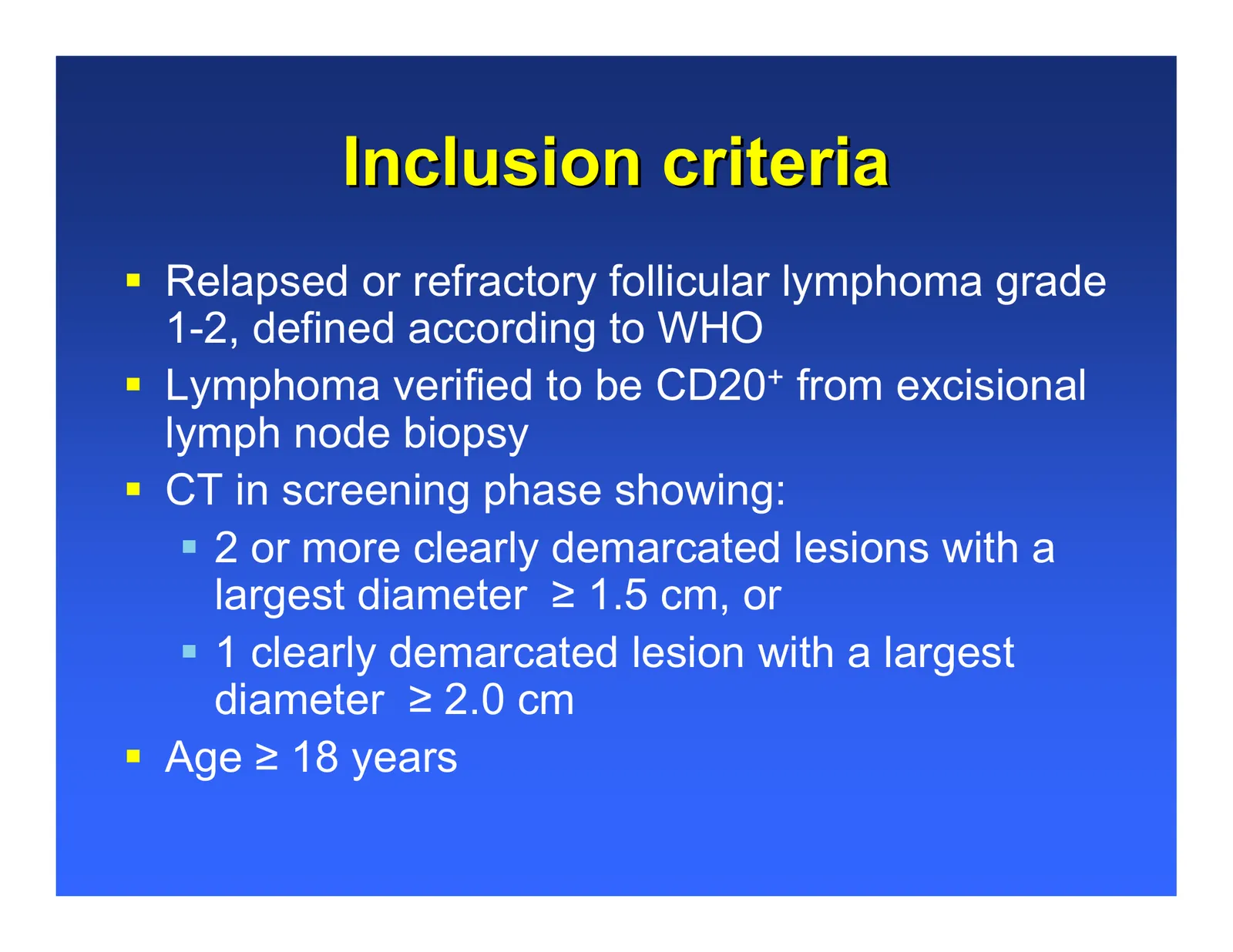
Inclusion criteria Relapsed or refractory follicular lymphoma grade 1-2, defined according to WHO Lymphoma verified to be CD20+ from excisional lymph node biopsy CT in screening phase showing: 2 or more clearly demarcated lesions with a largest diameter ≥ 1.5 cm, or 1 clearly demarcated le
Slide 10: Exclusion criteria
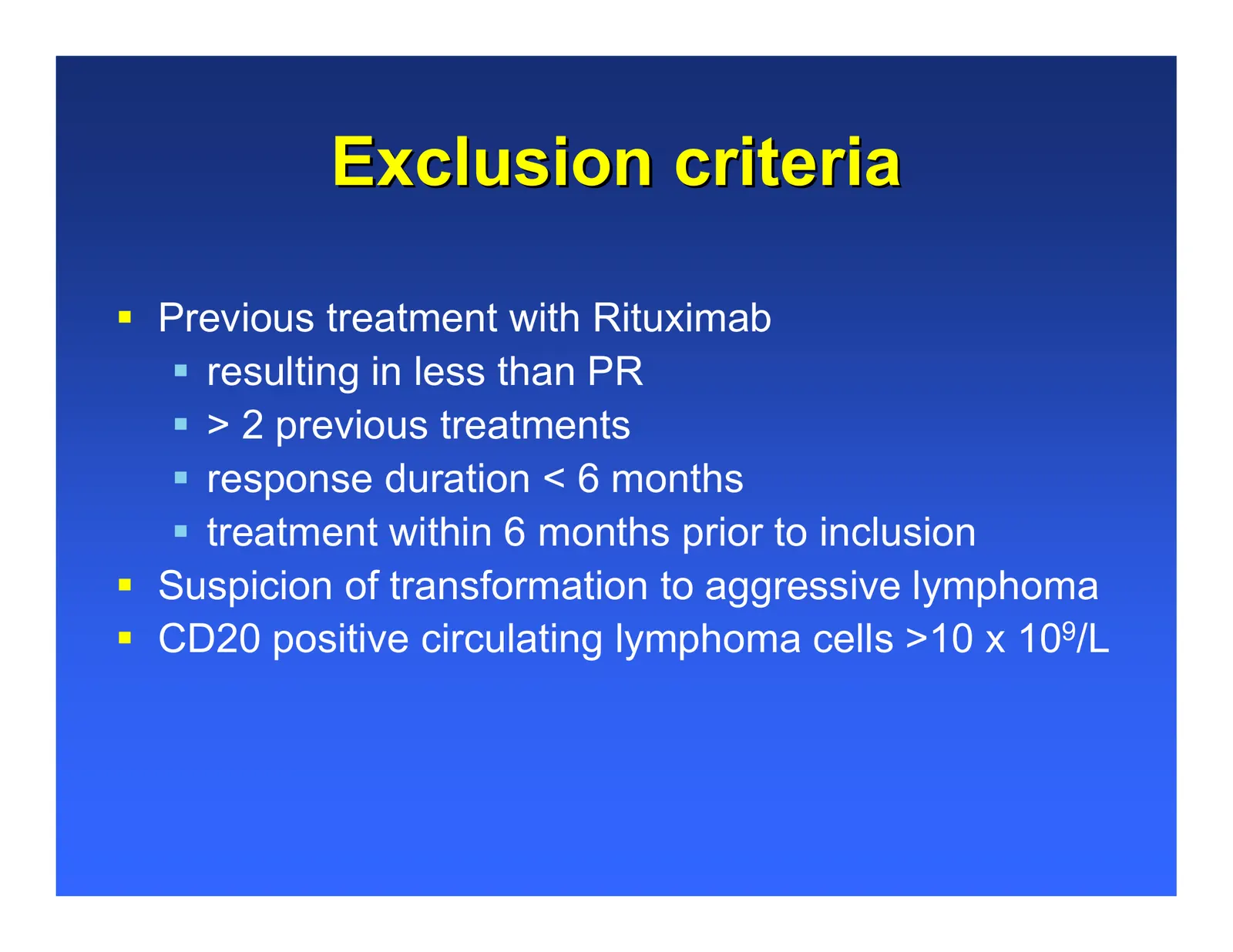
Exclusion criteria Previous treatment with Rituximab resulting in less than PR > 2 previous treatments response duration < 6 months treatment within 6 months prior to inclusion Suspicion of transformation to aggressive lymphoma CD20 positive circulating lymphoma cells >10 x 109/L
Slide 11: Endpoints
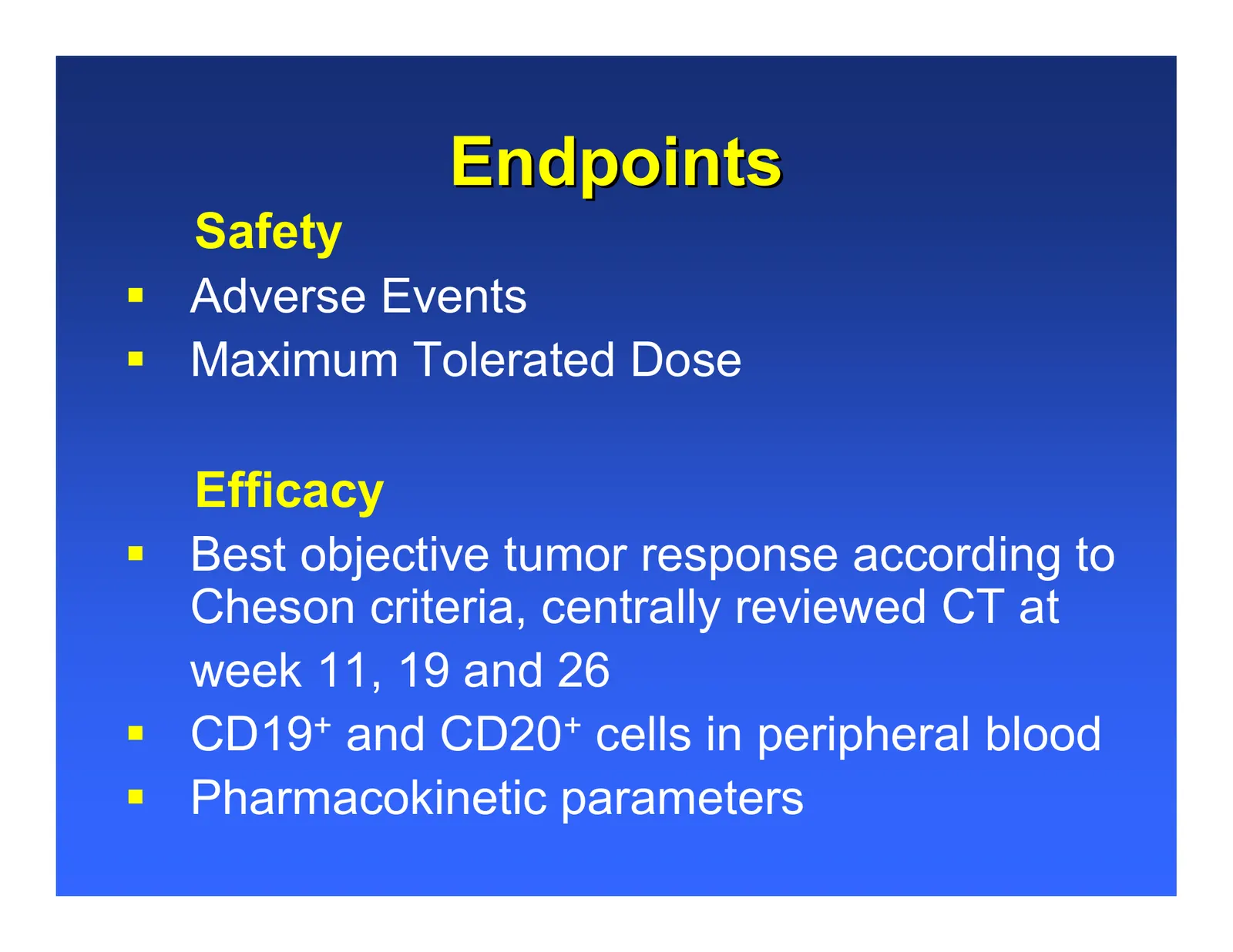
Endpoints Safety Adverse Events Maximum Tolerated Dose Efficacy Best objective tumor response according to Cheson criteria, centrally reviewed CT at week 11, 19 and 26 CD19+ and CD20+ cells in peripheral blood Pharmacokinetic parameters
Slide 12: Patient population
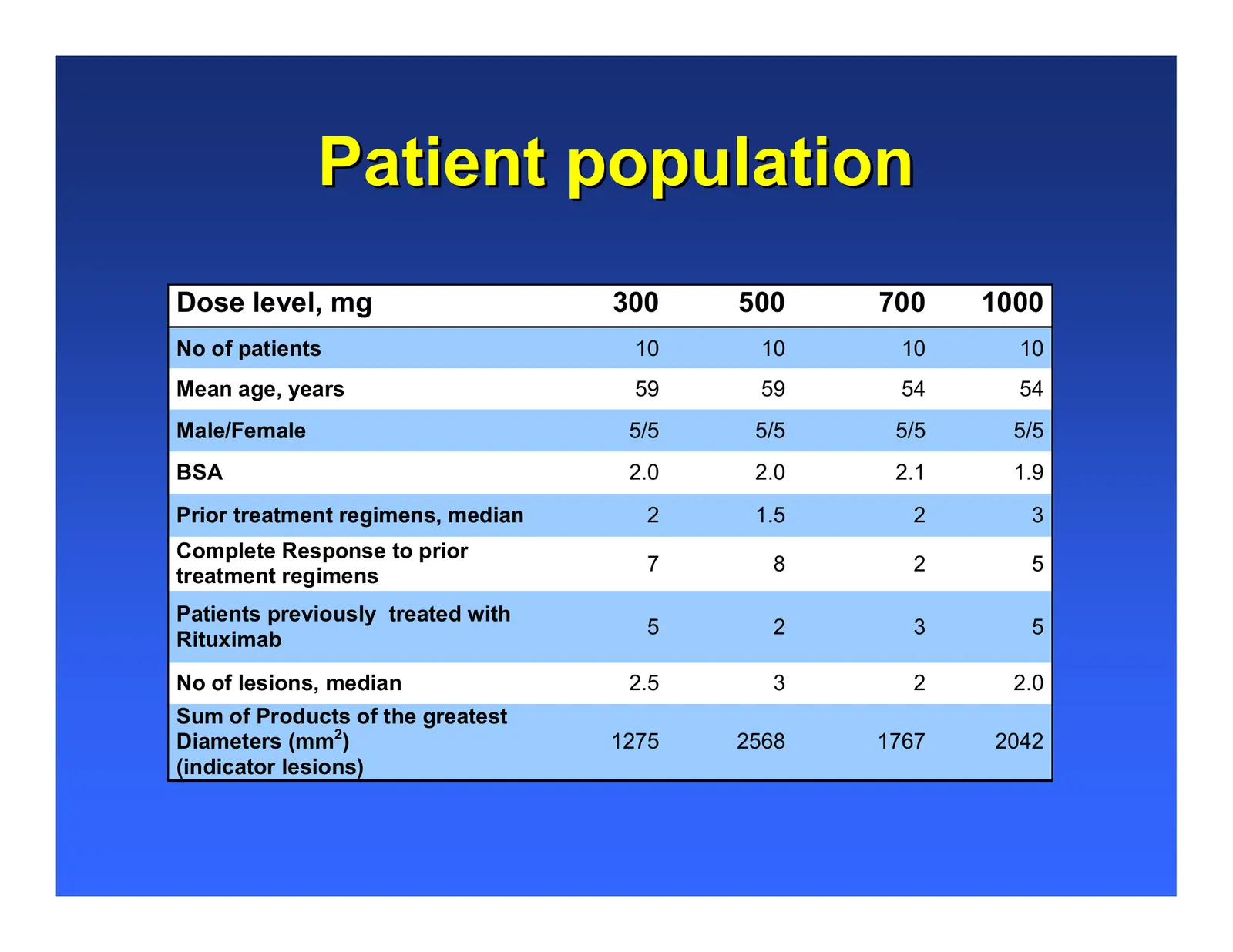
Patient population Dose level, mg 300 500 700 1000 No of patients 10 10 10 10 Mean age, years 59 59 54 54 Male/Female 5/5 5/5 5/5 5/5 BSA 2.0 2.0 2.1 1.9 Prior treatment regimens, median 2 1.5 2 3 Complete Response to prior 7 8 2 5 treatment regimens Patients previously treated with 5 2 3 5 Rituxima
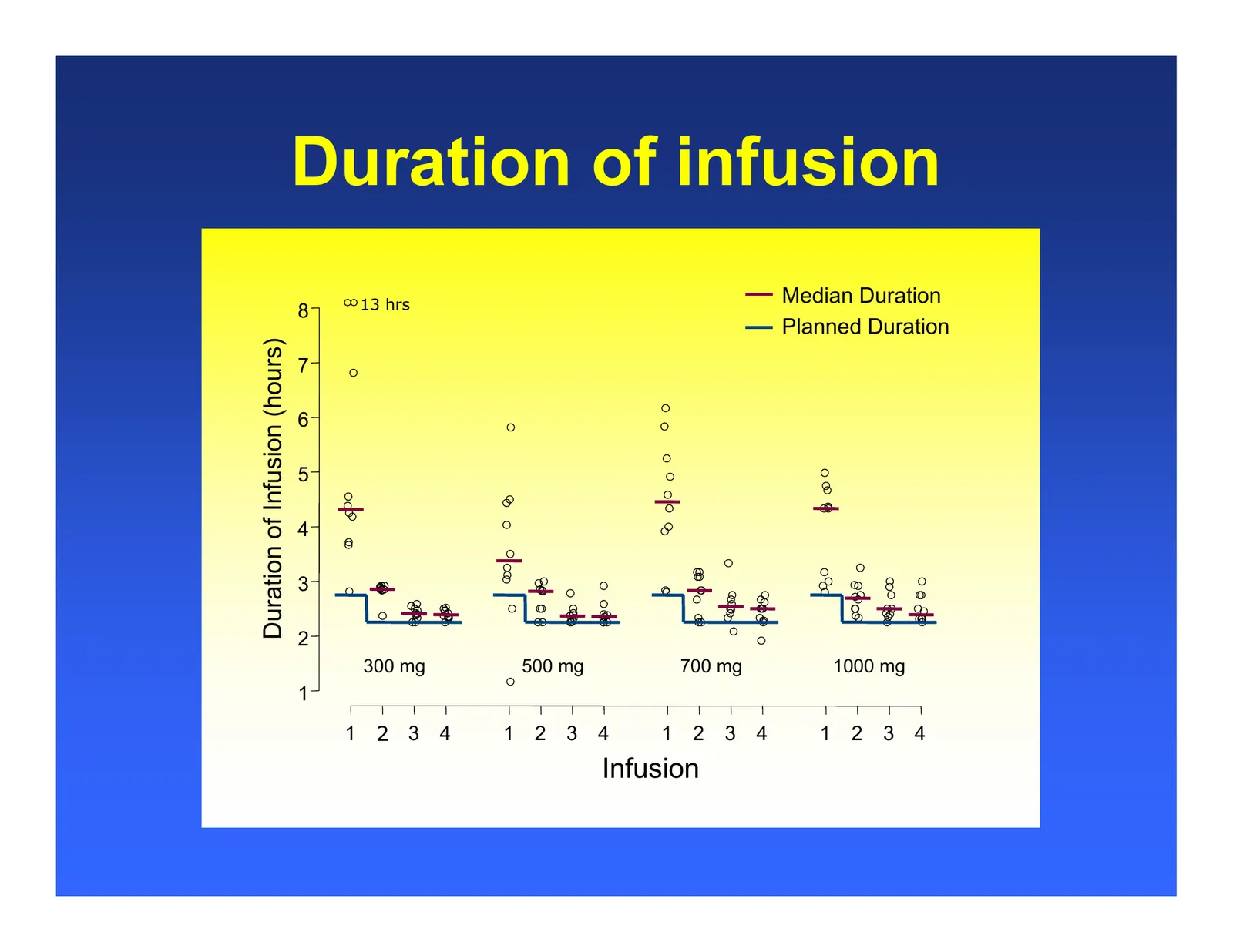
Slide 13: Duration of Infusion (hours)
Duration of infusion 13 hrs Median Duration 8 Planned Duration Duration of Infusion (hours) 7 6 5 4 3 2 300 mg 500 mg 700 mg 1000 mg 1 1 2 3 4 1 2 3 4 1 2 3 4 1 2 3 4 Infusion
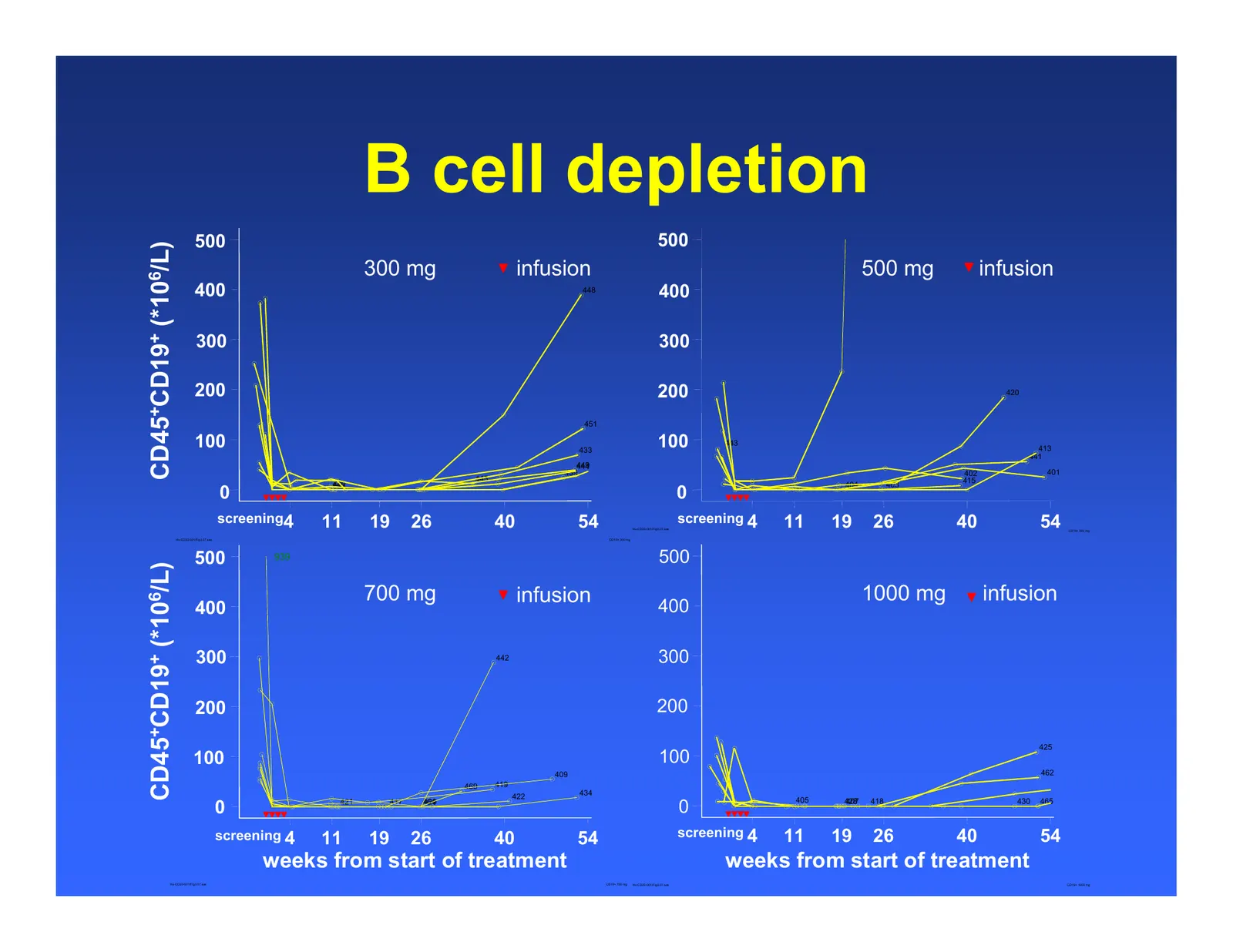
Slide 14: B cell depletion
B cell depletion 500 500 CD45+CD19+ (*106/L) 300 mg infusion 500 mg infusion 400 448 400 300 300 200 200 420 451 100 433 100 443 413 441 449 444 439 402 401 445 415 446 452 404 403 0 0 screening4 11 19 26 40 54 screening 4 11 19 26 40 54 Hx-CD20-001/Fig3.07.sas CD19+ 500 mg Hx-CD20-001/Fig3.07.sas C
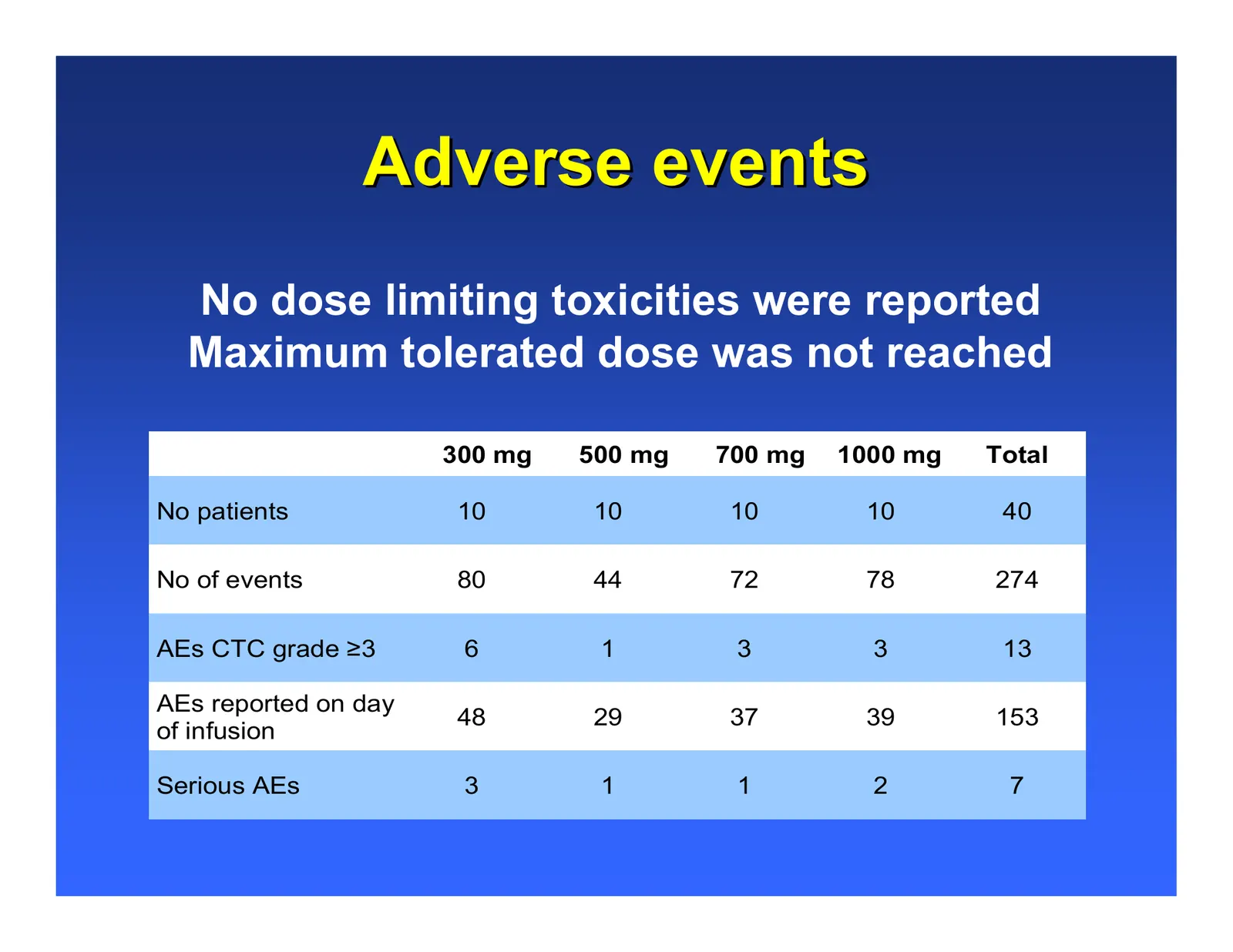
Slide 15: Adverse events
Adverse events No dose limiting toxicities were reported Maximum tolerated dose was not reached 300 mg 500 mg 700 mg 1000 mg Total No patients 10 10 10 10 40 No of events 80 44 72 78 274 AEs CTC grade ≥3 6 1 3 3 13 AEs reported on day 48 29 37 39 153 of infusion Serious AEs 3 1 1 2 7
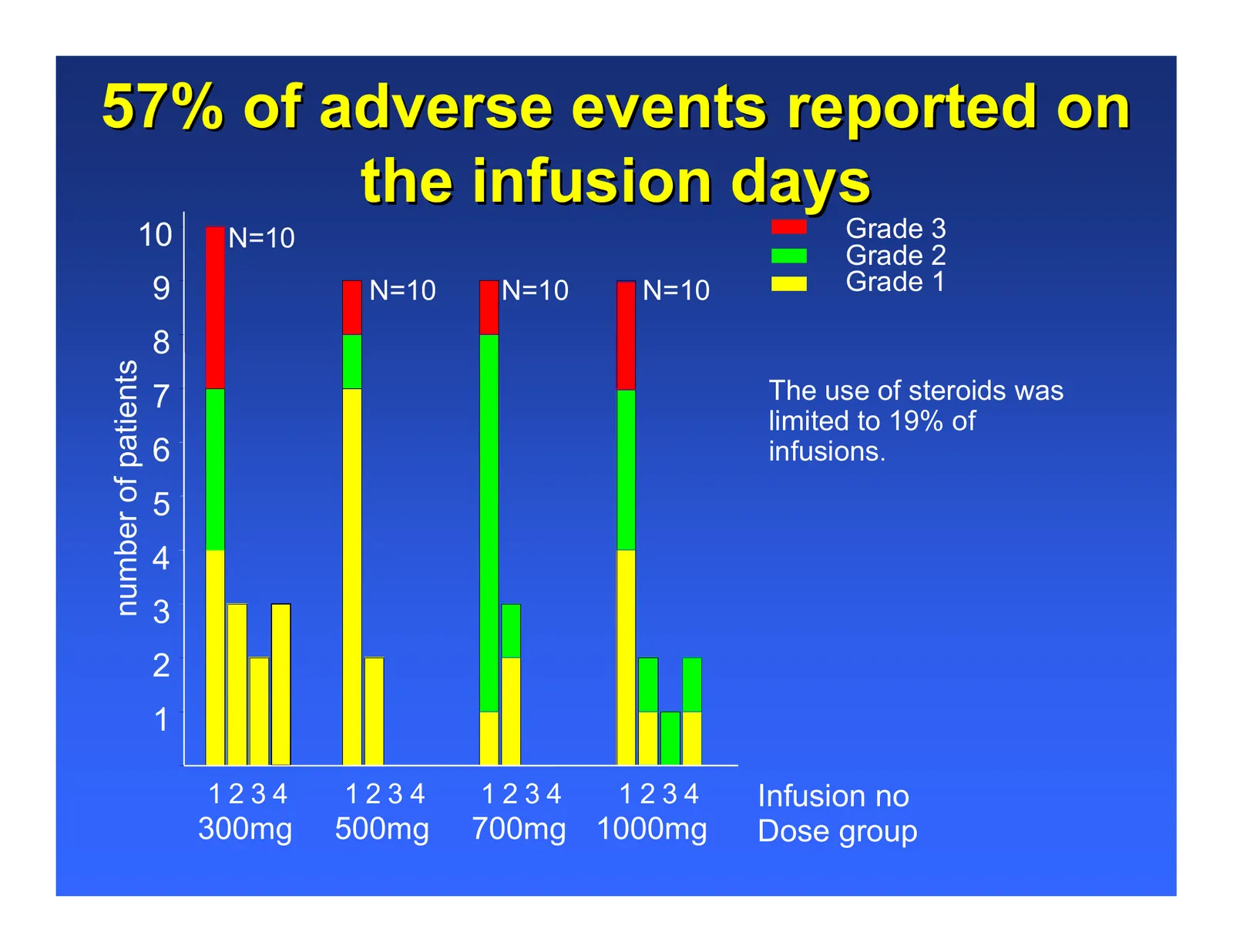
Slide 16: Adverse events on infusion days
57% of adverse events reported on the infusion days 10 N=10 Grade 3 Grade 2 9 N=10 N=10 N=10 Grade 1 8 number of patients 7 The use of steroids was limited to 19% of 6 infusions. 5 4 3 2 1 1234 1234 1234 1234 Infusion no 300mg 500mg 700mg 1000mg Dose group
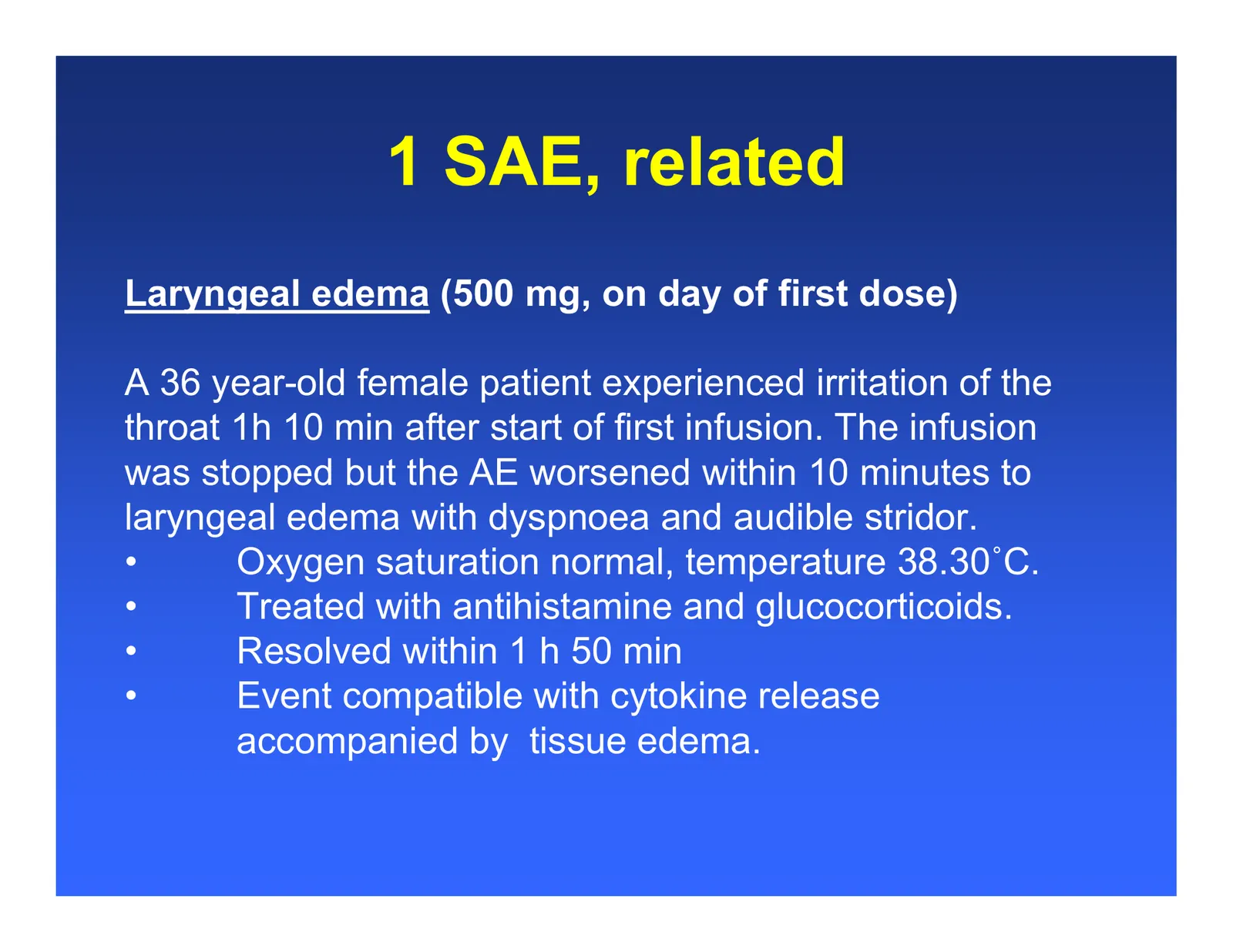
Slide 17: SAE, related
1 SAE, related Laryngeal edema (500 mg, on day of first dose) A 36 year-old female patient experienced irritation of the throat 1h 10 min after start of first infusion. The infusion was stopped but the AE worsened within 10 minutes to laryngeal edema with dyspnoea and audible stridor. • Oxygen satur
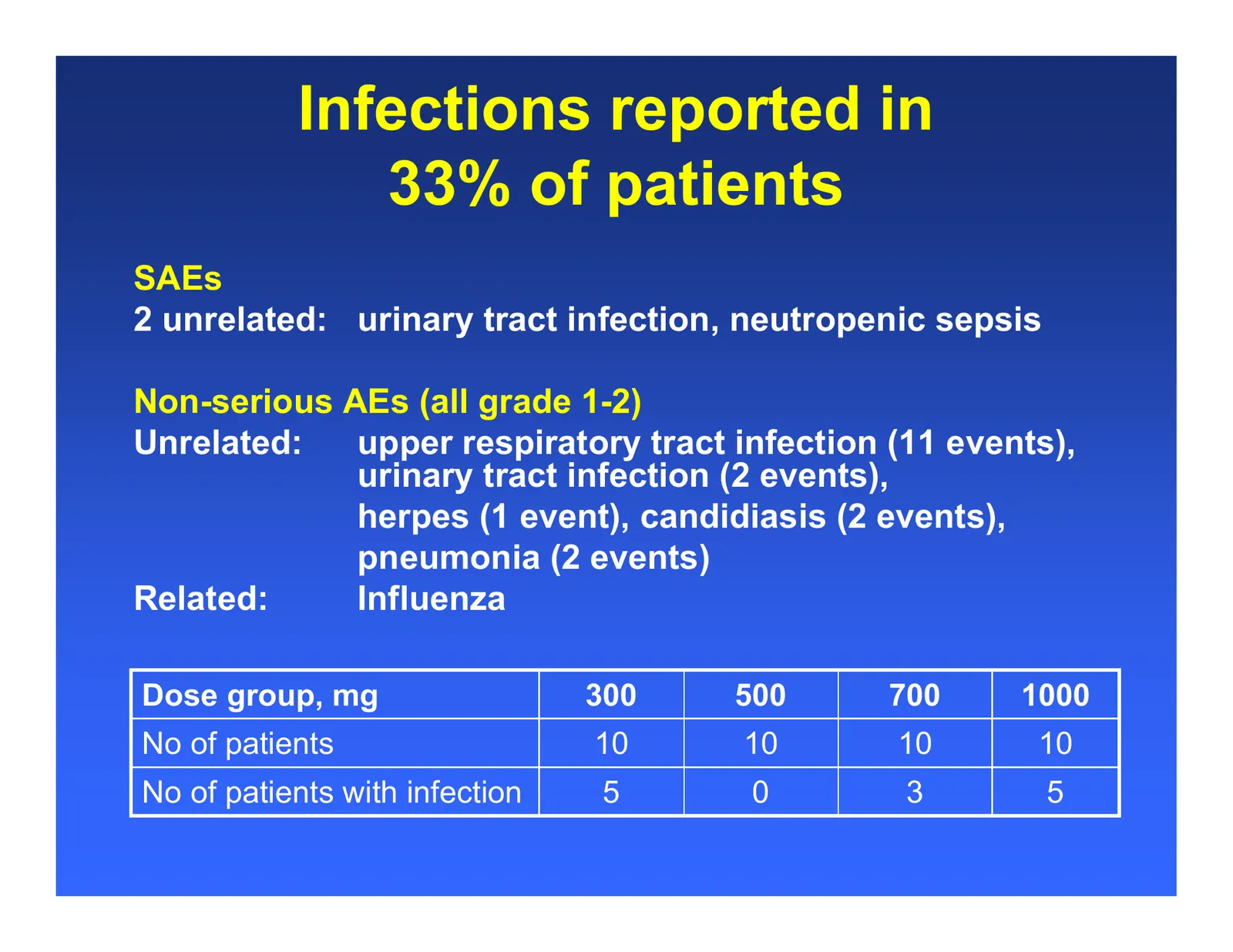
Slide 18: Infections reported in 33% of patients
Infections reported in 33% of patients SAEs 2 unrelated: urinary tract infection, neutropenic sepsis Non-serious AEs (all grade 1-2) Unrelated: upper respiratory tract infection (11 events), urinary tract infection (2 events), herpes (1 event), candidiasis (2 events), pneumonia (2 events) Related: I
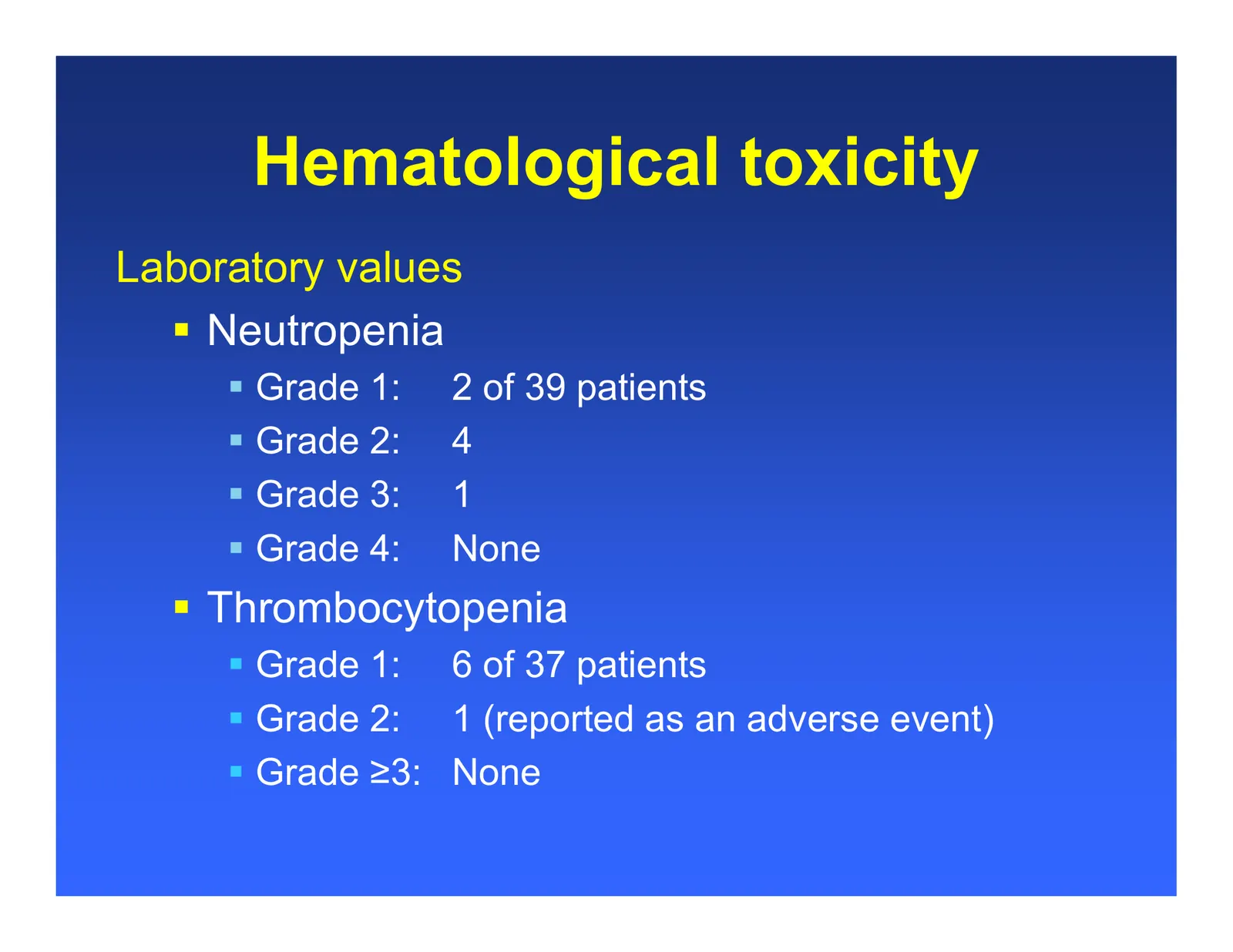
Slide 19: Hematological toxicity
Hematological toxicity Laboratory values Neutropenia Grade 1: 2 of 39 patients Grade 2: 4 Grade 3: 1 Grade 4: None Thrombocytopenia Grade 1: 6 of 37 patients Grade 2: 1 (reported as an adverse event) Grade ≥3: None
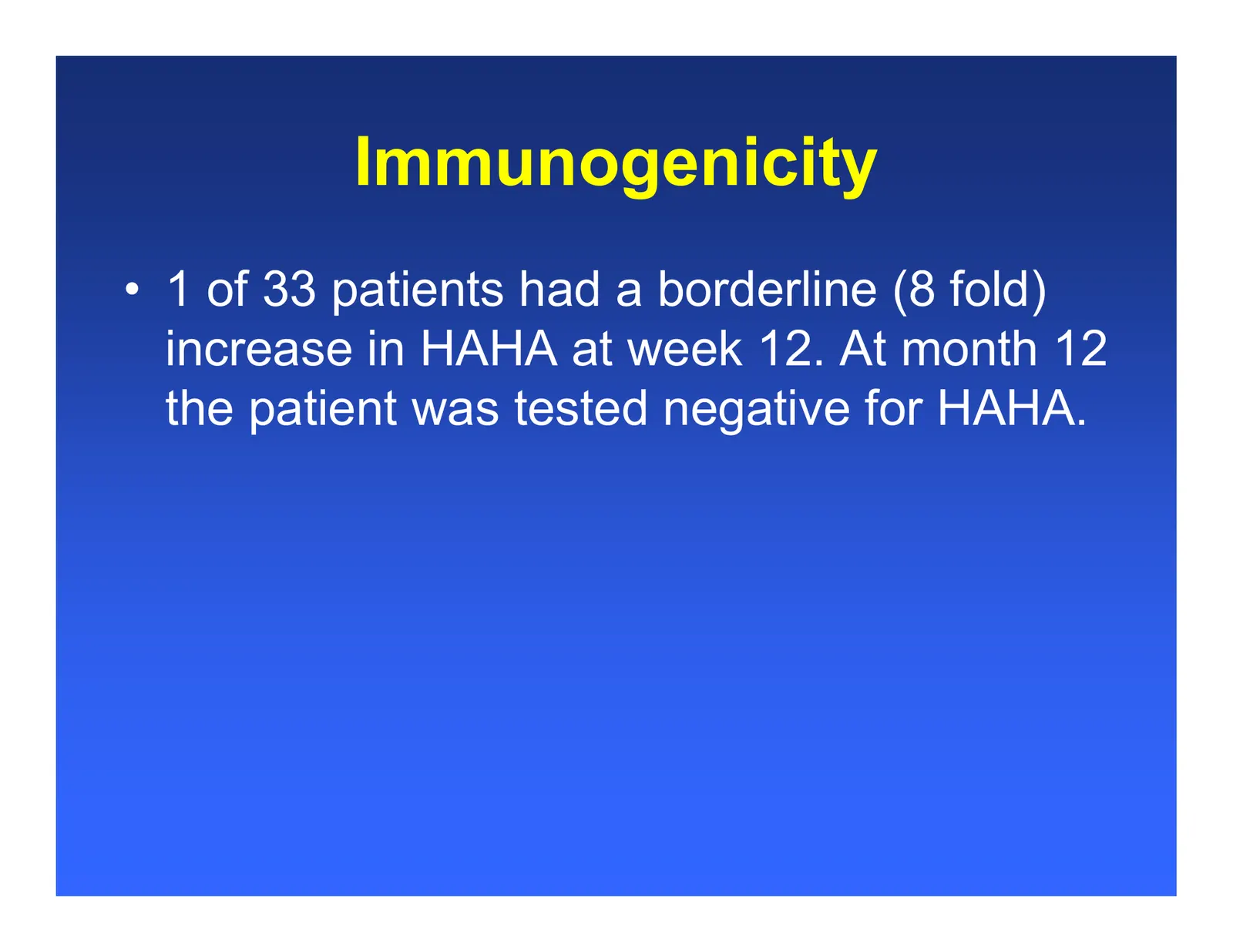
Slide 20: Immunogenicity
Immunogenicity • 1 of 33 patients had a borderline (8 fold) increase in HAHA at week 12. At month 12 the patient was tested negative for HAHA.
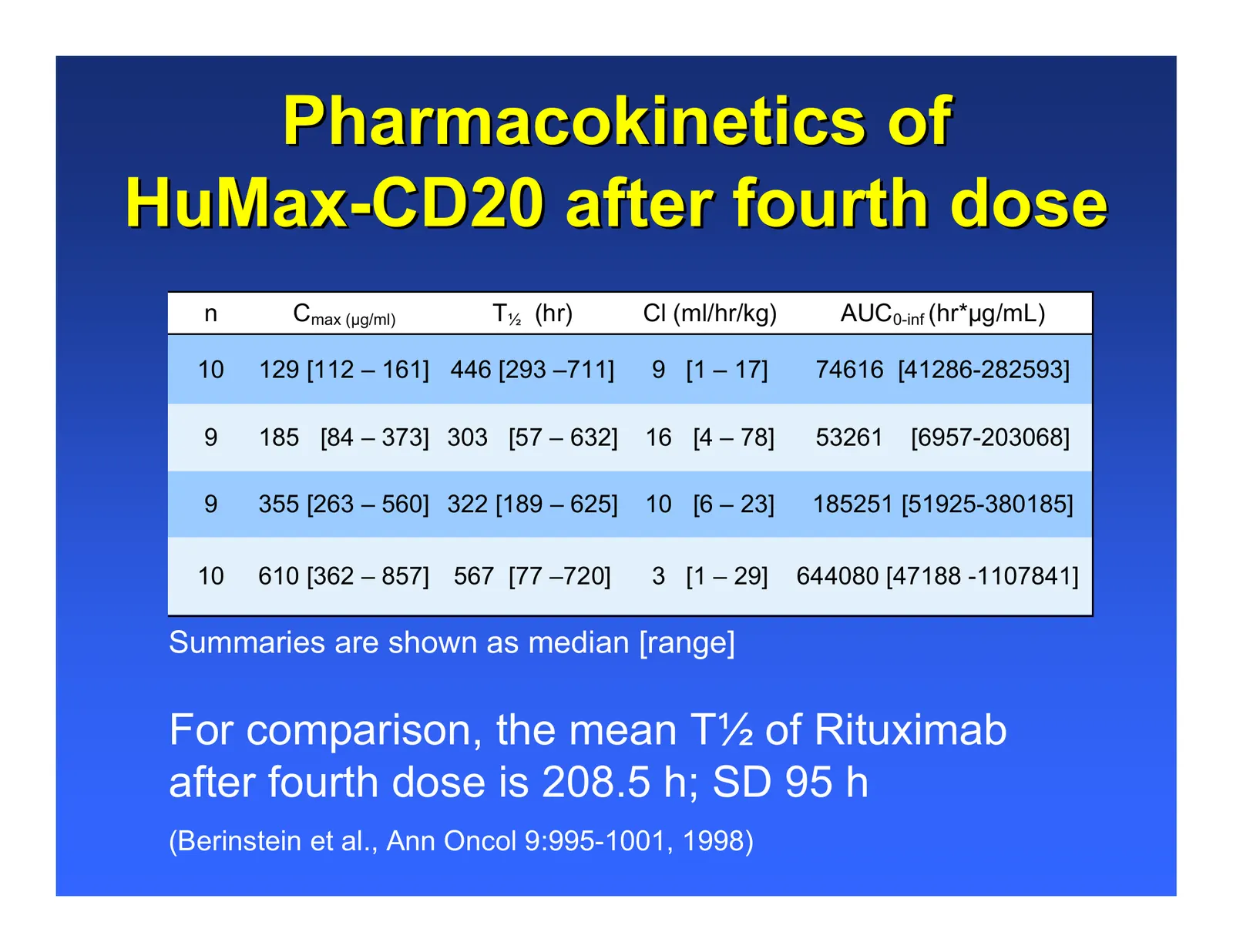
Slide 21: Pharmacokinetics of HuMax-CD20 after fourth dose
Pharmacokinetics of HuMax-CD20 after fourth dose n Cmax (µg/ml) T½ (hr) Cl (ml/hr/kg) AUC0-inf (hr*µg/mL) 10 129 [112 – 161] 446 [293 –711] 9 [1 – 17] 74616 [41286-282593] 9 185 [84 – 373] 303 [57 – 632] 16 [4 – 78] 53261 [6957-203068] 9 355 [263 – 560] 322 [189 – 625] 10 [6 – 23] 185251 [51925-3801
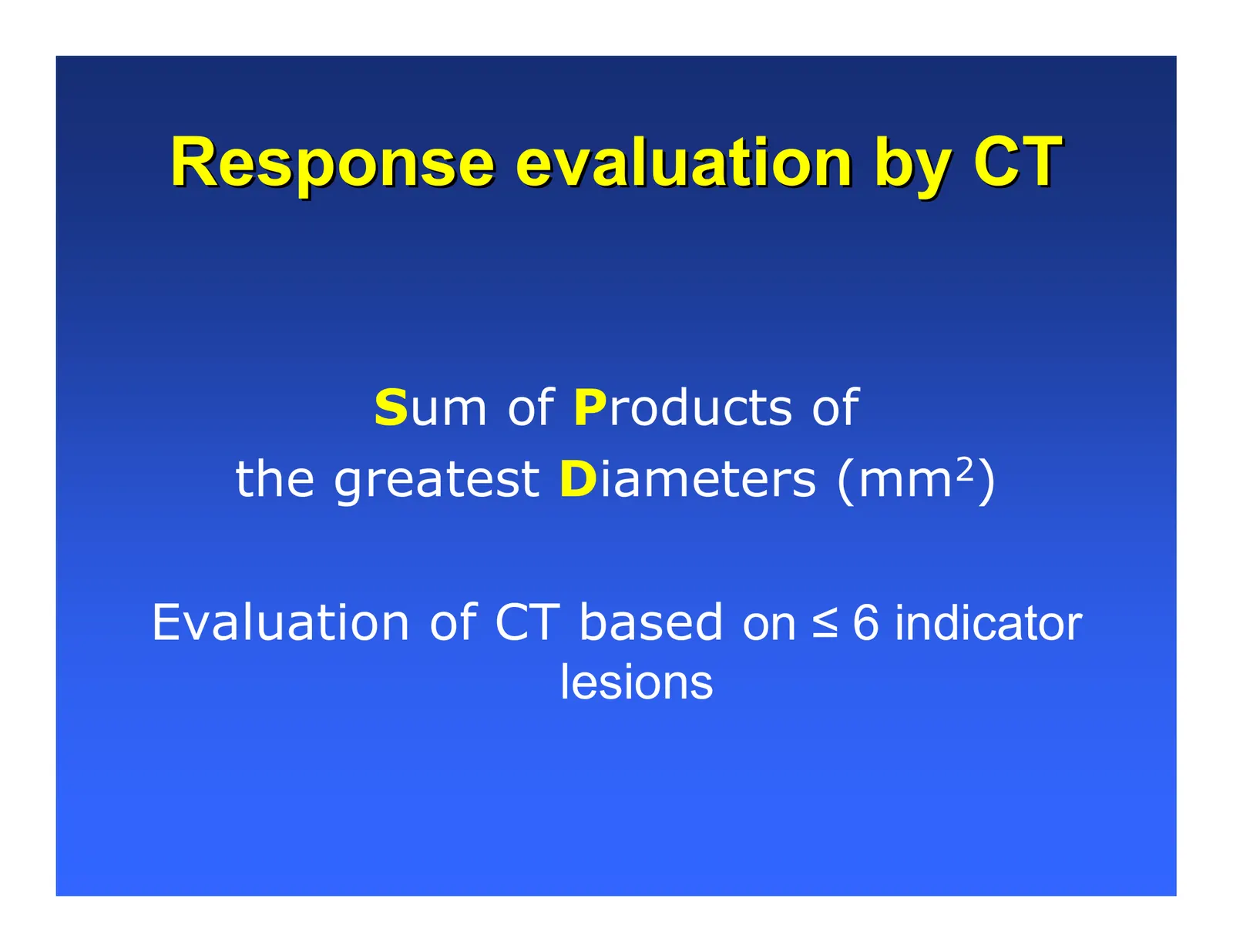
Slide 22: Response evaluation by CT
Response evaluation by CT Sum of Products of the greatest Diameters (mm2) Evaluation of CT based on ≤ 6 indicator lesions
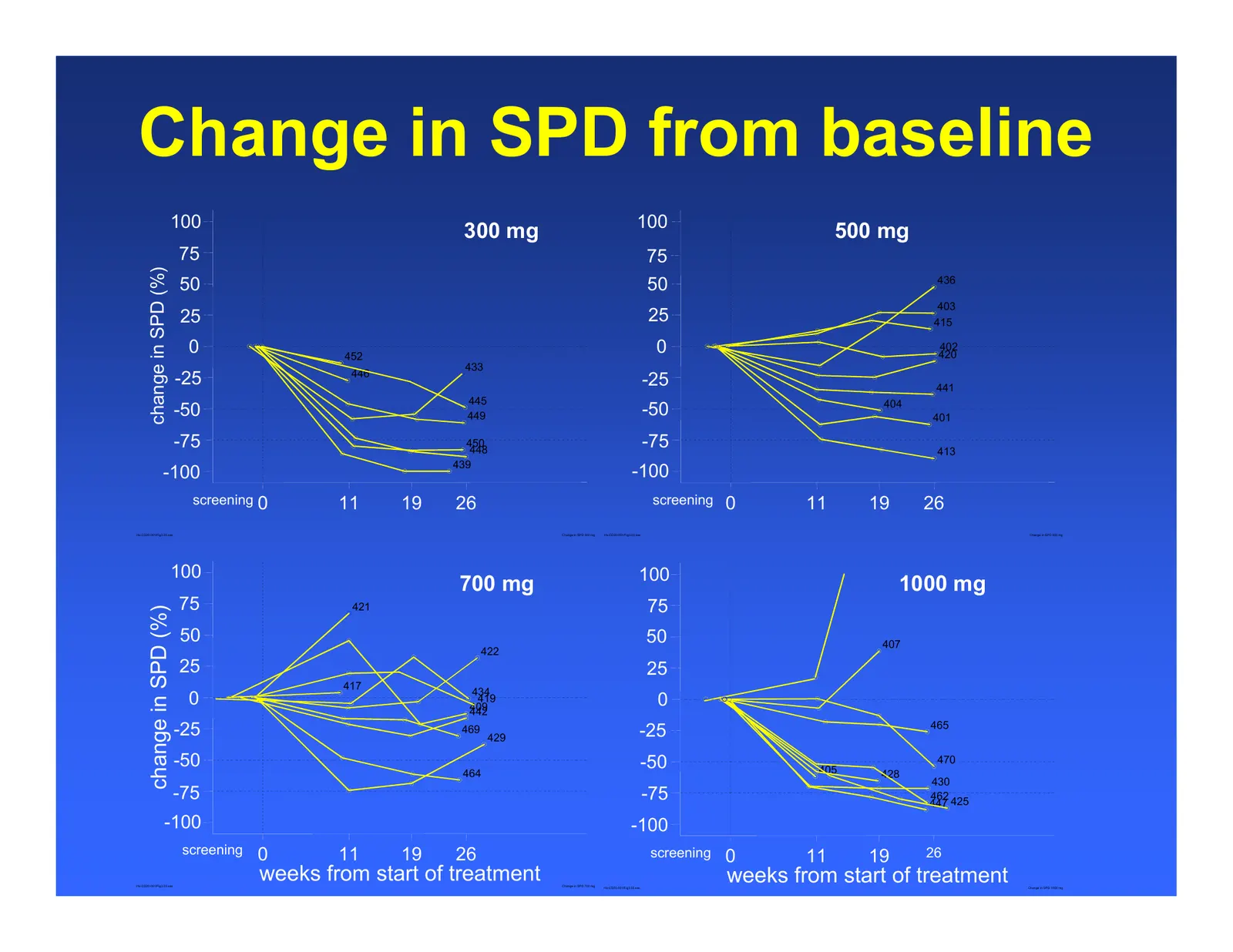
Slide 23: Change in SPD from baseline
Change in SPD from baseline 100 100 300 mg 500 mg 75 75 change in SPD (%) 50 50 436 403 25 25 415 0 452 0 402 420 433 -25 446 -25 441 445 404 -50 449 -50 401 -75 450 448 -75 413 439 -100 -100 screening 0 11 19 26 screening 0 11 19 26 Hx-CD20-001/Fig3.03.sas Change in SPD 300 mg Hx- CD20-001/Fig3.03.
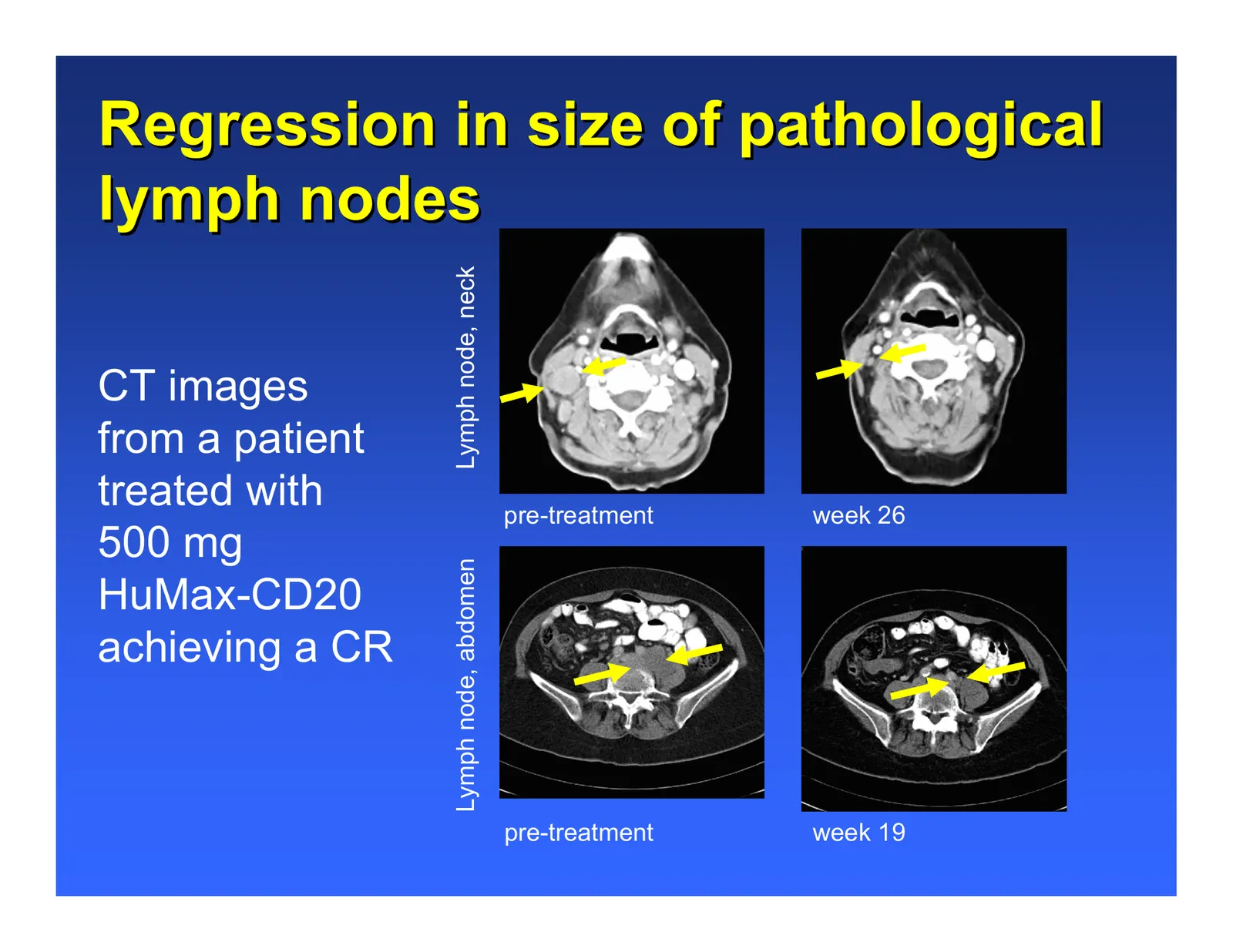
Slide 24: Regression in size of pathological lymph nodes
Regression in size of pathological lymph nodes Lymph node, neck CT images from a patient treated with pre-treatment week 26 500 mg Lymph node, abdomen HuMax-CD20 achieving a CR pre-treatment week 19
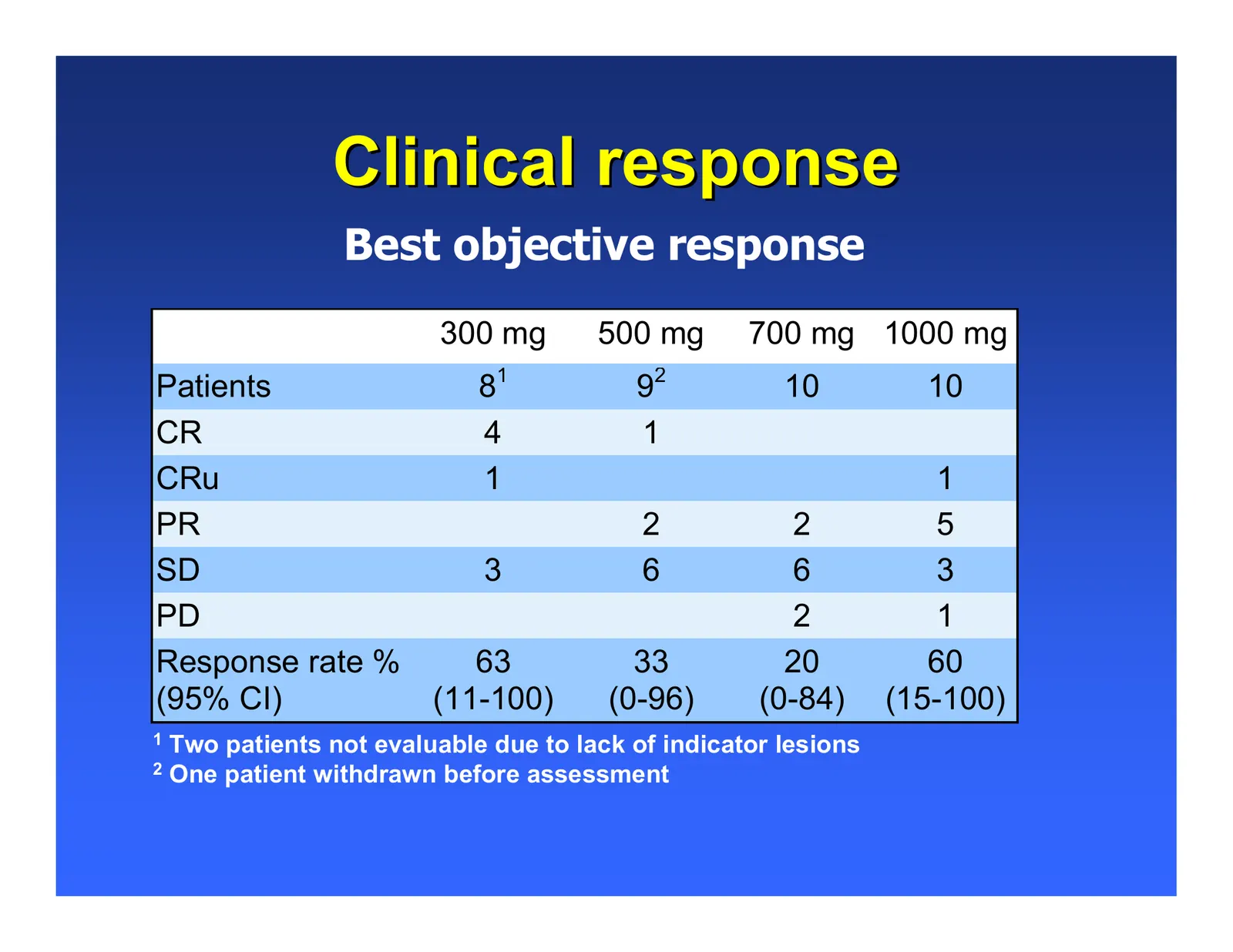
Slide 25: Clinical response
Clinical response Best objective response 300 mg 500 mg 700 mg 1000 mg Patients 81 92 10 10 CR 4 1 CRu 1 1 PR 2 2 5 SD 3 6 6 3 PD 2 1 Response rate % 63 33 20 60 (95% CI) (11-100) (0-96) (0-84) (15-100) 1 Two patients not evaluable due to lack of indicator lesions 2 One patient withdrawn before asse
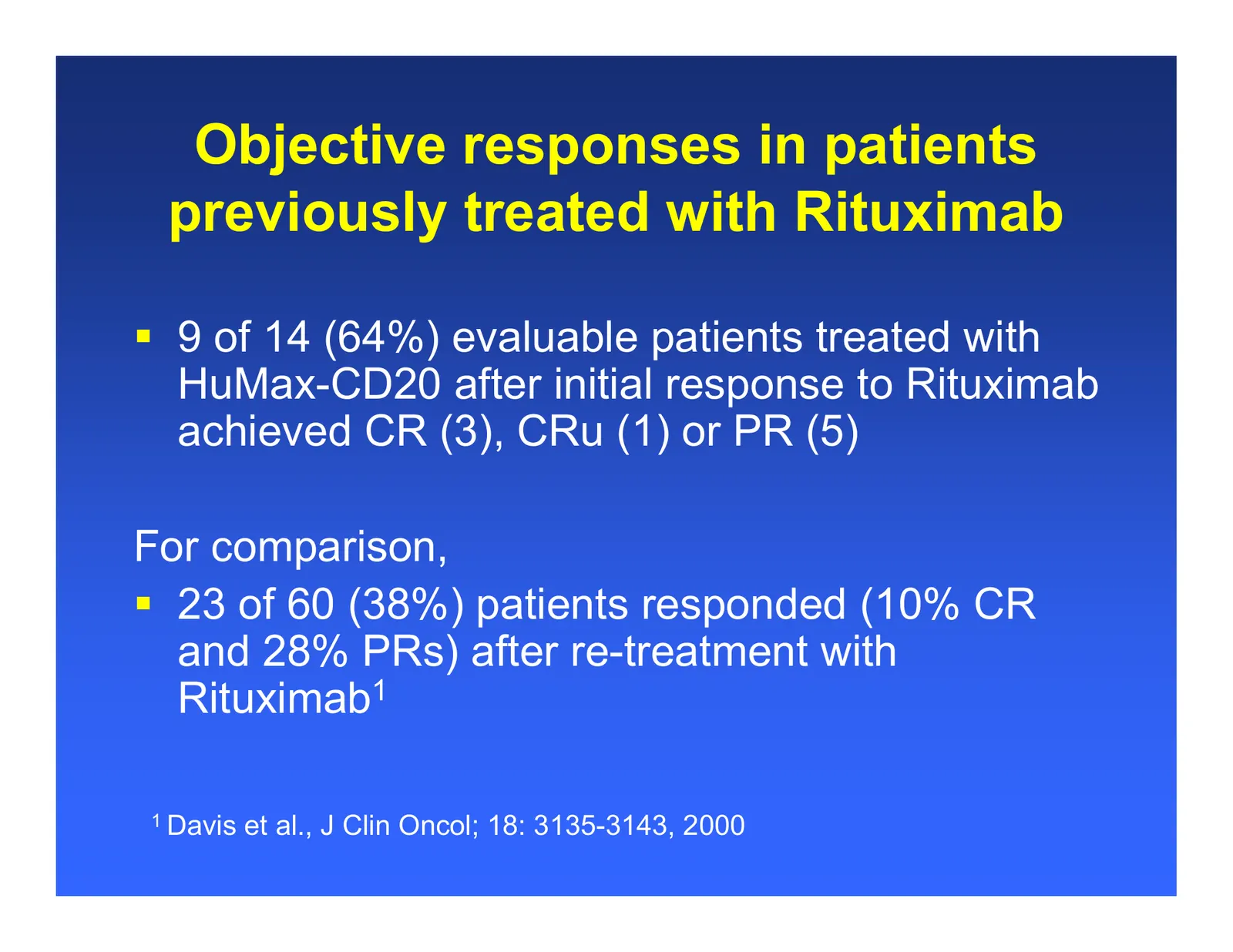
Slide 26: Objective responses in patients previously treated with Rituximab
Objective responses in patients previously treated with Rituximab 9 of 14 (64%) evaluable patients treated with HuMax-CD20 after initial response to Rituximab achieved CR (3), CRu (1) or PR (5) For comparison, 23 of 60 (38%) patients responded (10% CR and 28% PRs) after re-treatment with Rituxim
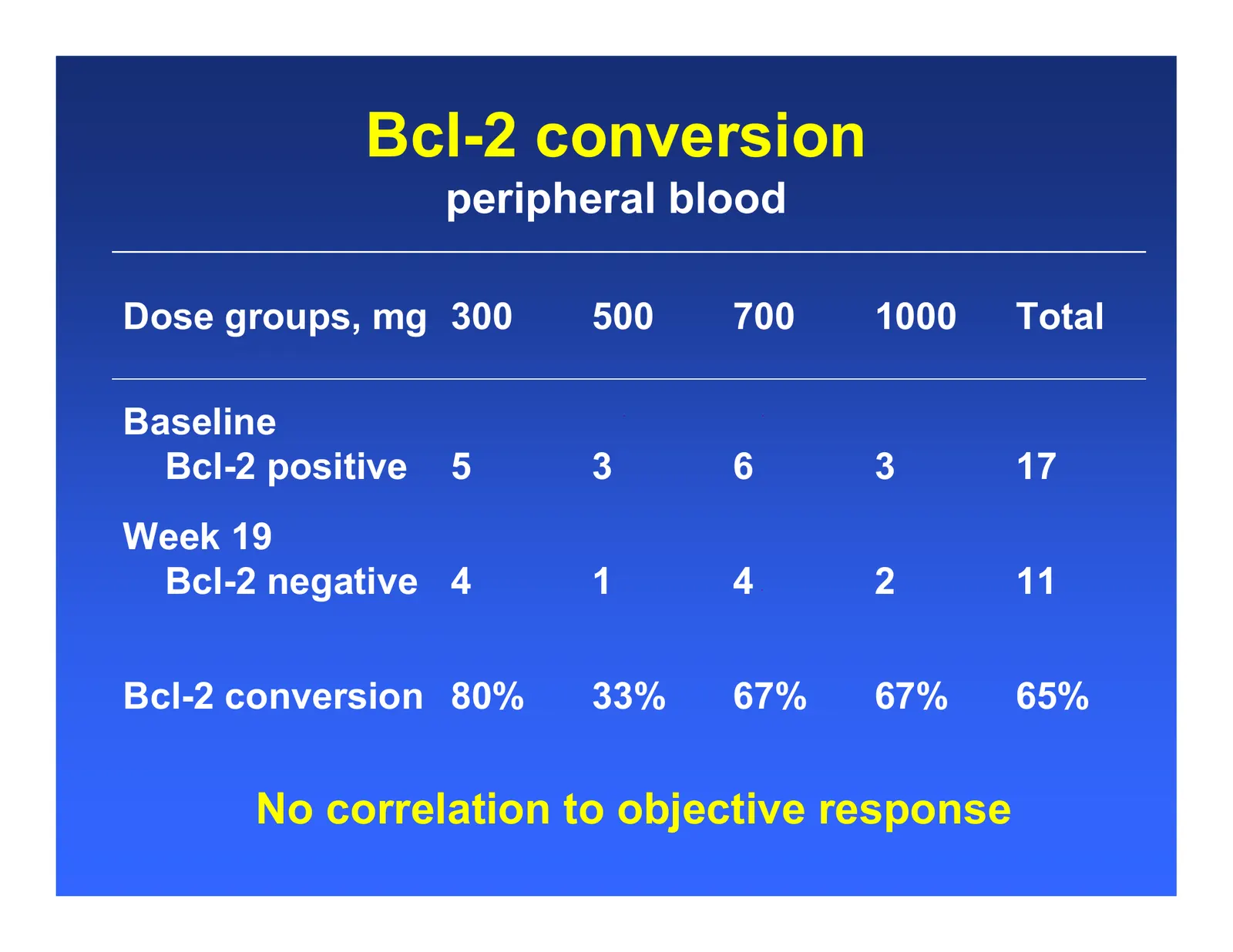
Slide 27: Bcl-2 conversion
Bcl-2 conversion peripheral blood Dose groups, mg 300 500 700 1000 Total Baseline Bcl-2 positive 5 3 6 3 17 Week 19 Bcl-2 negative 4 1 4 2 11 Bcl-2 conversion 80% 33% 67% 67% 65% No correlation to objective response
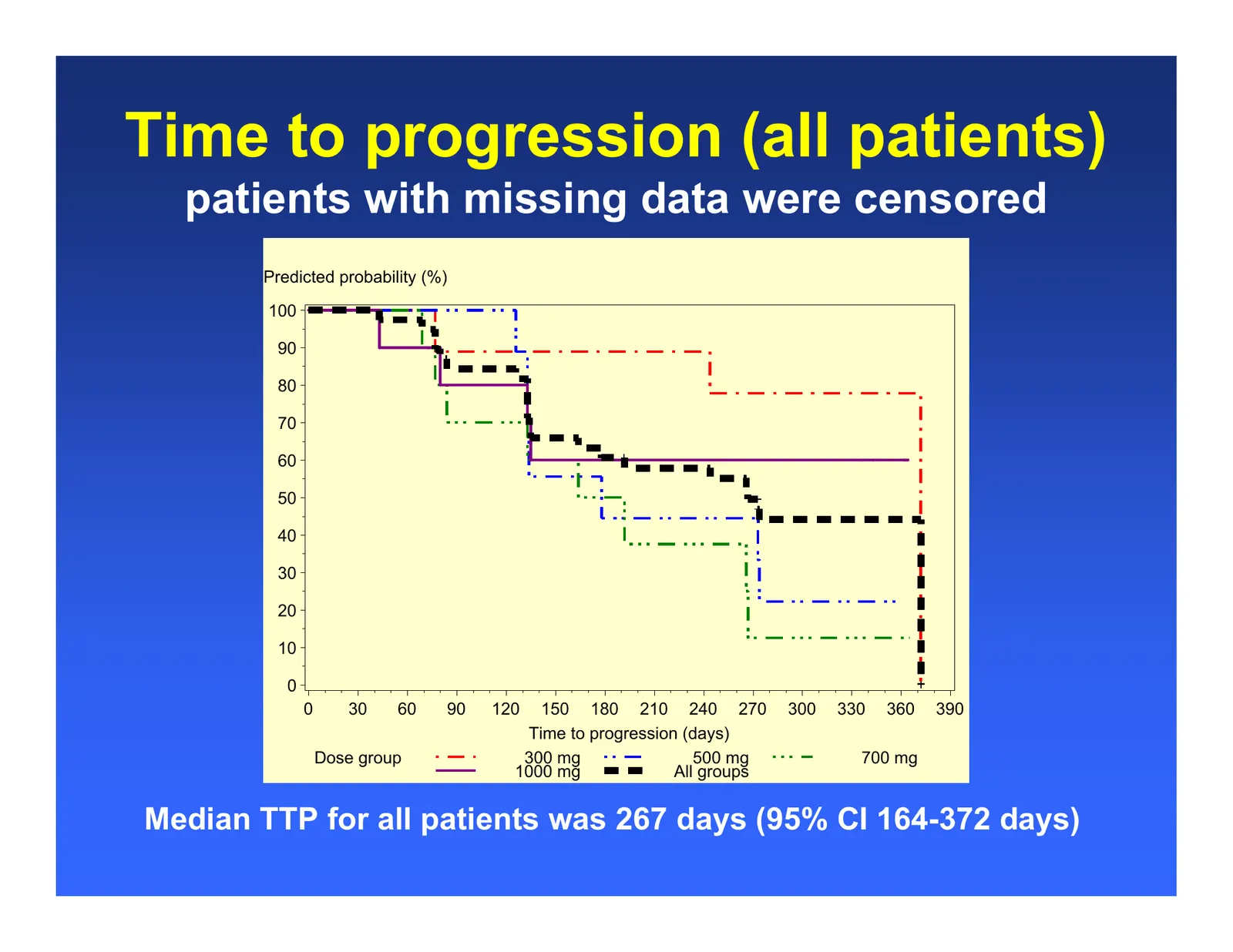
Slide 28: Time to progression (all patients)
Time to progression (all patients) patients with missing data were censored Predicted probability (%) 100 90 80 70 60 50 40 30 20 10 0 0 30 60 90 120 150 180 210 240 270 300 330 360 390 Time to progression (days) Dose group 300 mg 500 mg 700 mg 1000 mg All groups Median TTP for all patients was 267
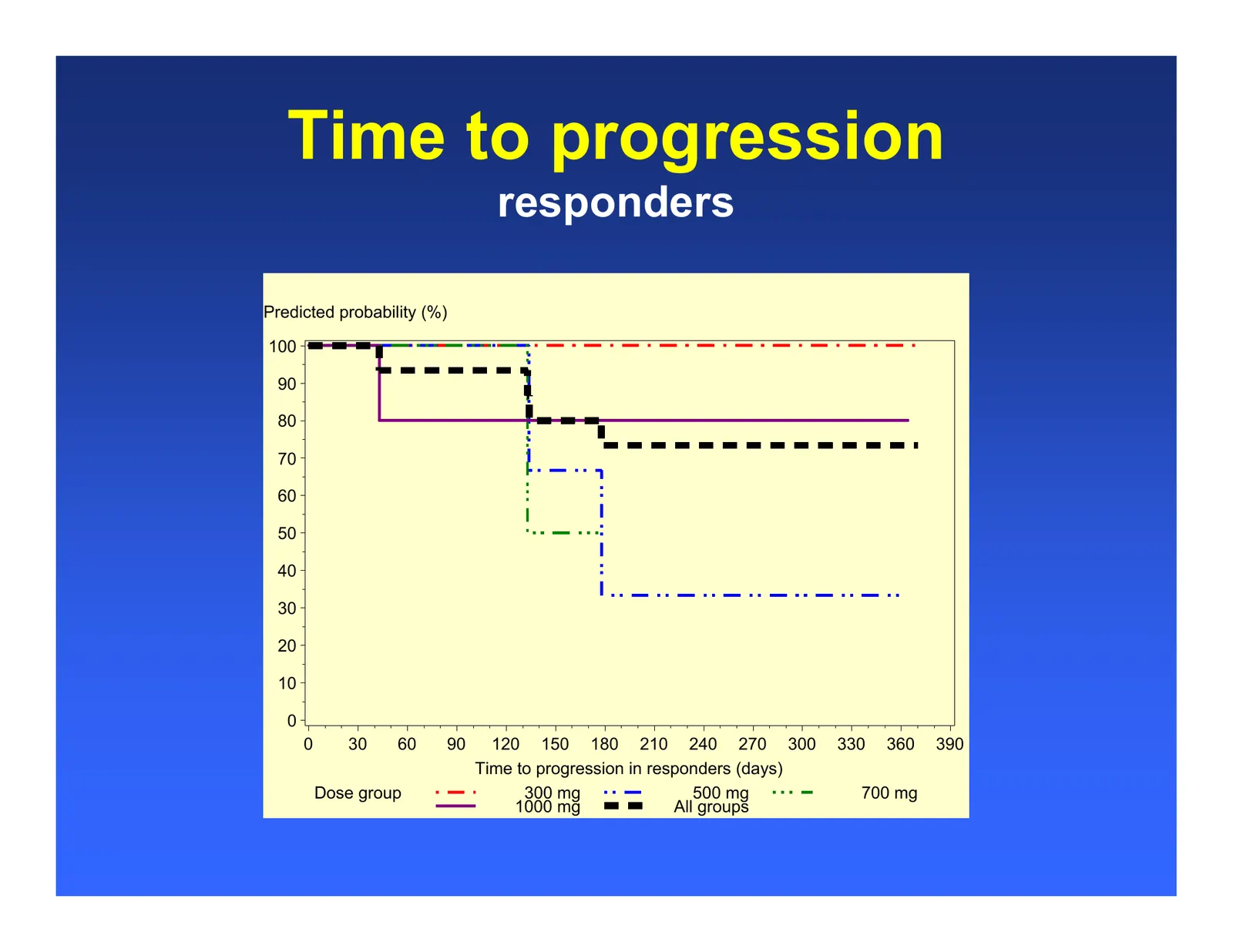
Slide 29: Time to progression
Time to progression responders Predicted probability (%) 100 90 80 70 60 50 40 30 20 10 0 0 30 60 90 120 150 180 210 240 270 300 330 360 390 Time to progression in responders (days) Dose group 300 mg 500 mg 700 mg 1000 mg All groups
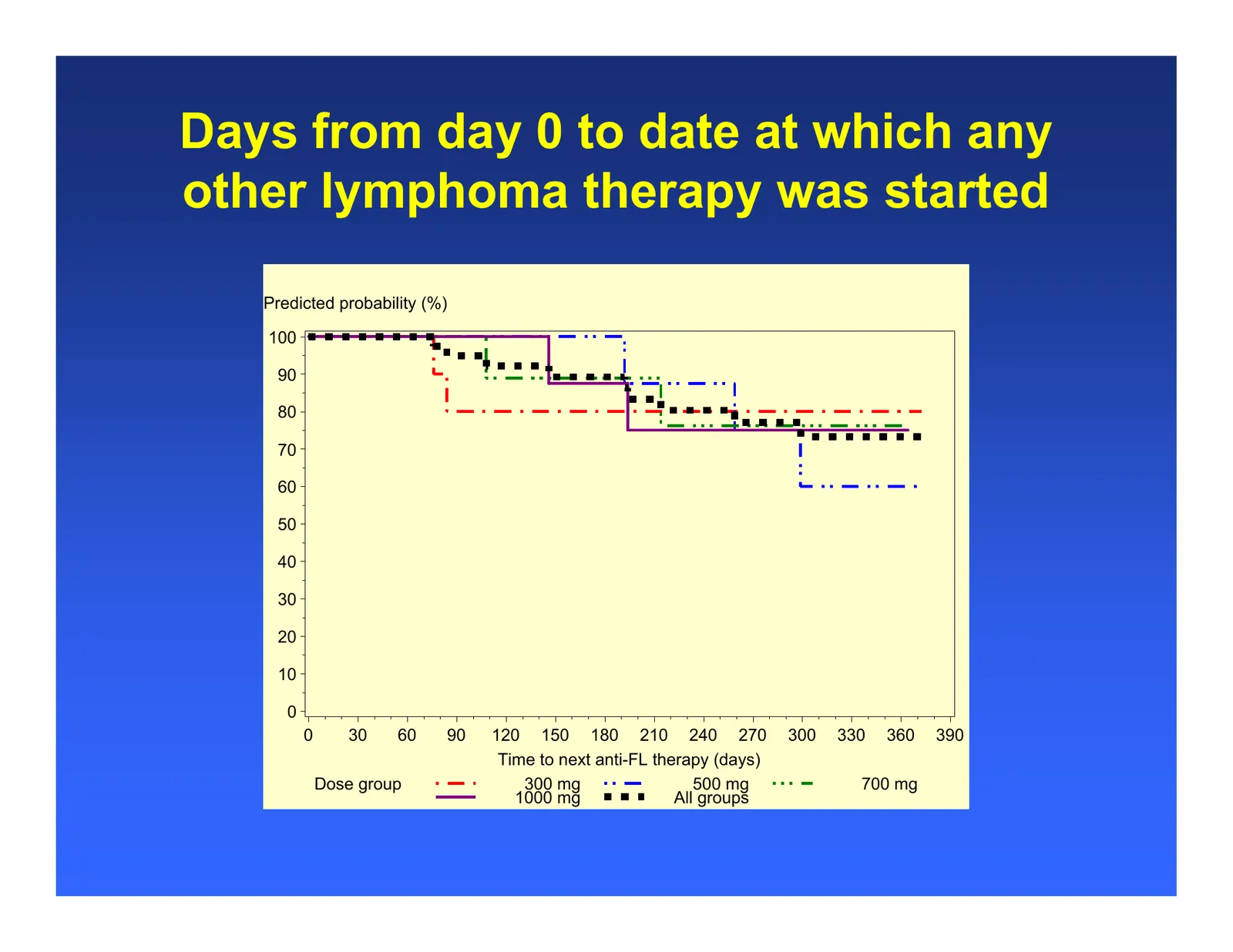
Slide 30: Time to next anti-FL therapy
Days from day 0 to date at which any other lymphoma therapy was started Predicted probability (%) 100 90 80 70 60 50 40 30 20 10 0 0 30 60 90 120 150 180 210 240 270 300 330 360 390 Time to next anti-FL therapy (days) Dose group 300 mg 500 mg 700 mg 1000 mg All groups
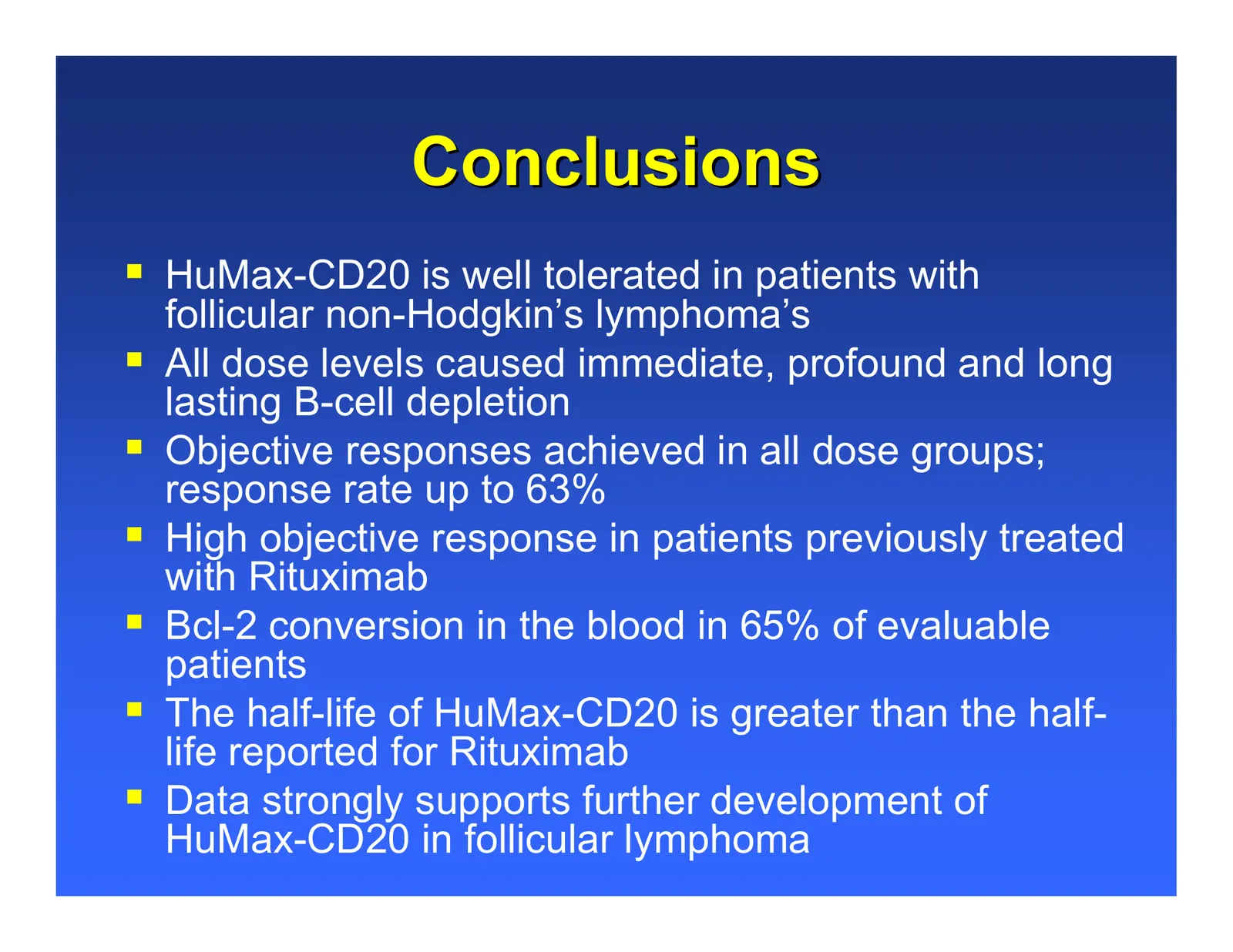
Slide 31: Conclusions
Conclusions HuMax-CD20 is well tolerated in patients with follicular non-Hodgkin’s lymphoma’s All dose levels caused immediate, profound and long lasting B-cell depletion Objective responses achieved in all dose groups; response rate up to 63% High objective response in patients previously t
Source: Internet Archive copy of genmab.com
More decks from Genmab A/S
 Q2 2026 Earnings Presentation19 slides · Aug 6, 2026
 Technical Presentation (June 2026)20 slides · June 2026
 Q1 2026 Earnings Presentation18 slides · May 7, 2026
 FY2025 Earnings Presentation19 slides · Feb 17, 2026
 44th Annual J.P. Morgan Healthcare Conference 202618 slides · Jan 13, 2026
 Q3 2025 Earnings Presentation21 slides · Nov 6, 2025