
Copyright © BusinessAMBE 2023
Key takeaways
- Repsol regains operational control over its Venezuelan oil assets through an agreement with the Venezuelan government and PDVSA.
- The agreement guarantees payments via direct oil deliveries, potentially allowing Repsol to triple its production within three years.
- Recent policy changes in the US have eased sanctions on Venezuela, enabling international companies such as Repsol to resume operations.
Repsol, the Spanish energy giant, has reached an agreement with the Venezuelan government and PDVSA, the state oil company. The deal means that Repsol regains operational control over its Venezuelan oil assets and paves the way for a substantial increase in production over the next three years.
Securing future production
The agreement provides for a mechanism that guarantees payments through direct oil deliveries, potentially allowing Repsol to triple its production within three years. Francisco Gea, Executive Director of Exploration and Production at Repsol, underlined the company’s long-standing involvement in Venezuela, which dates back to 1993. He stressed Repsol’s confidence in leveraging its existing assets and expertise to boost production in the country.
The deal marks a crucial turnaround for Repsol after years of operational hurdles resulting from US sanctions on Venezuela’s energy sector. The new framework is designed to shield Repsol from previous payment defaults and foster greater financial stability in its cooperation with PDVSA.
Settling past debts
Although the agreement does not explicitly address the nearly 4.55 billion dollars (3.86 billion euros) that Repsol claims Venezuela owes for previous deliveries of gas and crude oil, it focuses on securing future production revenues. This development follows the arrest of Nicolás Maduro in January and aligns with Washington’s efforts to revive Venezuela’s oil industry in order to address global concerns about crude supply, which have been exacerbated by the conflict in the Middle East.
Recent policy changes in the US have relaxed the sanctions, including specific exemptions through licensing arrangements granted by the Office of Foreign Assets Control (OFAC) of the US Department of the Treasury. These licences allow selected international companies, including Repsol, to resume or expand their activities in Venezuela. Moreover, Spain’s Foreign Ministry announced earlier this week that sanctions against the Central Bank of Venezuela would be suspended, streamlining payments and collections for Repsol in the country.
Production targets
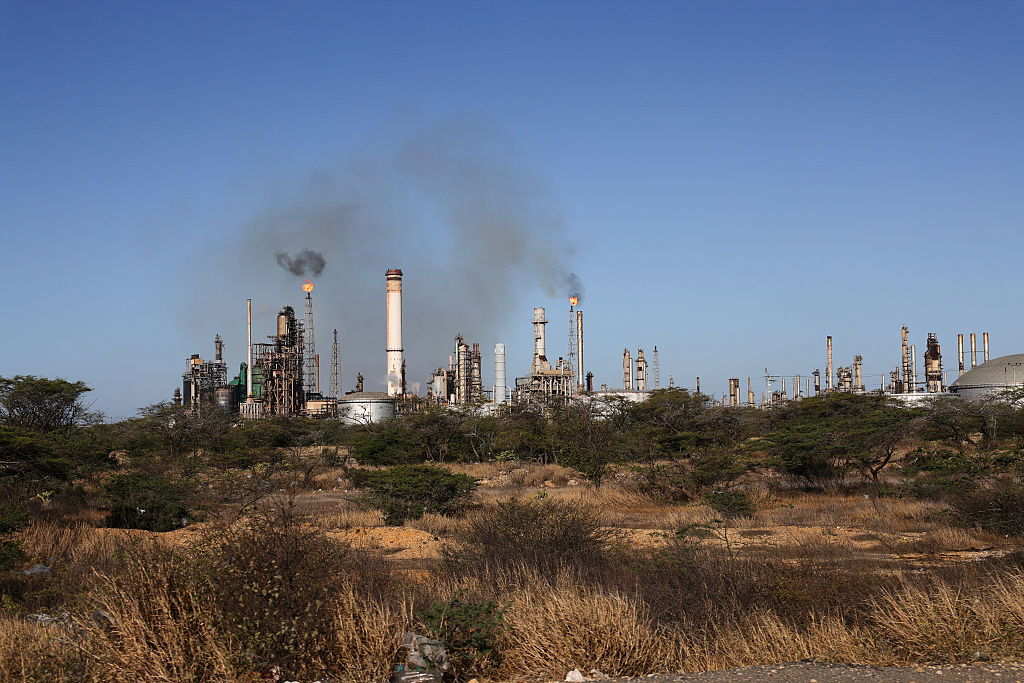
Repsol currently holds a 40 per cent stake in Petroquiriquire, a Venezuelan upstream oil and gas joint venture that produces around 45,000 barrels per day. The company expects a 50 per cent increase in production in the first year and aims to triple output within three years, subject to favourable conditions and the allocation of generated revenues.
Venezuela’s new political landscape, led by interim president Delcy Rodríguez, is accompanied by legal reforms aimed at attracting foreign investment. These reforms reduce state control and ease the tax burden in an attempt to revive a severely affected strategic sector. (fc)
Follow Business AM on Google News
Want access to all articles? Take advantage of our temporary promotion and subscribe here!
© The Content Exchange, source News