
Copyright © BusinessAMBE 2023
Key takeaways
- The costs for extending the operational life of the Tihange 3 and Doel 4 nuclear power plants have risen to 2.4 billion euros.
- Belgium has suspended the financial negotiations in order to pursue a full takeover of the assets.
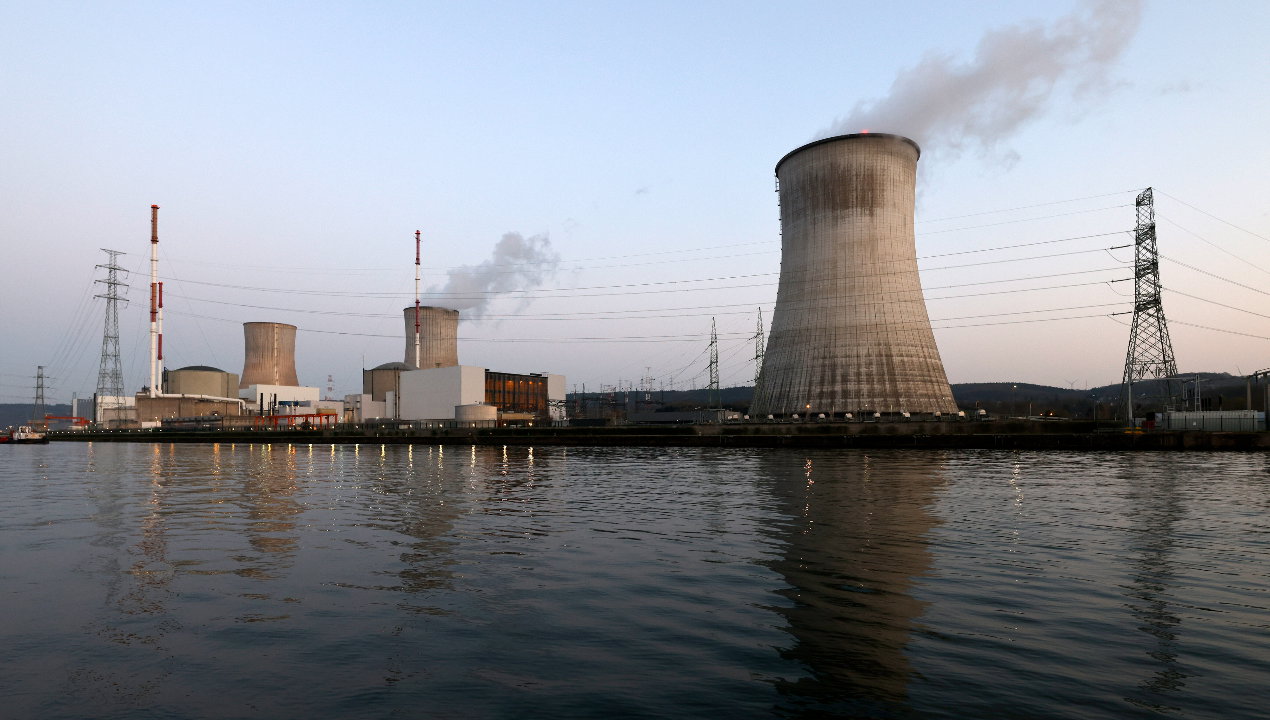
The financial requirements for extending the operational life of the Tihange 3 and Doel 4 nuclear power plants have risen significantly. According to recent estimates by Engie, total expenditure is now expected to reach 2.4 billion euros, higher than the original estimate of 1.6 to 2 billion euros set out in the 2023 agreement between the French energy company and the De Croo government. Although modernisation works are currently under way and are scheduled to continue until 2028, the precise final cost remains uncertain. This is reported by De Tijd.
Costs increased
A budget submitted last October by Electrabel, Engie’s Belgian subsidiary, shows that costs for Be-Nuc – a joint venture between Electrabel and the Belgian state – have risen to 2.14 billion euros. This amount includes one-off maintenance, essential investments and preparatory studies.
Since Be-Nuc holds a 90 per cent stake in the reactors, while the remaining 10 per cent is owned by Luminus (EDF), the total investment by all stakeholders is estimated at 2.4 billion euros.
Financial incentives
These high cost estimates have sparked debate because of the financial structure of the agreement. Electrabel is entitled to a guaranteed return of 7 per cent on its investment, prompting concerns that the company could be incentivised to drive up project costs.
On the basis of these projections, Electrabel would be assured of an electricity price of 88.92 euros per megawatt hour, with the government covering any shortfalls if market prices fall, or Be-Nuc reimbursing any surpluses if prices rise.
Government resistance
The Belgian government has, however, pushed back against these figures. Acting on the advice of energy regulator CREG, Energy Minister Mathieu Bihet rejected Electrabel’s budget in December. Consequently, a provisional price guarantee of 90.13 euros per megawatt hour has been introduced, with final adjustments to be applied retroactively once a formal agreement is reached.
A solution is not expected in the short term, as the De Wever government began negotiations in April to acquire all Belgian nuclear assets from Engie, including the five reactors that are no longer operational. As a result, Minister Bihet’s office has suspended discussions on the investment budget and price guarantees until a comprehensive nuclear agreement has been concluded. (fc)
Follow Business AM on Google News as well
If you want access to all articles, take advantage of our temporary promotion and subscribe here!
© The Content Exchange, source News